Classroom Jobs

Jobs at school can help students build a sense of excitement, community, and interdependence. Tasks such as putting up the flag, cleaning the tables after lunch, or being the class helper give students the opportunity to exercise and practice decision-making and reasoning. They also give students a chance to be responsible in a meaningful way: the children know that completing their jobs helps their school, classmates, and/or teachers.

Upon returning to school in January, the Hoot Owl teachers noticed how much the students had matured since the beginning of the year and decided they were ready to take on more responsibility in the classroom. As part of a new project unit on cleaning, the class brainstormed ways to help keep their classroom clean. From that list came new classroom jobs that the students will take turns doing each week for the remainder of the year.

To kick off their jobs work, the class worked on a big cleaning task together – cleaning all the chairs in their classroom. Using buckets of soapy water and sponges, the students scrubbed down their chairs. They noticed that the water in the buckets didn’t look so clean when they were done, so we know the Hoot Owls did a great job of cleaning the chairs! After the chairs were scrubbed, they were rinsed off using the hose, and then students dried them. Some of the Hoot Owls took such pride in their work that they wanted to make sure the chair legs were shining!

Head’s Corner: Power of Agency

Agency- Latin agentia “ability,” and ag(ere) “to do, drive”

Over the Winter Break, I received several emails from parents sharing with me a New York Times opinion piece they felt described Saklan perfectly. The article “Giving Kids Some Autonomy Has Surprising Results” should not be a surprise to anyone familiar with our work at Saklan.

“Agency” is a core value at Saklan. Students having “voice and choice” in their learning is a central tenet of Project Based Learning and our approach to SEL. Student agency honors students’ experiences and curiosities while giving them a locus of control over their lives. In short, it creates “buy-in” to learning. 

According to surveys by the Brooking Institution, very few students feel they have control over what they are learning. “The more time they spend in school, the less they feel like the author of their own lives, so why even try.”

In a majority of classrooms today, teachers introduce a topic and share with students what they will be learning. They have their standards to check off and material to cover. Just looking at those two sentences feels dispiriting.

Why not introduce a topic, ask students what they know about the topic (they know so much more than we often realize), and ask them what they want to investigate next? There are subtle differences between these two approaches, but student engagement is markedly different in the one that gives agency.
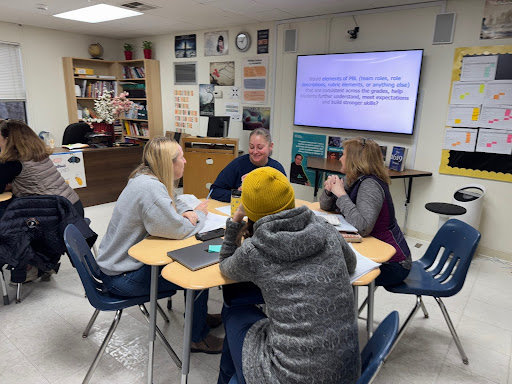
Giving agency raises academic standards by requiring students to invest in their own learning, reflect on their progress, and course-correct. If that sounds familiar, it is what we do as adults in our working lives. 

Agency creates a love of learning and a love in learning- and as if that is not enough to convince society that this is the right approach to education then a look at our standardized testing data should convince the doubters. 

Project Culminations at Saklan

A key element of Saklan Project Based Learning units is a public product. This looks different depending on the division and, hopefully, over the last month, you have had the opportunity to share in a culminating event on campus! 

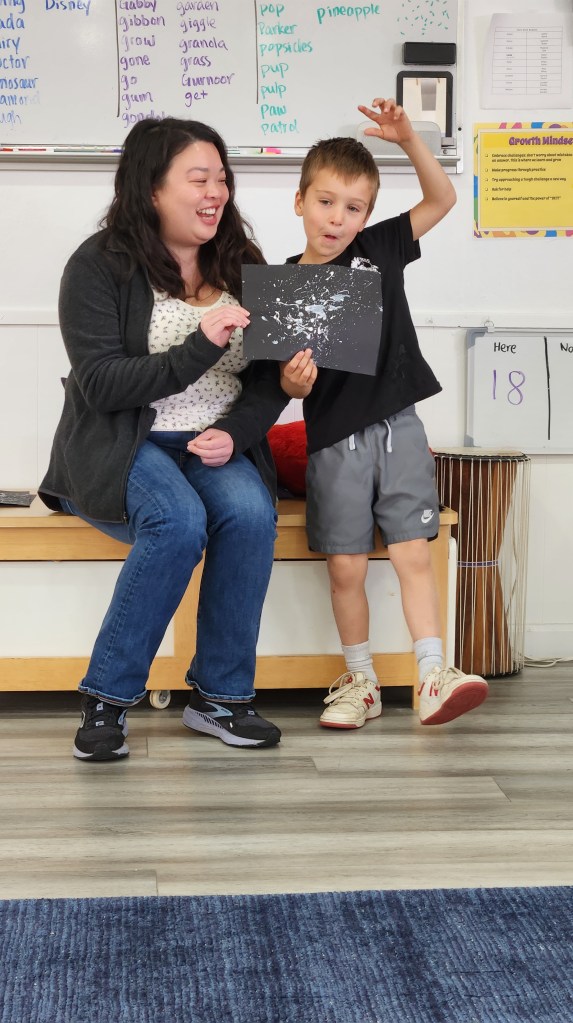
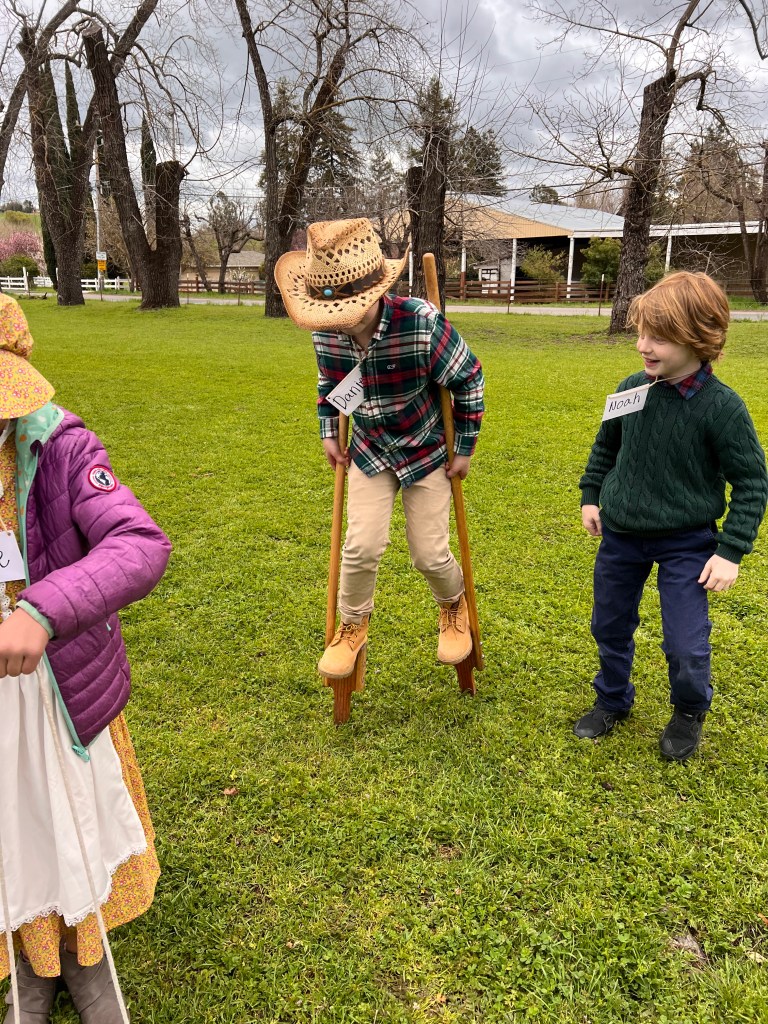
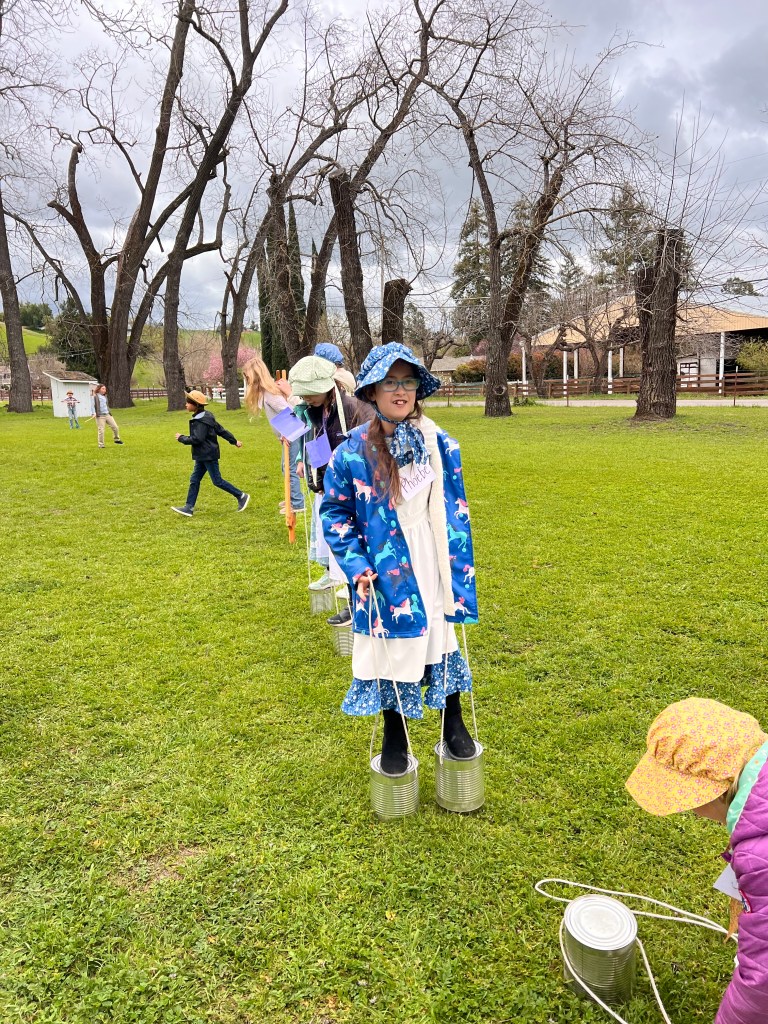
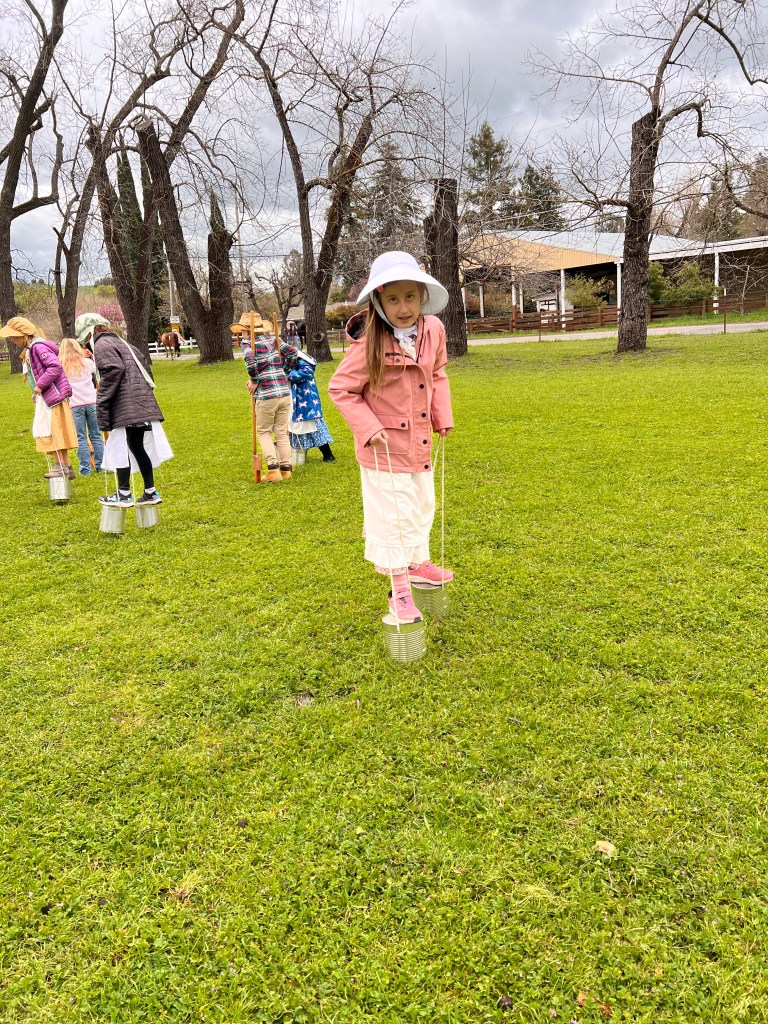
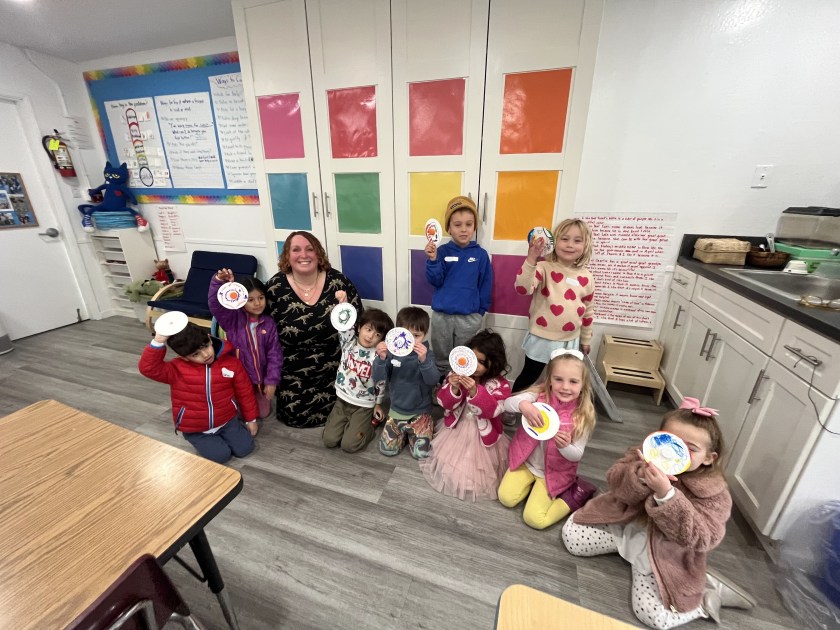
In our Early Childhood Education program, our projects culminate with a public event where students share all the expertise they have gained over the course of the project. It’s a joyful time to celebrate their hard work with family, friends, and other students and staff. It is also a rich opportunity for them to be the experts in the room and develop their speaking and listening skills. Recently our Pre-K (Hoot Owl) class culminated their project unit on farmers’ markets. 

In our lower and middle school projects, products are created for an audience beyond the teacher and students in the classroom. One key aspect of a public product in these divisions is that it must raise the stakes of the work in a meaningful and authentic way. Students aren’t doing something just for the sake of doing it or solely regurgitating information learned from teacher-directed lessons.

Instead, the work students engage in mirrors what adults do in their various career pursuits. After student-led inquiry and teacher guidance to address the content standards, students make or do something that serves some purpose in the Saklan or broader community. Students are creating, educating, or advocating beyond the context of our classrooms. Some examples of recent products that answer the driving question and serve an authentic public purpose are below:

GradeDriving QuestionPublic Product
2ndCan animals survive in any habitat?Lunch table mini posters advocating for food swaps that help avoid palm oil. 
2ndHow can we use color to communicate feelings?Design and creation of the concert backdrop for our Spring Concert at the Lesher Center
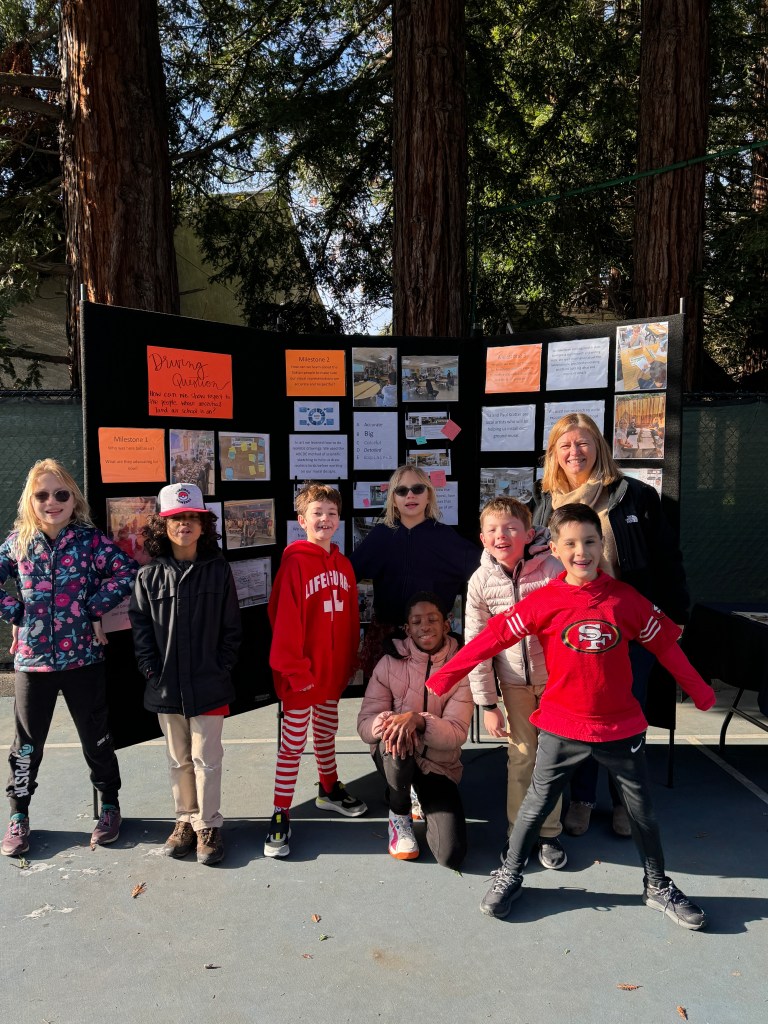
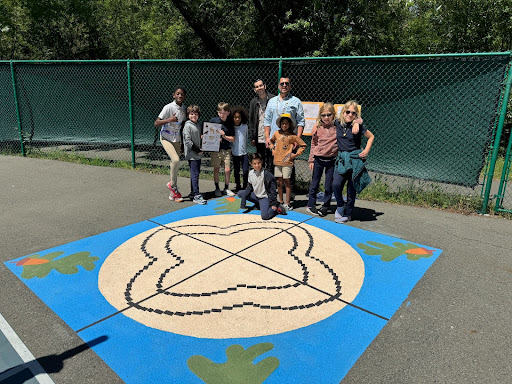
3rdHow can we show respect to the people whose ancestral land our school is on?Research, design, and creation of the hopscotch and four square murals on the sports court to reflect the Saklan Bay Miwok culture.
6thWho do artifacts really belong to?Public art graffiti stencils to share options on repatriation of artifacts with the community. 

The final products differ but all include authentic sharing and action beyond our classrooms. At Saklan, students feel a sense of purpose that is hard to replicate in other styles of teaching and learning. This brings the work alive and prepares them for the critical thinking challenges, complex communication needs, and creative problem-solving they will encounter in high school, college, and beyond.

If you’d like to dive deeper into the various design elements of a Project Based Learning (PBL) unit, check out the recording of our October 22nd Saklan Projects! virtual event. And we hope you can join us at our culminating events next week.

Upcoming Project Culminations

  • Preschool (Owlets)- Nocturnal Animals Culmination Celebration at 8:35 a.m. on December 12th
  • Kindergarten- Names Unit Culmination at 8:45 a.m. on Thursday, December 12th

#SaklanProjects

Name Stories

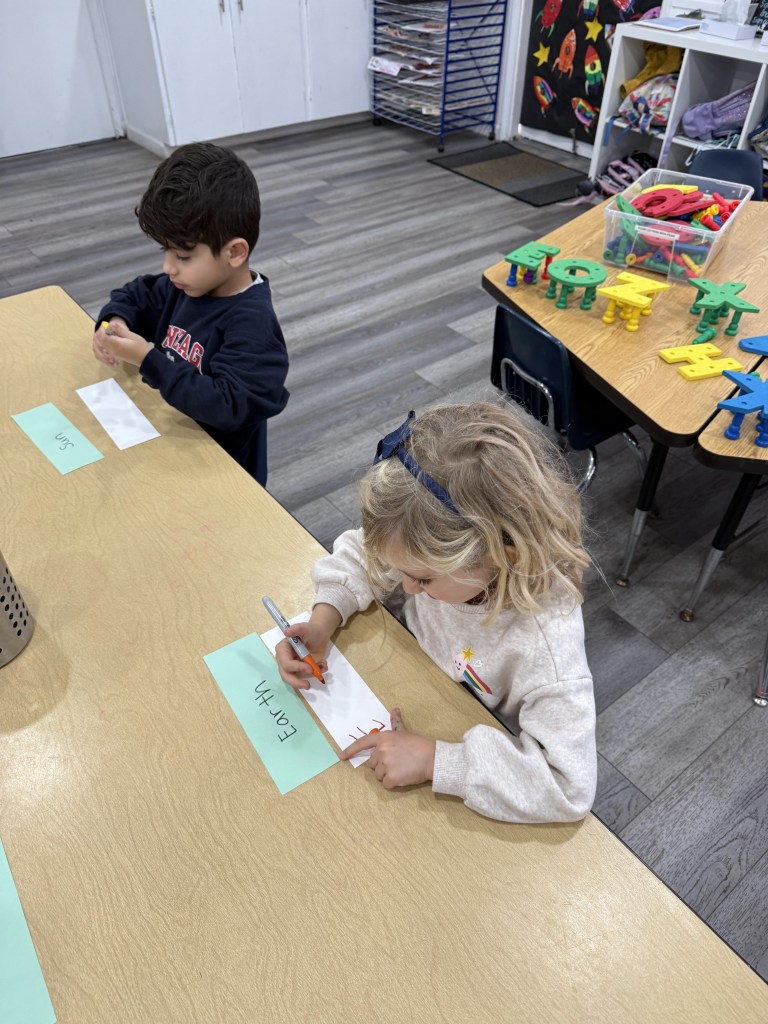
In their Names Project, kindergartners have been sharing and learning about each other’s names to build community and deepen friendships. The students have learned and shared the letters in their names, compared the number of letters, and found similarities and differences with friends’ names. The class has read a variety of mentor texts that highlight the unique characteristics of characters’ names. The kindergartners learned about interviewing and listening to plan for and interview their parents about their name stories. The class will bring all this together in a book about their name stories.

To prepare to write their own book, Saklan Kindergarteners were delighted to host guest expert and children’s book author Matt Hintze on Wednesday, November 13th. Matt read his newest book, Santa Stole My Cookies, to the class. They loved it! 

After the reading came the most important part of the expert visit: the class interviewed Matt about writing and publishing books. The kindergartners planned for the visit the day before by coming up with questions they wanted to know about making books, which might be useful when creating their name books.

Matt was so impressed by the students’ smart, thoughtful questions, and the kindergartners were very happy with the helpful information Matt provided.

The kindergartners will share their name books and other aspects of their learning during their Names Project Culmination on Thursday, December 12th at 8:45 a.m. They would love for you to attend their culmination!

#SaklanProjectWork

Head’s Corner: We Are “Really Doing It”

Last year, a Saklan Trustee and I had the privilege of attending the California Association of Independent Schools (CAIS) Heads and Trustees Conference. This annual gathering brings together nearly 500 school leaders and trustees, all focused on learning, sharing ideas, and discussing the future of independent schools.

During one of the many breakout sessions, we found ourselves mingling with trustees and heads from other independent schools, exchanging experiences and posing questions to each other. Among all the conversations that day, one in particular stood out. As we discussed various educational models, the topic of Project Based Learning (PBL) came up. A fellow school leader, well-acquainted with the educational landscape of the Bay Area, turned to the group and said: “There are lots of schools in the Bay Area claiming to be PBL schools, but Saklan is the only one really doing it.”

This simple statement was a powerful reminder of how far we’ve come. When we embarked on this journey to make PBL a cornerstone of Saklan’s approach, our goal wasn’t just to enhance academic rigor and engagement. We aimed to redefine what rigor and high engagement should look like in a modern school setting.

This week, we took another step in that journey by officially launching a video that showcases the incredible work we’ve been doing at Saklan. This is more than just a celebration of our accomplishments; it’s an invitation for others to see how we’re shaping the future of education—where students are deeply engaged, challenged, and, most importantly, truly prepared for the world ahead.

At Saklan, we’re not just talking about Project Based Learning. We’re living it. And we’re proud to say—we’re really doing it.

Warmly, 

David

#HeadsCorner

Self-Regulating Kindergarteners

Kindergarten has been learning about self-regulation. While self-regulation is something that everyone is always working on and practicing, it helps to make our strategies and tools for self-regulation visible for others to better understand.

First, it’s important to make sure we all know what calm feels like so that in moments of upset or silliness, we can get ourselves back to calm. The class read a story about a very moody cow and compared how it feels in their bodies when they are mad versus when they are calm. Next, they read a story about a boy who had a horrible day and discussed things he could have done to feel better throughout the day. Then Riva introduced the “break chair” to the class, which is a tool that students can use to calm down after upset, overstimulation, anger, distraction, etc. She modeled how to use it, and then the class shared what they noticed. A student modeled for the class as well, and again the students shared what they noticed. Then came the kindergartners’ favorite part, sending Riva to take a break in the chair. But, Riva did the WRONG thing! Hilarity ensued, and even Riva couldn’t keep a straight face, as everyone was cracking up. Since introducing this self-regulation tool, Riva has been thrilled to see many students using the Break Chair throughout the day. It’s clearly a tool that works for them!

The self-regulation discussions and activities culminated in the class creating a list of “Ways to Cool Down,” which will hang in the Kindergarten classroom all year. Anytime someone needs help, they can check the list and try one of the many excellent strategies their peers came up with.

If you need help calming down, feel free to ask one of our resident self-regulation experts in the kindergarten room!

#SaklanSEL

Egypt + Humanities

Written by Guest Blogger & Saklan Project Curriculum Instructional Coach and 6th grade Humanities Teacher, Linda Lathrop

If you read the blog post from Saklan Science Specialist, Vickie Obenchain, on September 13th, or followed along with our adventures via Instagram, you know a bit about our 2 weeks exploring Egypt with the help of an excellent Egyptologist. The goal of our trip was to soak in as much information as possible and bring our experiences back to enrich classroom curriculum. 

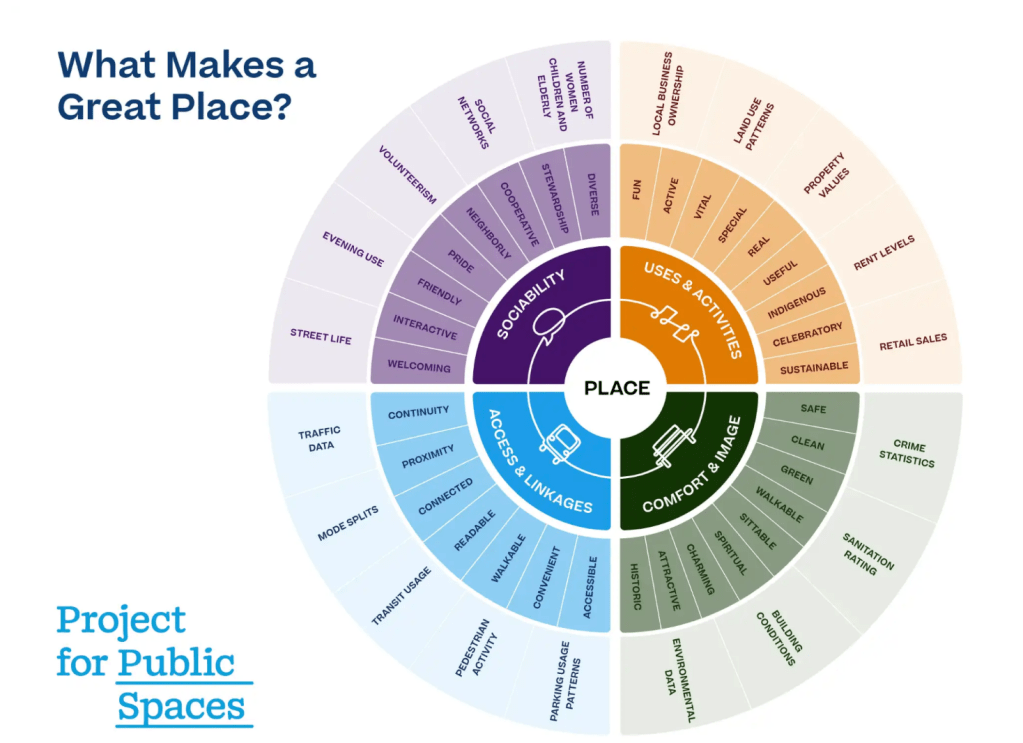
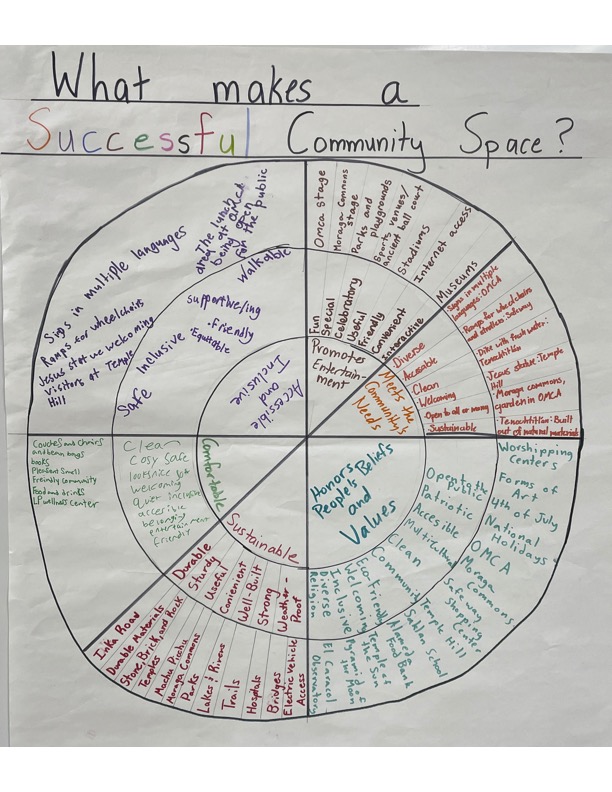
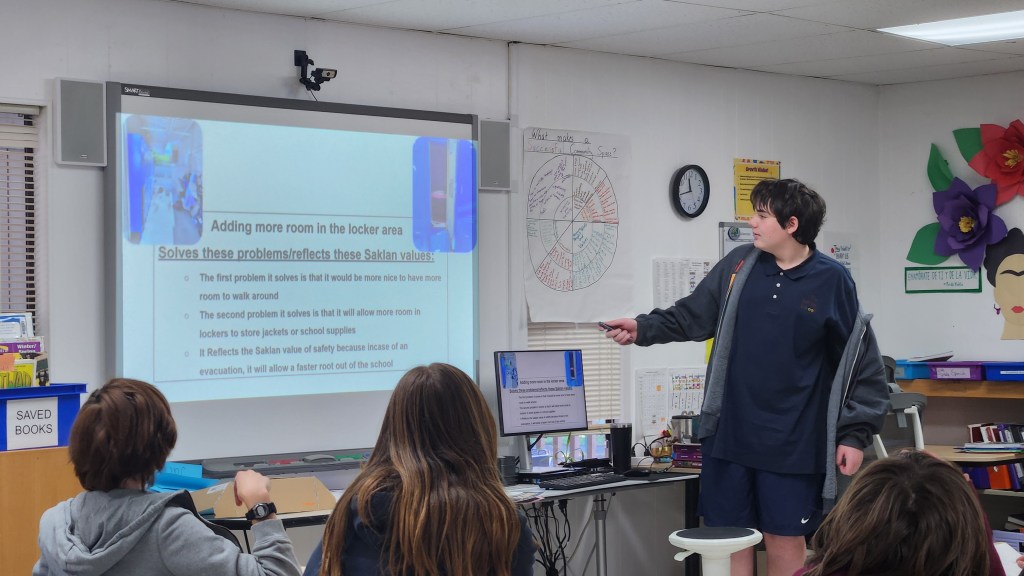
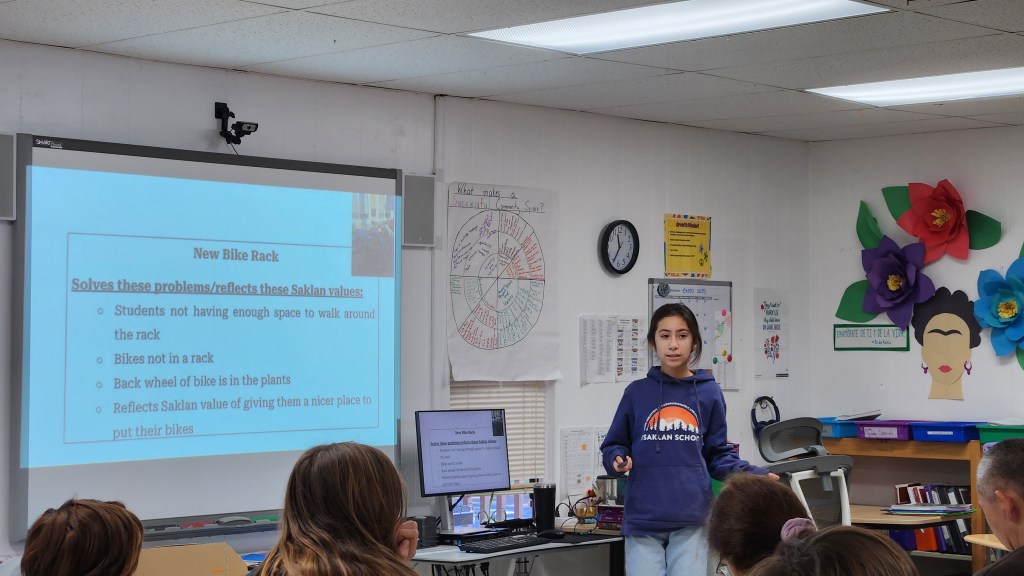
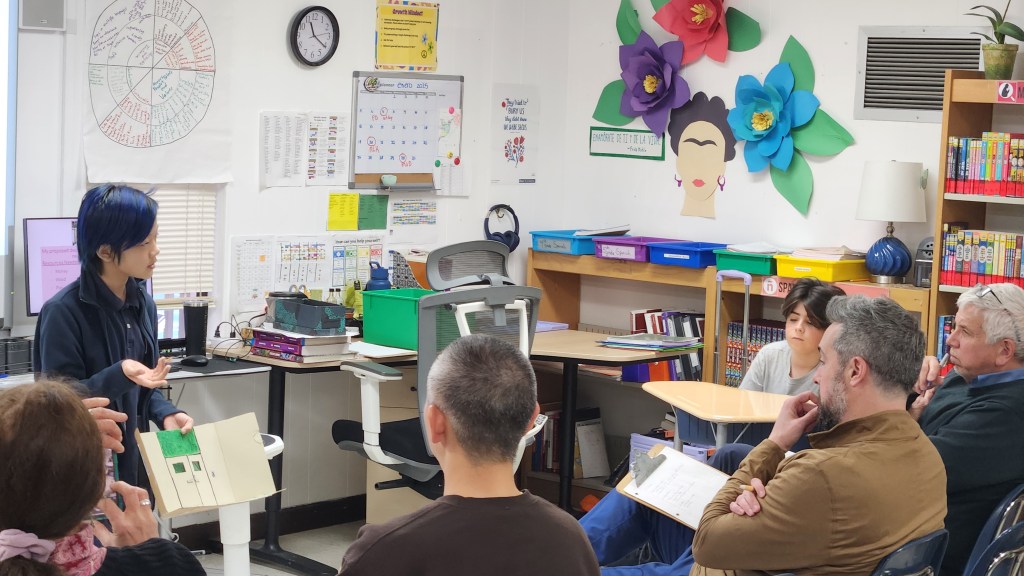
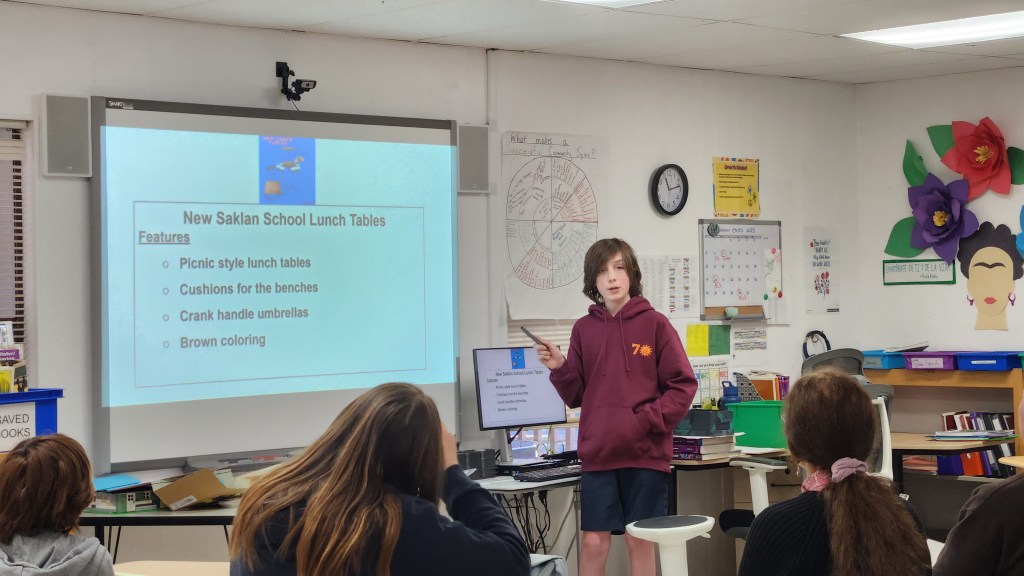
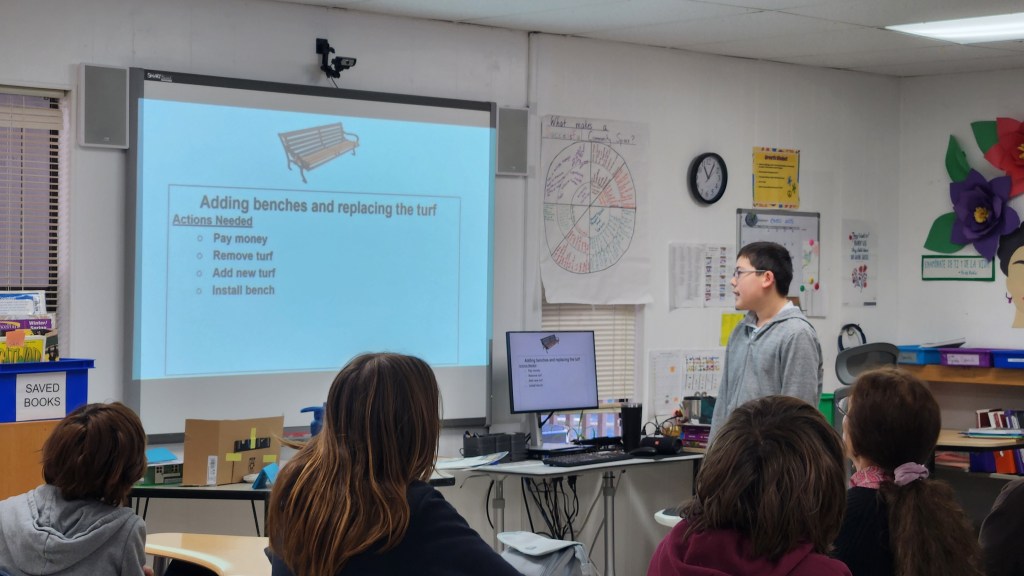
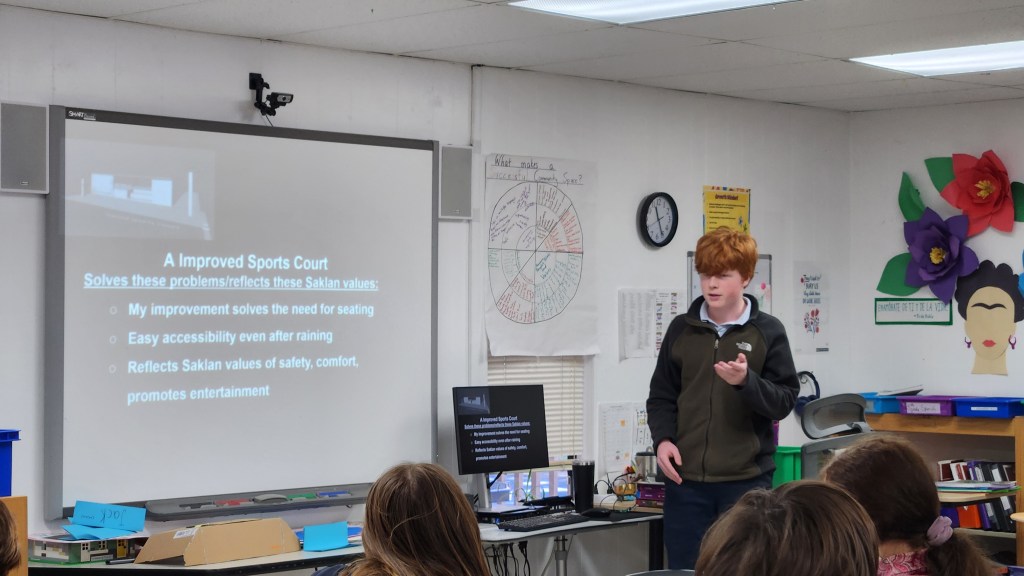
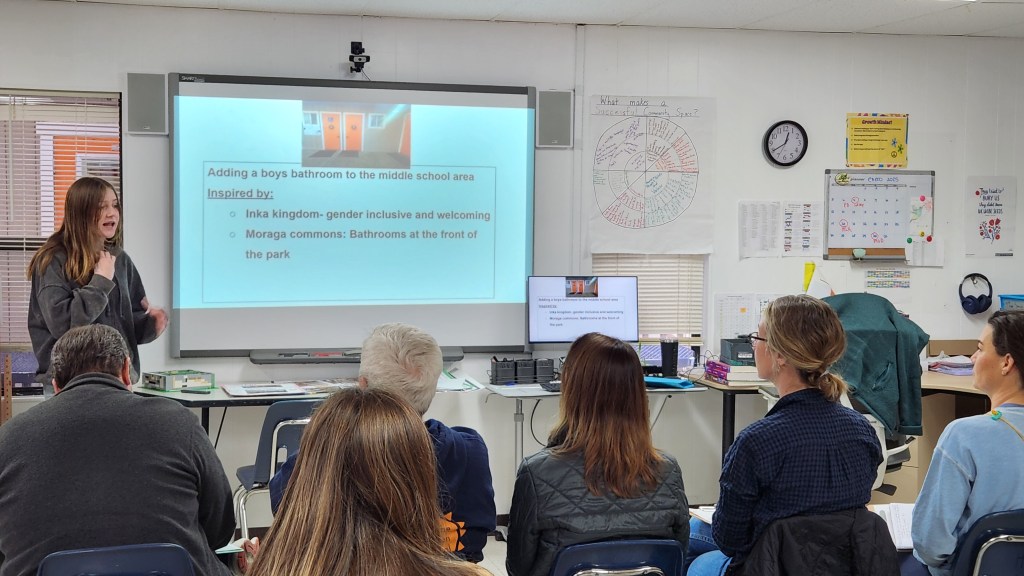
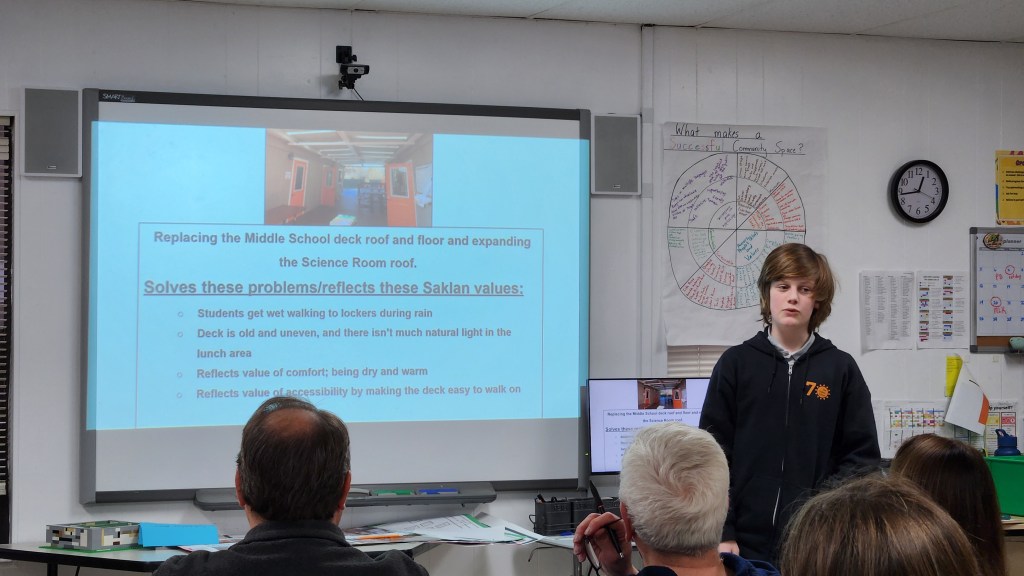
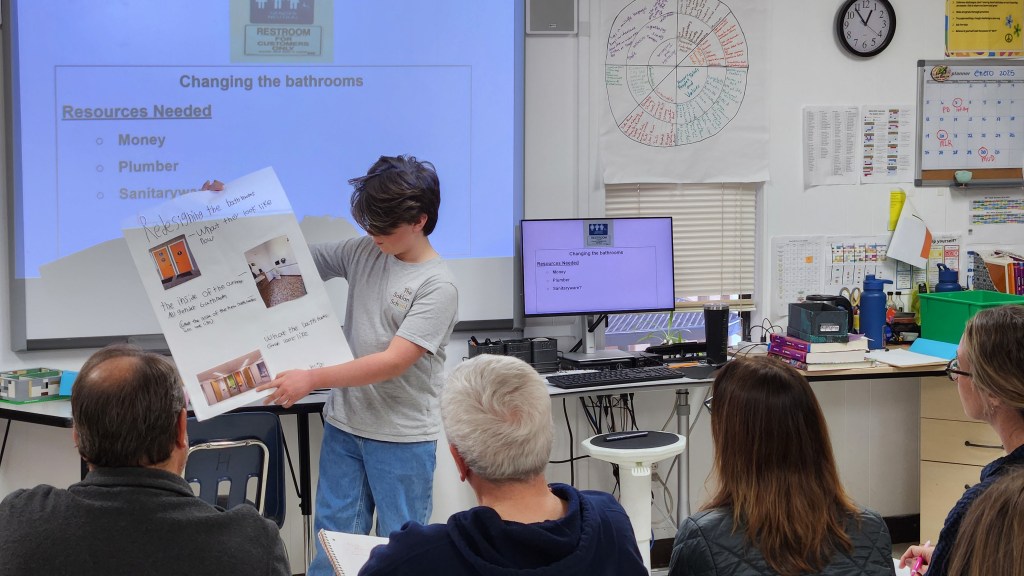
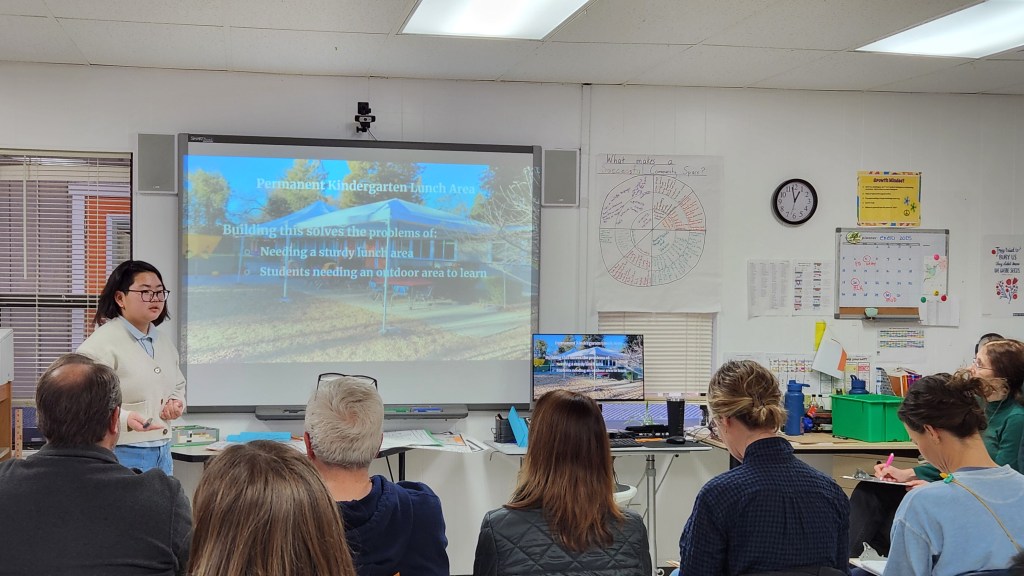
Back at Saklan it was a pleasure watching the 8th graders apply knowledge from our hot air balloon trip over Luxor to their hot air balloon experiments in science. I know Vickie is looking forward to sharing all about camel adaptations with the 2nd graders during their animal adaptations PBL unit, and I even recently shared with 7th grade a presentation on the Library of Alexandria as part of their Community Spaces PBL unit too!

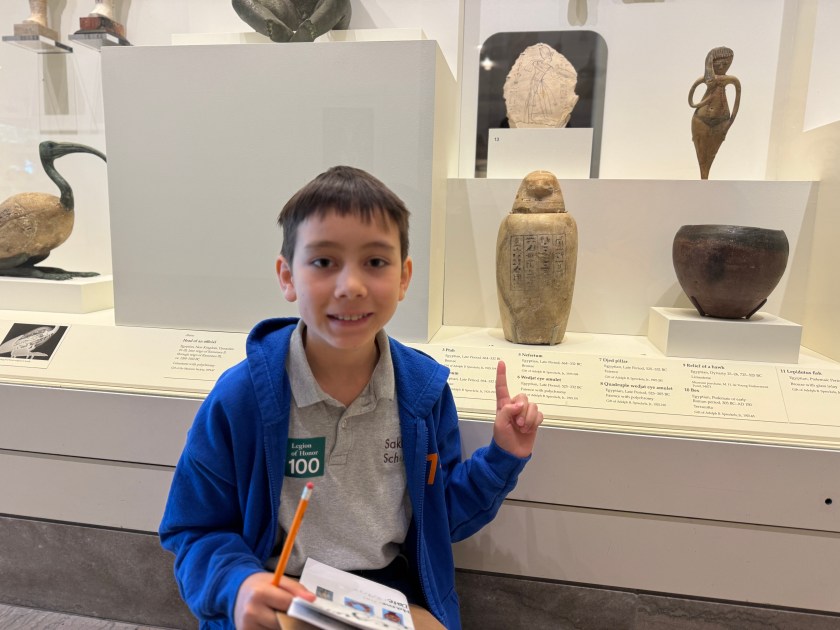
However, I can’t help but be most excited about how our trip informs the 6th grade humanities PBL unit: Artifact or Art Opinion. 

In this unit we explore the driving question, “Who does art really belong to?” To kick off our unit we imagine ourselves at the Met Gala of 2018. Believe it or not, a viral photo from that event helped uncover that the Met paid nearly $4 million dollars for a looted Egyptian artifact- the golden coffin of a high priest named Nedjemankh. 

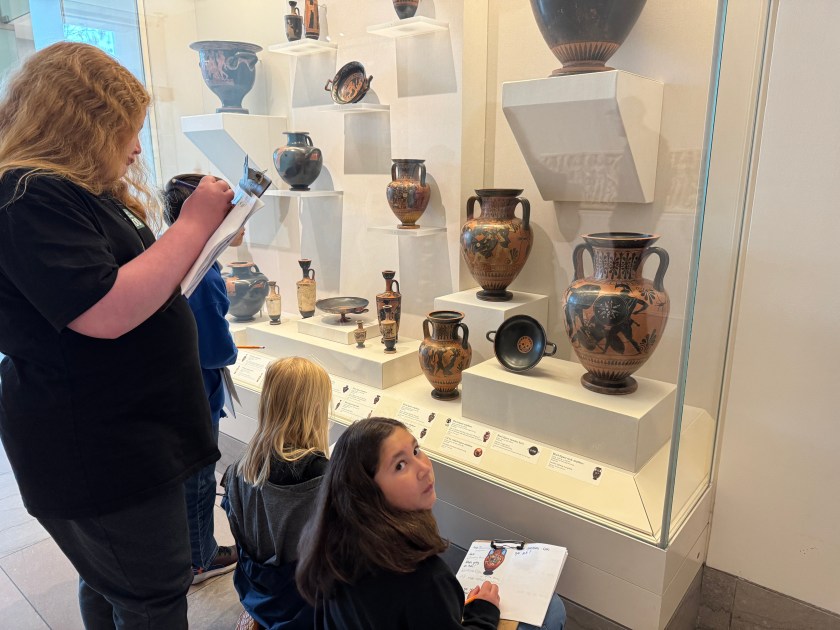
In sixth grade over the next 7 weeks we will dive into researching specific Egyptian artifacts held outside of Egypt, explore the arguments for and against repatriation of artifacts, and learn directly from archaeologists and museum experts. In the end students will have developed arguments for how they believe the driving question is best answered- stay tuned! 

Thanks to our incredible summer experience in Egypt, this year students will get to expand upon the resources I have used in previous iterations of this PBL unit. I’ll be able to share my photos of ancient temples and tombs that speak directly to their classroom research, as well as video clips with mini lectures from our Egyptologist, to enrich the PBL experience. 

One additional highlight of the trip was visiting an after school program called the Funtasia Project in Luxor. A handful of these programs exist around the world and are designed to engage students in project work after school. This particular site in Luxor also collaborates with local schools and teachers to extend project learning into the academic day. We met with the leaders of the organization, as well as some students who took us on a bike tour through the neighborhood and later shared about the impact the program has had on their lives and educational experience. It was fascinating to learn that across an ocean and thousands of miles, there are students working to build their collaboration, communication, and complex thinking skills through project work, just like we are doing here at Saklan. 

It is hard to put into words all the ways witnessing these incredible historic sites has impacted what we can bring back to Saklan students. I remain humbled by the opportunity to attend this professional development trip and look forward to continued opportunities to weave our learning into Saklan units. 

Saklan Projects!

To learn more about project work at Saklan please join us for Saklan Projects! on Tuesday, October 22 at 6:00 p.m. This virtual presentation is for current and prospective families! During the event you will hear more about how teachers design projects to address learning goals and maintain academic rigor while providing immersive, joyful learning experiences for your children. RSVP today to receive the event link!

#SaklanPBL