Authenticity and Student Inquiry

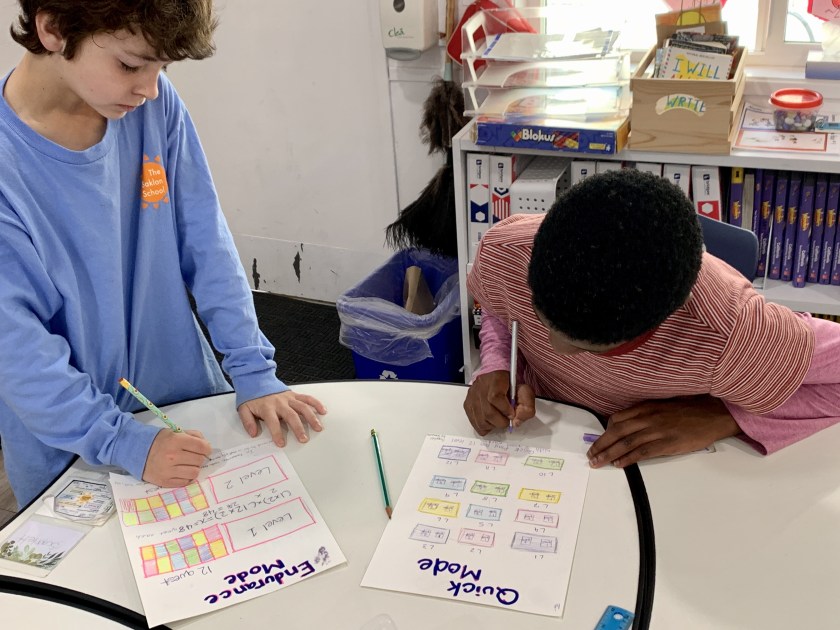
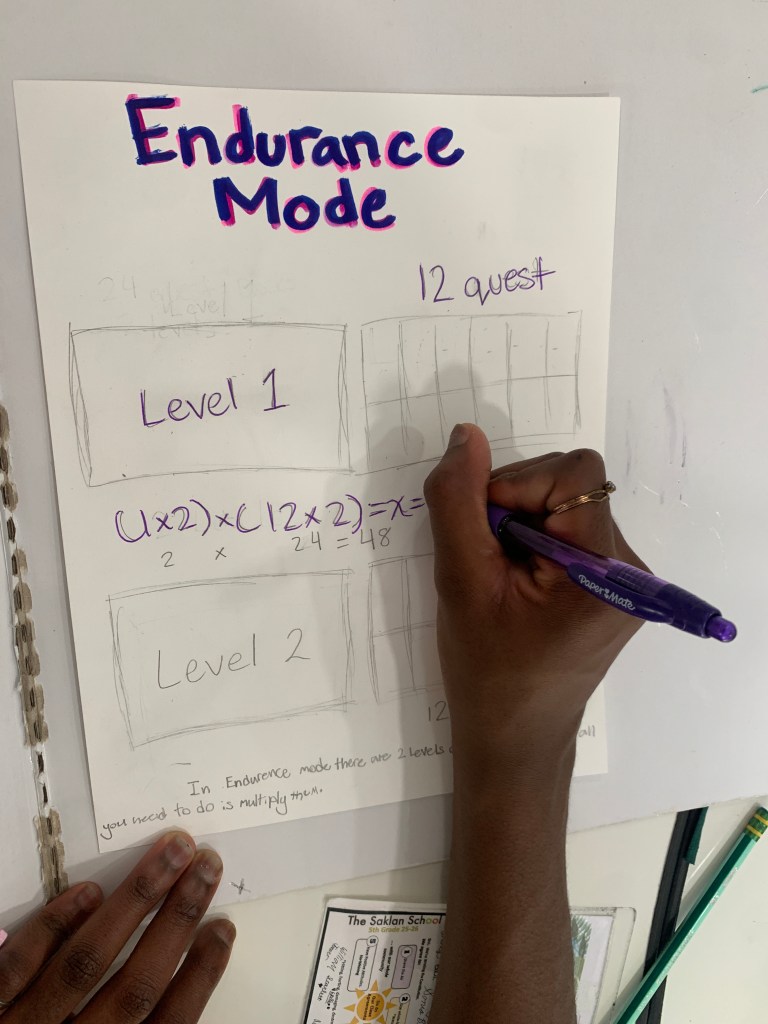
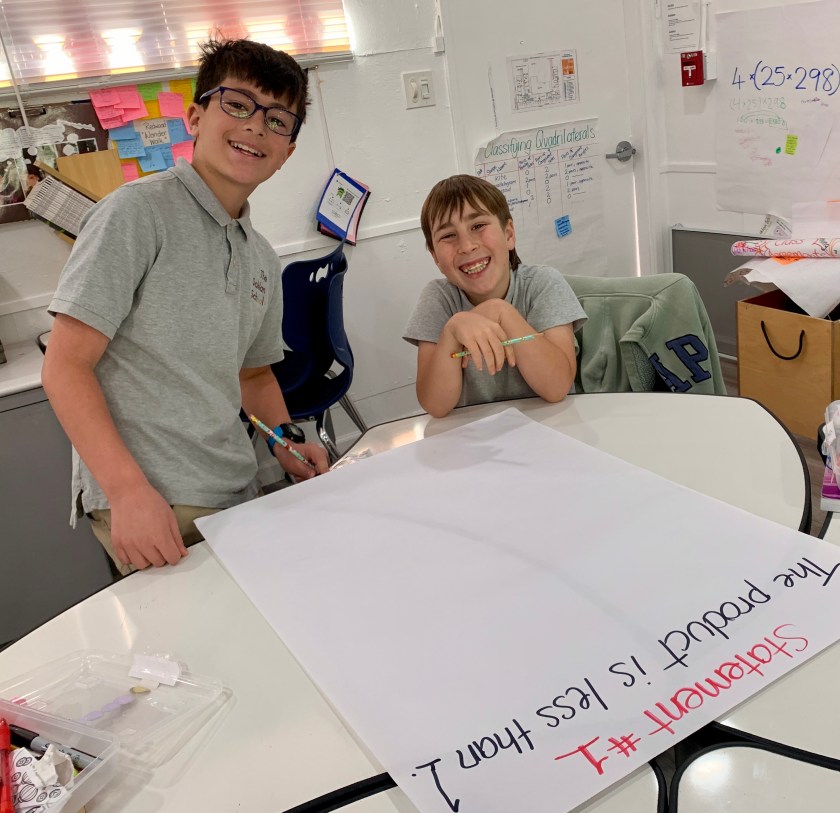
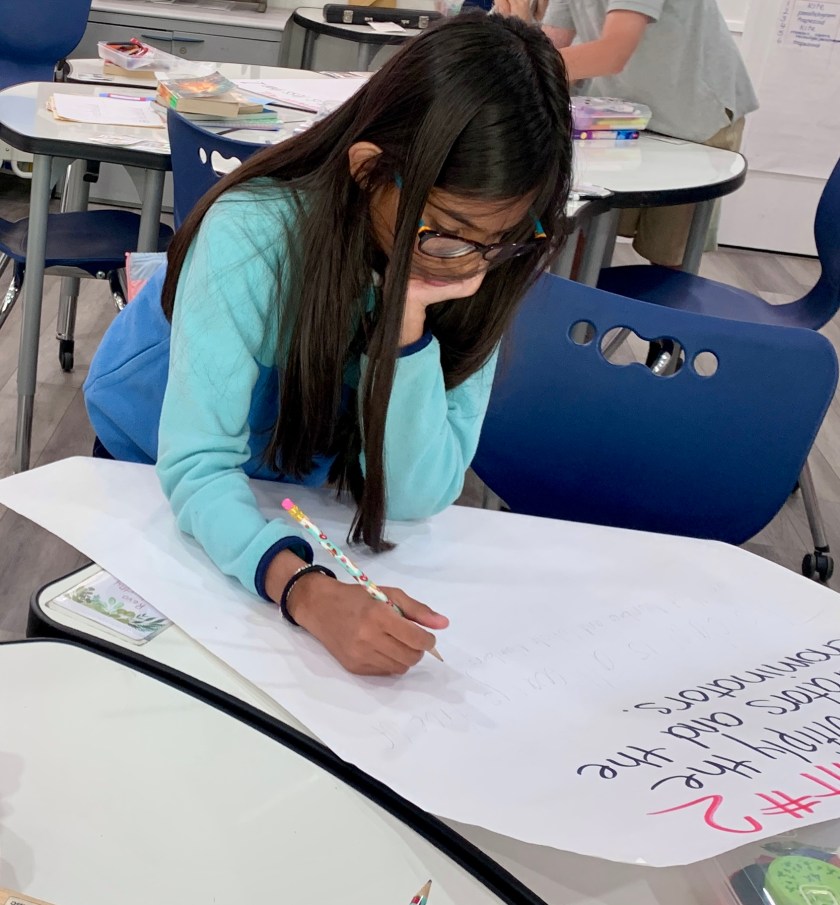
Doing a project is not the same as Project Based Learning. The differences may seem minor at first glance, but the impact on student learning and engagement is tremendous. Two vital components that differentiate “doing a project” from Project Based Learning are authenticity and student-driven inquiry. 

High-level Project Based Learning has an authentic context. It involves tasks, questions, or ideas that connect to the world outside of the school walls: students’ personal experiences, concerns, interests, or identity. Student-driven inquiry means students are engaged in an iterative process of asking questions, gathering and interpreting data, and developing solutions or deeper questions to investigate. 

Two fantastic examples of these elements in high-level Project Based Learning at Saklan are the Kindergarten Names unit and the Owlet Leaf unit. 

Our Kindergarten names unit brings students’ family stories and cultures to the forefront of learning. The students investigate how to become better friends by learning about each other’s names. Closer bonds and deeper friendships are developed by bringing students’ rich family lives and stories into the classroom. They interview their families and each other about their names, learn to read and write each other’s names, explore ways to represent the meaning of their names together, and study how people share their names through picture books.

Our youngest learners, the Owlets, have been engaging in a deep exploration of leaves. For our ECE students, part of an authentic unit means pursuing a topic that they experience in their daily lives. During this time of year, when the trees are changing colors and leaves are falling to the ground all around us, student questions about leaves are abundant. They first began their study by sharing their own knowledge about leaves before generating questions. Next, the class engaged in experiences that helped them answer their questions, and then made physical representations of their growing knowledge of leaves. 

For both of these units, students engaged in multiple rounds of inquiry and had the rich opportunity to explore a topic with personal meaning while also tackling academic, social, and emotional learning goals. You are invited to join us on December 11th at 8:40 a.m. to celebrate the culmination of both of these project units. We hope you join us! 

#SaklanProjectBasedLearning

Spotlight on Riva: Guiding Kindergartners With Joy & Purpose

If you’ve ever stepped into Saklan’s Kindergarten classroom, you’ve likely felt it: the spark, the laughter, the hum of curiosity and care. It’s a space where little moments become big milestones, and where joy seems to live in every corner. That joy is no accident. It’s fueled, every day, by a teacher who brings heart, intention, and deep respect for childhood into everything she does.

Recently, we sat down with Riva, Saklan’s Kindergarten teacher, to learn more about what inspires her, what she loves most about working with our youngest learners, and why Saklan’s approach to Project Based Learning feels so special.

You bring so much joy to the Saklan campus- what fuels your joy and excitement the most when it comes to your teaching day? 

“My joy comes from the relationships I get to build with my students and their families. Kindergarteners arrive each morning with such openness and enthusiasm, and I love being part of a community that celebrates their strengths, quirks, and emerging identities. Saklan is a place where students are truly known, and getting to guide them through their first steps in school — emotionally, socially, and academically — is a privilege that motivates me every day.”

What do you love the most about working with Kindergarten?

“What I love most about working with kindergarteners is the unique magic of this developmental stage. Everything is new, everything is possible, and their sense of wonder is contagious. I get to watch them discover their own abilities, whether they’re decoding a word for the first time, writing a brave sentence, or learning how to take a deep breath and reset. Kindergarteners grow in such joyful, visible ways, and being part of those early milestones feels incredibly meaningful.”

She also shared a favorite program that brings this magic to life: Kinder Korner.

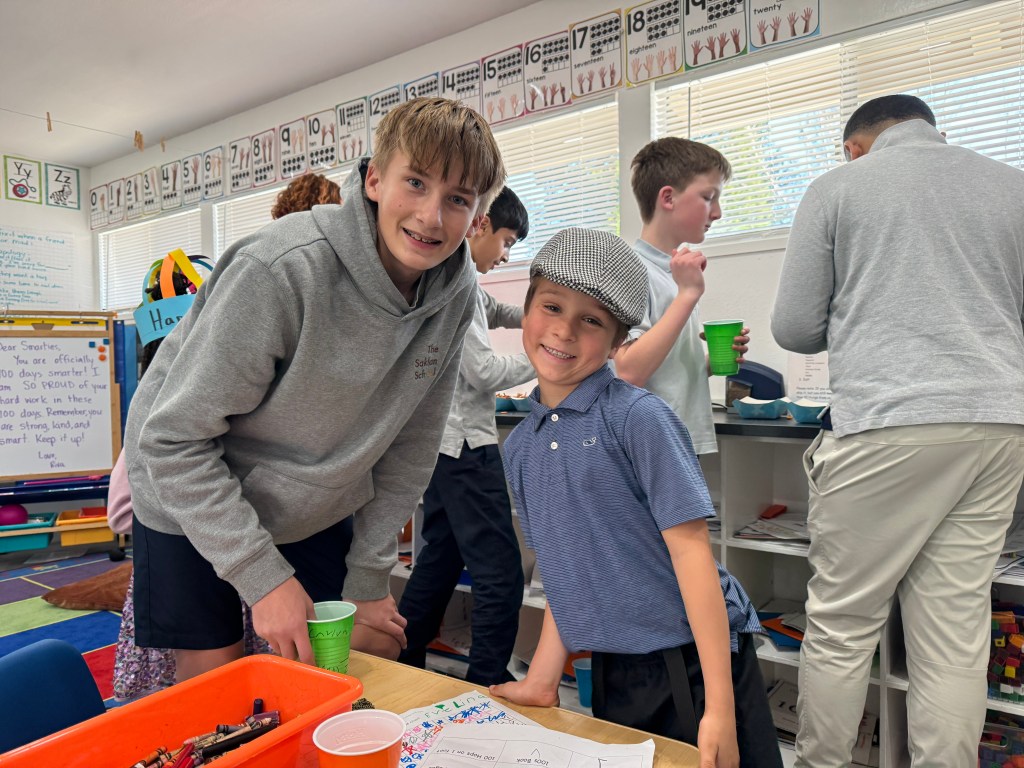
“One of my favorite parts of teaching kindergarten at Saklan is our Kinder Korner program. Our students become “big buddies” to the Hoot Owls, teaching them what life in kindergarten is like. It’s beautiful to see my students step into leadership roles with such care and pride. They show empathy, patience, and confidence as they guide their younger buddies through activities, routines, and little moments of discovery. Watching them light up when they realize they are the ‘experts’ is truly heartwarming. Those cross-grade connections deepen our community and remind me how capable and kind young children can be when given the chance to lead.”

You have had a lot of experience with projects at previous schools- what makes Saklan’s approach to PBL special?

“What I love about Saklan’s approach to Project Based Learning is the way it connects our standards to work that feels genuinely meaningful for young children. Our projects grow from what students are naturally curious about, and that makes the learning feel joyful and authentic for all of us.”

She highlighted The Names Project as a powerful example.

“The Names Project is one of my favorites for exactly that reason. Kindergarteners are already captivated by their own names, so it becomes a perfect entry point into letters, sounds, phonics, and even math as we compare and graph the number of letters in each name. But what makes this project so special to me is the sense of community it builds. As students learn to read each other’s names, discover the stories behind them, and create portraits inspired by their name meanings, they also learn about one another in a really meaningful way. The academic growth is wonderful, but the connections they build are the true heart of the project for me.”

You can see this joyful learning in action by joining the Kindergartners for their Names Project culmination on Thursday, December 11th, at 8:40 a.m.

From the joyful morning greetings to the thoughtful projects that build community and confidence, it’s clear that Kindergarten at Saklan is filled with intention, wonder, and deep care. And at the center of it all are teachers like Riva, who make learning feel magical—one moment, one question, and one joyful discovery at a time.

#SaklanStaff

Cross-Age Learning in Action

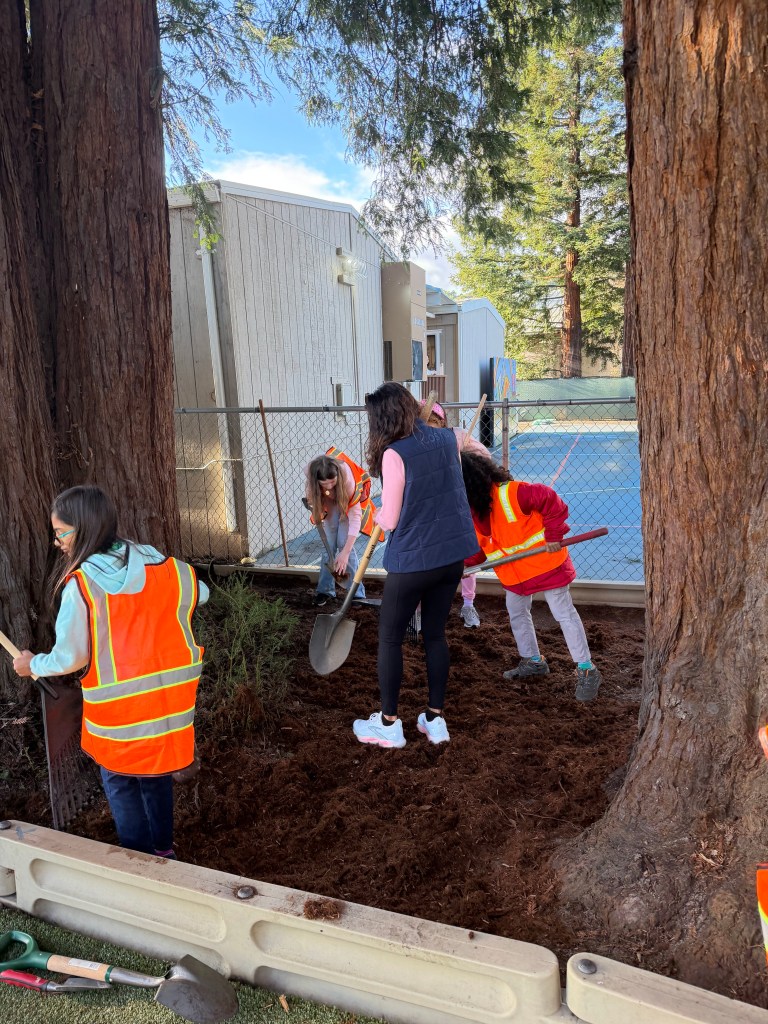
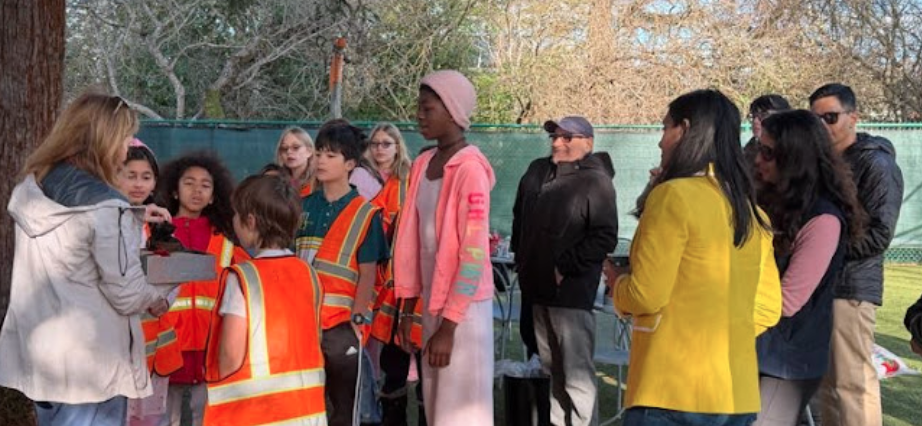
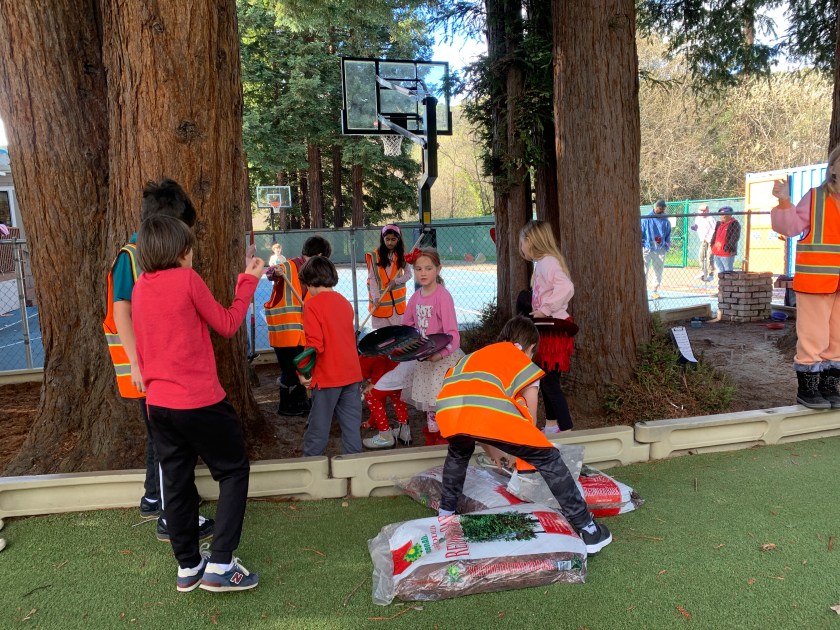
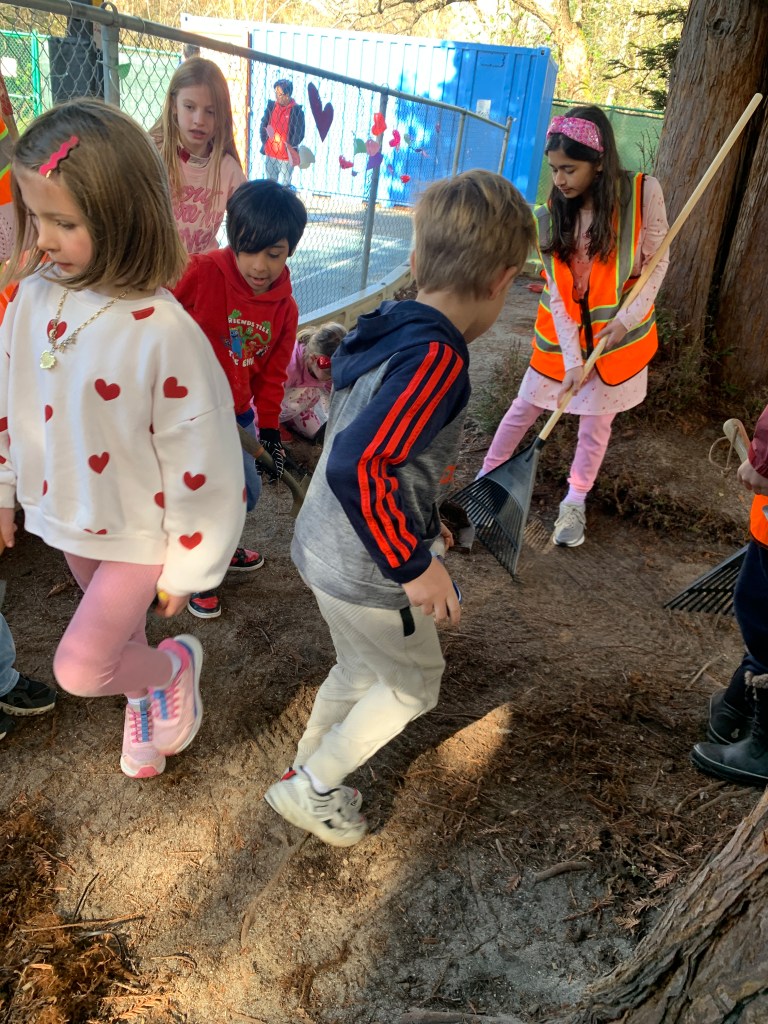
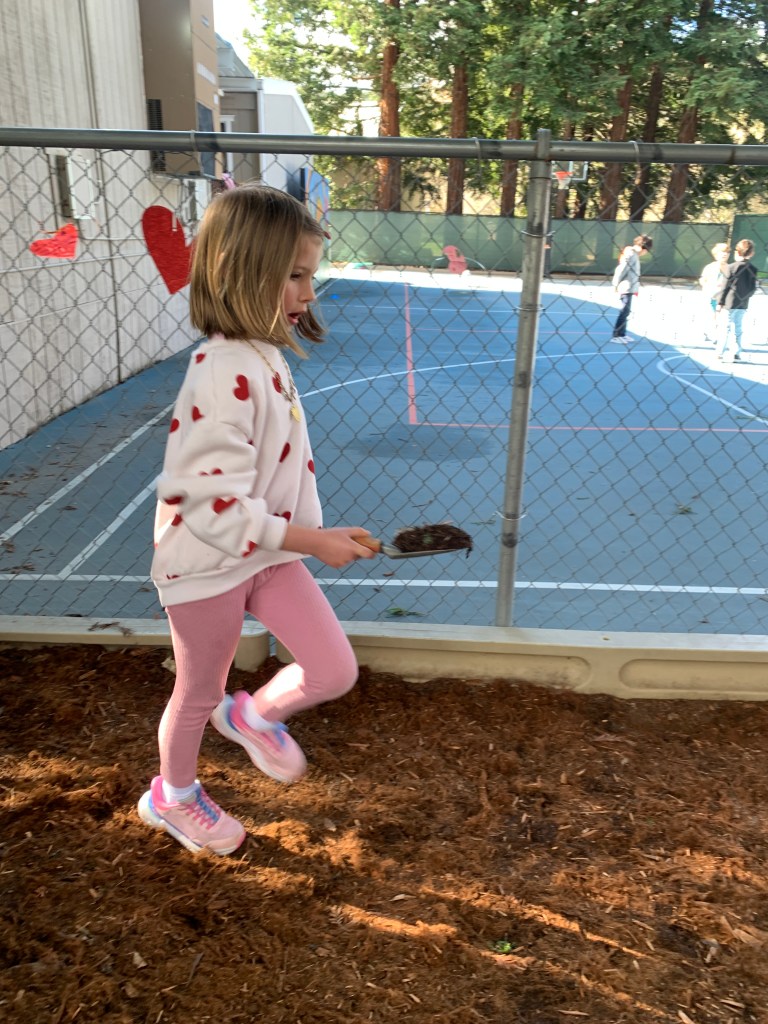
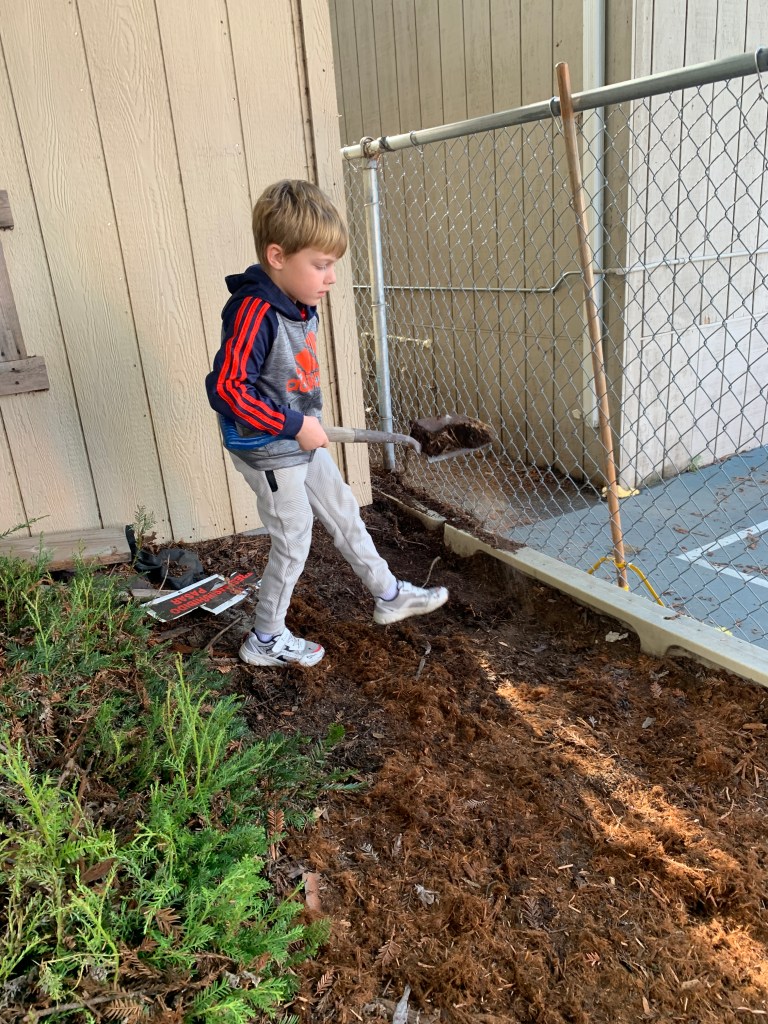
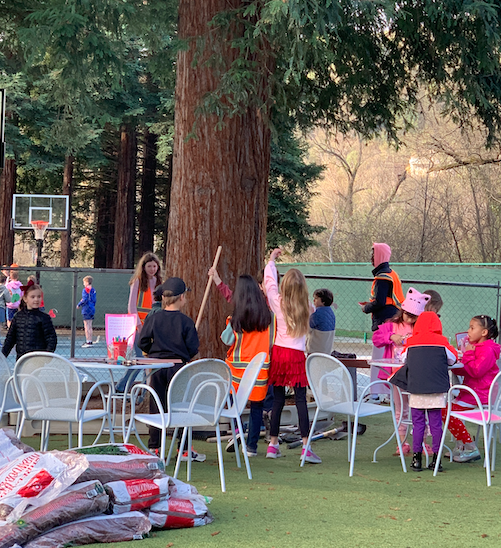
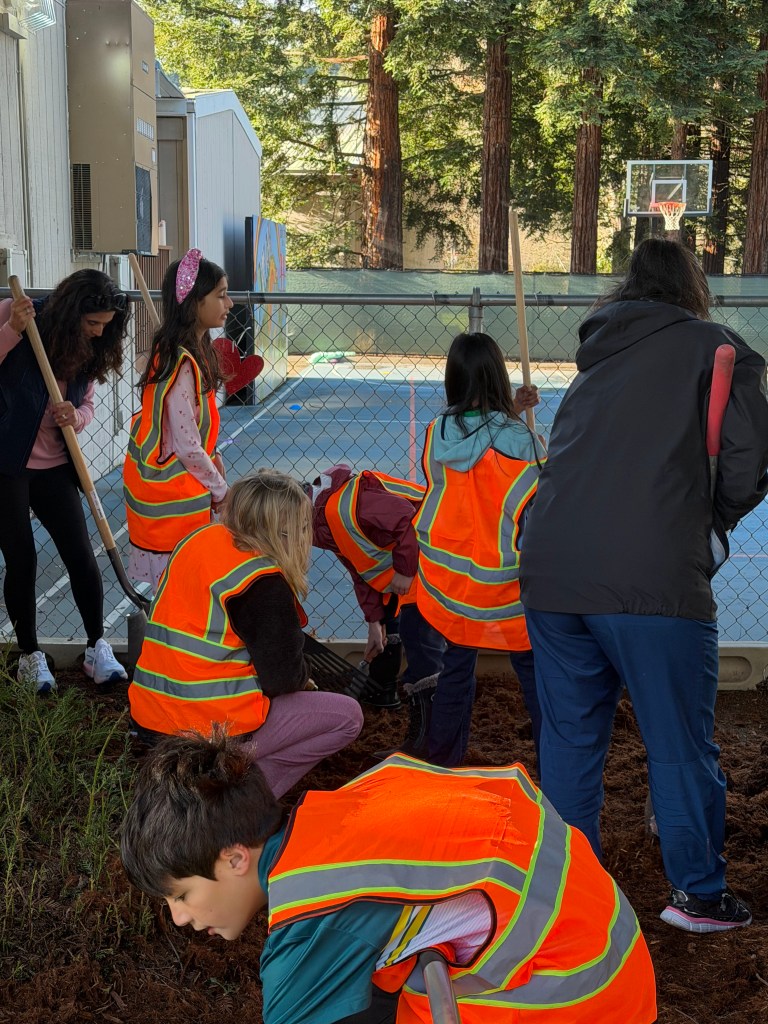
Saklan’s cross-grade learning was on full display as the Owlet buddies and fifth graders came together for a hands-on science experience rooted in their respective Project Based Learning (PBL) units. The Owlets have been exploring leaves, while the fifth graders have been studying trees—making their recent research on Redwoods the perfect launching point for peer teaching.

The fifth graders were tasked with becoming “experts” on several big questions the Owlets had been wondering about: the difference between evergreen and deciduous leaves, why leaf colors change, and how fallen plant matter breaks down and becomes soil, including the important role earthworms play in decomposition.

Students worked in teams with real focus and purpose. They were given 45 minutes to choose a topic and collaborate on a mini-presentation that was both accurate and engaging. Each group created a visual or hands-on element to support their teaching. Another 45 minutes were spent practicing, presenting to peers, and refining their work with the help of candid “Dancing with the Stars-style” feedback. The growth from practice to final presentation was remarkable.

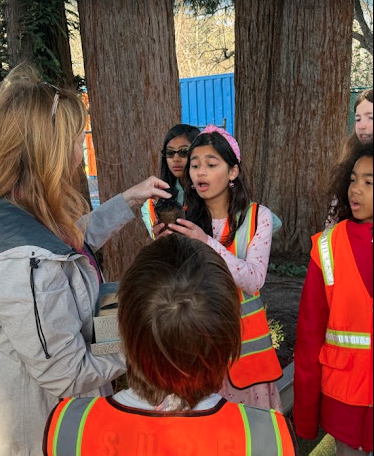
When it was time to meet with the Owlets, the fifth graders were ready. Their presentations were clear, lively, and thoughtfully geared toward 3- and 4-year-old learners. The Owlets eagerly leaned in, asking big, earnest questions such as, “Do worms have eyes?” and “Is that the head or the tail?” Fifth graders knelt beside tiny tables, held leaves up for close inspection, and invited younger students to touch, compare, and wonder.

Not only did the Owlets gain new insights through this joyful experience, but the fifth graders deepened their own understanding by explaining complex scientific ideas in simple, accurate ways—a skill that strengthens mastery and confidence.

Saklan’s PBL focus continues to create meaningful opportunities for students of all ages to learn with and from each other, building both knowledge and community along the way.

#SaklanProjectBasedLearning #SaklanGuestExperts

Exploring Animal Care

Last Friday, the Hoot Owls proudly shared the culmination of their two-month-long Pets Project, inviting families and community members to celebrate their hard work. This project blended research, fieldwork, creativity, and expert guidance as students explored what it means to responsibly care for a wide range of pets.

The learning journey began with each student selecting a pet to focus on—either a dream pet or one they already have at home. As they learned more about different animals, the Hoot Owls designed and built homes for their chosen pets. They drew inspiration from books, videos, classroom experts, and their own imaginations to create thoughtful and detailed habitats.

A highlight of the project was a Spider Hunt. After learning about spiders, students ventured outdoors with Observational Notebooks in hand. Like true scientists, they sketched what they observed and took note of the spiders’ natural environments. These observations helped them better understand what spiders need to thrive.

The class also dove into learning about fish as pets. Students discovered that fish care is more complex than it first appears. They examined cleaning tools, water test kits, and a special bucket used only for tank maintenance. Conversations about the role of light in supporting aquatic plants sparked thoughtful questions—such as why fish don’t sleep with pillows! This curiosity inspired the creation of a life-sized fish tank representation to help students visualize a fish’s natural environment and daily needs.

As the culmination approached, the Hoot Owls worked diligently to ensure guests felt welcomed. They carefully wrote and decorated invitations for families and friends. Inside the classroom, they helped plan the layout of all their project representations—no small task given the limited space. They worked together to problem-solve, make signs, organize materials, and prepare the room for visitors.

Their excitement and pride were evident as they shared their learning with the community. The Pets Project not only strengthened their understanding of animal care but also fostered creativity, curiosity, and collaboration—skills they will carry into future explorations.

Head’s Corner: Where is the Rigor?

Every so often, I get the question from a prospective parent about rigor. They love our approach, and are firm believers that students need to have a “love of learning” and a “love in learning”. But they ask: Is it rigorous? 

As adults, our concept of rigor is informed by our own experiences. When many of us think of rigor, we think of lots of homework, long tests, sitting at a desk, and grinding it out. While that kind of work may be hard, is it rigor or compliance? Is it the type of learning that benefits future-facing students? 

True rigor is about the level of thinking kids are doing, not how stressed they are. Can they analyze, design, and create? Do they grapple with open-ended questions well? Can they explain their thinking, defend their work? Do they persist and have grit?  

Our project-based approach demands synthesis, application, and transfer—the highest levels of Bloom’s Taxonomy. It also requires something traditional rigor often ignores: motivation. When students care about what they’re doing, they naturally push themselves further.

This type of work is cognitively rigorous; what we grew up with feels more like compliance rigor.  

If you are not sold on the idea that what we do is truly rigorous, let our MAP results speak for us. NWEA administers the MAP test to over 35,000 schools across the country. Of those schools, 3,500 are private schools like Saklan. If you look at our results, we not only rank well against schools in general, but score significantly higher than most of our private school cohort. 

What we do may not look like the rigor of our childhoods. But it’s the rigor kids need today—and the rigor that prepares them for tomorrow.

Warmly,
David
#SaklanAcademics

Celebrating Learning at Saklan

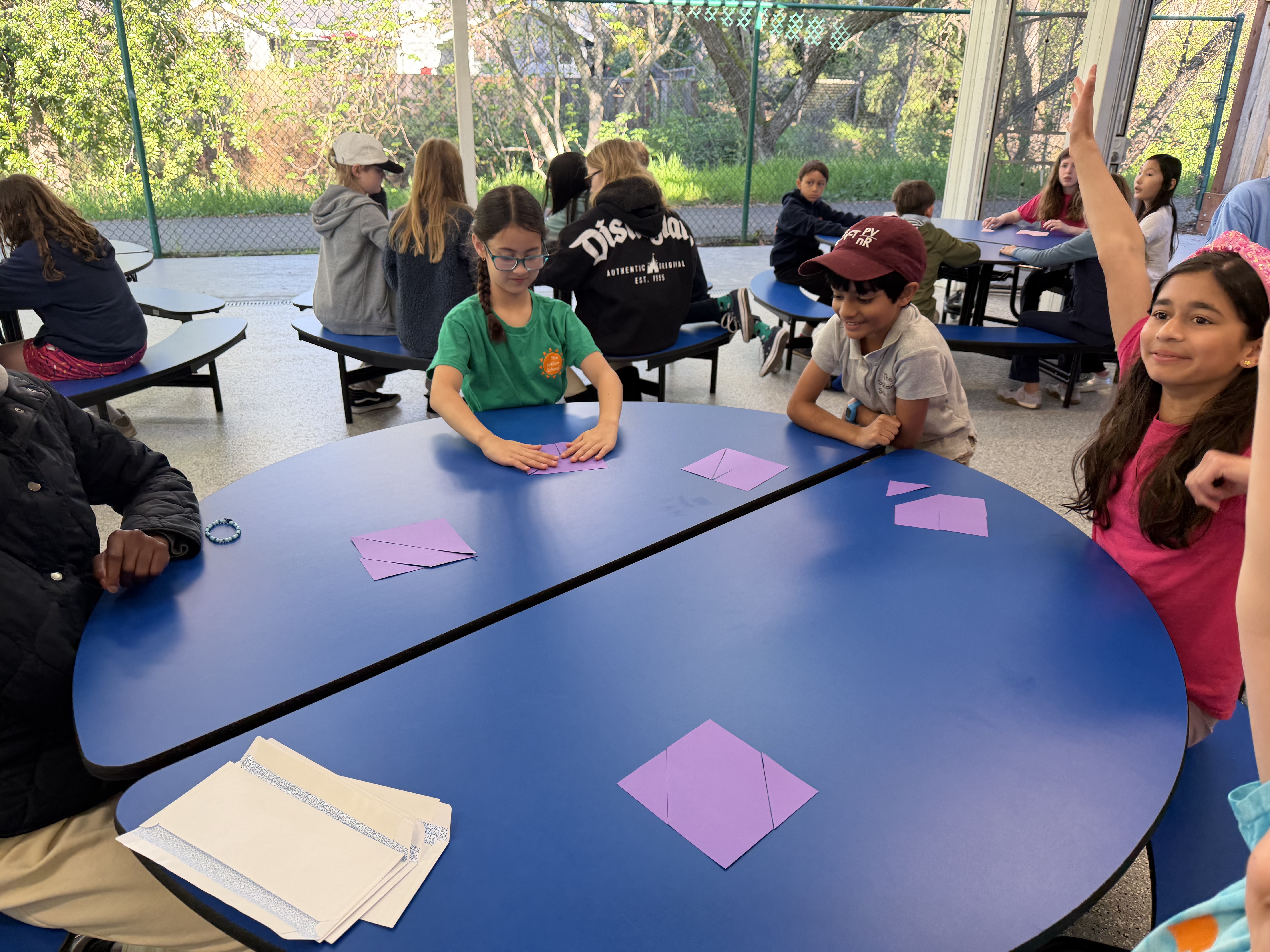
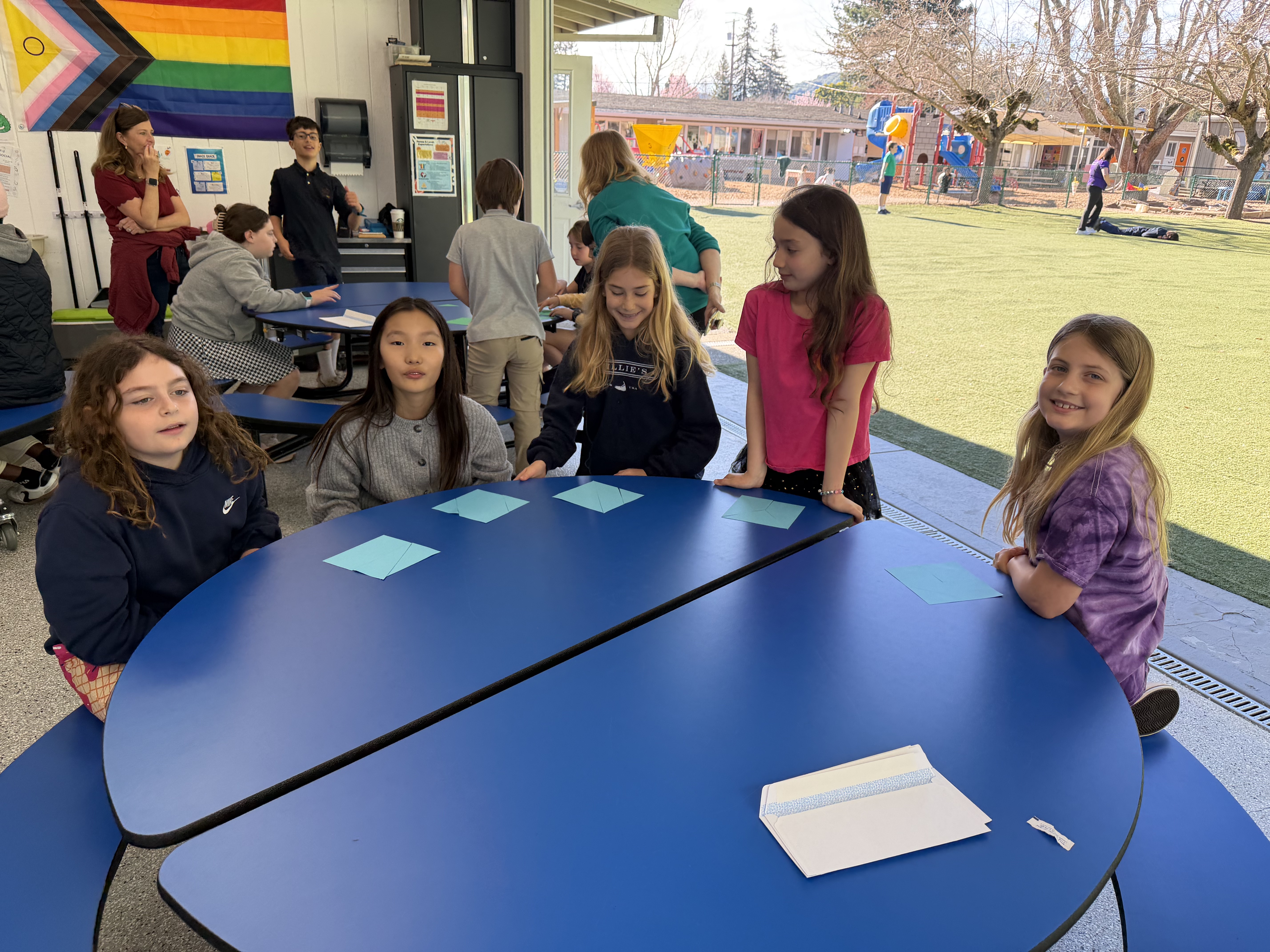
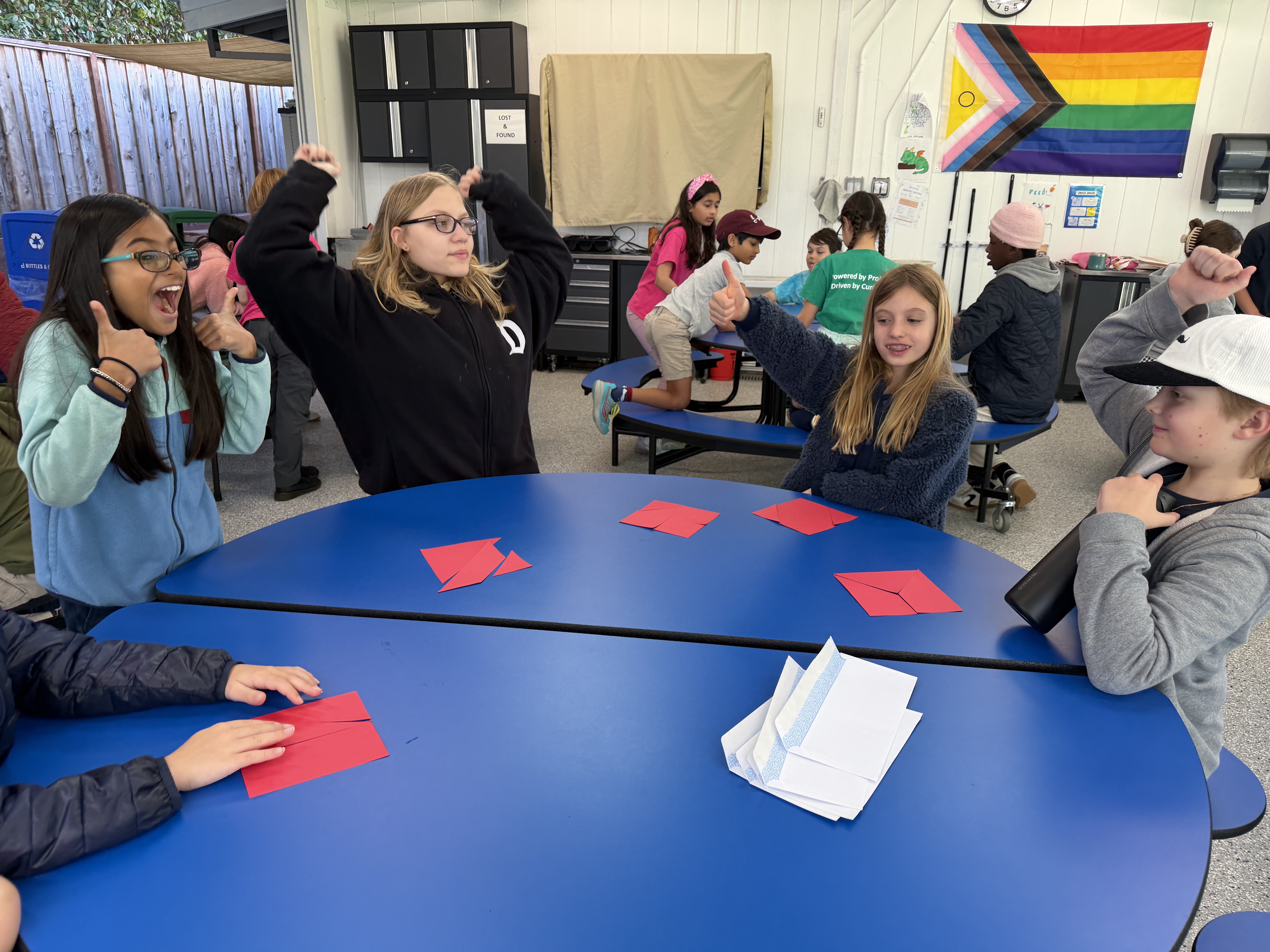
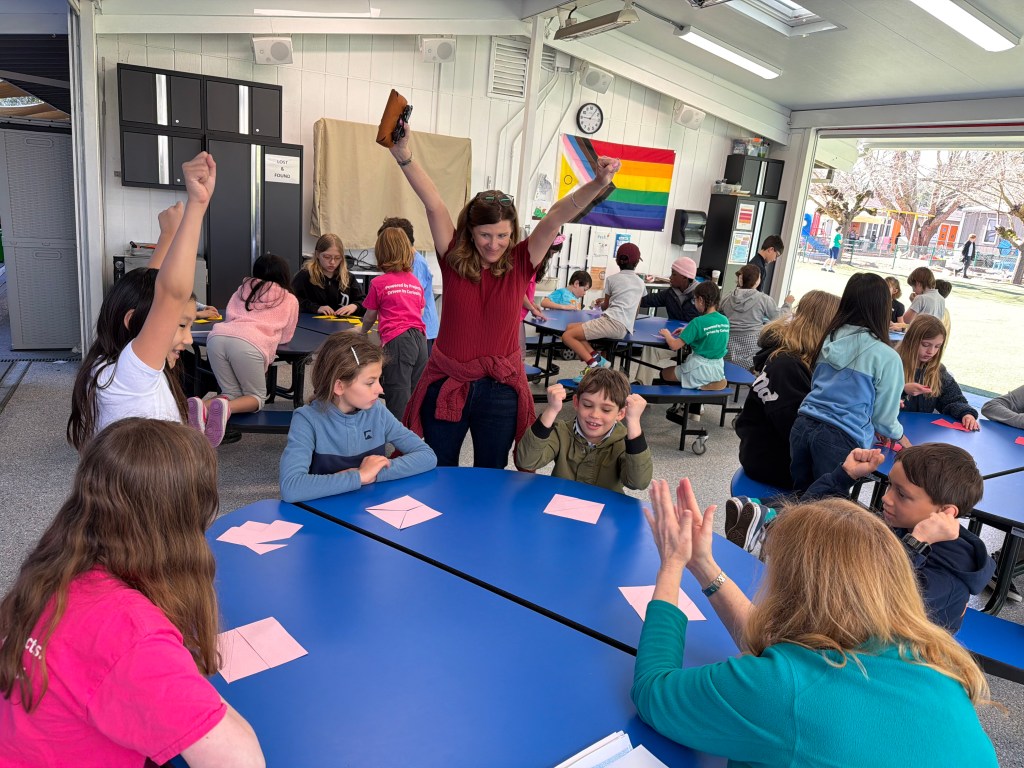
This week, our campus buzzed with excitement as second and seventh-grade students showcased their learning during two incredible culmination events. Culminations are opportunities to bring community members together to celebrate student learning and provide a platform for learners to share their knowledge, creativity, and growth.

As part of their Welcome to Saklan PBL unit, second grade explored the question: How can we help newcomers to Saklan feel welcome? After considering what may be the most important elements of our campus to teach newcomers about, students dove deep into mapping, writing, and presentation standards. With help from a critique and revision session with Mylesa, our Director of Admissions, second graders have created a complete self-guided tour of our Saklan campus that can be shared with new families. The digital and interactive components can be used by newcomers for years to come! To celebrate their work, they led families on a live version of their tour this week with great success! Come hear more about this unit at CLAS on November 14th. 

In a seventh-grade math PBL unit, students coded Scratch video games based on their interests. Seventh graders used math knowledge of graphing rotations, reflections, and translations to design an original or remix an existing Scratch game. To culminate this work, they shared the games they made with other students! Third through fifth-grade students were invited to learn about how the seventh graders designed their games and then were given an opportunity to play them!

Culminations like these highlight the power of Project Based Learning, where curiosity drives discovery and students share their learning with pride.

#SaklanProjectWork

Who Do Artifacts Really Belong To?

Sixth graders have begun their first PBL unit of the year, in which they seek to answer the driving question: Who do artifacts really belong to? During this unit, students will develop an understanding of what cultural heritage is, how artifacts tell the stories of people’s lives, the role of museums, the history of changing archaeological practices, ancient Egyptian civilization, history research skills, as well as sijo poetry, narrative, expository, and argumentative writing.

Recently, they’ve been thinking about the purpose of ancient artifacts, such as Nedjemankh’s stolen gold coffin, and about their connections to their own treasured possessions. The class read The One Thing You’d Save, by Linda Sue Park, before writing personal narratives about their own treasured artifacts. Students got lots of practice giving and receiving both teacher and peer critique on these pieces before turning in their final drafts.  

Last week, they zoomed with an archaeologist, Dr. Hannah Wellman. She shared the evolution of ancient mummification practices, as well as changes in legal practices and ethical arguments regarding the treatment of ancient Egyptian cultural heritage. Dr. Wellman’s example of Nefertiti’s Bust as an example of the significance of museum context of artifacts gave the class a great launching point for discussions in preparation for visiting the Badè Museum this week. 

Dr. Aaron Brody, an archaeologist and Badè Museum director, taught the sixth graders about their collection, the benefits of a high degree of context for artifacts, and why repatriation in this case may not be ideal or desired for the museum or the country of origin. Both experts helped the class understand how repatriation conflicts came to be and why people have reached different conclusions about repatriation in various situations. 

#SaklanPBL

Being Respectful in Family Groups

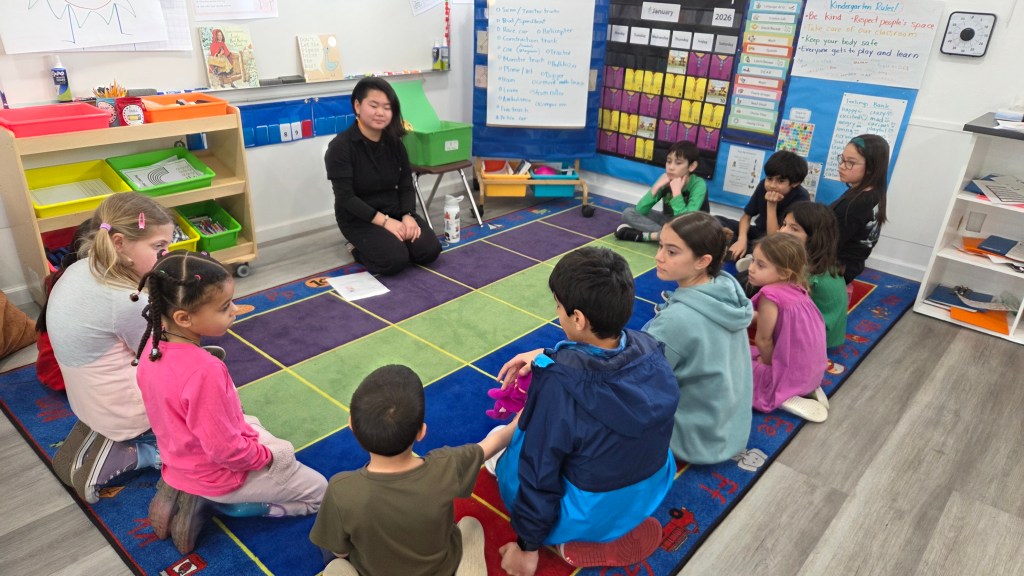
This week, Saklan students gathered for their second Family Group meeting of the year! These cross-grade groups are a treasured tradition at Saklan—bringing together students from different grades to connect, learn from one another, and strengthen our sense of community.

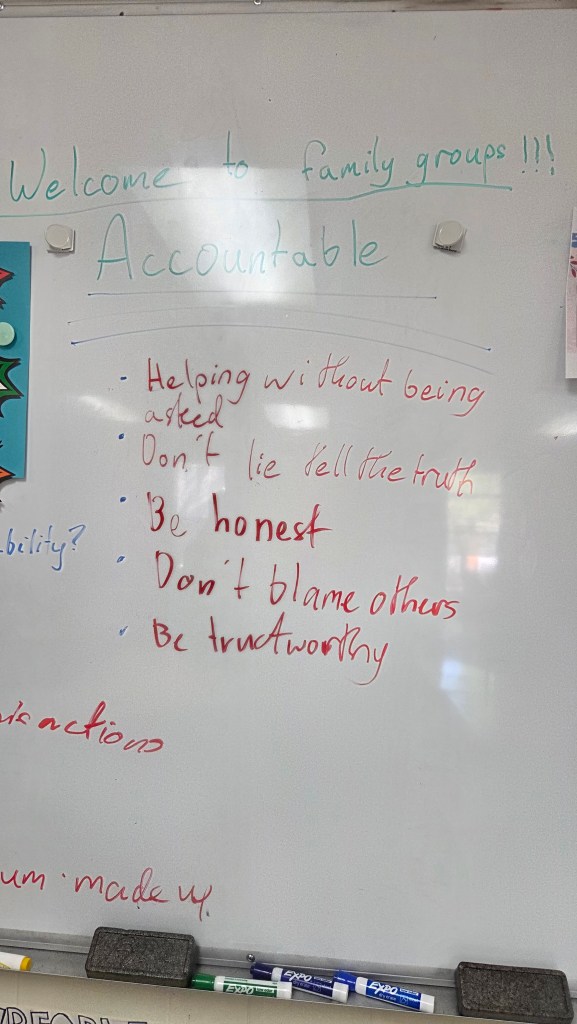
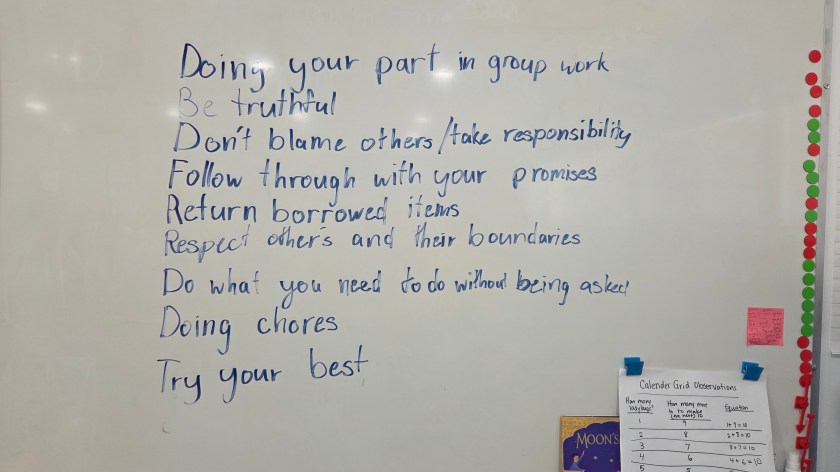
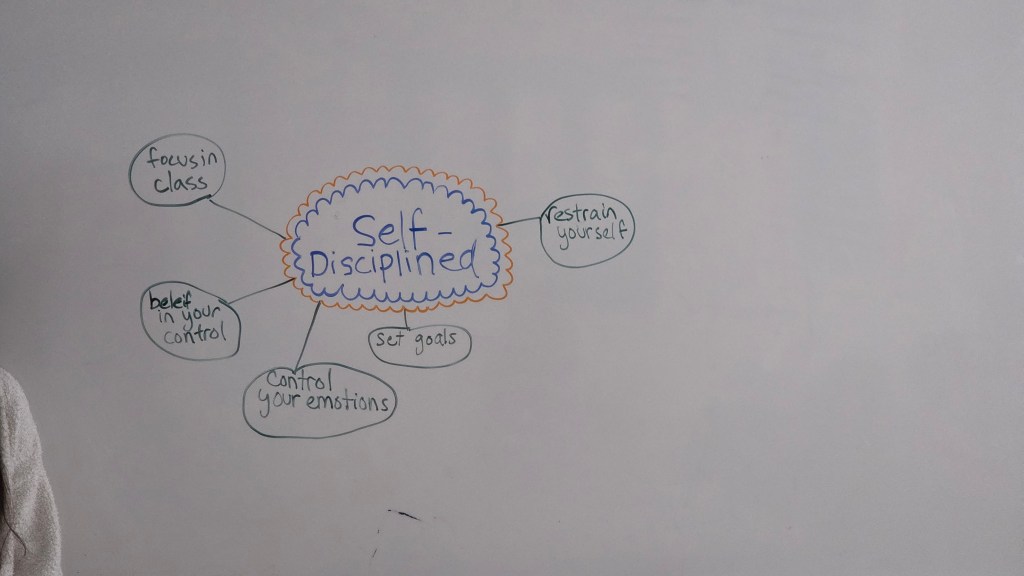
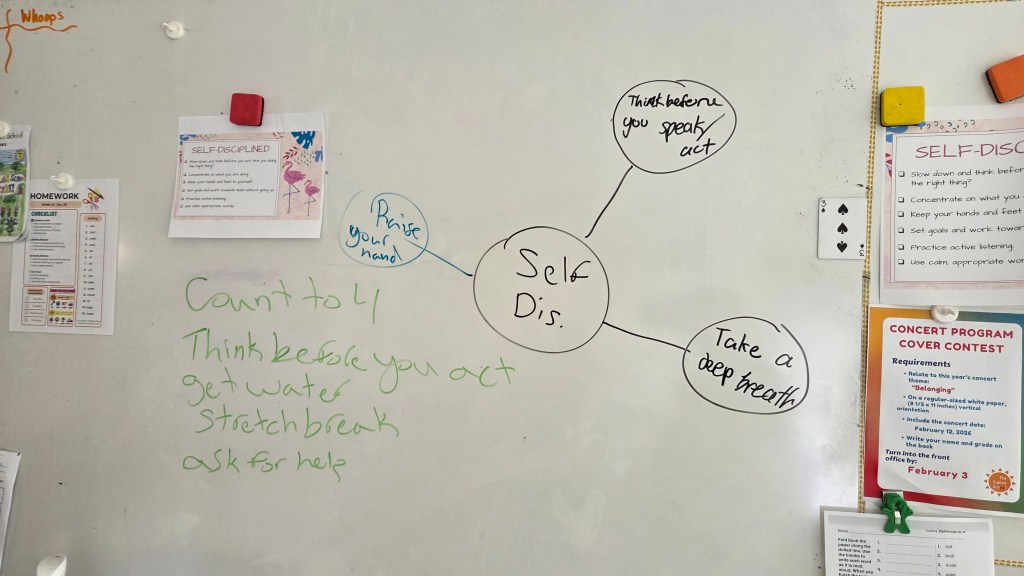
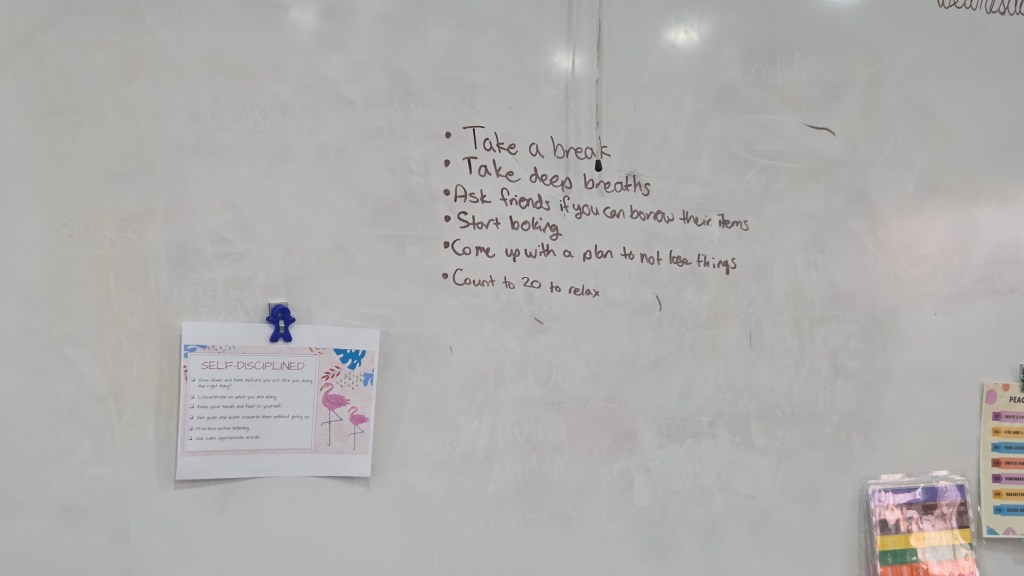
The Family Groups focused their attention on this month’s social-emotional learning (SEL) theme: being respectful. Together, groups read the “Respectful” posters that have been displayed around campus and discussed what respect feels like, looks like, and sounds like. Students shared thoughtful insights, describing respect as feeling “happy,” “heard,” and “like you matter.” They observed that respect looks like including others, making eye contact, and listening attentively—and sounds like calm voices, kind words, and polite “please” and “thank yous.”

Next came an interactive activity called “Let’s Agree on Respect.” As 8th graders read short scenarios aloud, students decided whether each situation showed respect or not, moving to one side of the room or the other to indicate their choice. The movement and discussion helped bring abstract ideas about respect into a real-world context, giving students the chance to reflect on everyday moments when respect really matters.

Finally, students brainstormed ways they personally show respect: through actions like active listening, apologizing when wrong, waiting patiently, or helping others. Each student then wrote their example on a paper leaf, which became part of their Family Group’s colorful “Respect Turkey.” The leaves, decorated with care and creativity, symbolize the many ways Saklan students contribute to a culture of kindness and consideration.

Through shared conversation, creativity, and connection, this Family Group meeting reminded everyone that being respectful is more than just words; it’s something we feel, see, and hear every day in our community.

#SaklanFamilyGroups

Head’s Corner: Foundations Built With Care

I recently reread Kim Brooks’ New York Times piece, “We Have Ruined Childhood.” While the piece pointed out all the things in society that make childhood seem like an internship for adulthood, it left me optimistic. Optimistic, because it reminded me why what we do at Saklan matters so much. In a world that’s forgotten what kids really need—connection, curiosity, play—we get to build something different every day. We get to show what childhood should look like.

What stood out most to me in Brooks’ article was her point that kids today have fewer chances to practice the social-emotional skills that make us human—to start friendships, navigate conflict, solve problems, or just be with others without adults steering the moment. Working with Denise Pope from Challenge Success (an organization Saklan has partnered with), Brooks highlights a simple but powerful truth: kids need family time, strong relationships, independence, and agency.

This is where Saklan matters.

We’ve made a conscious choice to prioritize what research tells us children actually need. How to communicate. How to handle disappointment. How to work through disagreement. How to persist when things get hard. We deliberately create time and space for students to develop those vital human skills. These aren’t add-ons to our curriculum. They’re at the heart of what we do.

And here’s what’s remarkable: this approach doesn’t just create happier, healthier kids (though it absolutely does that). It also leads to stronger academics. Counterintuitive? Maybe. But the research bears it out. Time and again, studies show that when children have space to play, to create, to connect with others, and to develop social-emotional skills, their academic performance improves. They become more engaged learners. They develop genuine curiosity. They build resilience.

This doesn’t mean we’re perfect or that we’ve solved every challenge facing modern childhood. But it does mean we’re intentional. We understand that school should be a place where children learn to be fully human—intellectually curious, emotionally resilient, socially connected, and creative. Childhood isn’t a race to adulthood. It’s a foundation to be built with care.

Warmly, 

David
Staff Spotlight: Vickie

Meet Vickie Obenchain, Saklan’s globe-trotting, zero-gravity-experiencing, shark-snorkeling science teacher extraordinaire. From the icy expanses of Antarctica to the warm waters of the Bahamas, Ms. O doesn’t just teach science—she lives it. Her adventures in professional development don’t just fuel her own curiosity; they spark a love of learning in every student lucky enough to enter her classroom or join one of the incredible field experiences she plans.

What has been the most enriching professional development experience you’ve had in recent years? How have they tied into your curriculum?

I love taking part in professional development! To me, it’s an opportunity to learn new techniques, learn with other like-minded educators from around the country, and see what scientists in the field are doing. These opportunities help both myself and my students understand the world around them, as I bring these experiences back into the classroom. These opportunities have also allowed me to share career opportunities available in the science profession with students, as new ones are constantly popping up. 

A few of my favorite experiences have been ones that have opened my eyes to our amazing planet and expanded my own knowledge in fields I felt I could use more expertise. These include: National Geographic Grosvenor Fellowship, Bimini Shark Lab Teacher Fellowship, Embedded Teacher Program, and the Saklan Summer Fund. With the National Geographic Grosvenor Teacher Fellowship, I went on an expedition to Antarctica. Experiencing the beauty of one of the most remote places on Earth—while learning alongside National Geographic scientists and photographers—was truly a once-in-a-lifetime experience. I spent time learning about the effects of climate change on Antarctica, how the food chain is very dependent on an incredibly small invertebrate, krill, and learning about different species of penguin. Helping both my earth science and life science curricula.

Learning about different species of sharks while snorkeling among them in the Bahamas with the Bimini Shark Lab allowed me to rethink what I thought about these stunning creatures. It inspired our Earth Day topic a few years back, where we rethought about how sharks are presented in the media, yet how they are integral to the food web in our oceans. Maybe respect for all wild animals is the way to go!

Flying on a ZeroG flight with the Embedded Teacher Program to better understand the gravitational pull on Earth, Mars, the moon, and in outer space was not only SO cool, but was also mind-blowing to realize how matter is affected by the pull of gravity! Matter reacts differently than you expect with different gravitational pulls (or no gravitational pull for that matter), and having the students brainstorm and create hypotheses before I went on the flight on what might happen as I did experiments in that environment allowed them to open their minds around what scientists have to consider when designing and engineering for outer space. This tied into my physical science units, as well as my lower school 5th-grade science unit.
With the Saklan Summer Fund, I got to travel with Linda Lathrop to Egypt to not only learn about Ancient Egypt, but to learn about their technology and engineering expertise. Learning alongside an Egyptologist, seeing science and history come together, as well as getting to take part in some fun additional science activities, made this experience remarkable. It helped me enrich my curriculum, such as in my earth science topics with my 6th graders on deserts, engineering activities, and 8th-grade fluid laws, such as when my 8th graders create their own hot air balloons!

There have been many more, but those definitely jump out! 

What do you love most about teaching science at Saklan?

I love teaching at Saklan for many reasons, but mainly because I get to see my students fall in love with science! With the small class sizes, each student gets to be hands-on and experience science firsthand. I think students get excited and take in the ideas and concepts when they actually get to see the lessons come alive, not just read about them in a textbook or have a teacher lecture them on a certain subject. I know I learn best by doing; it excites me! (Probably why I still seek out ways to keep learning!) When students watch an experiment unfold, engineer their own inventions, or take part in simulations of the natural world, the world around them starts to make more sense. Science helps them connect what they observe to how things work—and fuels their curiosity to keep exploring and learning more.

And because I teach Preschool through 8th-grade science, it is so fun to watch them grow through the years—looking forward to lab science and diving eagerly into each new topic along the way!

As the coordinator for overnight field experiences in the middle school, what do you find is most beneficial when you get students out in the field?

Getting students out of the classroom and getting to explore the environments they are learning about during our field experiences makes the learning come alive. Not only do we see the students make connections from the classroom curriculum to the world around them, but we also see them become more confident as they work with new communities, discuss ideas with people living in those environments, and gain some new perspectives on the world around them.  These experiences really tie into our mission and our SEL program. Students live courageously, taking a step outside of Saklan to spend a week away from home at Westminster Woods, Hawaii, and Puerto Rico. They act compassionately to help clean beaches and build homes. And they are challenged to think creatively as they work on projects associated with these experiences.

Students also build meaningful bonds with their teachers and peers during these experiences, connecting through shared activities, meals, challenges, and the many memorable moments each trip provides. All the memories tie the community together. The advance for middle school starts the school year off full of bonding experiences that allow students to share their different strengths with the community and create memories to connect with each other as the school year progresses. 

I think these trips are a highlight for many of our students because they expand their own learning, get to create lasting memories with their peers, and the experience allows them to gain confidence and, in some students, a desire to explore more! Which I believe has also made our EF Tours program flourish! Students want to explore the world beyond just our Saklan trips, and families want to join, too. From Peru, Vietnam, Japan, the Azores, and next Australia and New Zealand, our students are confident, excited, and ready to learn more about our world! Which makes this planet-loving science teacher so happy!