Spotlight on Riva: Guiding Kindergartners With Joy & Purpose

If you’ve ever stepped into Saklan’s Kindergarten classroom, you’ve likely felt it: the spark, the laughter, the hum of curiosity and care. It’s a space where little moments become big milestones, and where joy seems to live in every corner. That joy is no accident. It’s fueled, every day, by a teacher who brings heart, intention, and deep respect for childhood into everything she does.

Recently, we sat down with Riva, Saklan’s Kindergarten teacher, to learn more about what inspires her, what she loves most about working with our youngest learners, and why Saklan’s approach to Project Based Learning feels so special.
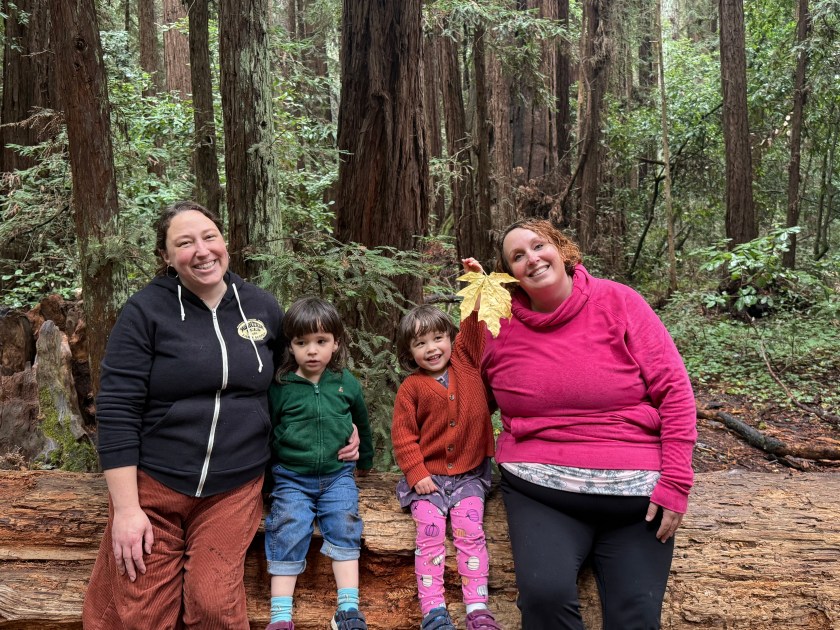
You bring so much joy to the Saklan campus- what fuels your joy and excitement the most when it comes to your teaching day? 

“My joy comes from the relationships I get to build with my students and their families. Kindergarteners arrive each morning with such openness and enthusiasm, and I love being part of a community that celebrates their strengths, quirks, and emerging identities. Saklan is a place where students are truly known, and getting to guide them through their first steps in school — emotionally, socially, and academically — is a privilege that motivates me every day.”

What do you love the most about working with Kindergarten?

“What I love most about working with kindergarteners is the unique magic of this developmental stage. Everything is new, everything is possible, and their sense of wonder is contagious. I get to watch them discover their own abilities, whether they’re decoding a word for the first time, writing a brave sentence, or learning how to take a deep breath and reset. Kindergarteners grow in such joyful, visible ways, and being part of those early milestones feels incredibly meaningful.”

She also shared a favorite program that brings this magic to life: Kinder Korner.

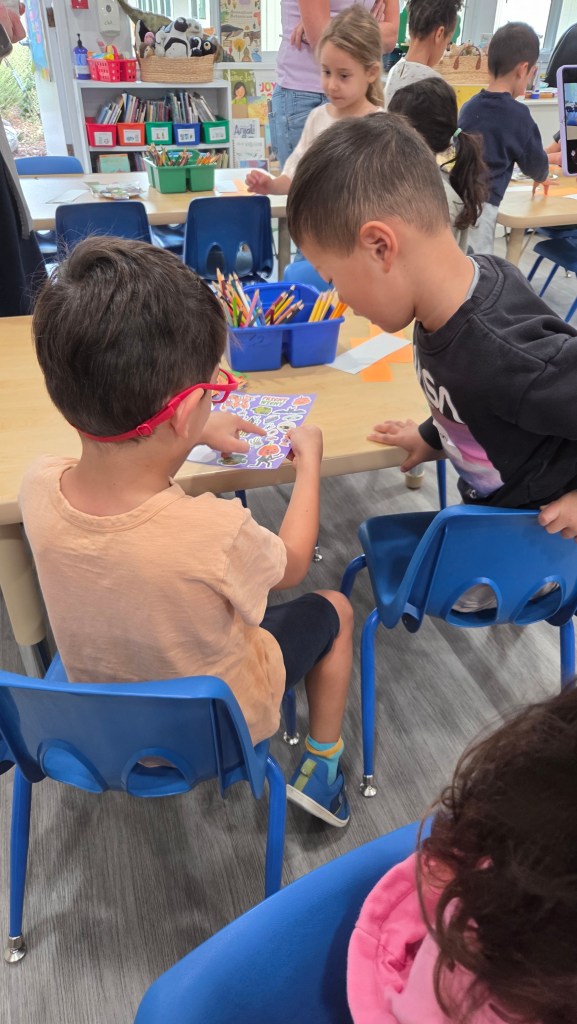
“One of my favorite parts of teaching kindergarten at Saklan is our Kinder Korner program. Our students become “big buddies” to the Hoot Owls, teaching them what life in kindergarten is like. It’s beautiful to see my students step into leadership roles with such care and pride. They show empathy, patience, and confidence as they guide their younger buddies through activities, routines, and little moments of discovery. Watching them light up when they realize they are the ‘experts’ is truly heartwarming. Those cross-grade connections deepen our community and remind me how capable and kind young children can be when given the chance to lead.”
You have had a lot of experience with projects at previous schools- what makes Saklan’s approach to PBL special?

“What I love about Saklan’s approach to Project Based Learning is the way it connects our standards to work that feels genuinely meaningful for young children. Our projects grow from what students are naturally curious about, and that makes the learning feel joyful and authentic for all of us.”

She highlighted The Names Project as a powerful example.

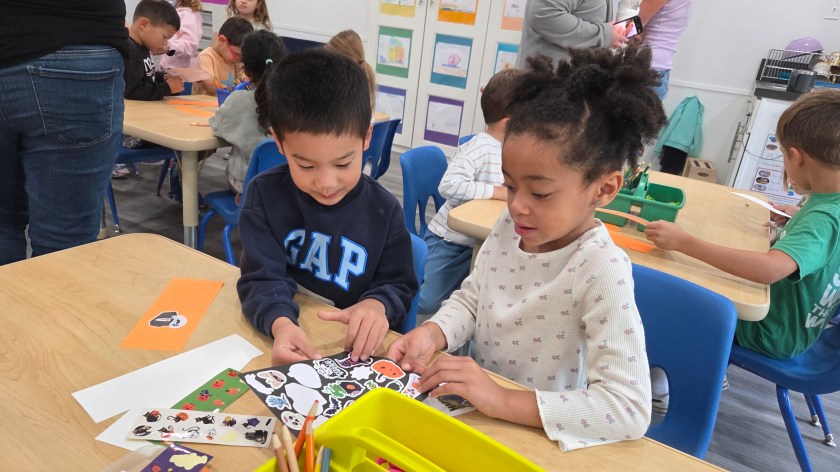
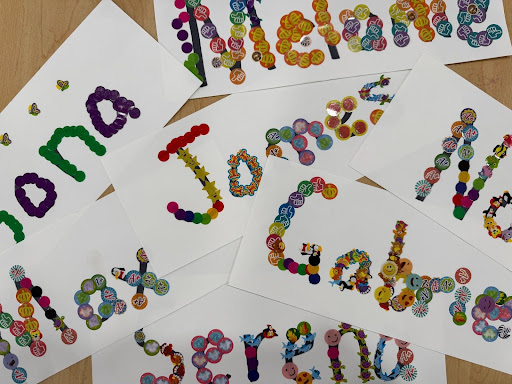
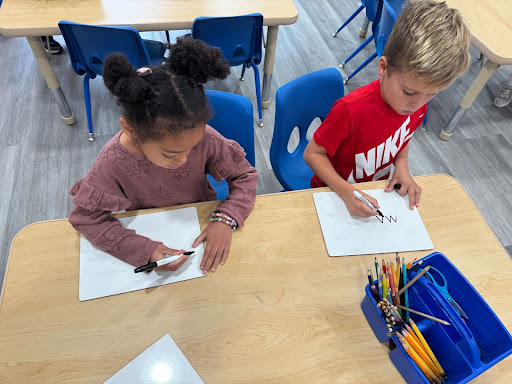
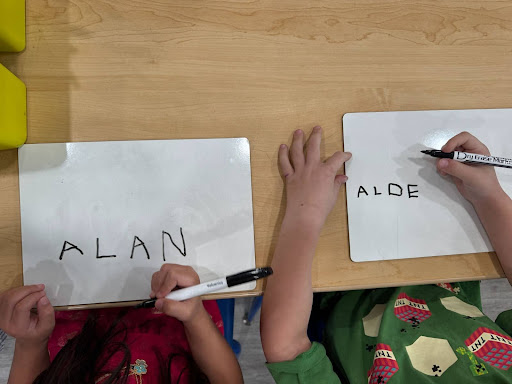
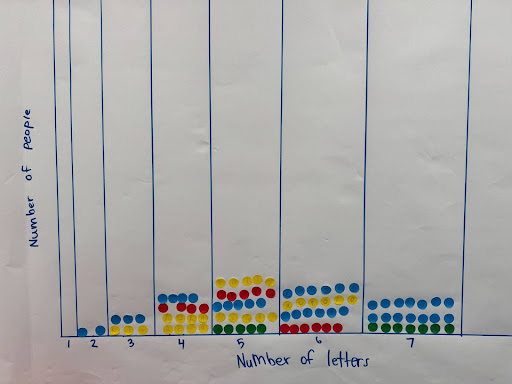
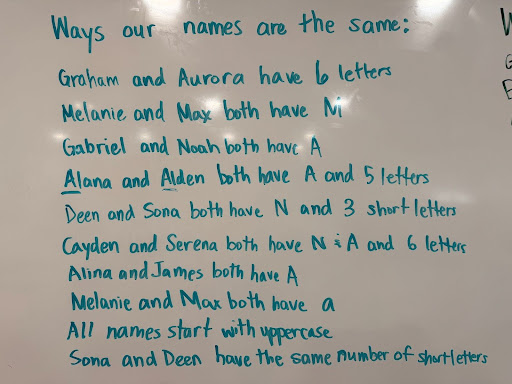
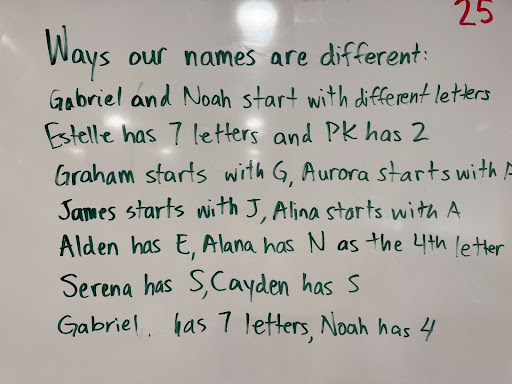
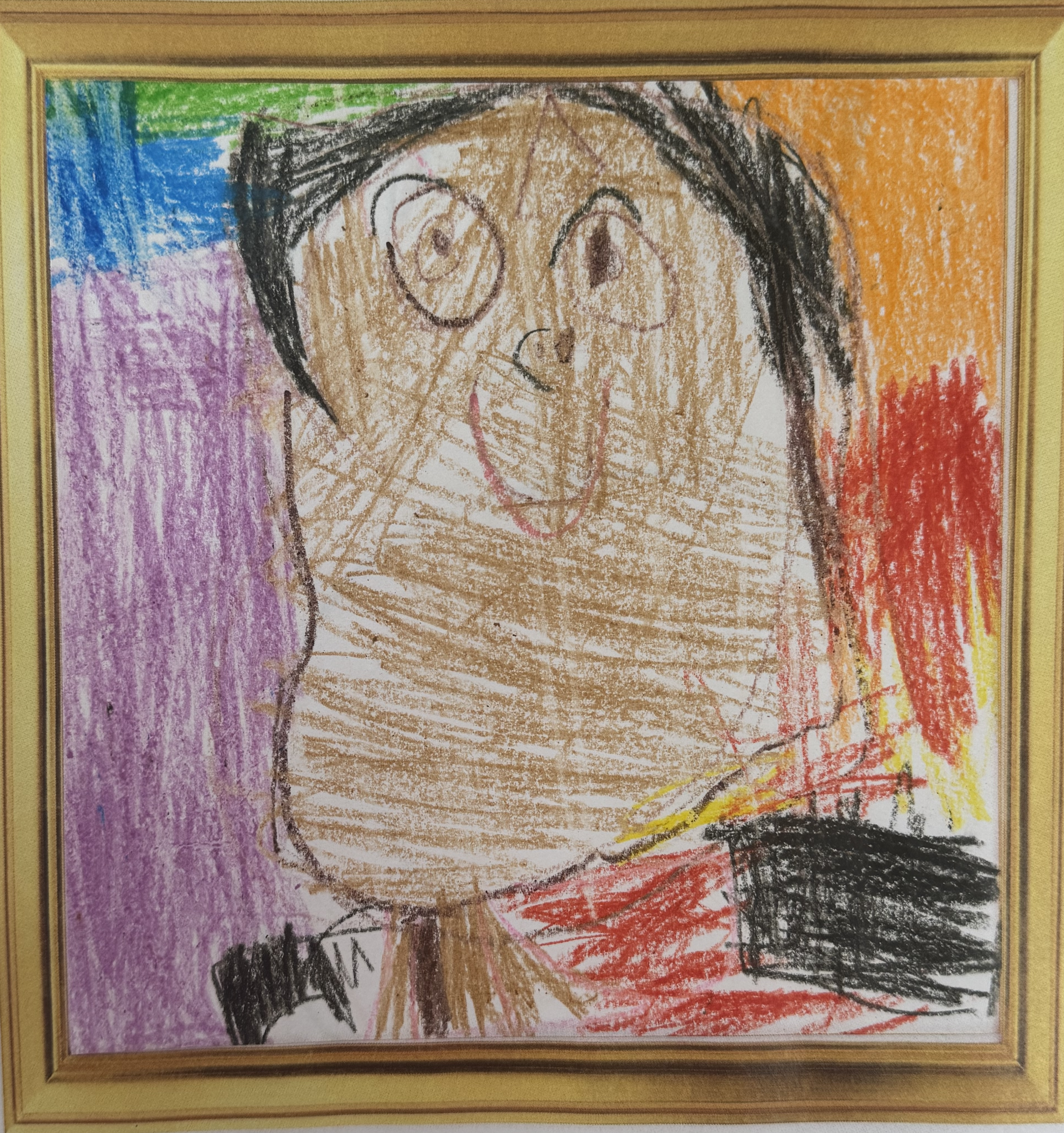
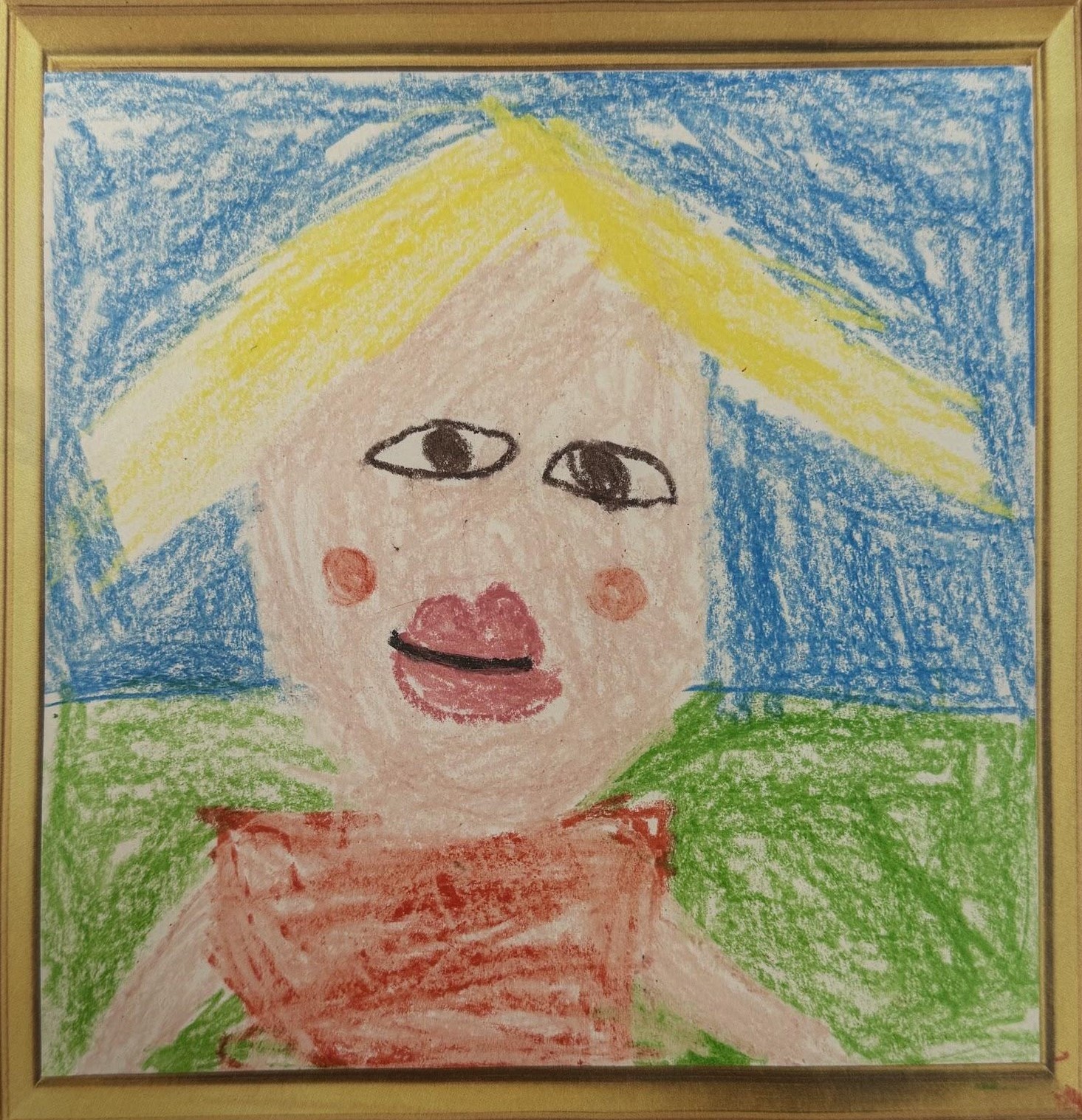
“The Names Project is one of my favorites for exactly that reason. Kindergarteners are already captivated by their own names, so it becomes a perfect entry point into letters, sounds, phonics, and even math as we compare and graph the number of letters in each name. But what makes this project so special to me is the sense of community it builds. As students learn to read each other’s names, discover the stories behind them, and create portraits inspired by their name meanings, they also learn about one another in a really meaningful way. The academic growth is wonderful, but the connections they build are the true heart of the project for me.”

You can see this joyful learning in action by joining the Kindergartners for their Names Project culmination on Thursday, December 11th, at 8:40 a.m.
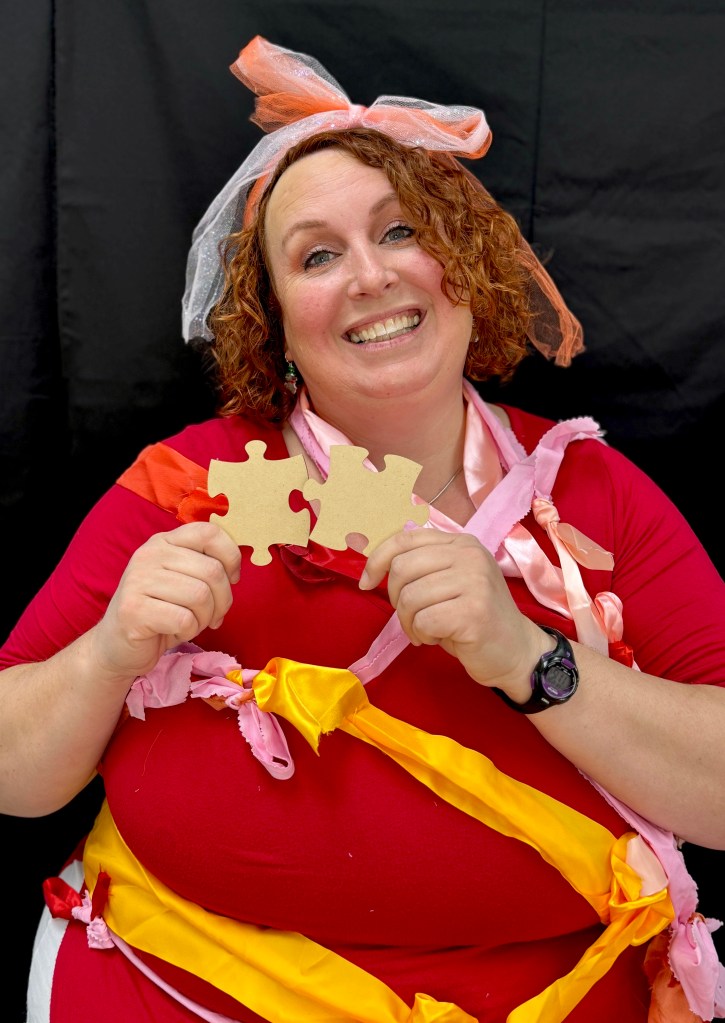
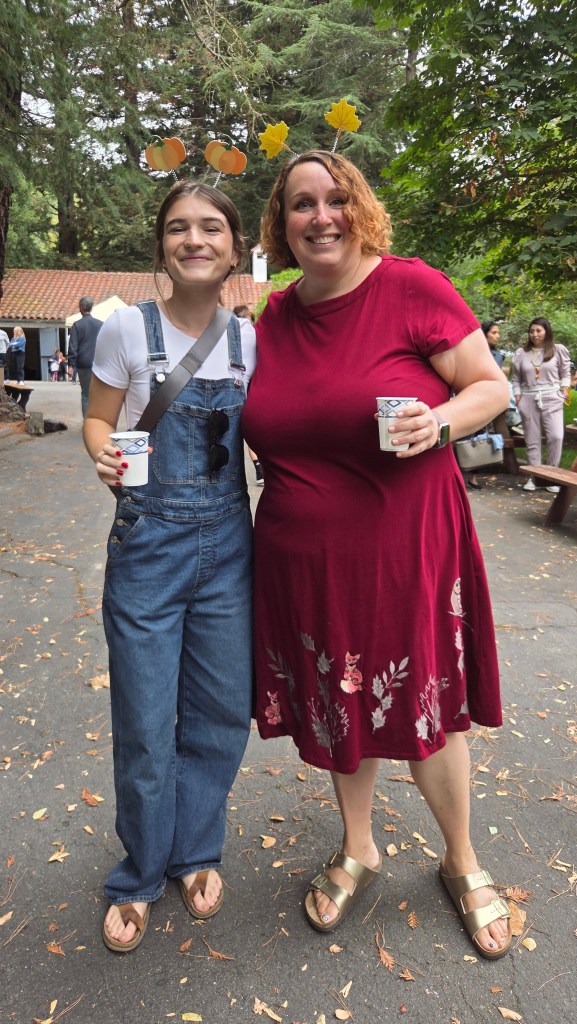
From the joyful morning greetings to the thoughtful projects that build community and confidence, it’s clear that Kindergarten at Saklan is filled with intention, wonder, and deep care. And at the center of it all are teachers like Riva, who make learning feel magical—one moment, one question, and one joyful discovery at a time.

#SaklanStaff
How Project Work Deepens Learning and Connection

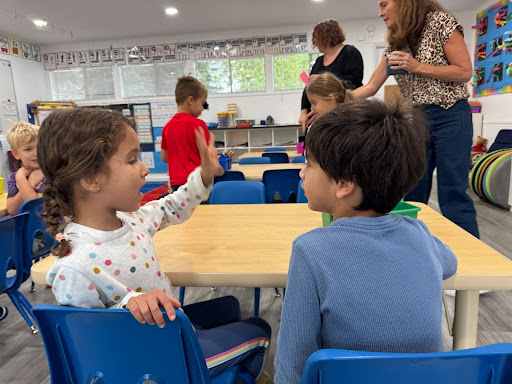
Project work at Saklan drives strong academic outcomes through creating units where students feel represented and included. Building this deep sense of belonging begins with our specific Social Emotional Learning (SEL) programming, like family groups and Responsive Classroom, and is intentionally woven into our academic PBL units through the equity levers like knowledge of students. 

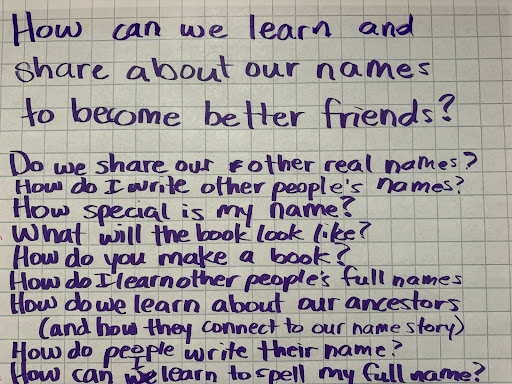
Knowledge of students means not only building relationships with students but also creating project work that can capture their interests, needs, and strengths. A wonderful example of a unit that is relevant to students’ lives, has meaningful context, and includes robust academic learning is our Kindergarten Names Unit. The driving question for this unit is, “How can we learn and share about our names to become better friends?”

This unit tackles academic standards such as letter and sound correspondence, formulating relevant questions, and listening to and remembering responses to communicate what they have learned with others. To achieve these learning goals, the Names unit maintains high authentic relevancy to honor students’ unique identities through sharing their name stories, which often connect to their family, ancestry, culture, or religious traditions. As they strengthen their classroom community through this work, there are also many authentic opportunities for learning in other content areas too. 

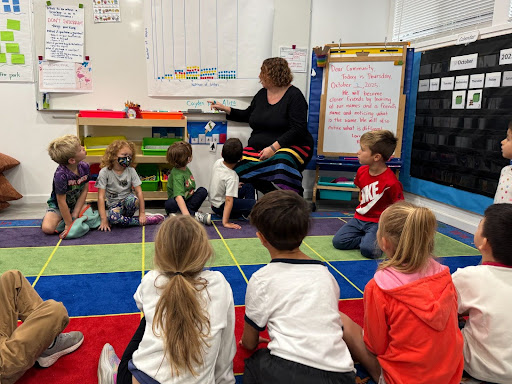
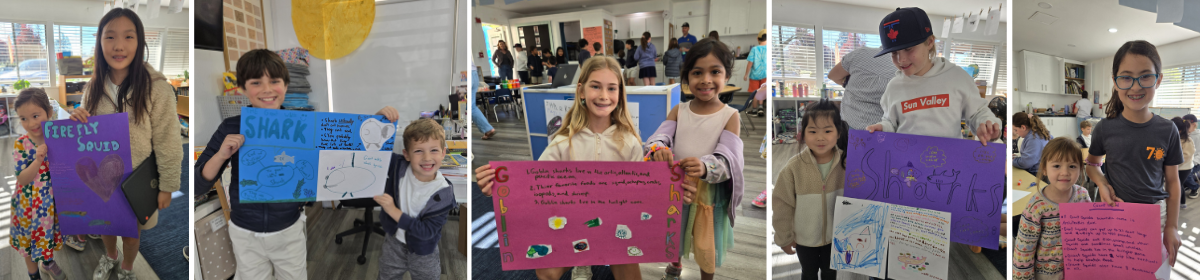
This week, while students focused on how to spell, read, and write each other’s names, they also began to sort their names in a variety of ways. They compared names by looking at letter shape (whether they are tall, short, or ascending), identified names with certain vowels and consonants, and ultimately arranged them by the number of letters each has in a class bar graph. Students eagerly engaged in rich math conversations all stemming from the authentic work of sharing about and reading each other’s names. 

Grounding academic content in what really matters to students allows them to learn at deep levels and feel part of our Saklan school community. 

Join us on October 21st for a Saklan Projects virtual event! We will talk about how teachers design and implement units like this one across all content areas in our Lower School and Middle School. This event is open to all!

#SaklanProjects

Portraits of Kindergarten

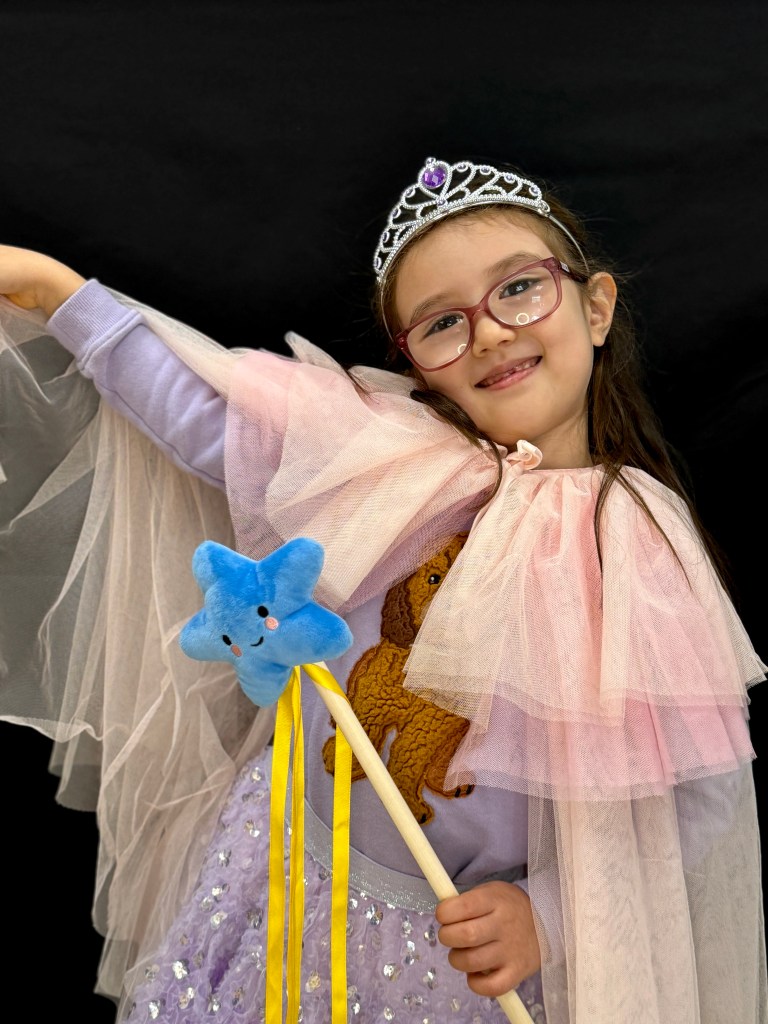
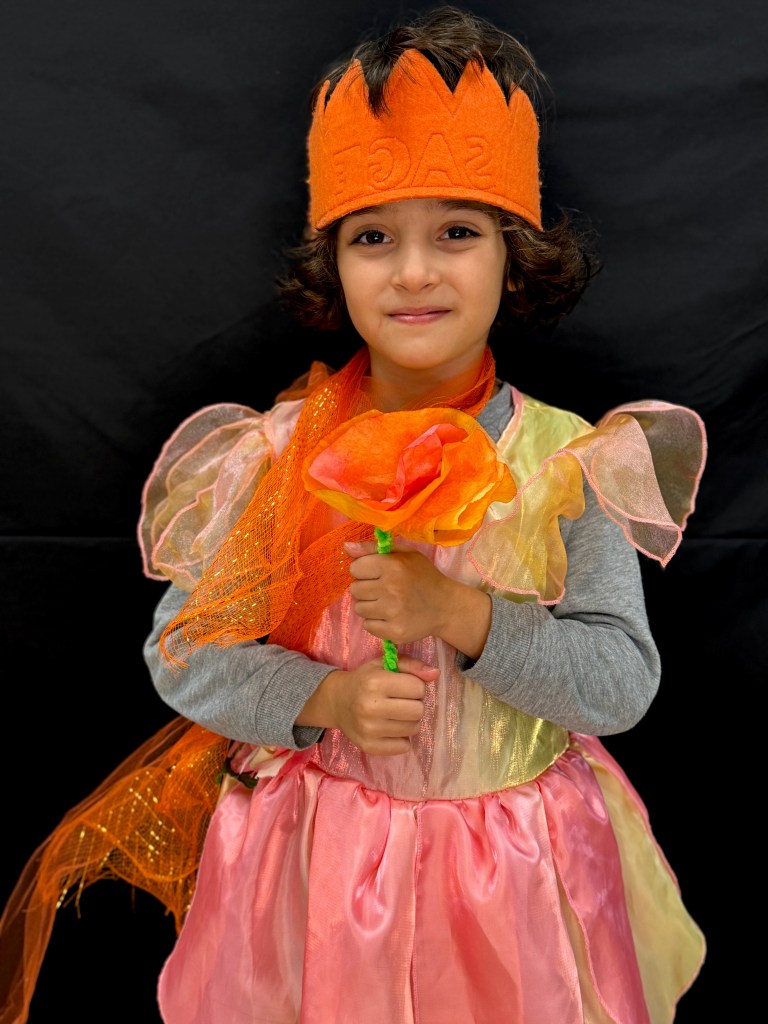
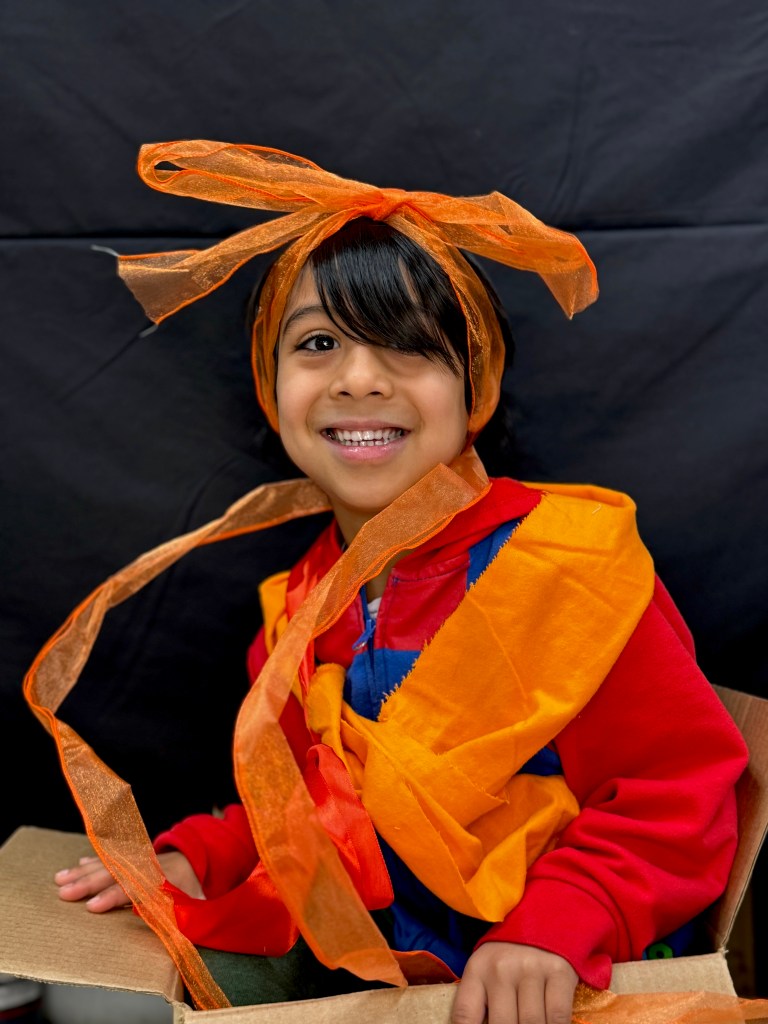
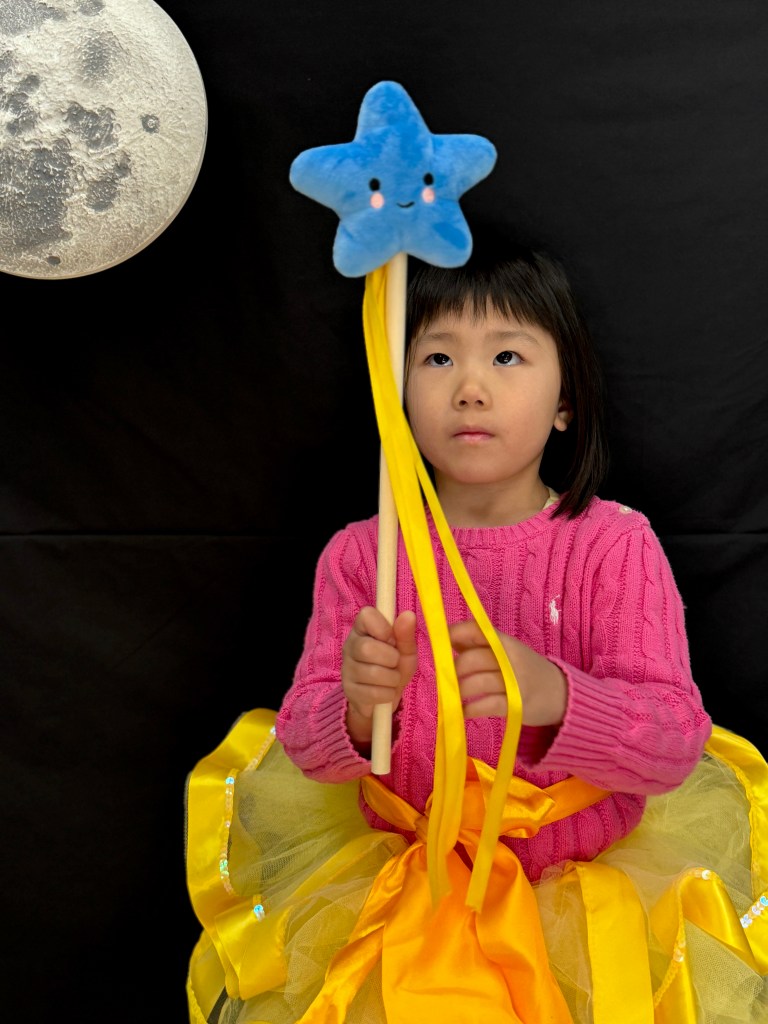
In art class, kindergartners recently worked on representing themselves through portraits. First, students observed well-known self-portraits by Vincent VanGogh and Frida Kahlo, and then used the art elements of line, shape, and color to create their own self-portrait drawings.

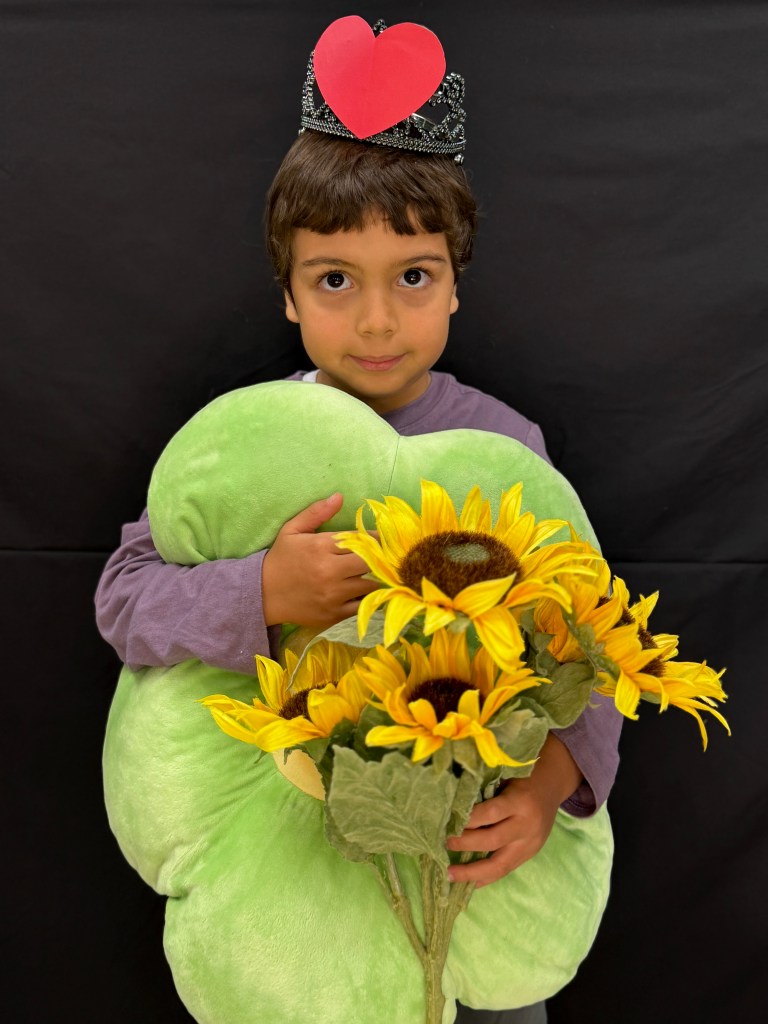
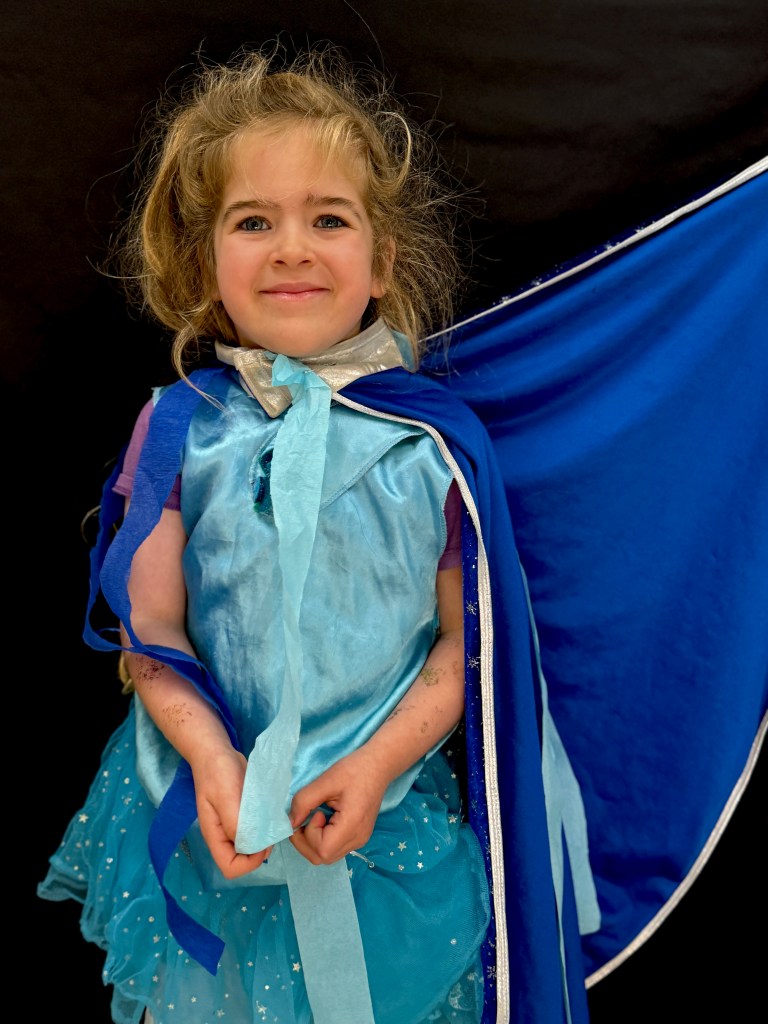
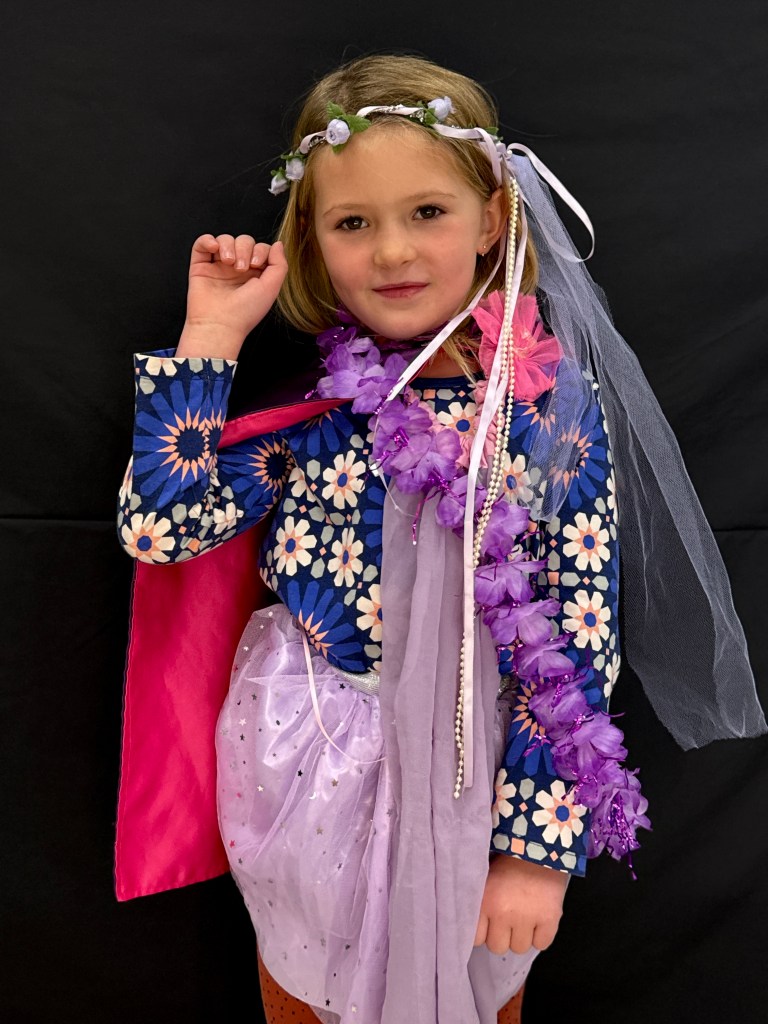
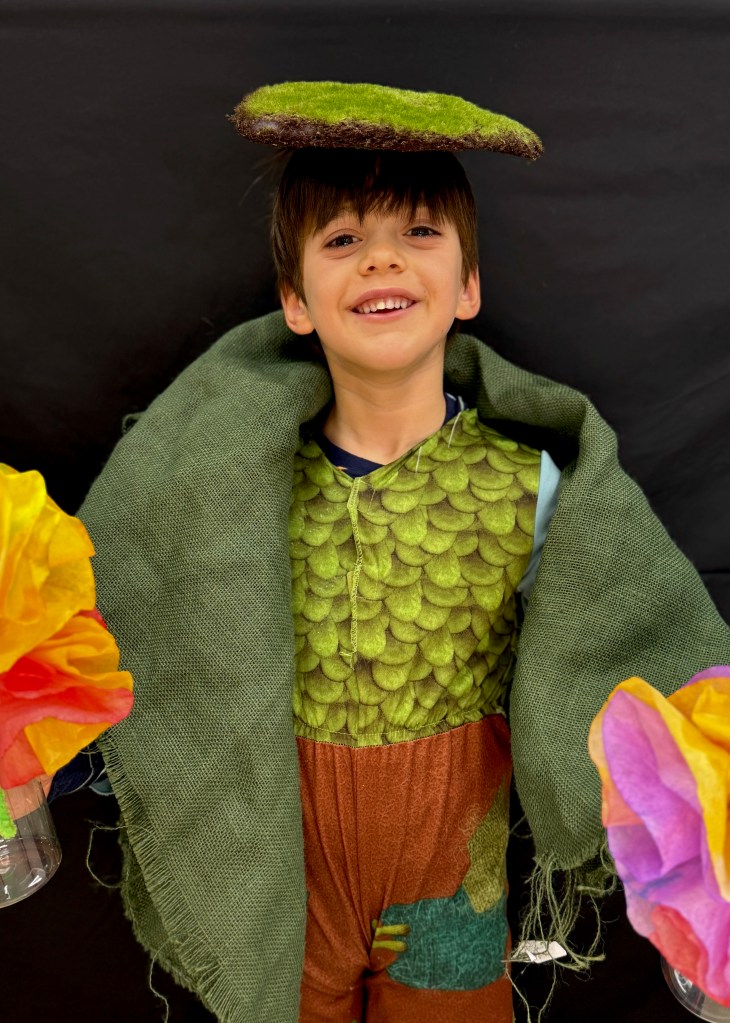
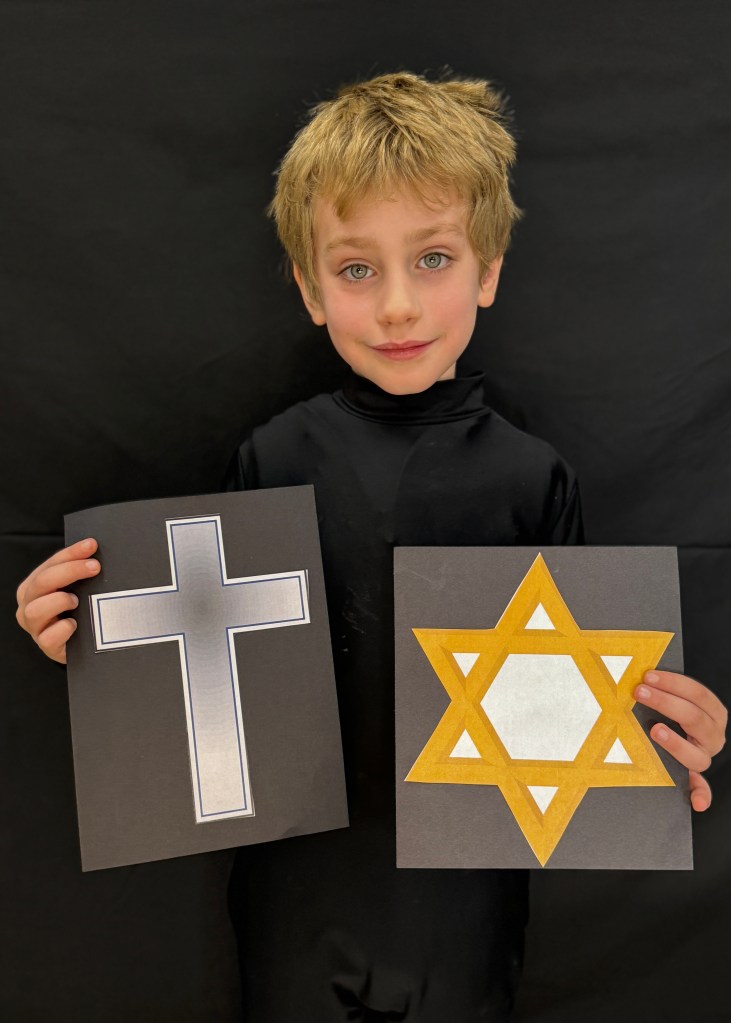
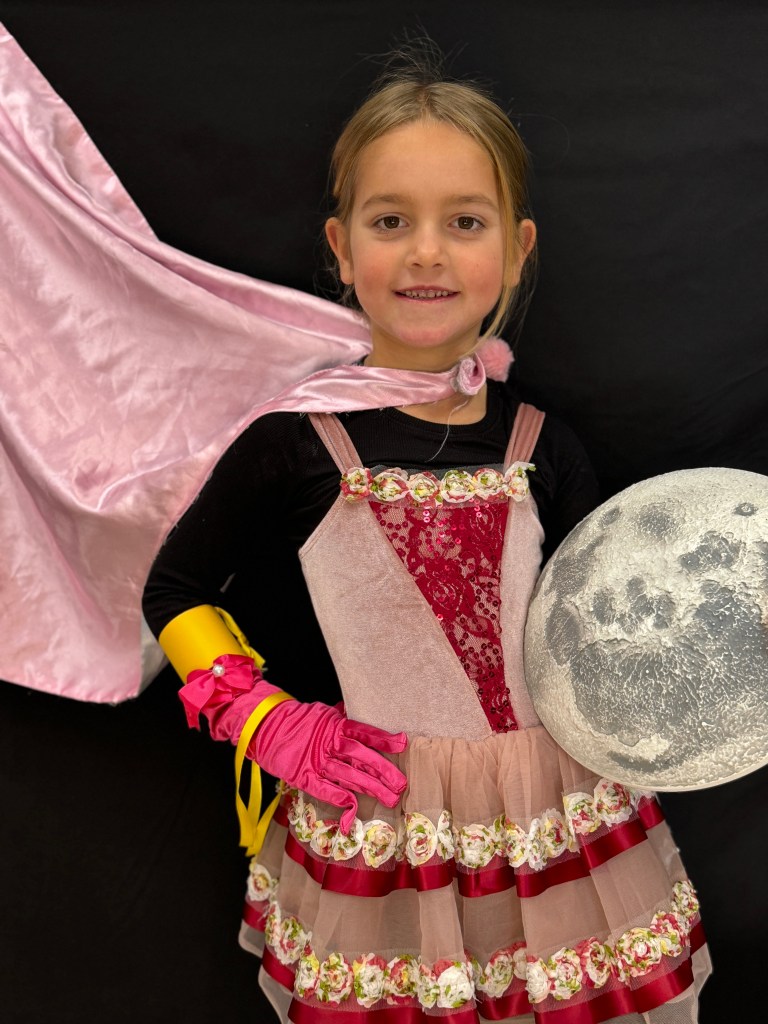
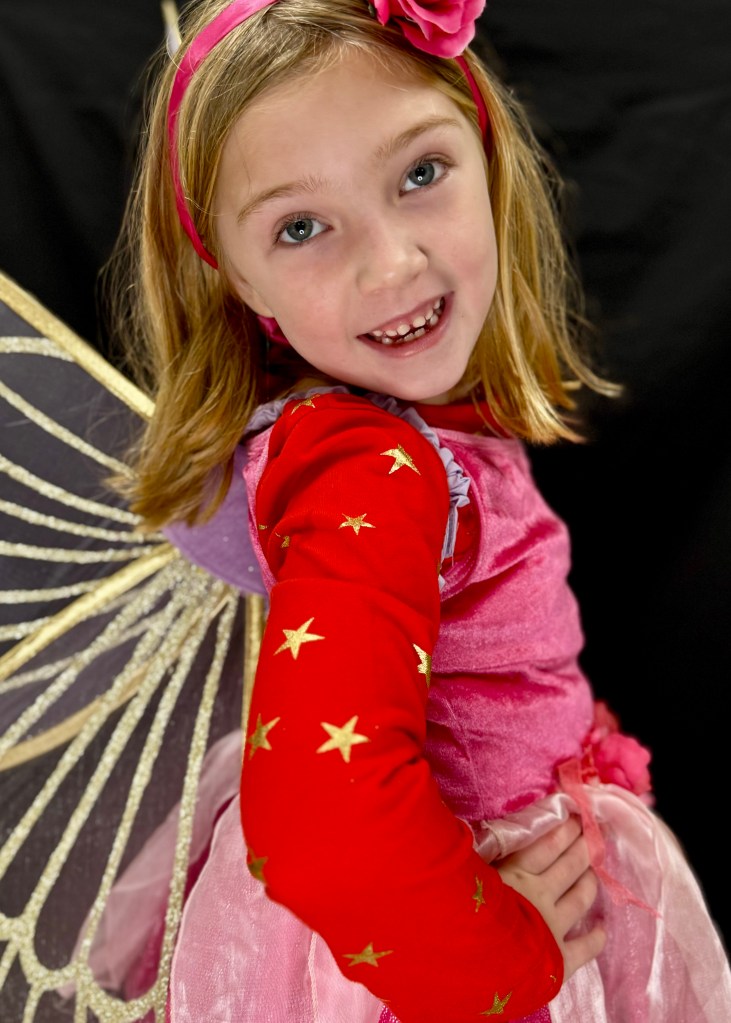
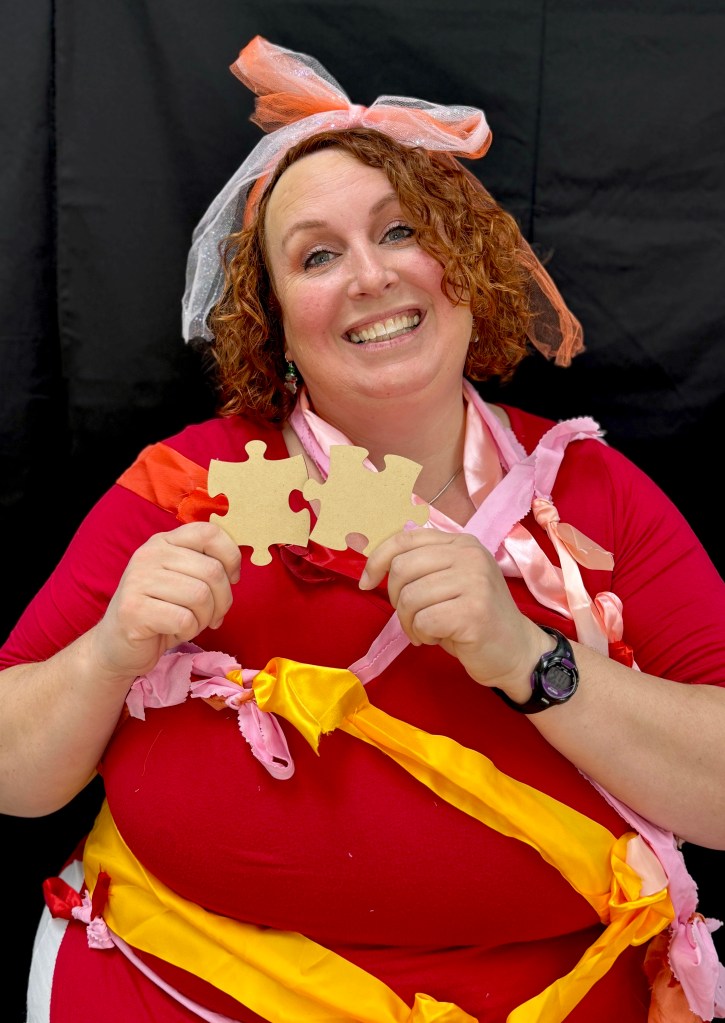
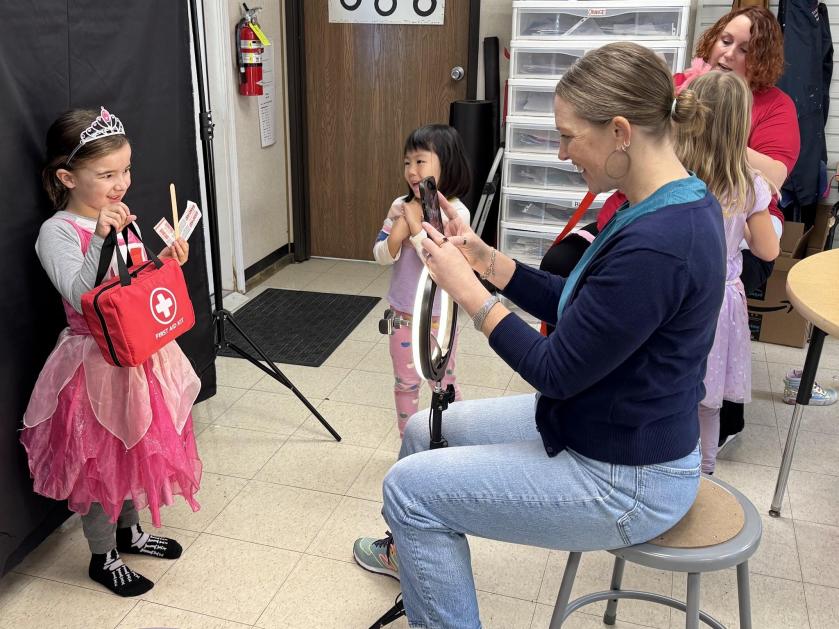
Next, the kindergartners observed the artwork of contemporary artist Cindy Sherman, who photographs herself dressed up as different imagined characters. In collaboration with their PBL unit exploring the driving question of “How can learning about each other’s names make us better friends?” students planned their own Cindy Sherman-inspired photoshoot that visualized the meaning and stories behind their names. Each student posed for photographs wearing costumes and props that not only represented their names but that superbly matched their unique personalities. Check out their photos below! 

#SaklanProjectBasedLearning

Name Stories

In their Names Project, kindergartners have been sharing and learning about each other’s names to build community and deepen friendships. The students have learned and shared the letters in their names, compared the number of letters, and found similarities and differences with friends’ names. The class has read a variety of mentor texts that highlight the unique characteristics of characters’ names. The kindergartners learned about interviewing and listening to plan for and interview their parents about their name stories. The class will bring all this together in a book about their name stories.

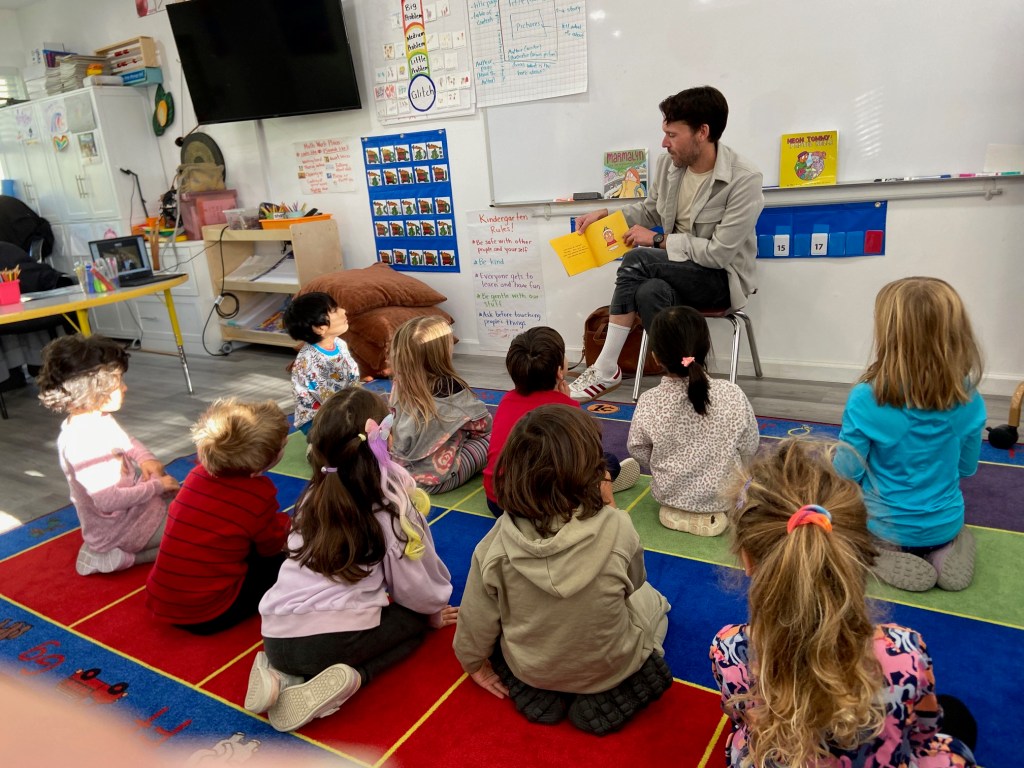
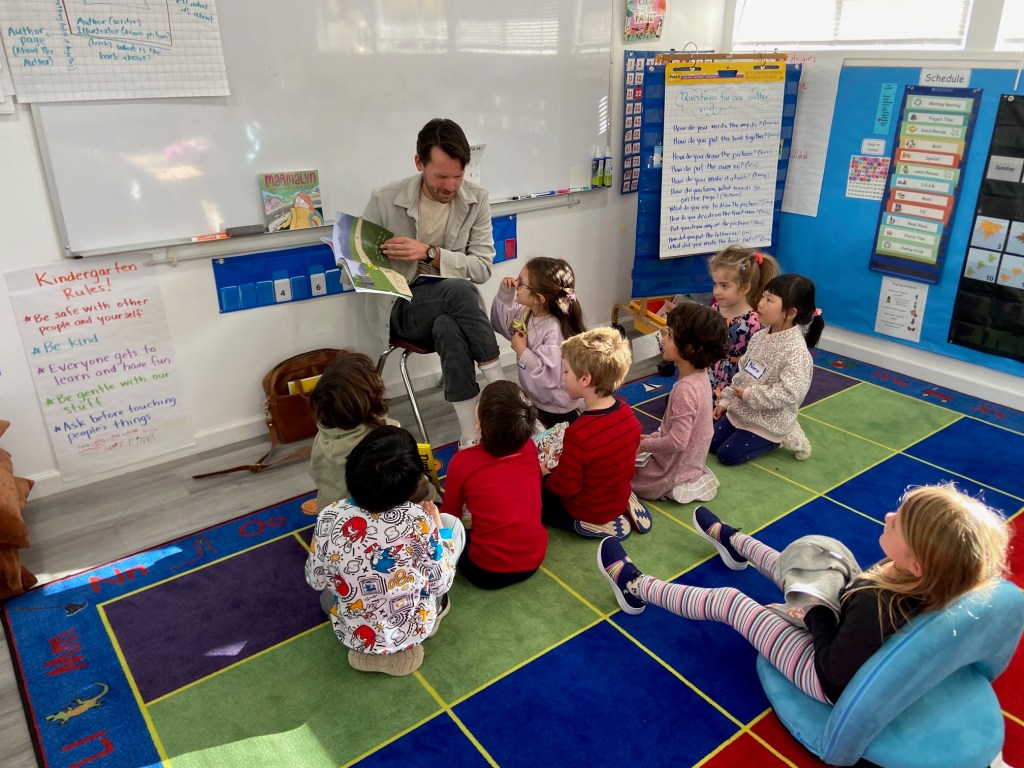
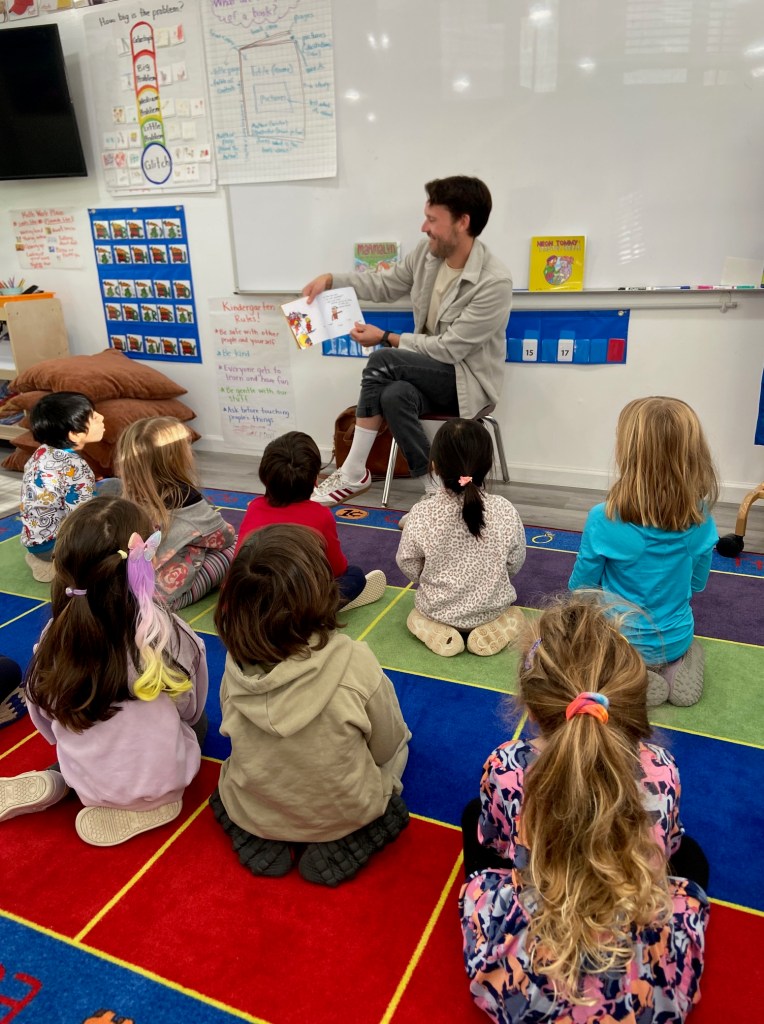
To prepare to write their own book, Saklan Kindergarteners were delighted to host guest expert and children’s book author Matt Hintze on Wednesday, November 13th. Matt read his newest book, Santa Stole My Cookies, to the class. They loved it! 

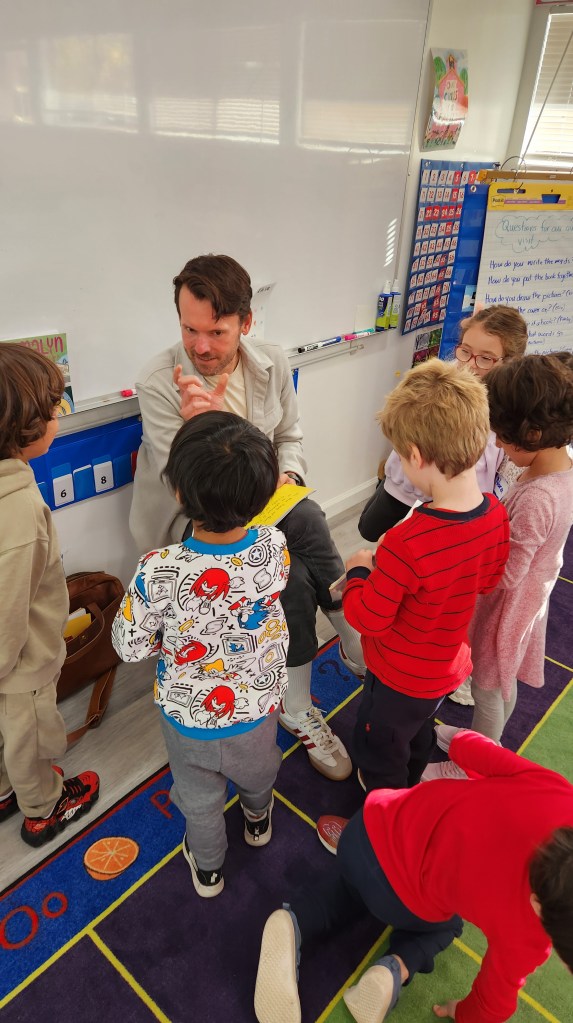
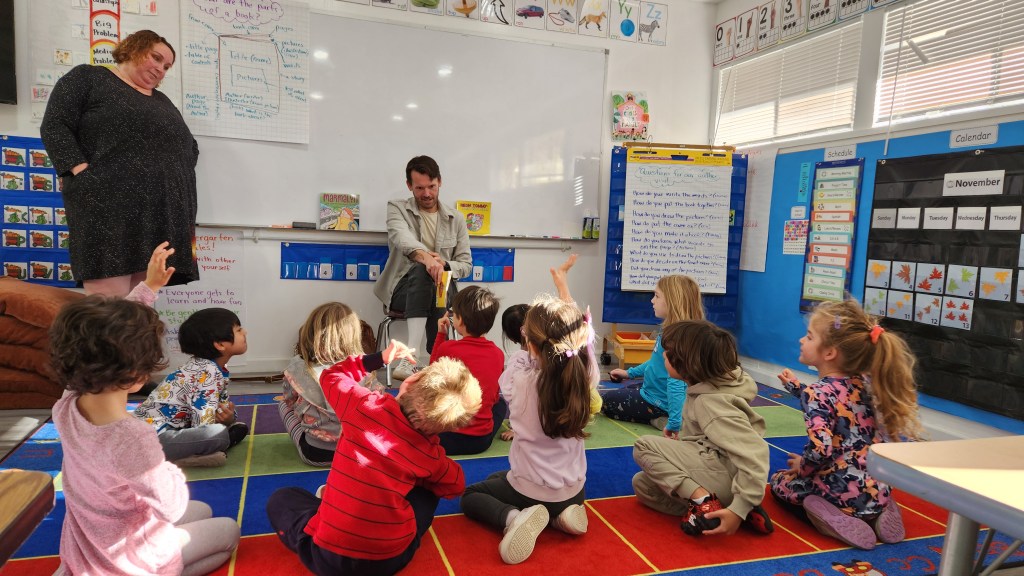
After the reading came the most important part of the expert visit: the class interviewed Matt about writing and publishing books. The kindergartners planned for the visit the day before by coming up with questions they wanted to know about making books, which might be useful when creating their name books.

Matt was so impressed by the students’ smart, thoughtful questions, and the kindergartners were very happy with the helpful information Matt provided.

The kindergartners will share their name books and other aspects of their learning during their Names Project Culmination on Thursday, December 12th at 8:45 a.m. They would love for you to attend their culmination!

#SaklanProjectWork

Self-Regulating Kindergarteners

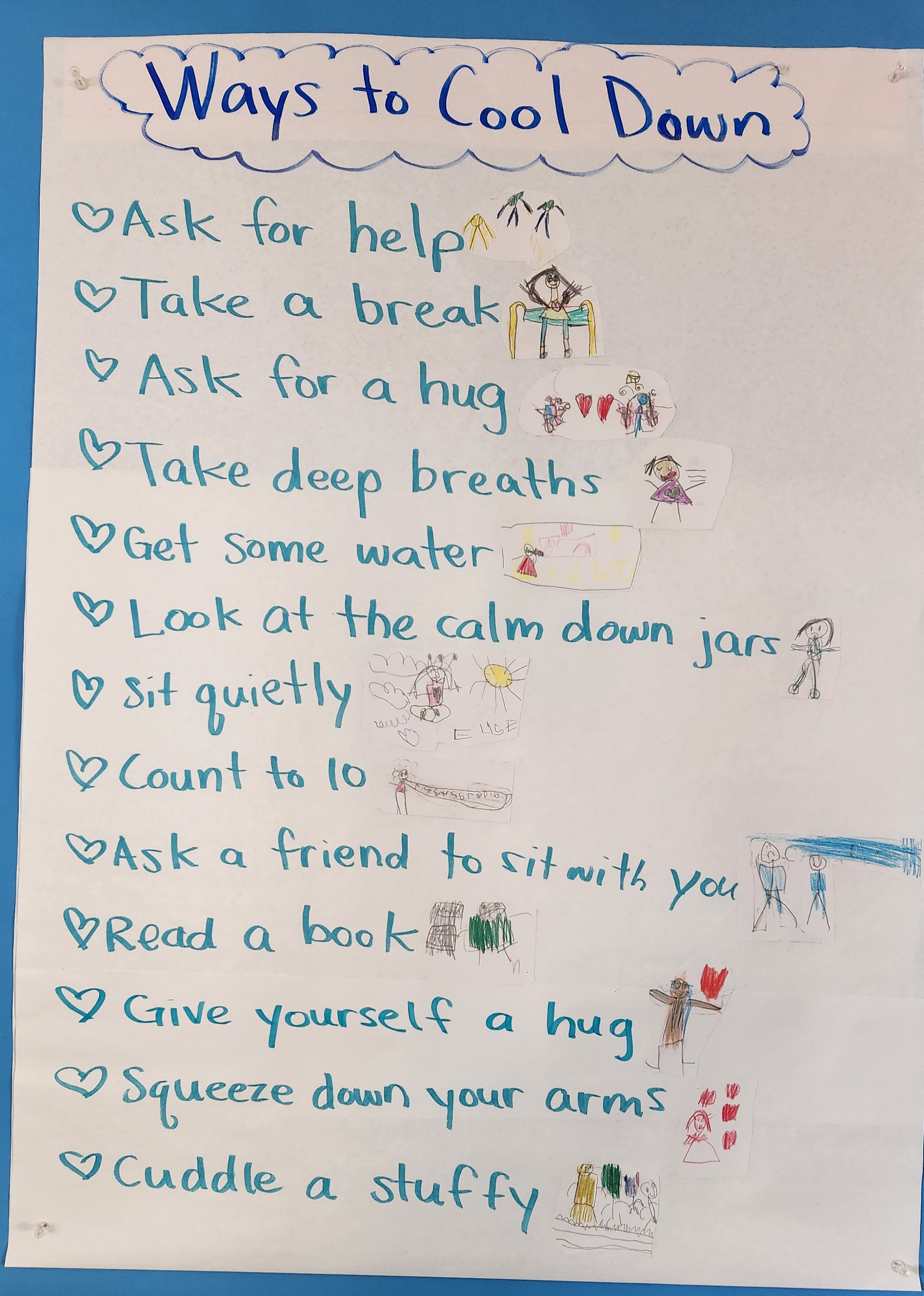
Kindergarten has been learning about self-regulation. While self-regulation is something that everyone is always working on and practicing, it helps to make our strategies and tools for self-regulation visible for others to better understand.

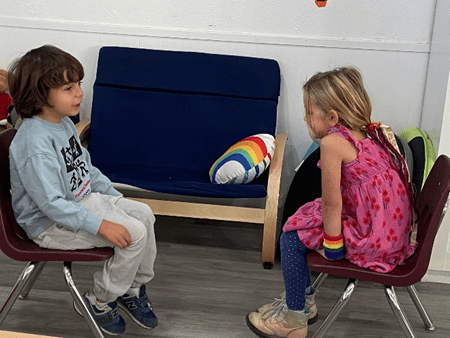
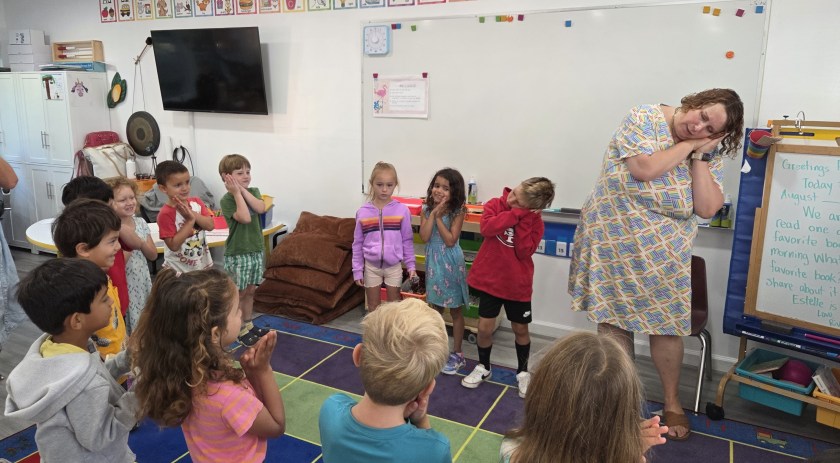
First, it’s important to make sure we all know what calm feels like so that in moments of upset or silliness, we can get ourselves back to calm. The class read a story about a very moody cow and compared how it feels in their bodies when they are mad versus when they are calm. Next, they read a story about a boy who had a horrible day and discussed things he could have done to feel better throughout the day. Then Riva introduced the “break chair” to the class, which is a tool that students can use to calm down after upset, overstimulation, anger, distraction, etc. She modeled how to use it, and then the class shared what they noticed. A student modeled for the class as well, and again the students shared what they noticed. Then came the kindergartners’ favorite part, sending Riva to take a break in the chair. But, Riva did the WRONG thing! Hilarity ensued, and even Riva couldn’t keep a straight face, as everyone was cracking up. Since introducing this self-regulation tool, Riva has been thrilled to see many students using the Break Chair throughout the day. It’s clearly a tool that works for them!

The self-regulation discussions and activities culminated in the class creating a list of “Ways to Cool Down,” which will hang in the Kindergarten classroom all year. Anytime someone needs help, they can check the list and try one of the many excellent strategies their peers came up with.

If you need help calming down, feel free to ask one of our resident self-regulation experts in the kindergarten room!

#SaklanSEL