Creating Together: Saklan Families Bring SpongeBob to Life

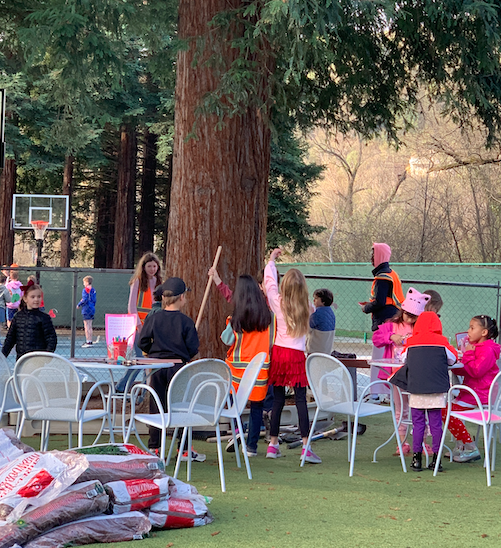
Last Saturday, our campus was buzzing with paintbrushes, cardboard, creativity, and a whole lot of teamwork. Over the weekend, students, families, and staff gathered for a Lower School Musical Work Day, transforming our school into a lively workshop filled with color, imagination, and community spirit.

From the moment volunteers arrived, the campus came alive with purpose. Laughter mixed with the sounds of cutting, painting, measuring, and building as teams worked together on the many props and set pieces that will bring Bikini Bottom to life onstage. Giant jellyfish, coral reefs, vibrant backdrops, and whimsical underwater details began taking shape as everyone, kids and grown-ups alike, rolled up their sleeves and dove into the fun.

What made the day truly special wasn’t just the art we created, but the connections we strengthened. Parents and students collaborated side-by-side, sharing ideas, solving problems, and celebrating each finished piece. Older students supported younger ones, families made new friends, and the room glowed with the feeling of creating something meaningful together. Events like this remind us that the heart of the Saklan community lies in our willingness to show up, contribute, and lift one another up.

Thank you to everyone who gave their time, talent, and energy last weekend. Your support makes all the difference, and we are so grateful.

#SaklanCommunity #SaklanCreative

Service Learning in Puerto Rico

Yesterday, our 8th graders returned from a transformative week-long field experience in Puerto Rico. The trip was a powerful blend of cultural exploration, hands-on service, and unforgettable experiences. Throughout the week, students documented their learning and reflections in a daily blog. Below, we are excited to share the first two entries from their travel journal.

Day 1: Exploring Old San Juan

Today was a great start to our Puerto Rico trip! We began the day with a delicious breakfast and then set out to explore Old San Juan. We walked along the blue cobblestone streets and observed historic monuments such as churches, statues and fortresses. El Morro was one of the fortresses that we visited, and it had a gorgeous view of the ocean, many tunnels and staircases, and great spots for photos. Next, we walked among the colorful buildings of Old San Juan to get to our lunch restaurant. We ate tasty Puerto Rican cuisine before exploring the local shops to buy souvenirs. We also stopped at one of the narrowest houses in the world, which is only five feet across the entire way back!

Then we headed to Santurce, another one of the neighborhoods in San Juan, and we walked along the streets to view the huge murals and street art.

After a long day of walking in the heat, we finally returned to the Big Yellow House and relaxed in the ocean. We saw a horse swimming in the ocean, which surprised all of us! After visiting the beach, we showered off and ate a dinner filled with more Puerto Rican food.

Our favorite parts of the day were visiting El Morro to explore the different levels, playing in the warm ocean, and observing the murals of Santurce.

Day 2: Service and Salsa

Today we went to the worksite to begin the construction project. We poured buckets of sand, shoveled concrete, and passed buckets full of wet concrete. It was very challenging in the smoldering heat, but we made sure to stay positive and hydrated. After we finished with construction for the day, we went to a member of the community´s home. There, we learned about Angel, the foreman, and his experience with Hurricane Maria. Angel and many others lost everything in the hurricane, and Angel has helped rebuild over 60 houses since. Afterward, we went to the beach to swim and relax.

When we returned to the Big Yellow House, we had pasta with red sauce for dinner. Following dinner, we learned how to salsa dance, which was quite tiring!

The best parts of the day were visiting the beach and playing in the sand and water. We also enjoyed seeing the completed floor that we made at the construction site.

We are so proud of our 8th graders for their curiosity, compassion, resilience, and willingness to learn through real-world experiences.

#SaklanFieldExperience

Authenticity and Student Inquiry

Doing a project is not the same as Project Based Learning. The differences may seem minor at first glance, but the impact on student learning and engagement is tremendous. Two vital components that differentiate “doing a project” from Project Based Learning are authenticity and student-driven inquiry. 

High-level Project Based Learning has an authentic context. It involves tasks, questions, or ideas that connect to the world outside of the school walls: students’ personal experiences, concerns, interests, or identity. Student-driven inquiry means students are engaged in an iterative process of asking questions, gathering and interpreting data, and developing solutions or deeper questions to investigate. 

Two fantastic examples of these elements in high-level Project Based Learning at Saklan are the Kindergarten Names unit and the Owlet Leaf unit. 

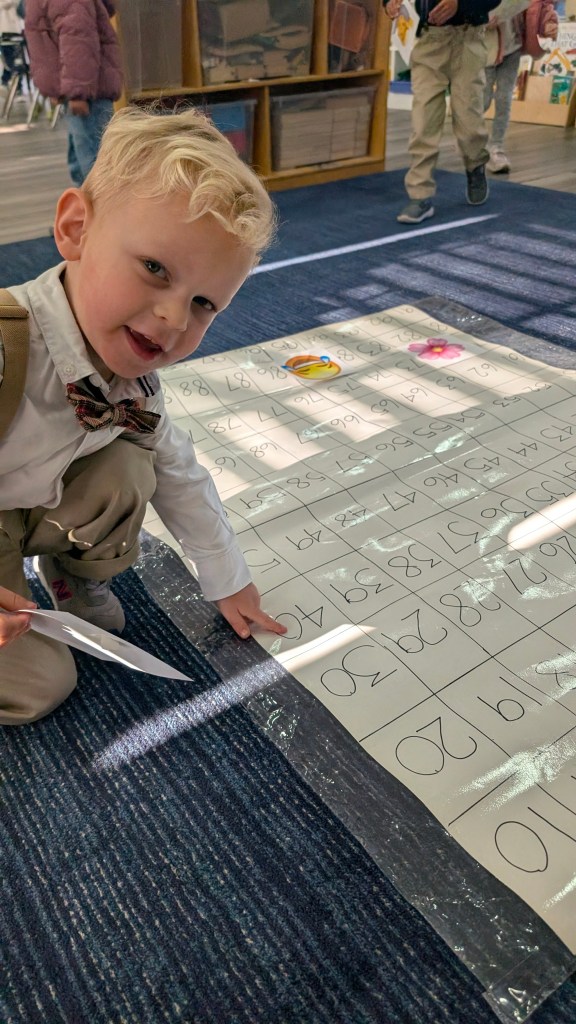
Our Kindergarten names unit brings students’ family stories and cultures to the forefront of learning. The students investigate how to become better friends by learning about each other’s names. Closer bonds and deeper friendships are developed by bringing students’ rich family lives and stories into the classroom. They interview their families and each other about their names, learn to read and write each other’s names, explore ways to represent the meaning of their names together, and study how people share their names through picture books.

Our youngest learners, the Owlets, have been engaging in a deep exploration of leaves. For our ECE students, part of an authentic unit means pursuing a topic that they experience in their daily lives. During this time of year, when the trees are changing colors and leaves are falling to the ground all around us, student questions about leaves are abundant. They first began their study by sharing their own knowledge about leaves before generating questions. Next, the class engaged in experiences that helped them answer their questions, and then made physical representations of their growing knowledge of leaves. 

For both of these units, students engaged in multiple rounds of inquiry and had the rich opportunity to explore a topic with personal meaning while also tackling academic, social, and emotional learning goals. You are invited to join us on December 11th at 8:40 a.m. to celebrate the culmination of both of these project units. We hope you join us! 

#SaklanProjectBasedLearning

Spotlight on Riva: Guiding Kindergartners With Joy & Purpose

If you’ve ever stepped into Saklan’s Kindergarten classroom, you’ve likely felt it: the spark, the laughter, the hum of curiosity and care. It’s a space where little moments become big milestones, and where joy seems to live in every corner. That joy is no accident. It’s fueled, every day, by a teacher who brings heart, intention, and deep respect for childhood into everything she does.

Recently, we sat down with Riva, Saklan’s Kindergarten teacher, to learn more about what inspires her, what she loves most about working with our youngest learners, and why Saklan’s approach to Project Based Learning feels so special.

You bring so much joy to the Saklan campus- what fuels your joy and excitement the most when it comes to your teaching day? 

“My joy comes from the relationships I get to build with my students and their families. Kindergarteners arrive each morning with such openness and enthusiasm, and I love being part of a community that celebrates their strengths, quirks, and emerging identities. Saklan is a place where students are truly known, and getting to guide them through their first steps in school — emotionally, socially, and academically — is a privilege that motivates me every day.”

What do you love the most about working with Kindergarten?

“What I love most about working with kindergarteners is the unique magic of this developmental stage. Everything is new, everything is possible, and their sense of wonder is contagious. I get to watch them discover their own abilities, whether they’re decoding a word for the first time, writing a brave sentence, or learning how to take a deep breath and reset. Kindergarteners grow in such joyful, visible ways, and being part of those early milestones feels incredibly meaningful.”

She also shared a favorite program that brings this magic to life: Kinder Korner.

“One of my favorite parts of teaching kindergarten at Saklan is our Kinder Korner program. Our students become “big buddies” to the Hoot Owls, teaching them what life in kindergarten is like. It’s beautiful to see my students step into leadership roles with such care and pride. They show empathy, patience, and confidence as they guide their younger buddies through activities, routines, and little moments of discovery. Watching them light up when they realize they are the ‘experts’ is truly heartwarming. Those cross-grade connections deepen our community and remind me how capable and kind young children can be when given the chance to lead.”

You have had a lot of experience with projects at previous schools- what makes Saklan’s approach to PBL special?

“What I love about Saklan’s approach to Project Based Learning is the way it connects our standards to work that feels genuinely meaningful for young children. Our projects grow from what students are naturally curious about, and that makes the learning feel joyful and authentic for all of us.”

She highlighted The Names Project as a powerful example.

“The Names Project is one of my favorites for exactly that reason. Kindergarteners are already captivated by their own names, so it becomes a perfect entry point into letters, sounds, phonics, and even math as we compare and graph the number of letters in each name. But what makes this project so special to me is the sense of community it builds. As students learn to read each other’s names, discover the stories behind them, and create portraits inspired by their name meanings, they also learn about one another in a really meaningful way. The academic growth is wonderful, but the connections they build are the true heart of the project for me.”

You can see this joyful learning in action by joining the Kindergartners for their Names Project culmination on Thursday, December 11th, at 8:40 a.m.

From the joyful morning greetings to the thoughtful projects that build community and confidence, it’s clear that Kindergarten at Saklan is filled with intention, wonder, and deep care. And at the center of it all are teachers like Riva, who make learning feel magical—one moment, one question, and one joyful discovery at a time.

#SaklanStaff

Cross-Age Learning in Action

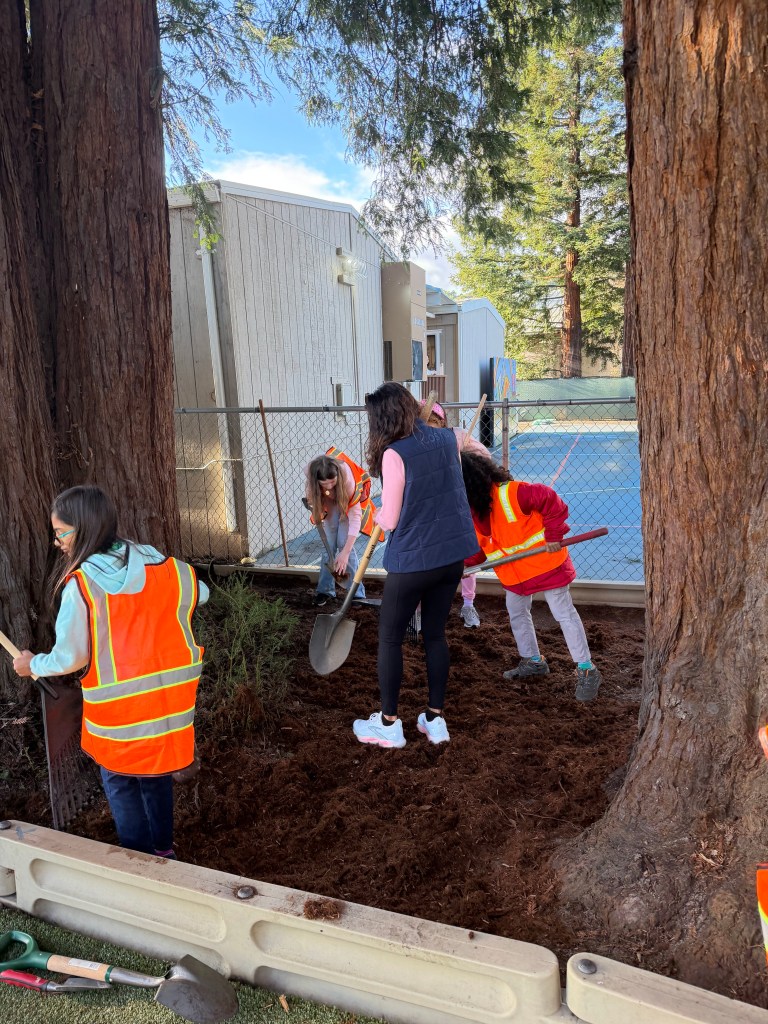
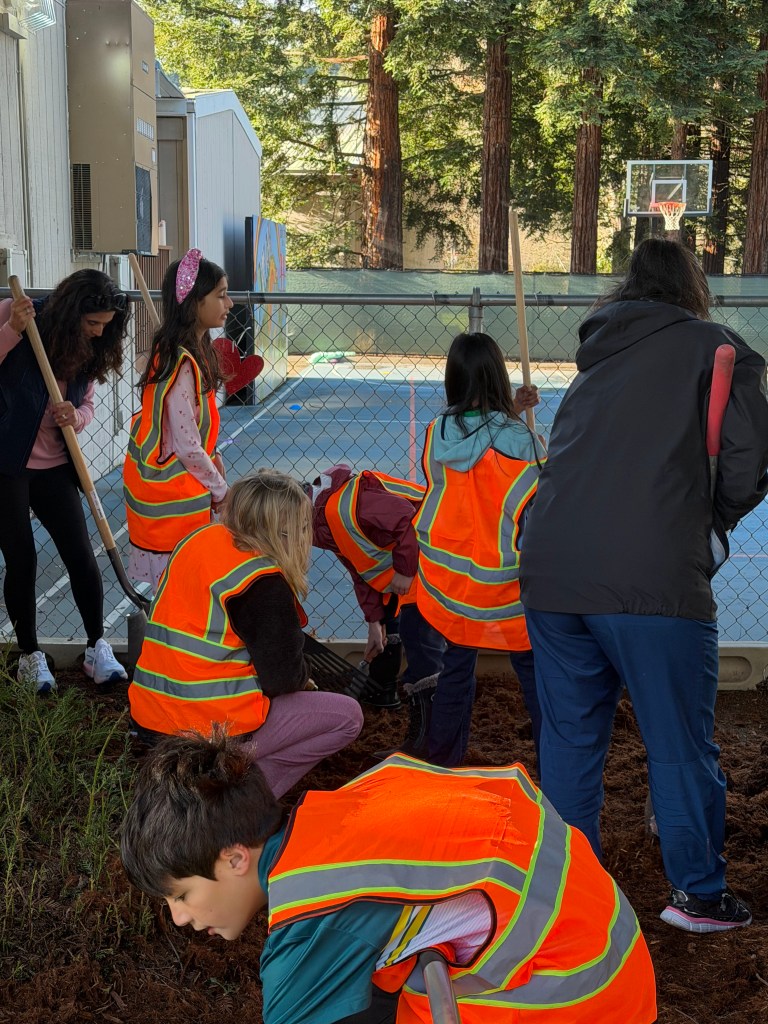
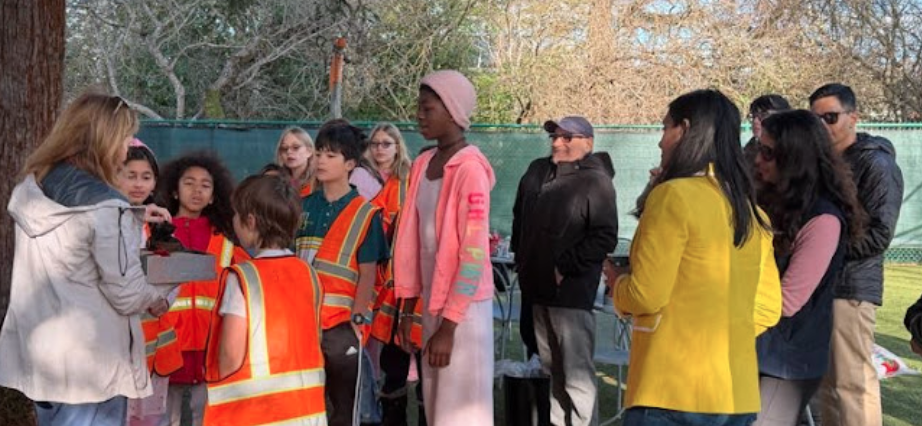
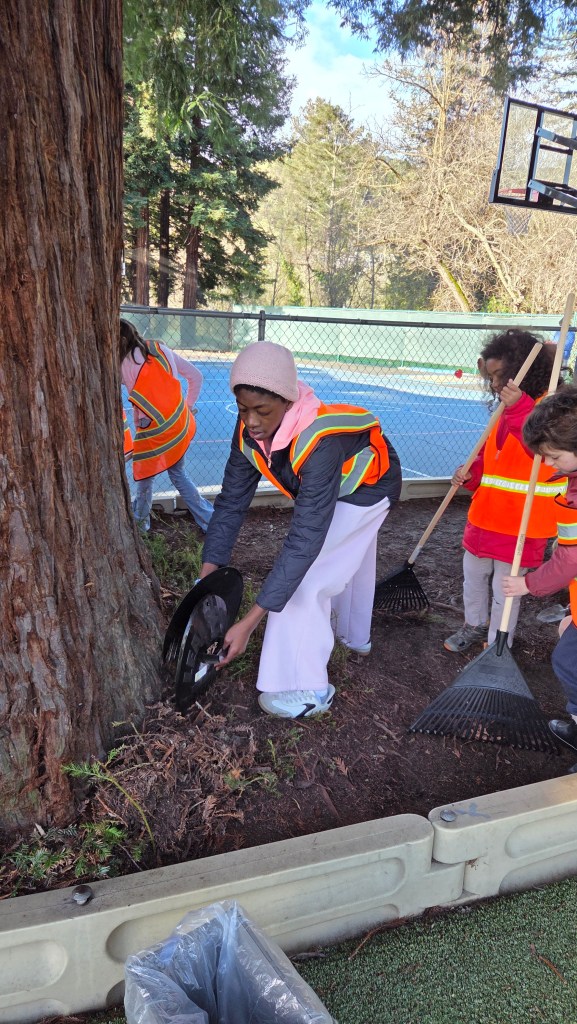
Saklan’s cross-grade learning was on full display as the Owlet buddies and fifth graders came together for a hands-on science experience rooted in their respective Project Based Learning (PBL) units. The Owlets have been exploring leaves, while the fifth graders have been studying trees—making their recent research on Redwoods the perfect launching point for peer teaching.

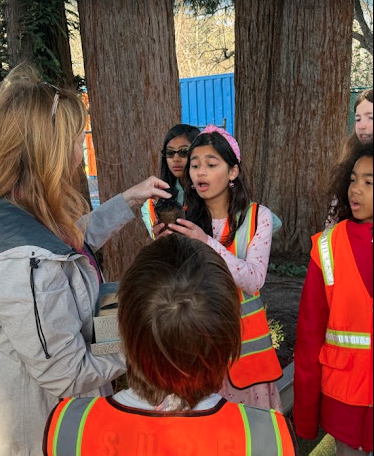
The fifth graders were tasked with becoming “experts” on several big questions the Owlets had been wondering about: the difference between evergreen and deciduous leaves, why leaf colors change, and how fallen plant matter breaks down and becomes soil, including the important role earthworms play in decomposition.

Students worked in teams with real focus and purpose. They were given 45 minutes to choose a topic and collaborate on a mini-presentation that was both accurate and engaging. Each group created a visual or hands-on element to support their teaching. Another 45 minutes were spent practicing, presenting to peers, and refining their work with the help of candid “Dancing with the Stars-style” feedback. The growth from practice to final presentation was remarkable.

When it was time to meet with the Owlets, the fifth graders were ready. Their presentations were clear, lively, and thoughtfully geared toward 3- and 4-year-old learners. The Owlets eagerly leaned in, asking big, earnest questions such as, “Do worms have eyes?” and “Is that the head or the tail?” Fifth graders knelt beside tiny tables, held leaves up for close inspection, and invited younger students to touch, compare, and wonder.

Not only did the Owlets gain new insights through this joyful experience, but the fifth graders deepened their own understanding by explaining complex scientific ideas in simple, accurate ways—a skill that strengthens mastery and confidence.

Saklan’s PBL focus continues to create meaningful opportunities for students of all ages to learn with and from each other, building both knowledge and community along the way.

#SaklanProjectBasedLearning #SaklanGuestExperts

Exploring Animal Care

Last Friday, the Hoot Owls proudly shared the culmination of their two-month-long Pets Project, inviting families and community members to celebrate their hard work. This project blended research, fieldwork, creativity, and expert guidance as students explored what it means to responsibly care for a wide range of pets.

The learning journey began with each student selecting a pet to focus on—either a dream pet or one they already have at home. As they learned more about different animals, the Hoot Owls designed and built homes for their chosen pets. They drew inspiration from books, videos, classroom experts, and their own imaginations to create thoughtful and detailed habitats.

A highlight of the project was a Spider Hunt. After learning about spiders, students ventured outdoors with Observational Notebooks in hand. Like true scientists, they sketched what they observed and took note of the spiders’ natural environments. These observations helped them better understand what spiders need to thrive.

The class also dove into learning about fish as pets. Students discovered that fish care is more complex than it first appears. They examined cleaning tools, water test kits, and a special bucket used only for tank maintenance. Conversations about the role of light in supporting aquatic plants sparked thoughtful questions—such as why fish don’t sleep with pillows! This curiosity inspired the creation of a life-sized fish tank representation to help students visualize a fish’s natural environment and daily needs.

As the culmination approached, the Hoot Owls worked diligently to ensure guests felt welcomed. They carefully wrote and decorated invitations for families and friends. Inside the classroom, they helped plan the layout of all their project representations—no small task given the limited space. They worked together to problem-solve, make signs, organize materials, and prepare the room for visitors.

Their excitement and pride were evident as they shared their learning with the community. The Pets Project not only strengthened their understanding of animal care but also fostered creativity, curiosity, and collaboration—skills they will carry into future explorations.

Kind & Courteous Fun in Family Groups

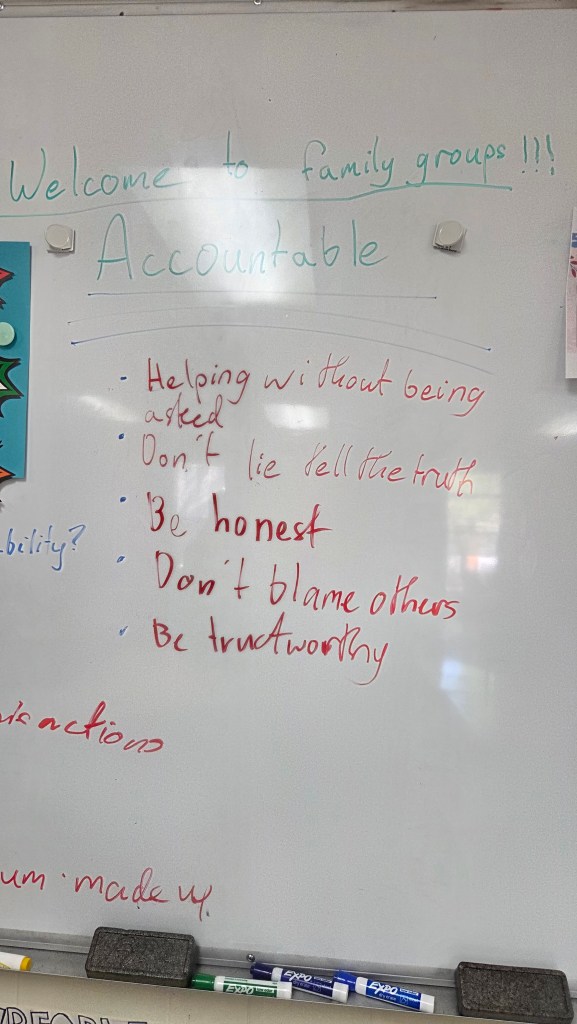
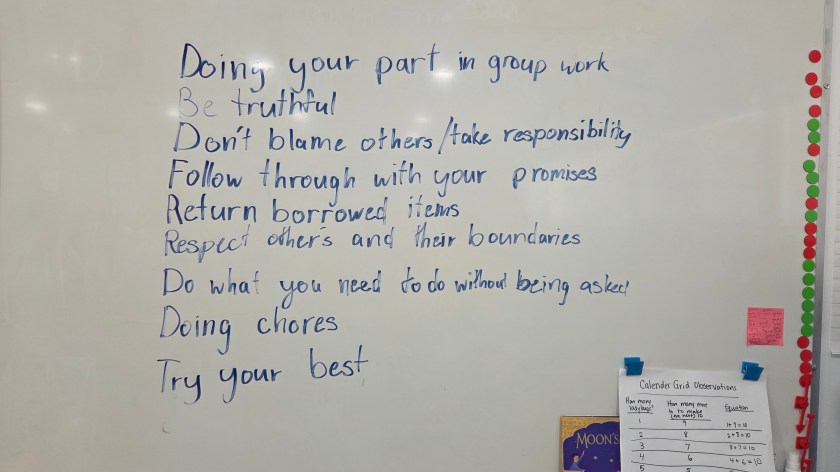
This week, Saklan students gathered in their Family Groups for a joyful, laughter-filled Thanksgiving-themed SEL activity focused on kindness, cooperation, and creativity. With two tasks to complete before the big group sharing time, each Family Group worked together to celebrate our November SEL theme: Kind & Courteous.

Creating a Rhyming Poem

The first task was a poetic one! Students were given six words—Kind, Courteous, Turkey, Stuffing, Grateful, and Saklan—and worked together to craft an eight-line, rhyming holiday poem.

Groups brainstormed opening lines, found creative rhyming pairs, and practiced reading their poems aloud. Once the writing was complete, the fun continued as students came up with movements, gestures, or a mini-skit to bring their words to life. Whether performed as a group or with one reader and several actors, each poem became a cheerful expression of teamwork and holiday spirit.

Newspaper Costume Creations

The second task invited students to transform one group member into a Thanksgiving-inspired character—using only newspaper and masking tape! Creativity soared as students twisted, folded, layered, and shaped newspaper into costumes representing:

  • A turkey
  • Corn
  • A pile of leaves
  • A scarecrow

With laughter and collaboration, each group designed a costume that matched their chosen character or food item, showcasing not only imagination but also teamwork and courtesy in action.

The Grand Reveal

All Family Groups gathered on the sports court for the culminating celebration. Costumed characters stayed hidden behind the art room while groups circled the court. One by one, each group introduced their character, who stepped forward for the big reveal. Afterward, students performed their holiday poem for teachers and peers—earning smiles, applause, and plenty of festive cheer.

This activity beautifully blended creativity, community, and our monthly SEL focus. Students practiced kindness, cooperation, and communication while having a whole lot of fun. A perfect kickoff to the season of gratitude!

#SaklanSEL

Head’s Corner: Where is the Rigor?

Every so often, I get the question from a prospective parent about rigor. They love our approach, and are firm believers that students need to have a “love of learning” and a “love in learning”. But they ask: Is it rigorous? 

As adults, our concept of rigor is informed by our own experiences. When many of us think of rigor, we think of lots of homework, long tests, sitting at a desk, and grinding it out. While that kind of work may be hard, is it rigor or compliance? Is it the type of learning that benefits future-facing students? 

True rigor is about the level of thinking kids are doing, not how stressed they are. Can they analyze, design, and create? Do they grapple with open-ended questions well? Can they explain their thinking, defend their work? Do they persist and have grit?  

Our project-based approach demands synthesis, application, and transfer—the highest levels of Bloom’s Taxonomy. It also requires something traditional rigor often ignores: motivation. When students care about what they’re doing, they naturally push themselves further.

This type of work is cognitively rigorous; what we grew up with feels more like compliance rigor.  

If you are not sold on the idea that what we do is truly rigorous, let our MAP results speak for us. NWEA administers the MAP test to over 35,000 schools across the country. Of those schools, 3,500 are private schools like Saklan. If you look at our results, we not only rank well against schools in general, but score significantly higher than most of our private school cohort. 

What we do may not look like the rigor of our childhoods. But it’s the rigor kids need today—and the rigor that prepares them for tomorrow.

Warmly,
David
#SaklanAcademics

Celebrating Learning at Saklan

This week, our campus buzzed with excitement as second and seventh-grade students showcased their learning during two incredible culmination events. Culminations are opportunities to bring community members together to celebrate student learning and provide a platform for learners to share their knowledge, creativity, and growth.
As part of their Welcome to Saklan PBL unit, second grade explored the question: How can we help newcomers to Saklan feel welcome? After considering what may be the most important elements of our campus to teach newcomers about, students dove deep into mapping, writing, and presentation standards. With help from a critique and revision session with Mylesa, our Director of Admissions, second graders have created a complete self-guided tour of our Saklan campus that can be shared with new families. The digital and interactive components can be used by newcomers for years to come! To celebrate their work, they led families on a live version of their tour this week with great success! Come hear more about this unit at CLAS on November 14th. 

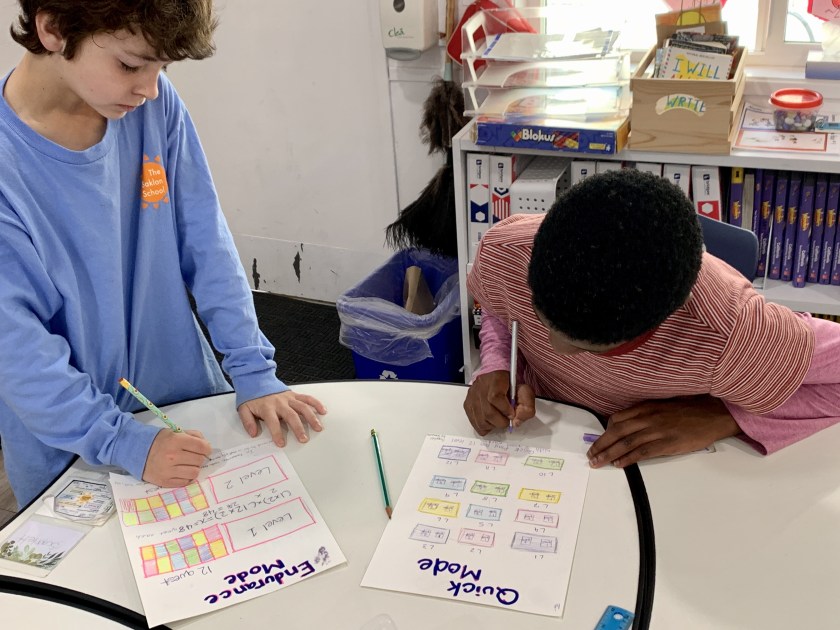
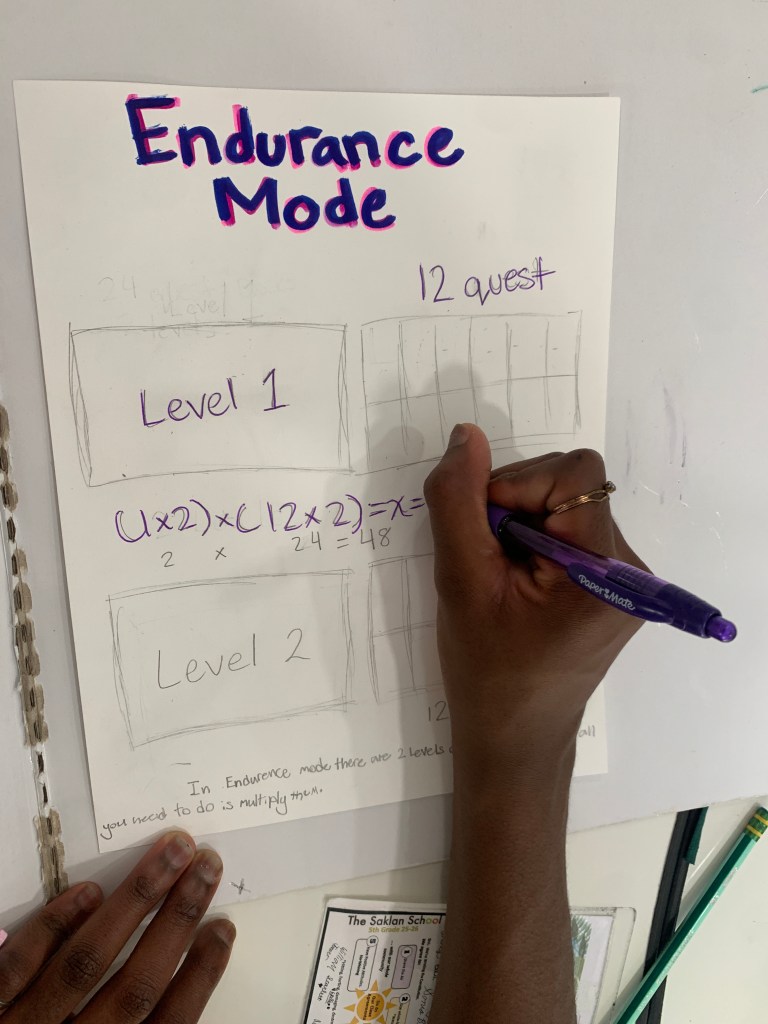
In a seventh-grade math PBL unit, students coded Scratch video games based on their interests. Seventh graders used math knowledge of graphing rotations, reflections, and translations to design an original or remix an existing Scratch game. To culminate this work, they shared the games they made with other students! Third through fifth-grade students were invited to learn about how the seventh graders designed their games and then were given an opportunity to play them!

Culminations like these highlight the power of Project Based Learning, where curiosity drives discovery and students share their learning with pride.

#SaklanProjectWork

From Horses to Hounds: The Hoot Owls Explore Pets

As part of their Pets Project, the Hoot Owls have been exploring how to care for different kinds of animals—both big and small! When teachers noticed several students showing a special interest in the horses and stable set in the classroom, they decided to dive deeper into learning about how to care for horses.

The class discovered that horses can make wonderful pets, but they also require a lot of care and space. Together, the Hoot Owls learned that horses need shelter, lots of hay and grass to eat, and regular brushing to stay clean. They also learned that taking care of a horse includes cleaning up after them—using shovels to tidy up their stalls! Students found out that horses can be ridden using saddles and reins, which led to lots of imaginative play. To represent what they learned, the class created their own model horse brushes, water and food troughs, and even shovels for stable cleanup.

Next, the Hoot Owls turned their attention to one of the class’s favorite animals—dogs! They were thrilled to welcome two special guests: Saul, Saklan’s Middle School Math Teacher, and Mel, who brought along their two dogs, Banksy and Bixby. The Pre-K students came prepared with thoughtful questions, and Saul and Mel were happy to share their expertise.

The class learned that the amount of food a dog needs depends on its size and age. Banksy eats one small bowl of food at dinner, while Bixby eats twice a day—and even uses a special puzzle bowl to slow down his eating. Students also discovered that dogs can earn treats when they perform tricks. Banksy has already mastered “sit” and “roll over,” while Bixby is still learning!

Exercise was another key topic. The students were amazed to hear that Banksy and Bixby had already walked a full mile before arriving at school! To stay active and engaged, dogs also need toys like ropes, chew toys, and stuffies. The class discussed how important it is to keep dogs clean—by brushing them, especially as they grow their thick winter coats, and giving them baths when needed. They also loved hearing about Banksy and Bixby’s matching jackets and learning that collars and leashes are important tools to keep dogs and people safe.

After the visit, the Hoot Owls had the opportunity to apply what they learned by creating their own “pet care kits” for small toy dogs. They made leashes, collars, food and water bowls, treat bags, toys, and even jackets! Each student thoughtfully considered what their dog would need and designed items to help care for their new pet.

Through hands-on exploration, creativity, and expert insight, the Hoot Owls deepened their understanding of what it truly means to care for an animal. From brushing a horse to walking a dog, these young learners are discovering that responsibility, empathy, and kindness are at the heart of being a good pet owner.

#SaklanProjectWork