Celebrating Learning at Saklan

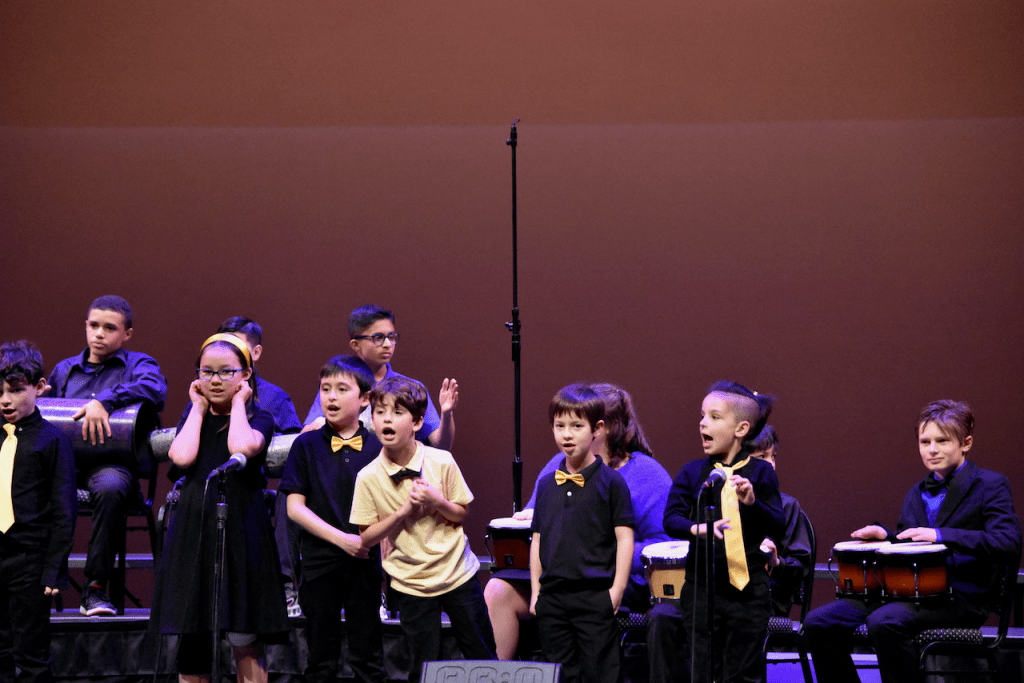
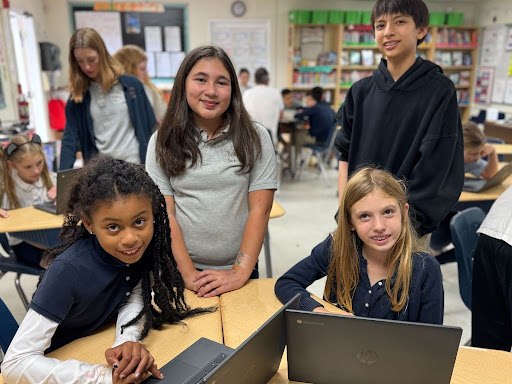
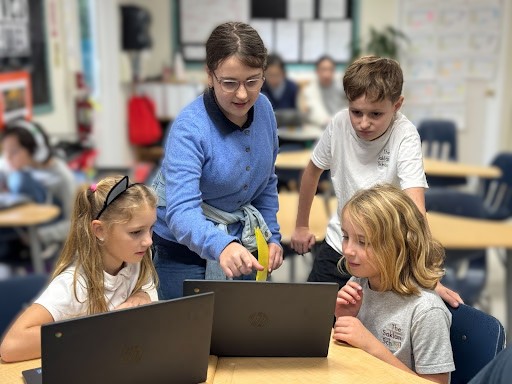
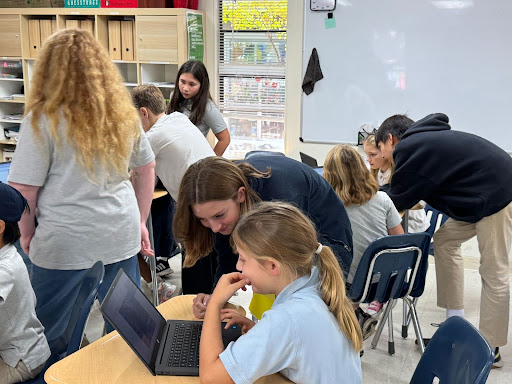
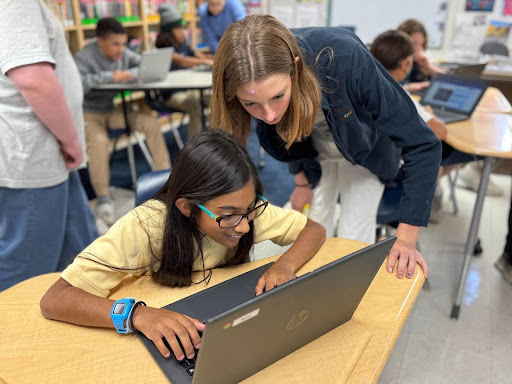
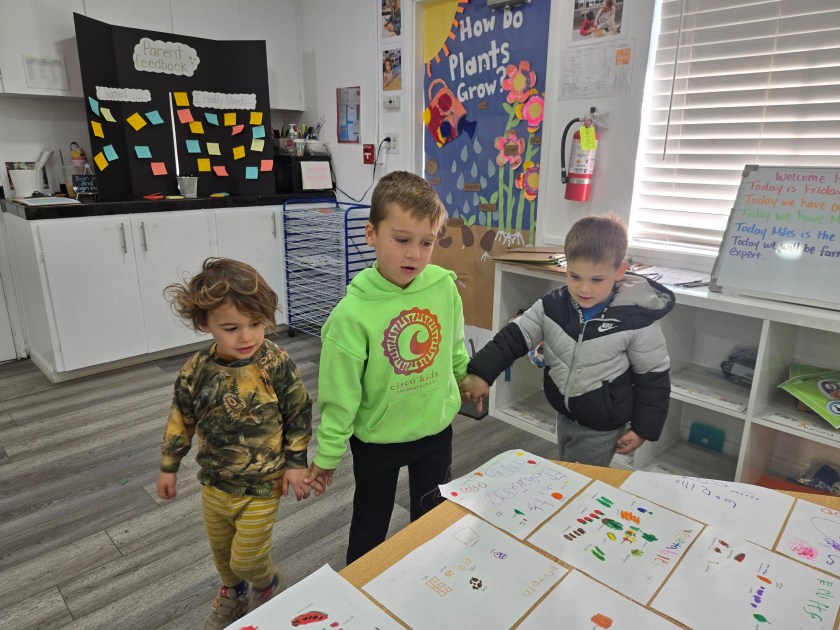
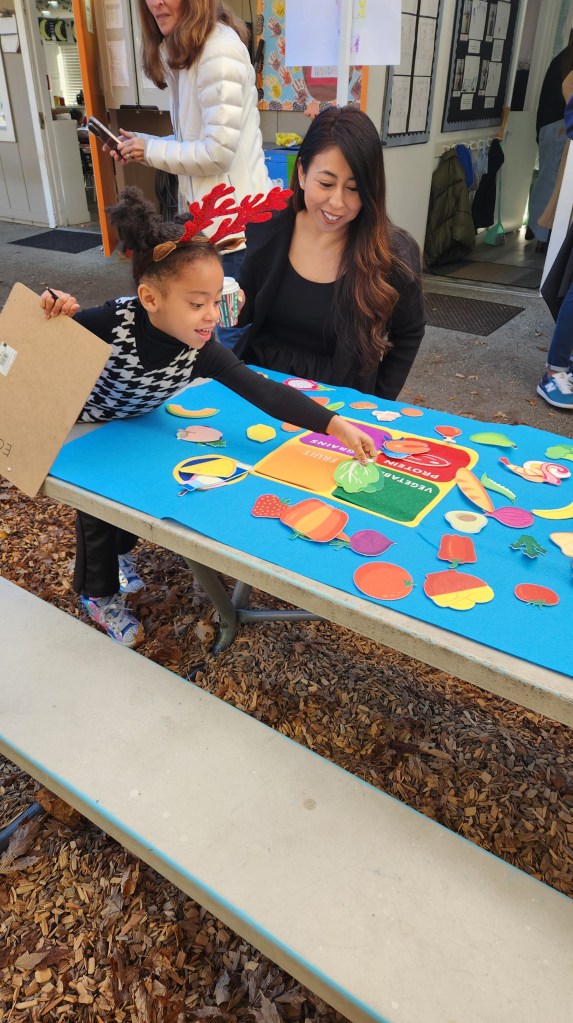
This week, our campus buzzed with excitement as second and seventh-grade students showcased their learning during two incredible culmination events. Culminations are opportunities to bring community members together to celebrate student learning and provide a platform for learners to share their knowledge, creativity, and growth.

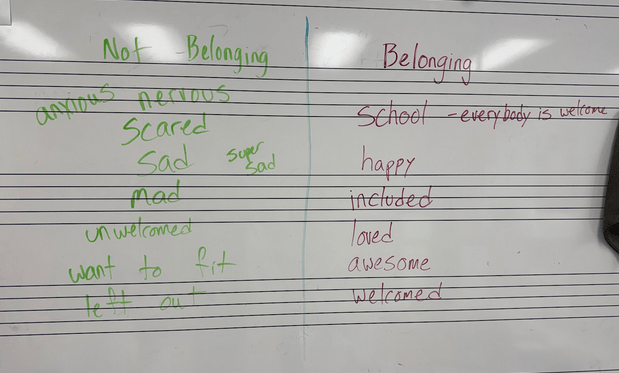
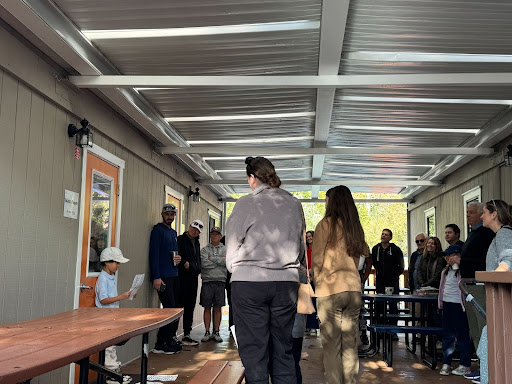
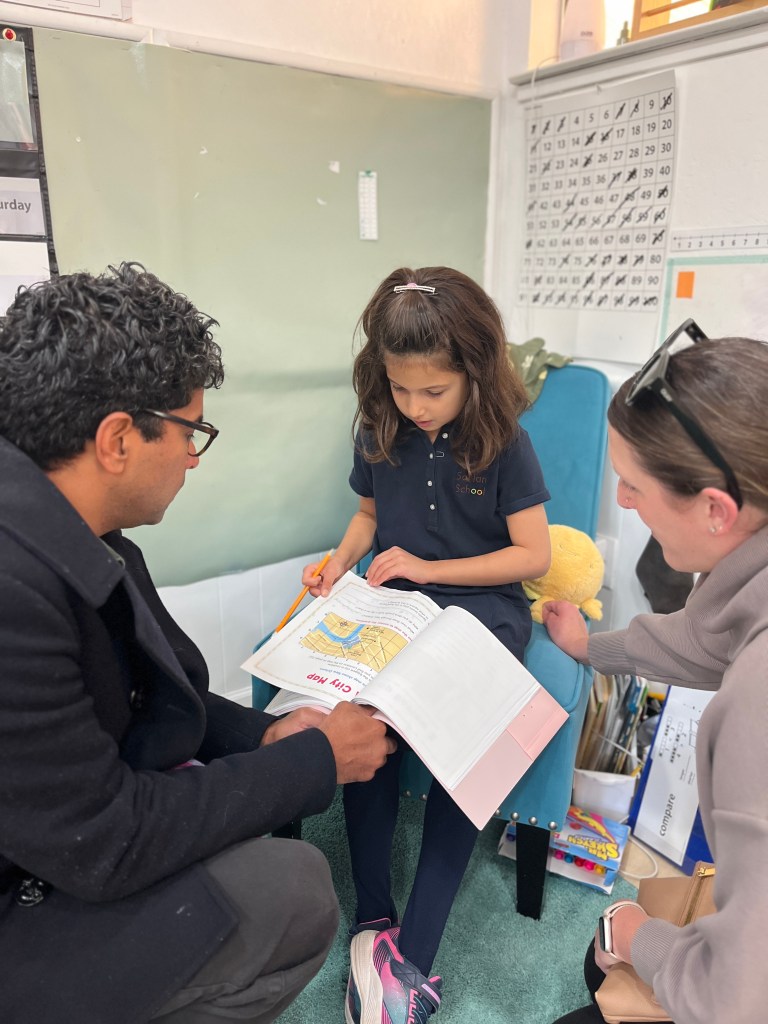
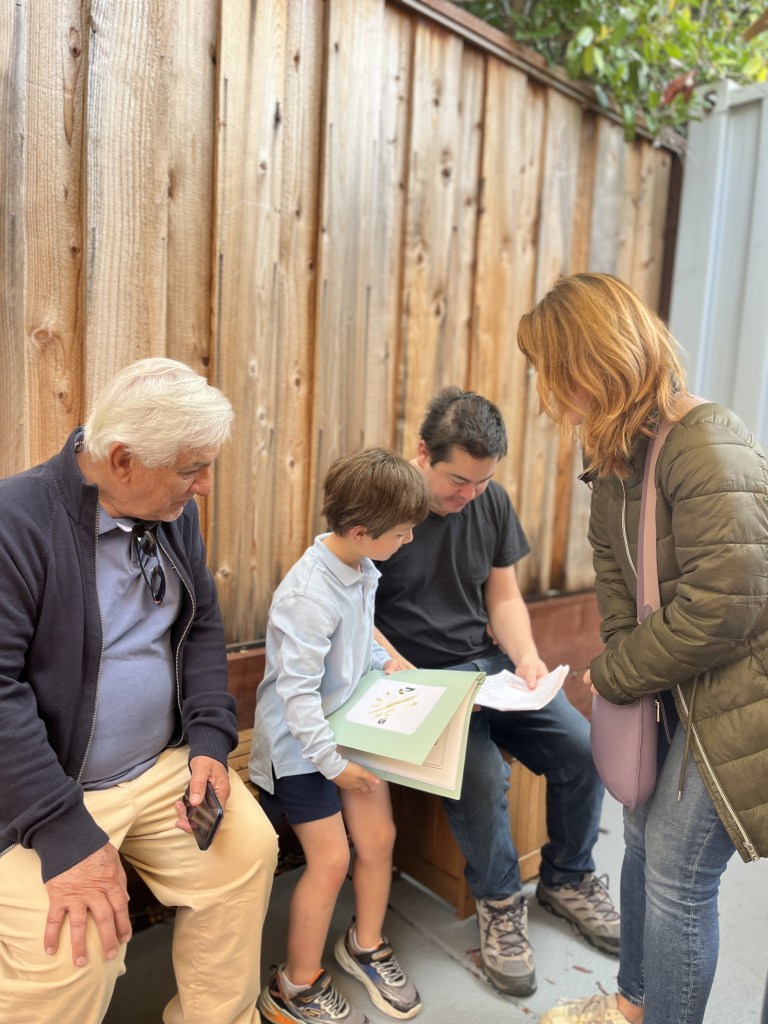
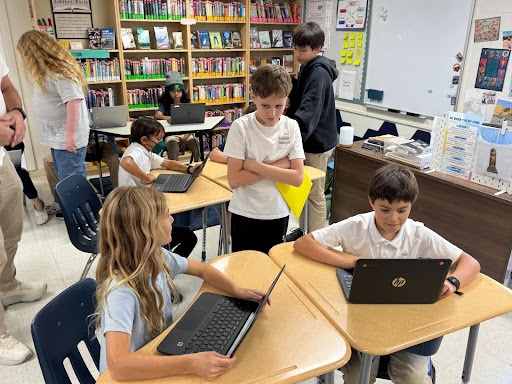
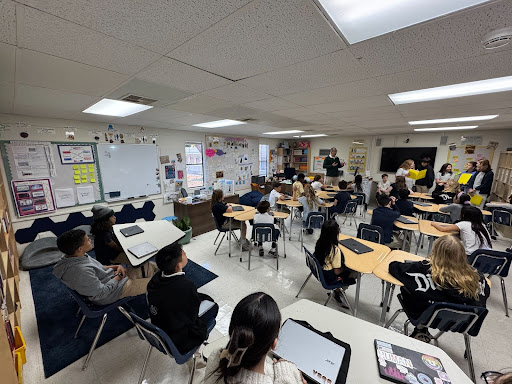
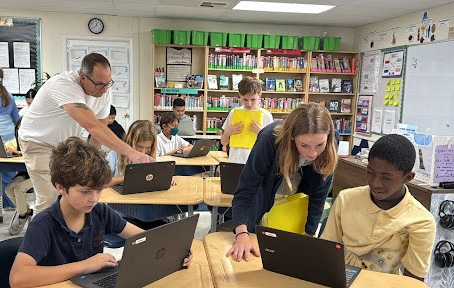
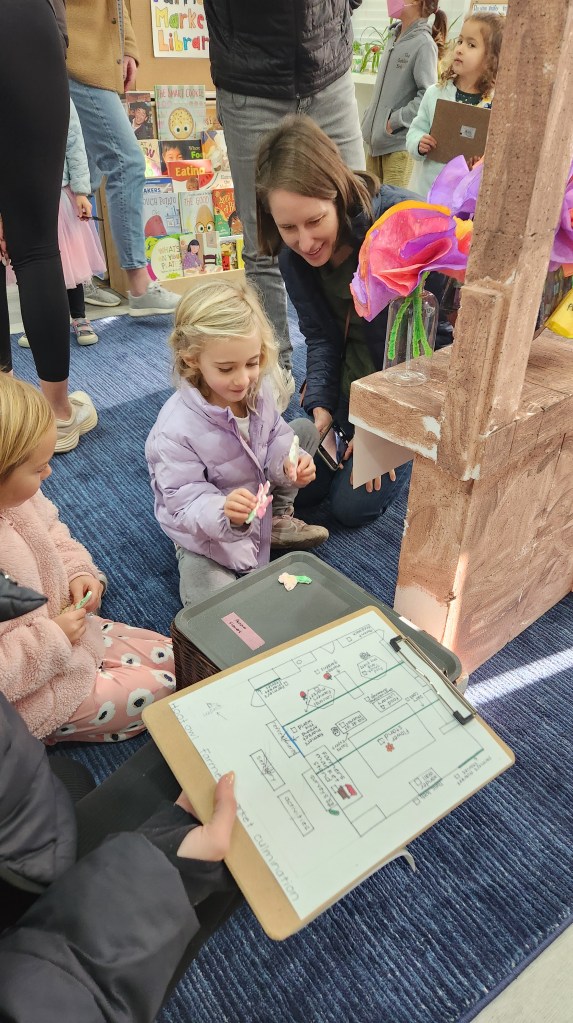
As part of their Welcome to Saklan PBL unit, second grade explored the question: How can we help newcomers to Saklan feel welcome? After considering what may be the most important elements of our campus to teach newcomers about, students dove deep into mapping, writing, and presentation standards. With help from a critique and revision session with Mylesa, our Director of Admissions, second graders have created a complete self-guided tour of our Saklan campus that can be shared with new families. The digital and interactive components can be used by newcomers for years to come! To celebrate their work, they led families on a live version of their tour this week with great success! Come hear more about this unit at CLAS on November 14th. 

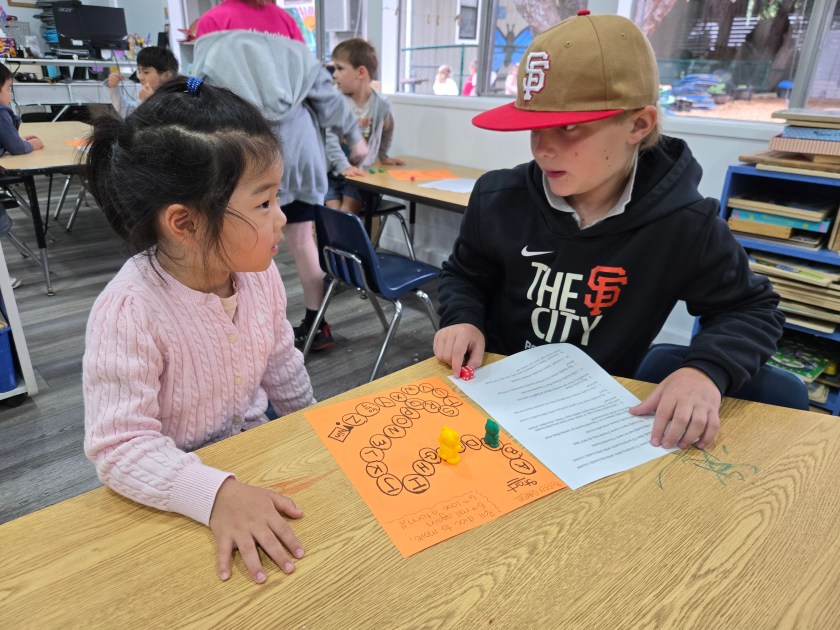
In a seventh-grade math PBL unit, students coded Scratch video games based on their interests. Seventh graders used math knowledge of graphing rotations, reflections, and translations to design an original or remix an existing Scratch game. To culminate this work, they shared the games they made with other students! Third through fifth-grade students were invited to learn about how the seventh graders designed their games and then were given an opportunity to play them!

Culminations like these highlight the power of Project Based Learning, where curiosity drives discovery and students share their learning with pride.

#SaklanProjectWork

Learning Through Light, Color, and Connection

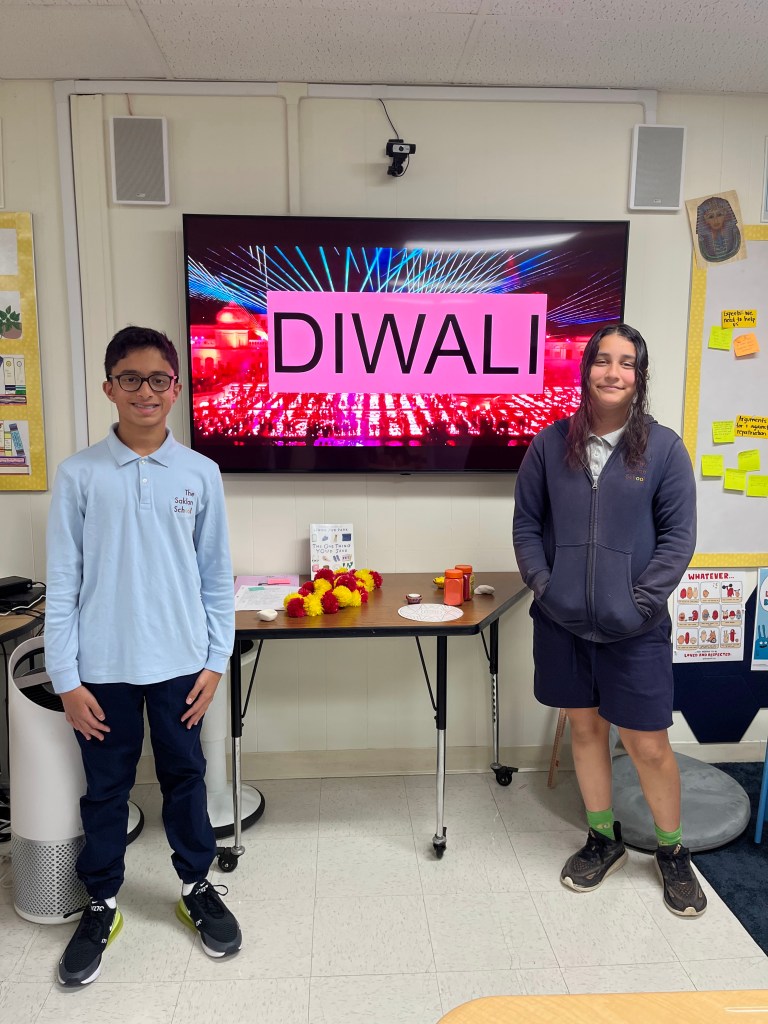
Over the past week, many Saklan students learned about Diwali, the festival of lights, which is observed by Hindus, Jains, and Sikhs around the world—including members of our own community. Diwali lasts for five days in October or November and honors the triumph of light over darkness and good over evil.

To deepen their understanding, students read books about the festival and participated in hands-on activities that brought Diwali’s traditions and meanings to life.

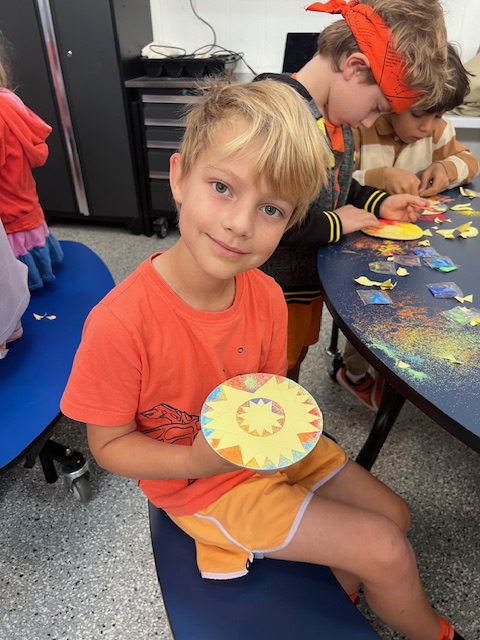
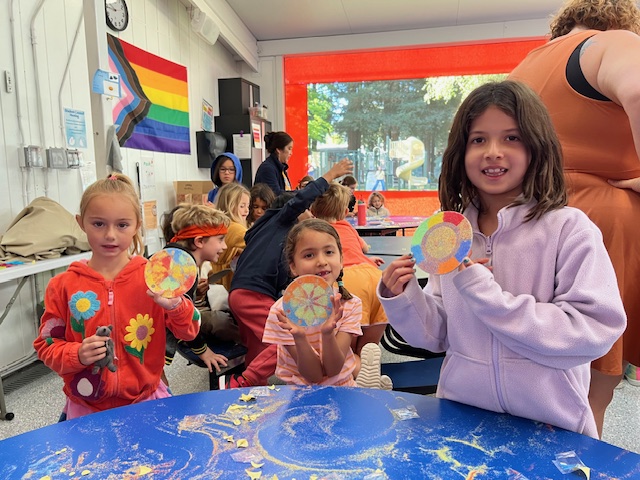
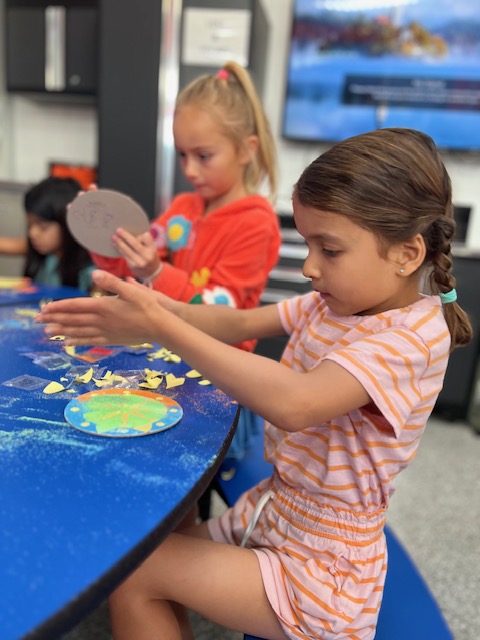
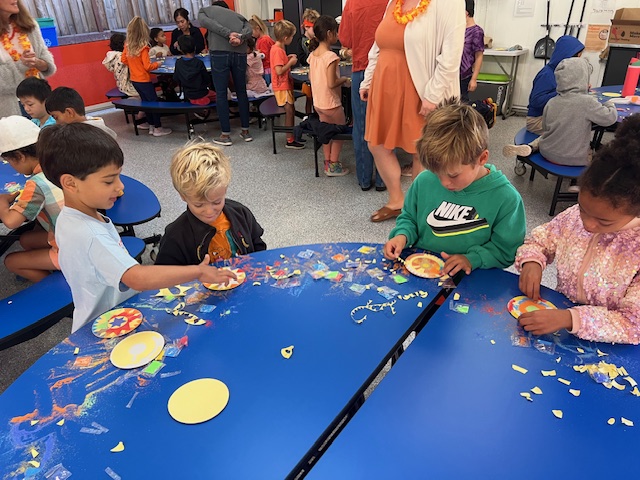
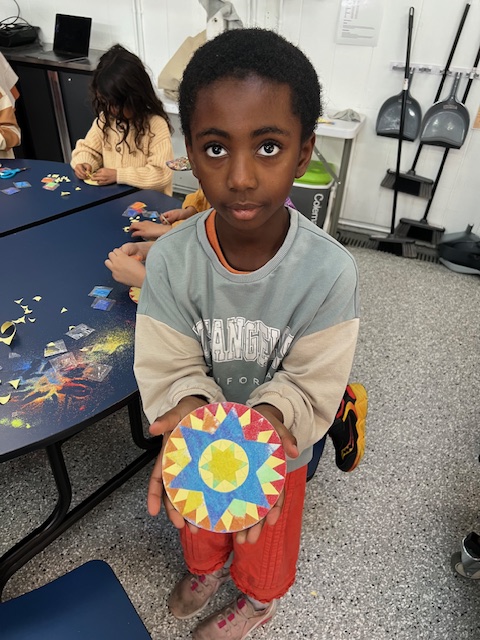
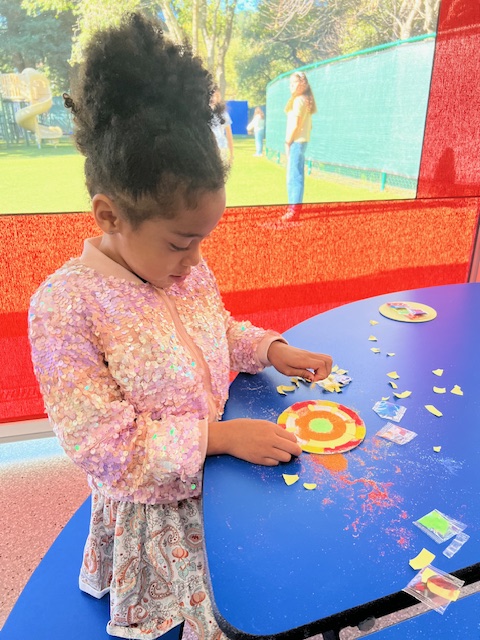
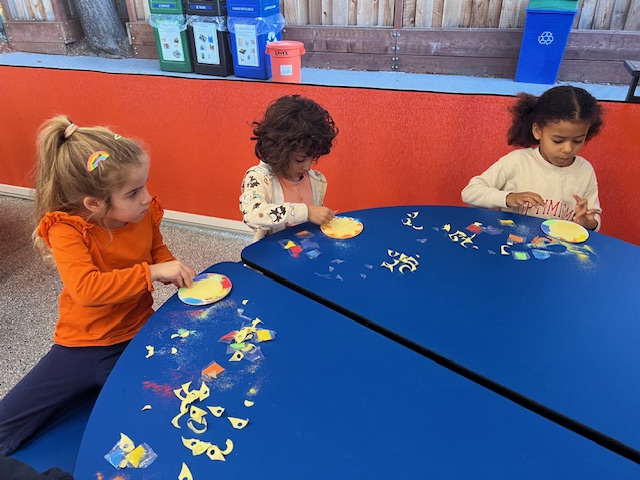
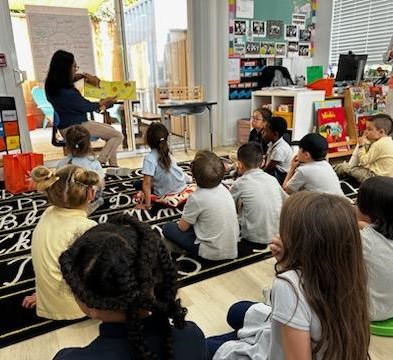
Kindergarten, first grade, and second grade students gathered in the pavilion to meet with Saklan parents Molly and Manju, who read Diwali by Hannah Eliot. Inspired by the story, students created vibrant rangoli—decorative designs traditionally made on the floor or tabletops using colored powders, rice flour, sand, or flower petals—to celebrate the spirit of joy, color, and togetherness that defines the festival.

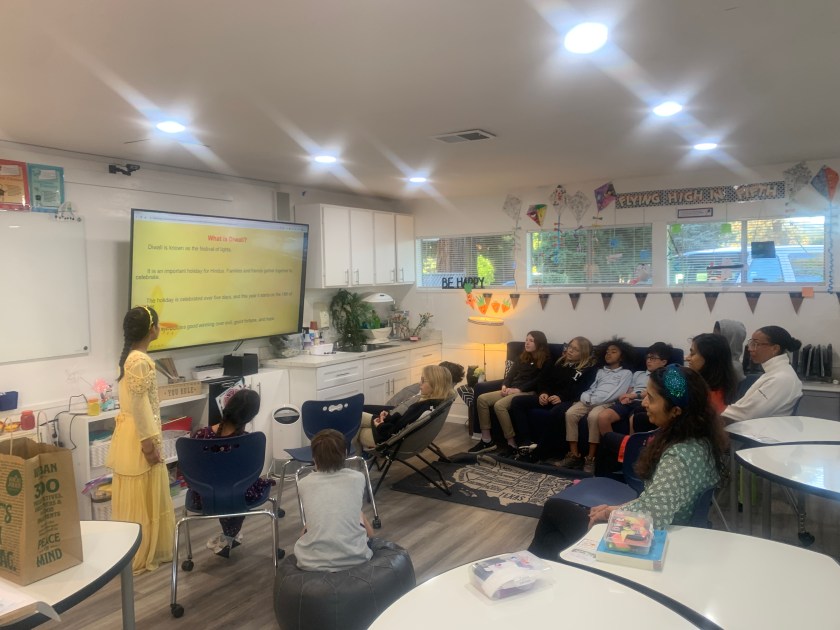
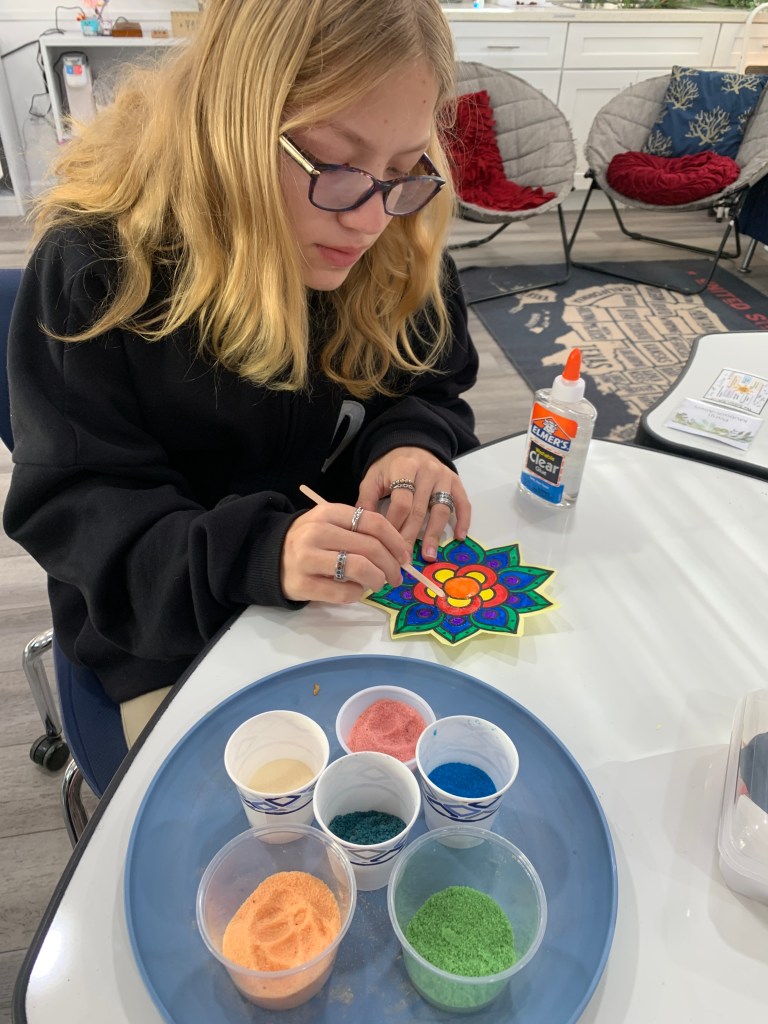
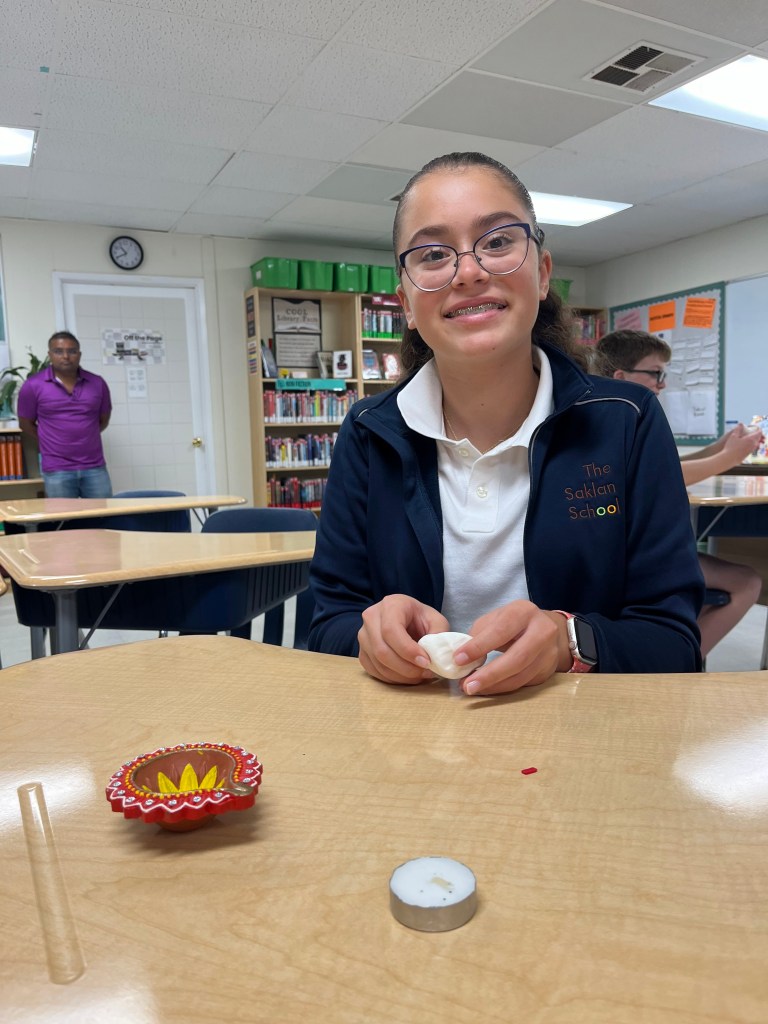
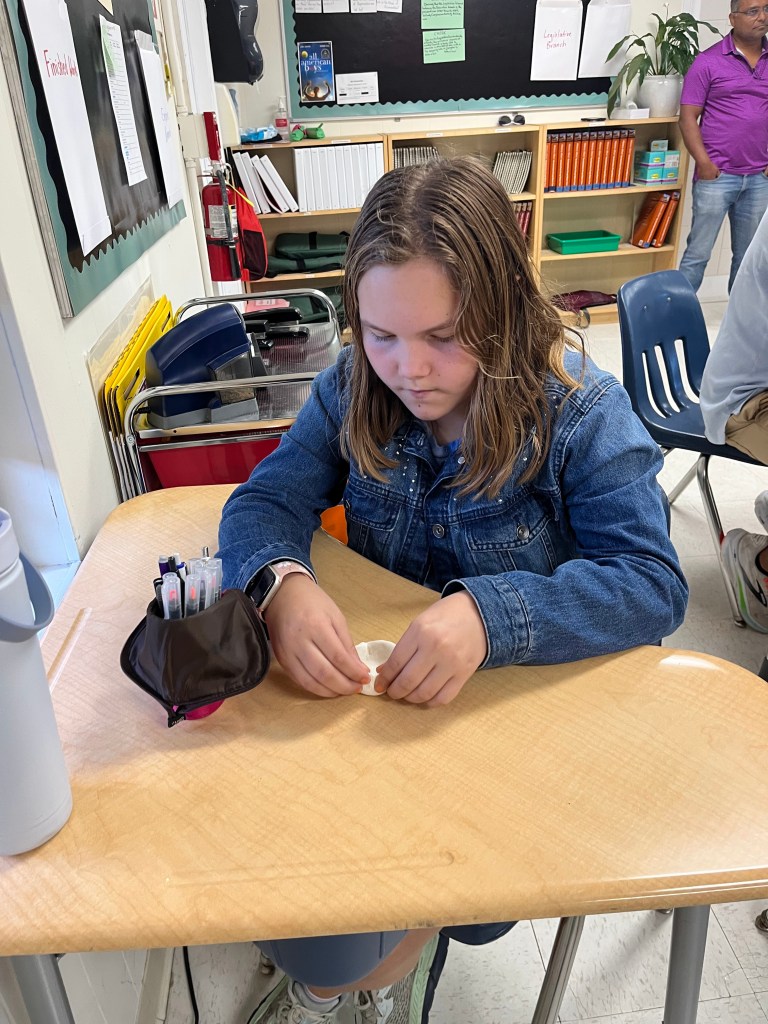
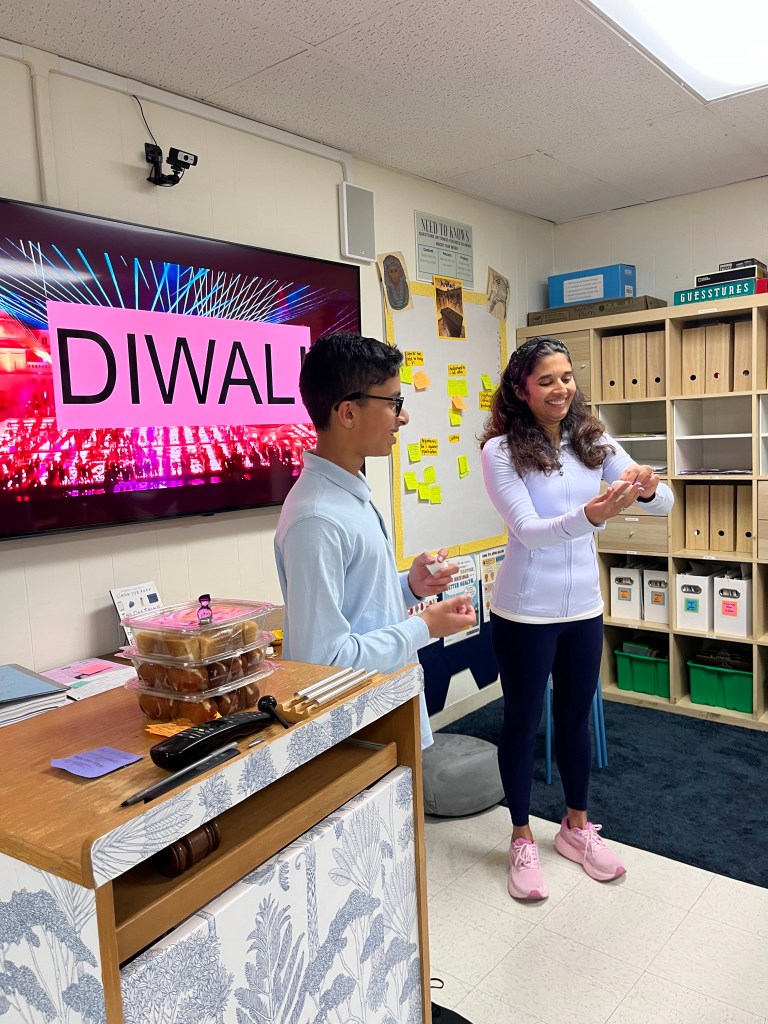
In fifth grade, two students, along with their parents, led their classmates in a beautiful Diwali celebration. Together, they explored the meaning of the five days of Diwali, the symbolism of the auspicious colors red and yellow, and the ways families honor the festival through stories, food, and traditions. Students created their own diyas—small oil lamps traditionally made of clay—and colorful rangoli designs, discovering how light, color, and creativity represent hope and goodness shining through.

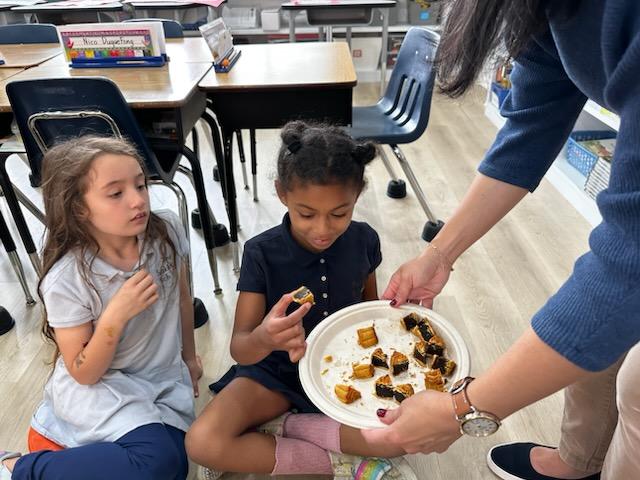
Two sixth graders also shared their family traditions, teaching classmates about Diwali’s symbolism and the use of marigold garlands and diyas. After learning and crafting, the class enjoyed traditional sweets—gulab jamun and milk cake—while connecting their discussion to the novel The Night Diary and previewing their upcoming study of ancient India and Hinduism.

A heartfelt thank-you to the students and parents who shared their traditions and stories with us! Celebrations like this strengthen our community and remind us of the beauty of learning from one another—honoring the many ways light, family, and culture connect us all.

#SaklanCommunity

Second Graders Launch “Welcome to Saklan!”

Second graders have kicked off an exciting new Project Based Learning (PBL) unit called “Welcome to Saklan!” Over the coming weeks, students will work together to create a newcomer’s guide that highlights important places and people in the Saklan community. The finished guide will serve as a warm welcome for new students and families, helping them feel at home from the very beginning.

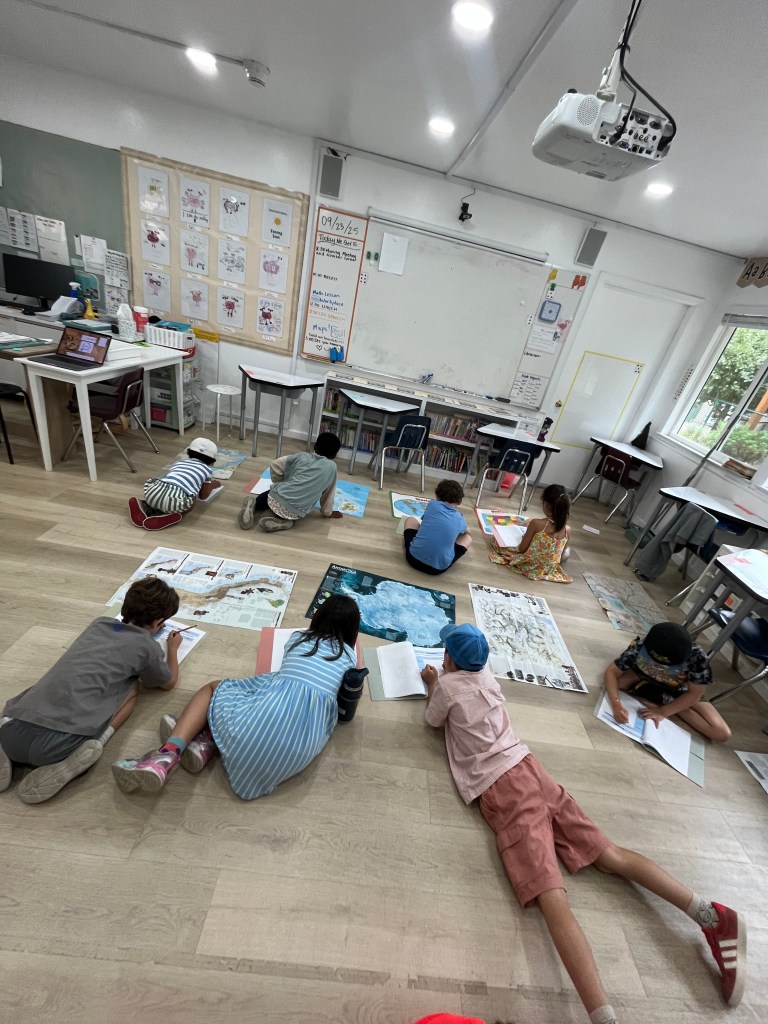
As part of the project, students are learning about maps—how they are used, the symbols they contain, and the language associated with giving directions. Each student will choose a special place on campus to feature, create an illustration of it, and write a short description for the guide. Together, these pieces will be combined into a collaborative map of the Saklan campus.

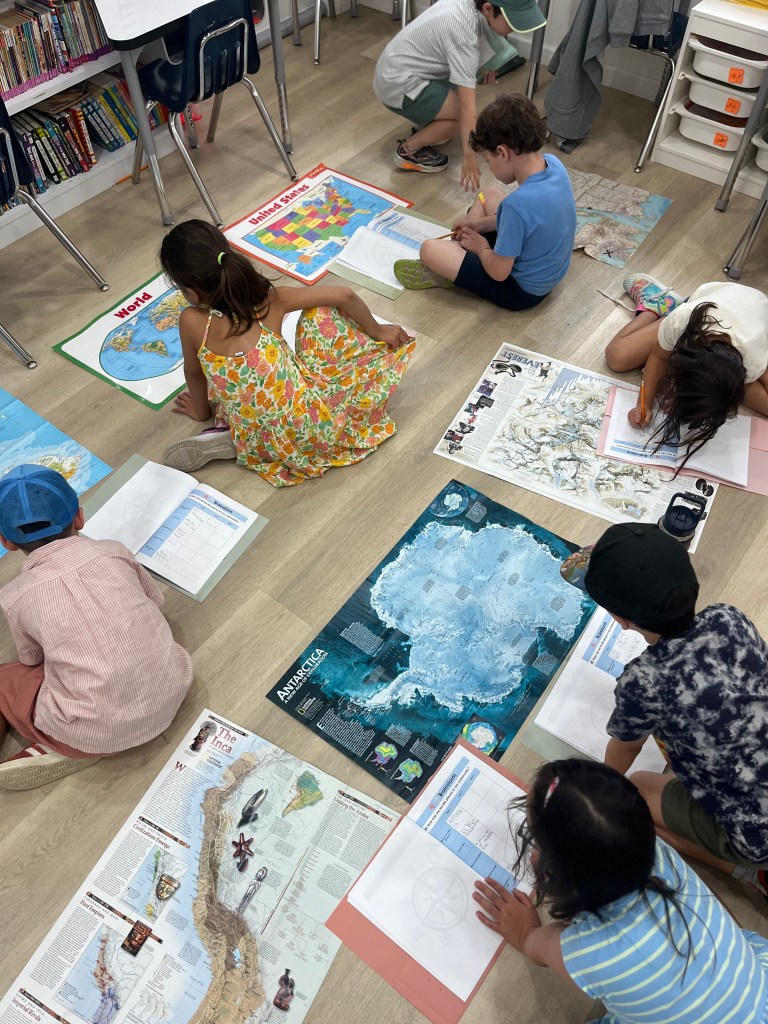
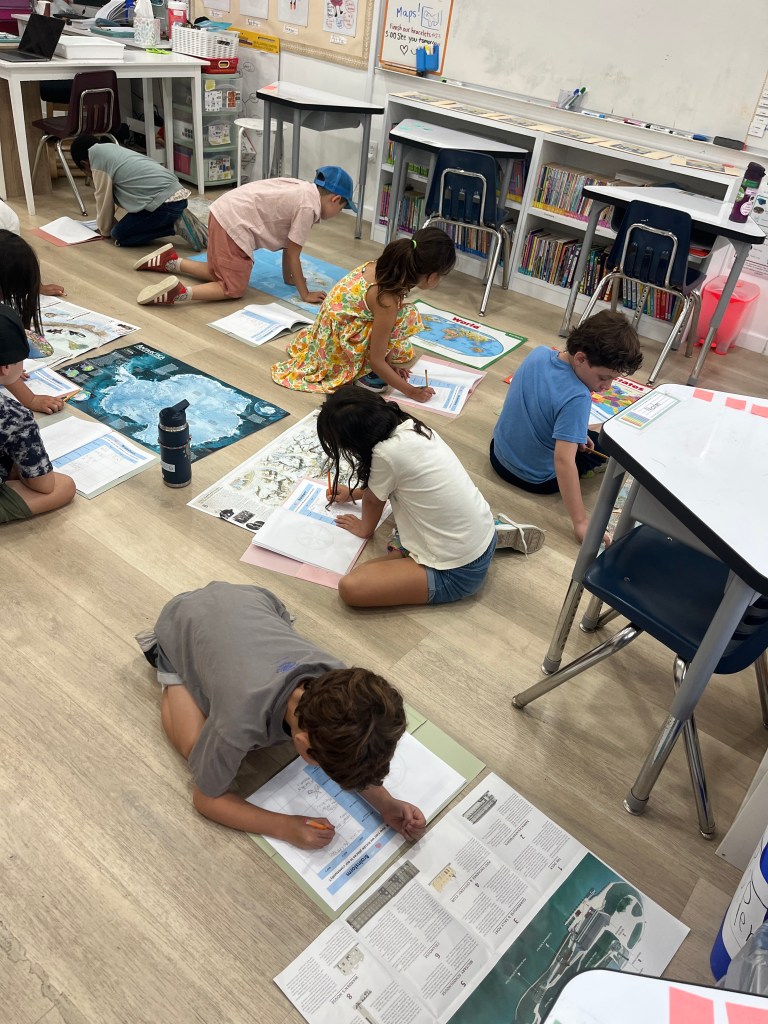
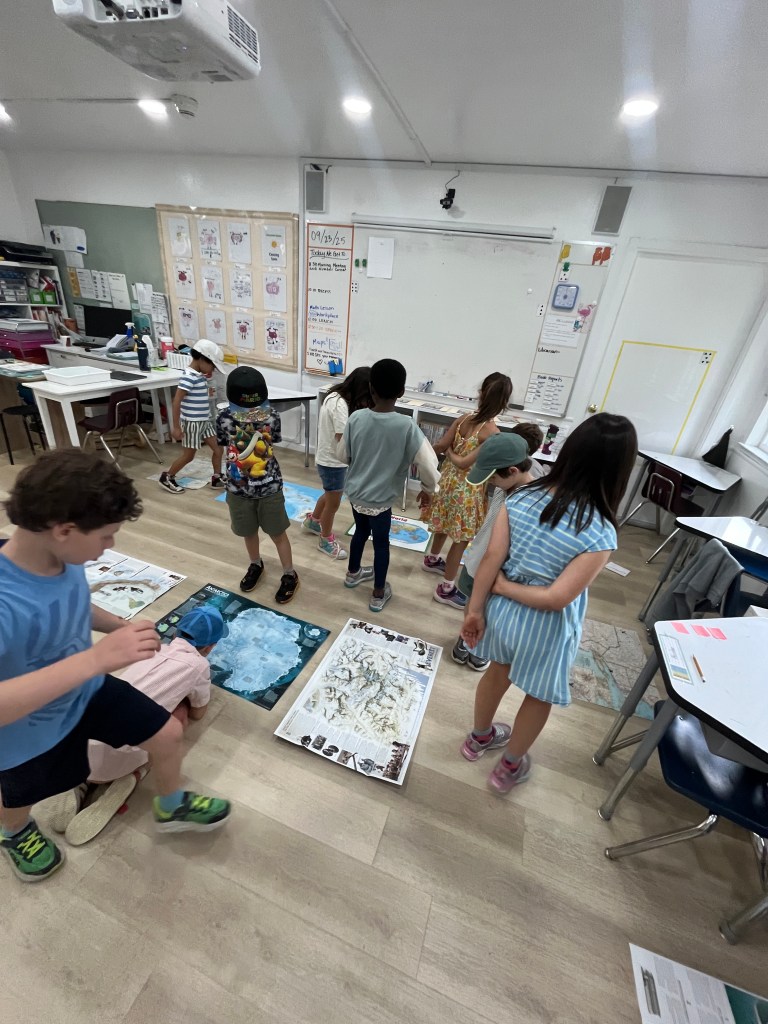
To spark their curiosity, the second graders explored a variety of maps. With notebooks in hand, they made observations and took notes about what they noticed. Next, they practiced using directional words to describe hidden objects, saying things like “between my desk and your desk” or “next to a bookshelf and under a clock.” Using a compass, they also discovered which sides of their classroom face north, south, east, and west.

The unit isn’t only about geography—it’s also about empathy. Students spent time discussing what it feels like to be new somewhere and brainstormed ways they can support others who are new to Saklan. Their thoughtful ideas and excitement show that this project will not only build academic skills but also strengthen their sense of community and compassion.

#SaklanPBL #SaklanSEL
Learning Buddies Kick Off a Year of Connection and Growth

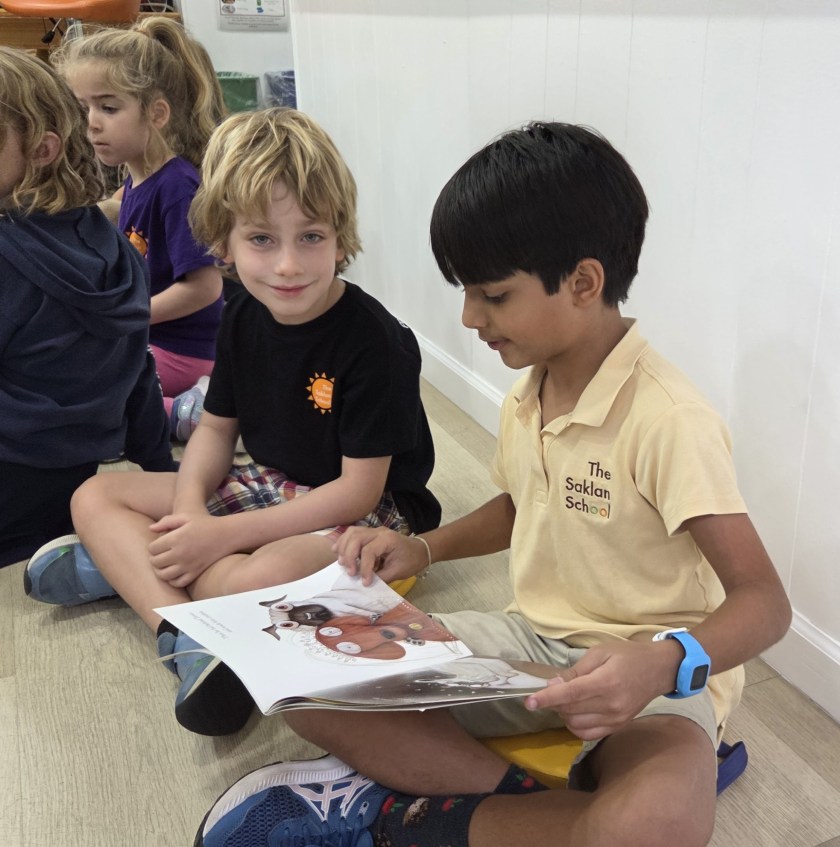
This morning, campus was buzzing with excitement as we launched our Learning Buddy program for the year! Designed to encourage cross-grade friendships, foster responsibility and mentorship, and make learning engaging and fun, Learning Buddies are a treasured Saklan tradition.

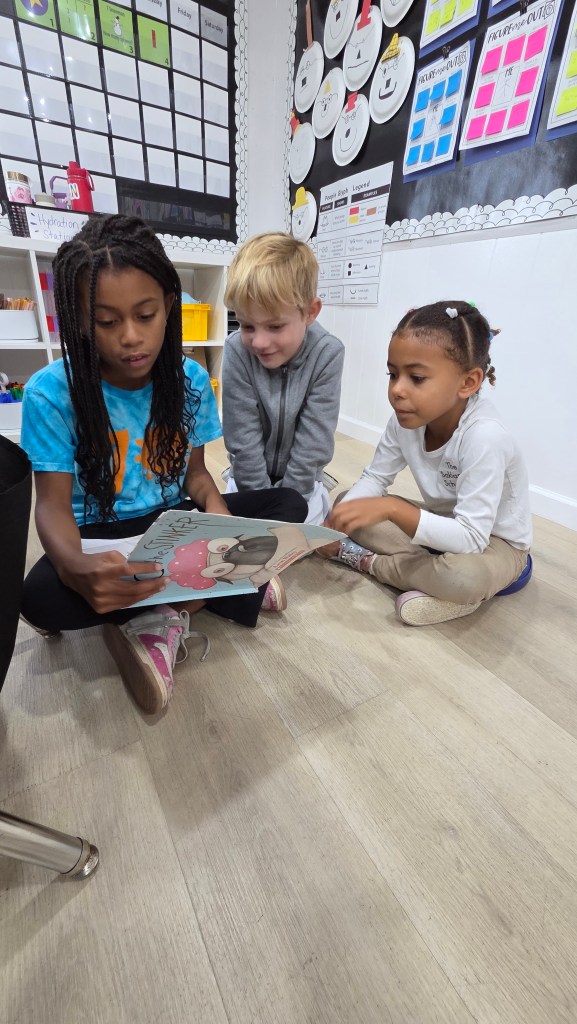
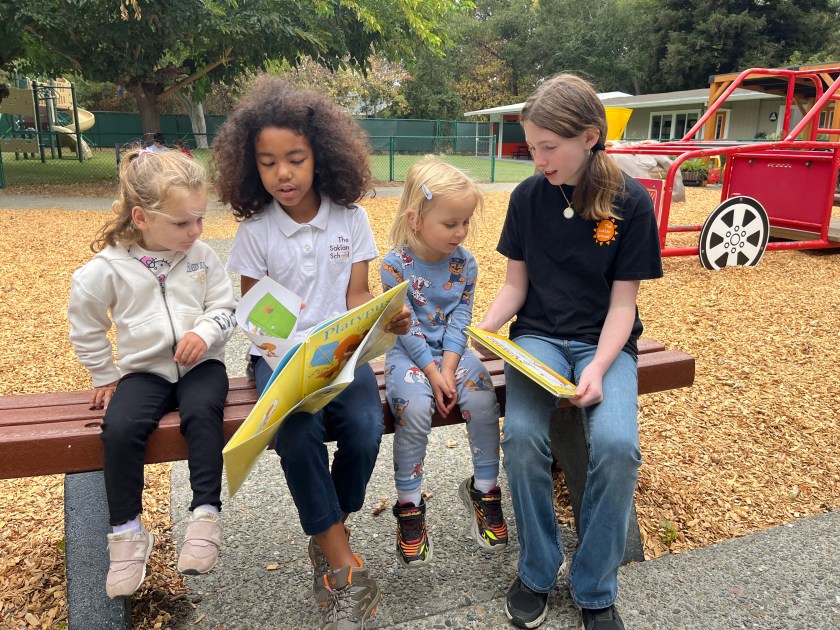
During their first meeting, buddies took time to get to know one another before diving into some shared reading. Older students modeled strong reading behaviors—using expression, fluency, and confidence—while also listening attentively as their younger buddies proudly read aloud.

The joy was evident on both sides: older students embraced their roles as mentors, while younger students felt supported, inspired, and eager to spend more time with their new friends. By the end of the morning, many were already asking the same question: When do we get to meet with our buddies again?

We look forward to seeing these relationships blossom throughout the year as students learn, grow, and shine together.

#SaklanCommunity

Communicating Through Color

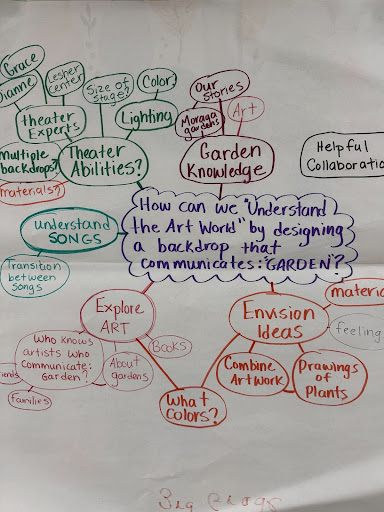
One of the most special elements of Saklan Project-Based Learning is the ways in which annual units take on different elements each year. For the last three years 2nd and 3rd grade students have designed the backdrop for our spring concert at the Lesher Center as part of a PBL unit on color and communication. This unit centers on the driving question: How can we understand the art world to design a backdrop that communicates “garden?”

This year there has been an intentional focus on one particular Studio Habit of Mind: Understanding the Art World. This studio habit, one of eight developed by the researchers at Project Zero, focuses on the study of art history and contemporary practices to learn how to act as an artist in collaboration with other artists in broader society.

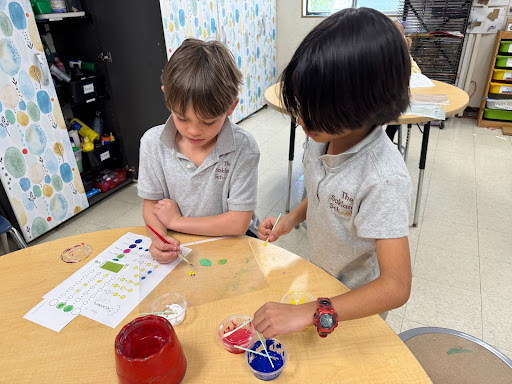
The unit began with students sharing their own experiences of gardens. This process activated their prior knowledge and began to elicit ideas, feelings, and questions connected to the concert theme. Next, they completed a whole class brainstorm of ideas, colors, experiences, feelings, and connections to the driving question. This work helped guide the decisions about which artists students would focus their learning on as they worked toward the design and creation of the concert backdrop.

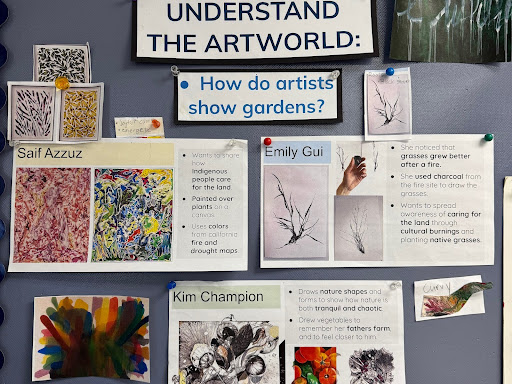
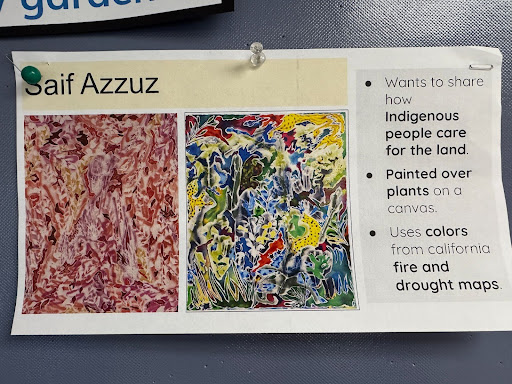
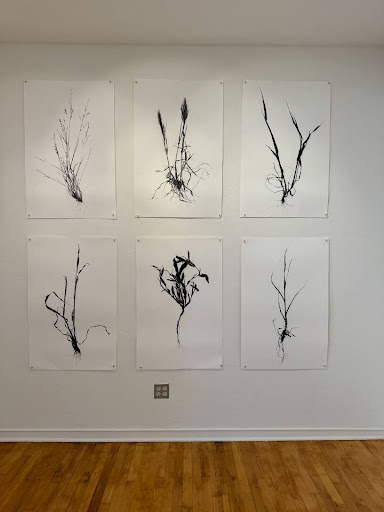
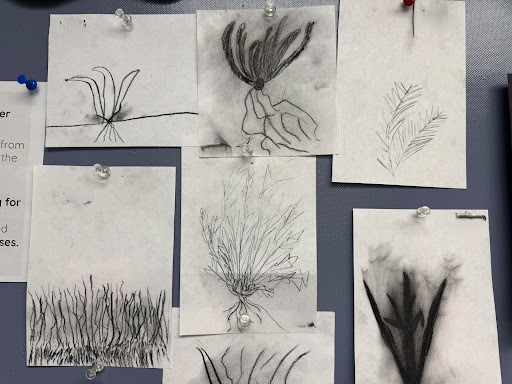
The unit then moved on to explore artists whose work focuses on gardens, nature, and tending to the environment. Made with charcoal scavenged from the scorched earth after a wildfire, Emily Gui’s drawings of wild grasses that emerged after the fire, connected to the 3rd graders’ research on native plants earlier this year. It was also a jumping off point to help expand the students’ definition of what a garden may mean to different peoples. They compared drought maps to the work of Saif Azzuz, which often focuses on the importance of tending the California landscape through the Indigenous wisdom of cultural burns and the varied medicinal uses of native plants, as seen in his recent installation at Stanford Research Park. Finally, students considered the impact of color, and what happens to our interpretation of artworks when color is removed using works by Kim Champion. It struck students that when the color was removed from her art, often much of the meaning was lost and the figures became harder to identify.

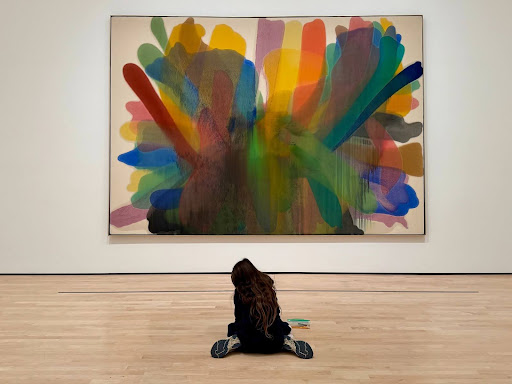
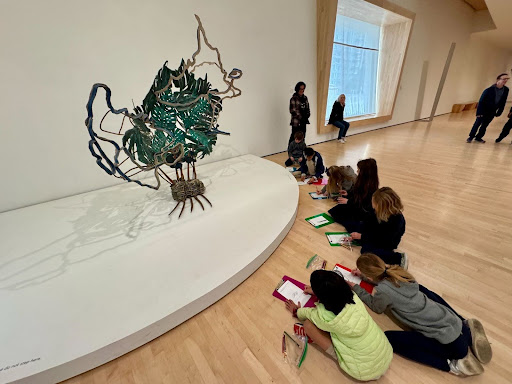
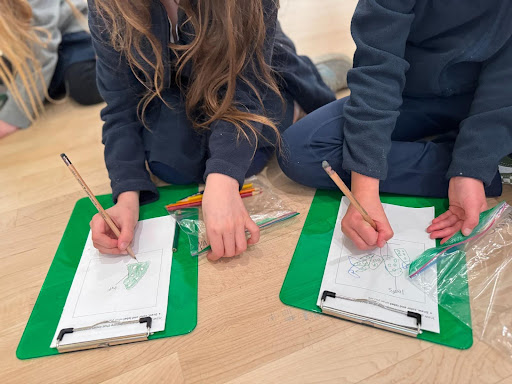
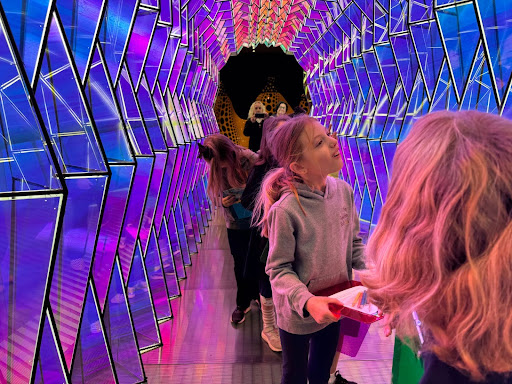
Visiting SFMOMA as part of this PBL unit was a highlight for our second graders. This opportunity to engage with large works in a museum space gave students a chance to observe a variety of ways artists convey the theme of garden. They explored many different types of works and interpretations of our theme.

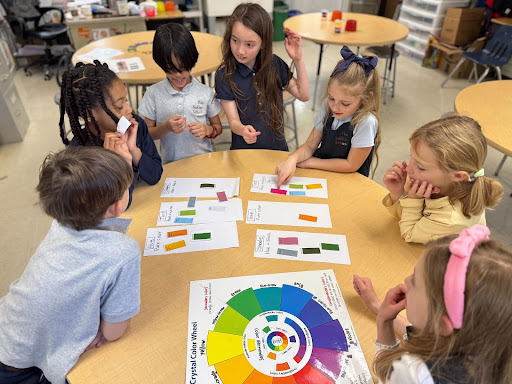
After exploring different artists’ interpretations of garden, students reflected on the feelings and connections to the theme that they wanted to express through their backdrop art. Three distinct groups emerged. One group most associated gardens with the feelings of excitement and joy, another with a sense of awe for life, and a third associated gardens with calm. Each feeling group identified colors to communicate those feelings using their growing understanding of the art world. 

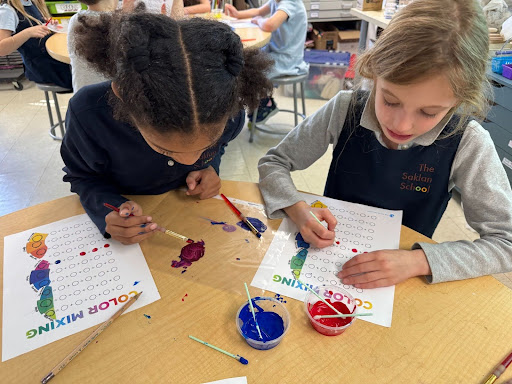
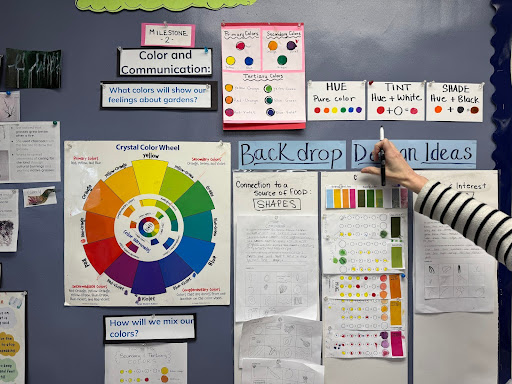
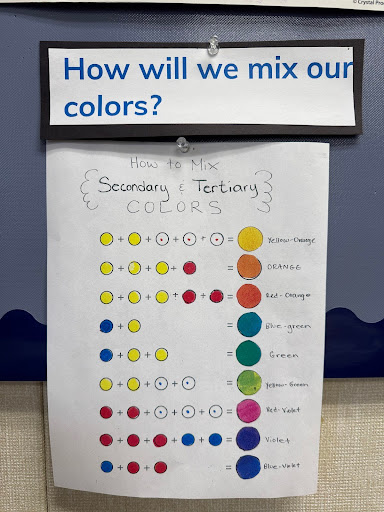
Knowing how colors impact each other when side by side and gaining an understanding of the need for balance between colors were the next key elements to successful communication through color that students began to explore. Color mixing recipes were iterated on to figure out how to mix just the right tint, shade, or hue of the desired colors.

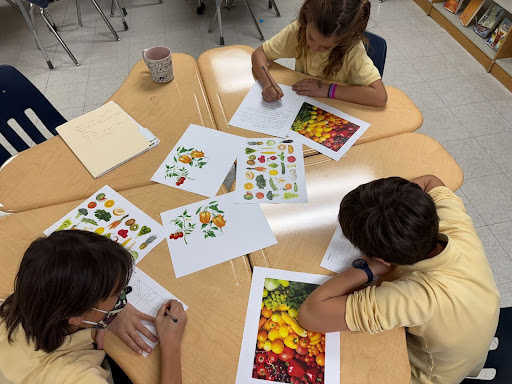
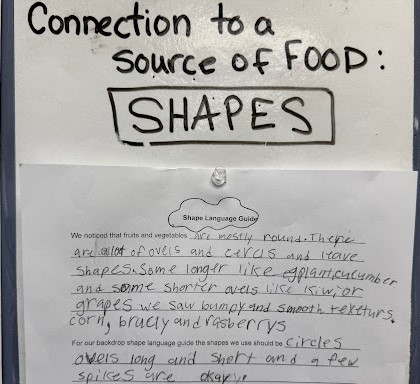
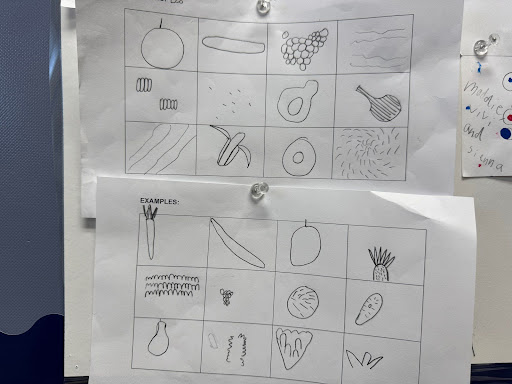
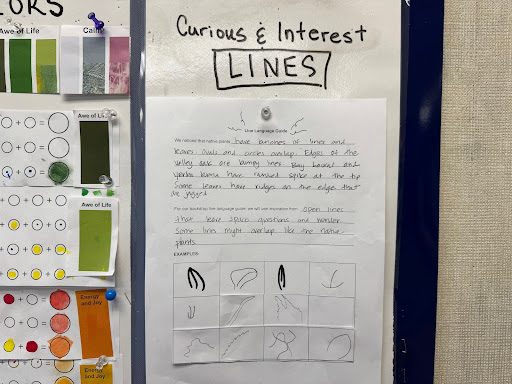
Additionally two small groups considered the ways line and shape can help us communicate our theme. One group felt a sense of curiosity when considering the theme of “garden” and worked to create a line language for our backdrop. Another considered the connection between the theme of “garden” and fruits and vegetables. 

At the concert, look for the line and shape language they developed among the beautiful colors the students have so carefully selected and balanced. You may spot many ovals, circles, and textures that mimic overlapping yerba buena leaves, curved lines like the edges of a valley oak leaf and its branches, or the texture of corn on the cob.

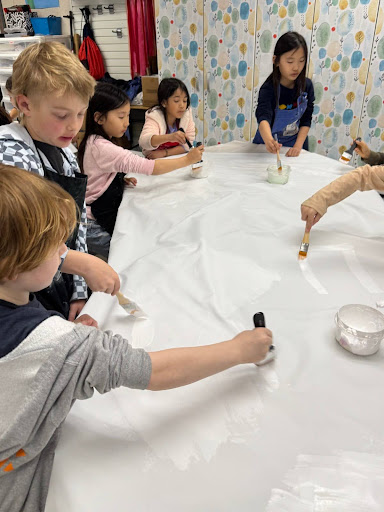
The students are now preparing the backdrop canvases by applying a base coat and will begin painting their version of “garden” very soon. We are excited to unveil the finished product at the All-School Concert on Friday, March 21st. See you there!

#SaklanPBL #SaklanCreative
Inspiring Author Visit

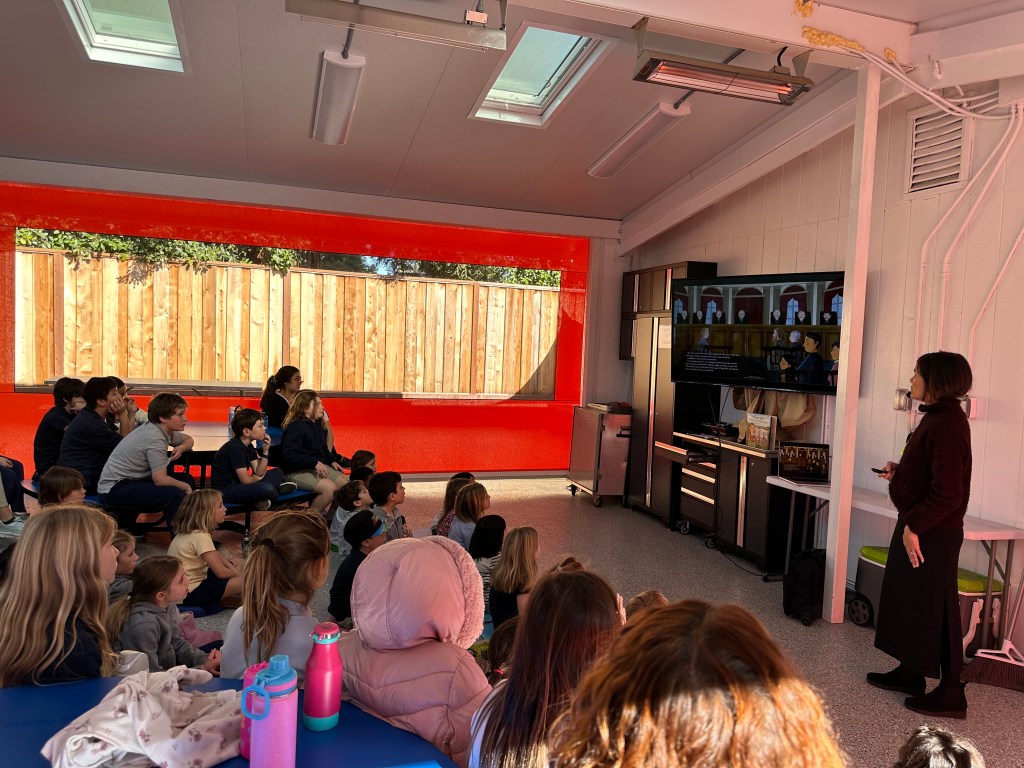
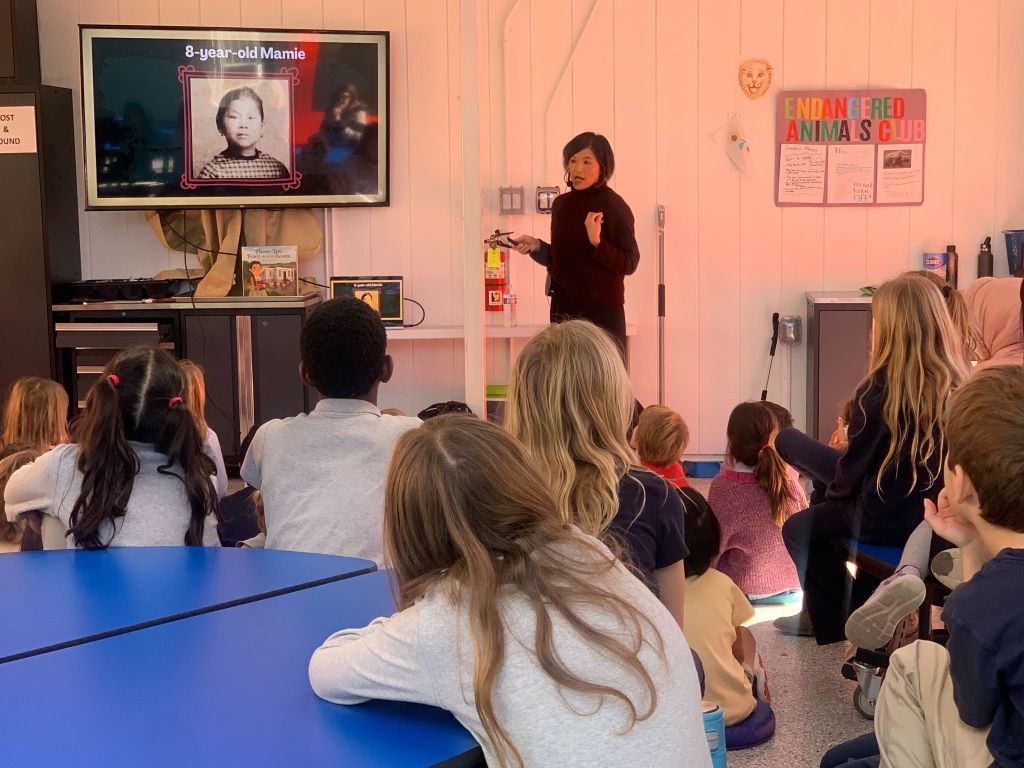
Our lower school students were recently thrilled to welcome author Traci Huahn to Saklan for an inspiring visit centered around her book, Mamie Tape Fights to Go to School. During the 45-minute session, students enjoyed a captivating read-aloud of the book, learned about the historical significance of Mamie Tape’s fight for school desegregation during the era of the Chinese Exclusion Act, and explored how this moment in history connects to the broader civil rights movement.

Ms. Huahn also shared her journey as an author, offering an inside look at the research, writing, revising, and publishing process. Students were delighted by a special video message from the book’s illustrator, Michelle Jing Chan, who revealed her creative process and behind-the-scenes details.

The visit sparked engaging discussions about bravery, standing up for your rights, and the power of storytelling. Students asked thoughtful questions during the Q&A, deepening their understanding of the themes and lessons in the book.

Project Culminations at Saklan

A key element of Saklan Project Based Learning units is a public product. This looks different depending on the division and, hopefully, over the last month, you have had the opportunity to share in a culminating event on campus! 

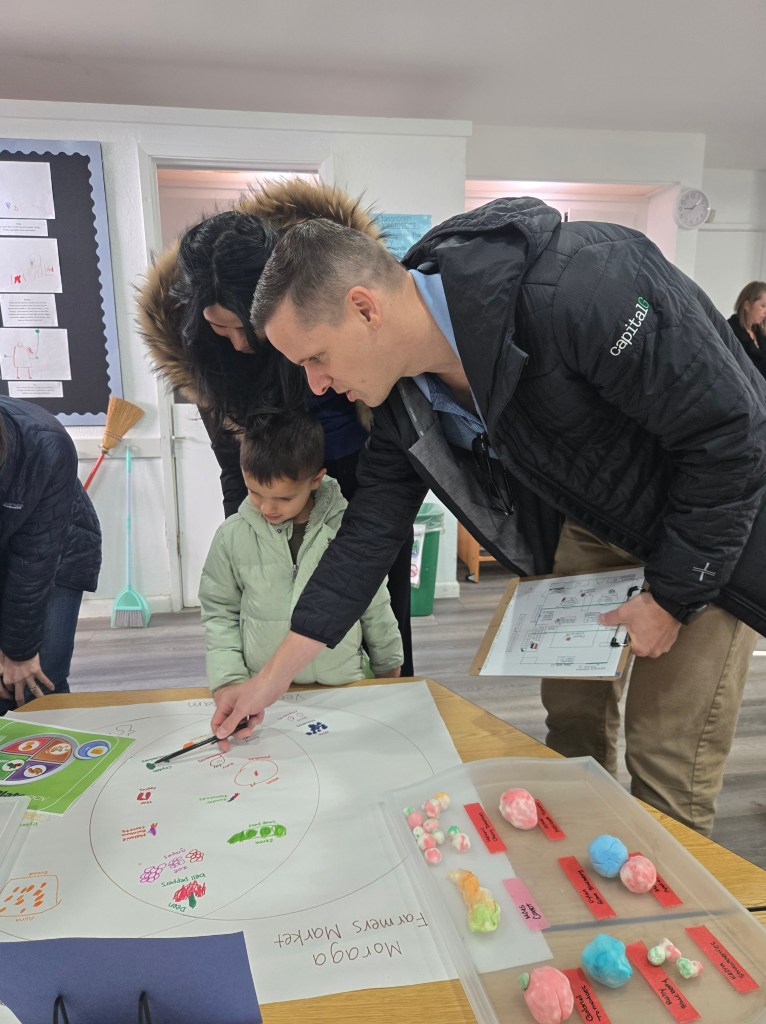
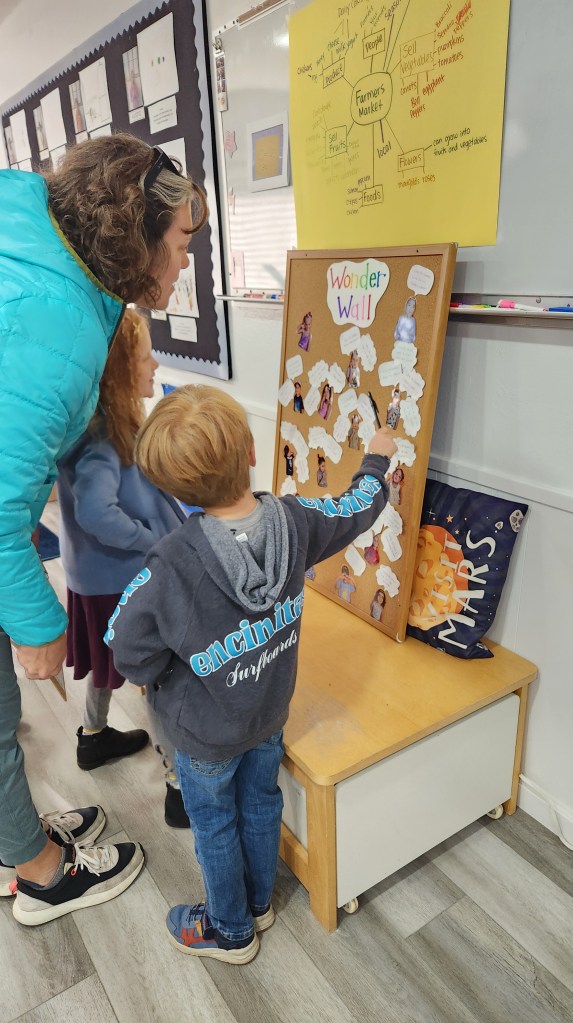
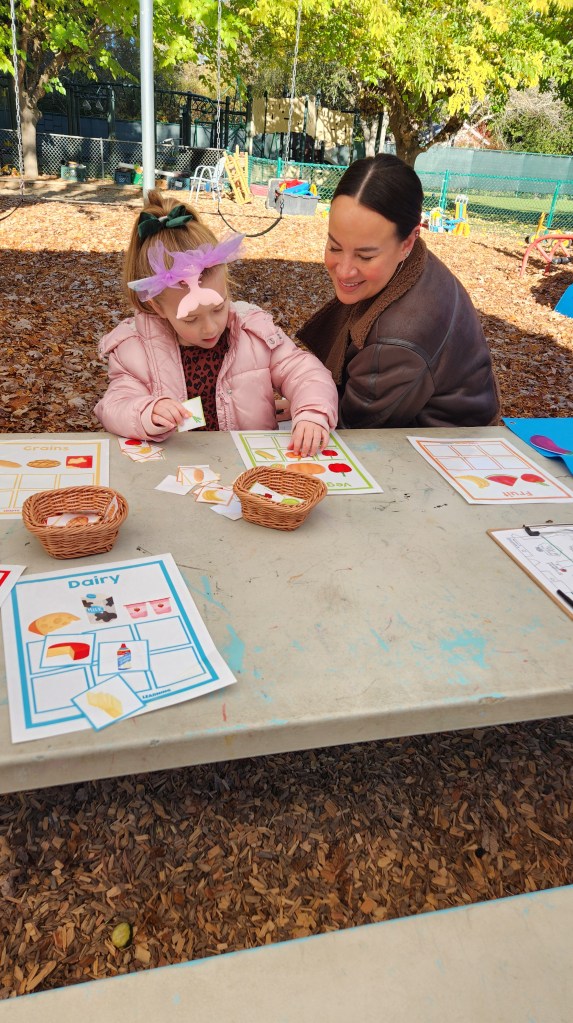
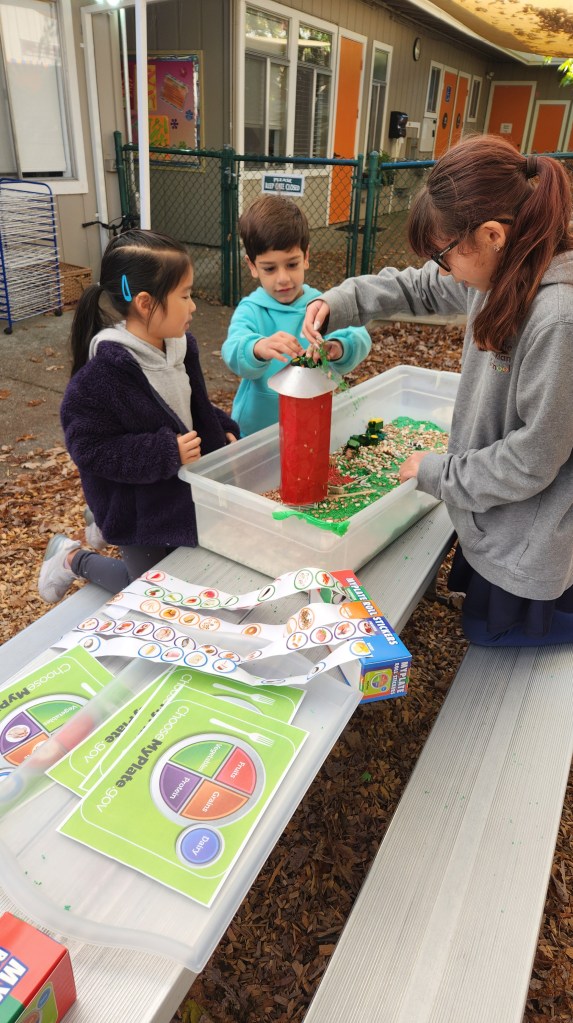
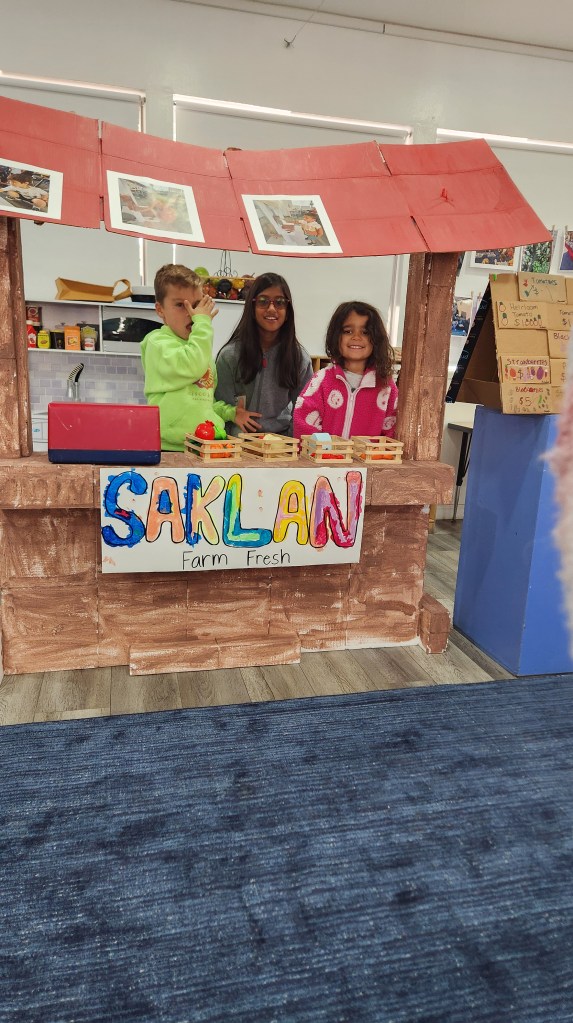
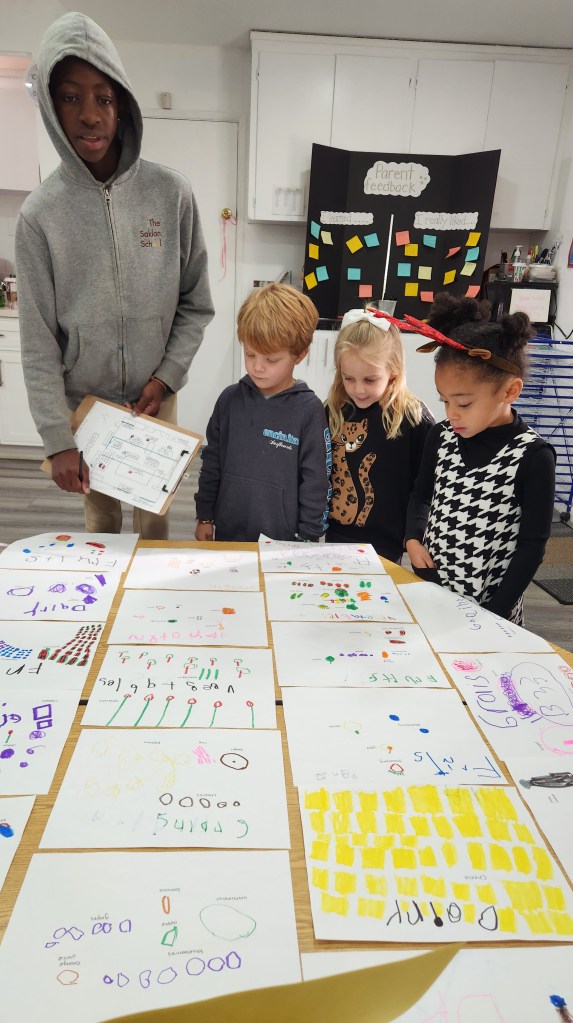
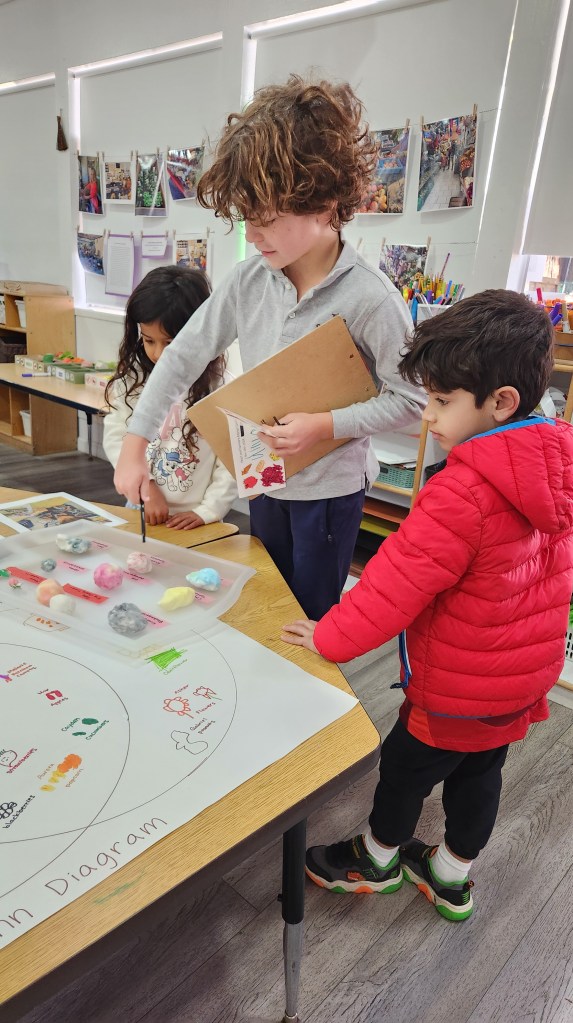
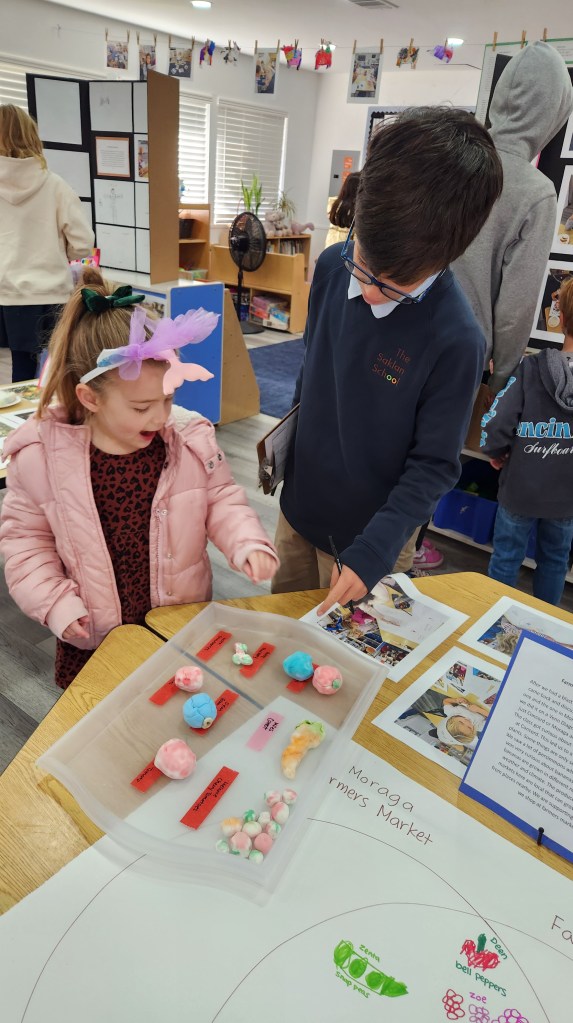
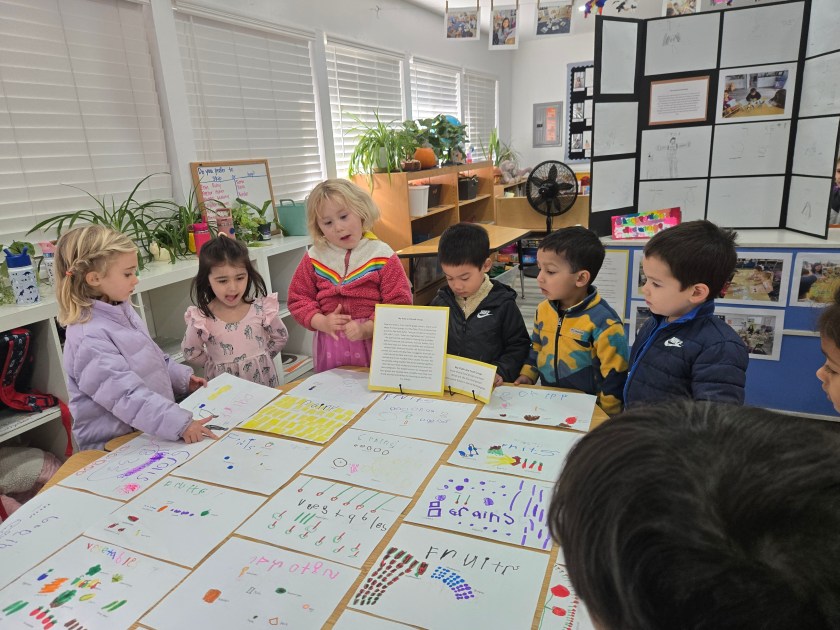
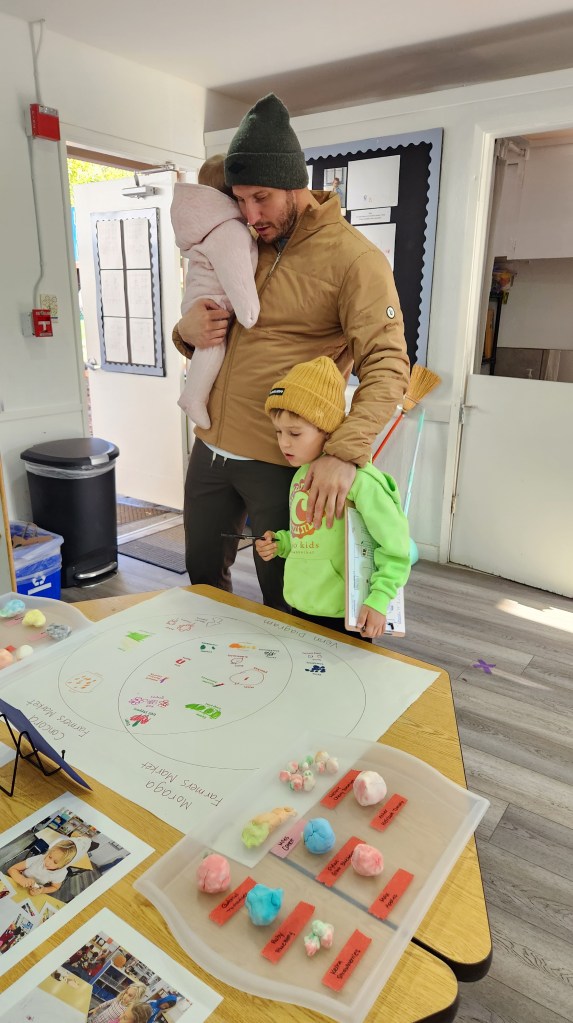
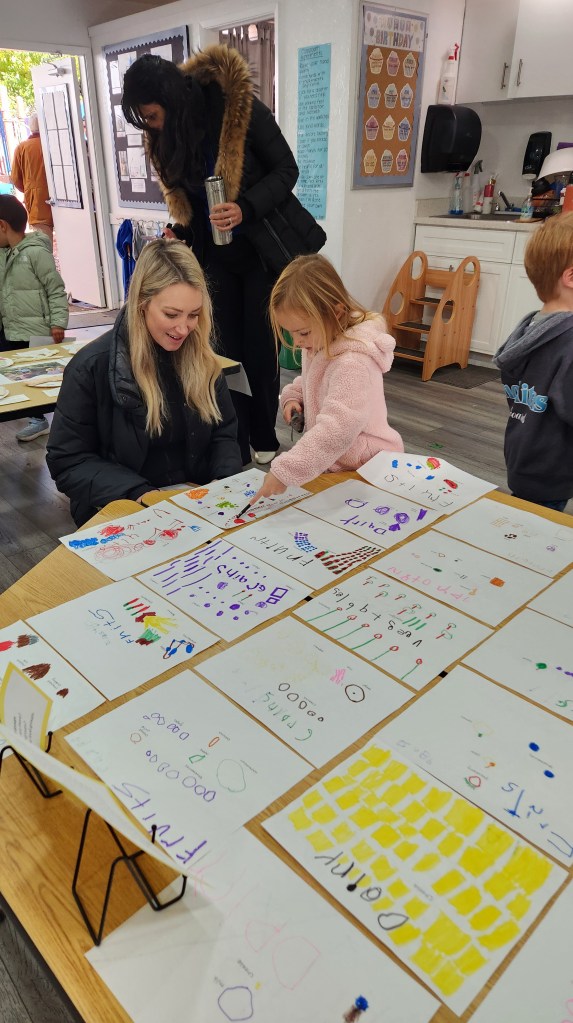
In our Early Childhood Education program, our projects culminate with a public event where students share all the expertise they have gained over the course of the project. It’s a joyful time to celebrate their hard work with family, friends, and other students and staff. It is also a rich opportunity for them to be the experts in the room and develop their speaking and listening skills. Recently our Pre-K (Hoot Owl) class culminated their project unit on farmers’ markets. 

In our lower and middle school projects, products are created for an audience beyond the teacher and students in the classroom. One key aspect of a public product in these divisions is that it must raise the stakes of the work in a meaningful and authentic way. Students aren’t doing something just for the sake of doing it or solely regurgitating information learned from teacher-directed lessons.

Instead, the work students engage in mirrors what adults do in their various career pursuits. After student-led inquiry and teacher guidance to address the content standards, students make or do something that serves some purpose in the Saklan or broader community. Students are creating, educating, or advocating beyond the context of our classrooms. Some examples of recent products that answer the driving question and serve an authentic public purpose are below:

GradeDriving QuestionPublic Product
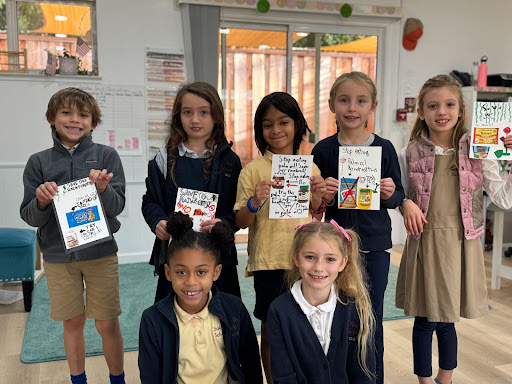
2ndCan animals survive in any habitat?Lunch table mini posters advocating for food swaps that help avoid palm oil. 
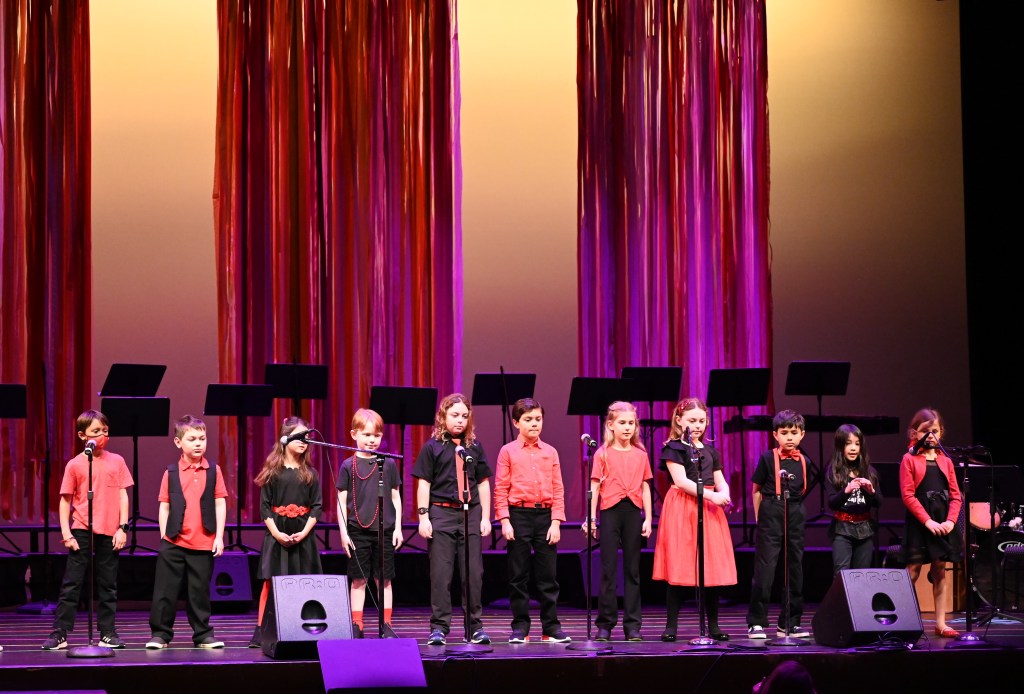
2ndHow can we use color to communicate feelings?Design and creation of the concert backdrop for our Spring Concert at the Lesher Center
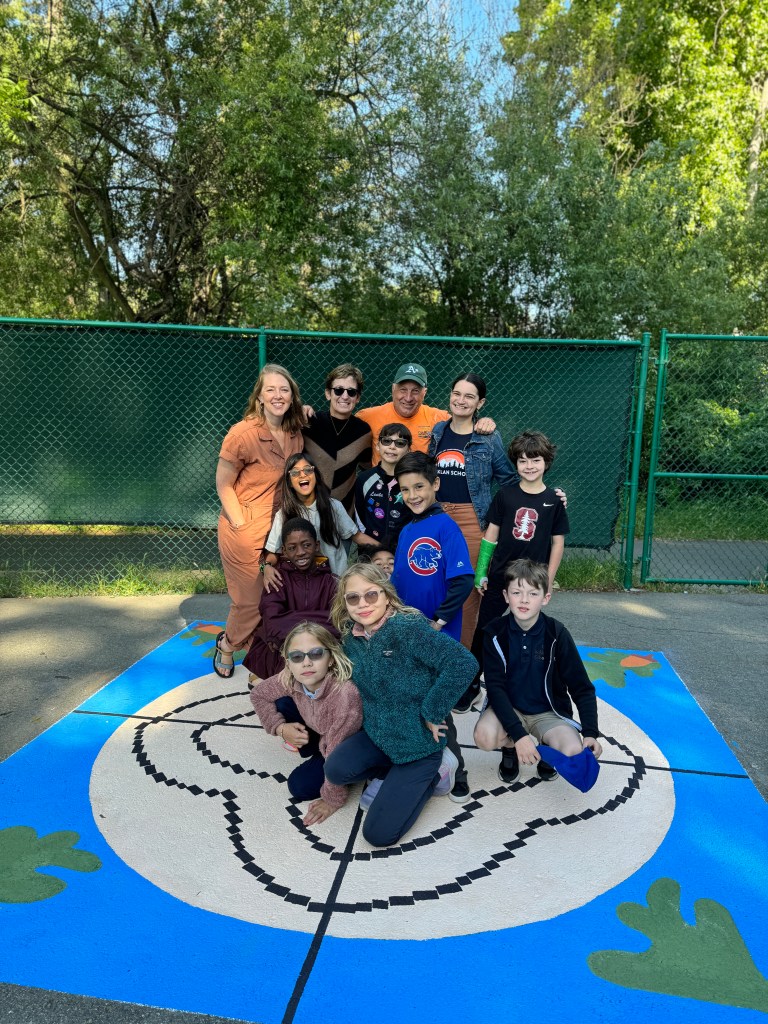
3rdHow can we show respect to the people whose ancestral land our school is on?Research, design, and creation of the hopscotch and four square murals on the sports court to reflect the Saklan Bay Miwok culture.
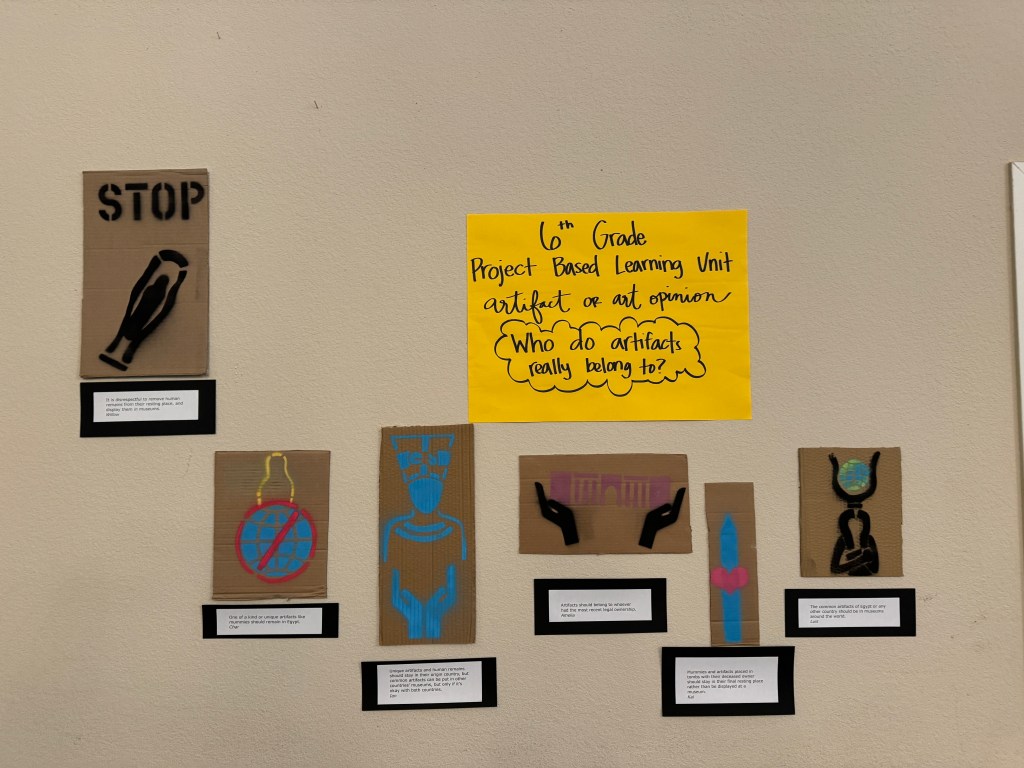
6thWho do artifacts really belong to?Public art graffiti stencils to share options on repatriation of artifacts with the community. 

The final products differ but all include authentic sharing and action beyond our classrooms. At Saklan, students feel a sense of purpose that is hard to replicate in other styles of teaching and learning. This brings the work alive and prepares them for the critical thinking challenges, complex communication needs, and creative problem-solving they will encounter in high school, college, and beyond.

If you’d like to dive deeper into the various design elements of a Project Based Learning (PBL) unit, check out the recording of our October 22nd Saklan Projects! virtual event. And we hope you can join us at our culminating events next week.

Upcoming Project Culminations

  • Preschool (Owlets)- Nocturnal Animals Culmination Celebration at 8:35 a.m. on December 12th
  • Kindergarten- Names Unit Culmination at 8:45 a.m. on Thursday, December 12th

#SaklanProjects

Thanking the Moon

Last Tuesday, September 17th, the Hoot Owls, 1st graders, and 2nd graders learned about the Mid-Autumn Festival, or Moon Festival, that is celebrated in East and Southeast Asia to mark the end of the autumn harvest. The Hoot Owls read the book Thanking the Moon by Grace Lin, and learned how Maggie, one of the Pre-K teachers, celebrates the festival with her family by sharing a dinner with her family under the moon. During the picnic, her family will eat fruits and mooncakes and thank the moon for a bountiful harvest.

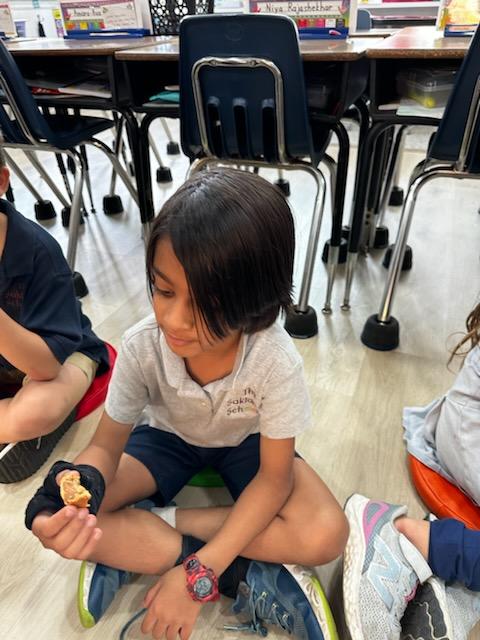
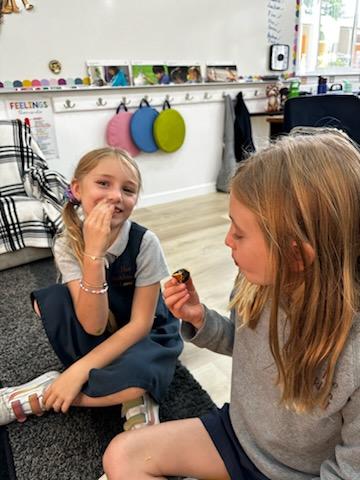
The first and second graders welcomed Dana, a first-grade parent, who also read a book about the Mid-Autumn Festival, and then shared her experience and family traditions with the festival. The students were excited to try mooncakes, a pastry filled with lotus seed paste and an egg yolk in the middle, which Dana brought in for them to try. Some students really enjoyed the mooncakes, others not so much, but it was fun to try!

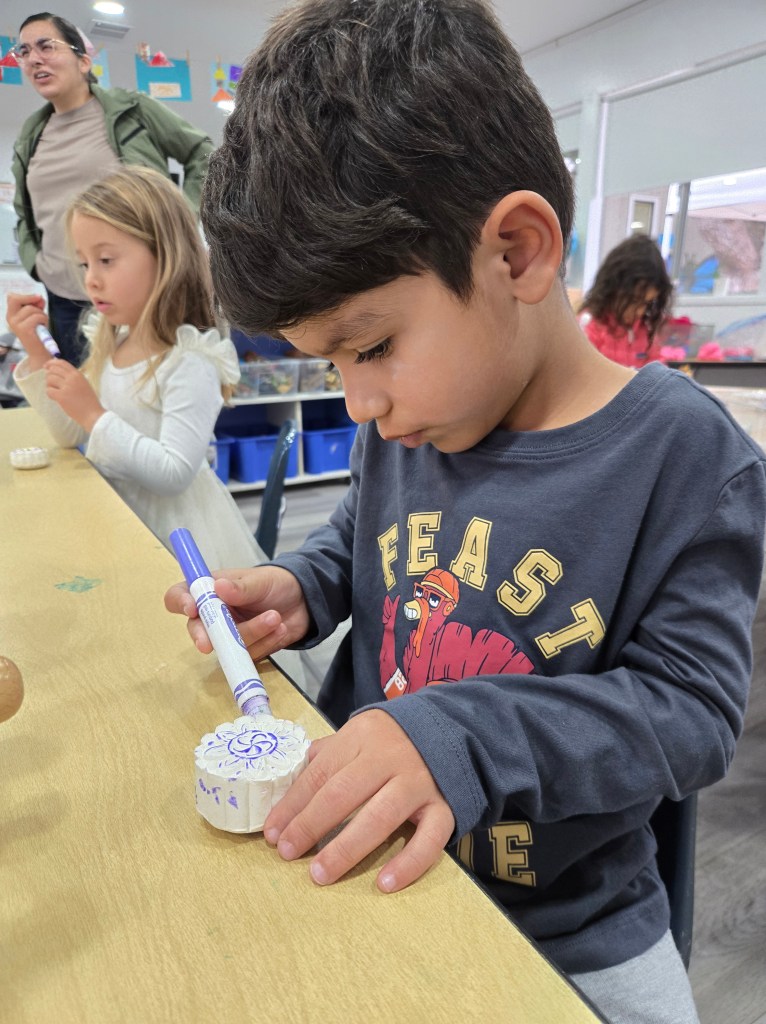
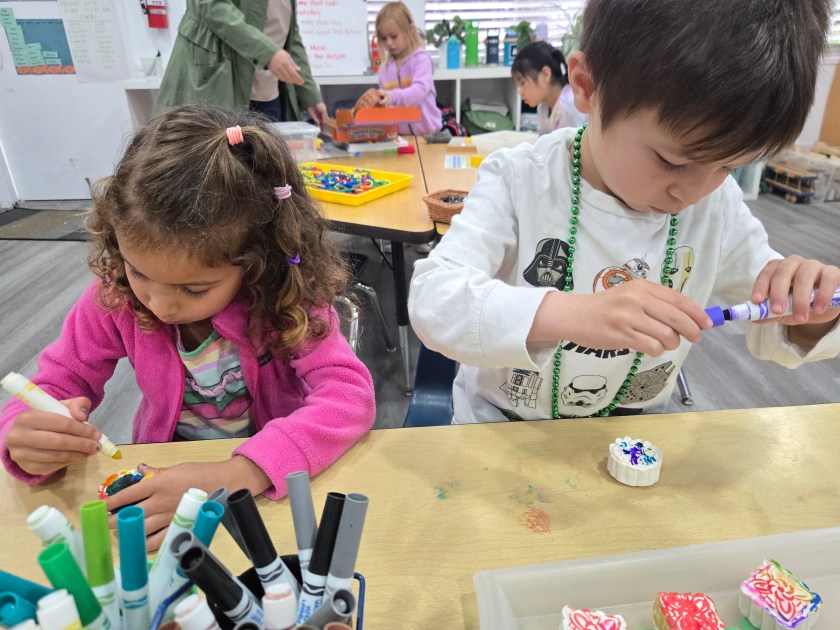
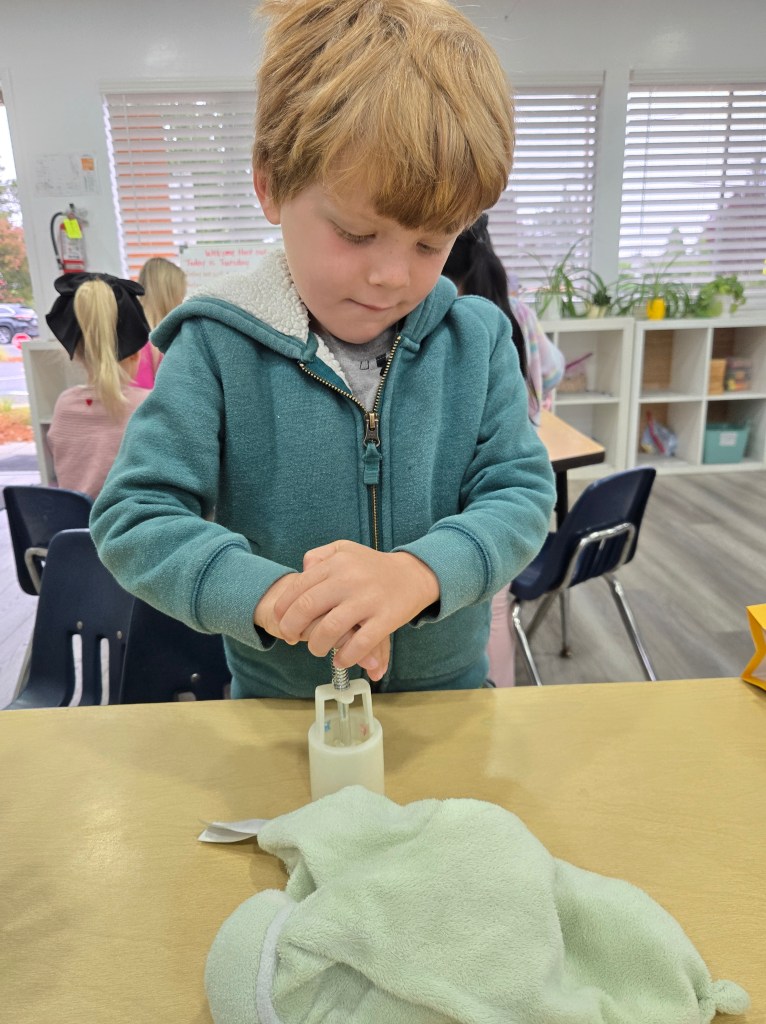
The Pre-K students also used mooncake presses to make their own mooncakes out of clay. This was a great opportunity to exercise their creativity and fine motor skills, as they each decorated their mooncakes, making very colorful creations!

#SaklanDiversity #SaklanCommunity

CLASY Resilience

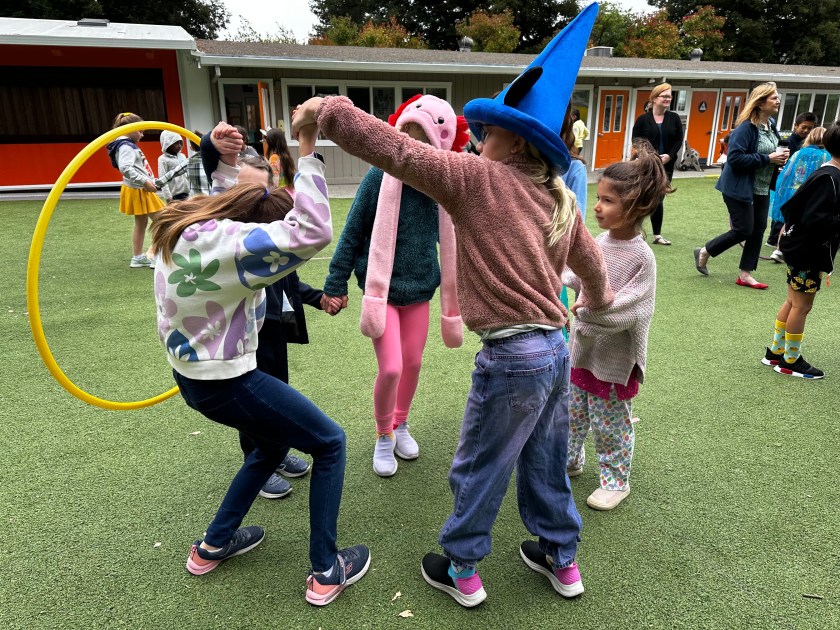
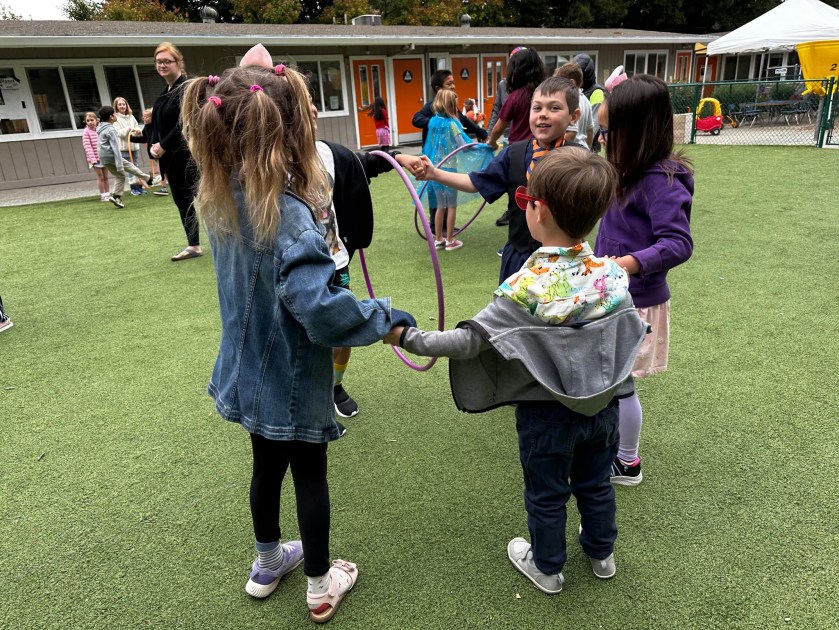
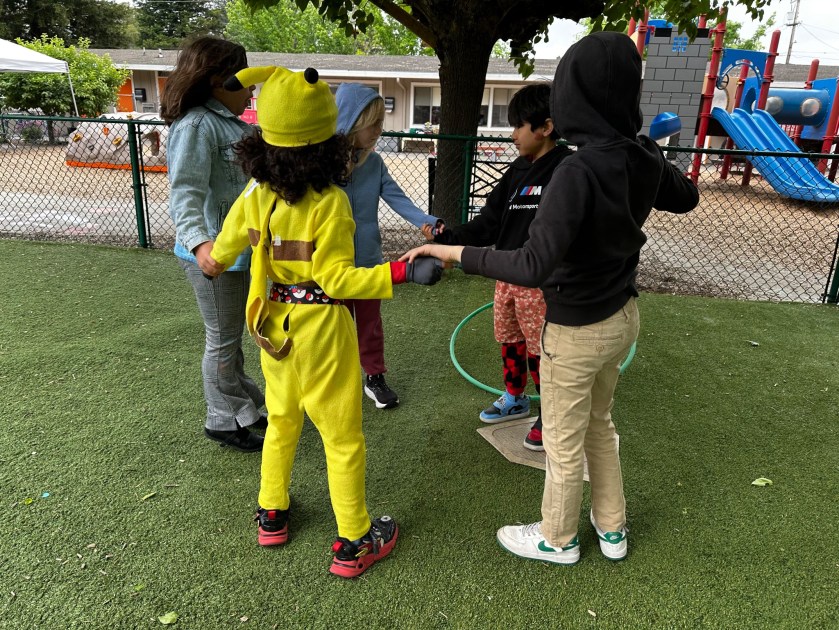
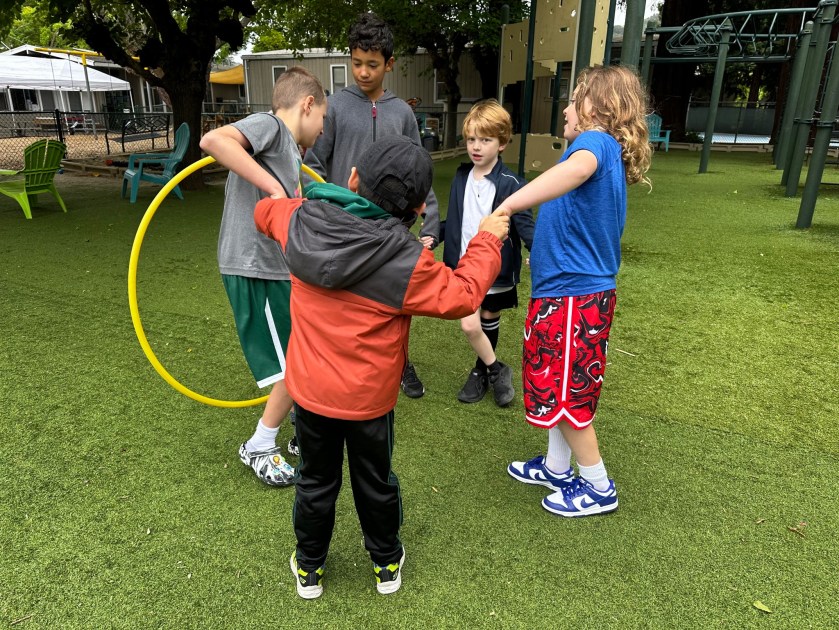
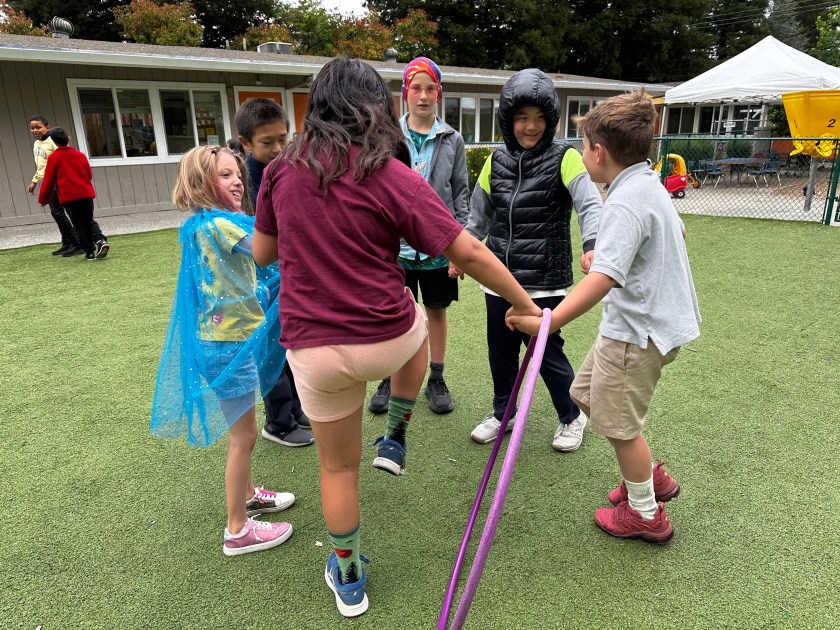
Last Friday, the lower school students had their very last CLASY meet up of the year. For our social and emotional learning this month all students have been thinking about what it means to be resilient. They have been talking about what people can do when things are hard, including to keep going, positive self talk, and breaking down difficult tasks into smaller chunks. During this CLASY the Kindergarten – 5th grade students worked on a tricky activity with their friends: passing a hula hoop around a circle while everyone was holding hands, and thus couldn’t use their hands.

The students were delightfully surprised that hard work could be so much fun! 

#SaklanSEL

Public Products with a Purpose

High level Project Based Learning units at Saklan extend beyond the walls of the classroom. When students feel a sense of authentic purpose, projects become richer and more relevant for our learners. As they demonstrate understanding of academic standards, they are also engaging in sustained inquiry, thinking creatively, and acting compassionately. 

The product in each PBL unit looks different depending on a number of factors including the academic learning goals, division, and student interest. However, our work at Saklan differentiates itself by final products being more than a retelling of academic content via a poster or report. Instead Saklan students demonstrate their proficiency in academic standards through the process of answering a question or solving a problem that matters to them.
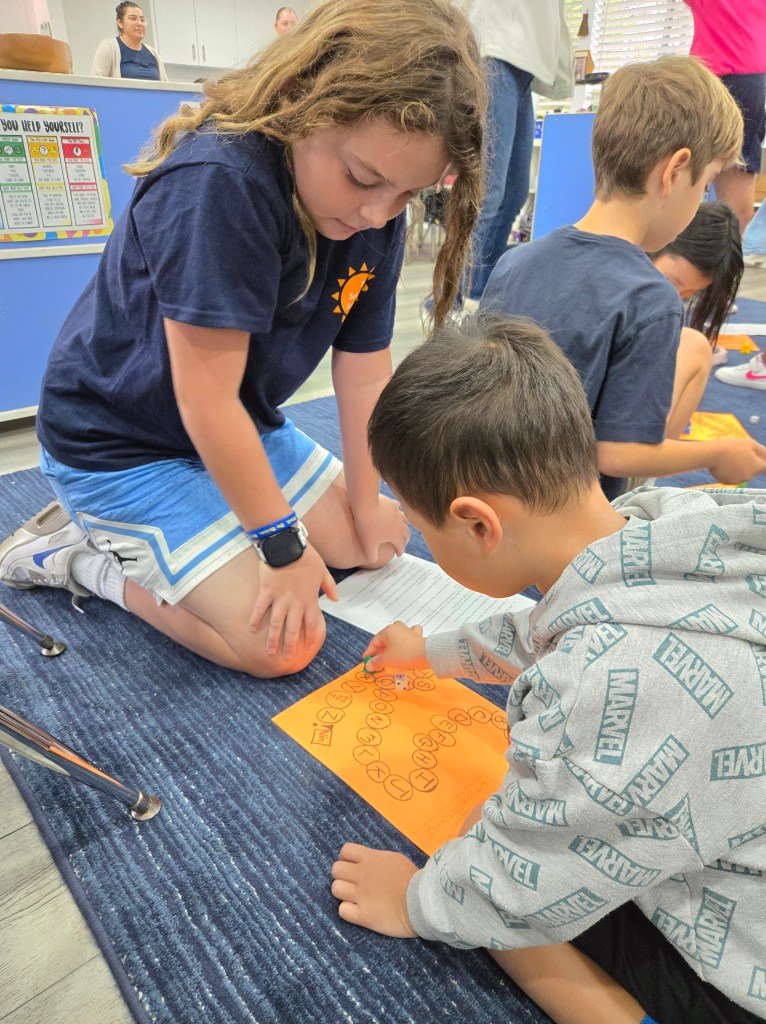
This unique blend of honoring students’ interests and maintaining academic rigor empowers students to make change and impact their community. Through high quality Project Based Learning Saklan students learn that their opinions are valued, that they have creative solutions to problems that exist in our communities, and that they can take action to make a difference. 

Below are some outstanding examples of public products from PBL units at Saklan this year that help answer a question, solve a problem, or support our community needs. 
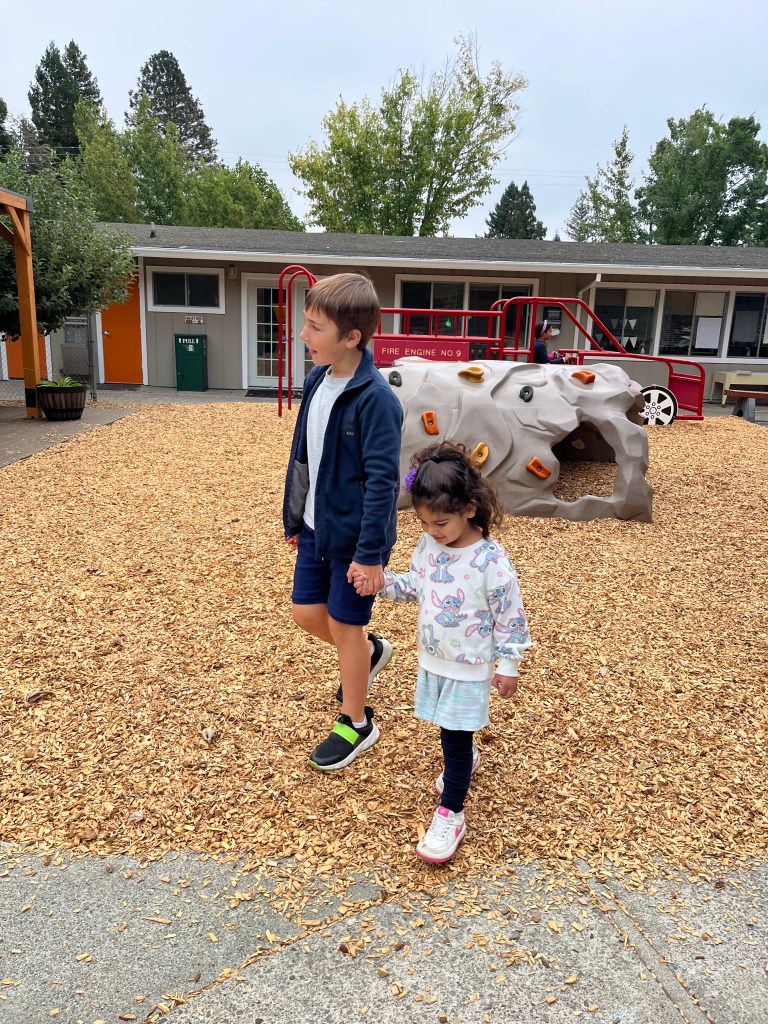
2nd Grade

  • Driving Question: “Can colors change people’s feelings?”
  • Public Product: Concert backdrop

A concert backdrop is an essential element to our annual Saklan concert. This year our second graders took on the authentic task of designing and creating the backdrop for this important community event. 

They first developed their understanding of the art world by experiencing Yayoi Kusama’s installations at SF MoMA and diving deep to understand how artists like Joseph Albers, Erin Fong, Anne Patterson communicate emotion through either a single or a combination of colors both in painting and in large-scale installations. Considering their new understanding of color theory, students engaged in a process of design, critique, and revision before deciding as a group on the direction of their concert backdrop design. From there they stretched and explored with various materials for the background before ultimately settling on ribbon and fabric since it would flow and also be weighty enough to not tangle. They helped tie the hundreds of ribbons to the 8 foot dowels that were installed professionally in our concert space at the Lesher Performing Arts Center for our annual spring concert.  

For an additional second public project, students have been working in collaborative small groups to cut and redesign the original installation, creating smaller hanging pieces for our school auction later this month! Now their art that communicates love and serves our community will take on a new life and get to go home with a few lucky families!

7th Grade

  • Driving Question: “How can we reduce single use plastic?”
  • Public Product: Design of sustainable alternatives to single use plastic

Plastic trash and microplastics in our oceans are a real and relevant issue that seventh graders worked to address through design innovations and creativity. 

After a field experience at the Monterey Bay Aquarium and service learning on the beaches of Oahu, seventh graders considered the impact of plastics on the environment, particularly on ocean animals and what they can do to be change makers. Students designed solutions to single use plastics and presented their designs and prototypes to a panel of adults, including a local designer and small business owner, in a Shark Tank style presentation. Through this experience they grew in their capacity to think creatively about solutions to problems that exist outside the walls of Saklan and consider how they can be part of the change they want to see in the world around them.

1st and 8th grades

  • Driving Question: “How do homes keep us safe?”
  • Public Product: Bag lunches for distribution with 10,000 Lunches

An ideal Saklan graduate is an empathetic, inclusive, and kind leader. First graders lived into those descriptors during the final milestone of a months-long Project Based Learning unit on homes. 

The Homes unit in first grade is a cross-curricular unit that integrates informational reading and writing, geometry, weather, social studies, and art. This year students moved from geometry and shapes that can be used to make a strong structure to learning from our 8th graders about what can happen when people lose their homes due to natural disasters, like hurricanes. In their final milestones, first graders learned how communities can come together when housing insecurity impacts food insecurity and were inspired to think about how they can be helpers too. Together 1st and 8th graders helped their family groups bag 200 lunches for a local organization called 10,000 Lunches that aims to support local people experiencing housing and food insecurity.

#SaklanPBL