Classroom Jobs

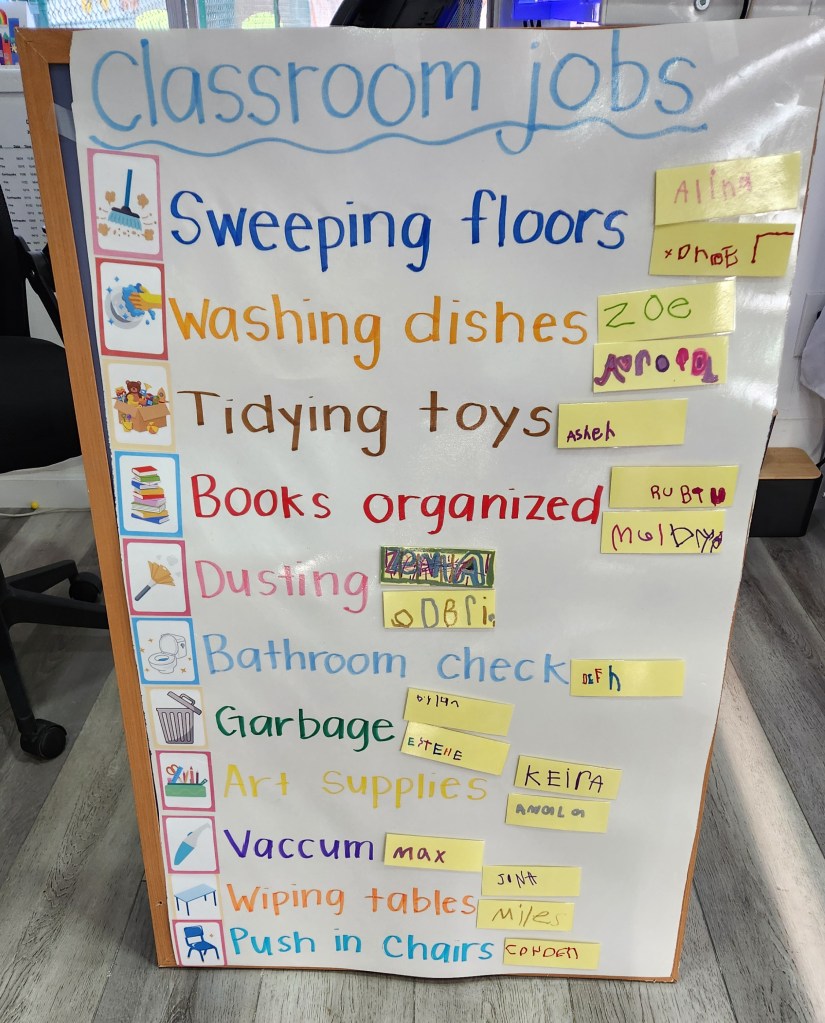
Jobs at school can help students build a sense of excitement, community, and interdependence. Tasks such as putting up the flag, cleaning the tables after lunch, or being the class helper give students the opportunity to exercise and practice decision-making and reasoning. They also give students a chance to be responsible in a meaningful way: the children know that completing their jobs helps their school, classmates, and/or teachers.

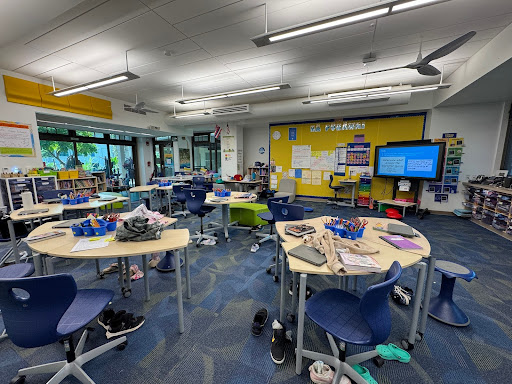
Upon returning to school in January, the Hoot Owl teachers noticed how much the students had matured since the beginning of the year and decided they were ready to take on more responsibility in the classroom. As part of a new project unit on cleaning, the class brainstormed ways to help keep their classroom clean. From that list came new classroom jobs that the students will take turns doing each week for the remainder of the year.

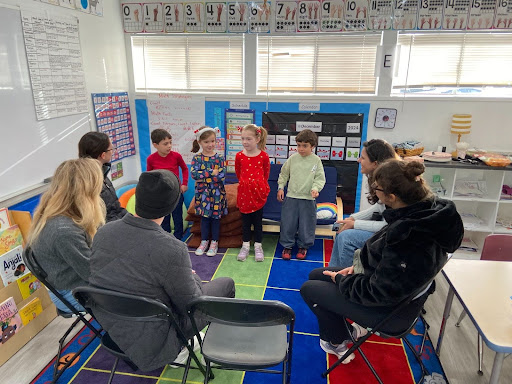
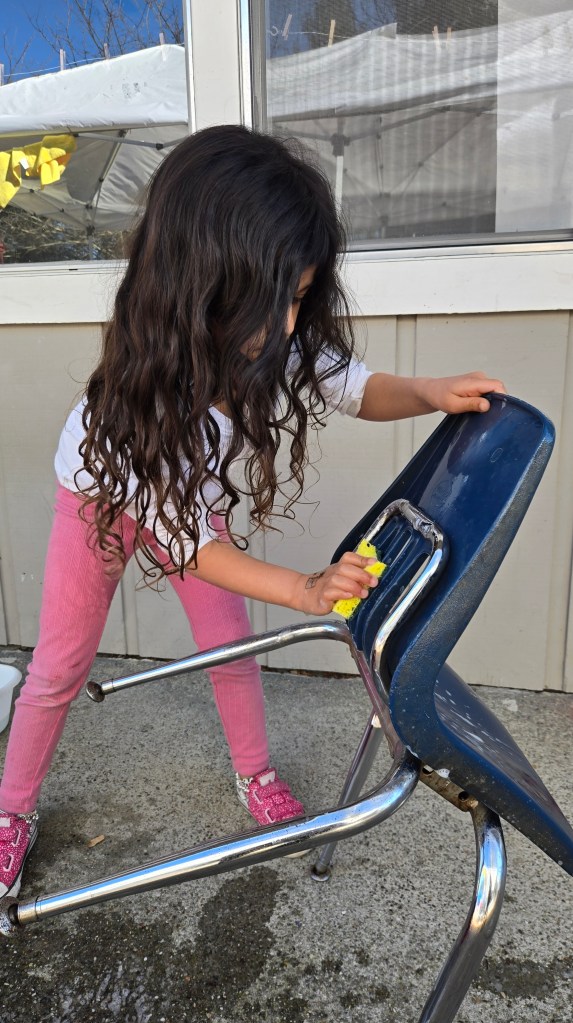
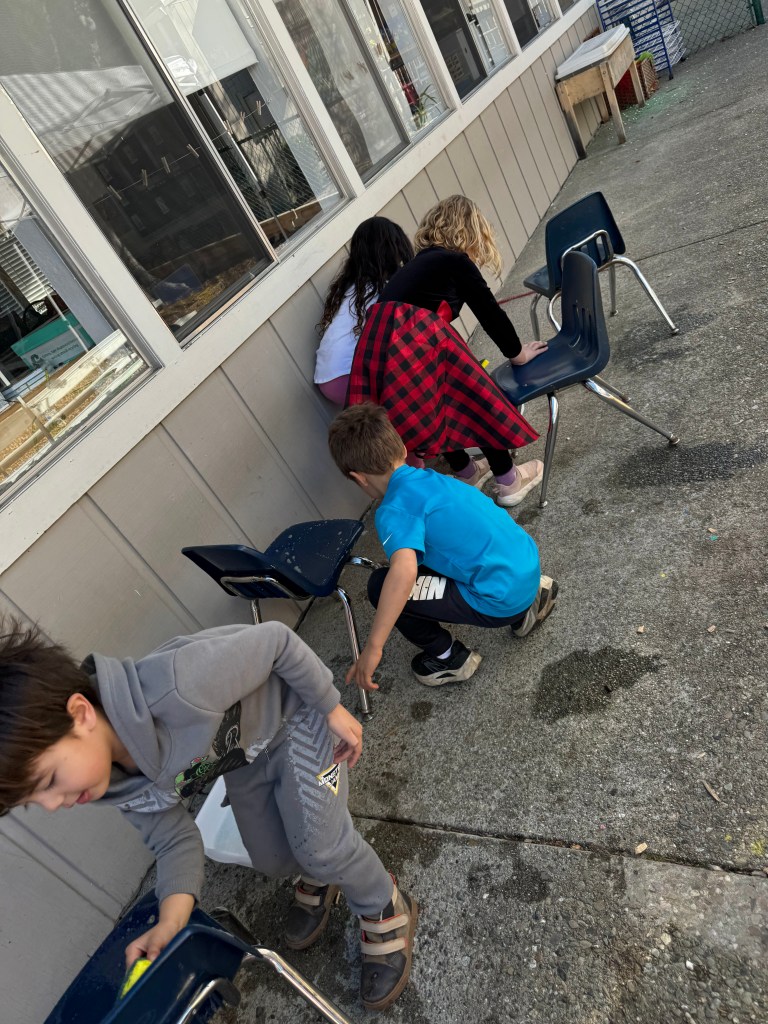
To kick off their jobs work, the class worked on a big cleaning task together – cleaning all the chairs in their classroom. Using buckets of soapy water and sponges, the students scrubbed down their chairs. They noticed that the water in the buckets didn’t look so clean when they were done, so we know the Hoot Owls did a great job of cleaning the chairs! After the chairs were scrubbed, they were rinsed off using the hose, and then students dried them. Some of the Hoot Owls took such pride in their work that they wanted to make sure the chair legs were shining!

Portraits of Kindergarten

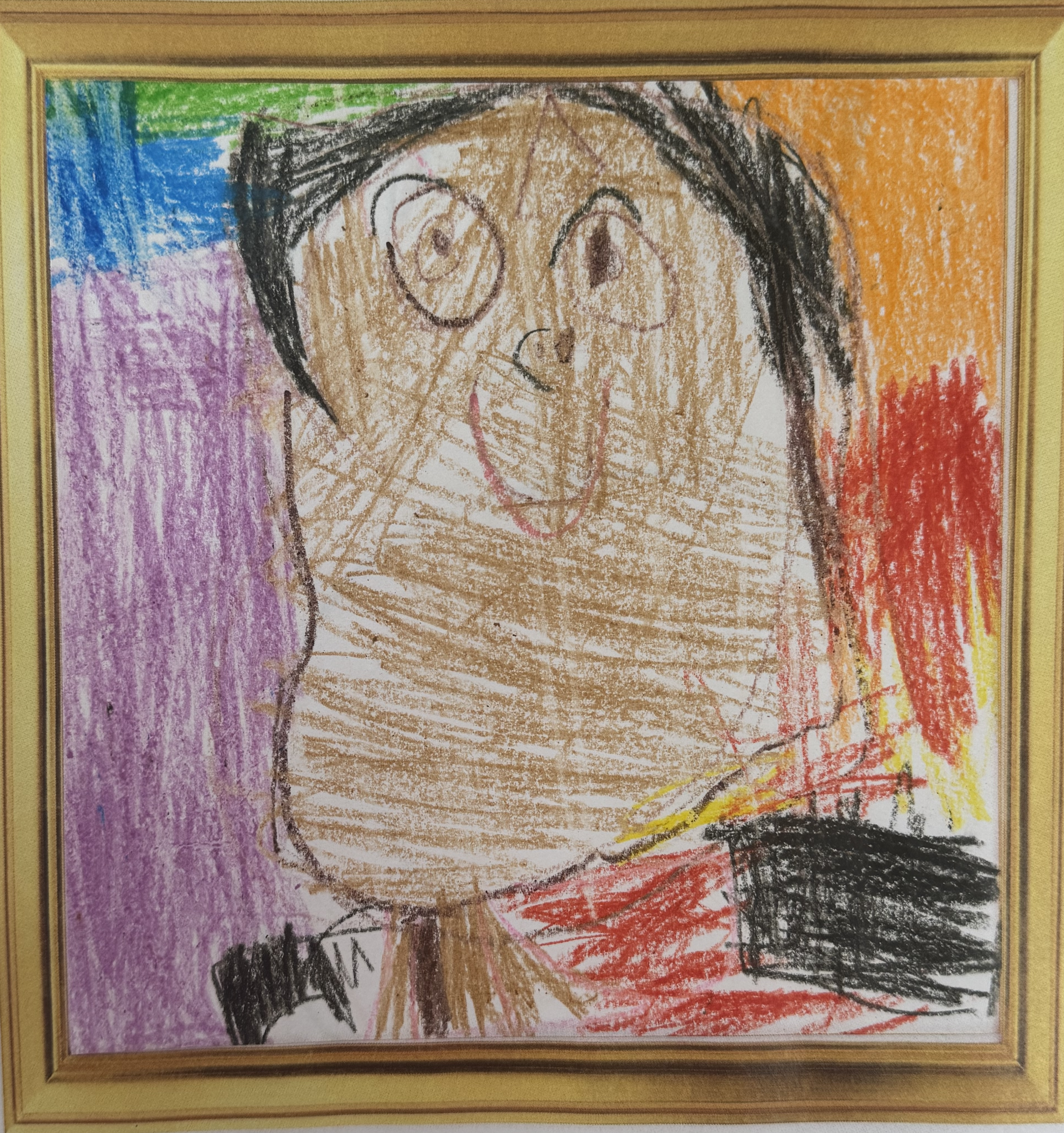
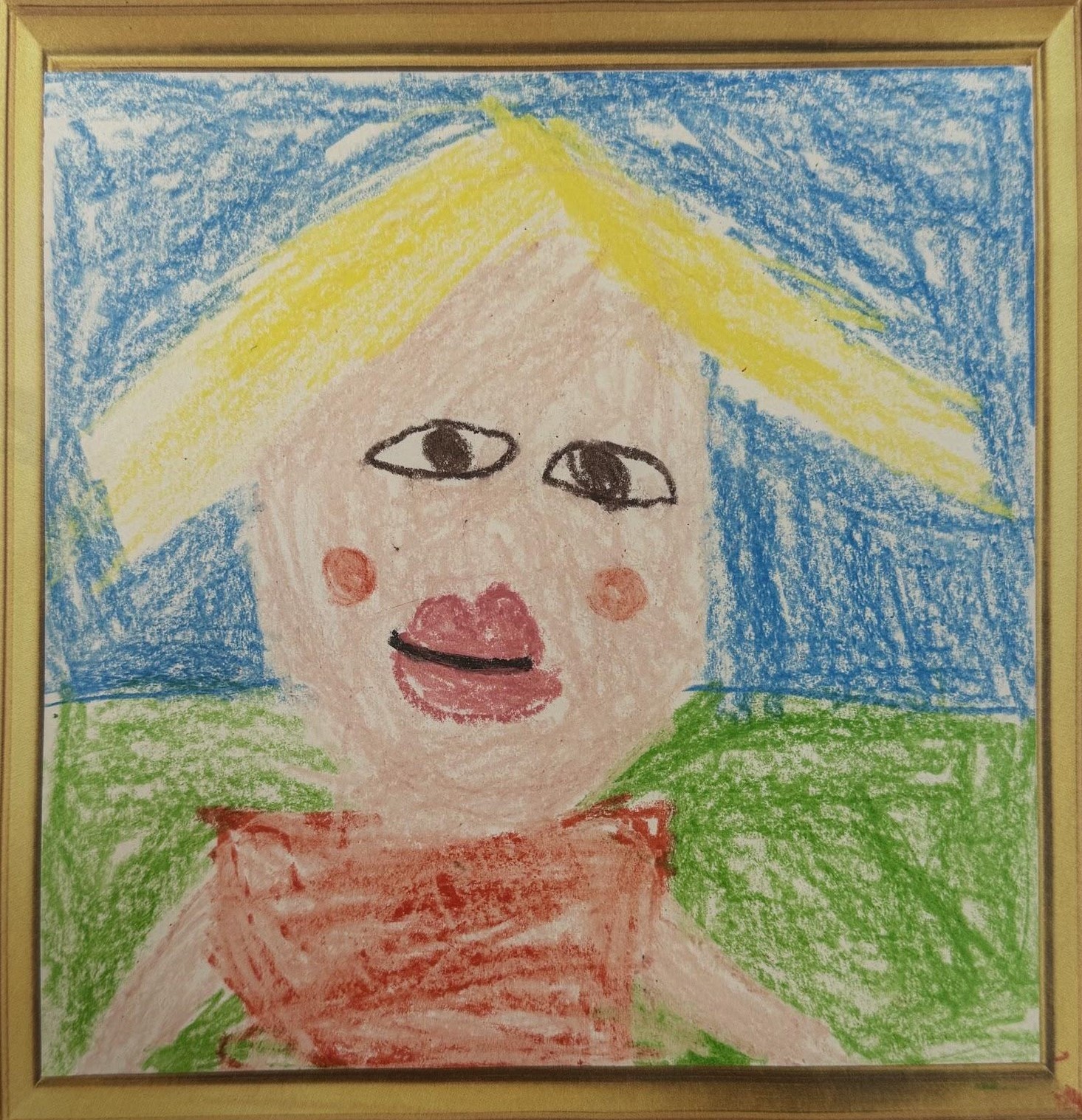
In art class, kindergartners recently worked on representing themselves through portraits. First, students observed well-known self-portraits by Vincent VanGogh and Frida Kahlo, and then used the art elements of line, shape, and color to create their own self-portrait drawings.

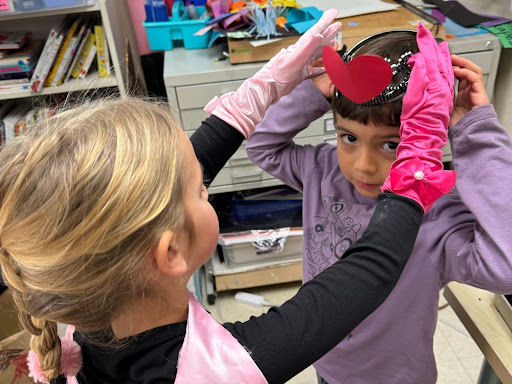
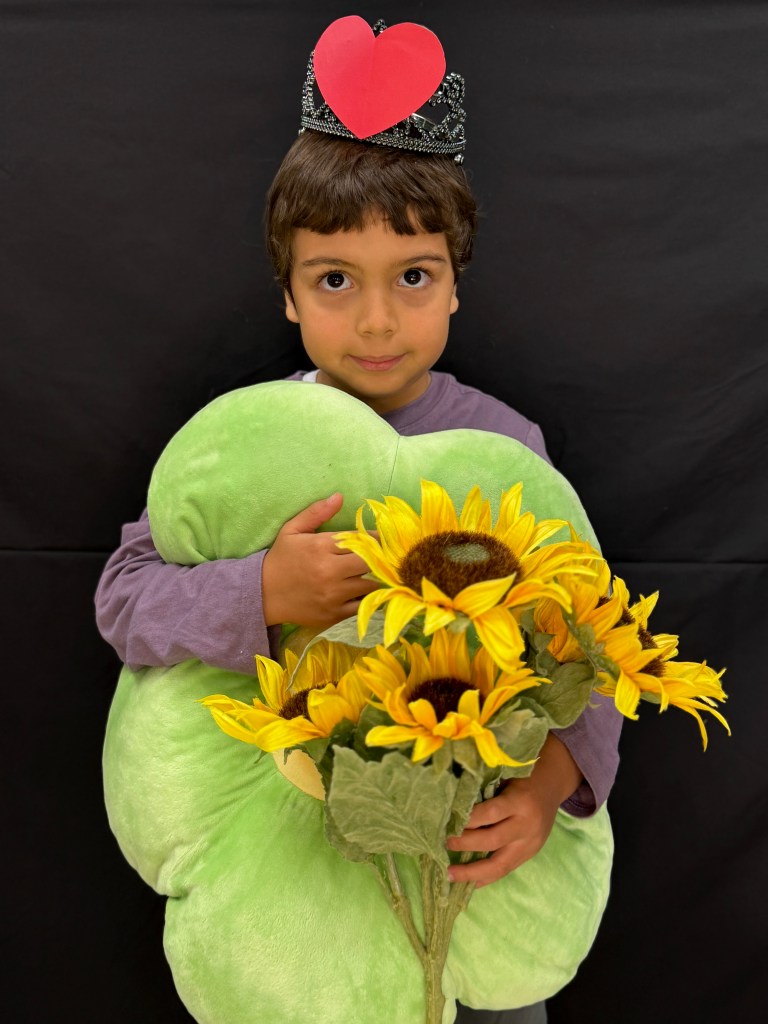
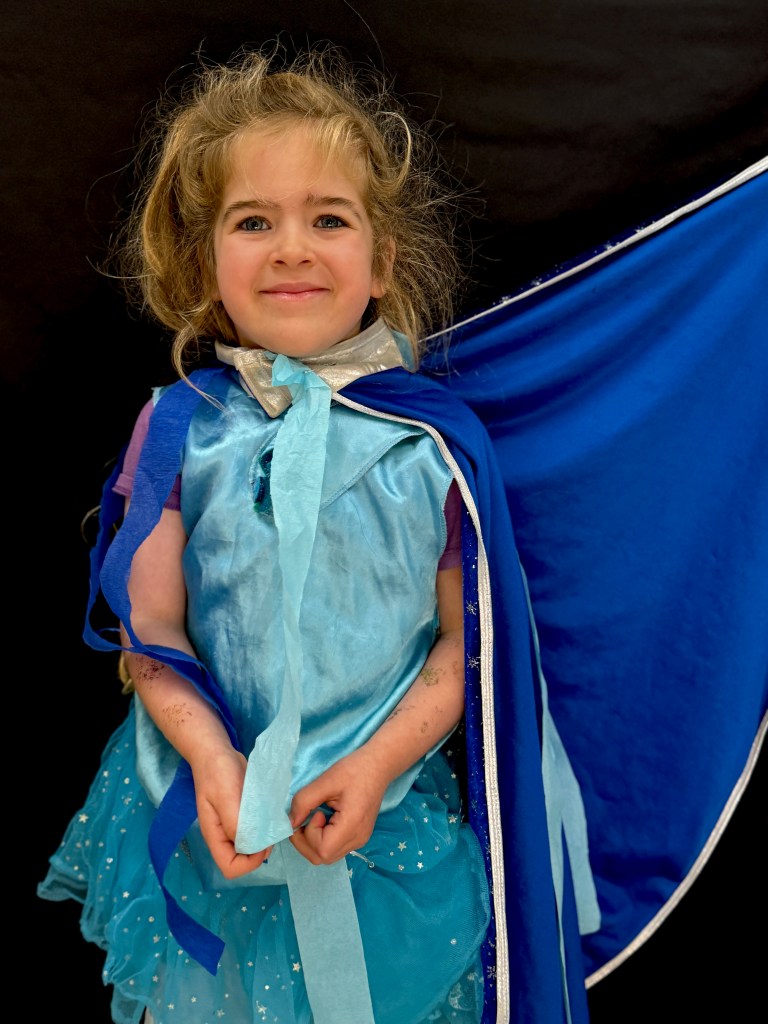
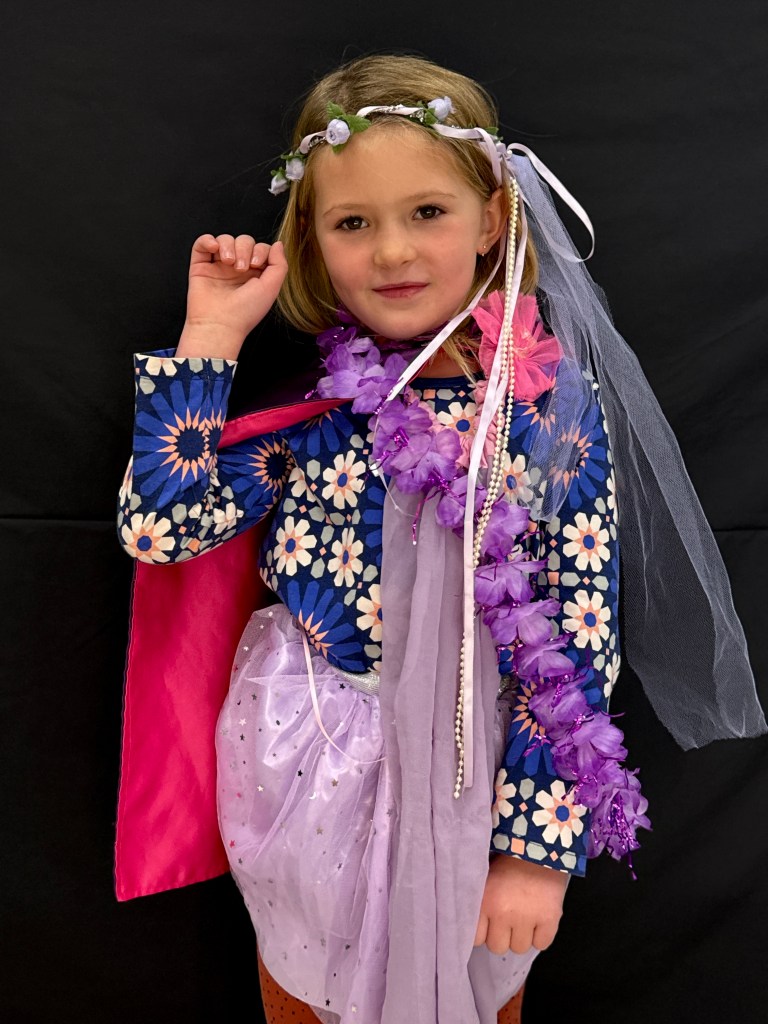
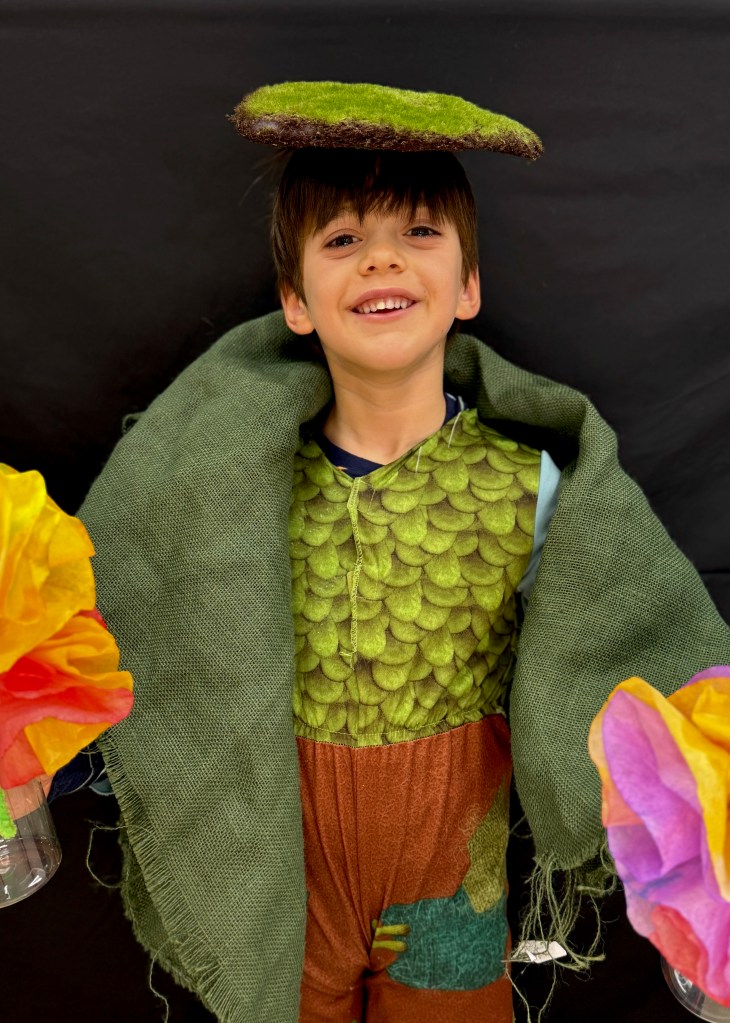
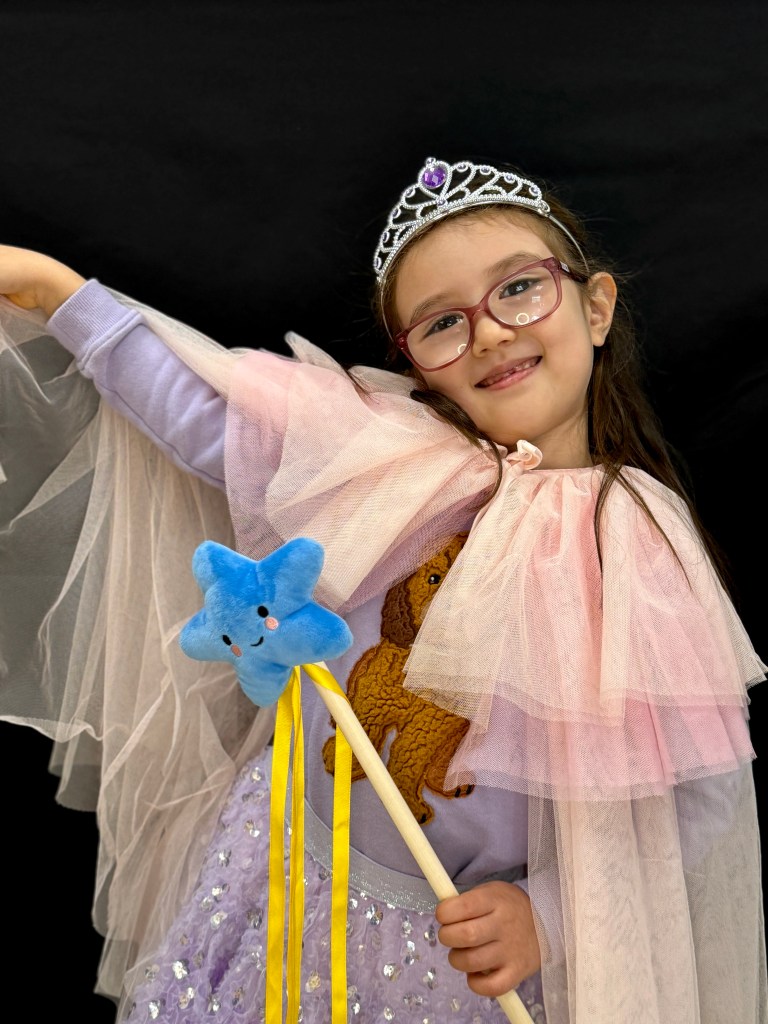
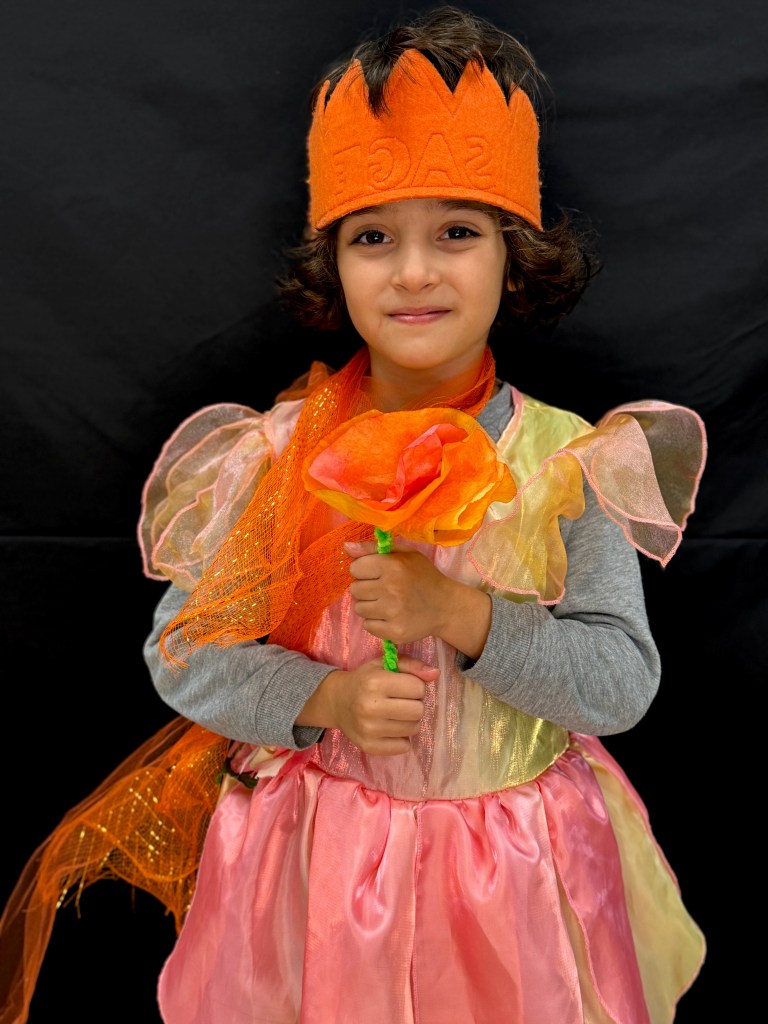
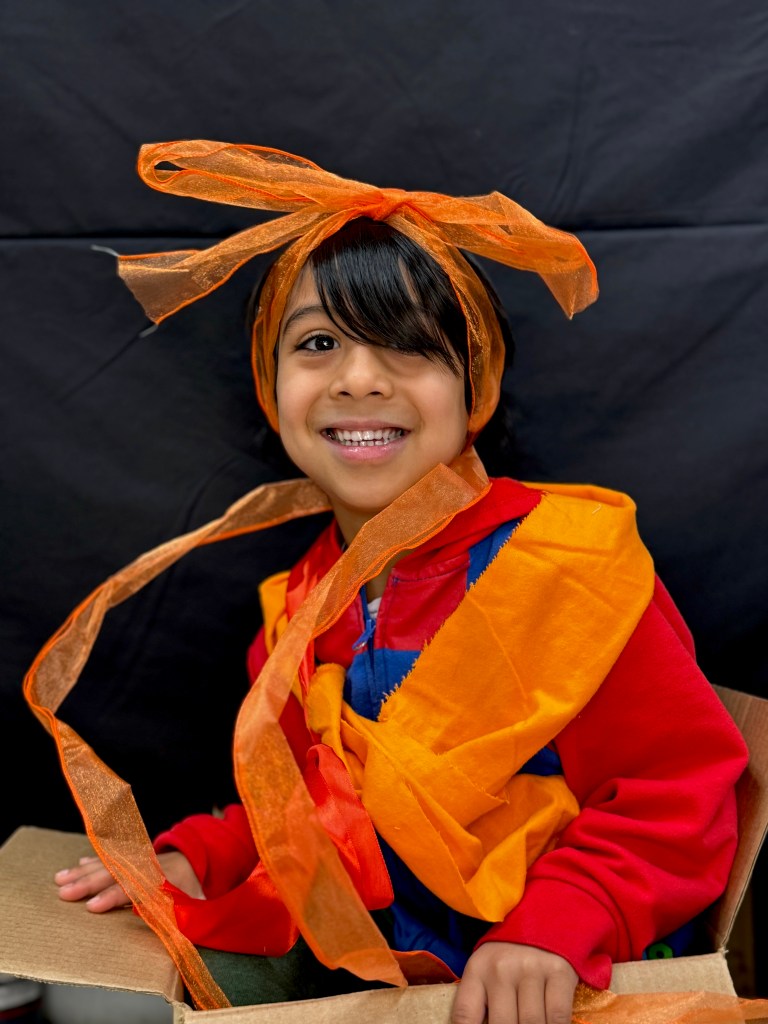
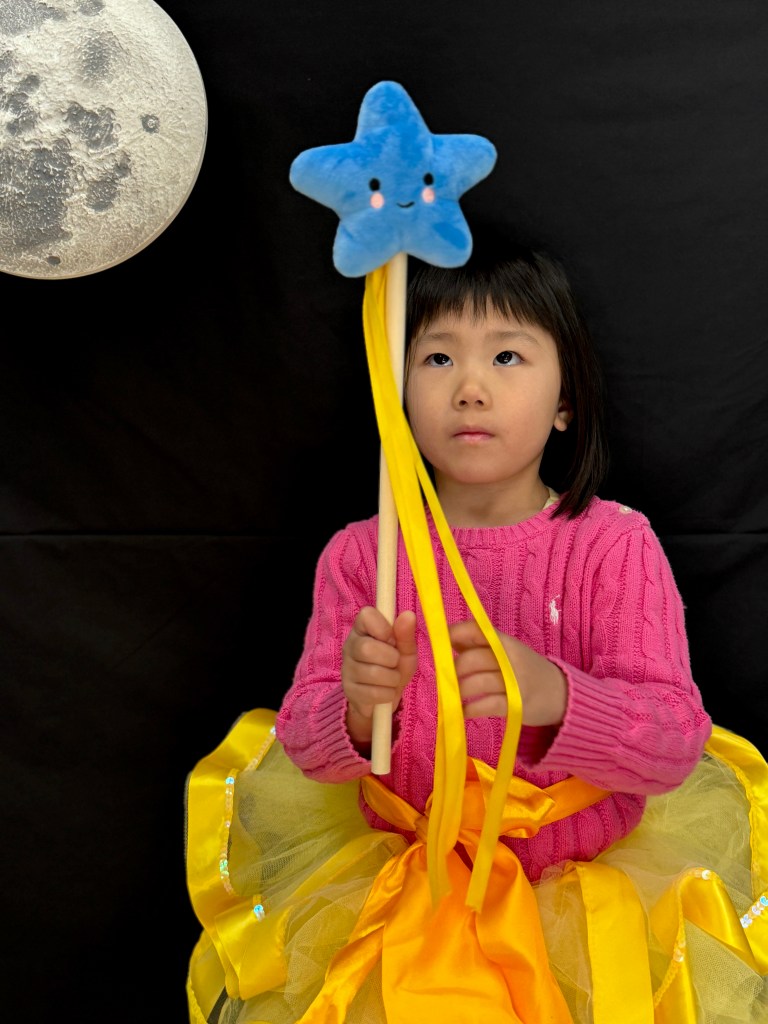
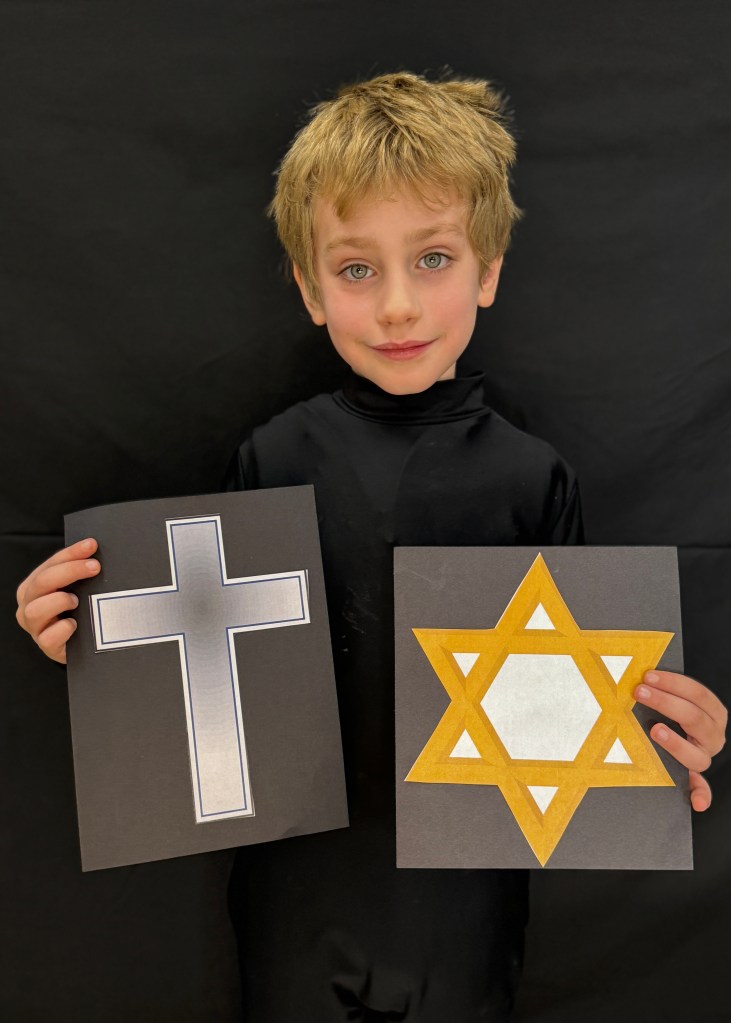
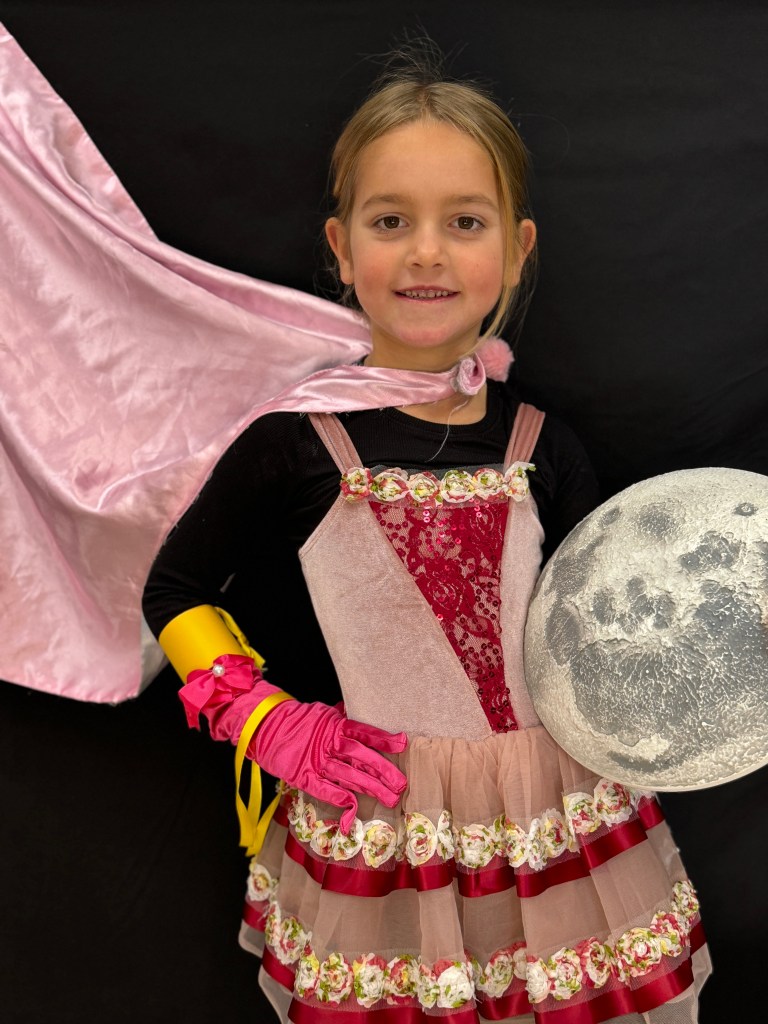
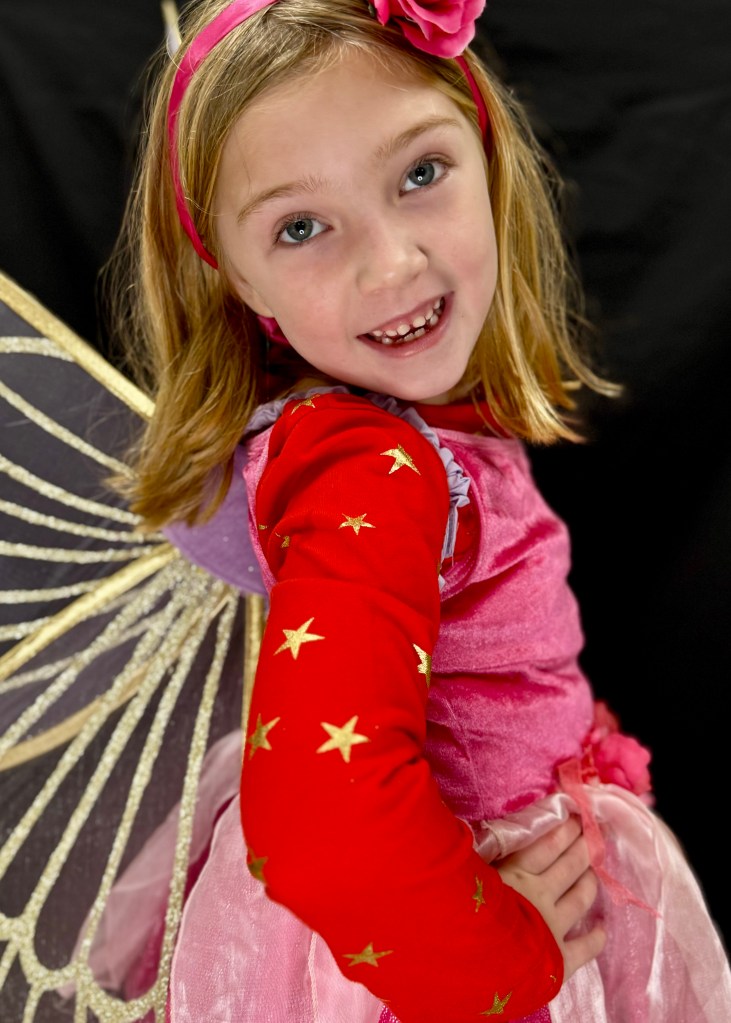
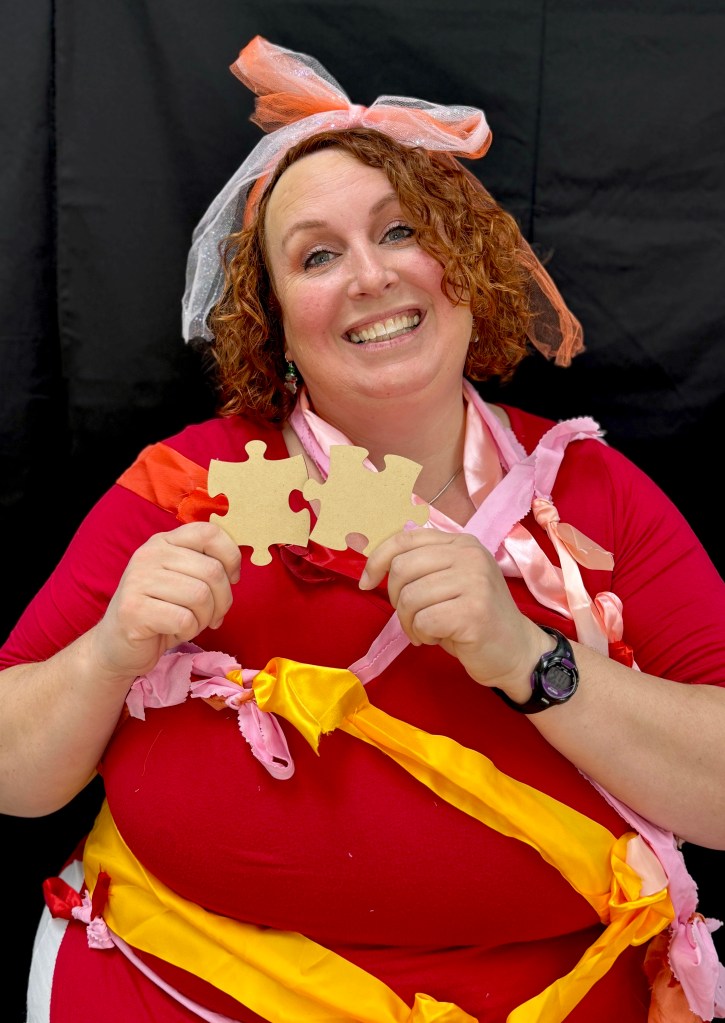
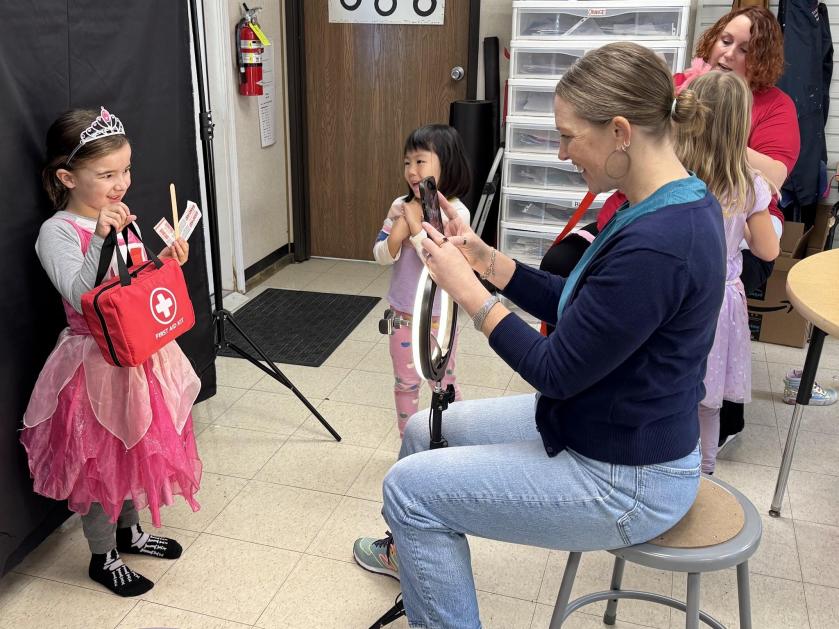
Next, the kindergartners observed the artwork of contemporary artist Cindy Sherman, who photographs herself dressed up as different imagined characters. In collaboration with their PBL unit exploring the driving question of “How can learning about each other’s names make us better friends?” students planned their own Cindy Sherman-inspired photoshoot that visualized the meaning and stories behind their names. Each student posed for photographs wearing costumes and props that not only represented their names but that superbly matched their unique personalities. Check out their photos below! 

#SaklanProjectBasedLearning

Artifact or Art Opinion

The 6th graders recently wrapped up their second milestone in their Project Based Learning unit, Artifact or Art Opinion. The driving question for the unit is, “Who do artifacts really belong to?”

During this unit, students explore arguments for and against the repatriation of Egyptian artifacts. They develop an understanding of museums, the history of archaeological practices, museum bias, perspective taking, and of course, dive into the content standards connected to ancient Egyptian civilization. This year, it has been great fun to add in mini lecture recordings and videos from the Egyptologist that Linda and Vickie traveled with over the summer, too! 

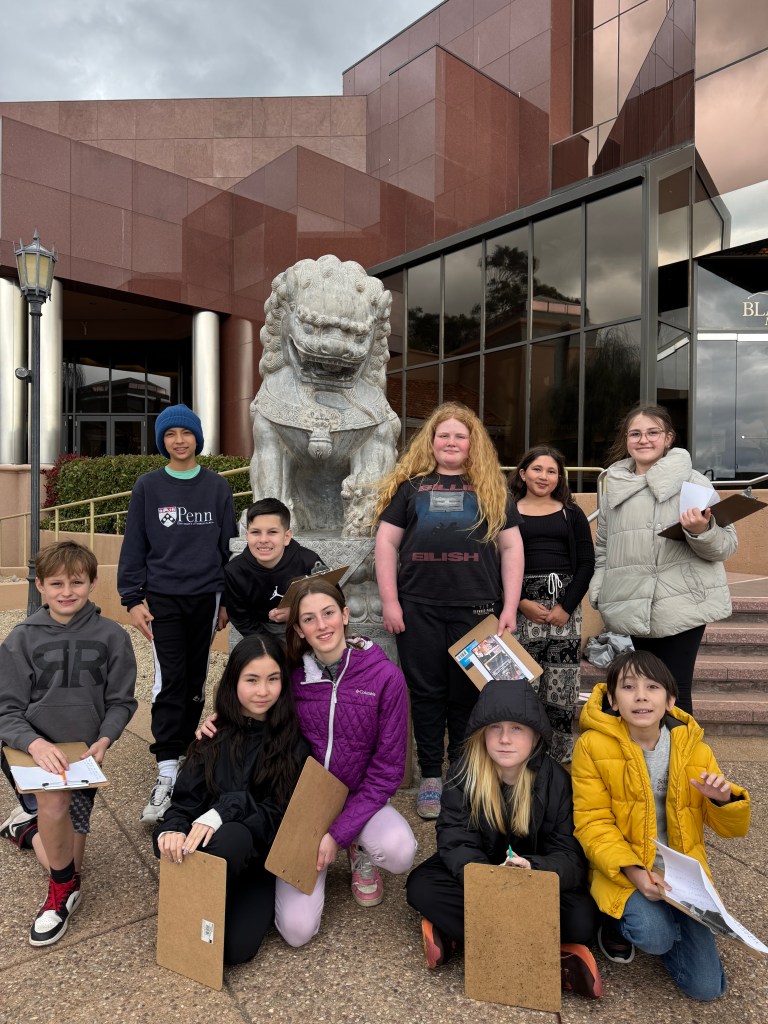
The unit kicked off in early October with an entry event highlighting a modern example of an artifact purchased by the Met that was, in fact, stolen! This helped the class to wonder how do museums end up with the artifacts they have in their collection? They then selected mystery Egyptian artifacts held at museums outside of Egypt to research. Through studying their artifacts, students began to build an understanding of what these artifacts are and why they are important. During their research, the 6th graders learned about ancient Egyptians and started sorting through some of the complexities of each artifact’s provenance. Students learned sometimes it is tricky to get to the bottom of how a museum acquired a particular artifact! 

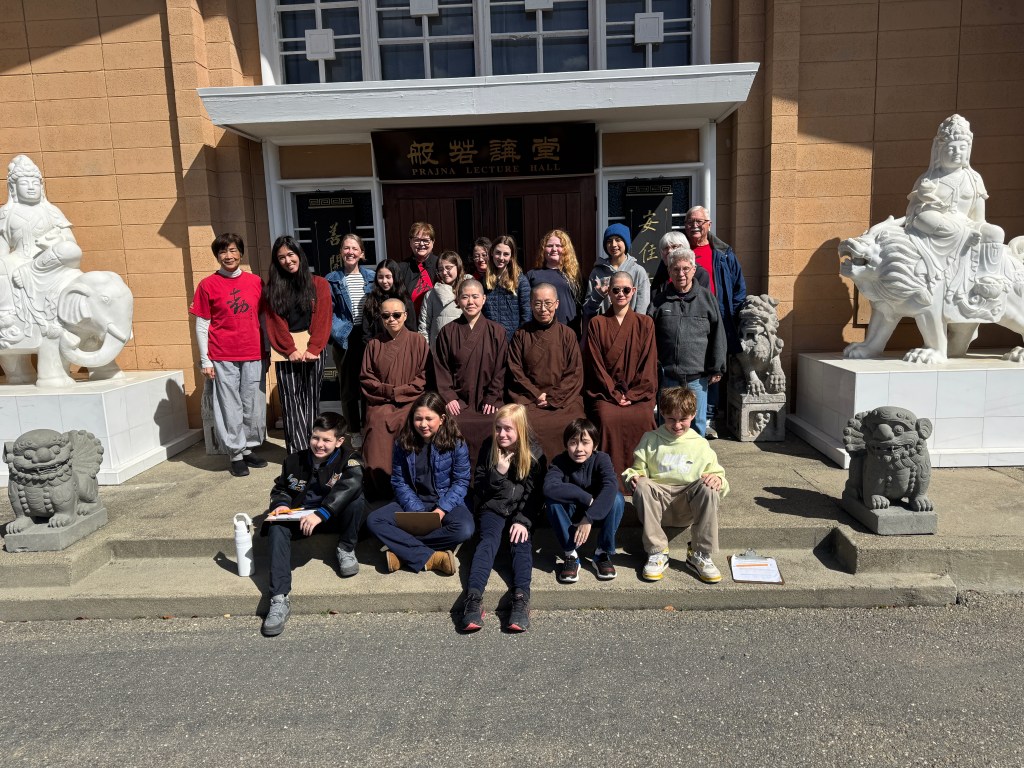
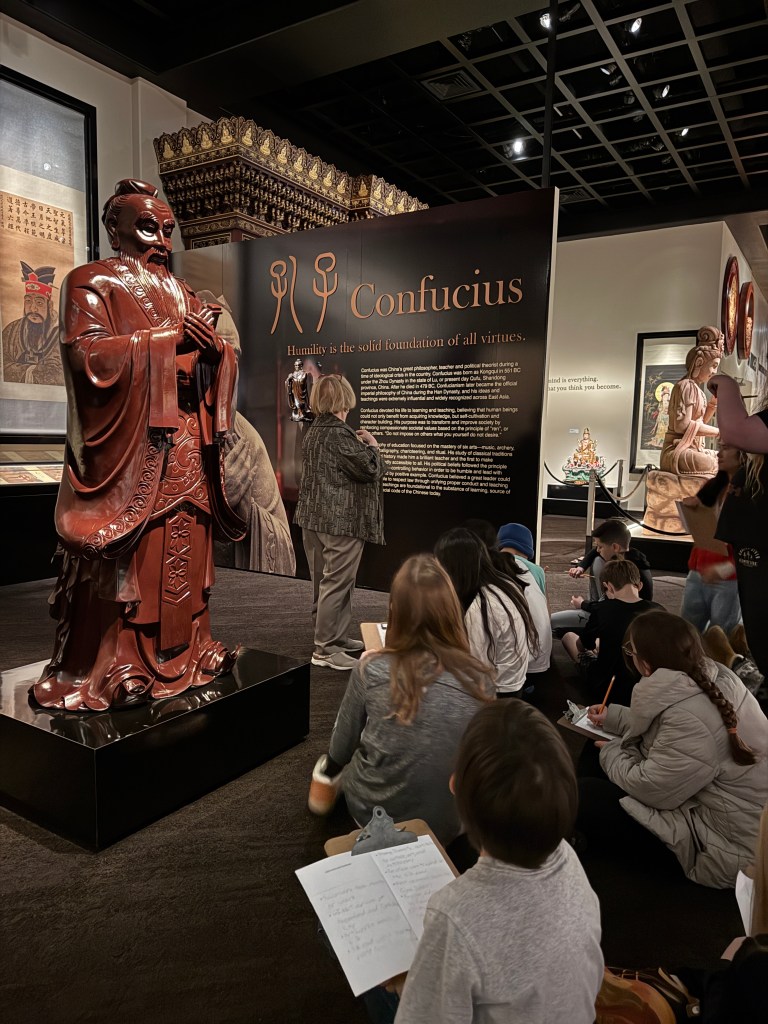
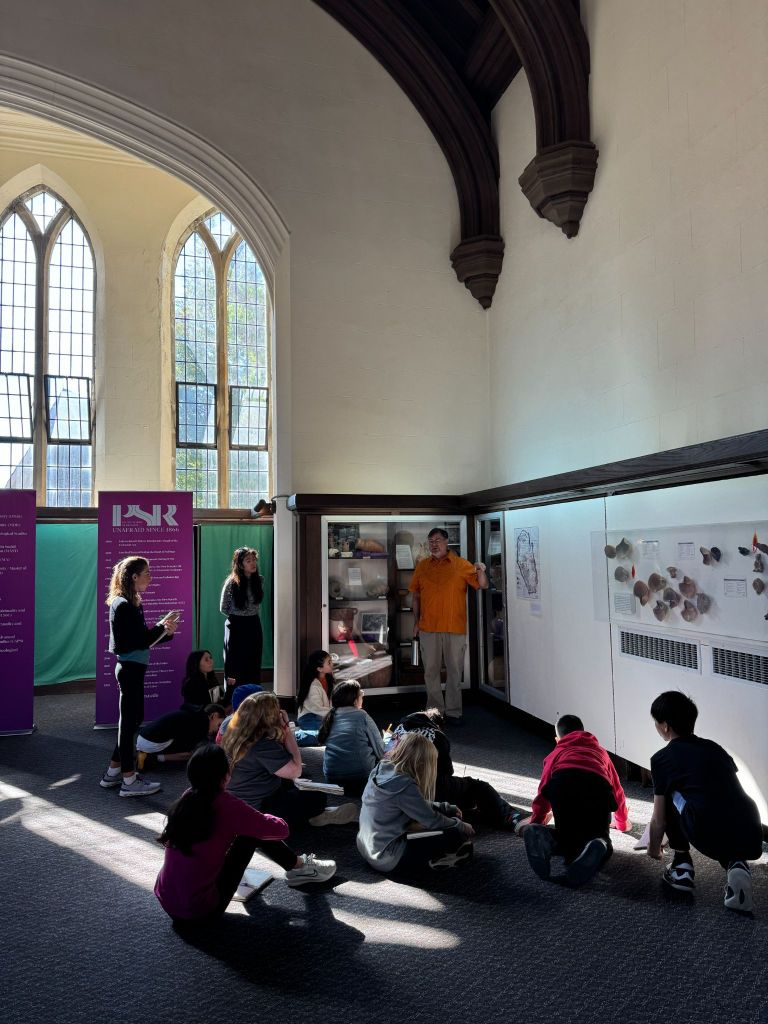
Recently, the sixth graders met with two experts who helped them start to understand how museum and archaeological practices have changed over time. They visited a small museum in Berkeley at the Pacific School of Religion called the Badè Museum. There, the class met with archaeologist and Museum Director Dr. Aaron Brody to understand the unique history of the collection and their perspective on repatriation.

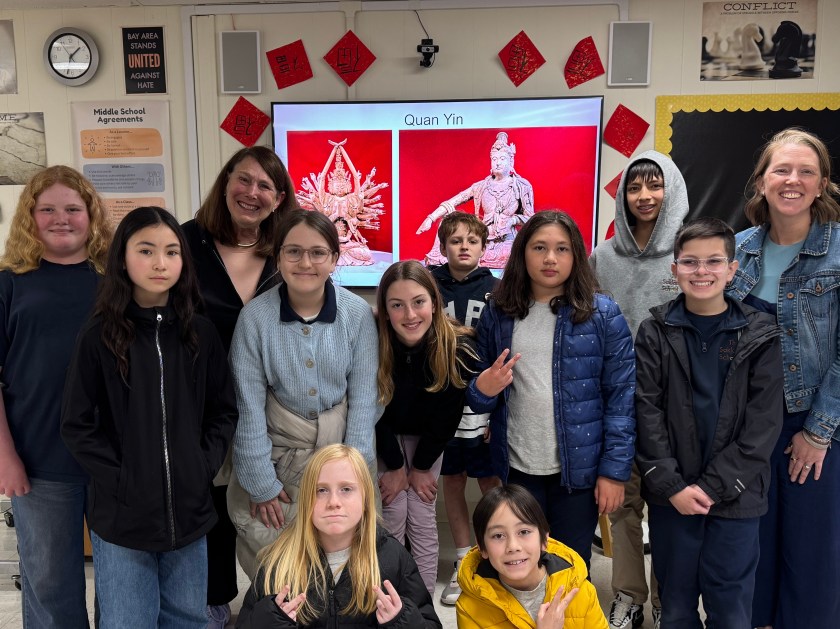
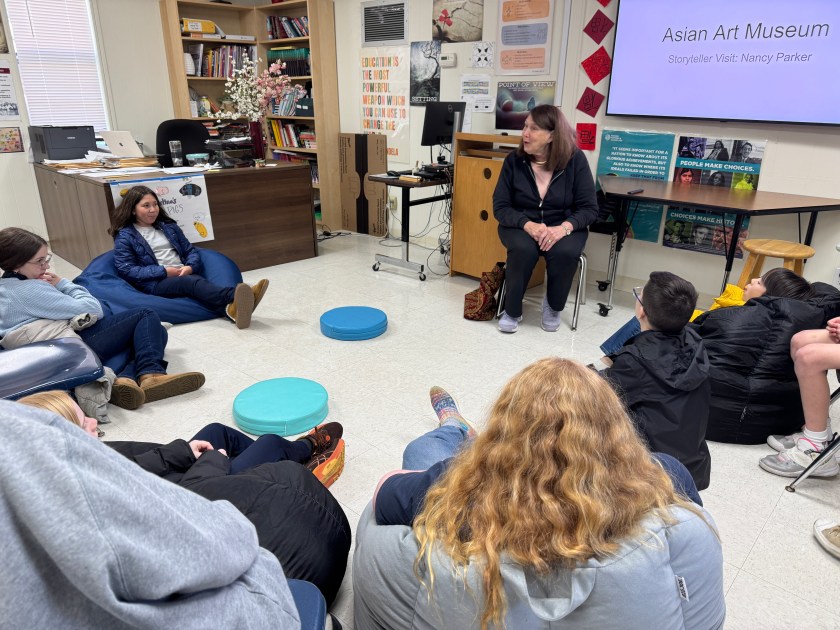
Sixth graders also zoomed in with archaeologist, Dr. Hannah Wellman, who shared a detailed timeline about changing archaeological practices, mummification, and the impact of context in a museum exhibit.

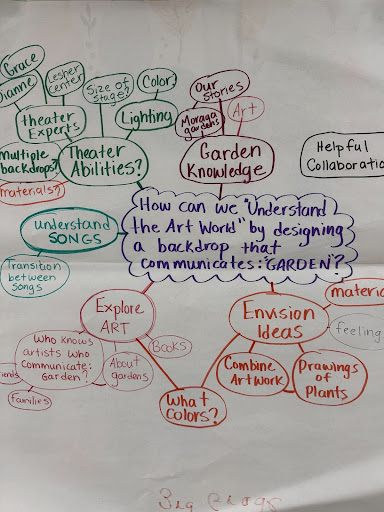
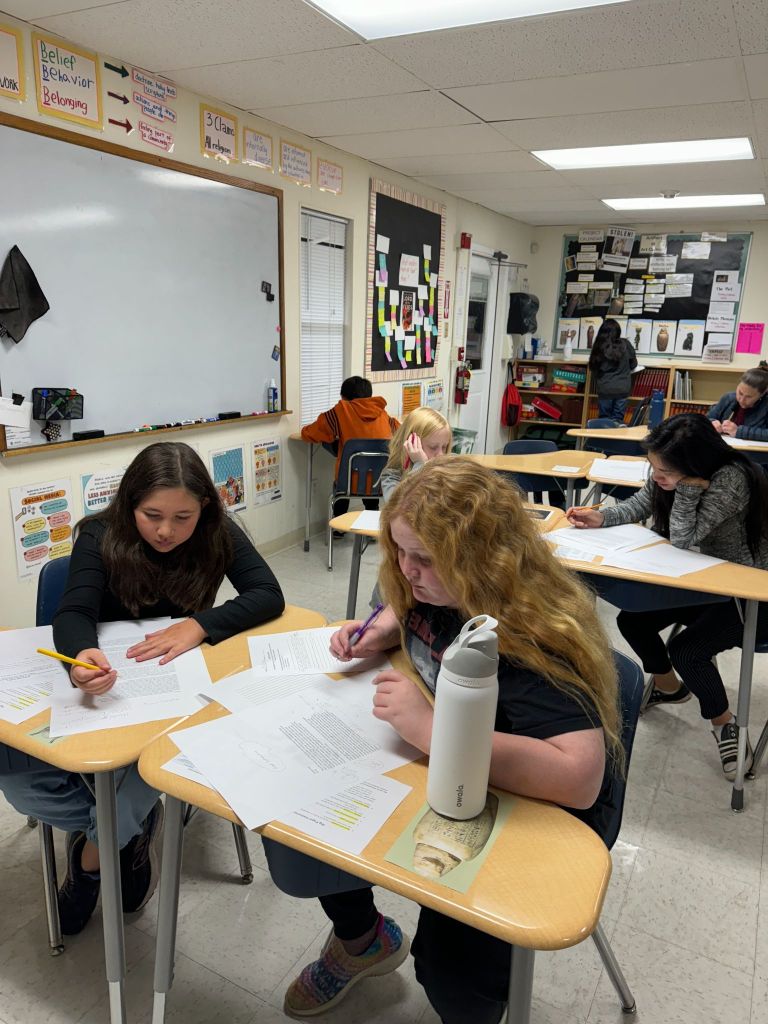
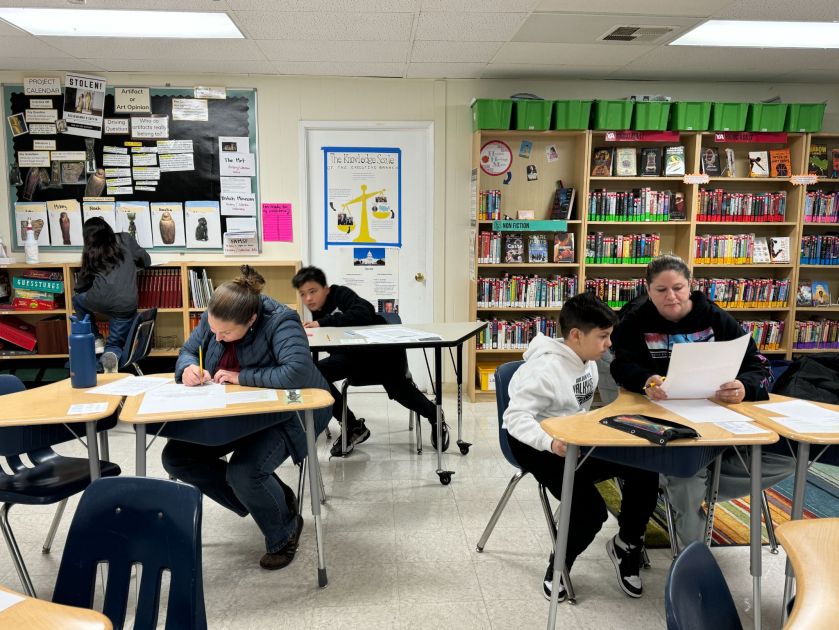
Students have been working on compiling all their research from the first two milestones into a research paper. After a first draft, teacher conferences, and initial revisions, they participated in a feedback routine called “Big Paper” with the help of David, Emily, and Kim. The 6th graders did a great job providing constructive feedback, glows, and questions to improve each other’s work.

In the final two milestones, students will learn how ancient and modern public art help individuals express their opinions and share their own answers to the driving question with the community. The sixth graders will showcase their work in this project at CLAS on November 22. We hope to see you there! 

#SaklanPBL

Bats & Camouflauge

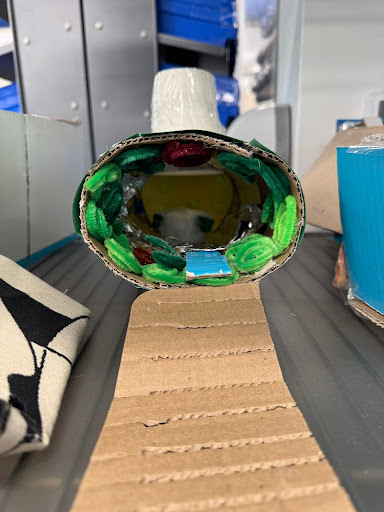
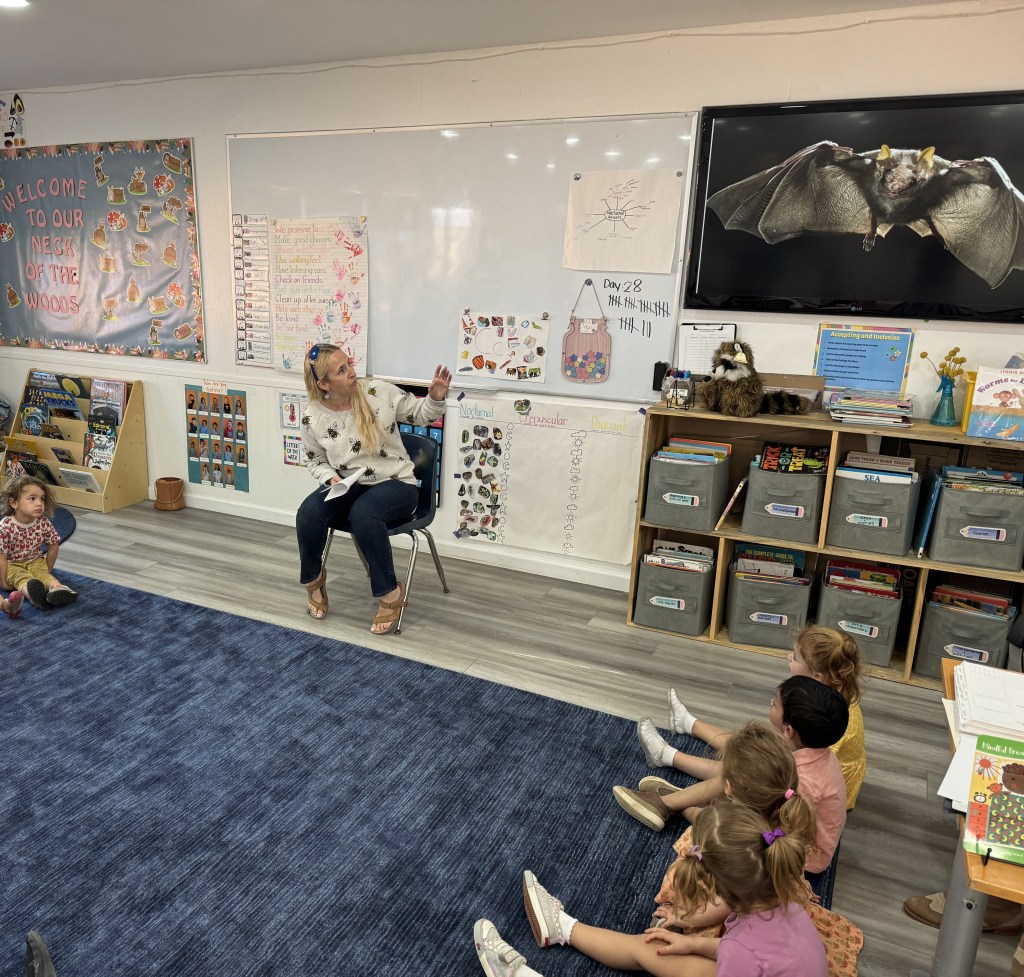
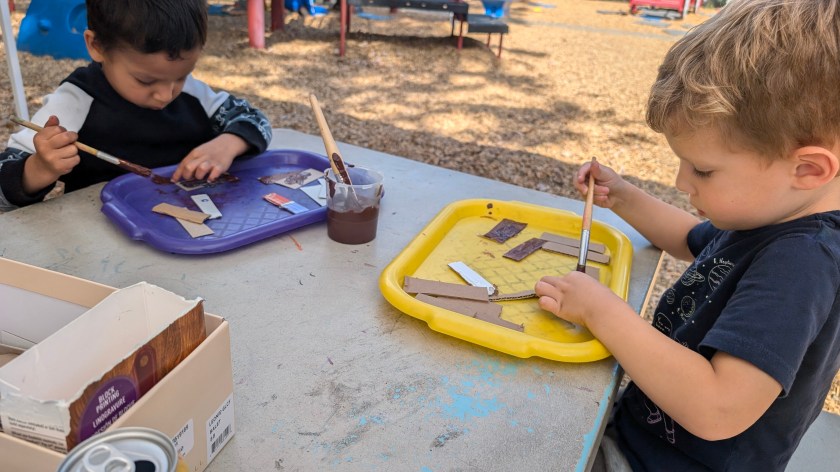
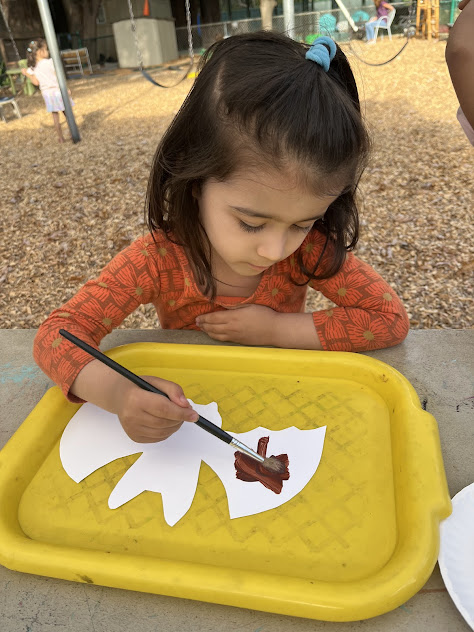
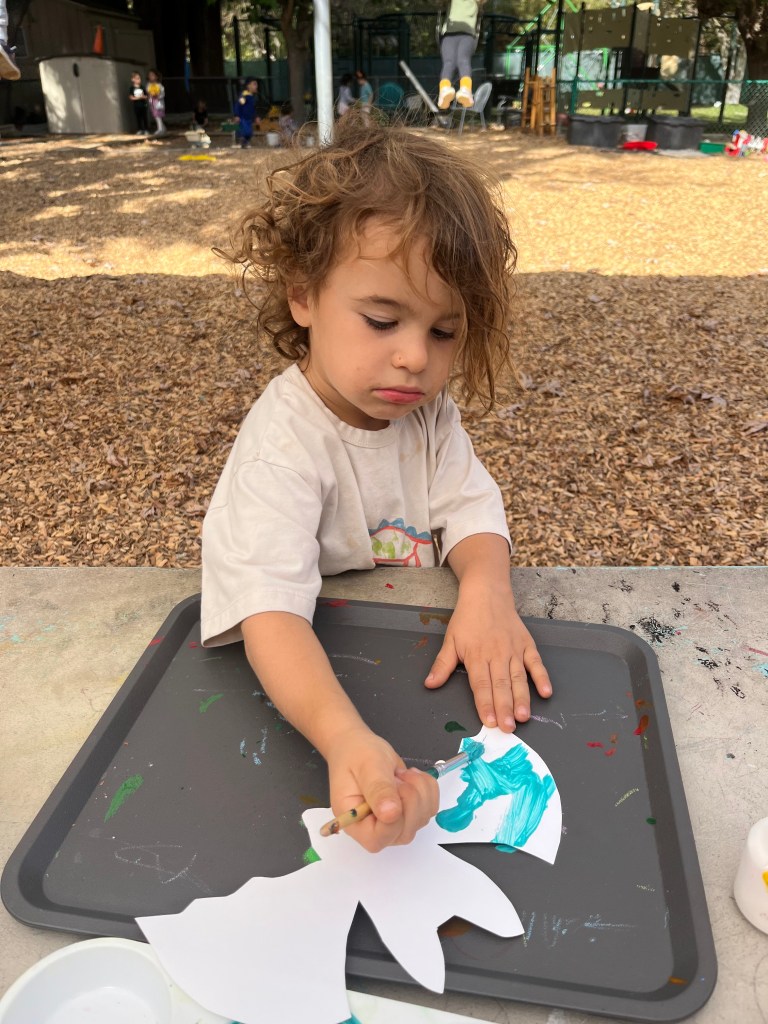
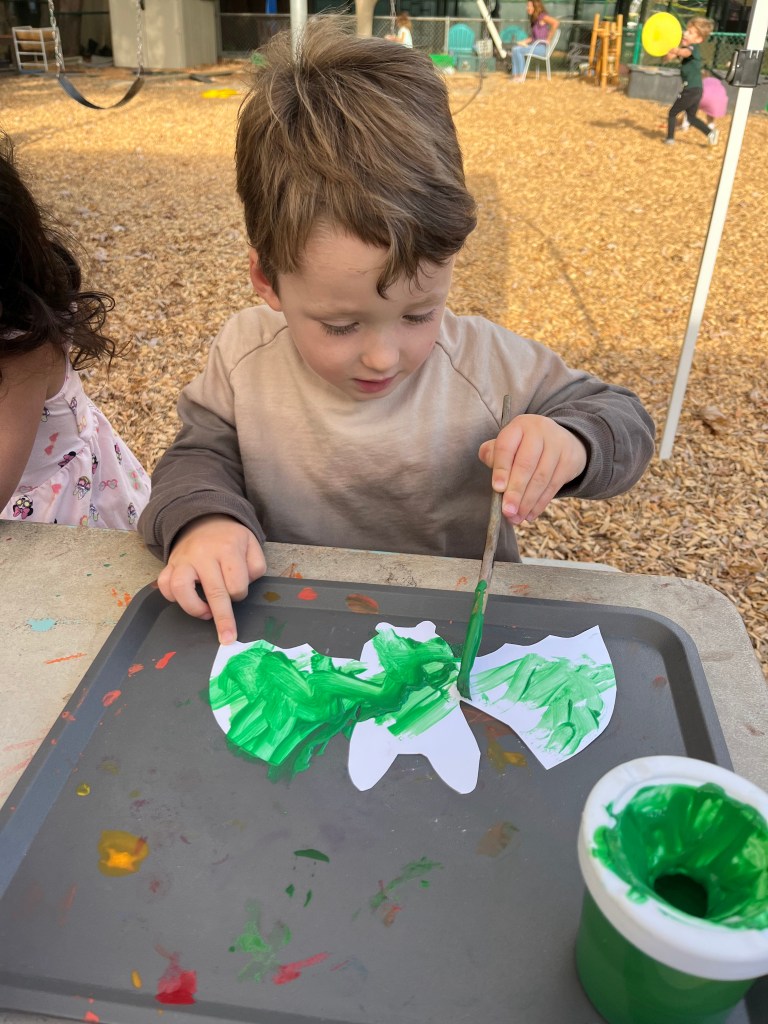
As part of their Nocturnal Animal Project, the Owlets enjoyed learning about bats! After a special visit from Ms. O, our amazing science teacher, the Owlets dove into their first “representations” project of the year. This activity gives the students the freedom to express themselves in creative ways, making something that stands out as their favorite part of what they learned. From toilet paper rolls to aluminum foil and clay, the classroom’s “useful junk” drawers were full of possibilities!

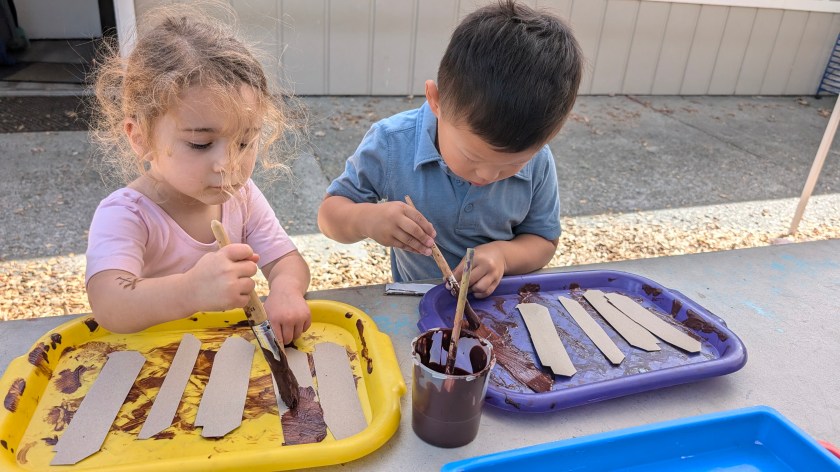
After reading Log Life, a fun book about animal habitats, the Owlets discovered that bats live in all sorts of places—even right here in Moraga! Since there aren’t any caves nearby, the Owlets got curious about where our local bats might hang out. Ms. O shared that many bats here make their homes in old houses or even attics! But to keep them from settling inside, people put up bat boxes instead. These wooden shelters are placed on trees, and guess what? The Owlets made their very own bat boxes for the trees in their classroom using cardboard and thin cardstock strips!

As the Owlets dive deeper into learning, they’re also expanding their vocabulary—one word they’ve been exploring is “camouflage,” a super cool tool that bats (and other animals) use to blend in with their surroundings! This helps the animals hide from predators or sneak up on their prey. The Owlets had a blast with Victoria searching for spots in the classroom to hide their bats, doing their best to match the colors around them!

#SaklanProject

Farmers’ Market Project

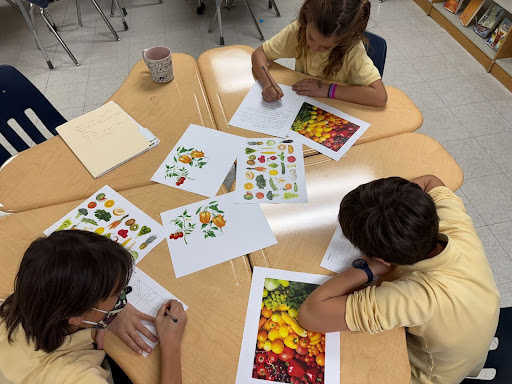
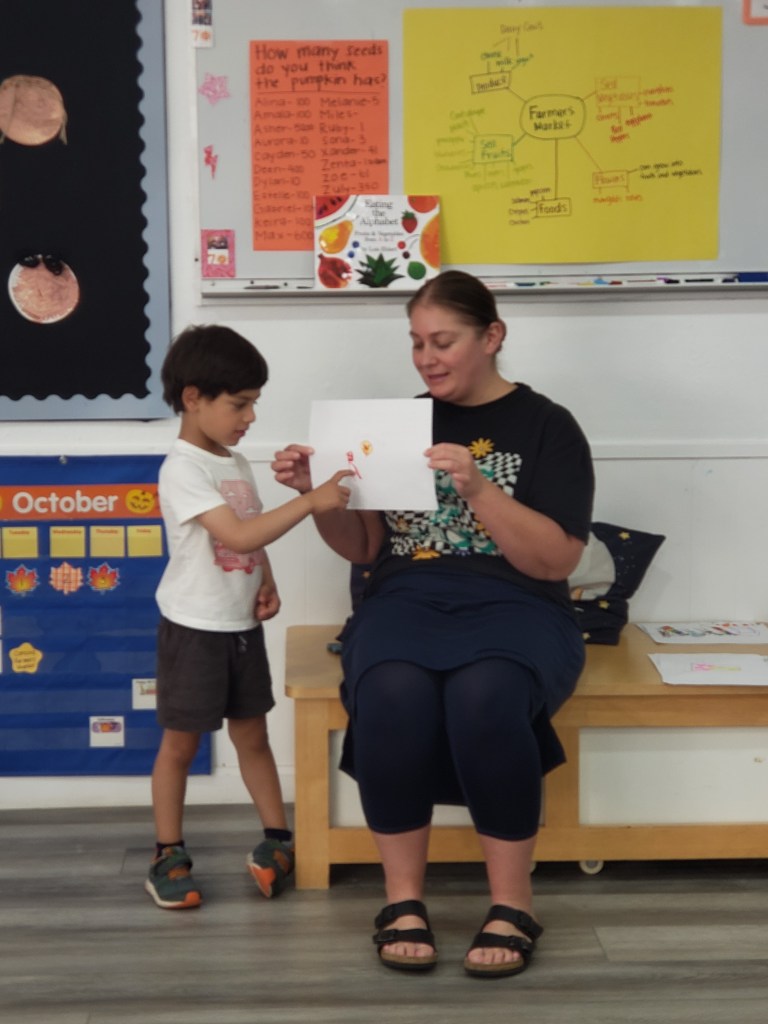
The Hoot Owls have begun a Project in which they are diving deep to learn about the Farmers’ Market! First, they worked on writing and illustrating stories about their real-life experiences at the farmers’ market. If the students hadn’t been to one, they imagined what it might be like. The Hoot Owls then took turns sharing their stories at circle time. This helps the children get more comfortable speaking in front of a large group and helps them feel proud of their work. Their fellow Hoot Owls asked questions about the stories, which allowed them to practice using the question sentence structure and to ask questions relevant to the topic. 

The Hoot Owls also practice questioning skills with their Wonder Wall. The Wonder Wall is how the class keeps track of what students are curious about. The teachers help the class review the questions they have posed as they progress through the Project. When they uncover the answer to one of the questions they add it to their Topic Web. This web helps the class track what they already know and what they learn. Both the Wonder Wall and Topic Web are growing mediums to display the students’ curiosities and knowledge.

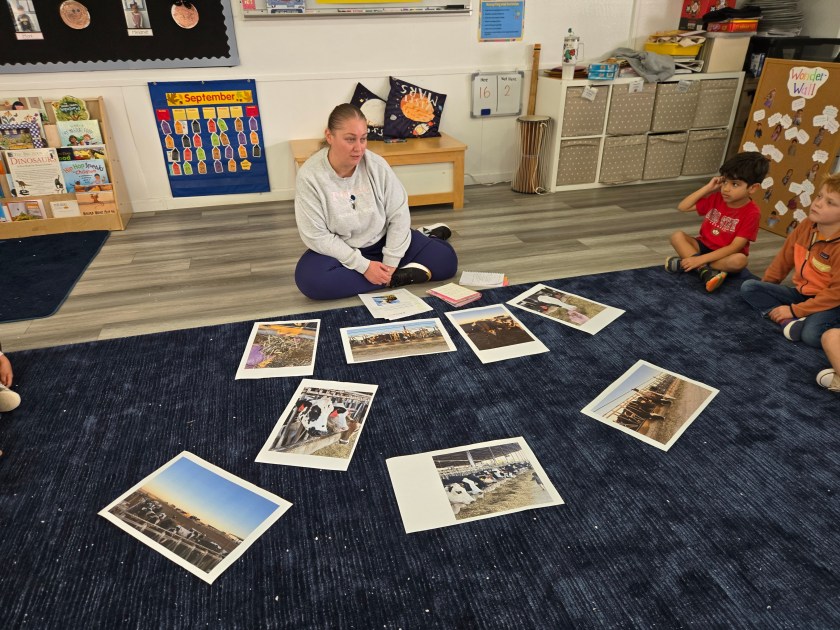
The Hoot Owls have enjoyed talking about things found at the farmers market: fruits, vegetables, cheese, flowers, crepes, popcorn, and more. The class wondered where cheese comes from, so they invited a dairy cow expert, Erin, to help answer their question. They also came up with other questions about cows:

  • “Do cows drink?”
  • “How do cows eat carrots?”
  • “How do baby cows drink the milk?”

The students learned that only baby cows, or calves, drink milk. Adult cows only drink water and can drink as much as 6 bathtubs per day! They discovered that cows eat 100 pounds of food daily, mostly hay, but sometimes carrots, other vegetables, or grains. The Hoot Owls found out that cows only have teeth on their bottom jaw, the top is just a hard leathery piece. To help digest food, cows have four chambers in their stomach. Calves drink milk from the mother’s udders. The udders are also where farmers milk the cows. The milk is then used to make items like cheese and yogurt.

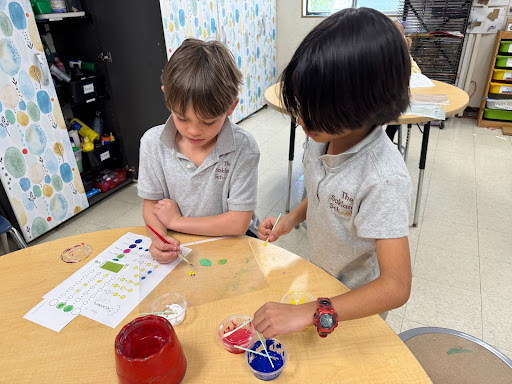
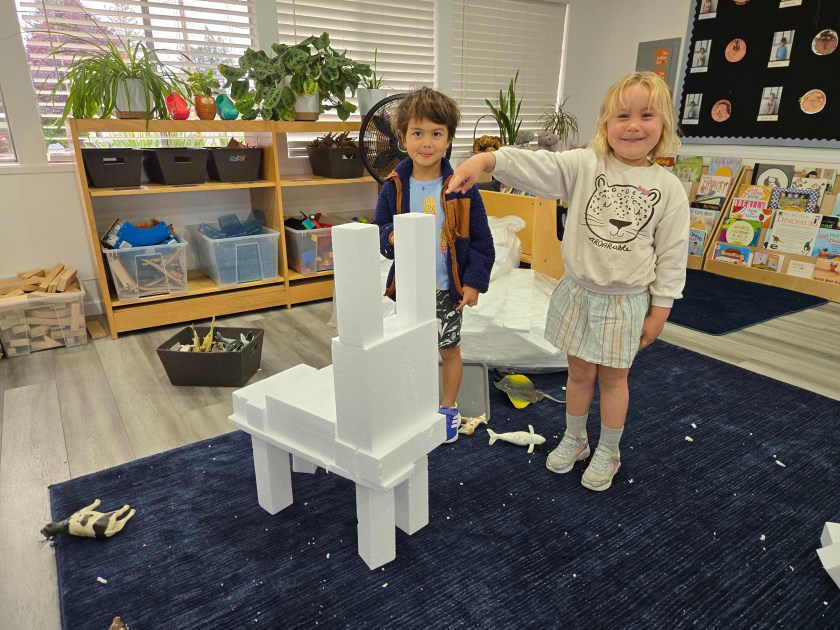
After learning new things, the students make representations. Not everyone makes the same things, as each student makes what they are interested in. Some molded a cow out of model magic and others built a cow using big Styrofoam pieces!

The Pre-K students are enjoying their journey to learn more about the Farmers’ Market. Stay tuned to see where this Project takes them!

#Prekindergarten #SaklanProjectWork

Egypt + Humanities

Written by Guest Blogger & Saklan Project Curriculum Instructional Coach and 6th grade Humanities Teacher, Linda Lathrop

If you read the blog post from Saklan Science Specialist, Vickie Obenchain, on September 13th, or followed along with our adventures via Instagram, you know a bit about our 2 weeks exploring Egypt with the help of an excellent Egyptologist. The goal of our trip was to soak in as much information as possible and bring our experiences back to enrich classroom curriculum. 

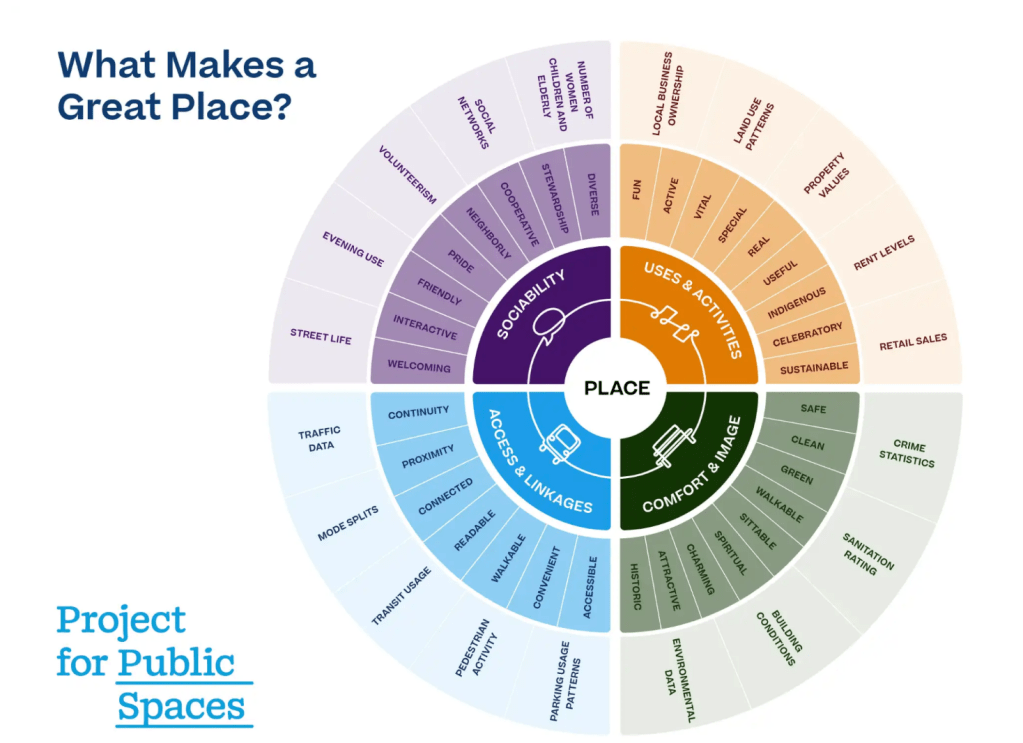
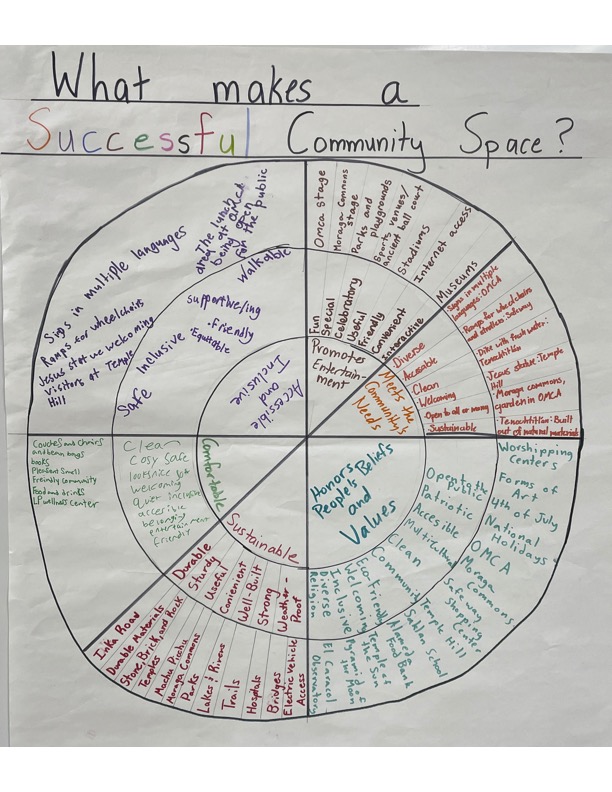
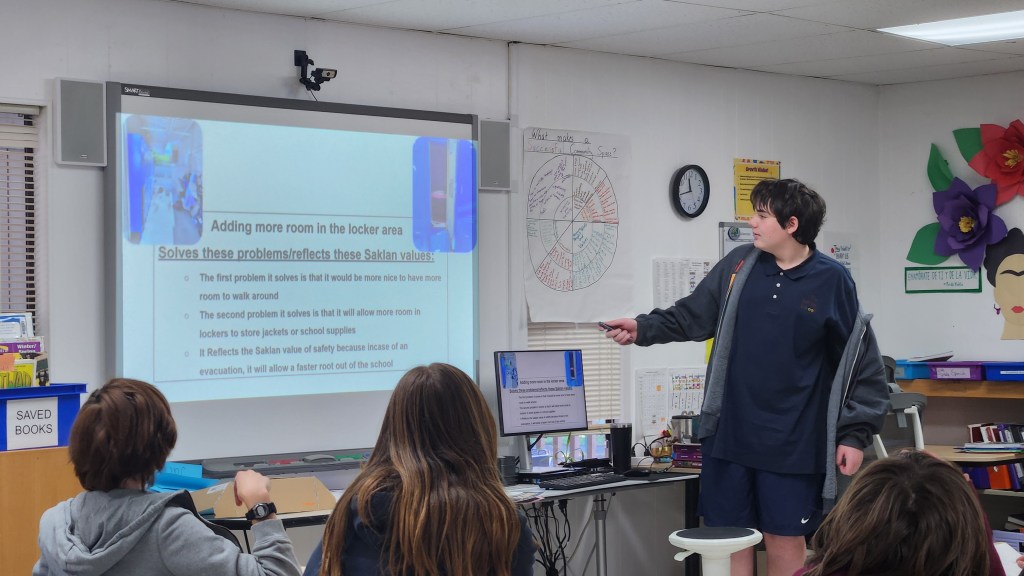
Back at Saklan it was a pleasure watching the 8th graders apply knowledge from our hot air balloon trip over Luxor to their hot air balloon experiments in science. I know Vickie is looking forward to sharing all about camel adaptations with the 2nd graders during their animal adaptations PBL unit, and I even recently shared with 7th grade a presentation on the Library of Alexandria as part of their Community Spaces PBL unit too!

However, I can’t help but be most excited about how our trip informs the 6th grade humanities PBL unit: Artifact or Art Opinion. 

In this unit we explore the driving question, “Who does art really belong to?” To kick off our unit we imagine ourselves at the Met Gala of 2018. Believe it or not, a viral photo from that event helped uncover that the Met paid nearly $4 million dollars for a looted Egyptian artifact- the golden coffin of a high priest named Nedjemankh. 

In sixth grade over the next 7 weeks we will dive into researching specific Egyptian artifacts held outside of Egypt, explore the arguments for and against repatriation of artifacts, and learn directly from archaeologists and museum experts. In the end students will have developed arguments for how they believe the driving question is best answered- stay tuned! 

Thanks to our incredible summer experience in Egypt, this year students will get to expand upon the resources I have used in previous iterations of this PBL unit. I’ll be able to share my photos of ancient temples and tombs that speak directly to their classroom research, as well as video clips with mini lectures from our Egyptologist, to enrich the PBL experience. 

One additional highlight of the trip was visiting an after school program called the Funtasia Project in Luxor. A handful of these programs exist around the world and are designed to engage students in project work after school. This particular site in Luxor also collaborates with local schools and teachers to extend project learning into the academic day. We met with the leaders of the organization, as well as some students who took us on a bike tour through the neighborhood and later shared about the impact the program has had on their lives and educational experience. It was fascinating to learn that across an ocean and thousands of miles, there are students working to build their collaboration, communication, and complex thinking skills through project work, just like we are doing here at Saklan. 

It is hard to put into words all the ways witnessing these incredible historic sites has impacted what we can bring back to Saklan students. I remain humbled by the opportunity to attend this professional development trip and look forward to continued opportunities to weave our learning into Saklan units. 

Saklan Projects!

To learn more about project work at Saklan please join us for Saklan Projects! on Tuesday, October 22 at 6:00 p.m. This virtual presentation is for current and prospective families! During the event you will hear more about how teachers design projects to address learning goals and maintain academic rigor while providing immersive, joyful learning experiences for your children. RSVP today to receive the event link!

#SaklanPBL
Rainforest Plants & Animals

The Owlets continue to become experts on tropical rainforests! So far they have learned what a rainforest is, the different layers of the rainforest, and the various amphibians, reptiles, and mammals that live in each layer. Recently, the Owlets stayed up late, got out their flashlights and explored the nocturnal animals that roam the rainforest at night. With the help of the book While the World Is Sleeping, the Owlets learned that some of the animals in our woodland forest are similar to the nocturnal animals in the rainforest. In the local forests we have possums, bats and owls, and in the rainforest there are striped tree possums, fruit bats and flying foxes and spectacled owls! To help keep track of all the nocturnal animals they learned about, the Owlets added a nocturnal rainforest to their room.

Next, the Owlets learned about another type of interesting and unique life in the rainforest: the plants! There are a lot of really different plants that live in the rainforest. The Preschoolers learned that carnivorous plants have evolved to trick insects into thinking they have food; some plants even smell like rotting meat. The Owlets made some venus fly plants for their classroom using paper plates, and then added some flies for the their venus fly traps to eat!

The Owlets are excited to teach the Saklan community all about the tropical rainforest next Friday, May 31st at 9:00 a.m. during their culmination event!

Visual Representation

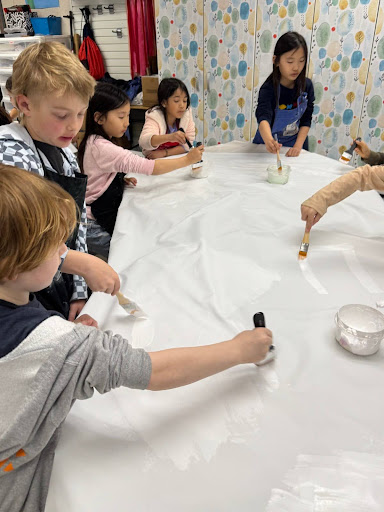
The third graders did an amazing job turning their original designs into beautiful ground murals for our entire community to enjoy! These murals of a four-square and hopscotch not only provide a fun place for all students to play during recess, but also bring visual representation of Saklan/Bay Miwok culture onto our campus.

These murals are the final public product from the 3rd grade PBL unit, which helped them to answer their driving question of “How can we show respect to the people whose ancestral land our school is on?” When the third graders met with Vincent and Louis (owners of Cafe Ohlone) earlier this year and asked them this question, they said one way was to have images on campus that represent Saklan culture. The third graders worked with Lauren in art to create designs that were accurate and detailed. Local artists Tia and Paul Kratter helped to turn the students’ designs into reality and worked with the third graders to paint the murals. 

#SaklanPBL
Shared Power

Fostering a sense of belonging is one of the most important things we can do in our classrooms. When students feel seen, known, and valued, they become free to take on new academic risks and challenges. 

At Saklan we extend the importance of belonging beyond SEL curriculum, morning meeting, or advisory. In Project Based Learning students bring their authentic wonders and ideas to the academic day, peer feedback, and collaborative work. 

Through showing the value of what they have to offer to the learning experience, students are reminded that we all have ways we can help support our community, ways our community can help us, and, most importantly, none of us alone is smarter than all of us together!  

Shared power is a core equity lever of projects at Saklan. By sharing power the class takes ownership over their growing knowledge which deepens the students’ sense of belonging and purpose in the classroom. 

Authentically incorporating students’ unique interests and talents, providing them options and agency in making decisions within the project, and creating a sense of interdependence among the teacher and students are all ways shared power show up in high quality project learning. 

Here are a few examples of how students are bringing their own unique identities, ideas, and questions to support academic learning in our projects. 

Owlets: Voice and Choice in Rainforest Representations 

Choice is provided for even our youngest learners. In their rainforest project unit, Owlets have had the freedom to respond to their growing knowledge in a variety of ways. After a visit from a reptile expert, students created models to represent what they learned. They chose an element of the experience that was exciting to them and selected which materials they would use to create the representation of what they learned. 

Owlets see the importance of their voice by developing their own wonders. The teachers reinforce student voice by making space to respond directly to these authentic student inquiries. One Owlet wondered how much rainfall there is in the rainforest each year. After some research the class discovered there is an average annual rainfall of 7 feet in the rainforest. They collaboratively made this chart to show 7 feet of rain! They even measured themselves (and their teachers) against all this rainfall!

We hope you can join the Owlets for their rainforest culmination celebration where you can see all they have learned about rainforests on May 31st after CLAS!

6th grade: Interdependence Through Critique, Revision, and Co-Creation of Rubrics

This PBL unit requires students to create a final product based on their own unique interpretation of the driving question, “How are we still connected to Ancient Greek culture, language, and mythology today?” 

While building knowledge and pursuing individual research paths, students also develop a deep sense of belonging and shared power in the classroom through interdependence. One major aspect of this was co-writing their grading rubric for the project through generating, sorting, and refining criteria and rubric language together. 

Throughout the project they receive feedback and support from peers and teachers through small group work and feedback protocols like Big Paper and a modified version of the Charrette Protocol. 

This critique and revision cycle is designed specifically to show students that their ideas matter. These practices intentionally lift up student voices, ideas, and opinions within the guardrails of our content standards and teacher learning goals. 

#SaklanPBL