Fifth Graders Explore the Marin Headlands

At The Saklan School, off-campus education is not a field trip – it’s a field experience: an intentional extension of the classroom that nurtures independence, curiosity, and responsibility. Each year, students take part in experiences that grow in both depth and duration—from a single night away in 4th grade to a full environmental science week in Hawaii by 7th grade, and a culminating cultural and stewardship trip to Puerto Rico in 8th grade.

Earlier this month, Saklan’s fifth graders embarked on the next chapter of this journey with a three-day adventure in the Marin Headlands, combining science, stewardship, and teamwork. From the moment they loaded the van and set up dorms to their final project, preparing seedling pots for NatureBridge’s native plant nursery, students learned through hands-on discovery, cooperation, and reflection.

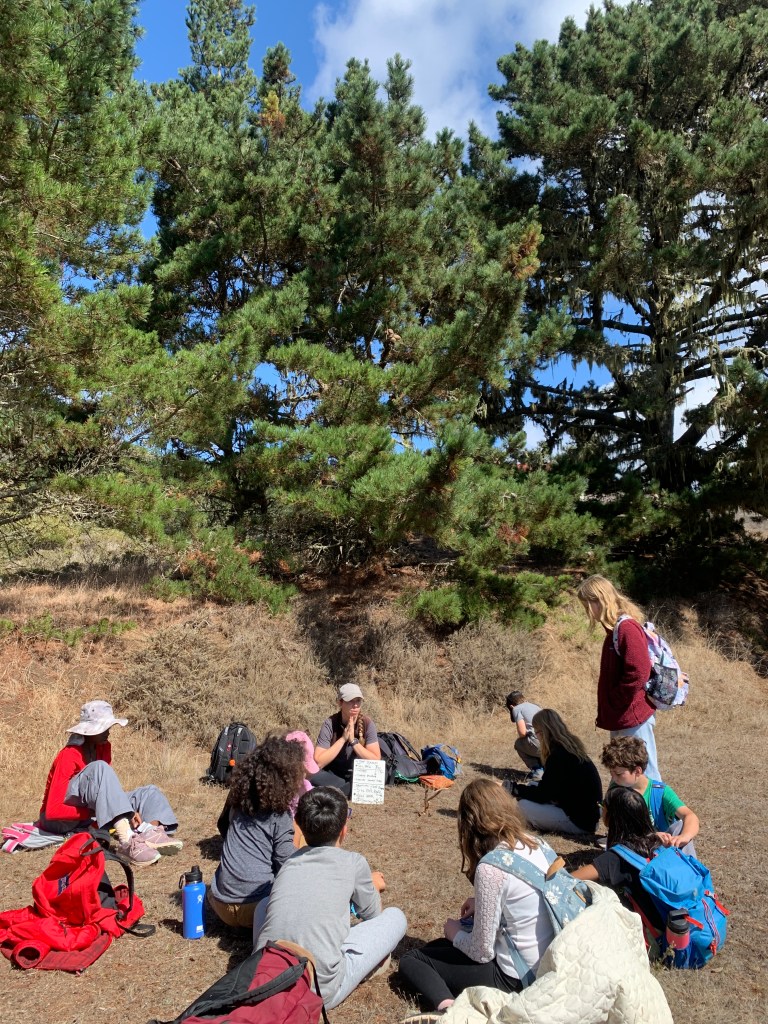
The trip began with a dorm orientation and an introduction to the area’s ecosystems. Students explored native plant greenhouses before hiking up Hawk Hill, where they studied the park’s only endemic tree—the coastal willow—and observed the biodiversity of the surrounding landscape.

After dinner, the group set out for a night hike to the beach, where they were treated to a magical surprise: glowing noctiluca, tiny bioluminescent plankton that illuminated the sand beneath their feet.

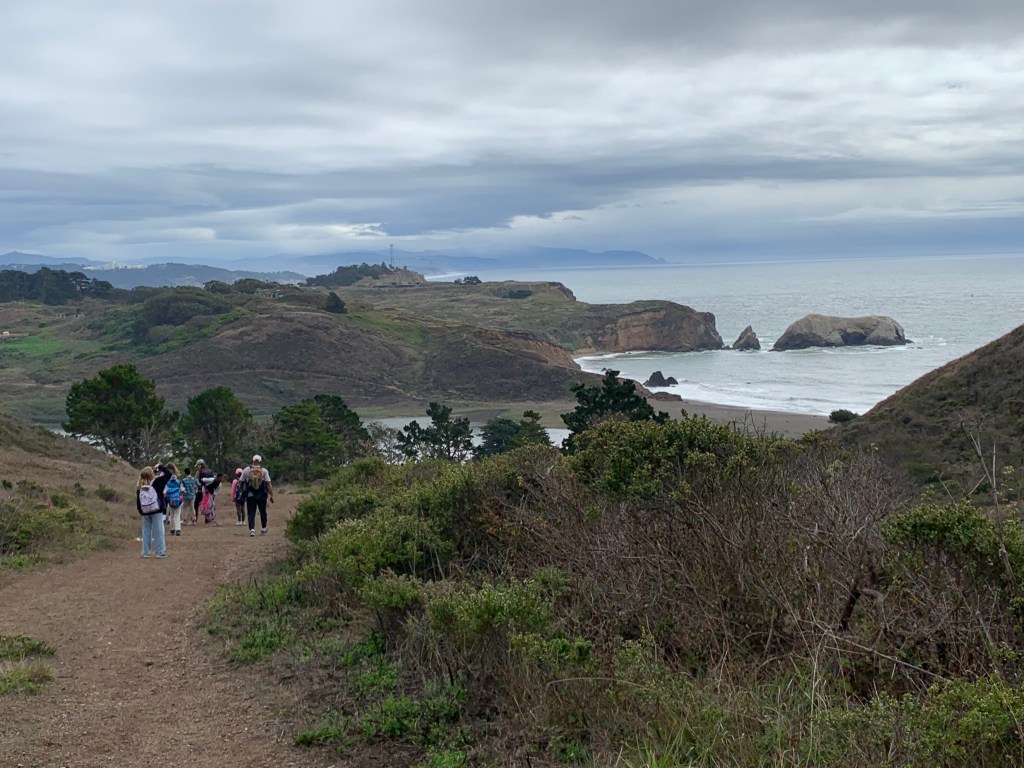
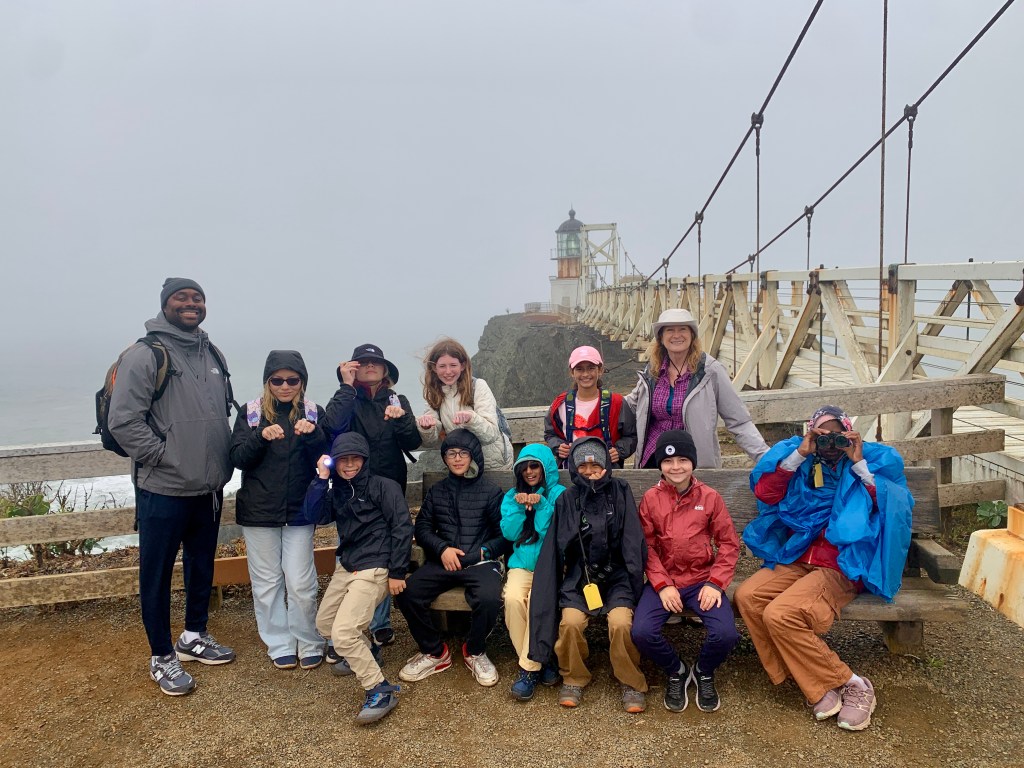
Day two brought a full day of coastal ecology—hiking from Rodeo Beach to Point Bonita, observing harbor seals, and studying plant adaptations, including tasting ice-plant bulbs. Students wrote sensory poems by the lighthouse and collected real scientific data for the National Park Service.

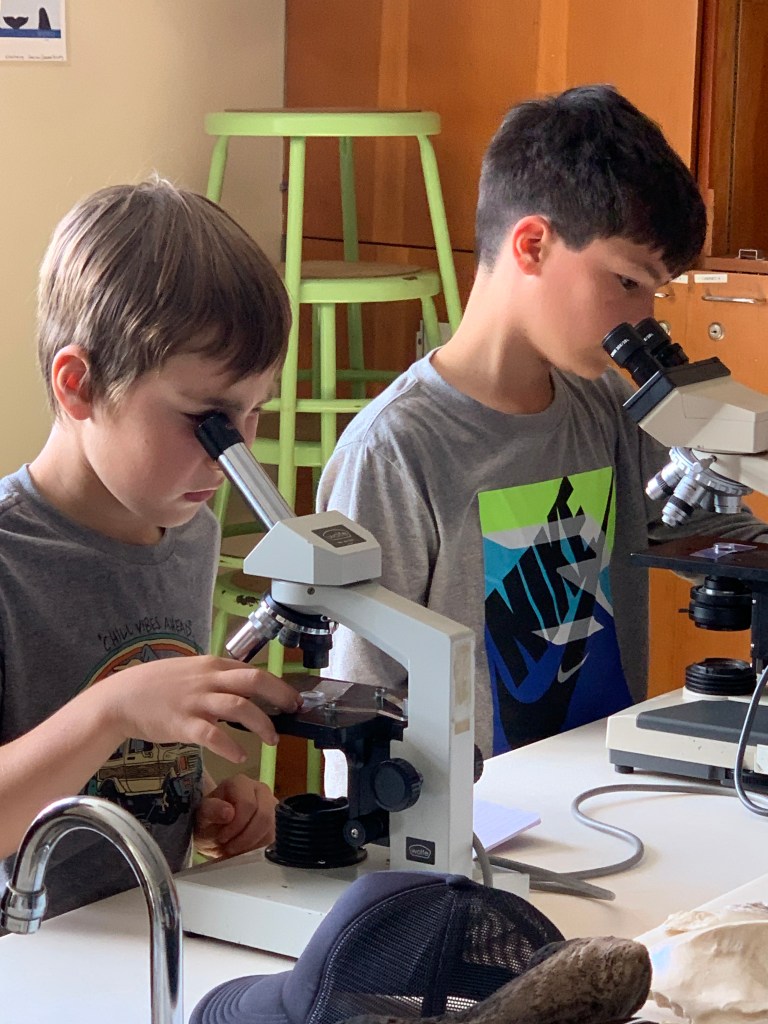
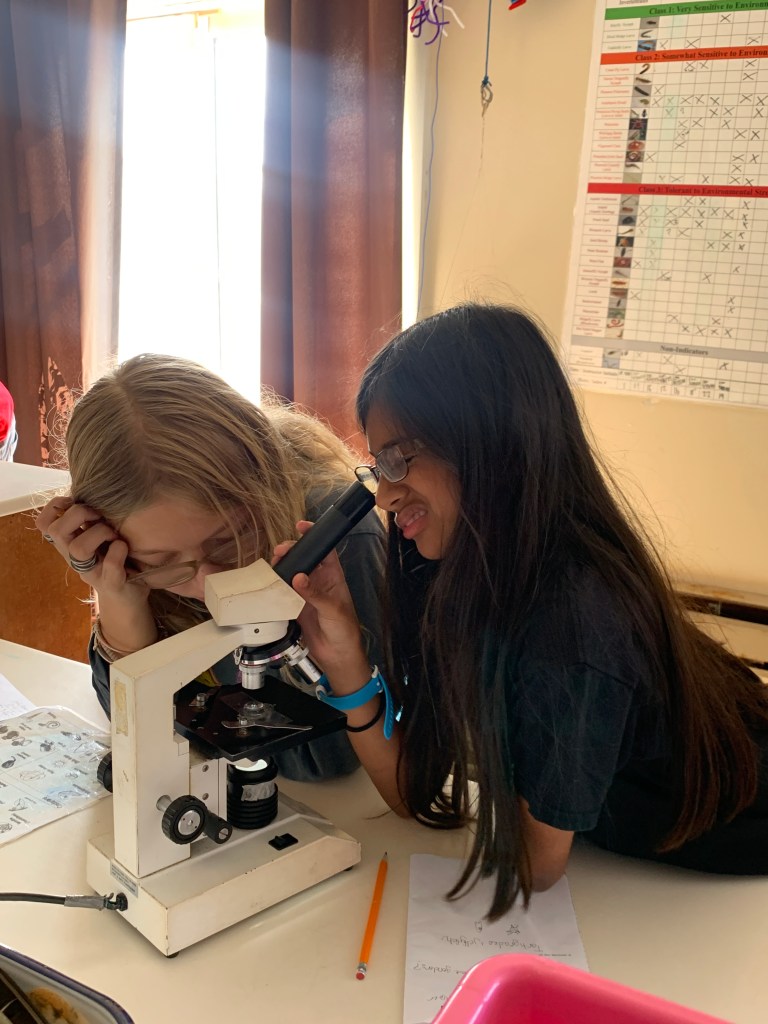
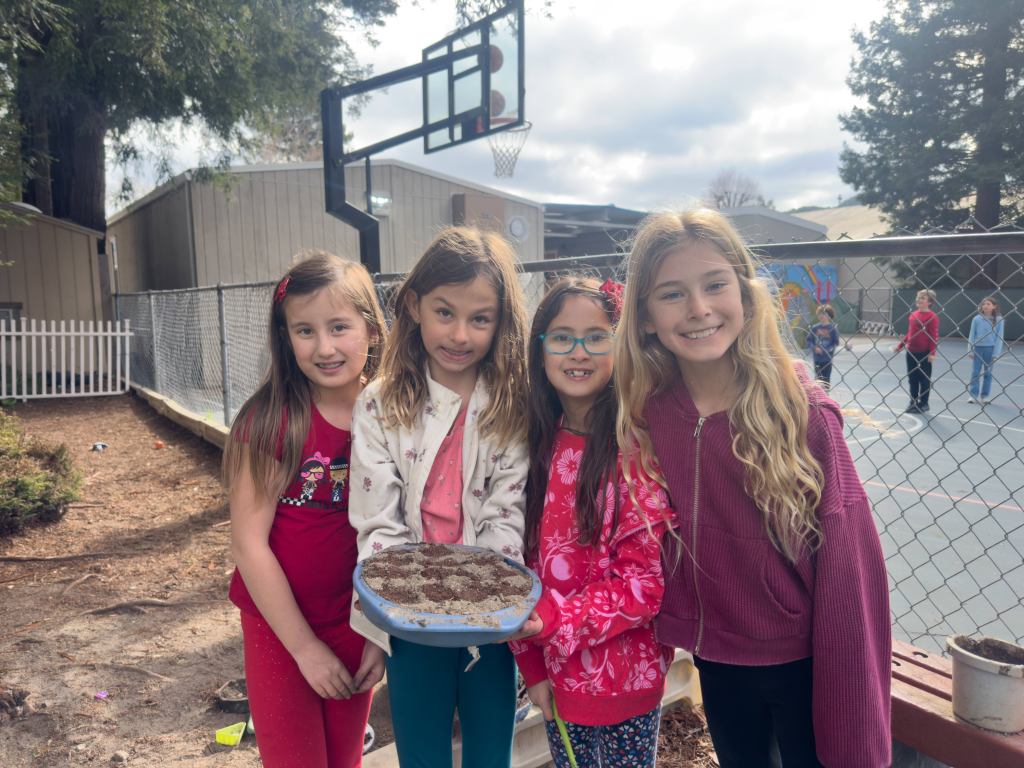
By day three, field science came to life. Students examined plankton under microscopes, studied local plant systems, and discussed how redwood ecosystems sustain life. Their fieldwork concluded with hands-on nursery stewardship, cleaning hundreds of pots to prepare for the next generation of seedlings.

Back at Saklan, this experience has sparked new curiosity about our trees and excitement about the upcoming redwood grove playground. Students are wondering how they might help with its design – how to make the space not only a place for play and discovery, but also the best possible ecosystem for the trees that tower above us, offering shade, shelter, and awe.

#SaklanFieldExperience

Learning Buddies Kick Off a Year of Connection and Growth

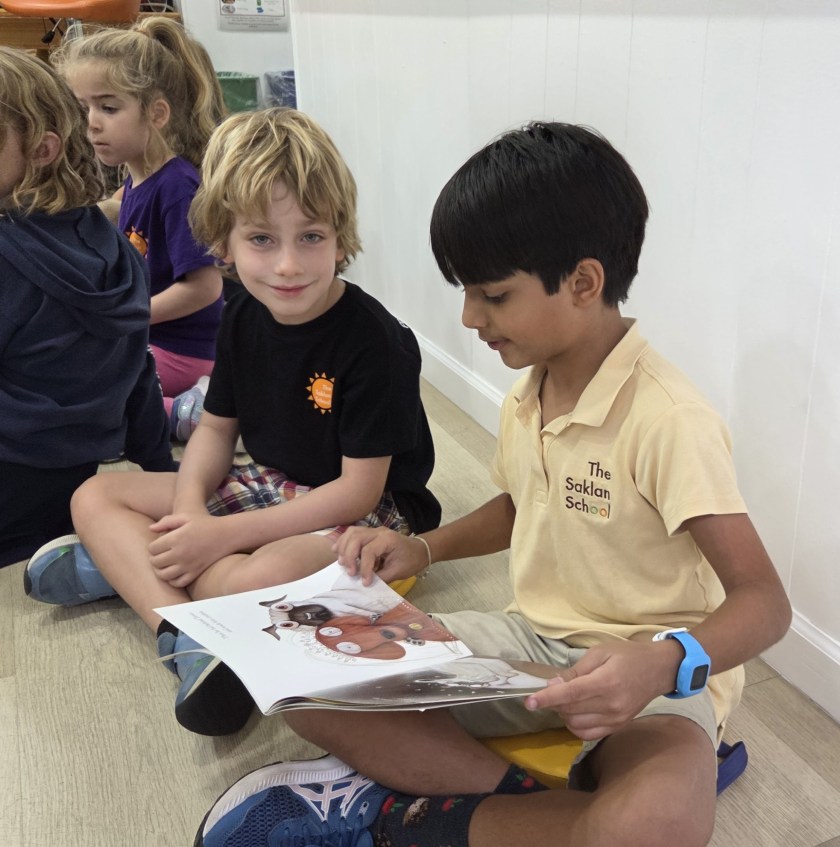
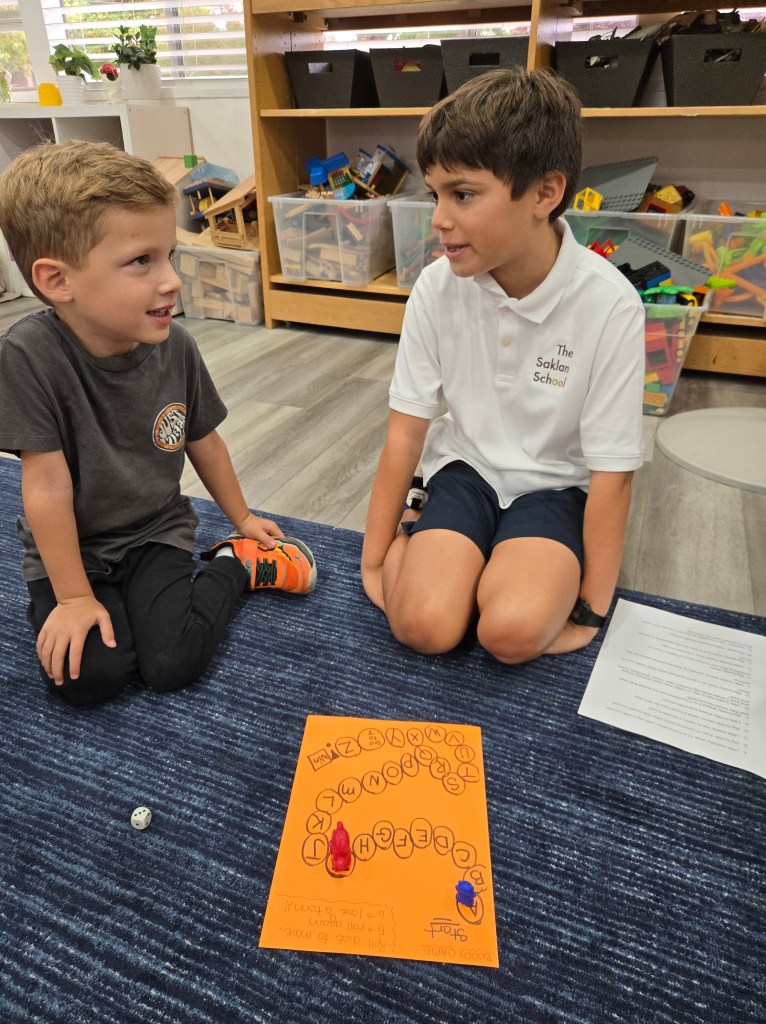
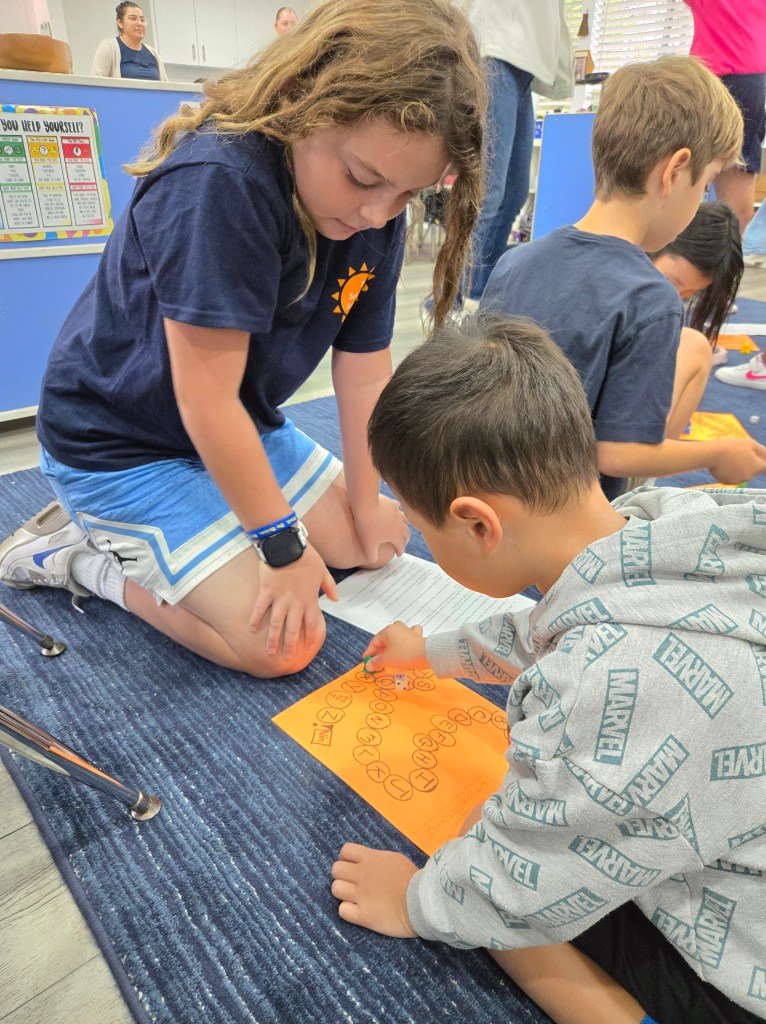
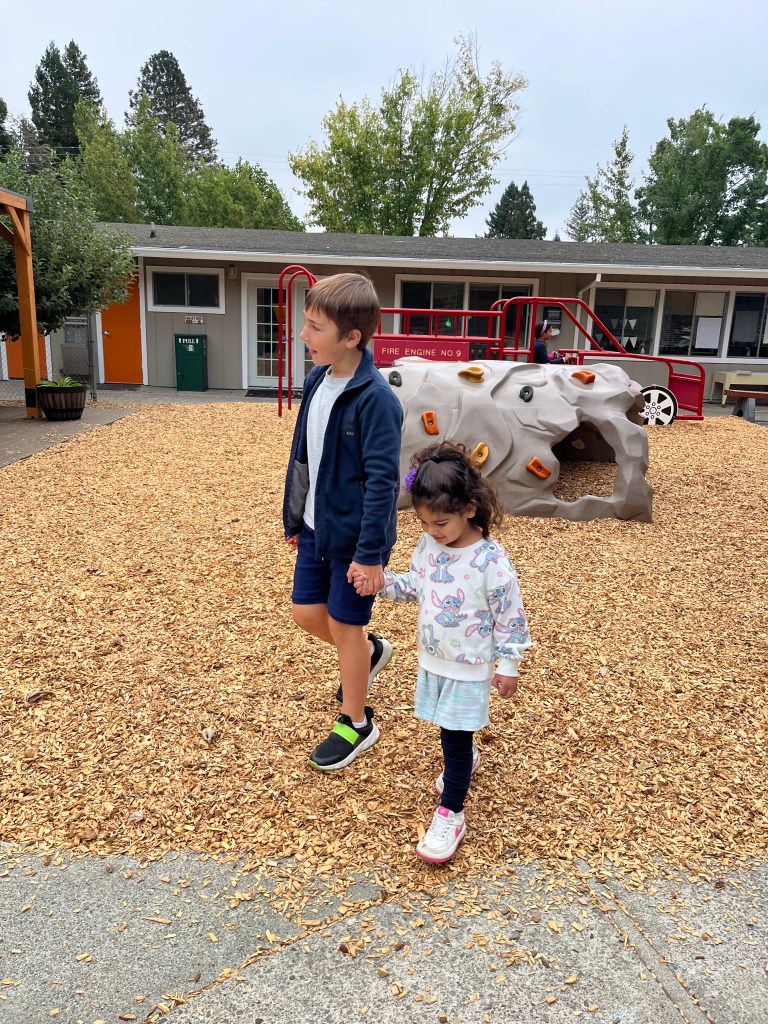
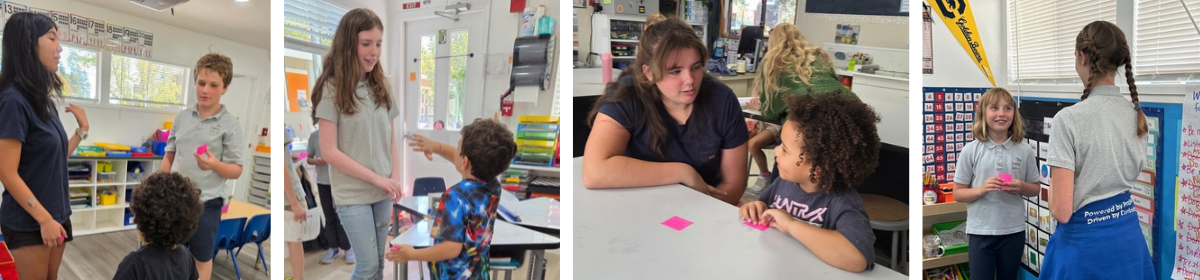
This morning, campus was buzzing with excitement as we launched our Learning Buddy program for the year! Designed to encourage cross-grade friendships, foster responsibility and mentorship, and make learning engaging and fun, Learning Buddies are a treasured Saklan tradition.

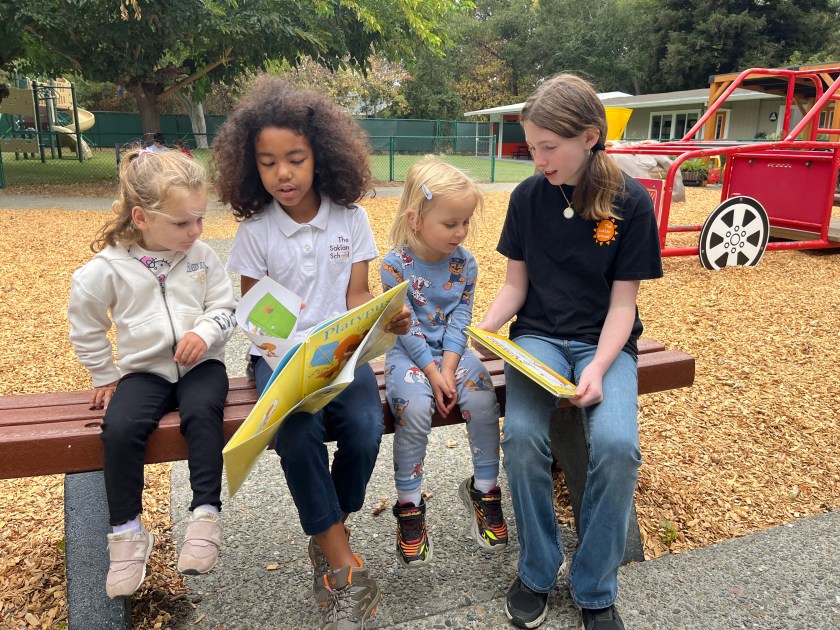
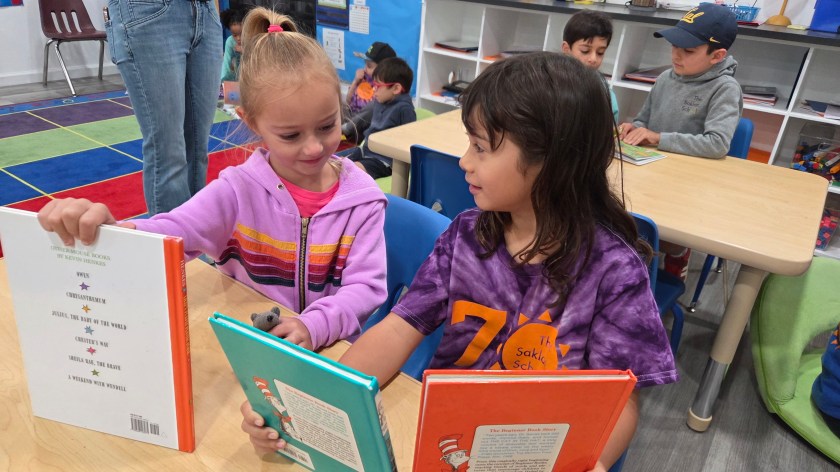
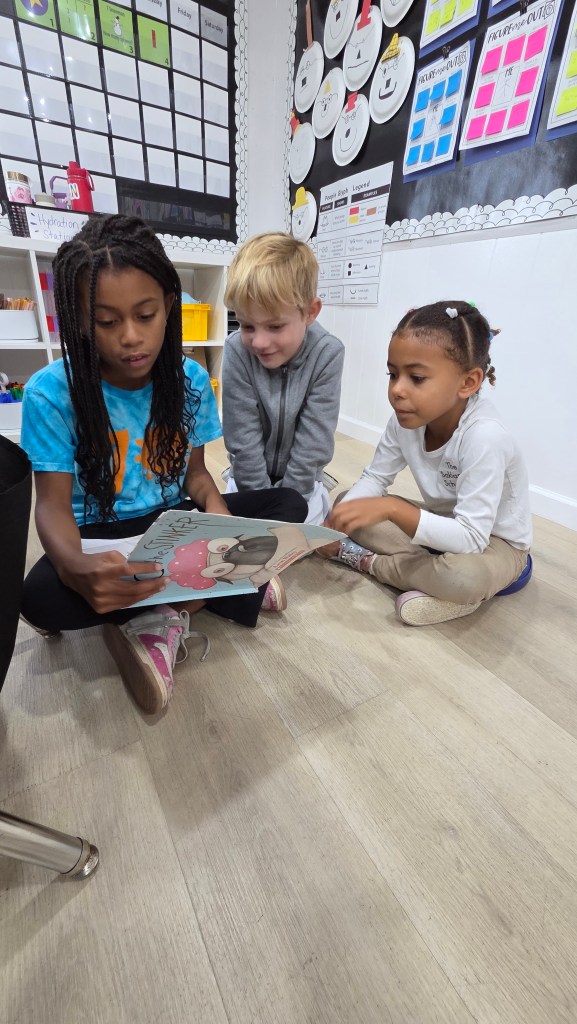
During their first meeting, buddies took time to get to know one another before diving into some shared reading. Older students modeled strong reading behaviors—using expression, fluency, and confidence—while also listening attentively as their younger buddies proudly read aloud.

The joy was evident on both sides: older students embraced their roles as mentors, while younger students felt supported, inspired, and eager to spend more time with their new friends. By the end of the morning, many were already asking the same question: When do we get to meet with our buddies again?

We look forward to seeing these relationships blossom throughout the year as students learn, grow, and shine together.

#SaklanCommunity
SIGMA Club Brings Coding to Life

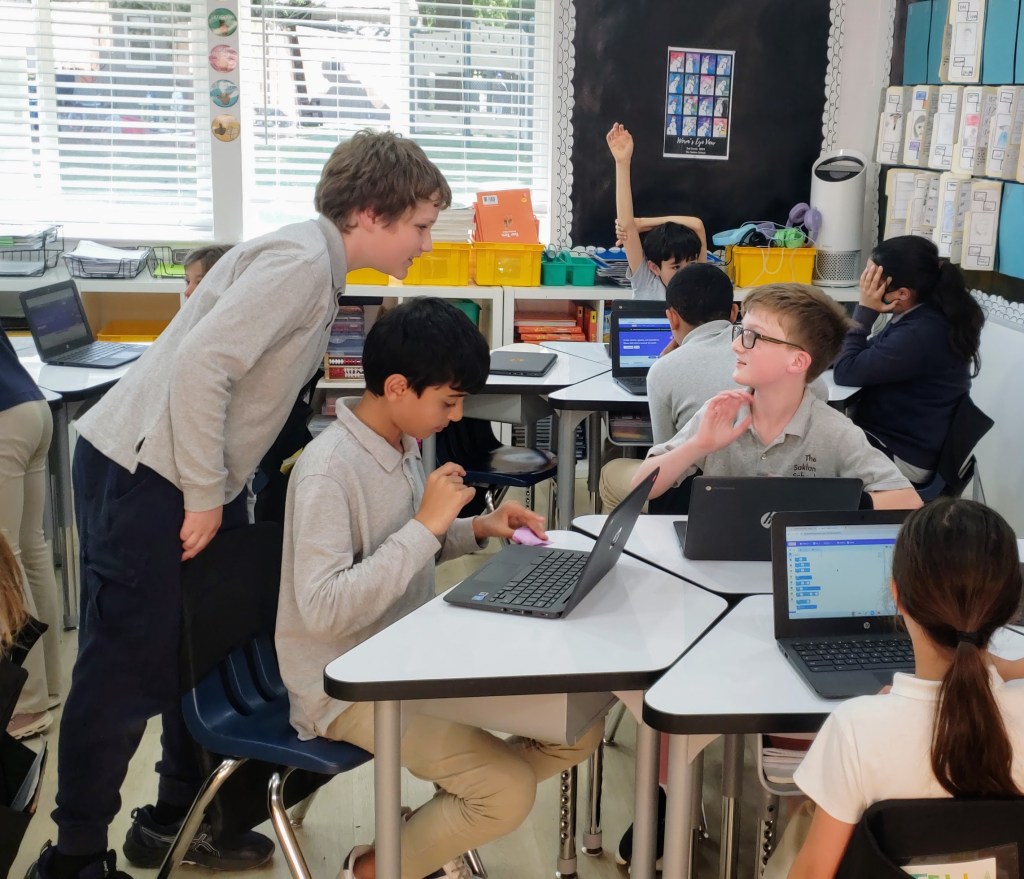
At Saklan, student leadership and curiosity go hand in hand—and nowhere is that more evident than in our student-run SIGMA Club. Created by students for students, SIGMA (Science, Innovation, Game development, Math, Activities) is all about exploring new ideas and engaging in hands-on learning in a fun, supportive environment.

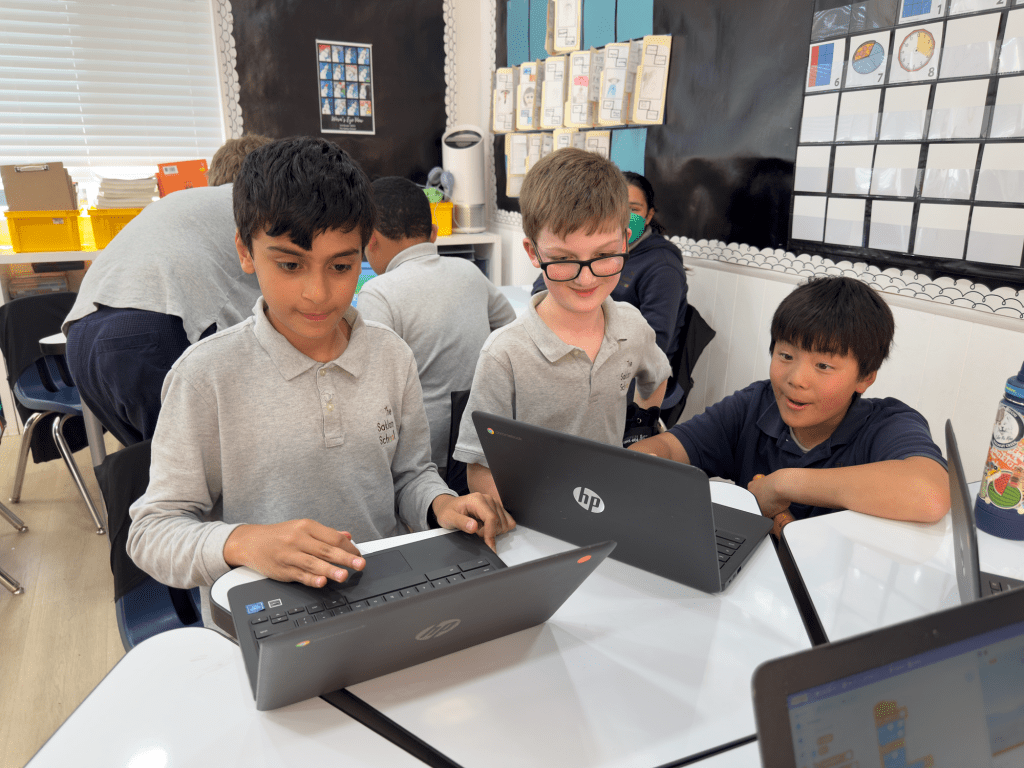
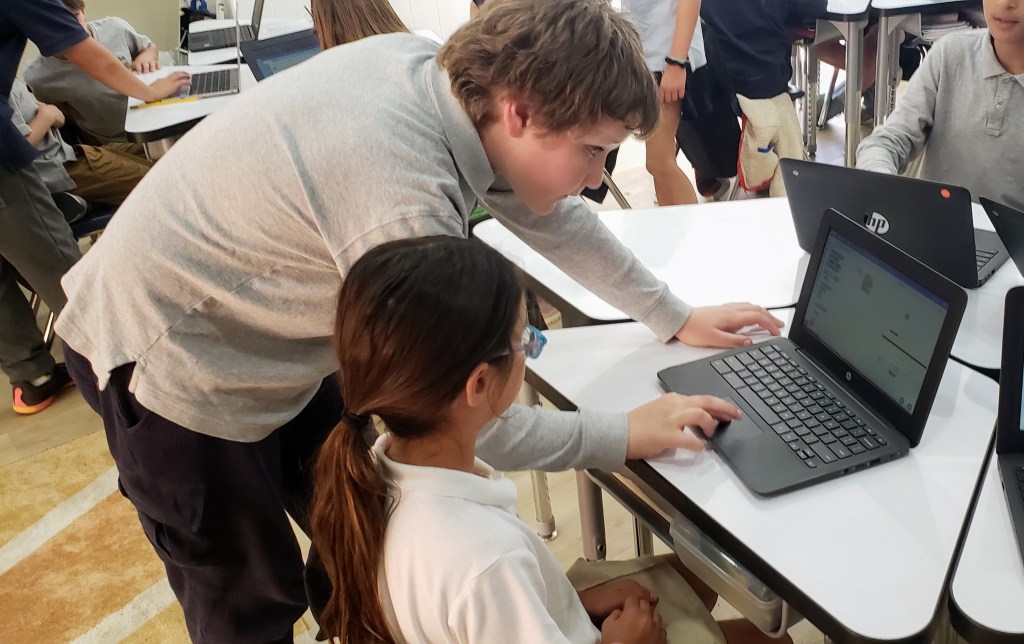
For their first club meeting, Benji and Leo took the lead with a creative focus on Scratch coding. They introduced students to the basics of programming by guiding them through the process of creating a simple Ping-Pong game. With Chromebooks in hand, each student had the chance to build their game from scratch, learning fundamental coding skills step-by-step.

But the fun didn’t stop there—once their games were up and running, students spent time customizing and decorating their projects, adding personal flair and experimenting with game mechanics. From changing backgrounds to adding new features, they discovered just how flexible and exciting coding can be.

By the end of the session, students walked away not only with a game they had built themselves but also with a stronger understanding of what coding is like and the endless possibilities it offers.

We’re incredibly proud of Benji and Leo for sharing their knowledge and leading such an engaging, hands-on learning experience for their peers. Their enthusiasm and leadership set the tone for what SIGMA Club is all about—student-driven curiosity, creativity, and collaboration.

Next Meeting

The next SIGMA Club meeting will be held on Tuesday, May 13th, from 3:10–4:00 p.m. We can’t wait to see what exciting ideas our student leaders will dive into next as they continue to explore, create, and inspire!

#SaklanLeadership

Celebrating Lunar New Year

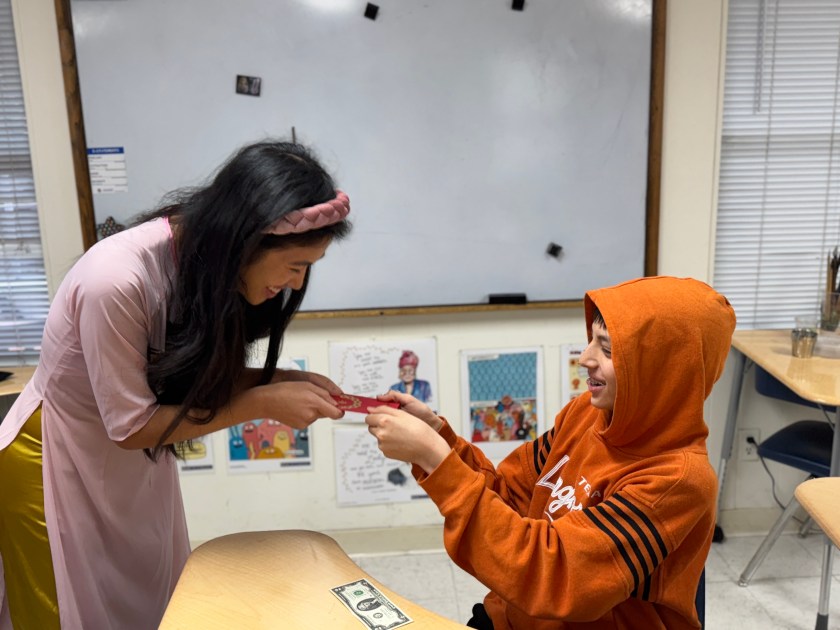
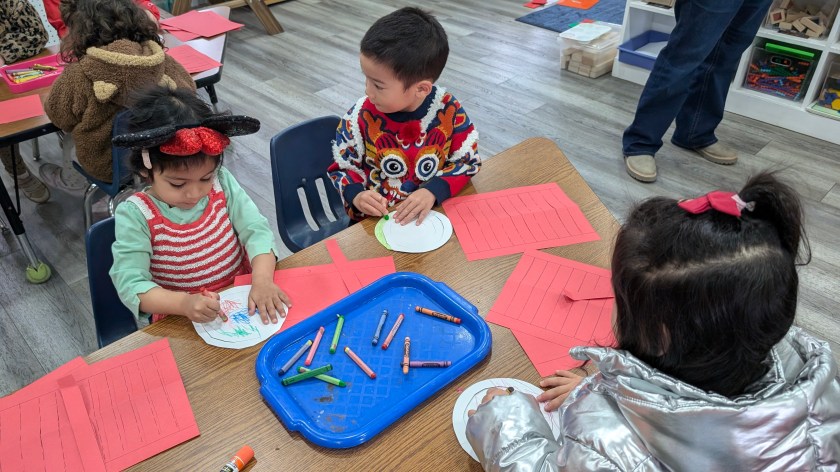
Saklan students celebrated Lunar New Year with some special activities on Wednesday. Lunar New Year, which celebrates the start of the lunisolar Chinese calendar, is celebrated in China, Vietnam, Korea, Malaysia, and Singapore, among other countries.

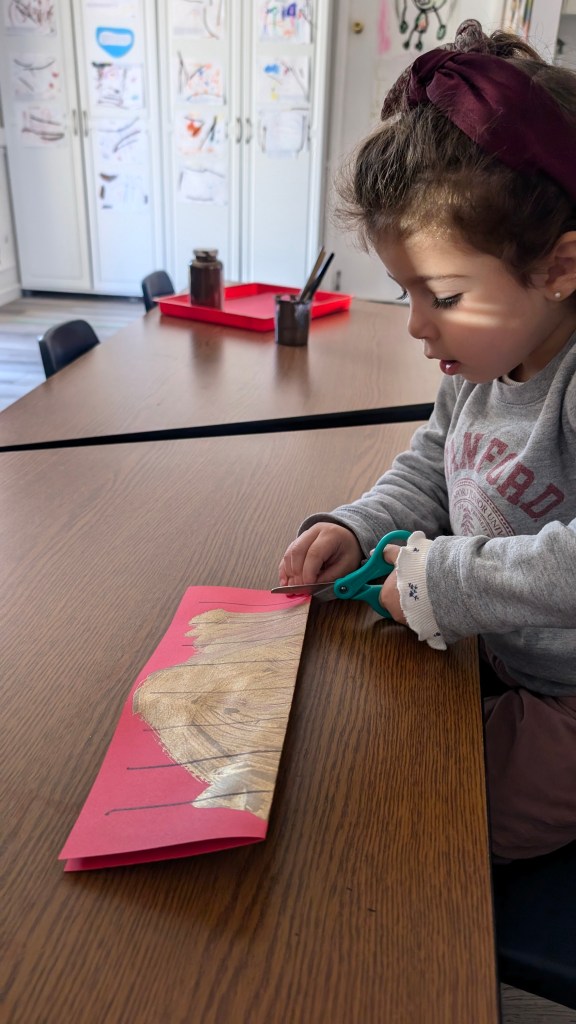
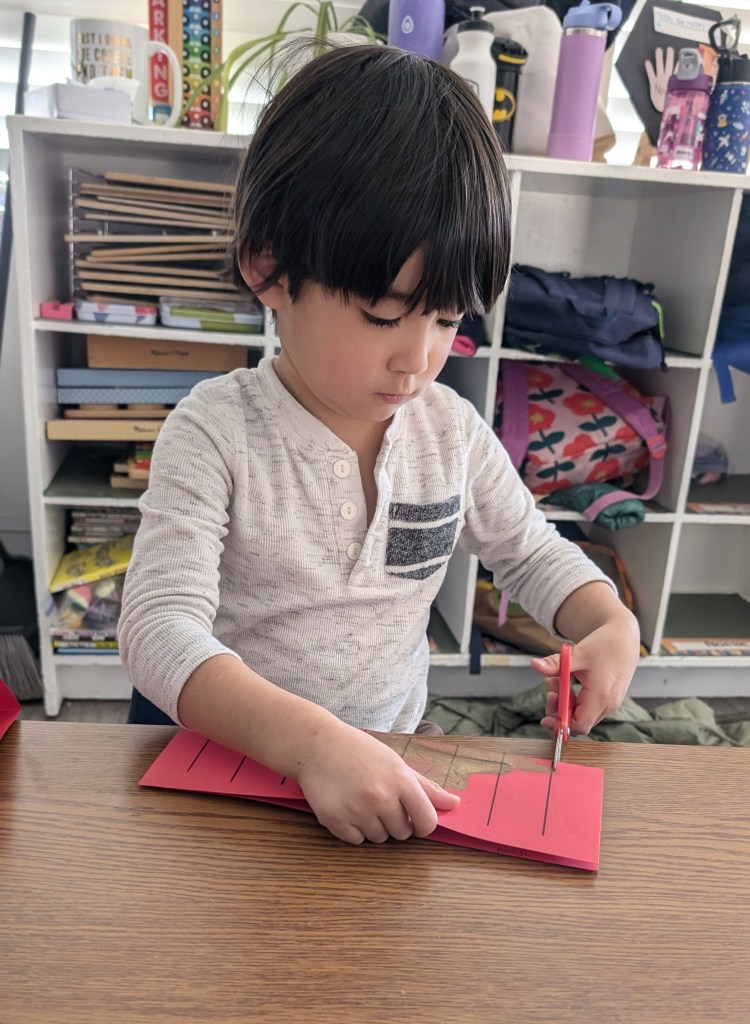
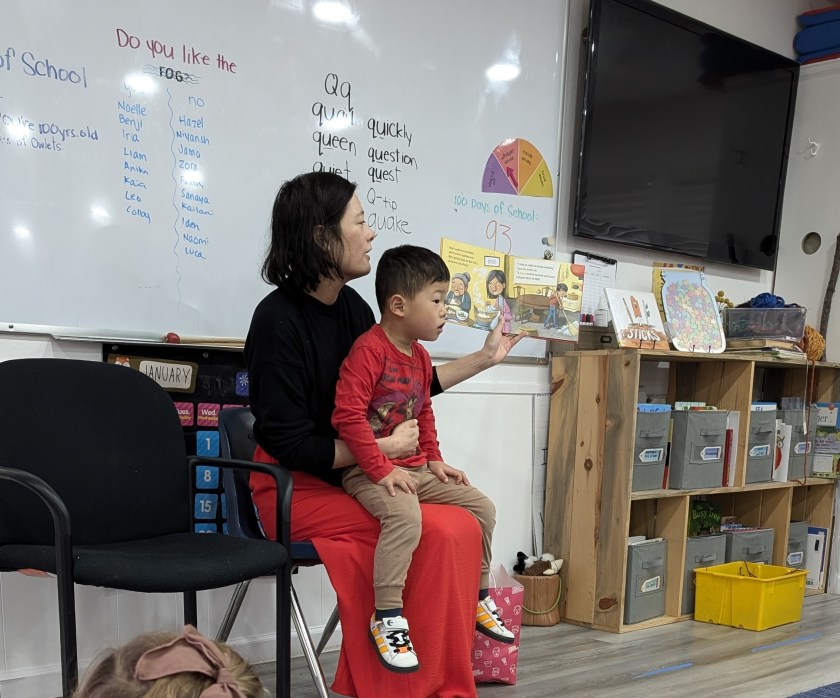
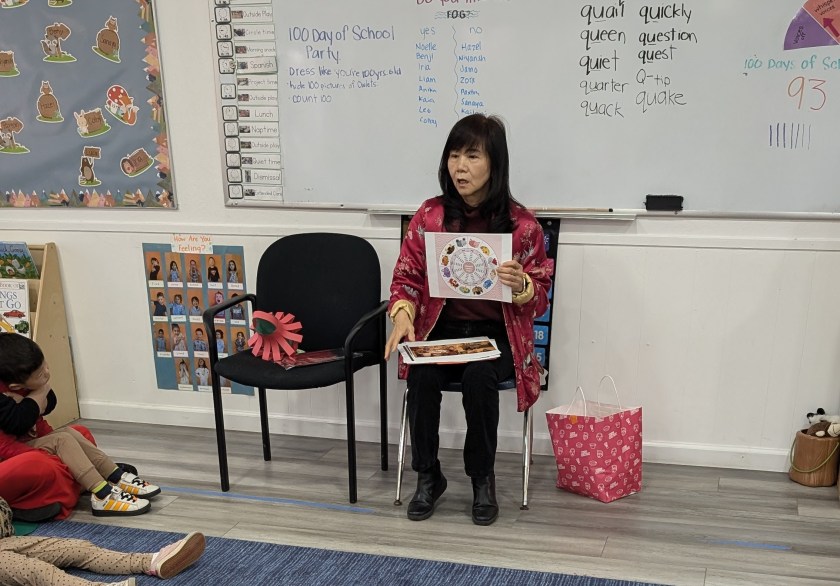
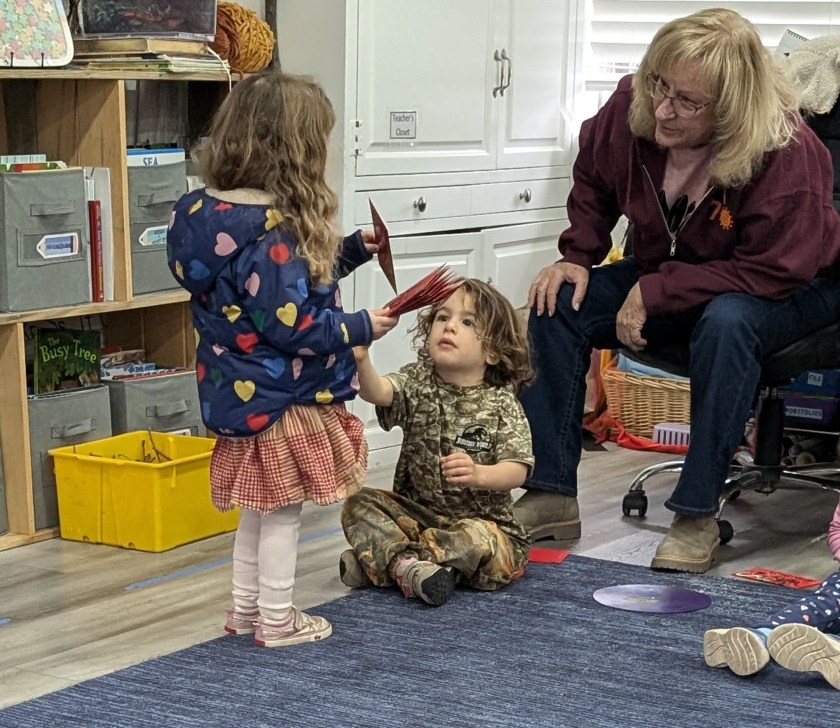
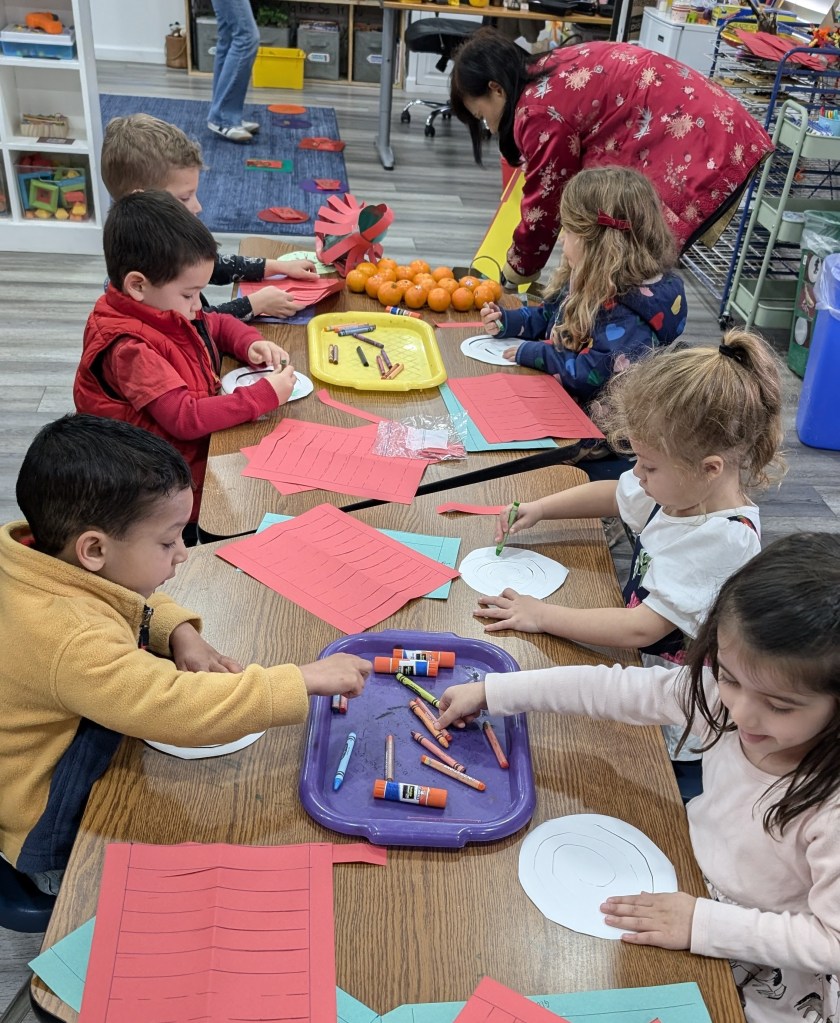
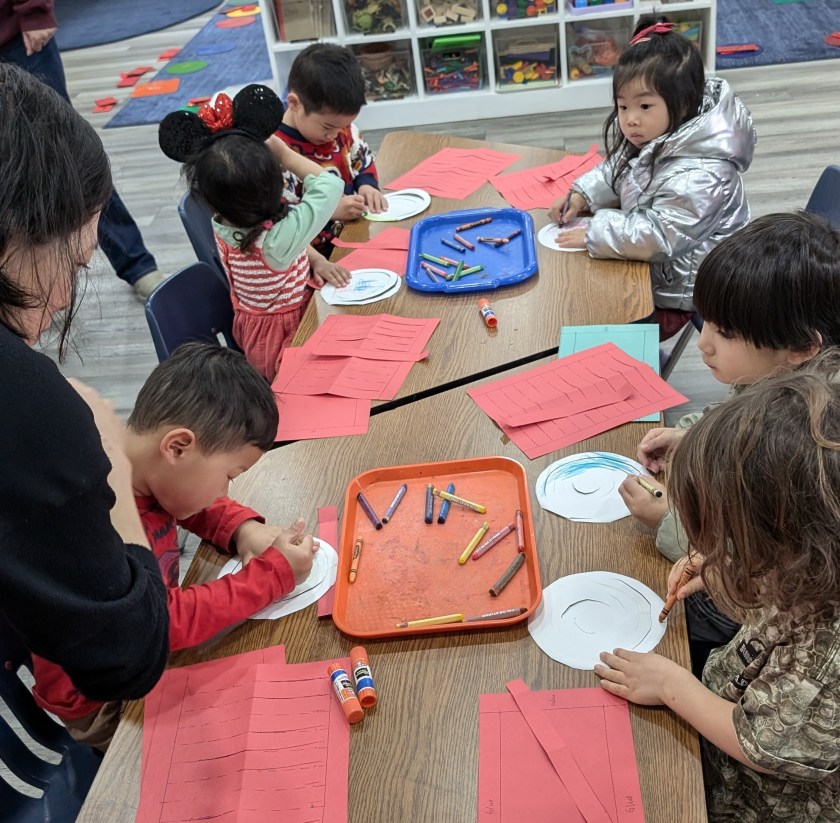
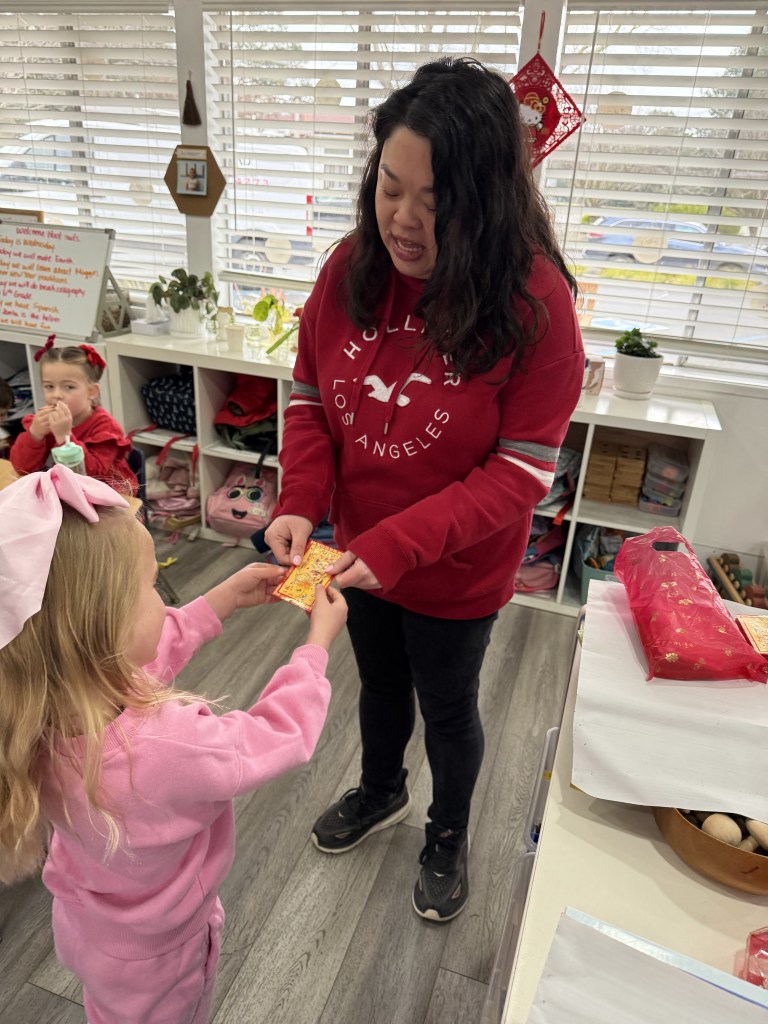
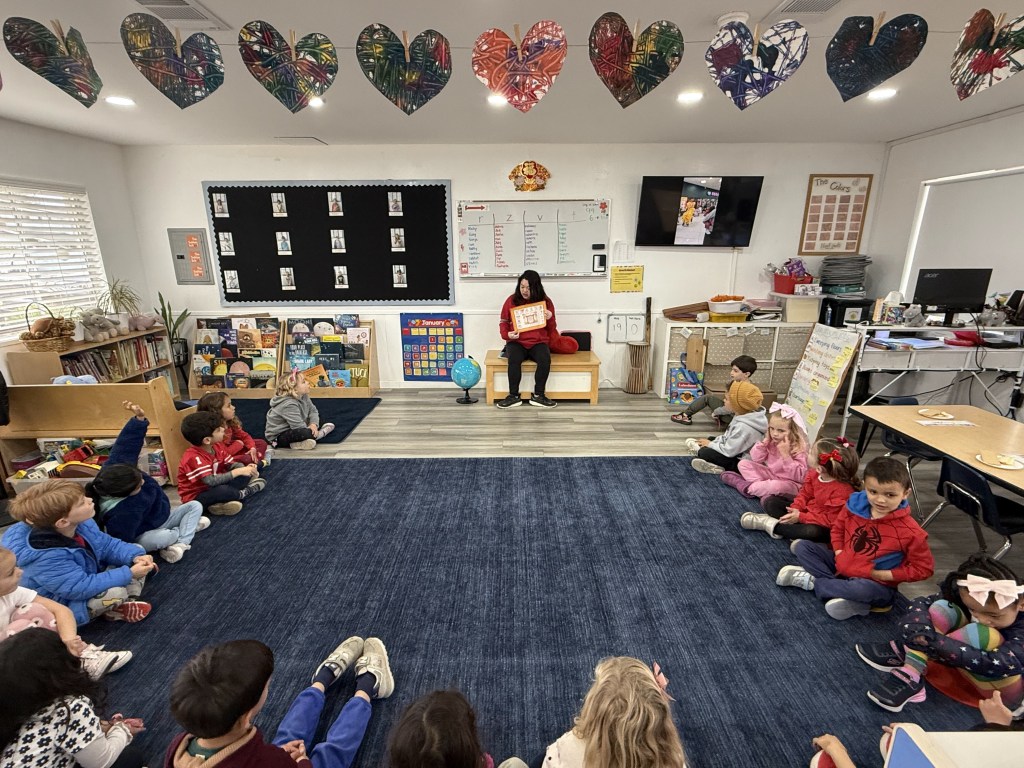
Preschool students welcomed two guest experts to share about Lunar New Year. Samantha, an Owlet parent, read a book to the class and shared red envelopes with them. Sharon, an Owlet grandparent, shared Lunar New Year traditions that take place in China, told the story of The Great Race, and shared tangerines with the students. The Owlets also enjoyed making snake paper lanterns, Lunar New Year yoga, and listening to traditional Chinese music.

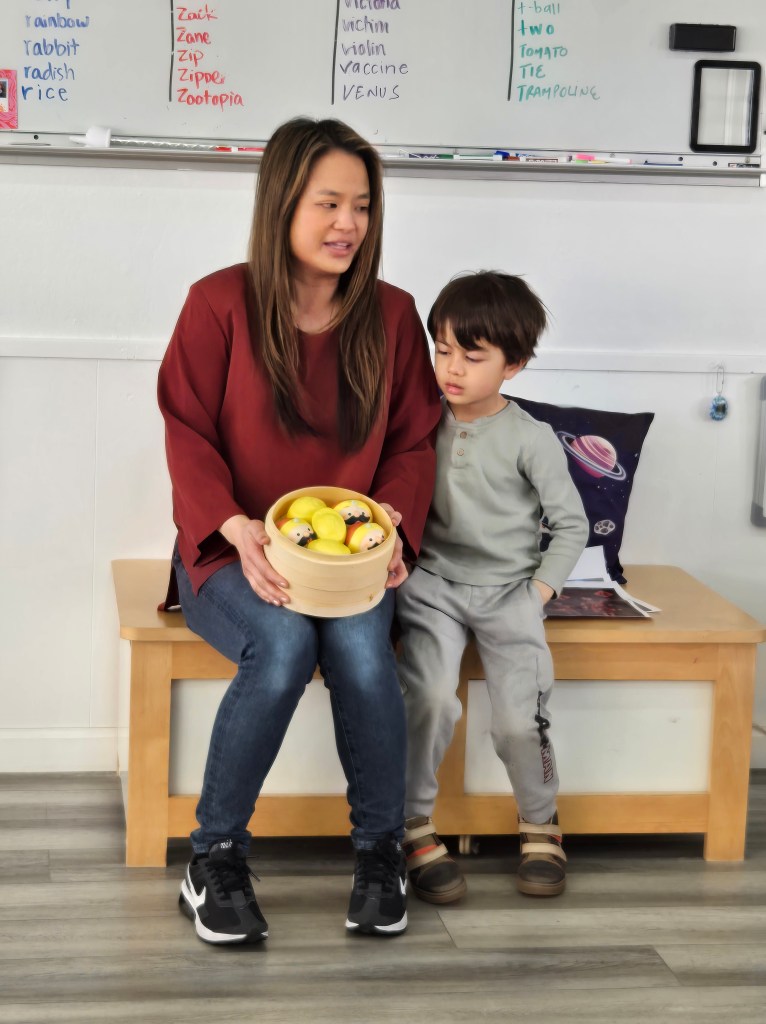
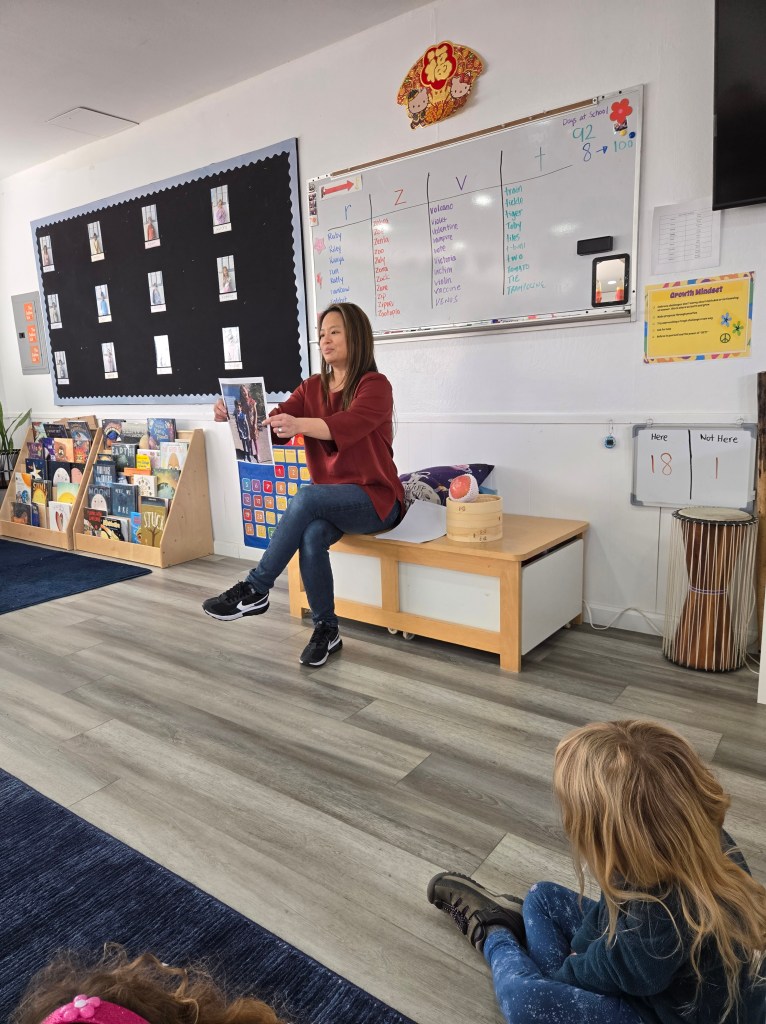
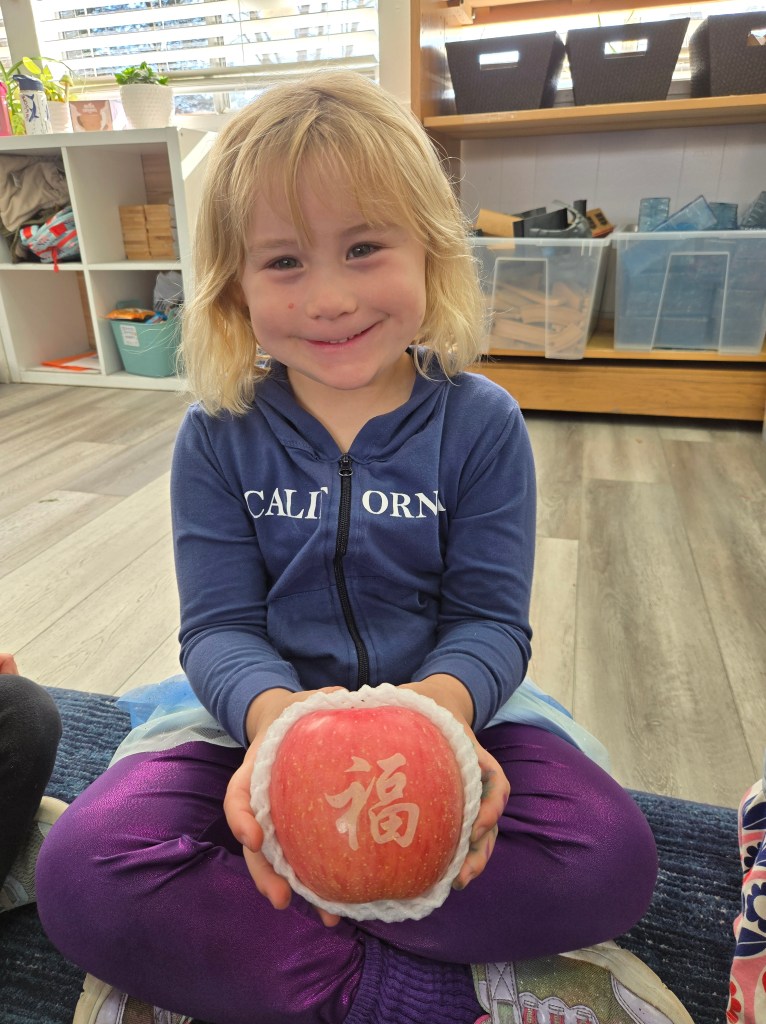
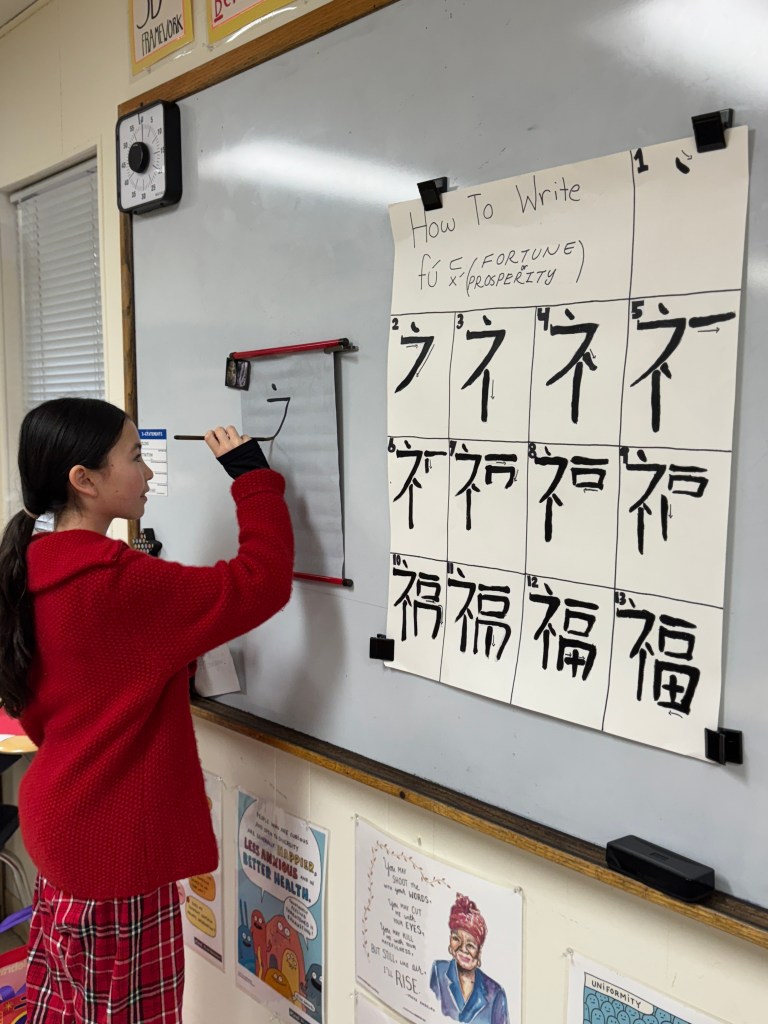
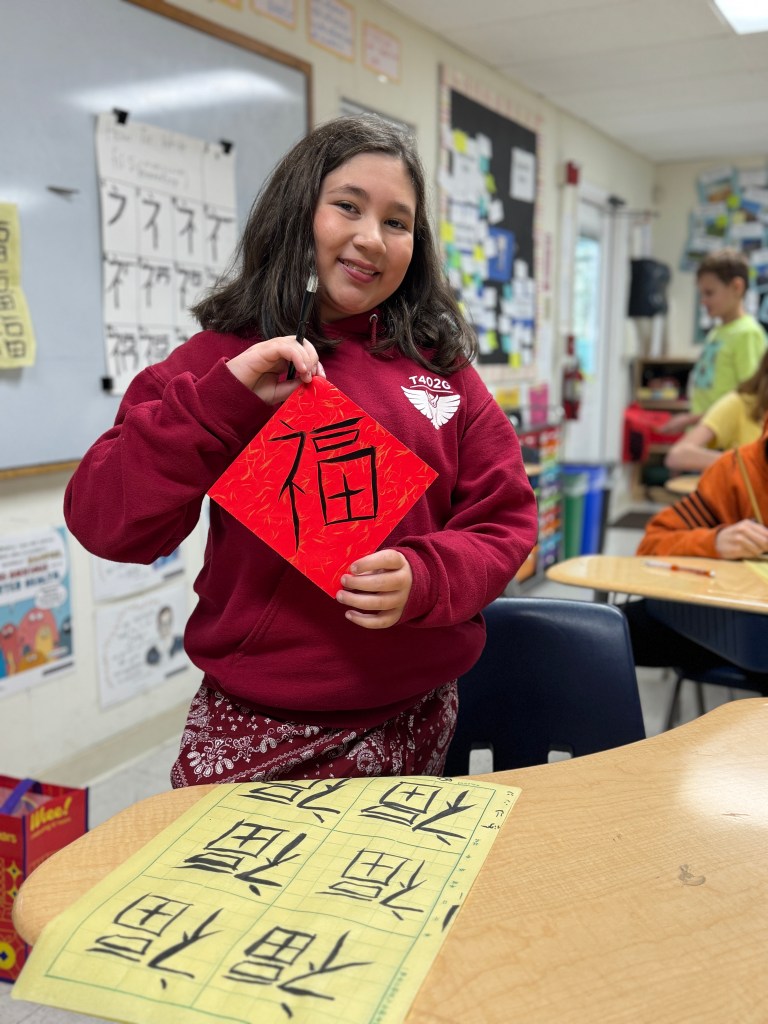
Pre-K students celebrated by welcoming Heidi, a Hoot Owl mom, into their class. Heidi shared that Lunar New Year is based on the Moon instead of the sun and talked about the Chinese word for fortune, 福, and its importance. Heidi shared pictures of her children wearing special Lunar New Year outfits and then treated the class to some bao filled with custard.

Maggie also taught the Hoot Owls about her family’s Lunar New Year traditions, including cleaning their homes and putting up Chinese sayings with good wishes for the new year. The Pre-K students enjoyed watching a video of a lion dance, as well as talking about and receiving red envelopes.

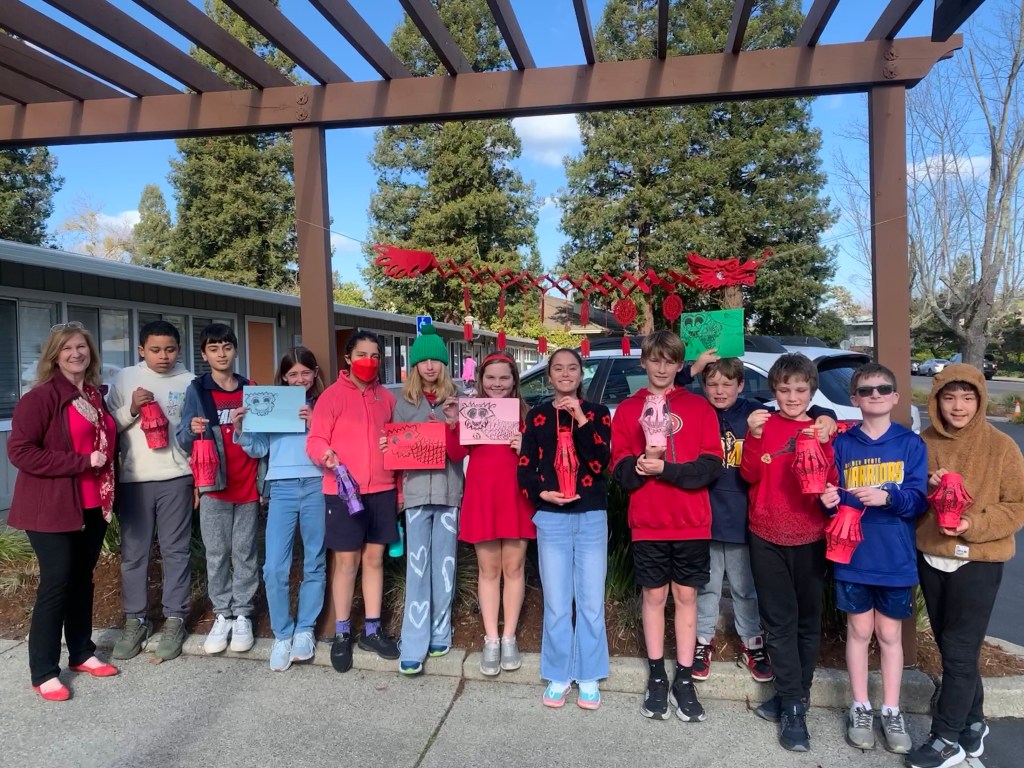
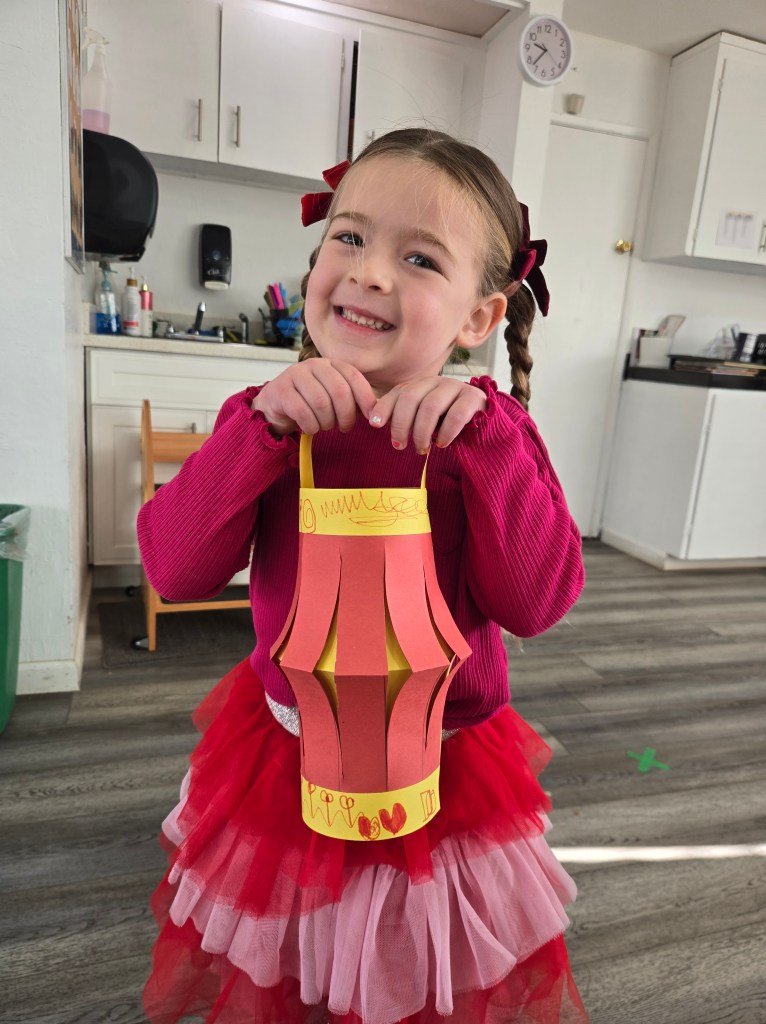
To help with the campus celebrations, the 5th graders put together a dragon which Peta hung on the pergola to welcome students to campus on Wednesday. The fifth graders also made lanterns and dragon drawings.

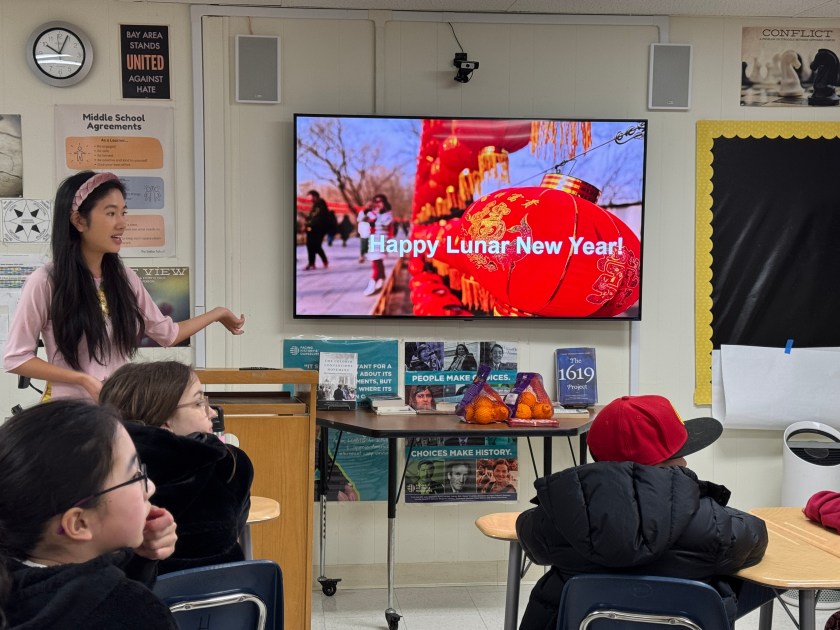
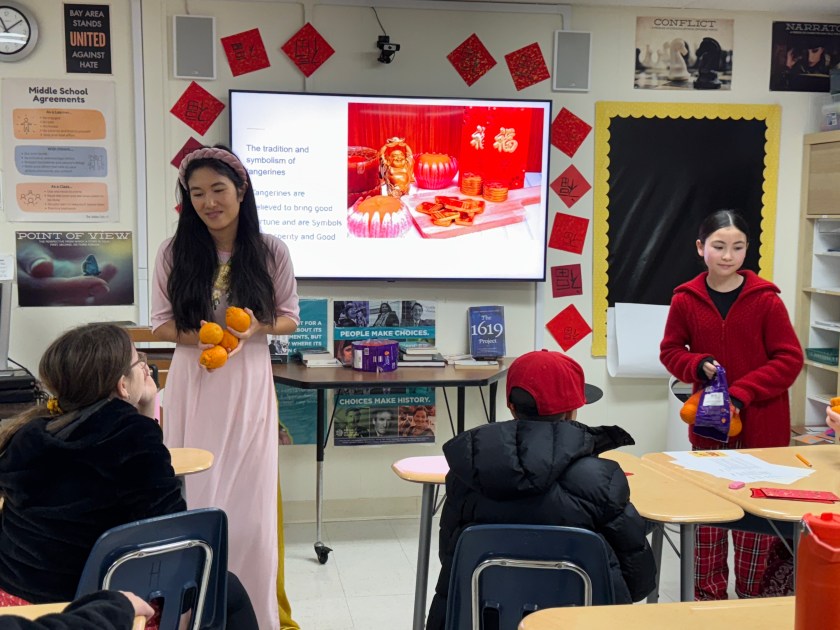
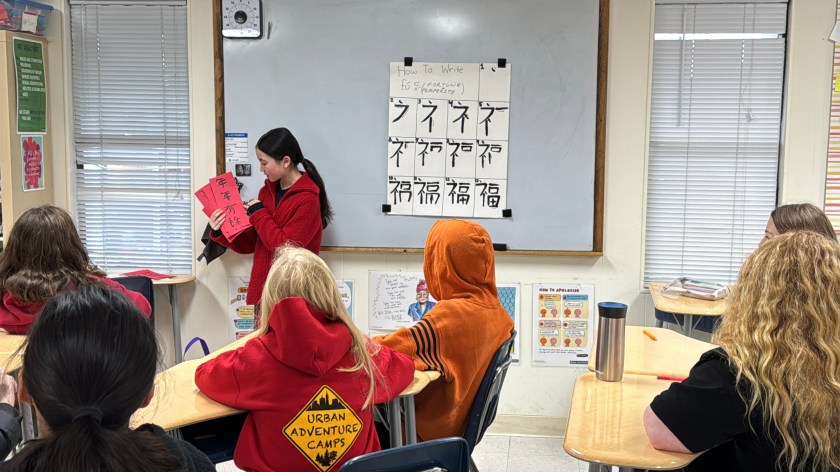
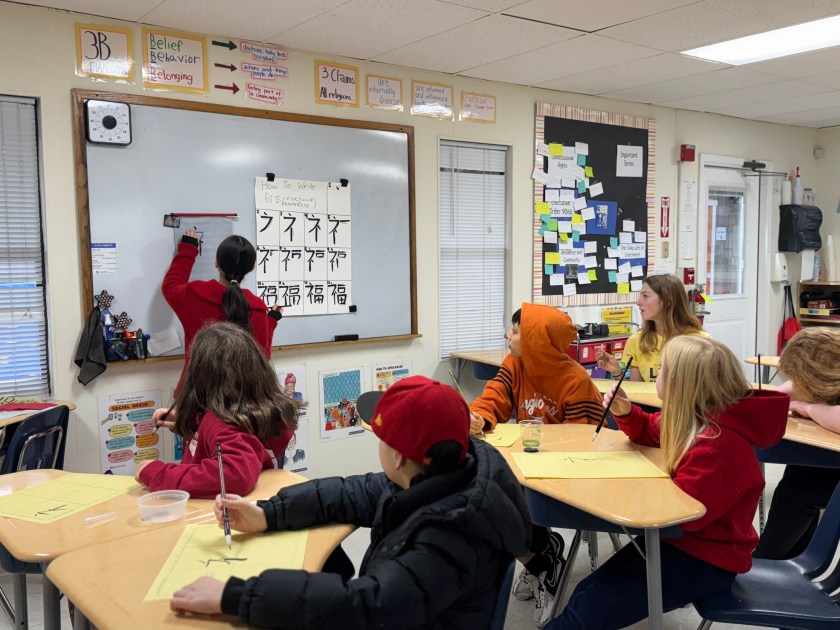
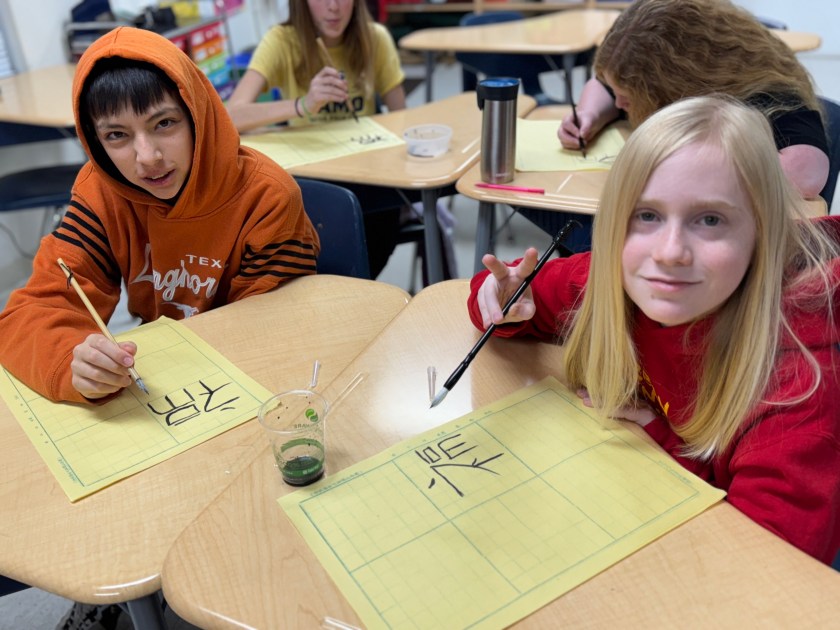
In humanities class, Christina shared some of her family traditions with the 6th graders, including the tradition of eating tangerines, which are believed to bring good fortune, and of giving red envelopes with money in them as a symbol of good luck. She also shared the proper etiquette for giving and receiving the red envelopes to show respect. The 6th graders also talked about the importance of the Chinese word for fortune and then learned how to write it.

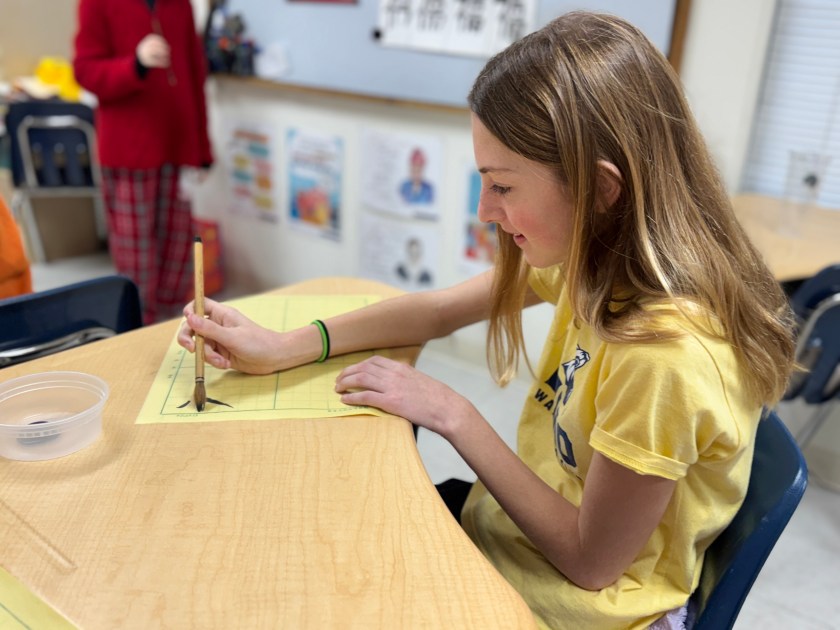
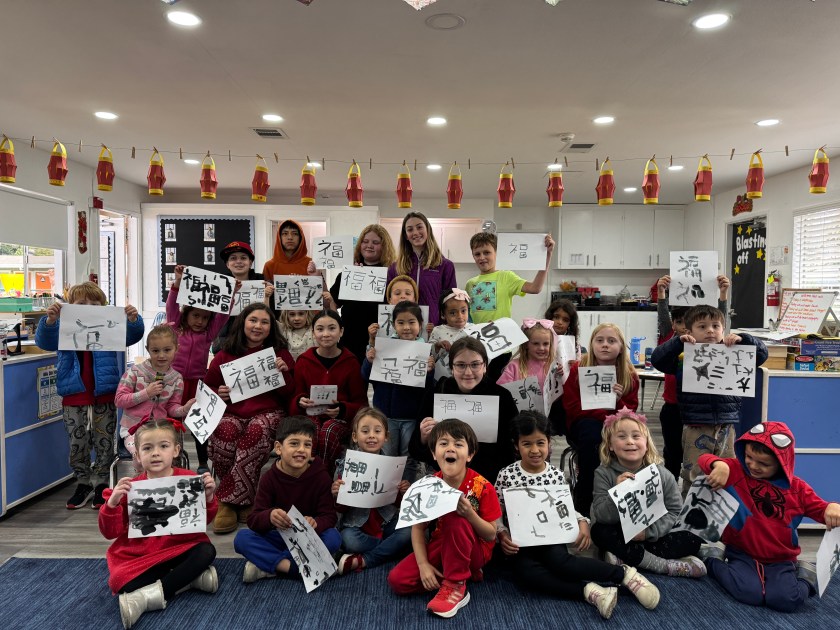
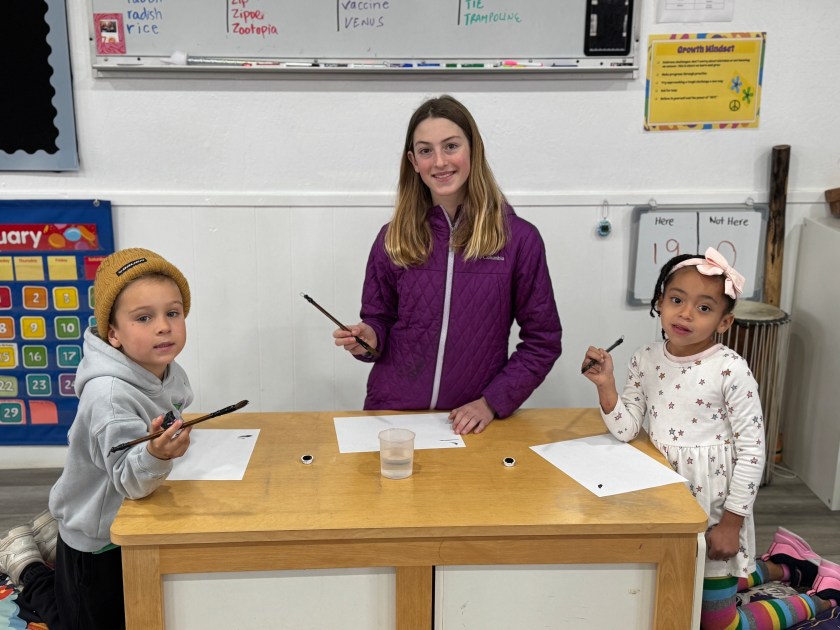
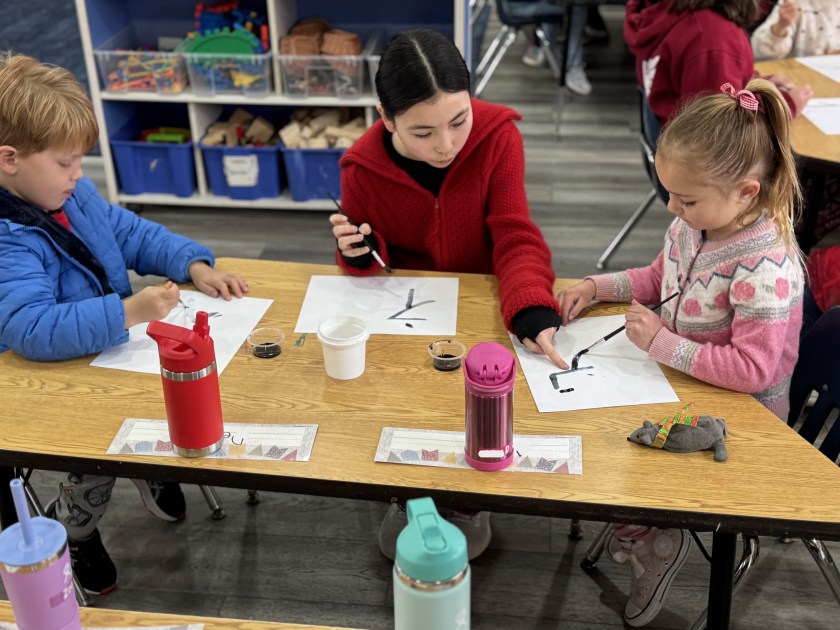
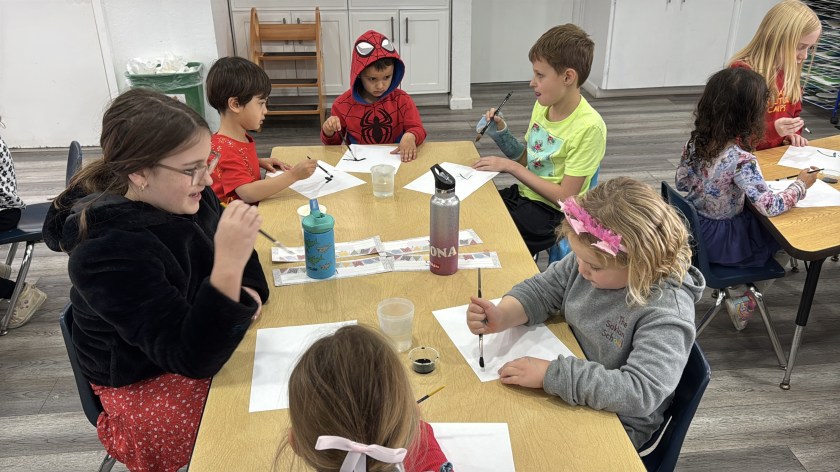
The 6th graders then took their newly acquired skills over to the Hoot Owl classroom, where they taught the Hoot Owls how to write the word for fortune with brushes and ink.

May the Year of the Snake be prosperous for all!

#SaklanCommunity
Inspiring Author Visit

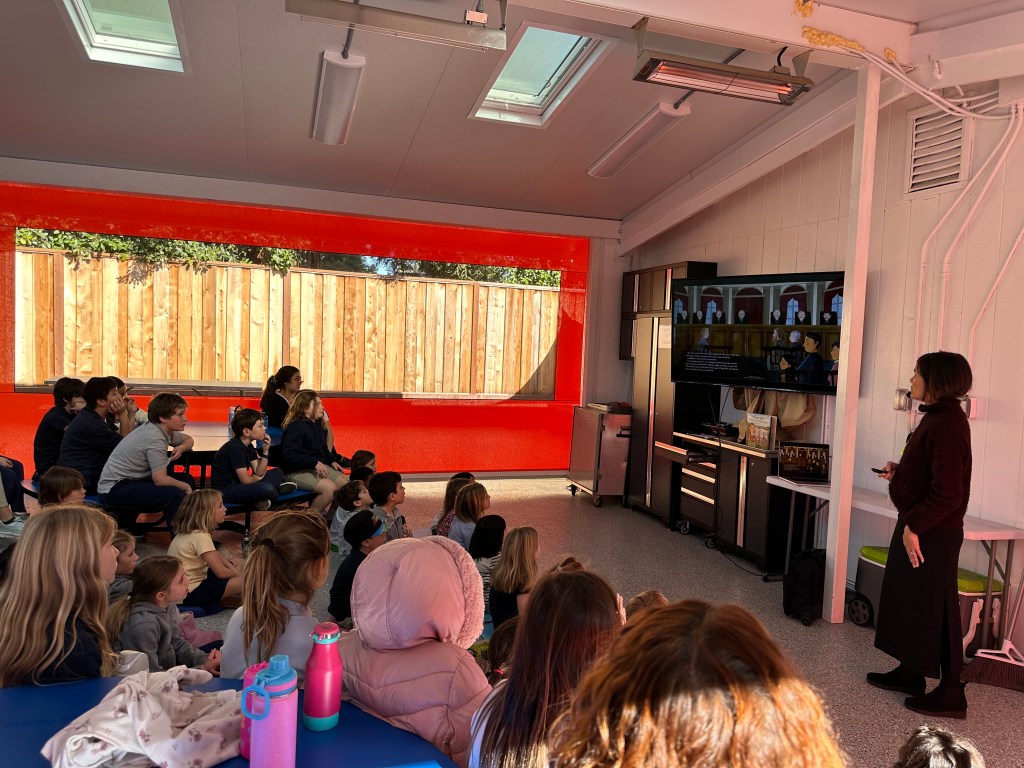
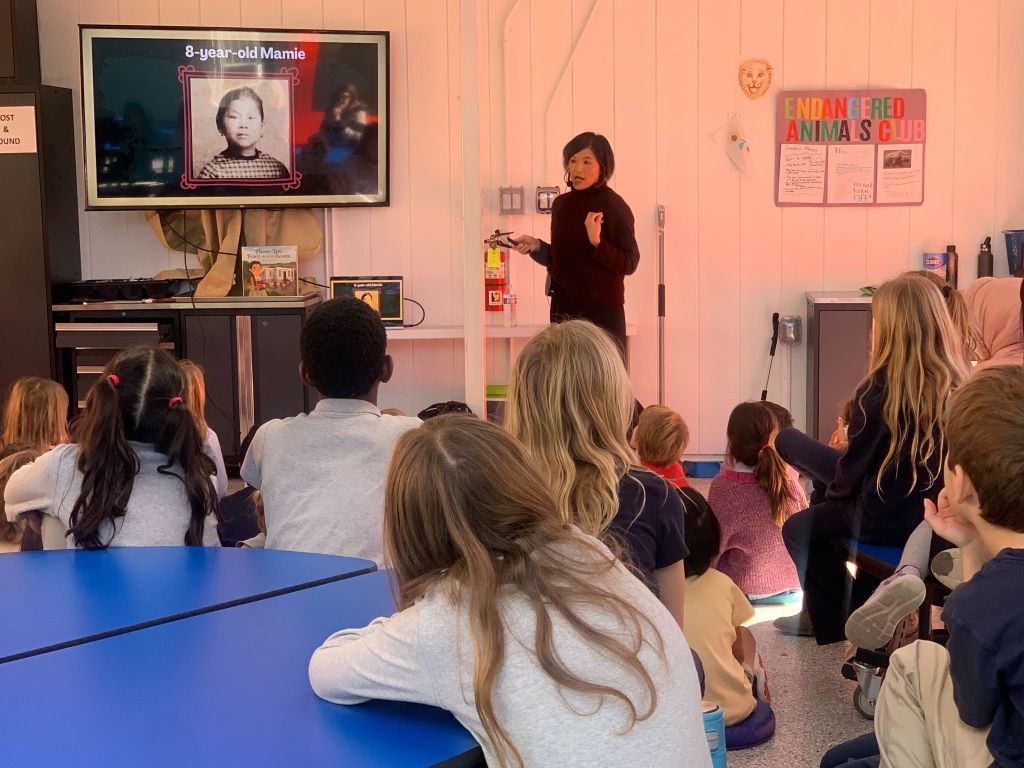
Our lower school students were recently thrilled to welcome author Traci Huahn to Saklan for an inspiring visit centered around her book, Mamie Tape Fights to Go to School. During the 45-minute session, students enjoyed a captivating read-aloud of the book, learned about the historical significance of Mamie Tape’s fight for school desegregation during the era of the Chinese Exclusion Act, and explored how this moment in history connects to the broader civil rights movement.

Ms. Huahn also shared her journey as an author, offering an inside look at the research, writing, revising, and publishing process. Students were delighted by a special video message from the book’s illustrator, Michelle Jing Chan, who revealed her creative process and behind-the-scenes details.

The visit sparked engaging discussions about bravery, standing up for your rights, and the power of storytelling. Students asked thoughtful questions during the Q&A, deepening their understanding of the themes and lessons in the book.

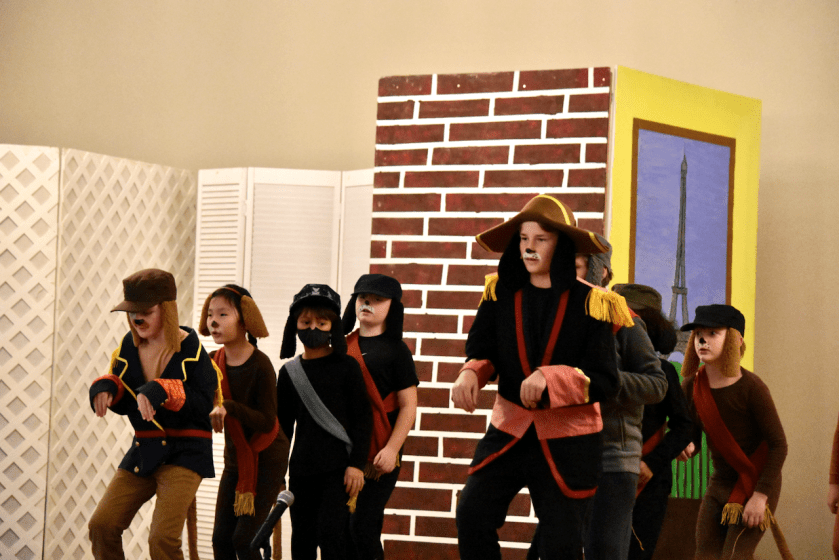
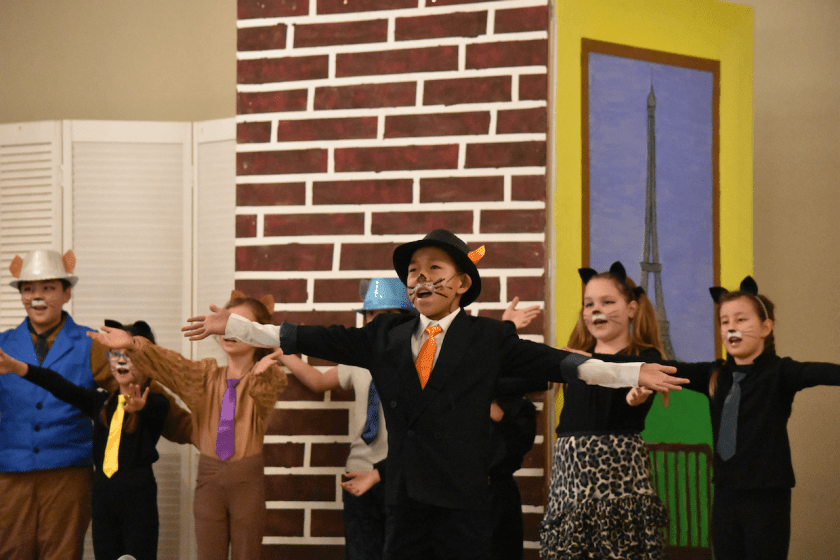
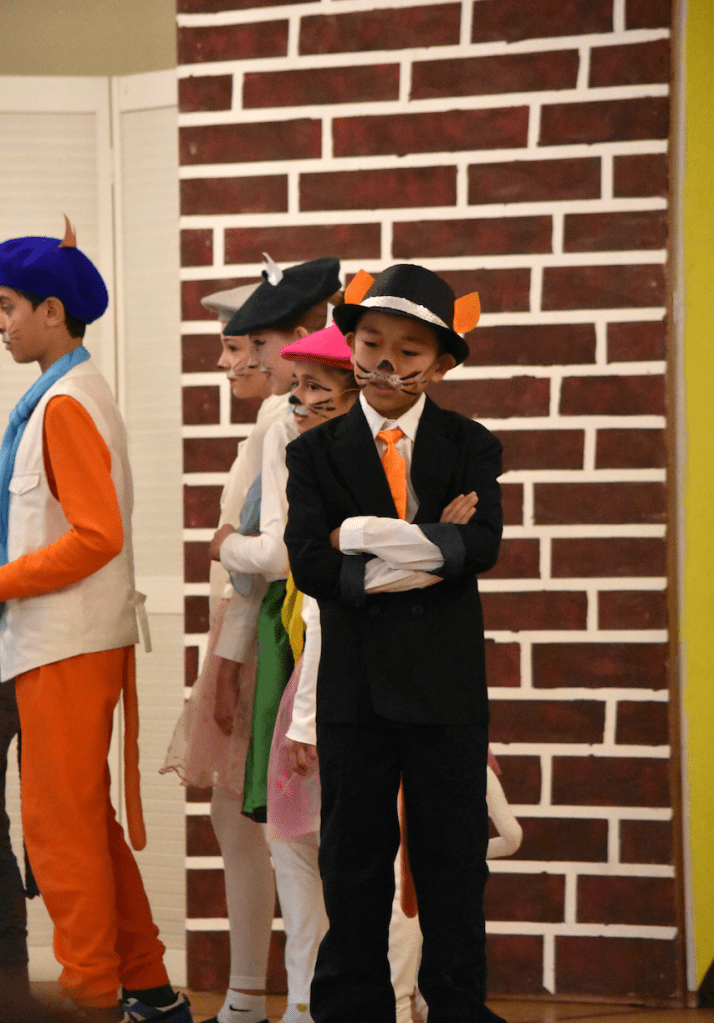
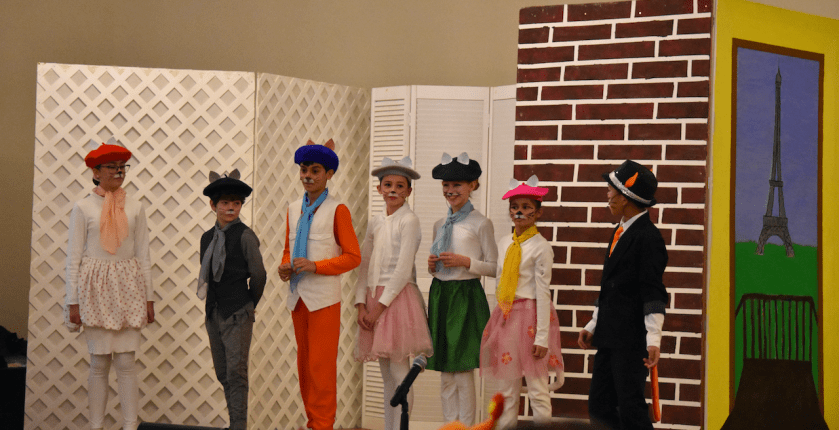
Congrats to “The Aristocats” Cast

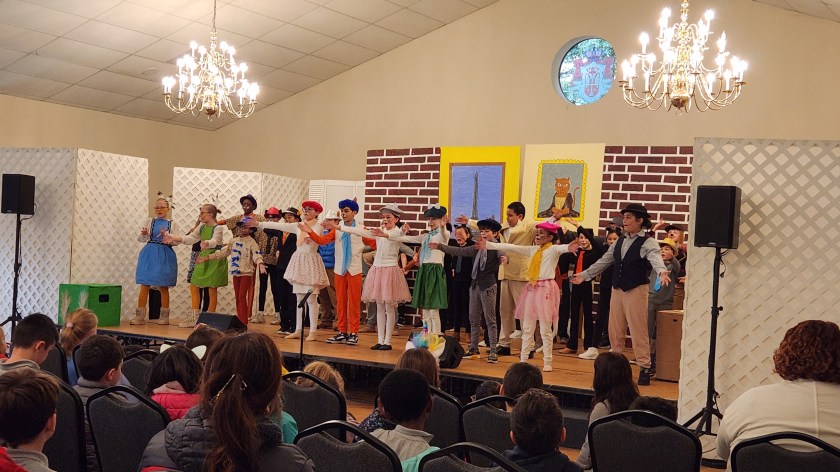
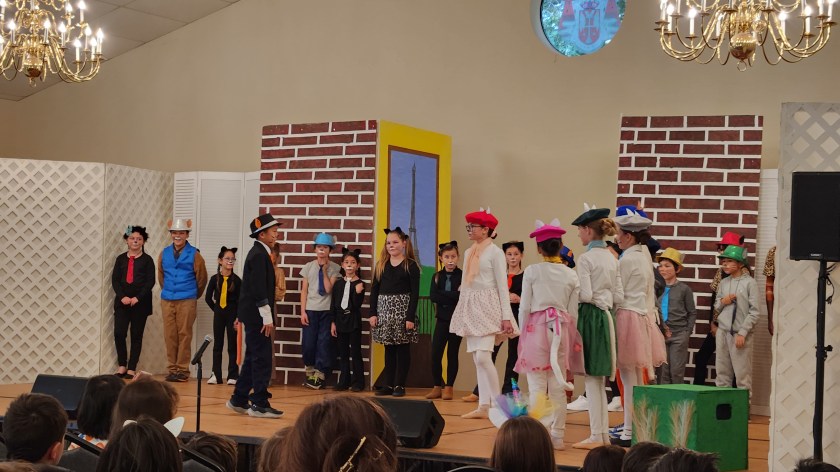
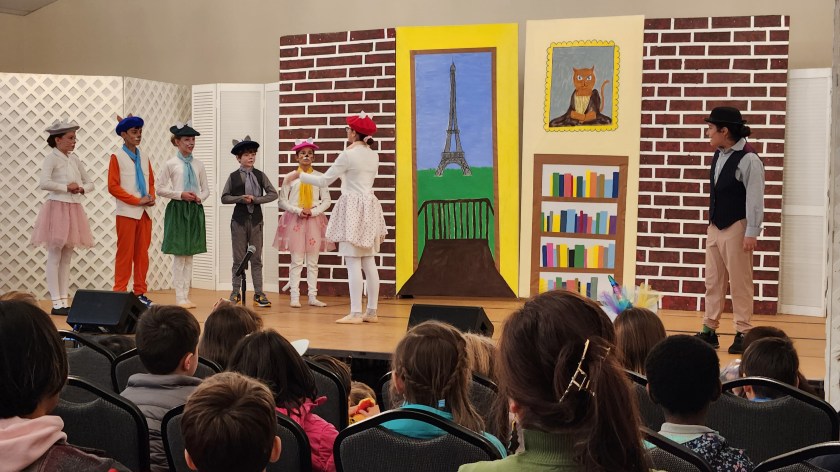
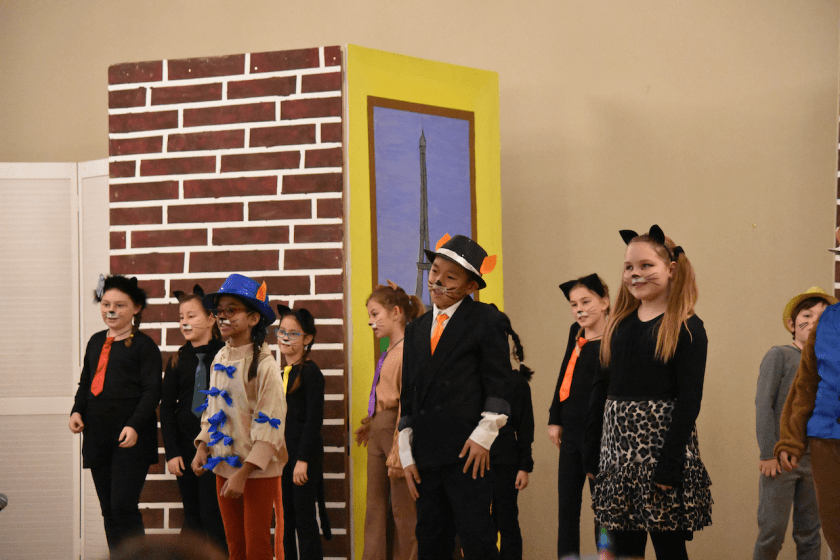
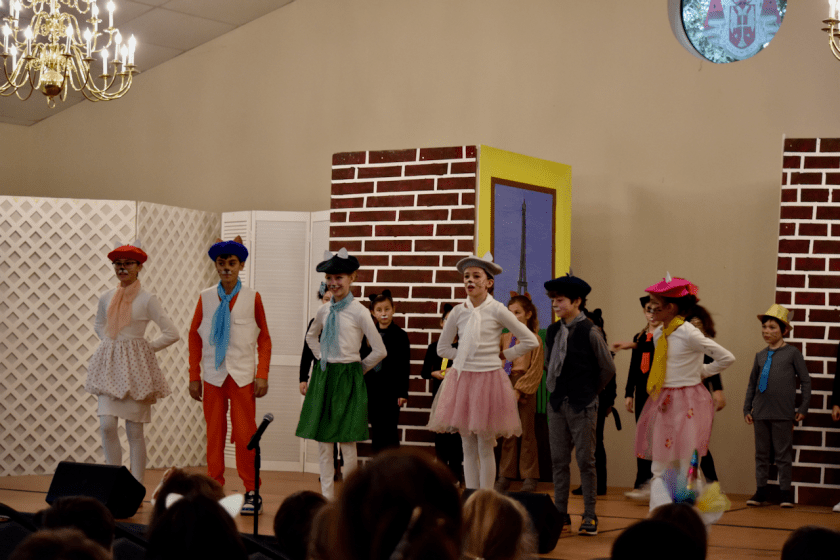
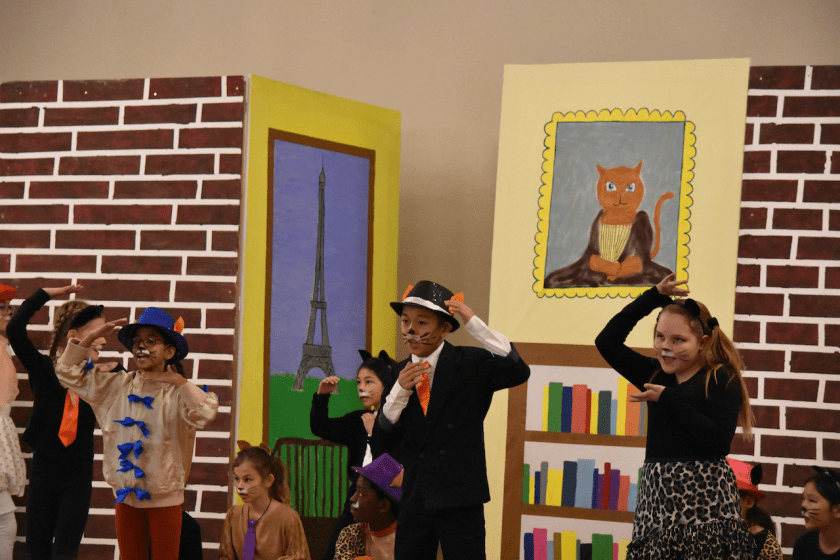
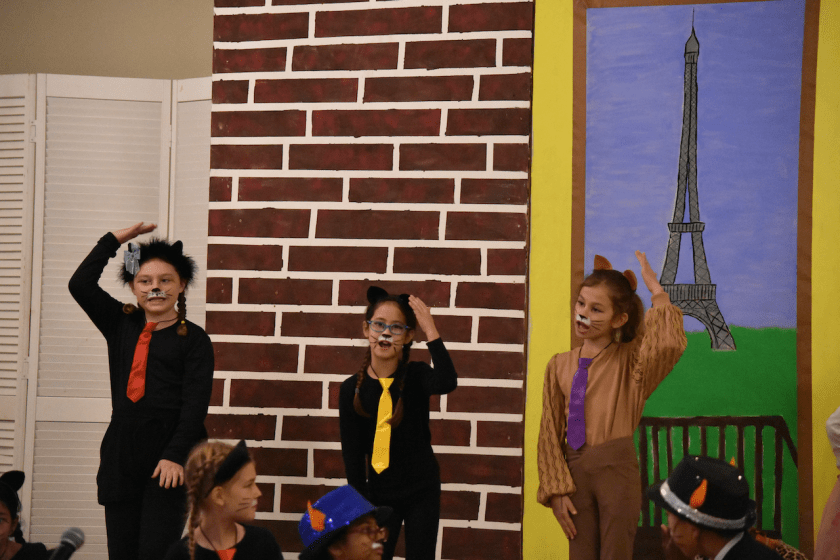
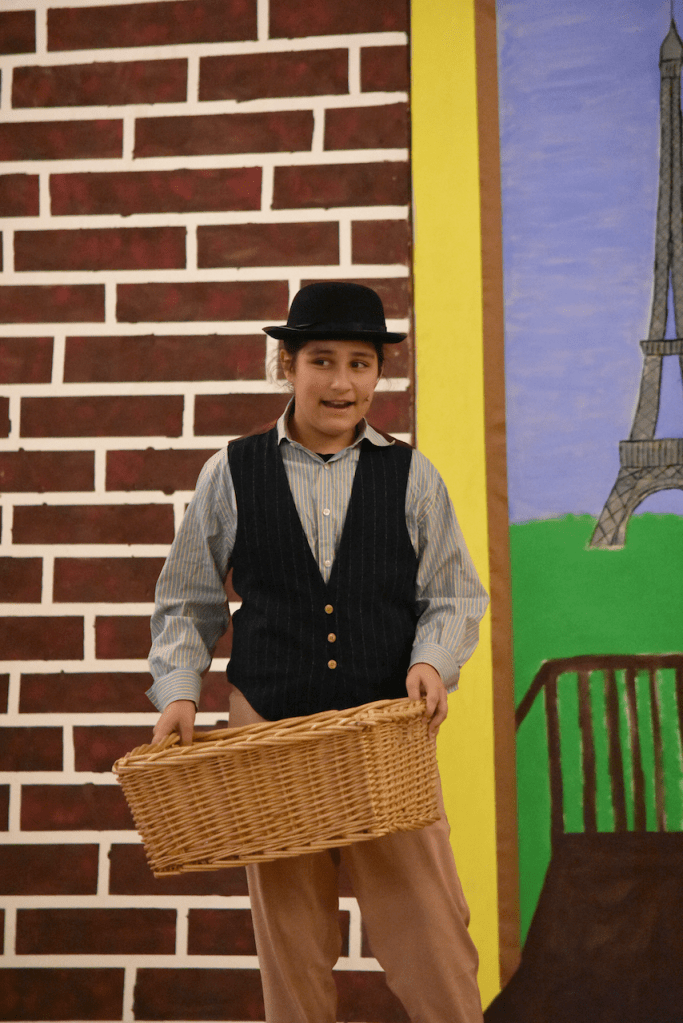
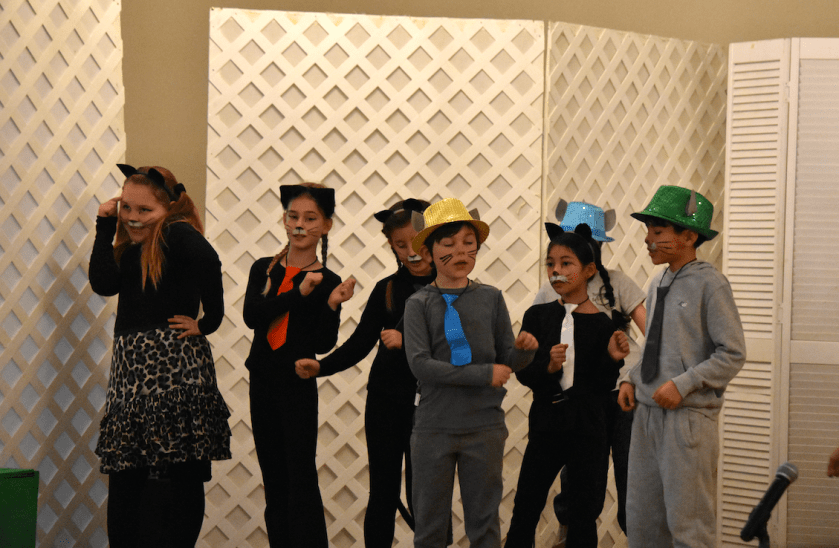
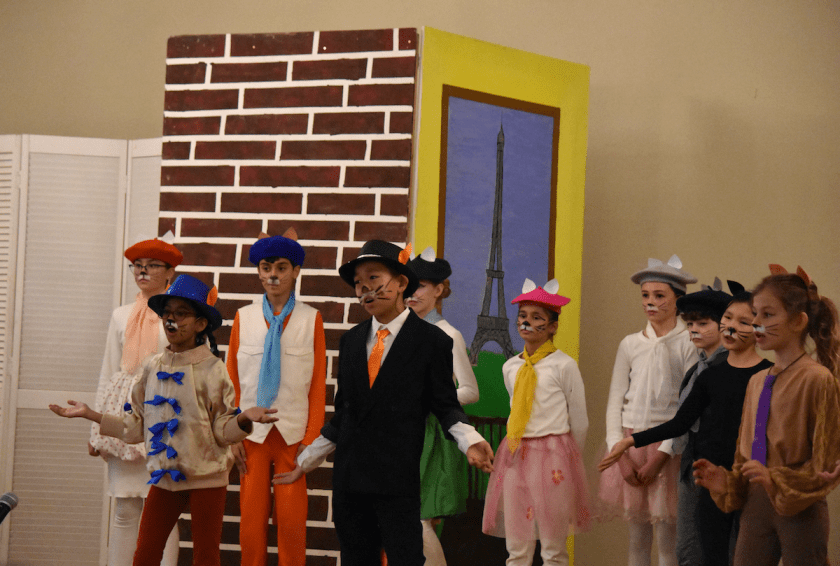
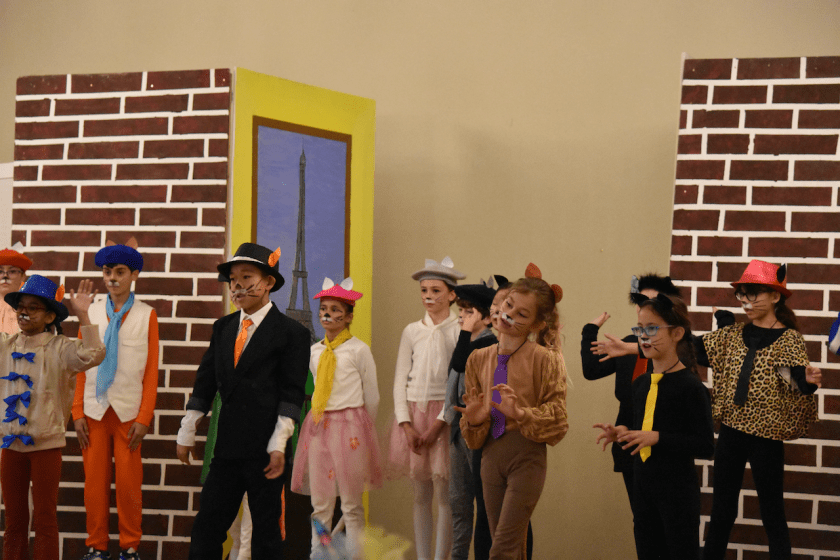
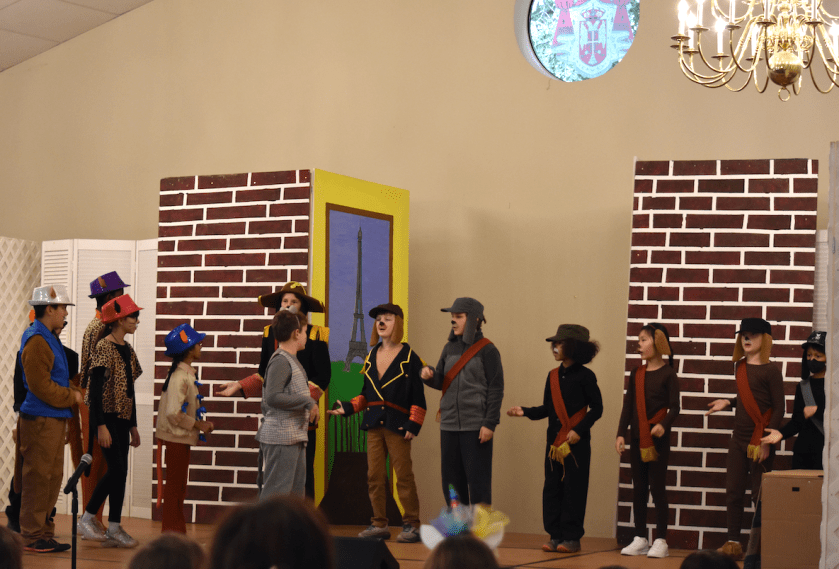
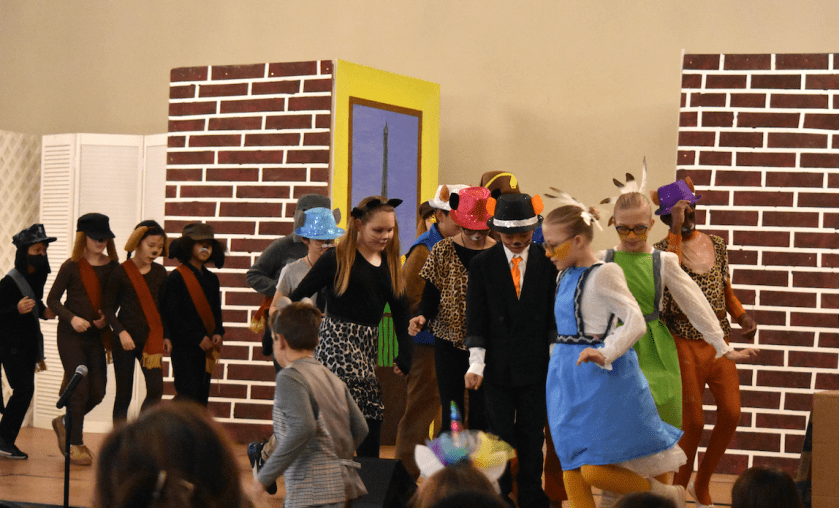
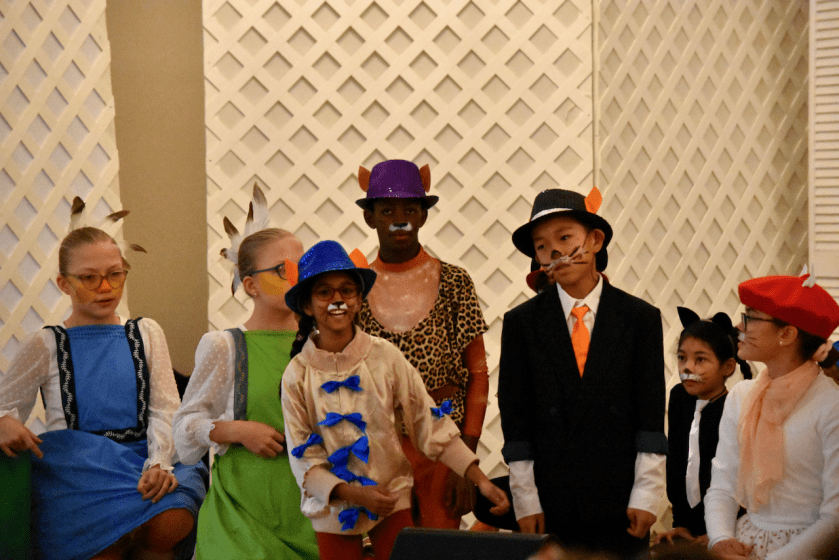
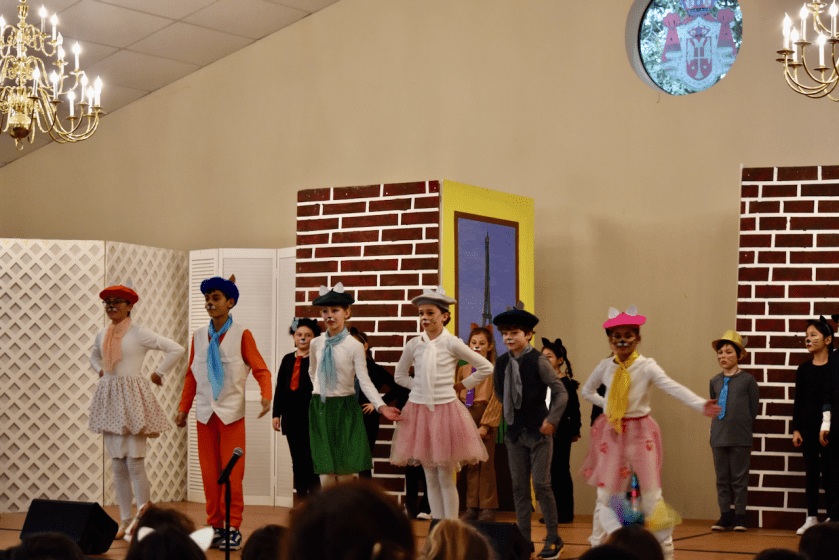
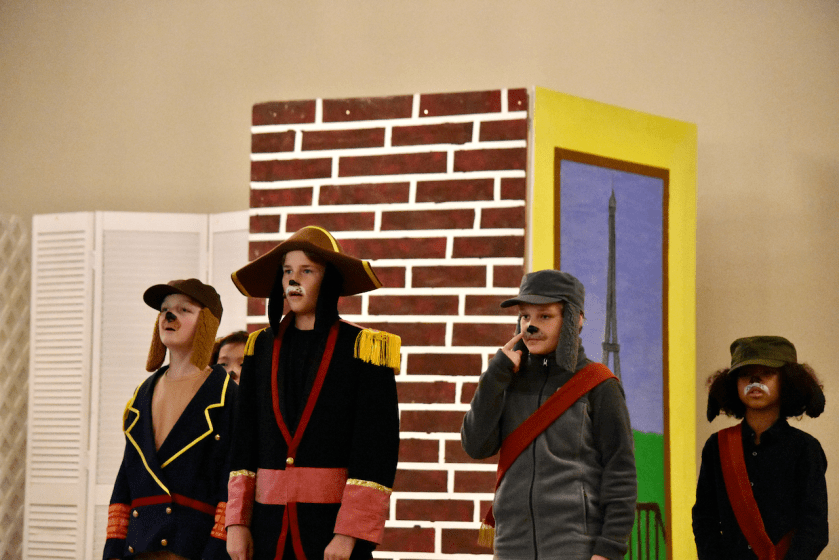
Congratulations to our third, fourth, and fifth-grade students on their wonderful performance of The Aristocats Kids right before Winter Break!

From memorizing lines, finding costumes, designing sets, and applying makeup, it takes a village to bring these productions to life. Thank you to all the performers for the courage and creativity they put into their characters. Thank you to the parents who helped run lines, arranged for base costumes, and worked on hair and makeup. Thank you to all who joined us for the show and cheered on the cast.

Additionally, we have a few special thank yous we would like to share:

  • Special thanks to Dianne Hurvitz for directing the lower school students’ wonderful performance. Her hard work, dedication, and love for the students were evident throughout the show.
  • Special thank you to Javier Yacarini and John Miazga for all their work constructing the stage and the set.
  • And a very special thank you to Jayme Feldhammer for her work on the costumes.

It was a fabulous show! We hope you enjoy the photos from the performance below.

#SaklanCreative

Saklan Space Station

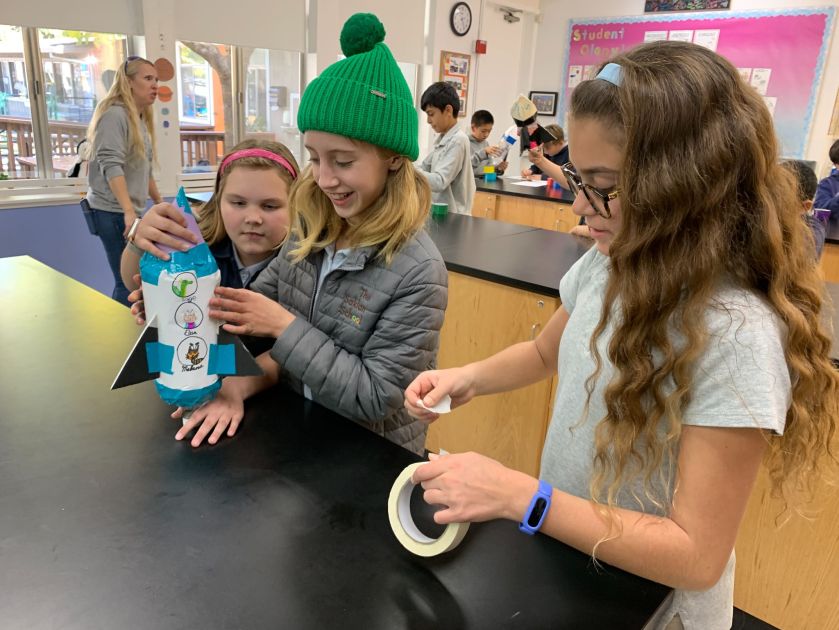
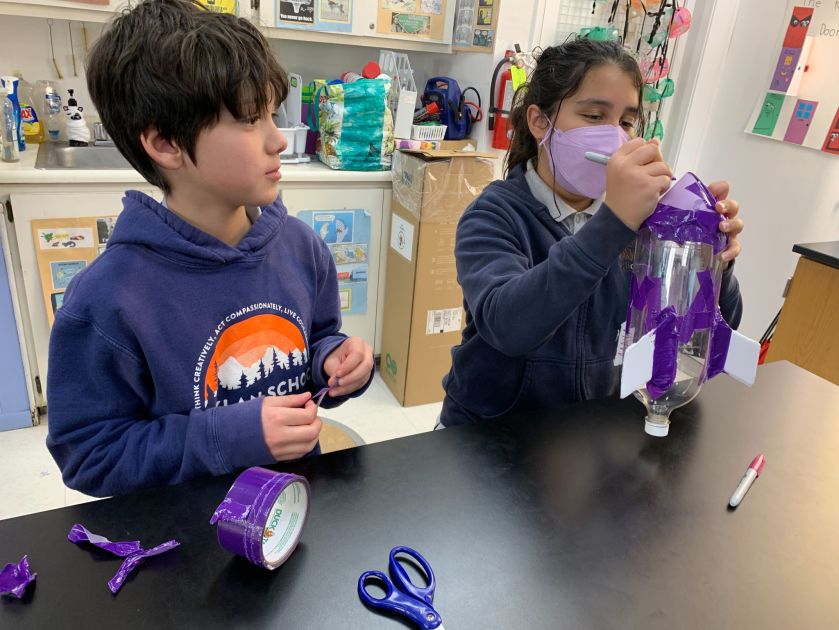
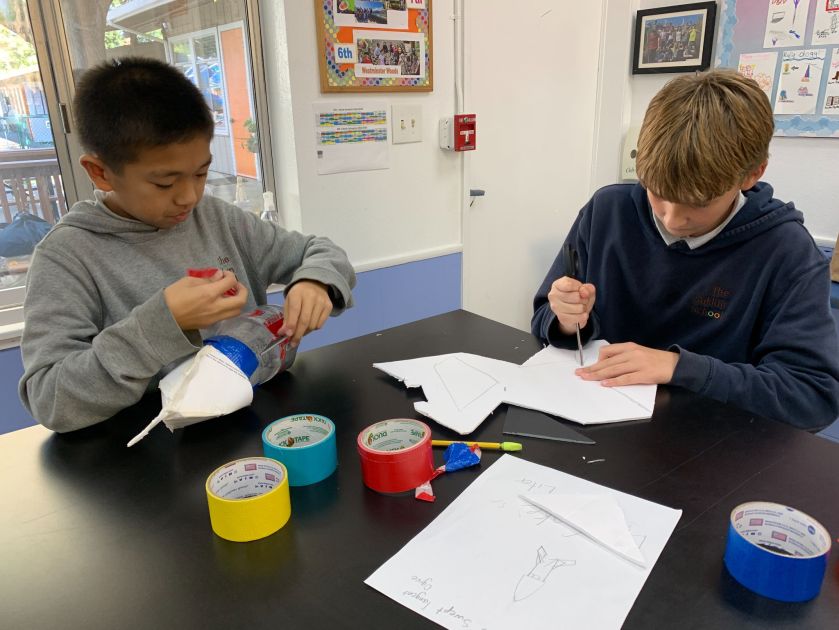
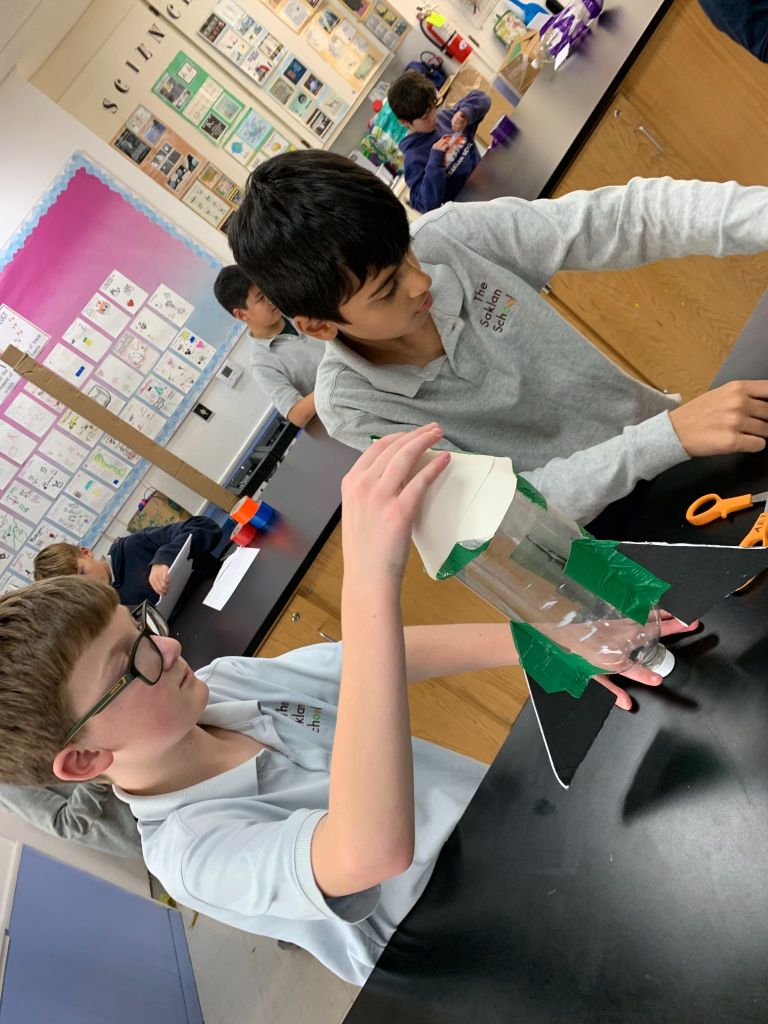
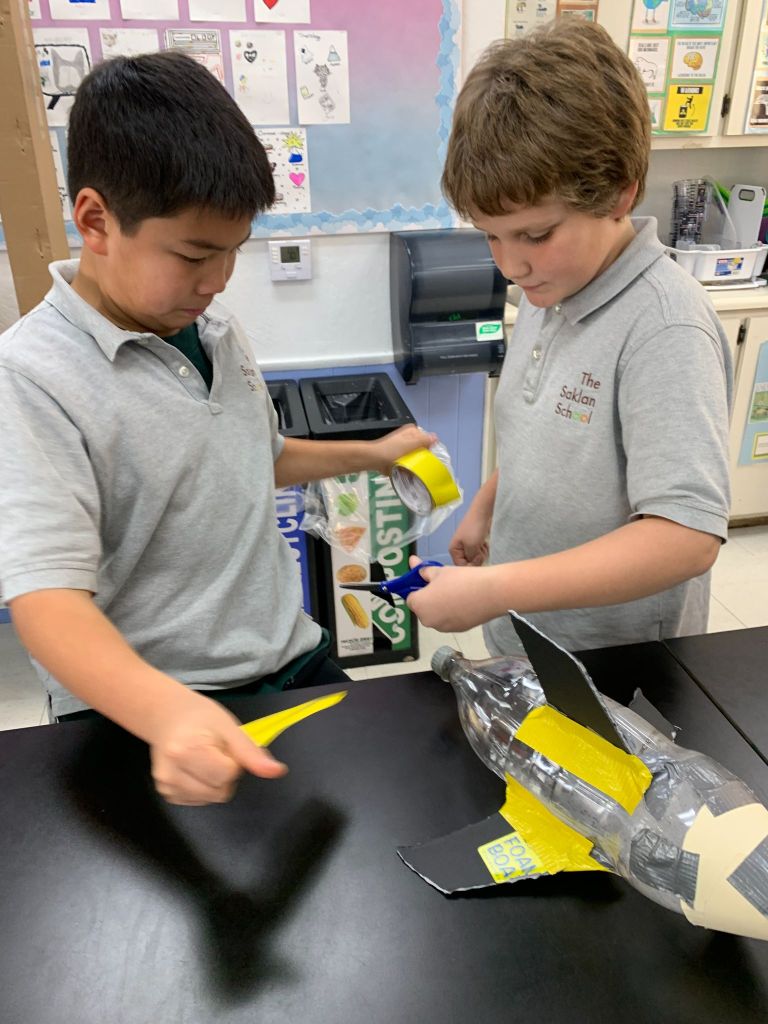
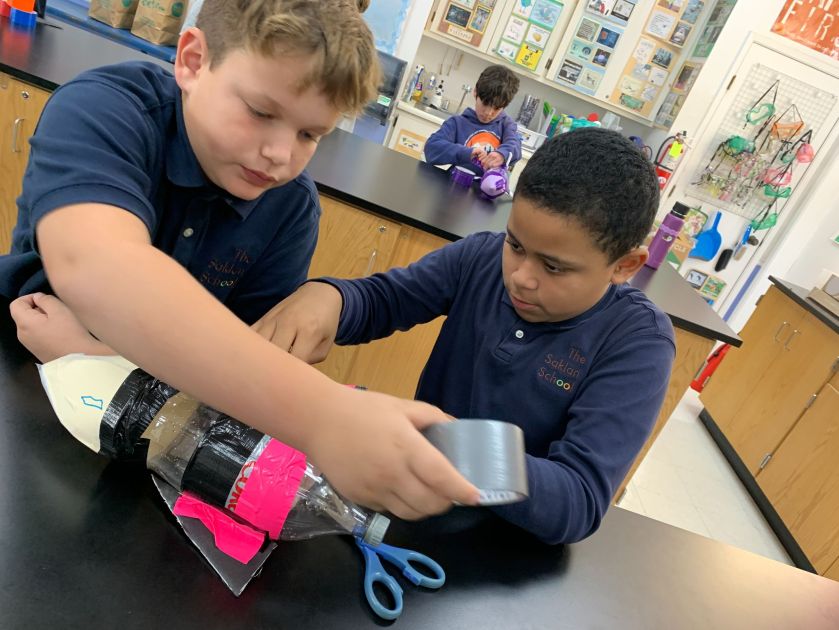
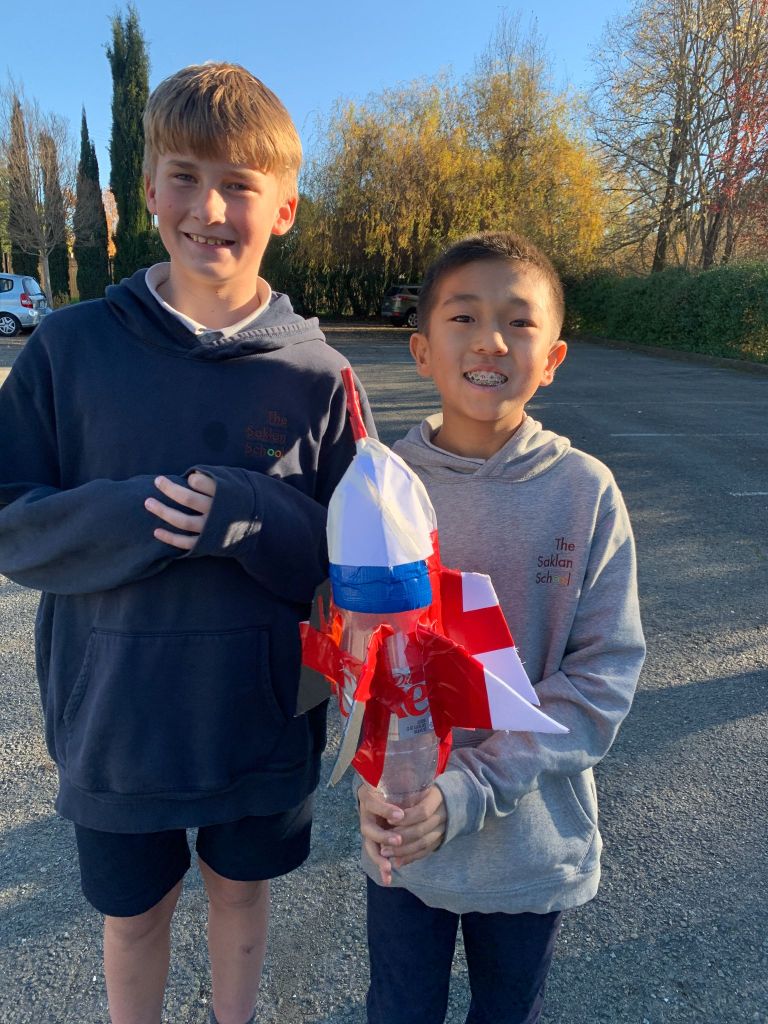
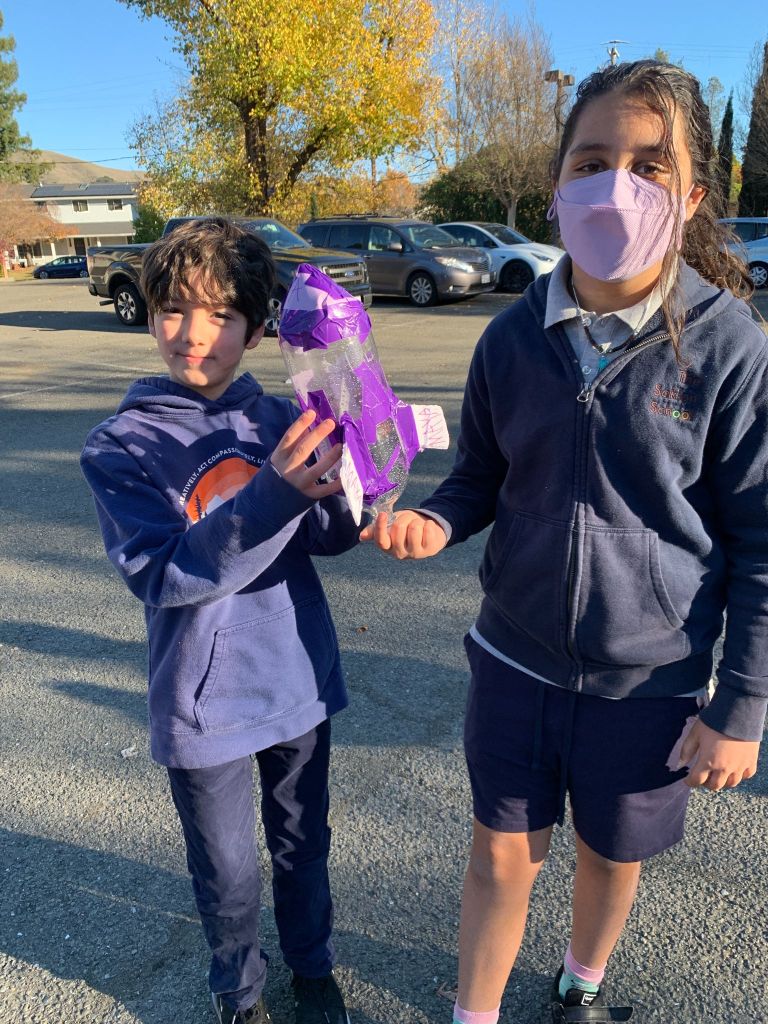
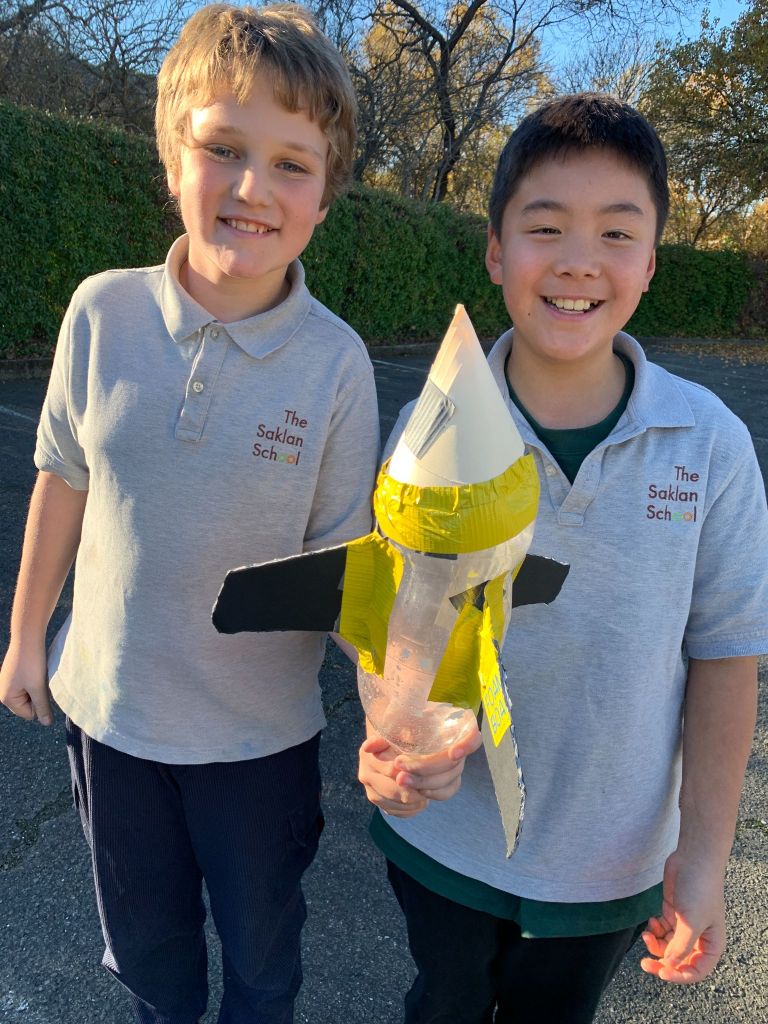
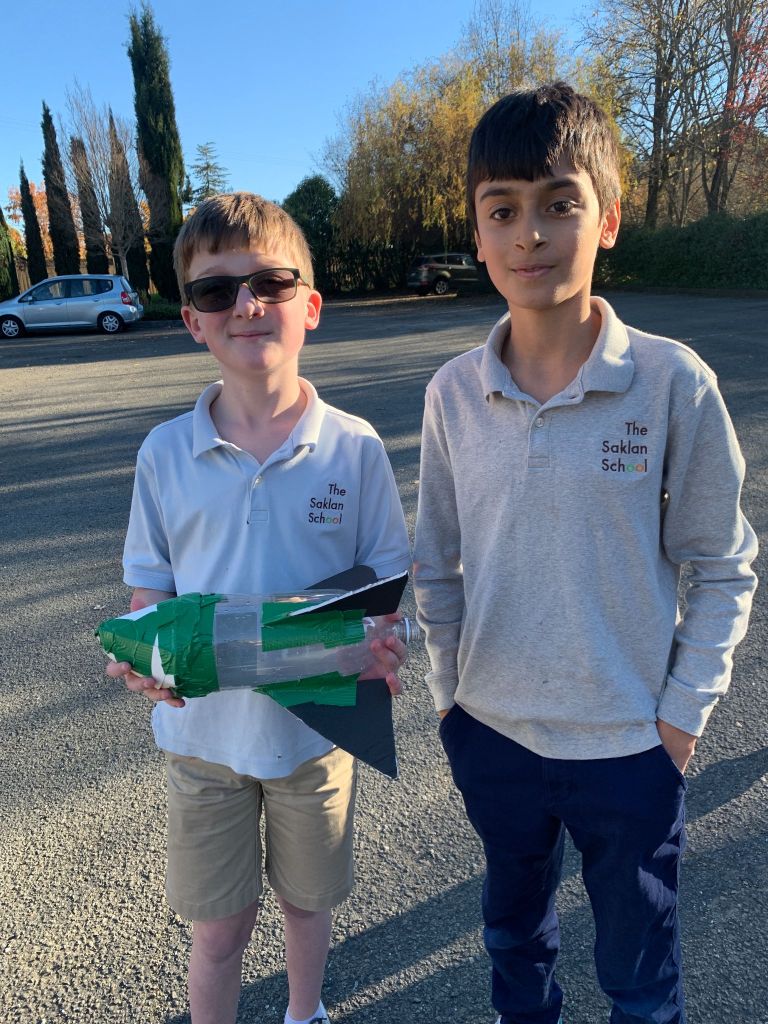
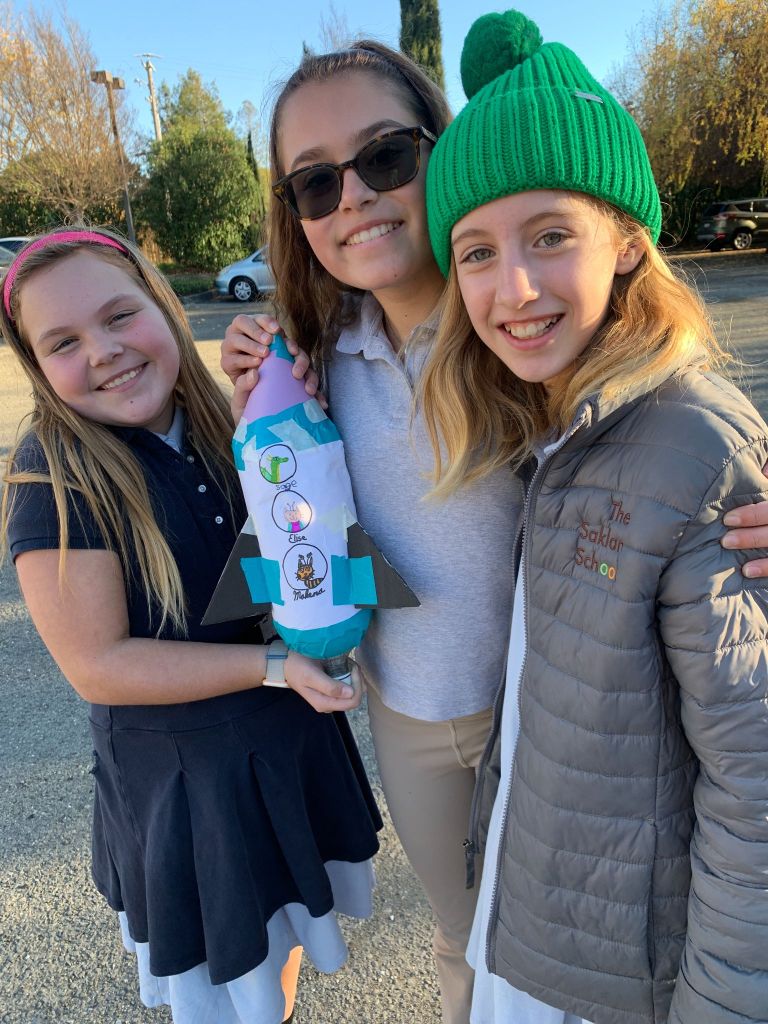
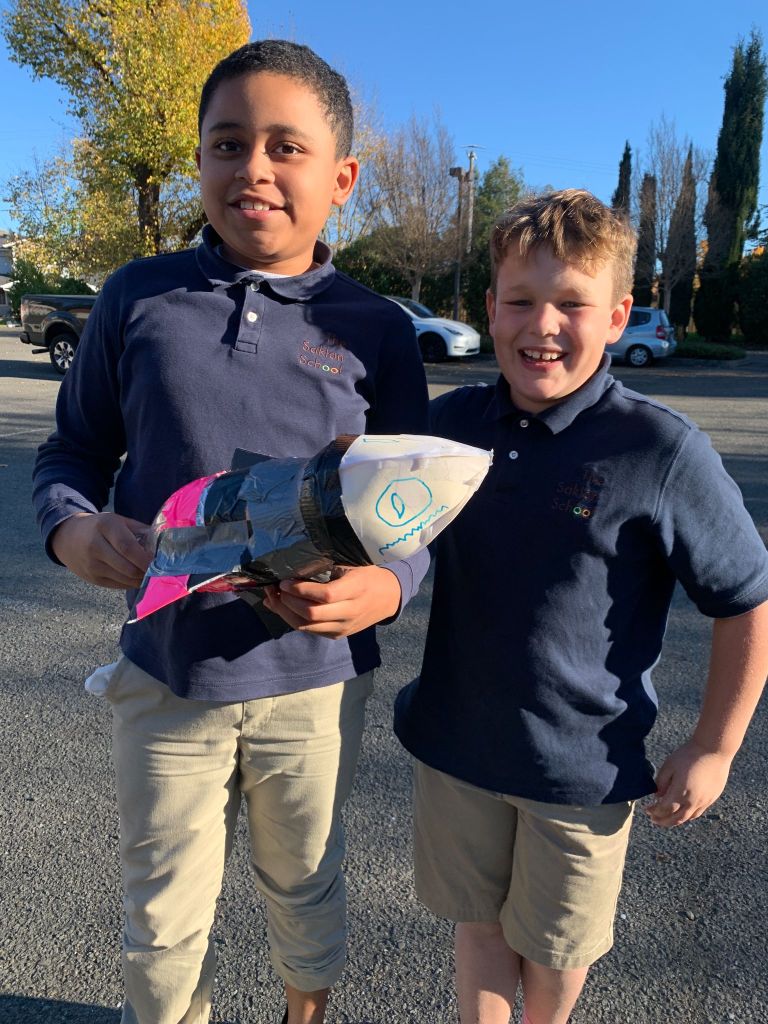
Fifth-grade students recently wrapped up their hands-on space unit with Ms. O by engaging in a STEAM (science, technology, engineering, art, and math) rocket-design challenge.  When students work in teams, they learn and practice desirable “soft skills” such as active listening, clear communication, cooperation, and flexibility, while also learning the “hard-skill” academics – both are valuable for life, hence rockets were designed and built in partner teams.  Each team had access to a soda bottle, lightweight card, tape in about a million colors, markers, and scissors.  They also had two constraints: time and weight. Students had to make decisions around these factors while building a launchable rocket in under 30 minutes.  

Check out the pictures below of the teams, rockets, and smiles, following successful launches here at the Saklan Space Station! 

#SaklanHandsOn

Making It Rain

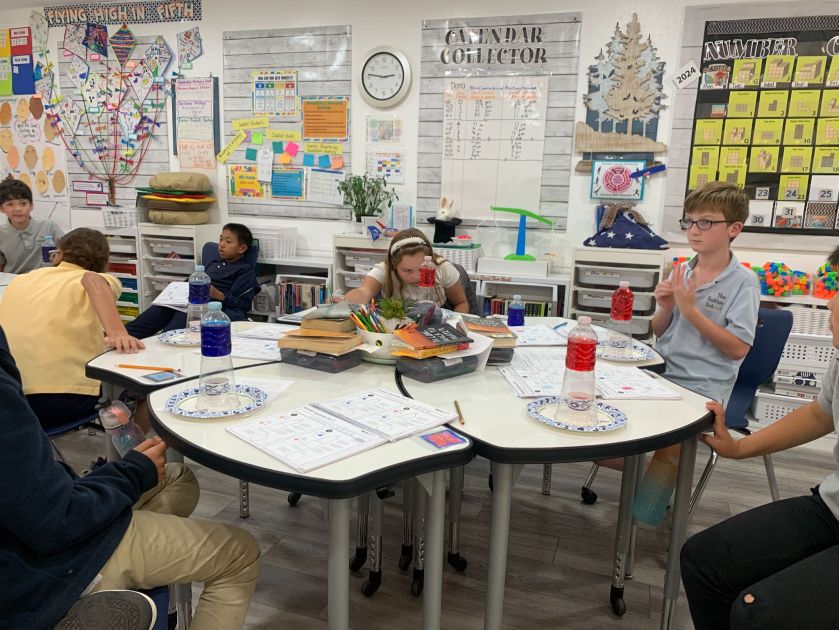
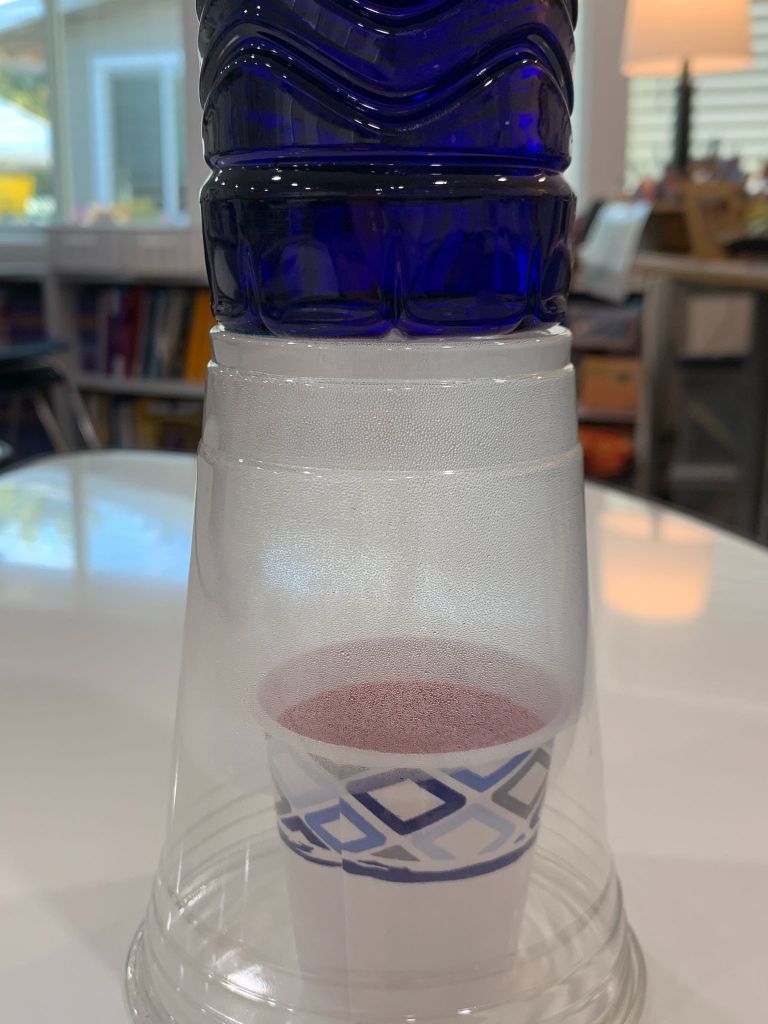
As part of their recent Hydrology PBL unit, the fifth graders sought to understand how rain is created and then worked to see if they could make it rain using a cloud-in-a-cup experiment. 

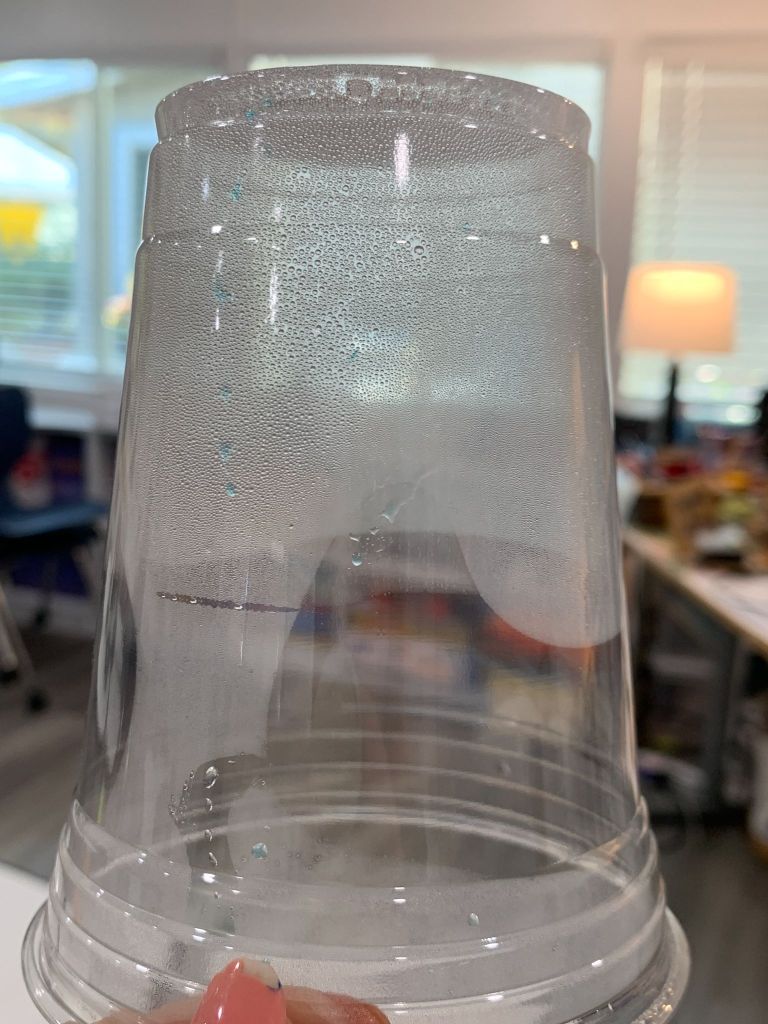
In teams of four, students ran tests with warm and cold oceans and skies, modeling different climatic conditions in order to see what combinations produced rain. All fifth graders with warm oceans were able to produce a little cloud, whilst those with cold oceans could not. Looking more closely at the cloud-producing warm ocean models, the class observed that those with cold skies created bigger, better clouds than the ones with warm skies. Students concluded that warm oceans and cold skies cause clouds to form better than any other weather conditions. 

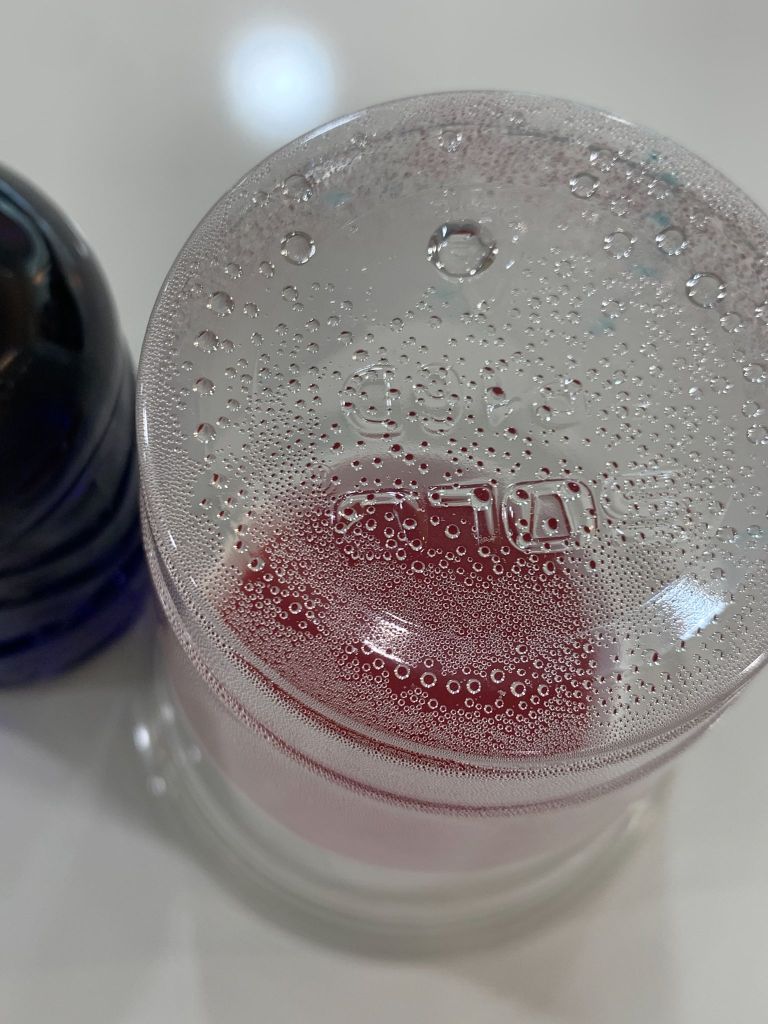
Students then tested to see if they could make the clouds rain. They tapped on the cups, forcing the water molecules in their little cup clouds to collide, merge, and fall, making crystal clear raindrops out of warmed red “ocean” water; showing evaporation, condensation, and precipitation in action

After discovering that warm oceans evaporated fastest under cold skies, students saw connections to current events – recent hurricanes in the southeast United States. Florida’s hurricane season has been bad this year because of unusually warm ocean temperatures at the start of fall, when cold fronts blow in from the north (where it’s much colder), and then crossing the coastline at high tide, creating storm surge, were an unfortunate trifecta of “perfect storm” conditions. 

#SaklanPBL

Building Community With Ewe Music

Thursdays at The Saklan School sound different thanks to African Drumming classes. Learn more about the classes and instructor in the post below, written by guest blogger and Saklan African Drumming Teacher, Isaac Narell.

Alfred and Kobla Ladzekpo came to the United States in the 1960s to teach Ewe music. The Ladzekpos came from a village in the southern Volta region of Ghana called Anyako, an Ewe village. Ewe is one of over 20 languages spoken in Ghana. Ewe music is divided into styles. Each Style has songs (for singing), drum patterns and dance steps. The singing, drumming and dancing together form the musical style.

Alfred Ladzekpo taught at the California Institute of the Arts (Calarts) for over 40 years, and I was fortunate to study with him from 2002-2006. He became my mentor and my friend.

Alfred’s main goal with his students at Calarts was to show them how to be an effective musician in his style of music. Ewe music is an oral tradition. Musicians coming from different backgrounds begin a new process of learning through listening. Alfred reveled in every opportunity he had to lecture his students on the importance of listening. Despite the simplicity of the message, every student who embraced this concept came away from Alfred’s class as an improved musician.

As a young musician, my fascination with Ewe music was sparked by my admiration of its construction. Ewe music weaves a complex counterpoint through all of its elements that rival the greatest art forms of humanity. I was enamored with the sophistication of the drumming patterns and the ability of musicians to dialogue through musical language. The lead drummer directs the ensemble into new dance moves, drumming patterns, or songs, by playing a call on the drum. Everyone has to listen or they might miss the call!

This felt like a secret language and my friends and I were hooked. We took every opportunity to learn from Alfred and eventually, we were helping him teach his classes and performing in his professional ensemble at schools and community events. Later in life, I found another beautiful side to the art form.

The main function of music in Ewe culture is to promote community. People gather in social groups for musical performances. These groups perform at funerals and weddings and are the backbone of both religious and secular events. This is extremely valuable in our recent culture fueled by social media. People crave interaction and Ewe music is a world-class option for community building.

I teach Ewe music as a celebration of West African brilliance. Through honoring and respecting Ewe culture I have found that we can bring value to our school not only through the acute development of musicianship but through the strengthening of our community.

#SakalanCommunity #SaklanArts

Saklan Color Guard

As they progress through the grades, students learn about their community in a gradually widening circle, from their family to local helpers in the community, to their state, and then to their country in 5th grade. Therefore, it is fitting that the 5th-grade class is tasked with keeping the flag of the nation and flying it each day.  

The fifth graders watched a video made by flag expert, Drill Master John Marshall, who trains Army Cadet Color Guards, to learn how to correctly fold and unfold a U.S. flag. Students followed along, and then began lowering and folding the school flag into a triangle.  The next morning, Sept. 11th, they raised the flag to the top of the pole, and then lowered it halfway to honor the heroes and fallen of 9/11.  At the end of the day, they lowered and folded the flag, beginning their year-long responsibility as “Saklan Color Guards.” 

Students also wrote job applications for class jobs they are interested in helping with.  In fifth grade, students rotate jobs every four weeks, so everyone gets to help the classroom wheels turn smoothly each day.  Responsibility and being trusted with a “real” job that genuinely needs to be done allows students to see their value to the community, and gain satisfaction from helping others.

#SaklanCommunity #SaklanLeadership