Can Maggie Have a Hippo as a Pet?

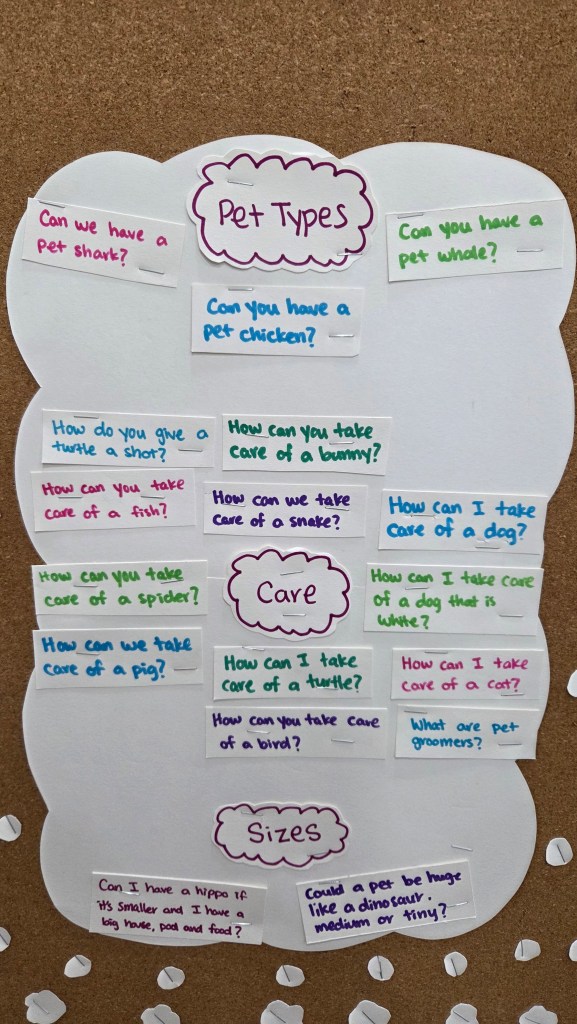
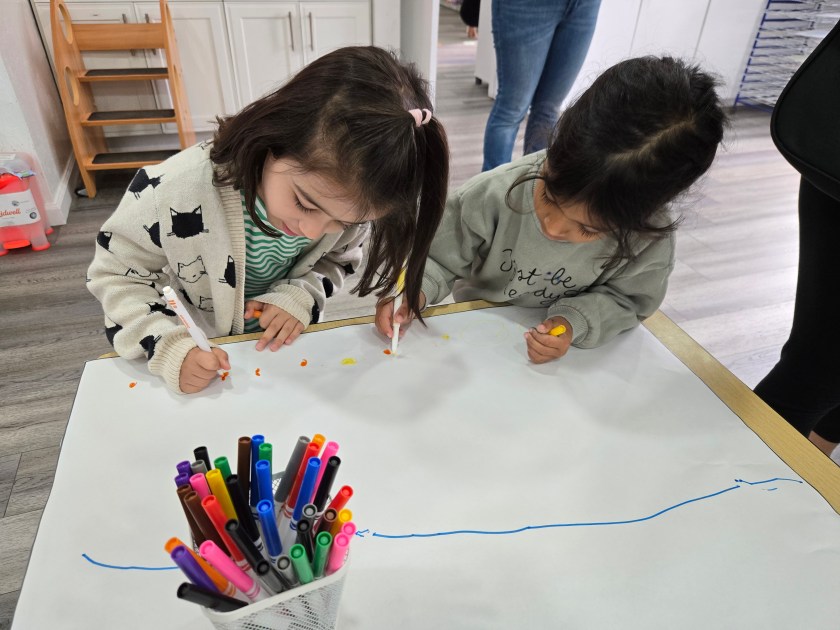
The Pre-K class has officially launched their Pets Project. To get the Hoot Owls thinking about what a pet is, the teachers posed the question: “Can Maggie have a hippo as a pet?”

This simple question sparked a flurry of ideas. Students quickly pointed out that a hippo would need a really big house, a lot of water (maybe a pool!), and a door big enough for it to fit through. One thoughtful student even suggested that Maggie would need to be a zookeeper with her own zoo! From there, the class began to wonder — what actually makes an animal a pet, and what makes it a zoo animal?

Building the Project

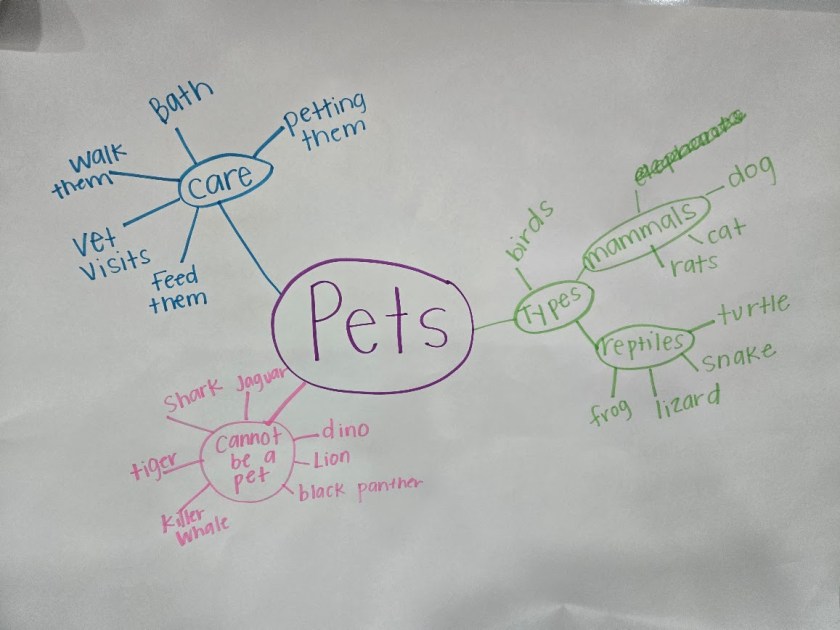
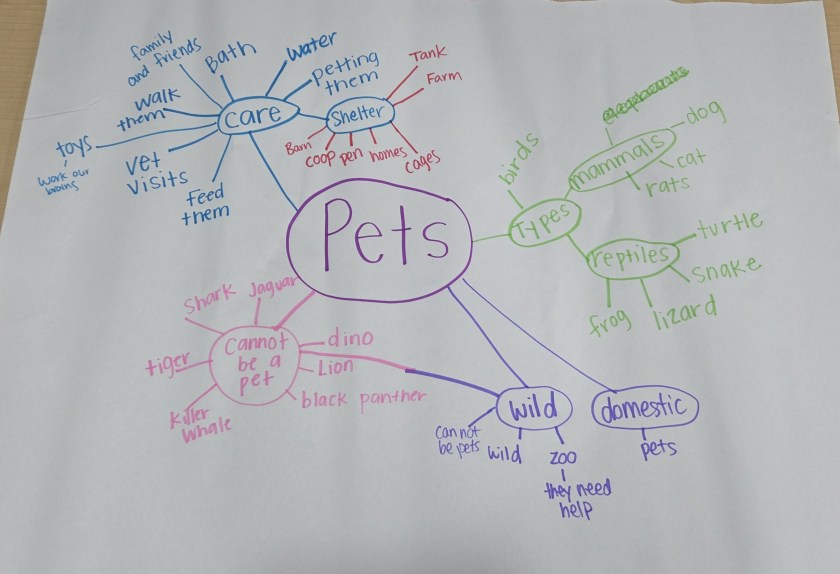
In every Project Approach Unit, students begin by mapping what they know and what they want to learn using a Topic Web. This living chart helps track their growing understanding as they explore through research, activities, and expert visits.

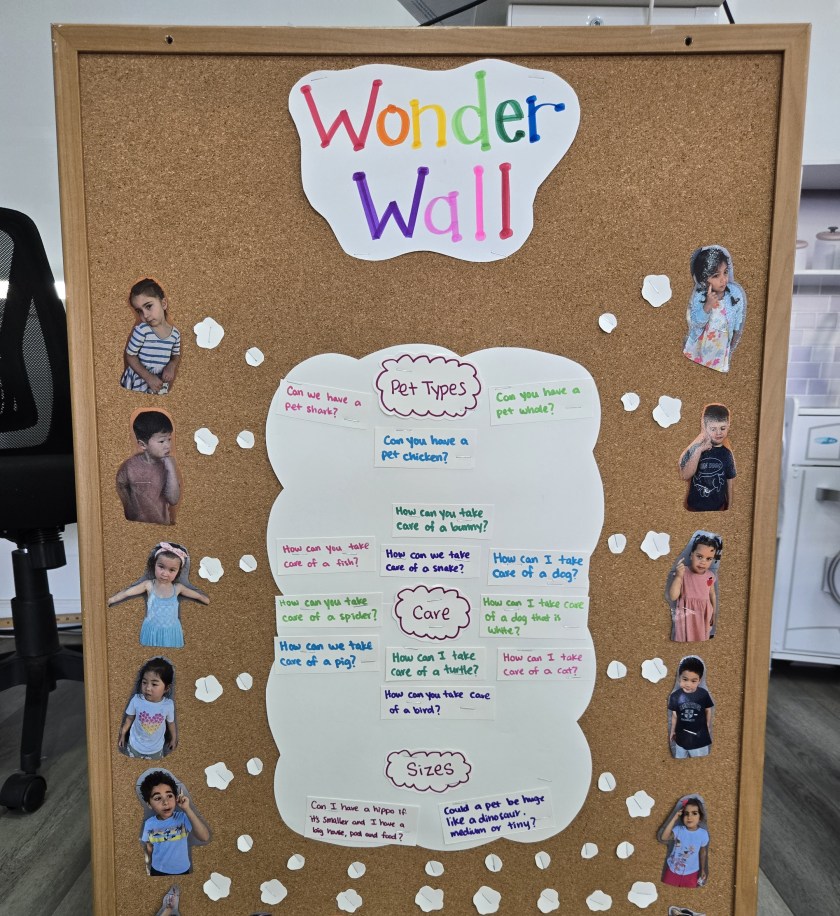
Alongside the topic web, the class also created a Wonder Wall — a special space where students’ questions and curiosities are collected. These “wonders” help guide the project and shape future lessons and activities.

One of the first big questions to emerge was: “How do we take care of different animals?” To start exploring that idea, students dove into the question, “How do we take care of a turtle?”

Learning Through Exploration

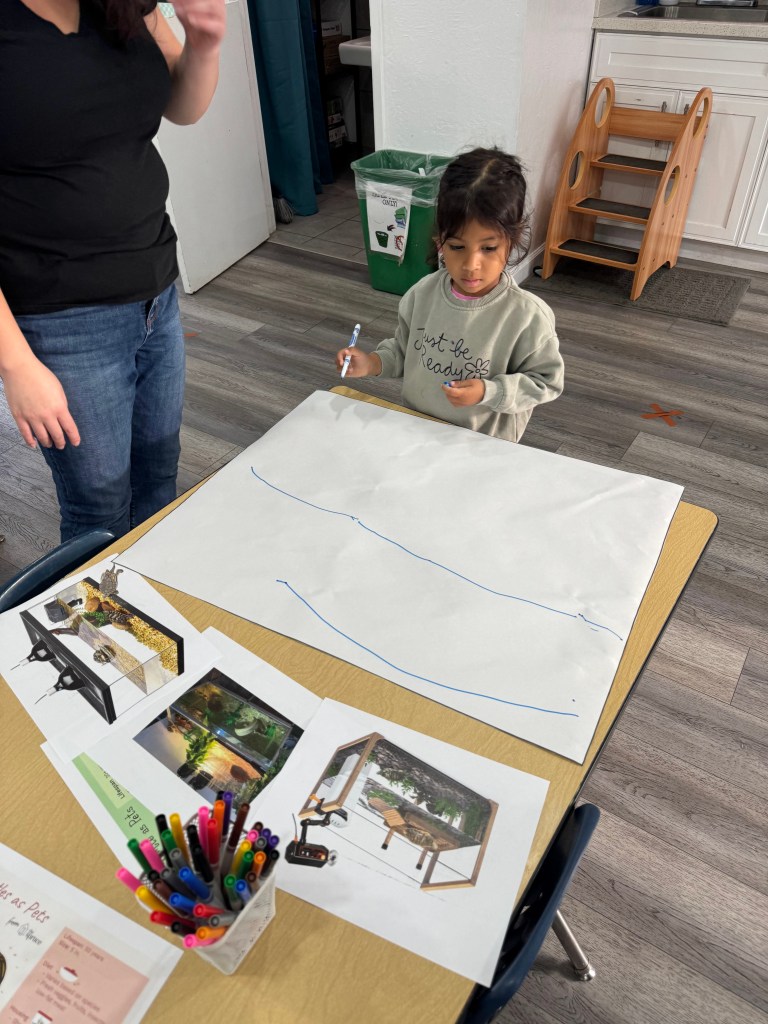
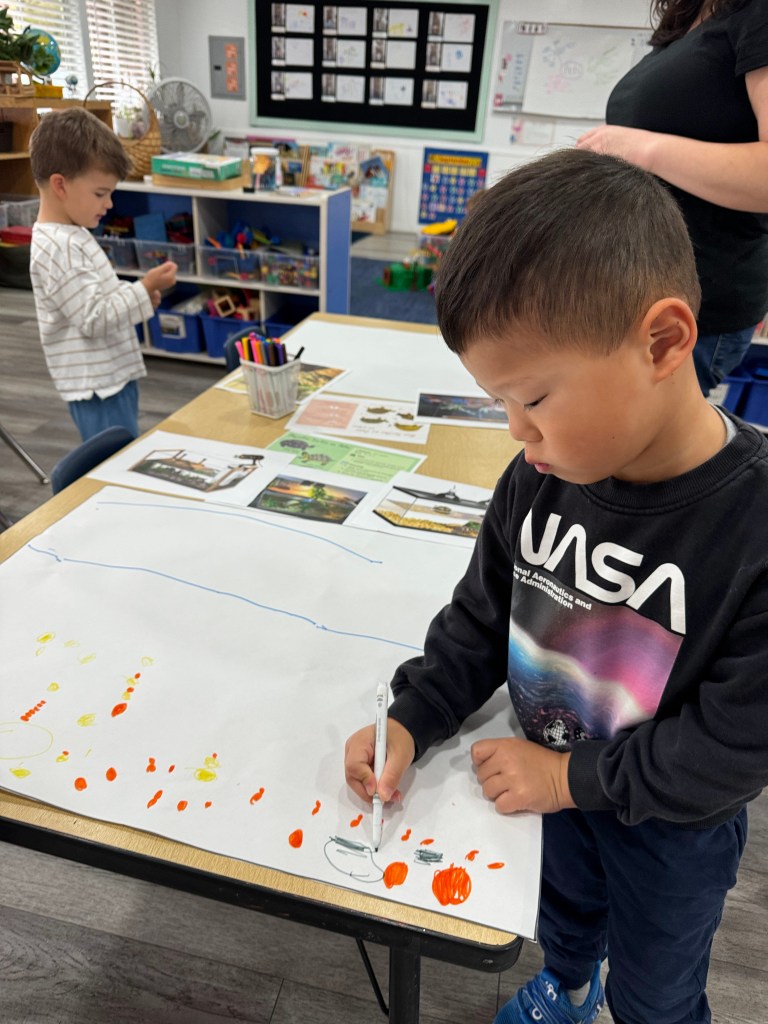
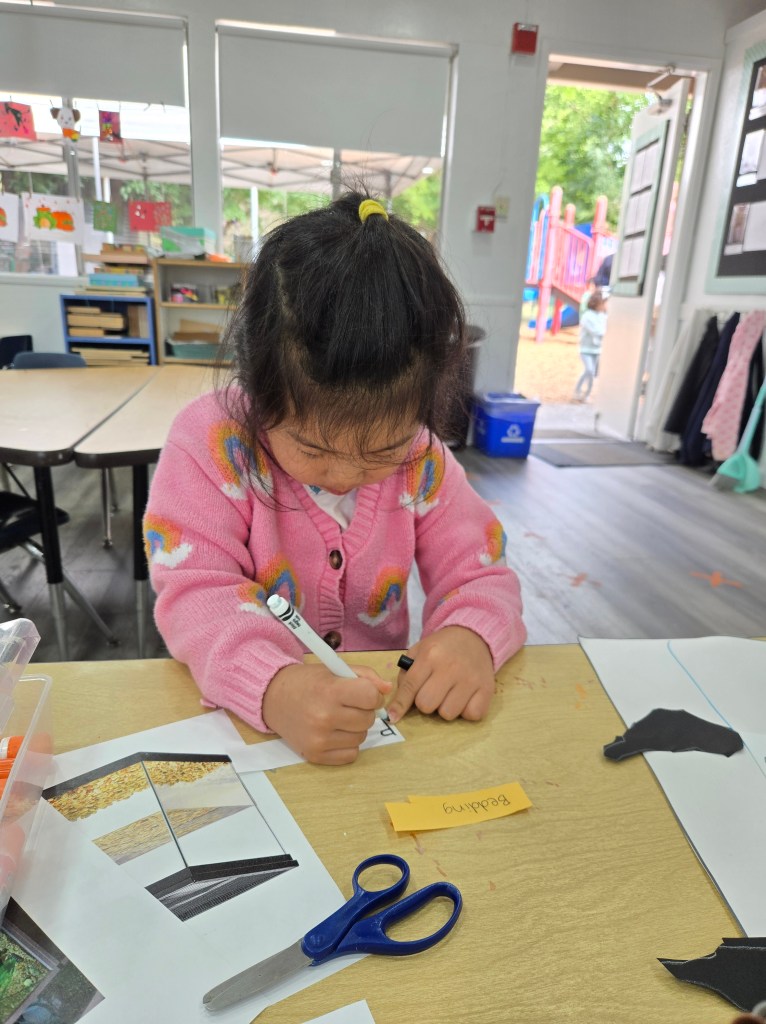
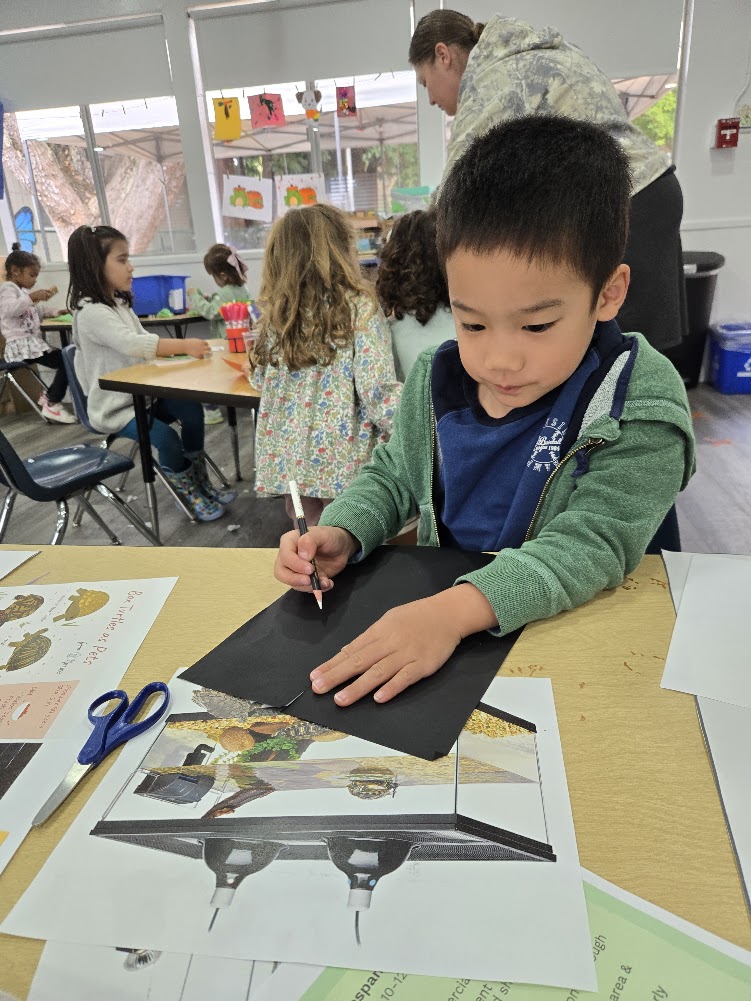
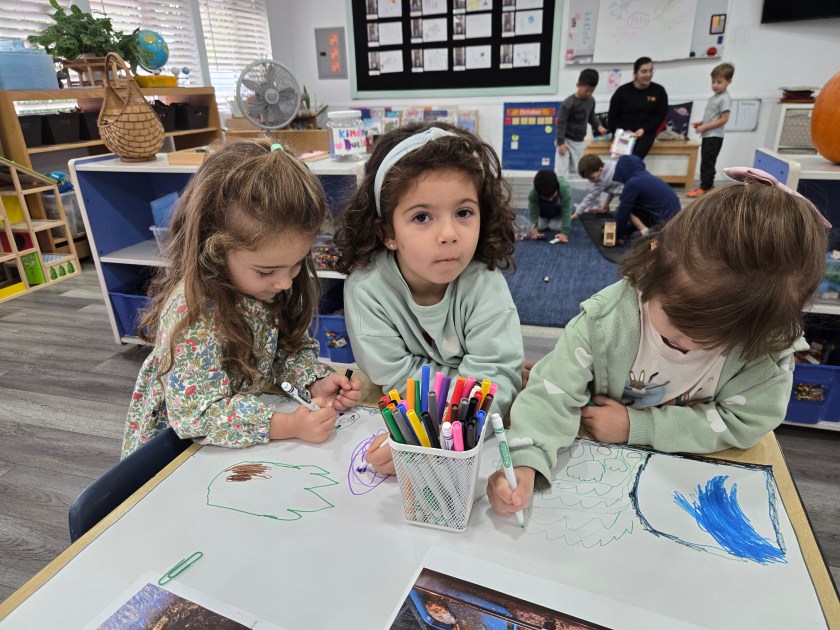
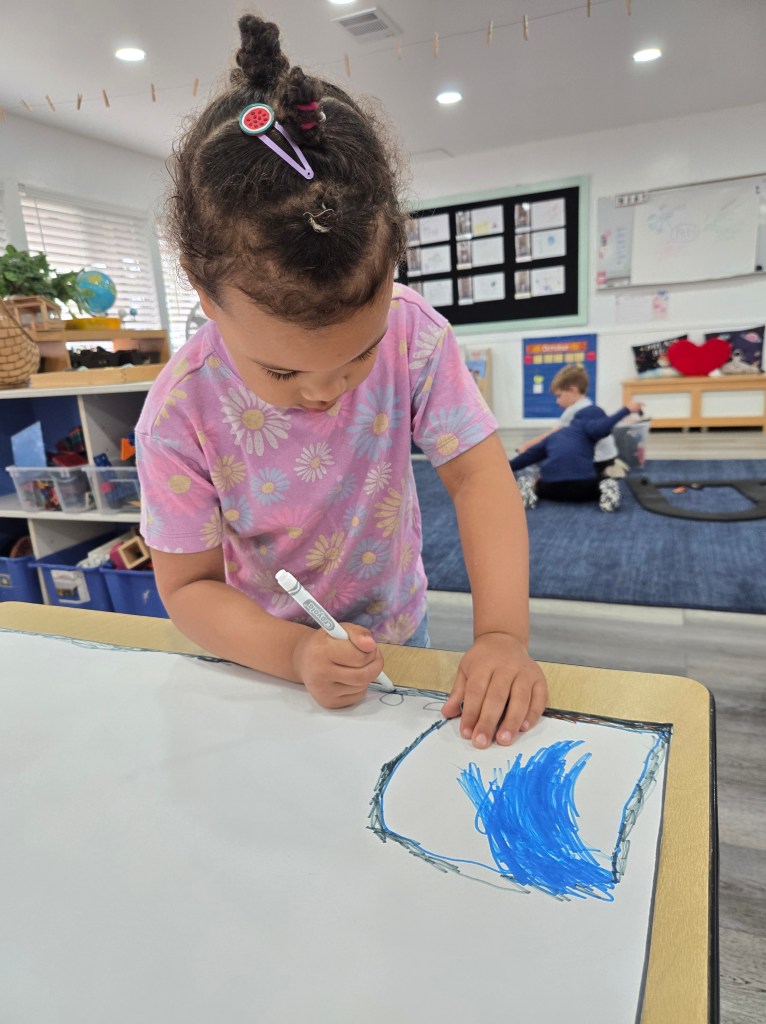
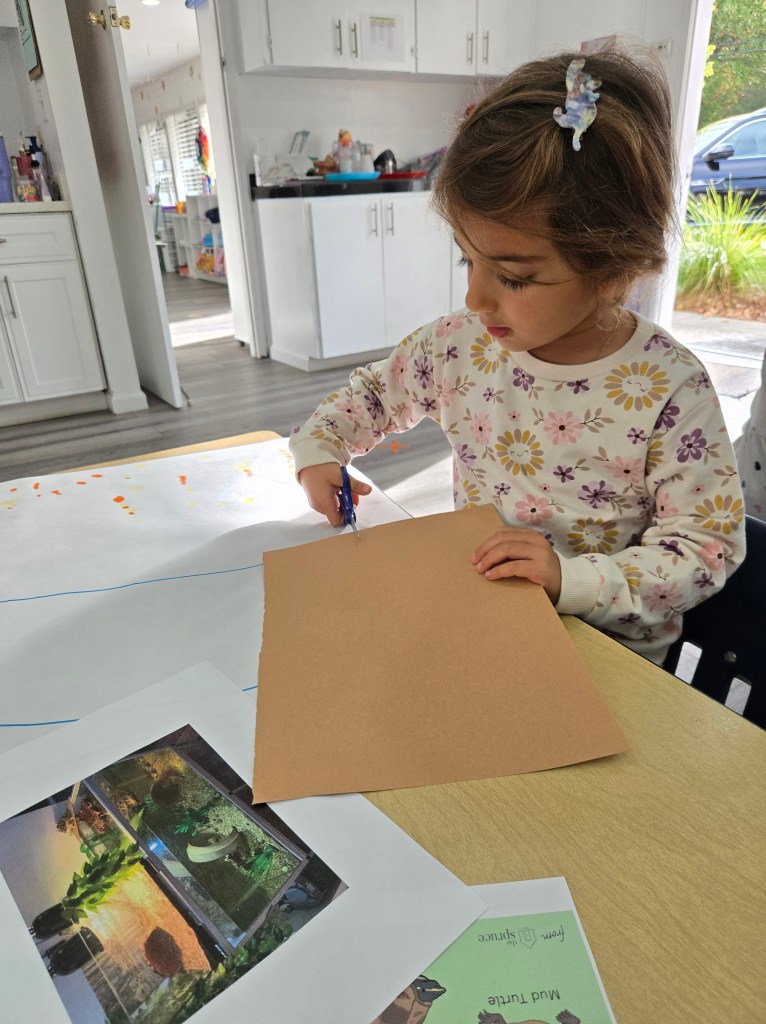
Through research and observation, students discovered that turtles have different needs depending on their type. Aquatic turtles and box turtles, for example, require very different homes. The class looked at photos of real turtle habitats and then created their own visual charts, drawing and labeling the items a turtle needs to stay healthy and happy.

Guest Expert Insights

To help deepen their understanding of pets versus wild animals, the class met biologist Taylor Rubin via Zoom. Taylor, a former zoologist at Zoo Atlanta who now studies urban wildlife, helped the students define two key groups:

  • Domestic animals – animals that have lived alongside humans for a long time and rely on people for care, like dogs, cats, horses, and chickens.
  • Wild animals – animals that can survive and care for themselves in nature.

When the students revisited their original question about hippos, Taylor helped them see why a hippo can’t be a pet. Hippos need to eat about 150 pounds of grass per day, live in large pods of 10–30 hippos, and require plenty of water to swim in. Clearly, even the most dedicated pet owner couldn’t meet those needs!

The class loved learning from a real scientist, and they now have an even clearer understanding of what makes an animal a pet — and why Maggie’s hippo dream might have to stay imaginary for now!

#SaklanProjects

Get Ready for Orange Envelope Day!

Saklan’s 25-26 Annual Giving Fund (AGF) officially kicks off next Tuesday, October 21st, with Orange Envelope Day! All Saklan families are invited to join the celebration by dropping off your orange envelope and donor form—mailed to you last week—into the orange box in front of the school.

A huge thank you to those who have already made their gifts! Here’s what to know about Saklan’s AGF:

What is the AGF?

The AGF is Saklan’s yearly fundraising drive that raises money to support the amazing people and programs that make our school so special.

Why do we have it? 

The AGF is essential to Saklan’s daily operations. Because tuition covers only about 85% of the true cost of a Saklan education, the AGF provides vital resources that directly support our students and programs this year.

What’s the goal?

Our goal is 100% family participation and $230,000 raised. Every gift—whether $20,000 or $20—makes a difference and helps us reach our goal together.

How much should I give?

Only you can determine the amount that feels meaningful for your family. We encourage you to consider the impact your gift will make in supporting an exceptional Saklan experience for all students.

Every contribution—whether it’s $20, $20,000, or anywhere in between—makes a difference. During the 2024–2025 Campaign, gifts ranged from $5 – $22,000; the average gift was $1,205.

How can I make a gift?

You can make your AGF gift by:

  • Cash or a Check payable to The Saklan School
  • Online by Credit Card, with the option for recurring monthly payments
  • Invoicing through the Business Office

Have questions about Saklan’s AGF? Contact Emily at ewilliamson@saklan.org.

Orange Spirit Day

To celebrate Orange Envelope Day, all students are invited to wear orange on Tuesday! First – eighth graders wearing orange do not need to be in uniform. Let’s fill our campus with Saklan spirit!

Thank you for your support of The Saklan School.

#SaklanCommunity #SaklanAGF

Fifth Graders Explore the Marin Headlands

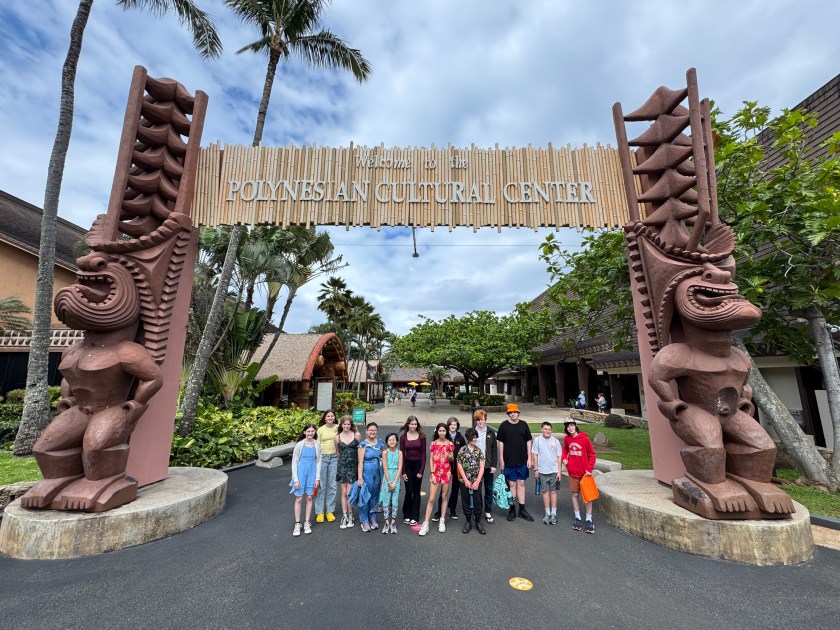
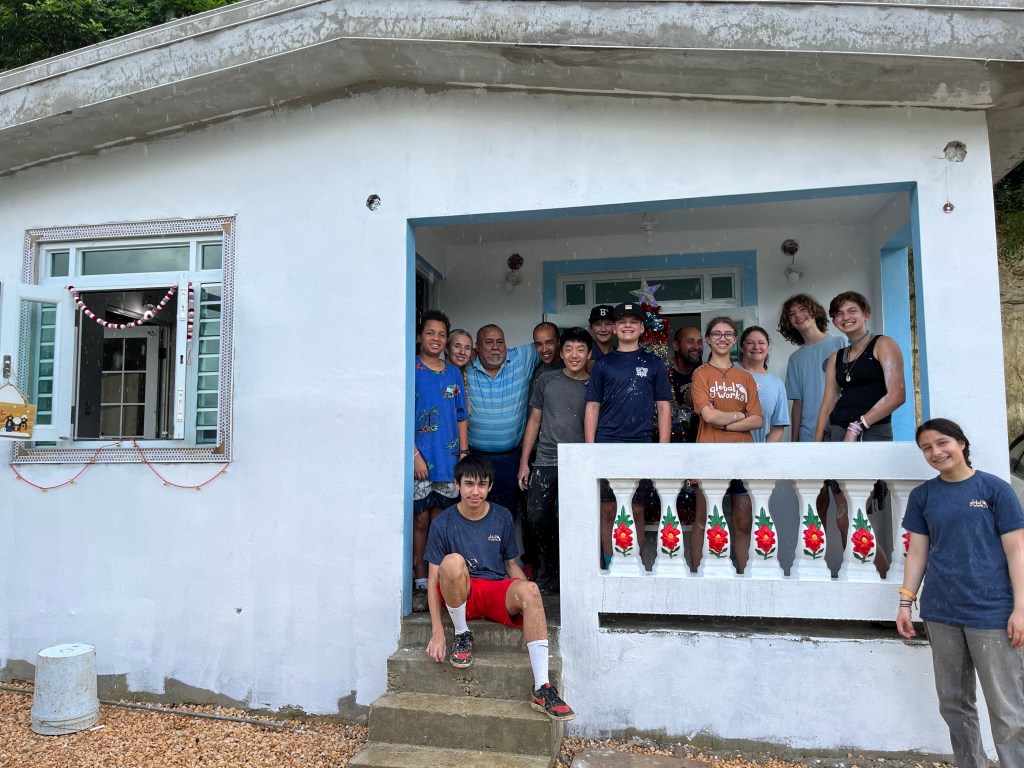
At The Saklan School, off-campus education is not a field trip – it’s a field experience: an intentional extension of the classroom that nurtures independence, curiosity, and responsibility. Each year, students take part in experiences that grow in both depth and duration—from a single night away in 4th grade to a full environmental science week in Hawaii by 7th grade, and a culminating cultural and stewardship trip to Puerto Rico in 8th grade.

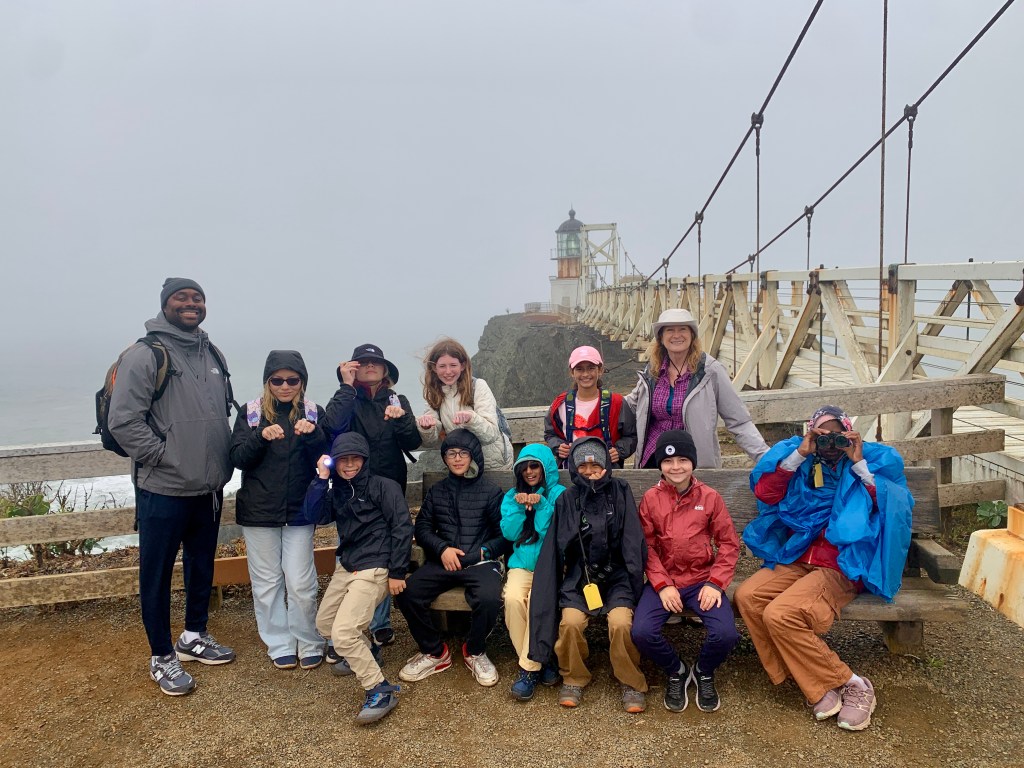
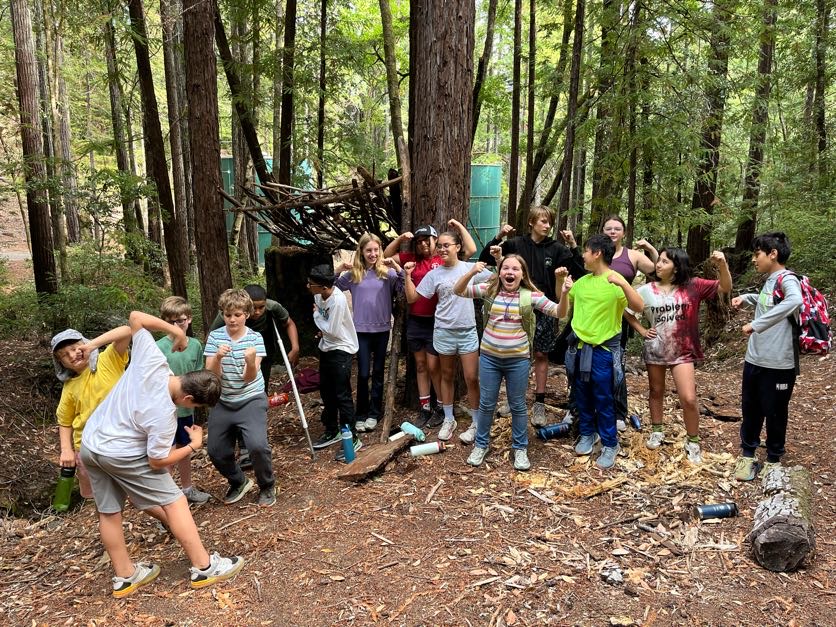
Earlier this month, Saklan’s fifth graders embarked on the next chapter of this journey with a three-day adventure in the Marin Headlands, combining science, stewardship, and teamwork. From the moment they loaded the van and set up dorms to their final project, preparing seedling pots for NatureBridge’s native plant nursery, students learned through hands-on discovery, cooperation, and reflection.

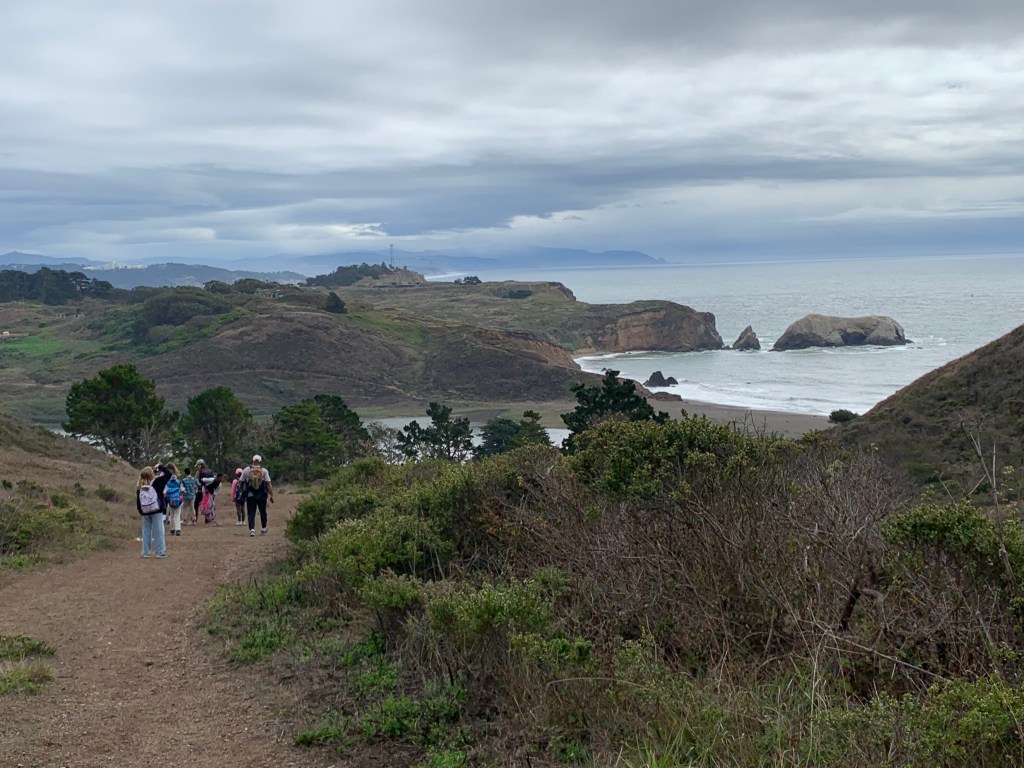
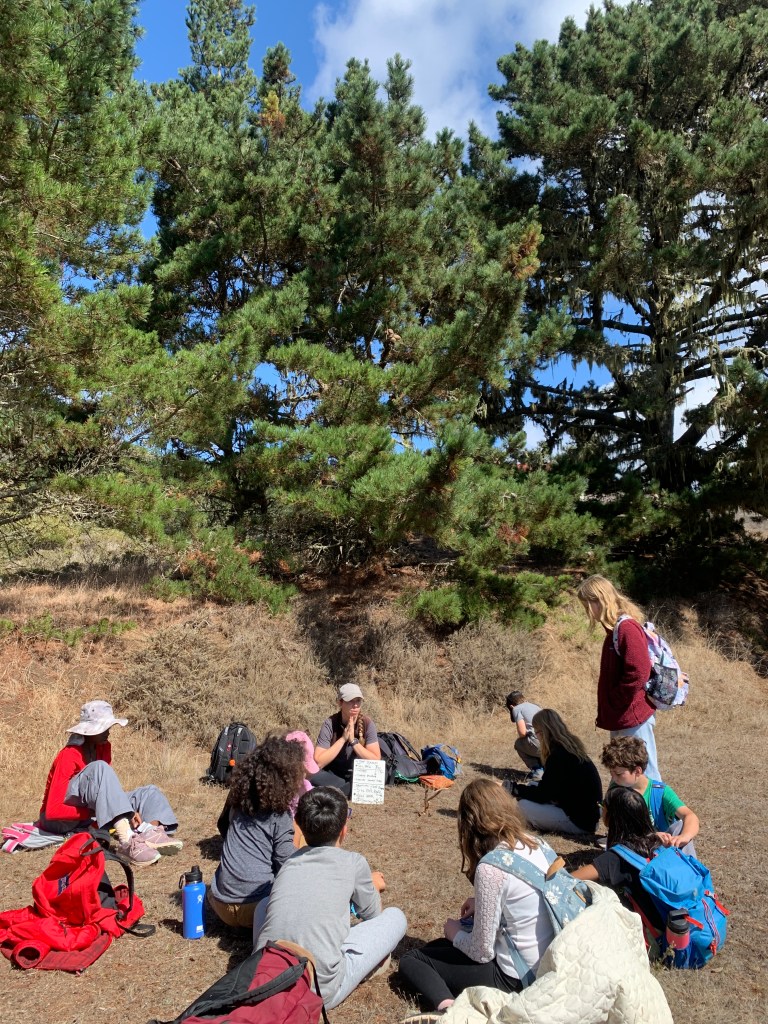
The trip began with a dorm orientation and an introduction to the area’s ecosystems. Students explored native plant greenhouses before hiking up Hawk Hill, where they studied the park’s only endemic tree—the coastal willow—and observed the biodiversity of the surrounding landscape.

After dinner, the group set out for a night hike to the beach, where they were treated to a magical surprise: glowing noctiluca, tiny bioluminescent plankton that illuminated the sand beneath their feet.

Day two brought a full day of coastal ecology—hiking from Rodeo Beach to Point Bonita, observing harbor seals, and studying plant adaptations, including tasting ice-plant bulbs. Students wrote sensory poems by the lighthouse and collected real scientific data for the National Park Service.

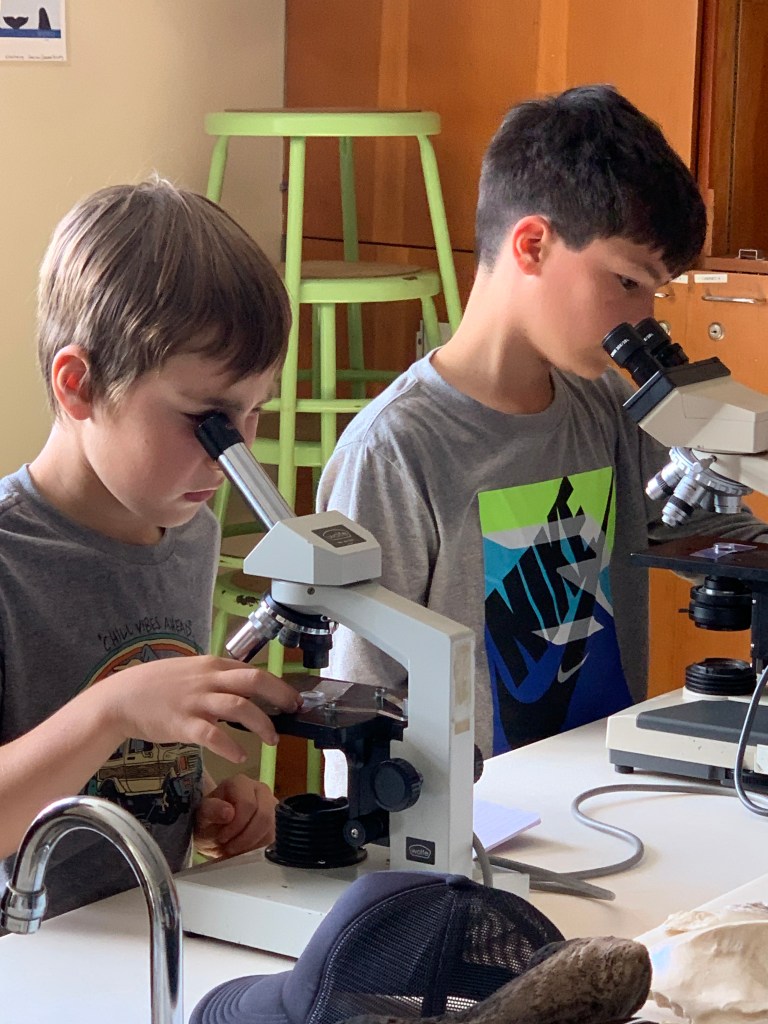
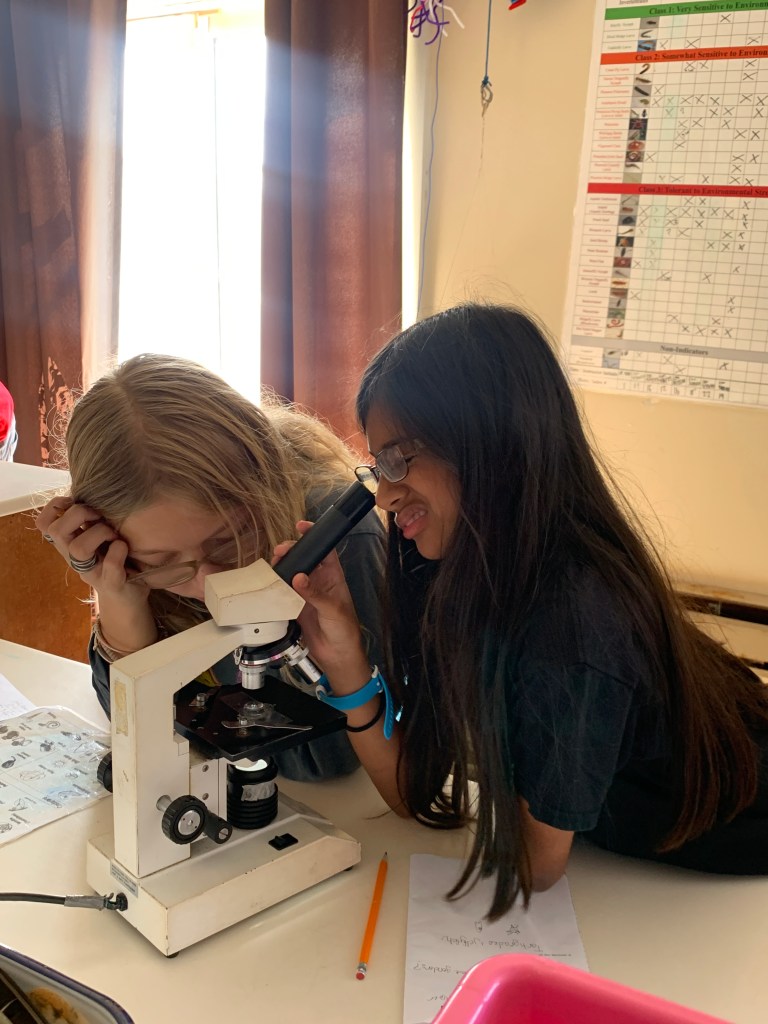
By day three, field science came to life. Students examined plankton under microscopes, studied local plant systems, and discussed how redwood ecosystems sustain life. Their fieldwork concluded with hands-on nursery stewardship, cleaning hundreds of pots to prepare for the next generation of seedlings.

Back at Saklan, this experience has sparked new curiosity about our trees and excitement about the upcoming redwood grove playground. Students are wondering how they might help with its design – how to make the space not only a place for play and discovery, but also the best possible ecosystem for the trees that tower above us, offering shade, shelter, and awe.

#SaklanFieldExperience

Finding Rhythm in Instrumental & Percussion Ensembles

As shared in last week’s blog, Saklan middle schoolers transition from a general music program to an elective model—allowing them to focus on specific areas of musical interest. In addition to choir, students may choose Instrumental Ensemble or Percussion Ensemble, both of which encourage collaboration, creativity, and musical growth.

Instrumental Ensemble

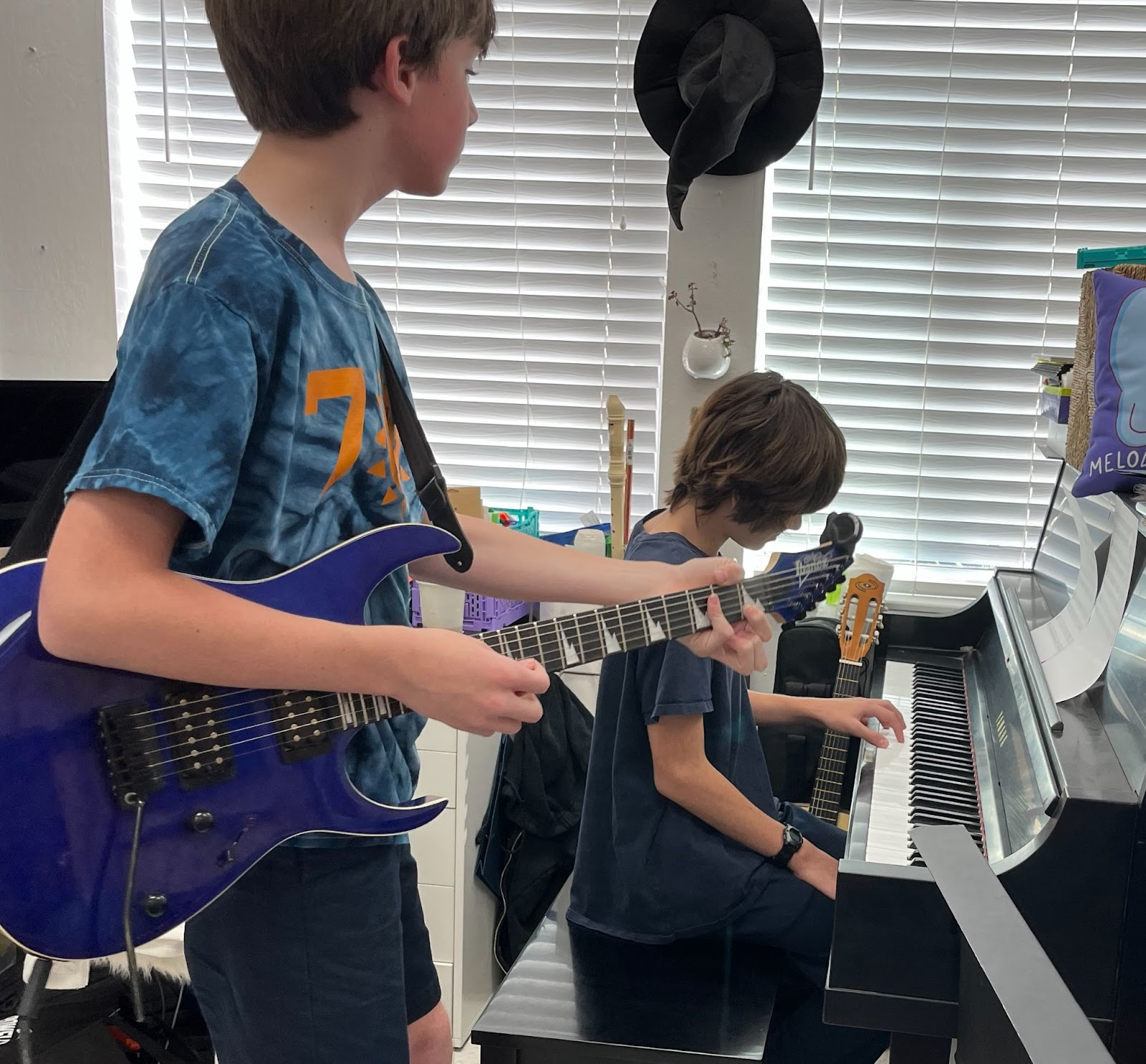
Each Tuesday, ensemble musicians begin class with a music theory session to strengthen their understanding of the pieces they play and build skills for improvisation and composition. So far this year, they’ve been learning about the keys of different wind instruments and how to play chord progressions.

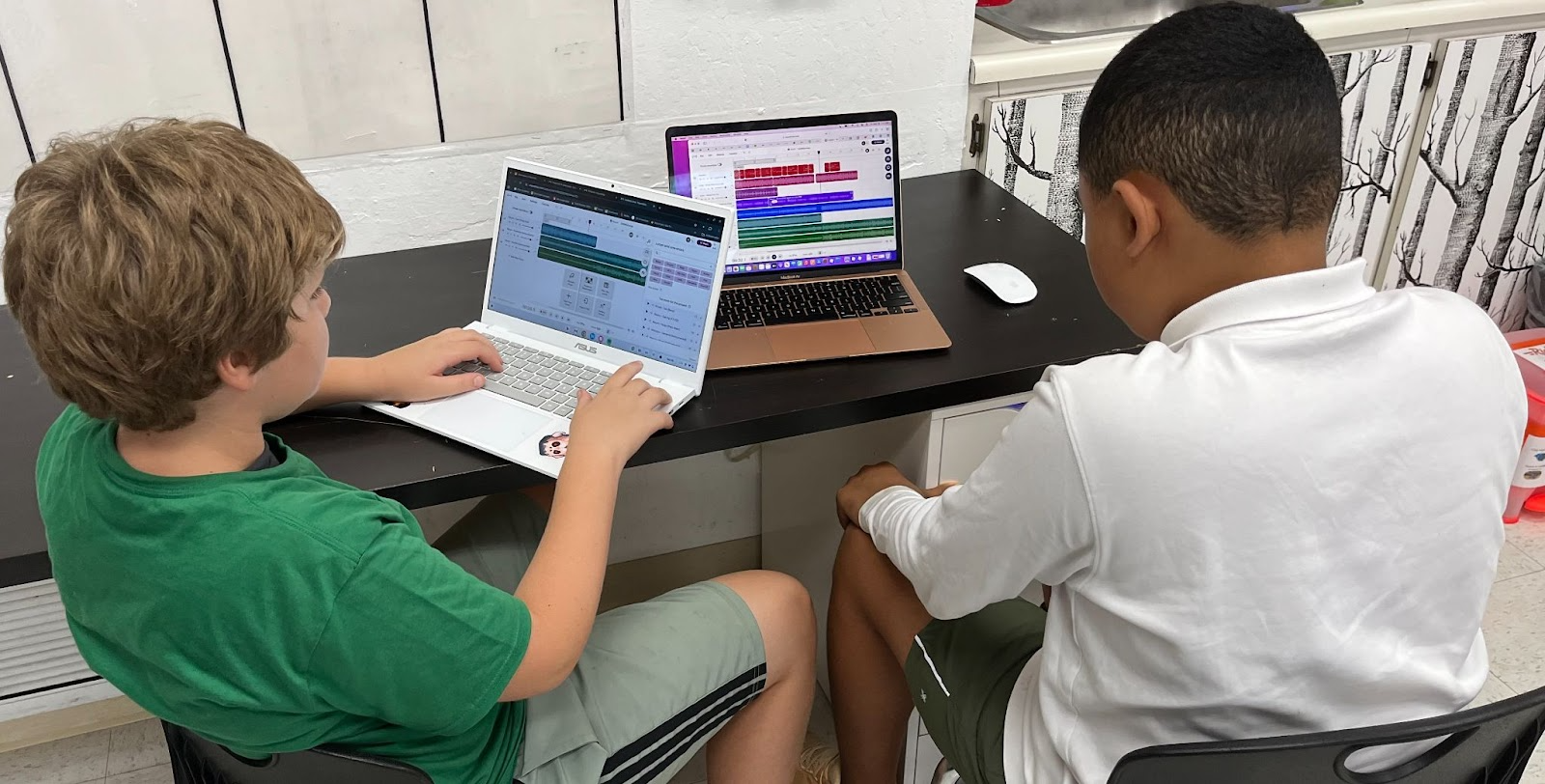
On Wednesdays, students start class by listening to and analyzing music from a wide range of genres and cultures, broadening their musical perspective and inspiring thoughtful discussion. Every other Friday, the group meets for hands-on practice—working on music production projects, breaking into sectionals, or fine-tuning their repertoire.

Currently, the ensemble is rehearsing two energetic pieces: “Eye of the Tiger” and “Spooky Scary Skeletons.” Look for them at the Halloween Costume Parade this year, adding some musical fun to the festivities!

Percussion Ensemble

Percussion students also begin each Tuesday with music theory, using rhythm games and transcription exercises to reinforce their understanding of musical notation and strengthen communication within the group. Thursdays start with music analysis, offering a chance to explore global rhythms and discuss how percussion shapes different musical traditions.

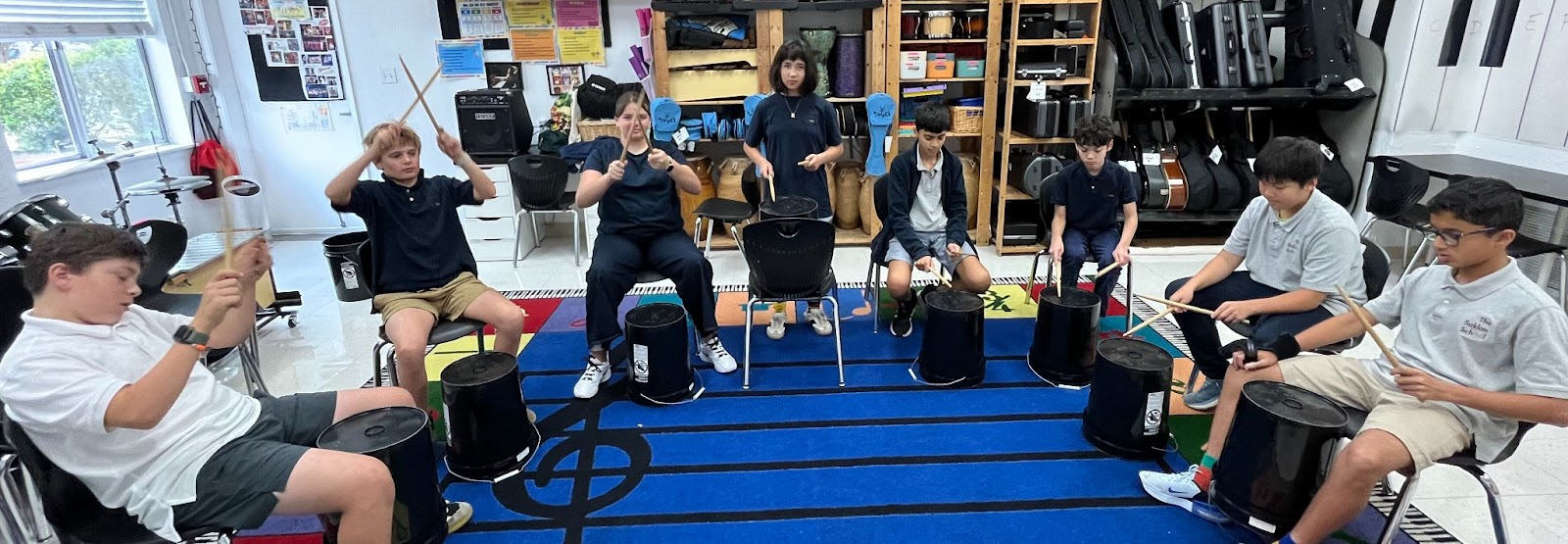
This fall, the ensemble has been diving into bucket drumming, experimenting with how striking different parts of the bucket—or using stick clicks—creates a variety of sounds. Students are developing skills in listening, echoing rhythms, and maintaining tempo as a cohesive ensemble. They’ve been applying these techniques to learn the bucket drumming piece “Seven.”

Looking ahead, the students are excited to expand their practice to boomwhackers and other auxiliary percussion instruments, continuing to explore how rhythm connects music across cultures.

Through these ensemble experiences, Saklan Middle School musicians are not only building technical skills but also developing confidence, collaboration, and a lifelong appreciation for making music together.

Staff Spotlight: Vickie

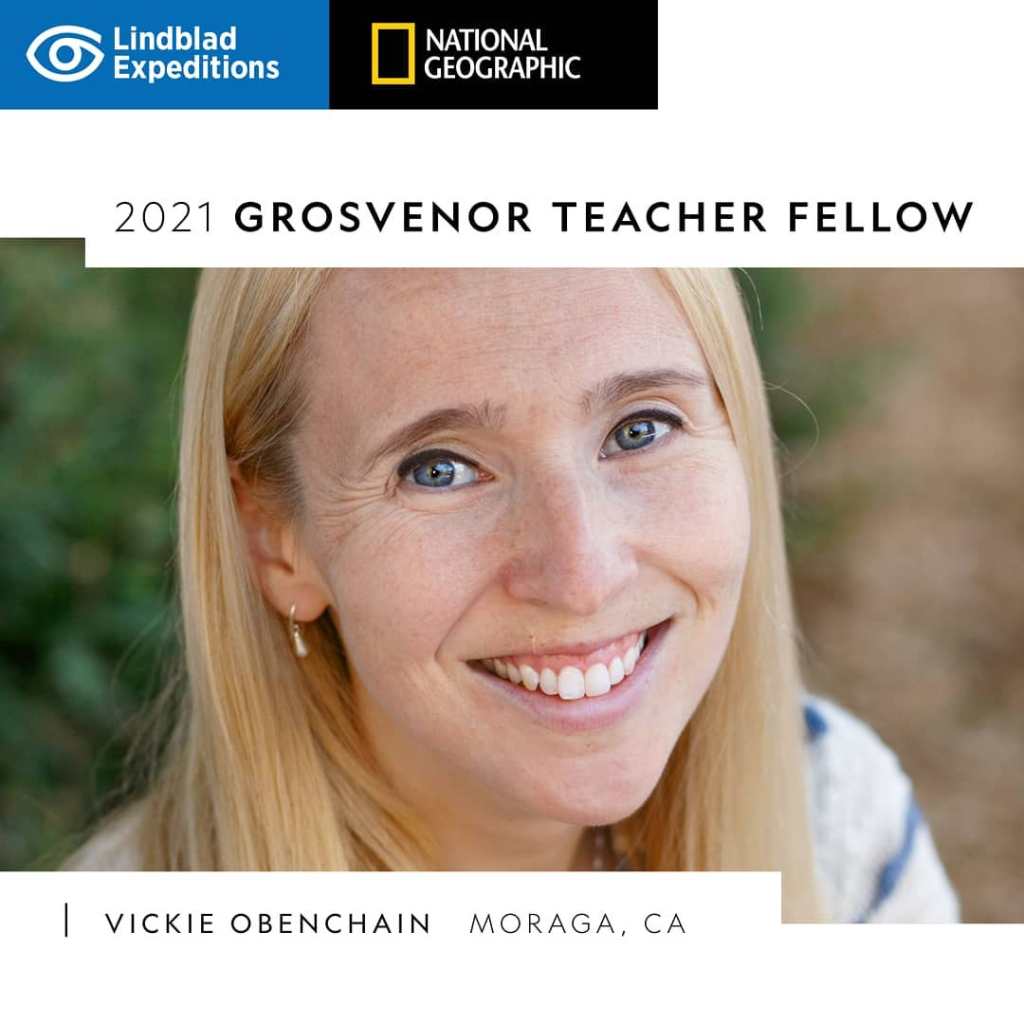
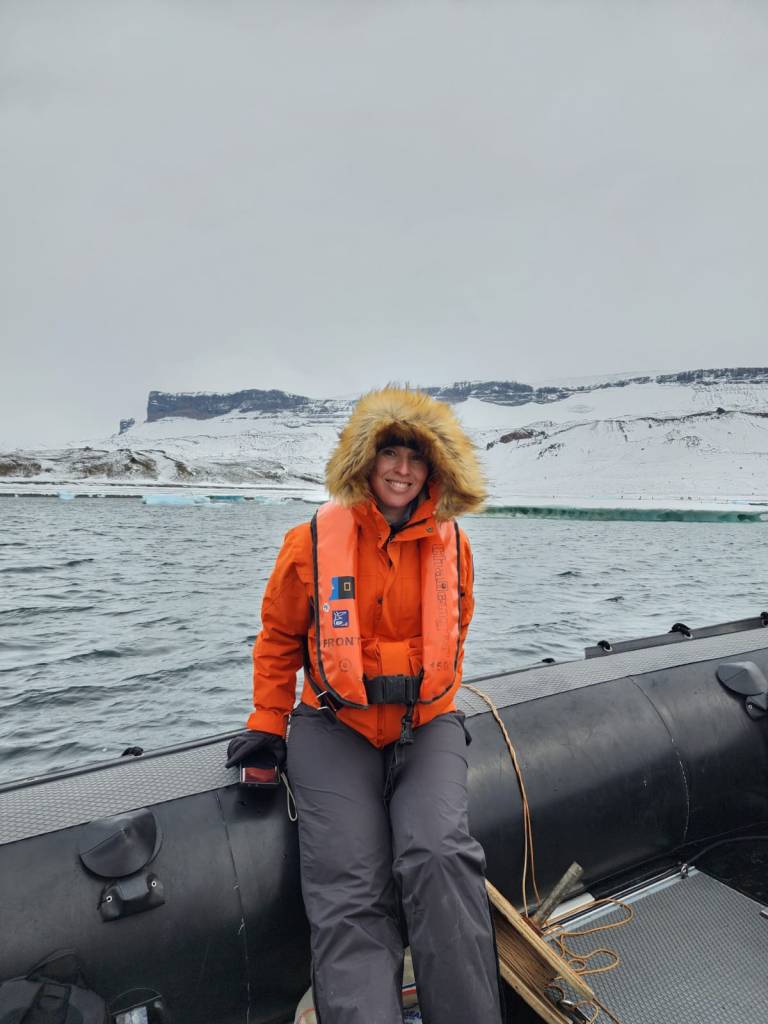
Meet Vickie Obenchain, Saklan’s globe-trotting, zero-gravity-experiencing, shark-snorkeling science teacher extraordinaire. From the icy expanses of Antarctica to the warm waters of the Bahamas, Ms. O doesn’t just teach science—she lives it. Her adventures in professional development don’t just fuel her own curiosity; they spark a love of learning in every student lucky enough to enter her classroom or join one of the incredible field experiences she plans.

What has been the most enriching professional development experience you’ve had in recent years? How have they tied into your curriculum?

I love taking part in professional development! To me, it’s an opportunity to learn new techniques, learn with other like-minded educators from around the country, and see what scientists in the field are doing. These opportunities help both myself and my students understand the world around them, as I bring these experiences back into the classroom. These opportunities have also allowed me to share career opportunities available in the science profession with students, as new ones are constantly popping up. 

A few of my favorite experiences have been ones that have opened my eyes to our amazing planet and expanded my own knowledge in fields I felt I could use more expertise. These include: National Geographic Grosvenor Fellowship, Bimini Shark Lab Teacher Fellowship, Embedded Teacher Program, and the Saklan Summer Fund. With the National Geographic Grosvenor Teacher Fellowship, I went on an expedition to Antarctica. Experiencing the beauty of one of the most remote places on Earth—while learning alongside National Geographic scientists and photographers—was truly a once-in-a-lifetime experience. I spent time learning about the effects of climate change on Antarctica, how the food chain is very dependent on an incredibly small invertebrate, krill, and learning about different species of penguin. Helping both my earth science and life science curricula.

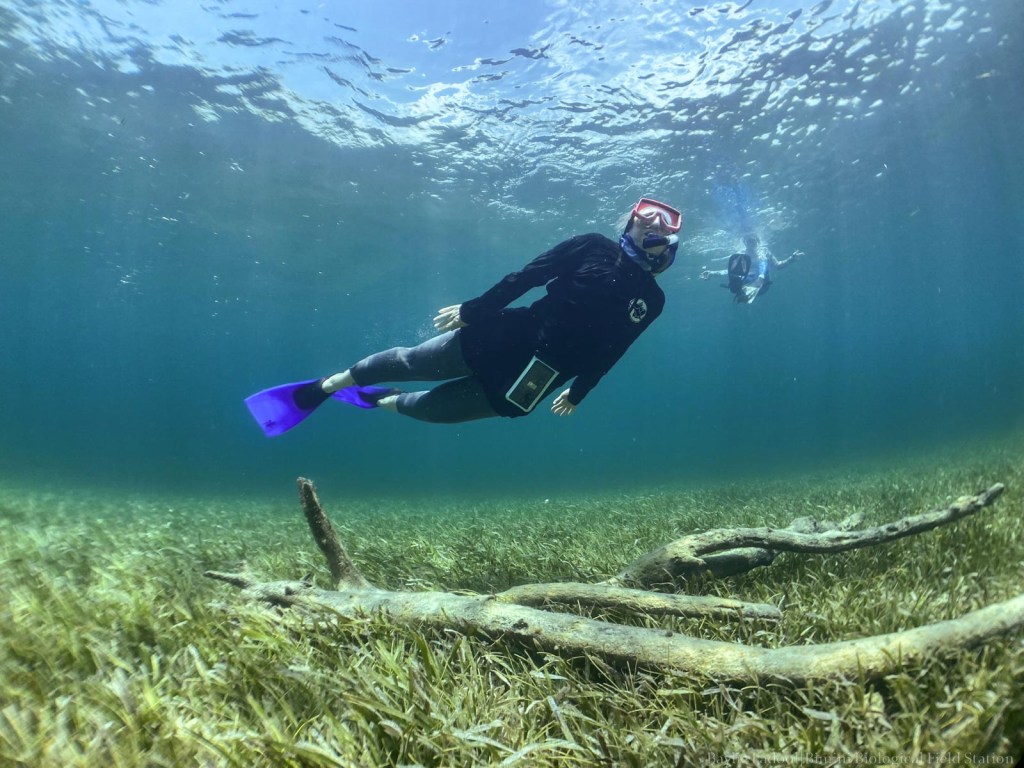
Learning about different species of sharks while snorkeling among them in the Bahamas with the Bimini Shark Lab allowed me to rethink what I thought about these stunning creatures. It inspired our Earth Day topic a few years back, where we rethought about how sharks are presented in the media, yet how they are integral to the food web in our oceans. Maybe respect for all wild animals is the way to go!

Flying on a ZeroG flight with the Embedded Teacher Program to better understand the gravitational pull on Earth, Mars, the moon, and in outer space was not only SO cool, but was also mind-blowing to realize how matter is affected by the pull of gravity! Matter reacts differently than you expect with different gravitational pulls (or no gravitational pull for that matter), and having the students brainstorm and create hypotheses before I went on the flight on what might happen as I did experiments in that environment allowed them to open their minds around what scientists have to consider when designing and engineering for outer space. This tied into my physical science units, as well as my lower school 5th-grade science unit.

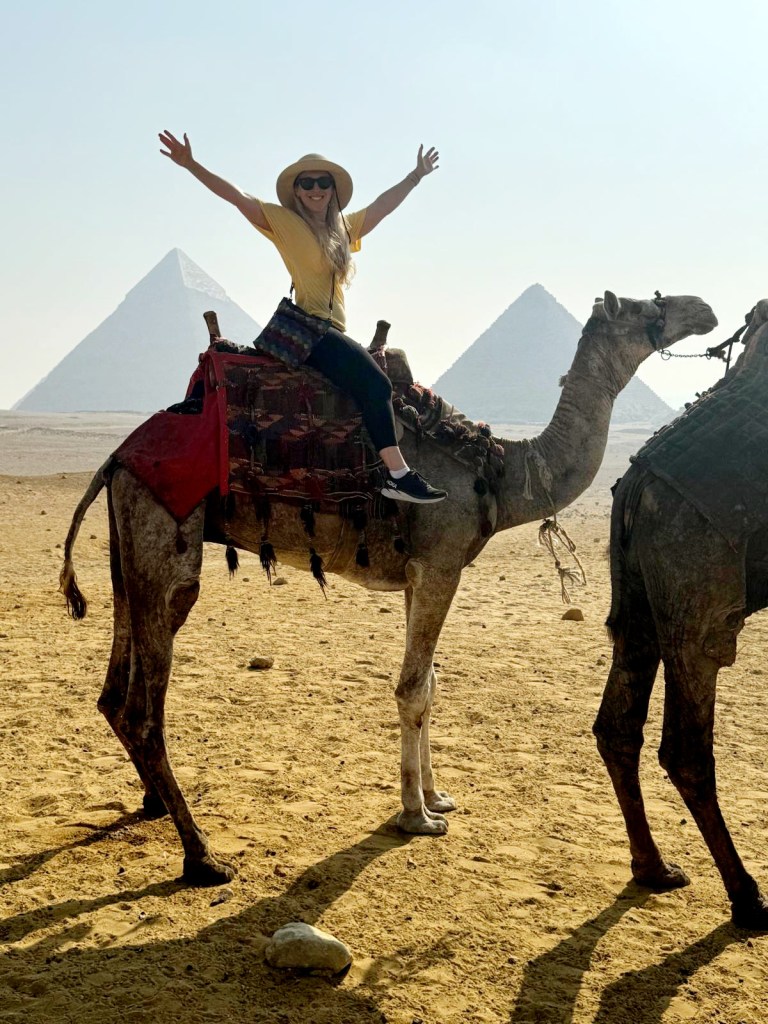
With the Saklan Summer Fund, I got to travel with Linda Lathrop to Egypt to not only learn about Ancient Egypt, but to learn about their technology and engineering expertise. Learning alongside an Egyptologist, seeing science and history come together, as well as getting to take part in some fun additional science activities, made this experience remarkable. It helped me enrich my curriculum, such as in my earth science topics with my 6th graders on deserts, engineering activities, and 8th-grade fluid laws, such as when my 8th graders create their own hot air balloons!

There have been many more, but those definitely jump out! 

What do you love most about teaching science at Saklan?

I love teaching at Saklan for many reasons, but mainly because I get to see my students fall in love with science! With the small class sizes, each student gets to be hands-on and experience science firsthand. I think students get excited and take in the ideas and concepts when they actually get to see the lessons come alive, not just read about them in a textbook or have a teacher lecture them on a certain subject. I know I learn best by doing; it excites me! (Probably why I still seek out ways to keep learning!) When students watch an experiment unfold, engineer their own inventions, or take part in simulations of the natural world, the world around them starts to make more sense. Science helps them connect what they observe to how things work—and fuels their curiosity to keep exploring and learning more.

And because I teach Preschool through 8th-grade science, it is so fun to watch them grow through the years—looking forward to lab science and diving eagerly into each new topic along the way!

As the coordinator for overnight field experiences in the middle school, what do you find is most beneficial when you get students out in the field?

Getting students out of the classroom and getting to explore the environments they are learning about during our field experiences makes the learning come alive. Not only do we see the students make connections from the classroom curriculum to the world around them, but we also see them become more confident as they work with new communities, discuss ideas with people living in those environments, and gain some new perspectives on the world around them.  These experiences really tie into our mission and our SEL program. Students live courageously, taking a step outside of Saklan to spend a week away from home at Westminster Woods, Hawaii, and Puerto Rico. They act compassionately to help clean beaches and build homes. And they are challenged to think creatively as they work on projects associated with these experiences.

Students also build meaningful bonds with their teachers and peers during these experiences, connecting through shared activities, meals, challenges, and the many memorable moments each trip provides. All the memories tie the community together. The advance for middle school starts the school year off full of bonding experiences that allow students to share their different strengths with the community and create memories to connect with each other as the school year progresses. 

I think these trips are a highlight for many of our students because they expand their own learning, get to create lasting memories with their peers, and the experience allows them to gain confidence and, in some students, a desire to explore more! Which I believe has also made our EF Tours program flourish! Students want to explore the world beyond just our Saklan trips, and families want to join, too. From Peru, Vietnam, Japan, the Azores, and next Australia and New Zealand, our students are confident, excited, and ready to learn more about our world! Which makes this planet-loving science teacher so happy! 

Owlets’ Curiosity Sparked

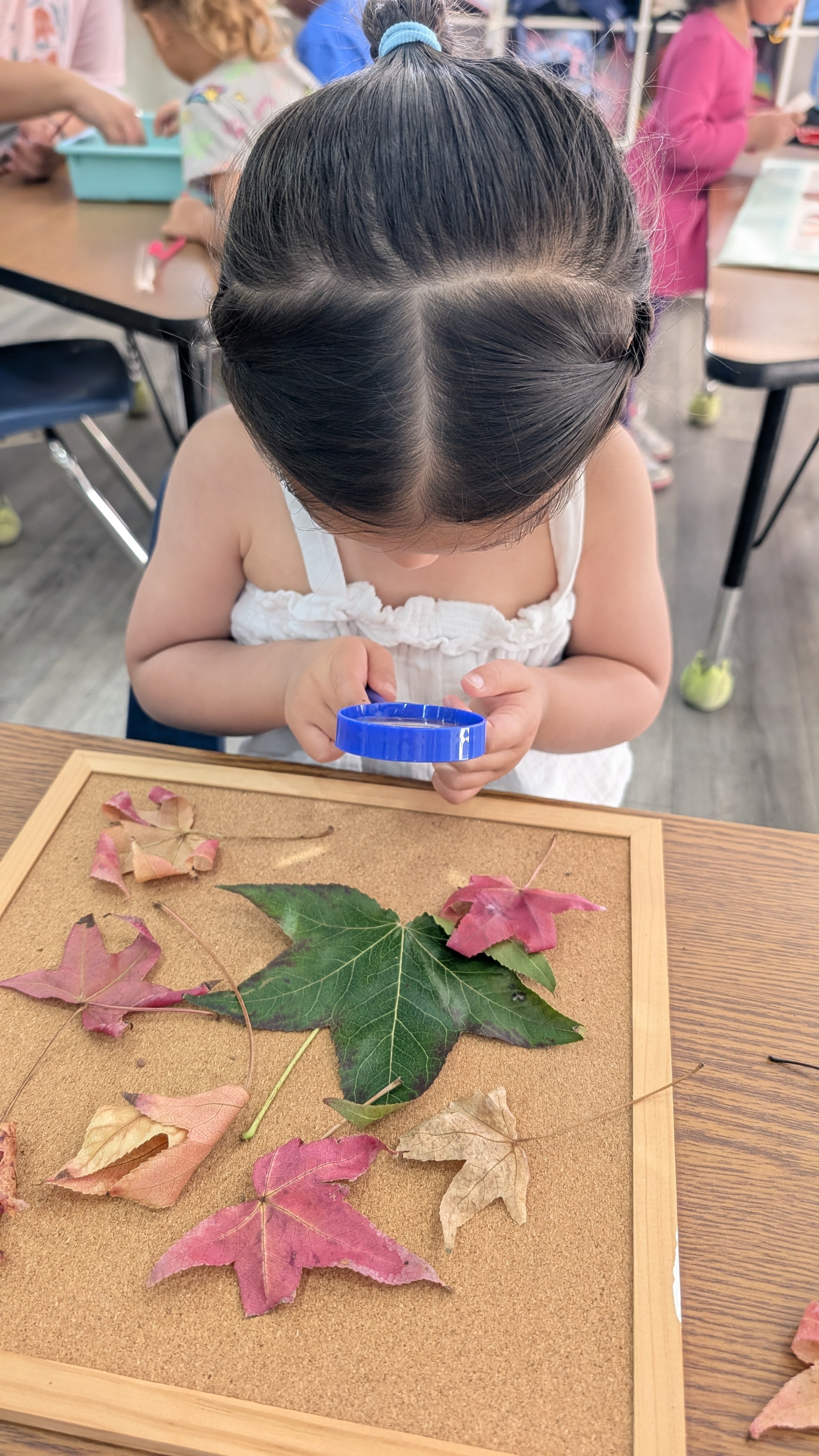
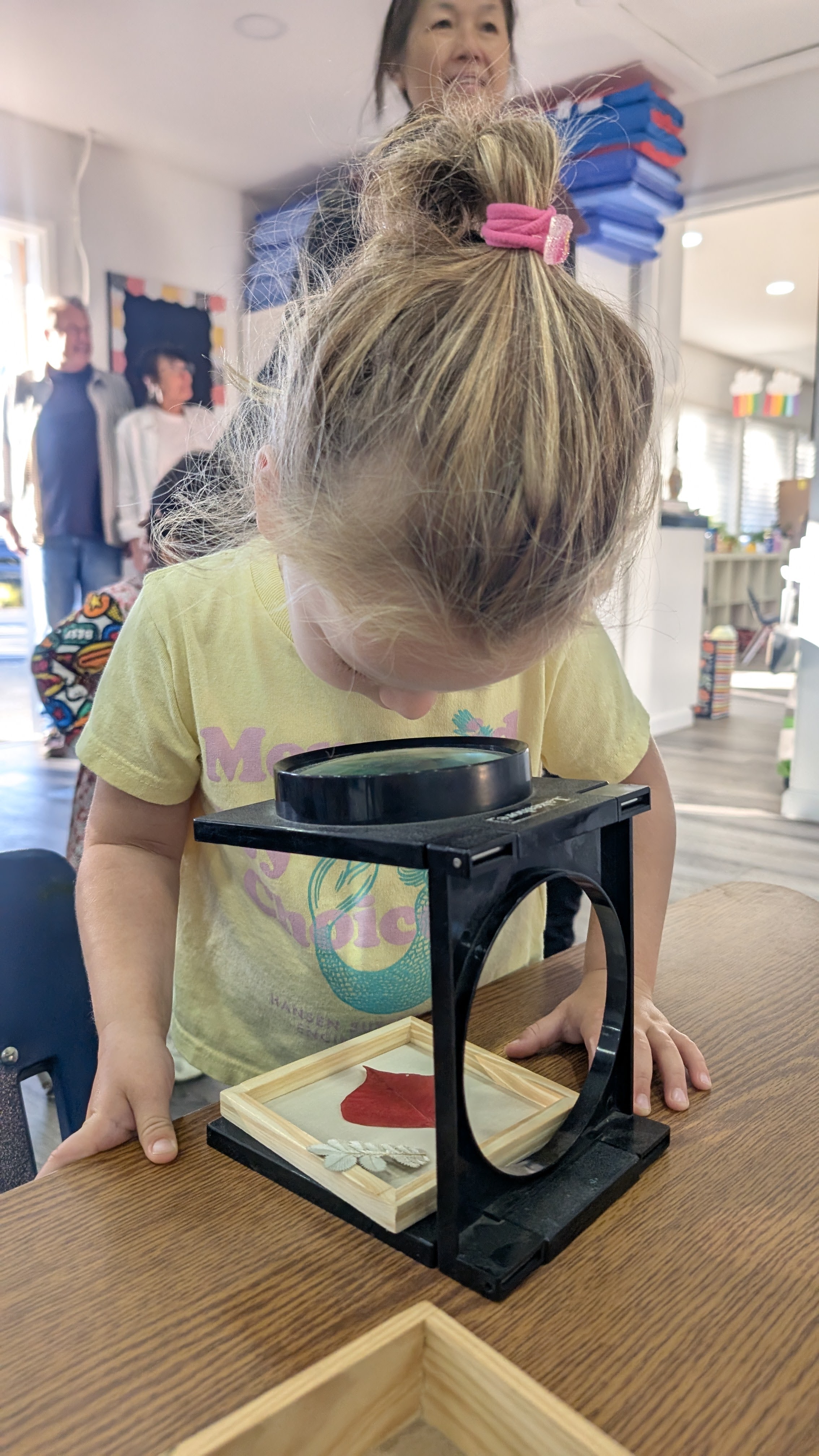
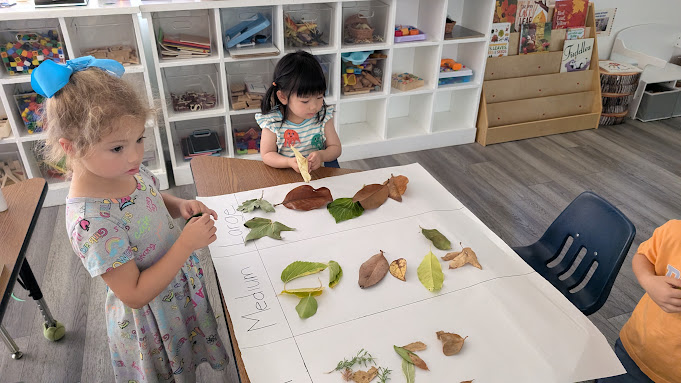
As autumn settles in and the trees around campus begin their seasonal transformation, the Owlets’ curiosity has been sparked by the changing colors and falling leaves. This curiosity led to their Leaves Project—an exploration designed to deepen their connection with the natural world and build on their observations.

The project began when the preschoolers noticed that some trees in the playground had already dropped their leaves, while others just beyond the fence still held on tightly to theirs. Together, they recorded these observations and began wondering why this might be—a question they will continue to investigate over the coming weeks.

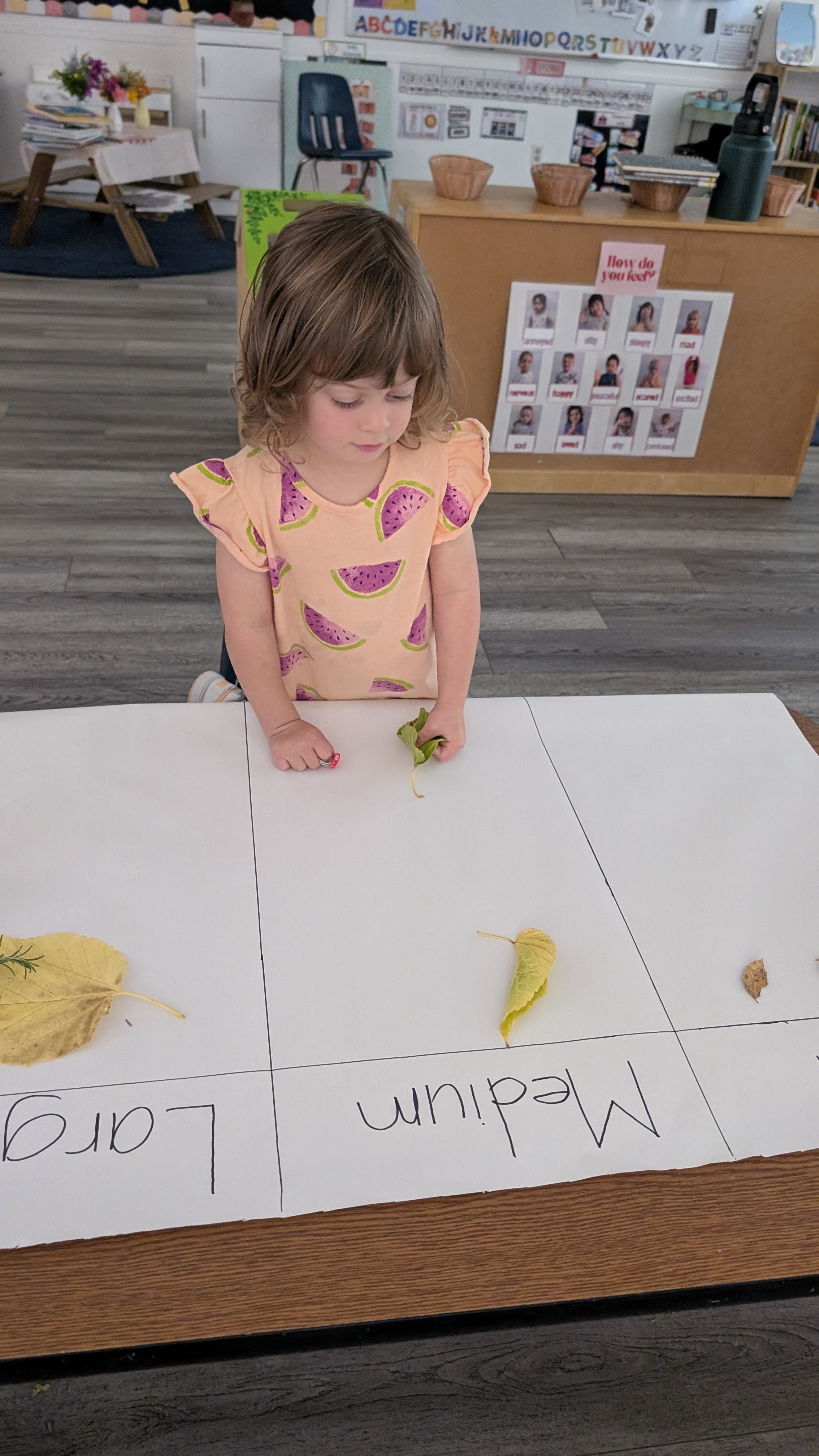
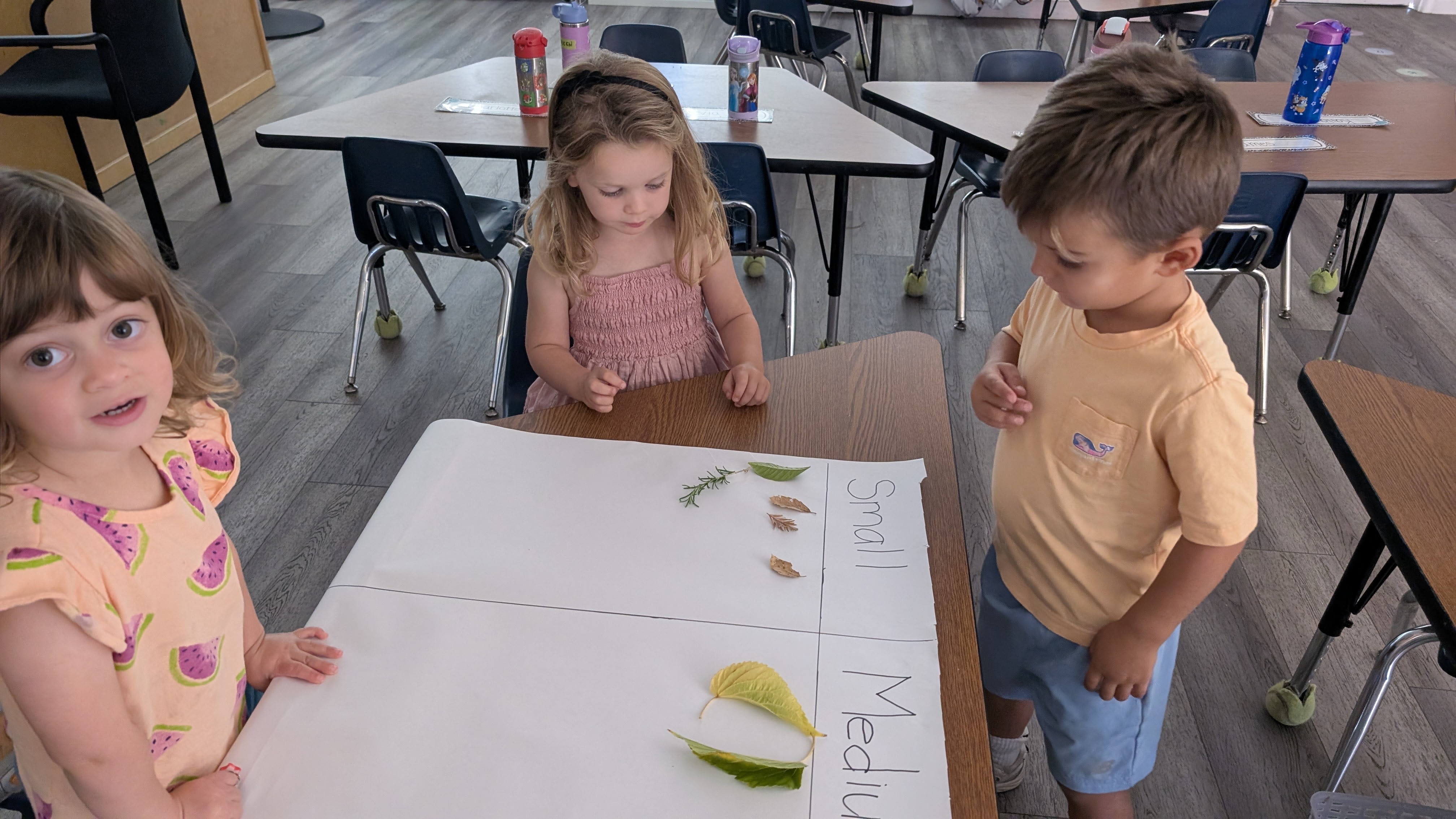
To launch the project, each Owlet brought in leaves from home. The classroom quickly filled with excitement as students examined their growing collection, noticing that leaves come in many shapes, sizes, and colors. Throughout the first week, the class spent time observing and sorting leaves. They worked together to group them into small, medium, and large categories—discovering that even leaves of the same shape can vary greatly in size.

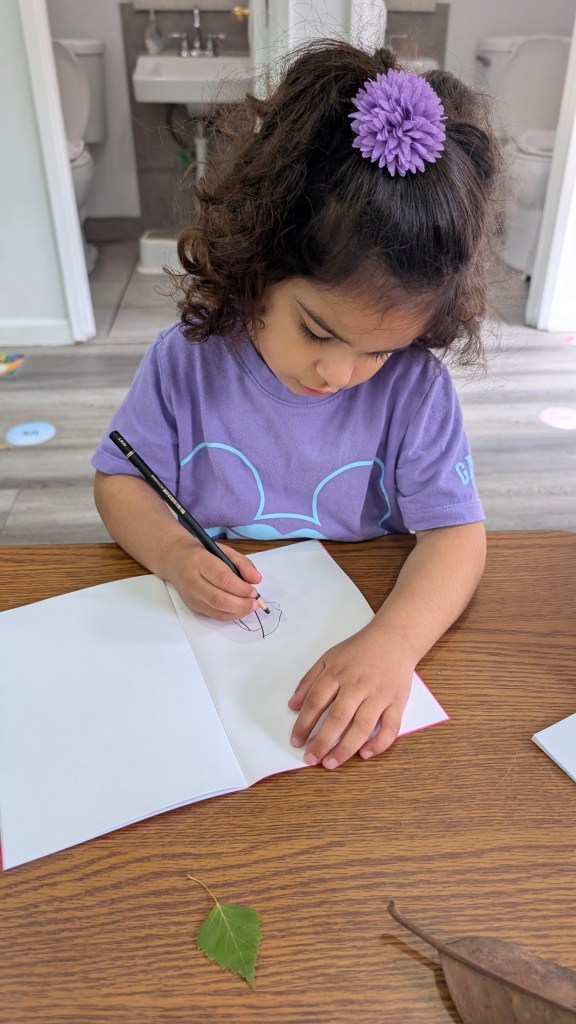
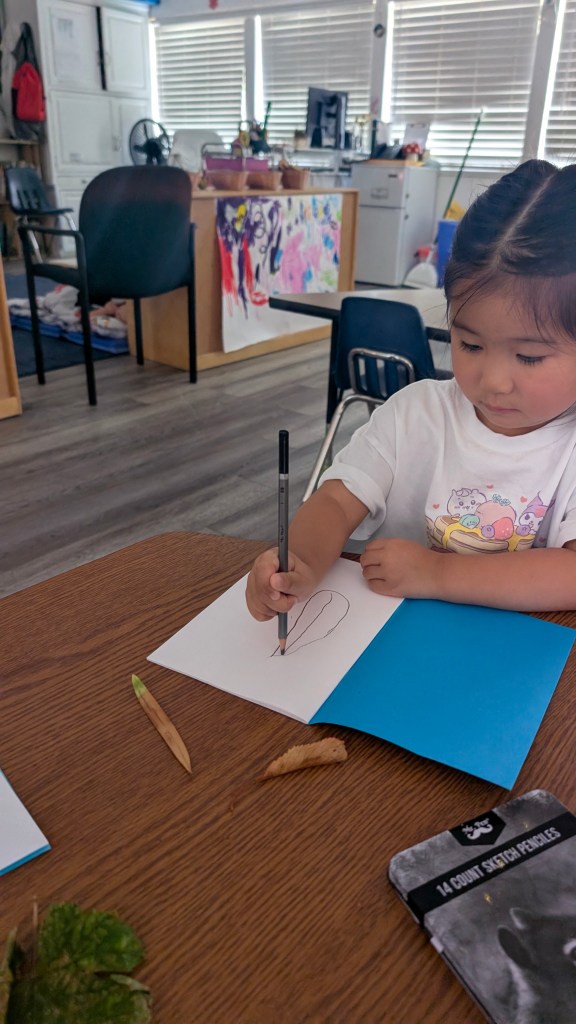
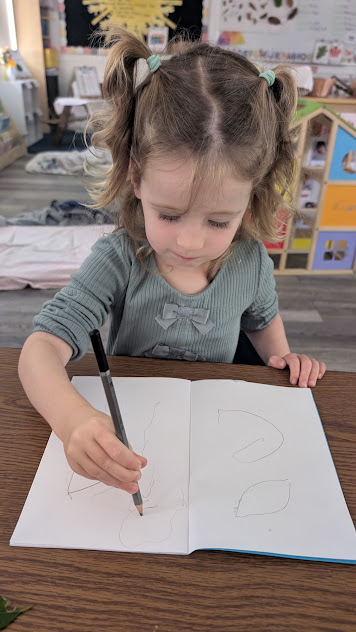
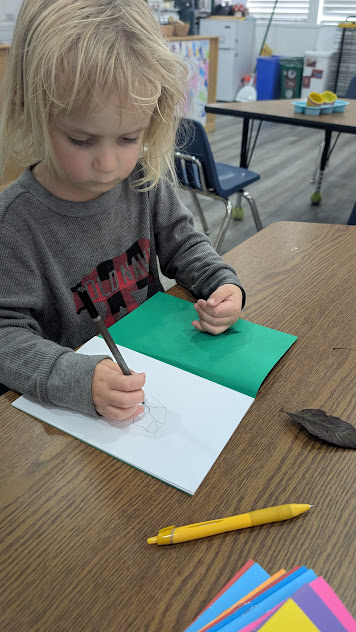
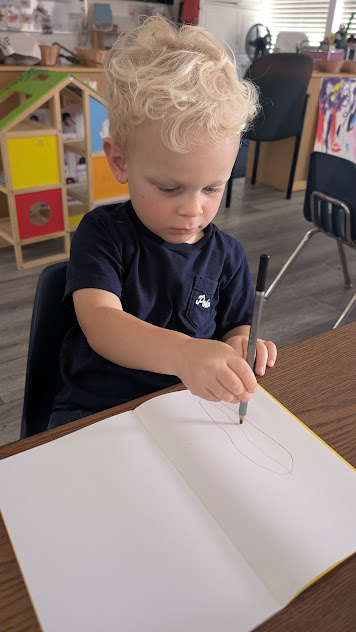
As part of their study, each preschooler received an Observation Notebook for recording detailed drawings of leaves. Using graphite pencils, they practiced looking closely and capturing what they saw—tracing edges, noticing veins, and identifying shapes. This led to a deeper exploration of leaf anatomy, including terms like apex, base, midrib, veins, and leafstalk. When one student commented that humans also have veins, he wondered aloud what purpose they serve in leaves—a thoughtful question now posted on the class Wonder Wall for future exploration.

Through observation and hands-on discovery, the Owlets are deepening their understanding of the natural world—and finding joy in every leaf along the way!
#SaklanProjects

Singing in Harmony

In middle school, student musicians move from a general music education program to an elective program. While all students still partake in the music program, they have a choice in their class each of the three years. This year, middle school musicians chose between Choir, Instrumental Ensemble, and Percussion Ensemble.

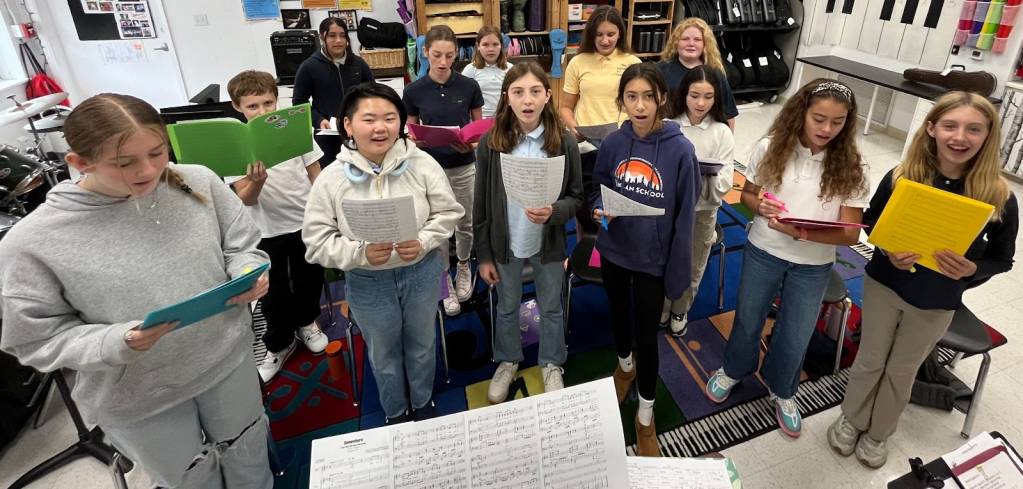
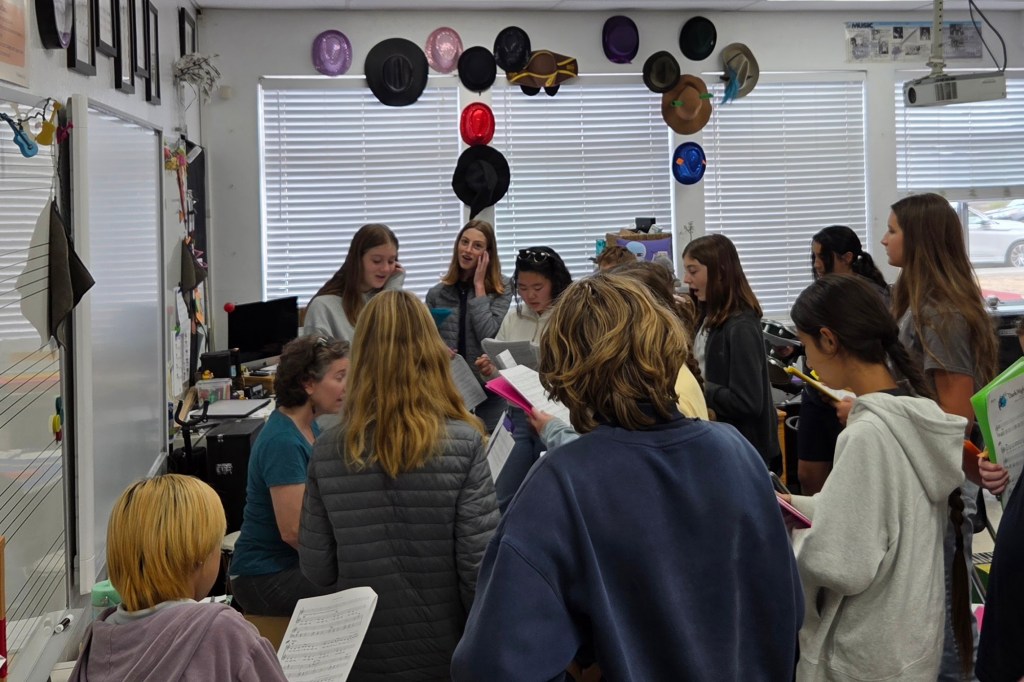
In Choir, middle school students have been building on their repertoire of vocal warm-ups, combining familiar favorites with new challenges. While classics like “Bumblebee” and “The ABCs” remain beloved parts of their routine, the ensemble is now incorporating additional exercises designed to strengthen breath control, tone quality, vocal production, intonation, agility, range, and rhythmic precision.

Alongside their warm-ups, the student musicians have begun working on a diverse set of choral pieces, including “Stand By Me,” “Hakuna Matata” from The Lion King, and “Somewhere” from West Side Story. Though many of these songs are recognizable, the choir is taking on the challenge of learning and performing multi-part harmonies. Through this work, students are developing their musicianship by listening closely for their harmony notes, identifying intervals, and understanding how harmony interacts with melody.

As the year progresses, the choir will continue exploring more complex pieces and deepening their ensemble skills—learning to blend, balance, and sing dynamically as one cohesive group.

Stay tuned to learn more about the Instrumental Ensemble and Percussion Ensemble classes!
#SaklanSpecialists

Saklan’s Admissions Events

The 2026-2027 admissions season officially has begun! Saklan has several upcoming events designed to help current and prospective families experience our programs, meet our educators, and learn what makes Saklan’s Preschool–8th grade education so special.

  • Saklan Projects! Virtual Event: Tuesday, October 21, 6:00 p.m.
    • Discover how Saklan brings learning to life through Project Based Learning (PBL). Join us to see how our teachers design projects that address learning goals, uphold academic standards, and create engaging, meaningful learning experiences for every student.
  • Middle School Open HouseFriday, November 14th, 8:30 a.m.
    • Discover what makes Saklan’s 5th–8th grade program engaging, challenging, and uniquely student-centered. Meet our teachers, visit classrooms, and see how Saklan prepares students for high school and beyond.
  • Parent Perspective Virtual Parent PanelTuesday, December 9th, 12:00 p.m.
    • Hear directly from current Saklan parents as they share why they chose our school for their child and reflect on their experiences across our Preschool–8th grade program. This is a wonderful opportunity to hear authentic perspectives and get your questions answered!

Feel free to invite friends or family members to join these events as well.

If you’re unable to attend an event, we also offer individual tours at your convenience. To schedule a tour or learn more or learn more about the admissions process, please contact the Saklan Admissions Office at admissions@saklan.org.

Ready to Take the Next Step?

New student applications for the 2026-2027 school year are now open! This application is for students not currently enrolled at Saklan. For priority consideration, please submit your application by Friday, January 23, 2026. Applications received after that date will continue to be reviewed on a rolling basis as space allows.

Current families, please note that re-enrollment information will be shared in January.

Puberty & Mental Health Parent Talk on Nov. 3rd

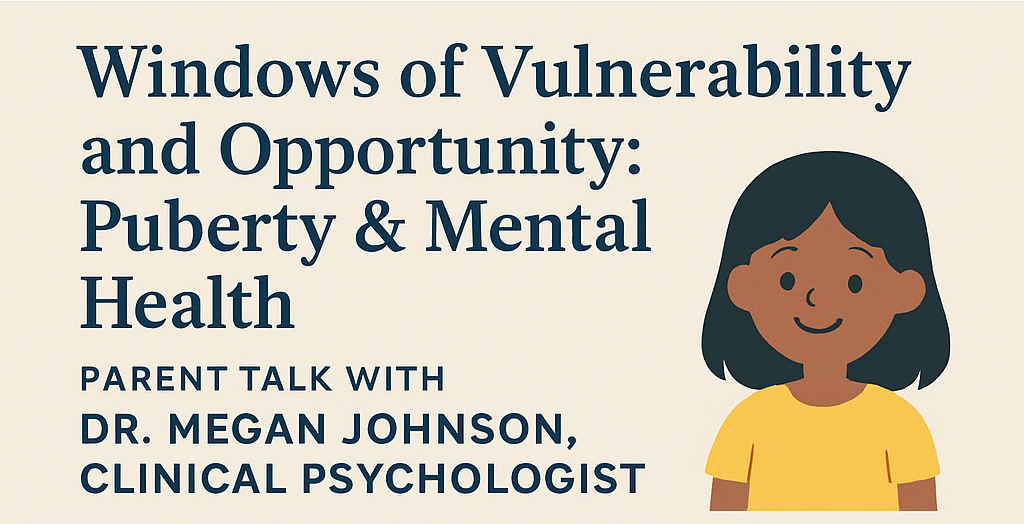
The Saklan PA is excited to host Dr. Megan Johnson, Clinical Psychologist and former Saklan parent, on Monday, November 3rd at 6:00 p.m. for a virtual talk on how puberty impacts kids’ emotions, stress, and mental health. While this stage often brings heightened sensitivity and increased risk for anxiety or depression, it also opens a unique window for growth, resilience, and recalibration. Parents will walk away with insight into what’s happening during puberty and practical strategies to support their children through these changes with confidence.

This talk will cover:

  • What puberty is – key physical, brain, and hormonal changes.
  • Why it matters for mental health – increased sensitivity to stress, social pressures, and risk for anxiety/depression.
  • Opportunities for resilience – how support from families, schools, and culture can recalibrate stress systems and foster positive development.
  • Practical strategies for parents – tools to guide kids through puberty with empathy, confidence, and connection.

This event is open to the greater Lamorinda community, so feel free to invite friends or family to join. 

Head’s Corner: Connection + Agency = Exceptional Academics

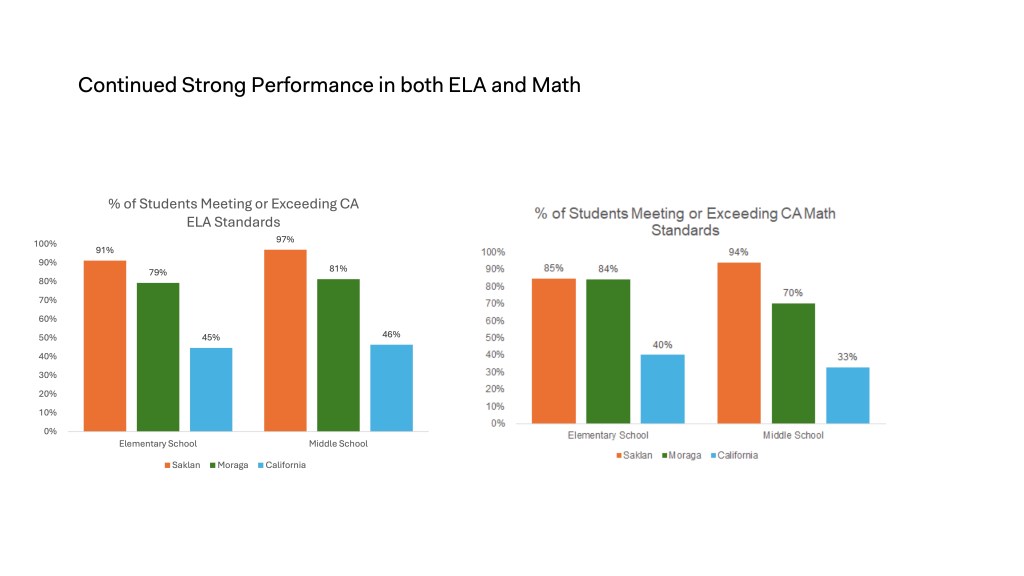
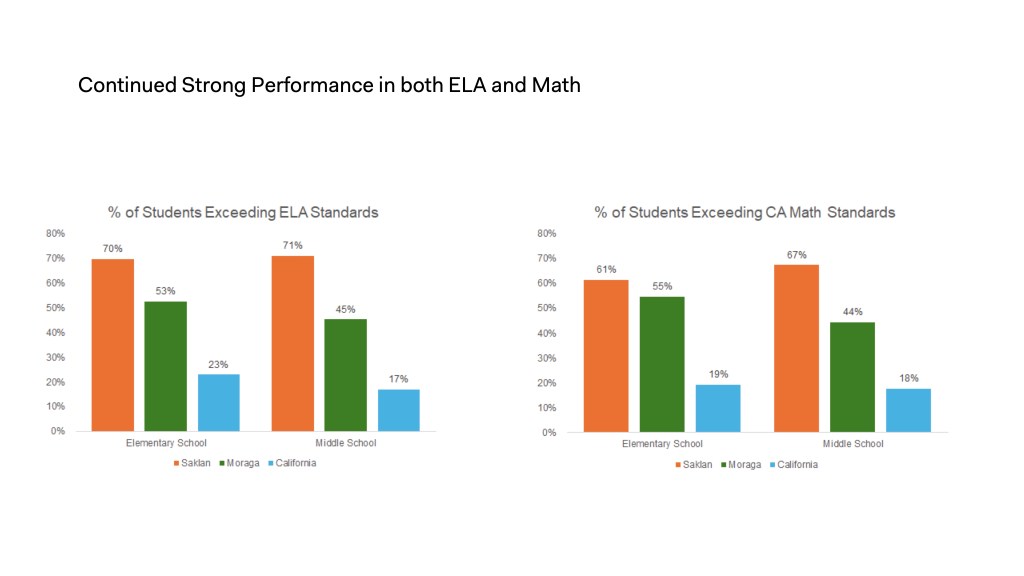
I have never been a fan of standardized testing, mostly because it is often used to focus on the wrong way to approach learning. Standardized testing is used to promote the lie that high achievement comes from drilling content or teaching to the test. Saklan presents a counterargument. Our approach of doing school differently produces exceptional results, not because we chase scores, but because we prioritize two powerful drivers of learning: connection and agency.

People learn best from those with whom they have a genuine connection. In an previous blog, I shared a quote from David Brooks’s, “Students learn from people they love.” At Saklan, “love in learning” comes first. Teachers know and care for their students deeply, not only as learners but as whole individuals. That trust provides the foundation for intellectual risk-taking, perseverance, and curiosity. Connection isn’t a “soft” factor—it’s an accelerator of academic achievement.

Equally important is student agency—the belief that students should have a meaningful voice and choice in their education. Agency shifts learning from something done “to” students to something done “with” them. When students are trusted as co-authors of their education, they engage more fully, reflect on their growth, and take pride in their accomplishments. In our classrooms, this takes the form of Project Based Learning, where student questions and curiosities drive inquiry, and ownership fuels motivation.

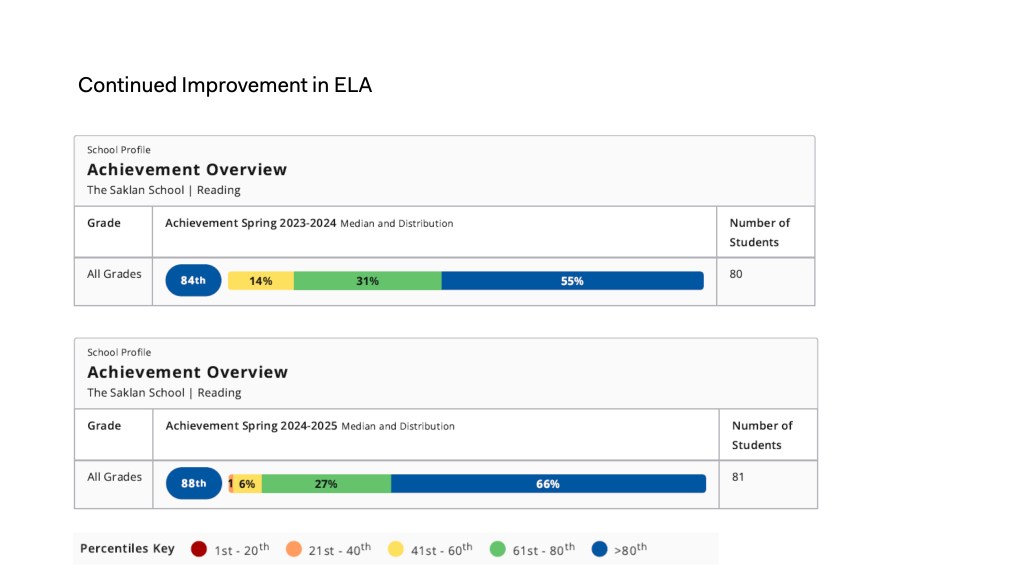
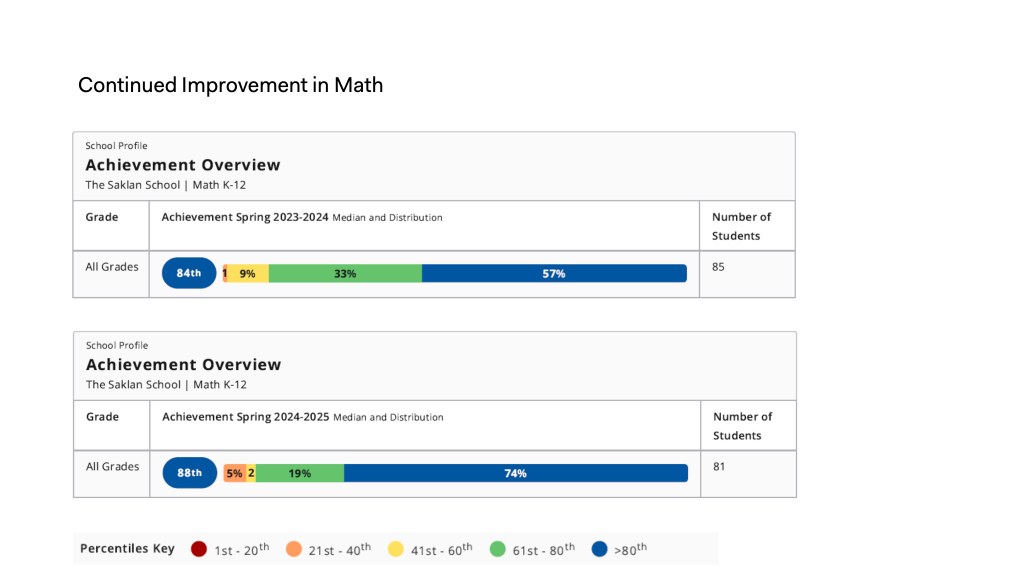
When connection and agency are at the center of a school’s culture, exceptional academic results follow naturally. Our MAP scores offer external validation of what we witness daily: students who are not only mastering content but also developing resilience, adaptability, and a lifelong love of learning. The data is proof of concept—showing that deep relationships and authentic student engagement are not at odds with academic rigor; they are the very things that create it.

Too often, schools measure success by numbers alone, forgetting the human conditions that allow those numbers to flourish. The lesson from Saklan’s experience is clear: emotional connection and student agency are not “nice to haves” but the key ingredients to a strong academic program.

#HeadsCorner