Being Respectful in Family Groups

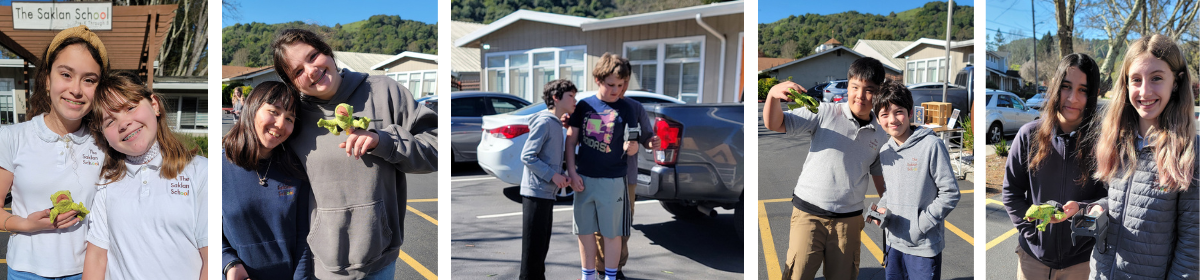
This week, Saklan students gathered for their second Family Group meeting of the year! These cross-grade groups are a treasured tradition at Saklan—bringing together students from different grades to connect, learn from one another, and strengthen our sense of community.

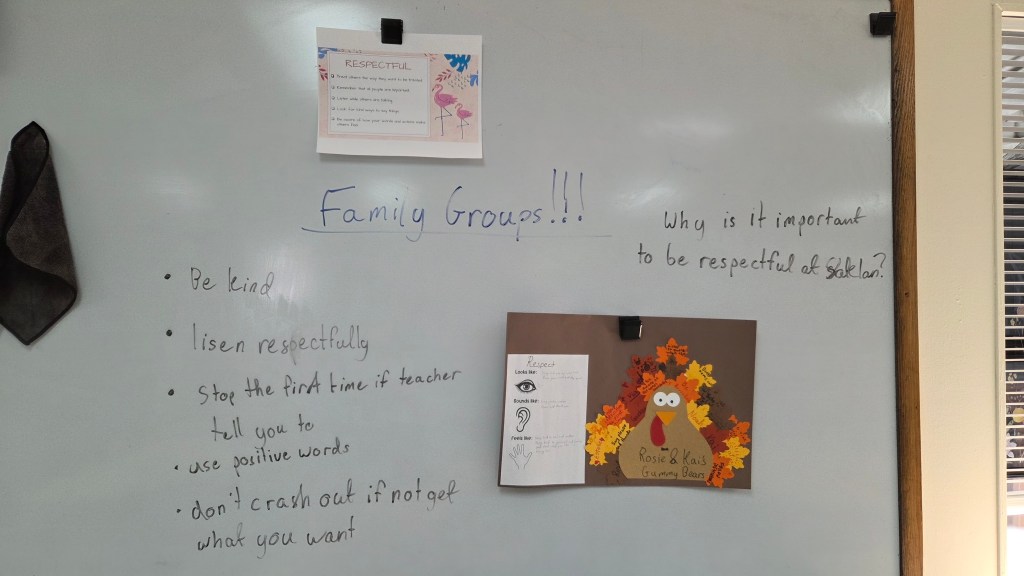
The Family Groups focused their attention on this month’s social-emotional learning (SEL) theme: being respectful. Together, groups read the “Respectful” posters that have been displayed around campus and discussed what respect feels like, looks like, and sounds like. Students shared thoughtful insights, describing respect as feeling “happy,” “heard,” and “like you matter.” They observed that respect looks like including others, making eye contact, and listening attentively—and sounds like calm voices, kind words, and polite “please” and “thank yous.”

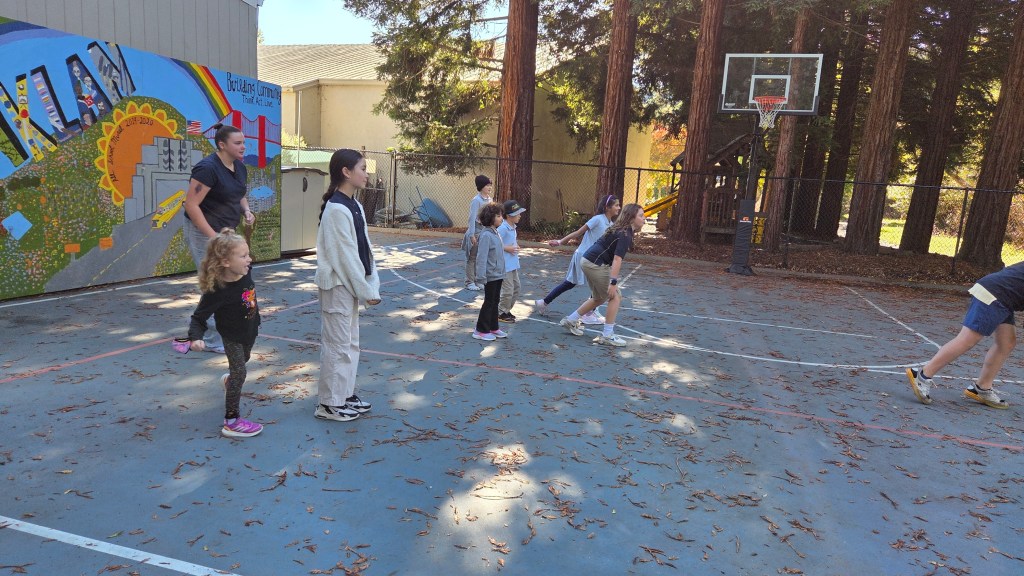
Next came an interactive activity called “Let’s Agree on Respect.” As 8th graders read short scenarios aloud, students decided whether each situation showed respect or not, moving to one side of the room or the other to indicate their choice. The movement and discussion helped bring abstract ideas about respect into a real-world context, giving students the chance to reflect on everyday moments when respect really matters.

Finally, students brainstormed ways they personally show respect: through actions like active listening, apologizing when wrong, waiting patiently, or helping others. Each student then wrote their example on a paper leaf, which became part of their Family Group’s colorful “Respect Turkey.” The leaves, decorated with care and creativity, symbolize the many ways Saklan students contribute to a culture of kindness and consideration.

Through shared conversation, creativity, and connection, this Family Group meeting reminded everyone that being respectful is more than just words; it’s something we feel, see, and hear every day in our community.

#SaklanFamilyGroups

Head’s Corner: Foundations Built With Care

I recently reread Kim Brooks’ New York Times piece, “We Have Ruined Childhood.” While the piece pointed out all the things in society that make childhood seem like an internship for adulthood, it left me optimistic. Optimistic, because it reminded me why what we do at Saklan matters so much. In a world that’s forgotten what kids really need—connection, curiosity, play—we get to build something different every day. We get to show what childhood should look like.

What stood out most to me in Brooks’ article was her point that kids today have fewer chances to practice the social-emotional skills that make us human—to start friendships, navigate conflict, solve problems, or just be with others without adults steering the moment. Working with Denise Pope from Challenge Success (an organization Saklan has partnered with), Brooks highlights a simple but powerful truth: kids need family time, strong relationships, independence, and agency.

This is where Saklan matters.

We’ve made a conscious choice to prioritize what research tells us children actually need. How to communicate. How to handle disappointment. How to work through disagreement. How to persist when things get hard. We deliberately create time and space for students to develop those vital human skills. These aren’t add-ons to our curriculum. They’re at the heart of what we do.

And here’s what’s remarkable: this approach doesn’t just create happier, healthier kids (though it absolutely does that). It also leads to stronger academics. Counterintuitive? Maybe. But the research bears it out. Time and again, studies show that when children have space to play, to create, to connect with others, and to develop social-emotional skills, their academic performance improves. They become more engaged learners. They develop genuine curiosity. They build resilience.

This doesn’t mean we’re perfect or that we’ve solved every challenge facing modern childhood. But it does mean we’re intentional. We understand that school should be a place where children learn to be fully human—intellectually curious, emotionally resilient, socially connected, and creative. Childhood isn’t a race to adulthood. It’s a foundation to be built with care.

Warmly, 

David