Hoot Owls Practice Kindness

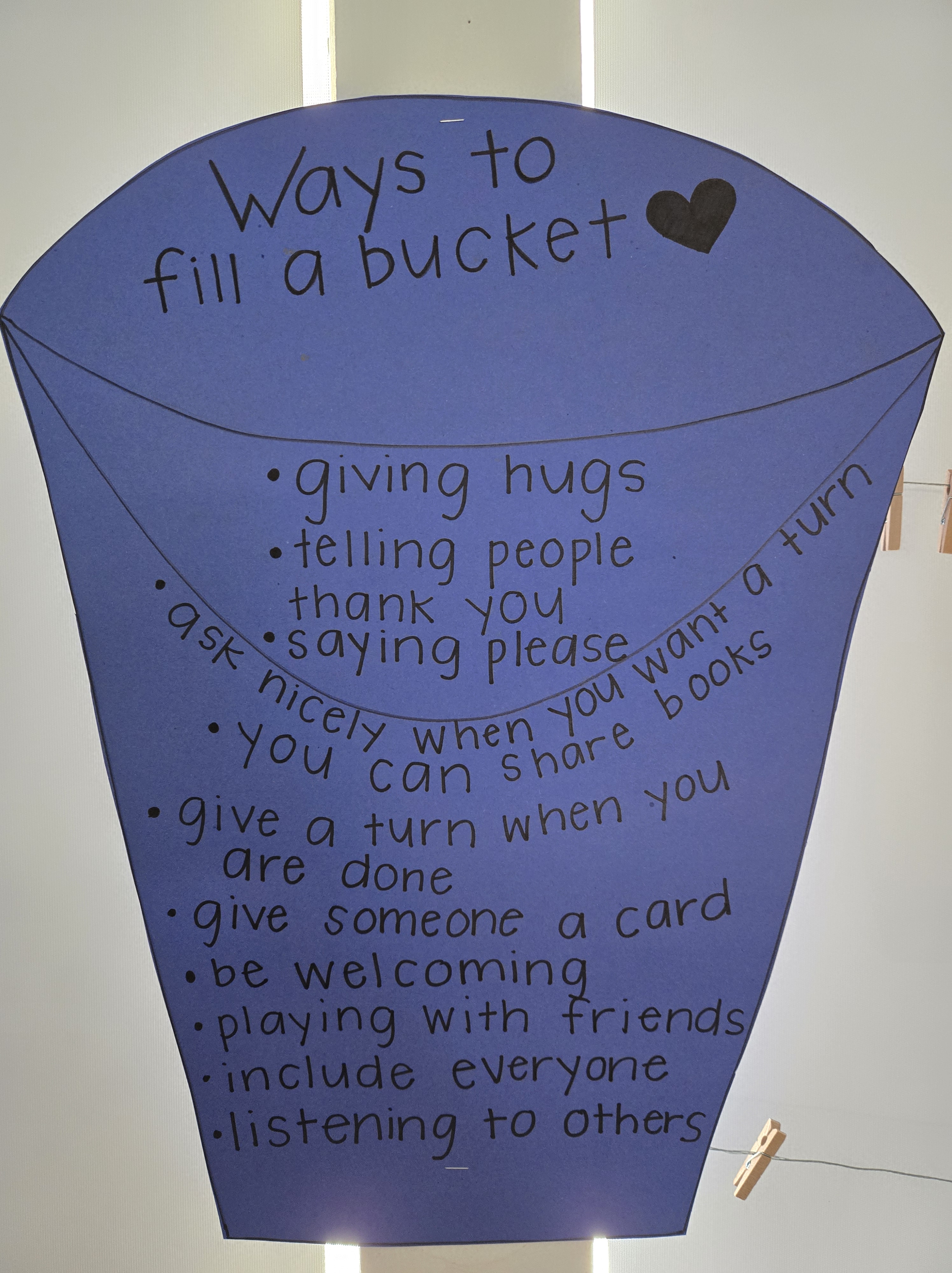
The Hoot Owls have been exploring the many ways we can show kindness to one another. Their journey began with the book Have You Filled a Bucket Today? by Carol McCloud, illustrated by David Messing. In the story, everyone carries an invisible bucket that fills when others show kindness and is dipped into when unkind things occur. After reading, the Pre-K students brainstormed ways to be bucket-fillers.

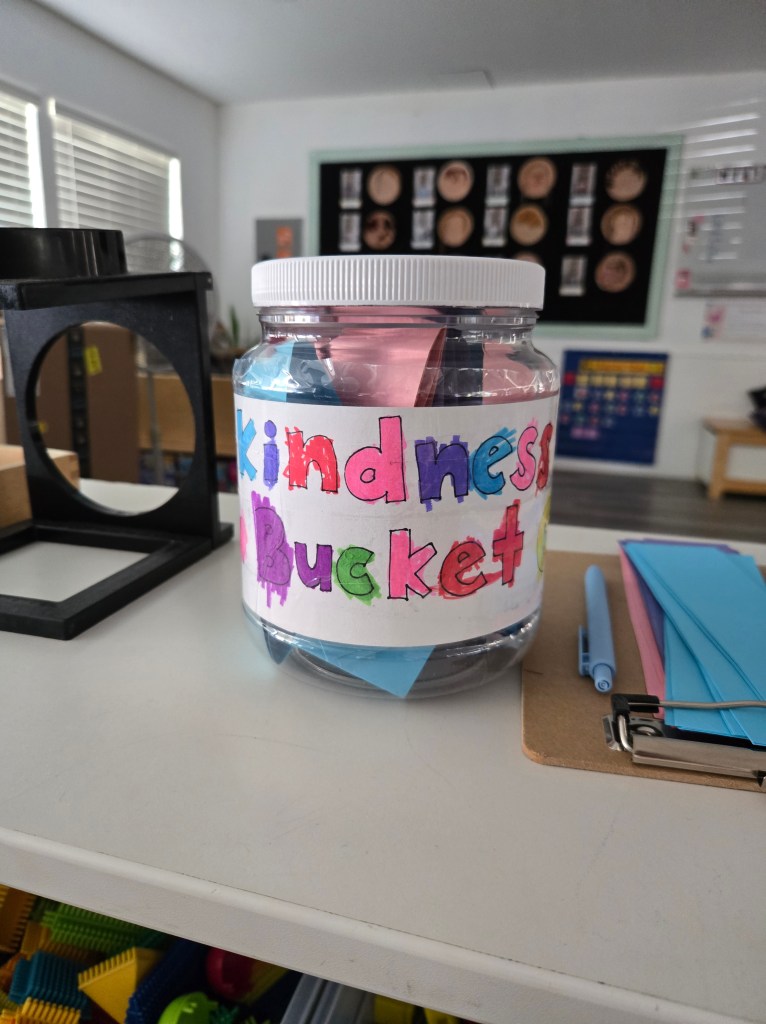
The class then built their own “bucket” to use every day. Whenever teachers notice an act of kindness—or a child shares that someone filled their bucket—they write a note and place it inside. Once the bucket is full, the class will celebrate by reading the notes together.

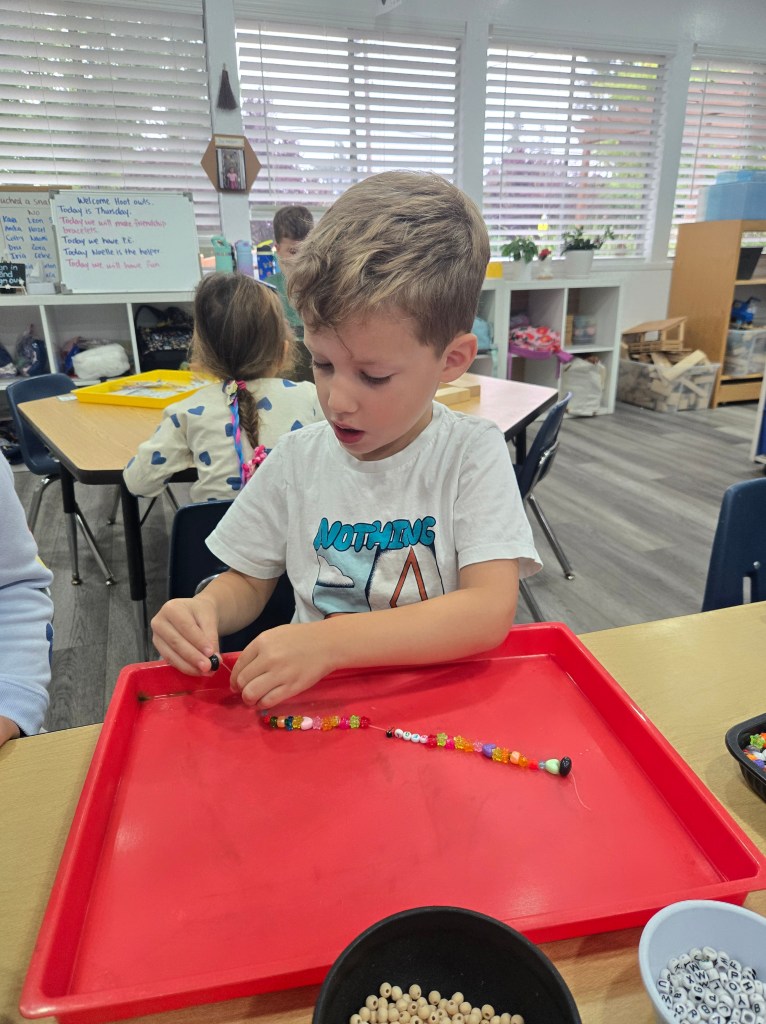
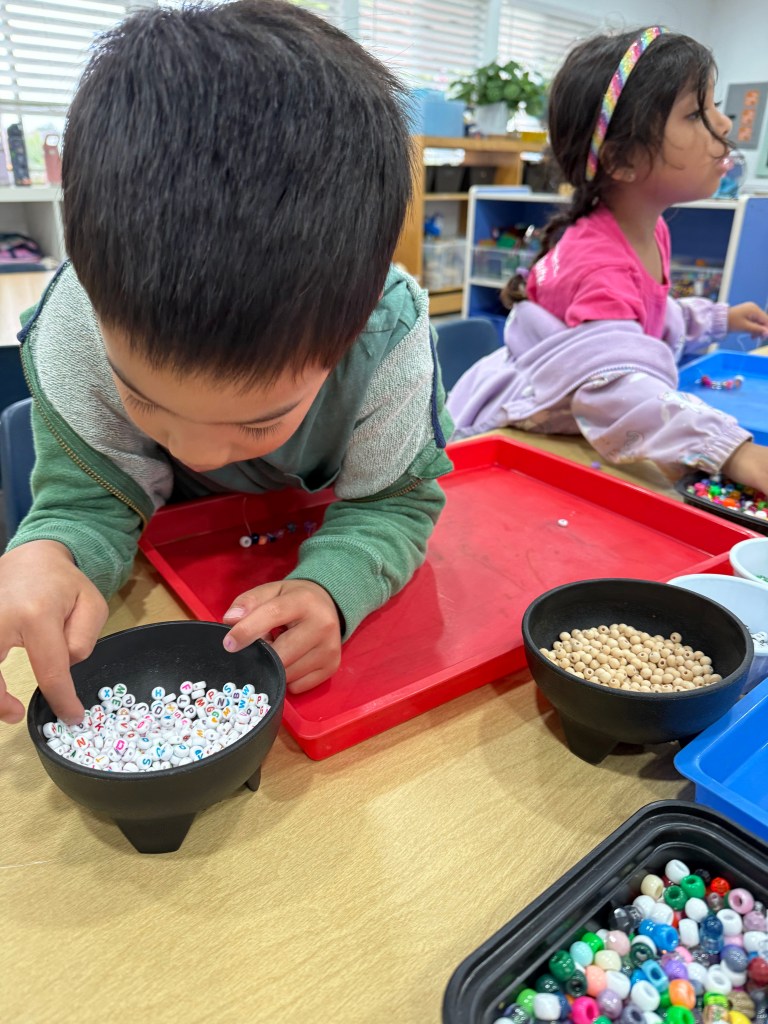
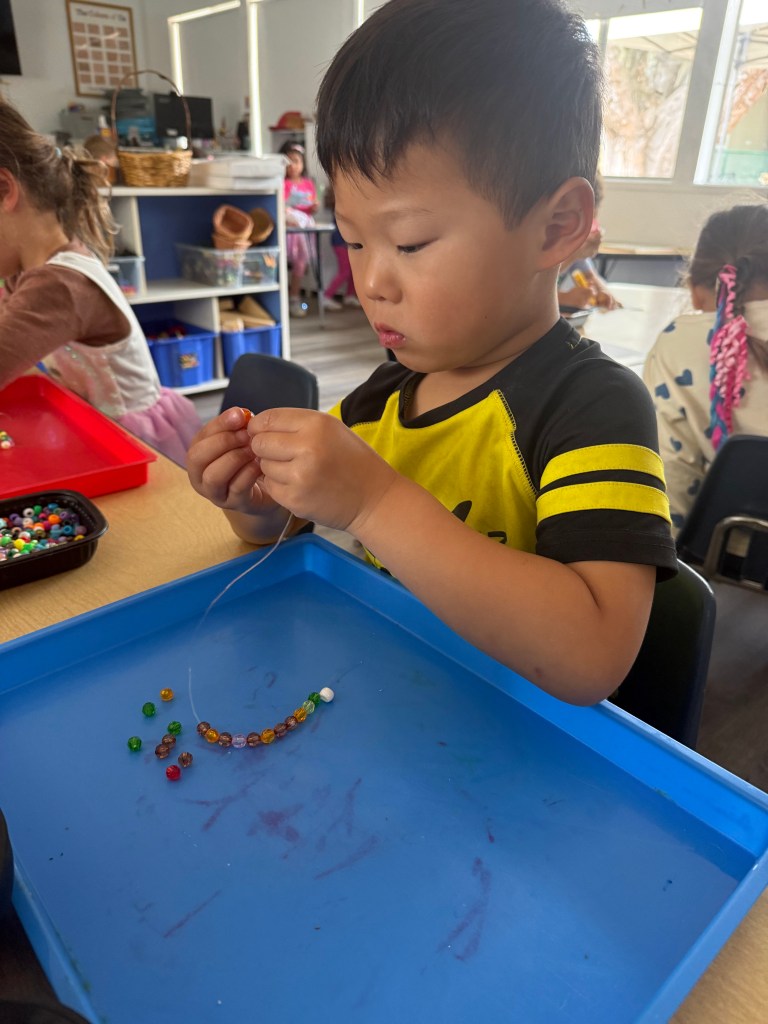
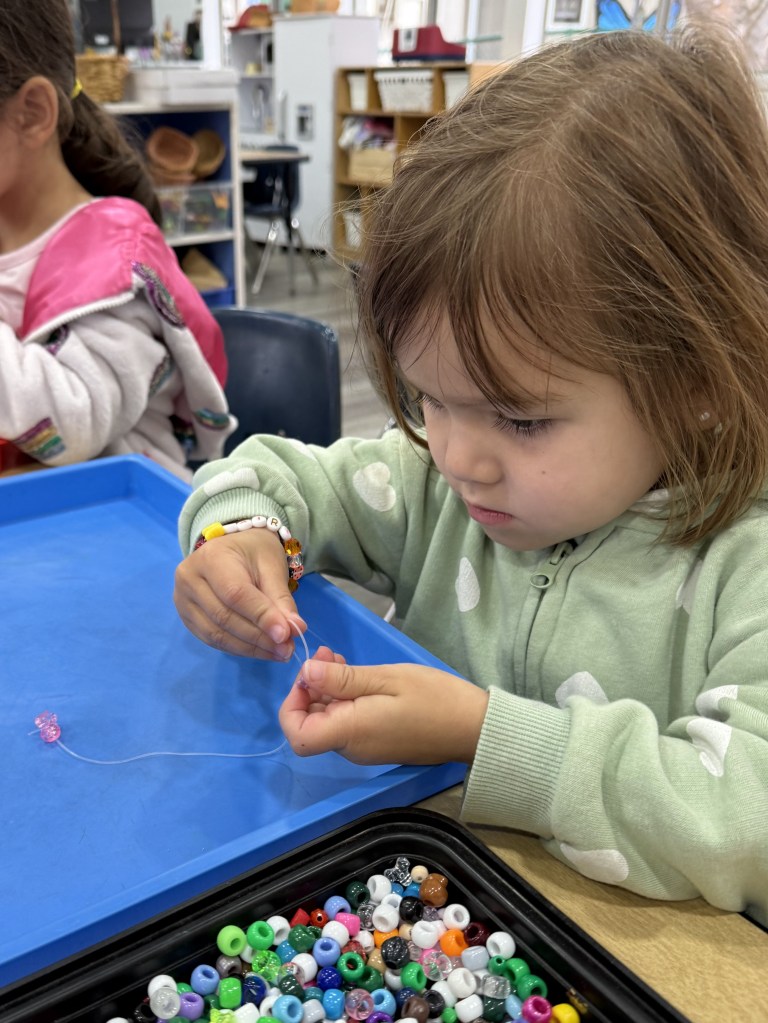
Another favorite kindness activity was making friendship bracelets. Each child chose a classmate and designed a bracelet just for them, sometimes incorporating favorite colors or even spelling out their friend’s name in beads.

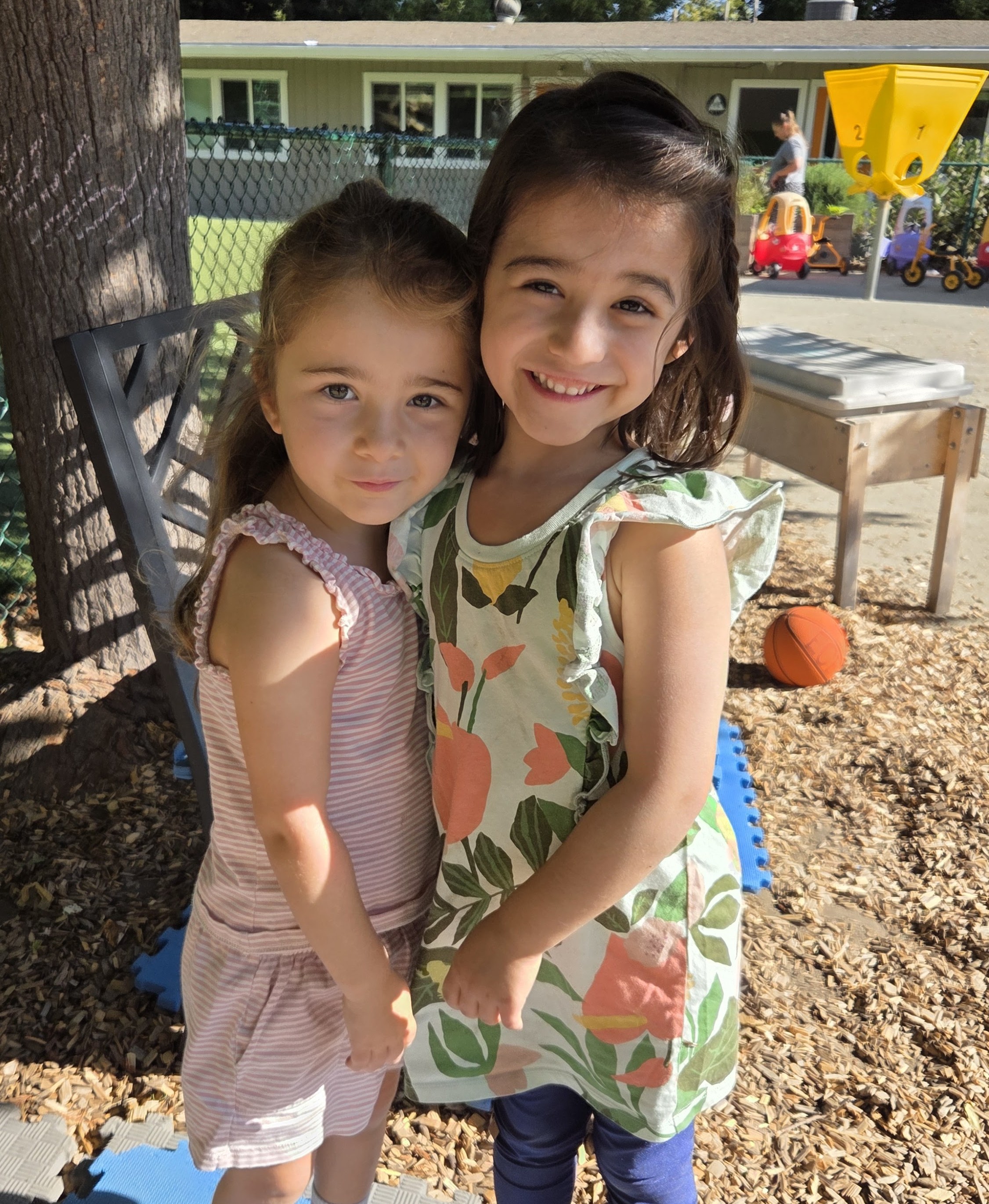
These thoughtful lessons have carried over into daily life. During PE, for example, the Hoot Owls spontaneously began cheering for one another when it was their classmates’ turn to bat. The smiles on their faces showed just how much these conversations about kindness, belonging, and encouragement are already making a difference.

#SaklanSEL #SaklanBelonging

Celebrating Uniqueness in the Owlet Classroom

Over the past few weeks, the Owlets have been exploring themes of diversity, uniqueness, and the importance of celebrating what makes each of us special. Their learning journey began with The Colors of Us, a story that highlights the many different shades of skin tones. After reading, the class reflected on how each person is unique and how all of our colors are beautiful.

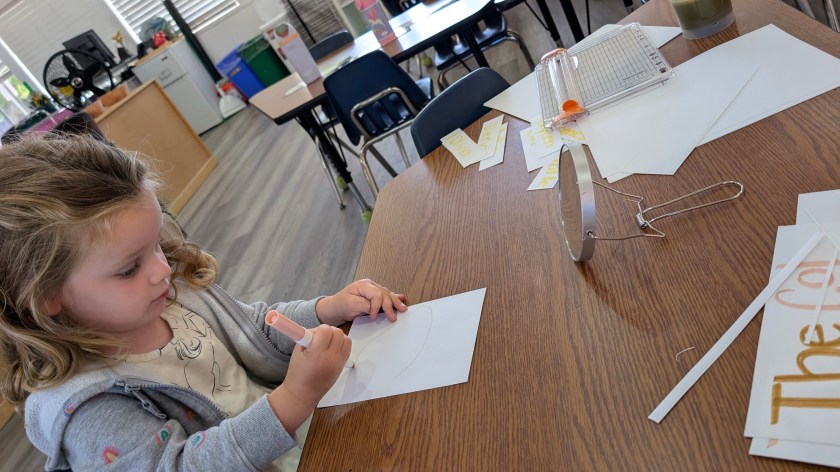
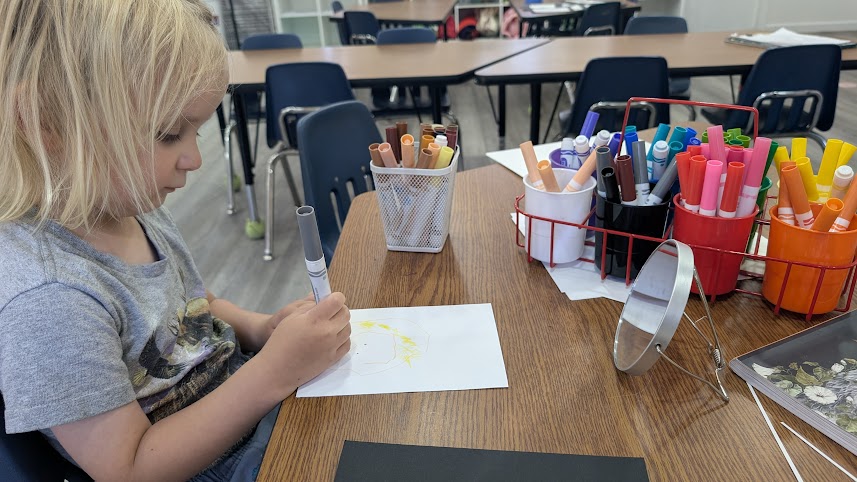
With this inspiration, the Owlets experimented with skin tone markers to find shades that matched their own. Using these, they created their first self-portraits of the year, carefully noticing the shapes of their features and expressing themselves with color and detail. Beyond being a creative activity, self-portraits encourage self-awareness, observation skills, and artistic expression. The class will return to self-portraits throughout the year, offering a wonderful opportunity to see how their drawings evolve as their skills and confidence grow.

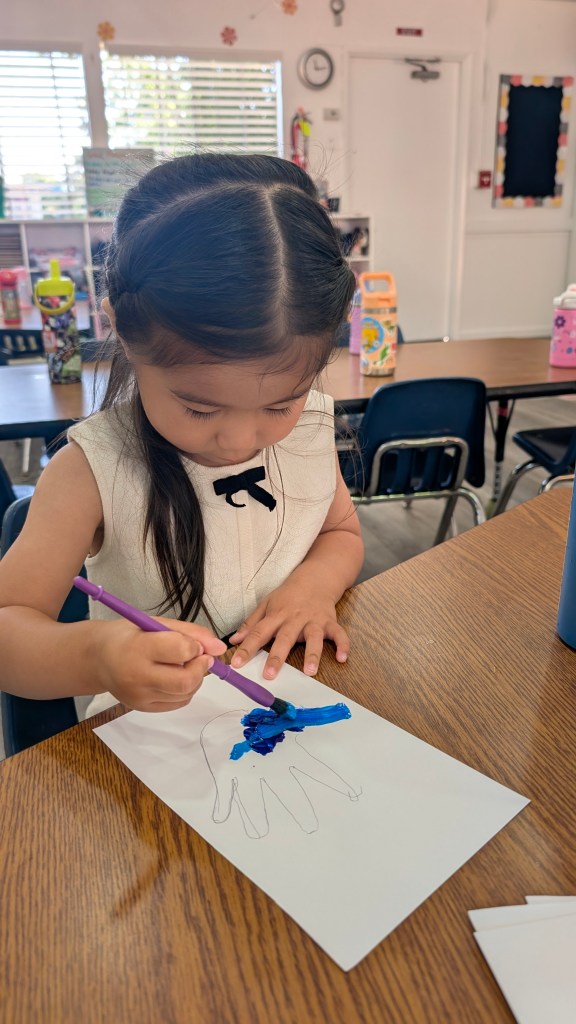
In another activity with Ms. Linda, the children created All About Me handprint posters to display in the classroom. Each child chose a favorite color for their handprint and shared more about themselves by adding favorite games, toys, animals, and foods. Activities like these help children appreciate their individuality while also building community as they learn more about one another.

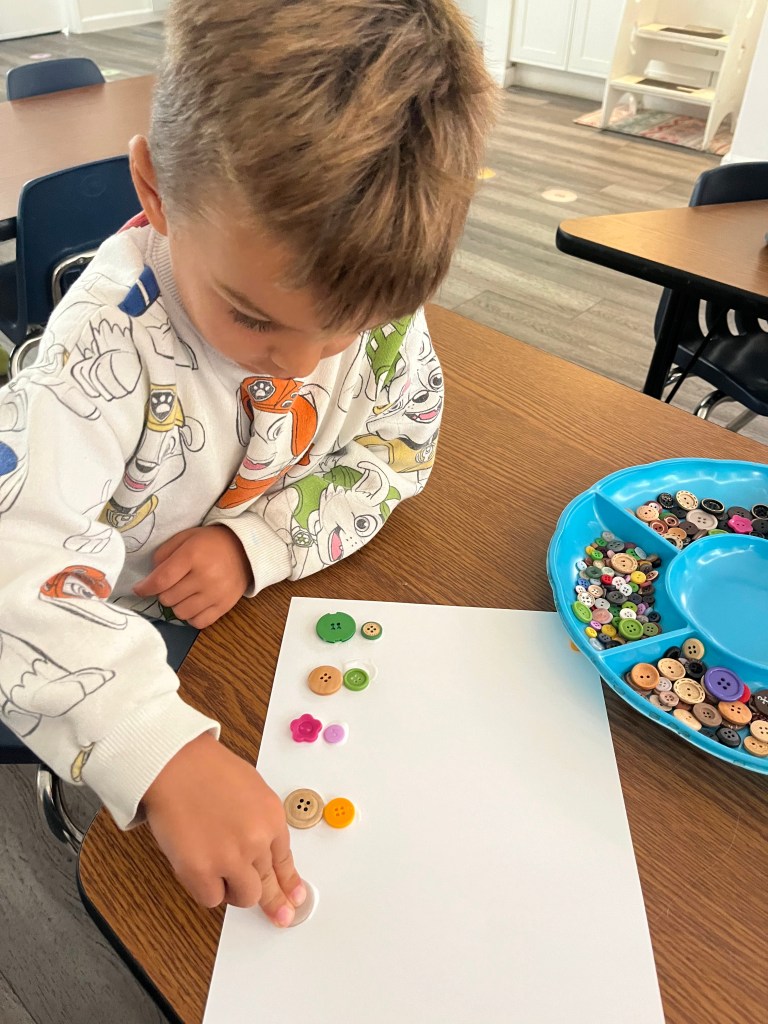
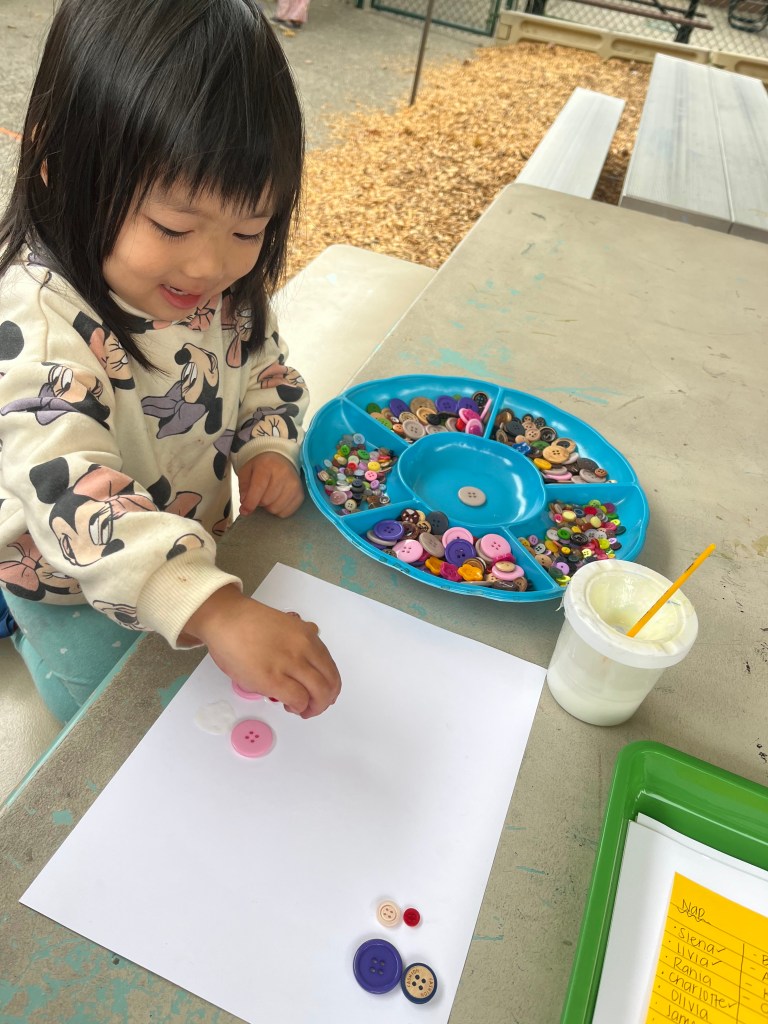
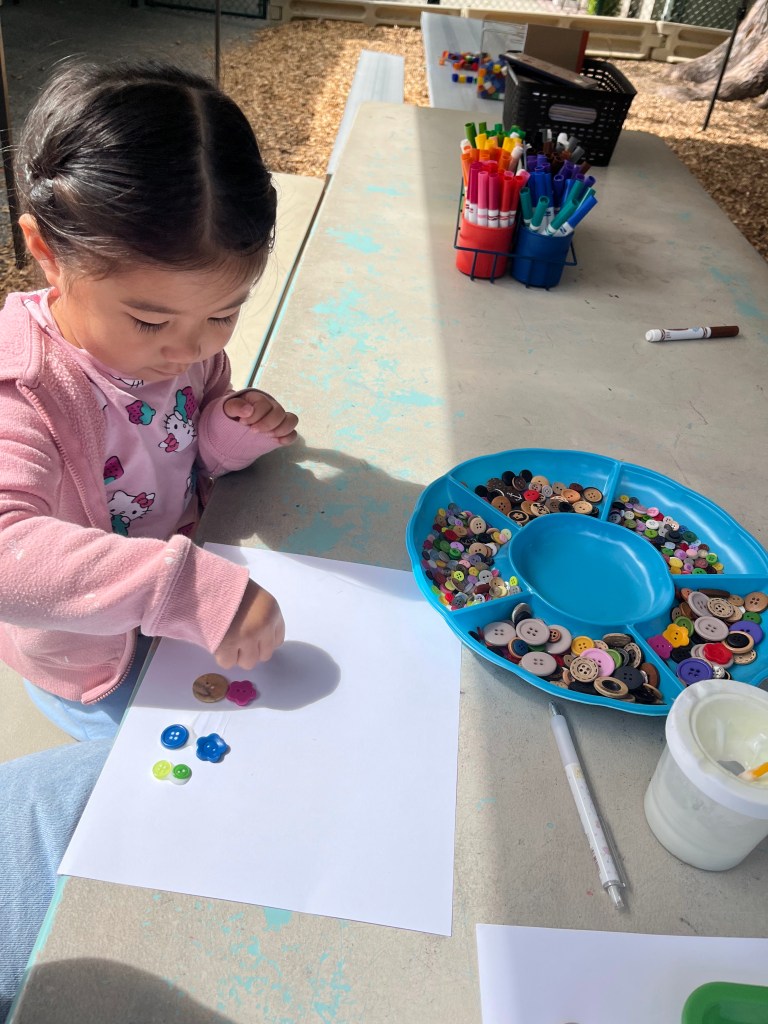
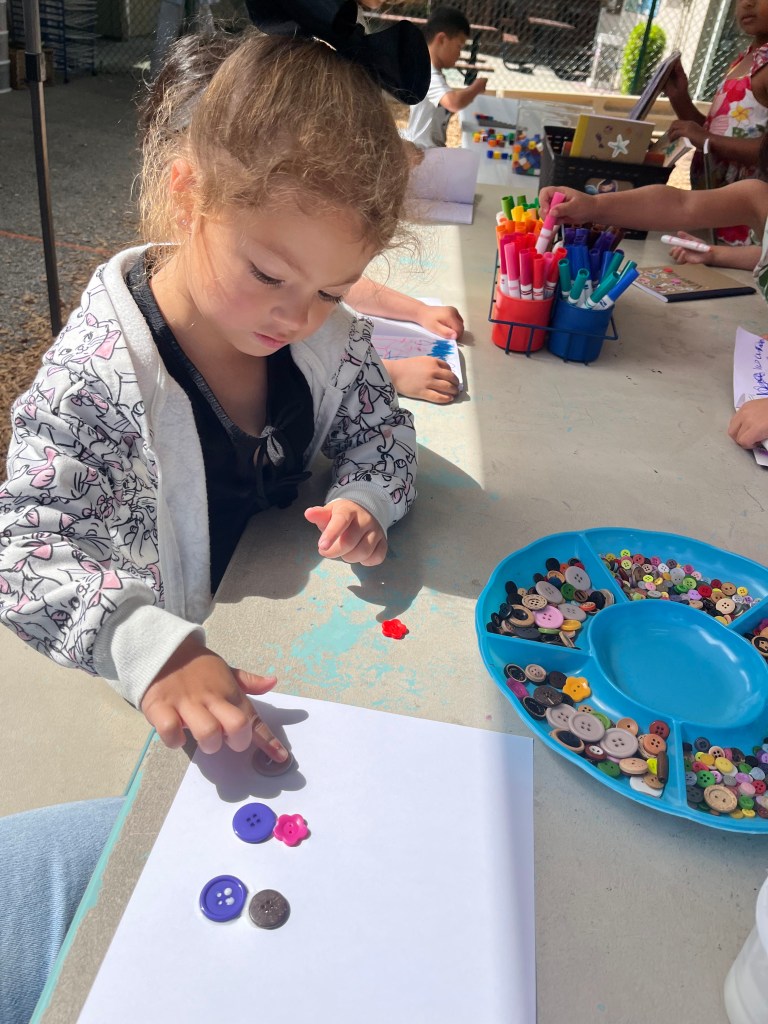
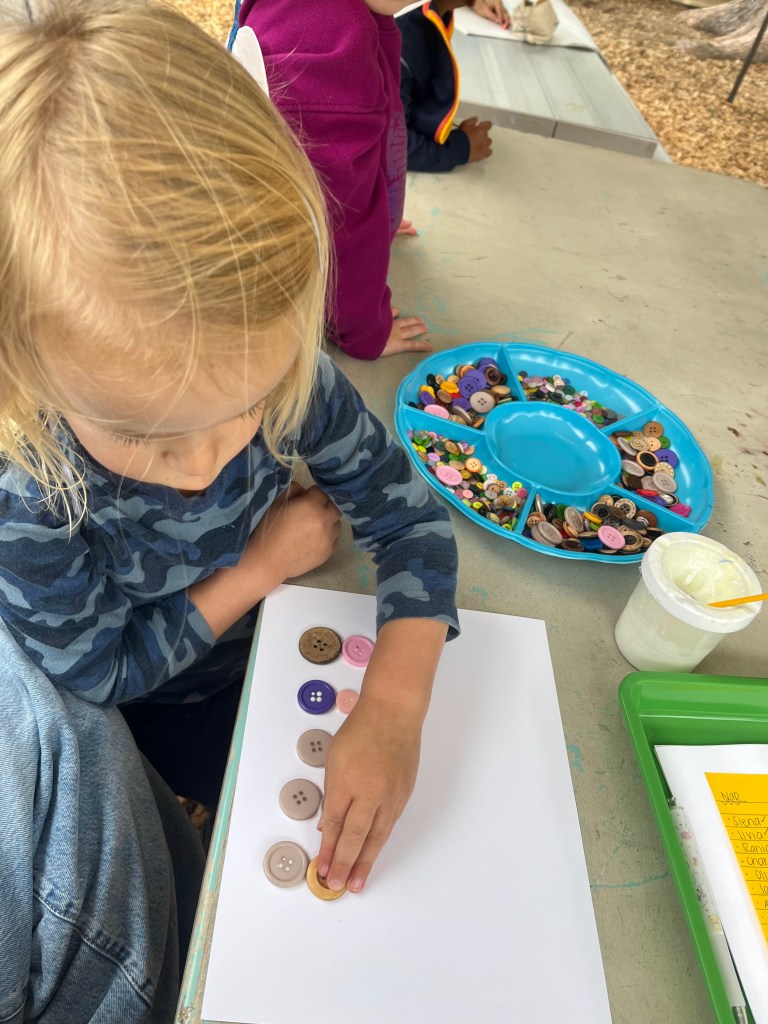
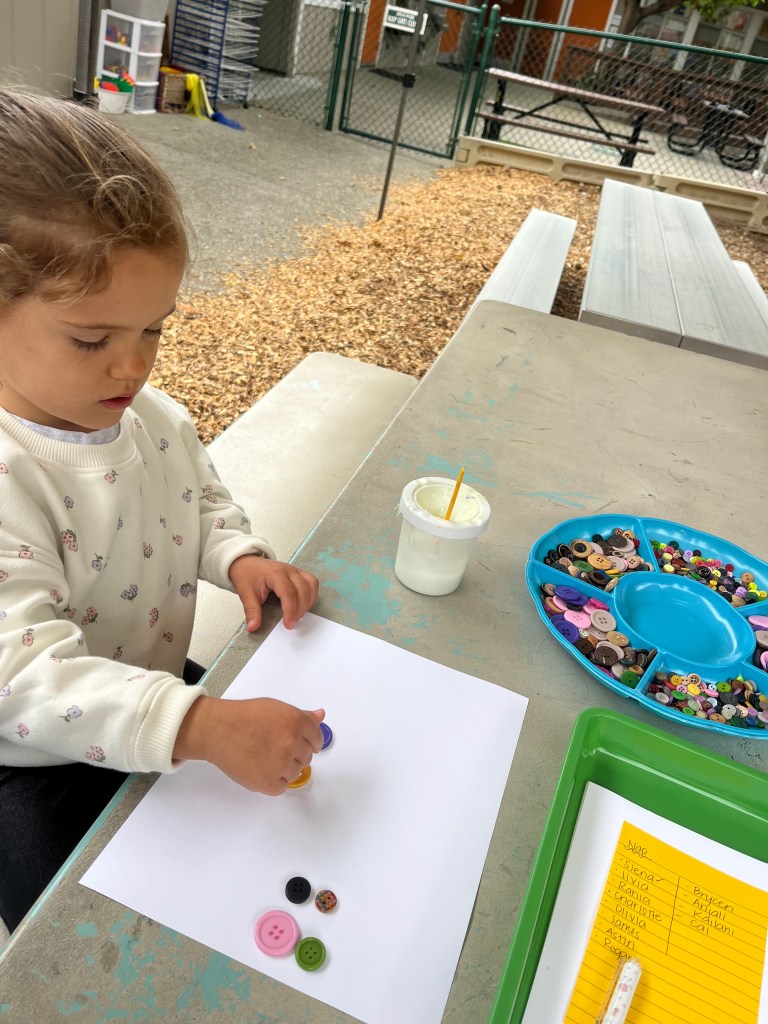
Victoria introduced the story A Handful of Buttons, a heartwarming book that celebrates the diversity of families. The Owlets discovered that families come in many shapes and sizes—some with just two people, others with many—and that each one is special in its own way. Afterward, the children designed their own “button families,” thoughtfully selecting buttons to represent the people who are important in their lives.

Through books, art, and hands-on activities, the Owlets are developing a deep appreciation for what makes each person unique—while also building a classroom culture rooted in belonging, empathy, and celebration.

#SaklanCommunity #SaklanBelonging

Head’s Corner: Teaching How to Think, Not What to Think

As someone who has taught history for a good portion of my professional life, I’ve always felt that how history is taught in the U.S. is a disservice to students. There is an emphasis on students “knowing” the country’s entire history, without understanding it. The curriculum will lean into a simplified version of history that leads students to a particular perspective. Rarely does history teaching slow down and ask students to wrestle with both sides of an issue and develop their own opinions. (Think Moraga Police Chief King reading All American Boys along with our eighth-grade class and then coming in to discuss his take on the novel.)

The other sin of how we approach history teaching in the U.S. is one of omission. We simplify complicated stories into fables that are easy to digest. For example, unpack the popular myth of Rosa Parks and her famous refusal to give up her seat on a Montgomery bus – the story that a meek, tired seamstress was too exhausted to walk to the back of the bus and accidentally started a movement that changed civil rights. There is a romanticism to that story, but it is wrong.

In reality, Rosa Parks had been an activist fighting for racial justice for decades before her bus stand. Though described as “quiet” in most of the obituaries that ran after her 2005 death, she was anything but.

The fable of Rosa Parks and the civil rights movement of the time betrays the reality, pain, and sacrifice of those who fight the good fight. It ignores how resistant Americans worked to challenge the status quo. It is also a disservice to the country.

As educators, we owe it to society to examine the fables and myths we have heard and those we have perpetuated – from Christopher Columbus to American Exceptionalism. We also owe it to our students to help them know less but understand more and reach their own conclusions, not ours.

Peace,

David

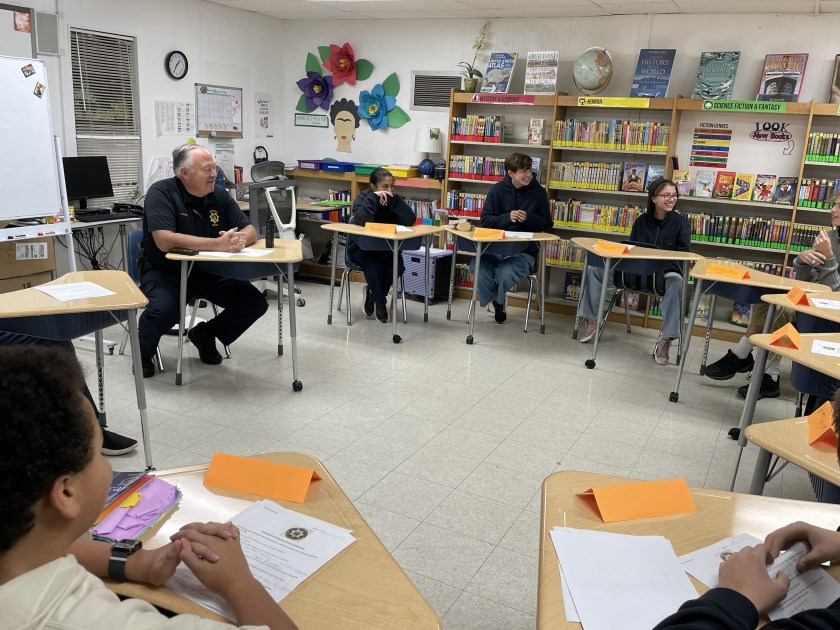
Meeting with the Police Chief

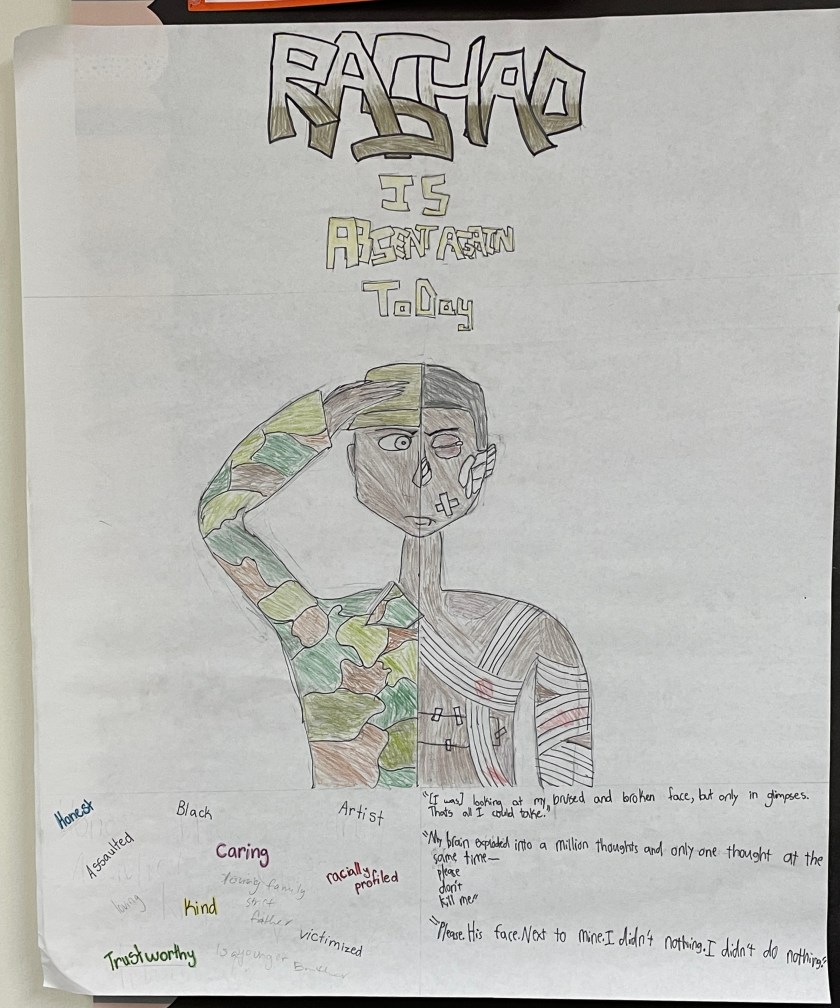
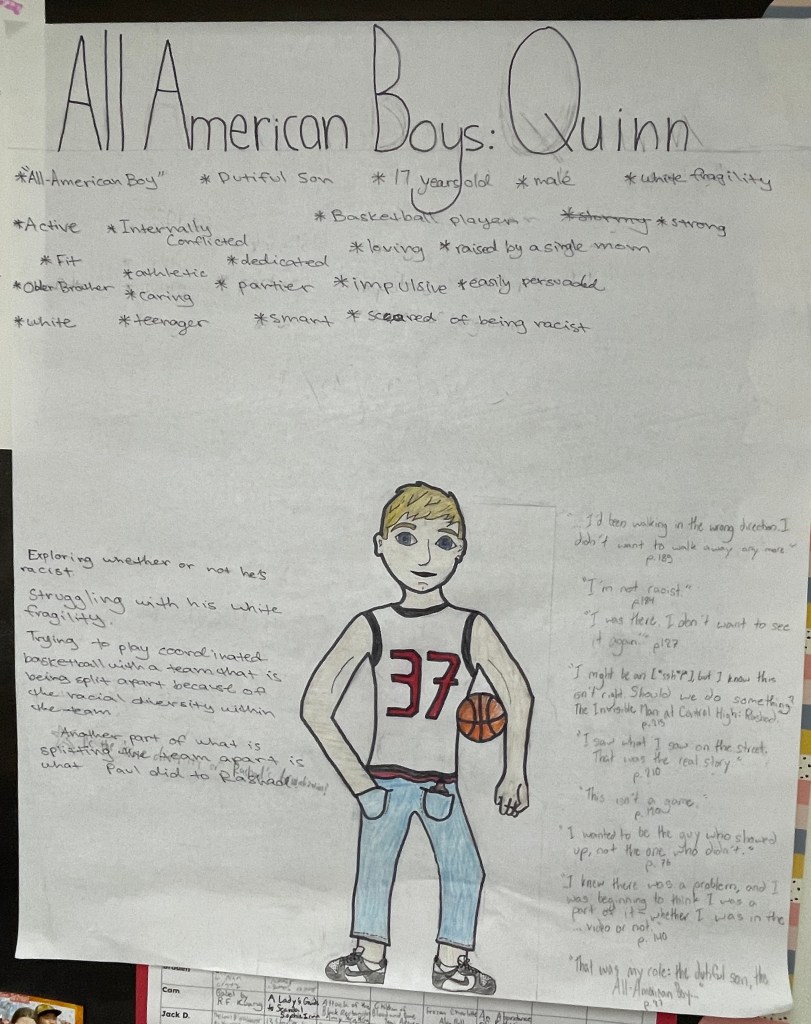
The 8th-grade class recently finished reading the novel All American Boys. The story is told by two narrators, Rashad and Quinn, whose lives are forever changed by an act of police brutality.

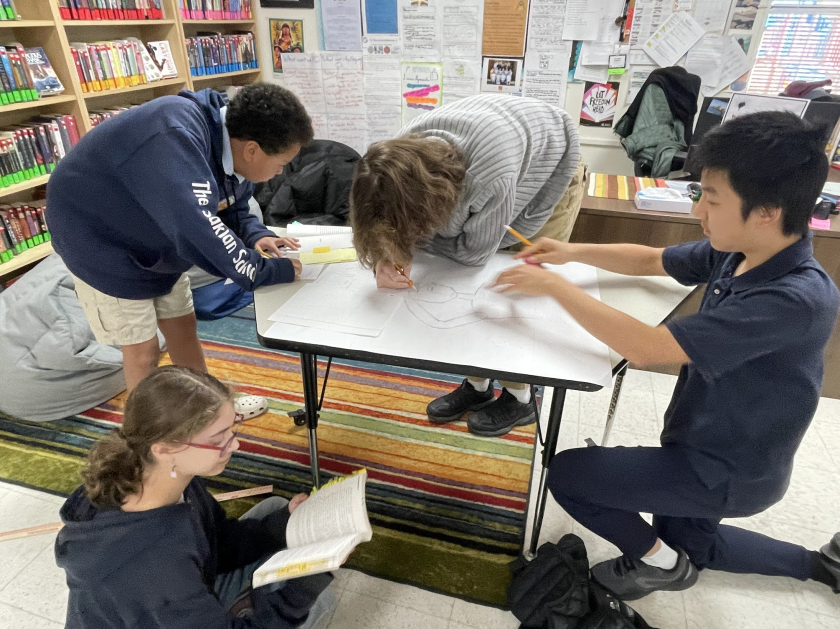
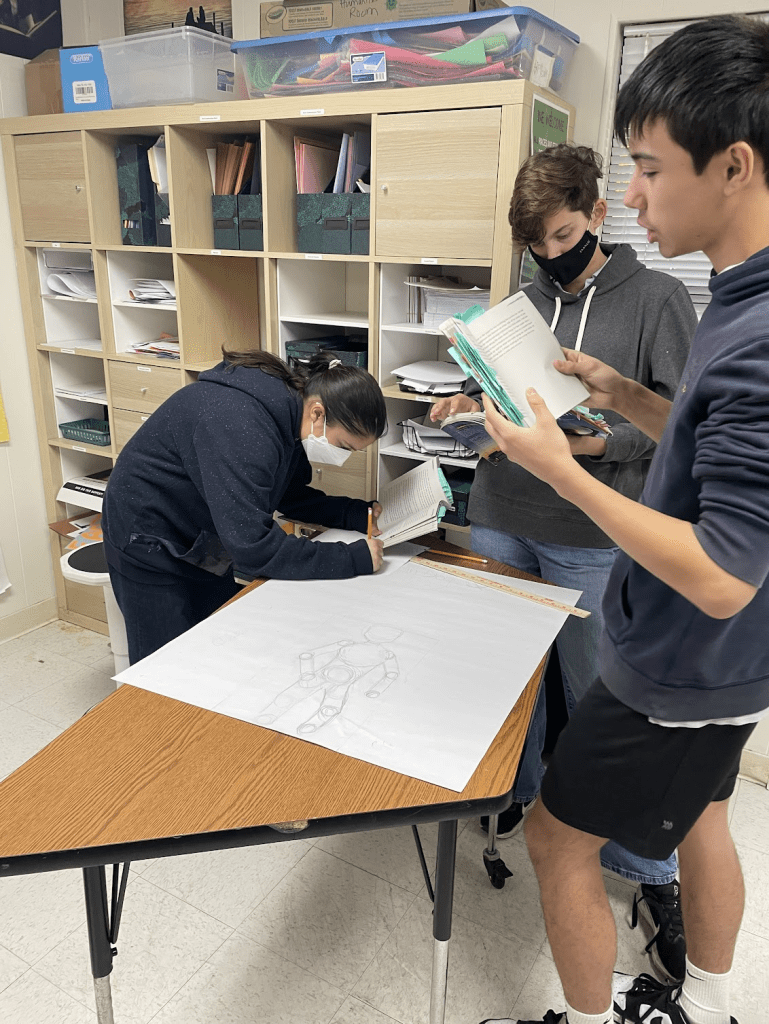
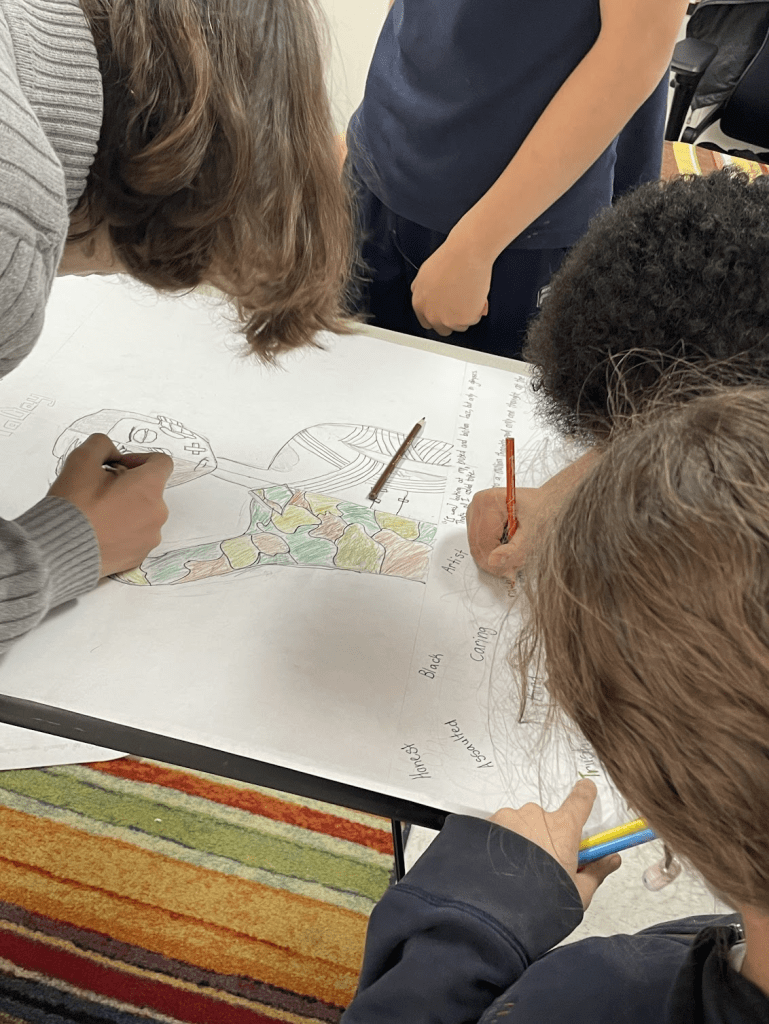
The 8th graders were split into two groups to create character posters of each of the narrators, including a drawing of the character, a list of adjectives/phrases that describe the character, descriptions of how the character changes in the story, and relevant quotes from the character. The students reviewed their own annotations and quotes they had selected and analyzed throughout their reading of the novel, then discussed and decided what to include on their character poster.

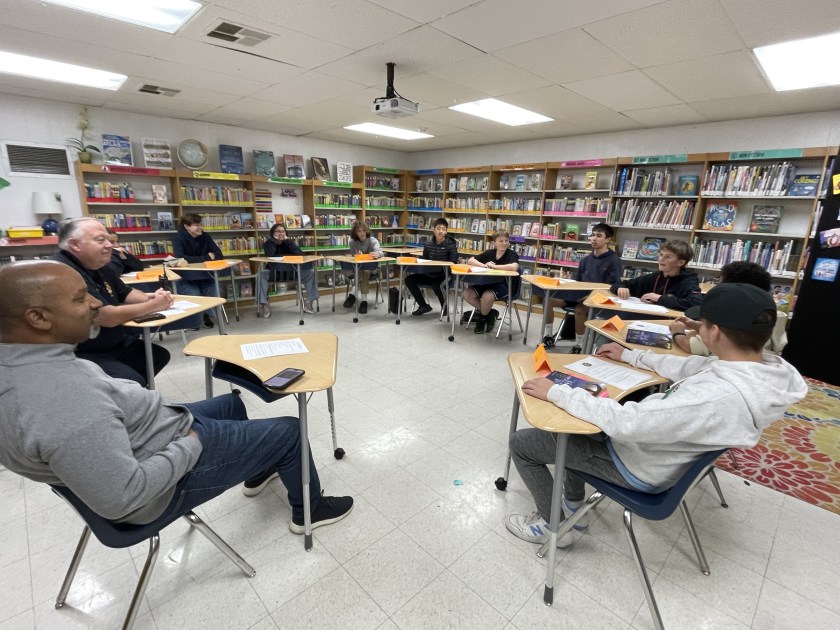
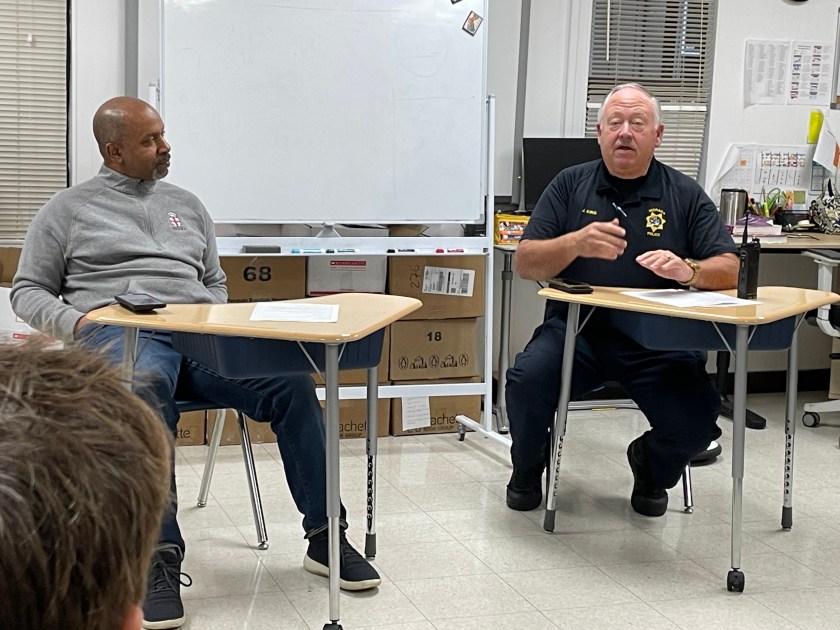
The 8th graders explored some of the issues addressed in the novel from the police perspective when they met with Moraga Police Chief Jon King. Saklan parent Gary Hill arranged this meeting for the class and participated in the discussion.

Before the meeting, the 8th-grade students answered some questions about the Moraga Police Department website. They then prepared their own questions to ask the police chief, including:

  • What is your favorite/best part of your job?
  • What is the hardest part of your job?
  • What do you want to achieve as a police officer?
  • What is an average day like?
  • As a citizen, how do you think I can support my local police department?
  • What measures or training are in place to help prevent bias from impacting the work of members of the Moraga police force?

Meanwhile, Gary and Chief King prepared for the meeting by reading All American Boys.

Police Chief King shared his view that the police should be accessible and helpful partners in the community instead of playing the role of an intimidating presence wearing a uniform and driving around in a police car with closed windows. He explained that he wore his polo shirt instead of his full uniform so that he could be more approachable and send a friendlier message to the Saklan students.

In addition to sharing some of his own stories about the Moraga police department’s policies for fighting crime and addressing citizen complaints about police misconduct, Chief King explained how the conduct of some police officers like Paul in the novel results from a mix of knowledge and emotions. He spoke strongly about the contrast between officers’ behavior, like the fictional Paul, and the training his officers receive in Moraga. Chief King also shared the shocked and saddened reactions among the entire Moraga police force when they watched the news about the murder of George Floyd in 2020.

Gary shared his own stories about his encounters with the police. He encouraged the students to stand up to racial injustice with courage and compassion.

We extend our heartfelt thanks to Chief King and Gary Hill for sharing their time, wisdom, and personal stories with our 8th-grade class!

#SaklanCompassion #SaklanCourage