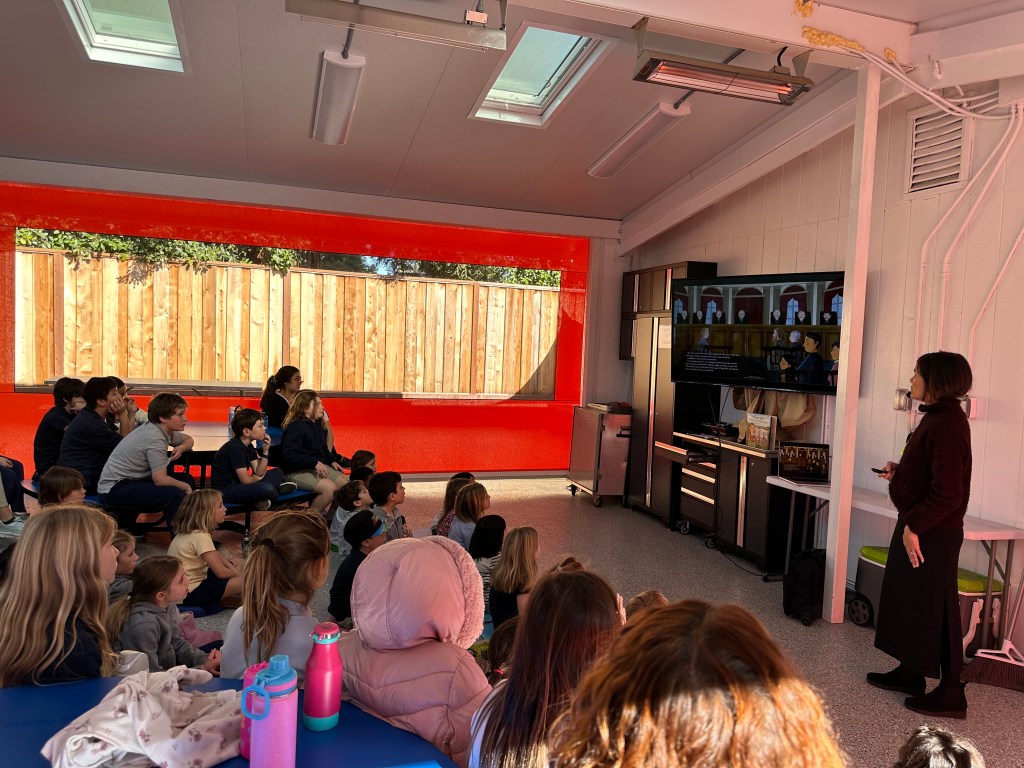
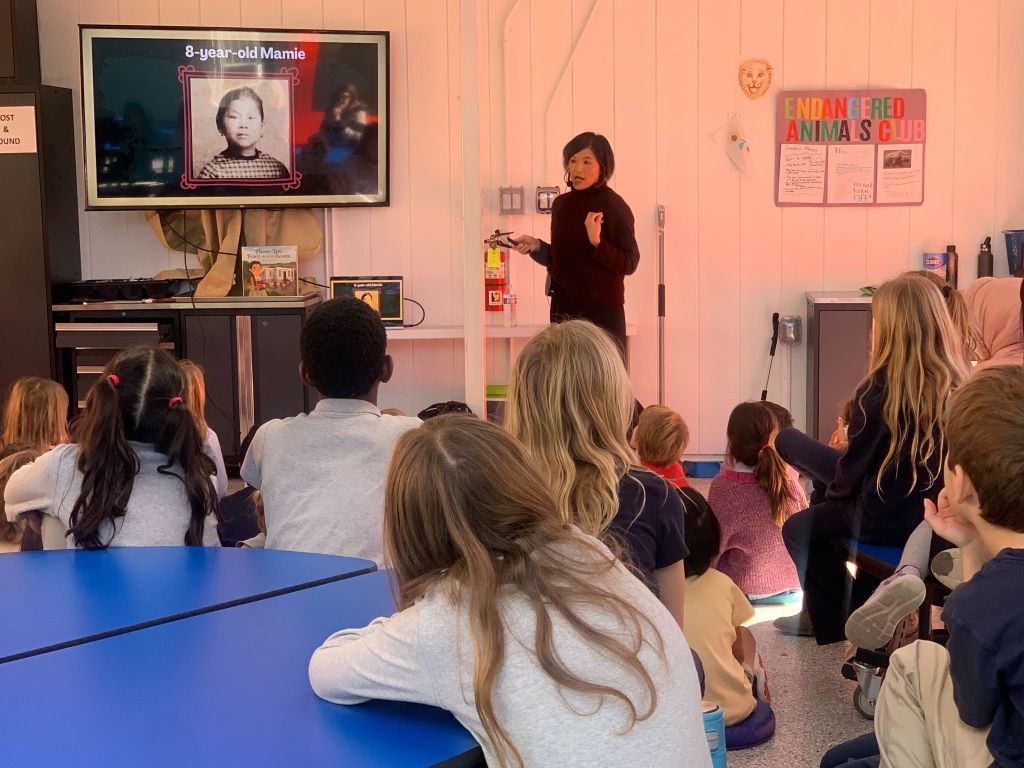
Our lower school students were recently thrilled to welcome author Traci Huahn to Saklan for an inspiring visit centered around her book, Mamie Tape Fights to Go to School. During the 45-minute session, students enjoyed a captivating read-aloud of the book, learned about the historical significance of Mamie Tape’s fight for school desegregation during the era of the Chinese Exclusion Act, and explored how this moment in history connects to the broader civil rights movement.
Ms. Huahn also shared her journey as an author, offering an inside look at the research, writing, revising, and publishing process. Students were delighted by a special video message from the book’s illustrator, Michelle Jing Chan, who revealed her creative process and behind-the-scenes details.
The visit sparked engaging discussions about bravery, standing up for your rights, and the power of storytelling. Students asked thoughtful questions during the Q&A, deepening their understanding of the themes and lessons in the book.
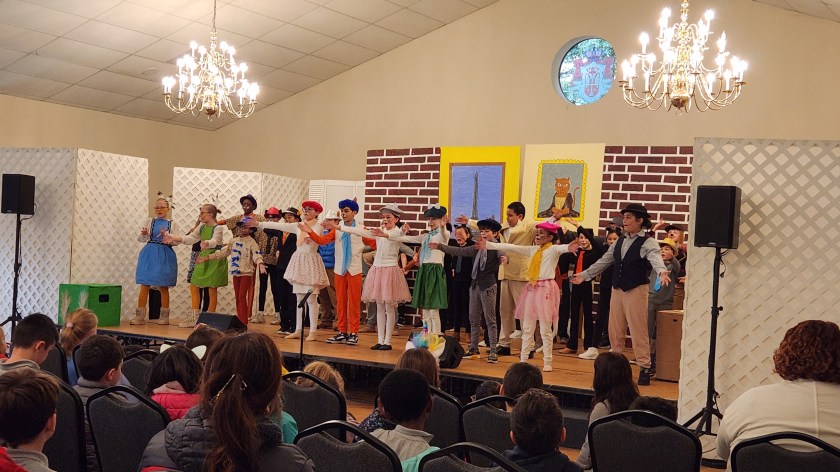
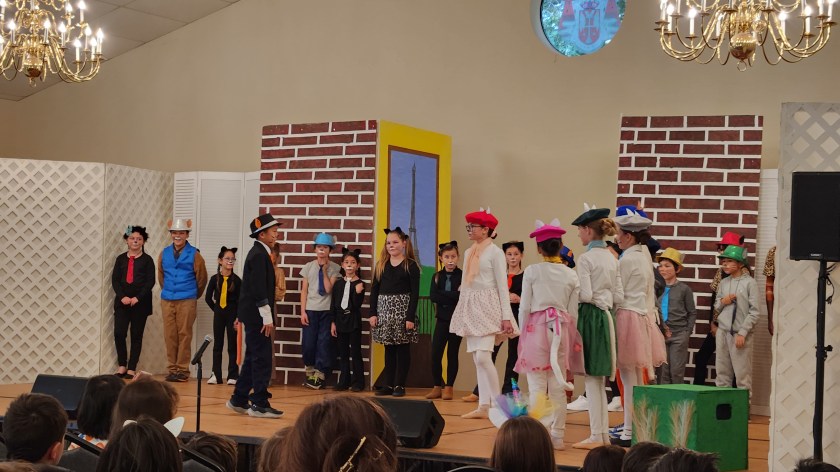
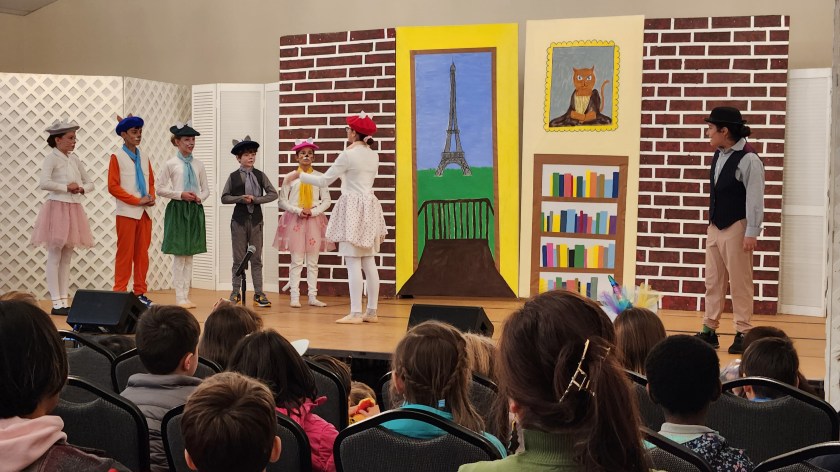
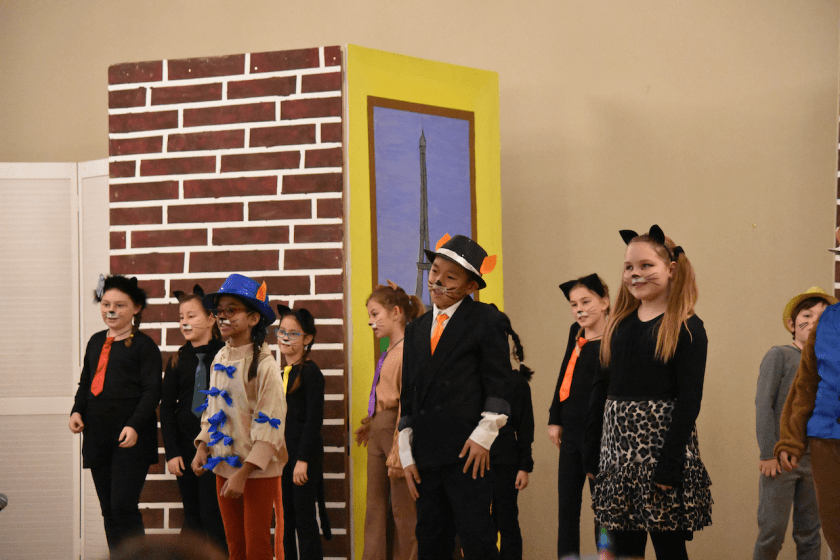
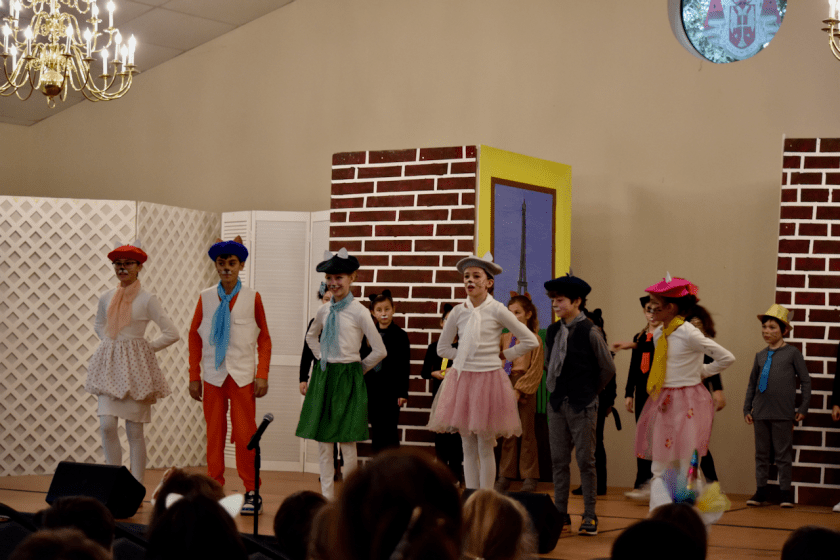
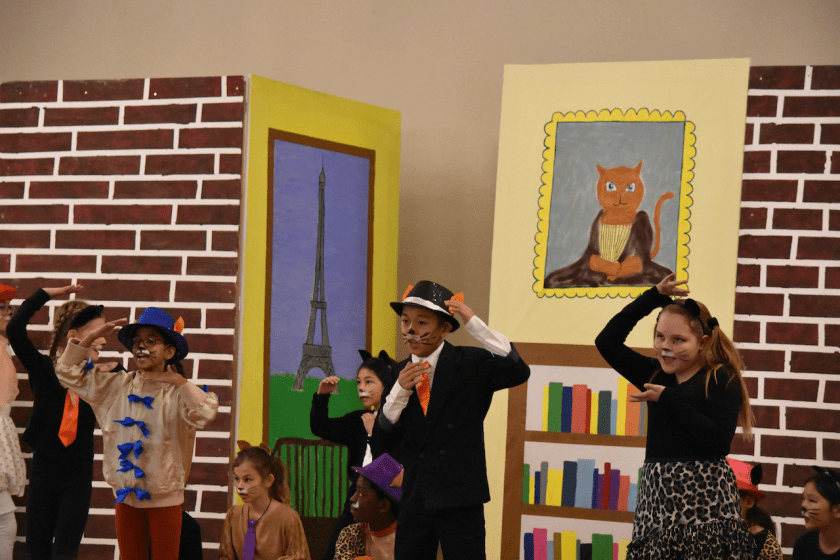
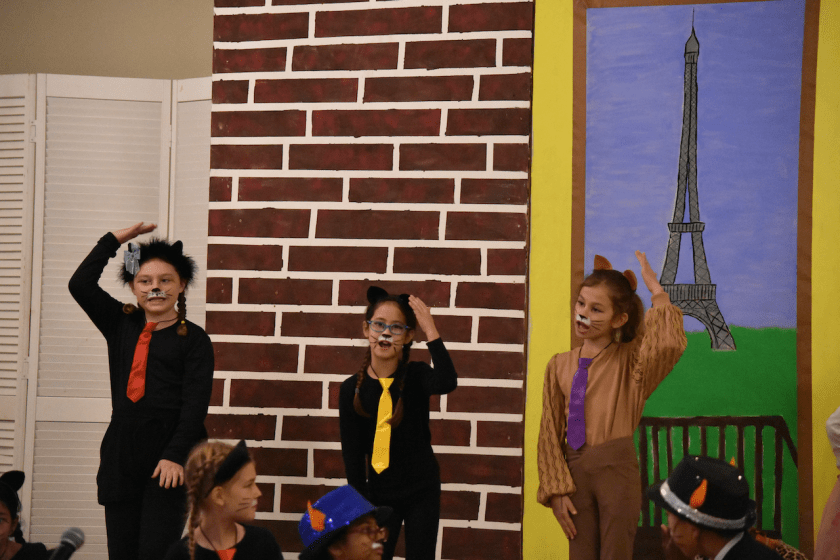
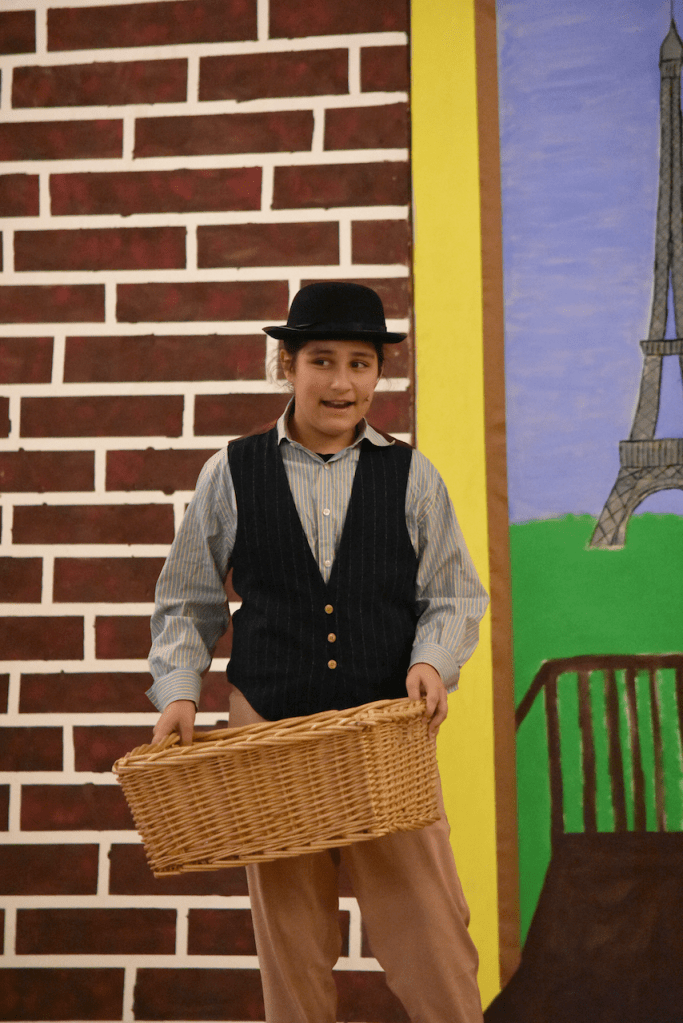
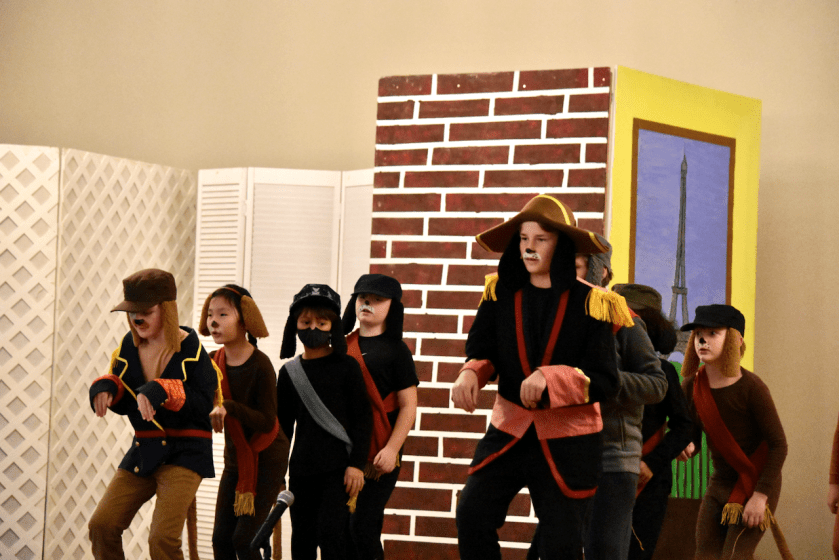
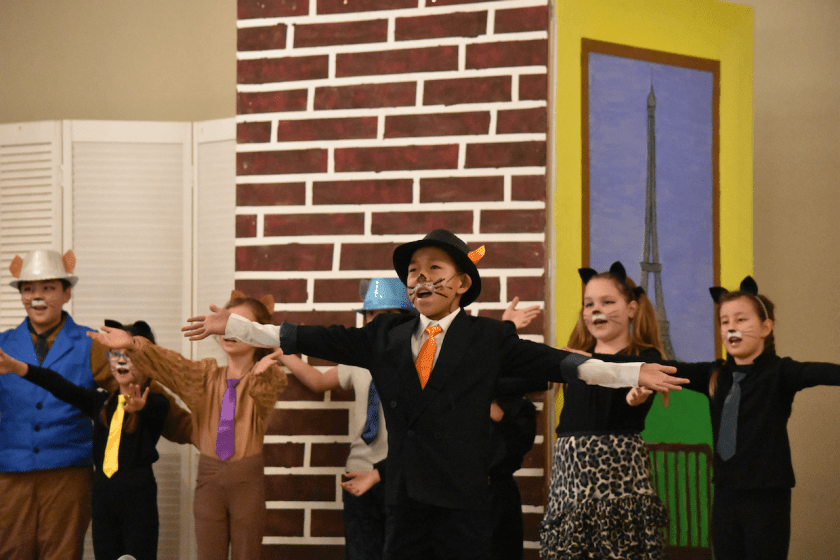
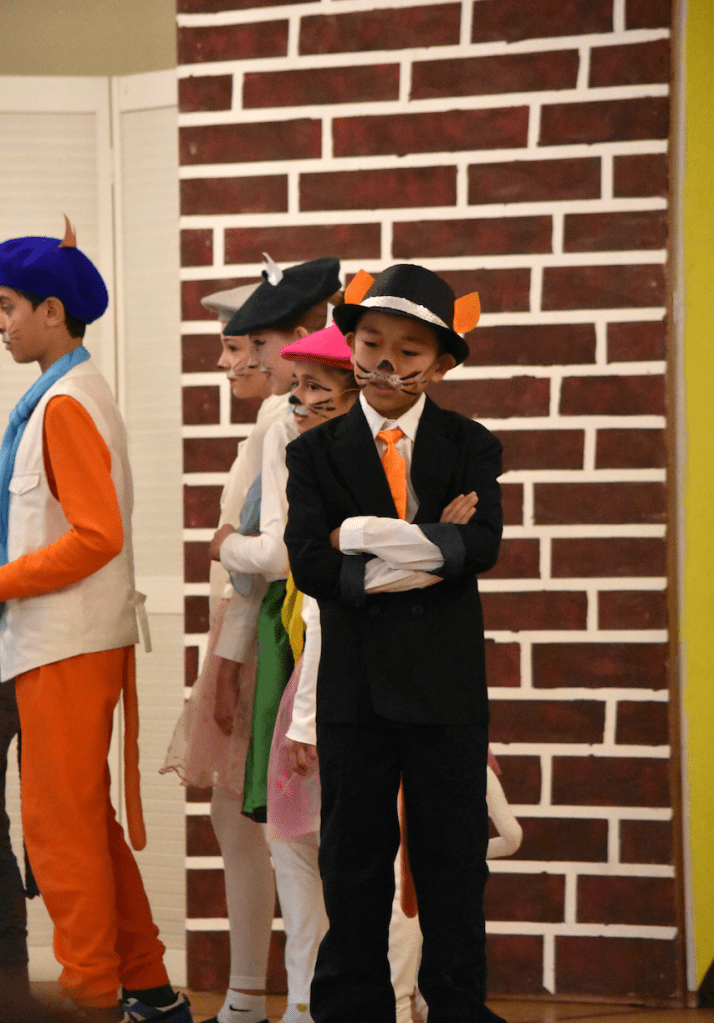
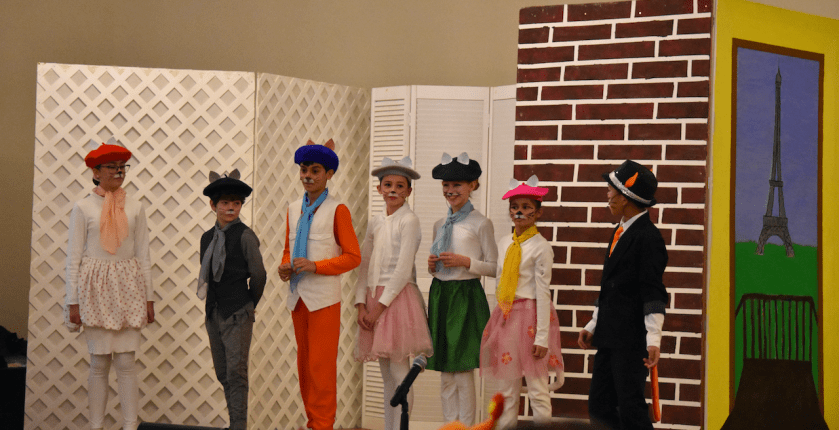
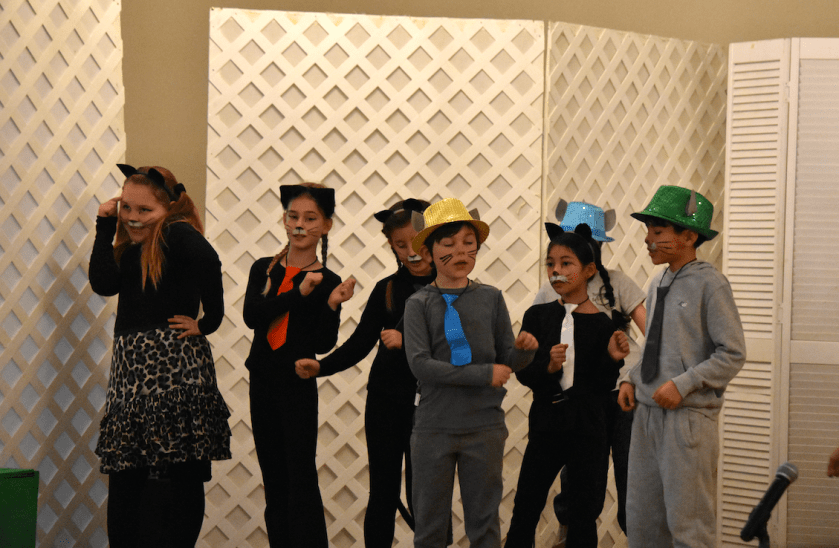
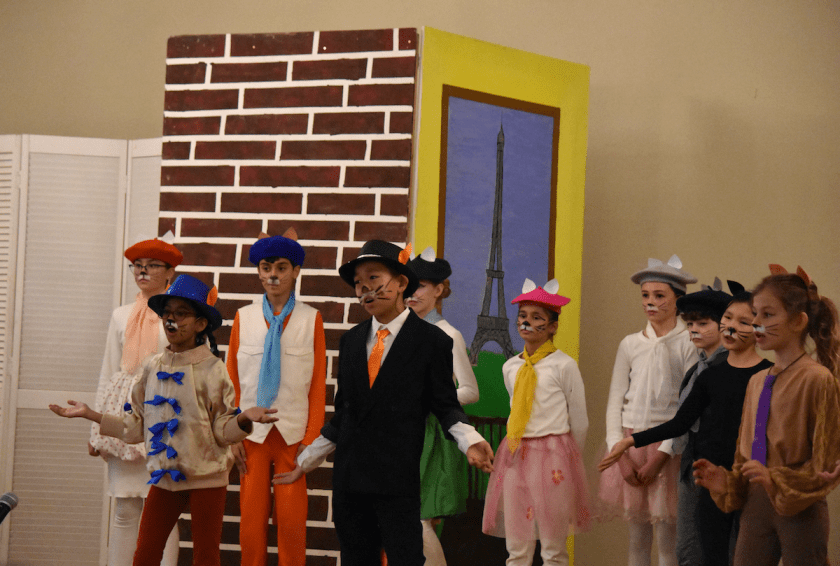
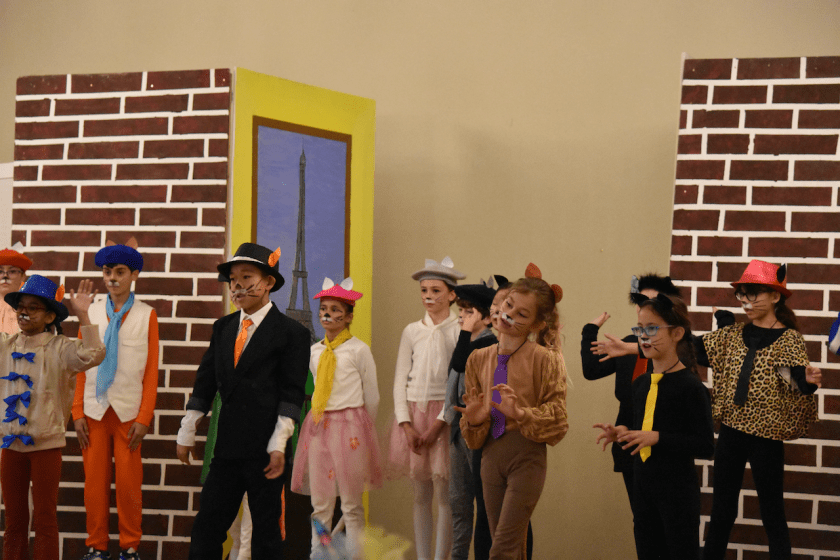
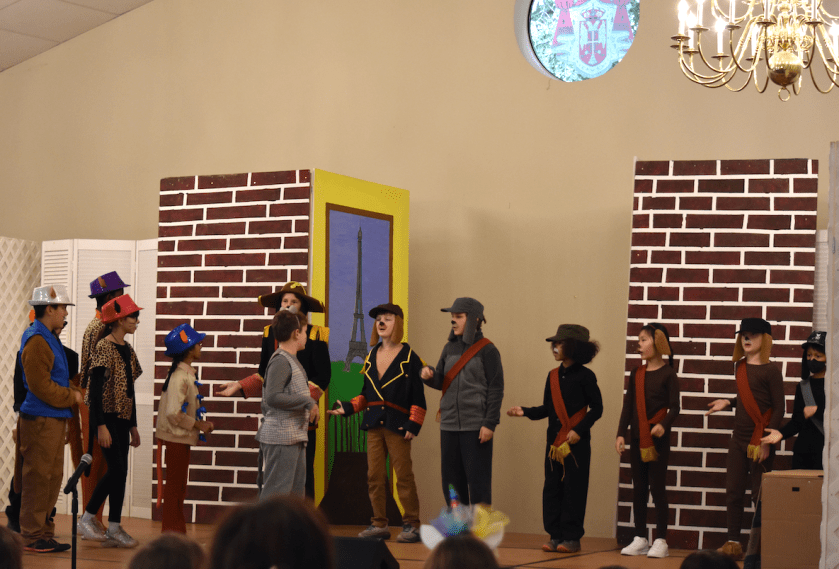
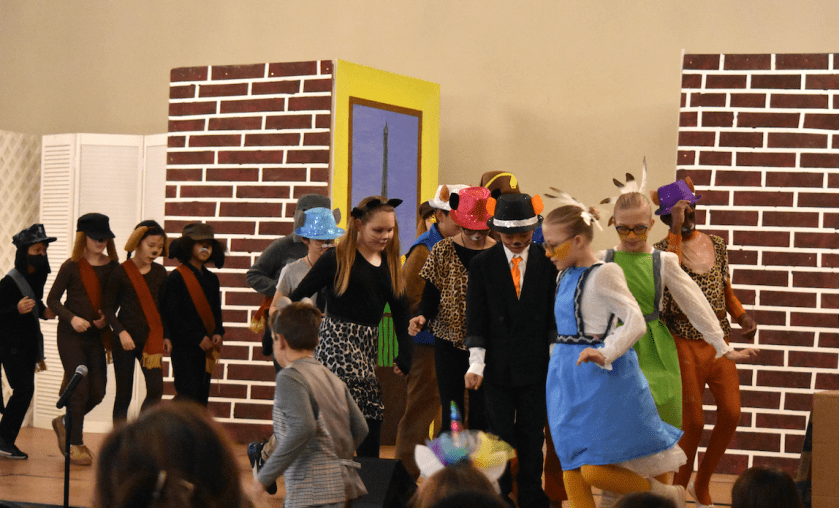
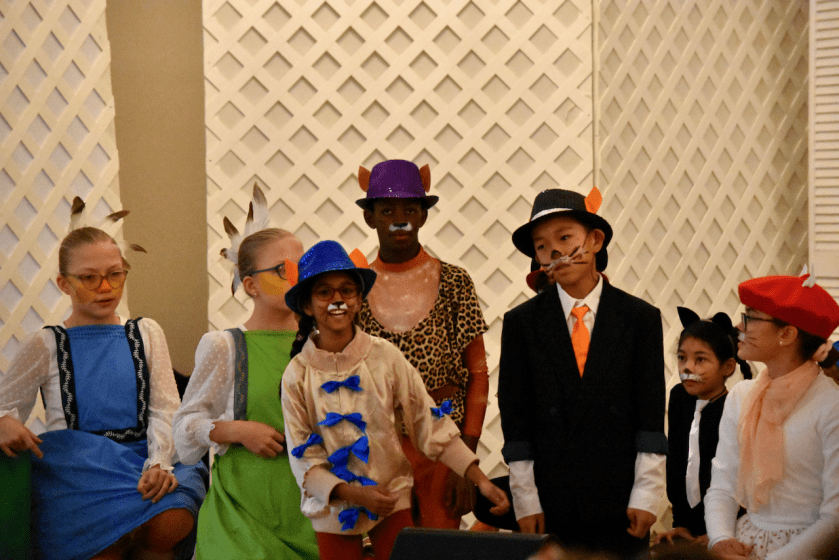
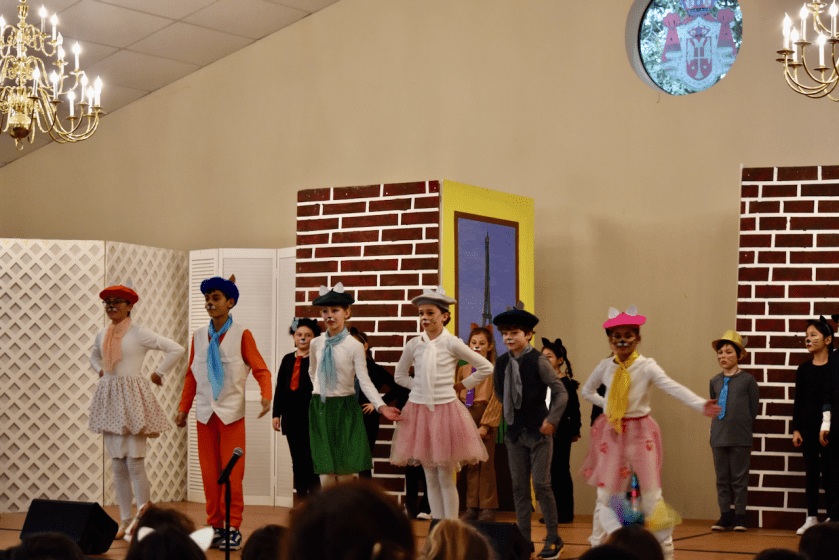
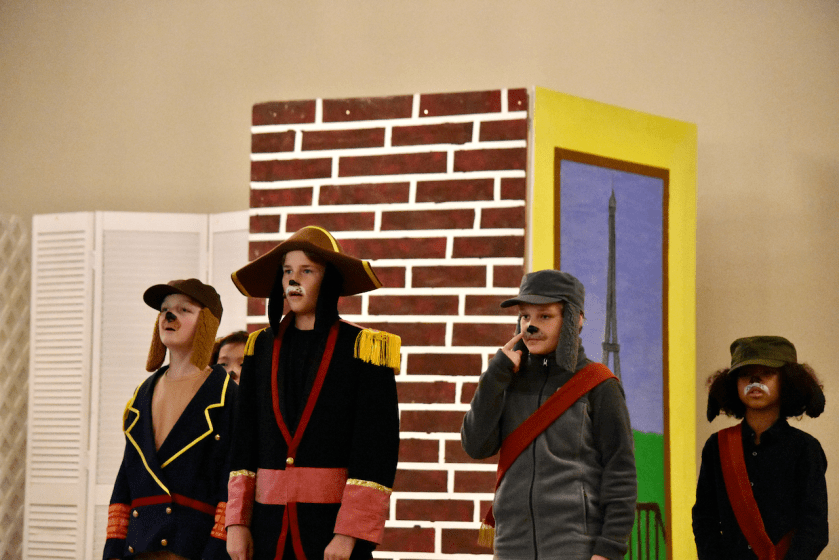
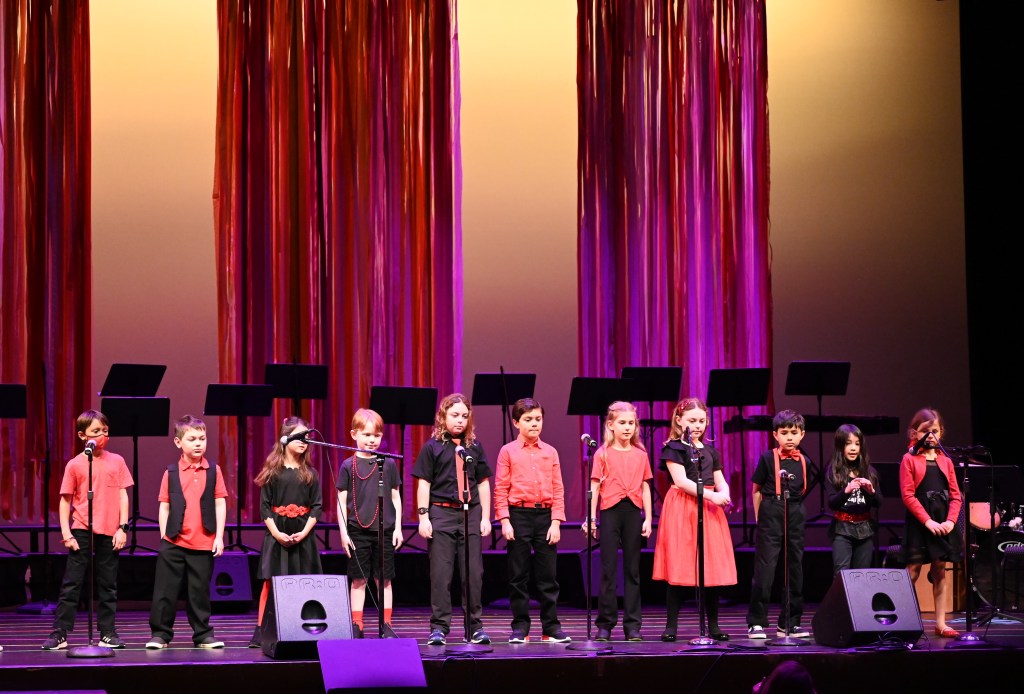
Congratulations to our third, fourth, and fifth-grade students on their wonderful performance of The Aristocats Kids right before Winter Break!
From memorizing lines, finding costumes, designing sets, and applying makeup, it takes a village to bring these productions to life. Thank you to all the performers for the courage and creativity they put into their characters. Thank you to the parents who helped run lines, arranged for base costumes, and worked on hair and makeup. Thank you to all who joined us for the show and cheered on the cast.
Additionally, we have a few special thank yous we would like to share:
Special thanks to Dianne Hurvitz for directing the lower school students’ wonderful performance. Her hard work, dedication, and love for the students were evident throughout the show.
Special thank you to Javier Yacarini and John Miazga for all their work constructing the stage and the set.
And a very special thank you to Jayme Feldhammer for her work on the costumes.
It was a fabulous show! We hope you enjoy the photos from the performance below.
A key element of Saklan Project Based Learning units is a public product. This looks different depending on the division and, hopefully, over the last month, you have had the opportunity to share in a culminating event on campus!
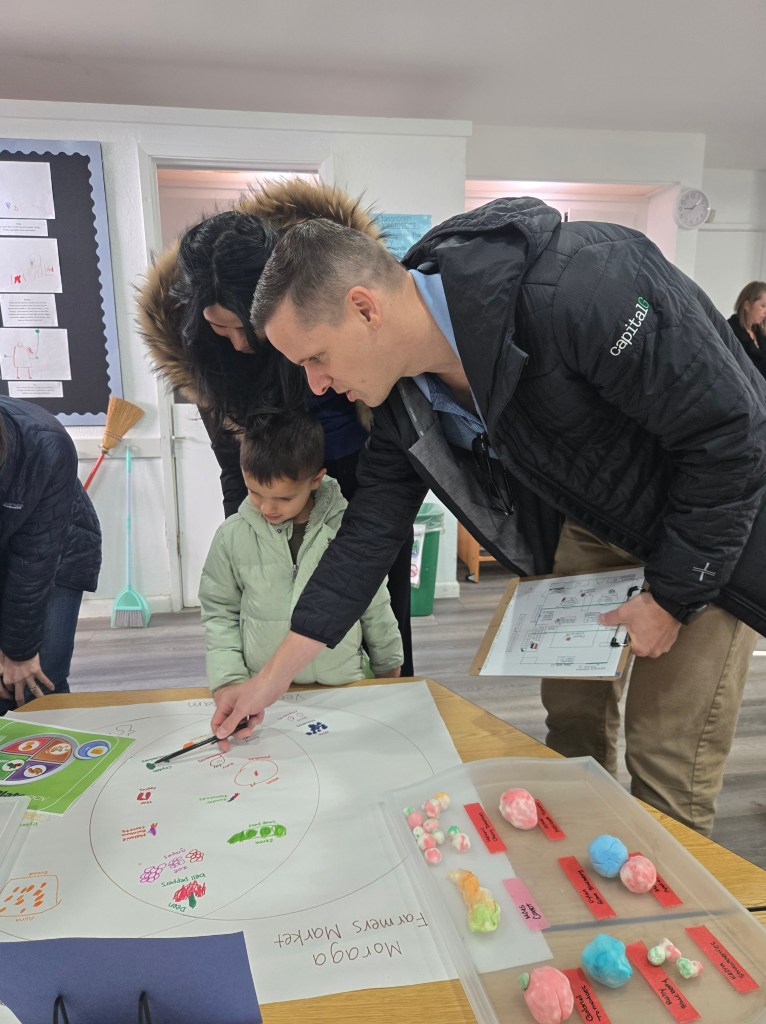
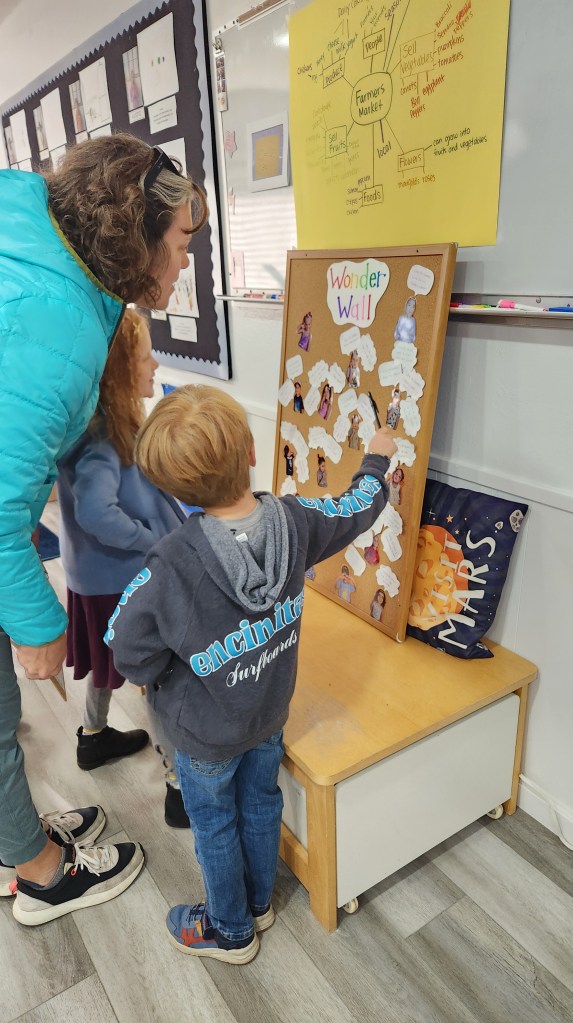
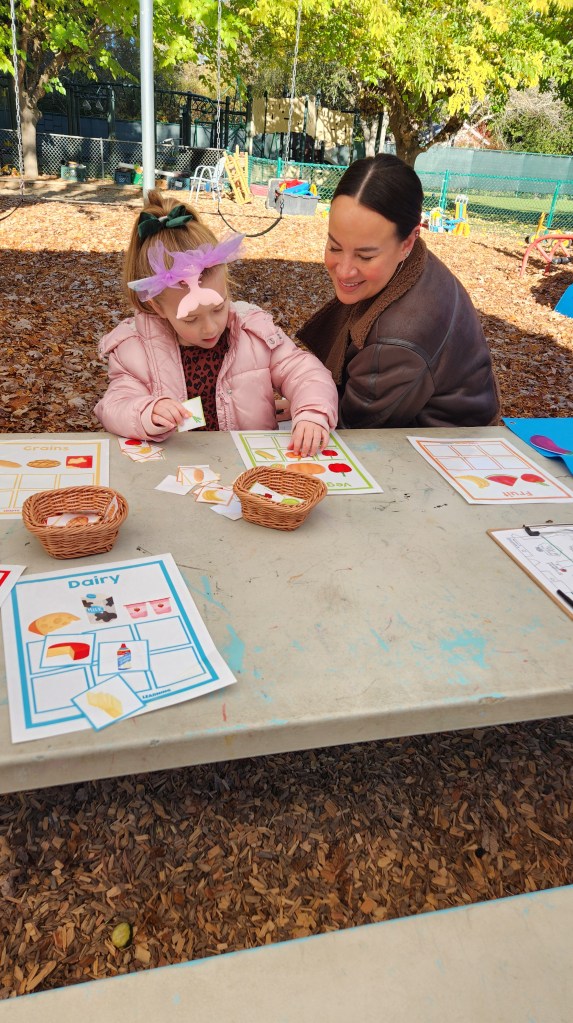
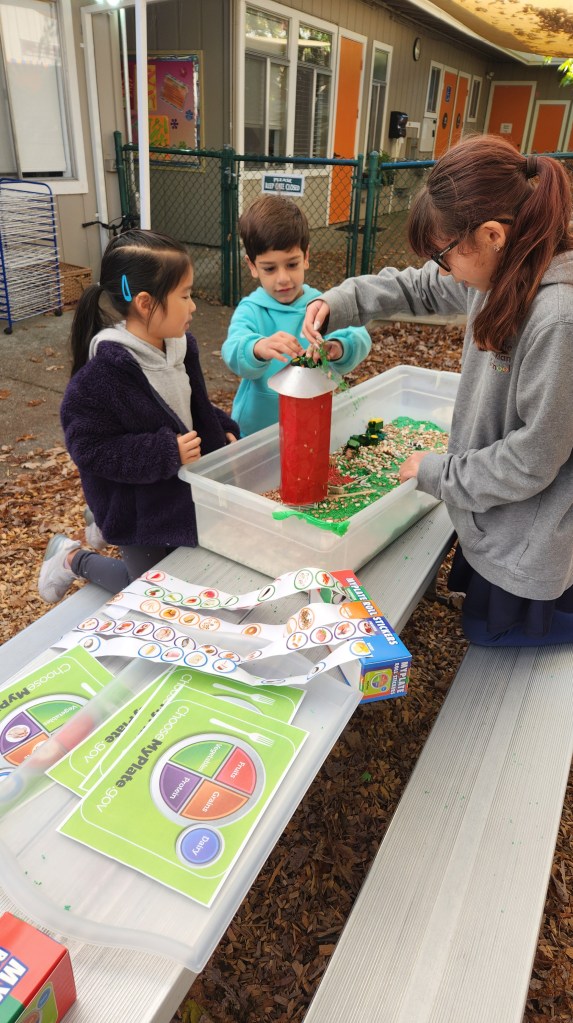
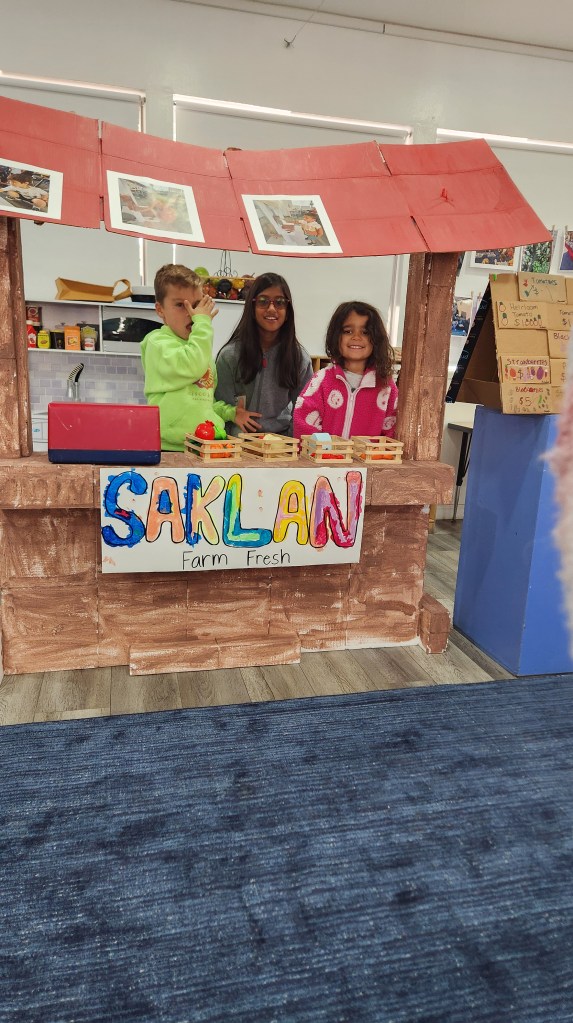
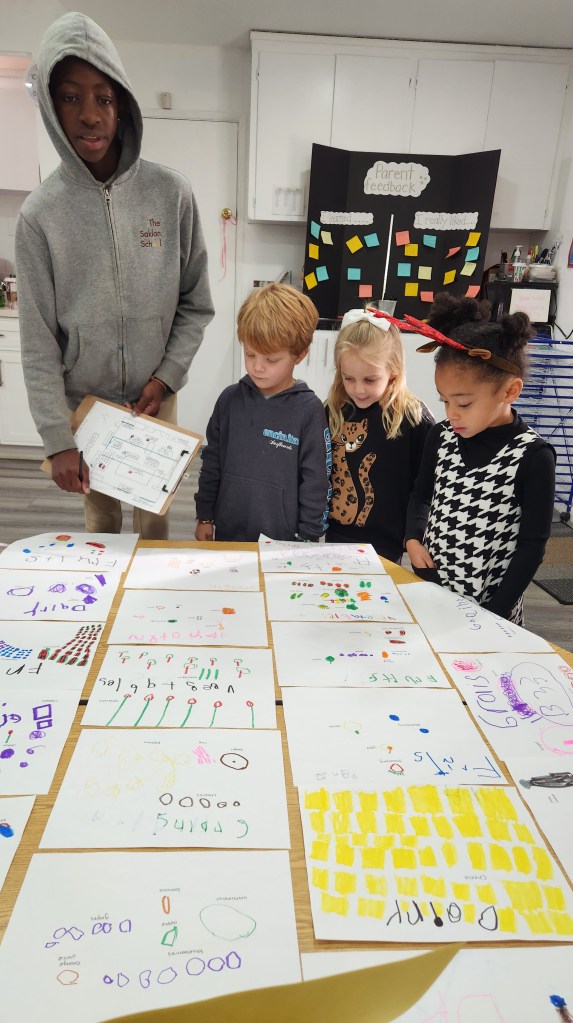
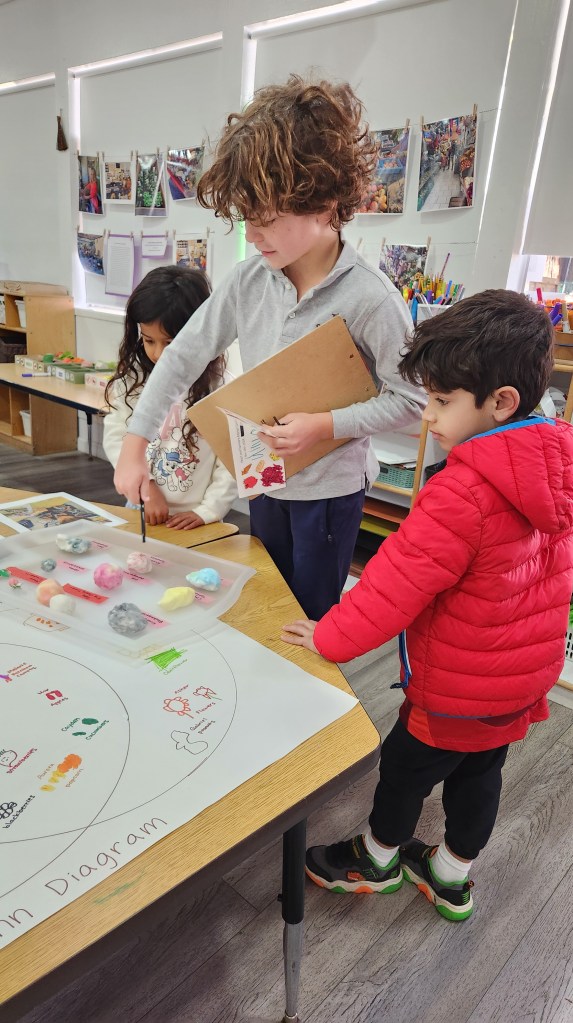
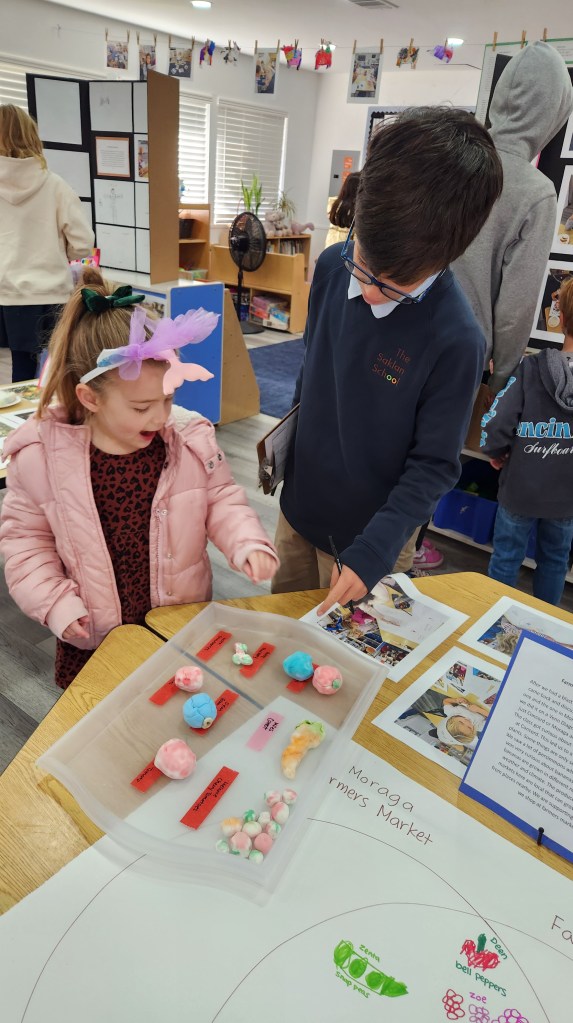
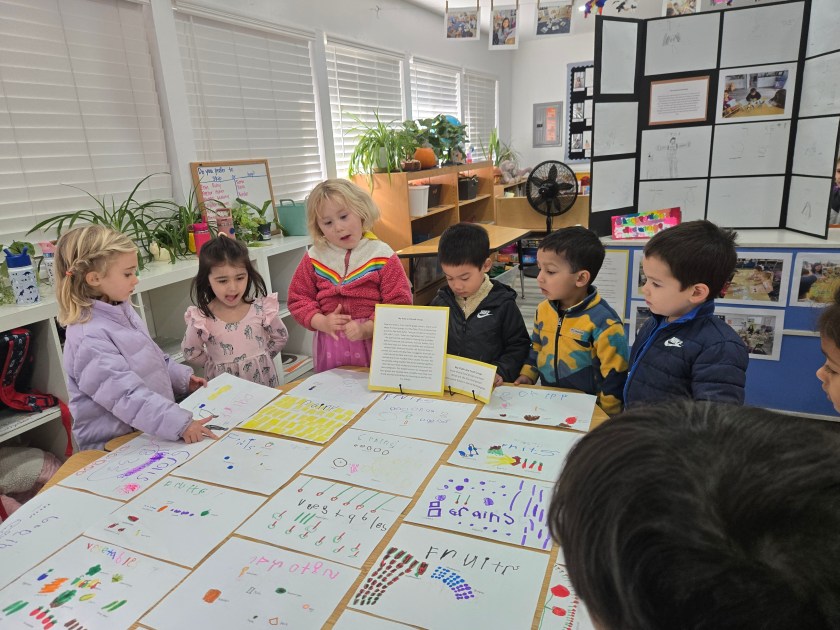
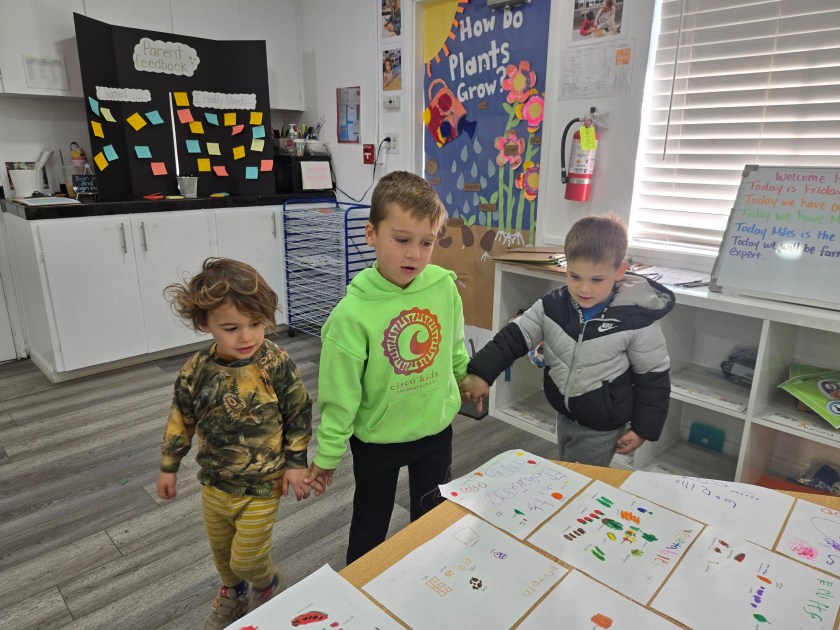
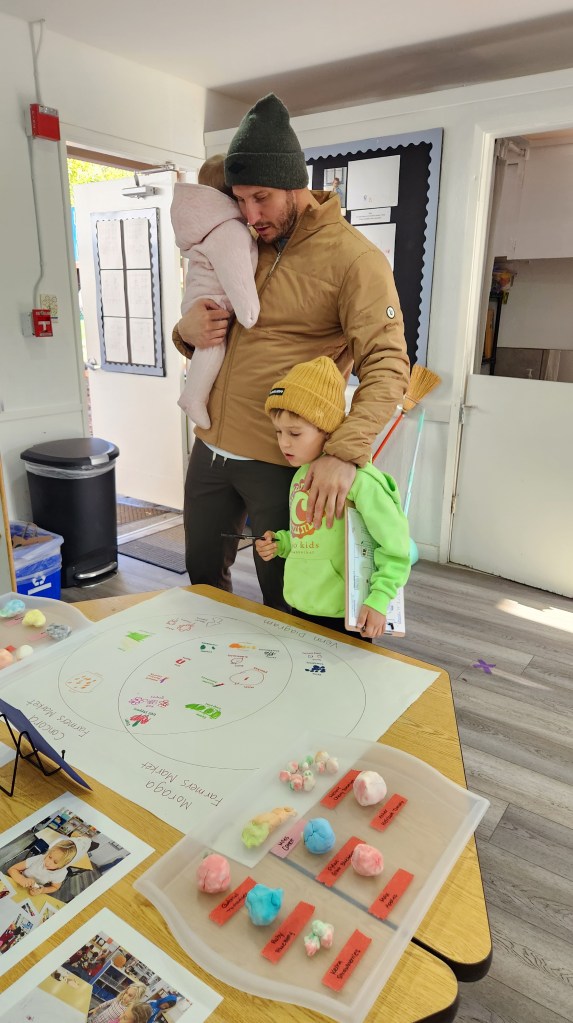
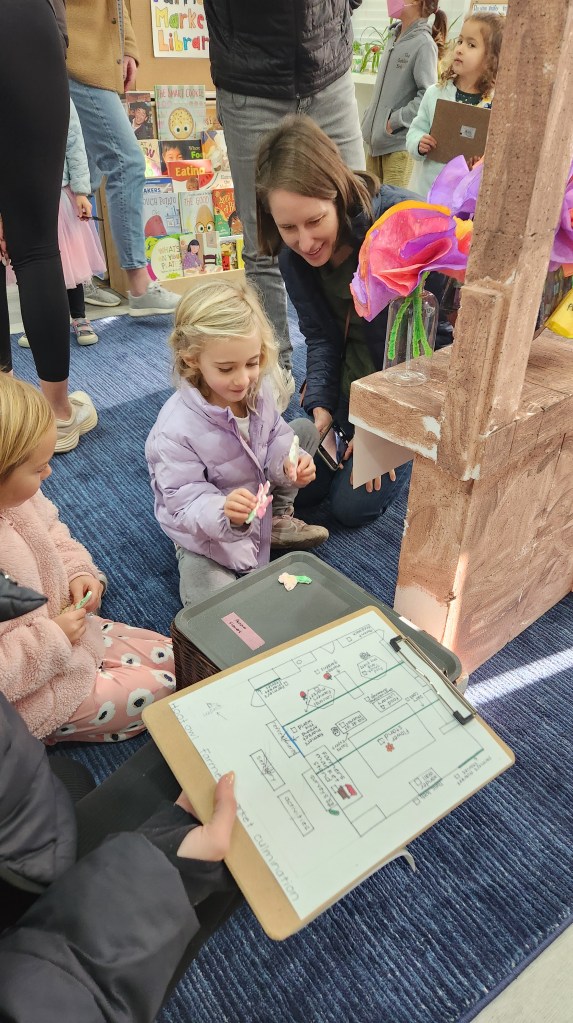
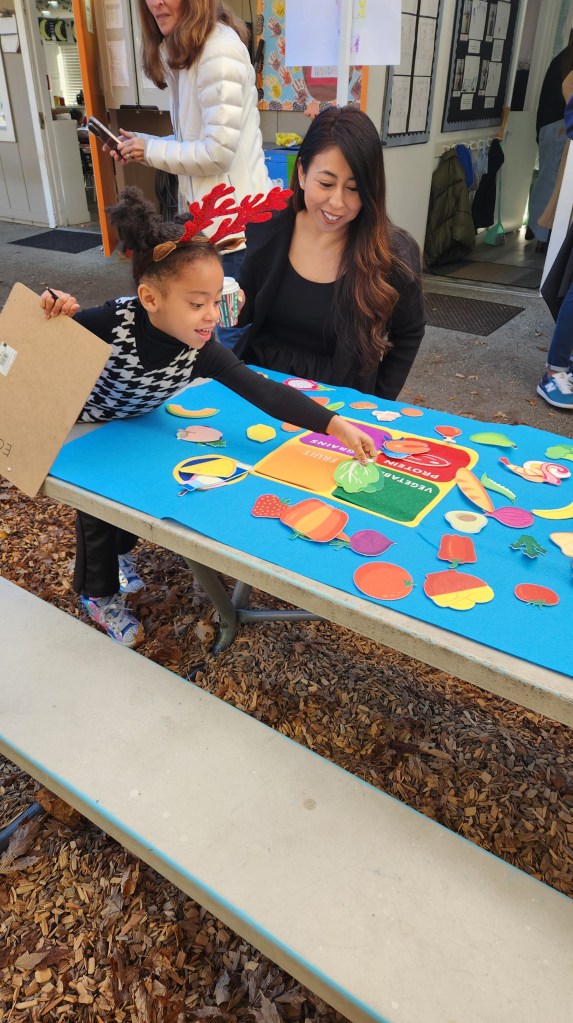
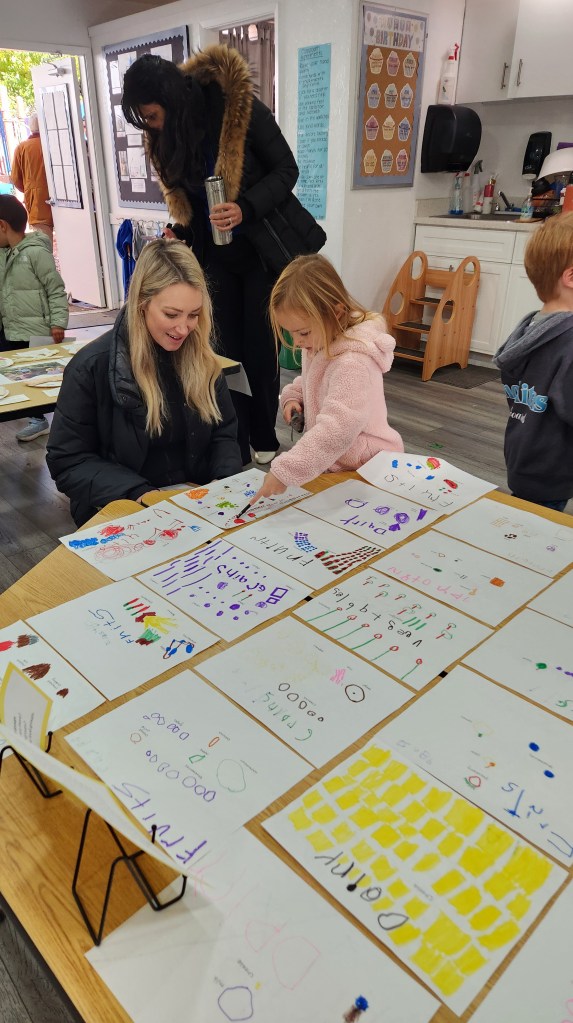
In our Early Childhood Education program, our projects culminate with a public event where students share all the expertise they have gained over the course of the project. It’s a joyful time to celebrate their hard work with family, friends, and other students and staff. It is also a rich opportunity for them to be the experts in the room and develop their speaking and listening skills. Recently our Pre-K (Hoot Owl) class culminated their project unit on farmers’ markets.
In our lower and middle school projects, products are created for an audience beyond the teacher and students in the classroom. One key aspect of a public product in these divisions is that it must raise the stakes of the work in a meaningful and authentic way. Students aren’t doing something just for the sake of doing it or solely regurgitating information learned from teacher-directed lessons.
Instead, the work students engage in mirrors what adults do in their various career pursuits. After student-led inquiry and teacher guidance to address the content standards, students make or do something that serves some purpose in the Saklan or broader community. Students are creating, educating, or advocating beyond the context of our classrooms. Some examples of recent products that answer the driving question and serve an authentic public purpose are below:
Grade
Driving Question
Public Product
2nd
Can animals survive in any habitat?
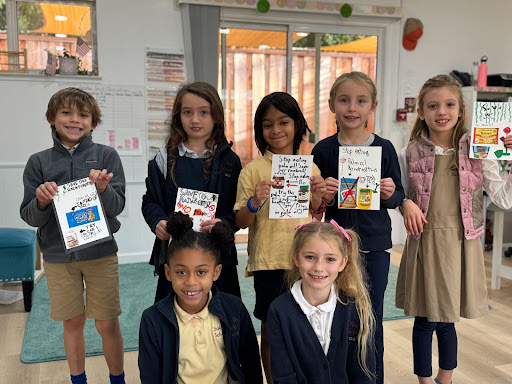
Lunch table mini posters advocating for food swaps that help avoid palm oil.
2nd
How can we use color to communicate feelings?
Design and creation of the concert backdrop for our Spring Concert at the Lesher Center
3rd
How can we show respect to the people whose ancestral land our school is on?
Research, design, and creation of the hopscotch and four square murals on the sports court to reflect the Saklan Bay Miwok culture.
6th
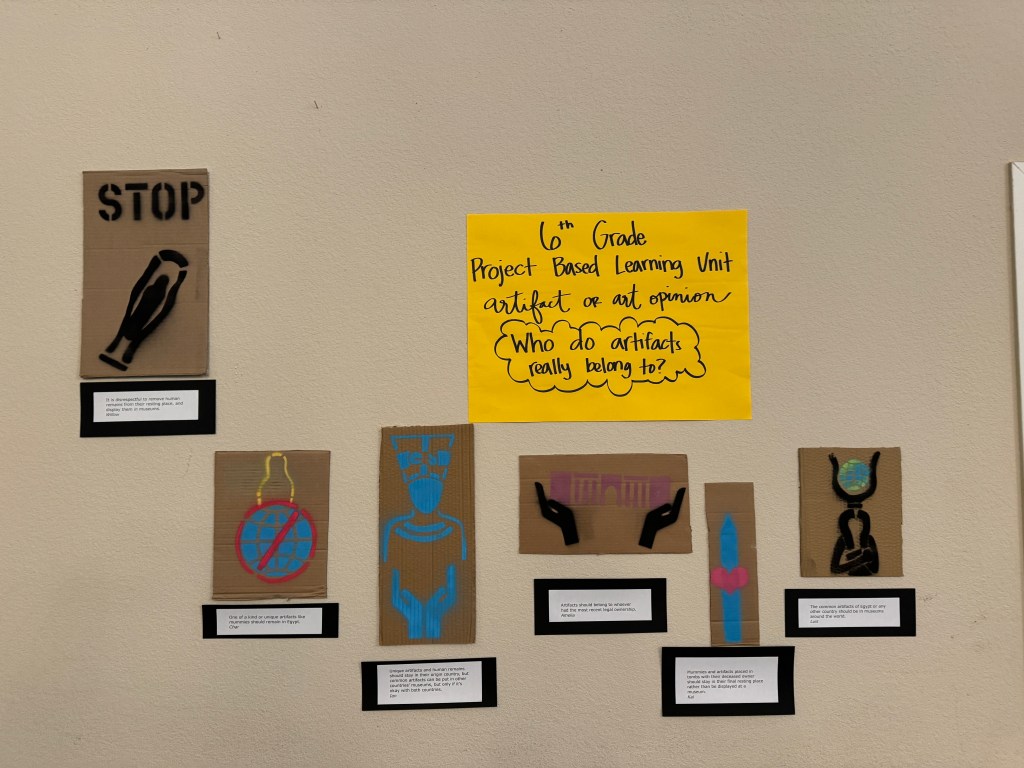
Who do artifacts really belong to?
Public art graffiti stencils to share options on repatriation of artifacts with the community.
The final products differ but all include authentic sharing and action beyond our classrooms. At Saklan, students feel a sense of purpose that is hard to replicate in other styles of teaching and learning. This brings the work alive and prepares them for the critical thinking challenges, complex communication needs, and creative problem-solving they will encounter in high school, college, and beyond.
If you’d like to dive deeper into the various design elements of a Project Based Learning (PBL) unit, check out the recording of our October 22nd Saklan Projects! virtual event. And we hope you can join us at our culminating events next week.
Upcoming Project Culminations
Preschool (Owlets)- Nocturnal Animals Culmination Celebration at 8:35 a.m. on December 12th
Kindergarten- Names Unit Culmination at 8:45 a.m. on Thursday, December 12th
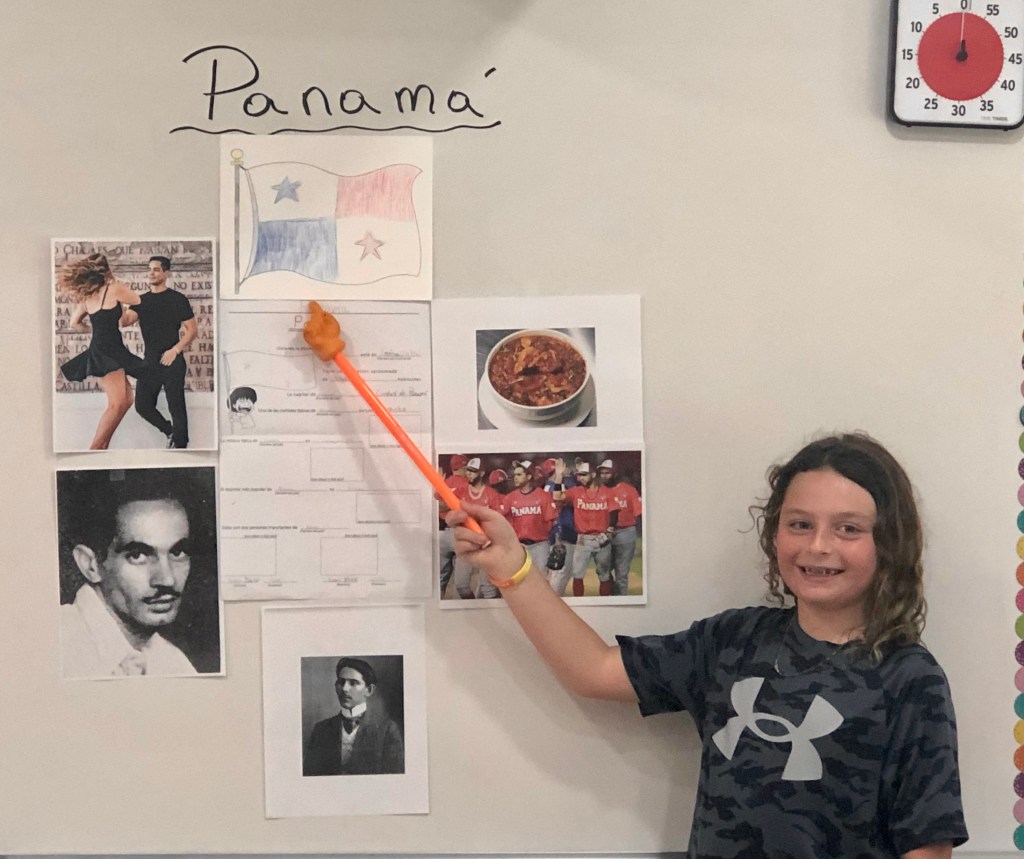
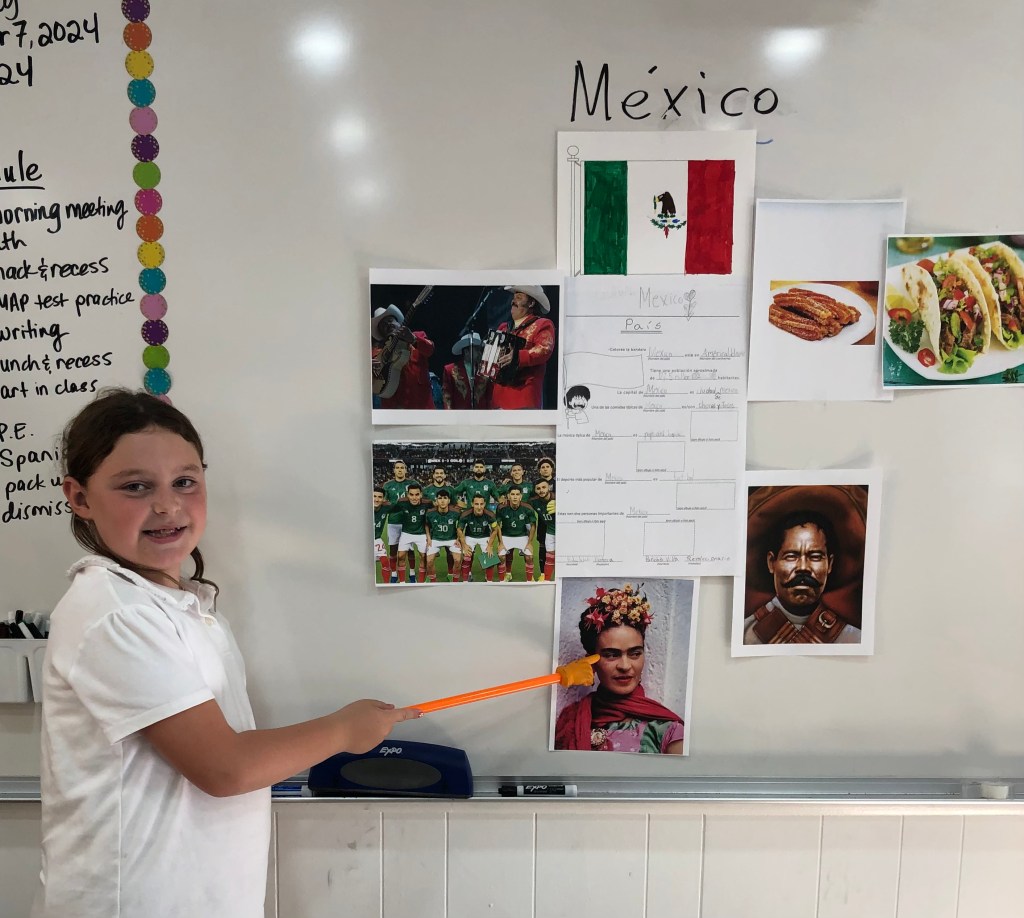
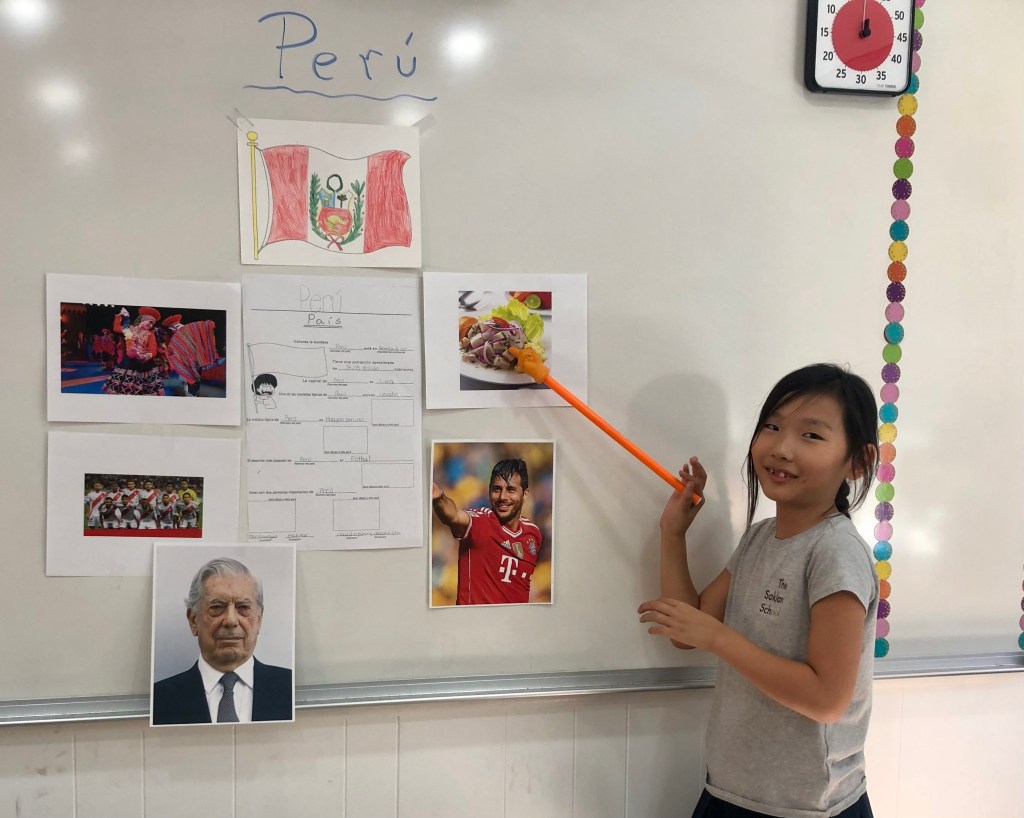
Third graders have been learning about Spanish-speaking countries around the world. They learned that there are 21 countries and about 500 million Spanish speakers in the world. Each student did a special project researching one specific country to find out:
Location of the country
Popular food in that country
Dance and music styles that are popular
Sports that are played
Important/well-known people from that country
Upon completion of their projects, each student presented their findings to the class.
The students had a great time learning and presenting about their Spanish-speaking country of choice!
Thursdays at The Saklan School sound different thanks to African Drumming classes. Learn more about the classes and instructor in the post below, written by guest blogger and Saklan African Drumming Teacher, Isaac Narell.
Alfred and Kobla Ladzekpo came to the United States in the 1960s to teach Ewe music. The Ladzekpos came from a village in the southern Volta region of Ghana called Anyako, an Ewe village. Ewe is one of over 20 languages spoken in Ghana. Ewe music is divided into styles. Each Style has songs (for singing), drum patterns and dance steps. The singing, drumming and dancing together form the musical style.
Alfred Ladzekpo taught at the California Institute of the Arts (Calarts) for over 40 years, and I was fortunate to study with him from 2002-2006. He became my mentor and my friend.
Alfred’s main goal with his students at Calarts was to show them how to be an effective musician in his style of music. Ewe music is an oral tradition. Musicians coming from different backgrounds begin a new process of learning through listening. Alfred reveled in every opportunity he had to lecture his students on the importance of listening. Despite the simplicity of the message, every student who embraced this concept came away from Alfred’s class as an improved musician.
As a young musician, my fascination with Ewe music was sparked by my admiration of its construction. Ewe music weaves a complex counterpoint through all of its elements that rival the greatest art forms of humanity. I was enamored with the sophistication of the drumming patterns and the ability of musicians to dialogue through musical language. The lead drummer directs the ensemble into new dance moves, drumming patterns, or songs, by playing a call on the drum. Everyone has to listen or they might miss the call!
This felt like a secret language and my friends and I were hooked. We took every opportunity to learn from Alfred and eventually, we were helping him teach his classes and performing in his professional ensemble at schools and community events. Later in life, I found another beautiful side to the art form.
The main function of music in Ewe culture is to promote community. People gather in social groups for musical performances. These groups perform at funerals and weddings and are the backbone of both religious and secular events. This is extremely valuable in our recent culture fueled by social media. People crave interaction and Ewe music is a world-class option for community building.
I teach Ewe music as a celebration of West African brilliance. Through honoring and respecting Ewe culture I have found that we can bring value to our school not only through the acute development of musicianship but through the strengthening of our community.
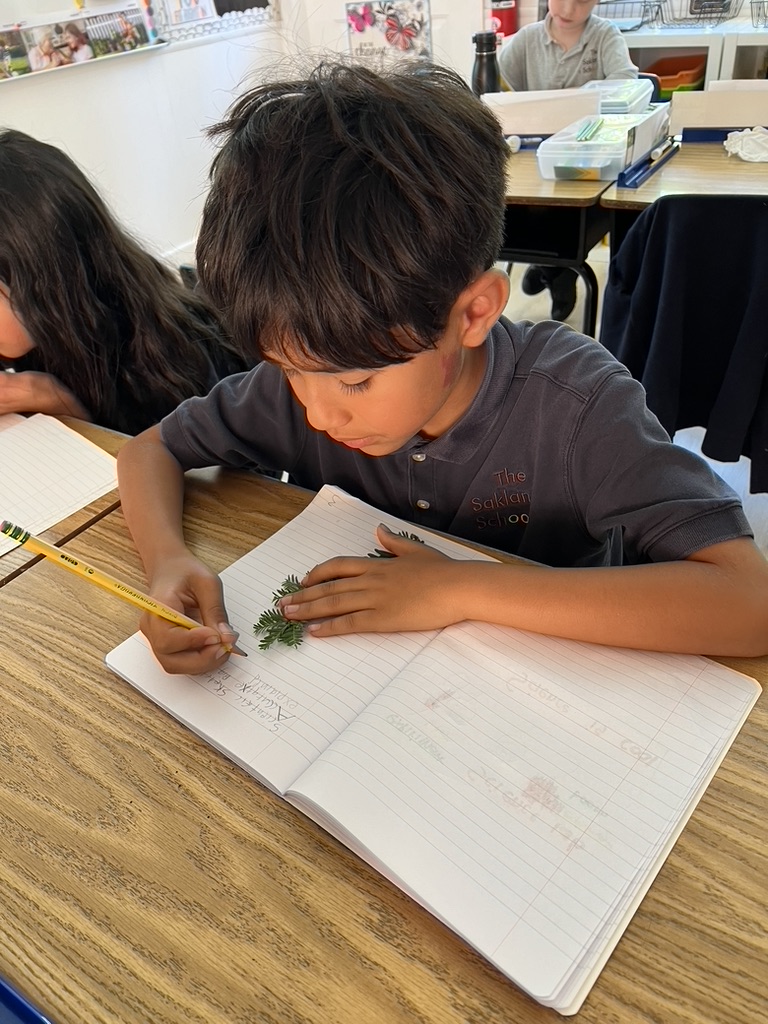
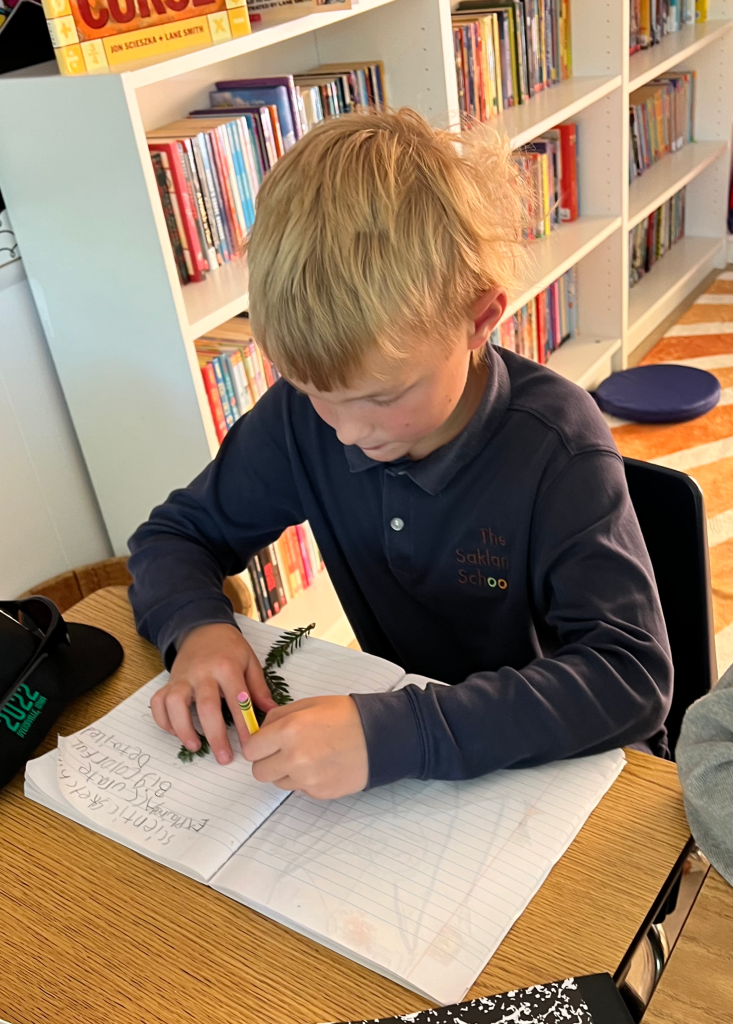
Third graders spent time last week setting up their Science Notebooks, which included an introductory lesson on how to sketch scientifically.
Scientists use sketches to record information for themselves as well as communicate information to others. They often sketch when they are doing field research, observing a plant or animal they cannot take back to the lab. Along with a drawing, a scientific sketch often includes labels and diagrams, questions and explanations.
However, you don’t have to be an artist to create a successful scientific sketch! You simply have to take time, observe closely, and record what you see. Recording what you see is different from drawing the picture you have in your head. Many of us have cartoon-like images in our head of trees, flowers, houses, apples, rabbits, etc. When you set out to sketch a real thing, it’s important to focus on the individual specimen in front of you, rather than the generalized image you carry in your head.
Third graders learned the criteria for a successful scientific sketch through the mnemonic: ABCDE. Scientific sketches should be:
Accurate
Big
Colorful
Detailed
Explained
With their new knowledge of what a scientific sketch is, the third graders used their careful observation skills and practiced scientifically sketching a redwood leaf in their journal.
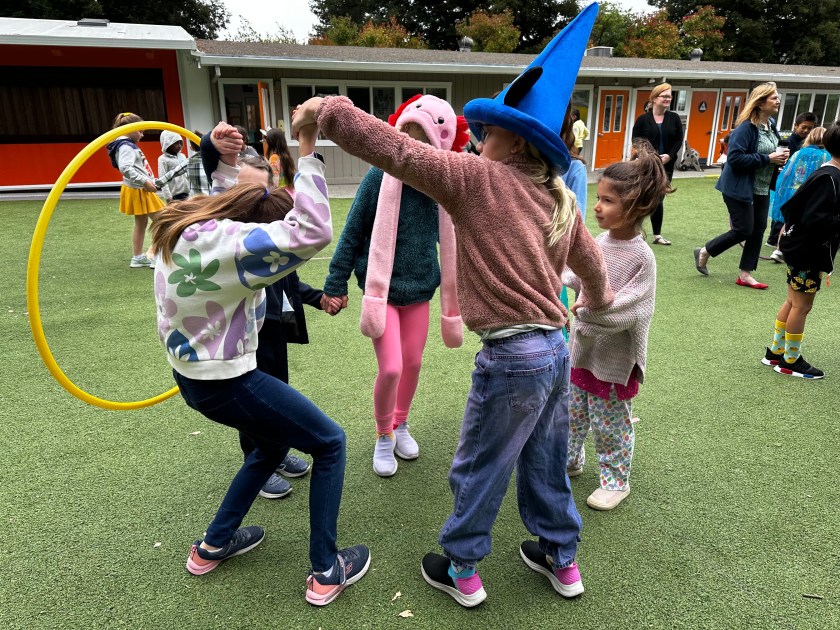
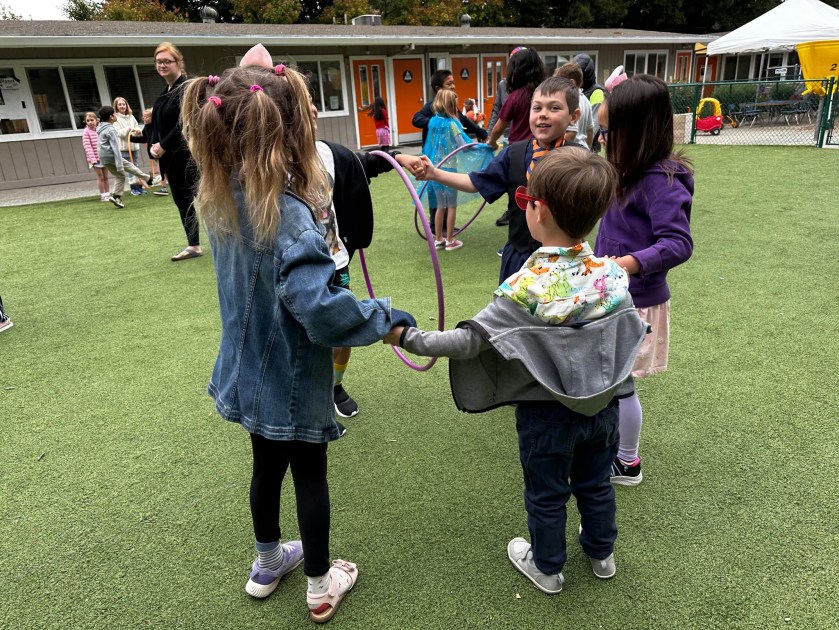
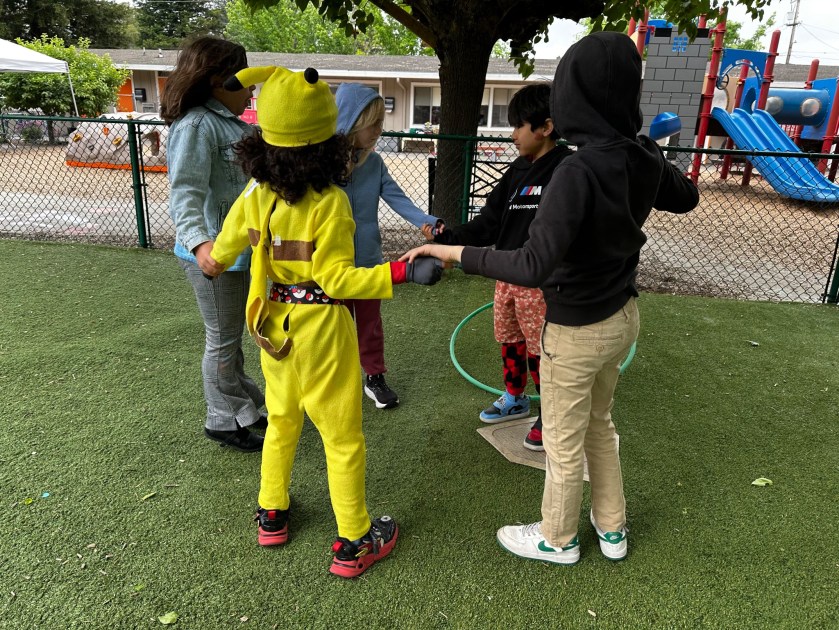
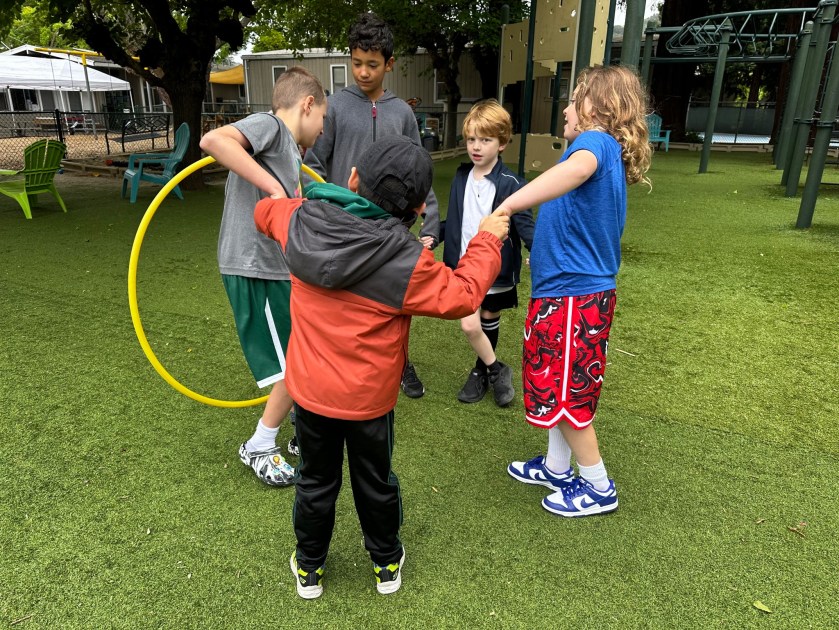
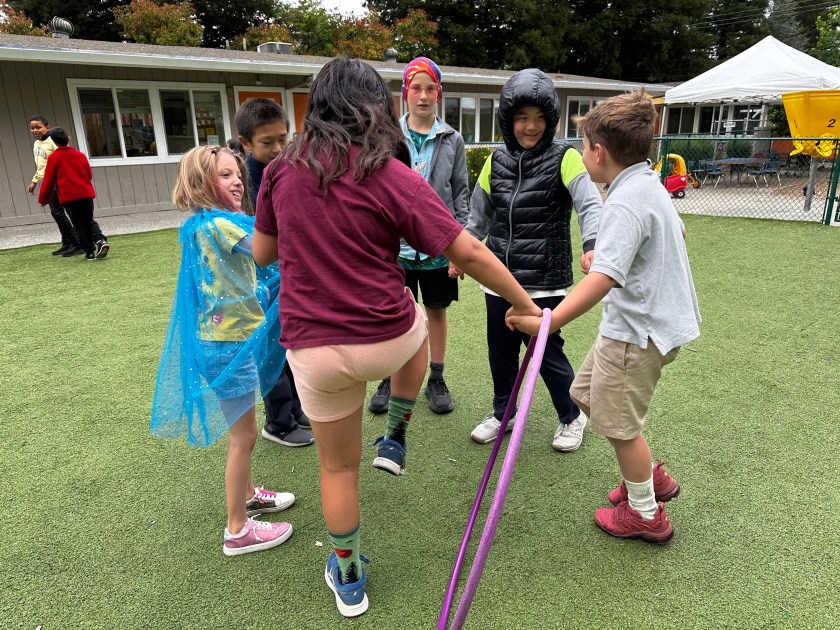
Last Friday, the lower school students had their very last CLASY meet up of the year. For our social and emotional learning this month all students have been thinking about what it means to be resilient. They have been talking about what people can do when things are hard, including to keep going, positive self talk, and breaking down difficult tasks into smaller chunks. During this CLASY the Kindergarten – 5th grade students worked on a tricky activity with their friends: passing a hula hoop around a circle while everyone was holding hands, and thus couldn’t use their hands.
The students were delightfully surprised that hard work could be so much fun!
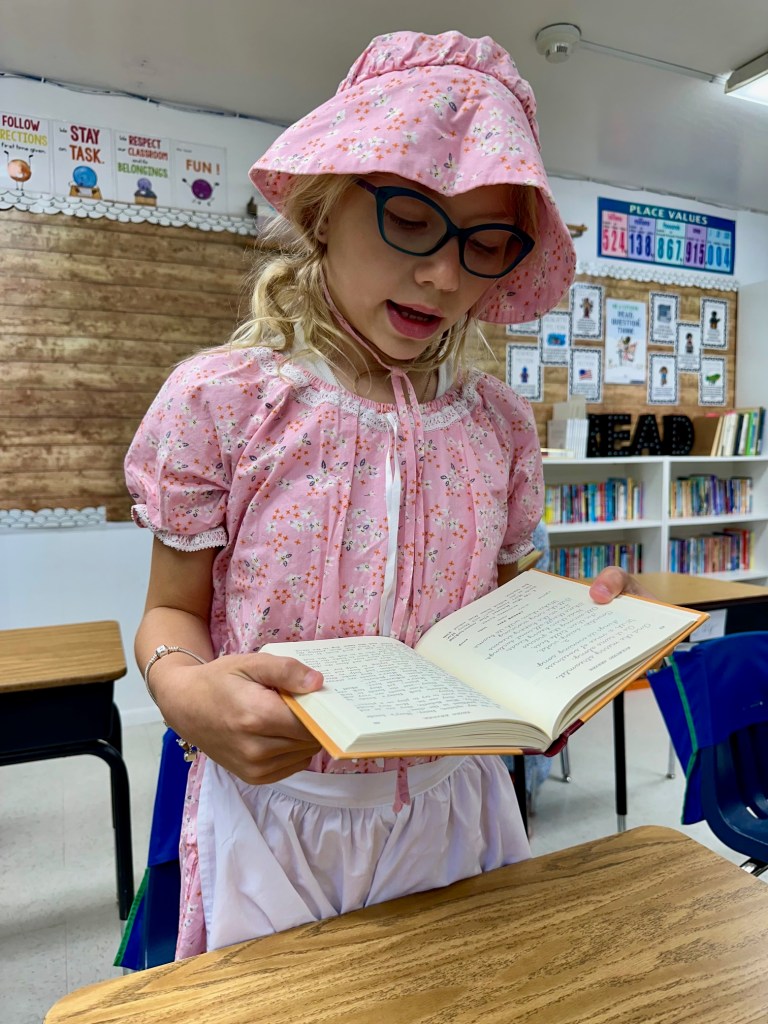
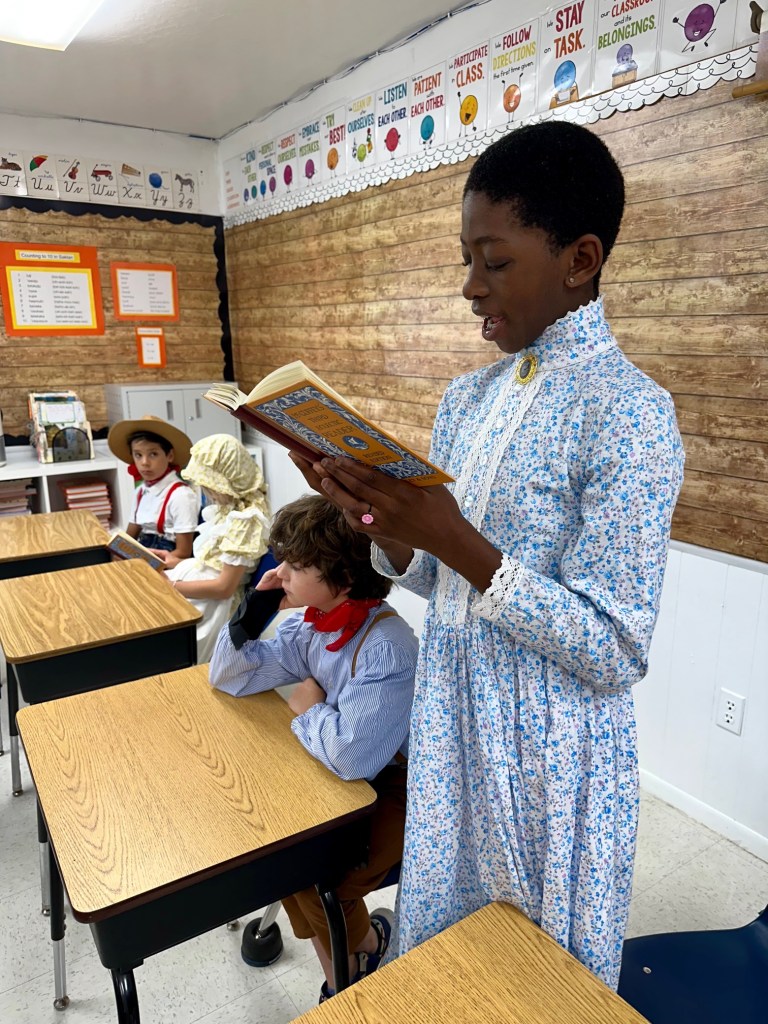
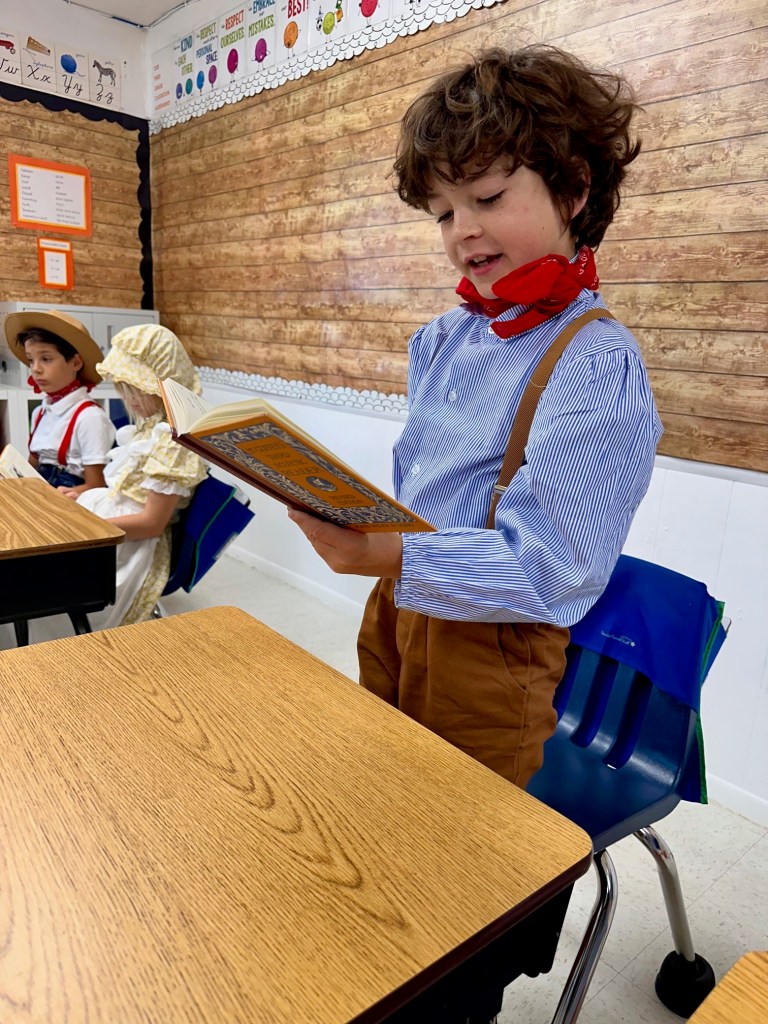
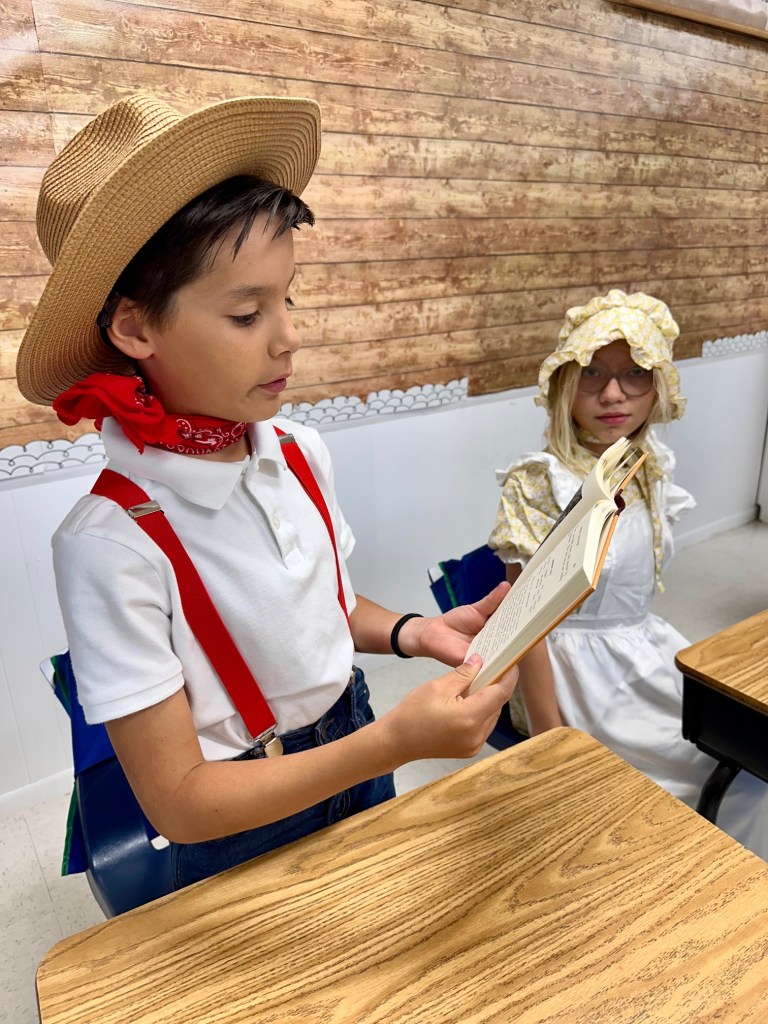
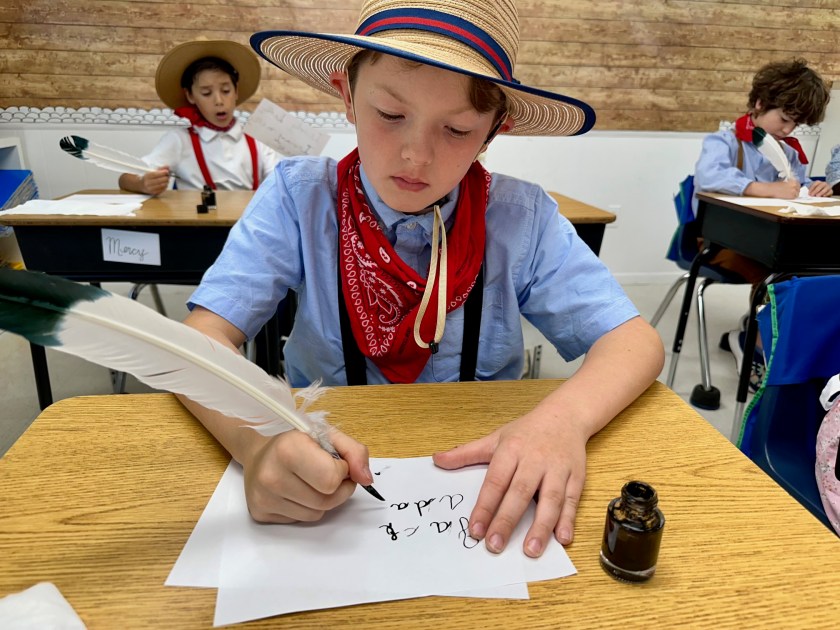
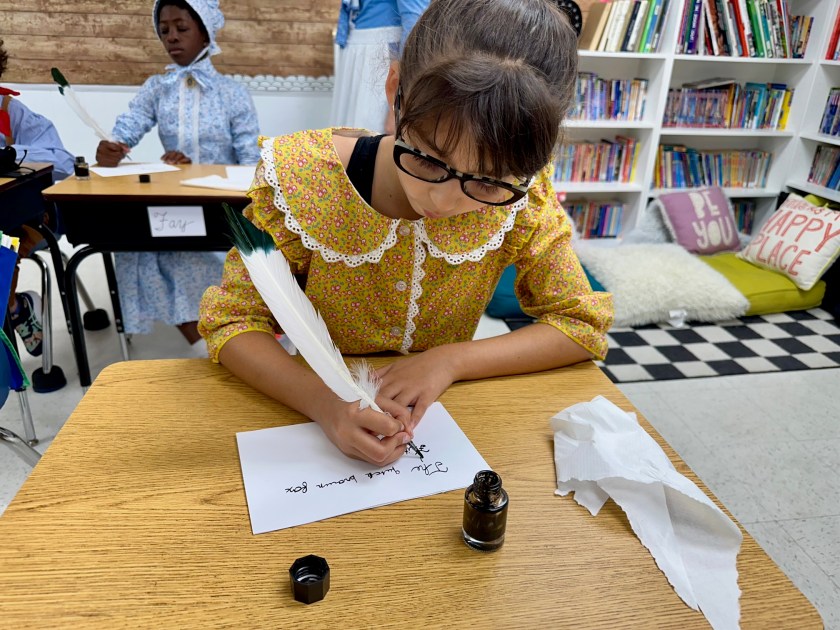
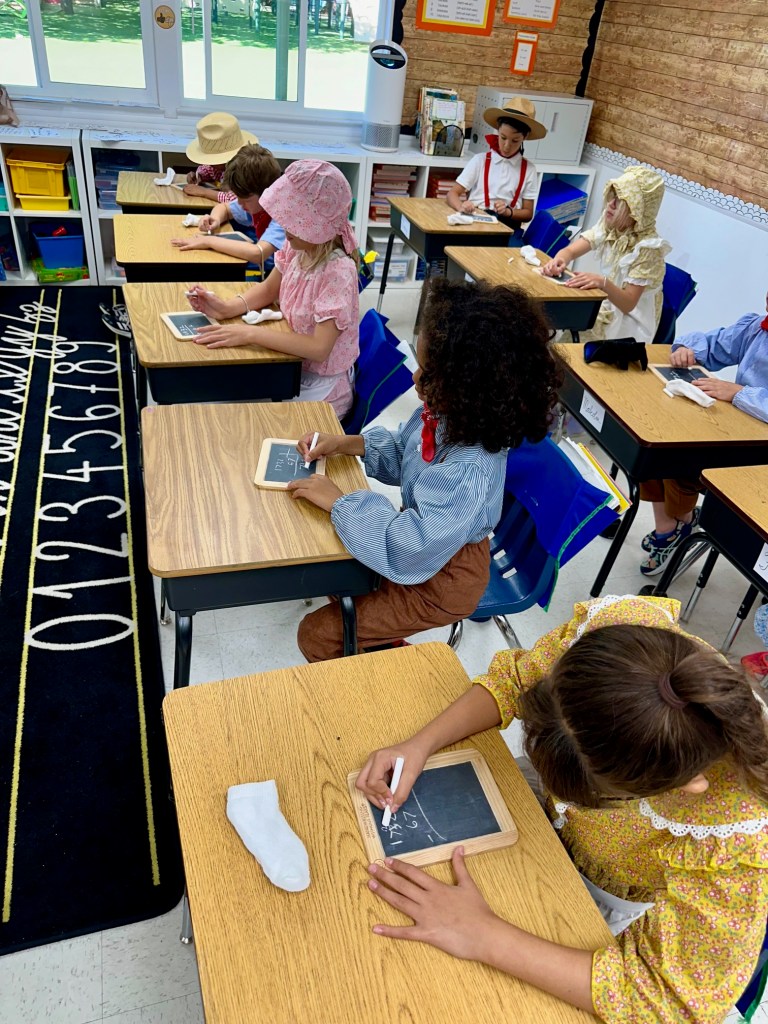
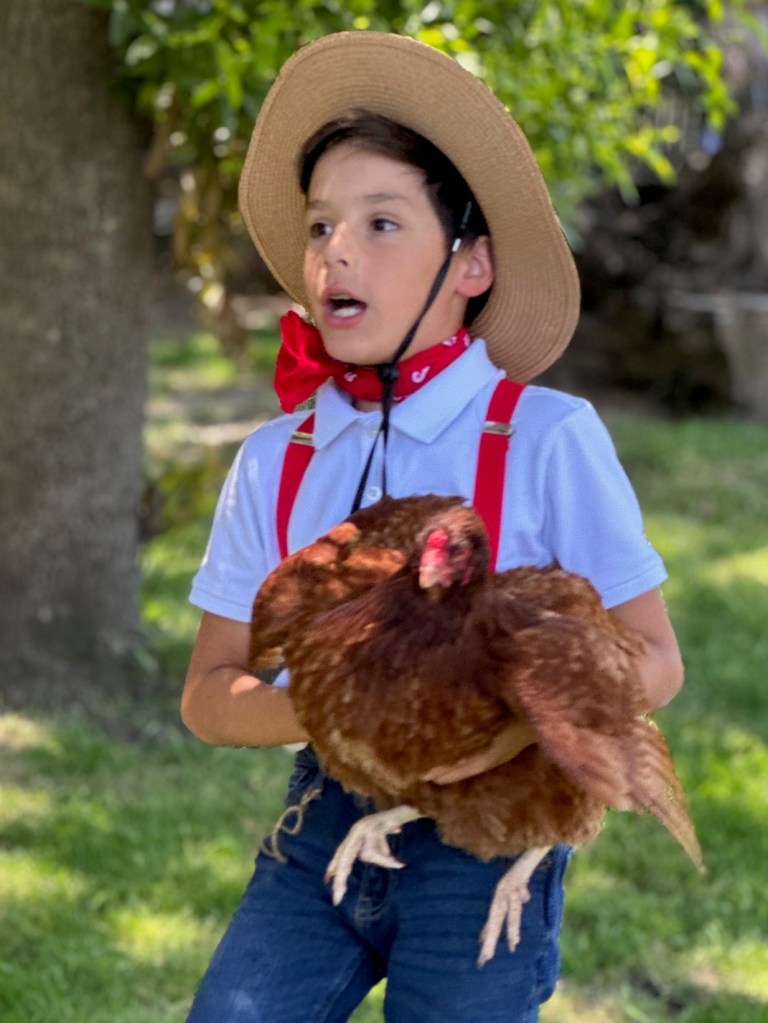
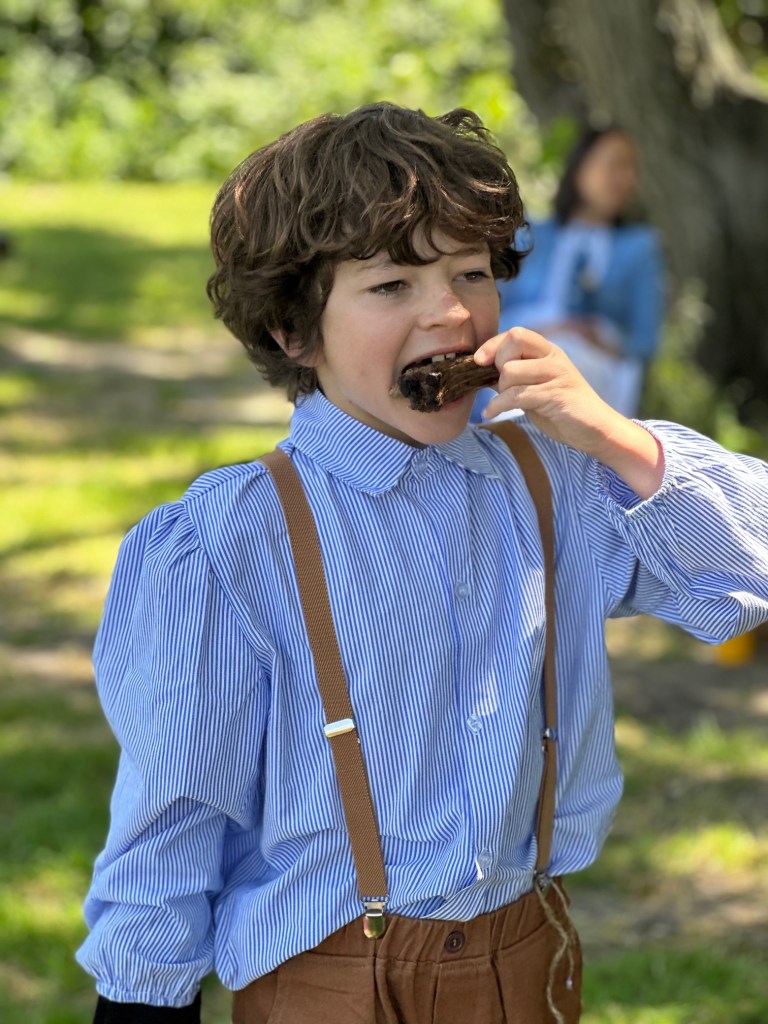
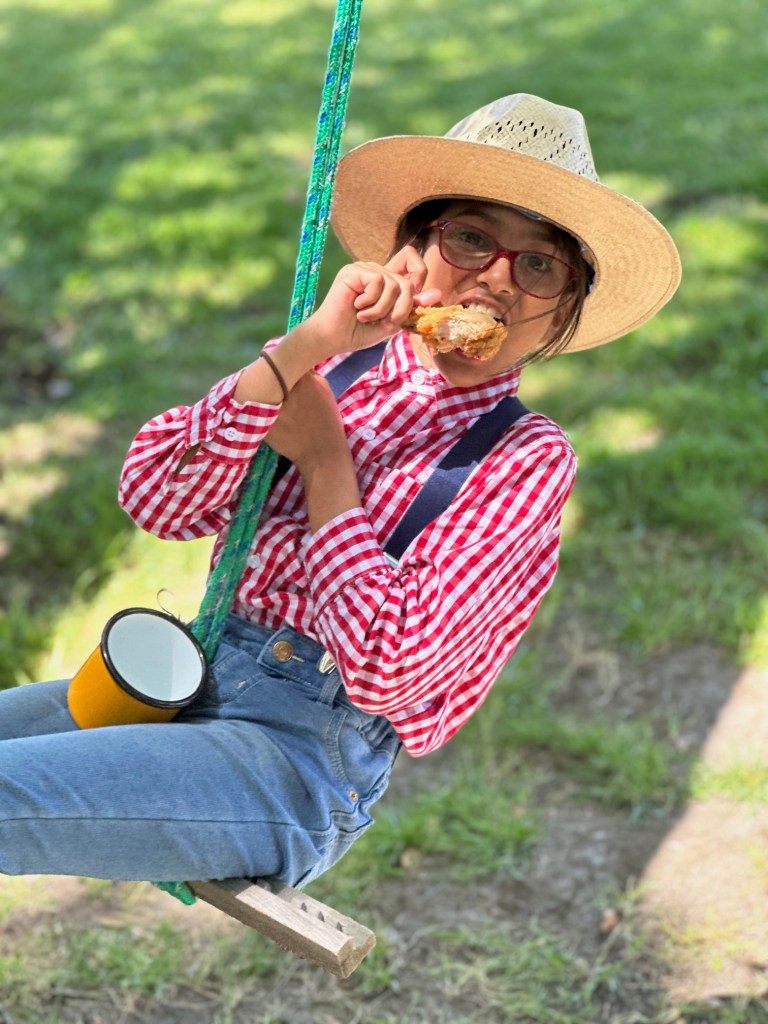
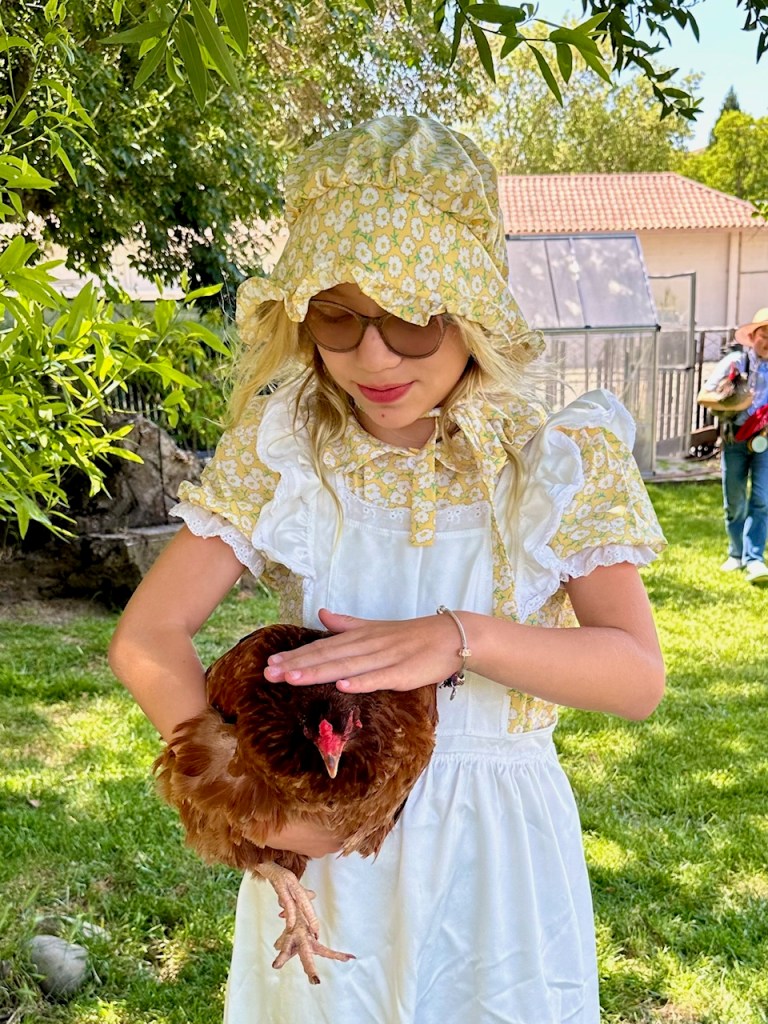
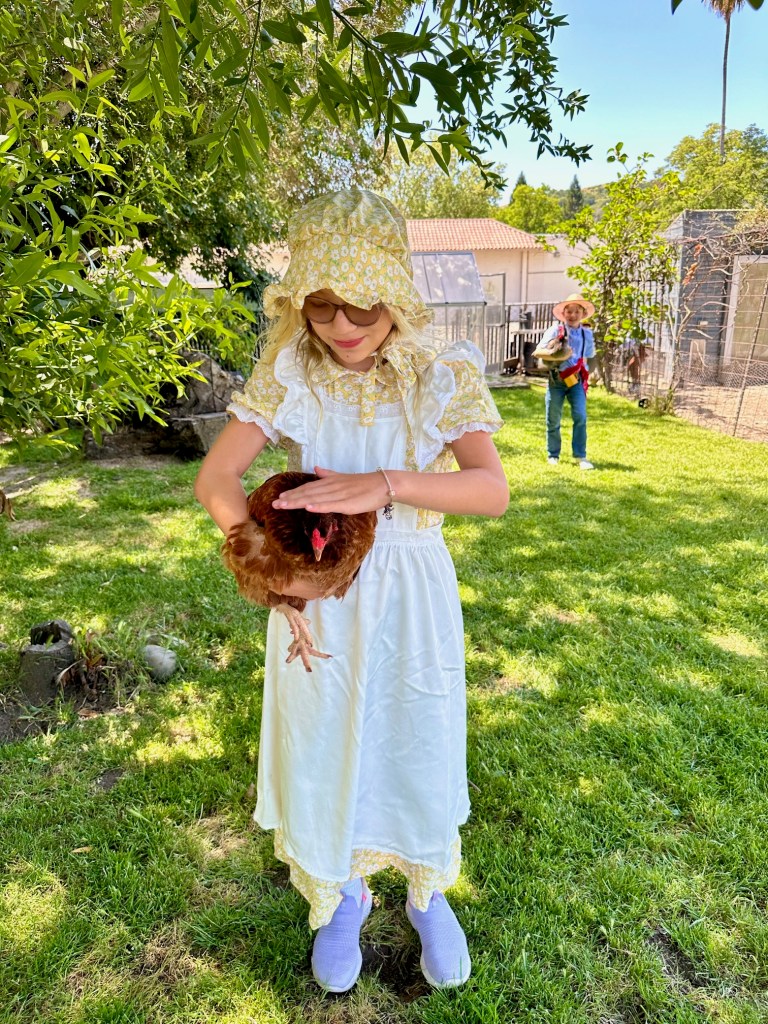
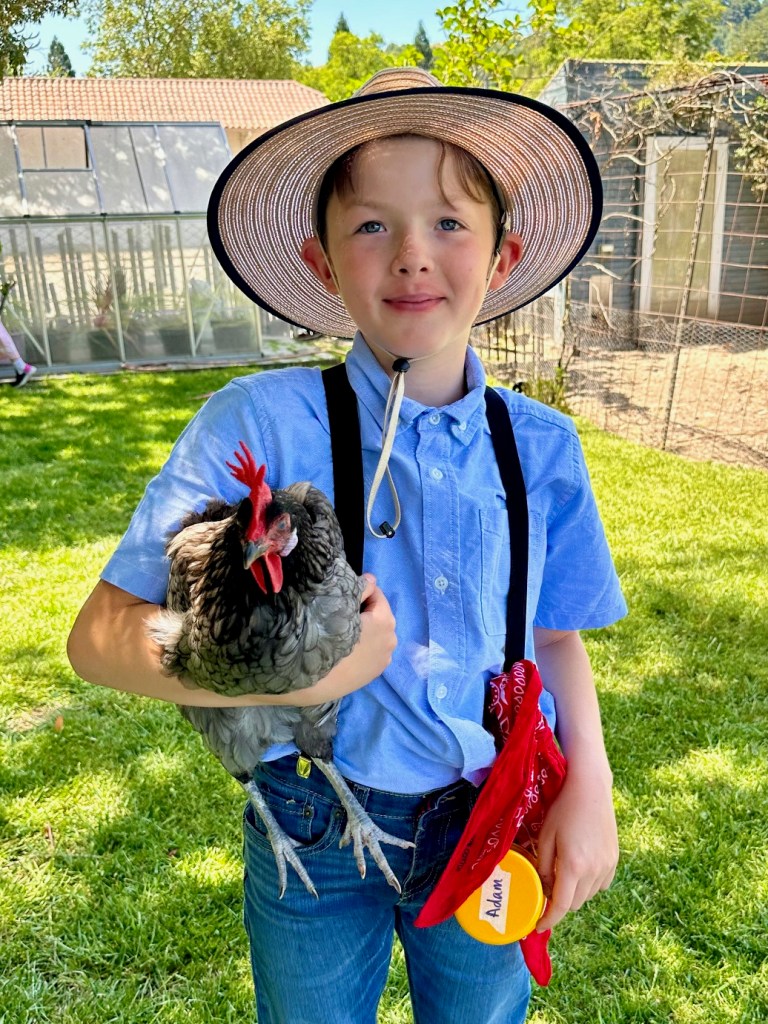
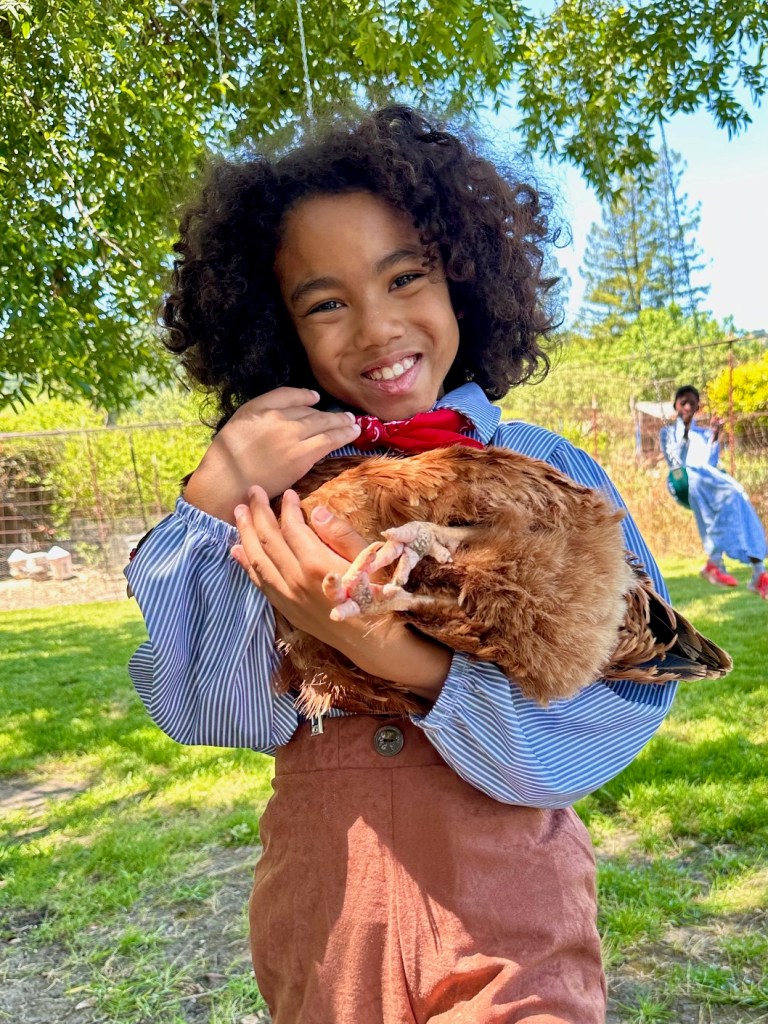
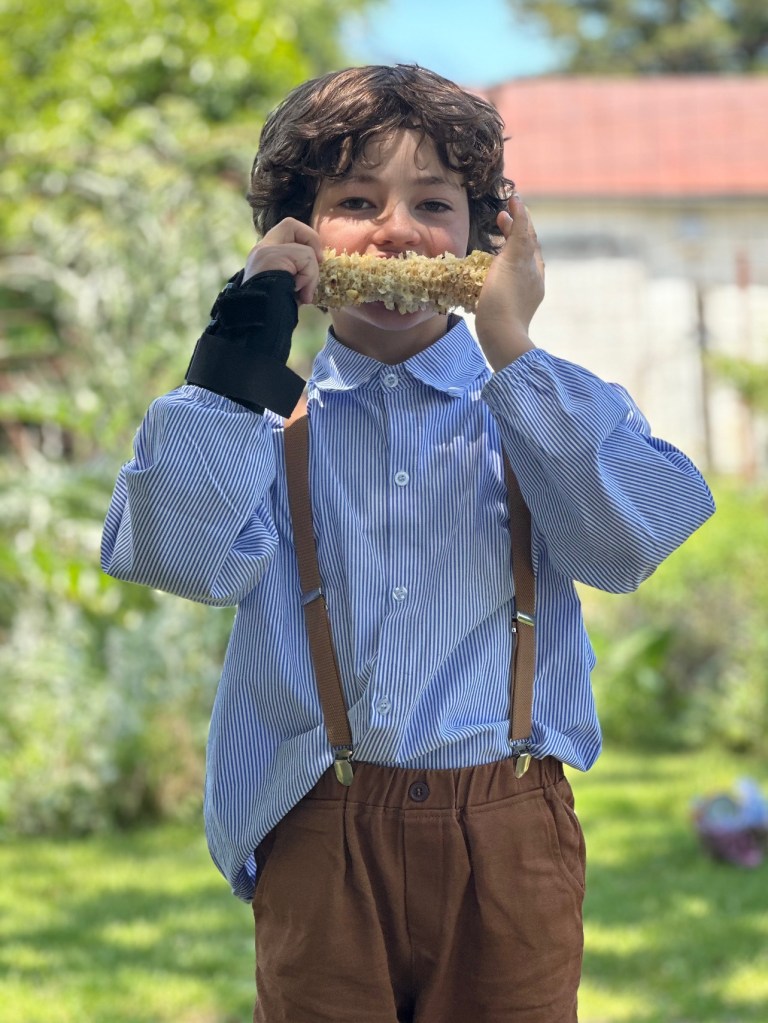
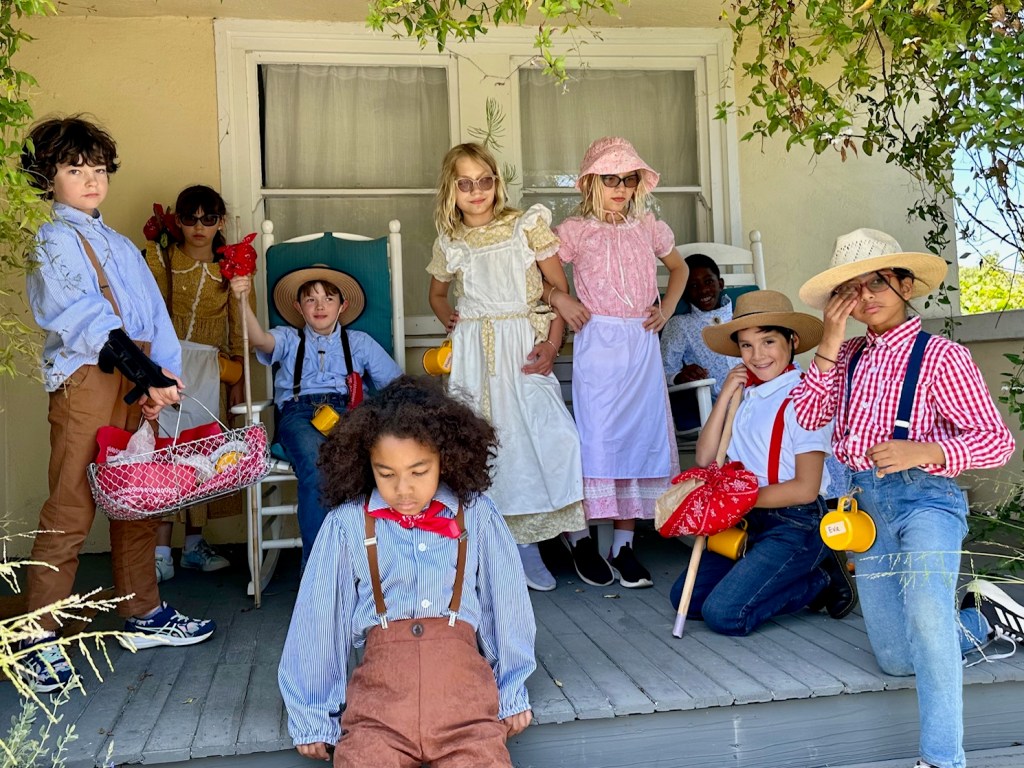
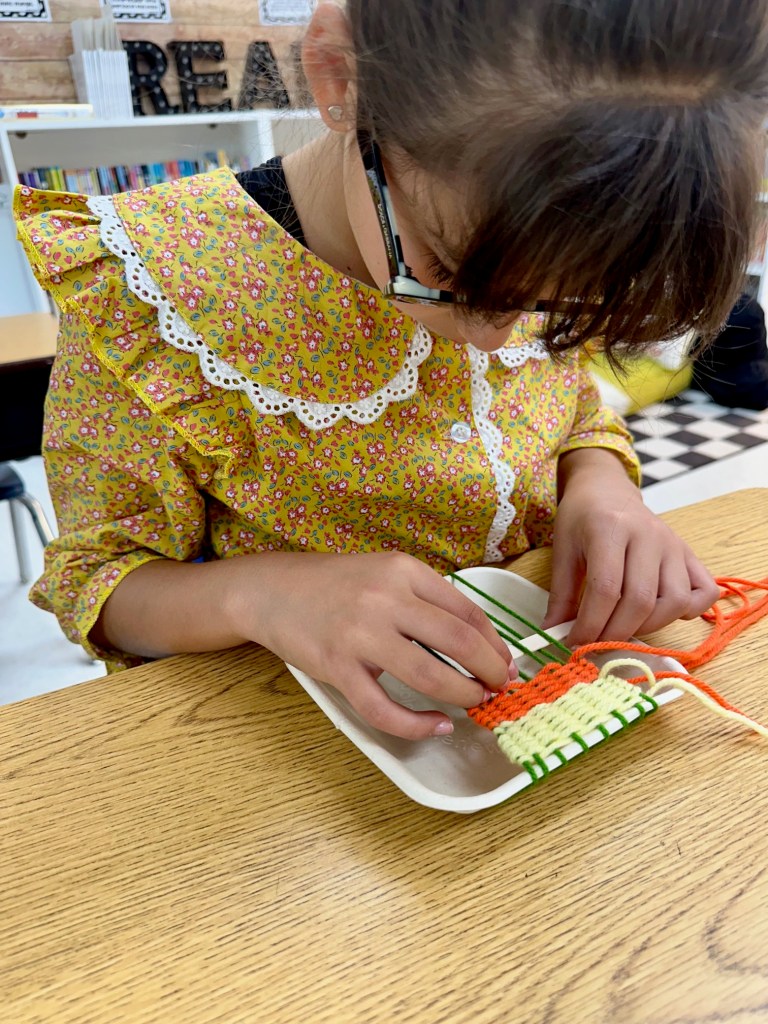
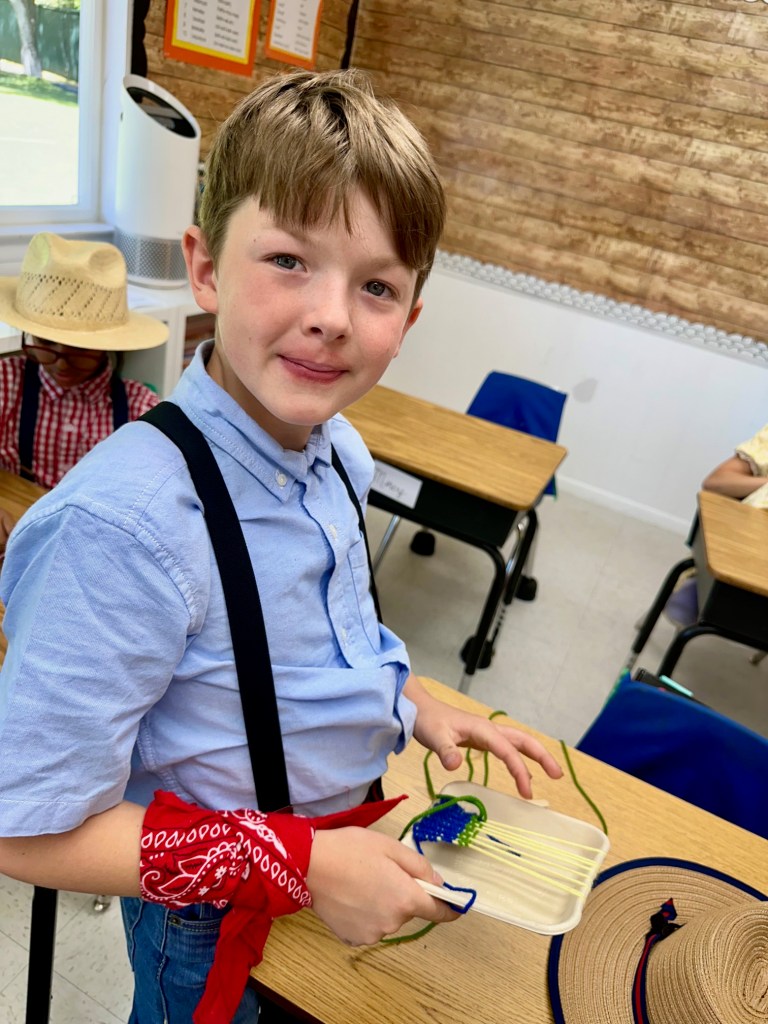
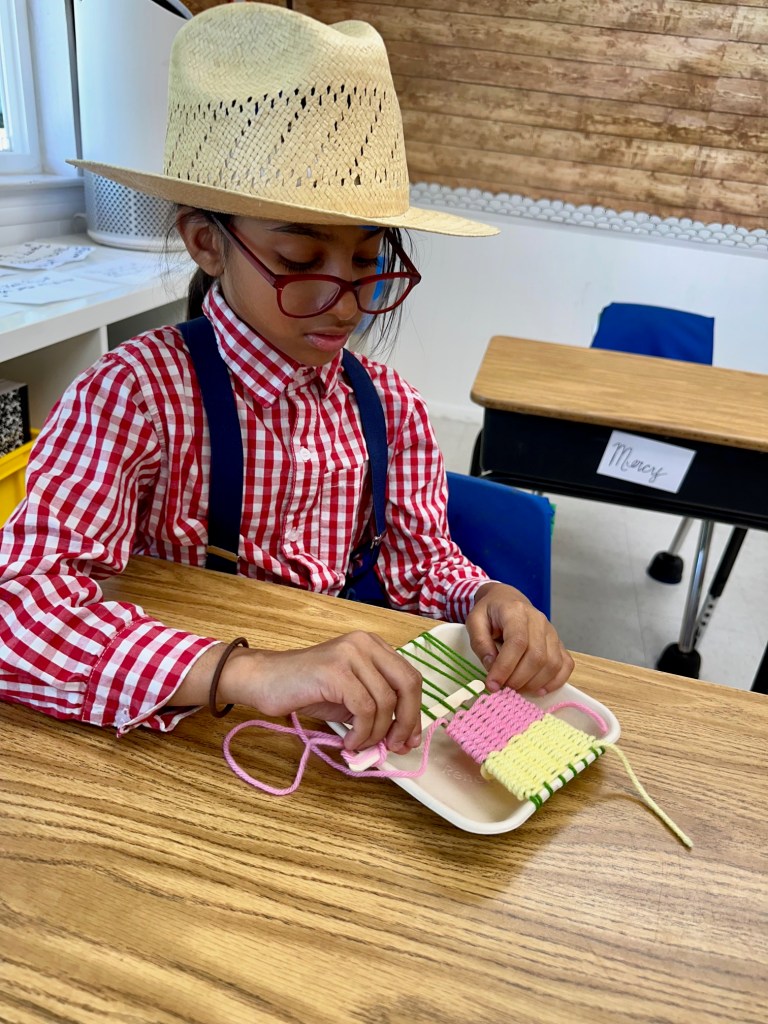
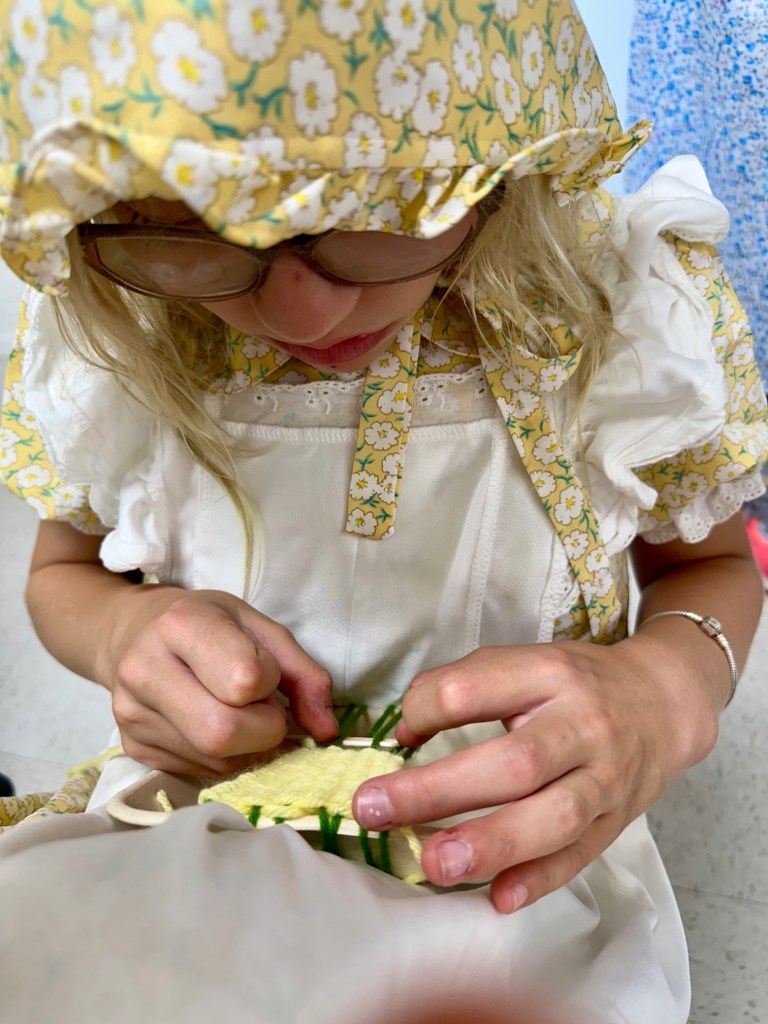
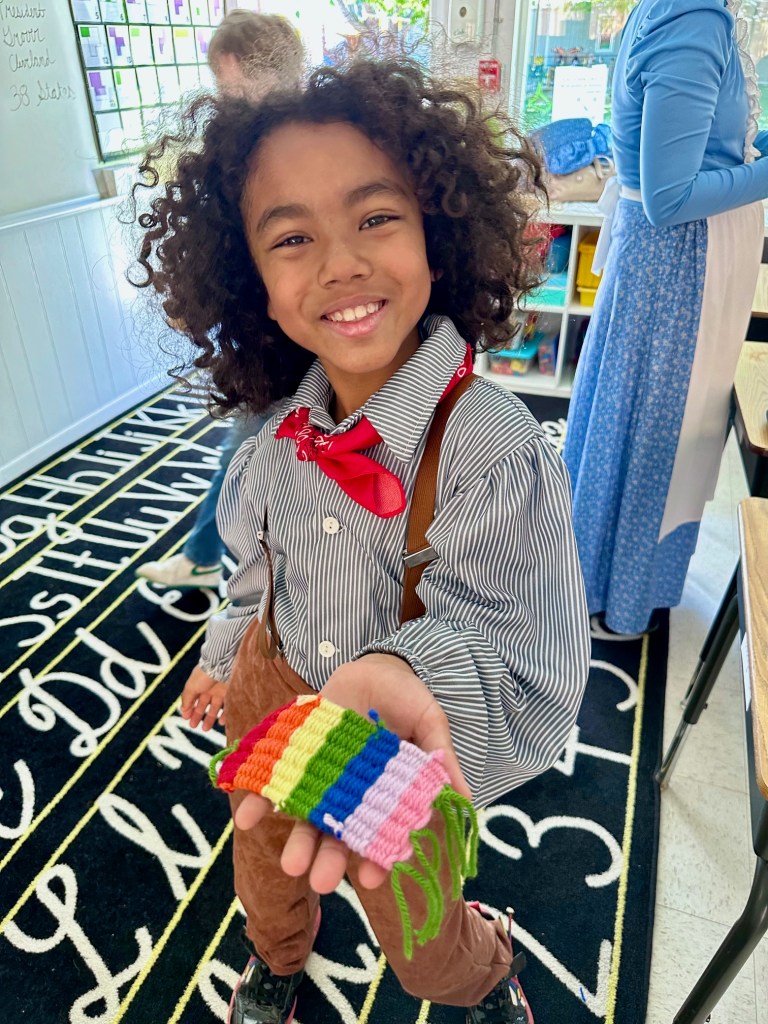
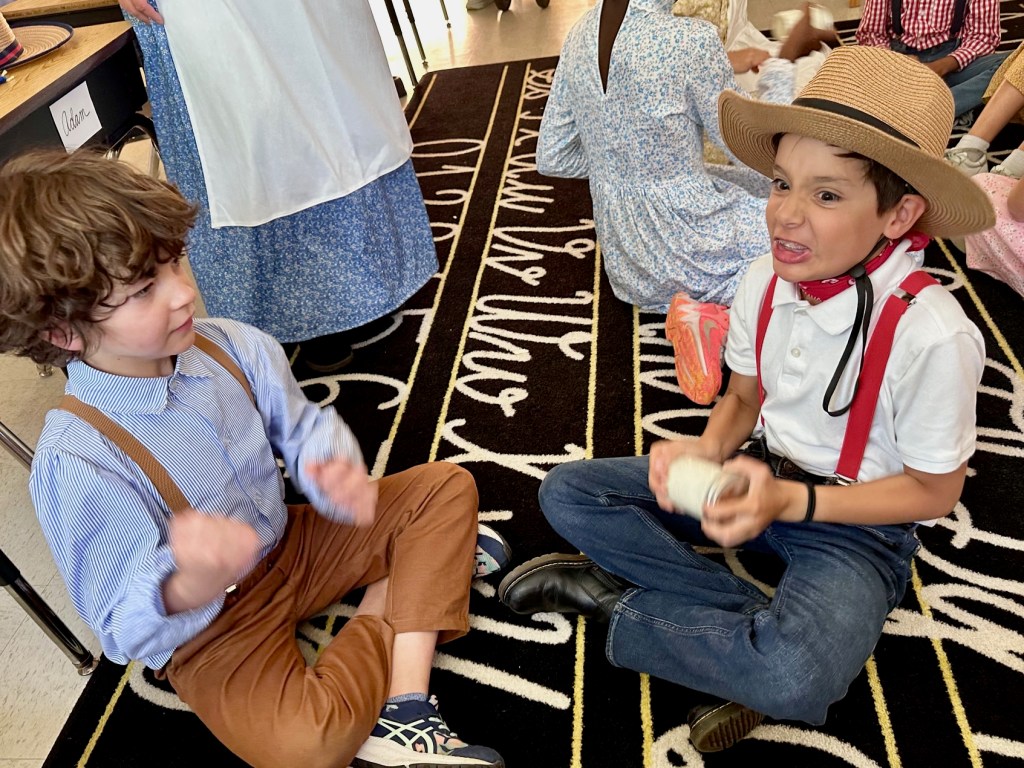
On Tuesday, the third grade class traveled back in time to 1888 to experience life as a pioneer student. Each student took on a new identity by choosing an old fashioned name and came to school dressed in their finest pioneer attire.
During the day, the third graders participated in several traditional pioneer activities into the classroom. The day started with the three R’s: reading, writing and arithmetic. Students read from McGuffey Readers (published in 1879), practiced their cursive writing using quill feather pens and ink, and practiced their math on slate boards with chalk.
For lunch, each pioneer student brought authentic pioneer food in baskets, pails or tied to a stick. The students enjoyed their unique lunches at the garden, as well as time to pet the chickens.
The students also enjoyed working on some weaving and making butter in mason jars.
The third graders really embraced the pioneer spirit and enjoyed their time travel back to 1888! Huge thank you to Lisa, Meredith, and Joy for bringing this day to life for the third graders!
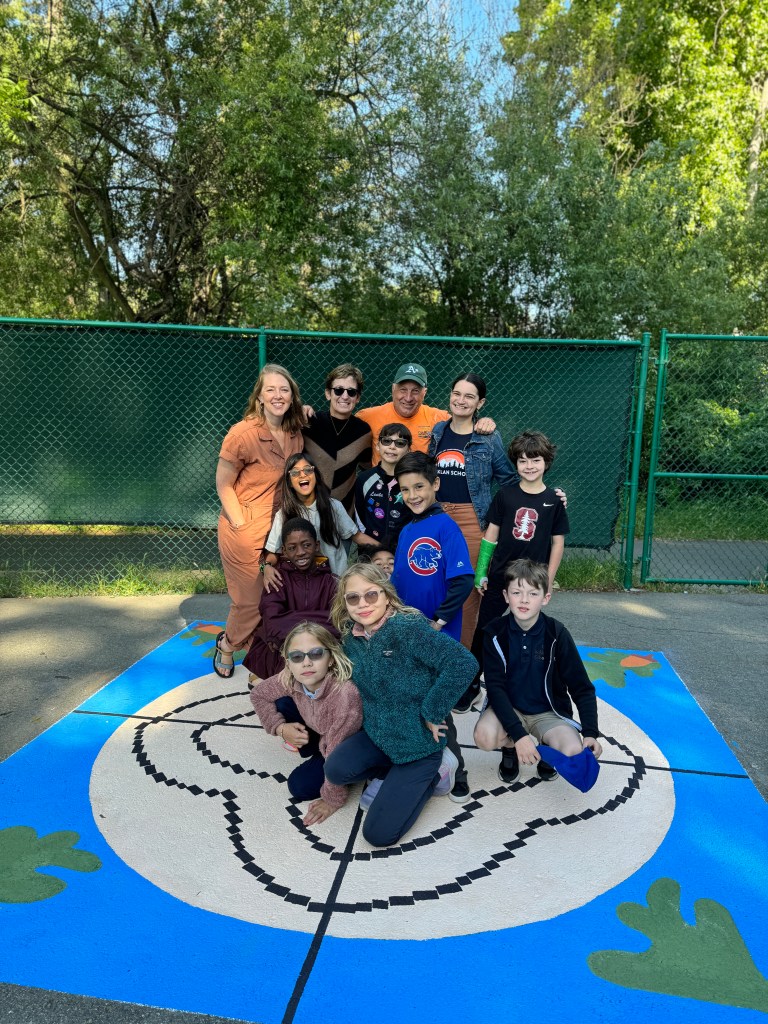
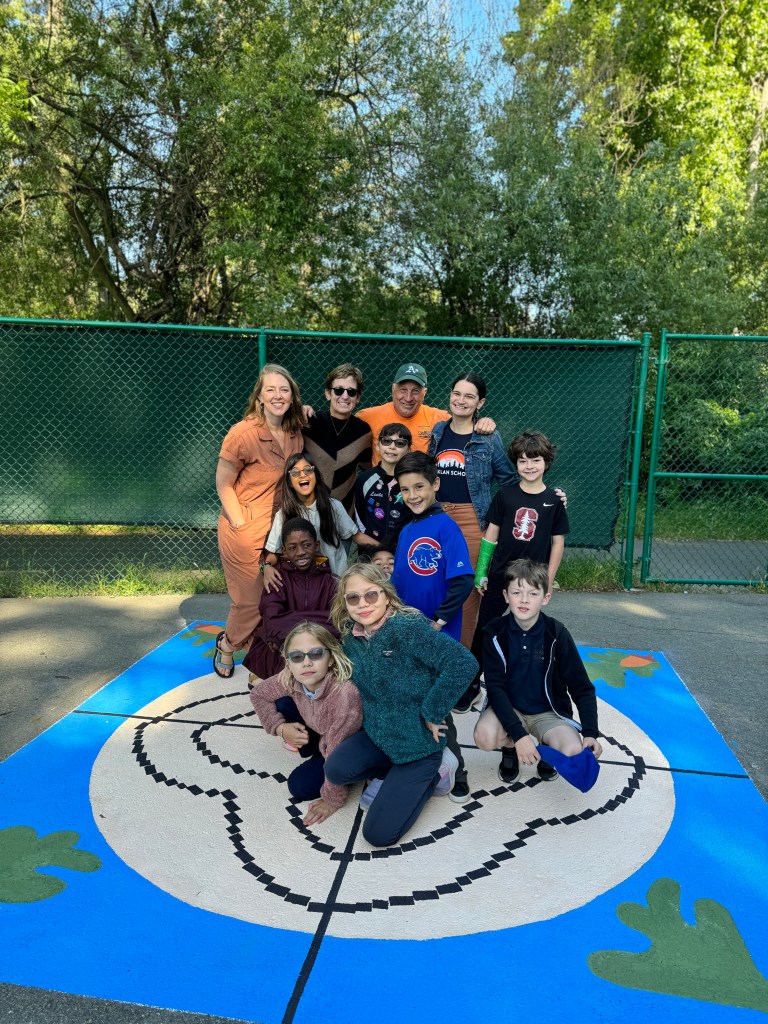
The third graders did an amazing job turning their original designs into beautiful ground murals for our entire community to enjoy! These murals of a four-square and hopscotch not only provide a fun place for all students to play during recess, but also bring visual representation of Saklan/Bay Miwok culture onto our campus.
These murals are the final public product from the 3rd grade PBL unit, which helped them to answer their driving question of “How can we show respect to the people whose ancestral land our school is on?” When the third graders met with Vincent and Louis (owners of Cafe Ohlone) earlier this year and asked them this question, they said one way was to have images on campus that represent Saklan culture. The third graders worked with Lauren in art to create designs that were accurate and detailed. Local artists Tia and Paul Kratter helped to turn the students’ designs into reality and worked with the third graders to paint the murals.
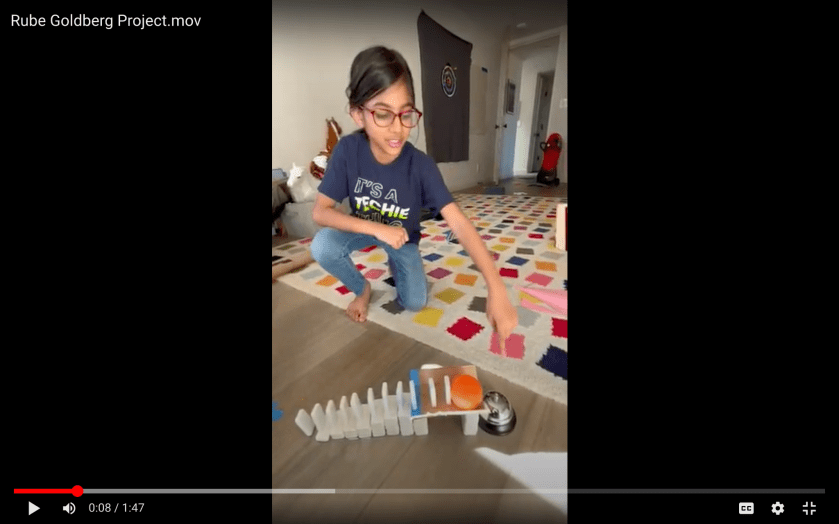
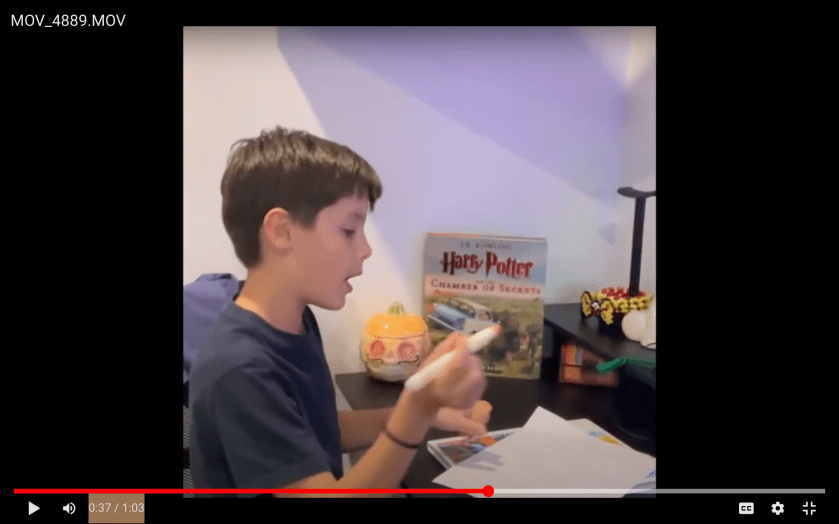
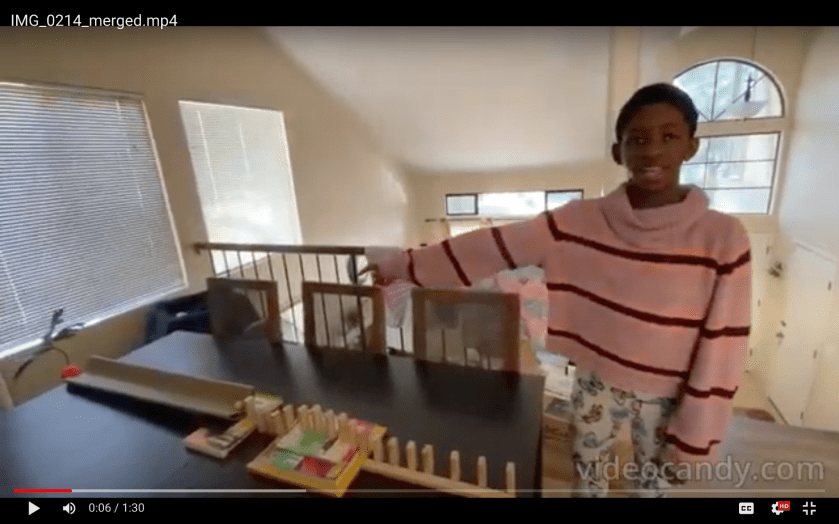
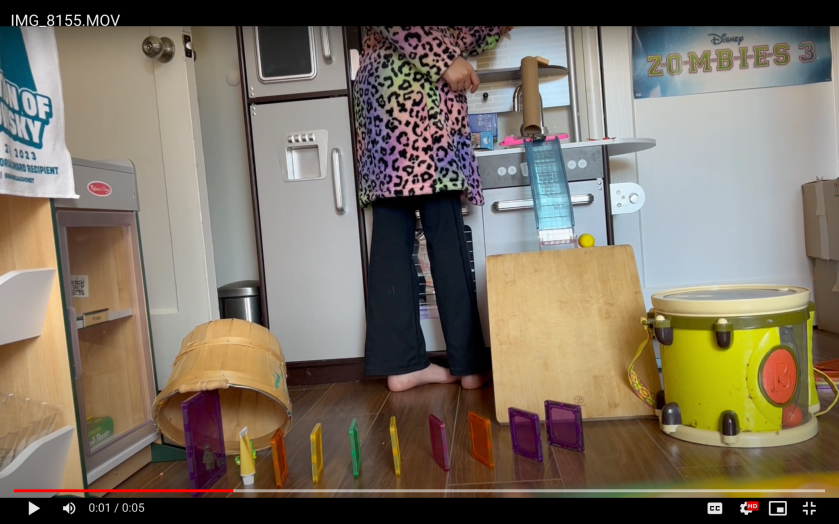
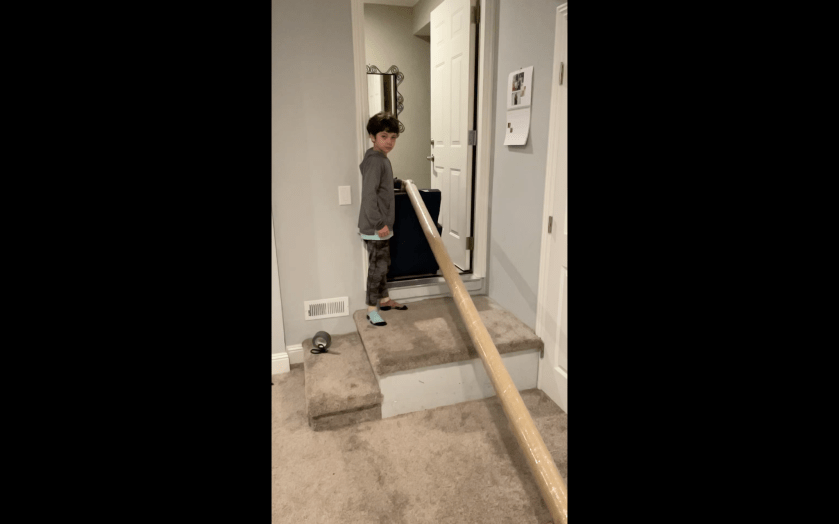
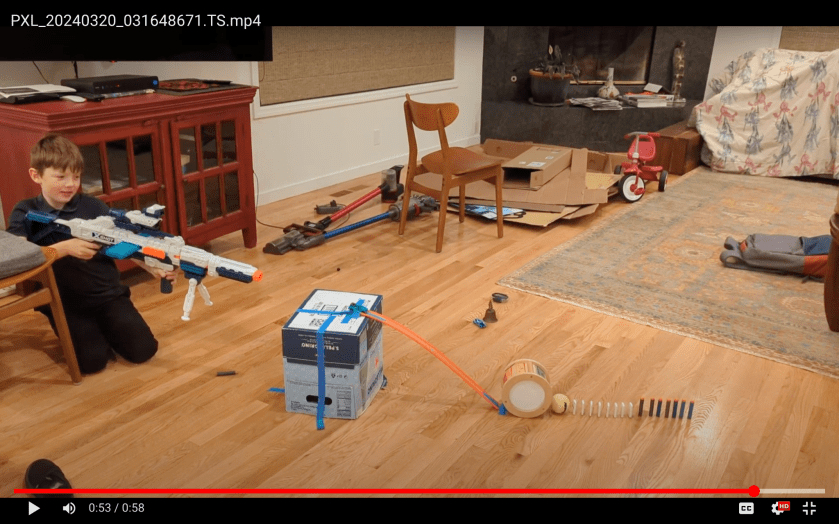
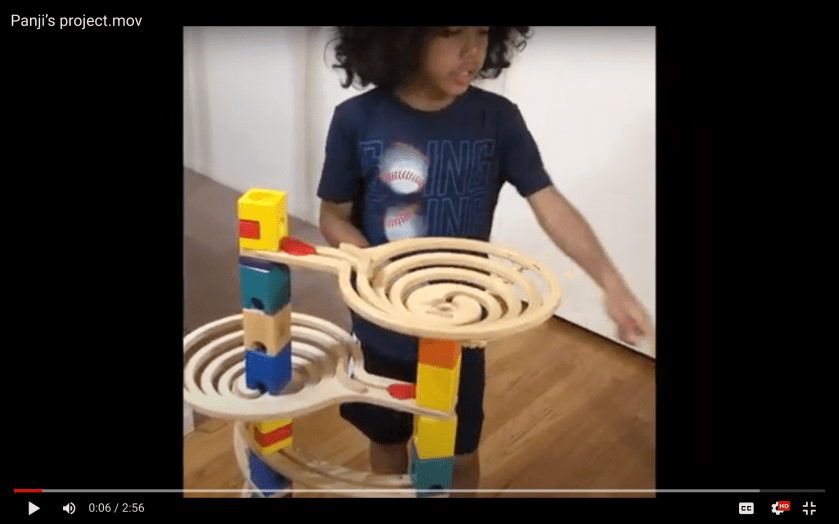
Third grade has been learning about the famous cartoonist Rube Goldberg. Goldberg is well known for the elaborate crazy contraptions he drew of complicated chain reactions that, in the end, performed a simple task. Each of the third graders were inspired to use the engineering design process, along with what they learned about forces and motion in science, to create their own Rube Goldberg Machines. They each came up with their own design for a contraption with at least 5 chain reactions to complete a simple task. The third graders used great perseverance to keep trying and redesigning until their machine worked! The students really enjoyed sharing their machines with each other and the second graders!
















 FRIDAY BLOG
You must be logged in to post a comment.