Head’s Corner: The Importance of Risk

Think back to your favorite childhood play memory. Where were you? What were you doing? Was there an adult supervising you?

This past weekend, I took my daughter to the Adventure Playground in Berkeley. For those of you who have not been there, the best way to describe it would be a playground built by kids and made out of items found in a scrapheap. It is also a playground in constant transition; kids are given saws, hammers, nails and paint in order to “make improvements” to current structures. Adults are around, keeping an eye out, but are also encouraged to keep suggestions and advice to themselves. To my adult eyes, the place looked like a liability lawyer’s dream. To my daughter, it was the best playground ever, splinter and all. To Marioni Brussoni, the author of Why Children Need Risk, Fear and Excitement in Play it likely strikes an ideal balance between risk and a safety net. As she puts it, “Children should be kept as safe as necessary, not as safe as possible.”

Brussoni writes, that like all mammals, children are wired for risky play, as it provides opportunities to develop physically and cognitively and face new and unusual challenges. It helps them overcome fears, enhances creativity, and scratches the itch of curiosity. Often, though, our own fears and modern societal expectations get in the way of a child’s opportunity to learn. Since the 1970’s children have seen a significant decline in unstructured free time and outdoor play.  Too often kids’ experiences are curated, and supervised. While independent playtime, freedom, and opportunity for adventure have dropped, screen time has increased.  

As parents and educators, we must strike a balance between safety and individual growth.  Allowing children to experience risk and fear, does not mean parents are neglecting their duty of care; but in fact, fulfilling a crucial part of it. We are giving them the tools they need to navigate life’s uncertainties with resilience and creativity.

Oh, and one of my favorite childhood memories. Ten-year-old me, during winter in Michigan, trying to cross an iced-over creek with my friends.  I clearly remember the sound of cracking ice, trying to scurry to safety, plunging in the cold water, and the freezing walk home. 

Warmly, 

David

P.S.  If you have time, the linked article is worth a read.

P.P.S. If you attended this morning’s SEL session, you can access the slide deck here.
Orange Envelope Thank You

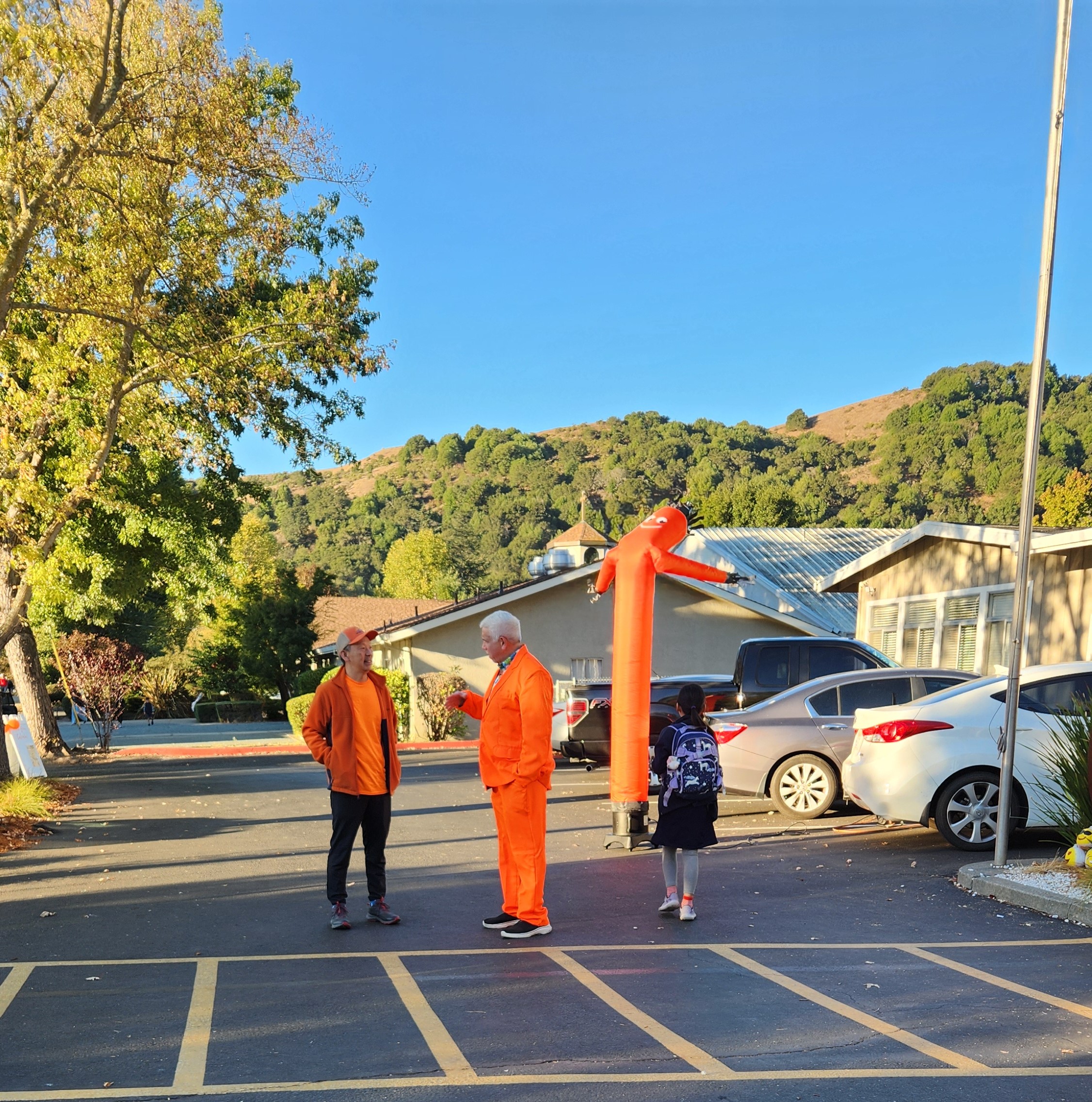
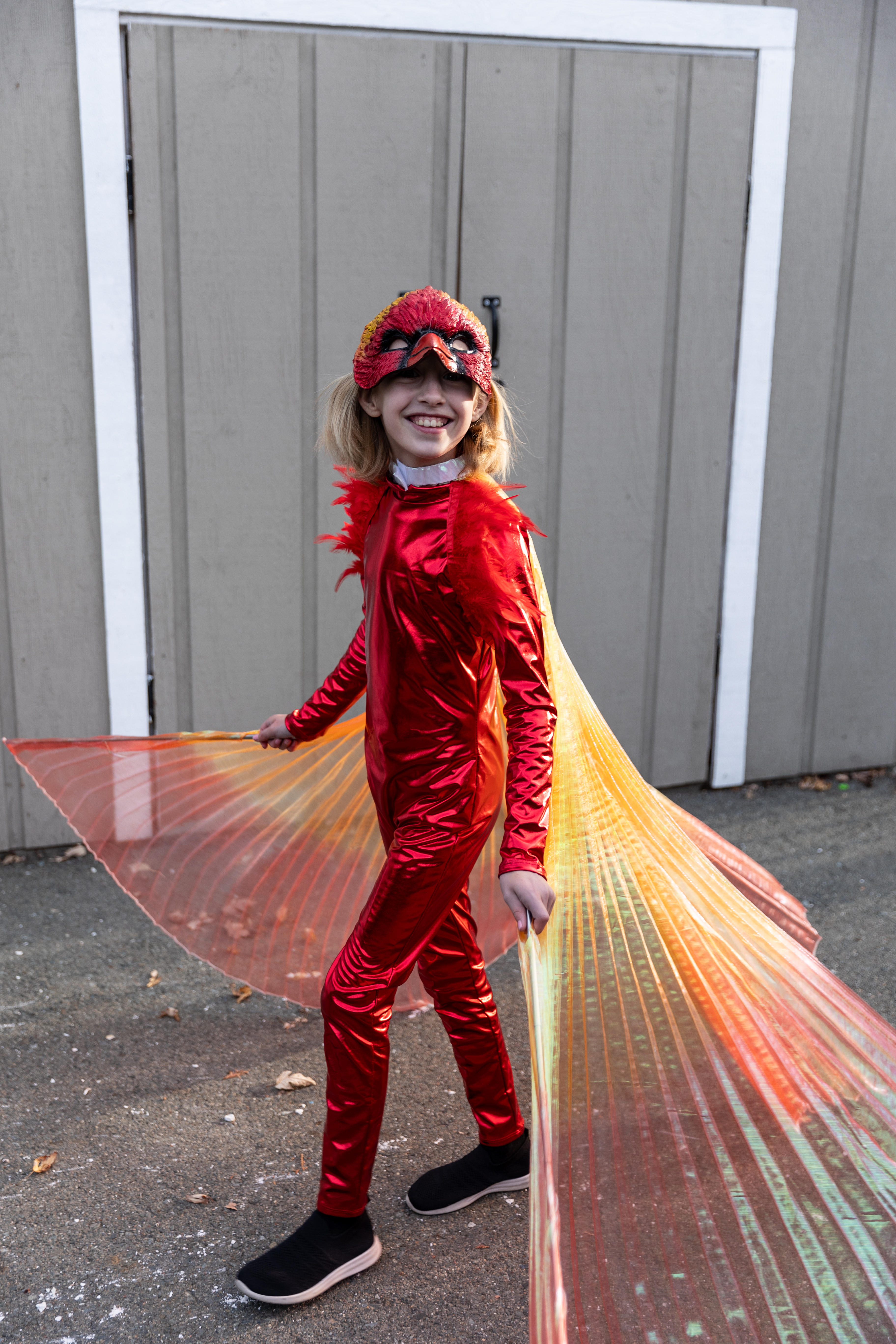
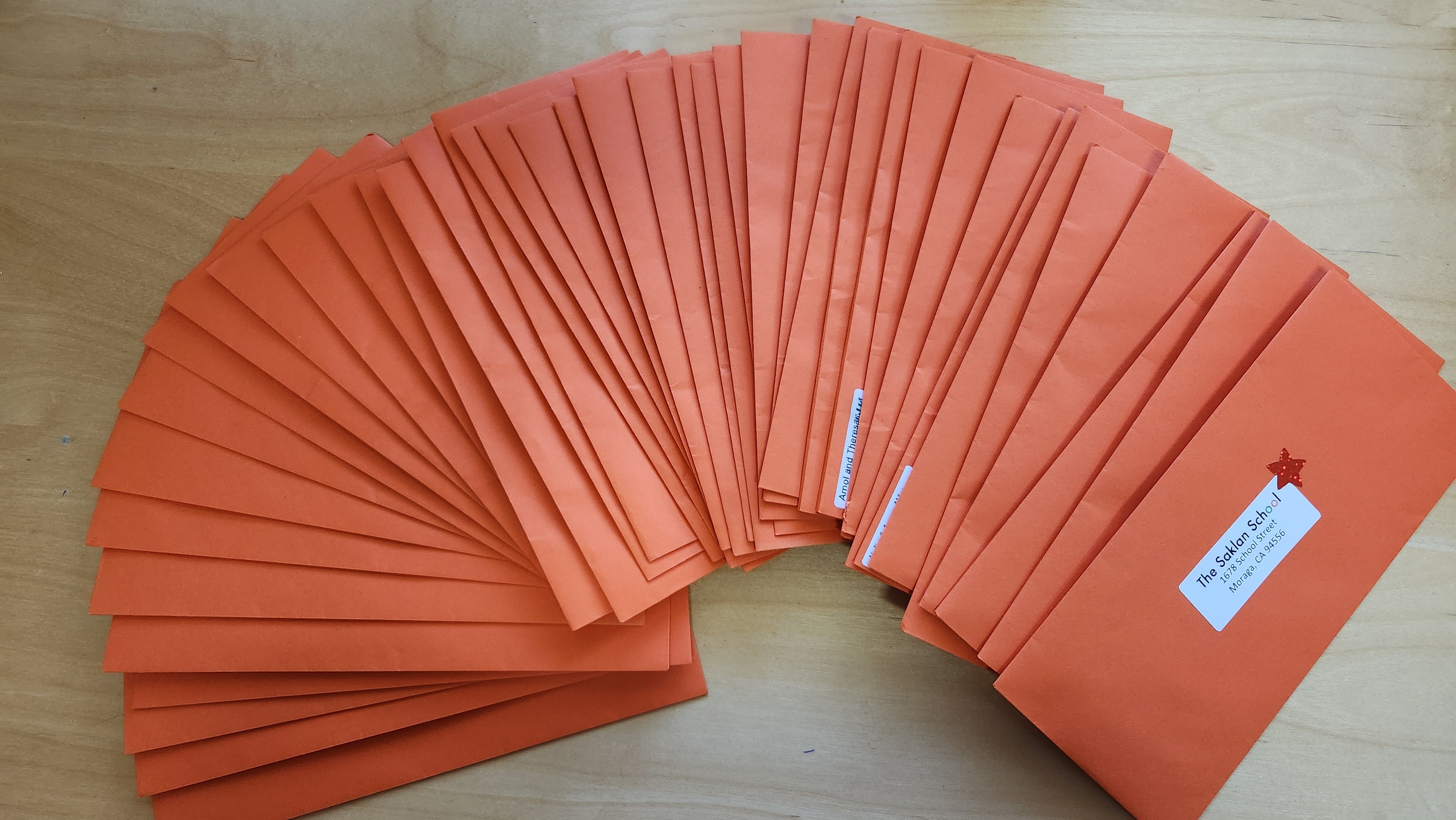
Thursday, October 24th, marked Saklan’s fourth annual Orange Envelope Day! Kicking off our Annual Giving Fund (AGF) with lots of enthusiasm, students and parents dropped their orange donation envelopes in the orange box and rang the cowbell to mark the occasion. The envelopes, along with the orange sky dancer, brought lots of joy and attention to drop off and pick up!

Thank you for helping to make it historic. Orange Envelope Day 2024 yielded 48 gifts and participation from 44% of our families- our best Orange Envelope Day to date! Go Saklan!

Thank you so much to everyone who participated in Orange Envelope Day! It speaks volumes about our community that families are willing to contribute a meaningful gift to the AGF. Each gift supports our commitment to hands-on, Project Based Learning and fostering a sense of belonging and connection with every student. Moreover, it strengthens the bond of shared common values between all of us.

Thank you for believing in Saklan to partner with you in your child’s educational journey. Thank you to those who have already shown their support for the AGF. We are a little over halfway to our goals of raising $200,000 and reaching 100% participation.

Help us reach 100% participation by making a gift that is meaningful to you and your family today. Gifts can be made online or by completing the donor form that was included in your AGF mailing and returning it to the Saklan Office.
#SaklanAGF

Music Electives

As we shared in last week’s blog, middle school students move from a general music education program to an elective program. In addition to choir, students can also choose to participate in instrumental ensemble or music production class.

Instrumental Ensemble

Ensemble musicians start each Tuesday with sight-reading, sharpening their ability to interpret music on the spot. On Thursdays, they listen to and analyze diverse music examples to broaden their musical understanding. The Ensemble also meets every other Friday for small group sectionals, where students focus on specific parts of their repertoire and work on music production projects.

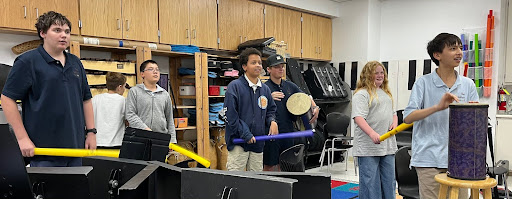
Currently, they are practicing three pieces: The Blue Rock, C-Jam Blues (which explores jazz improvisation), and Twist and Shout. Occasionally, they add variety by playing together with boom whackers and drums, making rehearsals fun and dynamic. This routine helps students build technical skills, collaboration, and creativity in their ensemble playing.

Music Production Class

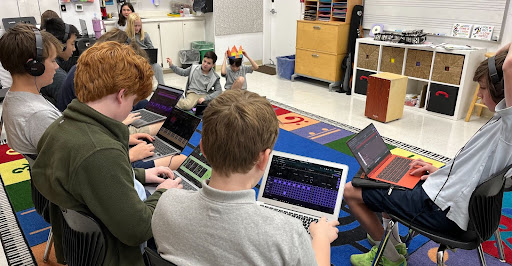
We began the year in music production class with students becoming familiar with the Soundtrap software, an online platform that allows them to create and edit music collaboratively. With Soundtrap, students can record and mix tracks using a wide variety of built-in instruments, loops, and effects and import their own sounds. Soundtrap also has collaborative tools that allow multiple users to work on the same project simultaneously, much like a Google Doc for music production. It is an excellent starting point for beginners in music production.

Their first few projects include a 3-track composition, a project with a recording of their own voice or instrument, and a challenge of creating digital music to accompany a silent video. Through these hands-on experiences, they learn the technical aspects of music production, such as track layering, sound balancing, and editing effects, while developing their creative expression. In addition to these technical skills, students have been focusing on giving and receiving feedback productively and collaboratively. This process sharpens their musical abilities and fosters communication, teamwork, and problem-solving skills.

Bats & Camouflauge

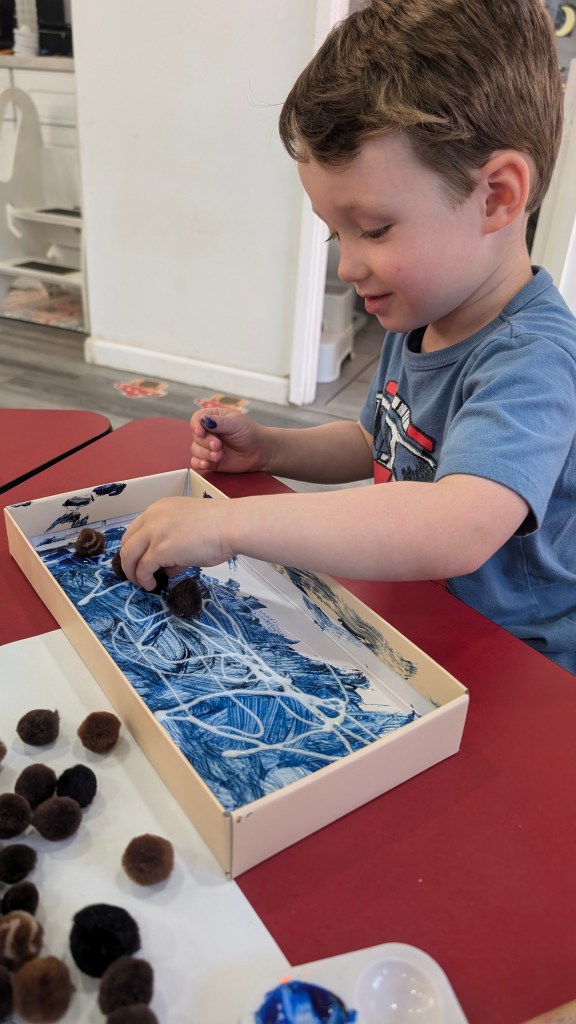
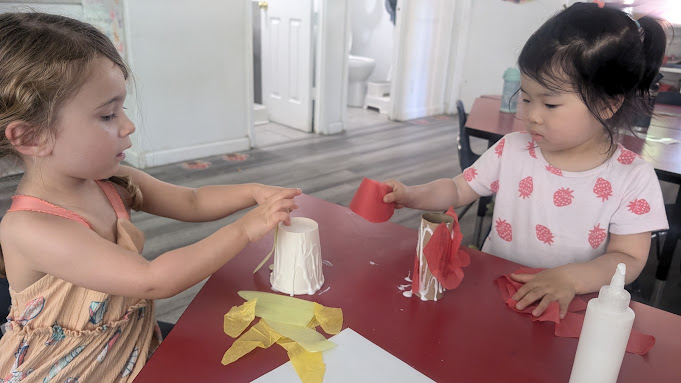
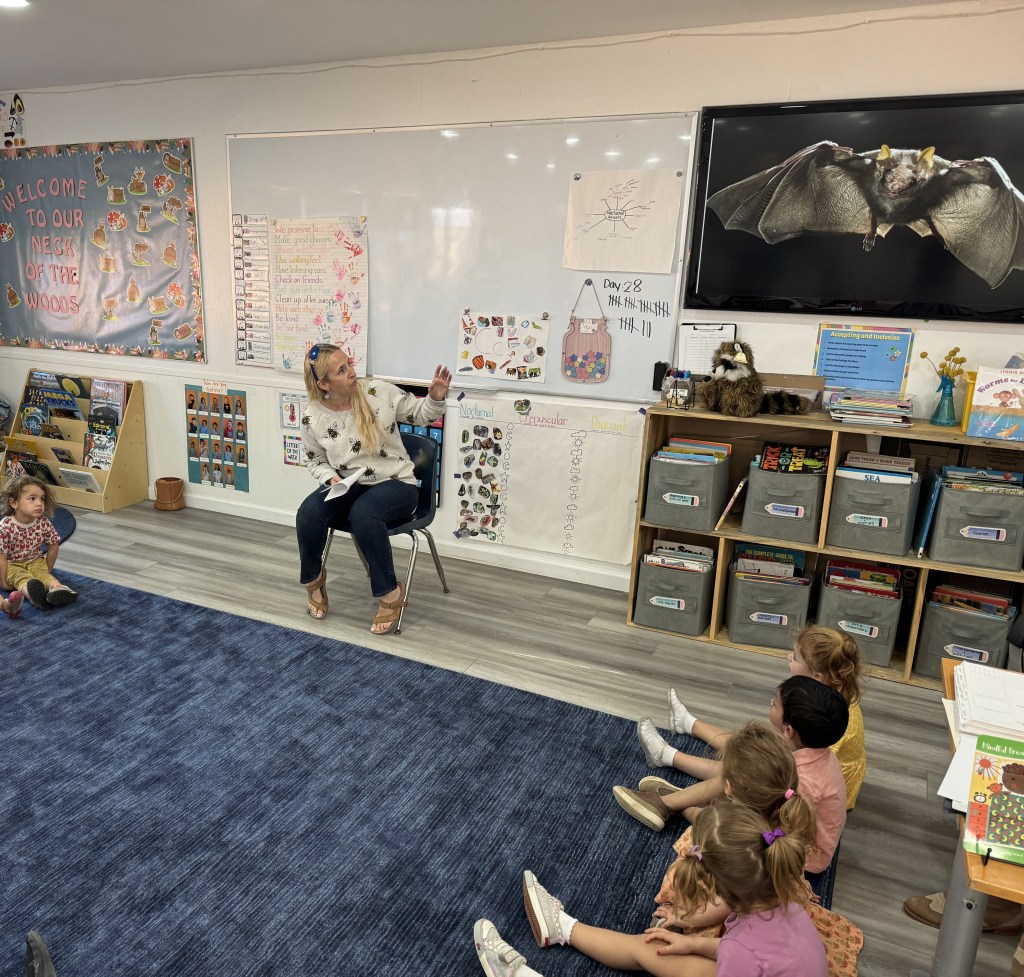
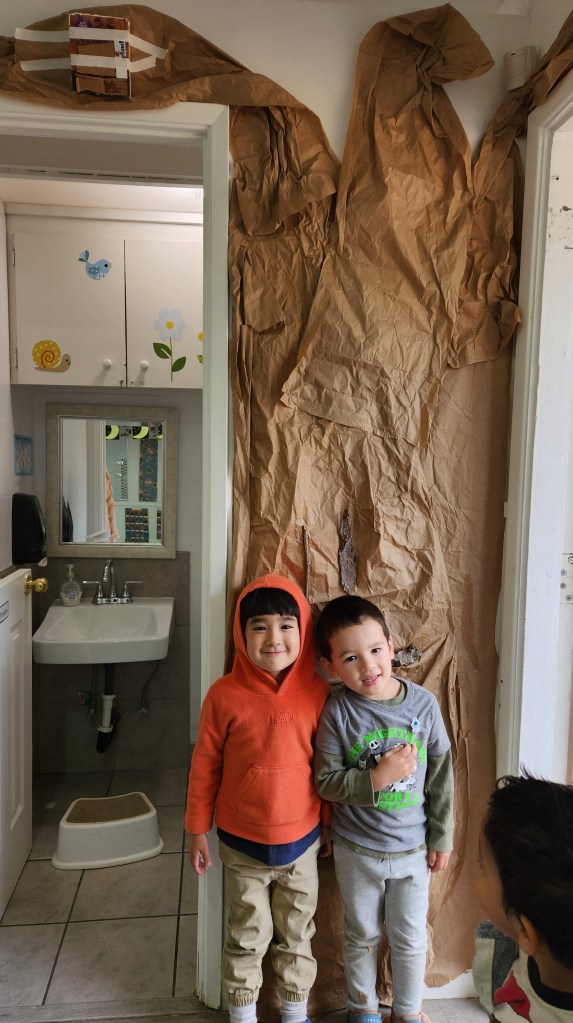
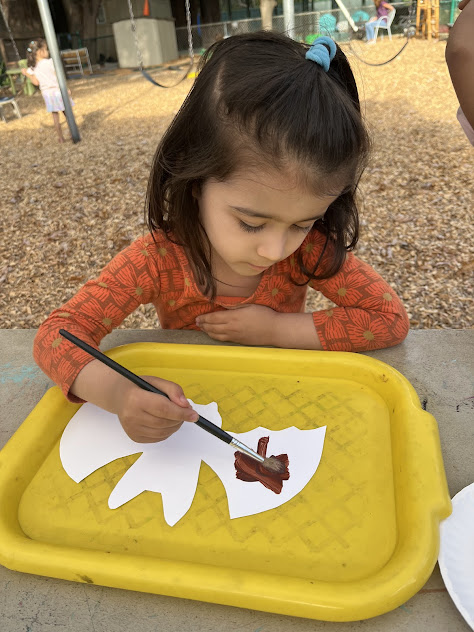
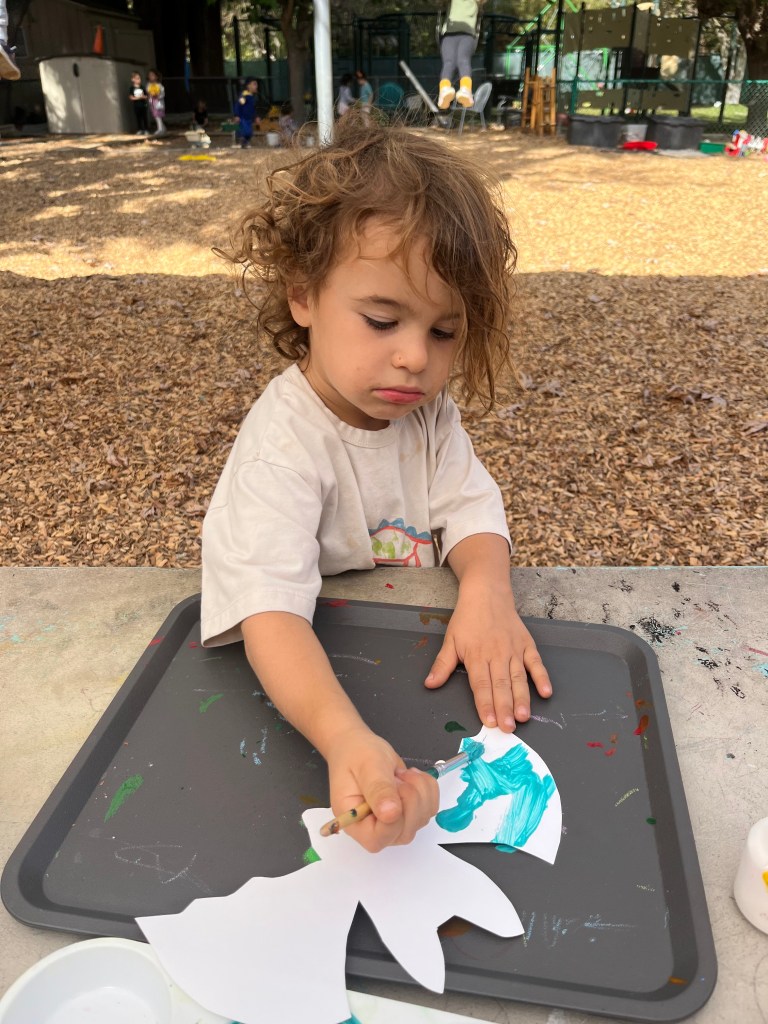
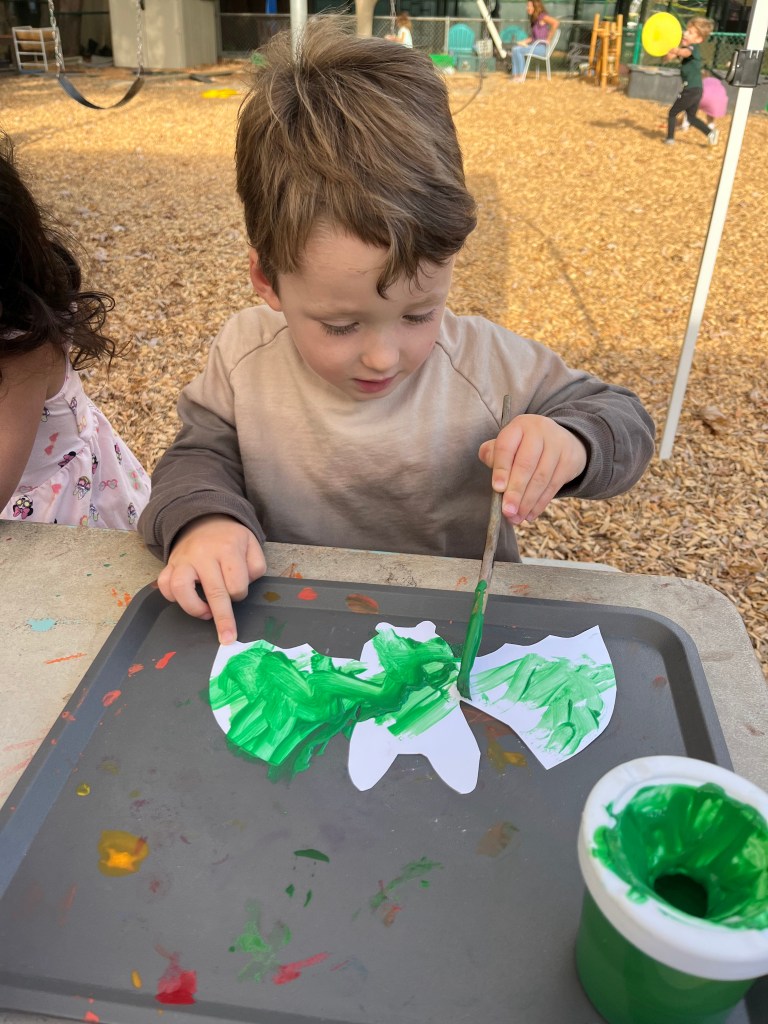
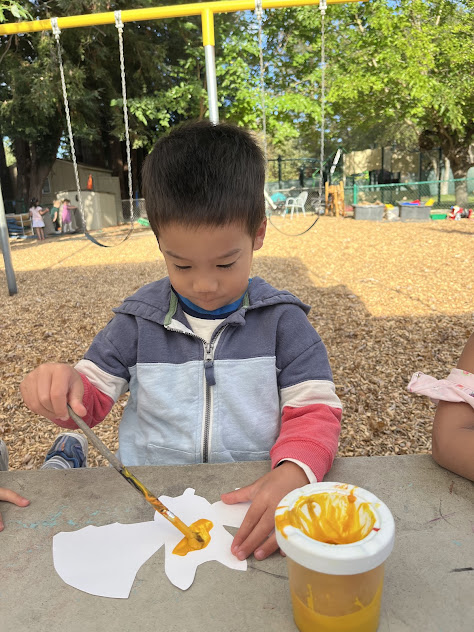
As part of their Nocturnal Animal Project, the Owlets enjoyed learning about bats! After a special visit from Ms. O, our amazing science teacher, the Owlets dove into their first “representations” project of the year. This activity gives the students the freedom to express themselves in creative ways, making something that stands out as their favorite part of what they learned. From toilet paper rolls to aluminum foil and clay, the classroom’s “useful junk” drawers were full of possibilities!

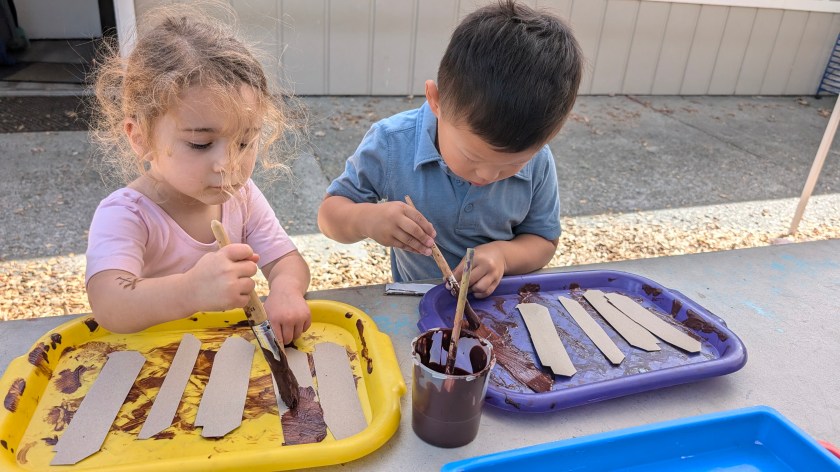
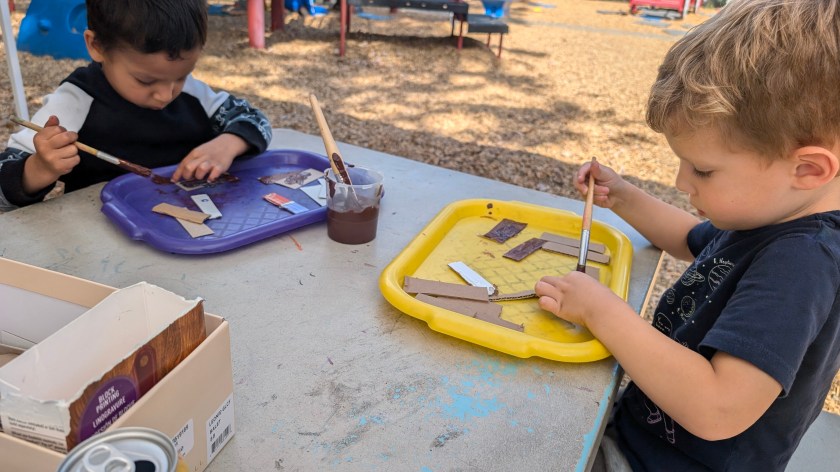
After reading Log Life, a fun book about animal habitats, the Owlets discovered that bats live in all sorts of places—even right here in Moraga! Since there aren’t any caves nearby, the Owlets got curious about where our local bats might hang out. Ms. O shared that many bats here make their homes in old houses or even attics! But to keep them from settling inside, people put up bat boxes instead. These wooden shelters are placed on trees, and guess what? The Owlets made their very own bat boxes for the trees in their classroom using cardboard and thin cardstock strips!

As the Owlets dive deeper into learning, they’re also expanding their vocabulary—one word they’ve been exploring is “camouflage,” a super cool tool that bats (and other animals) use to blend in with their surroundings! This helps the animals hide from predators or sneak up on their prey. The Owlets had a blast with Victoria searching for spots in the classroom to hide their bats, doing their best to match the colors around them!

#SaklanProject

Researching Spanish-Speaking Countries

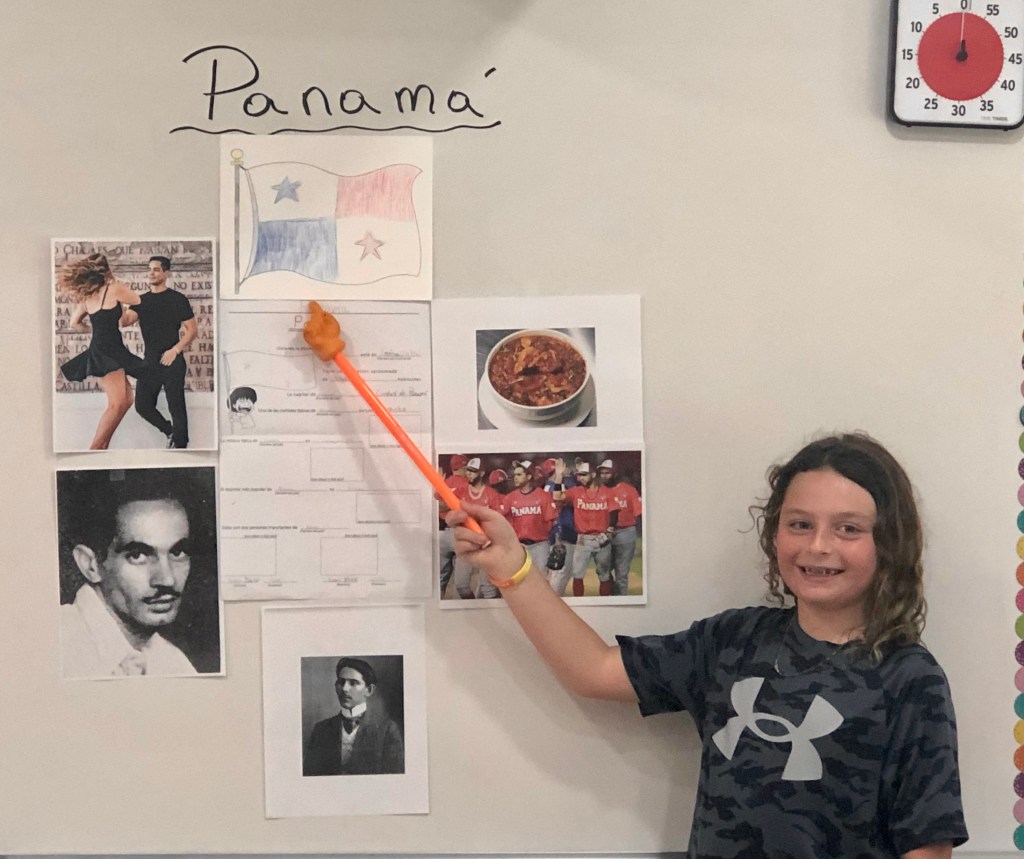
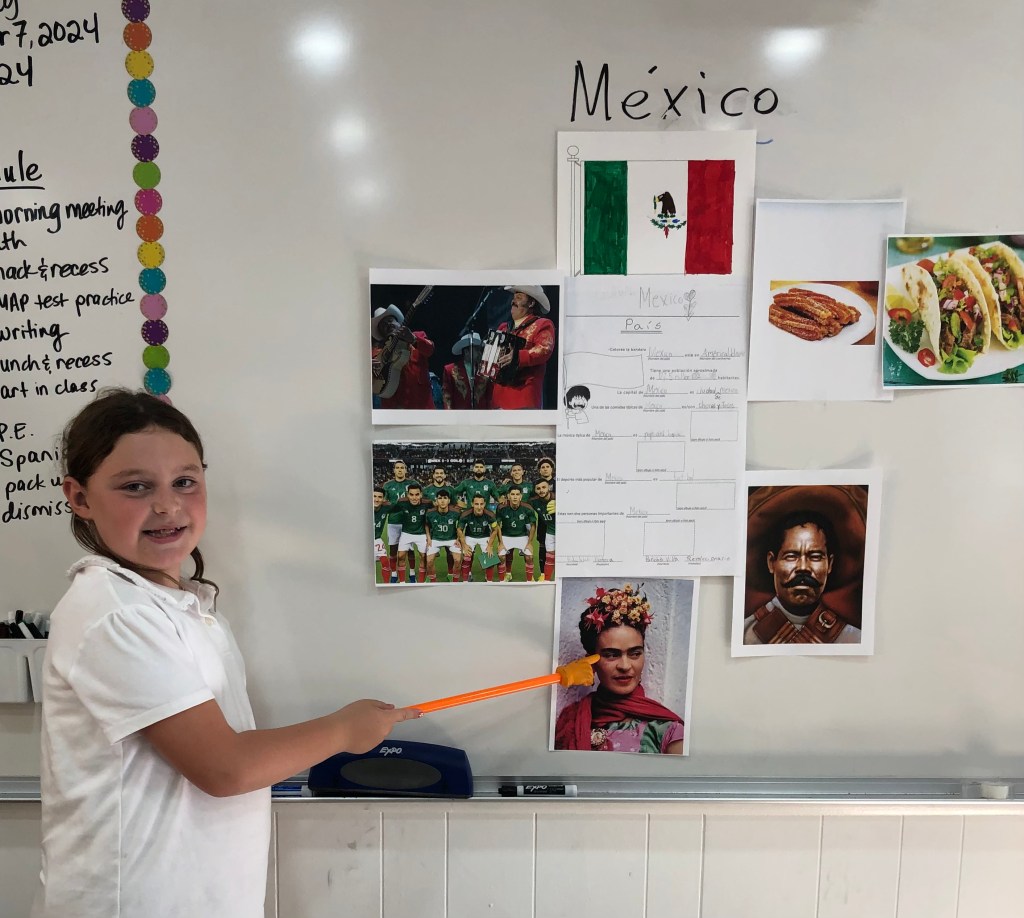
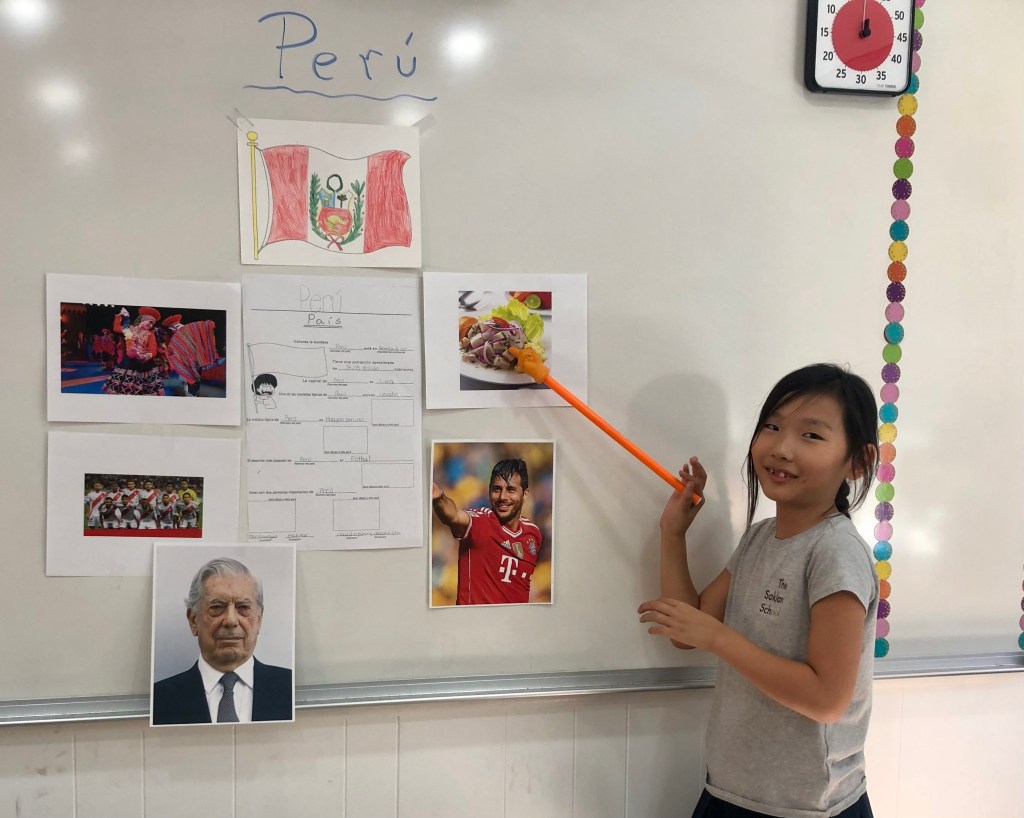
Third graders have been learning about Spanish-speaking countries around the world. They learned that there are 21 countries and about 500 million Spanish speakers in the world. Each student did a special project researching one specific country to find out:

  • Location of the country
  • Popular food in that country
  • Dance and music styles that are popular
  • Sports that are played
  • Important/well-known people from that country

Upon completion of their projects, each student presented their findings to the class.

The students had a great time learning and presenting about their Spanish-speaking country of choice!

Middle School Student Musicians

In middle school, student musicians move from a general music education program to an elective program. While all students still partake in the music program, they have a choice in their class each of the three years. This year, middle school musicians chose between choir, ensemble, and production. In choir, students focus on developing as singers; in ensemble, the focus is on developing as instrumentalists. Production allows students to develop skills in digital music production. All middle school students will be represented in the All-School Concert in March and will participate in the Middle School Musical in the spring.

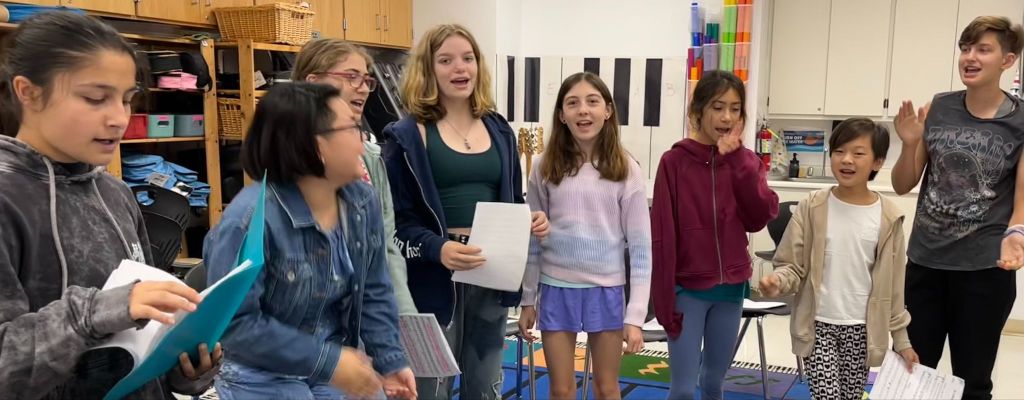
In Choir, middle school students have been diving into the world of musical theater by exploring a variety of lively numbers. They’ve worked on “Good Morning” and “Moses Supposes” from Singing in the Rain, allowing students to embody different characters while singing. Students have also practiced “Little Shop of Horrors” in three-part harmony, working on blending their voices and mastering timing in this upbeat, fun piece. Also, they’ve explored “Happiness” from You’re a Good Man, Charlie Brown, and “Green Eggs and Ham” from Seussical, both challenging students with dynamic vocal ranges and expressive storytelling.

Mondays in Choir are “Music Theory Mondays,” where students practice reading rhythms and melodies, building their foundational skills in music notation. This structured focus on theory helps students become more confident in sight-reading and understanding the technical aspects of the music they perform. Through these activities, students develop their vocal technique and ability to engage with different characters and emotions.

Stay tuned to see what students have been learning in the ensemble and music production classes!

Orange Envelope Day on Thursday

Saklan’s 24-25 Annual Giving Fund (AGF) officially begins next Thursday, October 24th with Orange Envelope Day! All Saklan families are invited to join us in celebrating Orange Envelope Day by dropping off the orange envelope and donor form that was mailed to you in the orange box in front of Saklan.

Thank you to those who have already made a gift. Below are important things to know about Saklan’s AGF.

What is the AGF?

The Annual Giving Fund is Saklan’s yearly fundraising drive that raises money to support the amazing people and programs that make Saklan special.

Why do we have it? 

Saklan relies on the generous support of the community to create such a vibrant place for children to learn and develop. AGF gifts support things such as science lab equipment, professional development for faculty and staff, tuition assistance, field experiences and guest experts.

Is there a Goal?

This year, our goal as a school is to have 100% of families participate and raise $200,000. Join us by making a gift that is personally meaningful to you. For some families that may be $20, while for others that may be $20,000. 

How can I make a gift?

You can make an AGF gift via the following methods:

  • Cash or a Check payable to The Saklan School
  • Online using a Credit Card – The online platform gives you the option to set up recurring payments that allow you to pay for your donation over several months. 
  • Invoiced through the Saklan Business Office.

Have questions about Saklan’s AGF? Feel free to reach out to Cristen at development@saklan.org.

Thank you for your support of Saklan.

Orange Spirit Day

All Saklan students are invited to wear orange on Thursday to celebrate Orange Envelope Day! First – eighth graders wearing orange do not need to be in uniform.

#SaklanCommunity #SaklanAGF

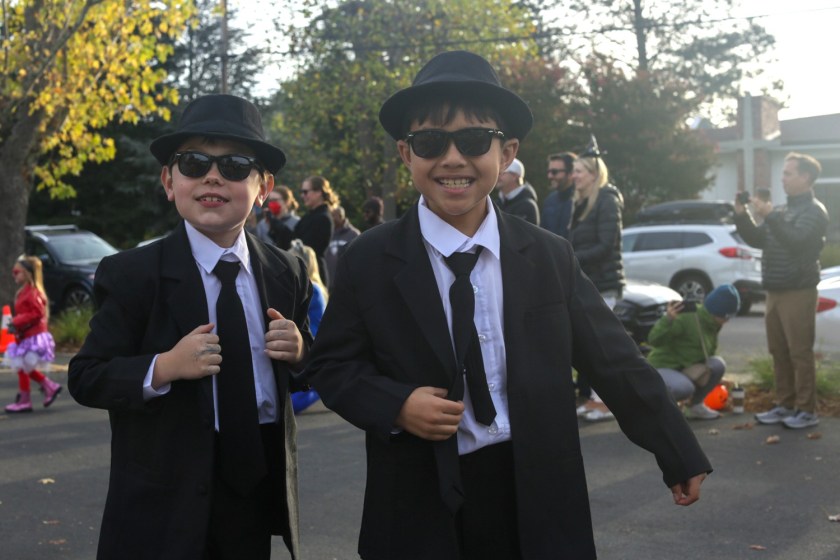
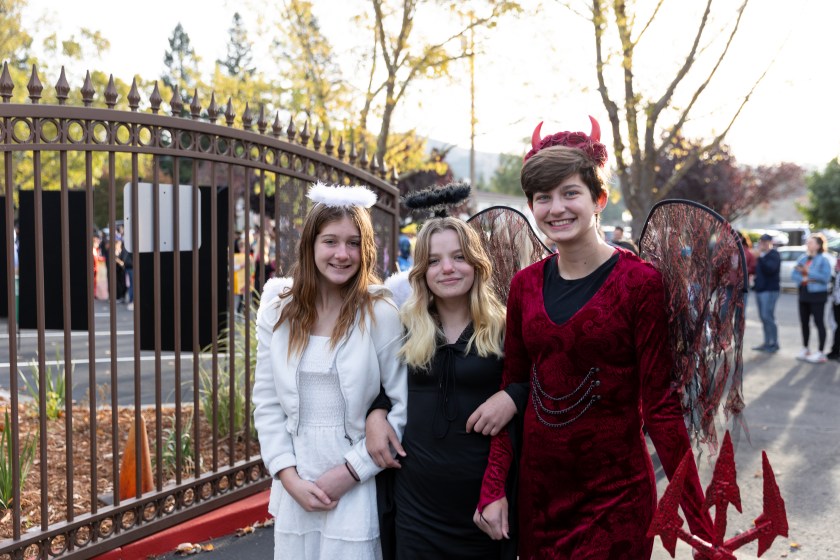
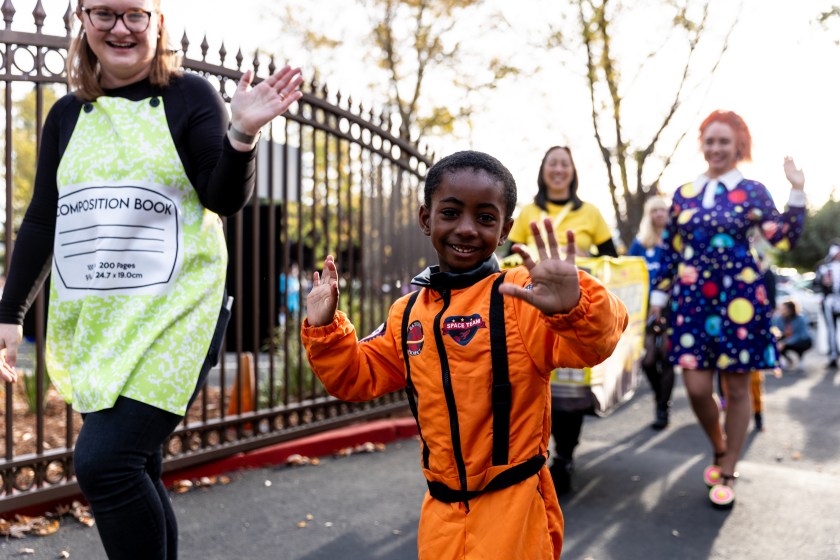
Join Us for the Costume Parade

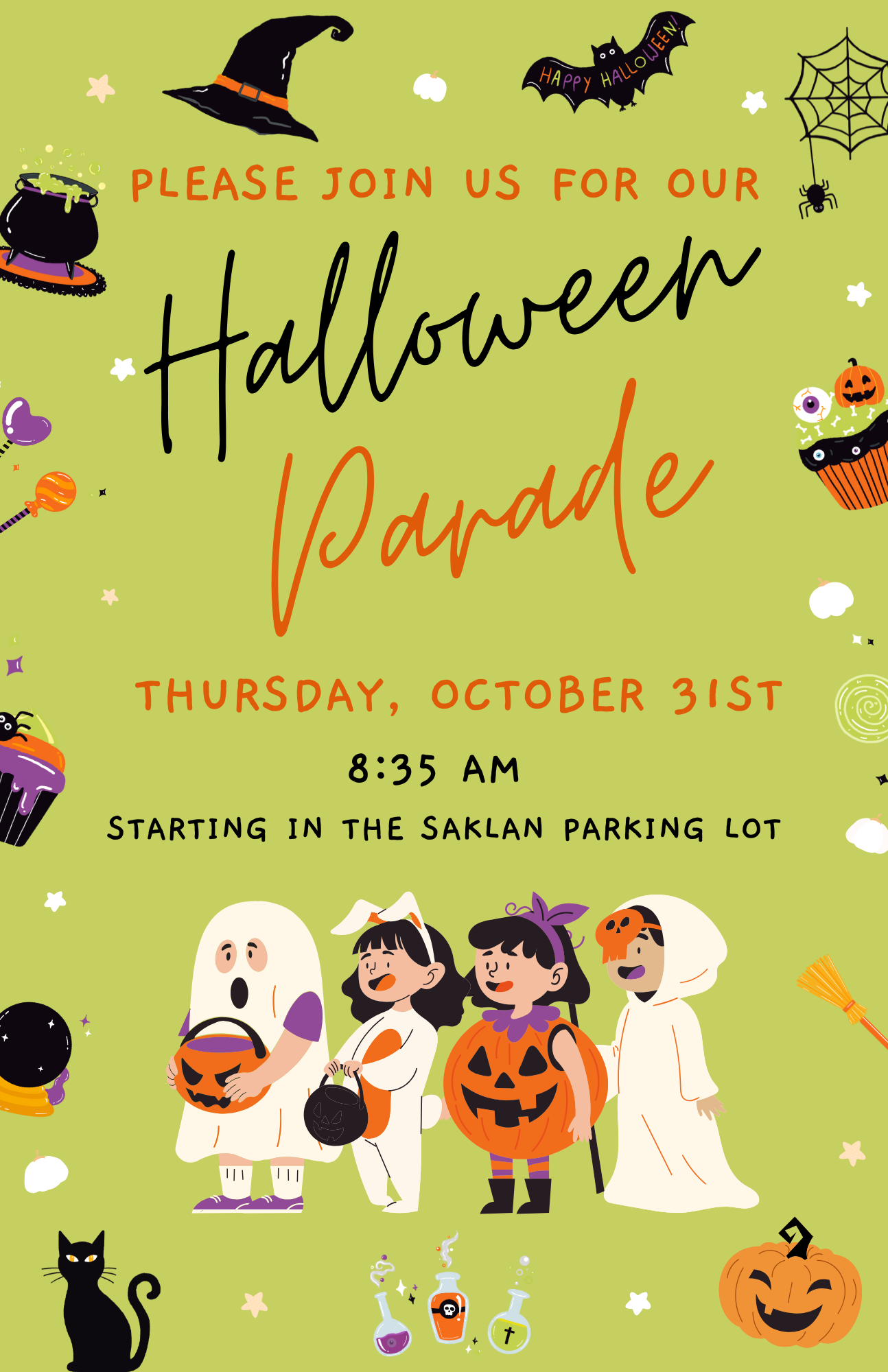
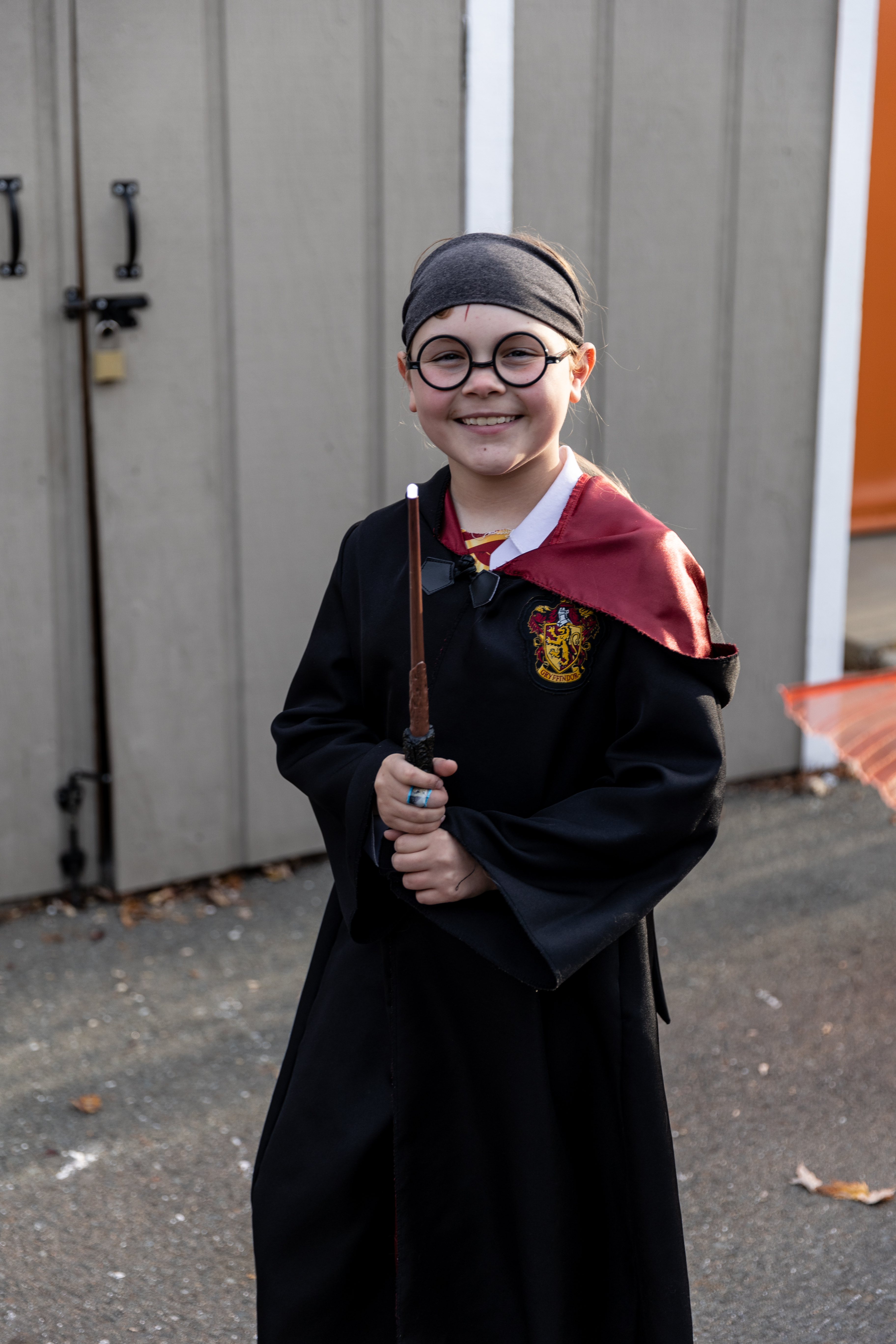
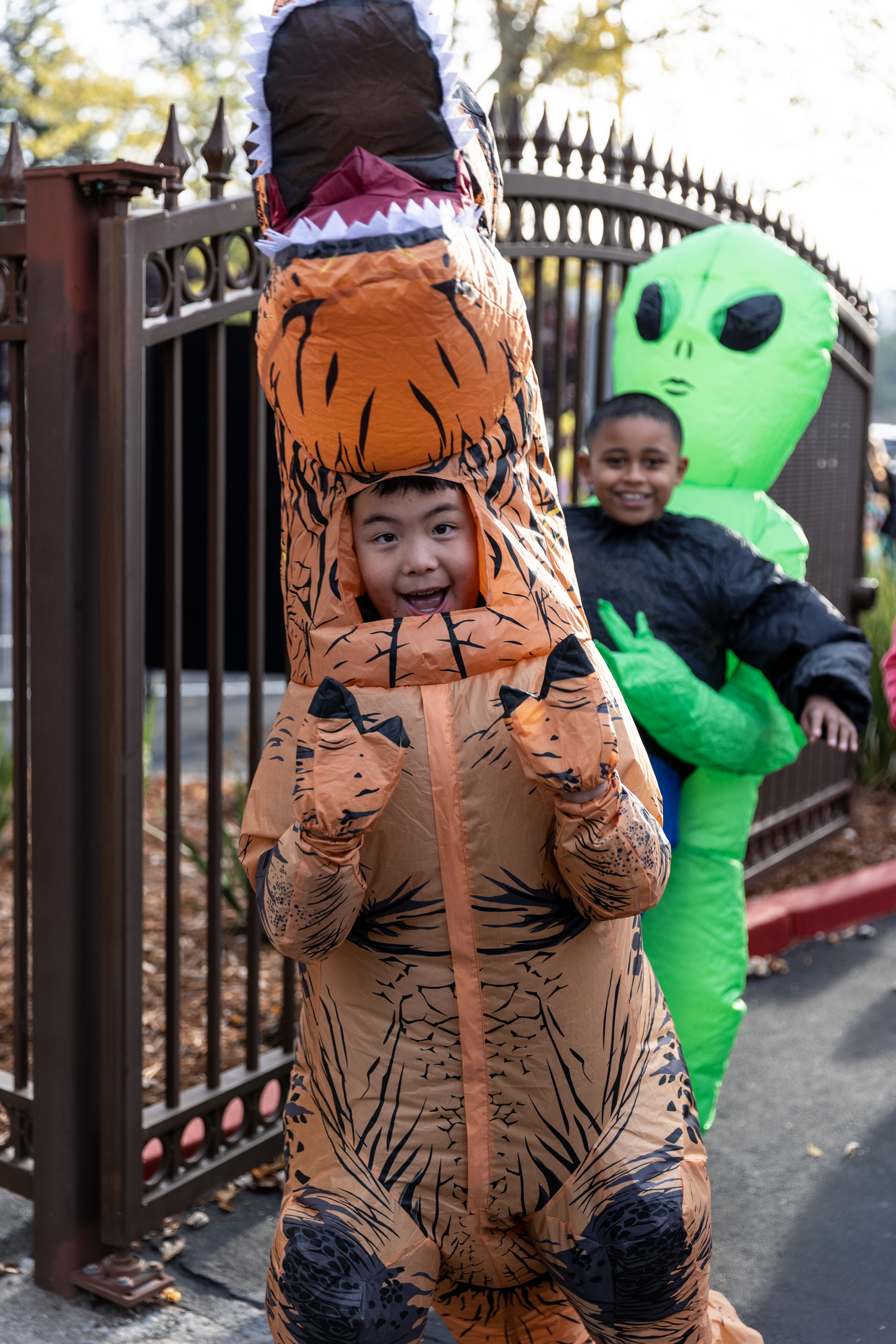
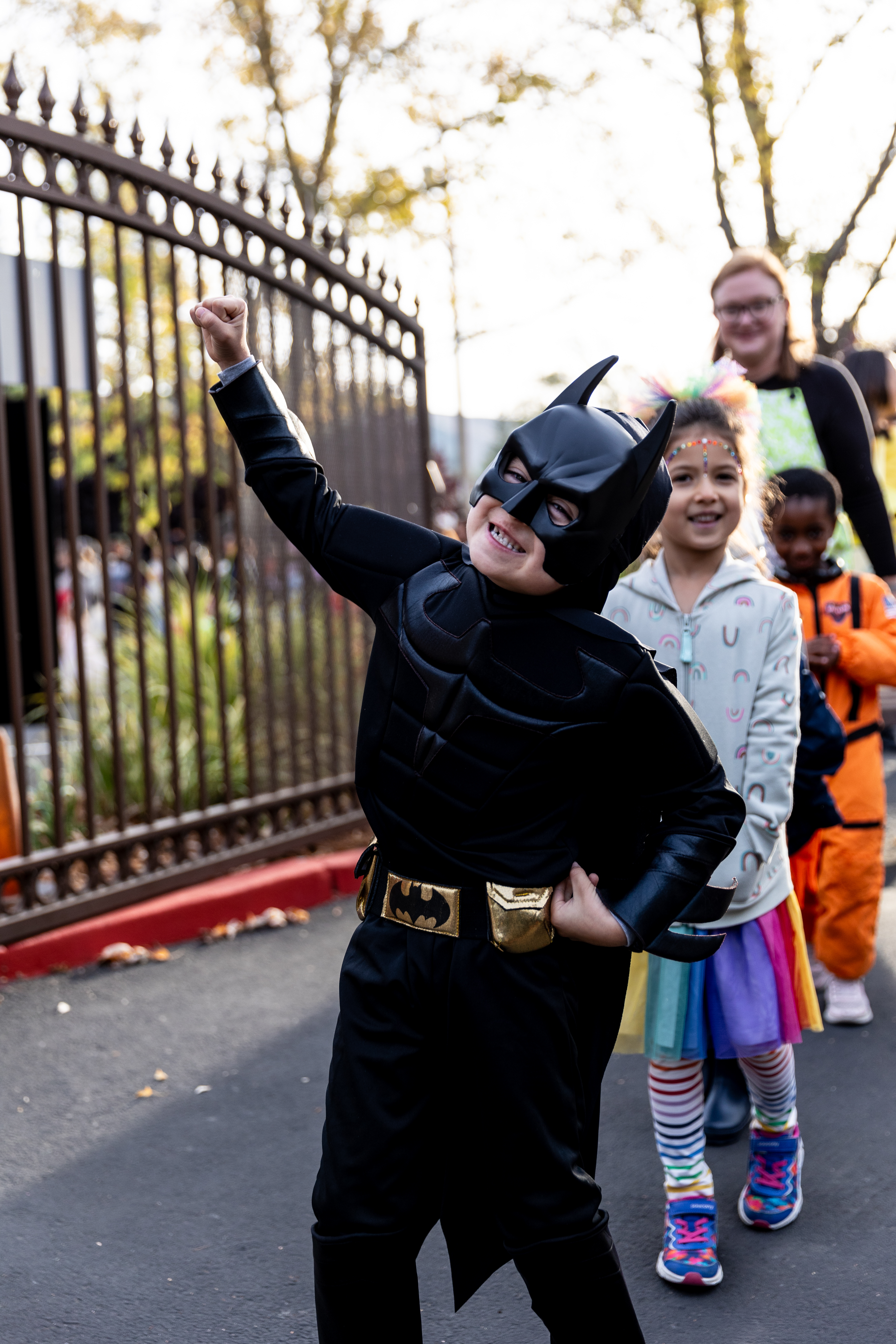
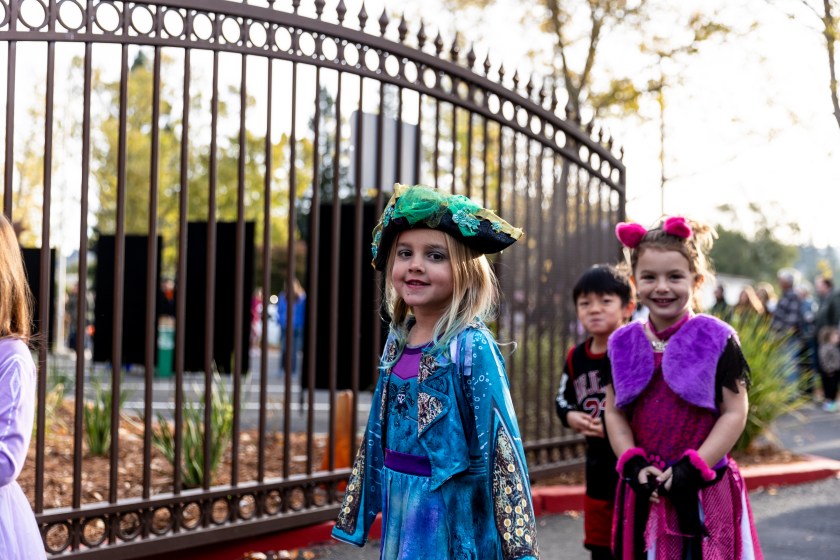
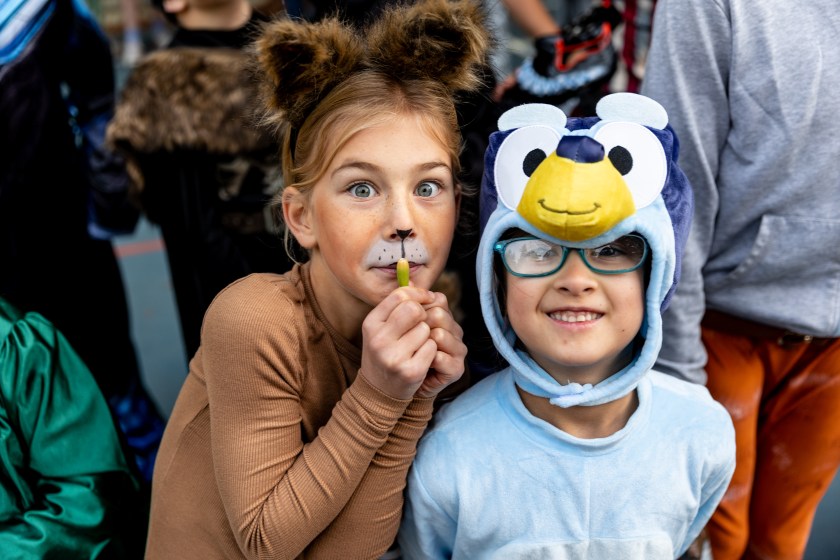
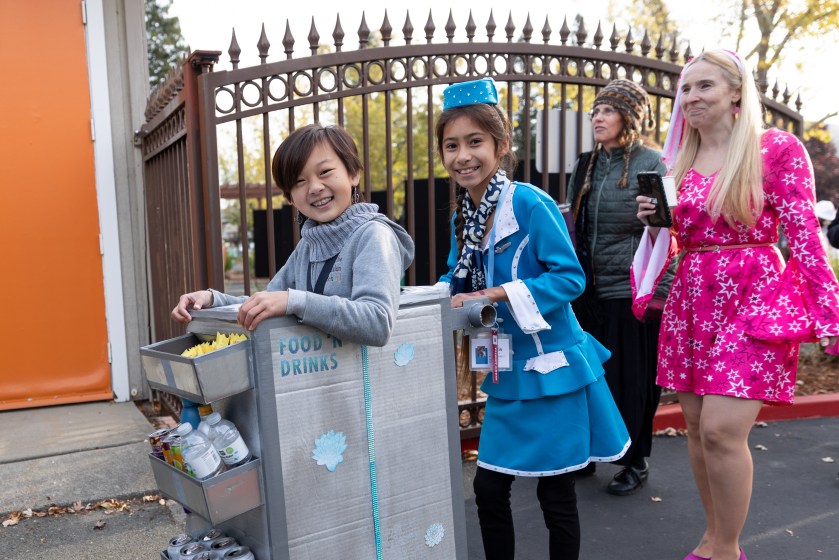
On Thursday, October 31st Saklan will celebrate Halloween! The day will begin with a Halloween Costume Parade at 8:35 a.m. The parade route will lead the students out the Admissions door, through the parking lot, and down the fire lane to the Saklan Sports Court for singing, dancing, and another look at all the costumes. For safety reasons, the parking lot will be closed. Families are invited to join us; cheering, clapping, and taking photos are highly encouraged! 

All Saklan students are welcome to wear their costumes to school on Halloween. Costumes need to be appropriate for a school and all grade levels, Preschool – 8th grade. No toy weapons, no gore, and no culturally, ethnically, or racially insensitive costumes. If you have any questions, please contact David.

If your child’s costume isn’t comfortable for all-day wear, please send them with a change of clothes for later in the day – no uniforms necessary. Please send your child to school with a normal pair of shoes for outdoor play. 

#SaklanCommunity #SaklanCreative

Taste of Traditions

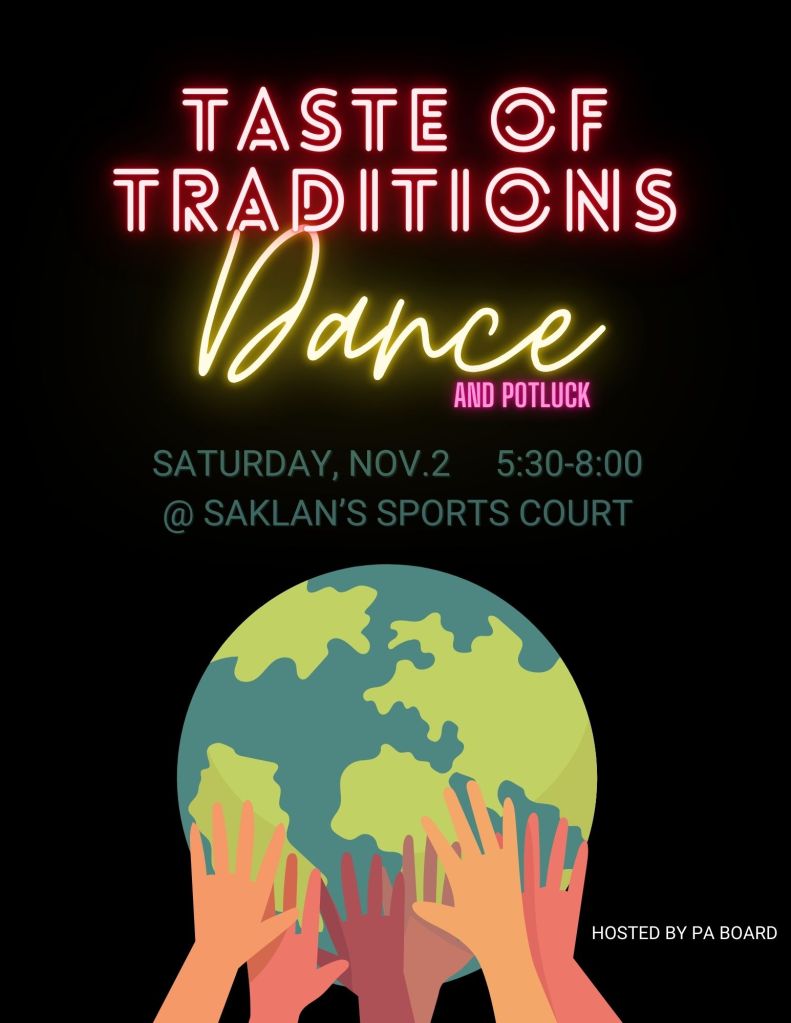
The Saklan PA invites you to our first annual Taste of Traditions Dance and Potluck on Saturday, November 2nd! The event will be held from 5:30 – 8:00 p.m. on the Saklan Sports Court.

Attendees are invited to bring a dish to share that reflects a family favorite or traditional dish shared in your family. Whether you’re able to bring a dish or not, your presence is what truly matters. The most important ingredient at this event is YOU, and we can’t wait to come together!

If you’d like to bring a dish to share, please sign up using this Sign Up Genius.

We hope you will join us for this fun and festive event!

#SaklanCommunity #SaklanPA

Head’s Corner: We Are “Really Doing It”

Last year, a Saklan Trustee and I had the privilege of attending the California Association of Independent Schools (CAIS) Heads and Trustees Conference. This annual gathering brings together nearly 500 school leaders and trustees, all focused on learning, sharing ideas, and discussing the future of independent schools.

During one of the many breakout sessions, we found ourselves mingling with trustees and heads from other independent schools, exchanging experiences and posing questions to each other. Among all the conversations that day, one in particular stood out. As we discussed various educational models, the topic of Project Based Learning (PBL) came up. A fellow school leader, well-acquainted with the educational landscape of the Bay Area, turned to the group and said: “There are lots of schools in the Bay Area claiming to be PBL schools, but Saklan is the only one really doing it.”

This simple statement was a powerful reminder of how far we’ve come. When we embarked on this journey to make PBL a cornerstone of Saklan’s approach, our goal wasn’t just to enhance academic rigor and engagement. We aimed to redefine what rigor and high engagement should look like in a modern school setting.

This week, we took another step in that journey by officially launching a video that showcases the incredible work we’ve been doing at Saklan. This is more than just a celebration of our accomplishments; it’s an invitation for others to see how we’re shaping the future of education—where students are deeply engaged, challenged, and, most importantly, truly prepared for the world ahead.

At Saklan, we’re not just talking about Project Based Learning. We’re living it. And we’re proud to say—we’re really doing it.

Warmly, 

David

#HeadsCorner