Who Do Artifacts Really Belong To?

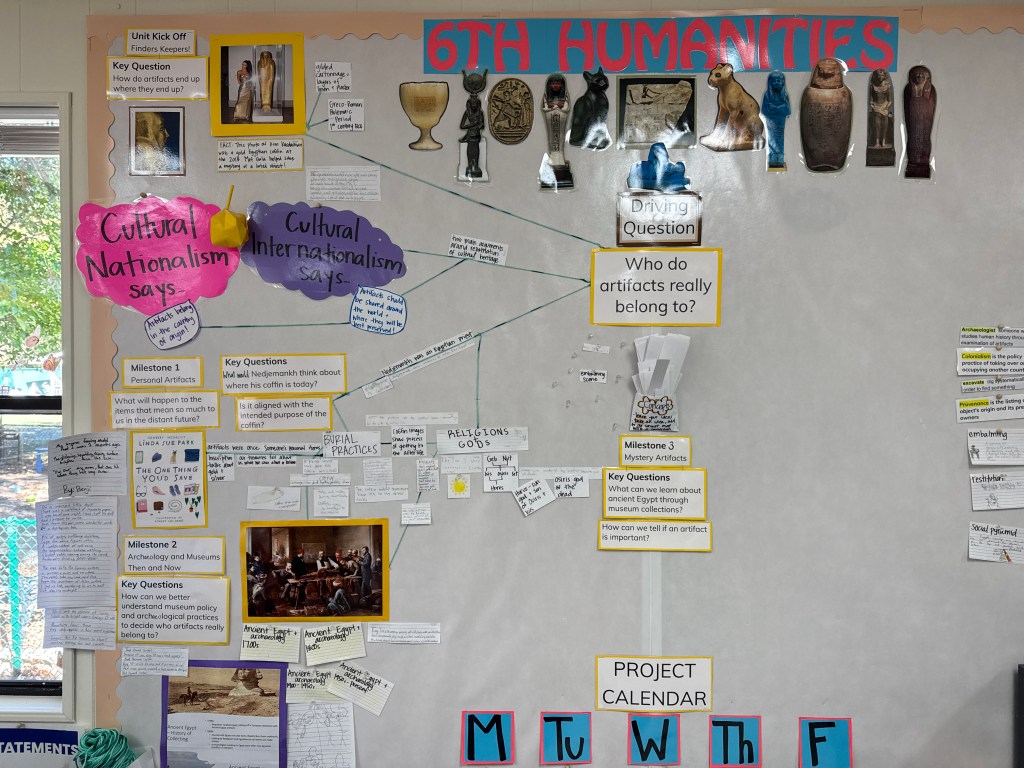
Sixth graders have begun their first PBL unit of the year, in which they seek to answer the driving question: Who do artifacts really belong to? During this unit, students will develop an understanding of what cultural heritage is, how artifacts tell the stories of people’s lives, the role of museums, the history of changing archaeological practices, ancient Egyptian civilization, history research skills, as well as sijo poetry, narrative, expository, and argumentative writing.

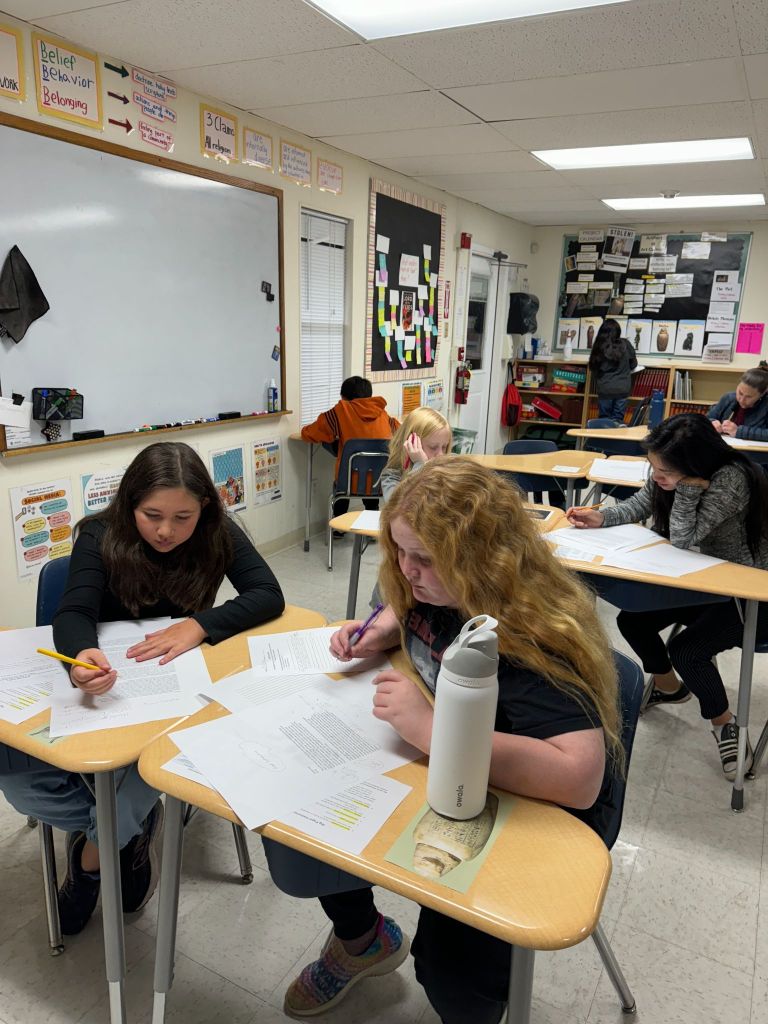
Recently, they’ve been thinking about the purpose of ancient artifacts, such as Nedjemankh’s stolen gold coffin, and about their connections to their own treasured possessions. The class read The One Thing You’d Save, by Linda Sue Park, before writing personal narratives about their own treasured artifacts. Students got lots of practice giving and receiving both teacher and peer critique on these pieces before turning in their final drafts.  
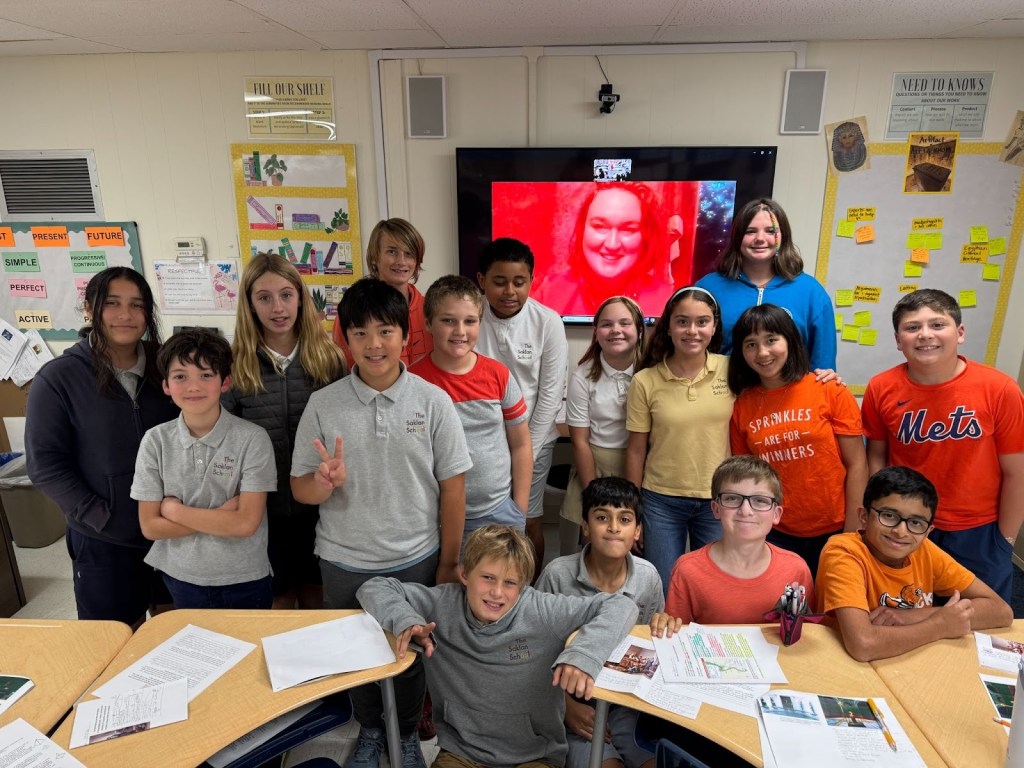
Last week, they zoomed with an archaeologist, Dr. Hannah Wellman. She shared the evolution of ancient mummification practices, as well as changes in legal practices and ethical arguments regarding the treatment of ancient Egyptian cultural heritage. Dr. Wellman’s example of Nefertiti’s Bust as an example of the significance of museum context of artifacts gave the class a great launching point for discussions in preparation for visiting the Badè Museum this week. 
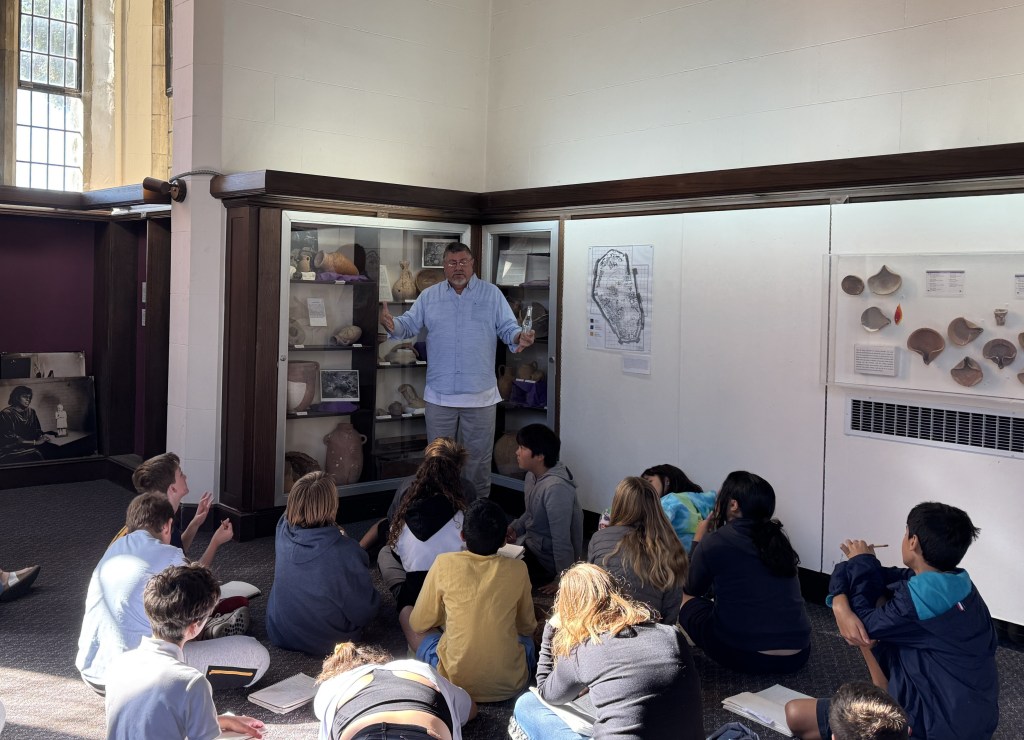
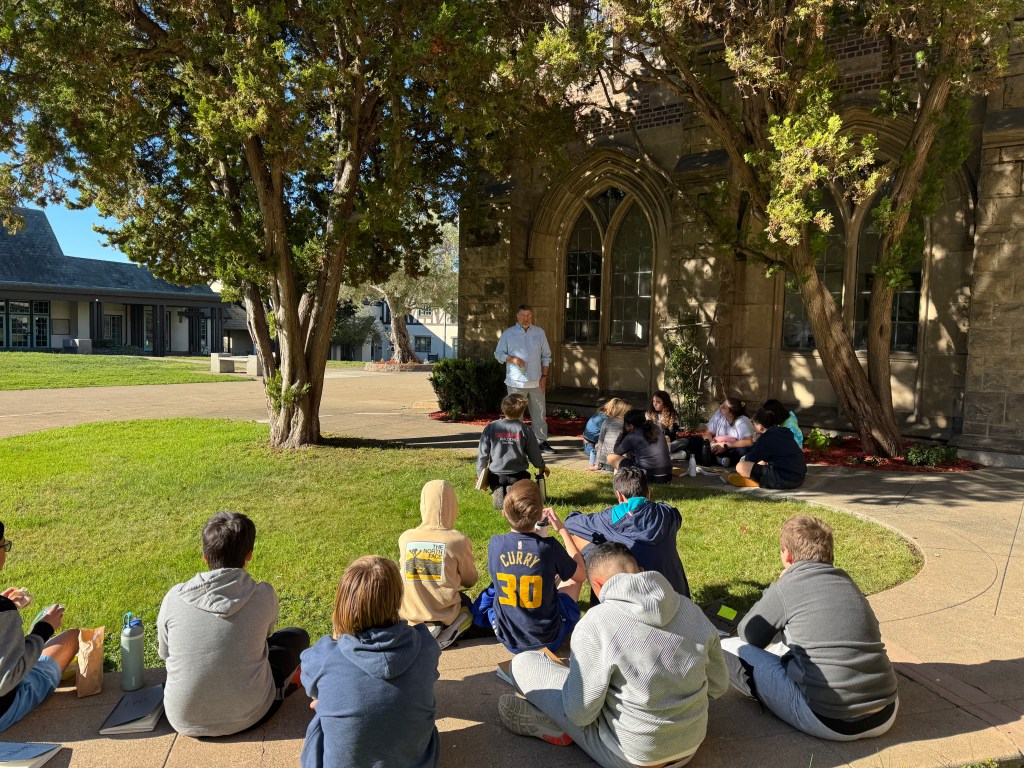
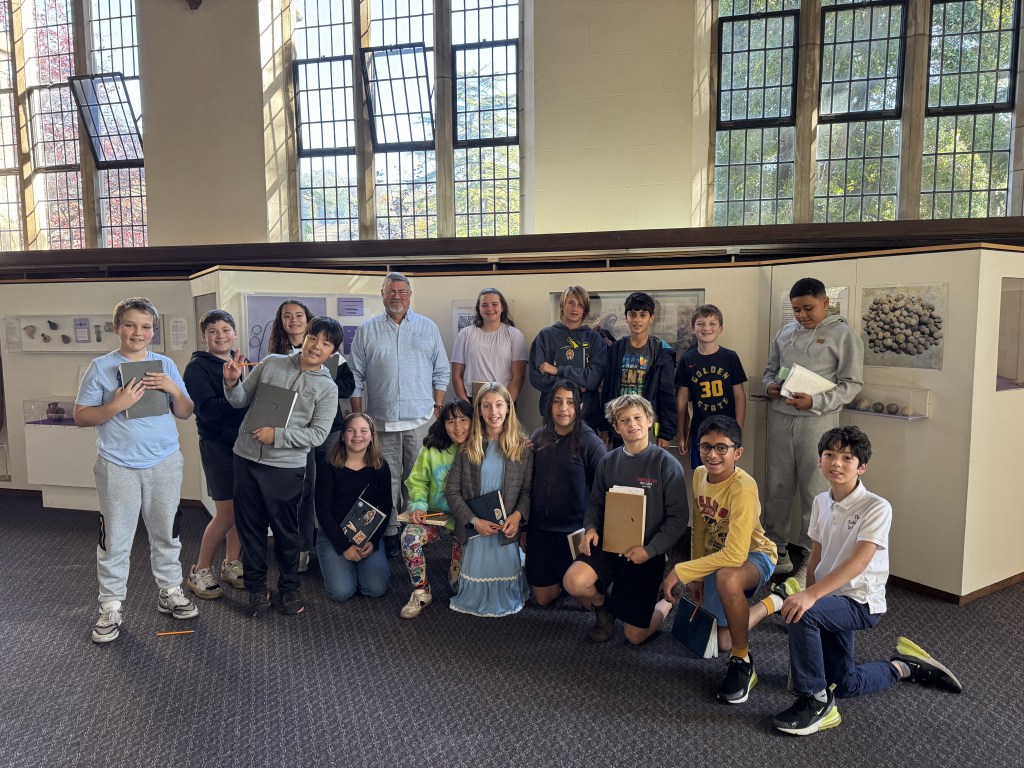
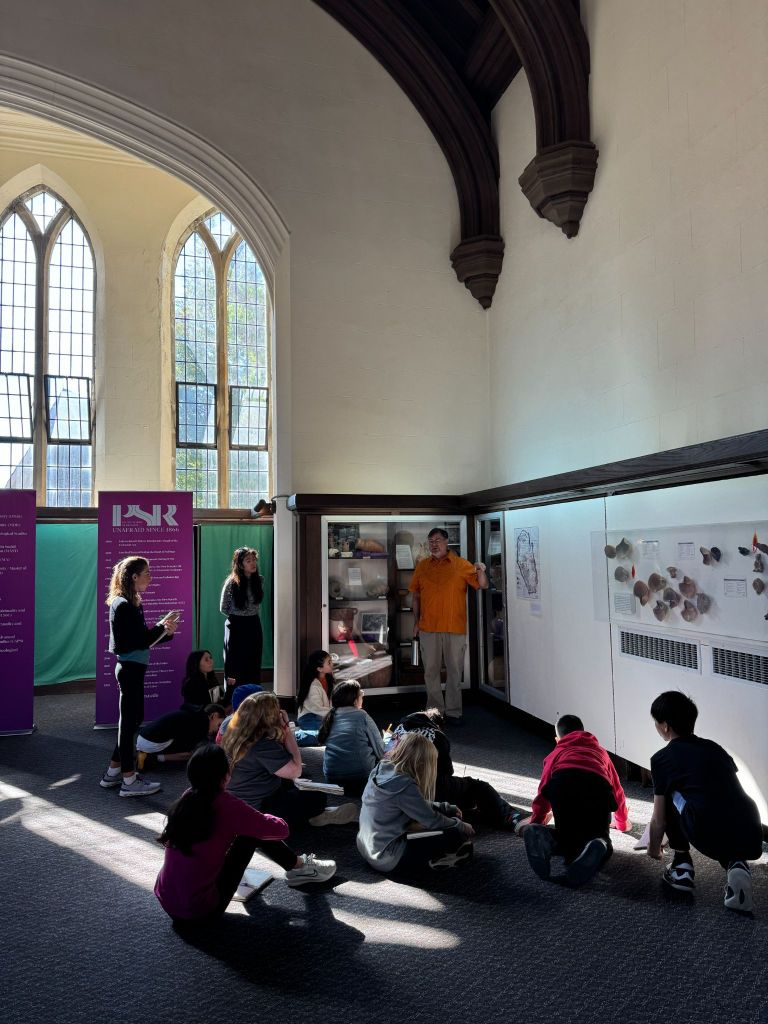
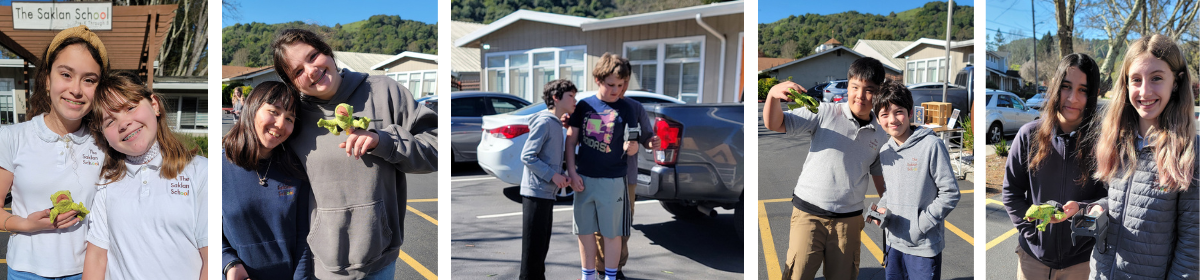
Dr. Aaron Brody, an archaeologist and Badè Museum director, taught the sixth graders about their collection, the benefits of a high degree of context for artifacts, and why repatriation in this case may not be ideal or desired for the museum or the country of origin. Both experts helped the class understand how repatriation conflicts came to be and why people have reached different conclusions about repatriation in various situations. 

#SaklanPBL

Artifact or Art Opinion

The 6th graders recently wrapped up their second milestone in their Project Based Learning unit, Artifact or Art Opinion. The driving question for the unit is, “Who do artifacts really belong to?”

During this unit, students explore arguments for and against the repatriation of Egyptian artifacts. They develop an understanding of museums, the history of archaeological practices, museum bias, perspective taking, and of course, dive into the content standards connected to ancient Egyptian civilization. This year, it has been great fun to add in mini lecture recordings and videos from the Egyptologist that Linda and Vickie traveled with over the summer, too! 

The unit kicked off in early October with an entry event highlighting a modern example of an artifact purchased by the Met that was, in fact, stolen! This helped the class to wonder how do museums end up with the artifacts they have in their collection? They then selected mystery Egyptian artifacts held at museums outside of Egypt to research. Through studying their artifacts, students began to build an understanding of what these artifacts are and why they are important. During their research, the 6th graders learned about ancient Egyptians and started sorting through some of the complexities of each artifact’s provenance. Students learned sometimes it is tricky to get to the bottom of how a museum acquired a particular artifact! 

Recently, the sixth graders met with two experts who helped them start to understand how museum and archaeological practices have changed over time. They visited a small museum in Berkeley at the Pacific School of Religion called the Badè Museum. There, the class met with archaeologist and Museum Director Dr. Aaron Brody to understand the unique history of the collection and their perspective on repatriation.

Sixth graders also zoomed in with archaeologist, Dr. Hannah Wellman, who shared a detailed timeline about changing archaeological practices, mummification, and the impact of context in a museum exhibit.

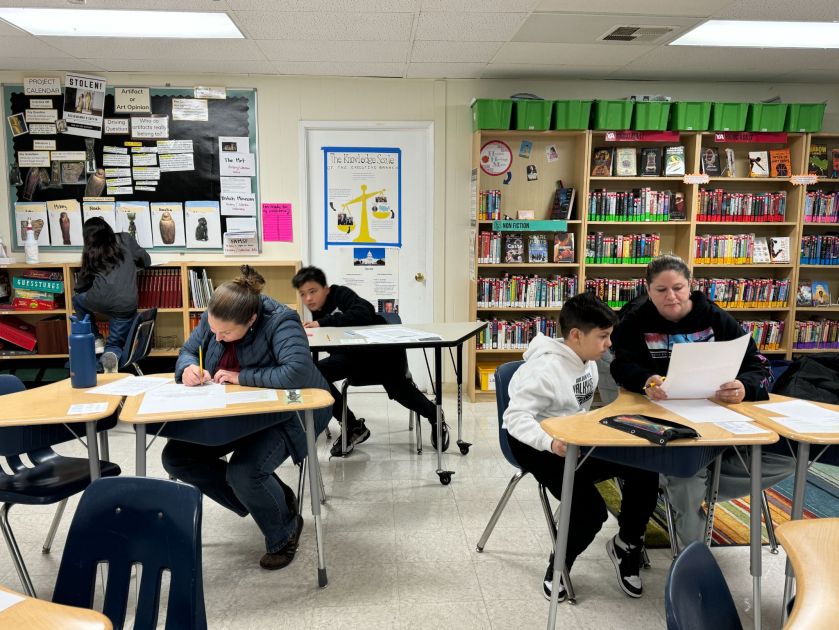
Students have been working on compiling all their research from the first two milestones into a research paper. After a first draft, teacher conferences, and initial revisions, they participated in a feedback routine called “Big Paper” with the help of David, Emily, and Kim. The 6th graders did a great job providing constructive feedback, glows, and questions to improve each other’s work.

In the final two milestones, students will learn how ancient and modern public art help individuals express their opinions and share their own answers to the driving question with the community. The sixth graders will showcase their work in this project at CLAS on November 22. We hope to see you there! 

#SaklanPBL