From Horses to Hounds: The Hoot Owls Explore Pets

As part of their Pets Project, the Hoot Owls have been exploring how to care for different kinds of animals—both big and small! When teachers noticed several students showing a special interest in the horses and stable set in the classroom, they decided to dive deeper into learning about how to care for horses.

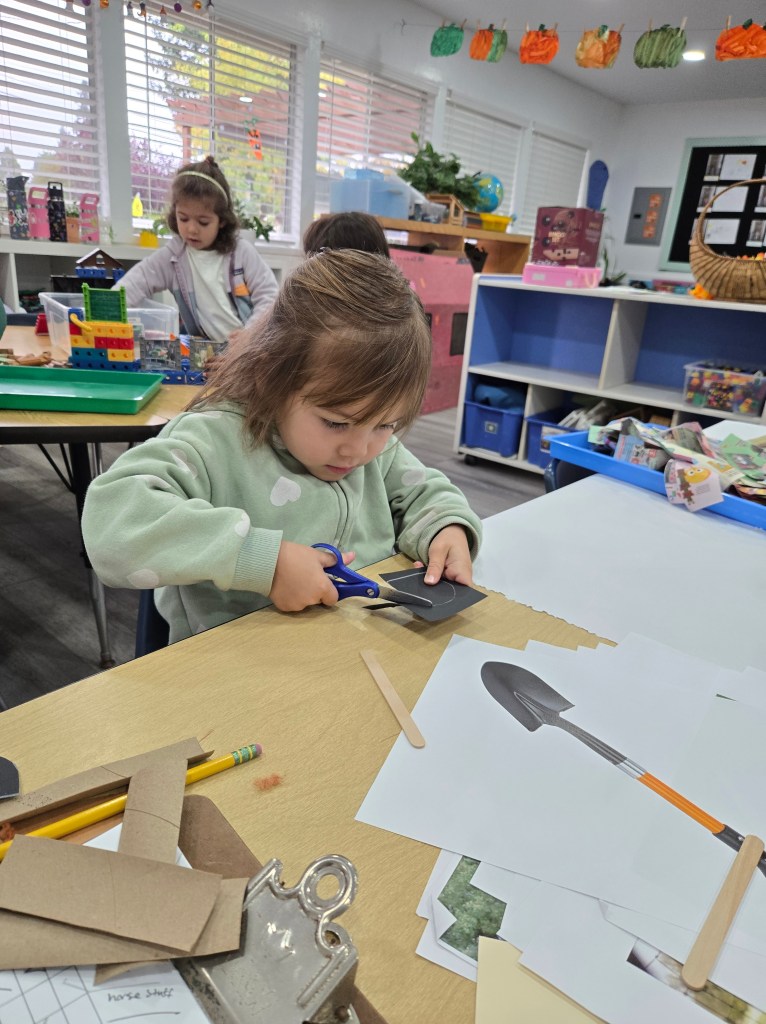
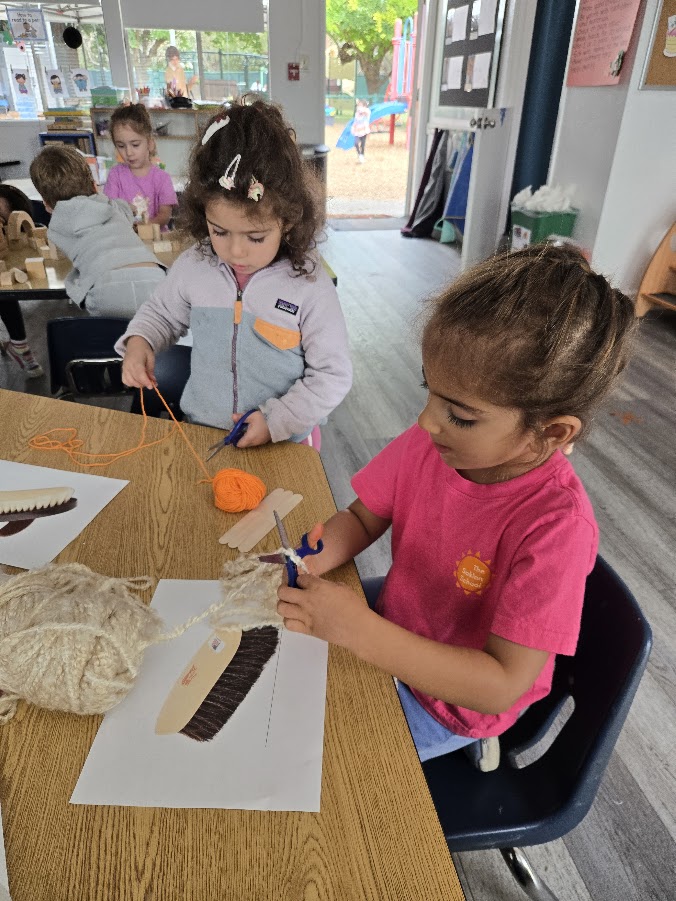
The class discovered that horses can make wonderful pets, but they also require a lot of care and space. Together, the Hoot Owls learned that horses need shelter, lots of hay and grass to eat, and regular brushing to stay clean. They also learned that taking care of a horse includes cleaning up after them—using shovels to tidy up their stalls! Students found out that horses can be ridden using saddles and reins, which led to lots of imaginative play. To represent what they learned, the class created their own model horse brushes, water and food troughs, and even shovels for stable cleanup.
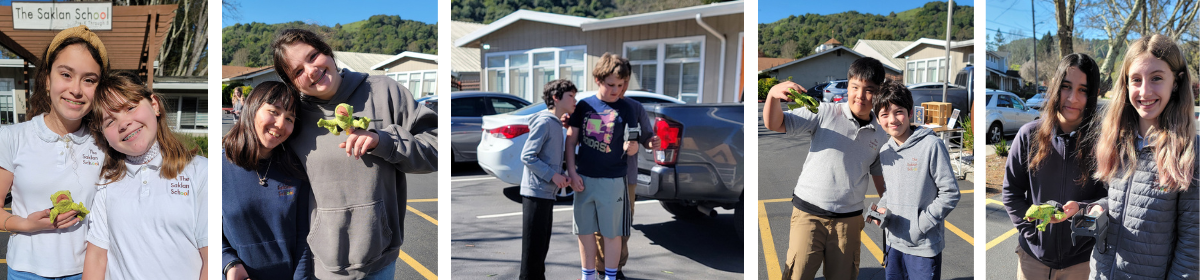
Next, the Hoot Owls turned their attention to one of the class’s favorite animals—dogs! They were thrilled to welcome two special guests: Saul, Saklan’s Middle School Math Teacher, and Mel, who brought along their two dogs, Banksy and Bixby. The Pre-K students came prepared with thoughtful questions, and Saul and Mel were happy to share their expertise.

The class learned that the amount of food a dog needs depends on its size and age. Banksy eats one small bowl of food at dinner, while Bixby eats twice a day—and even uses a special puzzle bowl to slow down his eating. Students also discovered that dogs can earn treats when they perform tricks. Banksy has already mastered “sit” and “roll over,” while Bixby is still learning!
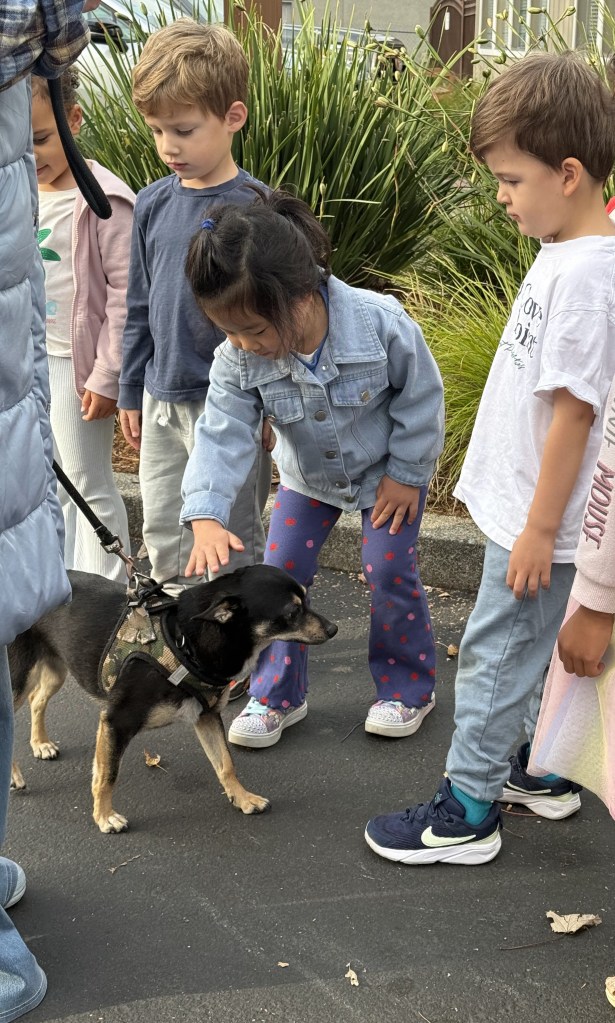
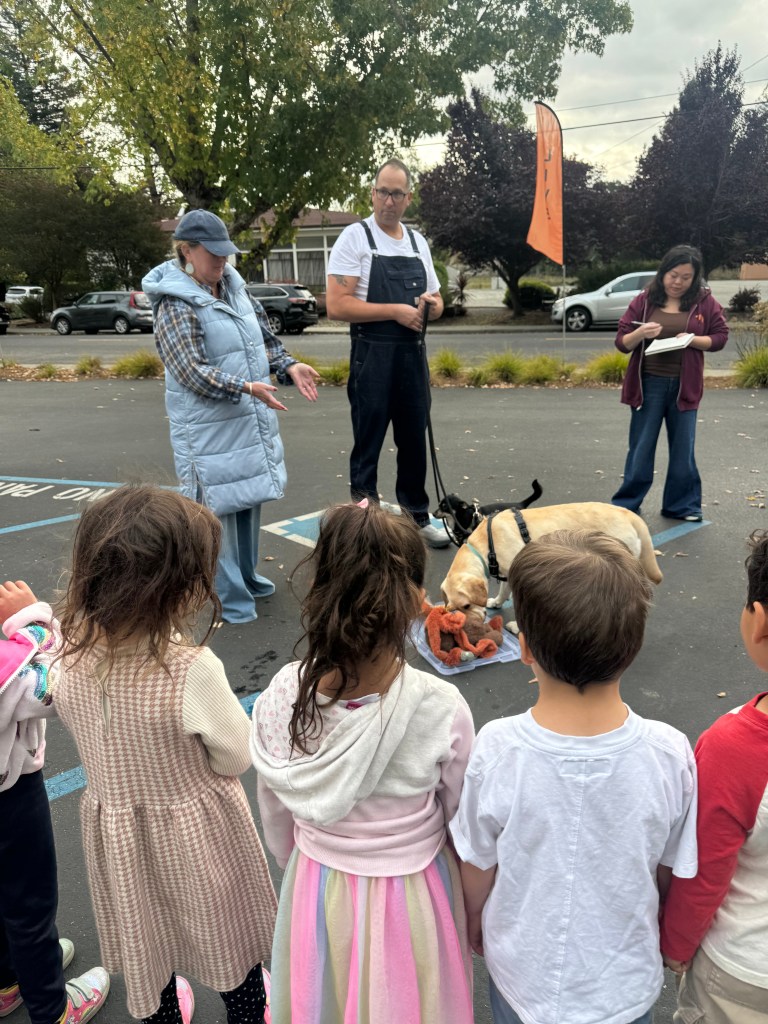
Exercise was another key topic. The students were amazed to hear that Banksy and Bixby had already walked a full mile before arriving at school! To stay active and engaged, dogs also need toys like ropes, chew toys, and stuffies. The class discussed how important it is to keep dogs clean—by brushing them, especially as they grow their thick winter coats, and giving them baths when needed. They also loved hearing about Banksy and Bixby’s matching jackets and learning that collars and leashes are important tools to keep dogs and people safe.

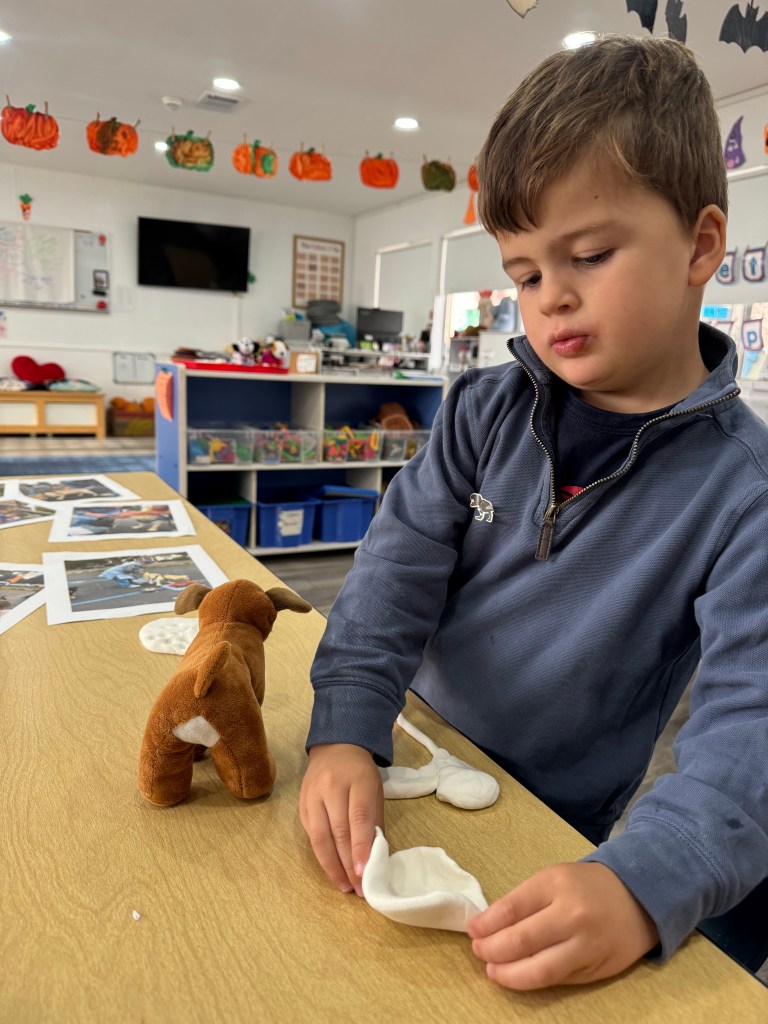
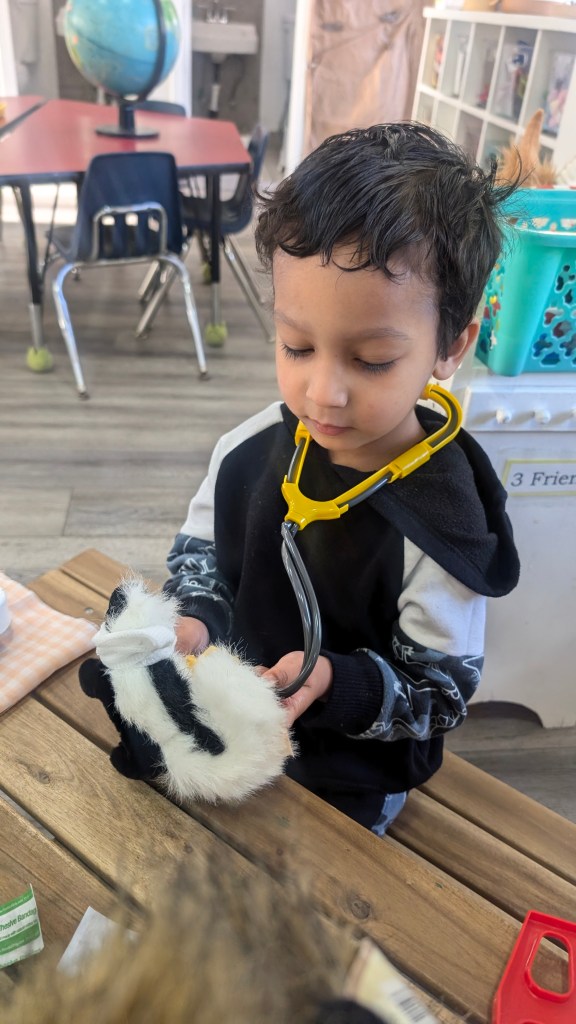
After the visit, the Hoot Owls had the opportunity to apply what they learned by creating their own “pet care kits” for small toy dogs. They made leashes, collars, food and water bowls, treat bags, toys, and even jackets! Each student thoughtfully considered what their dog would need and designed items to help care for their new pet.
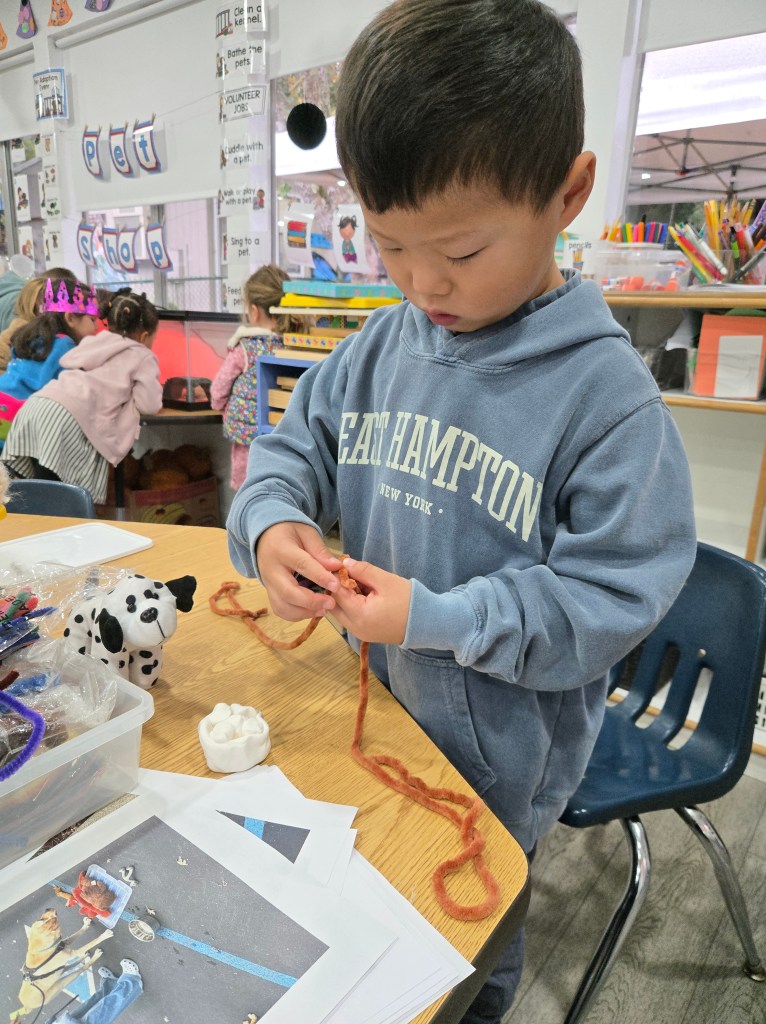
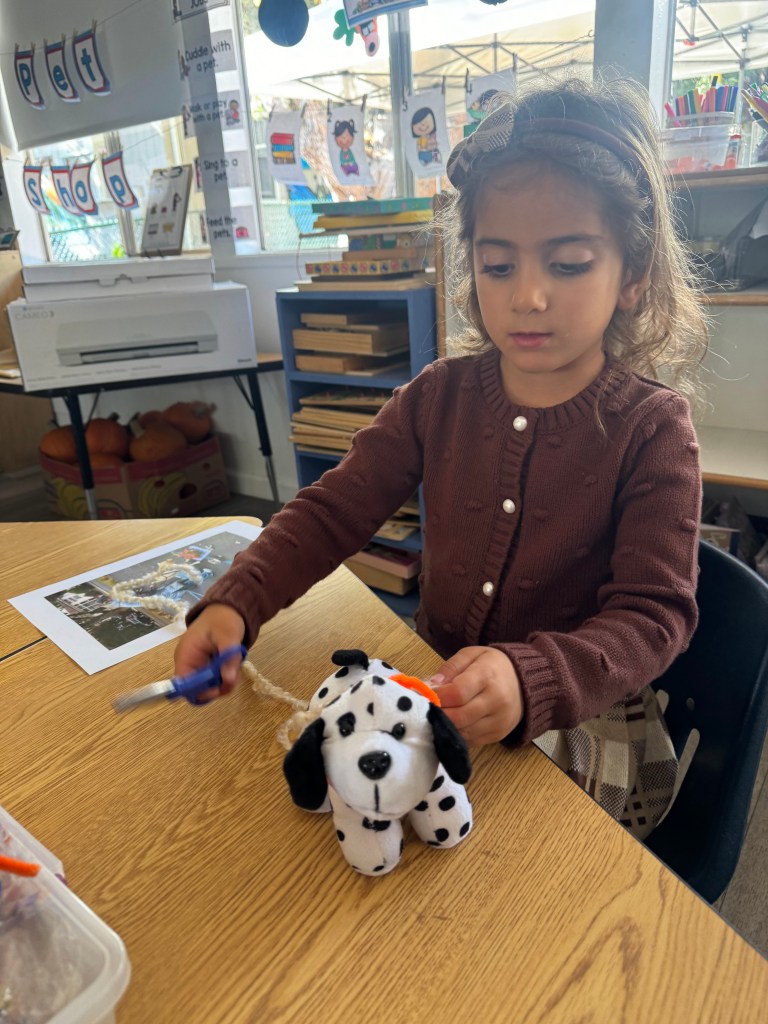
Through hands-on exploration, creativity, and expert insight, the Hoot Owls deepened their understanding of what it truly means to care for an animal. From brushing a horse to walking a dog, these young learners are discovering that responsibility, empathy, and kindness are at the heart of being a good pet owner.

#SaklanProjectWork
Can Maggie Have a Hippo as a Pet?

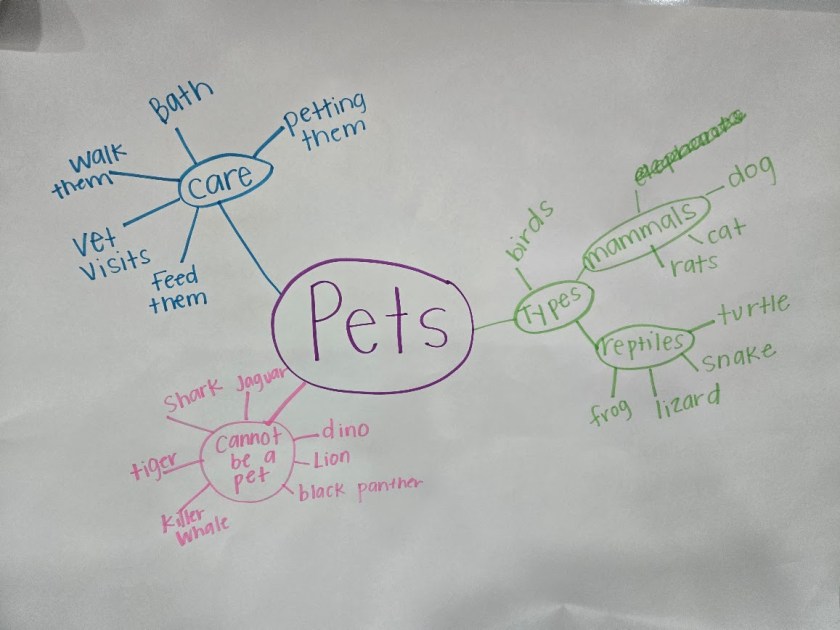
The Pre-K class has officially launched their Pets Project. To get the Hoot Owls thinking about what a pet is, the teachers posed the question: “Can Maggie have a hippo as a pet?”

This simple question sparked a flurry of ideas. Students quickly pointed out that a hippo would need a really big house, a lot of water (maybe a pool!), and a door big enough for it to fit through. One thoughtful student even suggested that Maggie would need to be a zookeeper with her own zoo! From there, the class began to wonder — what actually makes an animal a pet, and what makes it a zoo animal?

Building the Project

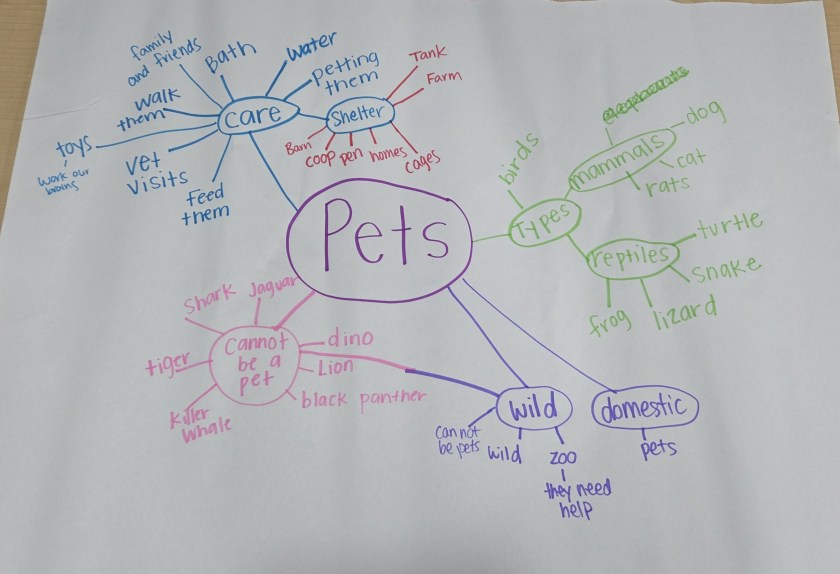
In every Project Approach Unit, students begin by mapping what they know and what they want to learn using a Topic Web. This living chart helps track their growing understanding as they explore through research, activities, and expert visits.

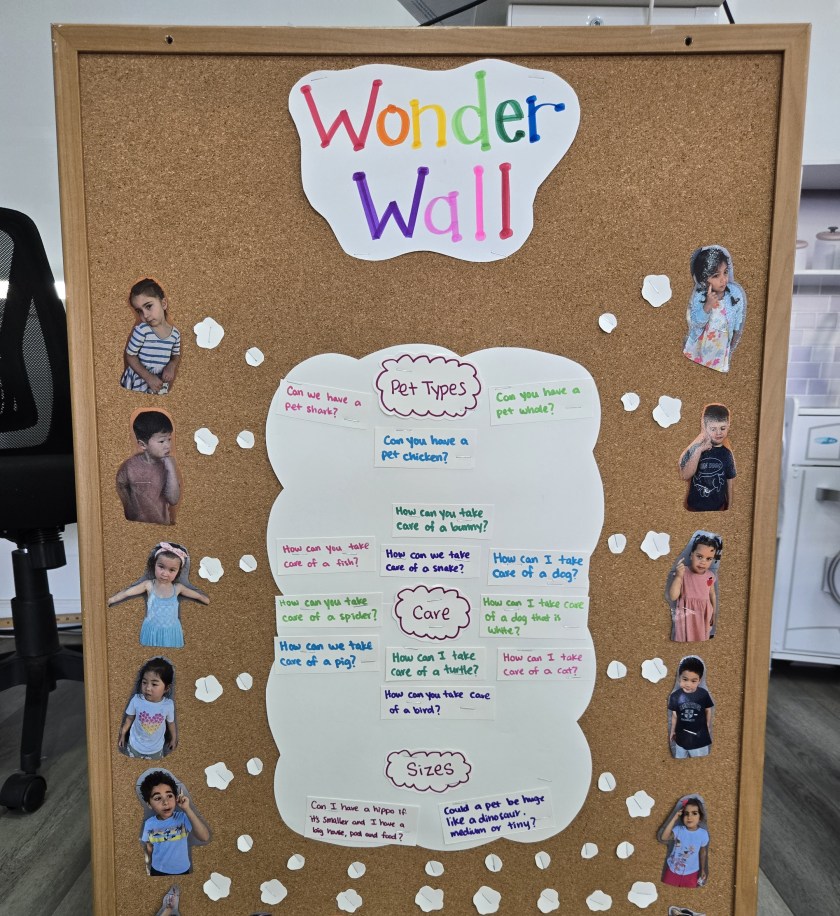
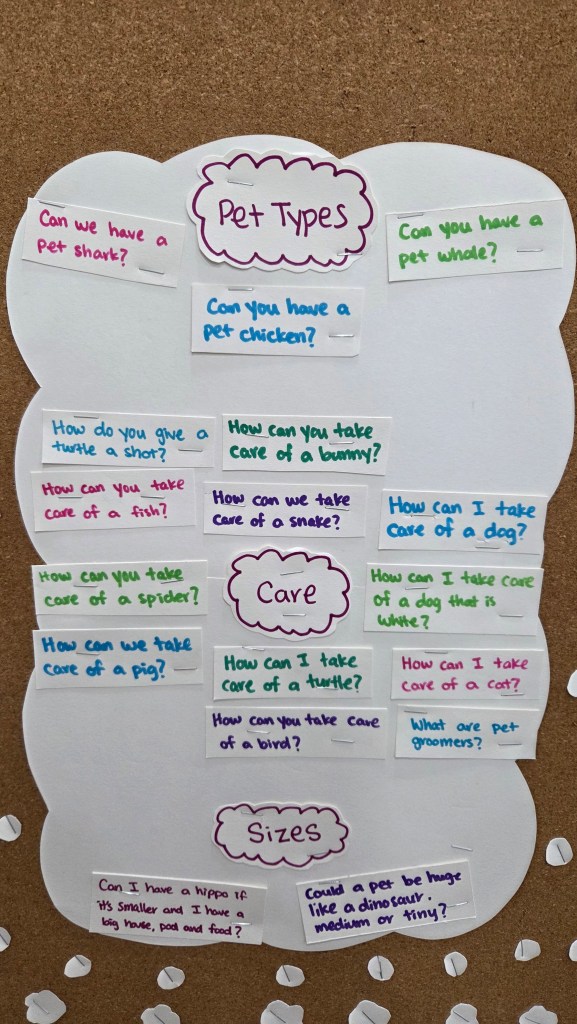
Alongside the topic web, the class also created a Wonder Wall — a special space where students’ questions and curiosities are collected. These “wonders” help guide the project and shape future lessons and activities.

One of the first big questions to emerge was: “How do we take care of different animals?” To start exploring that idea, students dove into the question, “How do we take care of a turtle?”

Learning Through Exploration

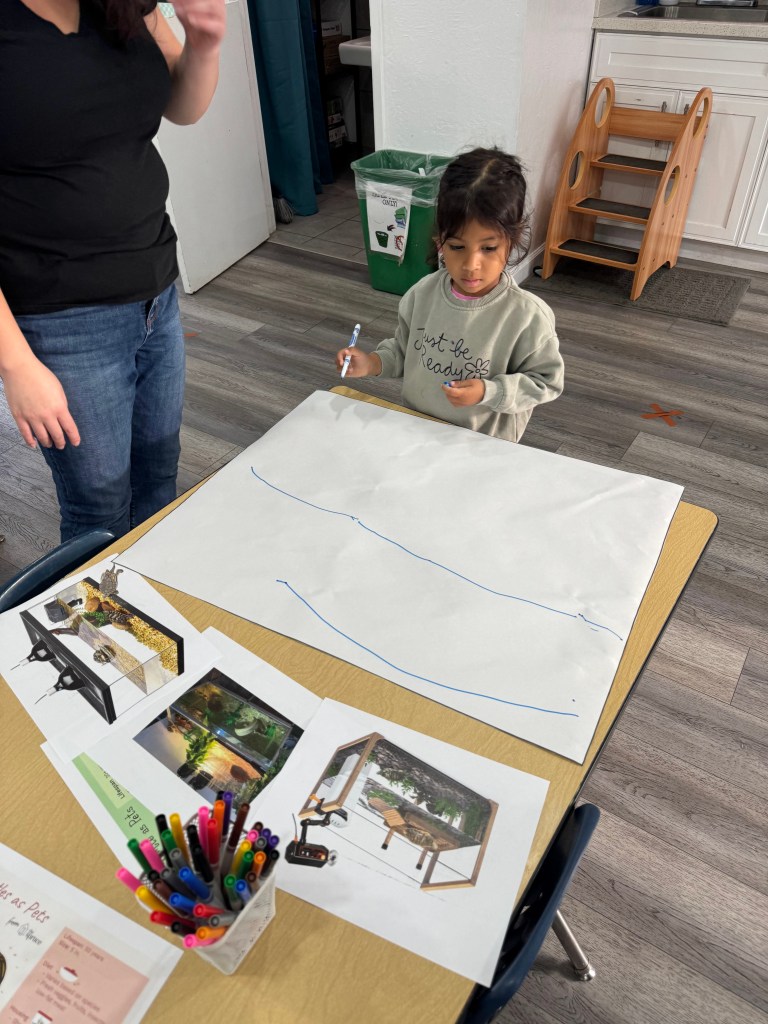
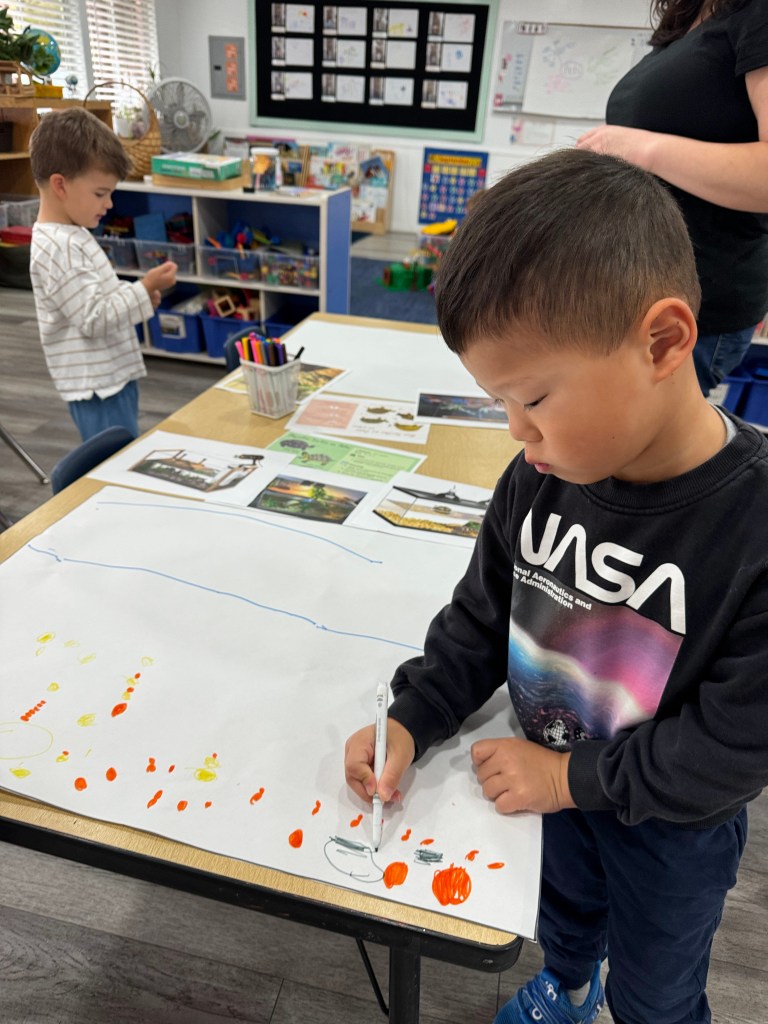
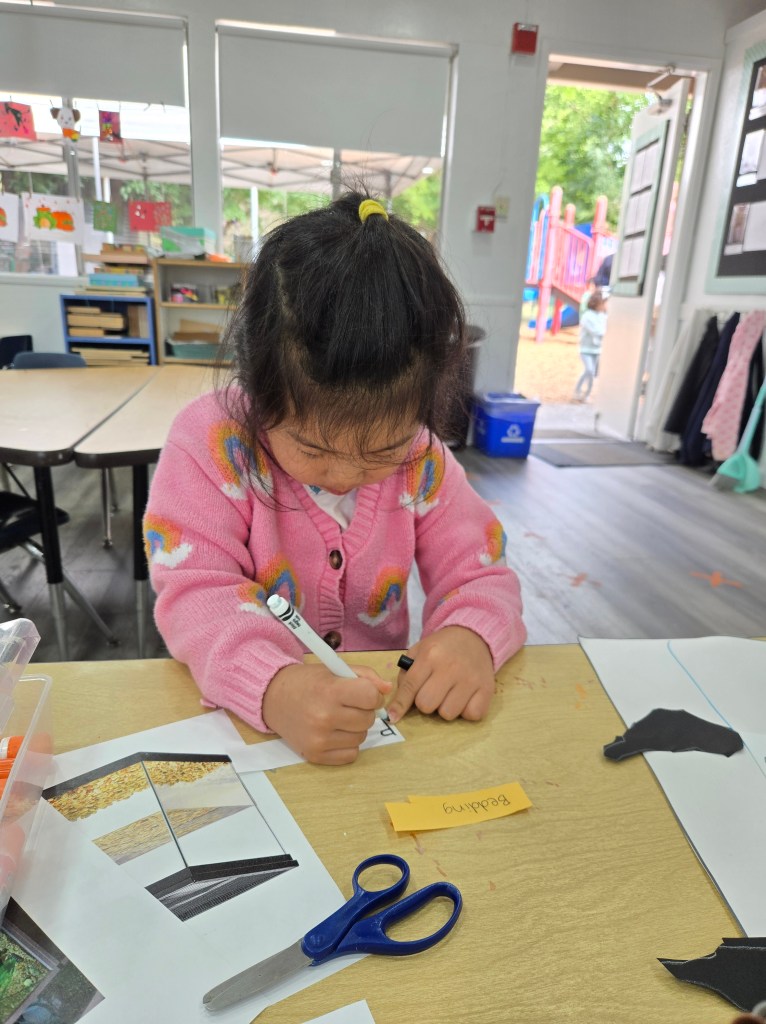
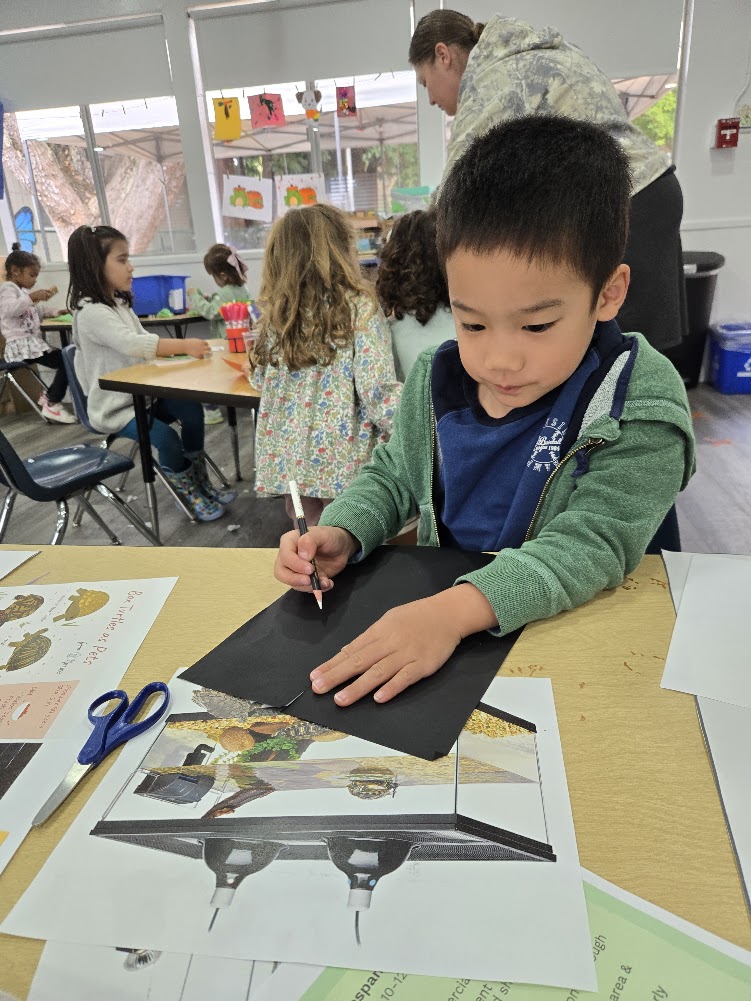
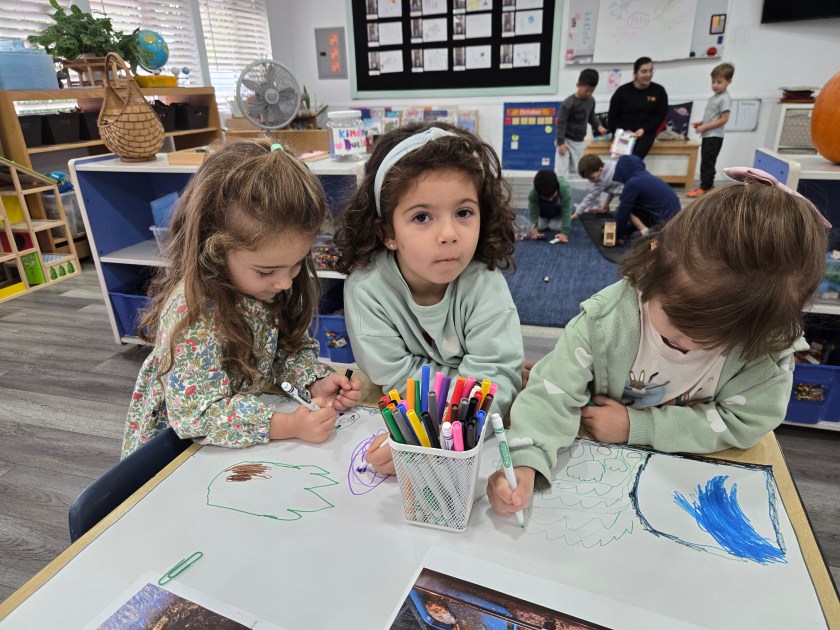
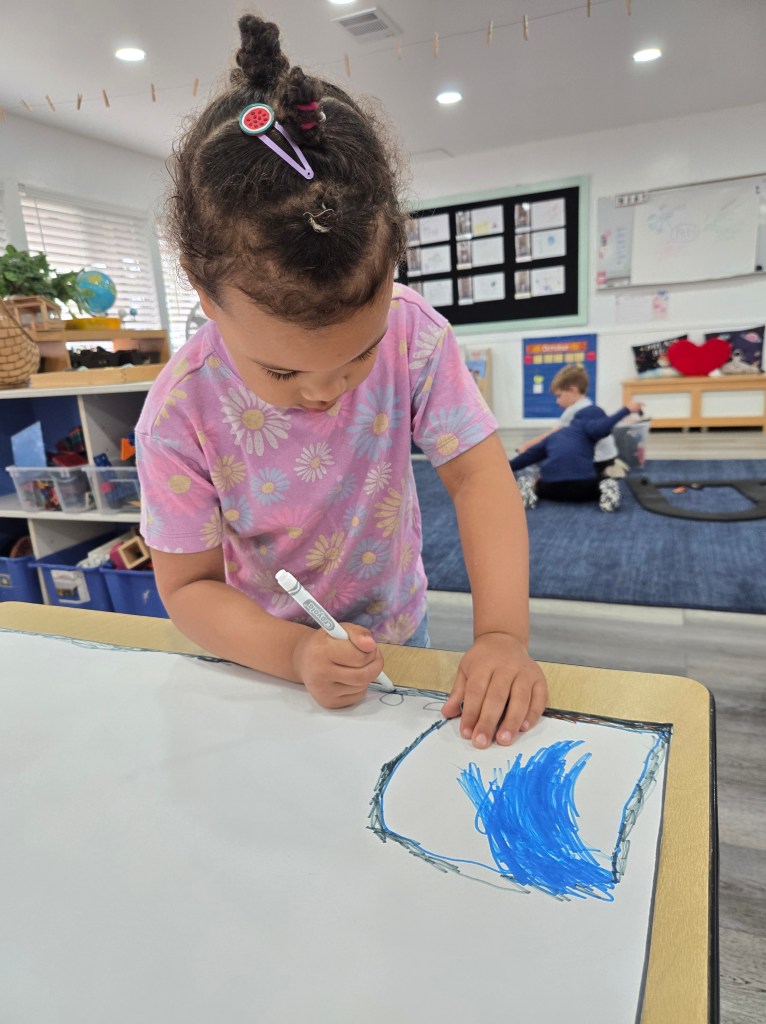
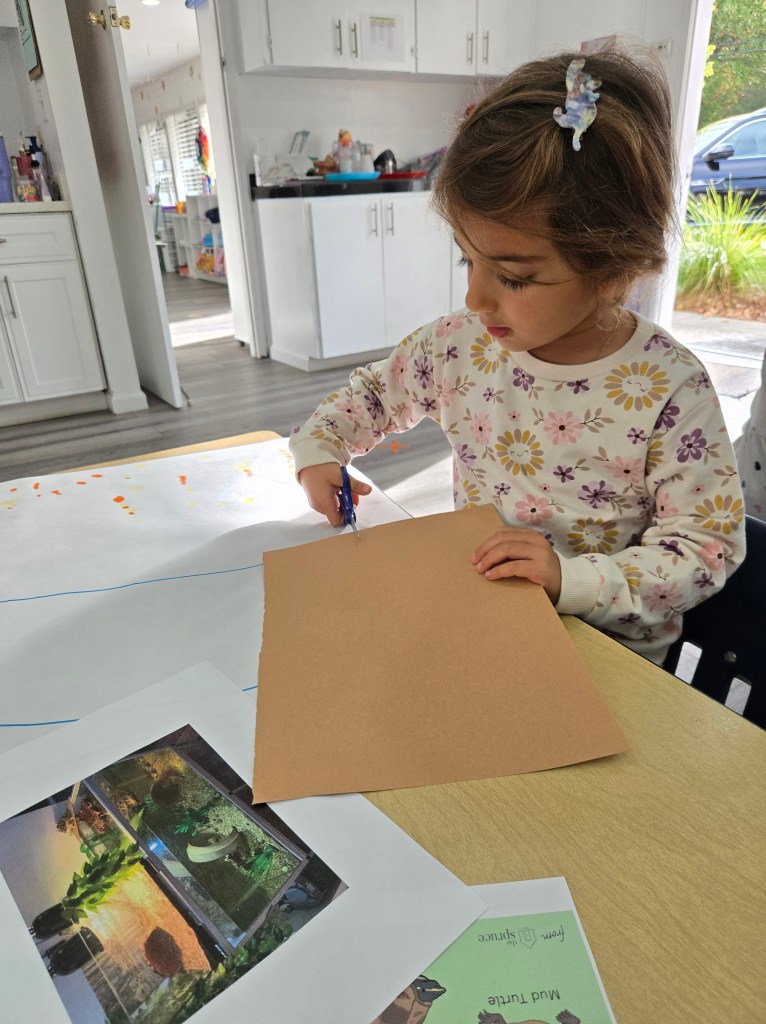
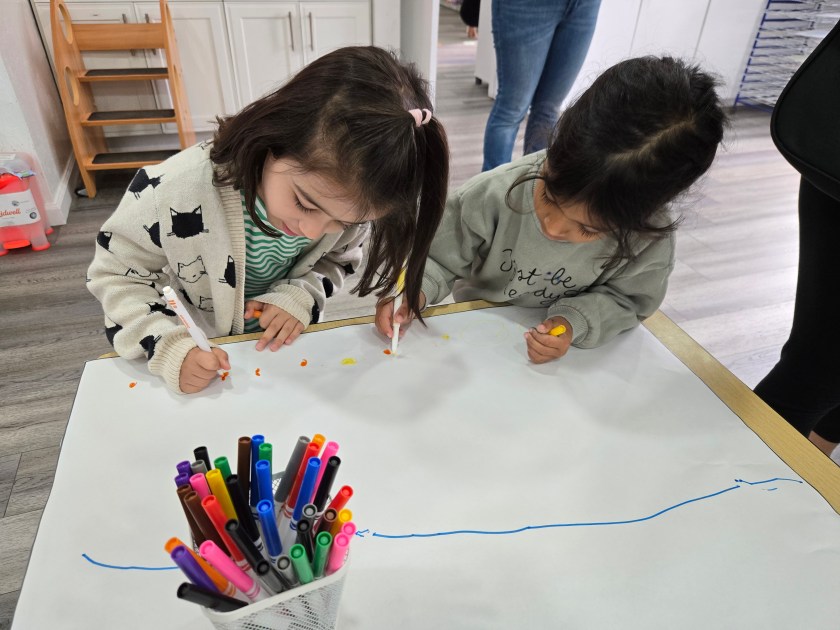
Through research and observation, students discovered that turtles have different needs depending on their type. Aquatic turtles and box turtles, for example, require very different homes. The class looked at photos of real turtle habitats and then created their own visual charts, drawing and labeling the items a turtle needs to stay healthy and happy.

Guest Expert Insights

To help deepen their understanding of pets versus wild animals, the class met biologist Taylor Rubin via Zoom. Taylor, a former zoologist at Zoo Atlanta who now studies urban wildlife, helped the students define two key groups:

  • Domestic animals – animals that have lived alongside humans for a long time and rely on people for care, like dogs, cats, horses, and chickens.
  • Wild animals – animals that can survive and care for themselves in nature.

When the students revisited their original question about hippos, Taylor helped them see why a hippo can’t be a pet. Hippos need to eat about 150 pounds of grass per day, live in large pods of 10–30 hippos, and require plenty of water to swim in. Clearly, even the most dedicated pet owner couldn’t meet those needs!

The class loved learning from a real scientist, and they now have an even clearer understanding of what makes an animal a pet — and why Maggie’s hippo dream might have to stay imaginary for now!

#SaklanProjects

Nocturnal Animals

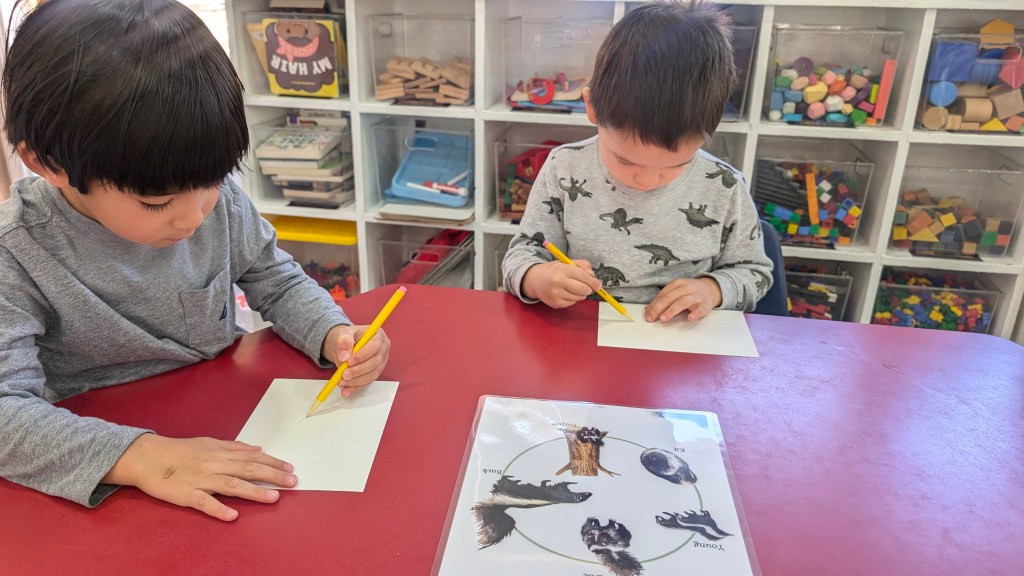
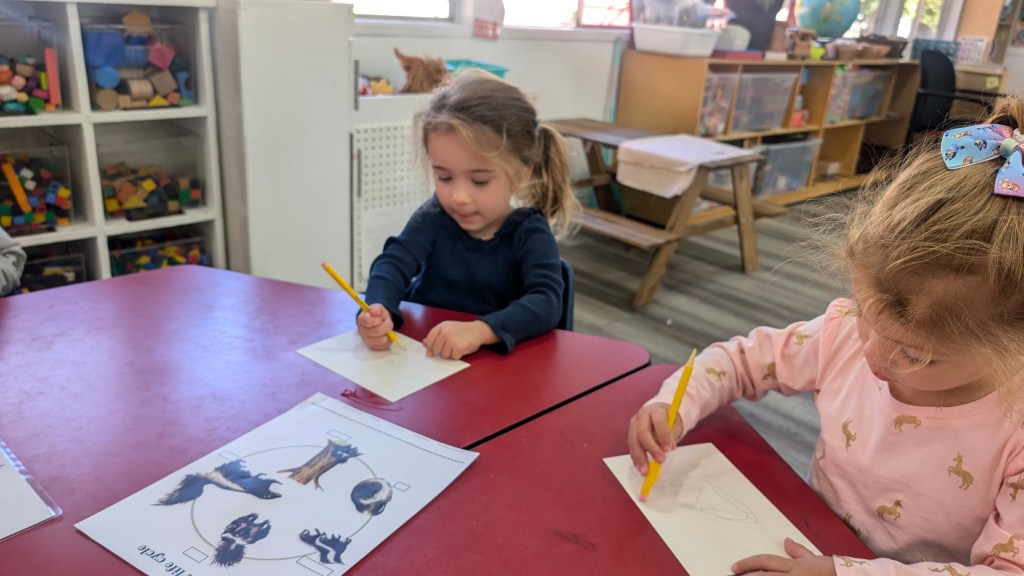
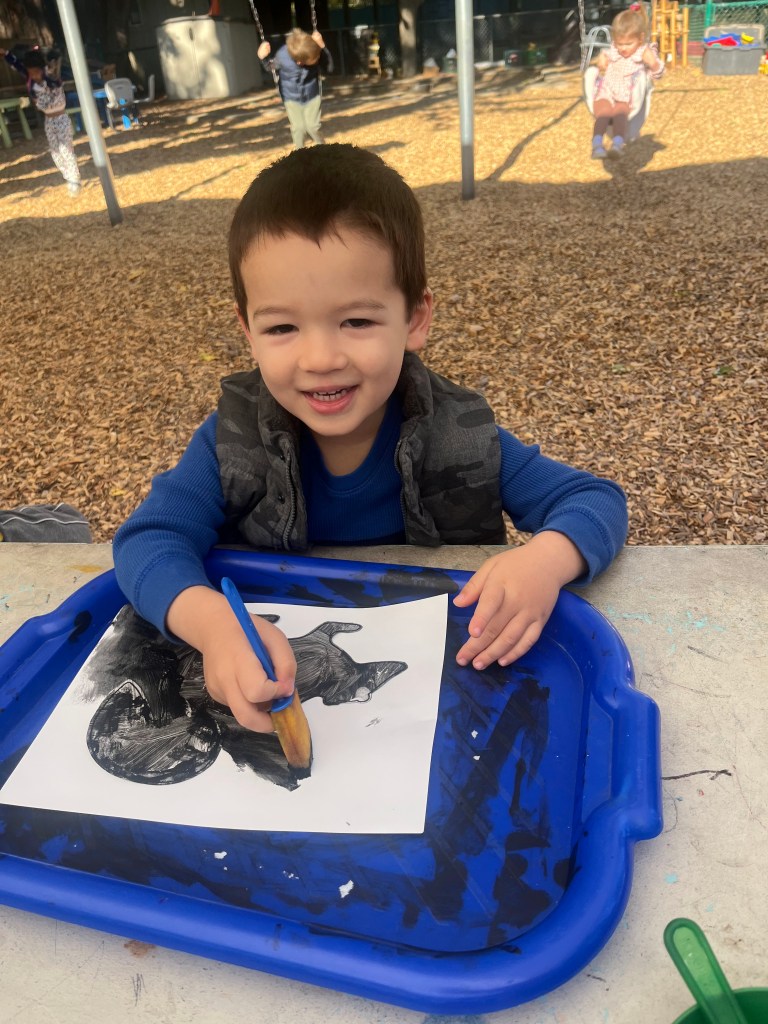
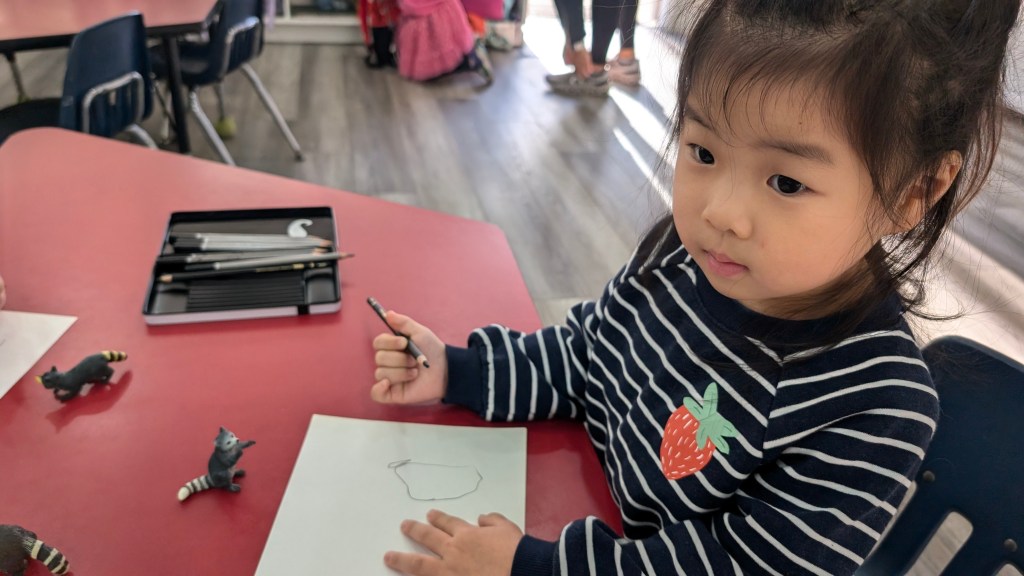
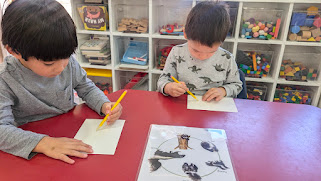
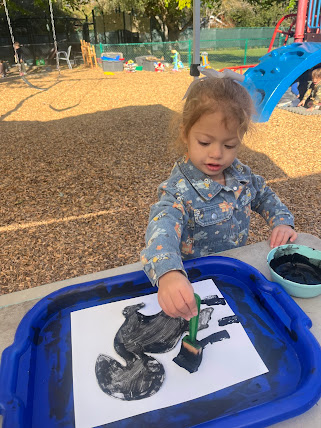
The Owlets have been studying nocturnal animals, and recently they enjoyed investigating some of the most misunderstood nocturnal animals! At first, many of the Owlets thought skunks and raccoons were “bad guys” of the animal world, but after discussion, they realized they were just trying to live their lives, just like humans. When the preschoolers started learning about skunks, they described them as stinky and mean animals that spray people for no reason. But they soon discovered that skunks only spray when they feel scared or threatened. This led to a conversation about what Owlets feel like when they are scared. The class imagined how a skunk might feel if something got too close to its babies or den. These discussions helped them see skunks in a new, more appreciative light. This also introduced them to the idea of defense mechanisms, which are special adaptations animals use to stay safe.

Next, the class turned their attention to raccoons. The Owlets started off thinking of raccoons as pesky garbage eaters, but soon uncovered the truth: raccoons love the same kinds of food people do, so they’re just after our leftovers! While it might seem like they could make friendly pets, the preschoolers learned it’s never safe to touch a wild animal—or even an animal they don’t know. During circle time, Colby asked, “What would happen if a raccoon came into our house to get our trash?” This sparked an important conversation about wild animal safety. They talked about the importance of finding a grown-up to help and discussed how places like the Lindsay Wildlife Center in Walnut Creek are experts in helping injured or misplaced animals. After learning so much about skunks and raccoons, the Owlets agreed: these animals aren’t bad at all! They’re just a little misunderstood.

The Owlets can’t wait to share what they’ve learned with the rest of the school at their upcoming Nocturnal Animal Project Culmination on Thursday, December 12th at 8:30 a.m.

#SaklanProjectWork