Staff Spotlight: Vickie

Meet Vickie Obenchain, Saklan’s globe-trotting, zero-gravity-experiencing, shark-snorkeling science teacher extraordinaire. From the icy expanses of Antarctica to the warm waters of the Bahamas, Ms. O doesn’t just teach science—she lives it. Her adventures in professional development don’t just fuel her own curiosity; they spark a love of learning in every student lucky enough to enter her classroom or join one of the incredible field experiences she plans.

What has been the most enriching professional development experience you’ve had in recent years? How have they tied into your curriculum?

I love taking part in professional development! To me, it’s an opportunity to learn new techniques, learn with other like-minded educators from around the country, and see what scientists in the field are doing. These opportunities help both myself and my students understand the world around them, as I bring these experiences back into the classroom. These opportunities have also allowed me to share career opportunities available in the science profession with students, as new ones are constantly popping up. 

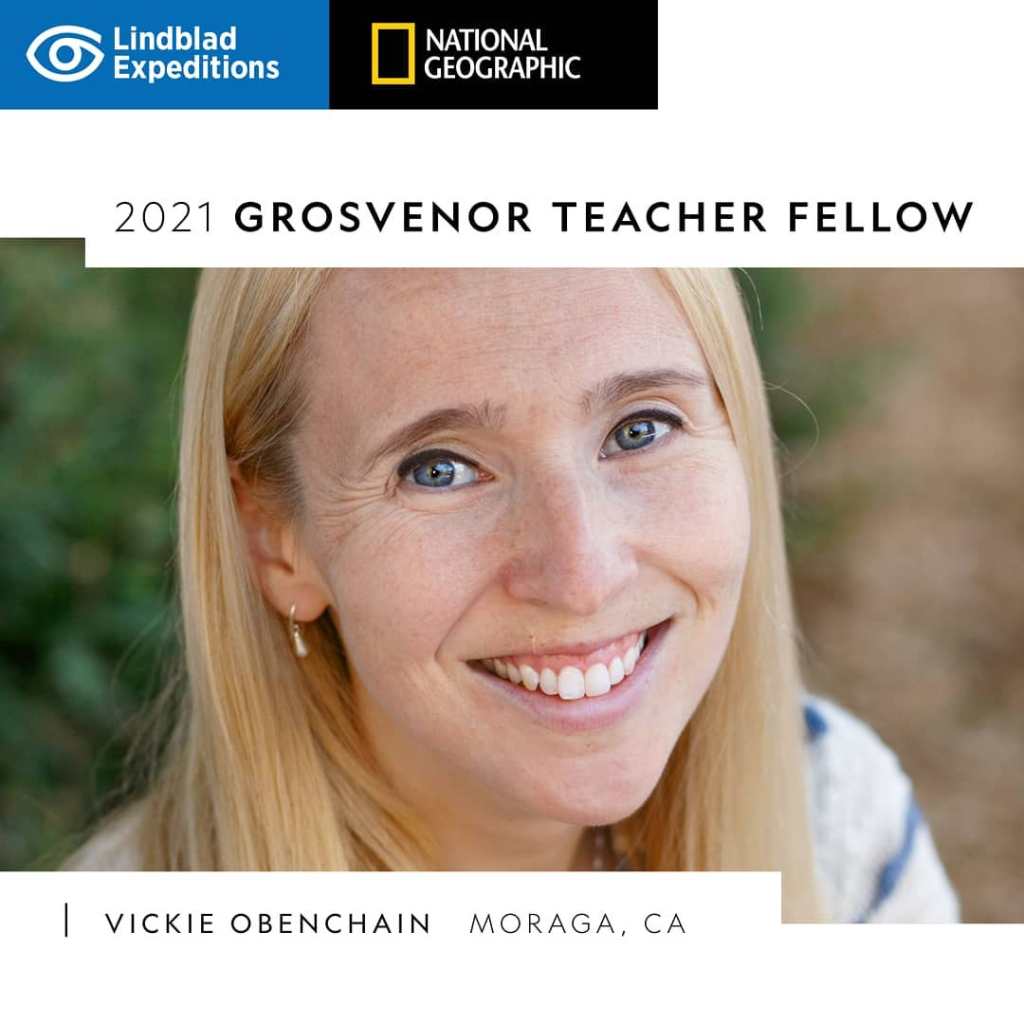
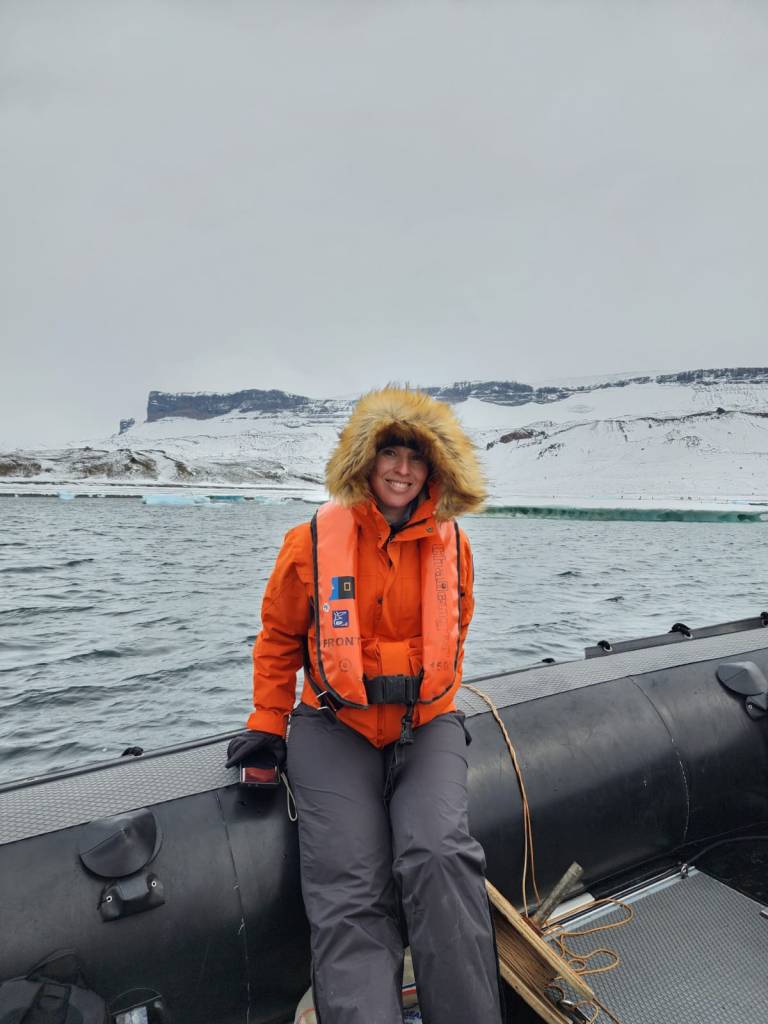
A few of my favorite experiences have been ones that have opened my eyes to our amazing planet and expanded my own knowledge in fields I felt I could use more expertise. These include: National Geographic Grosvenor Fellowship, Bimini Shark Lab Teacher Fellowship, Embedded Teacher Program, and the Saklan Summer Fund. With the National Geographic Grosvenor Teacher Fellowship, I went on an expedition to Antarctica. Experiencing the beauty of one of the most remote places on Earth—while learning alongside National Geographic scientists and photographers—was truly a once-in-a-lifetime experience. I spent time learning about the effects of climate change on Antarctica, how the food chain is very dependent on an incredibly small invertebrate, krill, and learning about different species of penguin. Helping both my earth science and life science curricula.

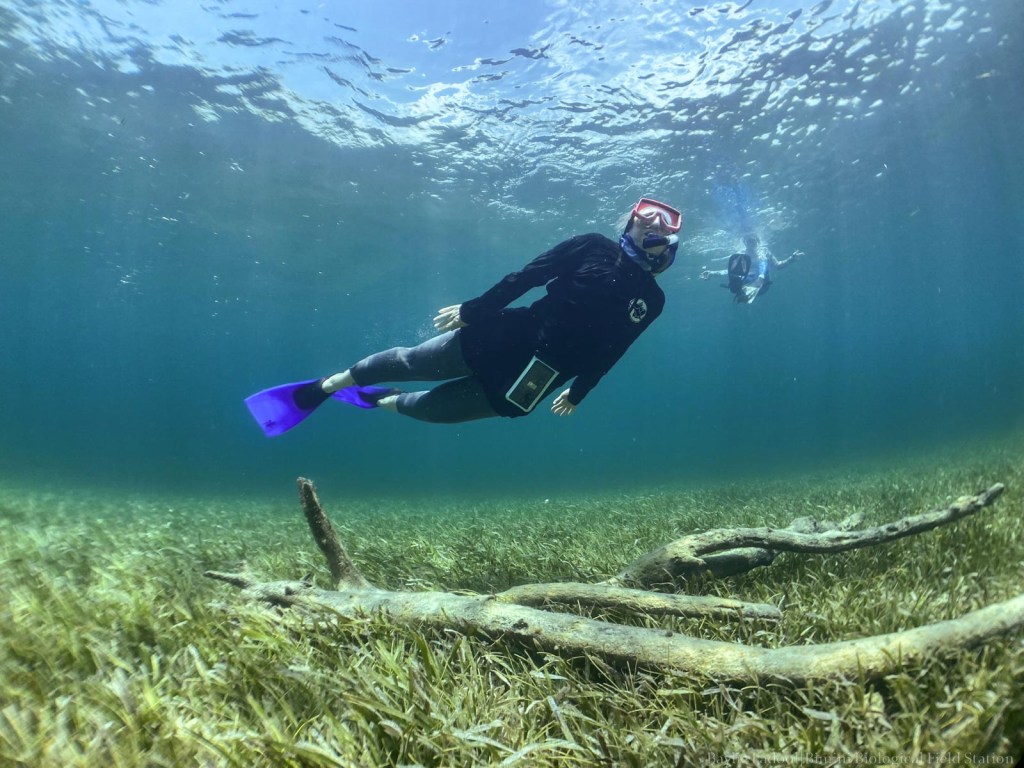
Learning about different species of sharks while snorkeling among them in the Bahamas with the Bimini Shark Lab allowed me to rethink what I thought about these stunning creatures. It inspired our Earth Day topic a few years back, where we rethought about how sharks are presented in the media, yet how they are integral to the food web in our oceans. Maybe respect for all wild animals is the way to go!

Flying on a ZeroG flight with the Embedded Teacher Program to better understand the gravitational pull on Earth, Mars, the moon, and in outer space was not only SO cool, but was also mind-blowing to realize how matter is affected by the pull of gravity! Matter reacts differently than you expect with different gravitational pulls (or no gravitational pull for that matter), and having the students brainstorm and create hypotheses before I went on the flight on what might happen as I did experiments in that environment allowed them to open their minds around what scientists have to consider when designing and engineering for outer space. This tied into my physical science units, as well as my lower school 5th-grade science unit.

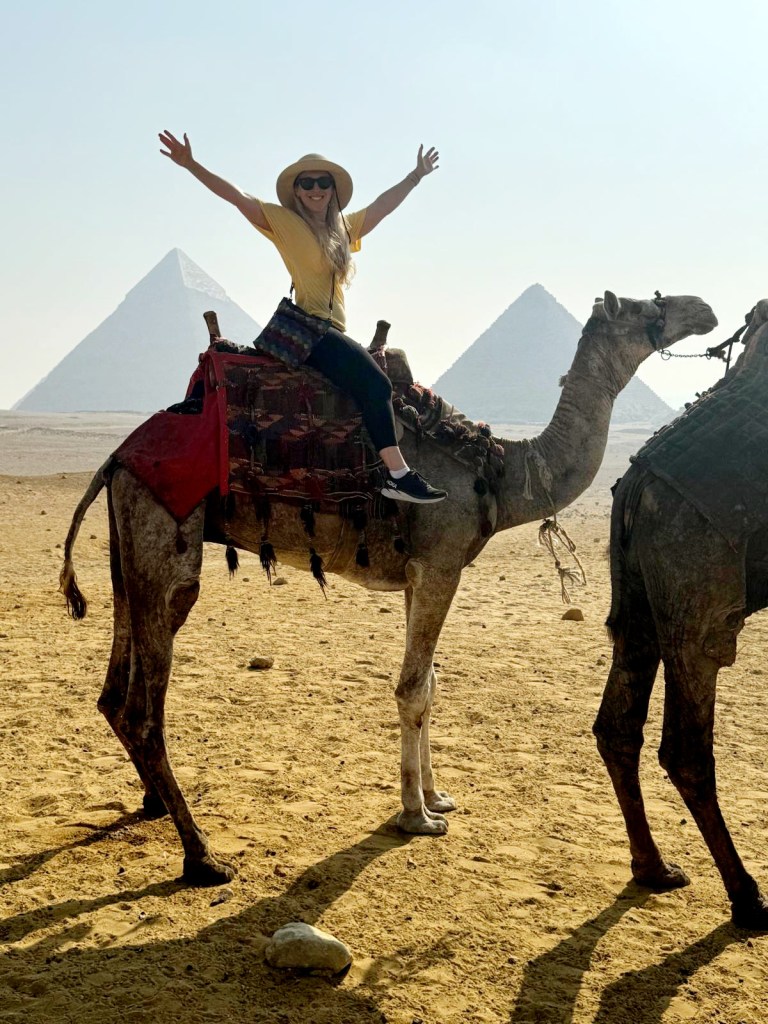
With the Saklan Summer Fund, I got to travel with Linda Lathrop to Egypt to not only learn about Ancient Egypt, but to learn about their technology and engineering expertise. Learning alongside an Egyptologist, seeing science and history come together, as well as getting to take part in some fun additional science activities, made this experience remarkable. It helped me enrich my curriculum, such as in my earth science topics with my 6th graders on deserts, engineering activities, and 8th-grade fluid laws, such as when my 8th graders create their own hot air balloons!

There have been many more, but those definitely jump out! 

What do you love most about teaching science at Saklan?

I love teaching at Saklan for many reasons, but mainly because I get to see my students fall in love with science! With the small class sizes, each student gets to be hands-on and experience science firsthand. I think students get excited and take in the ideas and concepts when they actually get to see the lessons come alive, not just read about them in a textbook or have a teacher lecture them on a certain subject. I know I learn best by doing; it excites me! (Probably why I still seek out ways to keep learning!) When students watch an experiment unfold, engineer their own inventions, or take part in simulations of the natural world, the world around them starts to make more sense. Science helps them connect what they observe to how things work—and fuels their curiosity to keep exploring and learning more.

And because I teach Preschool through 8th-grade science, it is so fun to watch them grow through the years—looking forward to lab science and diving eagerly into each new topic along the way!

As the coordinator for overnight field experiences in the middle school, what do you find is most beneficial when you get students out in the field?

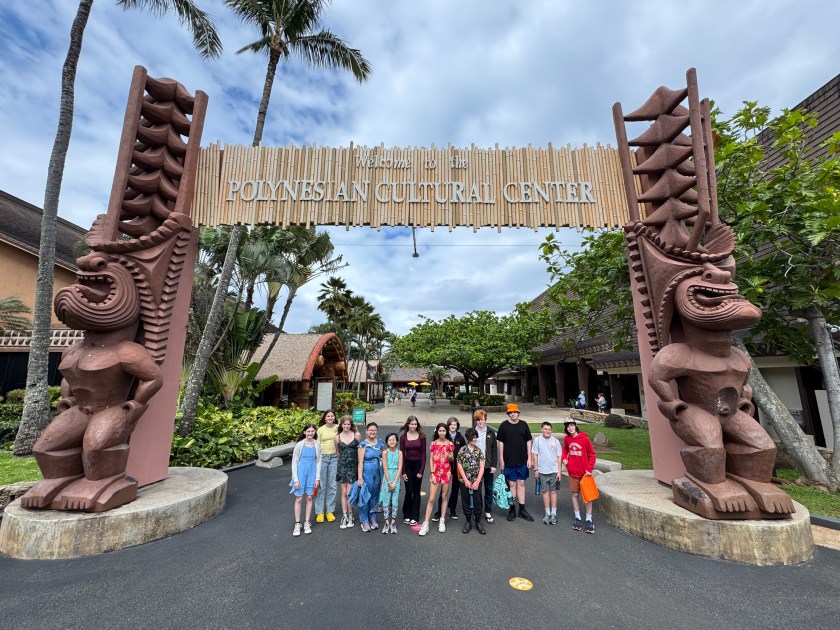
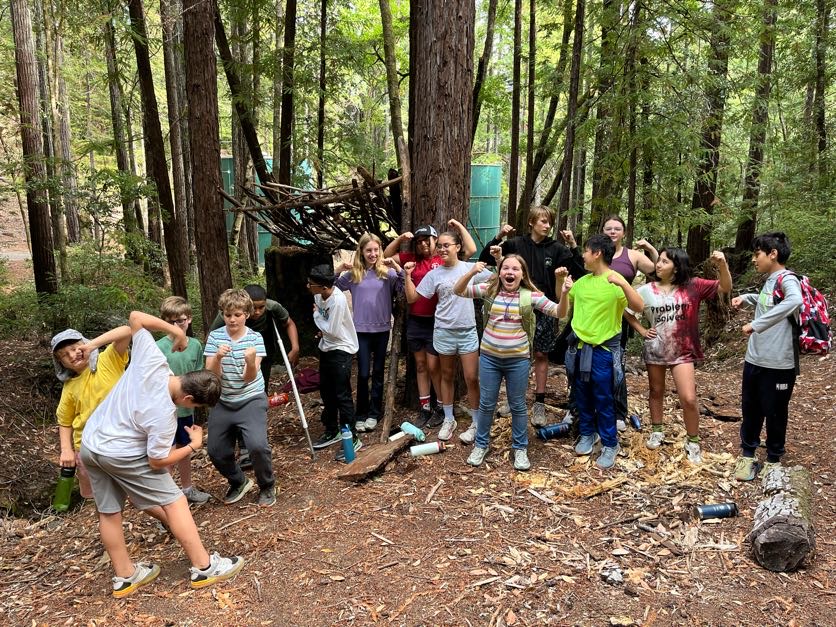
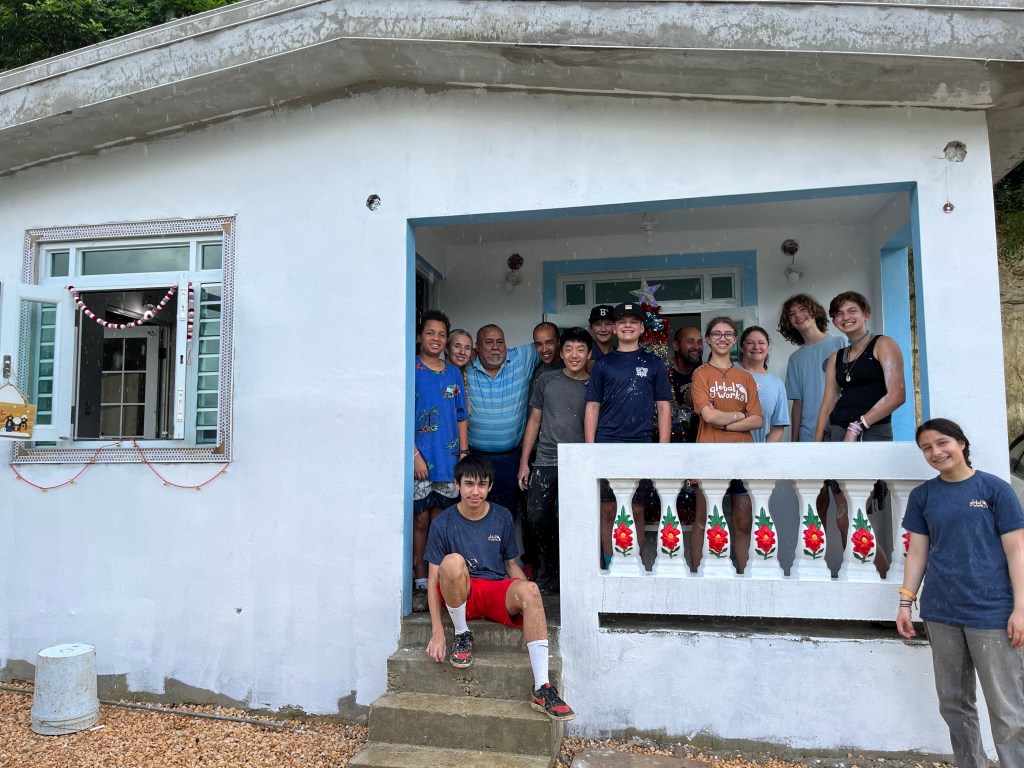
Getting students out of the classroom and getting to explore the environments they are learning about during our field experiences makes the learning come alive. Not only do we see the students make connections from the classroom curriculum to the world around them, but we also see them become more confident as they work with new communities, discuss ideas with people living in those environments, and gain some new perspectives on the world around them.  These experiences really tie into our mission and our SEL program. Students live courageously, taking a step outside of Saklan to spend a week away from home at Westminster Woods, Hawaii, and Puerto Rico. They act compassionately to help clean beaches and build homes. And they are challenged to think creatively as they work on projects associated with these experiences.

Students also build meaningful bonds with their teachers and peers during these experiences, connecting through shared activities, meals, challenges, and the many memorable moments each trip provides. All the memories tie the community together. The advance for middle school starts the school year off full of bonding experiences that allow students to share their different strengths with the community and create memories to connect with each other as the school year progresses. 

I think these trips are a highlight for many of our students because they expand their own learning, get to create lasting memories with their peers, and the experience allows them to gain confidence and, in some students, a desire to explore more! Which I believe has also made our EF Tours program flourish! Students want to explore the world beyond just our Saklan trips, and families want to join, too. From Peru, Vietnam, Japan, the Azores, and next Australia and New Zealand, our students are confident, excited, and ready to learn more about our world! Which makes this planet-loving science teacher so happy! 

Singing in Harmony

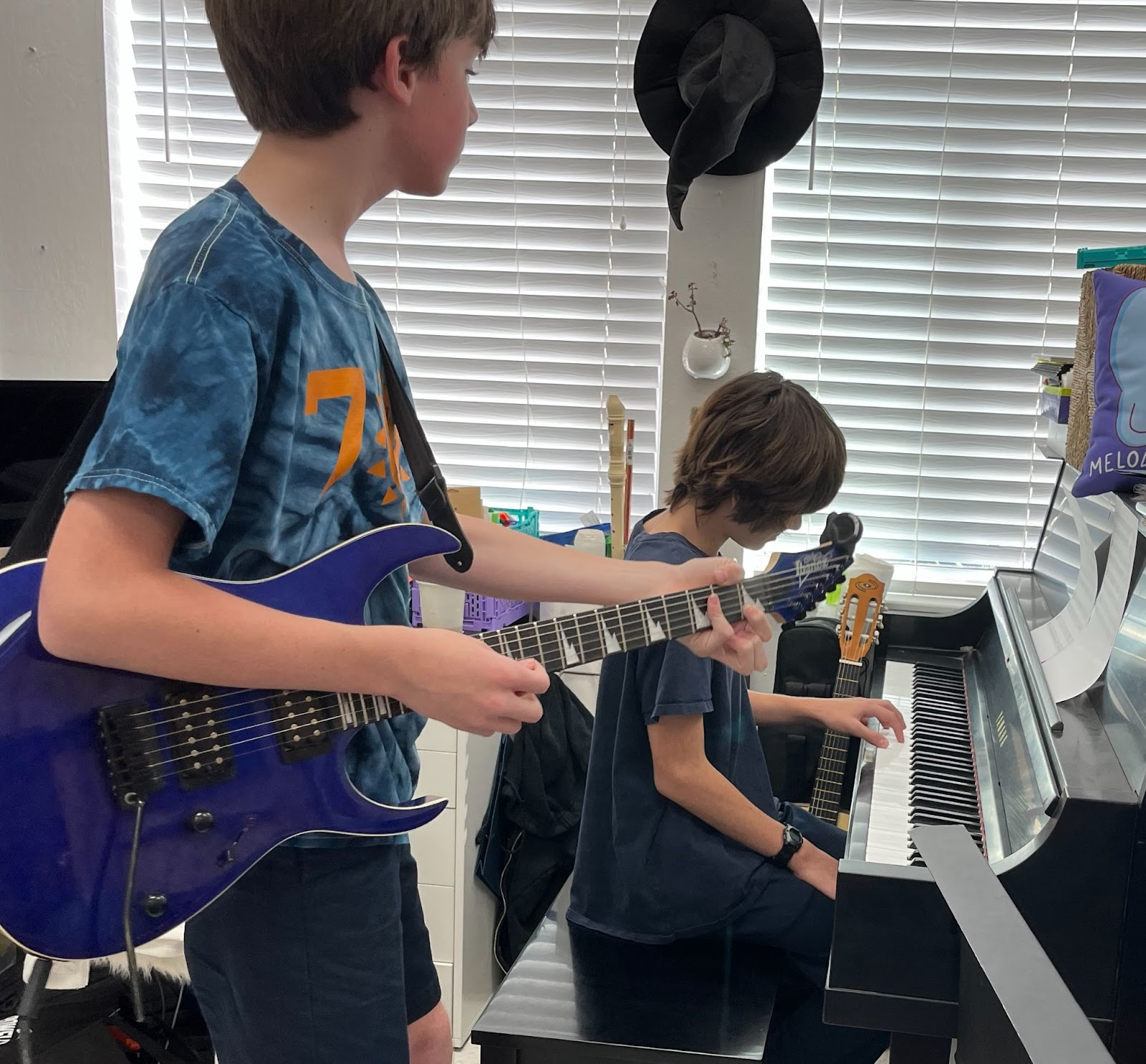
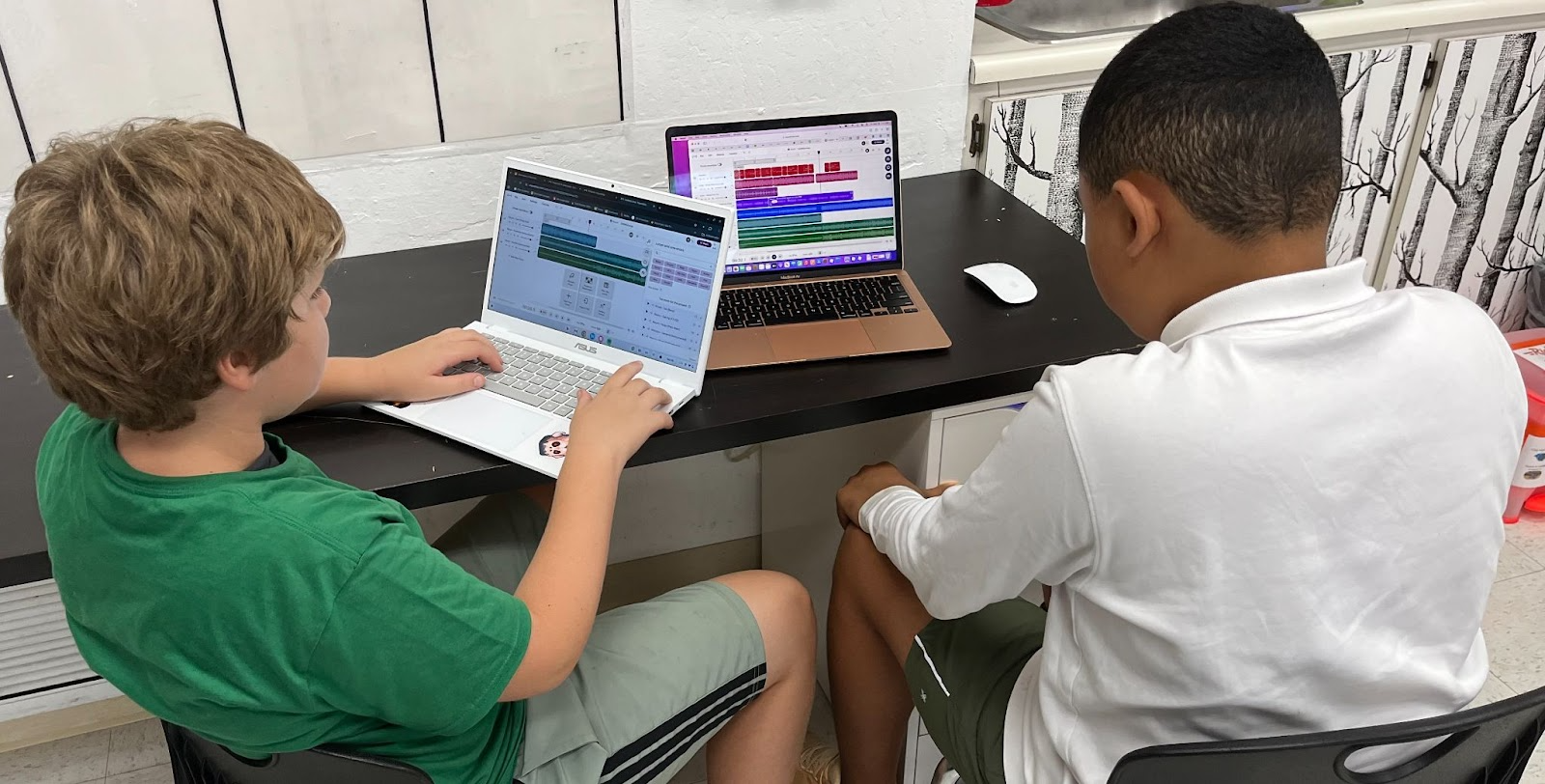
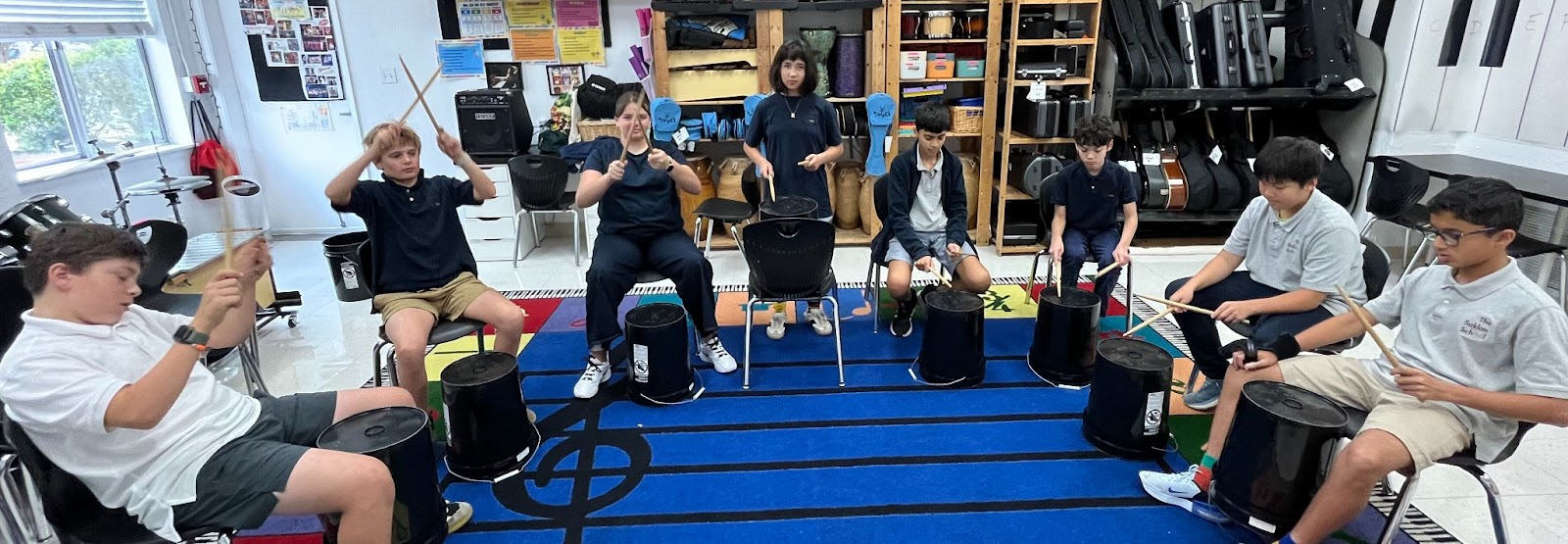
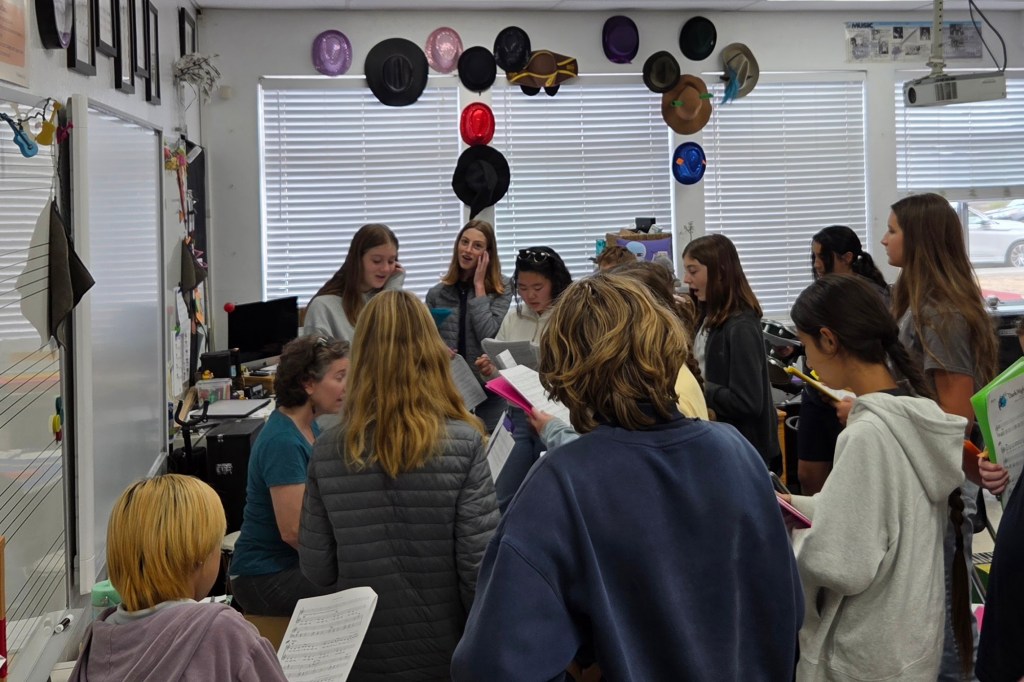
In middle school, student musicians move from a general music education program to an elective program. While all students still partake in the music program, they have a choice in their class each of the three years. This year, middle school musicians chose between Choir, Instrumental Ensemble, and Percussion Ensemble.

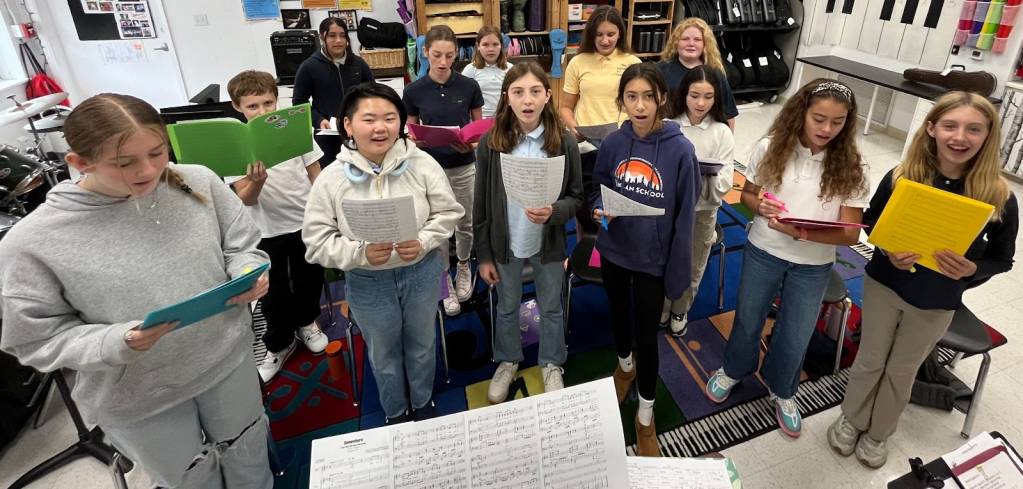
In Choir, middle school students have been building on their repertoire of vocal warm-ups, combining familiar favorites with new challenges. While classics like “Bumblebee” and “The ABCs” remain beloved parts of their routine, the ensemble is now incorporating additional exercises designed to strengthen breath control, tone quality, vocal production, intonation, agility, range, and rhythmic precision.

Alongside their warm-ups, the student musicians have begun working on a diverse set of choral pieces, including “Stand By Me,” “Hakuna Matata” from The Lion King, and “Somewhere” from West Side Story. Though many of these songs are recognizable, the choir is taking on the challenge of learning and performing multi-part harmonies. Through this work, students are developing their musicianship by listening closely for their harmony notes, identifying intervals, and understanding how harmony interacts with melody.

As the year progresses, the choir will continue exploring more complex pieces and deepening their ensemble skills—learning to blend, balance, and sing dynamically as one cohesive group.

Stay tuned to learn more about the Instrumental Ensemble and Percussion Ensemble classes!

#SaklanSpecialists

My Journey to Ghana: Learning, Music, and Community

Written by Guest Blogger & Saklan Drumming Teacher, Isaac Narell

After years of teaching Ewe music, I had the opportunity to travel to Ghana to deepen my understanding of the culture and traditions that inspire so much of my work with Saklan students.

The short film below chronicles my time in the village of Dzogadze, where I was hosted by the family of master musician Vodzi Torgboh. I had the privilege of studying under his cousin, Kofi, learning ancient drumming, dance, and song. The video offers a glimpse into my daily life—from intensive lessons and vibrant festivals to participating in meaningful community events. It’s a tribute to the people, music, and spirit of Dzogadze.

A special thanks to the Saklan Summer Reflection Fund for helping to make this trip possible.

The Saklan Summer Reflection Fund: Investing in Teachers, Enriching Students

In 2022, thanks to the generosity of our parent community, Saklan created the Summer Reflection Fund—a special resource that empowers teachers to design their own opportunities for professional and personal growth.

This fund (up to $2,500 per recipient) encourages faculty and staff to think outside the box and pursue experiences that deepen their teaching practice. Past recipients have attended the Annual Broadway Teachers Workshop in New York City and traveled to Egypt to explore Ancient Egyptian history, art, engineering, the Sahara Desert environment, and the Nile ecosystem firsthand.

The impact of these experiences extends far beyond the summer—teachers bring new insights, inspiration, and creativity back into their classrooms, enriching the learning experience for Saklan students.

The Summer Reflection Fund is made possible through donations to the Annual Giving Fund and the Auction. We are deeply grateful to our donors for their generosity and belief in the importance of supporting our teachers.

#SaklanProfessionalDevelopment #SaklanAGF

A Shrek-Tastic Success

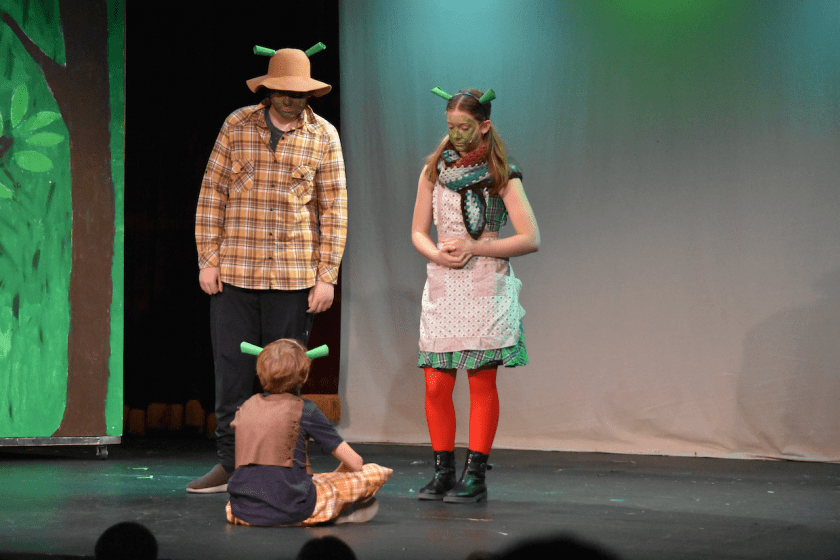
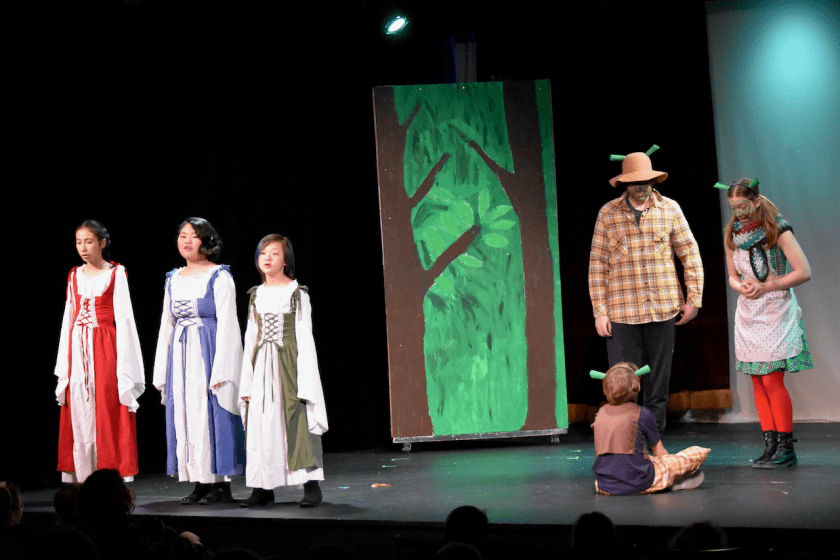
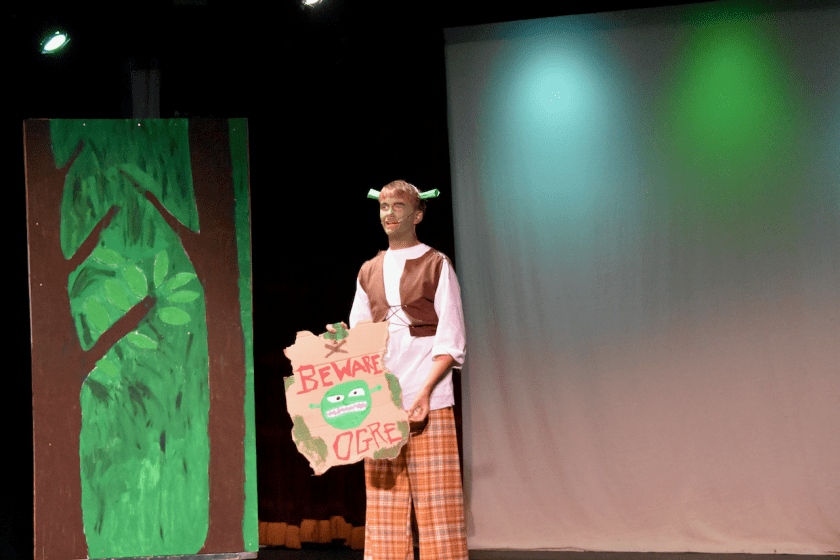
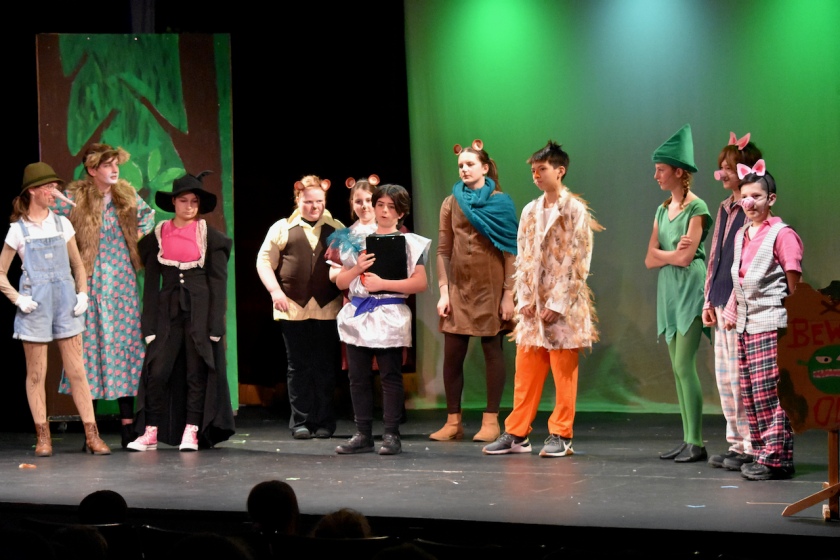
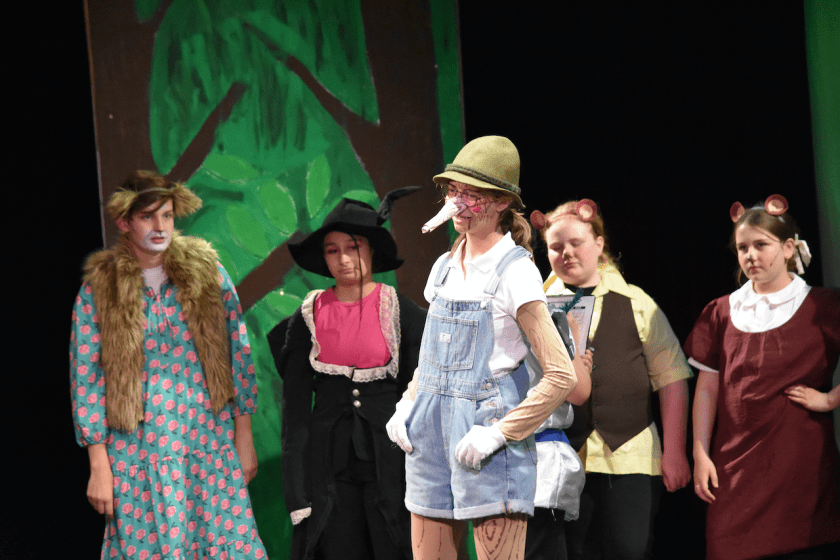
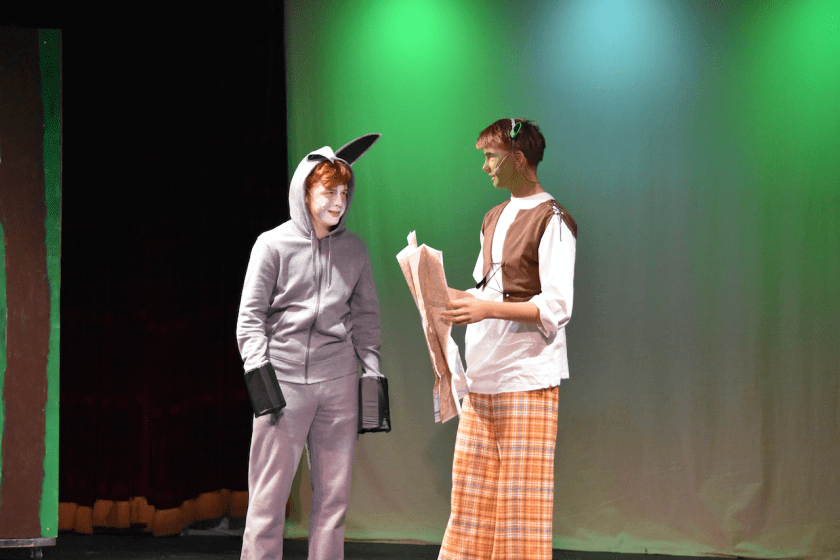
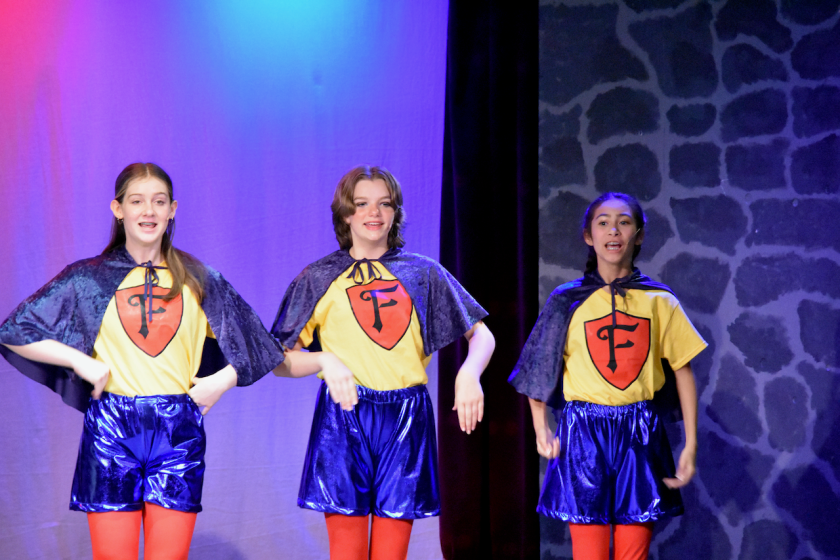
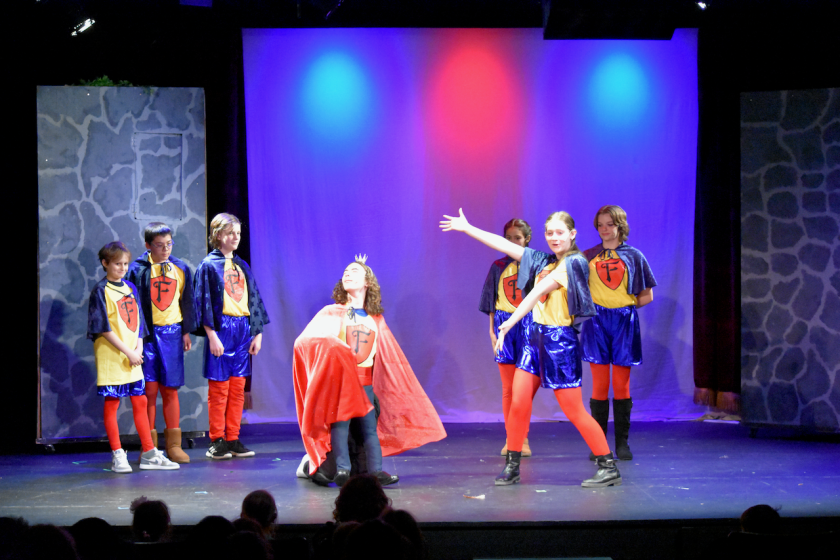
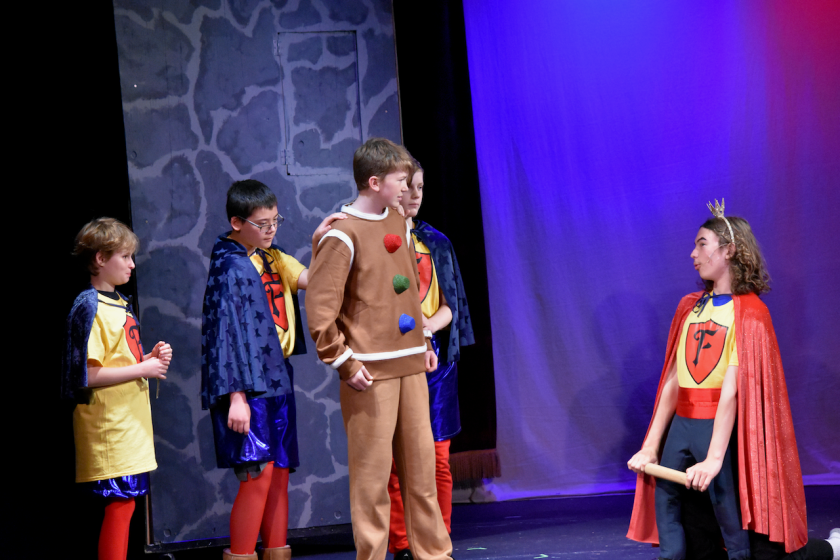
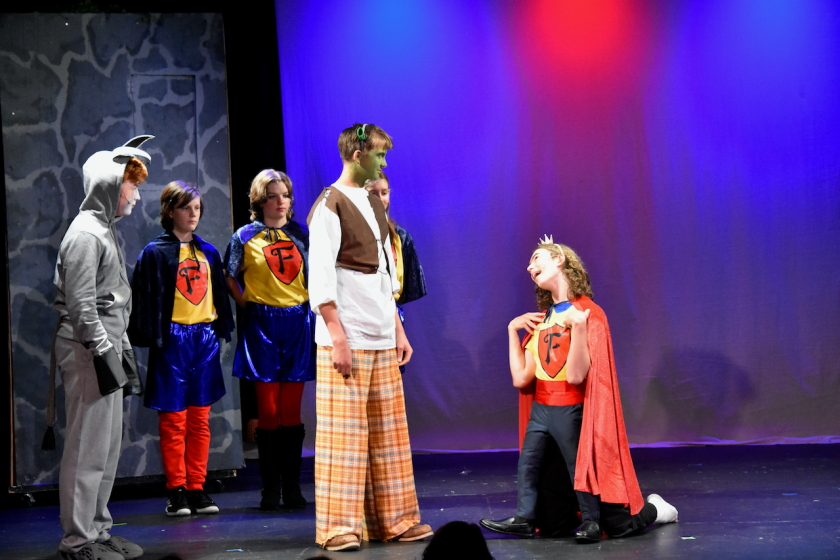
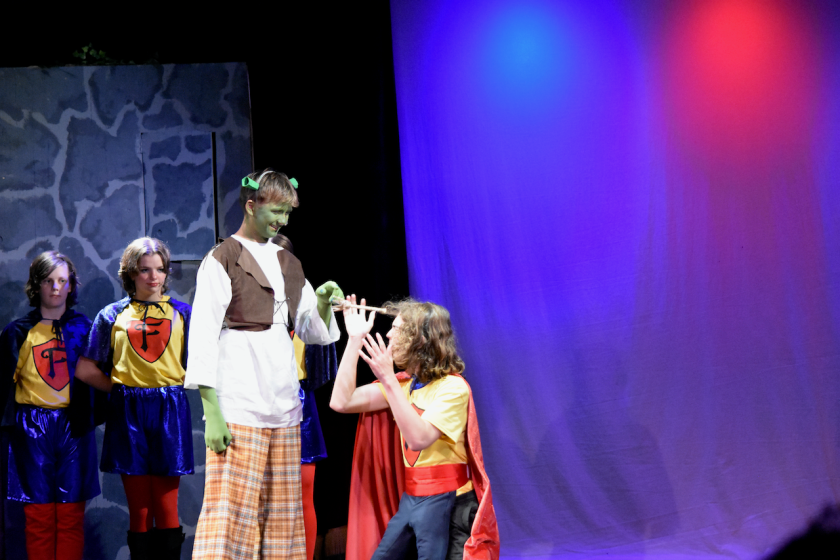
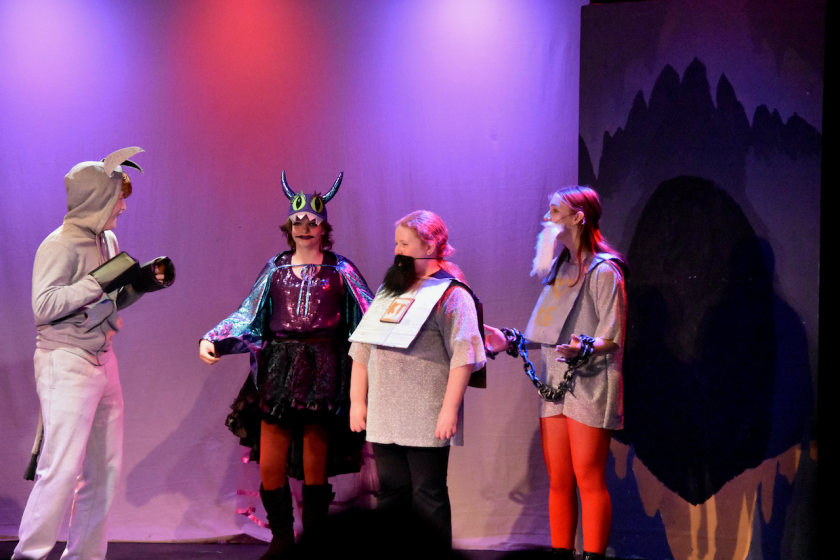
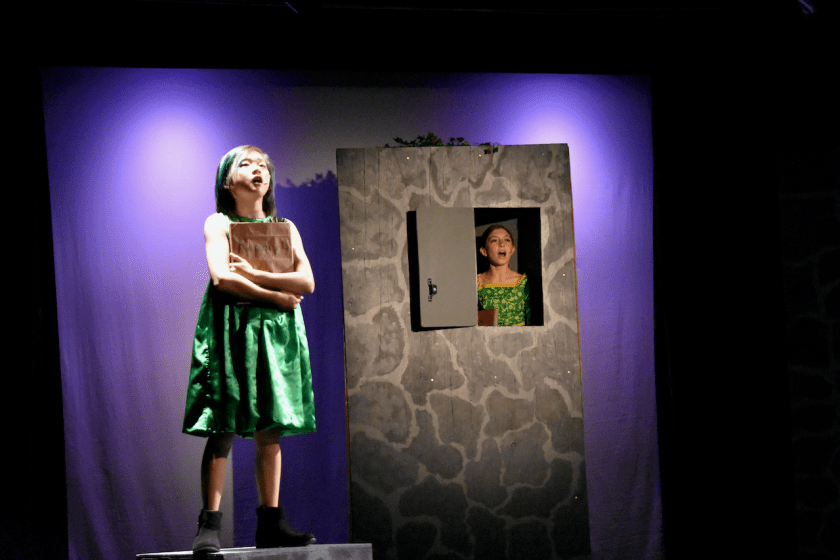
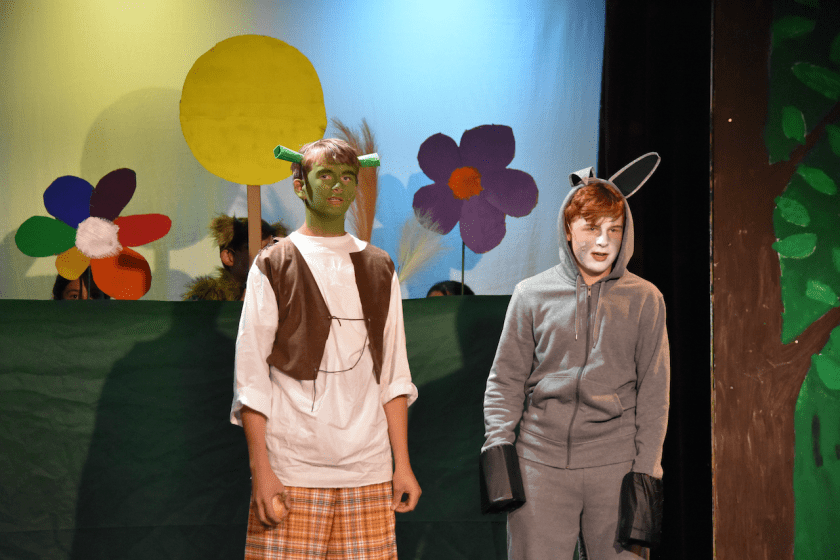
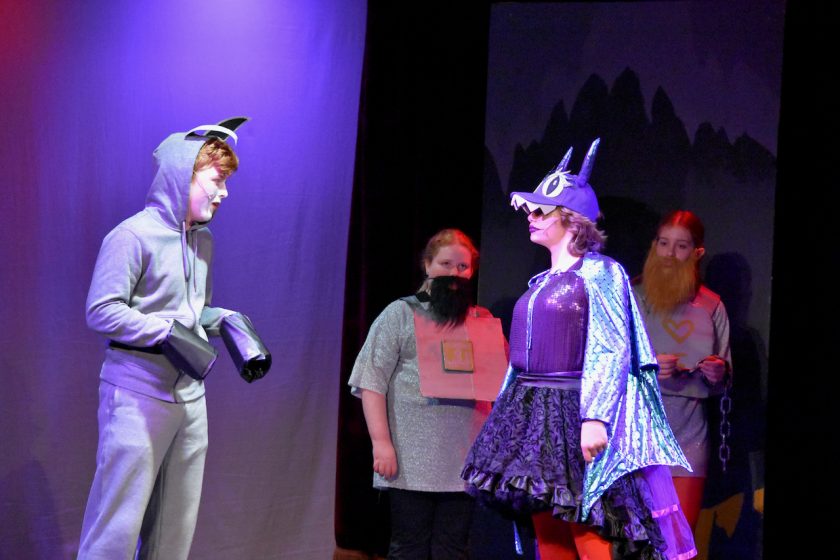
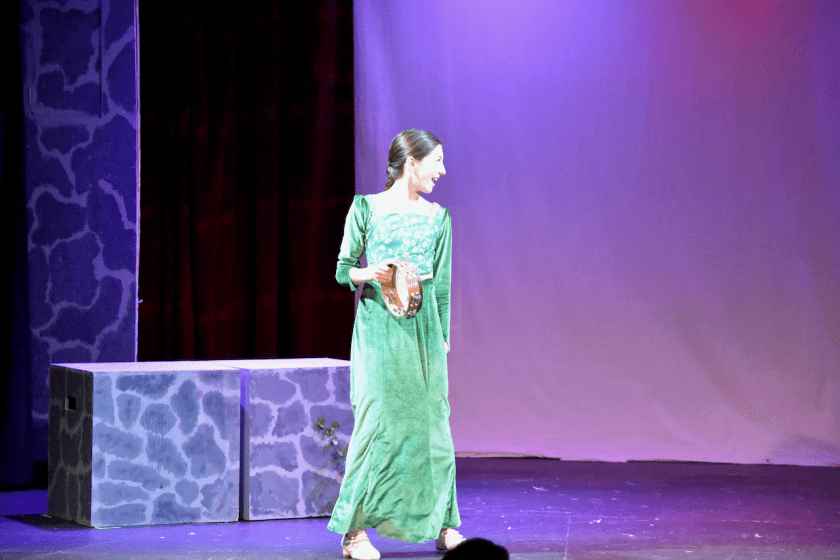
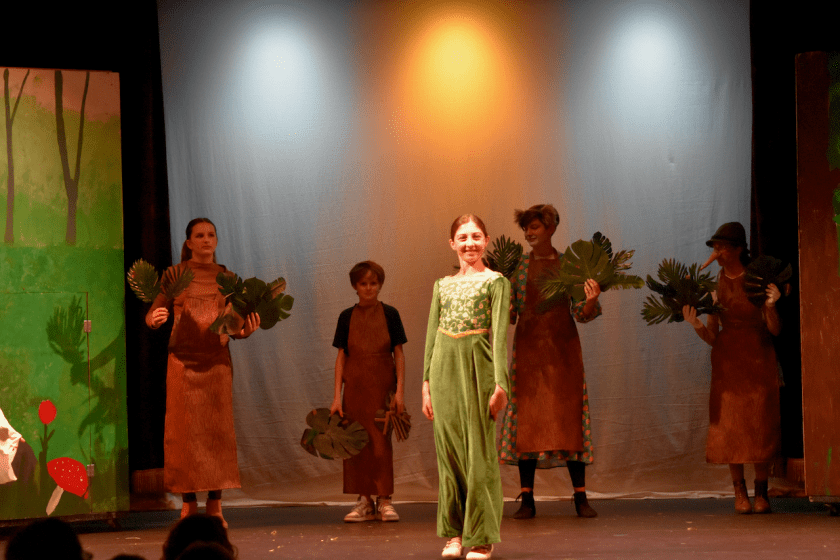
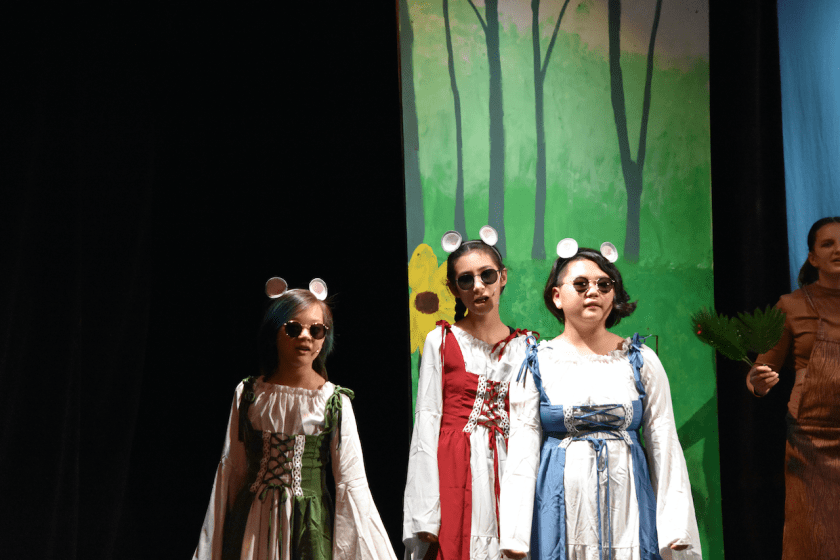
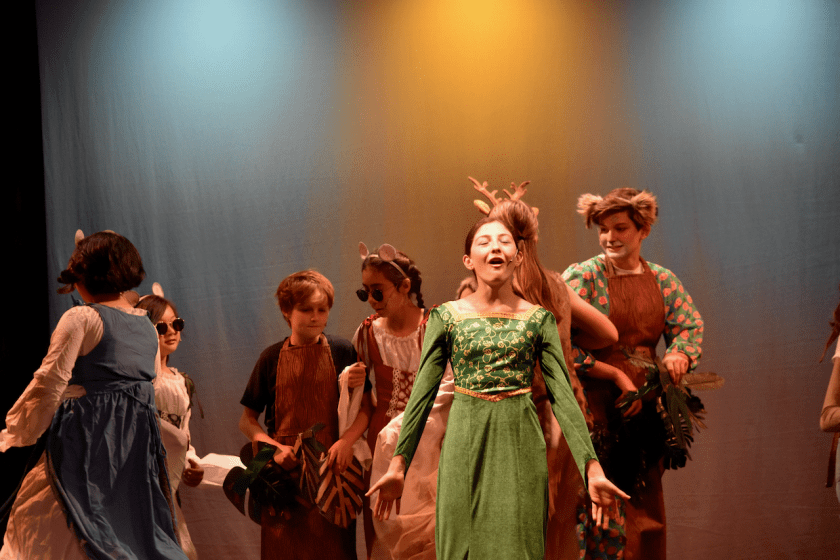
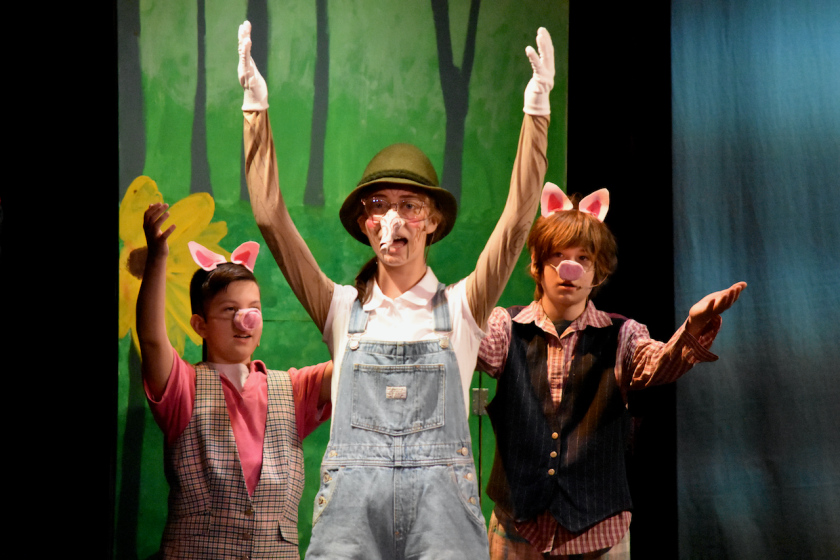
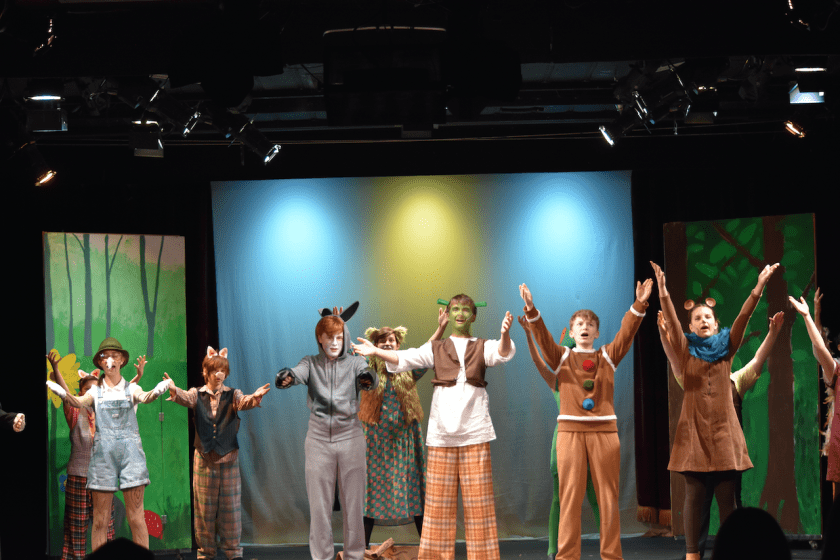
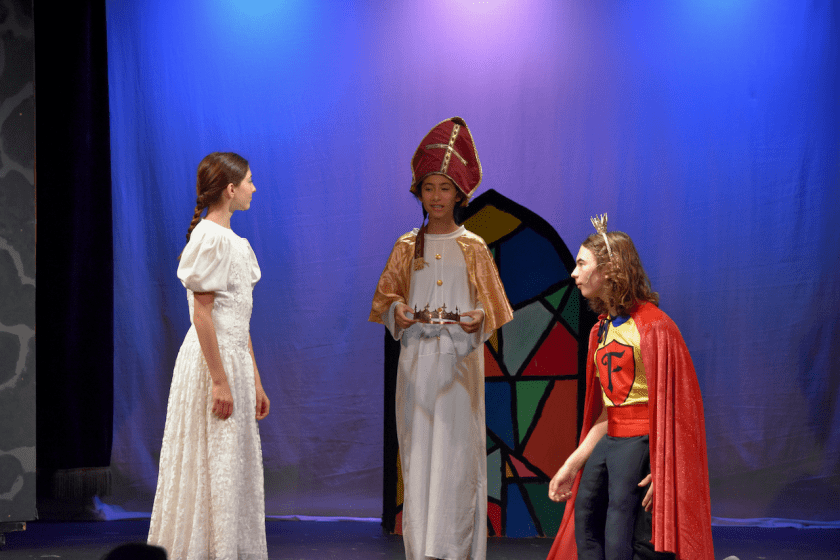
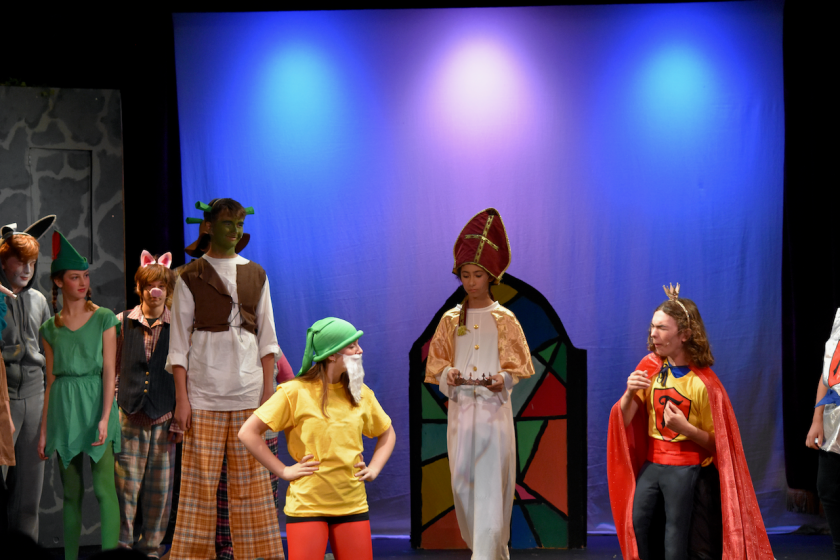
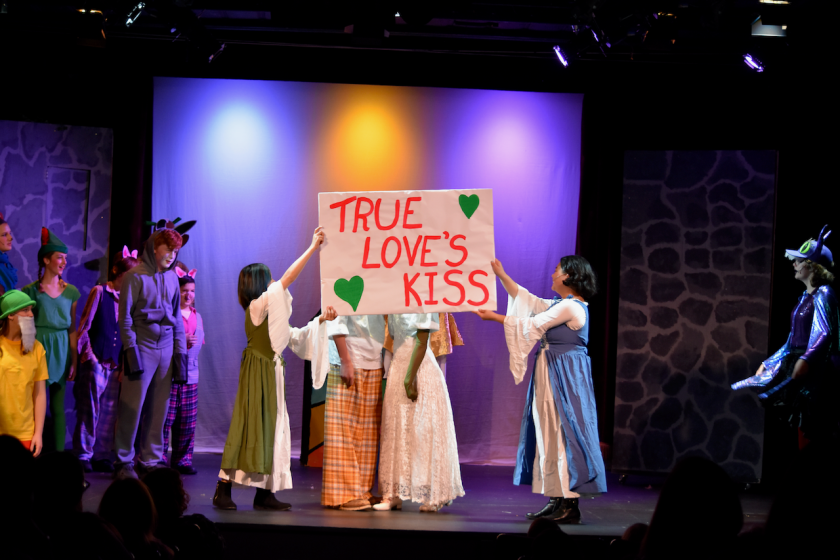
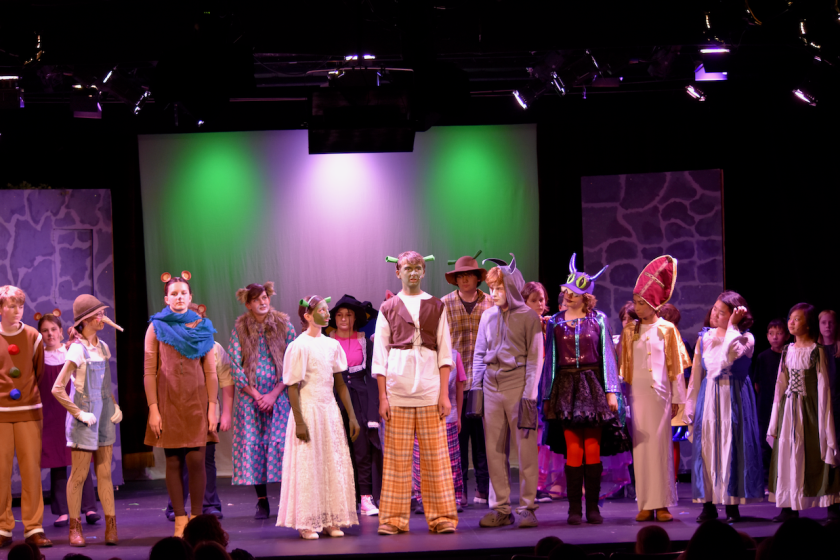
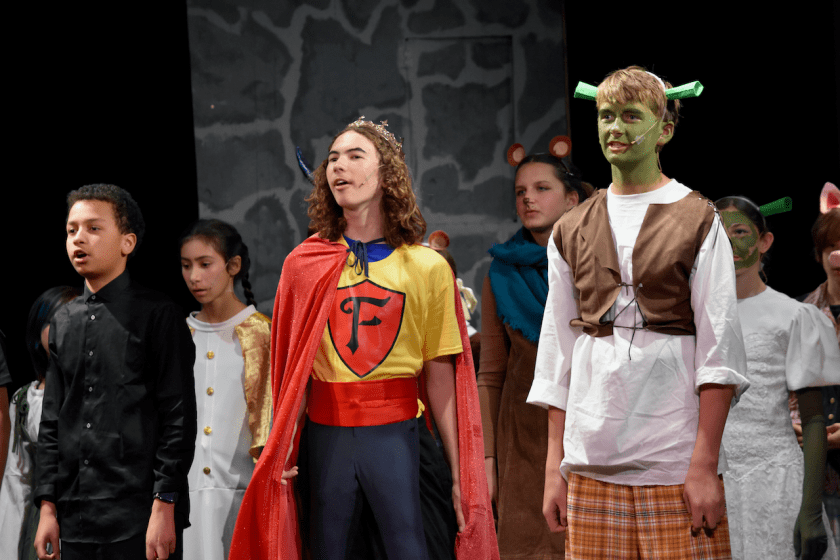
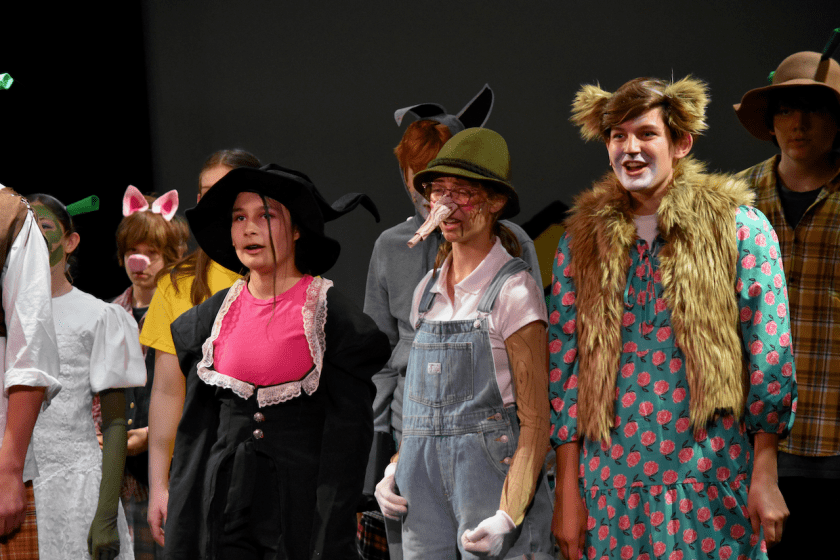
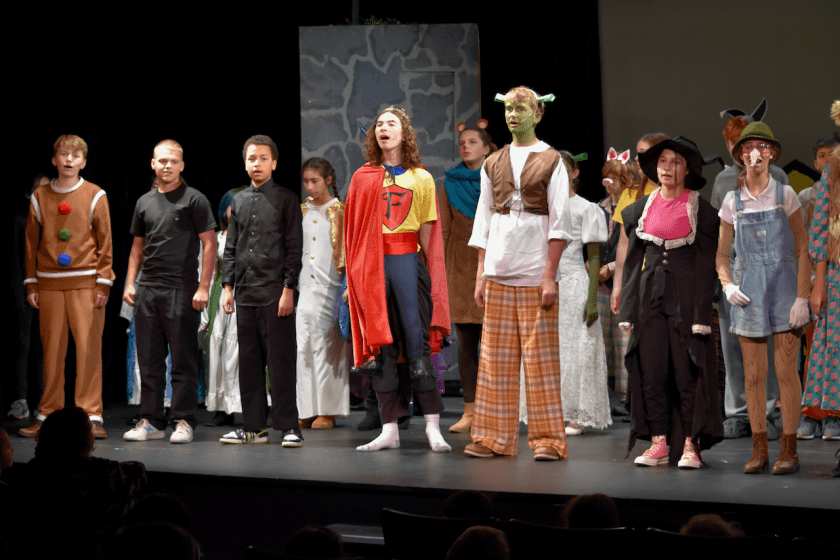
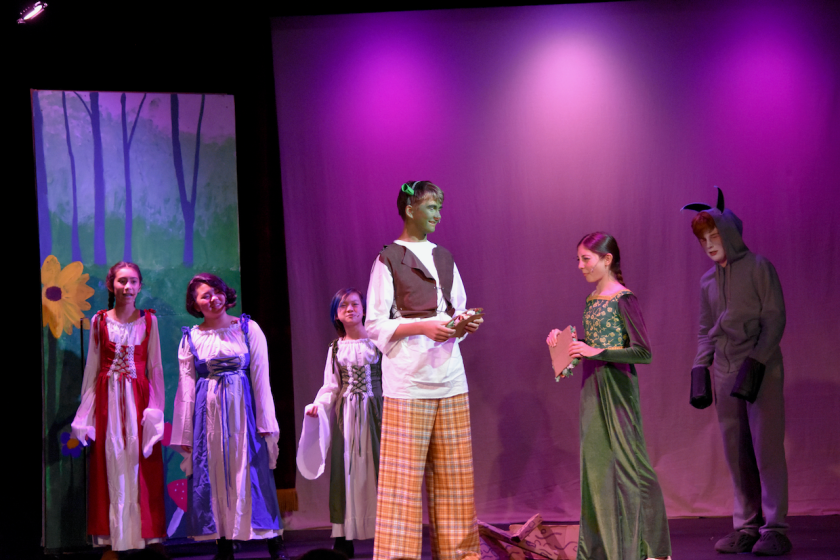
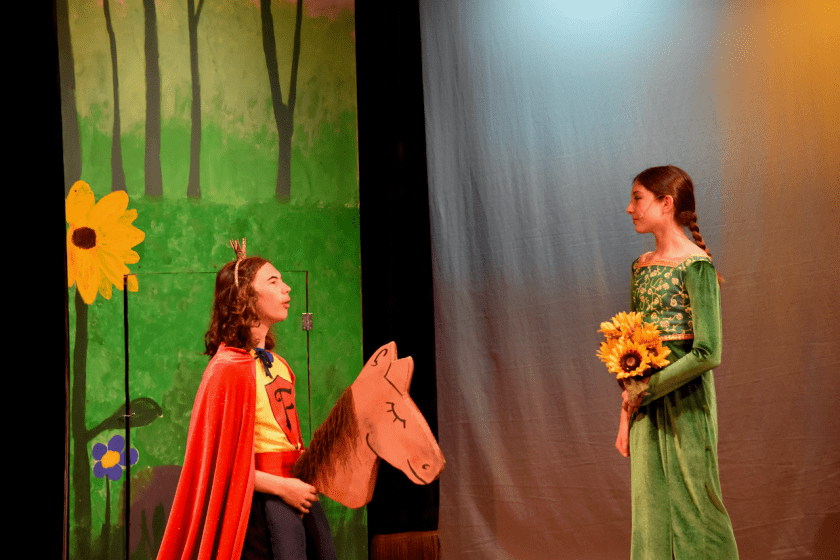
A big congratulations to our amazing middle school students on their wonderful performance of Shrek The Musical, Jr. at Town Hall Theatre in Lafayette last Friday evening. From the hilarious characters to the toe-tapping songs and heartfelt moments, the cast and crew brought the story to life with creativity, talent, and heart. Bravo to everyone involved for a truly unforgettable show!

Special thanks to the many people who helped make the show happen.

  • To Town Hall Theatre for their grace in allowing us to share their beautiful and historic space. We are so grateful to be a part of your community.
  • To Javier Yacarini, for his work on the sets.
  • To Jayme Feldhammer for her time, sewing machine, and deep kindness.
  • To Emily and Shay for their help with the program.
  • To Kim Parks for all her help and organization.
  • To the Middle School Teachers for their help with props and rehearsals, their willingness to share their class time, and their encouragement of all performers.
  • To the Middle School Parents for helping their performers run lines and gather their base costumes.
  • To the Middle School Students for their creativity, courage, and humor. Your performance was inspiring!
  • To Dianne for all the hard work, dedication, and passion put into the show. Your casting created magic on the stage and allowed the students to shine bright. Inspiring middle school students to share their creativity, compassion, and courage on the stage is no easy feat, but you did it with ease. Thank you!

Join Us for the Middle School Musical

The Saklan Middle School students are very excited for their culminating project for music class, a performance of Shrek The Musical Jr. Every student in the Middle School is participating in the production, whether it is acting in a main role, taking care of props, helping with costumes, or being a stagehand. The show is a true collaborative effort! 

On Friday, May 16th, the students will perform at 7:00 p.m. in the Town Hall Theatre in Lafayette. The entire community is invited to the show. Tickets are required for attendance and can be purchased by clicking the button below.

We hope you can join us for what is sure to be a wonderful show!

#SaklanMusicals #SaklanCreative

Día del Niño

The Spanish-speaking world is vibrant with music, art, literature, and cherished traditions. At Saklan, learning Spanish goes beyond vocabulary and grammar, and includes cultural understanding and global empathy. Exploring cultural practices helps students appreciate why they are learning Spanish and gives them insight into the values and contributions of Spanish-speaking communities around the globe.

One such tradition is Día del Niño (Children’s Day), a holiday celebrated in many Spanish-speaking countries to make children feel special, loved, and appreciated. In Mexico and other parts of Latin America, this day is recognized annually on April 30th and honors the role children play in families and society.

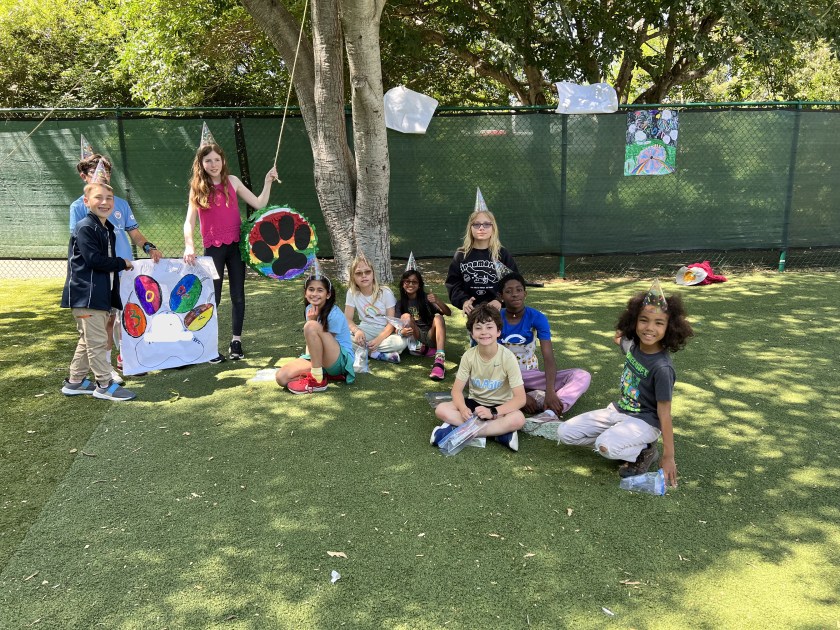
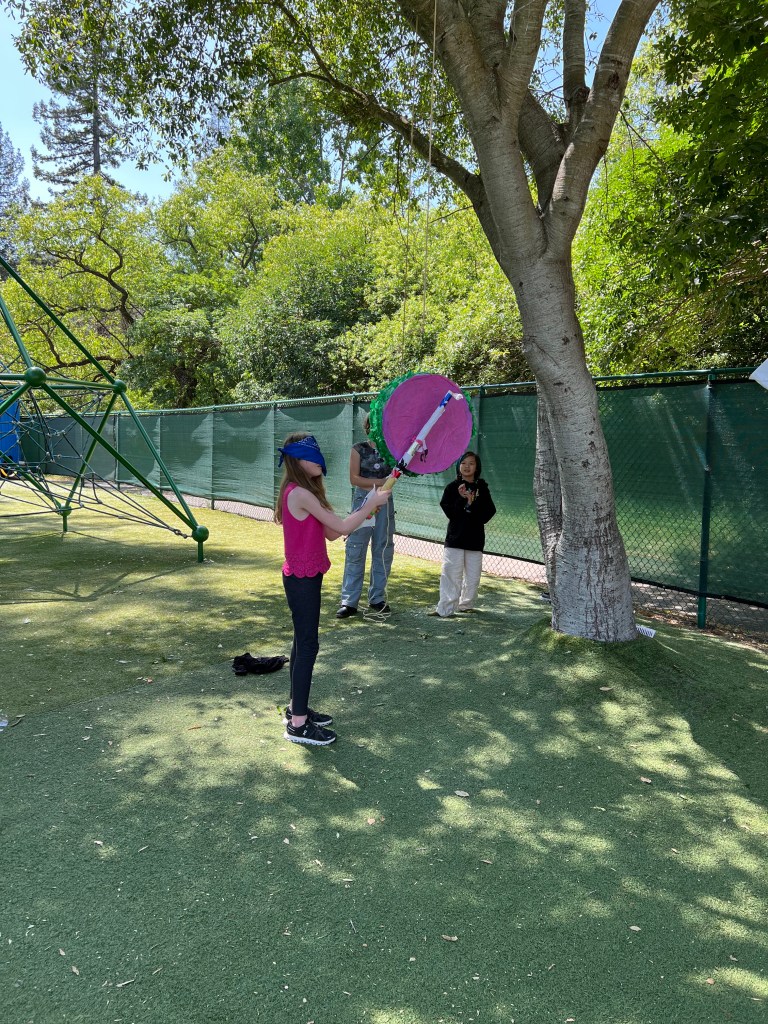
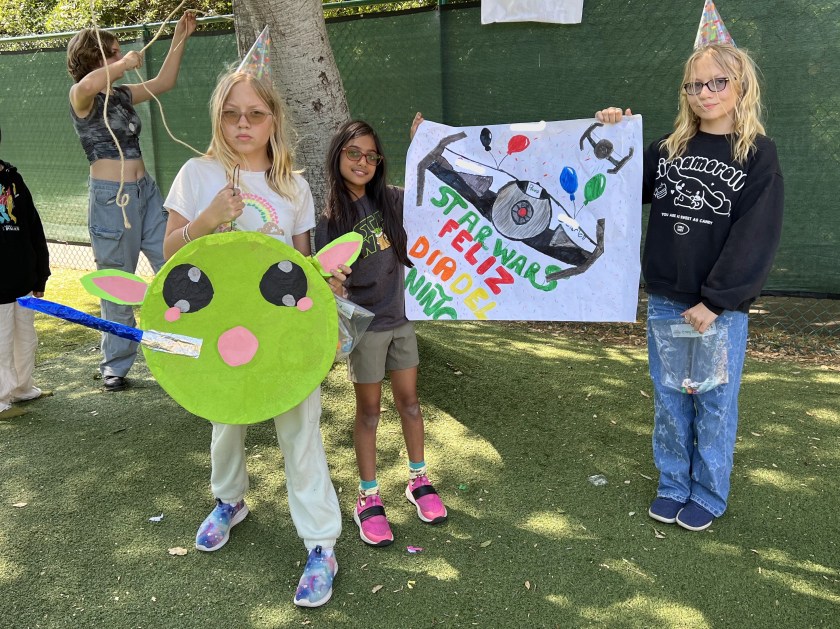
To bring this celebration to life, students worked in groups to create their own piñatas! Each group chose a character for their piñata—some favorites included dog paw prints, Lilo, Stitch, and Baby Yoda! Students decorated their piñatas with colorful paper, ribbons, and creative touches.

On Wednesday, the students couldn’t wait to break open their piñatas as a special treat, celebrating not only the language they’re learning, but the rich traditions that come with it.

Watching Our Students Shine

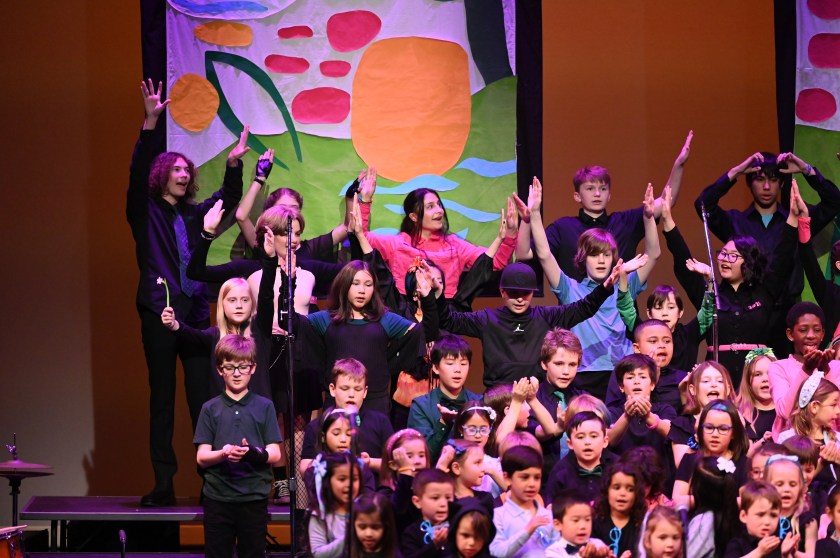
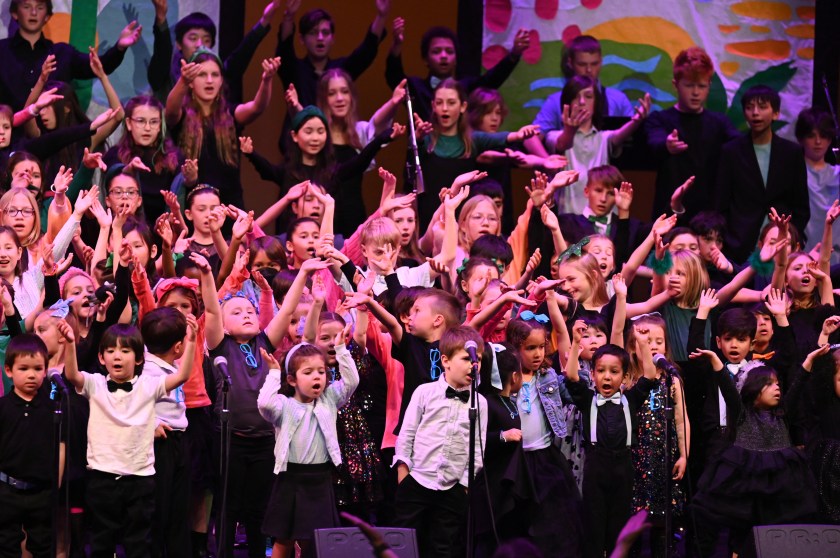
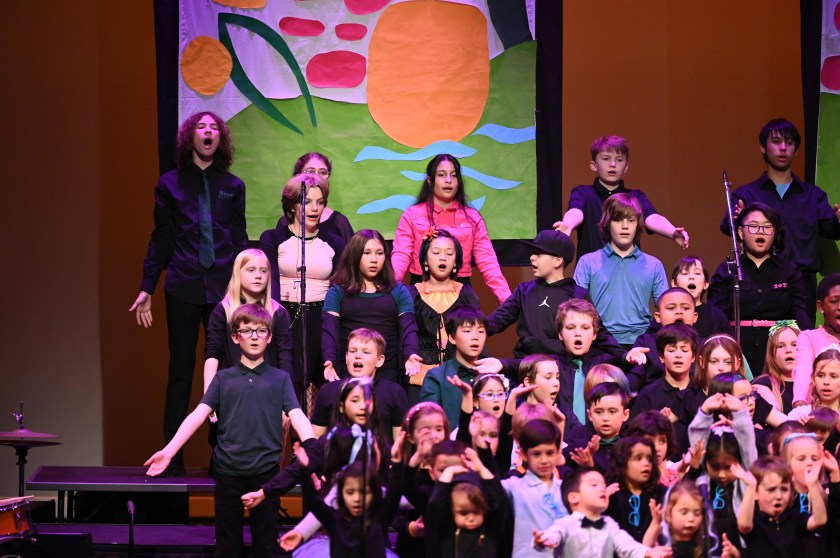
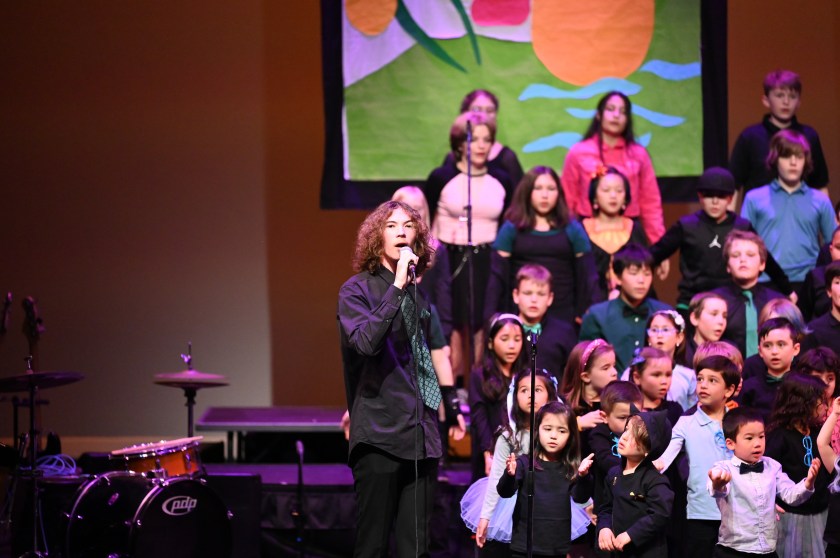
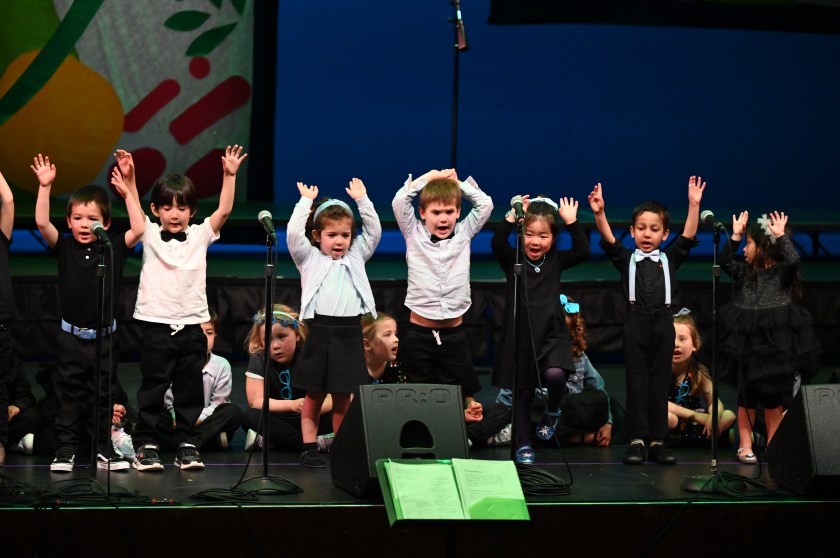
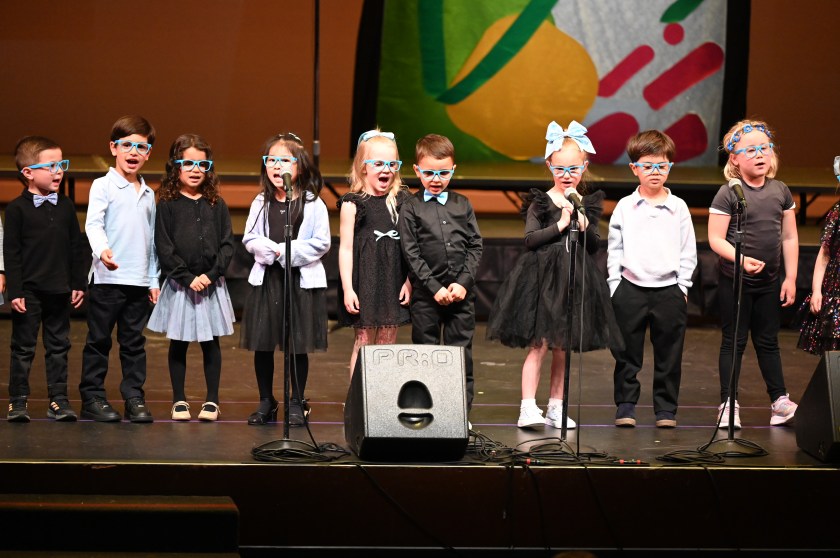
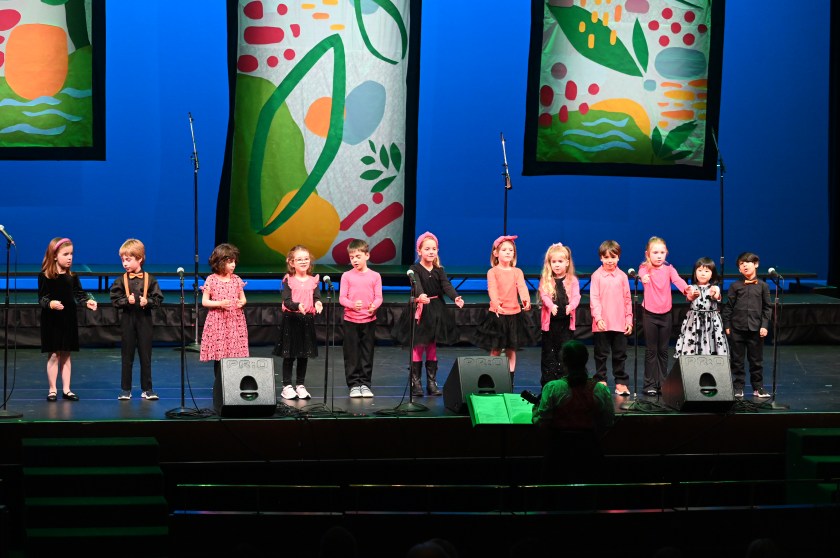
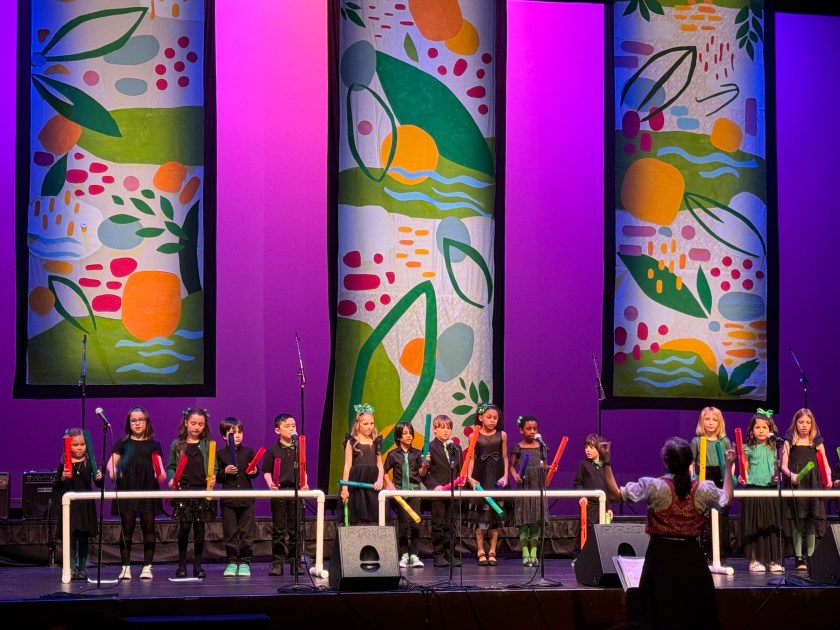
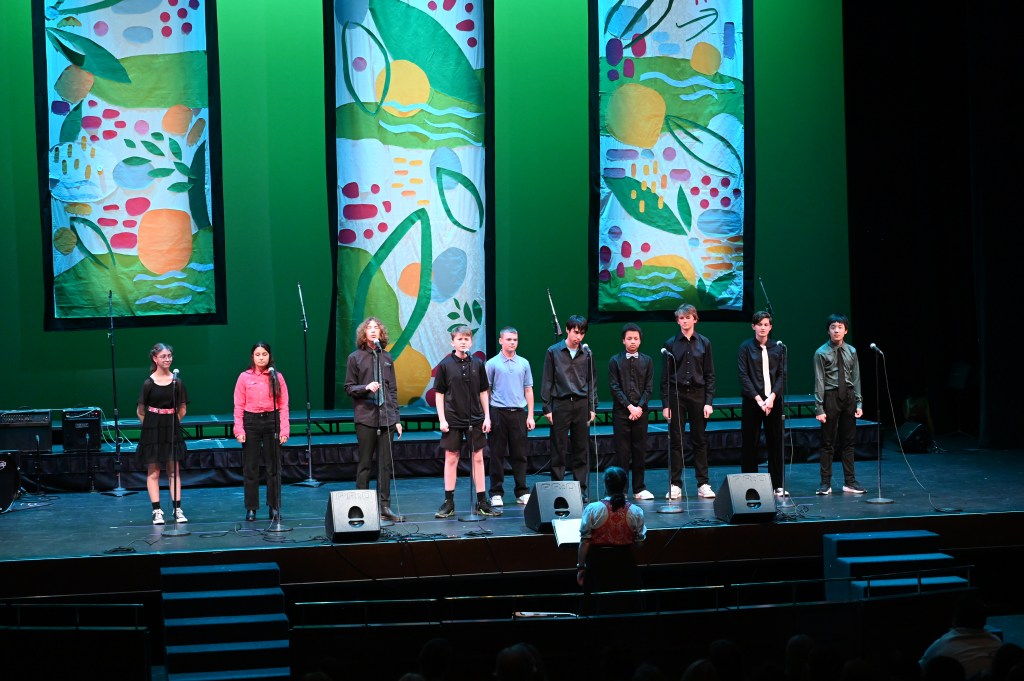
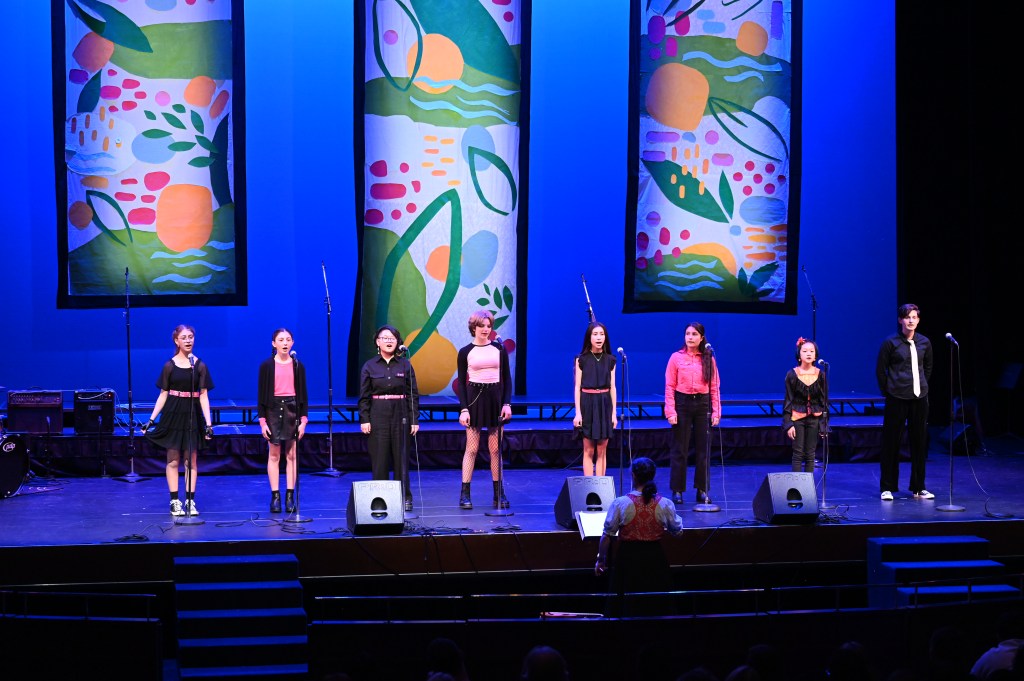
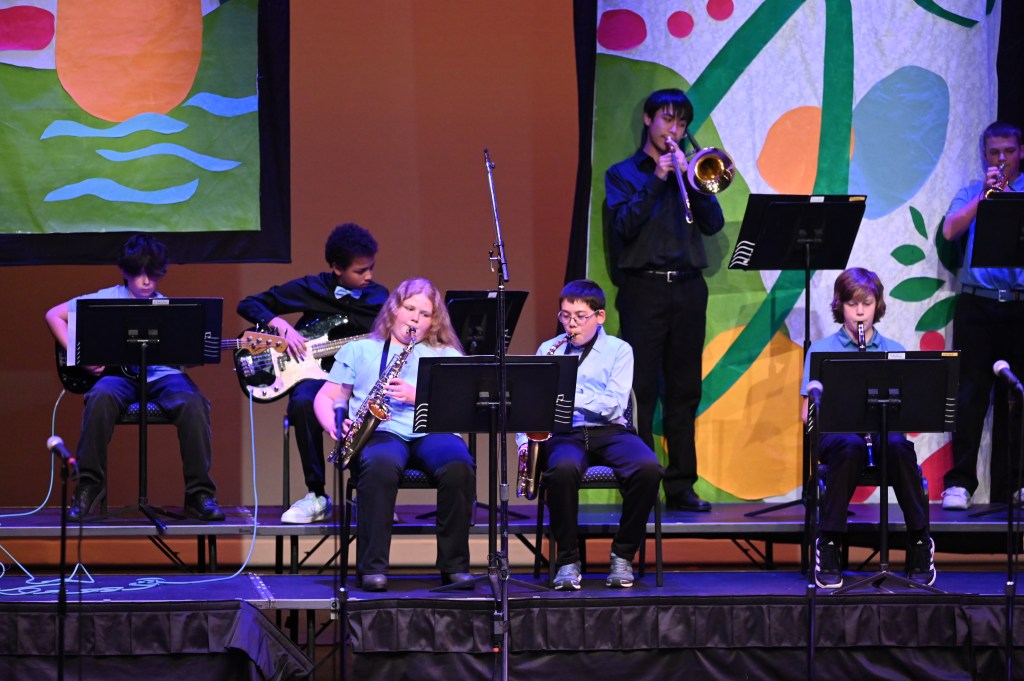
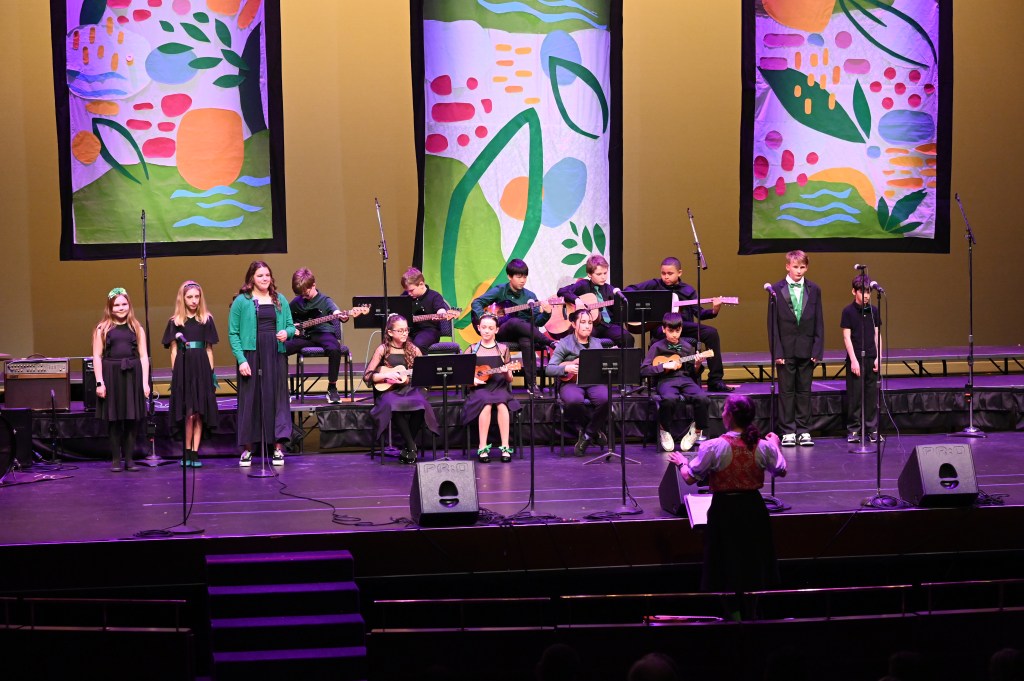
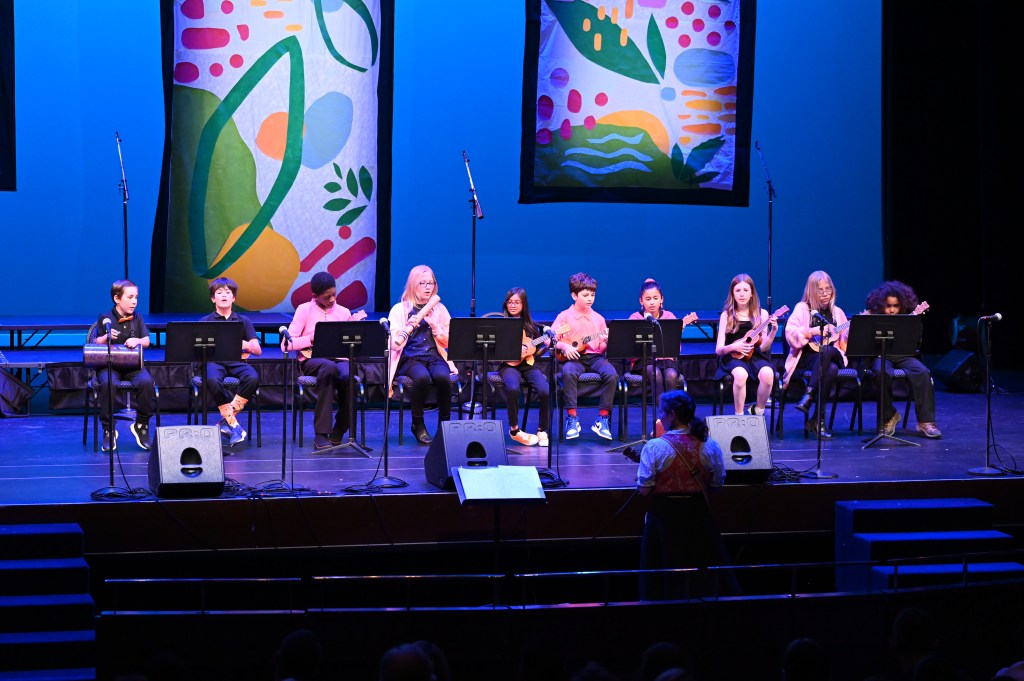
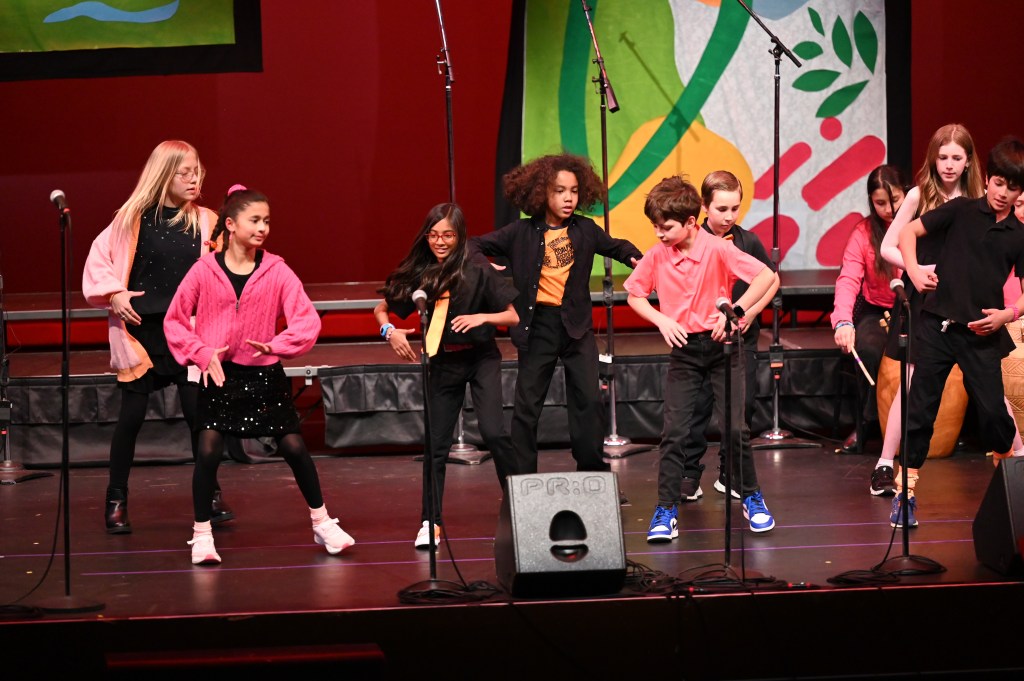
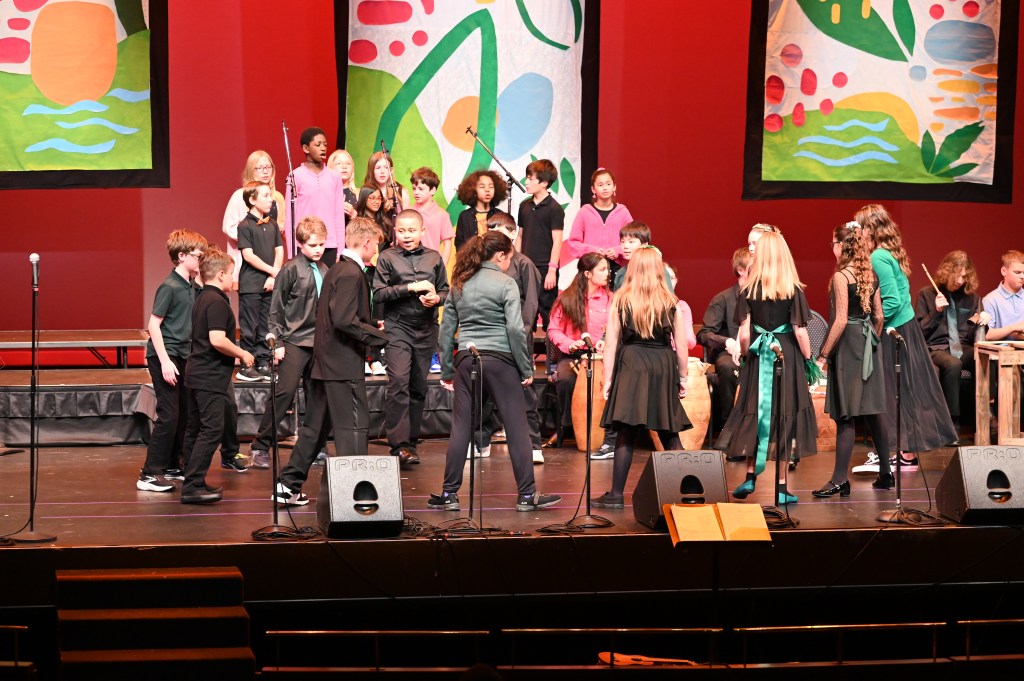
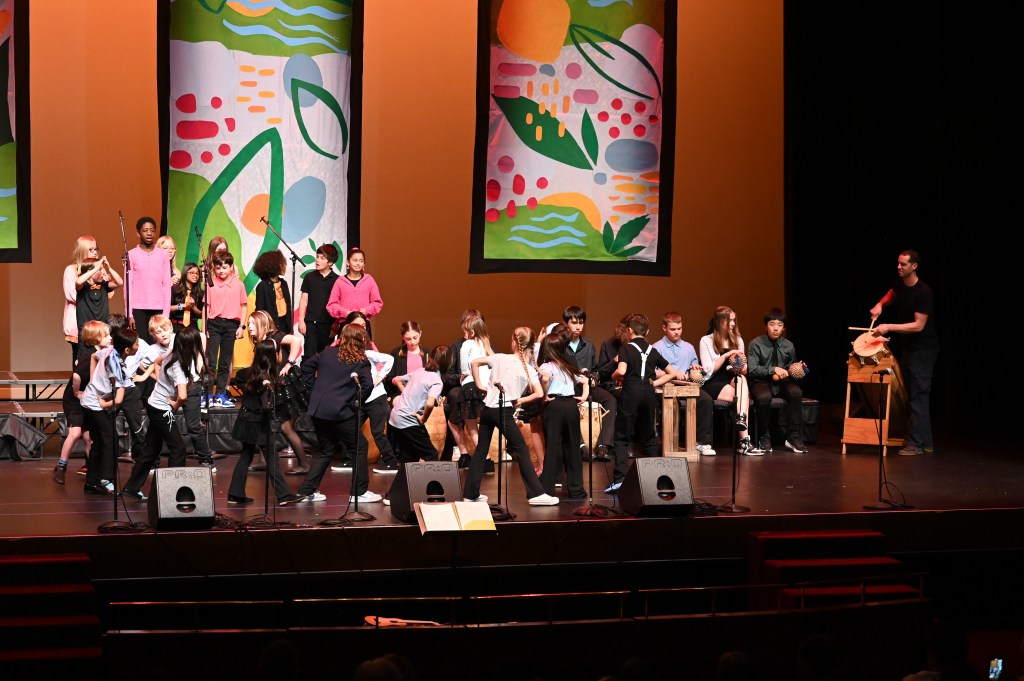
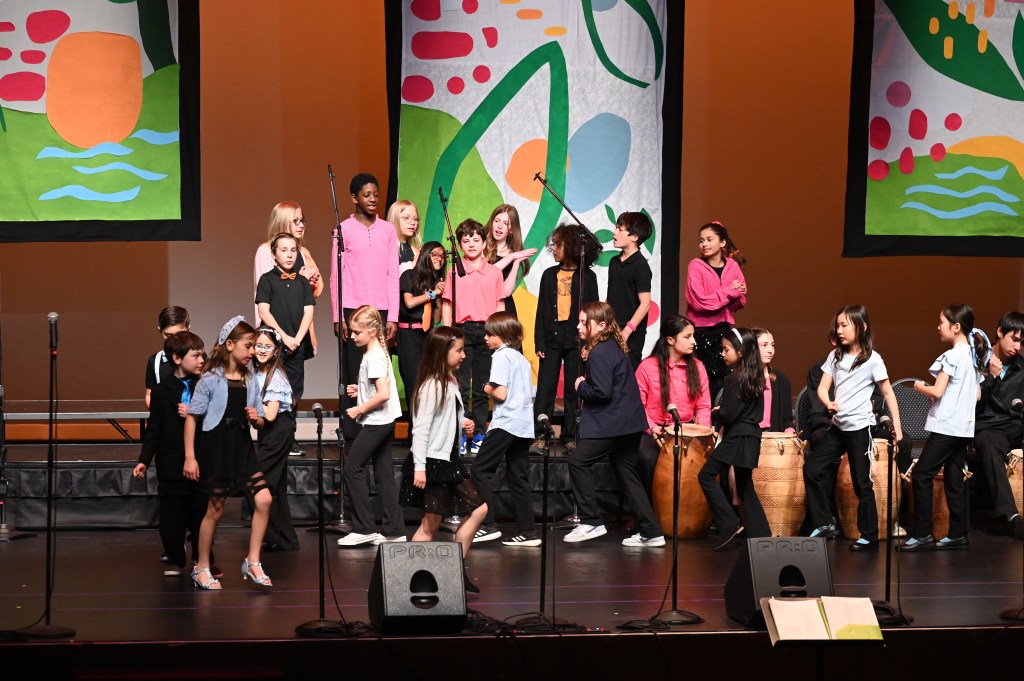
What a wonderful experience it was to gather together at the Lesher Center last Friday to watch our students shine on stage!

Thank you to all of the families for making Friday’s logistics work in order to support the students and watch the performance. 

Thank you to the Saklan students for showcasing your creativity and courage by taking the stage in front of such a large audience and singing your hearts out.

Thank you to the faculty and staff for all of the behind-the-scenes work to prepare for the concert, from your flexibility with the schedule to helping with rehearsals. Your support of your students and encouragement to take the stage is greatly appreciated!

A huge thank you to Erin for guiding our Owlet and Hoot Owl students in sharing their songs with our community! Their excitement, bravery, and pure joy for music lit up the stage, creating a heartwarming and memorable performance. We are so proud of our little musicians!
Thank you to Lauren and Linda for working with the second and third grade students on the gorgeous backdrop. Thank you for your continued PBL work, and for the passion you ignite in our students by elevating their voices and choices.

Thank you to Isaac for sharing your knowledge of traditional Ghanaian drumming with our students. What a delight to see them drumming, singing, and dancing together!

Thank you to Javier for helping set up for rehearsals, creating the boom whackers, moving instruments, and doing it all with a smile. 

Thank you to John Kim for sharing beautiful pictures of the event with us.

And finally, a huge thank you to Dianne for leading her first Saklan Concert with such passion and purpose! The show was incredible, and your dedication helped our students shine bright. We’re so grateful for your talent, guidance, and commitment to bringing music to life at Saklan!

#Saklan Creative #SaklanArts

Mindful Art Making

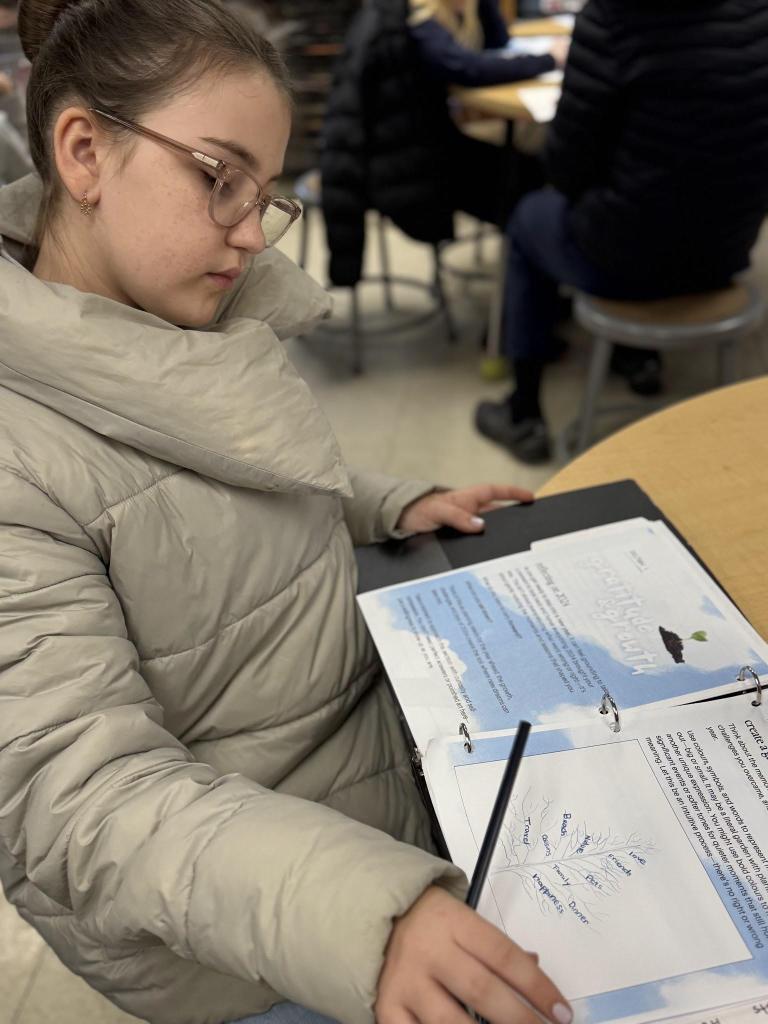
Students in first through eighth grade entered the new year through a series of therapeutic art activities in art class. Therapeutic art, or mindful art making, focuses on the creative process to relieve stress, calm the mind and body, or spark joy. Stepping out of winter break and into a new semester of learning and academic structure can stir up a range of feelings (for students, teachers, and families alike), and art can provide an opportunity to express these emotions, thoughts, and experiences in a way that words sometimes cannot. 

For each lesson, students were given a basket full of colorful art supplies and a small packet of drawing and writing prompts centered around reflecting on 2024 and exploring the values and energy they’d like to carry into 2025. Students were encouraged to work through the exercises in any order and to change or adapt the prompt in any way that felt authentic or comfortable to them at that moment. The goal was to connect with themselves and the process rather than create a polished, final product.

The mindfulness mini-unit was a great compliment to this month’s school-wide social-emotional focus: growth mindset. As students began another semester of projects, art making, and learning, Lauren used these activities an opportunity to remind them to approach the journey with curiosity, creativity, and compassion.

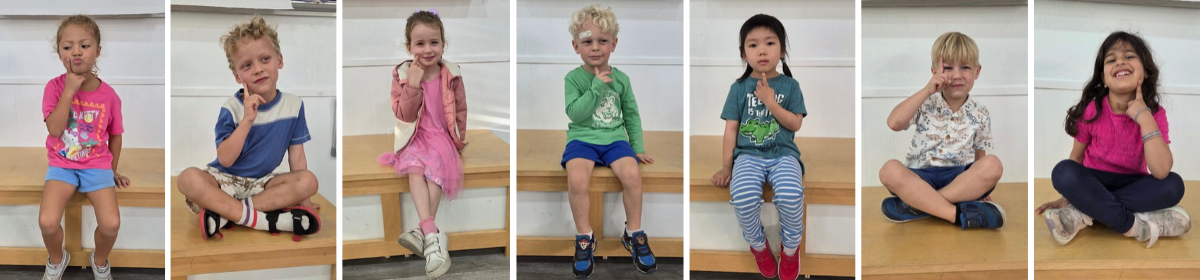
Kindergarten Ensemble

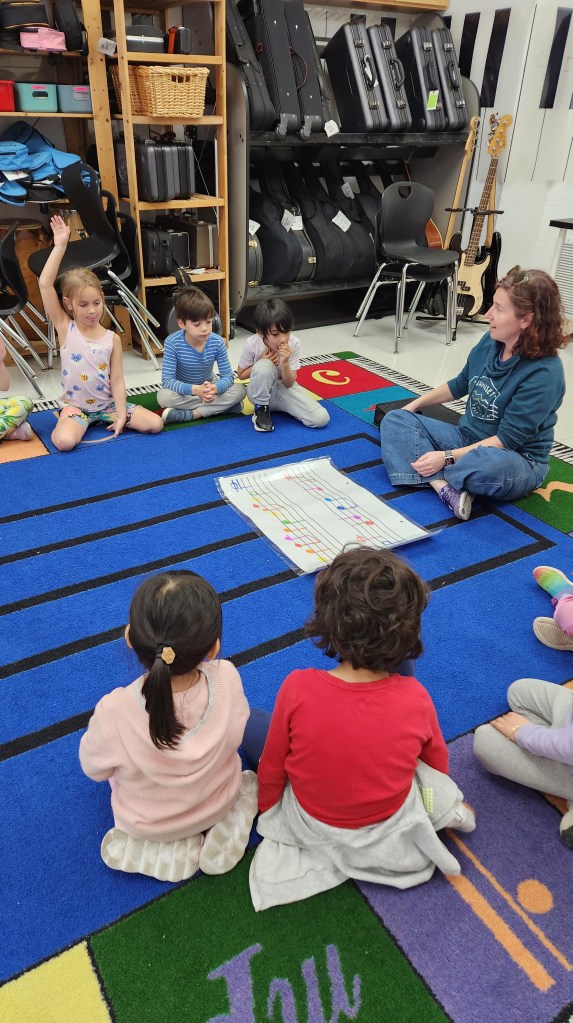
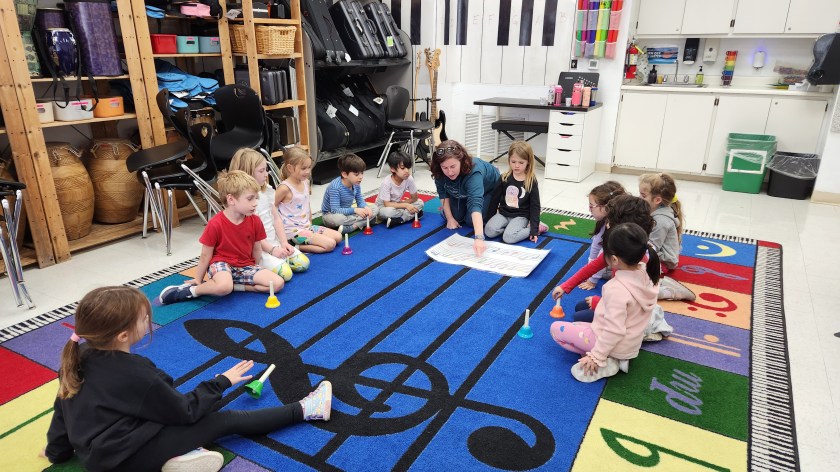
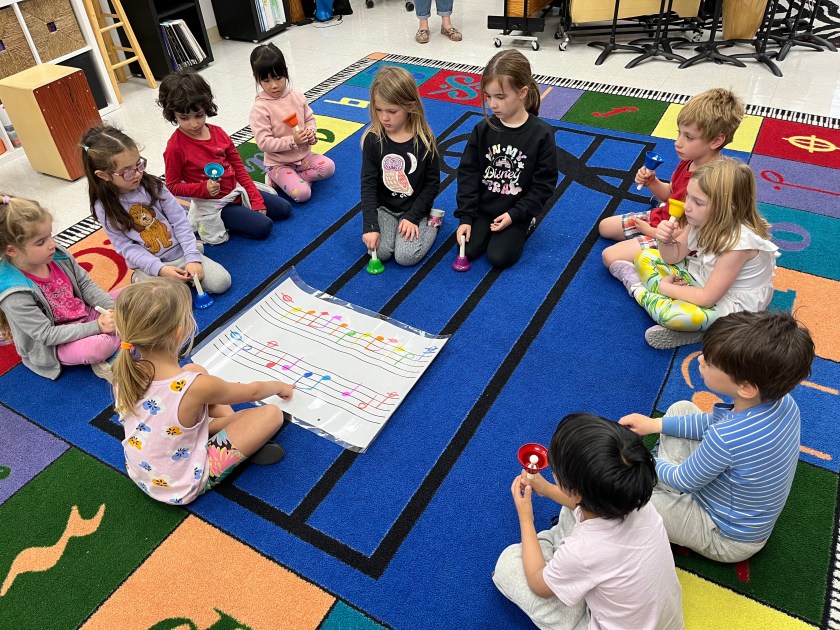
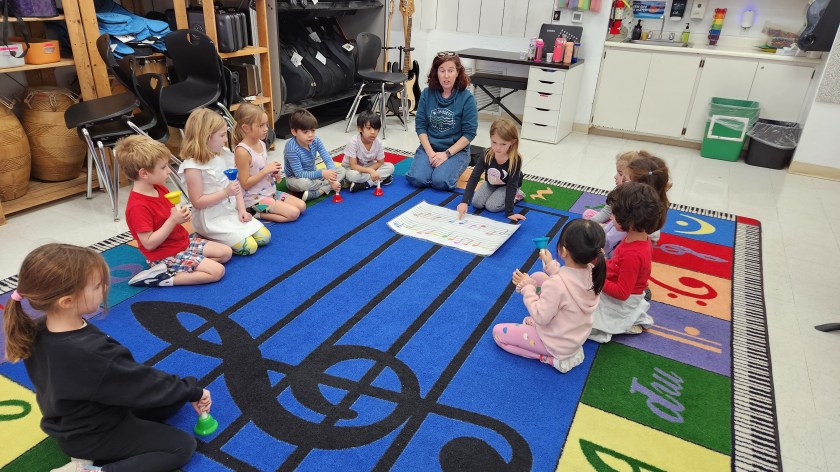
In music class, kindergartners are thrilled to be learning to play handbells! They started the year mostly playing and singing in unison, and now student musicians have the opportunity to understand how they can play different parts within an ensemble. While playing handbells, students must track others’ playing and know when they will play their notes to help complete the phrase or song. The class has talked about the different parts of the bells, how to use them safely, and how to get different sounds when playing these instruments. Student musicians have also had the chance to read music on the treble clef for this unit. They use chart paper-sized sheet music so all musicians can look on together!

The music is color-coded to match the bells, allowing students to practice seeing different pitches on the musical staff while matching the colors to play the correct pitch. This scaffolded practice supports their understanding of both what different notes look like on the staff, as well as what they sound like. Since the musicians need to work together as an ensemble to play songs, conducting is essential. Students have been taking turns as the conductor by pointing to the note on the shared giant music sheet as their classmates follow along.

The kindergarten musicians have already been practicing “Somewhere Over the Rainbow,” “Down By the Bay,” and the theme from Beethoven’s Ninth Symphony. They are eagerly looking forward to what comes next!

#SaklanCollaboration

We Went to Egypt

Written by Guest Blogger & Saklan Science Teacher, Vickie Obenchain

We went to Egypt!! What?! 🇪🇬

Linda and I got to go on a field experience this summer thanks to the Saklan Summer Fund, Global Exploration for Educators Organization (GEEO), and Columbia University. We aimed to learn and explore Ancient Egyptian history, art, engineering, the Sahara Desert environment, and the Nile ecosystem firsthand. For this science teacher, I was completely blown away each day by the feats of engineering we saw, the connections I found to my curriculum, and how history came alive in a modern era. I’d love to share with you a few examples, knowing this experience will definitely find its way into many more grades and topics. First, the Sahara Desert climate is incredibly harsh, especially in July and August. Temperatures are over 100°F daily, creating hot winds, hot sand, no water, and almost no plant life, except for when your eyes play tricks on you, creating a mirage. Being out in it for more than an hour, as a human, was not comfortable.  

However, the camel’s body is equipped to deal with all my body can not. Camels have two rows of long eyelashes and bushy eyebrows, which help protect their eyes from sand. Yet, if some sand does make its way into their eye, they can dislodge it with a translucent third eyelid (very helpful since they weren’t gifted hands). Camels have slit-like nostrils that can close to keep sand out of their respiratory systems, and when they do come across a dry, thorny desert plant, they have thick, tough lips that help them eat it without hurting themselves. 

The long, shaggy fur on top of a camel’s body works as shade, as the thin fur elsewhere helps them lose heat. They have wide, flat feet with thick soles that help them walk easily across sand and spread their weight so they don’t sink (much like a snowshoe). Their long, tall legs keep their bodies off the hot sand and allow air to circulate under them.

Camels store energy-rich fat in their humps allowing them to survive for months without eating. And they can drink large amounts of water at once, sometimes up to 32 gallons, and they can retain that water in their bodies until their next big gulp.

Experiencing their height,  grace, and adaptations up close was definitely a highlight for your temperate climate loving teachers.  This first hand experience of the camel and experience in the Sahara Desert will tie in wonderfully to my 6th grade desert biome unit and adaptations of those organisms that live there.

Second, very early one morning,  Linda and I left the group tour and decided to do an extra excursion. We hot air ballooned over the west bank of Luxor. After checking wind speed and direction, to make sure we didn’t end up in the Nile (or at the airport), the hot air balloons blasted heated air into the colorful balloons all around us. Once ours was upright, we quickly jumped into the basket and took off. We floated over the many temples, tombs, farms, and the Sahara Desert in this beautiful area. Just WOW!

In my physical science course, the 8th graders create hot air balloons to help test the force of buoyancy and see both Archimedes Principle and Charles Law (aka: thermal expansion) to better understand fluid laws in their Chemistry class. Using paper, glue and tape, they engineer their own balloons that they think will create the largest lift when filled with heated air.  We were a bit nervous to take part in this, but it was so awesome to see science at work to give us such an amazing experience in such a beautiful space.

If interested in seeing more of what we saw, learned, and wanted to share, checkout the Instagram account: missopetsapenguin.

#SaklanProfessionalDevelopment