Watching Our Students Shine

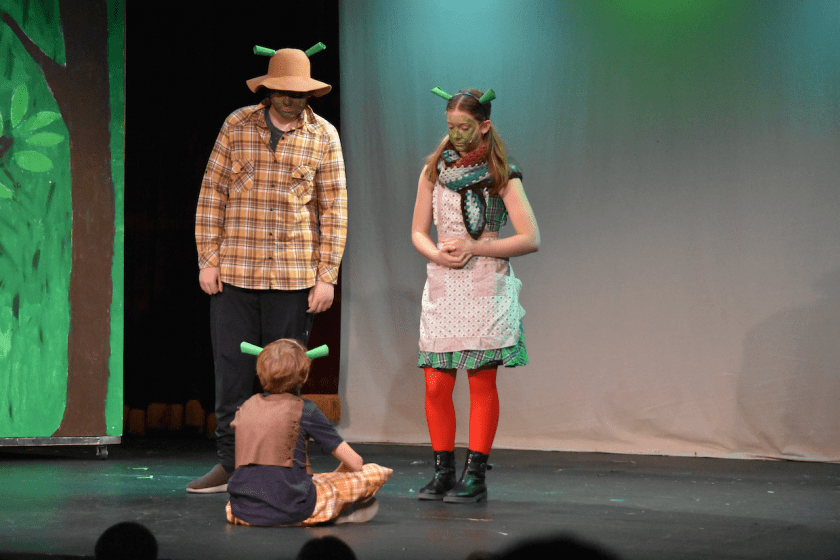
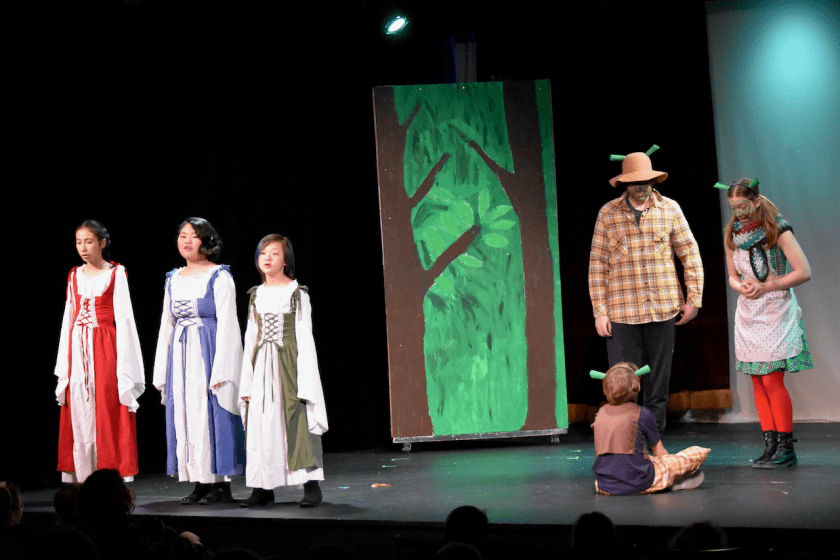
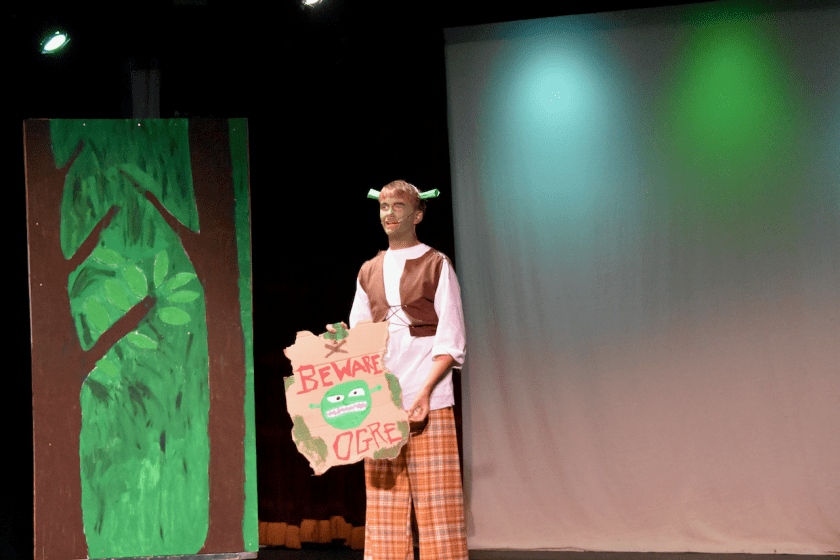
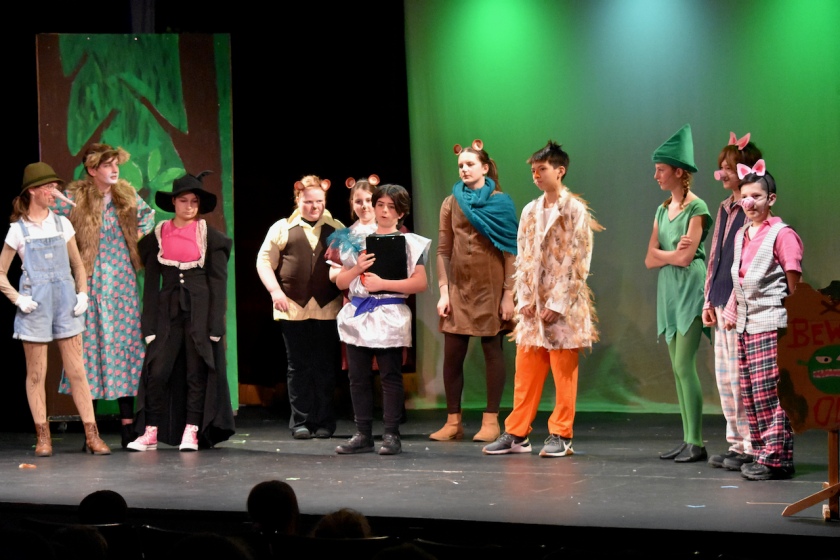
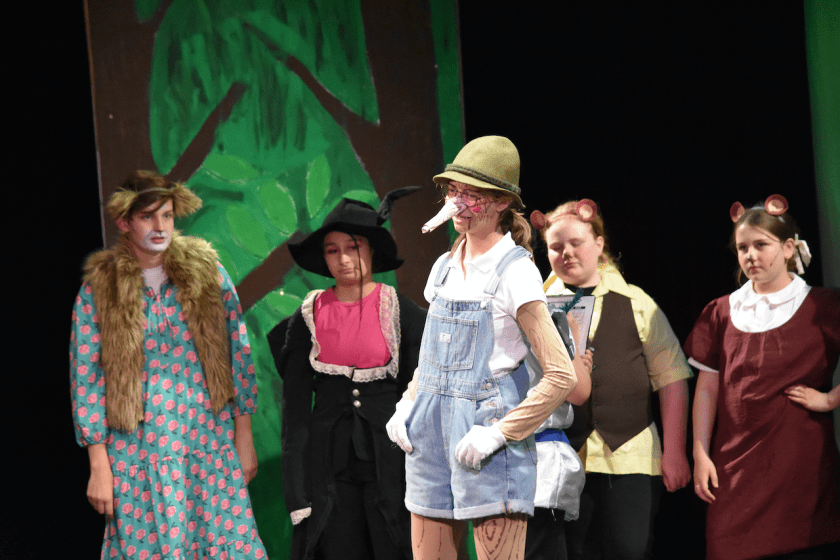
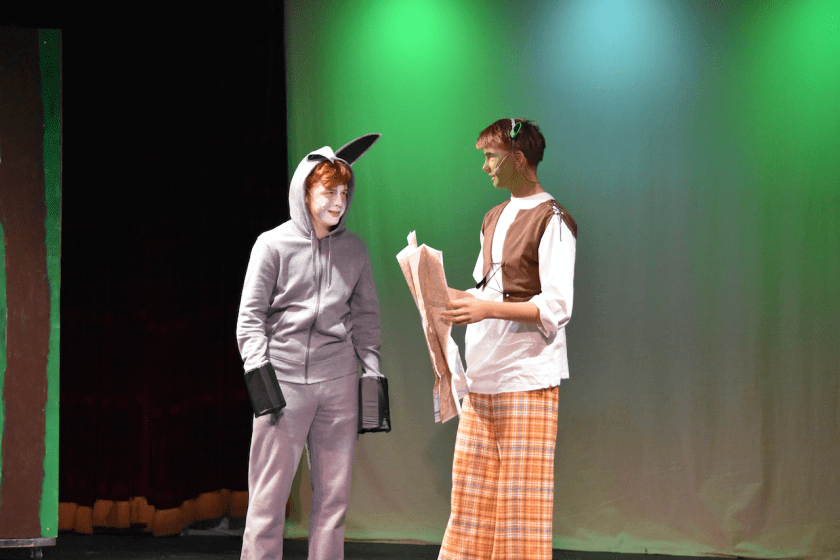
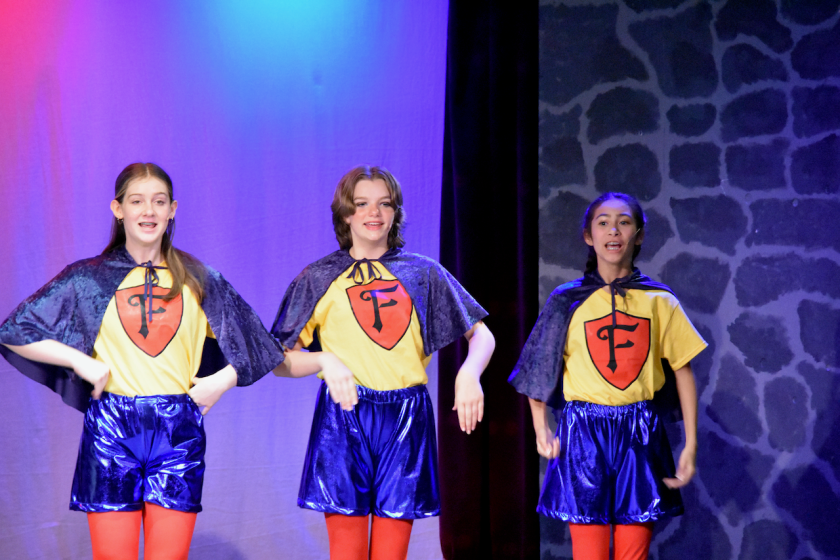
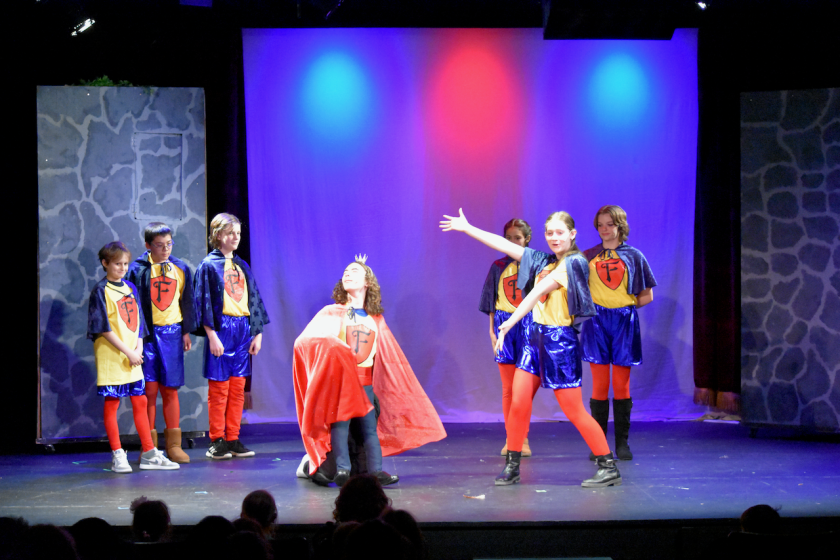
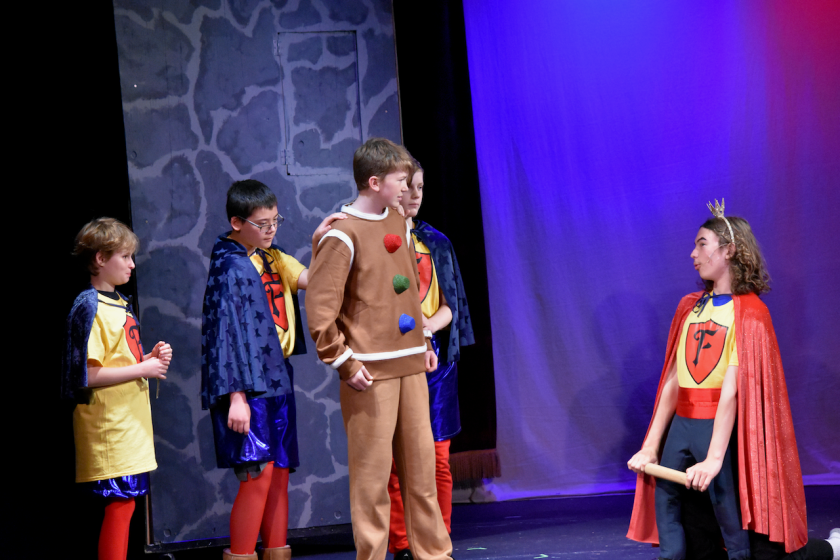
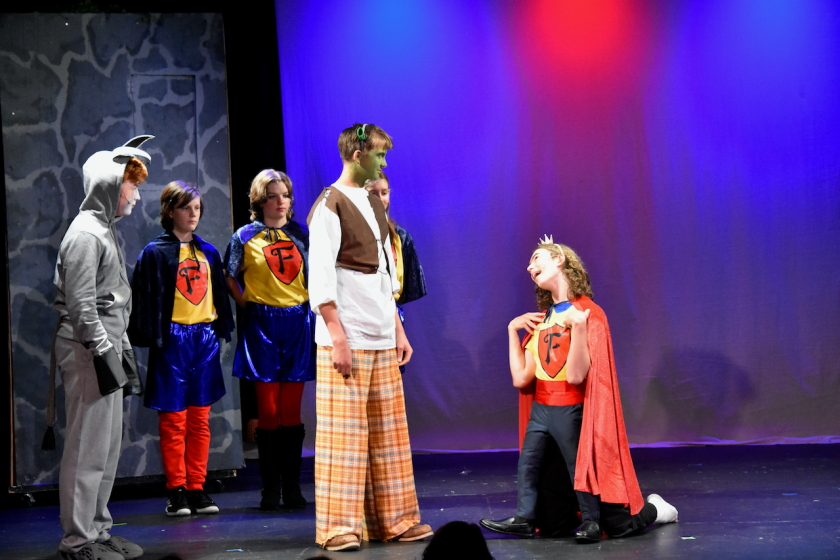
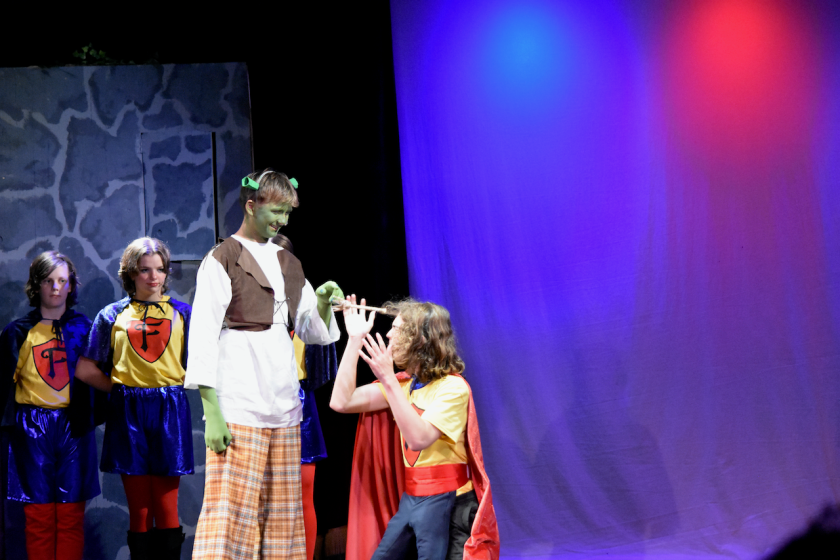
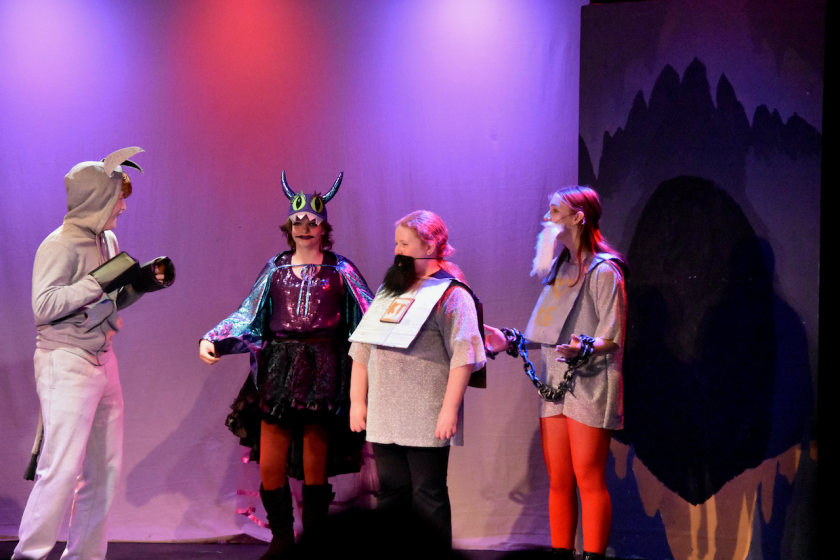
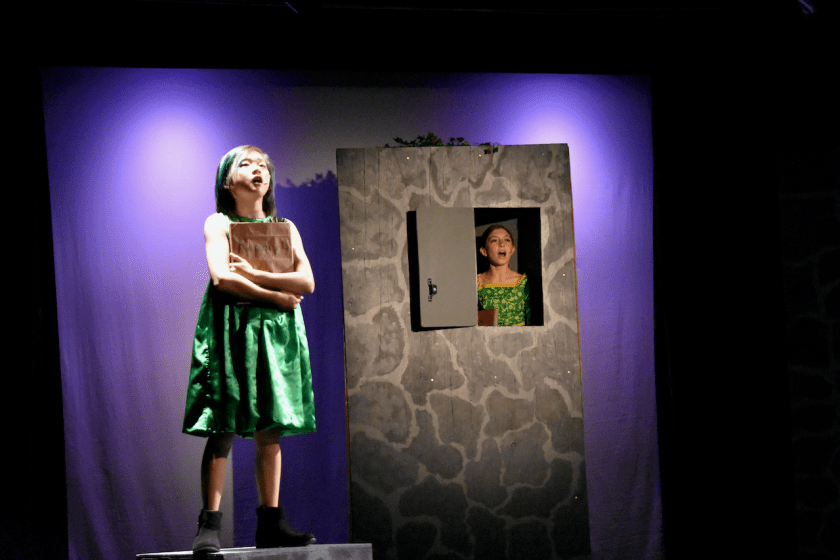
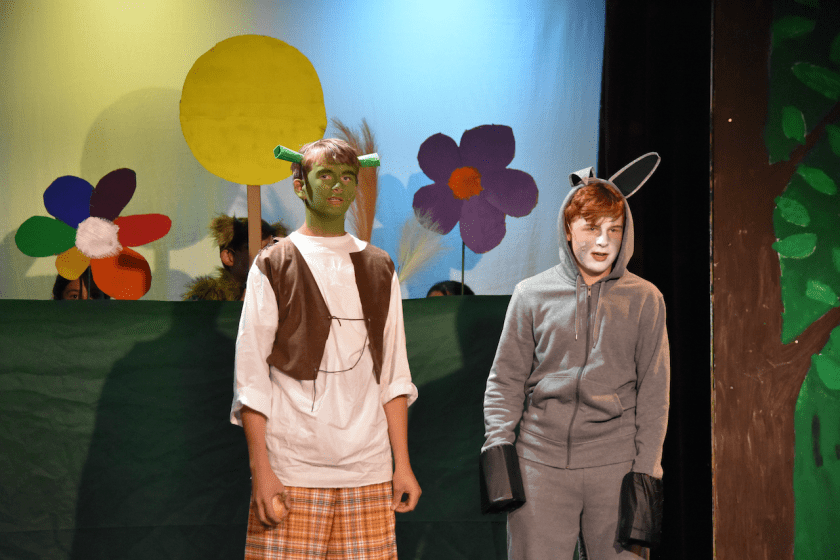
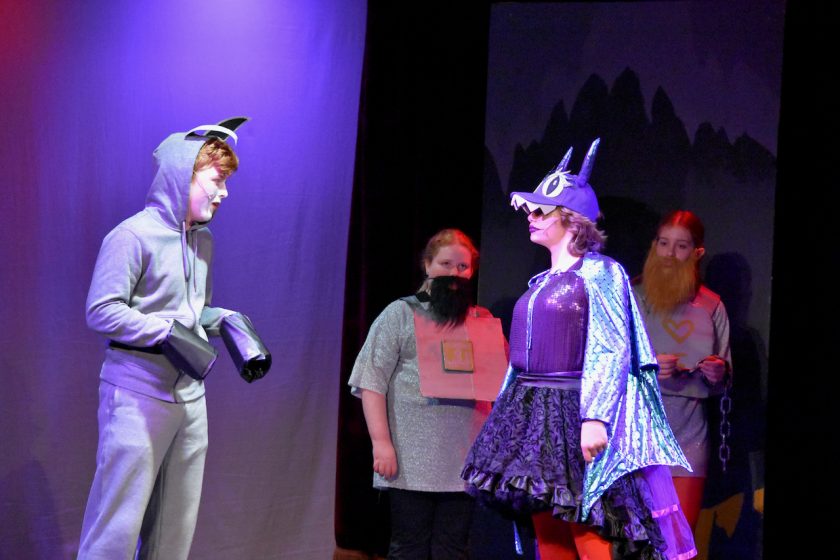
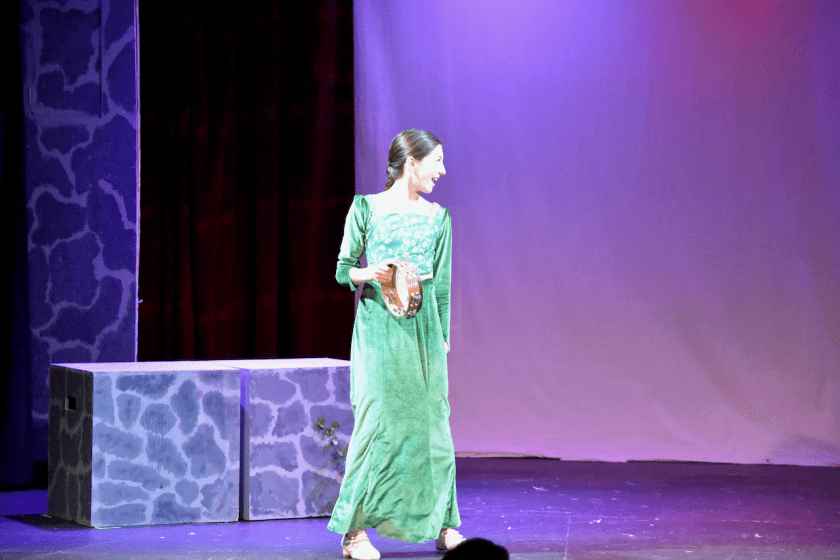
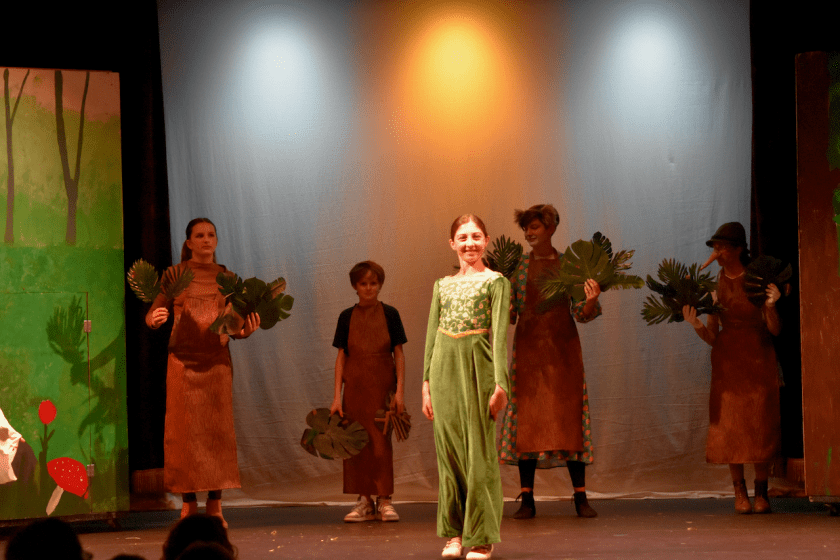
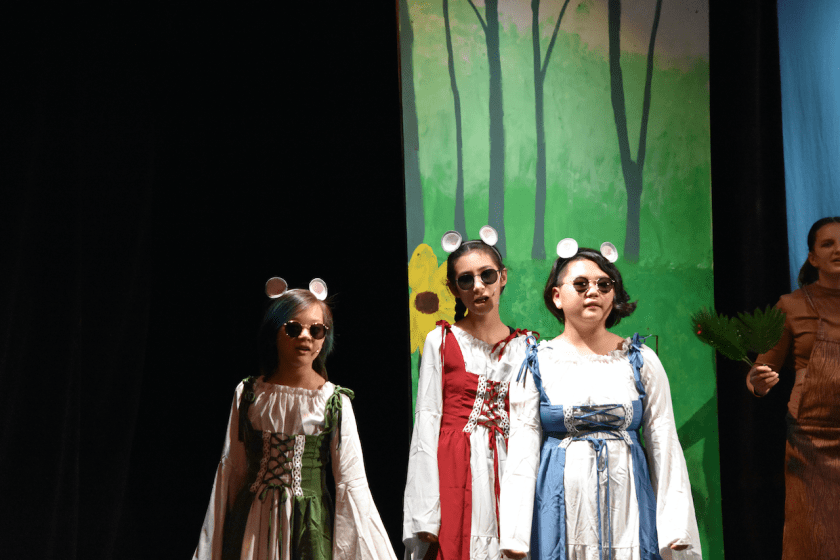
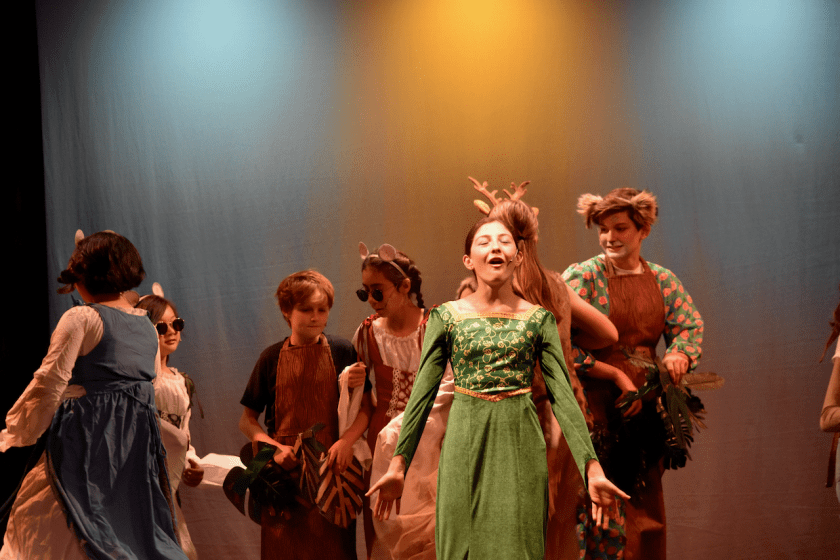
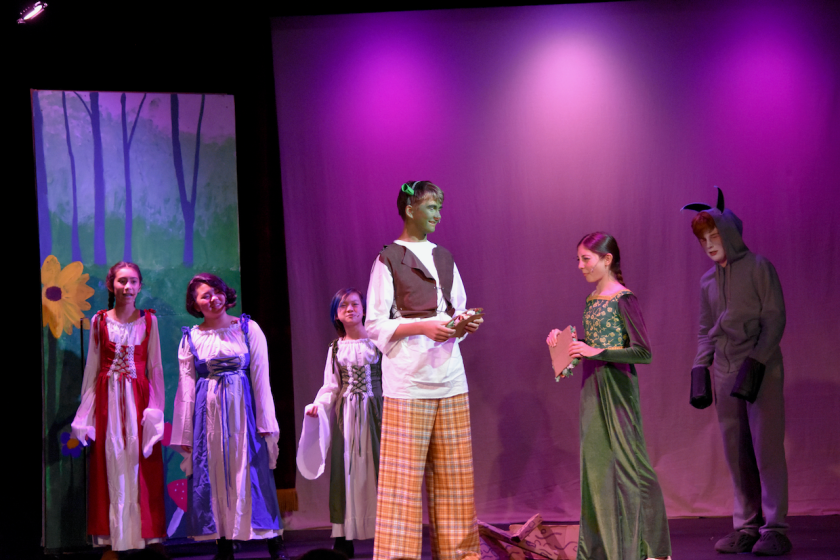
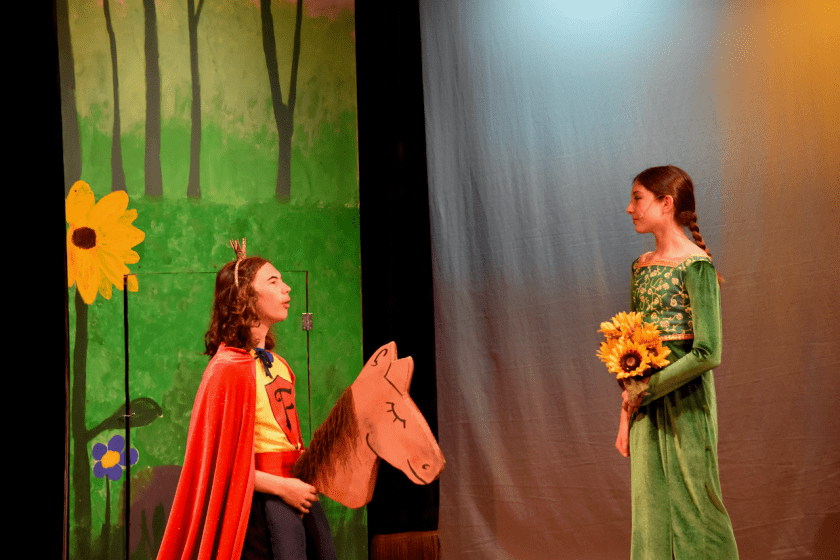
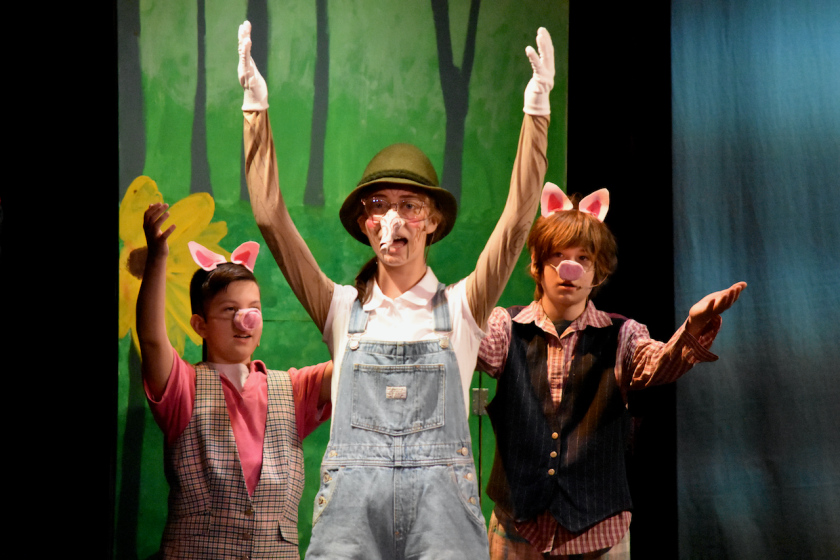
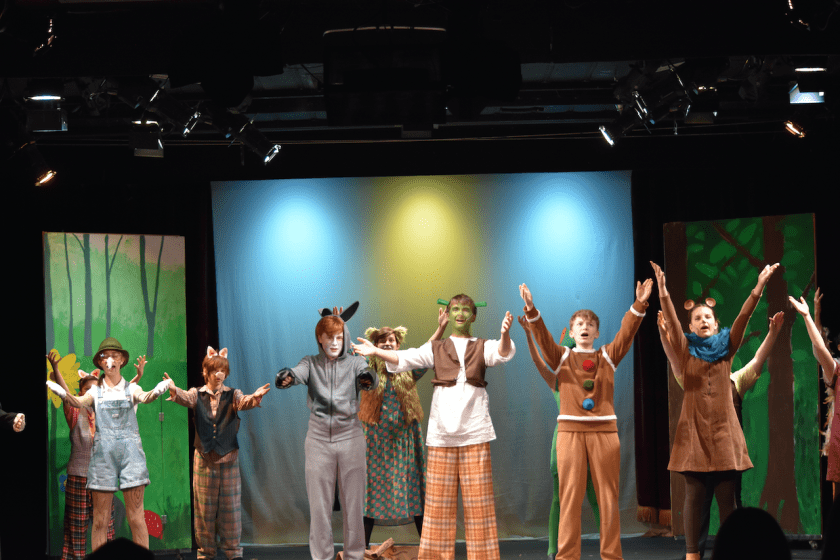
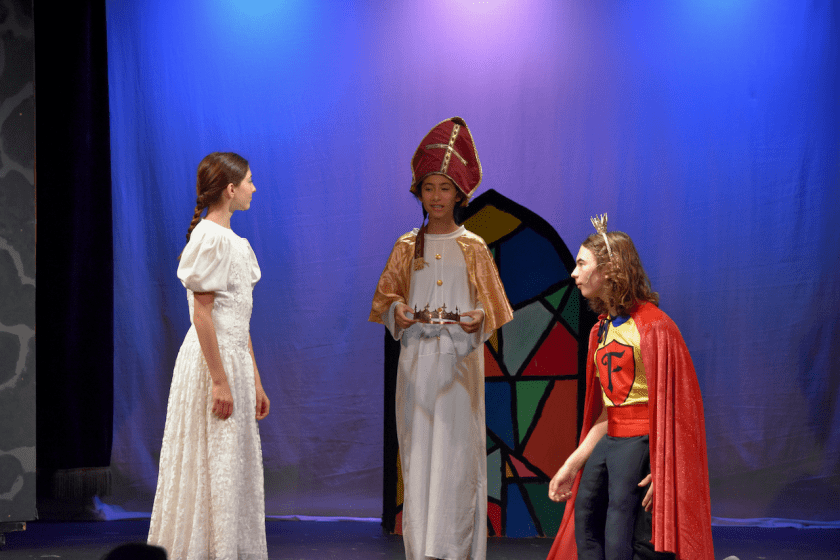
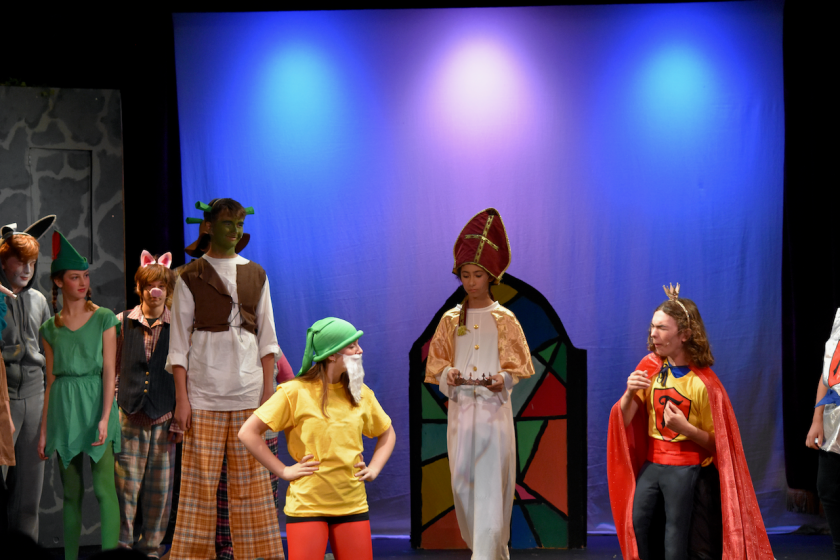
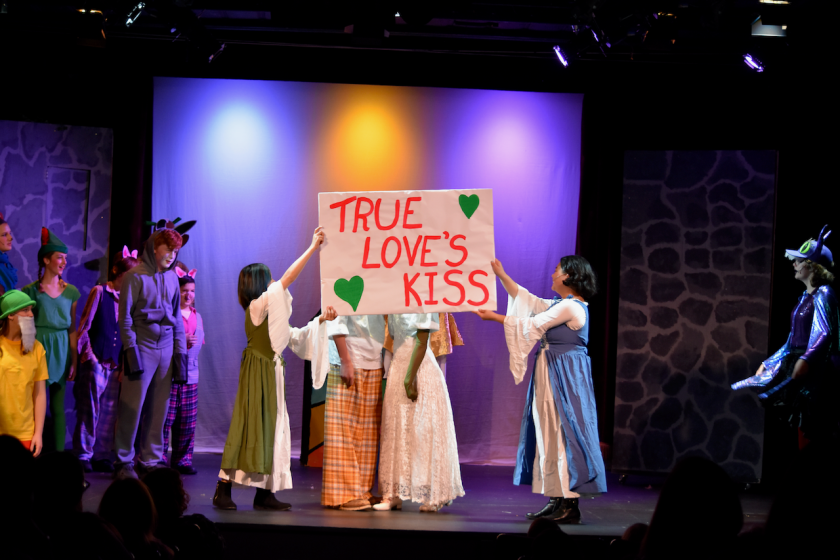
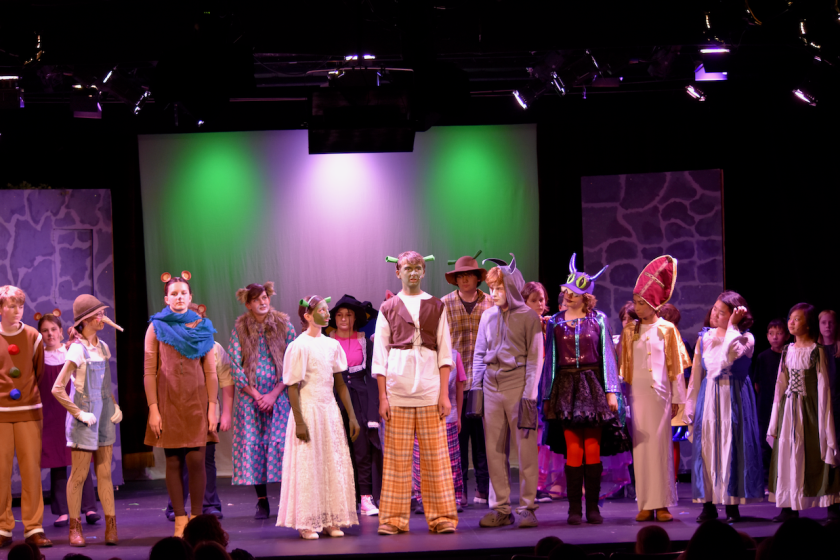
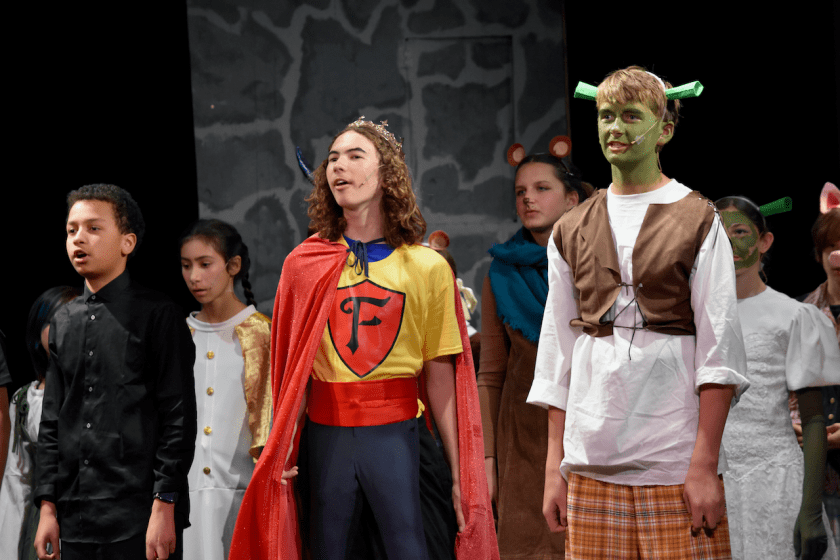
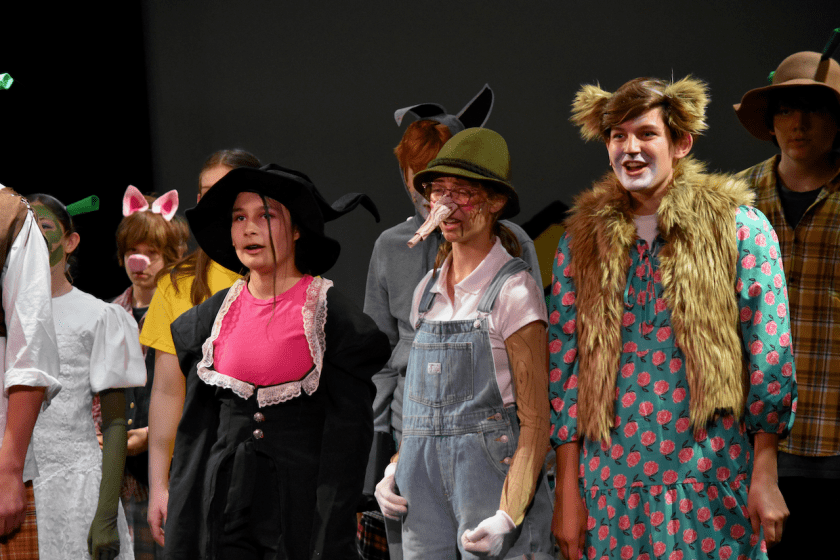
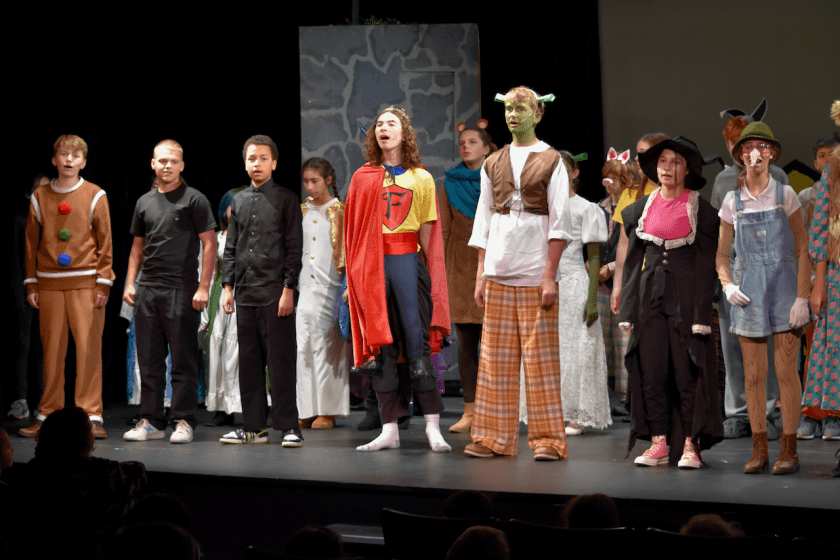
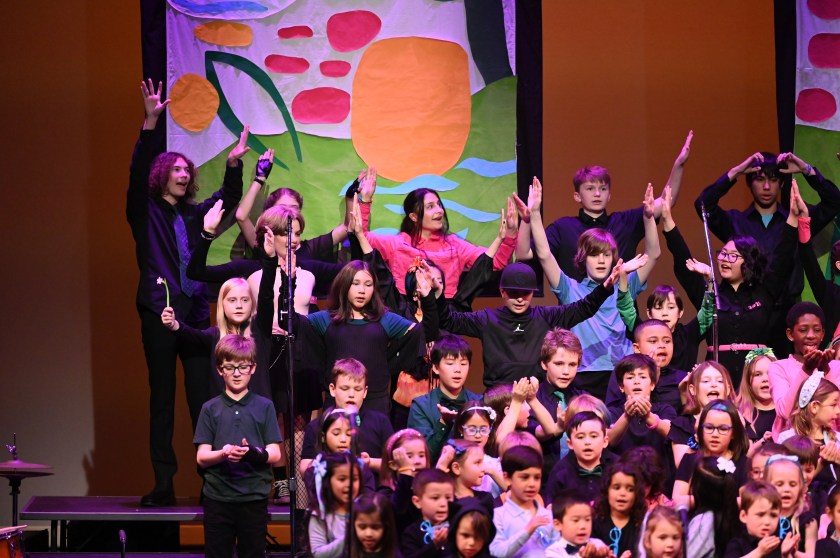
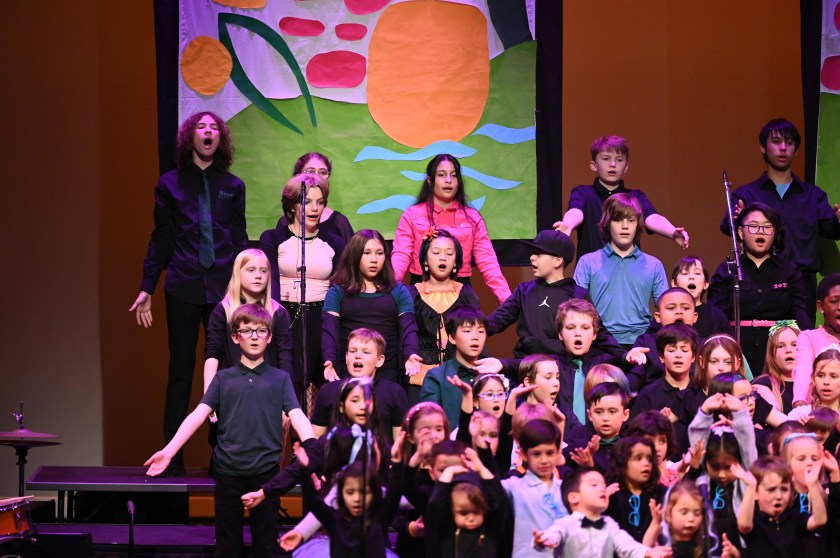
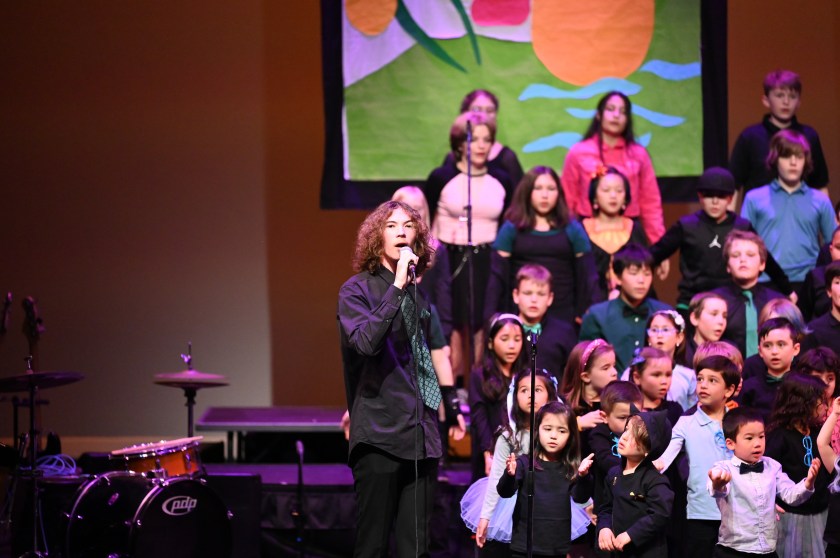
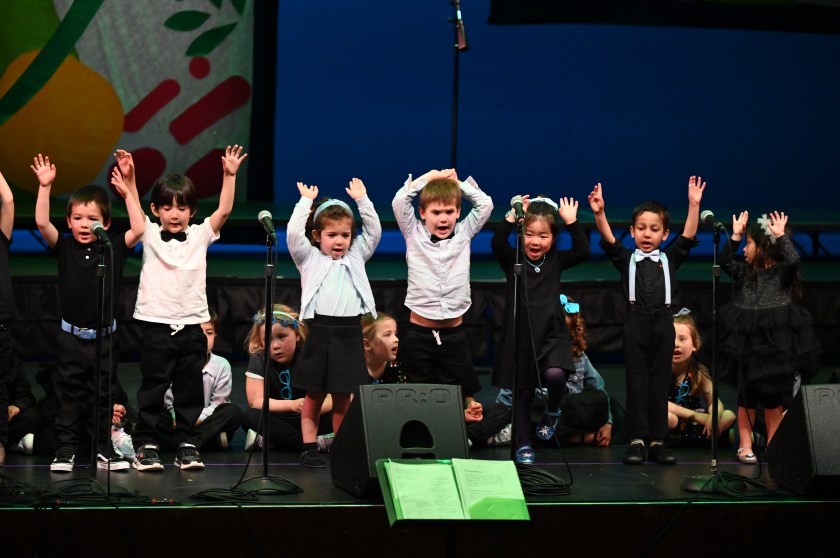
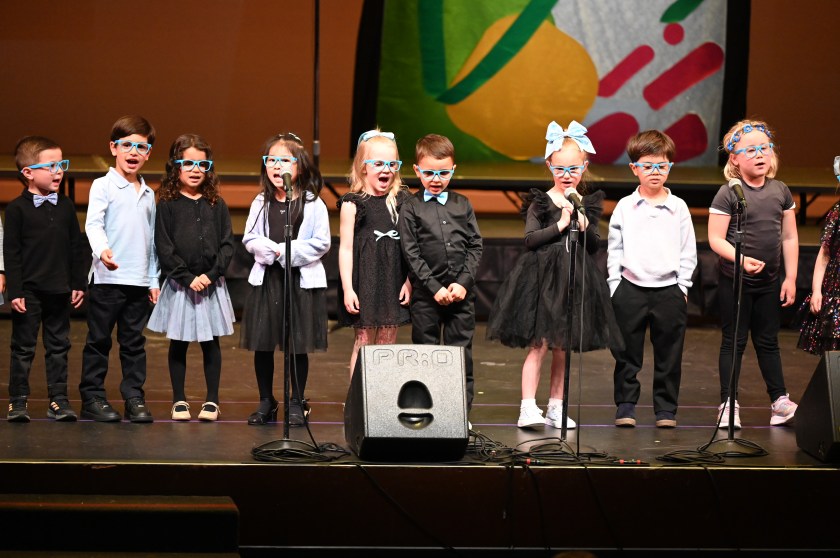
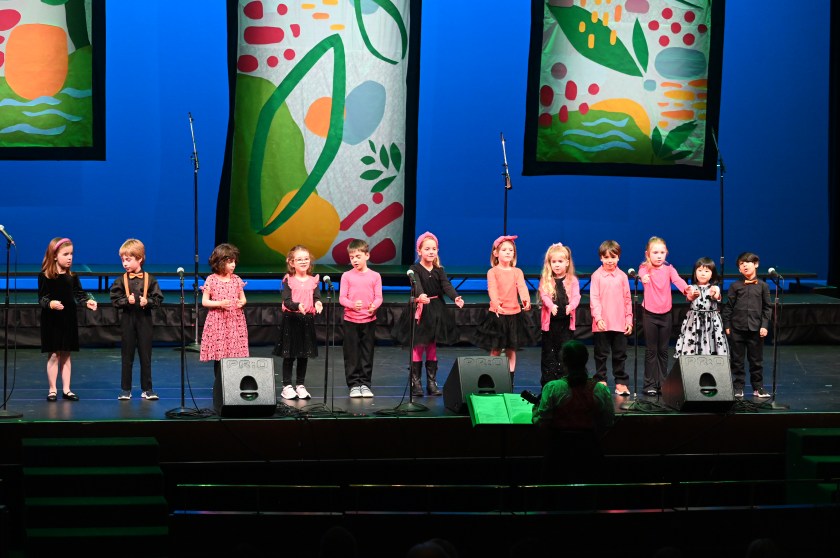
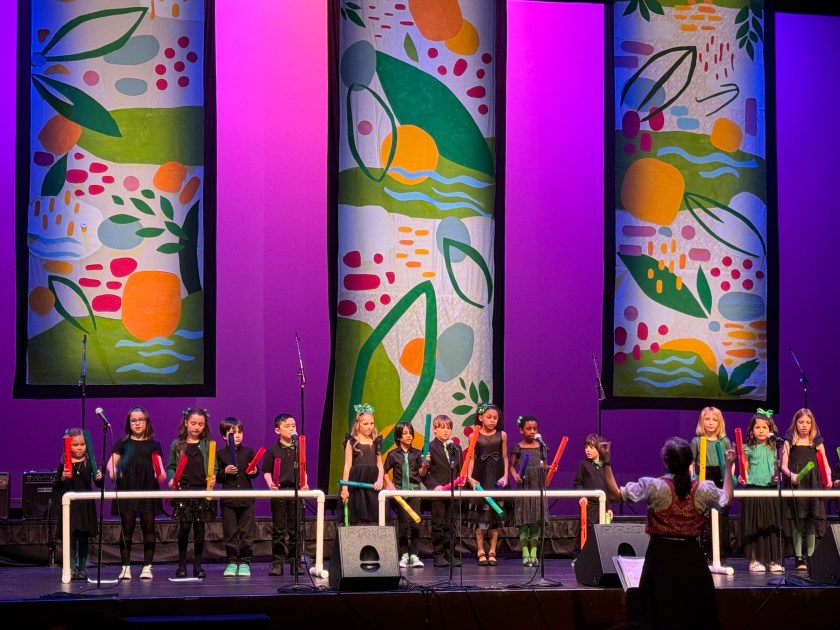
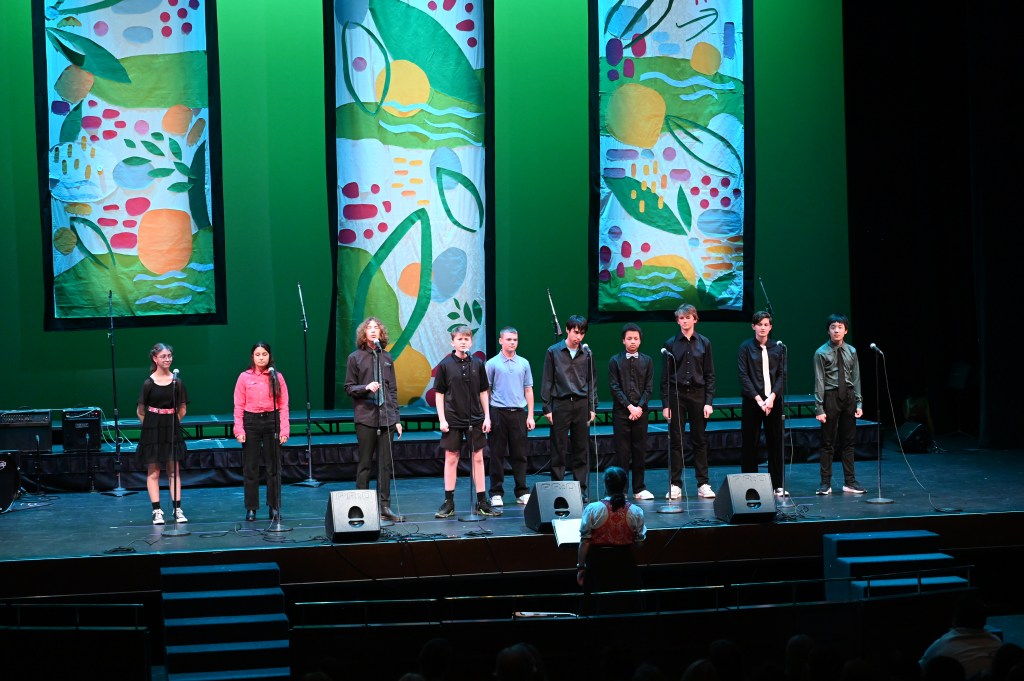
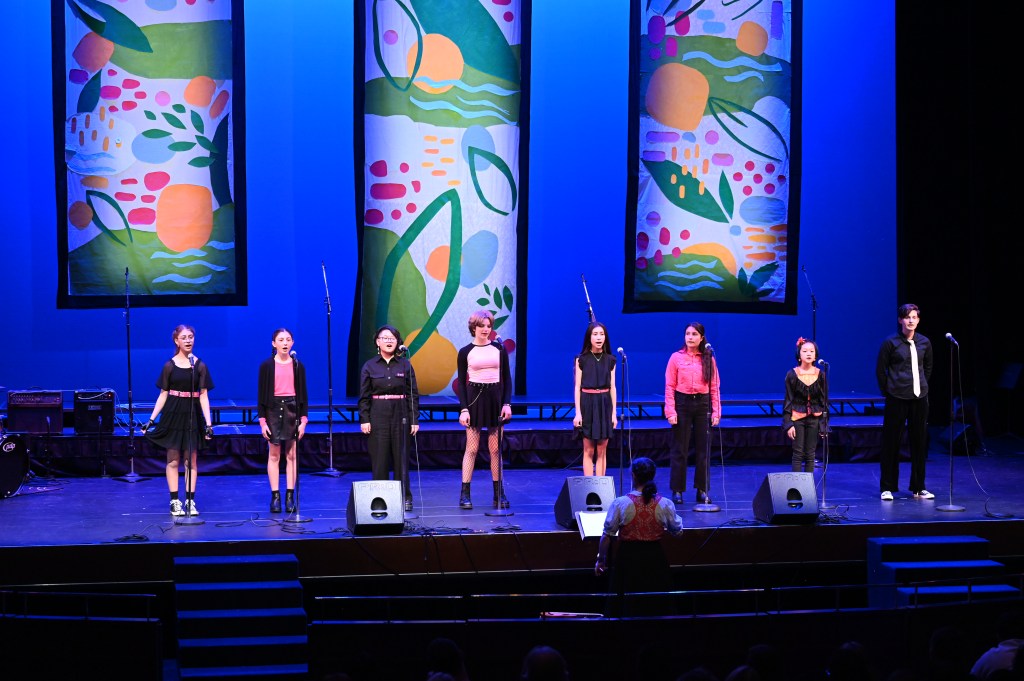
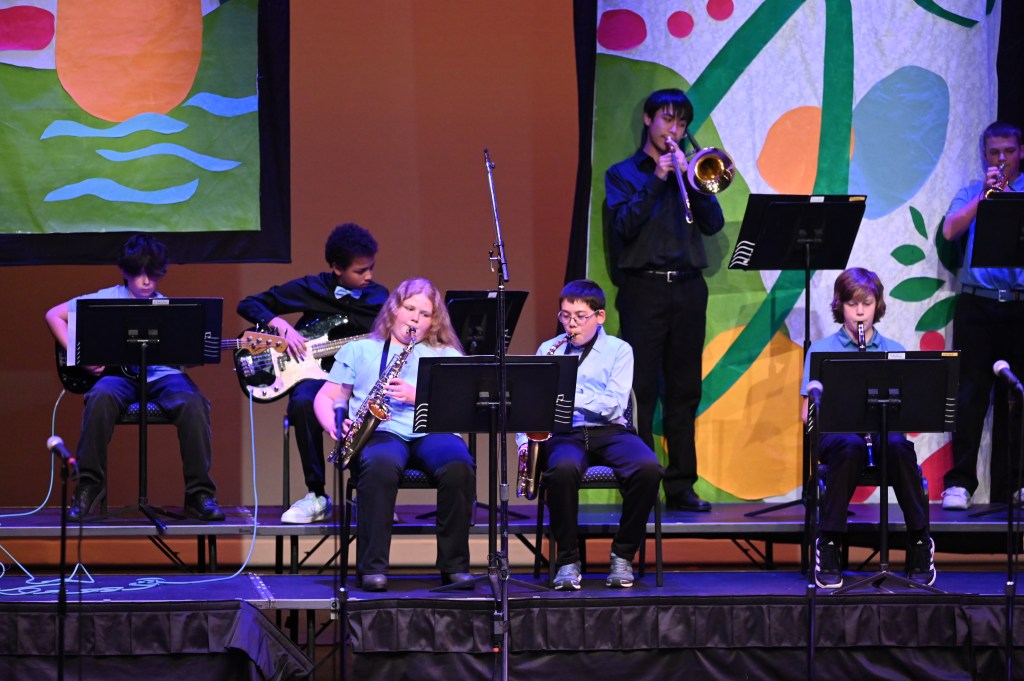
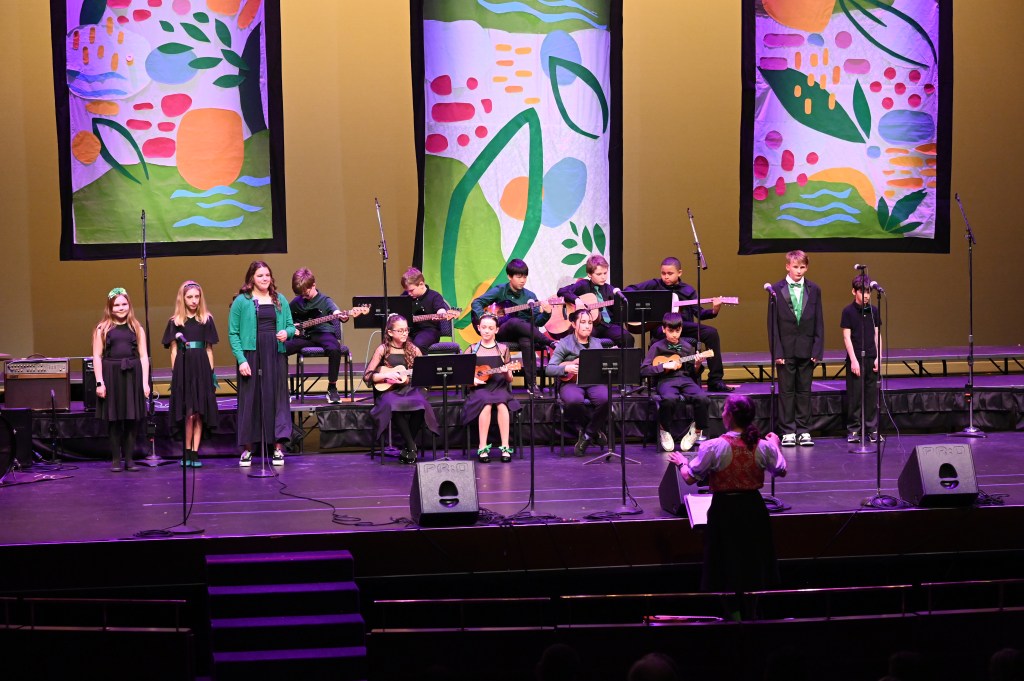
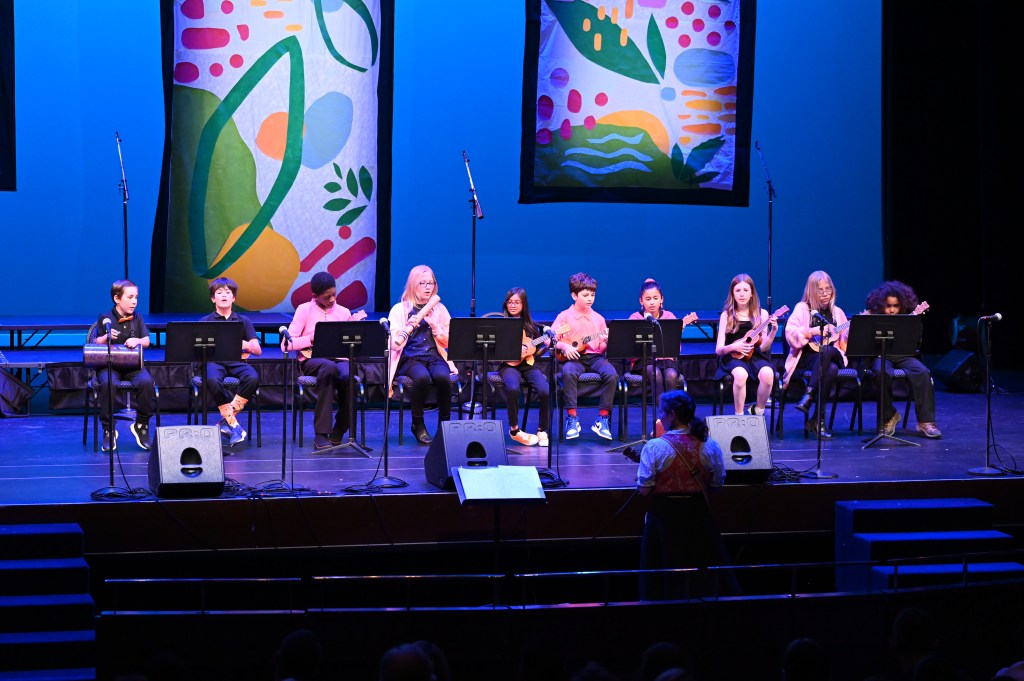
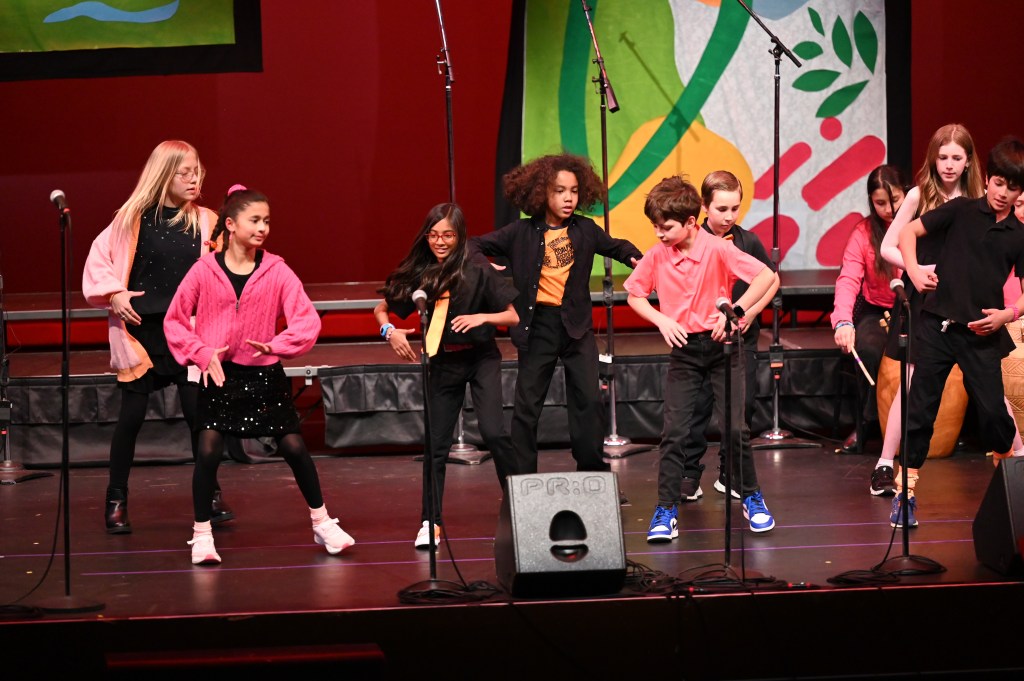
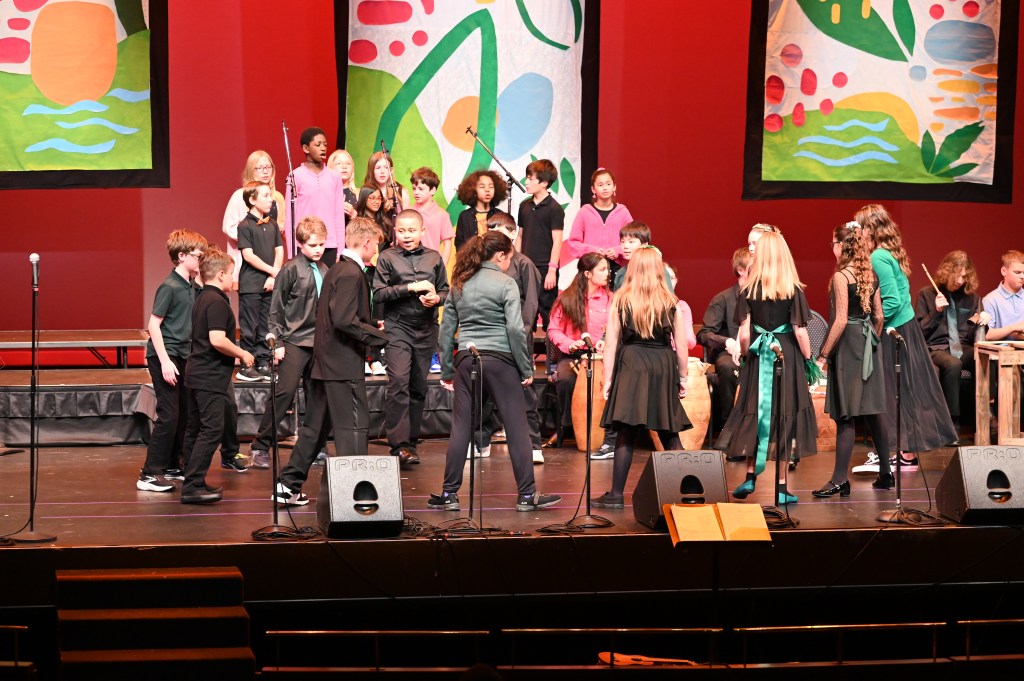
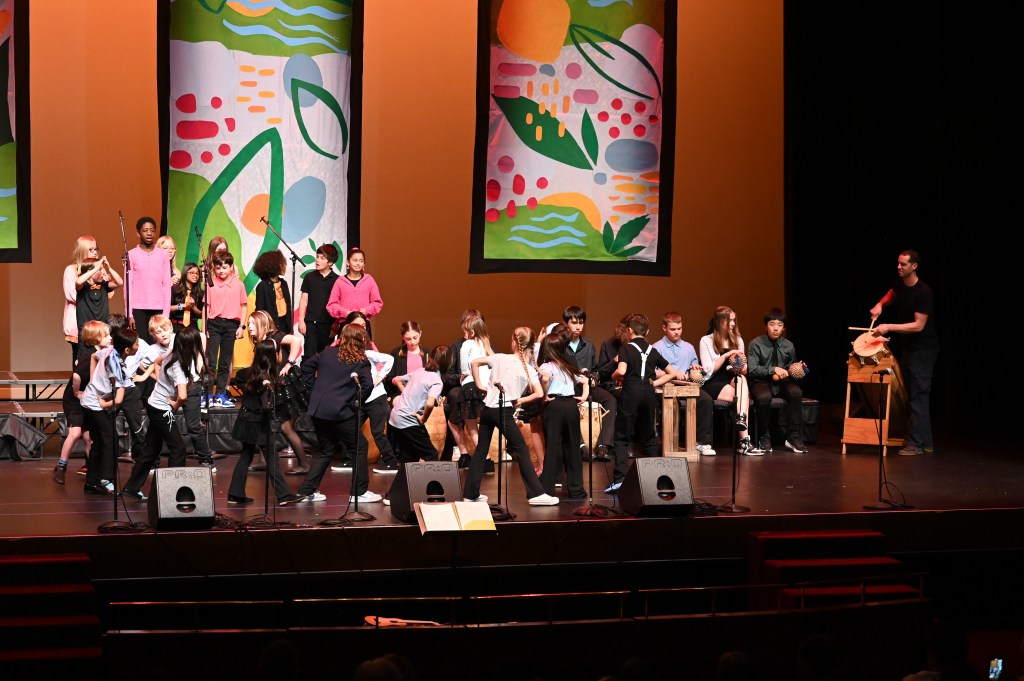
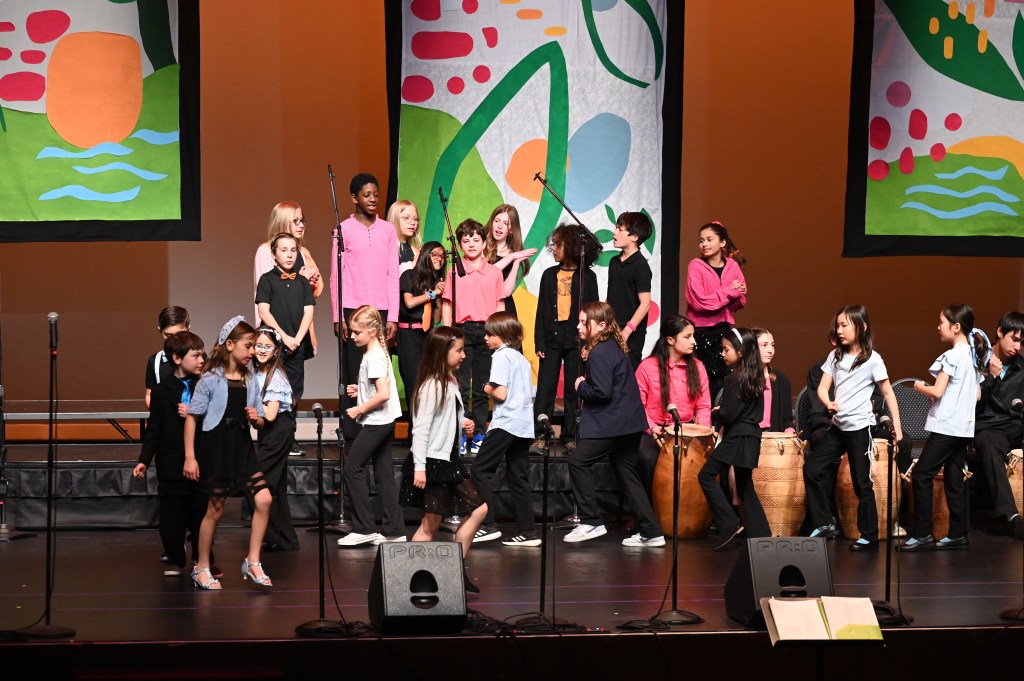
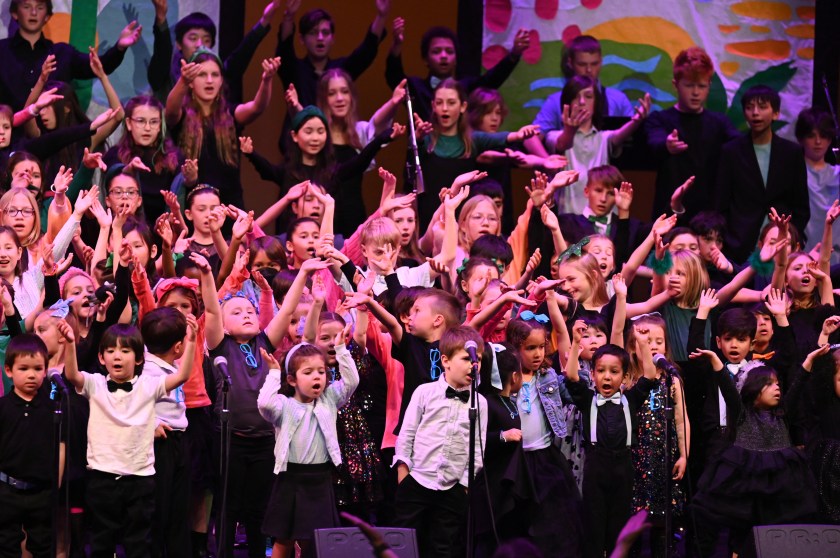
What a wonderful experience it was to gather together at the Lesher Center last Friday to watch our students shine on stage!

Thank you to all of the families for making Friday’s logistics work in order to support the students and watch the performance. 

Thank you to the Saklan students for showcasing your creativity and courage by taking the stage in front of such a large audience and singing your hearts out.

Thank you to the faculty and staff for all of the behind-the-scenes work to prepare for the concert, from your flexibility with the schedule to helping with rehearsals. Your support of your students and encouragement to take the stage is greatly appreciated!

A huge thank you to Erin for guiding our Owlet and Hoot Owl students in sharing their songs with our community! Their excitement, bravery, and pure joy for music lit up the stage, creating a heartwarming and memorable performance. We are so proud of our little musicians!

Thank you to Lauren and Linda for working with the second and third grade students on the gorgeous backdrop. Thank you for your continued PBL work, and for the passion you ignite in our students by elevating their voices and choices.

Thank you to Isaac for sharing your knowledge of traditional Ghanaian drumming with our students. What a delight to see them drumming, singing, and dancing together!

Thank you to Javier for helping set up for rehearsals, creating the boom whackers, moving instruments, and doing it all with a smile. 

Thank you to John Kim for sharing beautiful pictures of the event with us.

And finally, a huge thank you to Dianne for leading her first Saklan Concert with such passion and purpose! The show was incredible, and your dedication helped our students shine bright. We’re so grateful for your talent, guidance, and commitment to bringing music to life at Saklan!

#Saklan Creative #SaklanArts

Mindful Art Making

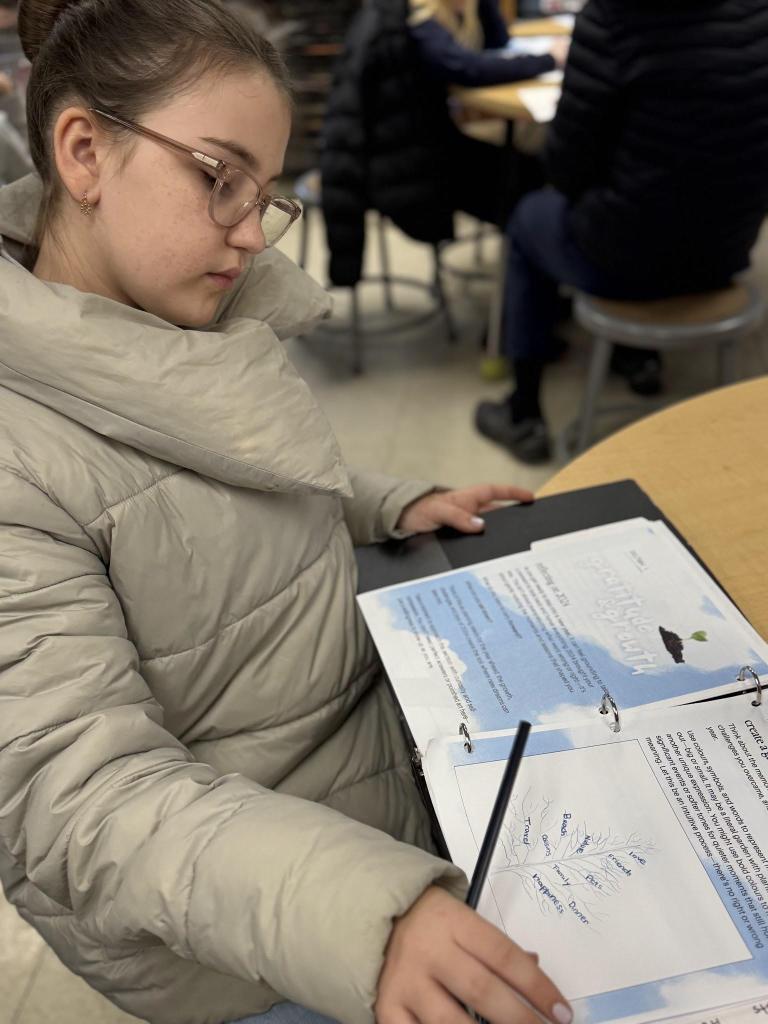
Students in first through eighth grade entered the new year through a series of therapeutic art activities in art class. Therapeutic art, or mindful art making, focuses on the creative process to relieve stress, calm the mind and body, or spark joy. Stepping out of winter break and into a new semester of learning and academic structure can stir up a range of feelings (for students, teachers, and families alike), and art can provide an opportunity to express these emotions, thoughts, and experiences in a way that words sometimes cannot. 

For each lesson, students were given a basket full of colorful art supplies and a small packet of drawing and writing prompts centered around reflecting on 2024 and exploring the values and energy they’d like to carry into 2025. Students were encouraged to work through the exercises in any order and to change or adapt the prompt in any way that felt authentic or comfortable to them at that moment. The goal was to connect with themselves and the process rather than create a polished, final product.

The mindfulness mini-unit was a great compliment to this month’s school-wide social-emotional focus: growth mindset. As students began another semester of projects, art making, and learning, Lauren used these activities an opportunity to remind them to approach the journey with curiosity, creativity, and compassion.

Kindergarten Ensemble

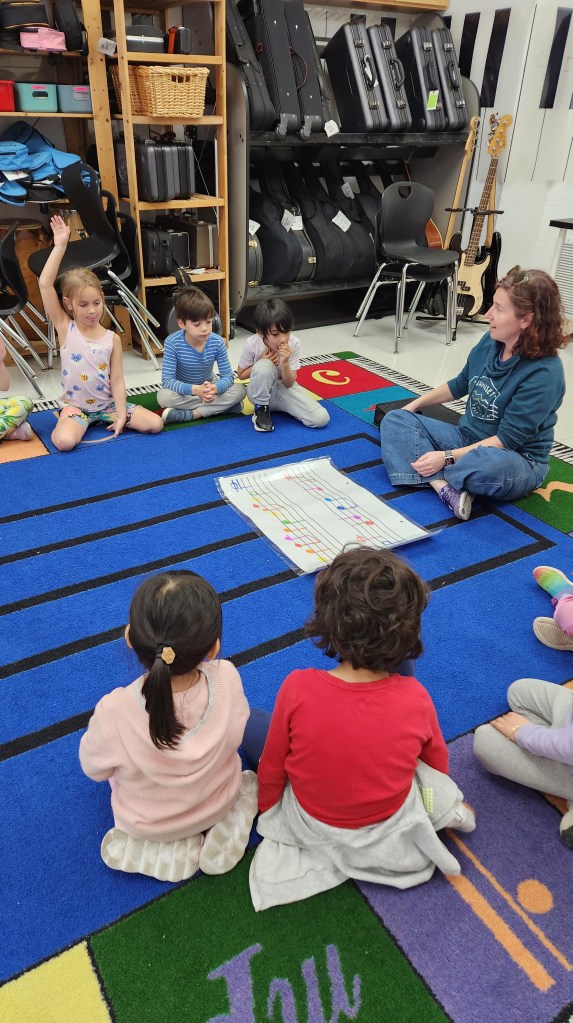
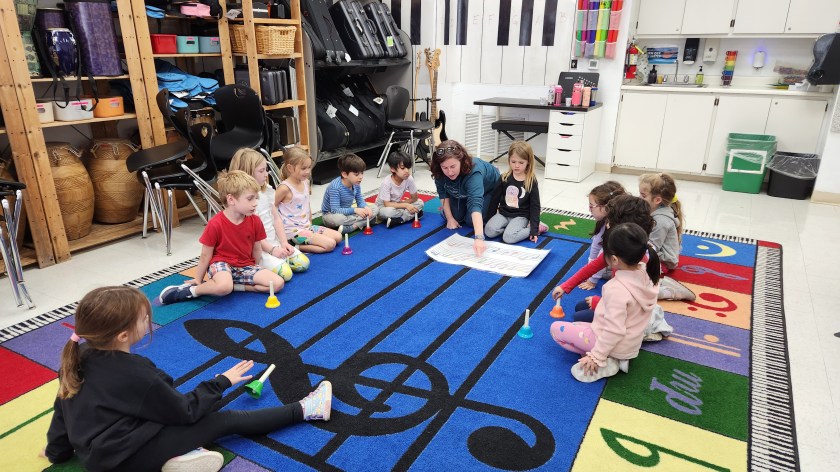
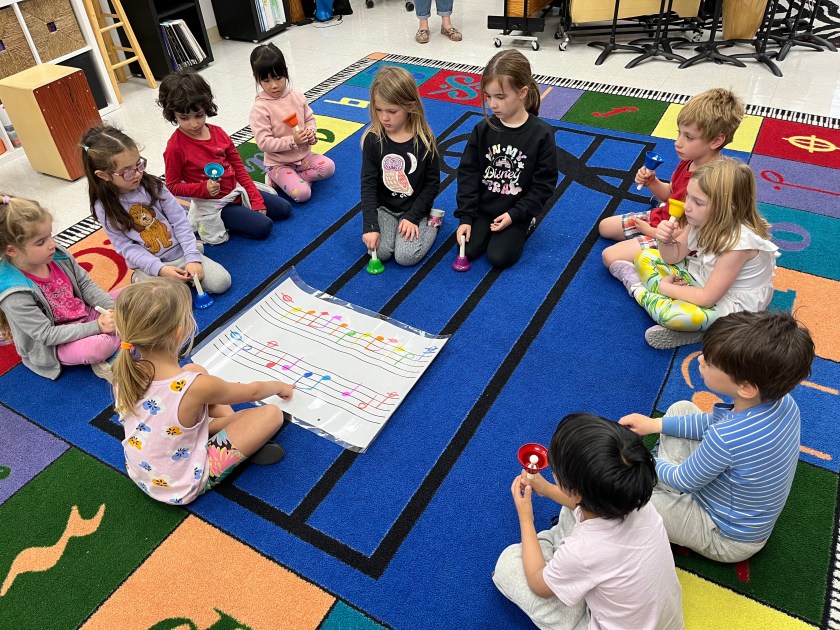
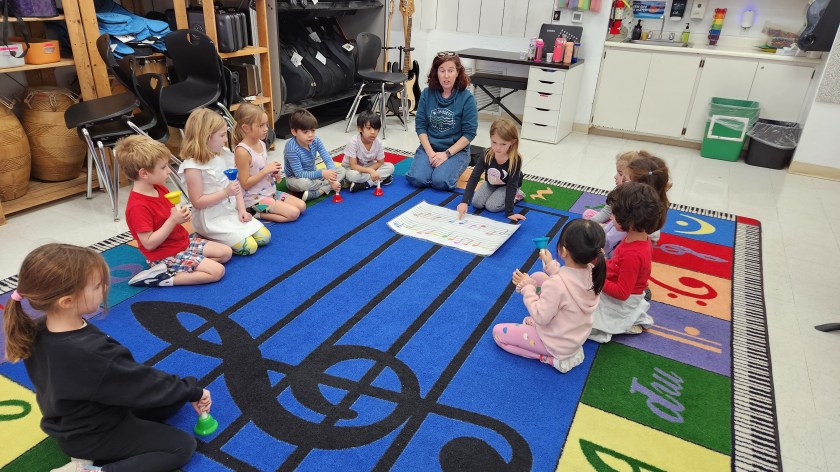
In music class, kindergartners are thrilled to be learning to play handbells! They started the year mostly playing and singing in unison, and now student musicians have the opportunity to understand how they can play different parts within an ensemble. While playing handbells, students must track others’ playing and know when they will play their notes to help complete the phrase or song. The class has talked about the different parts of the bells, how to use them safely, and how to get different sounds when playing these instruments. Student musicians have also had the chance to read music on the treble clef for this unit. They use chart paper-sized sheet music so all musicians can look on together!

The music is color-coded to match the bells, allowing students to practice seeing different pitches on the musical staff while matching the colors to play the correct pitch. This scaffolded practice supports their understanding of both what different notes look like on the staff, as well as what they sound like. Since the musicians need to work together as an ensemble to play songs, conducting is essential. Students have been taking turns as the conductor by pointing to the note on the shared giant music sheet as their classmates follow along.

The kindergarten musicians have already been practicing “Somewhere Over the Rainbow,” “Down By the Bay,” and the theme from Beethoven’s Ninth Symphony. They are eagerly looking forward to what comes next!

#SaklanCollaboration

We Went to Egypt

Written by Guest Blogger & Saklan Science Teacher, Vickie Obenchain

We went to Egypt!! What?! 🇪🇬

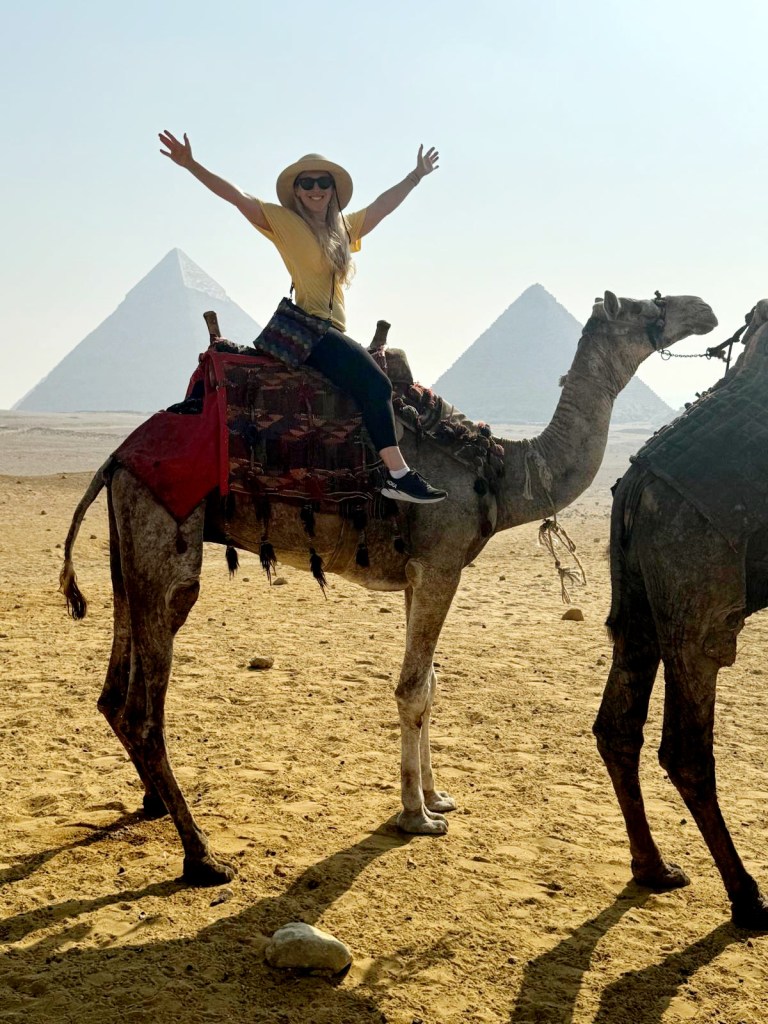
Linda and I got to go on a field experience this summer thanks to the Saklan Summer Fund, Global Exploration for Educators Organization (GEEO), and Columbia University. We aimed to learn and explore Ancient Egyptian history, art, engineering, the Sahara Desert environment, and the Nile ecosystem firsthand. For this science teacher, I was completely blown away each day by the feats of engineering we saw, the connections I found to my curriculum, and how history came alive in a modern era. I’d love to share with you a few examples, knowing this experience will definitely find its way into many more grades and topics. First, the Sahara Desert climate is incredibly harsh, especially in July and August. Temperatures are over 100°F daily, creating hot winds, hot sand, no water, and almost no plant life, except for when your eyes play tricks on you, creating a mirage. Being out in it for more than an hour, as a human, was not comfortable.  
However, the camel’s body is equipped to deal with all my body can not. Camels have two rows of long eyelashes and bushy eyebrows, which help protect their eyes from sand. Yet, if some sand does make its way into their eye, they can dislodge it with a translucent third eyelid (very helpful since they weren’t gifted hands). Camels have slit-like nostrils that can close to keep sand out of their respiratory systems, and when they do come across a dry, thorny desert plant, they have thick, tough lips that help them eat it without hurting themselves. 

The long, shaggy fur on top of a camel’s body works as shade, as the thin fur elsewhere helps them lose heat. They have wide, flat feet with thick soles that help them walk easily across sand and spread their weight so they don’t sink (much like a snowshoe). Their long, tall legs keep their bodies off the hot sand and allow air to circulate under them.

Camels store energy-rich fat in their humps allowing them to survive for months without eating. And they can drink large amounts of water at once, sometimes up to 32 gallons, and they can retain that water in their bodies until their next big gulp.

Experiencing their height,  grace, and adaptations up close was definitely a highlight for your temperate climate loving teachers.  This first hand experience of the camel and experience in the Sahara Desert will tie in wonderfully to my 6th grade desert biome unit and adaptations of those organisms that live there.

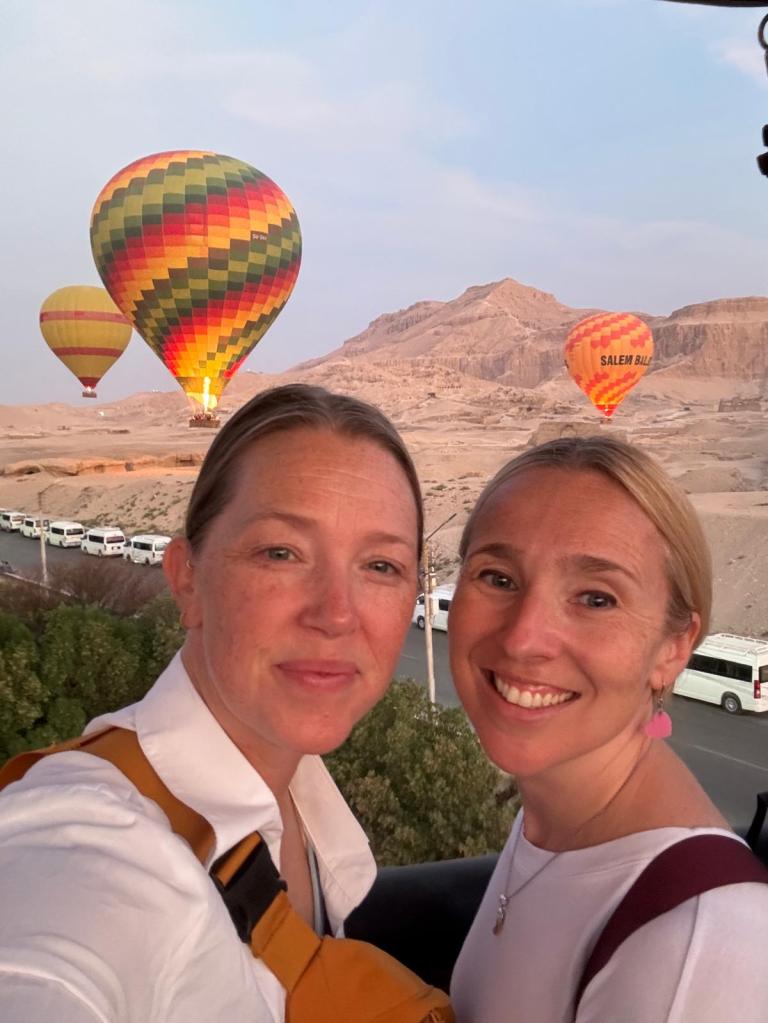
Second, very early one morning,  Linda and I left the group tour and decided to do an extra excursion. We hot air ballooned over the west bank of Luxor. After checking wind speed and direction, to make sure we didn’t end up in the Nile (or at the airport), the hot air balloons blasted heated air into the colorful balloons all around us. Once ours was upright, we quickly jumped into the basket and took off. We floated over the many temples, tombs, farms, and the Sahara Desert in this beautiful area. Just WOW!

In my physical science course, the 8th graders create hot air balloons to help test the force of buoyancy and see both Archimedes Principle and Charles Law (aka: thermal expansion) to better understand fluid laws in their Chemistry class. Using paper, glue and tape, they engineer their own balloons that they think will create the largest lift when filled with heated air.  We were a bit nervous to take part in this, but it was so awesome to see science at work to give us such an amazing experience in such a beautiful space.

If interested in seeing more of what we saw, learned, and wanted to share, checkout the Instagram account: missopetsapenguin.

#SaklanProfessionalDevelopment

Pan con Tomate

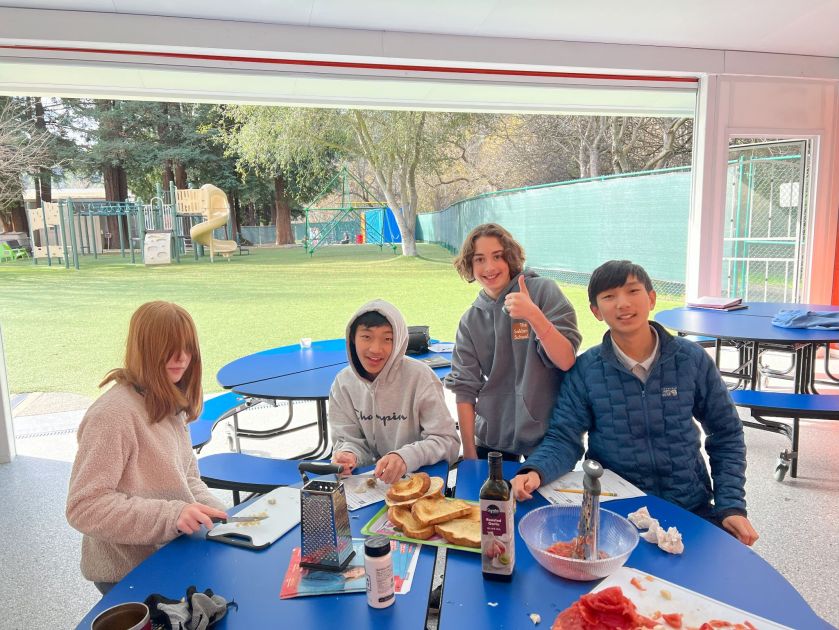
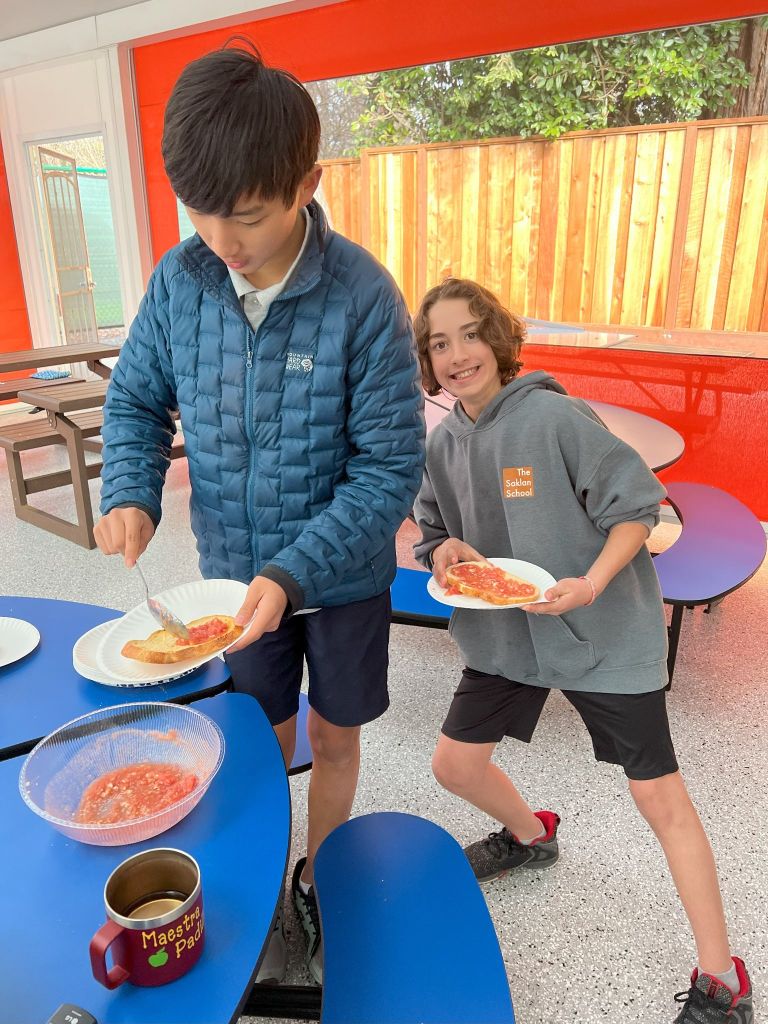
In Spanish class, students often combine aspects of the Spanish curriculum with other subjects to show how learning a language goes beyond the classroom. Take Spanish and food, for example. Students’ knowledge evolves when they are exposed to different Spanish-speaking countries in the classroom, but that doesn’t compare to tasting what it would be like to be in Spain. Sometimes, the best way to learn is through different experiences, and students love food! In the Middle School Blue Block Spanish class, students prepared pan con tomate, a typical appetizer of Cataluña, a community in Spain. It is a relatively simple recipe with few ingredients required, but the payout is outstanding; the students learn vocabulary while eating and sharing the food they prepare themselves! 

30 Minutes to Launch

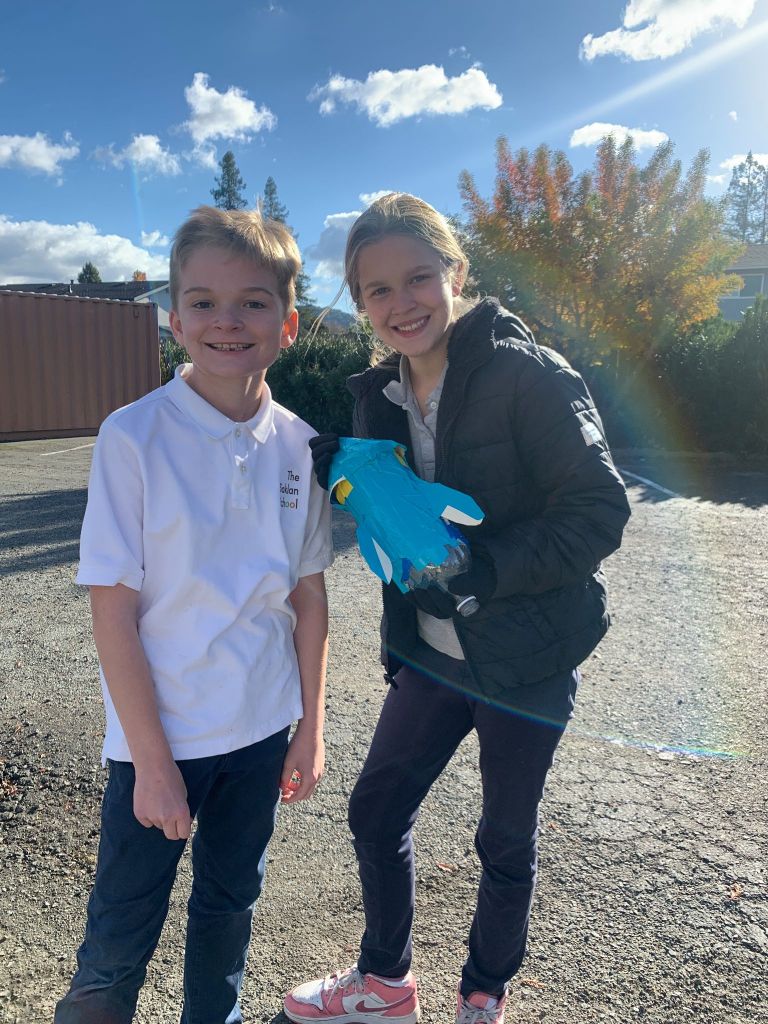
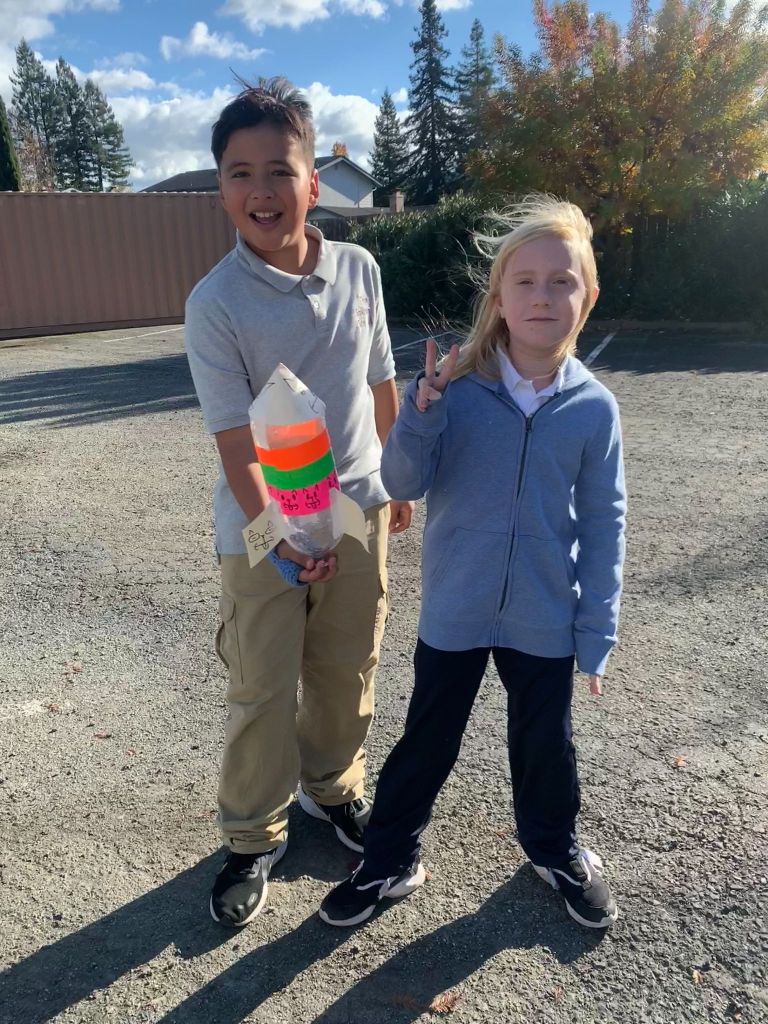
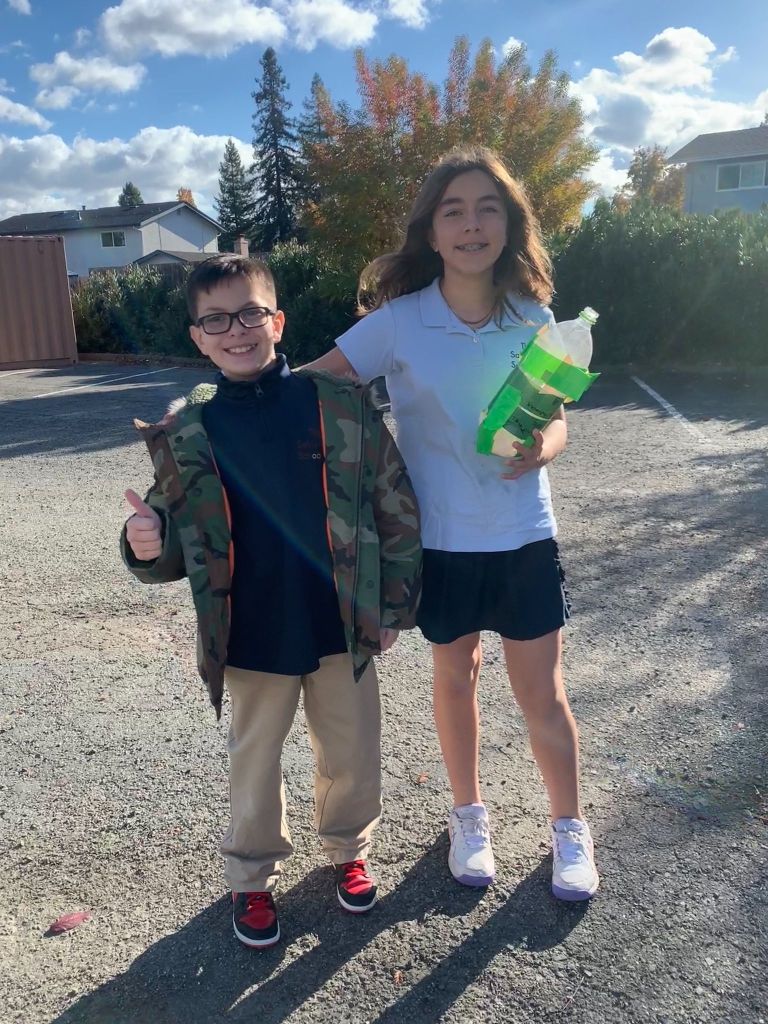
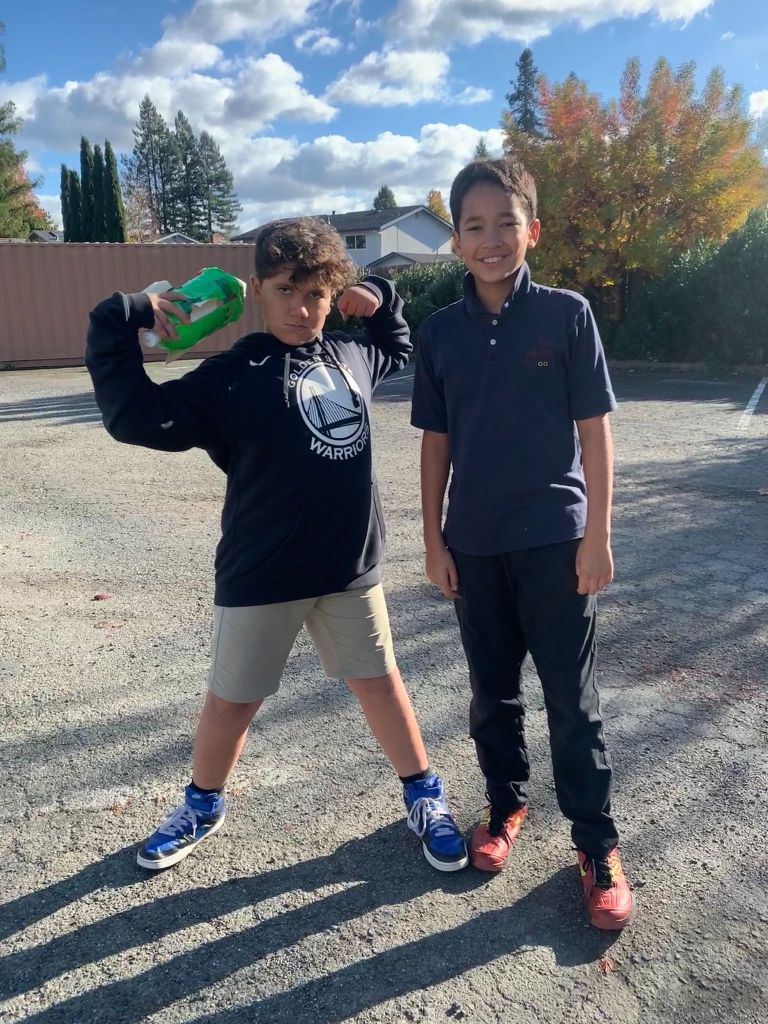
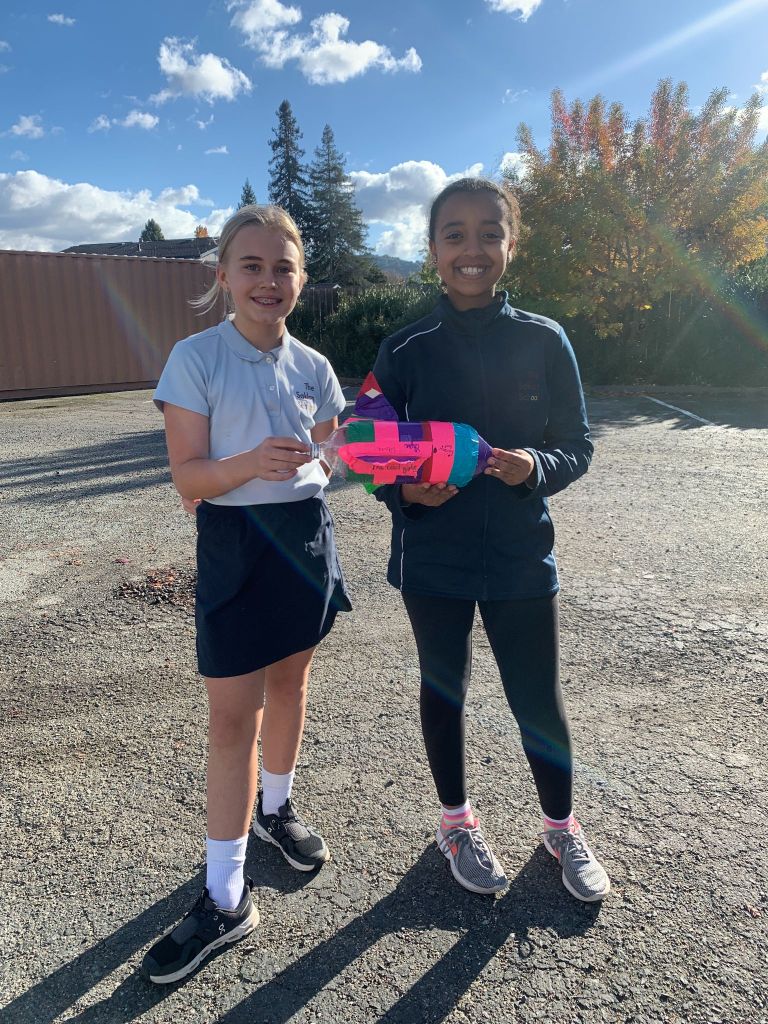
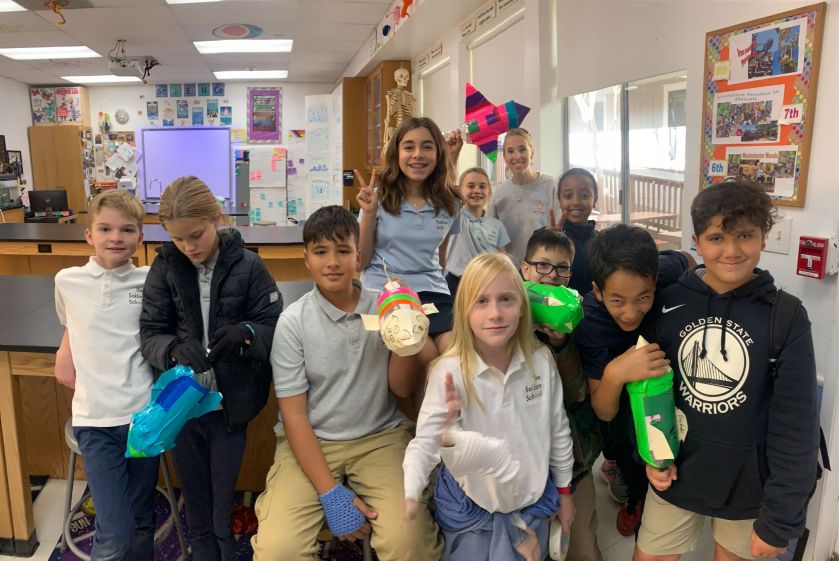
The fifth grade students recently wrapped up their hands-on space unit, taught by Ms. O, with a STEAM (science, technology, engineering, art, and math) challenge to design and build a rocket. When students work in teams, they learn and practice desirable “soft skills” such as active listening, clear communication, cooperation, and flexibility, whilst also learning the “hard-skill” academics – both are valuable for life, hence rockets were designed and built in partner-teams.  Each team had access to a soda bottle, lightweight card, tape in many colors, markers, and scissors.  They also had two constraints: time and weight, and had to make decisions around those factors, while building a launchable rocket in under 30 minutes.

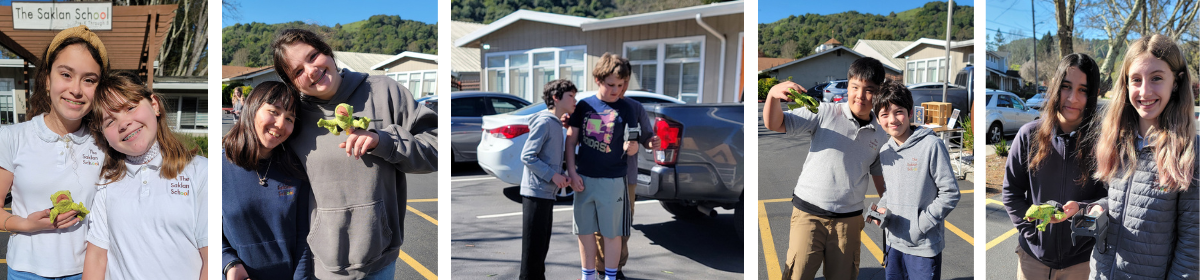
Check out the teams, rockets, and smiles following successful launches here at the Saklan Space Station in the images below!

#SaklanHandsOn

The Studio Habits of Mind

As the K-8 art teacher, there’s a lot of variation in my day. One class period I’m singing a song about how to make green, another I’m teaching 3-point perspective drawing. One thing that stays consistent throughout the day, however, is my philosophy that an artist is largely made in how they make their art, not just in the quality of what they are making. To support this mindset in my classroom, I use something called “The Studio Habits of Mind.”

The Studio Habits of Mind is a research-based framework that helps students navigate the many steps and routines of the creative process. The Studio Habits were developed through Harvard’s Project Zero in the early 2000’s. Lois Hetland and a team of researchers studied the habits of practicing artists and high school art students and identified eight Studio Habits which include: Develop Craft, Engage & Persist, Envision, Express, Observe, Reflect, Stretch & Explore and Understand the Art World. They found that these habits help artists improve their art skills, problem solve, and provide concrete language for the thinking process that happens during art making. 

Something I love about the Studio Habits is how universal they are across grade levels and subjects. Kindergarten is currently learning to Understand the Art World by studying how artists show feelings in their artwork without using words. Middle schoolers are also deepening their understanding of the art world through looking at how Surrealist artists used linear perspective to create mysterious and sometimes impossible spaces. Students can develop their craft of singing in music class, engage and persist on a challenging problem in math class, or stretch and explore different ways to throw and catch a ball in PE. Studio Habits create a universal language of learning that can be used by anyone in any environment. 

Most importantly, the more that I weave the Studio Habits into my teaching, the more I have seen a shift in how students define success. Maybe they’re still working on their craft mixing the perfect shade of green, or drawing a tree-house in 2-point perspective, but they can leave the classroom feeling proud that they stretched themselves to try something new, and engaged and persisted, even when things were hard. 

Arepas

Each country in the Spanish-speaking world has a distinct comfort food. Colombians consider arepas their bread, which is part of their daily life and an essential part of their culture. The sixth graders had previously watched the movie Encanto and loved it! When Maestra Ivonne saw the movie, the meaningful scene where Mirabel is healed by eating one of her mother’s homemade arepas stood out to her. Therefore, she was inspired to share with the students a glimpse of Colombian culture, which is another Spanish-speaking country.  

The sixth graders made their own cheese arepas following the directions Maestra Ivonne gave them in Spanish. They combined cornmeal with warm water and used their hands to make dough (masa). They divided the masa into 3 or 4 patties using both hands to ensure the disks were uniform. Then, students cooked the arepas for 5 to 6 minutes on each side or until nice and brown. Finally, they removed the arepas from the heat to add guacamole, which the sixth graders had made fresh that day in class.

The sixth graders enjoyed their arepas and are fantastic chefs!

A Big Bang

The fifth graders have been visiting the science lab to learn about our solar system. The lessons kicked off with a bang, quite literally. Students were introduced to the theory that the solar system began with a big bang, and because understanding abstract concepts is made easier with hands-on models, Ms. O stood on the center desk and popped a balloon filled with confetti.  Students counted up confetti pieces that spread in various grid areas around the room after her “big bang,” seeing that those closest would have been pulled towards each other by the gravitational forces all objects have.  

In the next lesson, students created scaled planets and a sun. They then carried them across the street to the church parking lot, to help understand the relative distance between the sun and its closest planet.  After placing the sun at the far end of the parking lot, students counted off 38 meters, using meter sticks, from the sun to hold up Mercury, which was one confetti dot in size compared to the 140cm diameter sun! That the sun is a small star is quite mind boggling when its relative size is created in this hands-on way.

#SaklanHandsOn

 Día de los Muertos

In October, the Kindergarten – 3rd grade students celebrated Día de los Muertos and California’s cultural roots with a field experience to watch the professional performance group Cascada de Flores. The bilingual and participatory performance included lively songs, stories, musical instruments, and dance. Students learned about the difference between Halloween and Day of the Dead, and then explored Day of the Dead traditions, such as building an altar, to honor lost love ones.

Student highlights of the trip included the opportunity to participate in the performance by dancing on stage and carrying flowers to the altar, as well as riding in a yellow school bus!

#SaklanFieldExperience