
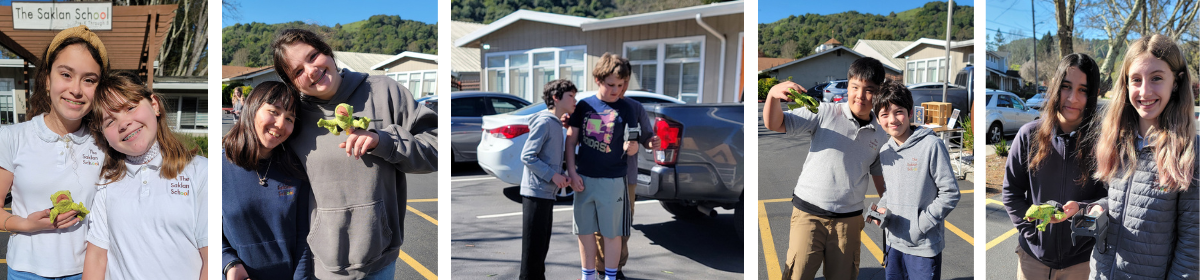
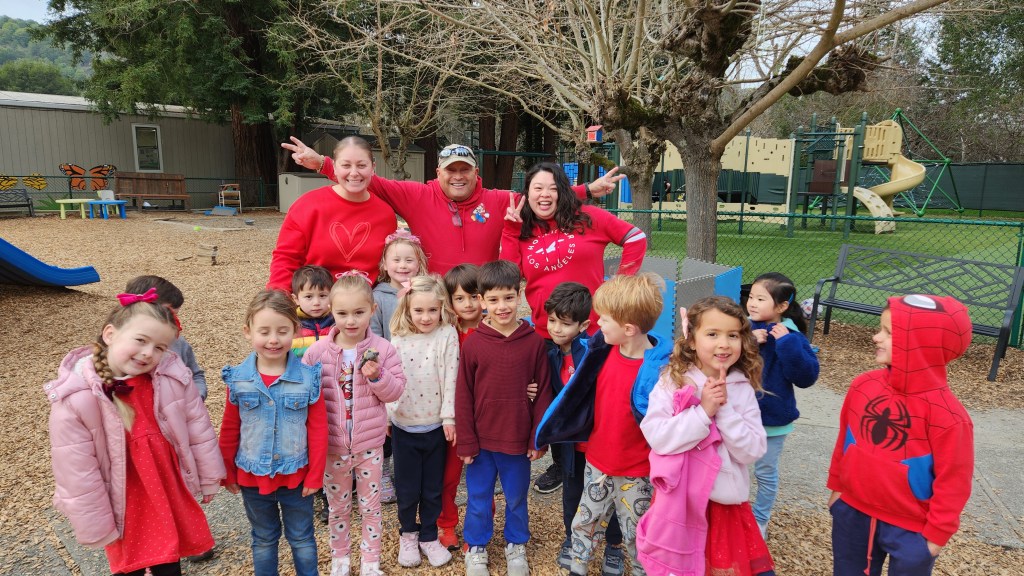
Saklan students celebrated Lunar New Year with some special activities on Wednesday. Lunar New Year, which celebrates the start of the lunisolar Chinese calendar, is celebrated in China, Vietnam, Korea, Malaysia, and Singapore, among other countries.
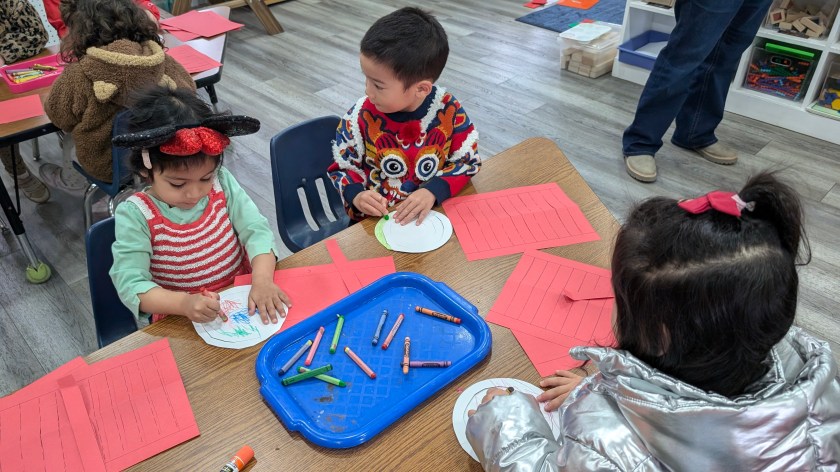
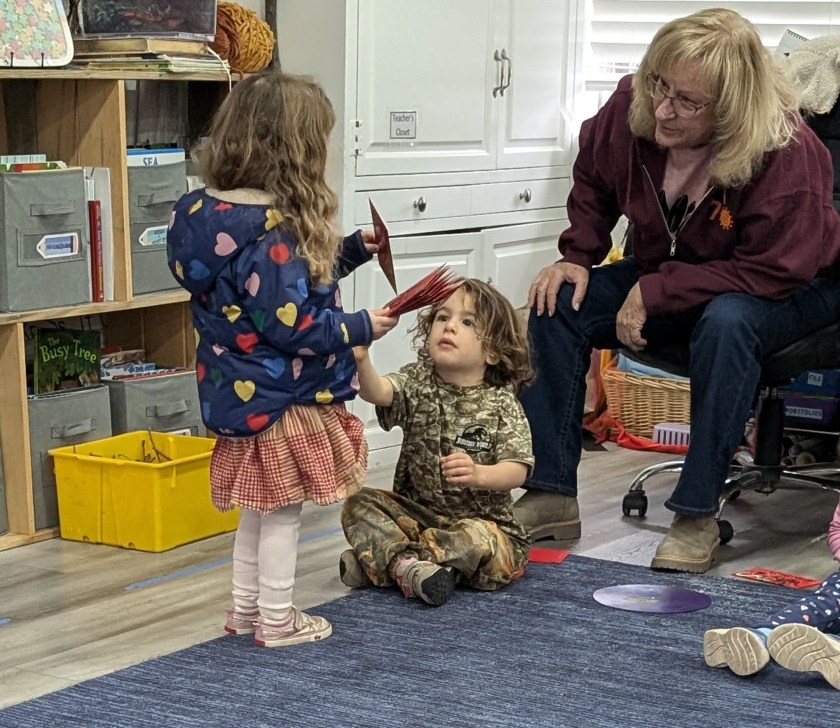
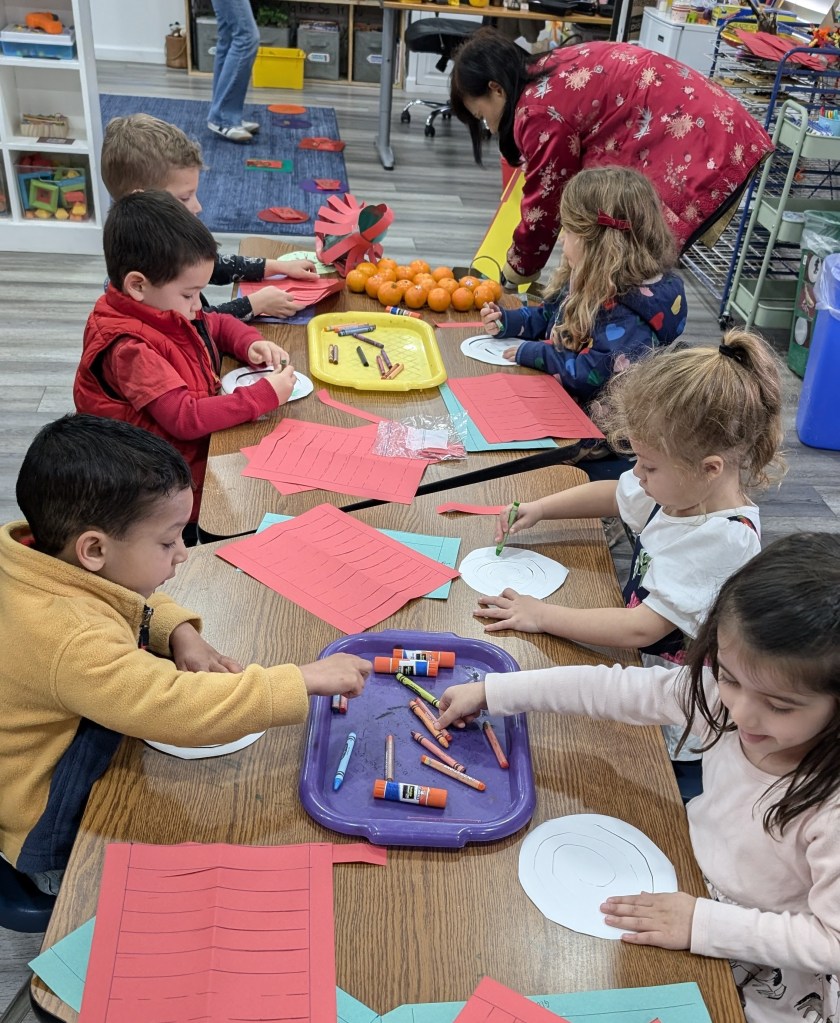
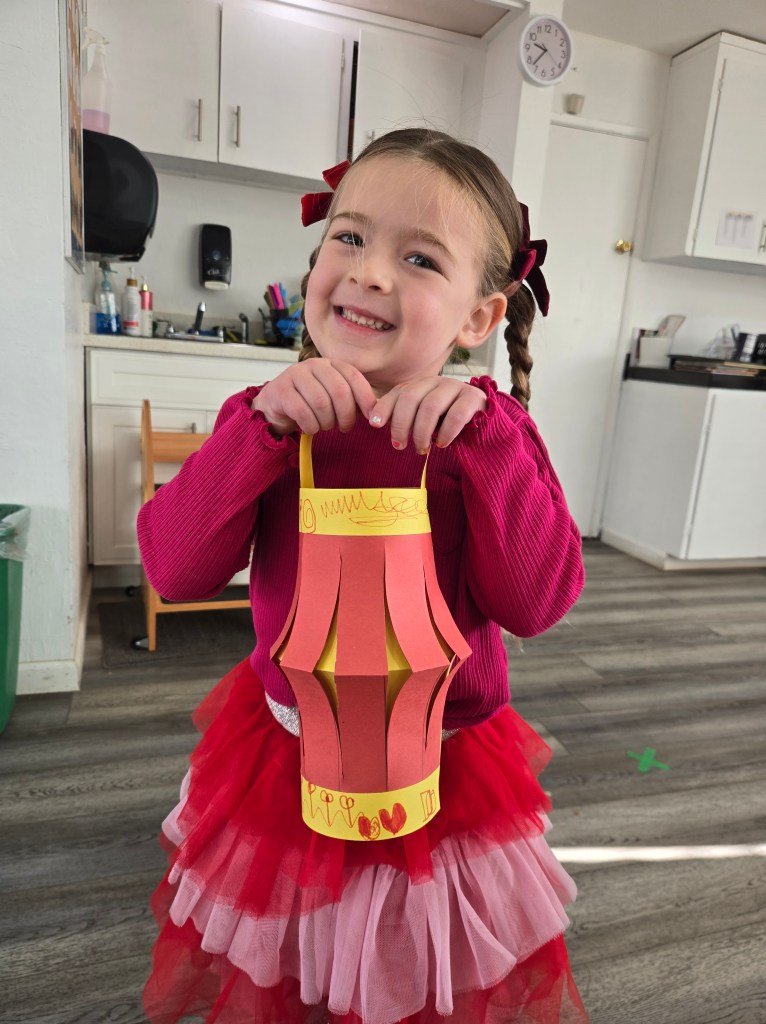
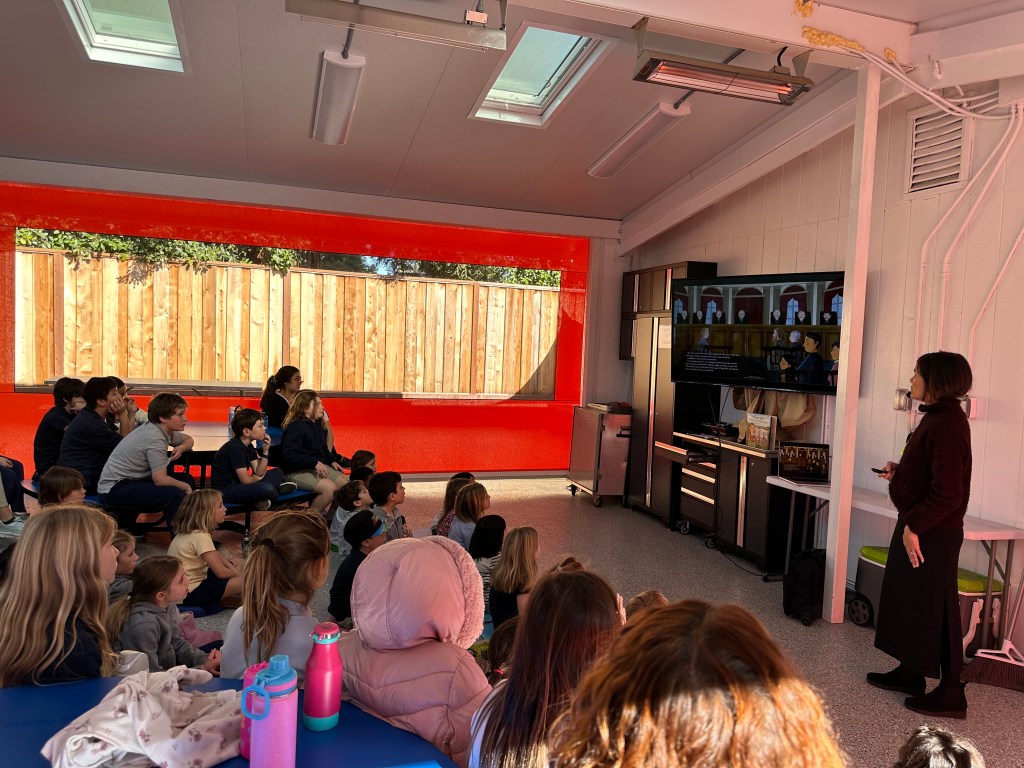
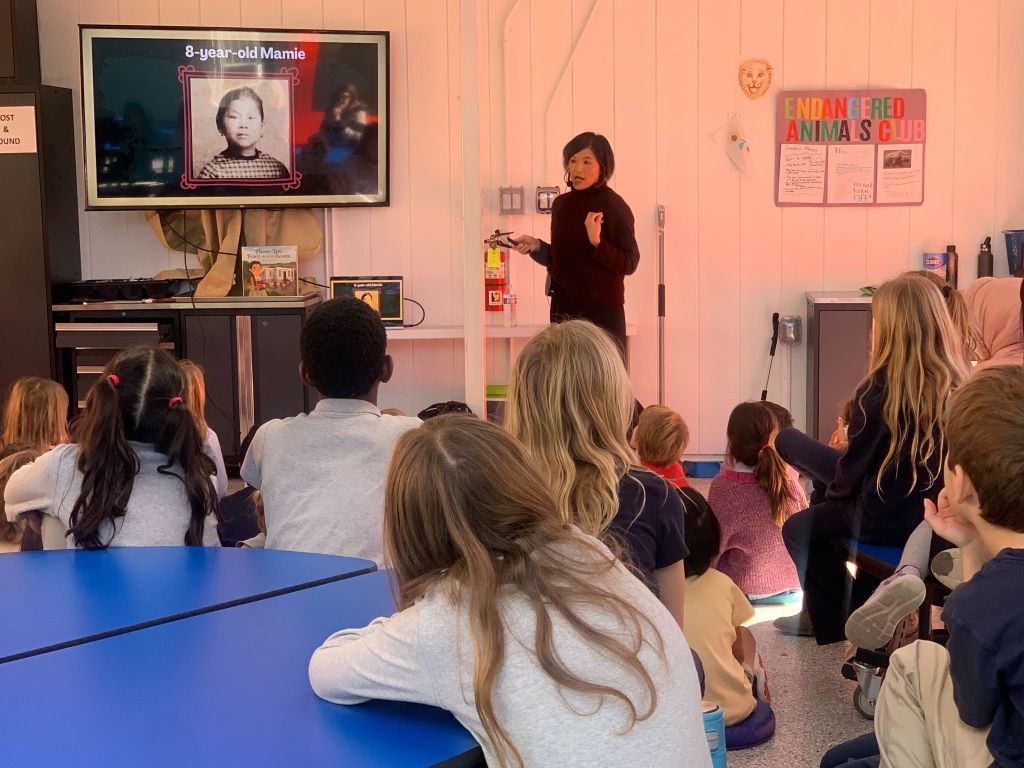
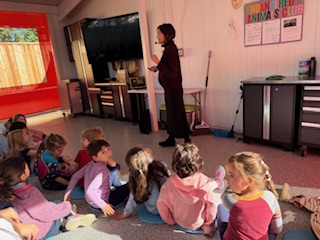
Preschool students welcomed two guest experts to share about Lunar New Year. Samantha, an Owlet parent, read a book to the class and shared red envelopes with them. Sharon, an Owlet grandparent, shared Lunar New Year traditions that take place in China, told the story of The Great Race, and shared tangerines with the students. The Owlets also enjoyed making snake paper lanterns, Lunar New Year yoga, and listening to traditional Chinese music.
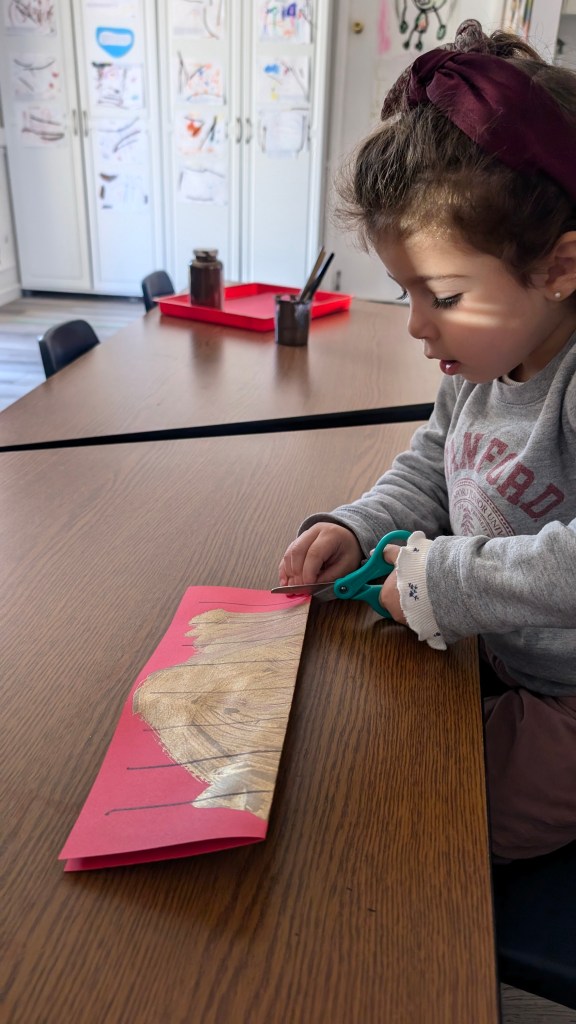
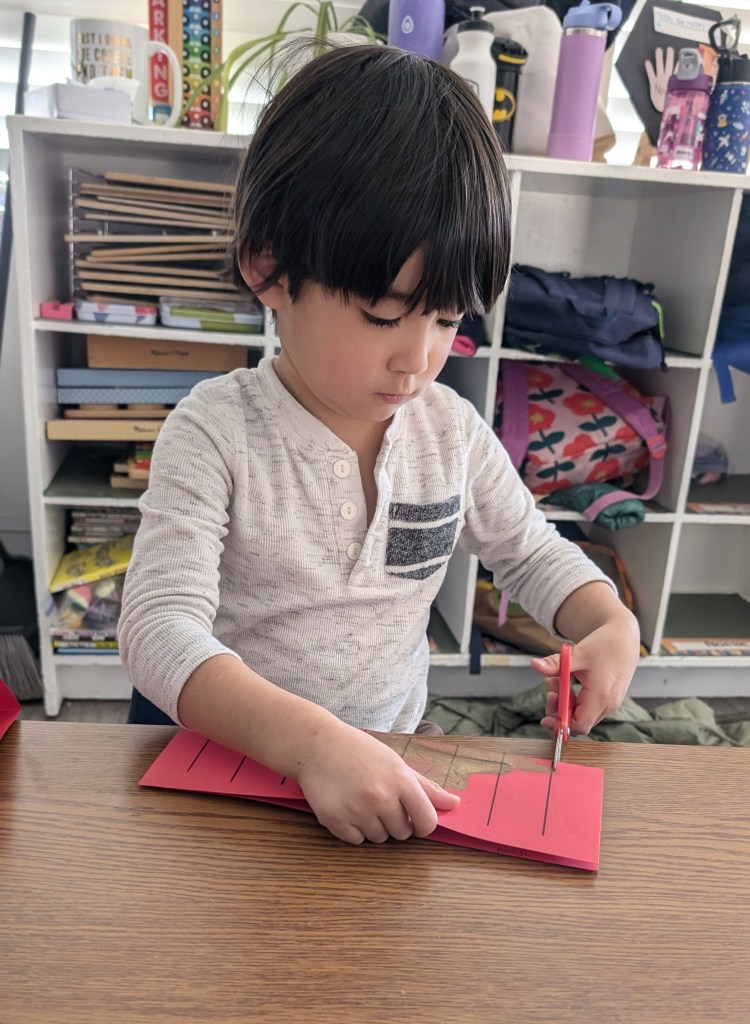
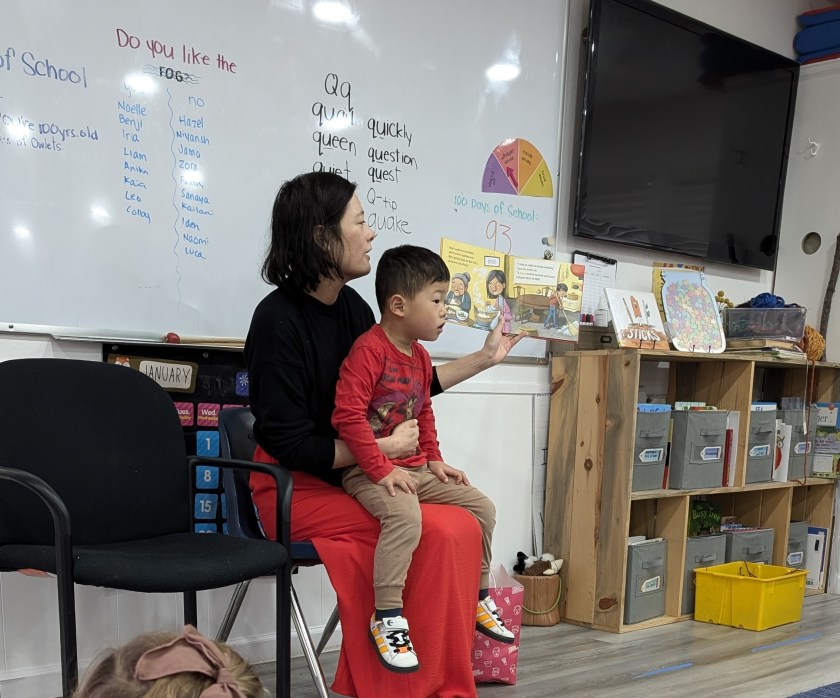
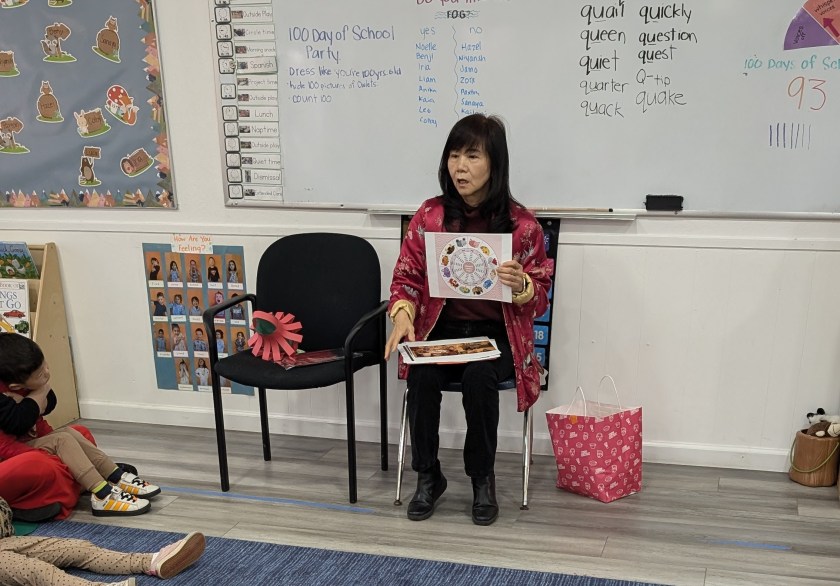
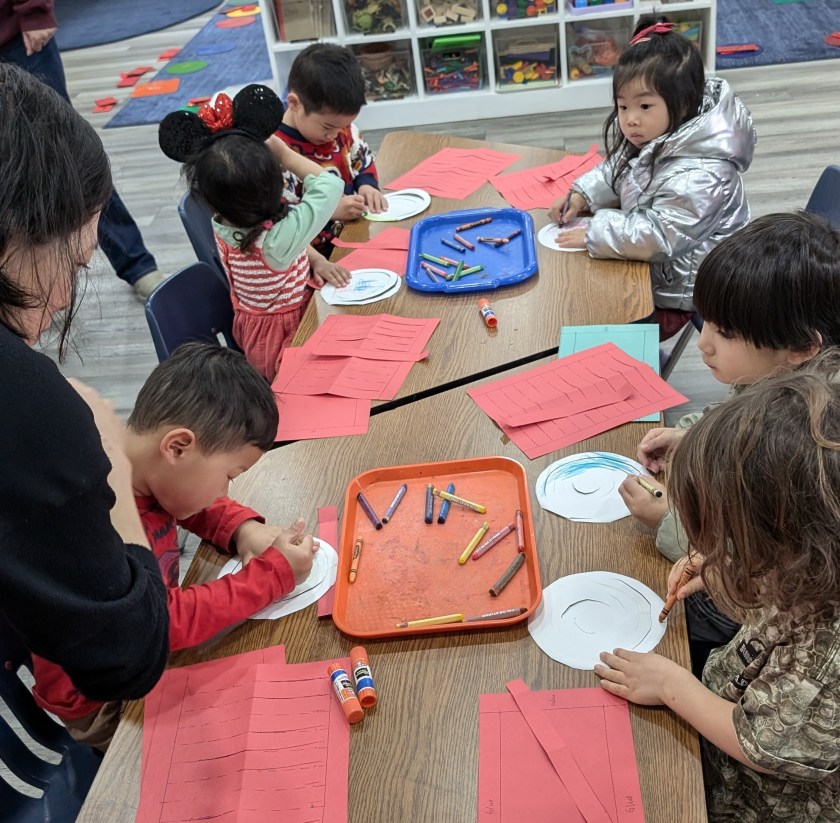
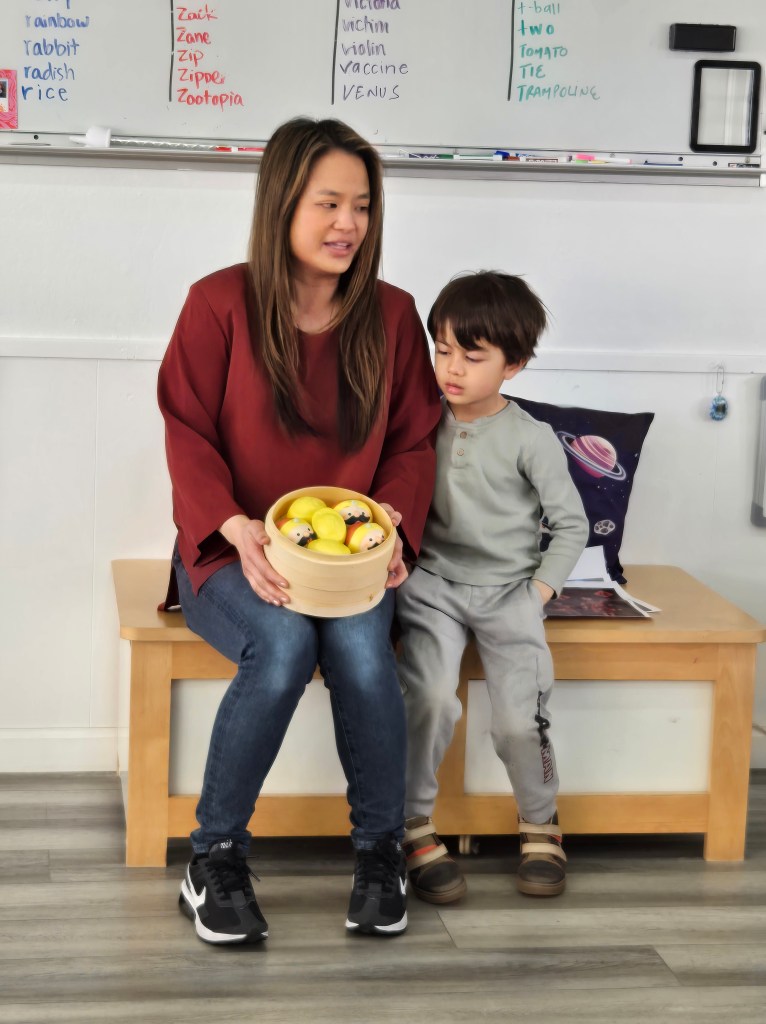
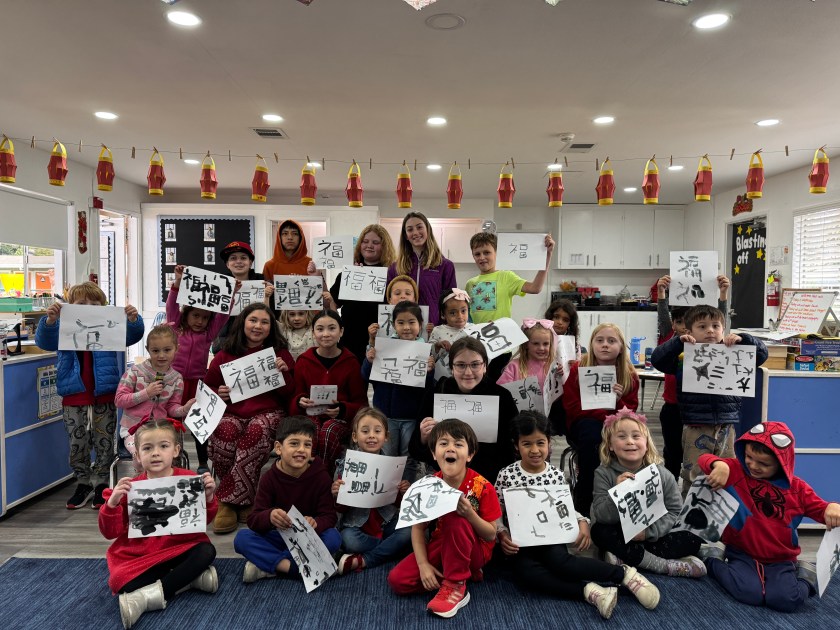
Pre-K students celebrated by welcoming Heidi, a Hoot Owl mom, into their class. Heidi shared that Lunar New Year is based on the Moon instead of the sun and talked about the Chinese word for fortune, 福, and its importance. Heidi shared pictures of her children wearing special Lunar New Year outfits and then treated the class to some bao filled with custard.
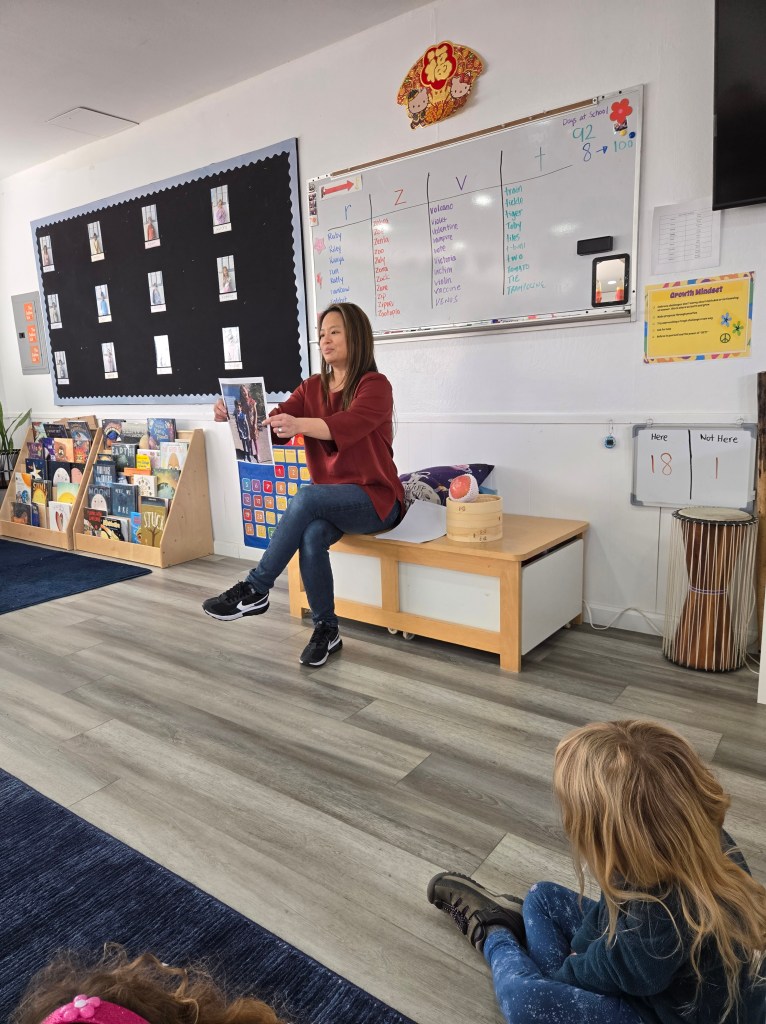
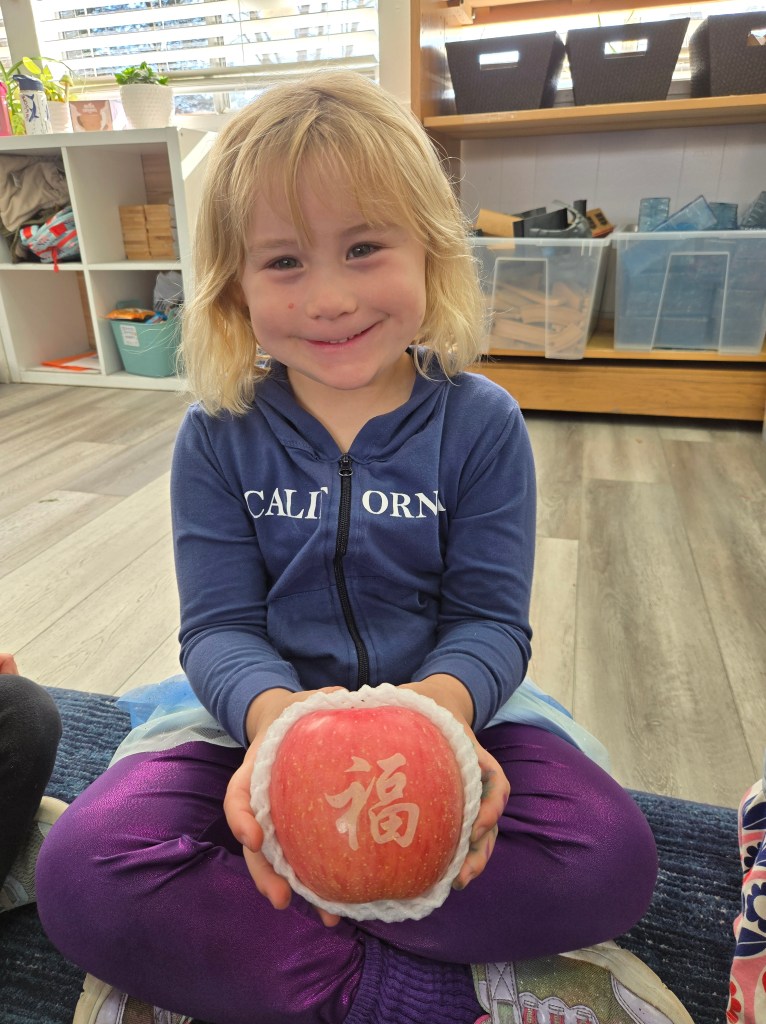
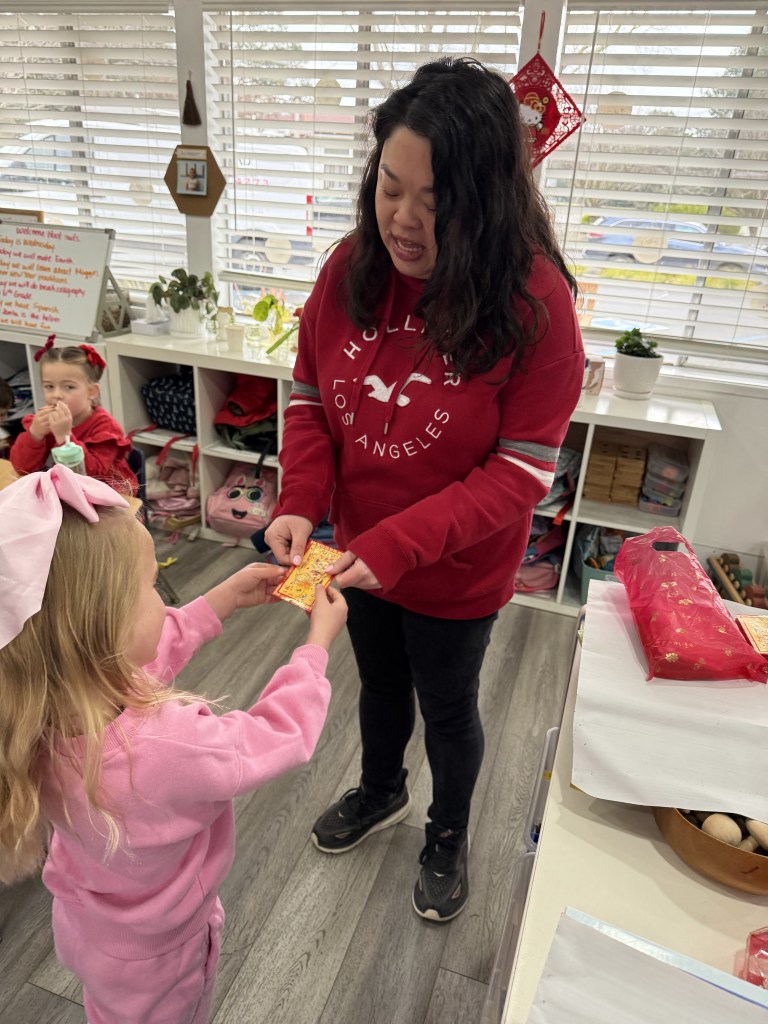
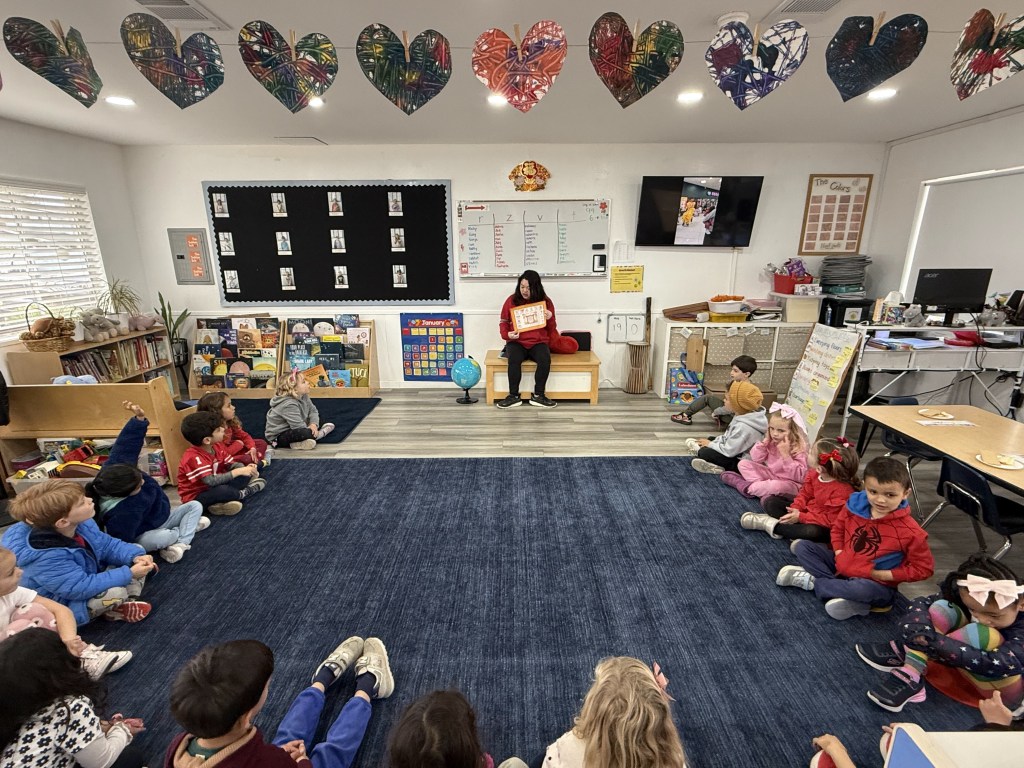
Maggie also taught the Hoot Owls about her family’s Lunar New Year traditions, including cleaning their homes and putting up Chinese sayings with good wishes for the new year. The Pre-K students enjoyed watching a video of a lion dance, as well as talking about and receiving red envelopes.
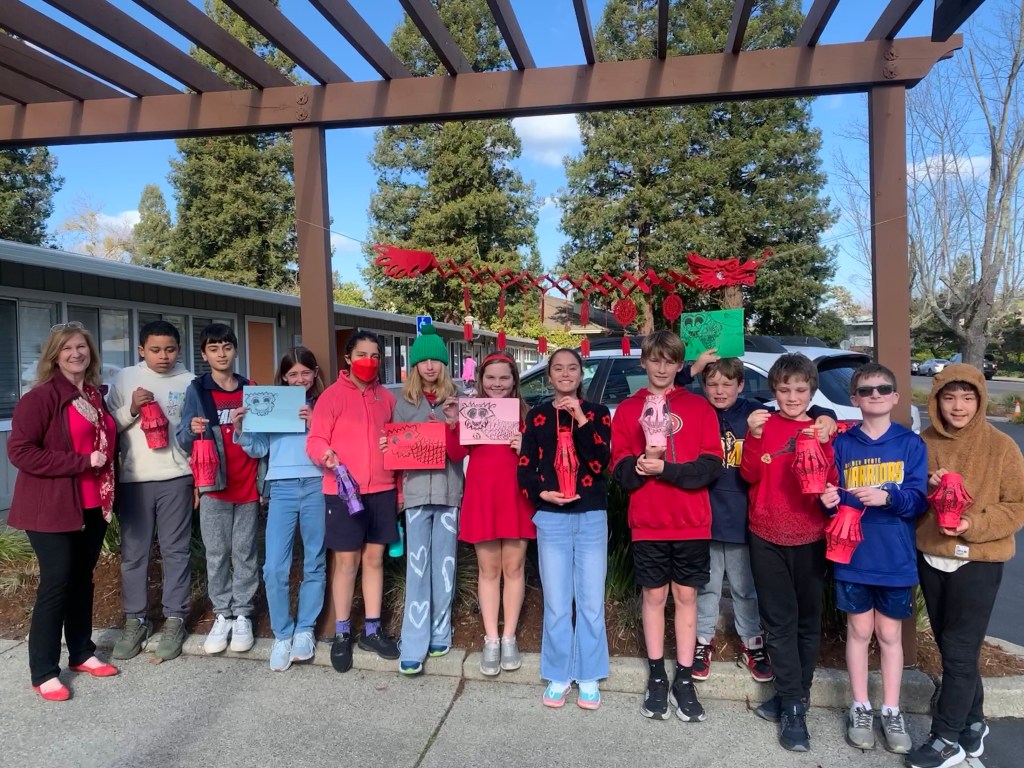
To help with the campus celebrations, the 5th graders put together a dragon which Peta hung on the pergola to welcome students to campus on Wednesday. The fifth graders also made lanterns and dragon drawings.
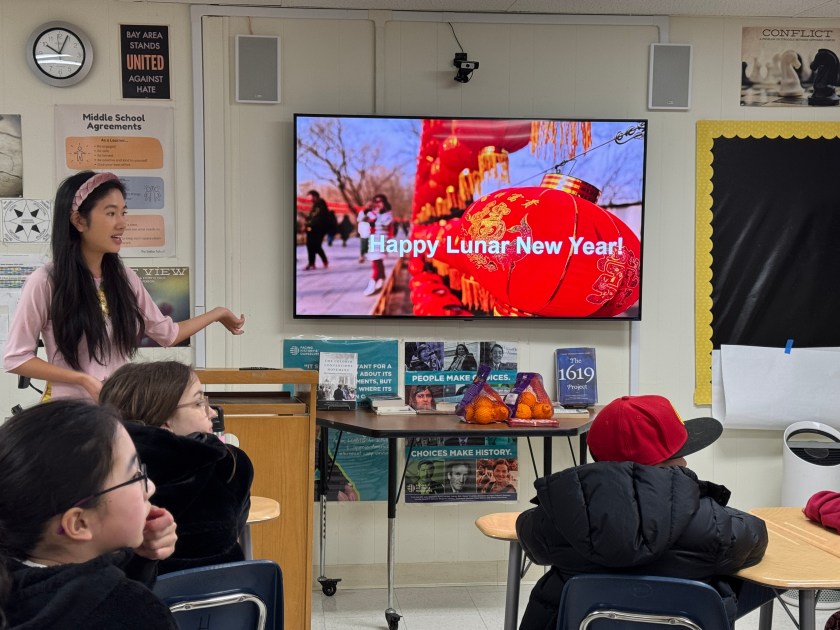
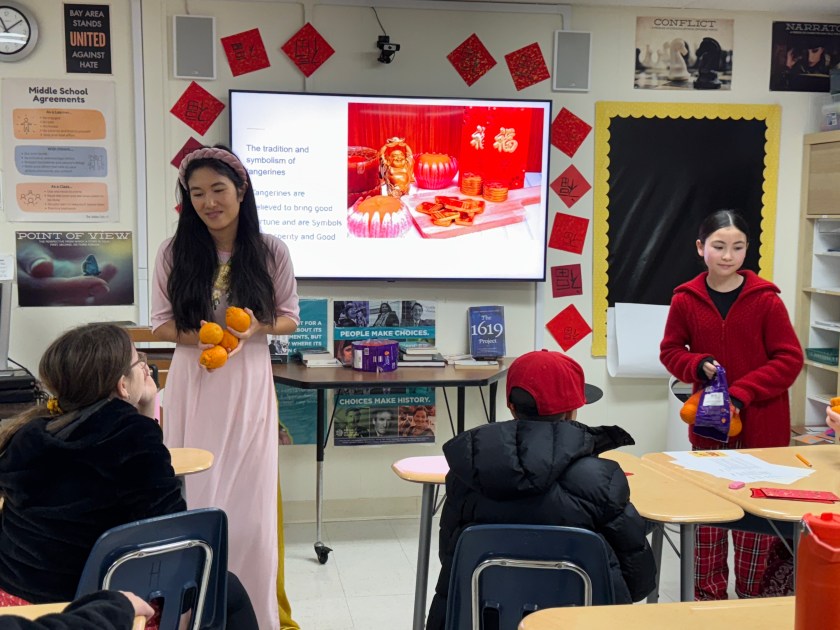
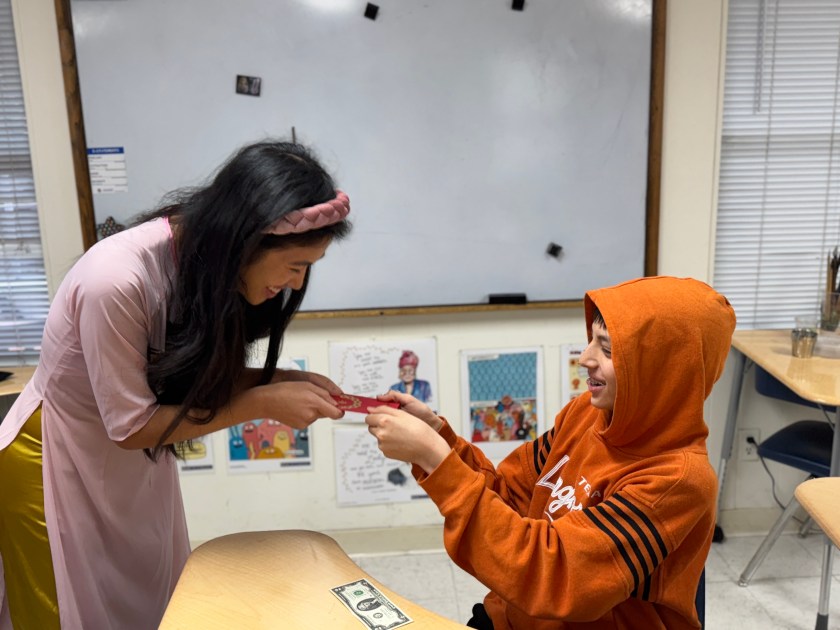
In humanities class, Christina shared some of her family traditions with the 6th graders, including the tradition of eating tangerines, which are believed to bring good fortune, and of giving red envelopes with money in them as a symbol of good luck. She also shared the proper etiquette for giving and receiving the red envelopes to show respect. The 6th graders also talked about the importance of the Chinese word for fortune and then learned how to write it.
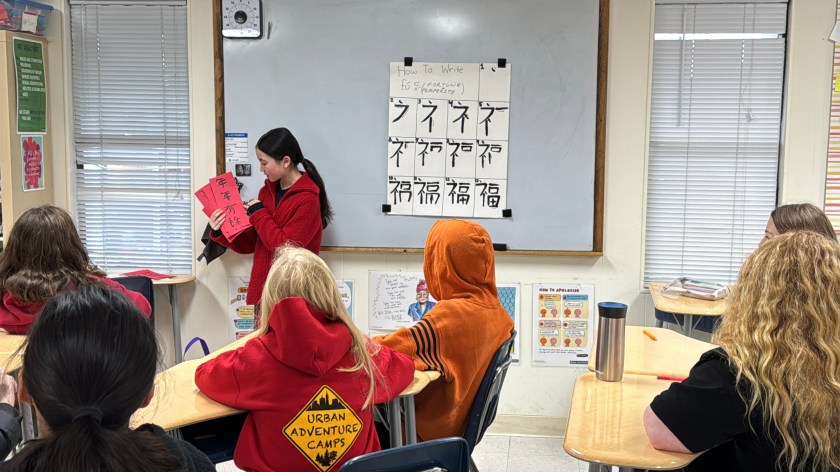
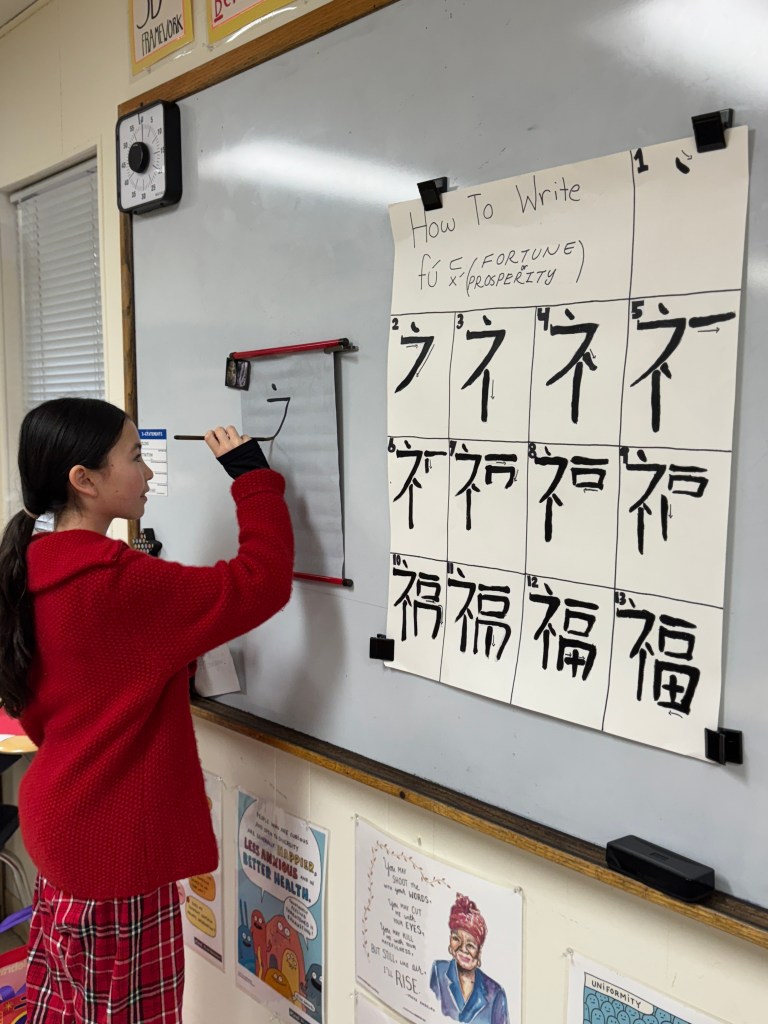
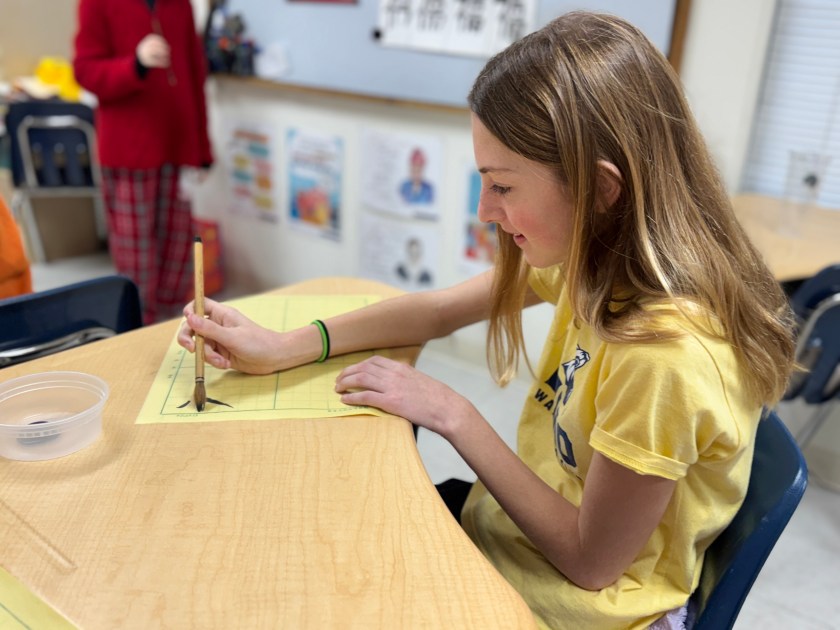
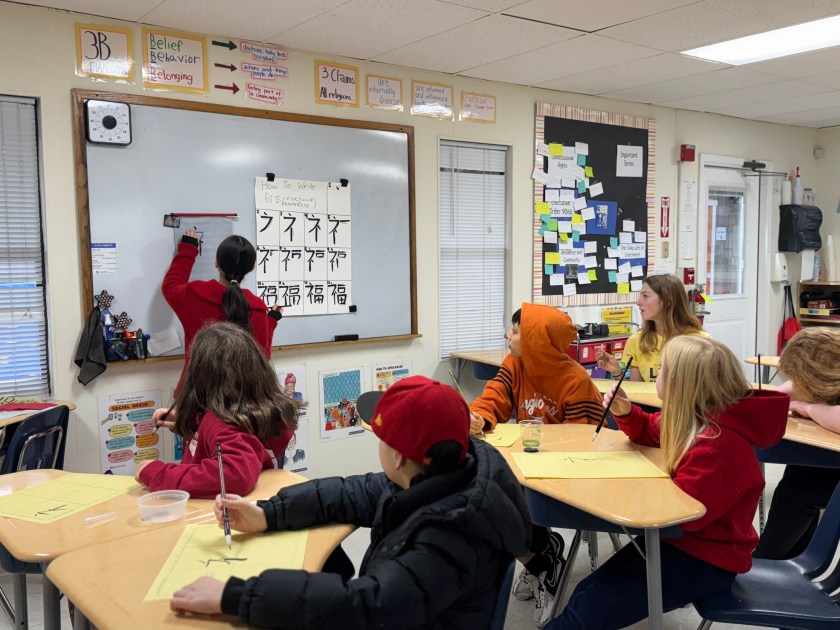
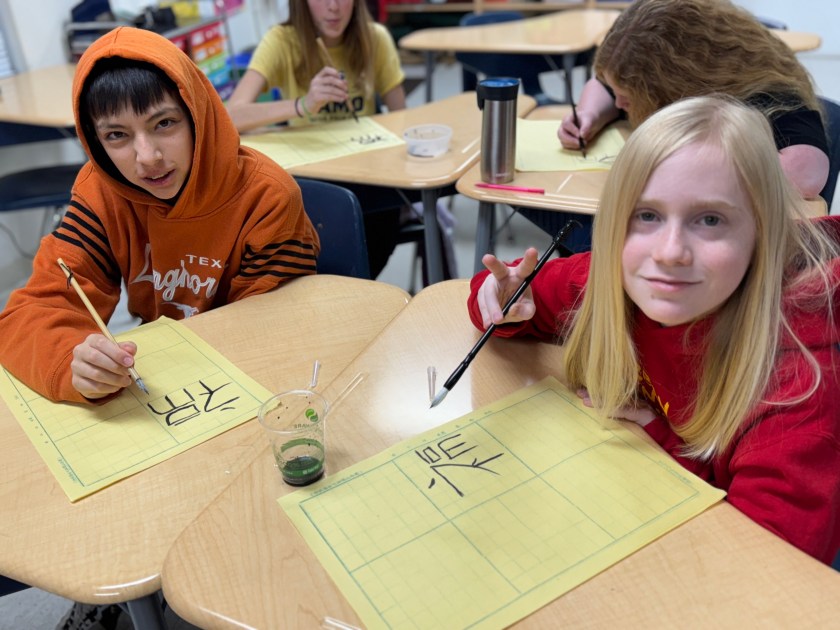
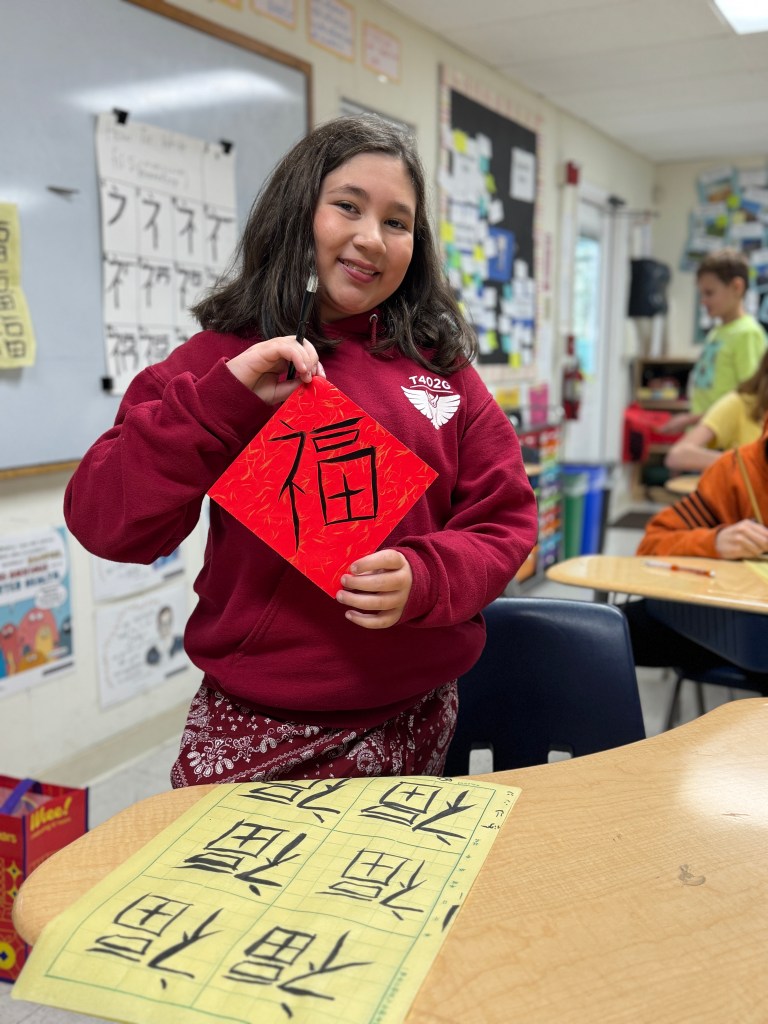
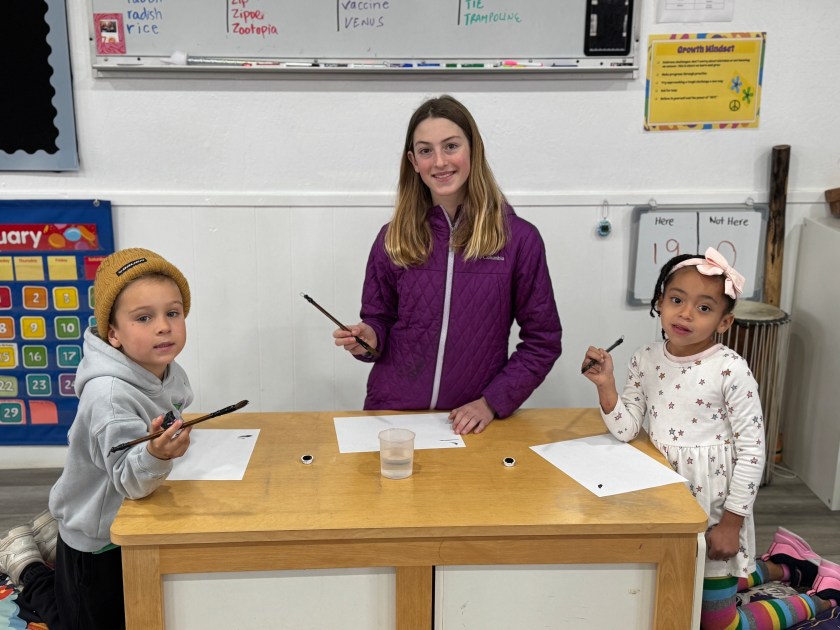
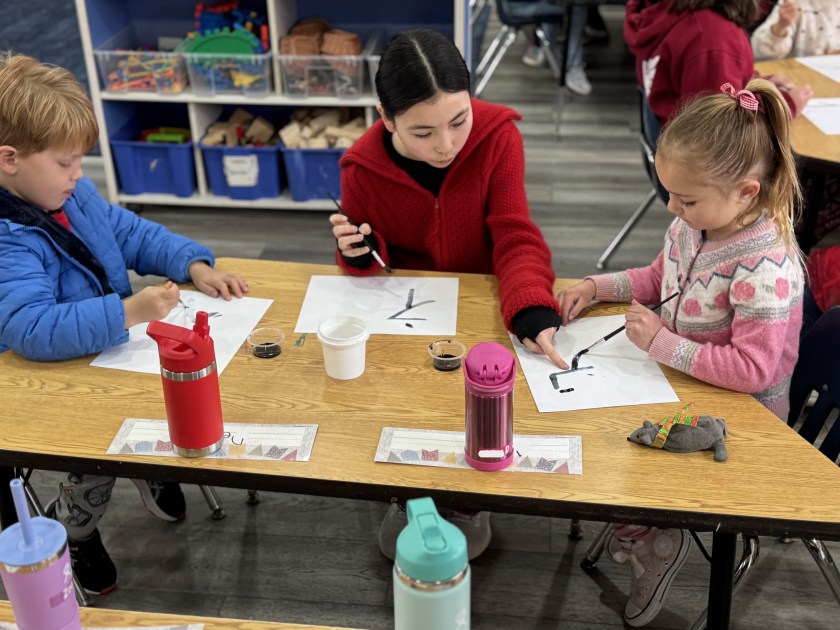
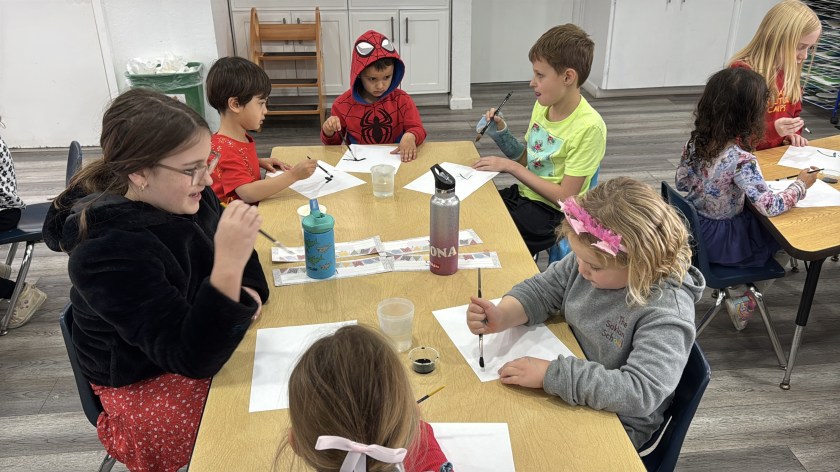
The 6th graders then took their newly acquired skills over to the Hoot Owl classroom, where they taught the Hoot Owls how to write the word for fortune with brushes and ink.
May the Year of the Snake be prosperous for all!
#SaklanCommunity







 FRIDAY BLOG
You must be logged in to post a comment.