Similar Figures and Scale Factors

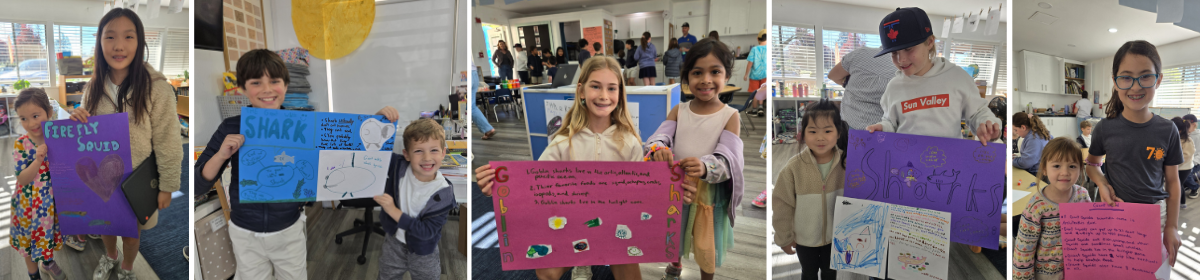
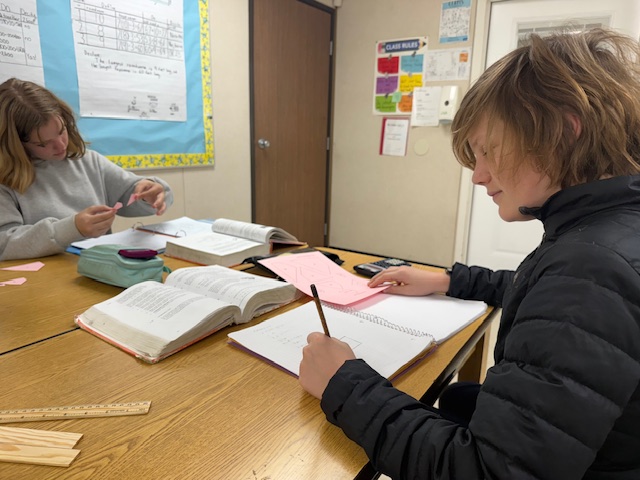
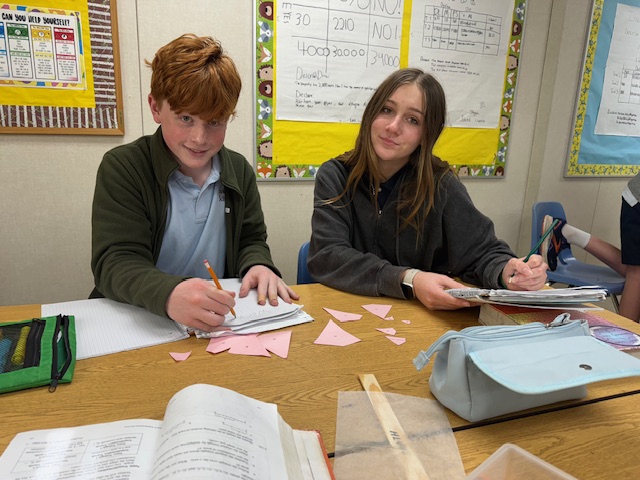
In pre-algebra, seventh-grade students recently learned about similar figures and scale factors. After noticing that when they dilated shapes on a coordinate plane, the angles and shapes were always the same (as long as they multiplied the x and y by the same number), the students began to compare shapes in several different ways. They cut out paper shapes, used tracing paper to compare, and investigated the relationship between corresponding sides.

The seventh-graders found that the ratio of the corresponding sides of two similar shapes could be used as a multiplier to find other unknown parts of the similar shapes. These scale factors were very useful and will continue to be used as they move on to studying area ratios.

#SaklanHandsOn

Tremendous Support

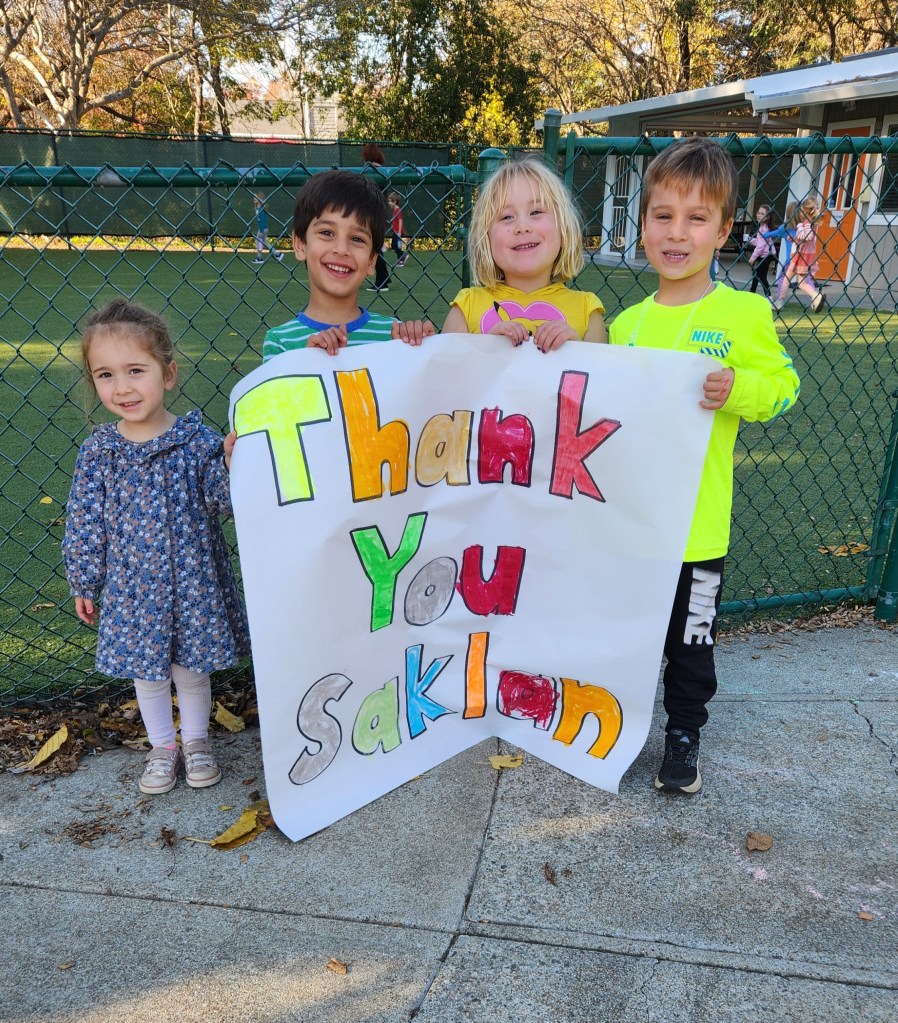
Thank you, Saklan, for your tremendous support of this year’s Annual Giving Fund (AGF) campaign.

Our goals for this year’s campaign are to raise $200,000 and have 100% participation from the Saklan community. To date, we have raised over $187,000 with participation from 89% of our community (a record for this time of the year at Saklan). The chart below shows you where each class is towards reaching the 100% participation goal.

The outpouring of support from the Saklan community this year is humbling and will make a powerful impact on our ability to continue challenging students to think creatively, act compassionately, and live courageously.

If you haven’t had the chance to donate to our AGF campaign, it’s not too late! You can make an AGF gift via the following methods:

  • DONATE ONLINE through our secure site; or
  • Write your check made out to The Saklan School with “Annual Giving Fund” written on the Memo line and deliver it to our office.

If you would like to discuss your gift further, please contact Emily at ewilliamson@saklan.org.

On behalf of all of us at The Saklan School, thank you very much for your support.

#SaklanCompassionate #SaklanAGF

Inner Courage

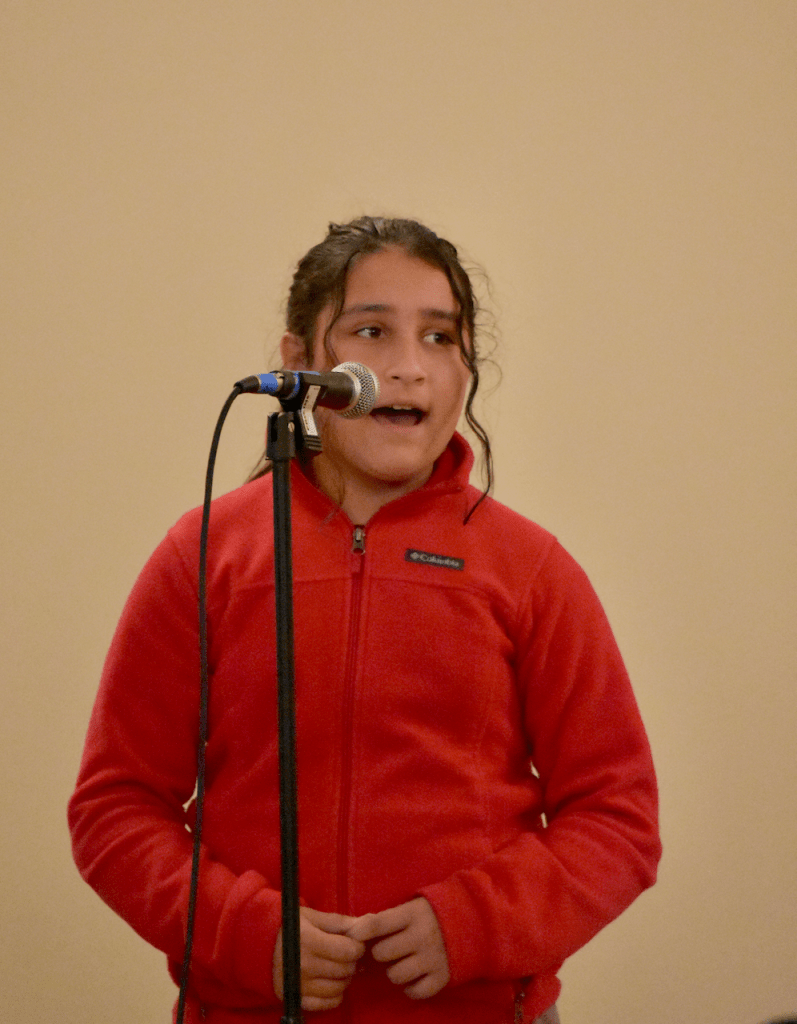
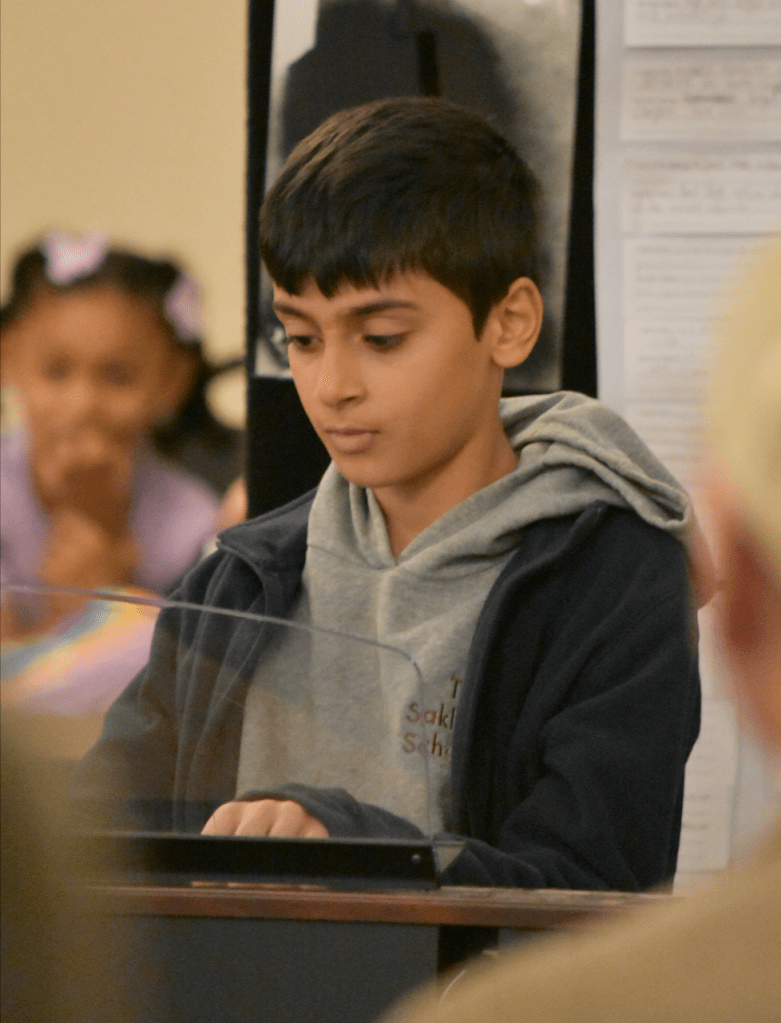
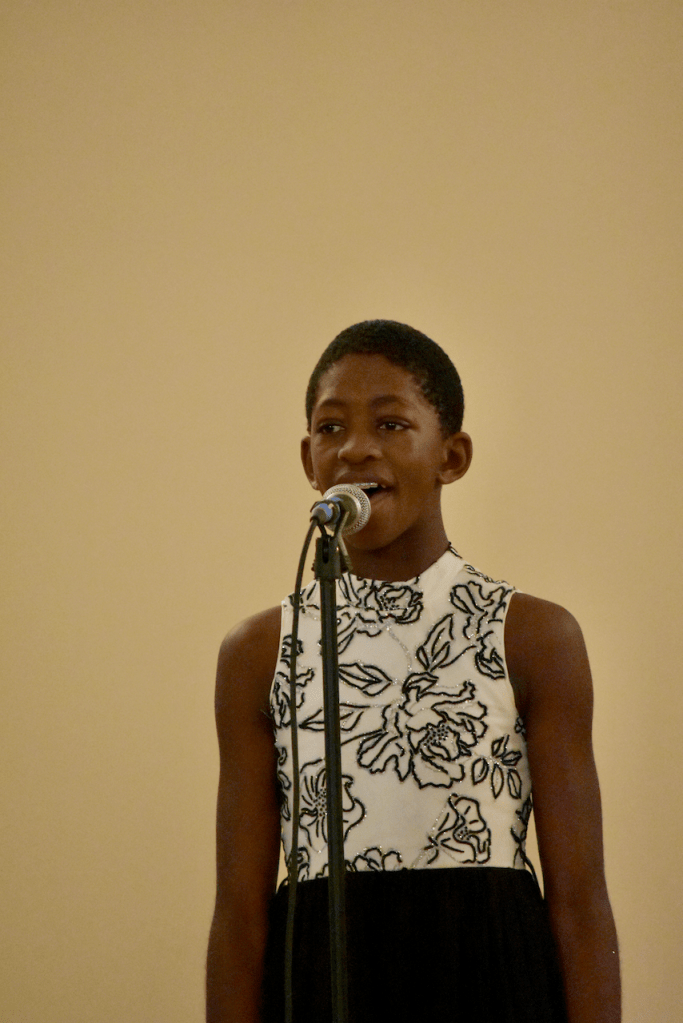
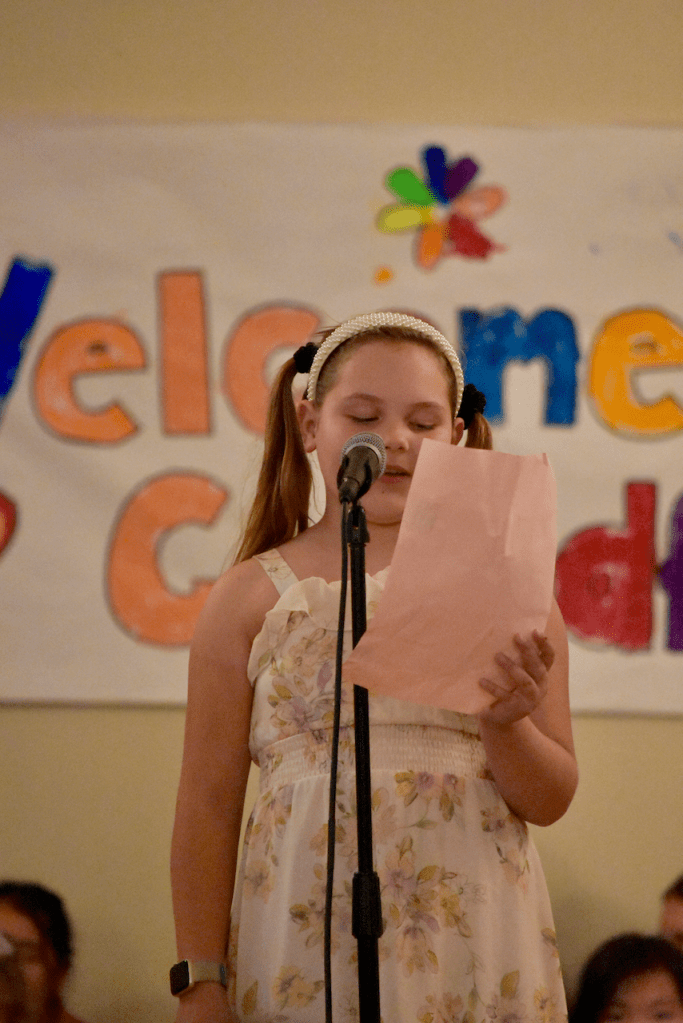
On the Friday before Thanksgiving Break, Saklan students took the stage to showcase their talents during Fall Follies. This is a fantastic and fun event, and like every year, we were astounded by the students’ performances. Their singing, acting, and performing were remarkable and their enthusiasm was infectious. Many of our students are truly in their element when on stage! It is impressive how each of the performers was willing to take risks with their performance and showed their inner courage. We commend the students on their excellent performances and the audience on being supportive and compassionate. Check out images from the event below!

A big thank you to Saul, Lauren, Dianne, Yette, and Maria for working with the performers, moving props, and organizing a wonderful show!

#SaklanCreative #SaklanCourage

70th Anniversary Auction Gala

Save the date for Saklan’s 70th Anniversary Auction Gala! This adults-only event will be held on Saturday, April 26th at Lafayette Park Hotel.

The Saklan School’s Annual Auction is always a great community-building event. Saklan faculty, staff, families, and friends attend, and proceeds from the auction are invested directly back into your children’s educational experiences, in and out of the classrooms. Book your babysitter today, you won’t want to miss this event!

Auction Planning Meeting

All Saklan community members are invited to join us for an Auction Planning Meeting on Monday, December 16th at 8:35 a.m. in the Pavilion. We want this year’s event to be a great celebration of Saklan and would love your time, energy, and ideas to make it the best auction yet!

Can’t make the meeting but want to help? Check out the volunteer roles available here.

#SaklanAuction

Head’s Corner: Fifty Years of Lessons & Love

Some 50 years ago, my Grandpa Schulte taught me how to throw a baseball and took me to Tiger games. The seats were as lousy as the Tigers, and I never did become Aurelio Rodriguez. My Grandpa O’Connell let me drive his rusty red tractor around the farm and taught me how to play poker—much to my mother’s chagrin. Today, there isn’t a single living plant in my house, and I gave up on the idea of making a profit from poker when I was ten.

What stands out, though, isn’t the skills my grandparents tried to teach me but the unique love and support they gave along the way. Grandparents have an unparalleled ability to validate feelings, offer patience, and bring a sense of calm when life gets tough. But most of all, like a good teacher, they connect with you and let you know you matter. 

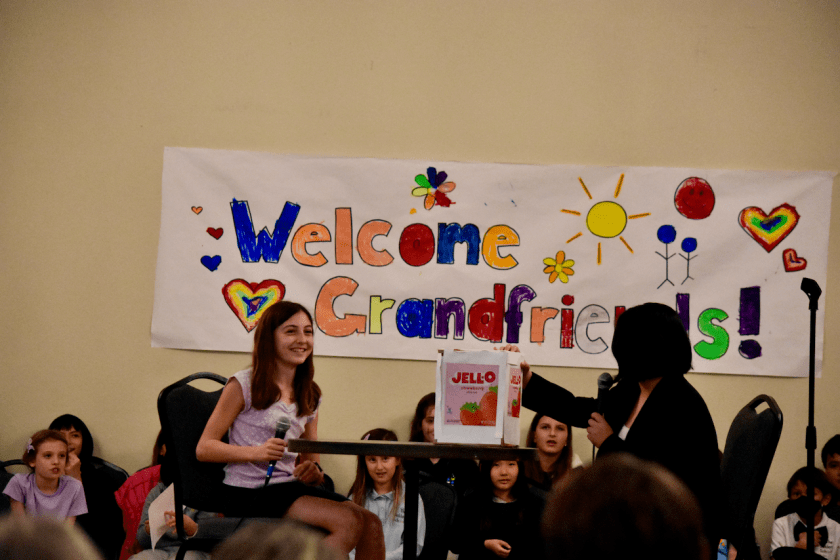
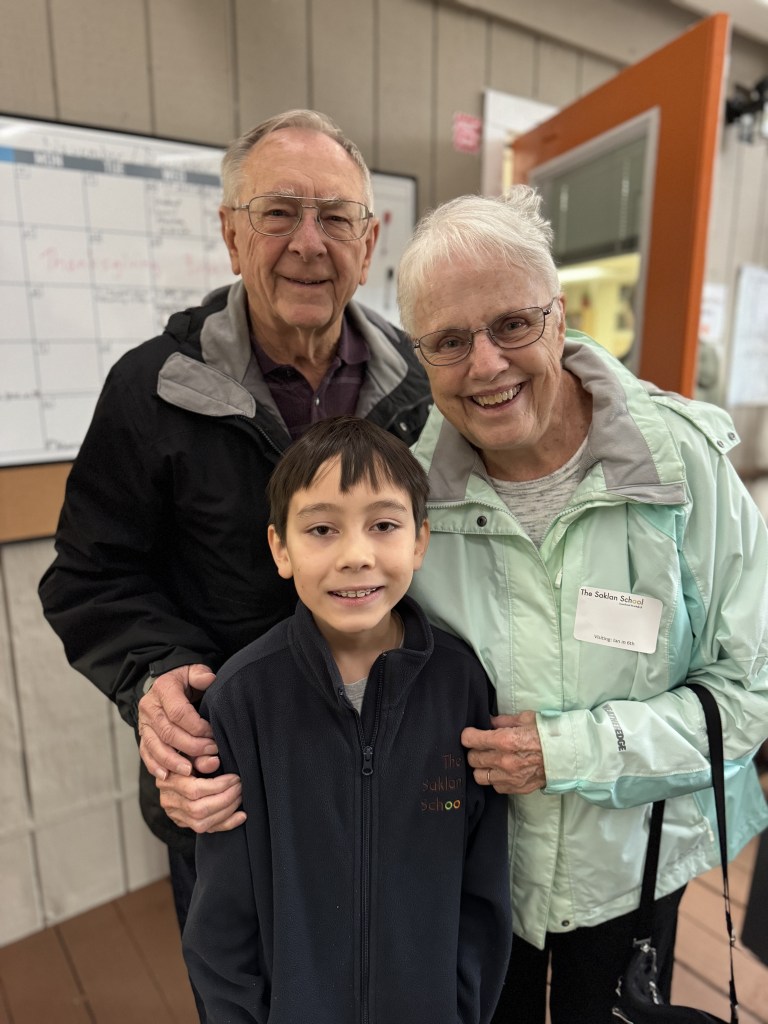
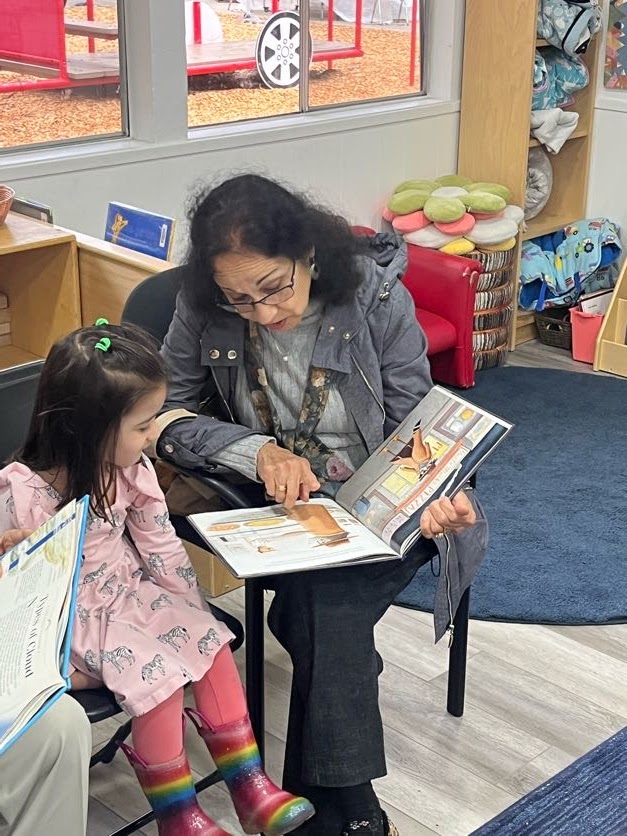
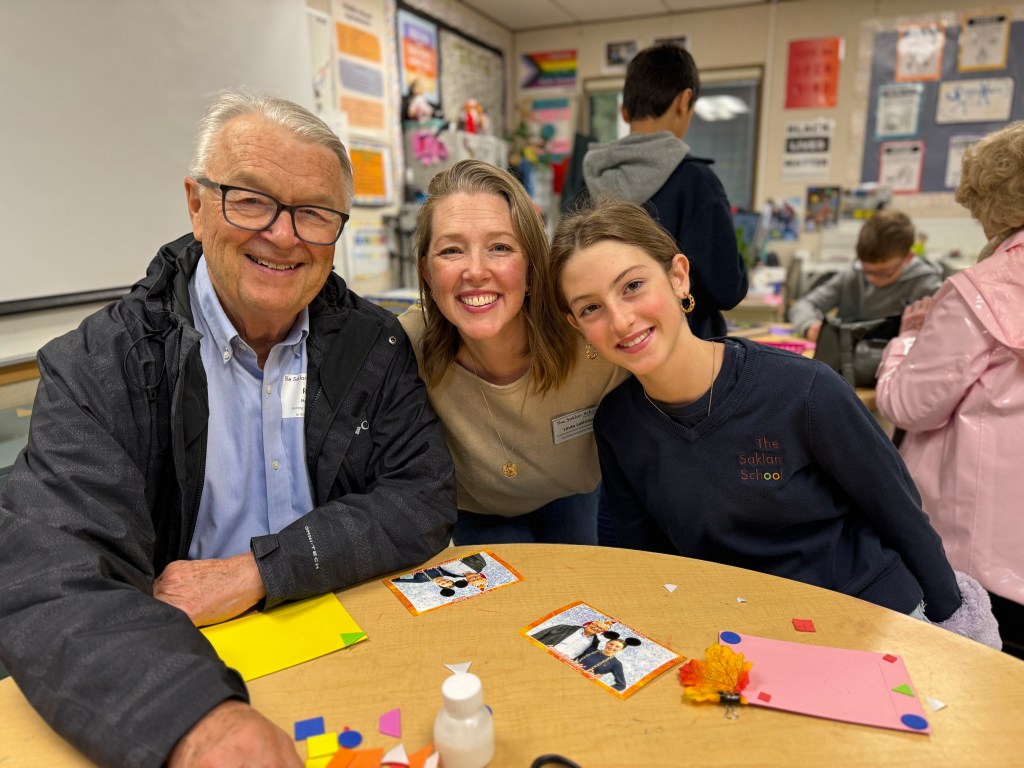
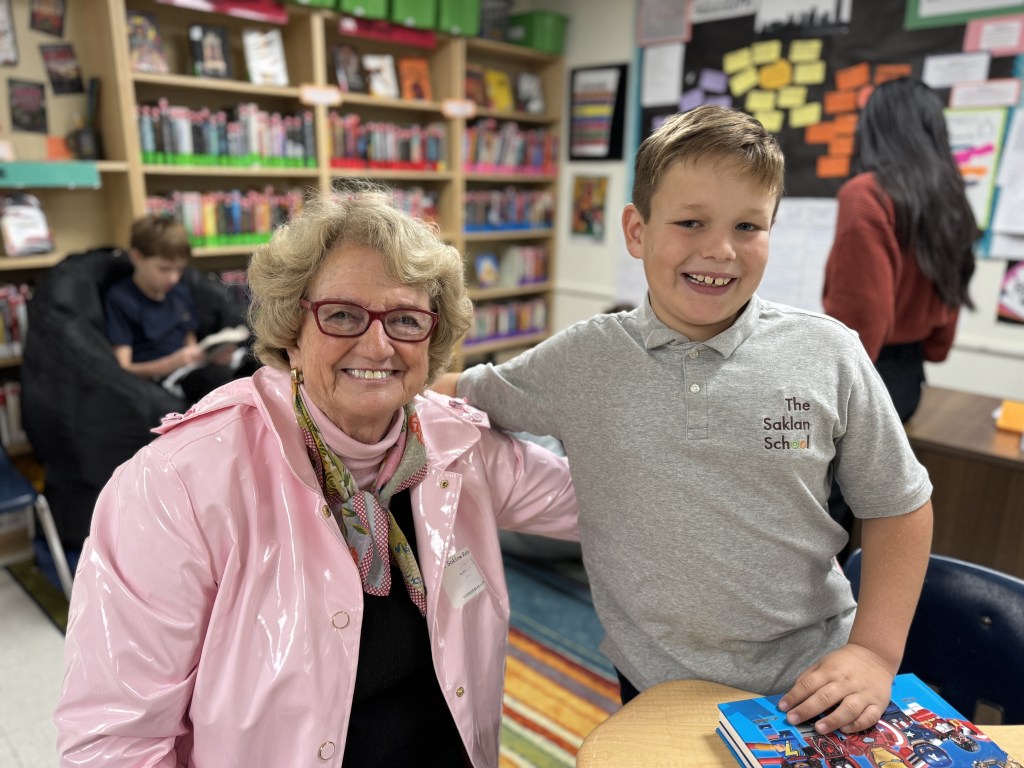
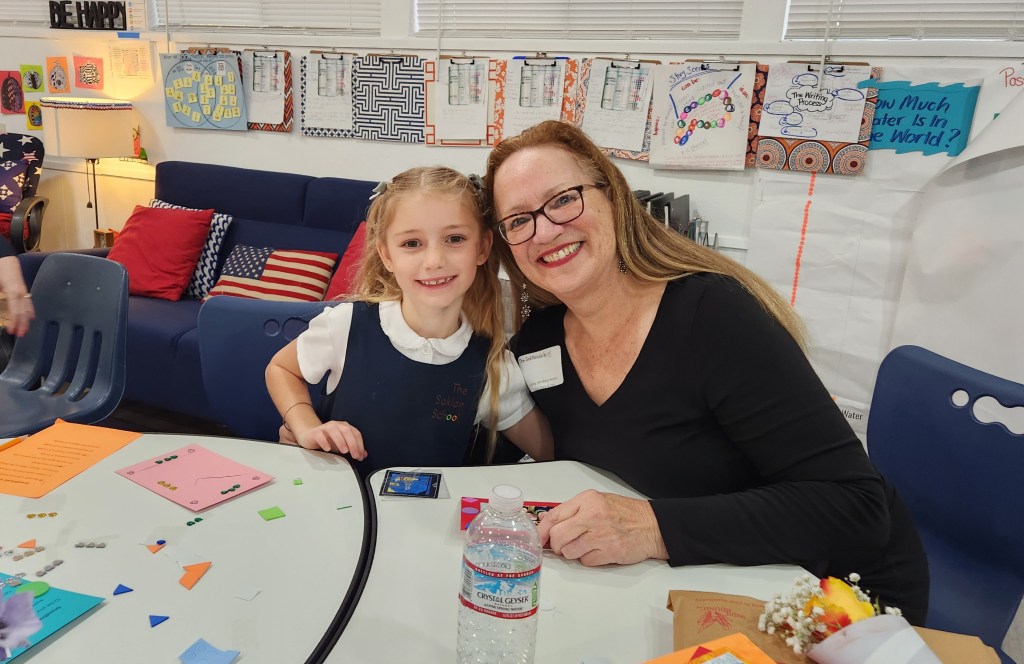
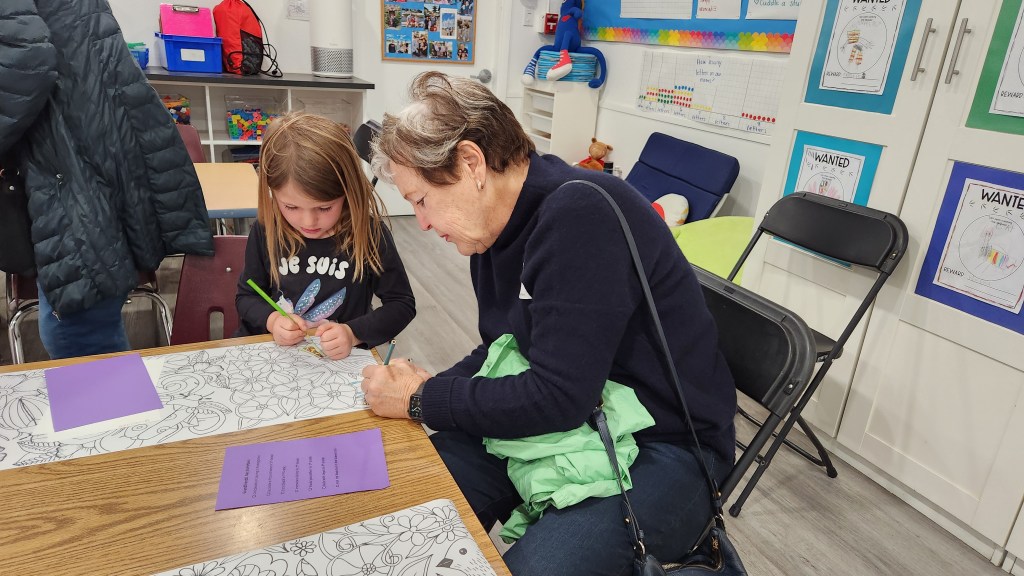
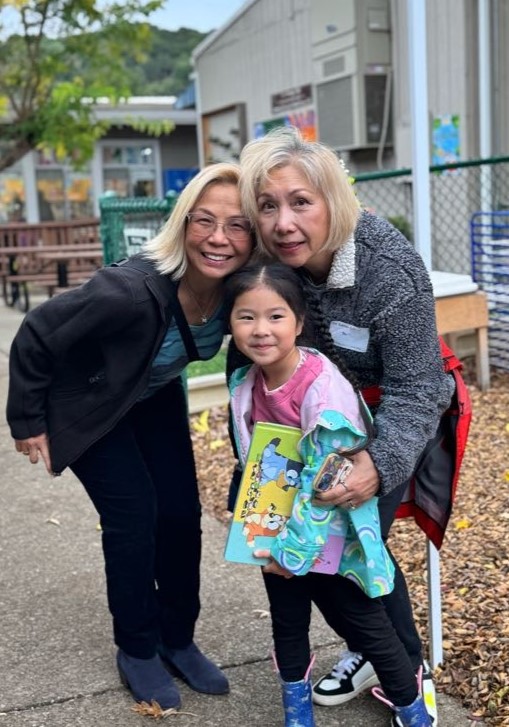
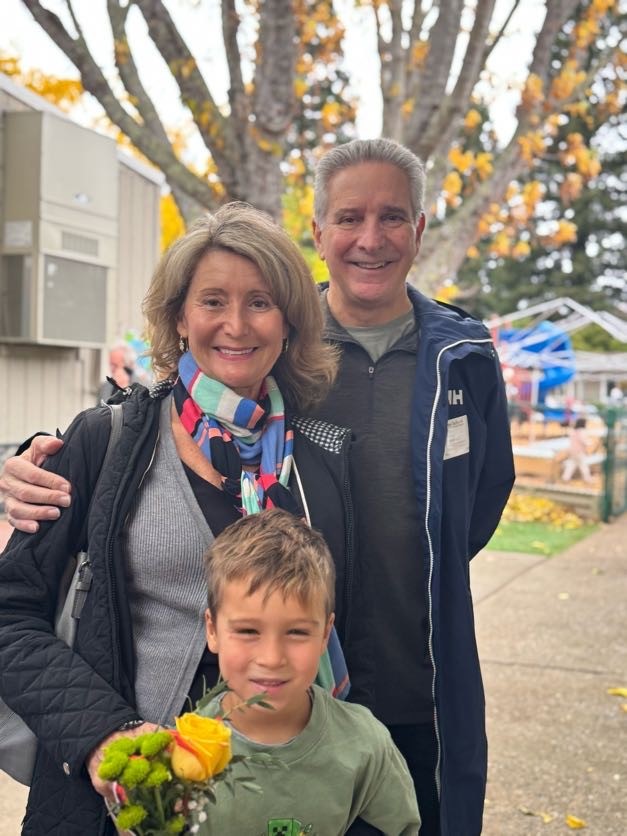
This brings me to Grandfriends’ Day.  At its heart, this day reflects a core value of our school: the power of connection. Hand in hand, they stepped into classrooms to see a kind of education vastly different from what they experienced as a child. An educational approach that leverages relationships and real-world experiences. They joined morning meetings that emphasized cross-generational understanding and emotional connection. They engaged in conversations about projects and fieldwork, gaining a deeper appreciation for the world our students navigate each day.

But the real magic of Grandfriends’ Day lies beyond the activities. It’s in the opportunity it gives our students to share their world with someone special. Grandfriends listened, learned, and bonded more deeply with the young people in their lives. For both child and adult, it was a moment of validation, a chance to say, “What matters to you matters to me.”

To those of you who shared your grandfriends with us today, thank you. These moments of connection remind us about the importance of connection.

With gratitude,
David

Nocturnal Animals

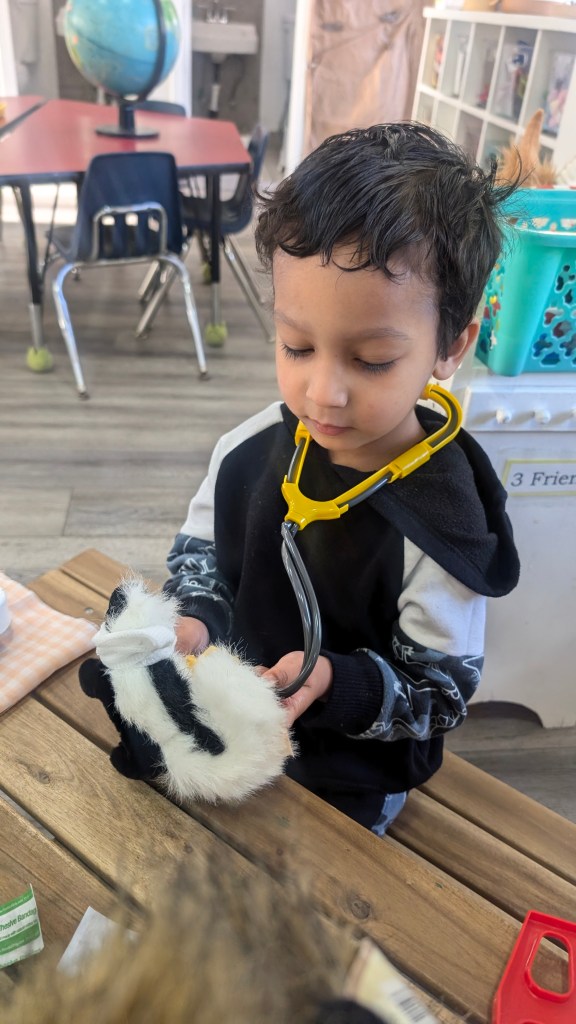
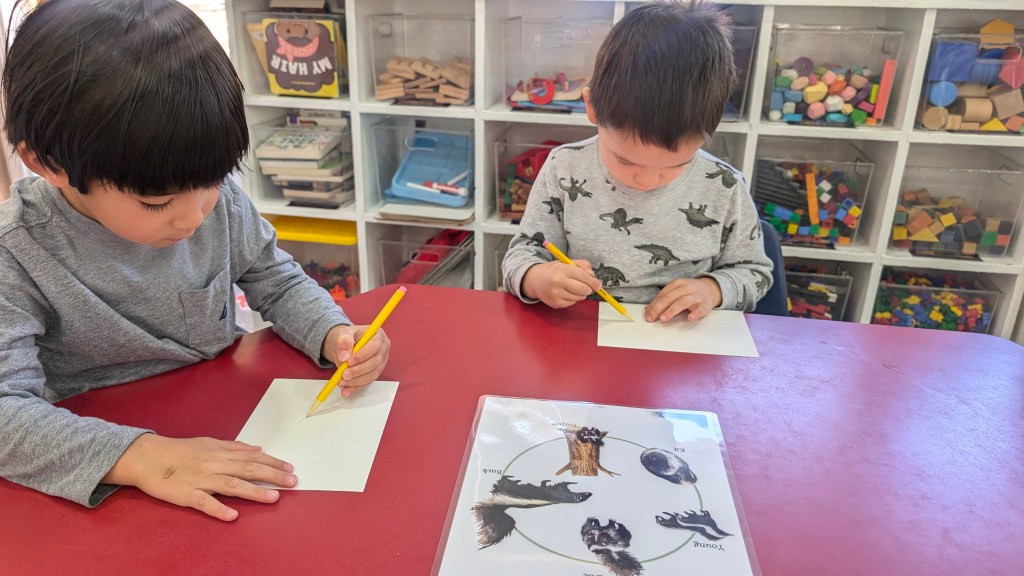
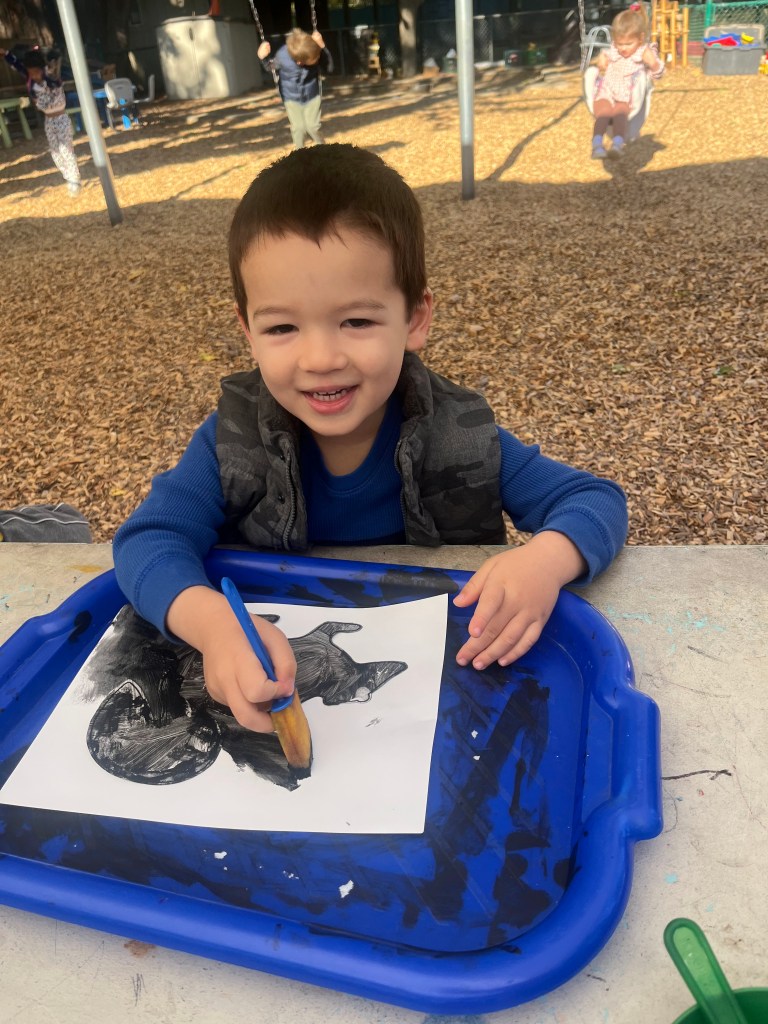
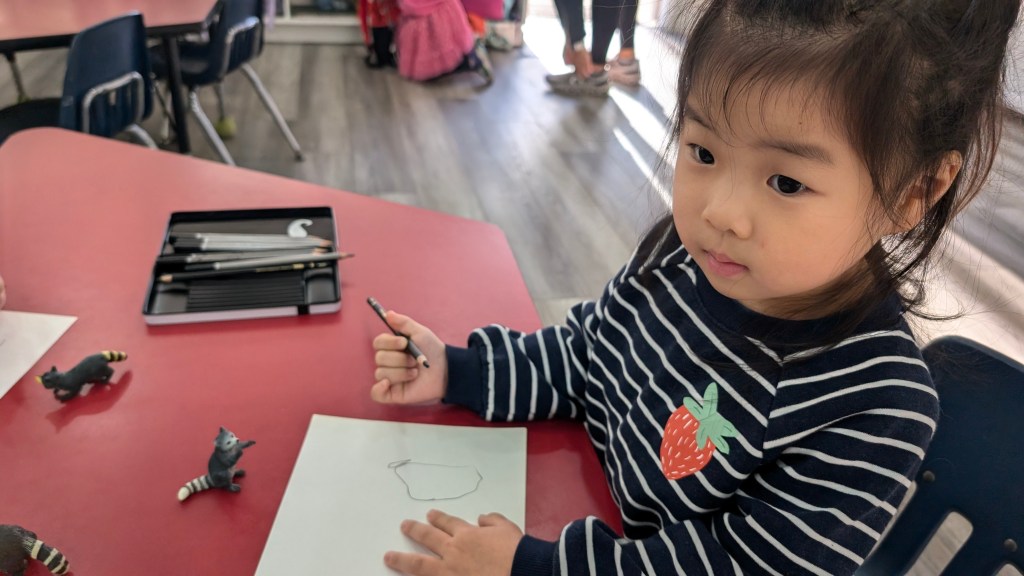
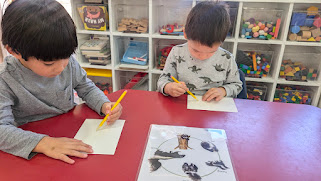
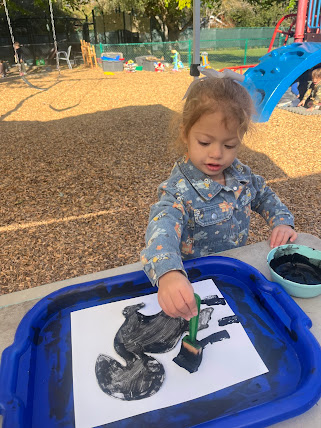
The Owlets have been studying nocturnal animals, and recently they enjoyed investigating some of the most misunderstood nocturnal animals! At first, many of the Owlets thought skunks and raccoons were “bad guys” of the animal world, but after discussion, they realized they were just trying to live their lives, just like humans. When the preschoolers started learning about skunks, they described them as stinky and mean animals that spray people for no reason. But they soon discovered that skunks only spray when they feel scared or threatened. This led to a conversation about what Owlets feel like when they are scared. The class imagined how a skunk might feel if something got too close to its babies or den. These discussions helped them see skunks in a new, more appreciative light. This also introduced them to the idea of defense mechanisms, which are special adaptations animals use to stay safe.
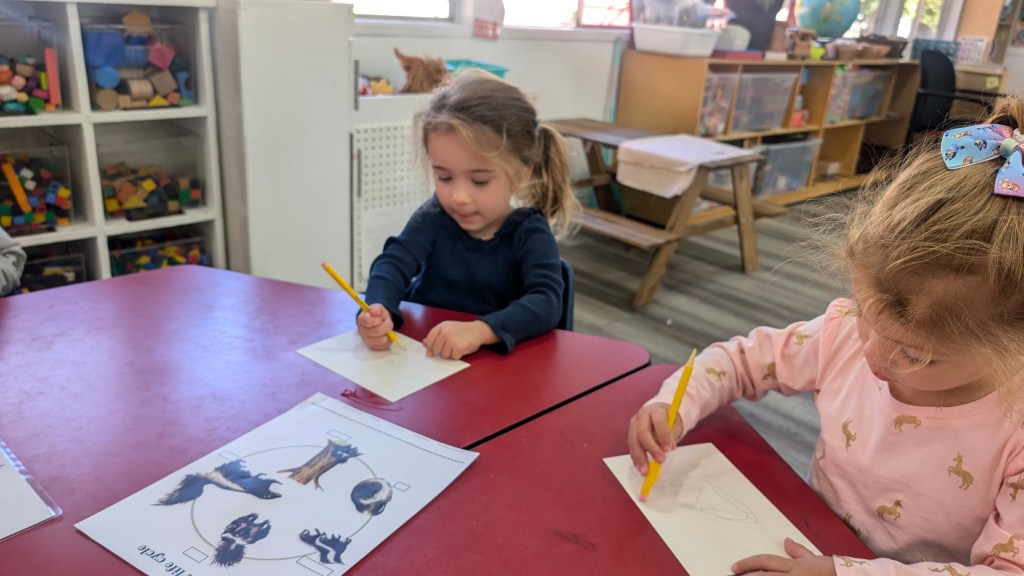
Next, the class turned their attention to raccoons. The Owlets started off thinking of raccoons as pesky garbage eaters, but soon uncovered the truth: raccoons love the same kinds of food people do, so they’re just after our leftovers! While it might seem like they could make friendly pets, the preschoolers learned it’s never safe to touch a wild animal—or even an animal they don’t know. During circle time, Colby asked, “What would happen if a raccoon came into our house to get our trash?” This sparked an important conversation about wild animal safety. They talked about the importance of finding a grown-up to help and discussed how places like the Lindsay Wildlife Center in Walnut Creek are experts in helping injured or misplaced animals. After learning so much about skunks and raccoons, the Owlets agreed: these animals aren’t bad at all! They’re just a little misunderstood.

The Owlets can’t wait to share what they’ve learned with the rest of the school at their upcoming Nocturnal Animal Project Culmination on Thursday, December 12th at 8:30 a.m.

#SaklanProjectWork

Name Stories

In their Names Project, kindergartners have been sharing and learning about each other’s names to build community and deepen friendships. The students have learned and shared the letters in their names, compared the number of letters, and found similarities and differences with friends’ names. The class has read a variety of mentor texts that highlight the unique characteristics of characters’ names. The kindergartners learned about interviewing and listening to plan for and interview their parents about their name stories. The class will bring all this together in a book about their name stories.

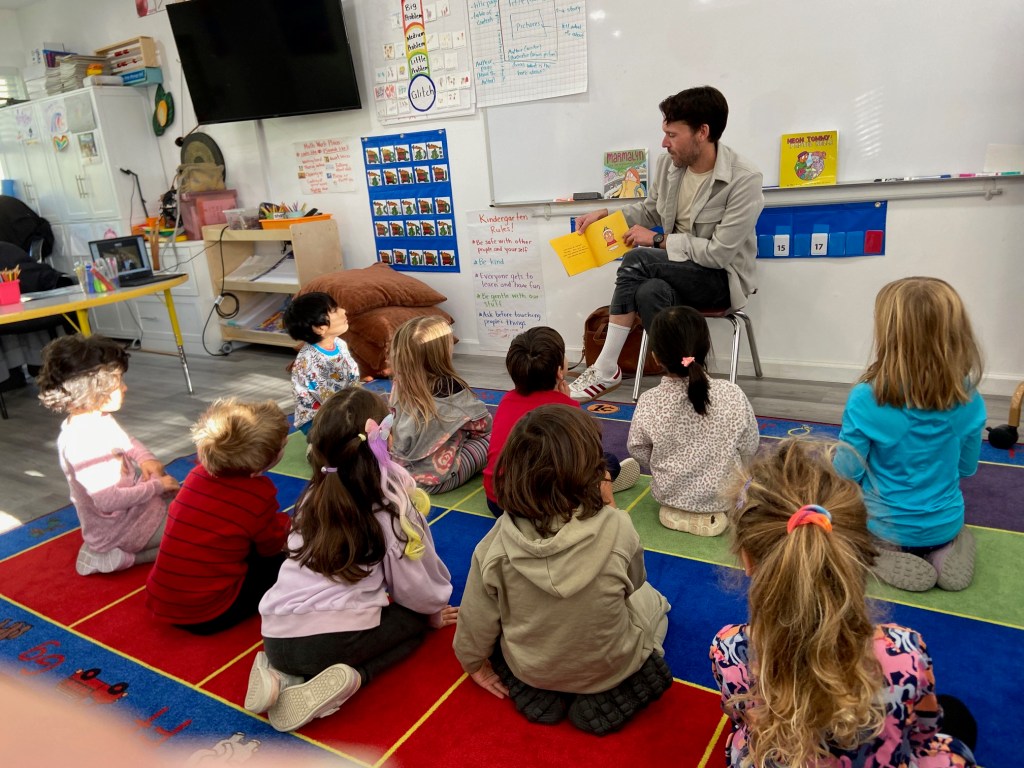
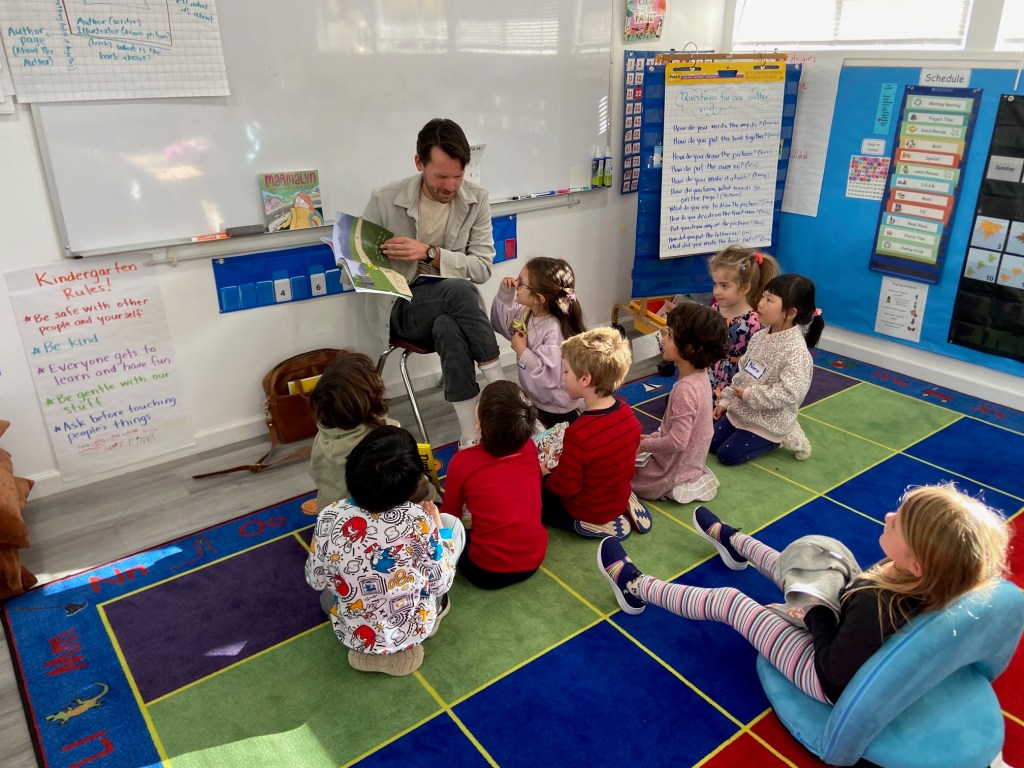
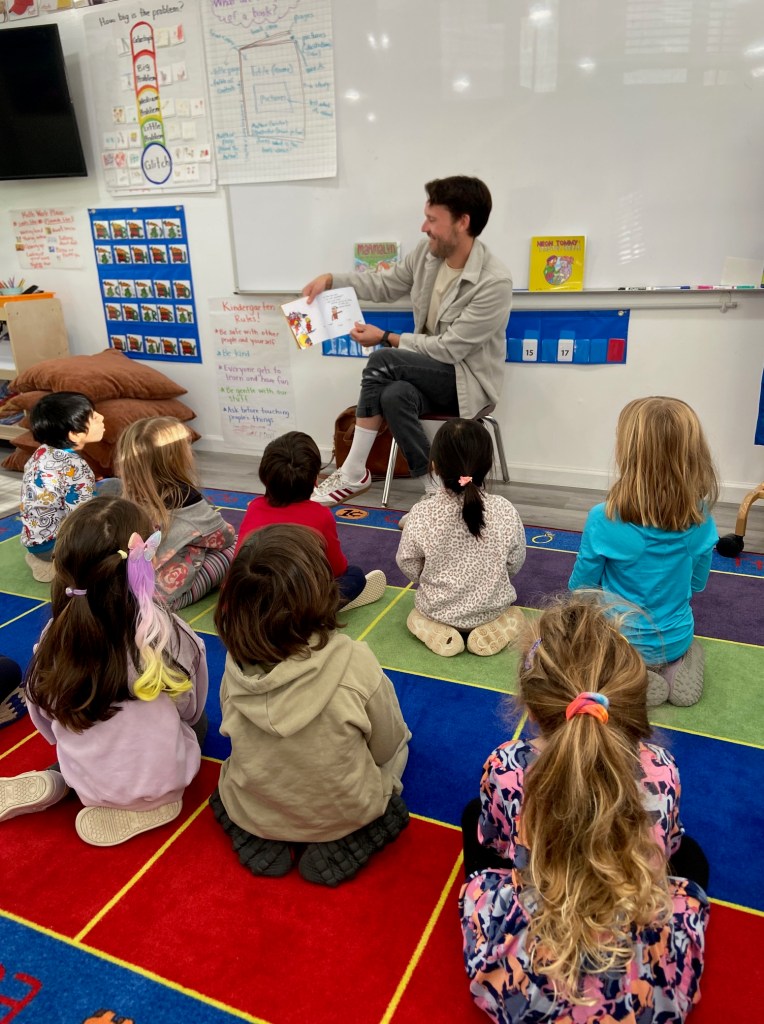
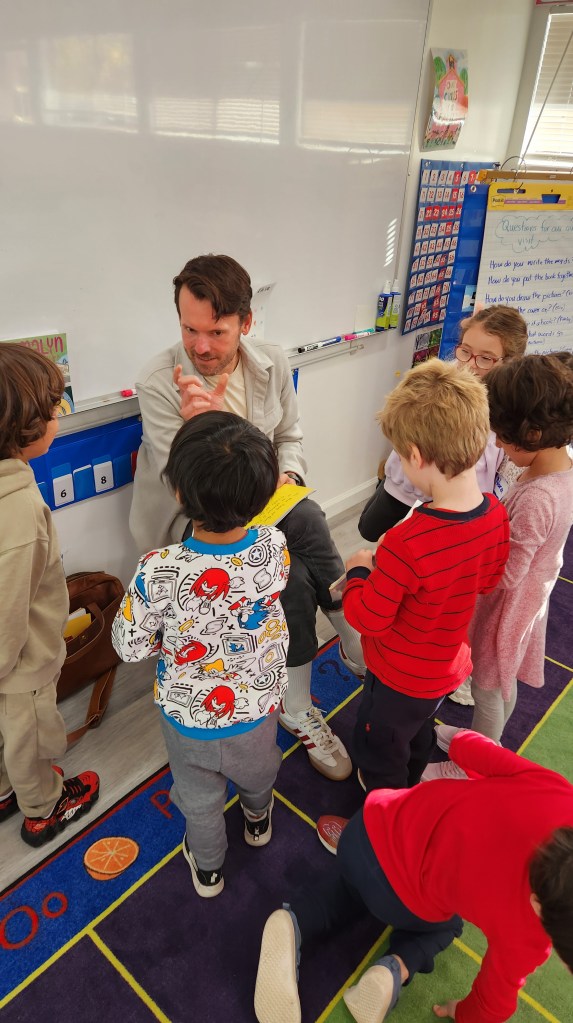
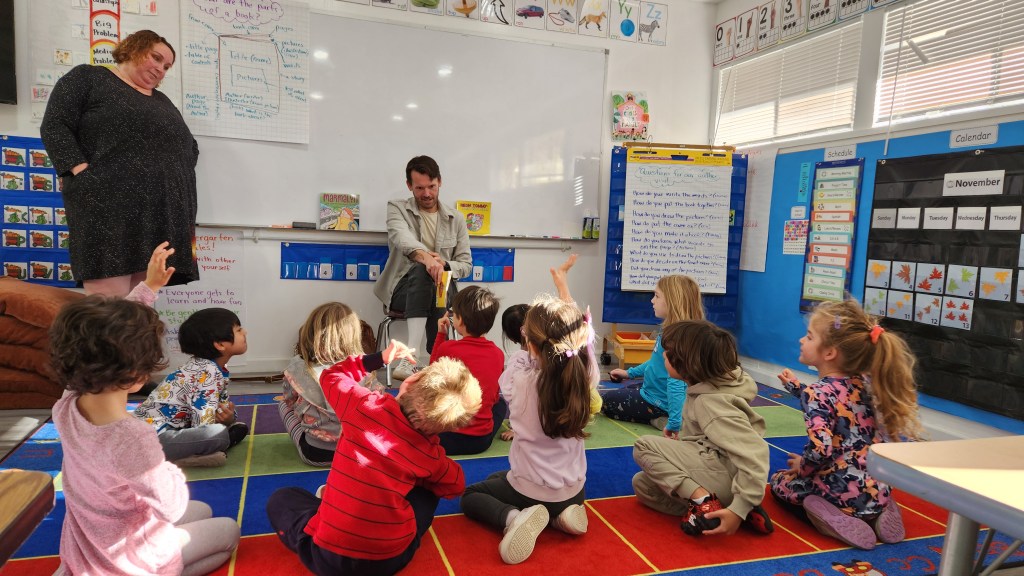
To prepare to write their own book, Saklan Kindergarteners were delighted to host guest expert and children’s book author Matt Hintze on Wednesday, November 13th. Matt read his newest book, Santa Stole My Cookies, to the class. They loved it! 

After the reading came the most important part of the expert visit: the class interviewed Matt about writing and publishing books. The kindergartners planned for the visit the day before by coming up with questions they wanted to know about making books, which might be useful when creating their name books.

Matt was so impressed by the students’ smart, thoughtful questions, and the kindergartners were very happy with the helpful information Matt provided.

The kindergartners will share their name books and other aspects of their learning during their Names Project Culmination on Thursday, December 12th at 8:45 a.m. They would love for you to attend their culmination!

#SaklanProjectWork

Belonging

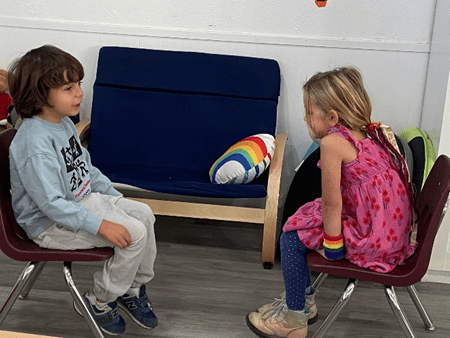
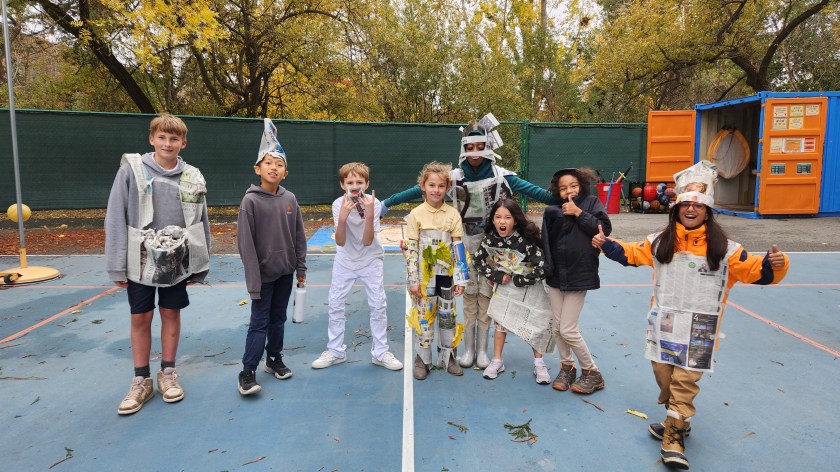
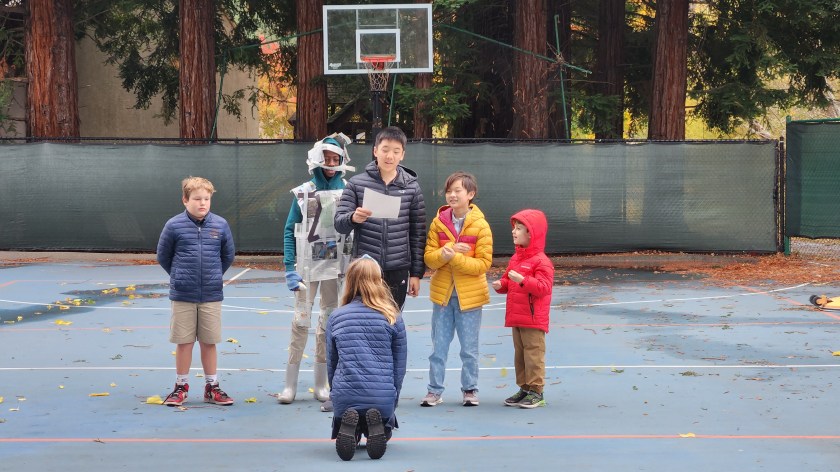
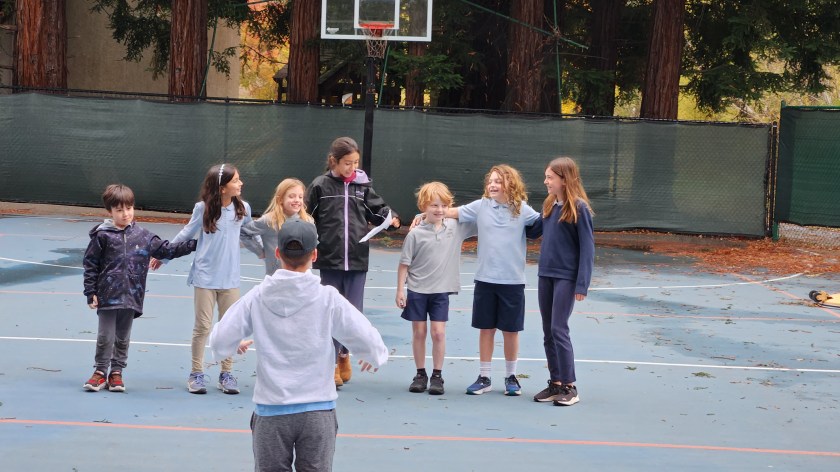
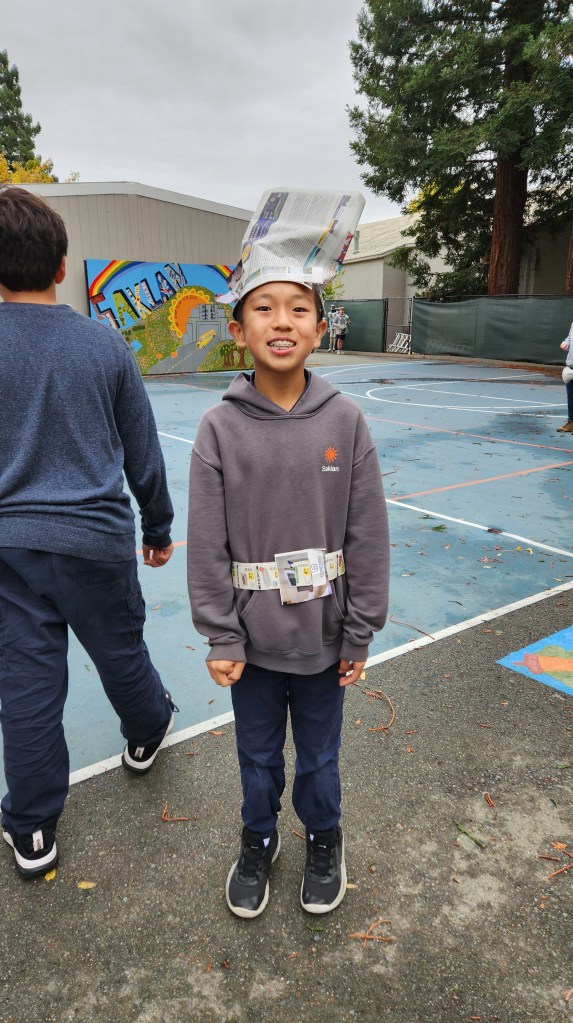
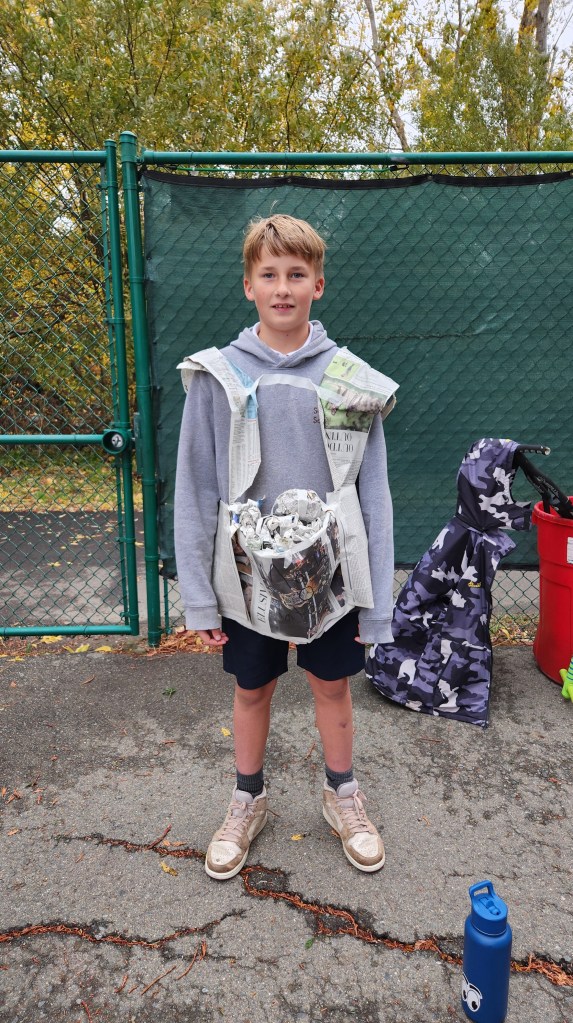
On Thursday, 1st – 8th graders gathered with their family groups to talk about belonging. The students then worked together to write an eight-line, rhyming poem containing a few specific words: belonging, turkey, stuffing, grateful, and Saklan. The students also dressed up one of their family members as a holiday character or Thanksgiving food item, using only newspaper and tape. The families definitely showed their creativity!

All family groups gathered on the sports court to share their poems (some groups acted them out) and holiday characters/food items. Among the characters presented were: turkeys, a pilgrim, a bowl of mashed potatoes, a football player, and a chef!

#SaklanSEL

Plate Tectonics and Natural Forces

Saklan sixth graders recently dove into the fascinating world of plate tectonics and the powerful forces shaping our planet. They explored how Earth’s tectonic plates float on the molten, magma-filled mantle beneath us, driving some of the most dramatic movements we experience. The students investigated the concept of Pangea—the idea that all continents were once joined as a single landmass—and learned how plate boundaries have caused continents to gradually drift apart, creating the world map we recognize today. They studied divergent plates that push apart, convergent plates that move together, transform faults where plates slide past each other, and subduction zones where one plate moves under another.

Their studies then shifted to what some might call “natural disasters,” though the class viewed them as incredible demonstrations of Earth’s energy. The students examined tsunamis triggered by underwater seismic activity and researched historic earthquakes. They even created their own news reports to illustrate the impact of these events on different cultures and how earthquakes have contributed to the planet’s evolution over recorded time.

Their exploration of tectonic movement continued with lessons on hot spots and subduction zones, which led to the formation of volcanoes. The sixth graders examined volcanic rocks to understand how scientists determine the type of past volcanic eruptions. Students learned that rocks filled with many holes were formed from lava with high gas content, while rocks without holes contained more silica.

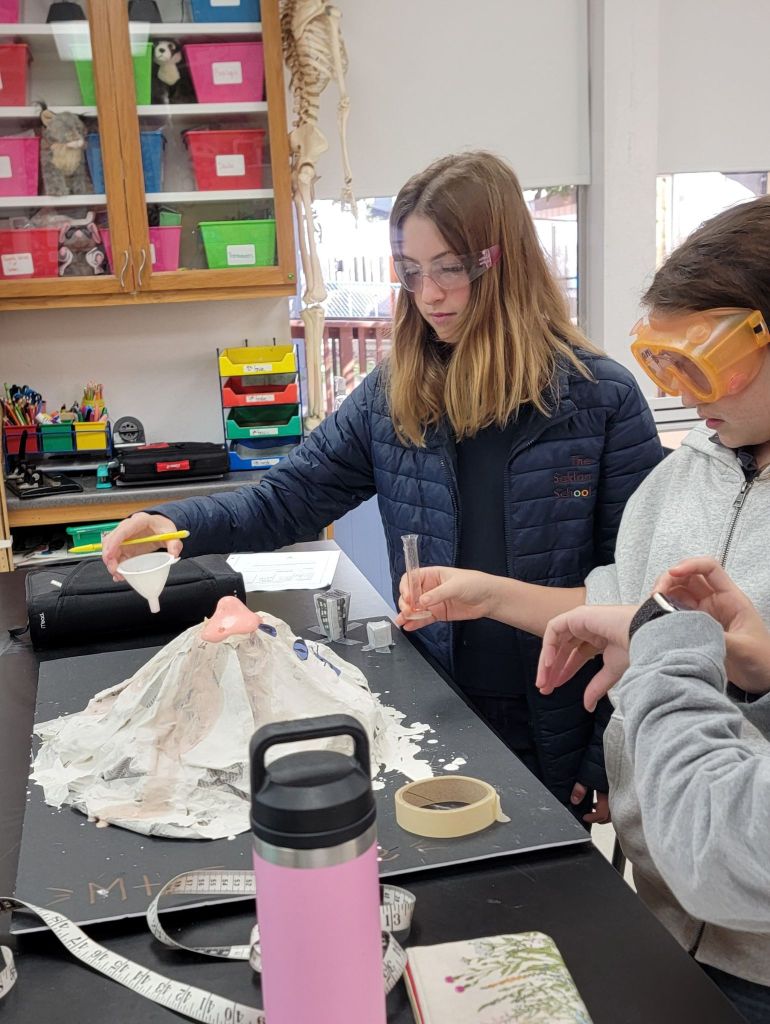
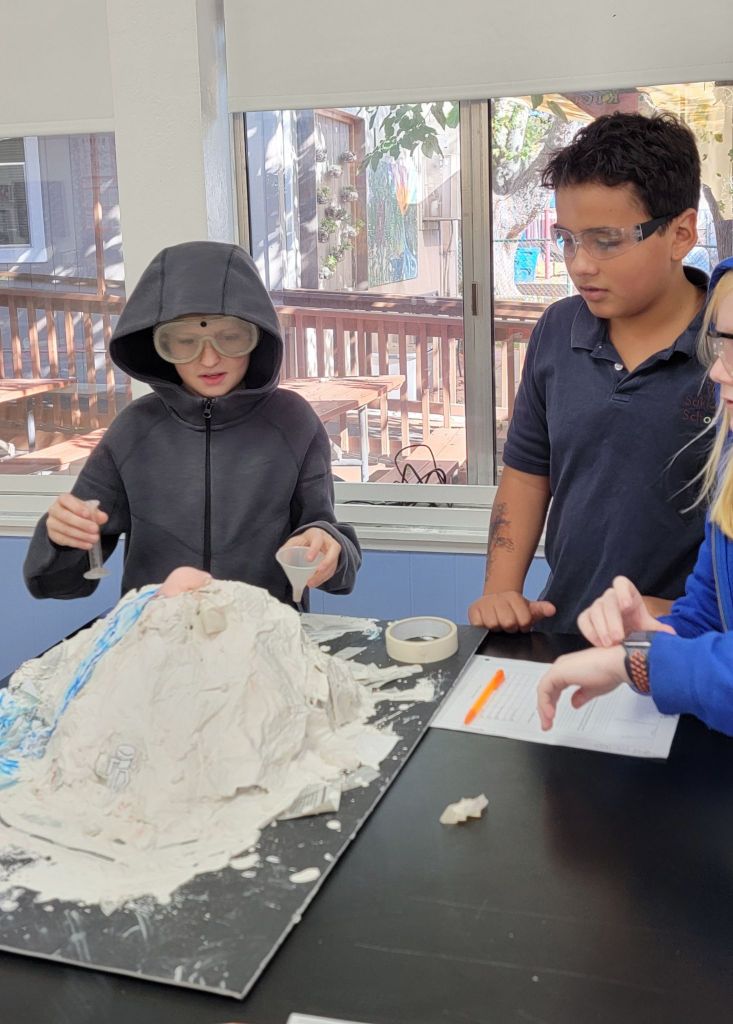
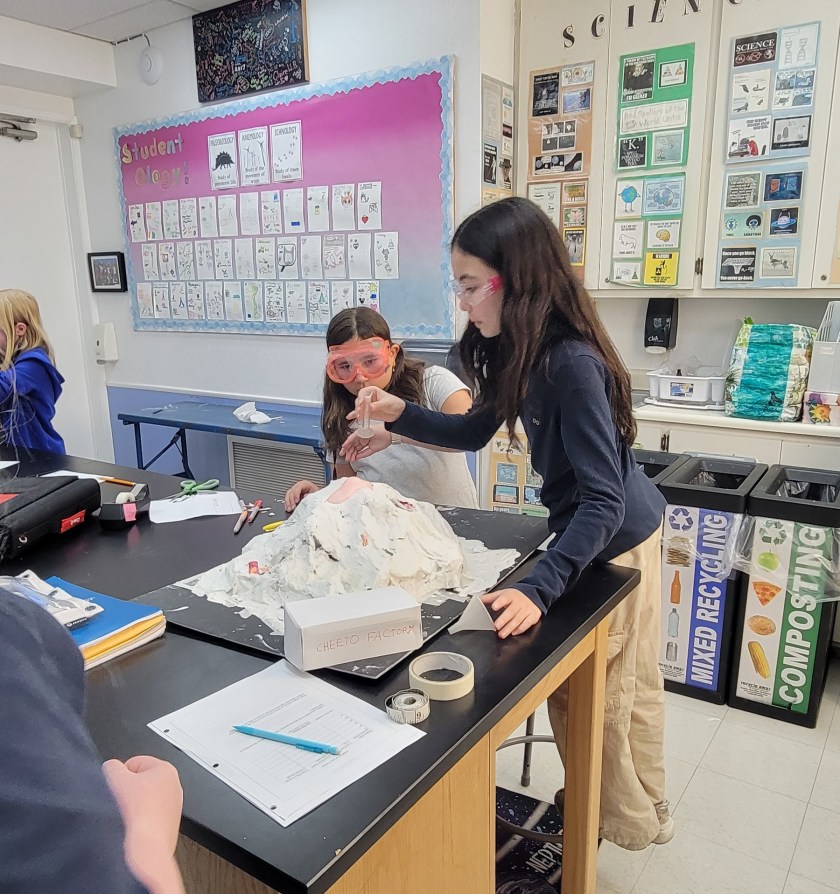
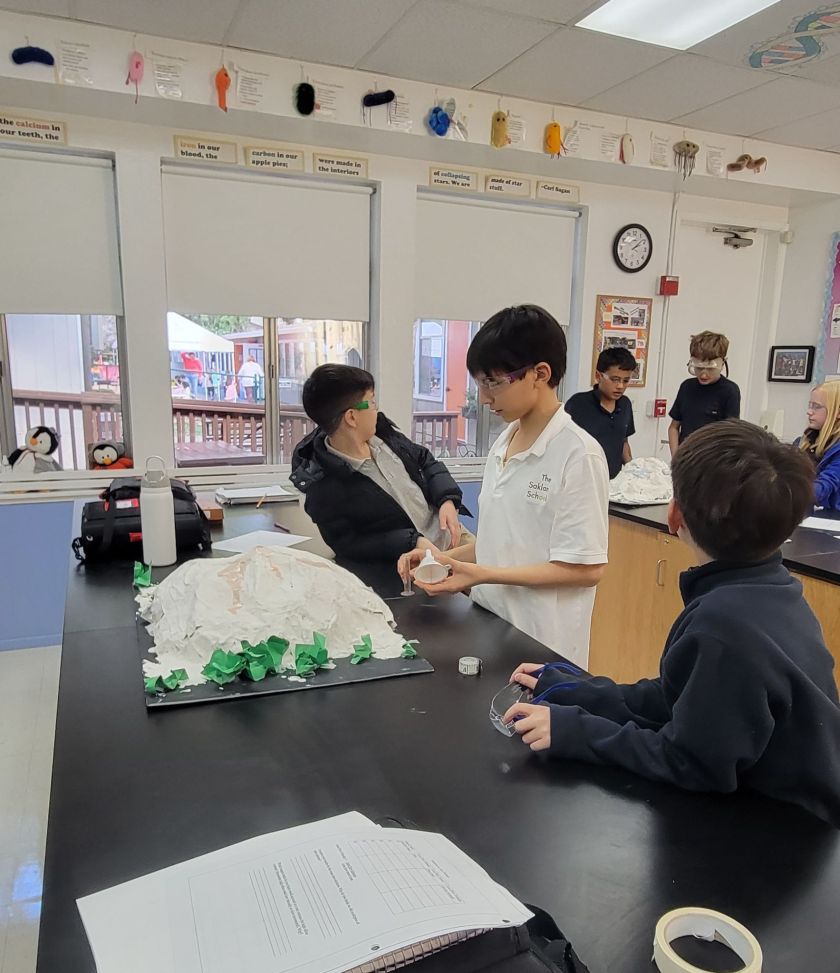
Working in teams, students designed their own volcanoes and experimented with various lava “recipes” to observe different lava flows—some slow and smooth, others fast and bubbly.

#SaklanHandsOn

Kindergarten Ensemble

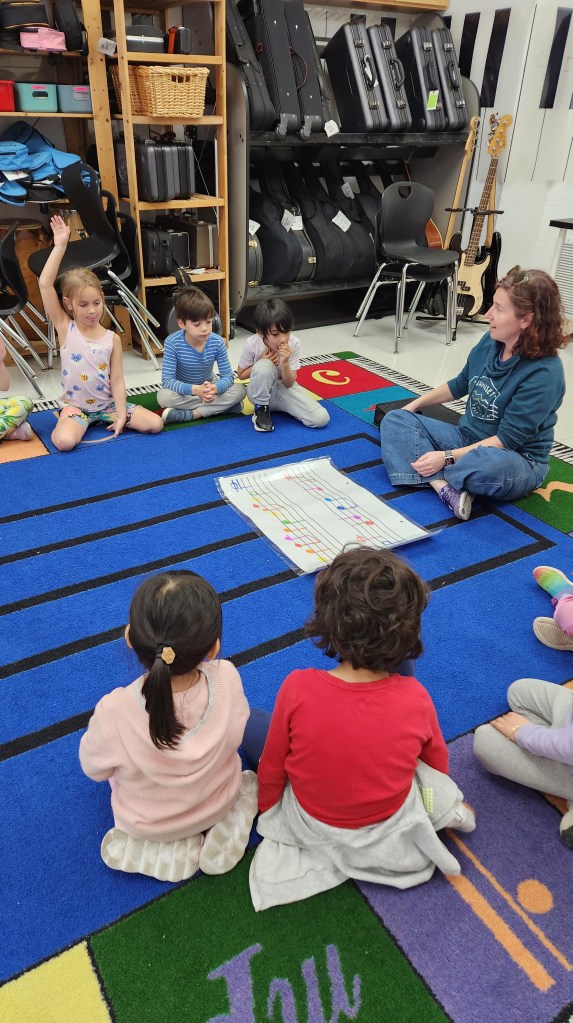
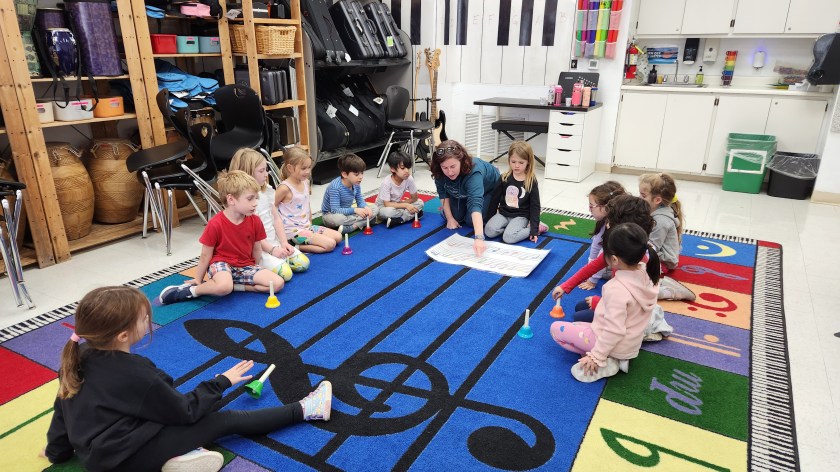
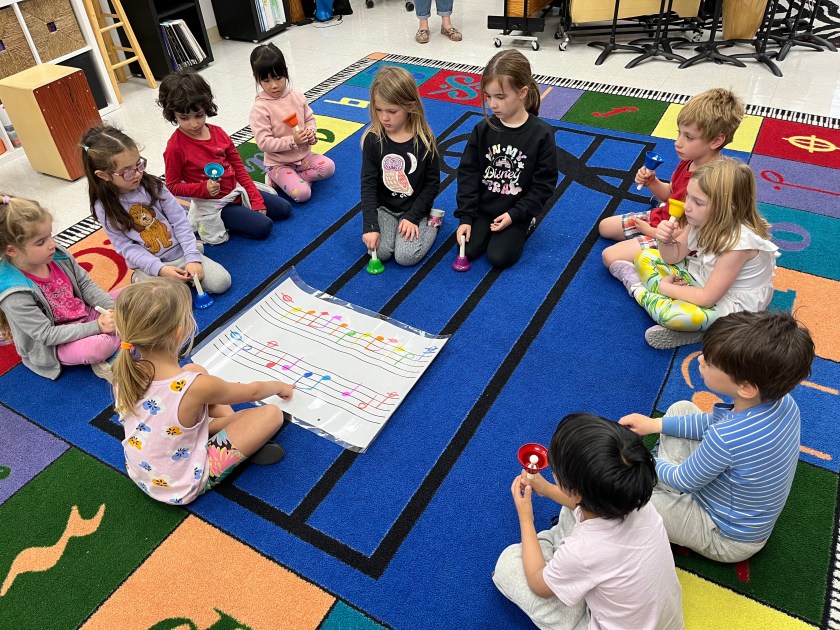
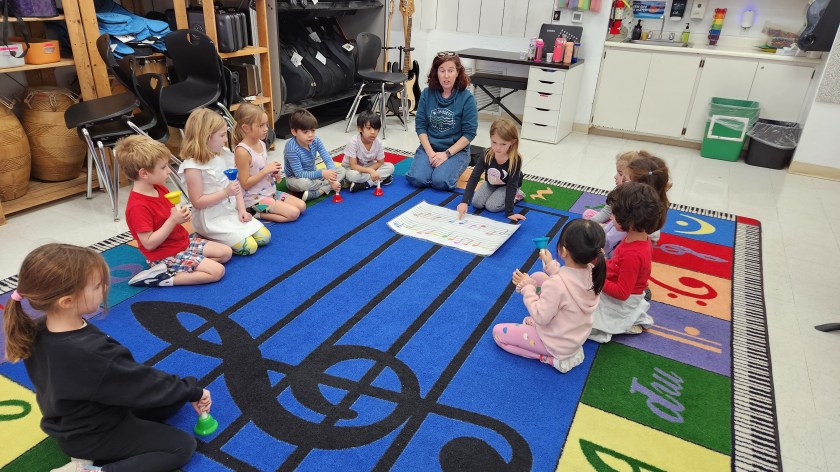
In music class, kindergartners are thrilled to be learning to play handbells! They started the year mostly playing and singing in unison, and now student musicians have the opportunity to understand how they can play different parts within an ensemble. While playing handbells, students must track others’ playing and know when they will play their notes to help complete the phrase or song. The class has talked about the different parts of the bells, how to use them safely, and how to get different sounds when playing these instruments. Student musicians have also had the chance to read music on the treble clef for this unit. They use chart paper-sized sheet music so all musicians can look on together!

The music is color-coded to match the bells, allowing students to practice seeing different pitches on the musical staff while matching the colors to play the correct pitch. This scaffolded practice supports their understanding of both what different notes look like on the staff, as well as what they sound like. Since the musicians need to work together as an ensemble to play songs, conducting is essential. Students have been taking turns as the conductor by pointing to the note on the shared giant music sheet as their classmates follow along.

The kindergarten musicians have already been practicing “Somewhere Over the Rainbow,” “Down By the Bay,” and the theme from Beethoven’s Ninth Symphony. They are eagerly looking forward to what comes next!

#SaklanCollaboration