See You on Thursday for Our Virtual Parent Education Event

The Saklan PA is excited to host Empowering Parents: Managing Child Anxiety in Today’s World, a virtual parent education workshop on Thursday, February 27 at 6:00 p.m. During the presentation, Dr. Megan Johnson will provide an in-depth review of the book “Breaking Free of Child Anxiety and OCD- A Scientifically Proven Program for Parents,” by Eli R. Lebowitz, PhD, as well as share evidence-based strategies for reducing unhelpful parental behaviors, fostering independence, and building resilience in children.

This event is open to the greater Lamorinda Community, so feel free to invite friends and family to join. Click here to RSVP and receive the event link.

#SaklanParentEducation #SaklanPA

2025-2026 Calendar

As we look forward to the 2025-2026 school year, we want to share the important calendar dates so that you too can begin planning. Below are the dates for school breaks, noteworthy events, and early dismissal days for next year. A more detailed calendar will be shared over the summer.

2025-2026 IMPORTANT CALENDAR DATES

Aug 8New Parent Orientation on Zoom at 9:00 AM
Aug 15Welcome Back BBQ &
Middle School Orientation
Aug 19First Day of School for 6th – 8th Grade
Aug 19-21Middle School Advance for 6th – 8th Grade
Aug 20First Day of School for PS – 5th Grade
Aug 22Middle School Rest Day (NO SCHOOL for 6TH-8TH GRADE)
Sept 1Labor Day (NO SCHOOL)
Sept 15 – 196th Grade Field Experience
Oct 10Professional Development Day (NO SCHOOL)
Oct 13Indigenous Peoples’ Day (NO SCHOOL)
Oct 16 – 17Parent Teacher Conferences (NOON DISMISSAL)
Oct 31Halloween Parade at 8:35 AM (2PM DISMISSAL)
Nov 10Professional Development Day (NO SCHOOL)
Nov 11Veteran’s Day (NO SCHOOL)
Nov 24 – 28Thanksgiving Break (NO SCHOOL)
Dec 19Lower School Musical at 10:30 AM (NOON DISMISSAL,
NO EXTENDED DAY)
Dec 22 – Jan 2Winter Break (NO SCHOOL)
Jan 5Professional Development Day (NO SCHOOL)
Jan 19MLK Jr. Day (NO SCHOOL)
Feb 13 – 16  Presidents’ Day Weekend (NO SCHOOL)
Mar 5 – 6 Parent Teacher Conferences (NOON DISMISSAL)
Mar 30 – Apr 3Spring Break (NO SCHOOL)
May 4 – 8Teacher Appreciation Week
May 8Teacher Appreciation Day (NO SCHOOL)
May 25Memorial Day (NO SCHOOL)
May 29Graduation, Last Day of School (NOON DISMISSAL, NO EXTENDED DAY)

Immigration and Human Rights

Eighth-grade students have been reading the historical fiction novel Uprising, which tells the intersecting stories of three young women before and during the tragic Triangle Shirtwaist Factory fire in Manhattan on March 25, 1911. Two of the protagonists are newly arrived immigrants from Southern and Eastern Europe.

To provide historical context for the story and develop historical empathy, the class began their study by answering the question: Why do people migrate? Answers included “to escape war and political persecution,” “to find better work,” and “to join their families.” 

Their next discussion question was: What issues would you need to consider if you chose to move to another country? Among the issues the 8th graders identified were the need to learn a new language as well as the need to learn about and adapt to new cultural norms and practices.

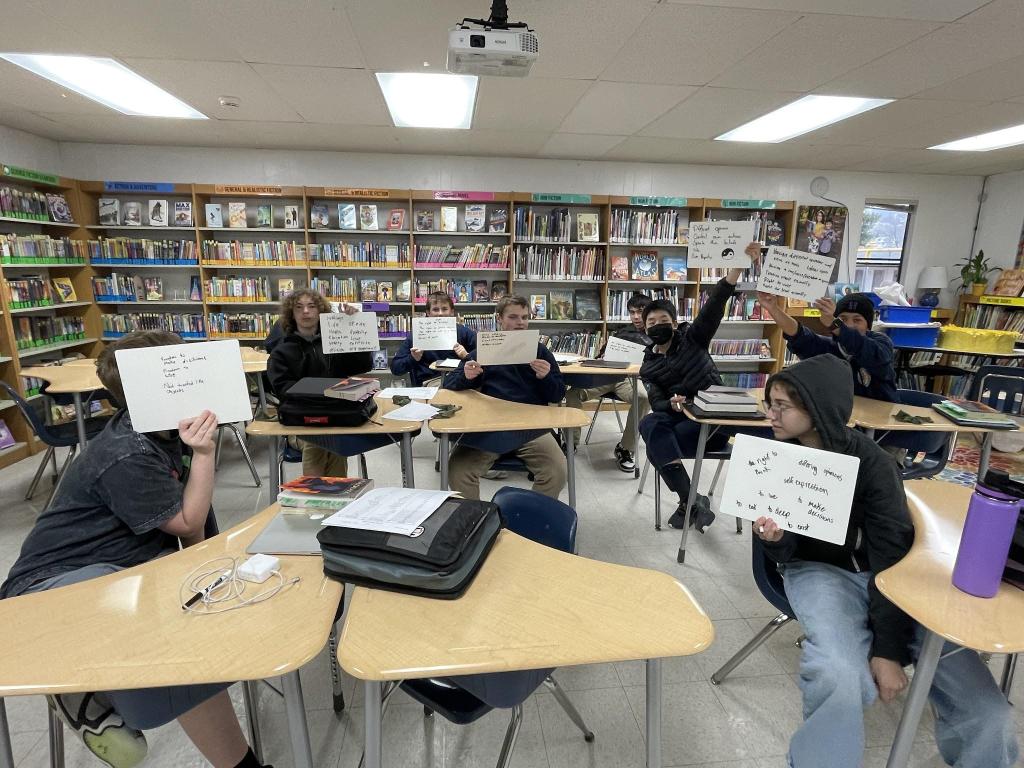
The students brainstormed their own lists for their final discussion question: What are human rights?

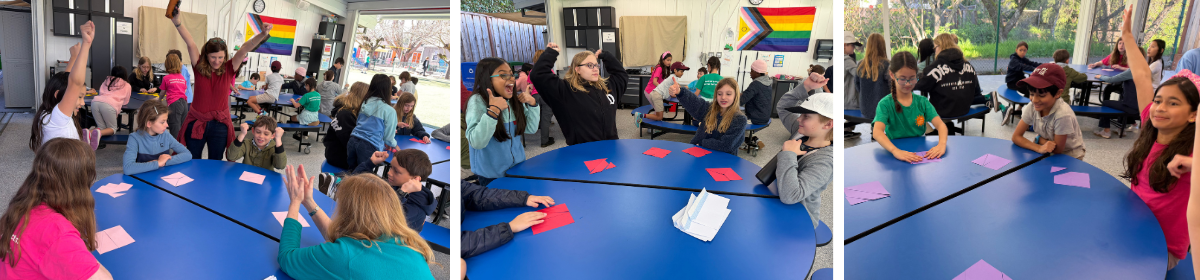
They shared their answers verbally, and then they practiced “upholding” human rights in the classroom.

The class then compared their list of human rights to an abridged version of the Universal Declaration of Human Rights (UDHR). They discussed how and why the document was created by the United Nations in 1949. Next, the eighth graders circled those rights they feel are the most important, and then discussed why those specific rights are so important to them.

Subsequently, the students examined some facts and debunked common myths about immigration and migrants before analyzing this bar graph showing the numbers of immigrants who came to the U.S. and the locations of their origins. 

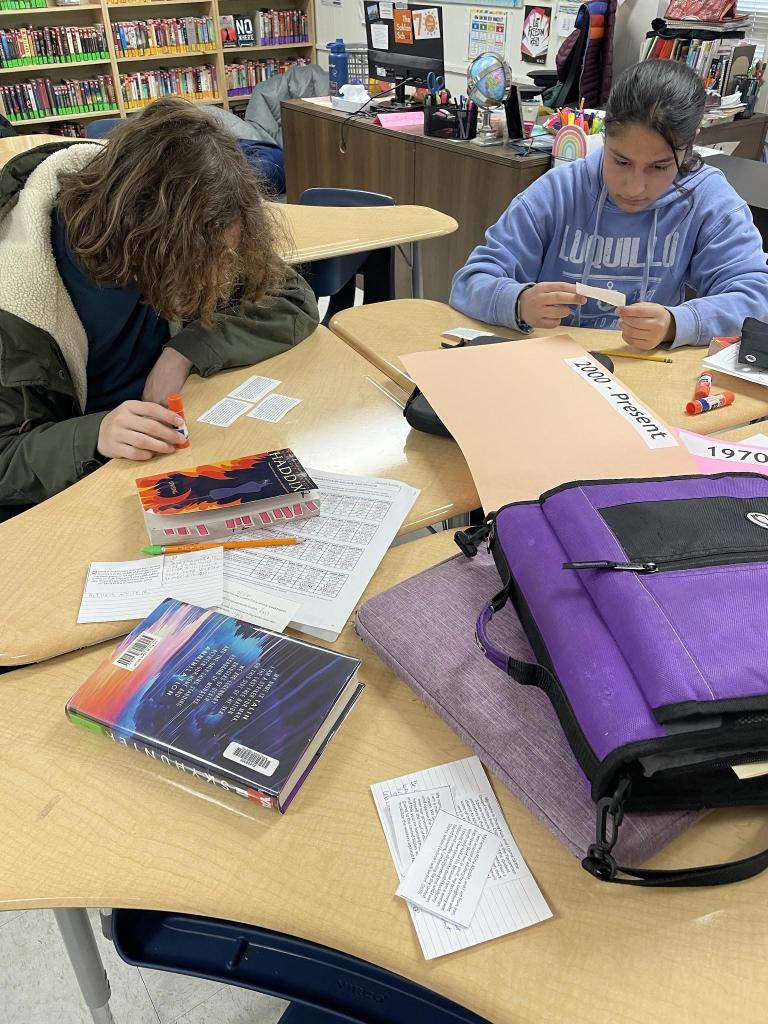
Each student then selected a card telling the true-life story of a migrant who came to the United States sometime between the 1790s and the 2000s. They wrote down the reasons why this person migrated and which Articles in the UDHR were relevant to that person’s experience. 

After each student shared their person’s story and relevant UDHR Articles in date order, the class compiled an Immigration Timeline, which tells the true stories of 40 migrants to the United States.

The class finished up with a gallery walk during which the students read all of the life stories on the timeline, identified the most common reasons why immigrants came to the U.S. throughout history, and made connections to the specific violations of the migrants’ human rights that motivated them to do so.

Resilient Students

Saklan’s social-emotional learning topic for February is to be resilient. During the month, all Saklan students will discuss what resilience means and look for ways to show their resilience on campus and at home. At the end of the month, 1st – 8th graders will meet with their Family Groups to further discuss how to be resilient and participate in collaborative activities.

#SaklanSEL

Adventure in Space

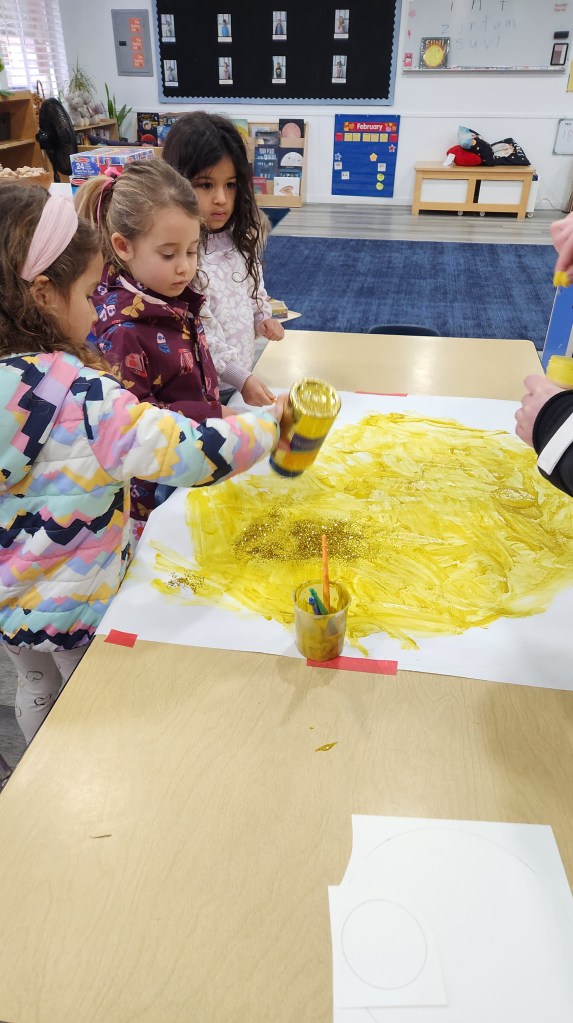
The Hoot Owls have taken on a new inquiry topic: Space! Space is something that the class was very curious about, and just like any new inquiry, they started by asking questions. Amongst their many wonders, the Hoot Owls shared:

  • “How come there is no gravity in space?”
  • “Why is there an eclipse?” 
  • “What are the little red rovers on different planets?” 

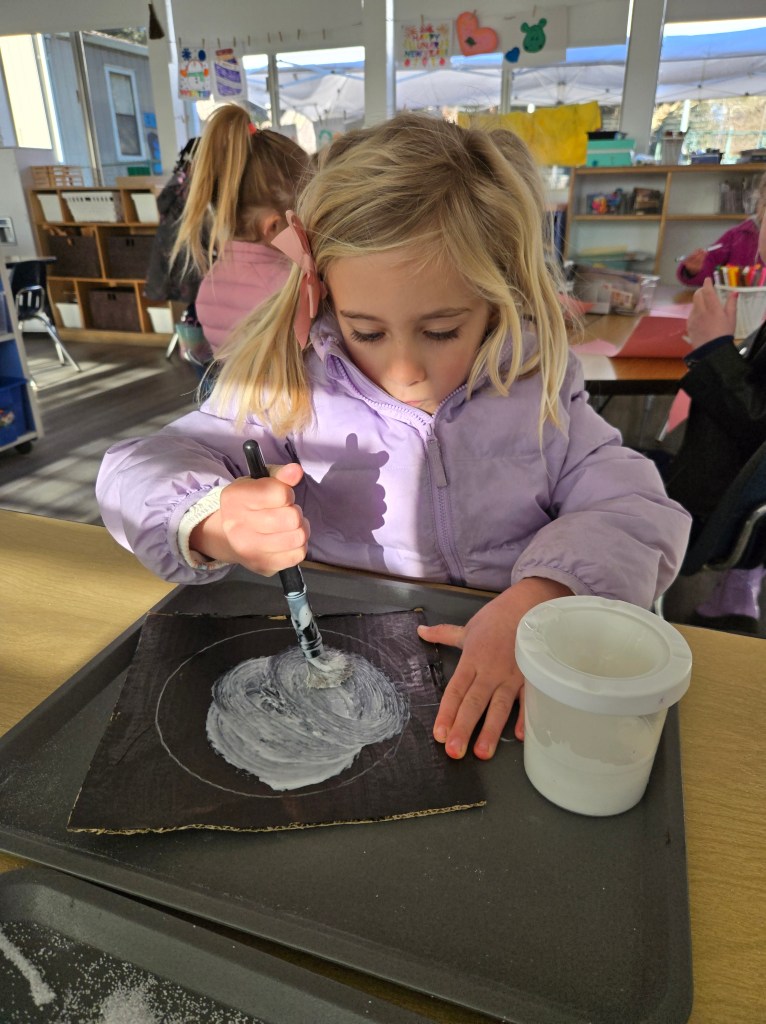
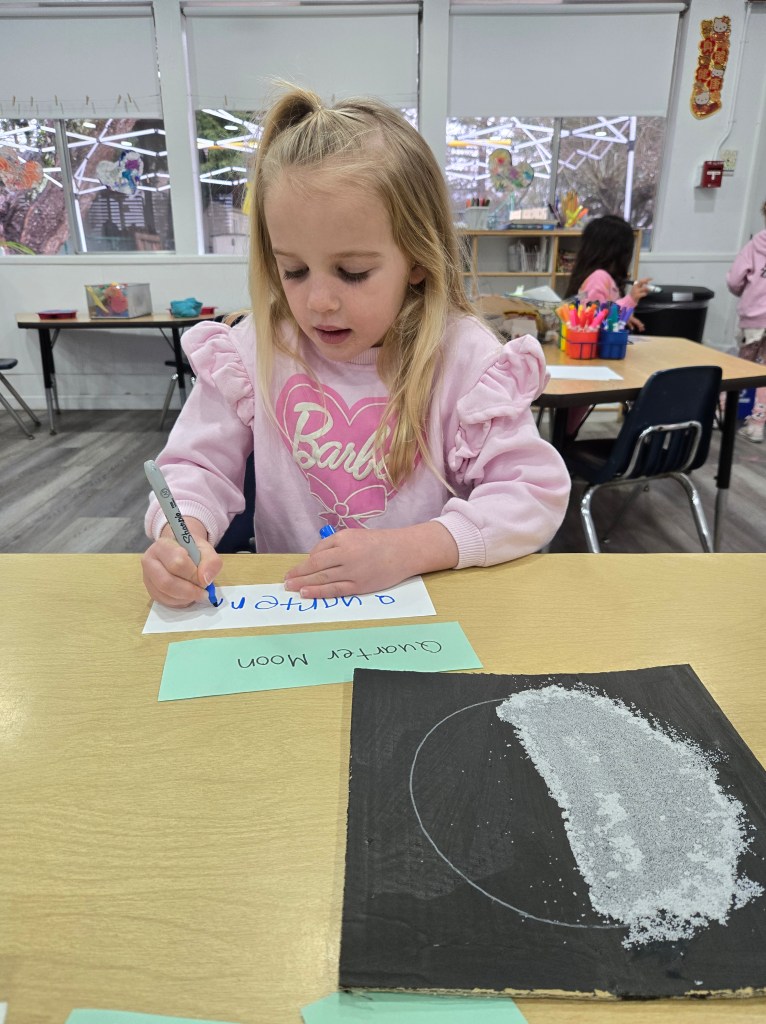
The class read Moon! Earth’s Best Friend by Stacy McAnulty, in which they discovered that the moon has different phases. Next, to address one of the student’s questions, “Why is there a moon in space?” the class watched a video about the formation of the moon. The Hoot Owls then created moon representations to showcase what they learned about the moon phases. 

Since the Hoot Owls were very curious about gravity, the class watched a video that taught them that gravity is a strong force that pulls things toward the center. They learned that gravity is what keeps people on Earth and why things fall to the ground. 

Next, the class read Sun! One in a Billion by Stacy McAnulty, which taught them that the sun is a dwarf star that gives us light. From Earth! My First 4.54 Billion Years by Stacy McAnulty, the class learned that Earth started as a big flaming ball of hot molten lava, and then it cooled with long periods of rain until it formed land. The Hoot Owls also learned about the four parts that make up the Earth: the crust, mantle, outer core, and inner core. They were amazed to learn that the sun’s gravitational pull keeps the Earth orbiting around the sun.

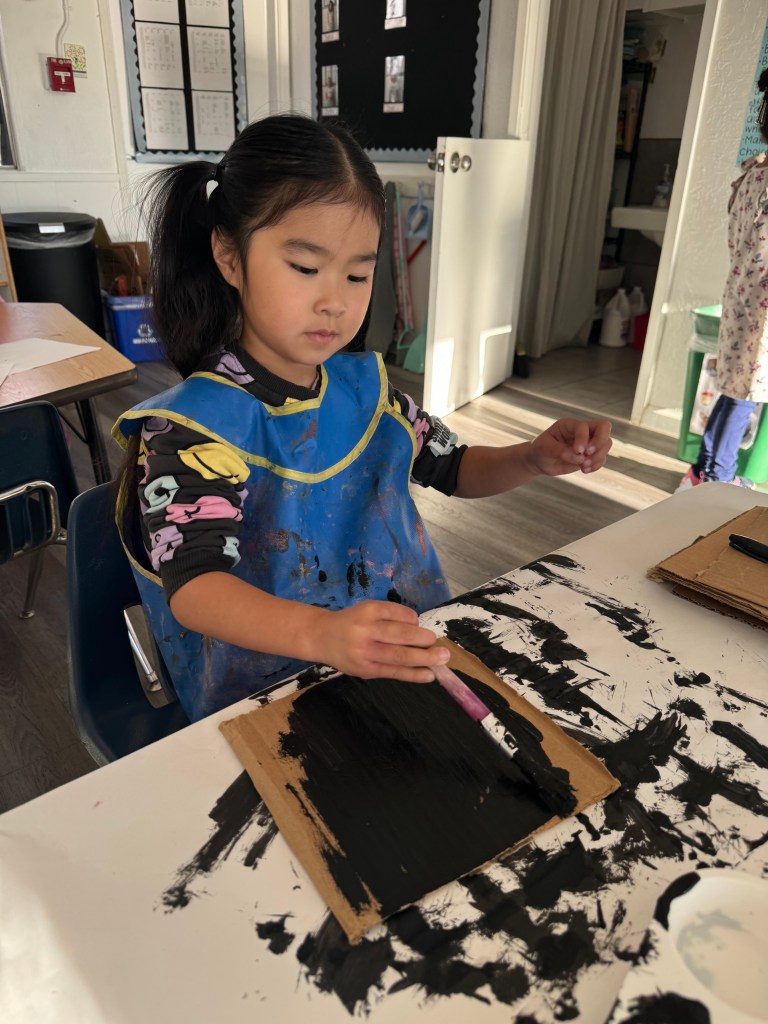
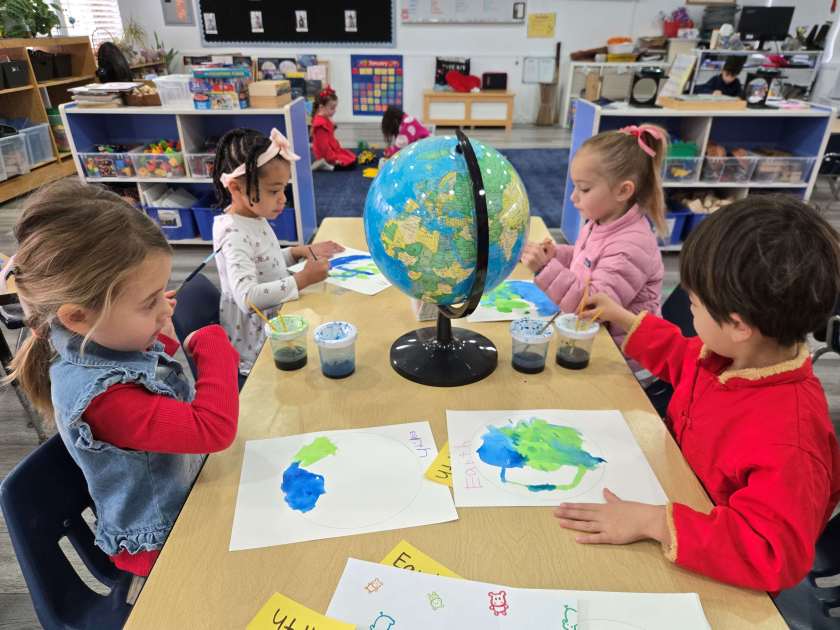
To reflect on what they learned, the class made Earth representations by looking at a globe and water-coloring what they saw. They are also working to create a representation of the solar system in our classroom.

Head’s Corner: Eating Sushi & Playing Piano

What Do Eating Sushi and Playing Piano Have in Common?

During Family Groups last week, students explored the concept of growth mindset – the belief that abilities and intelligence can be developed through effort, learning, and persistence. This idea, fundamental to our approach at Saklan, was developed by Stanford researcher Carol Dweck, and contrasts with a “fixed mindset” that sees abilities as static and unchangeable (think “I’m no good at math,” or “I can’t draw.”)

As I listened to their conversations, two insights perfectly captured this concept. One first-grade student shared how “eating sushi” exemplified developing new abilities – from initial resistance to eventual enjoyment. The eighth-grader in the group then remarked, “When I play hard pieces on the piano, I get better,” recognizing how tackling challenges develops skills.

These observations illustrate a growth mindset in action. Whether at the piano bench or the sushi bar, our abilities grow through practice, persistence, and embracing challenges. In our Family Groups, together, our older and younger students discover important social and emotional traits, creating bonds beyond the Family Group.

What makes these monthly gatherings special is how naturally such insights emerge through these peer interactions. While Standford researchers study growth mindset in laboratories, our students discover its power through shared experiences, creating a space where they teach and inspire each other across all grade levels.

#HeadsCorner

Learning in the Field: O’ahu Edition

Field trip? Field experience? These terms may feel synonymous; however, at Saklan we draw an important distinction between a field trip and a field experience. Instead of trips that may loosely connect in terms of content, a field experience takes students into the field to work directly with experts, answer key need-to-know questions, and drive our project work forward. 

One example of connecting with experts in the field is the 7th grade field experience to the island of O’ahu. The driving question for this science PBL unit is, “What can we do to help reduce the single use plastics in our area?” 

Prior to arriving on the island, students watched the Mockumentary: Majestic Plastic Bag and looked at photos of different animals impacted by plastic waste including sea turtles and albatrosses. They also saw direct evidence of animals ingesting plastic waste via the dissection of an albatross bolus, in which they found: a lighter, fishing lures, fishing line, bottle caps, toy parts, plastic flatware, and many small plastic fragments. They came to the realization that, if there is trash in the ocean, animals will ingest it. 

Still, for students, an albatross and their food sources can feel removed from our local environment and experiences. They wondered what type of waste is in our local environment. Students went “foraging” for “food” around Saklan and found many waste and plastic items that animals could ingest. It became clear that, despite our best efforts, waste still finds its way into our local ecosystem and therefore ends up in our waterways, and ultimately oceans and ocean animals. 

So how can we reduce the plastic waste that impacts our environment? The field experience to O’ahu helps students better understand the impacts of pollution on ocean life, connect with Hawaiian organizations already working to reduce waste, and learn about sustainable alternatives that already exist, as they prepare to answer the driving question by developing their own single-use plastic alternative. 

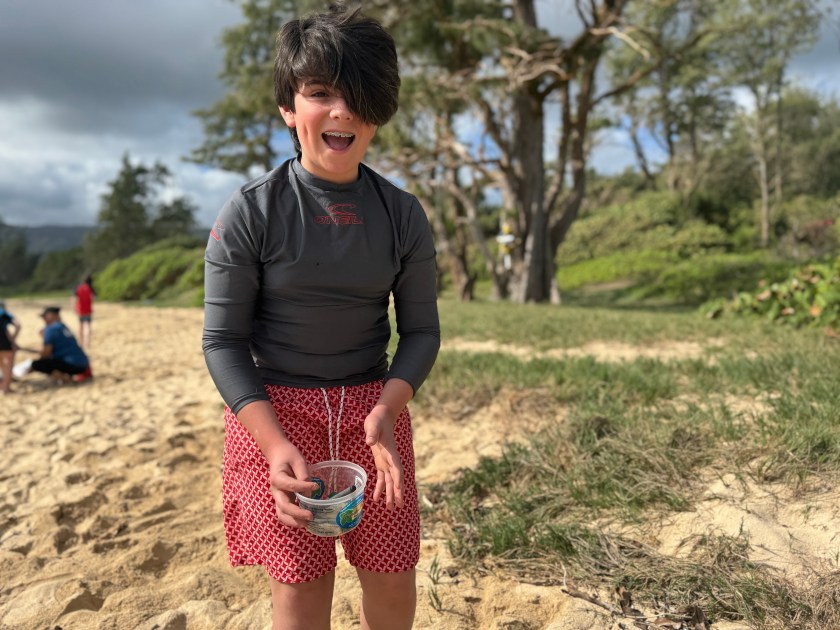
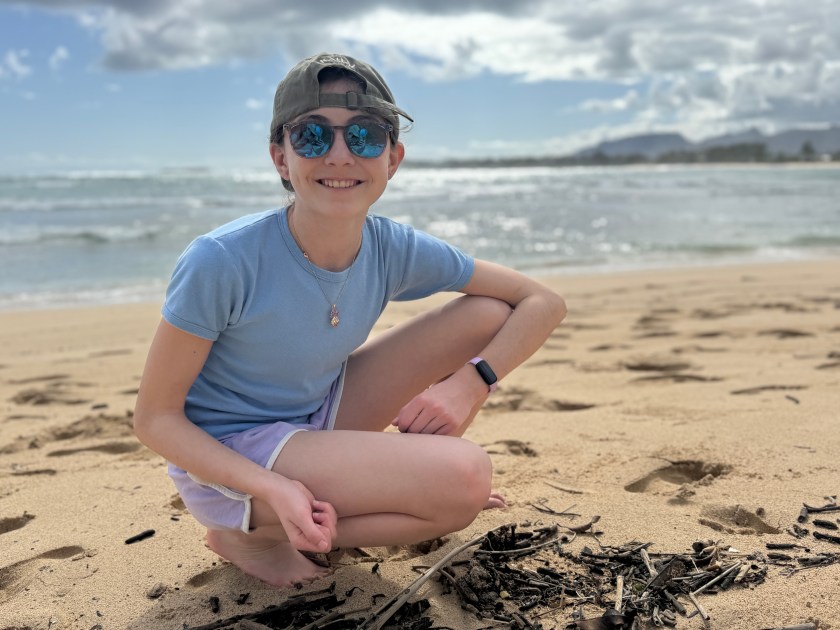
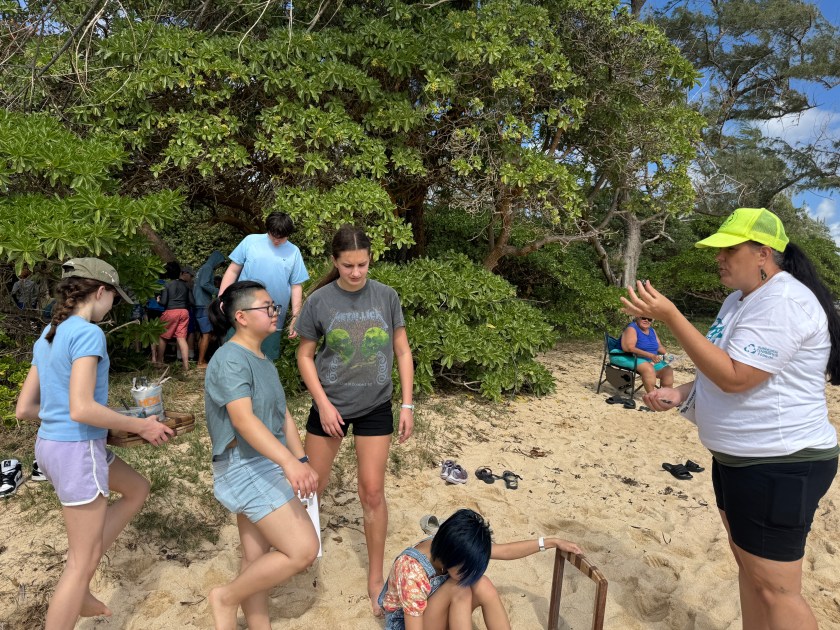
Students met Rebecca, Hideki, and Lynn from Sustainable Coastlines Hawaii, a local nonprofit organization that runs beach clean-ups, partners with schools, and educates the community at local events. Together they had the opportunity to mālama, care for, the ocean by completing a beach clean-up at the Mālaekahana Beach. Using a sieve-like tool, students removed 30 pounds of waste! Much of it could be classified as “micro-plastics,” or plastics that are less than 5mm in size. While students did find a large blue plastic jug on the sand, most of what they collected were super tiny bits of blue plastic, evidence of many different large blue plastic jugs that have broken down over time. Another surprise was the tiny white disks called nurdles, which are pre-production microplastics that are super tricky to recover from accidental spills into the ocean. The class was reminded that choices on land impact the oceans and that beach clean-ups can only take us so far! The staff from Sustainable Coastlines provided some great inspiration and ideas for alternatives to these plastics that are washing up on Hawaiian shores each day.

Sustainable Coastlines was just the beginning, while on O’ahu, students also connected with experts at Hanauma Bay Nature Preserve and Project Genki Ala Wai where they made and deployed Genki balls in the Ala Wai Canal to restore its ecosystem making it safer for both people and animals. 

The 7th graders will take these many rich learning experiences in the field back to the classroom to help them answer their driving question and refocus on sustainable alternatives to single-use plastics in our local environment. 

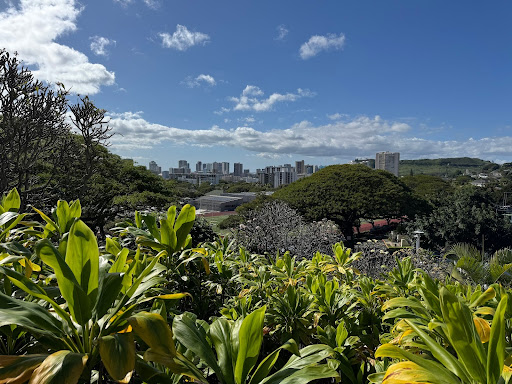
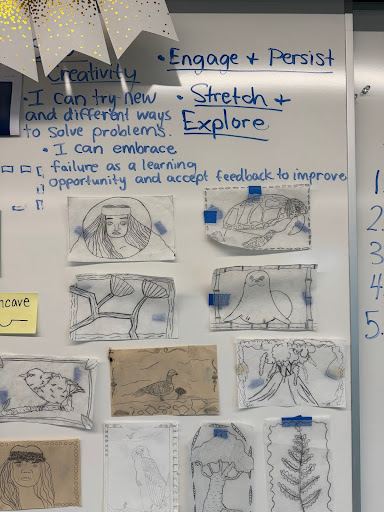
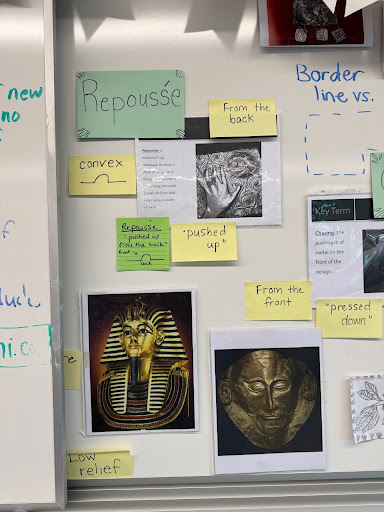
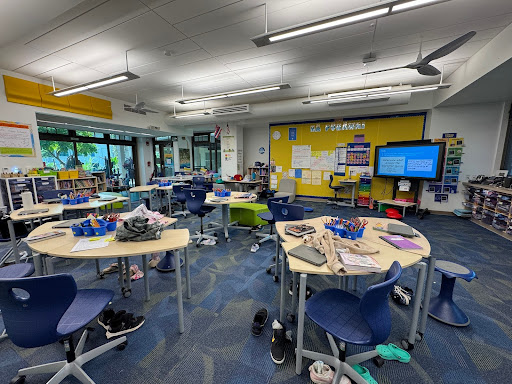
As always, the students aren’t the only ones gaining inspiration and connections to drive their work forward! While on the island, Linda Lathrop visited Punahou School to learn about how they approach projects and design thinking. From the integration of native Hawaiian language, music, food, and dance to design projects in their STEM labs and art rooms, it is always enriching to connect with other teachers to hear about their practices. Just like our 7th graders are out in the field grappling with the content of their project, our staff enjoyed the opportunity to discuss project hurdles and successes from another school site. Opportunities like these to connect with different schools give us new ideas and potential solutions to our own project hurdles! It is also exciting to see practices we have in common too! Can you spot any in the photos below?

We look forward to hearing more about all this rich teacher and student learning when the students and teachers return to campus next week!

#SaklanPBL

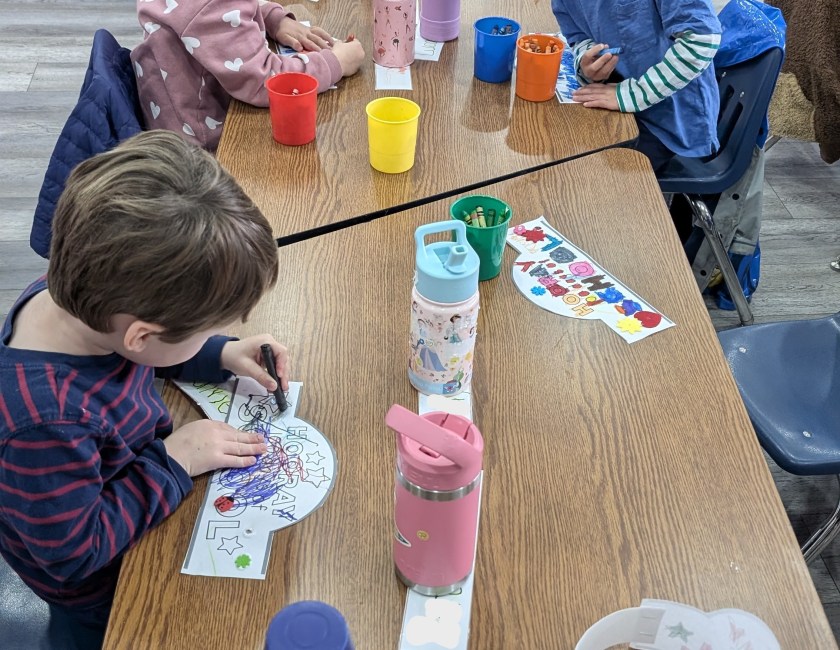
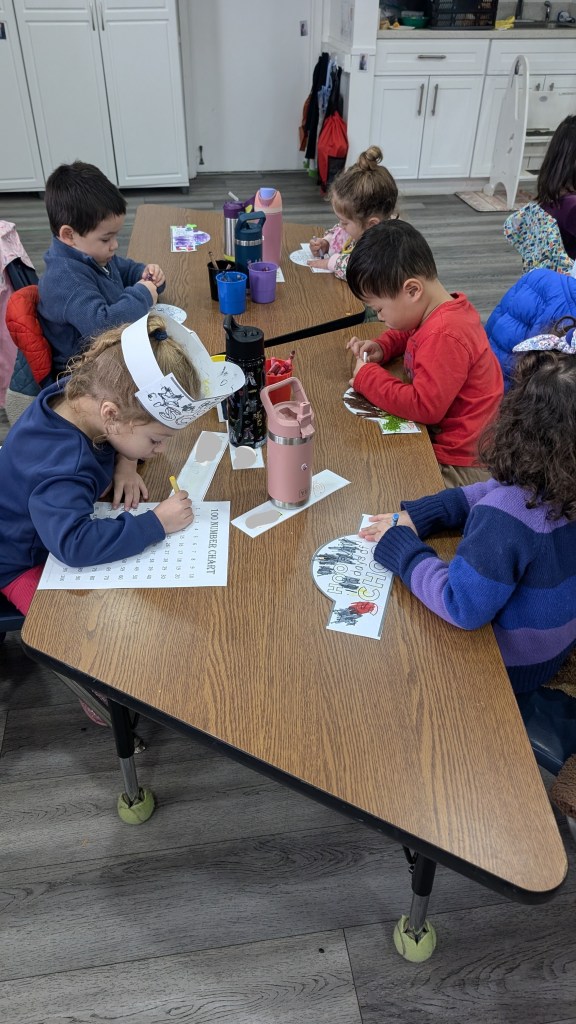
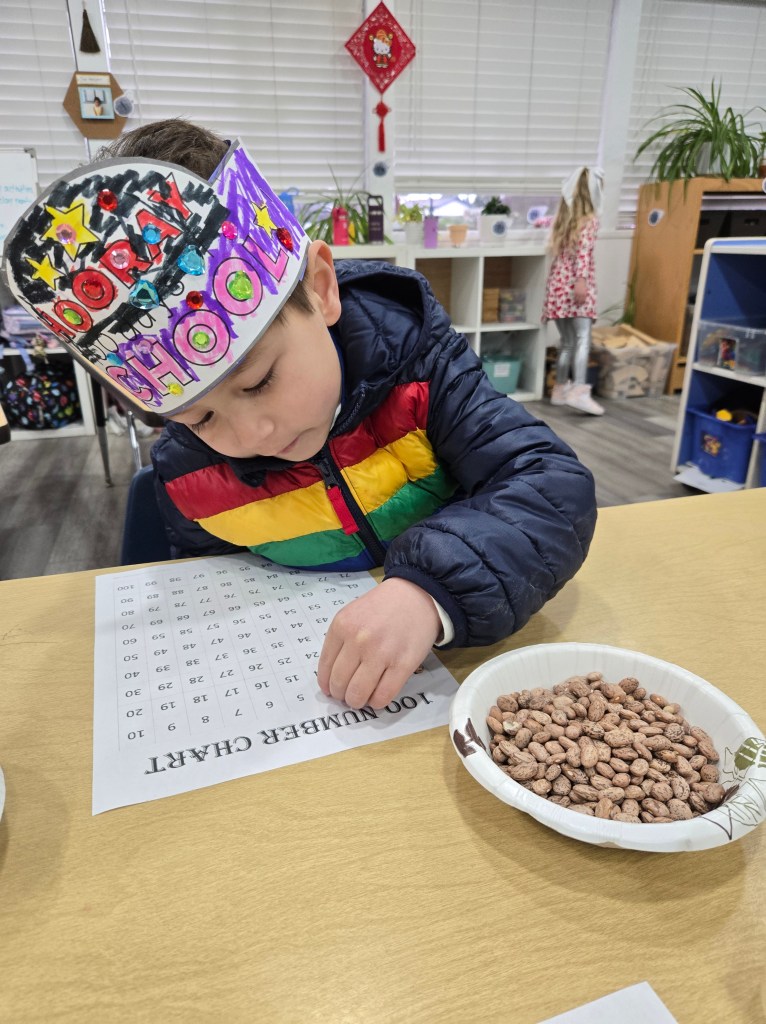
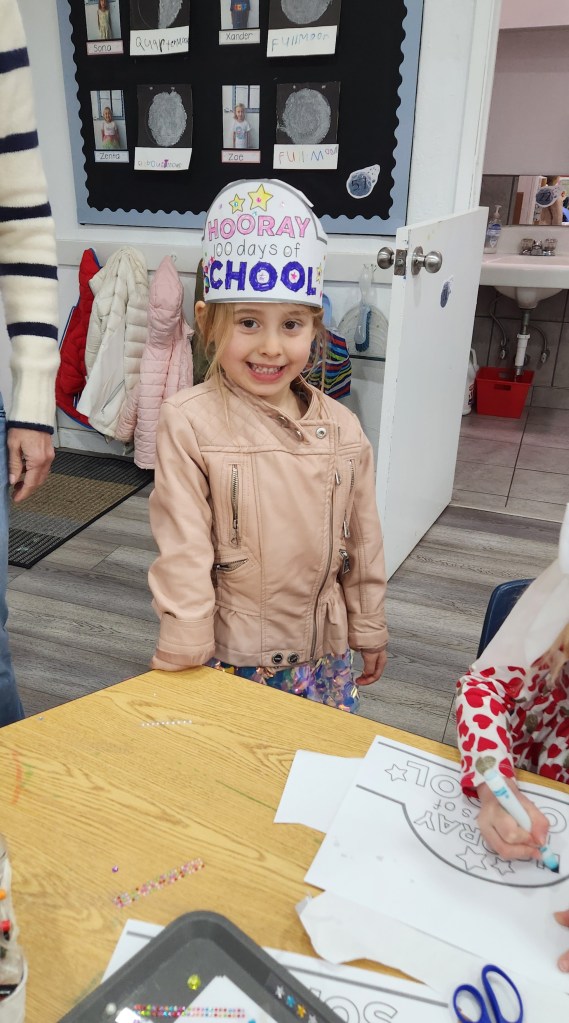
Celebrating 100 Days

Did you know that on Thursday, February 6th, Saklan students celebrated the 100th day of school?  

The Owlets celebrated by making crowns and searching for 100 hidden pictures of themselves throughout the classroom.

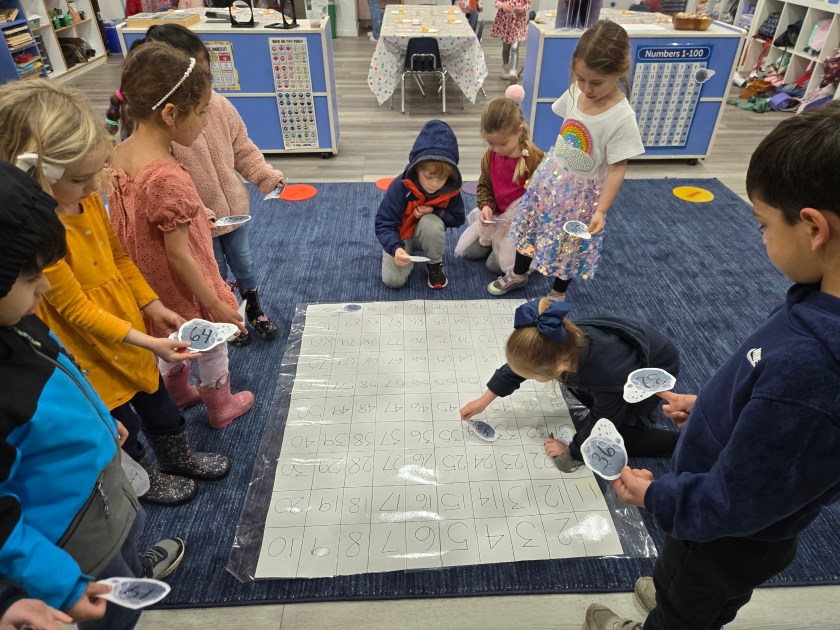
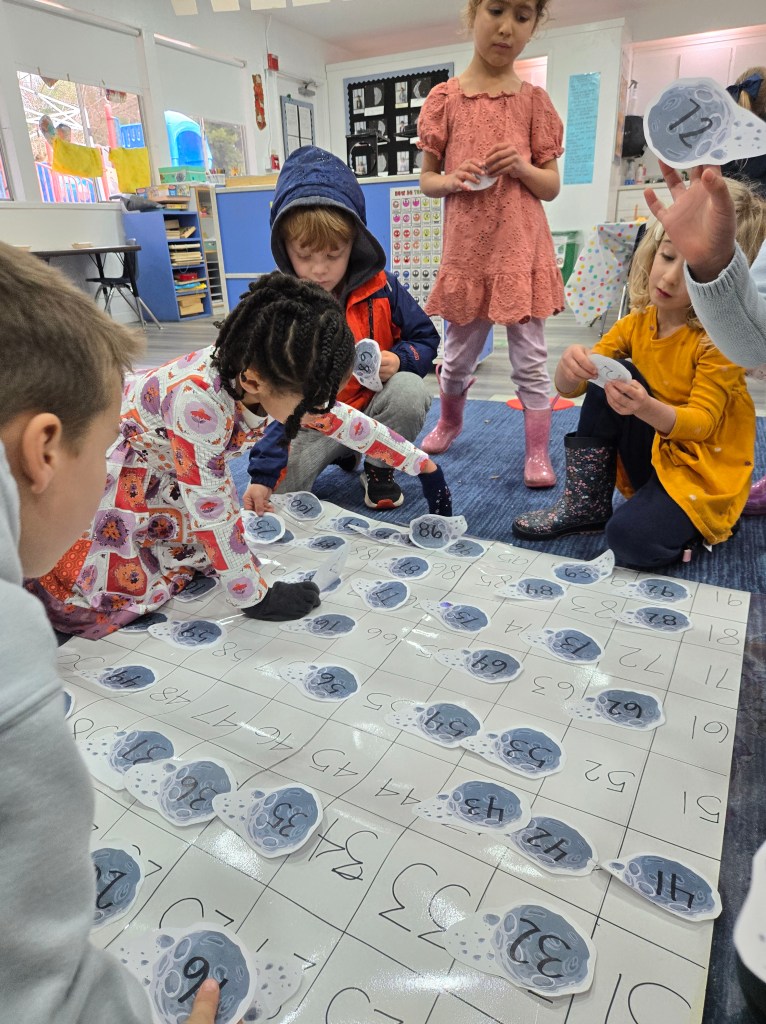
The Hoot Owls celebrated by searching for 100 meteors around their classroom, making 100-day crowns, and counting to 100.

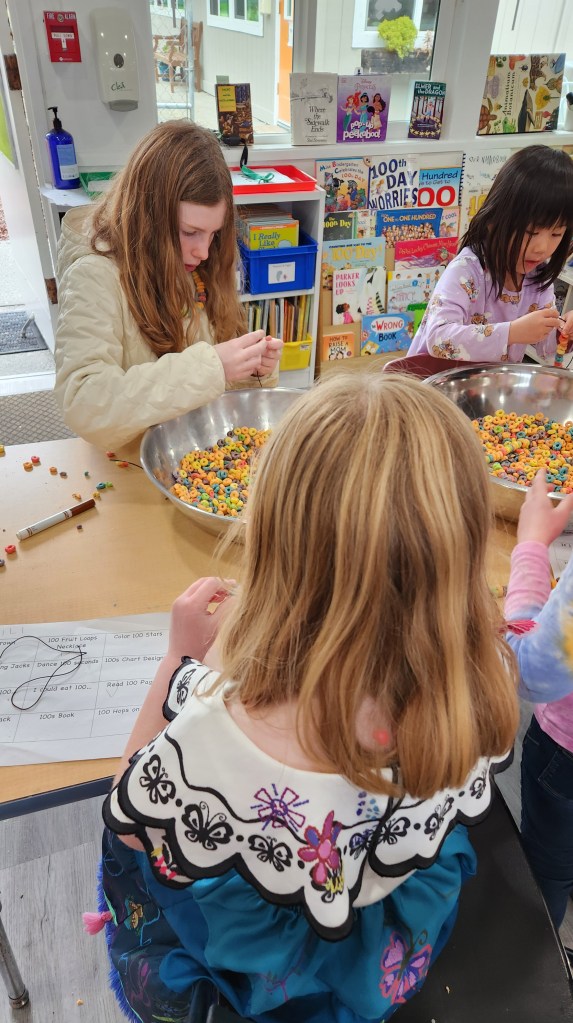
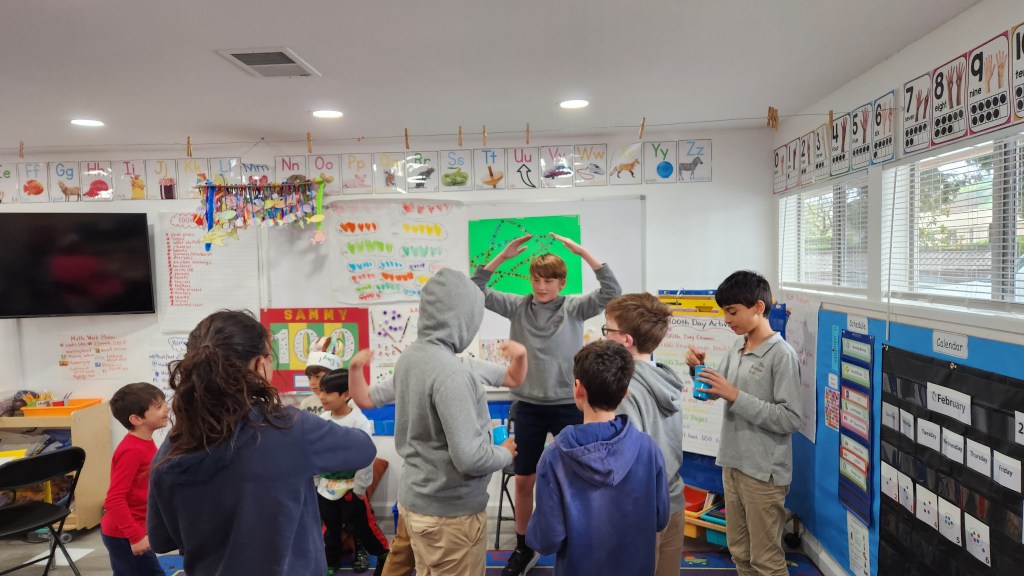
The Kindergartners celebrated by inviting 1st, 2nd, 3rd, 4th, 5th, 6th, and 8th graders to their classroom to make crowns with 100 stickers on them, write about what they would do with $100 and what they can eat 100 of, dance for 100 seconds, and make necklaces with 100 fruit loops on them.

It was a great day of celebrating 100 days of learning so far this school year!

Alumni Corner: Dash Nowak

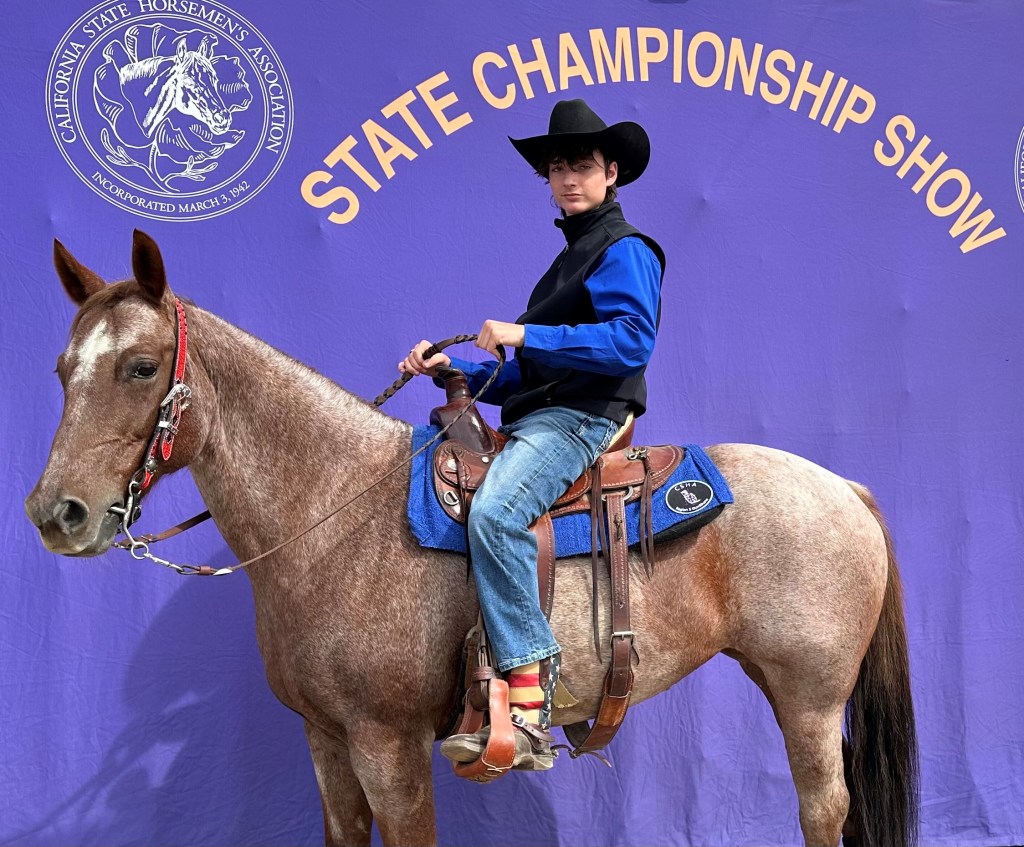
Dash Nowak, a member of Saklan’s Class of 2022, is currently a junior at Holden High School in Orinda. Dash has long been riding horses, and these days he and his horse Daisy are actively involved in rodeo competitions. In 2024 they qualified for the California State Championship in barrel racing!

Dash and Daisy are already looking to the future, and plan to attend a university with an active rodeo program.

We are proud of our alumni and love seeing what they are up to, whether it be in high school, college, or beyond. If you or your alum have an update to share with us, we would love to hear it!

#SaklanAlumni

Summer Camp Registration Open

A summer of creative exploration awaits your child during Summer@Saklan! This summer, camp will run in one-week sessions from June 16th – August 1st, and is open to all children ages 3 – entering 3rd grade. Each session of camp consists of fun art and science-related activities including art, crafts, science experiments, games, and more. Additionally, Friday afternoons will feature fun activities including water play, a bounce house, and special guests such as a magician or puppeteer. Summer@Saklan is sure to be tons of fun!

To learn more about Summer@Saklan 2025, check out the summer camp webpage today!

We look forward to another amazing summer of hands-on learning, growing friendships and lots of fun!

#Summer@Saklan