
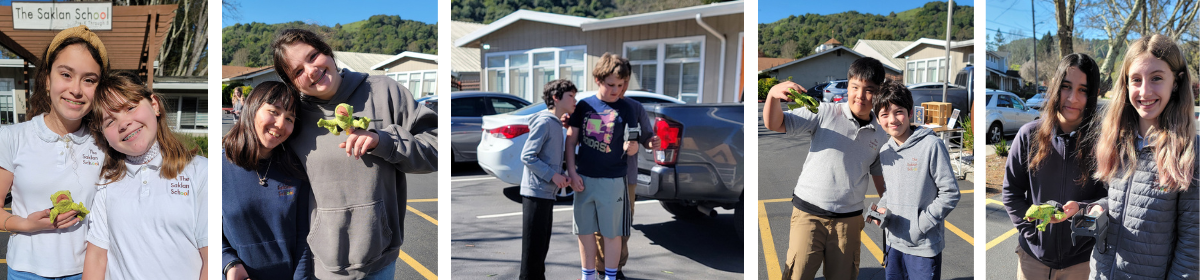
As part of their Community Spaces Project Based Learning unit, 7th graders recently analyzed, brainstormed, collaborated and categorized to answer the focus question: What makes a community space successful and sustainable?
First, each student wrote a paper analyzing the successful and sustainable features of one space or structure in the Maya, Aztec/Mexica, or Inka civilizations. The spaces and structures they studied included the construction and urban design of Tenochtitlán, temples, marketplaces, ballcourts, observatories, homes, and palaces.
Next, the class brainstormed successful features of the places they visited during field experiences: Moraga Commons, the Wellness Center at Los Perales Elementary School in Moraga, the Oakland Museum of California, and Temple Hill in Oakland. The students also learned about contemporary sustainable low-rise buildings designed by Japanese architect Kengo Kuma, such as the National Stadium built for the 2020 Tokyo Olympics.
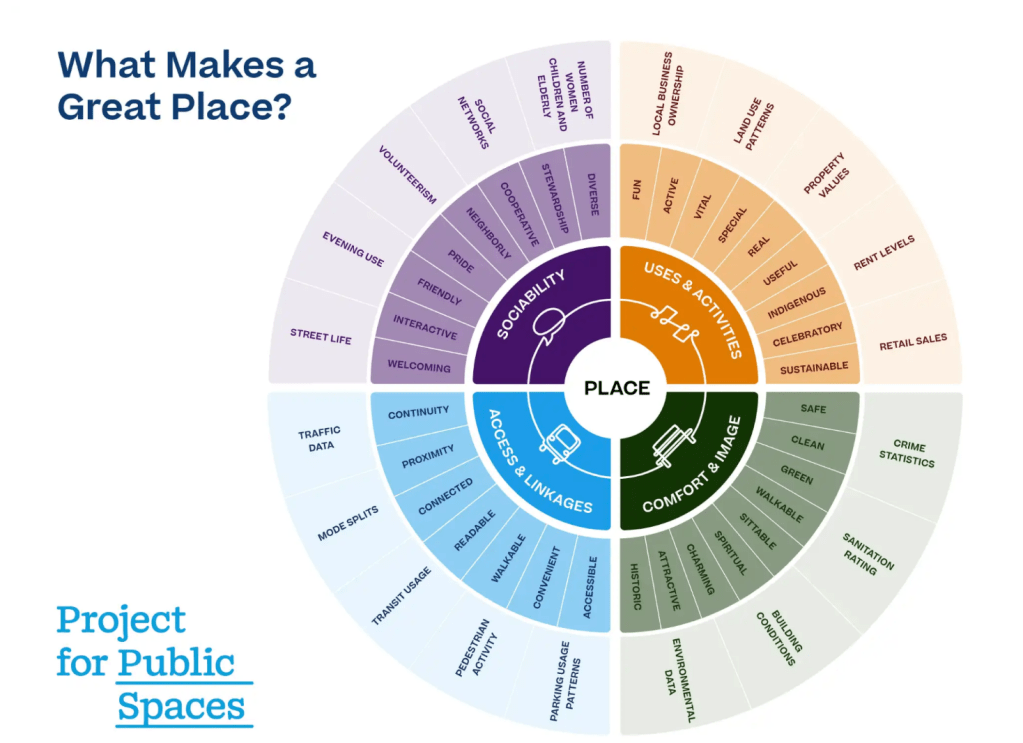
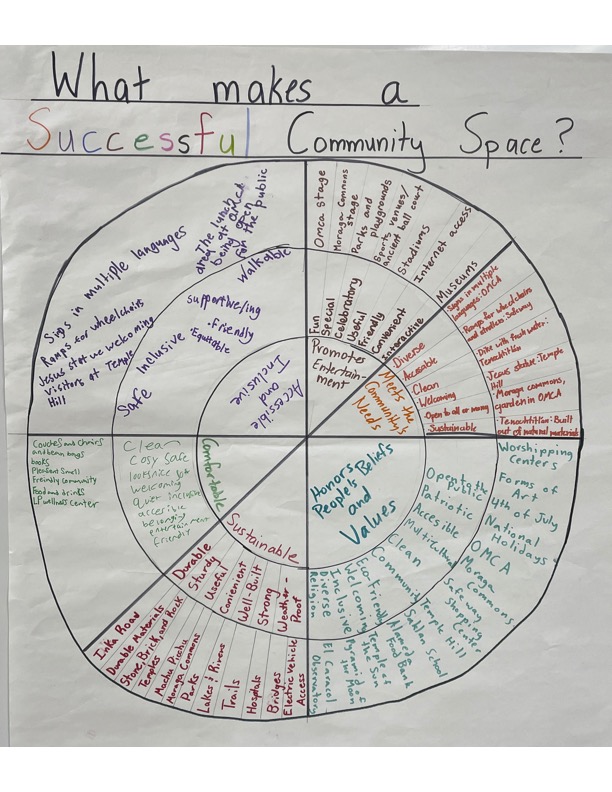
After they generated lists of the successful features of all of these spaces and structures, the students worked in small groups to place these features into categories. They used the below visual representation as a model. Next, the class narrowed down their successful space criteria into six categories. Working in groups, the class collaborated to create their own version of the diagram (click the arrows below to see their version).
To conclude the unit, the 7th graders applied the success criteria they developed to propose improvements to the existing Saklan School campus or a redesigned and rebuilt Saklan campus. The students presented their suggested improvements to members of the Saklan Board of Trustees and the administrative team on Thursday and Friday of this week.
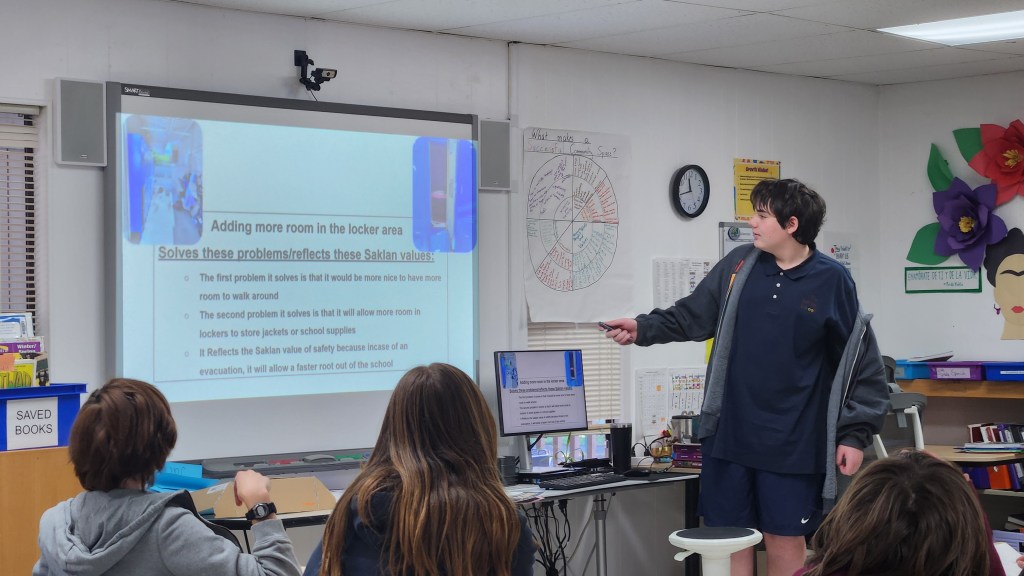
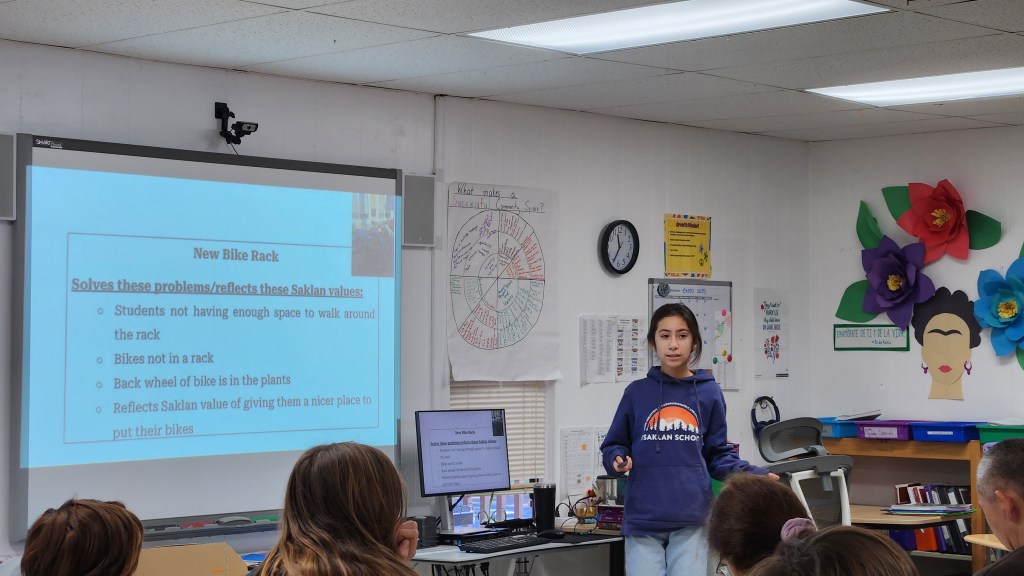
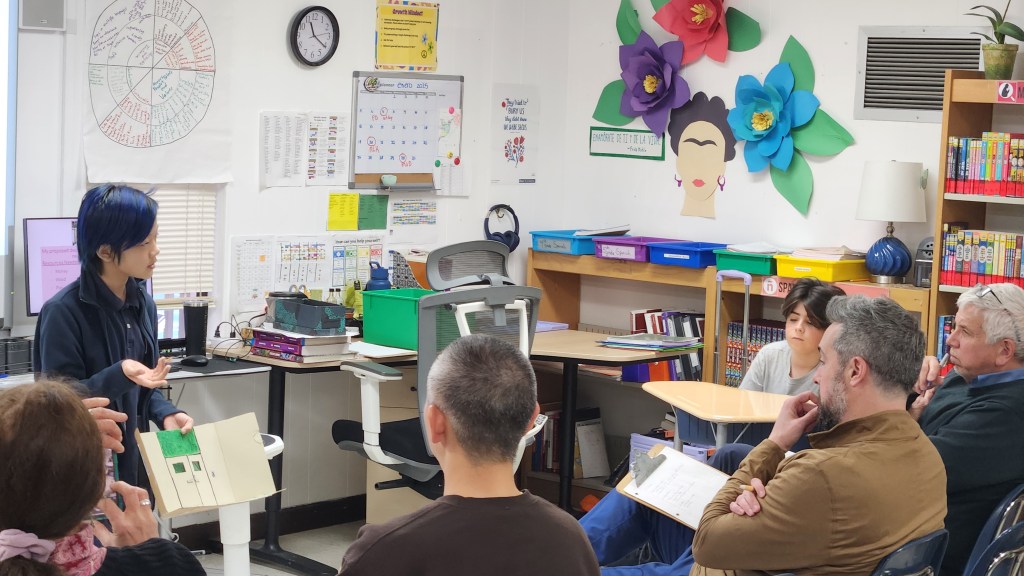
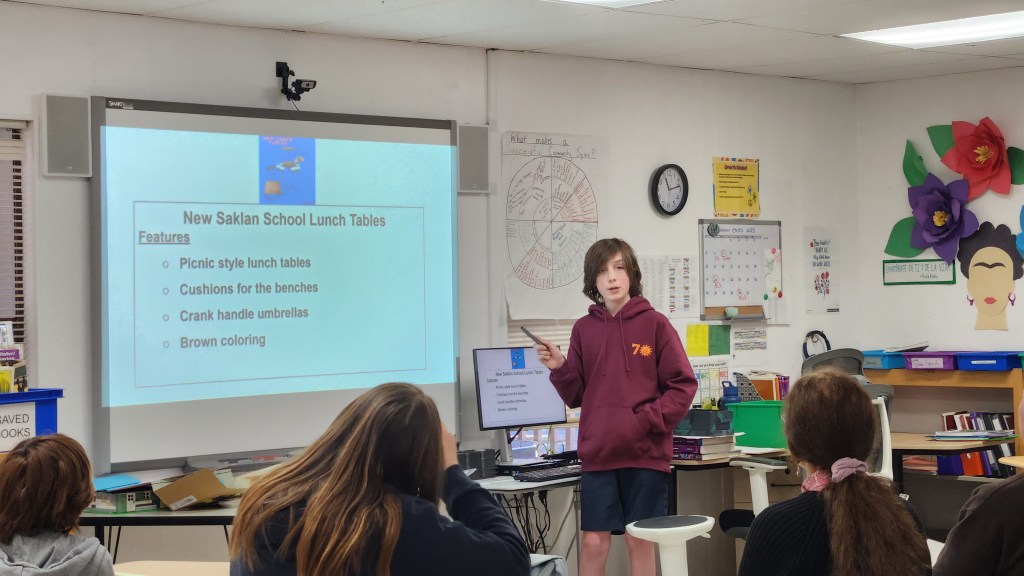
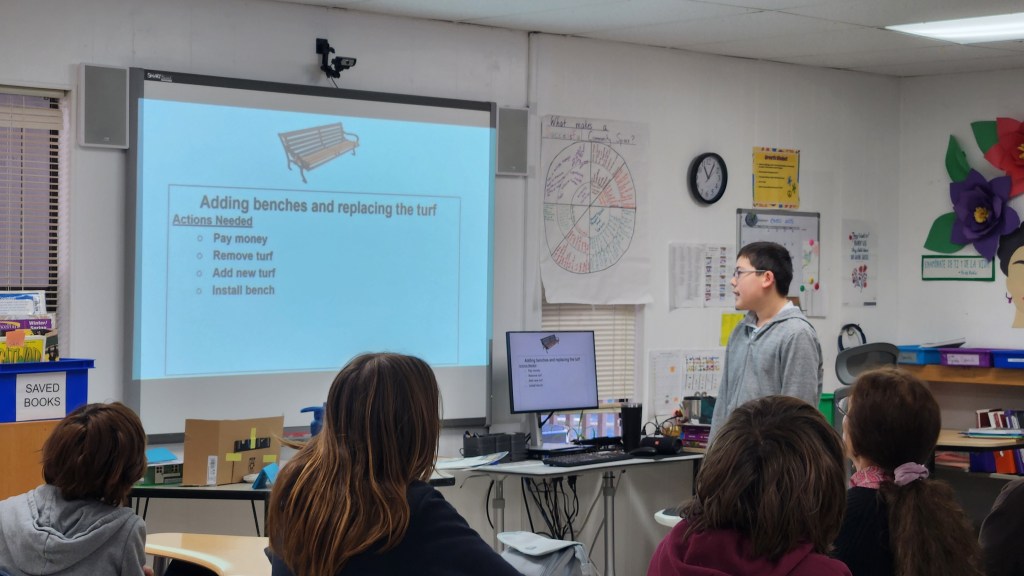
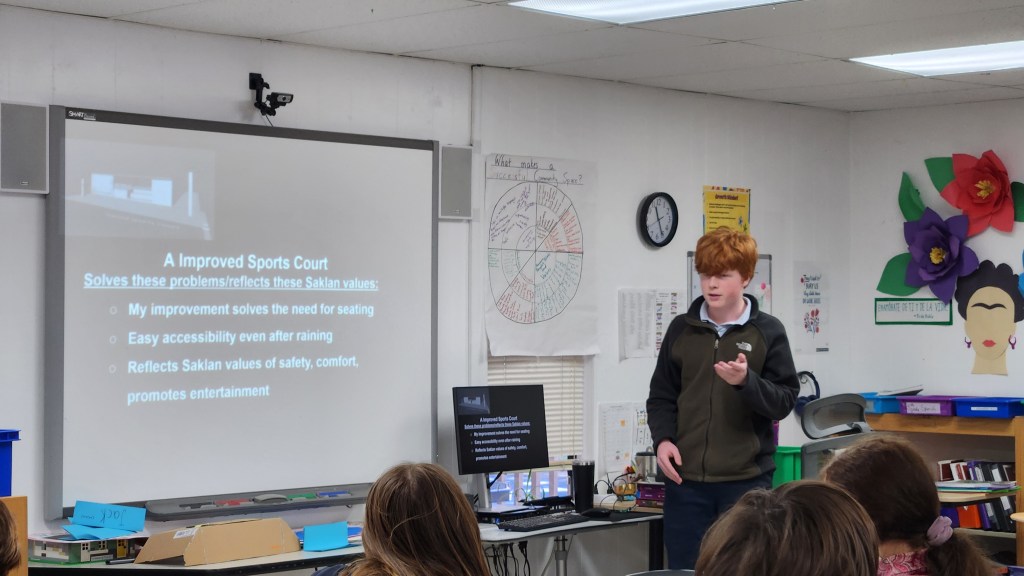
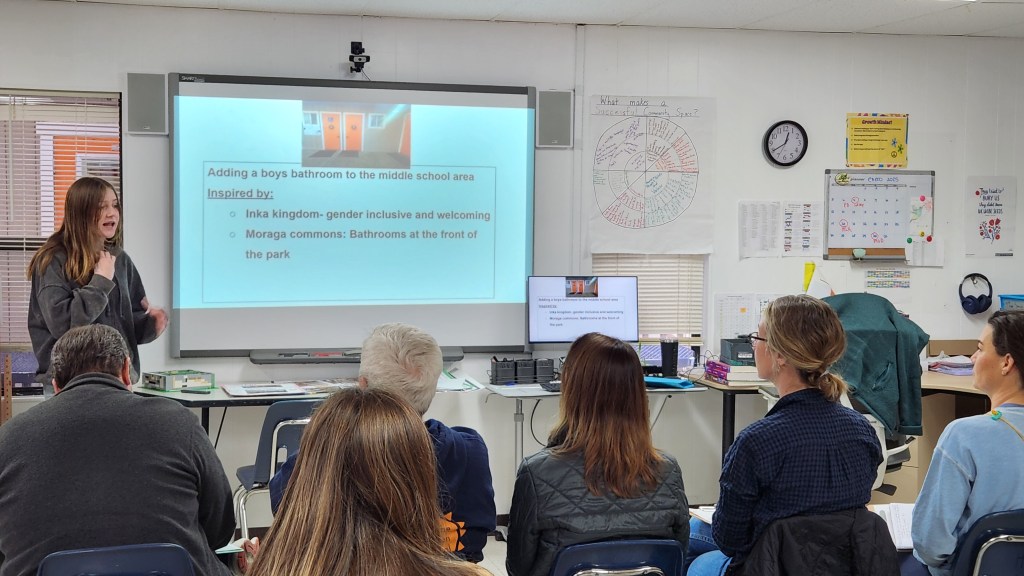
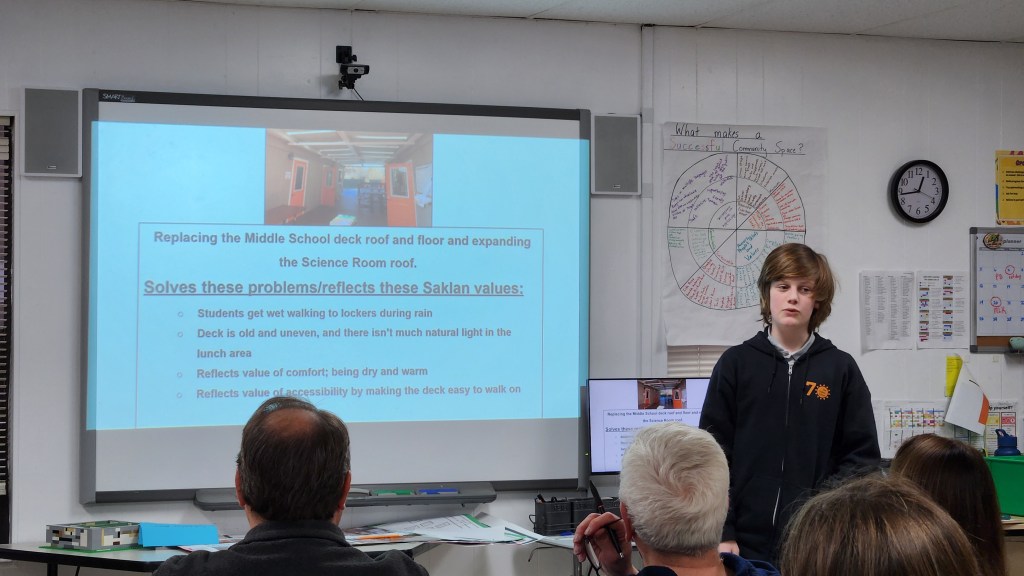
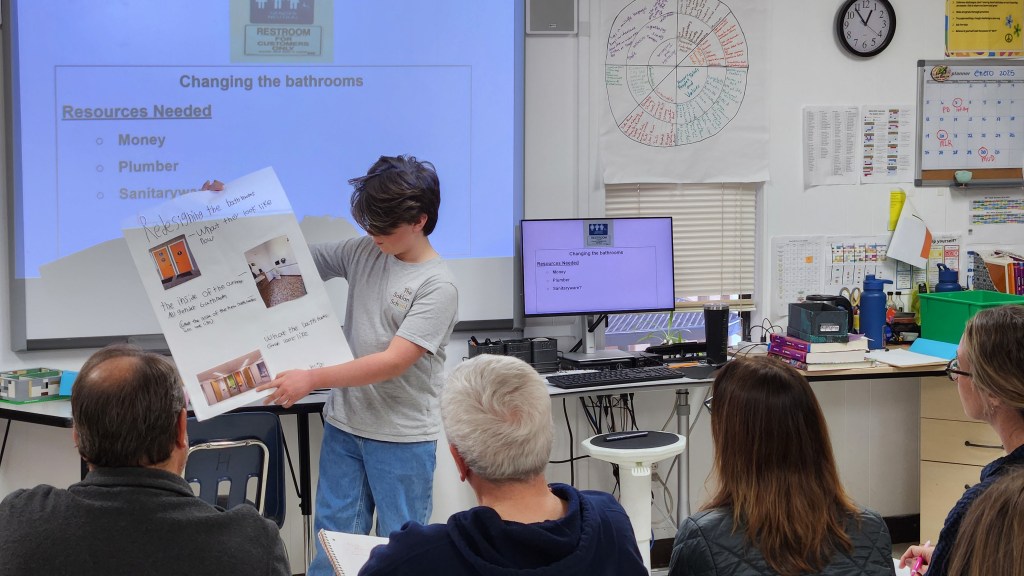
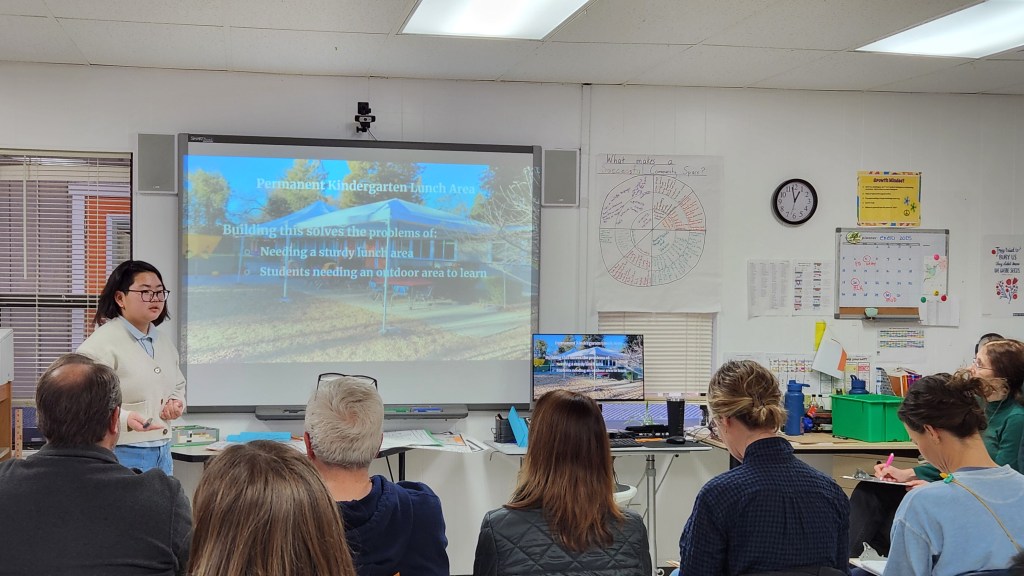
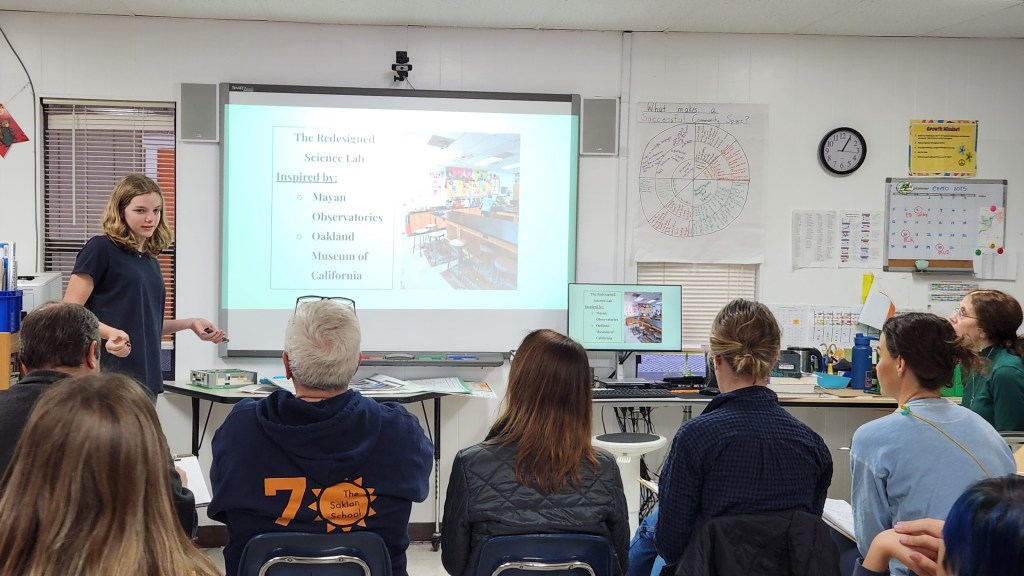
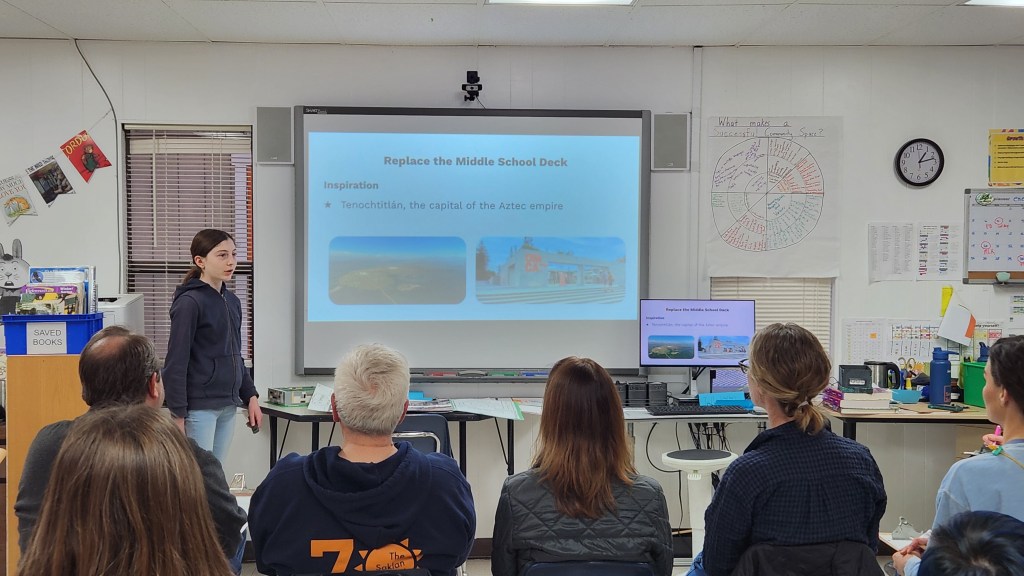
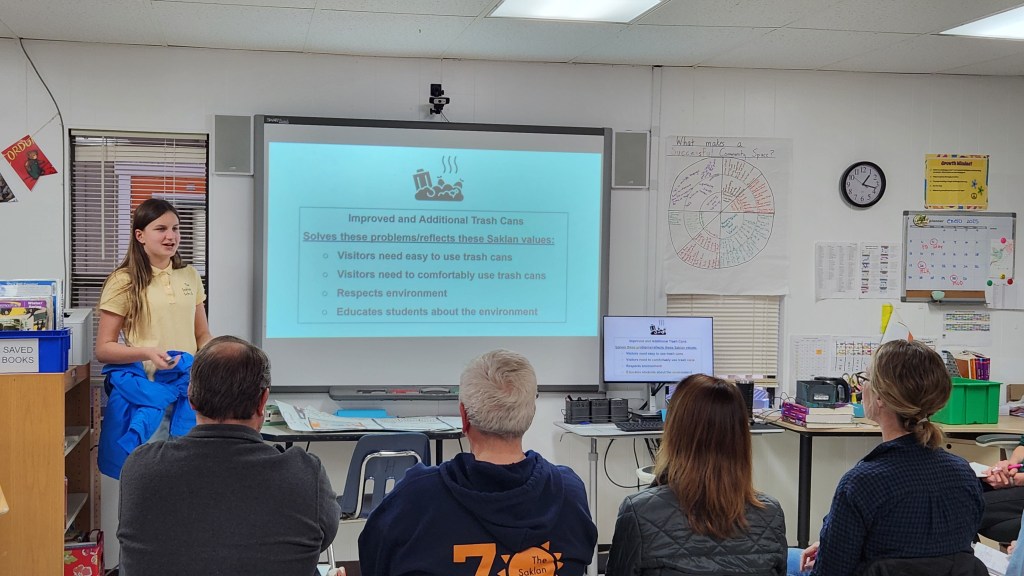
To learn more about their campus improvement suggestions, please join us for CLAS next week, on Friday, January 31st, when the 7th graders will share an overview of their project with the community.
#SaklanPBL

 FRIDAY BLOG