
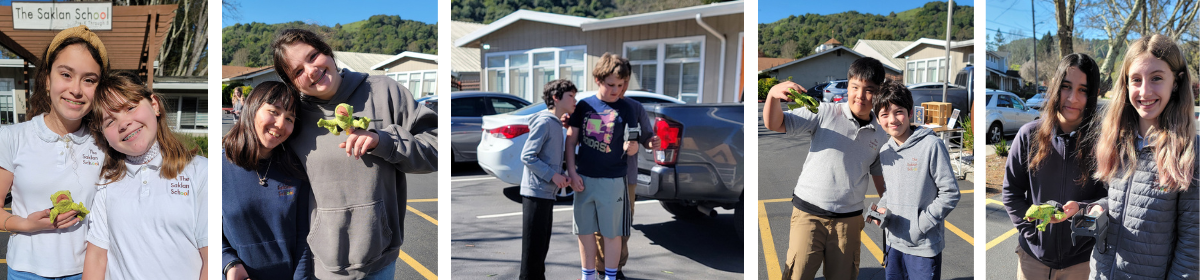
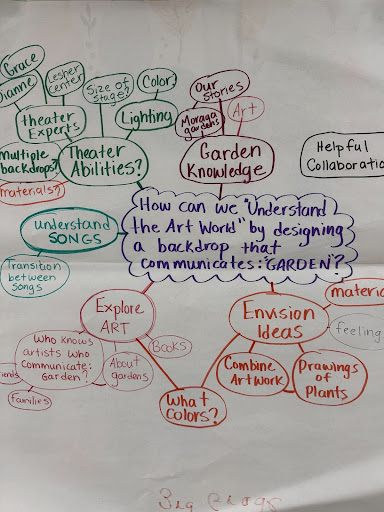
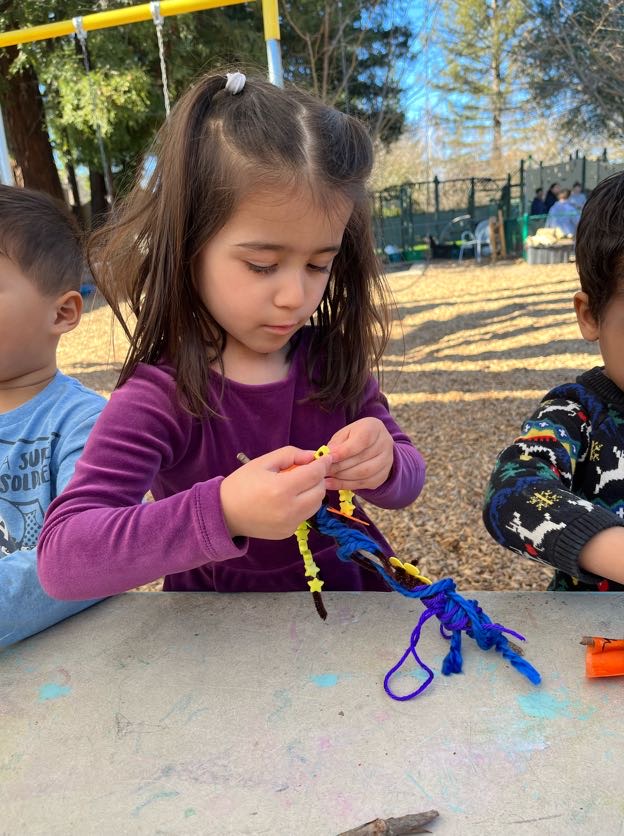
One of the most special elements of Saklan Project-Based Learning is the ways in which annual units take on different elements each year. For the last three years 2nd and 3rd grade students have designed the backdrop for our spring concert at the Lesher Center as part of a PBL unit on color and communication. This unit centers on the driving question: How can we understand the art world to design a backdrop that communicates “garden?”
This year there has been an intentional focus on one particular Studio Habit of Mind: Understanding the Art World. This studio habit, one of eight developed by the researchers at Project Zero, focuses on the study of art history and contemporary practices to learn how to act as an artist in collaboration with other artists in broader society.
The unit began with students sharing their own experiences of gardens. This process activated their prior knowledge and began to elicit ideas, feelings, and questions connected to the concert theme. Next, they completed a whole class brainstorm of ideas, colors, experiences, feelings, and connections to the driving question. This work helped guide the decisions about which artists students would focus their learning on as they worked toward the design and creation of the concert backdrop.
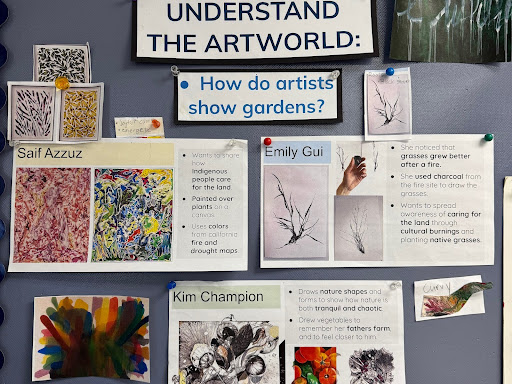
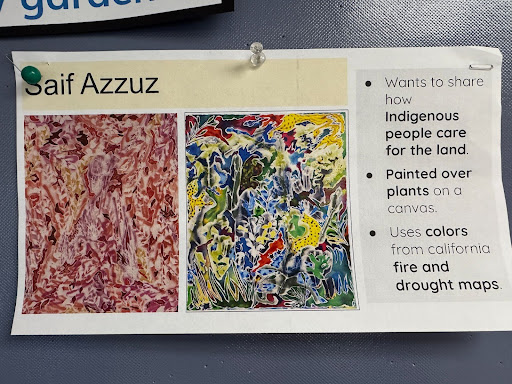
The unit then moved on to explore artists whose work focuses on gardens, nature, and tending to the environment. Made with charcoal scavenged from the scorched earth after a wildfire, Emily Gui’s drawings of wild grasses that emerged after the fire, connected to the 3rd graders’ research on native plants earlier this year. It was also a jumping off point to help expand the students’ definition of what a garden may mean to different peoples. They compared drought maps to the work of Saif Azzuz, which often focuses on the importance of tending the California landscape through the Indigenous wisdom of cultural burns and the varied medicinal uses of native plants, as seen in his recent installation at Stanford Research Park. Finally, students considered the impact of color, and what happens to our interpretation of artworks when color is removed using works by Kim Champion. It struck students that when the color was removed from her art, often much of the meaning was lost and the figures became harder to identify.
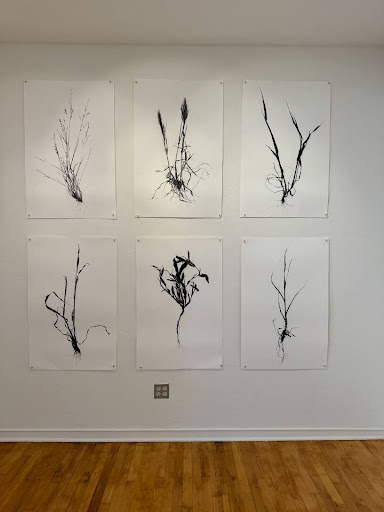
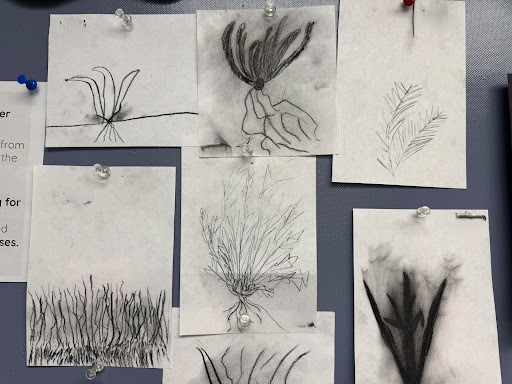
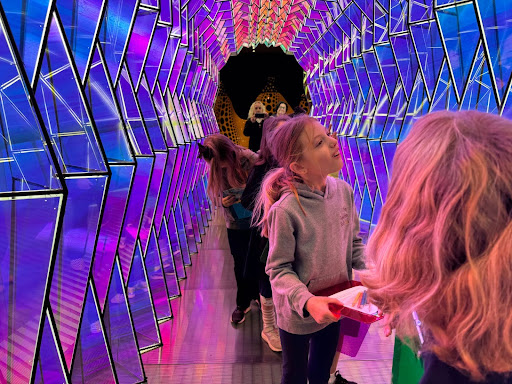
Visiting SFMOMA as part of this PBL unit was a highlight for our second graders. This opportunity to engage with large works in a museum space gave students a chance to observe a variety of ways artists convey the theme of garden. They explored many different types of works and interpretations of our theme.
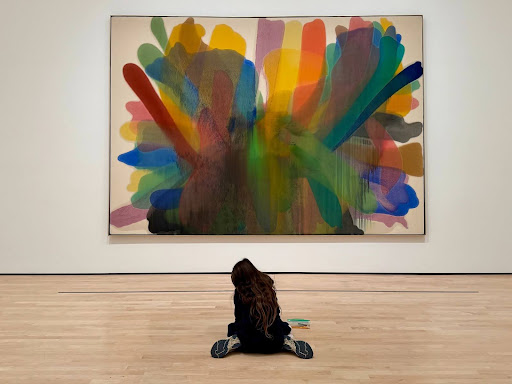
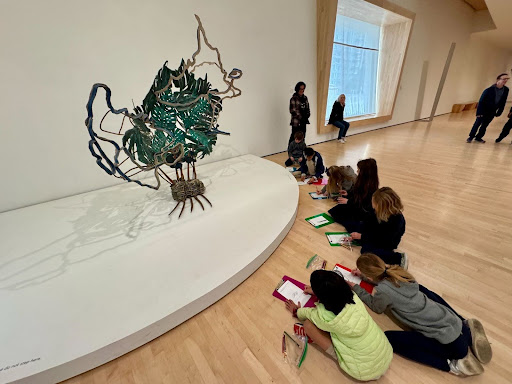
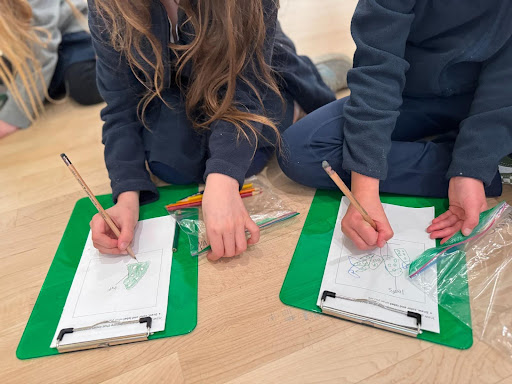
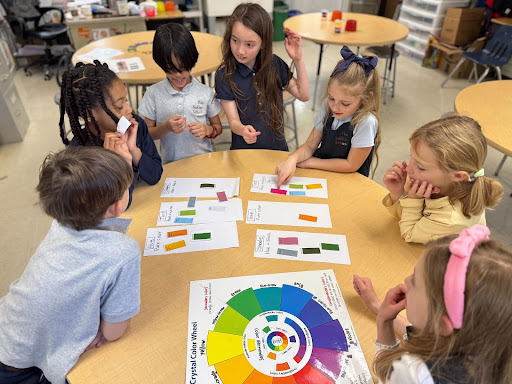
After exploring different artists’ interpretations of garden, students reflected on the feelings and connections to the theme that they wanted to express through their backdrop art. Three distinct groups emerged. One group most associated gardens with the feelings of excitement and joy, another with a sense of awe for life, and a third associated gardens with calm. Each feeling group identified colors to communicate those feelings using their growing understanding of the art world.
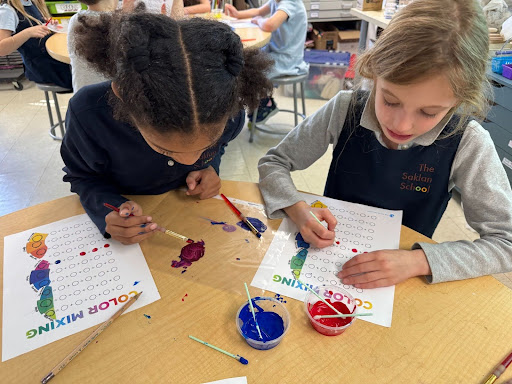
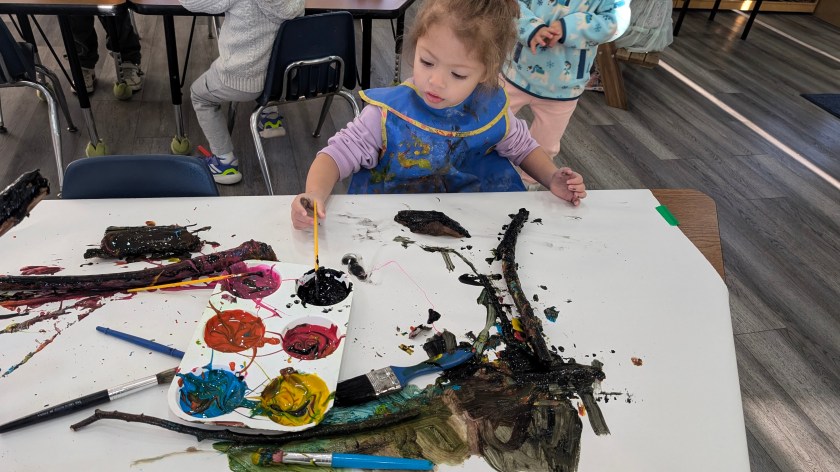
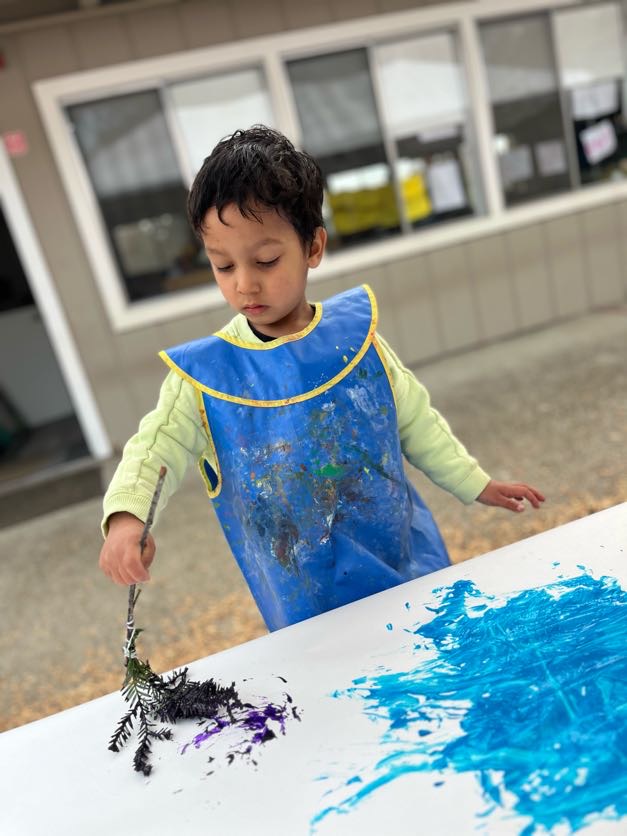
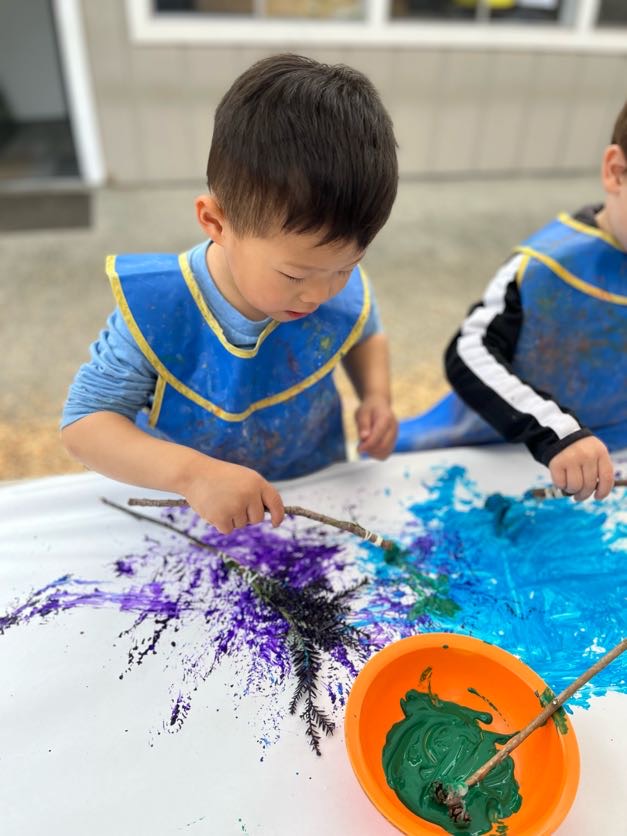
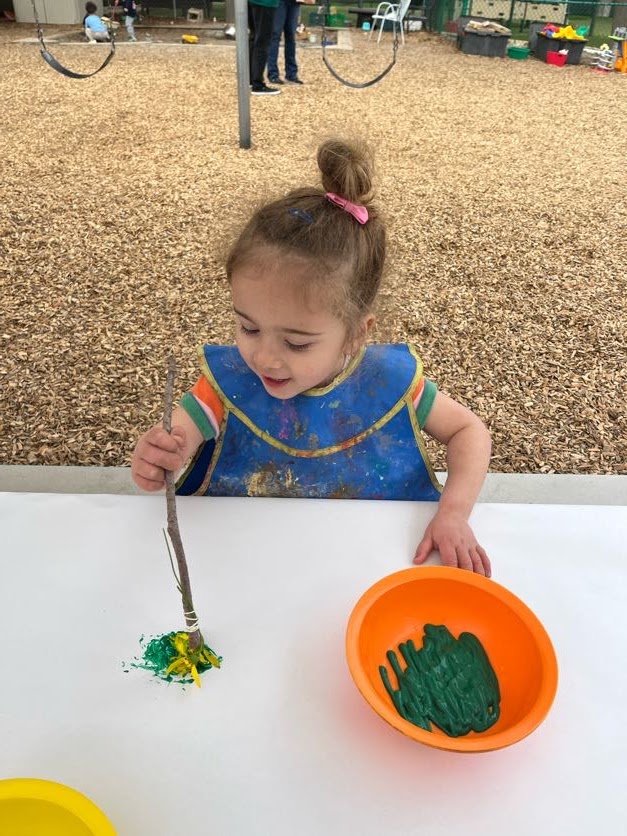
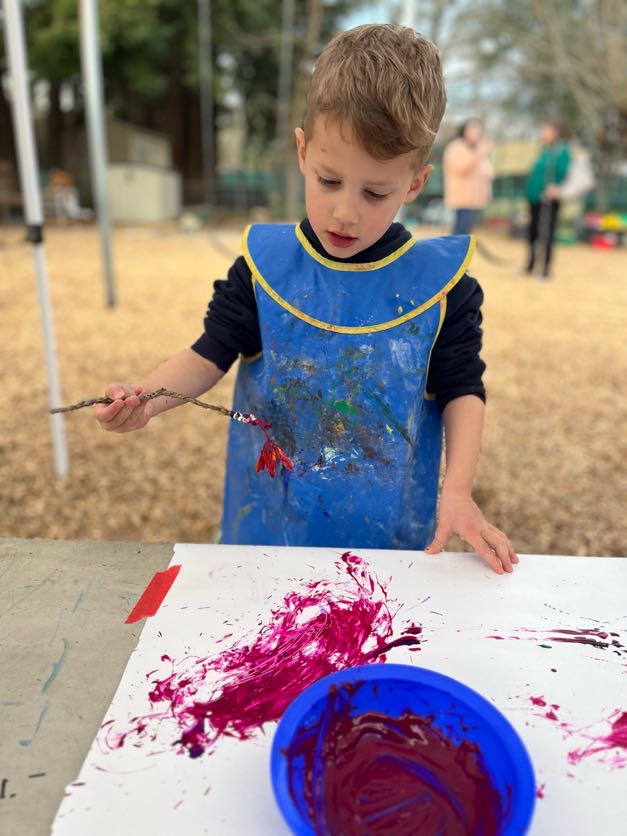
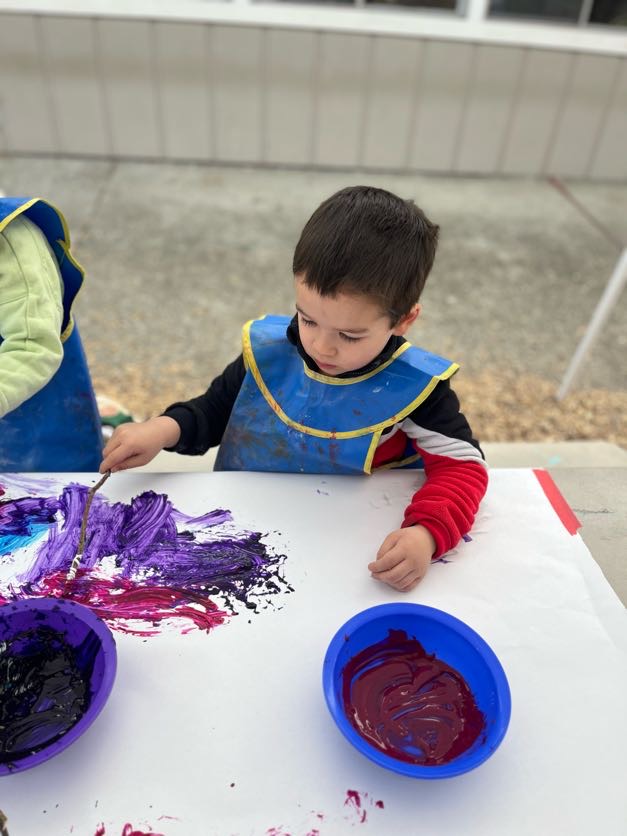
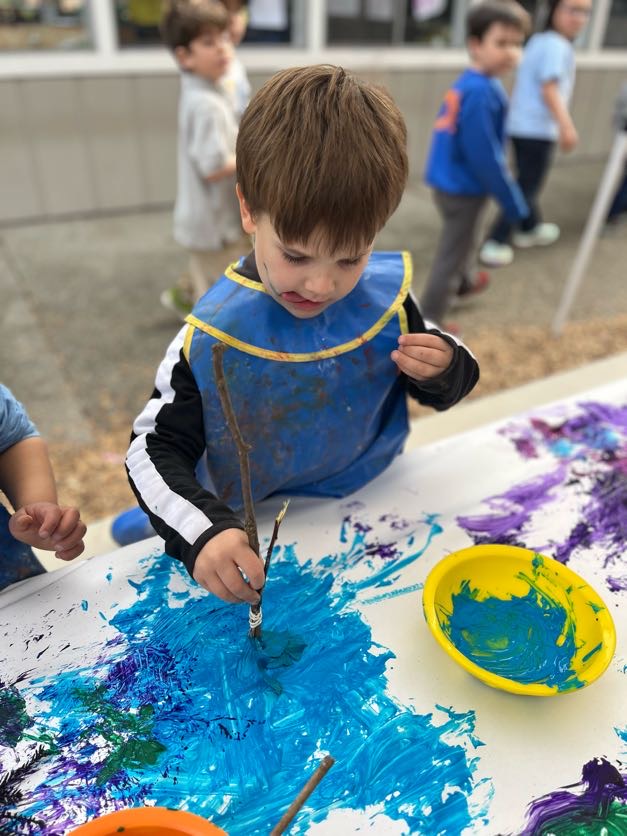
Knowing how colors impact each other when side by side and gaining an understanding of the need for balance between colors were the next key elements to successful communication through color that students began to explore. Color mixing recipes were iterated on to figure out how to mix just the right tint, shade, or hue of the desired colors.
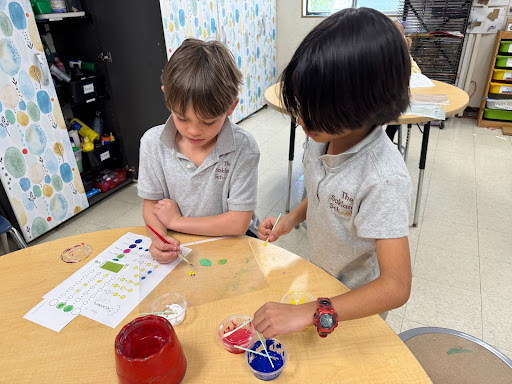
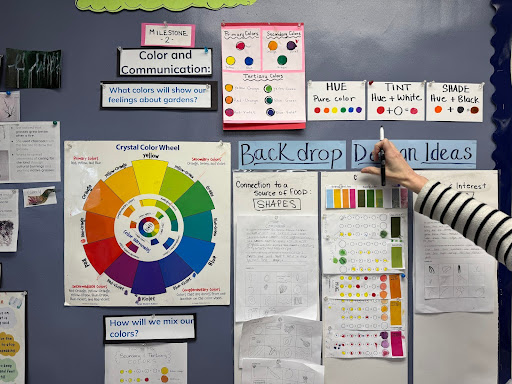

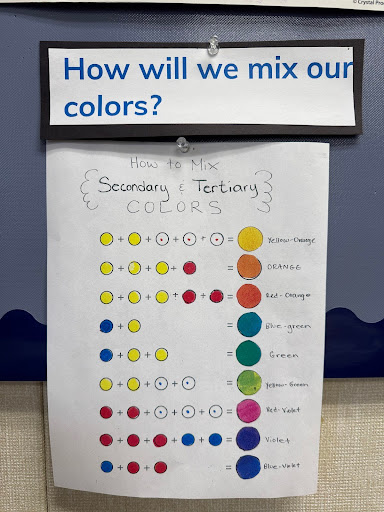
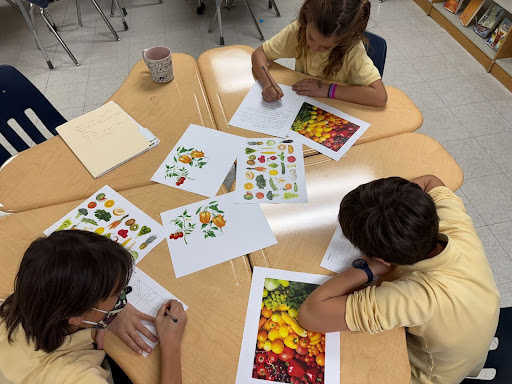
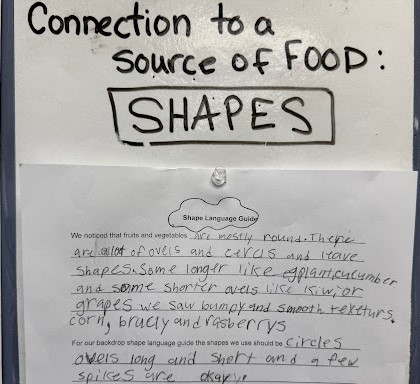
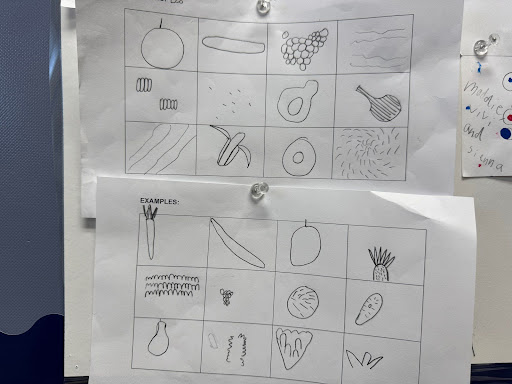
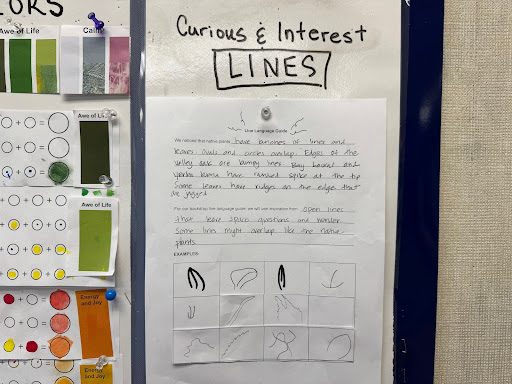
Additionally two small groups considered the ways line and shape can help us communicate our theme. One group felt a sense of curiosity when considering the theme of “garden” and worked to create a line language for our backdrop. Another considered the connection between the theme of “garden” and fruits and vegetables.
At the concert, look for the line and shape language they developed among the beautiful colors the students have so carefully selected and balanced. You may spot many ovals, circles, and textures that mimic overlapping yerba buena leaves, curved lines like the edges of a valley oak leaf and its branches, or the texture of corn on the cob.
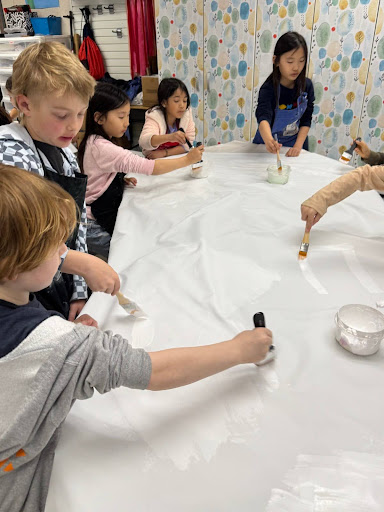
The students are now preparing the backdrop canvases by applying a base coat and will begin painting their version of “garden” very soon. We are excited to unveil the finished product at the All-School Concert on Friday, March 21st. See you there!
#SaklanPBL #SaklanCreative
 FRIDAY BLOG
You must be logged in to post a comment.