Name Stories

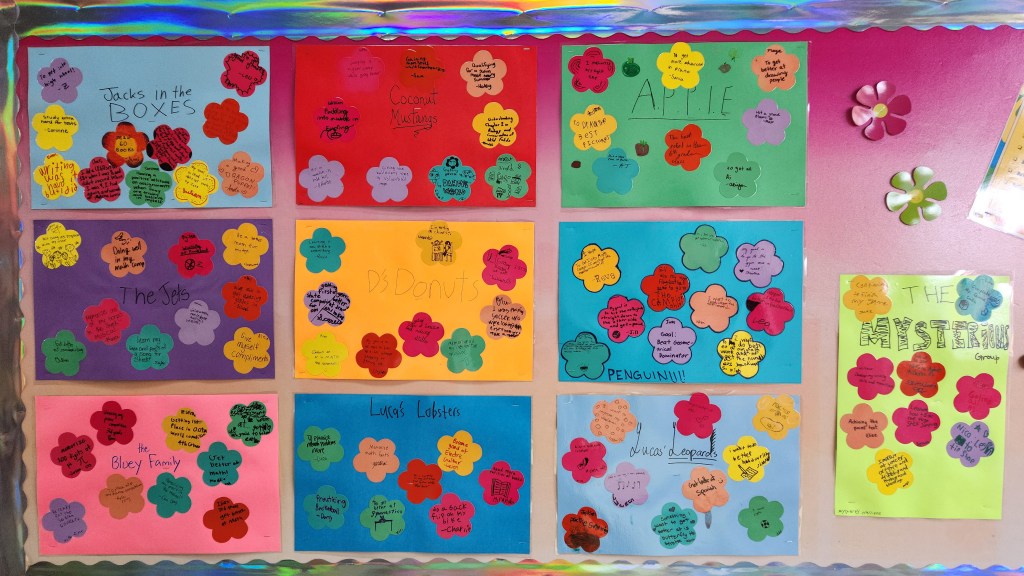
In their Names Project, kindergartners have been sharing and learning about each other’s names to build community and deepen friendships. The students have learned and shared the letters in their names, compared the number of letters, and found similarities and differences with friends’ names. The class has read a variety of mentor texts that highlight the unique characteristics of characters’ names. The kindergartners learned about interviewing and listening to plan for and interview their parents about their name stories. The class will bring all this together in a book about their name stories.

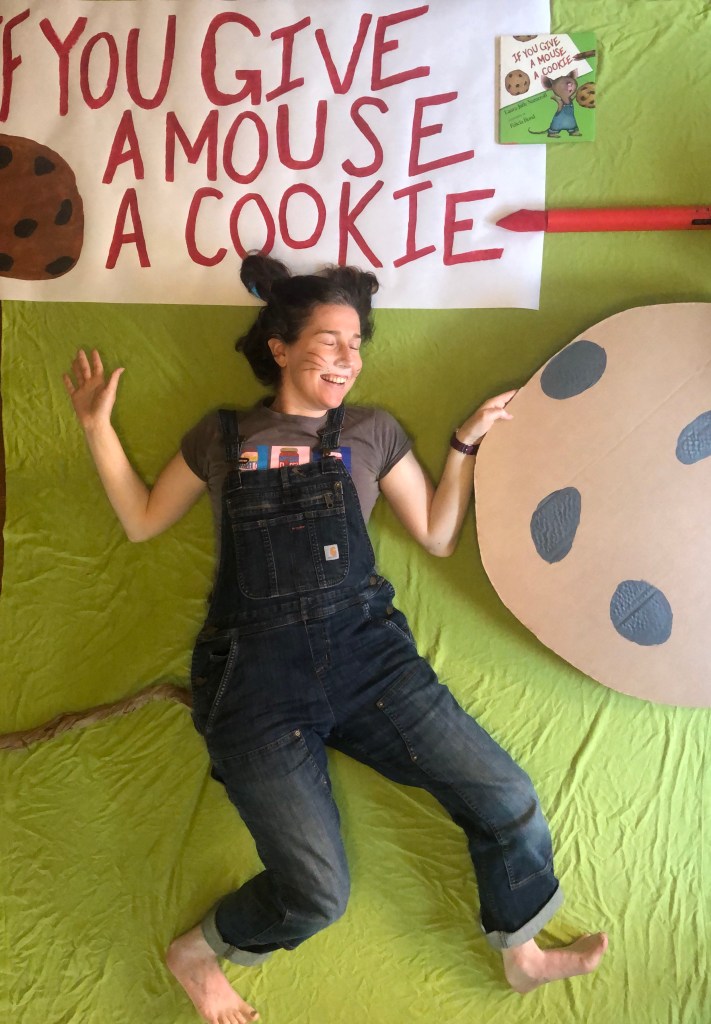
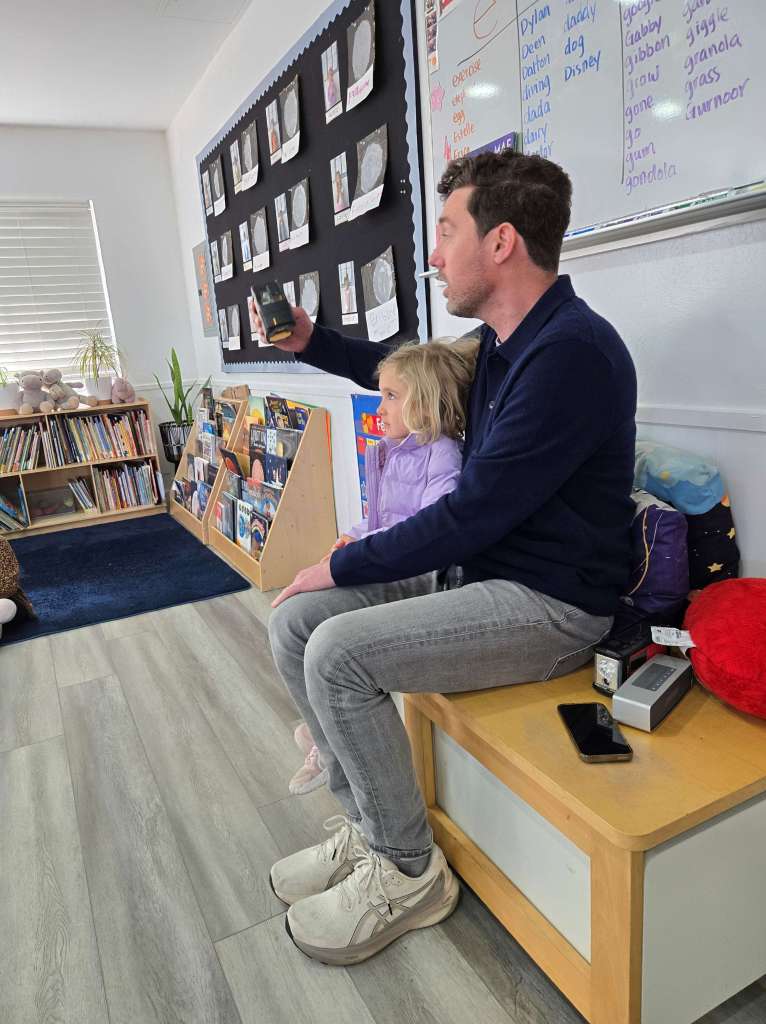
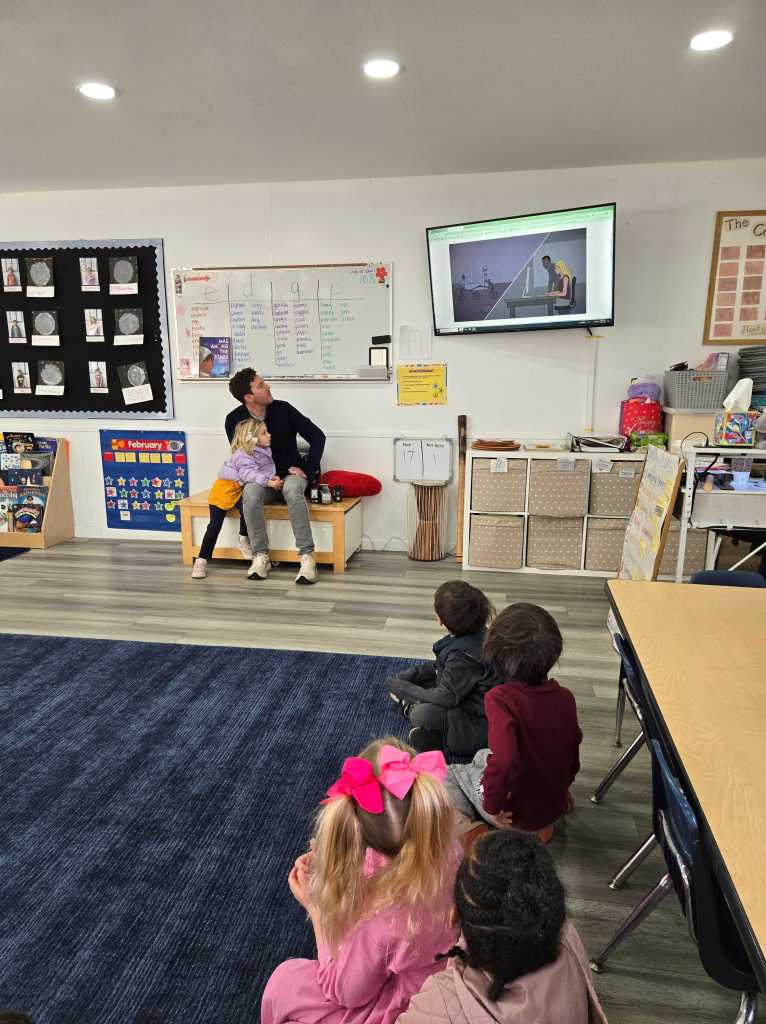
To prepare to write their own book, Saklan Kindergarteners were delighted to host guest expert and children’s book author Matt Hintze on Wednesday, November 13th. Matt read his newest book, Santa Stole My Cookies, to the class. They loved it! 

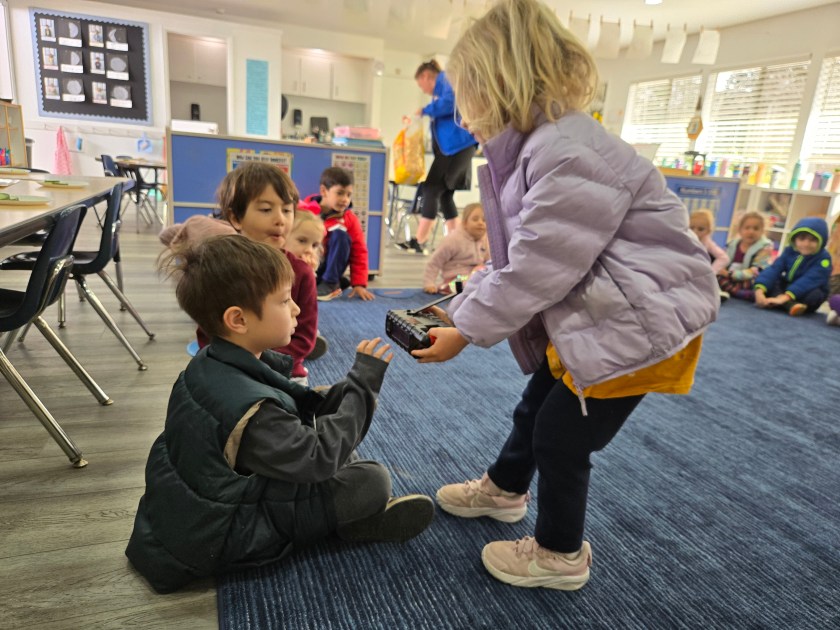
After the reading came the most important part of the expert visit: the class interviewed Matt about writing and publishing books. The kindergartners planned for the visit the day before by coming up with questions they wanted to know about making books, which might be useful when creating their name books.

Matt was so impressed by the students’ smart, thoughtful questions, and the kindergartners were very happy with the helpful information Matt provided.

The kindergartners will share their name books and other aspects of their learning during their Names Project Culmination on Thursday, December 12th at 8:45 a.m. They would love for you to attend their culmination!

#SaklanProjectWork

Belonging

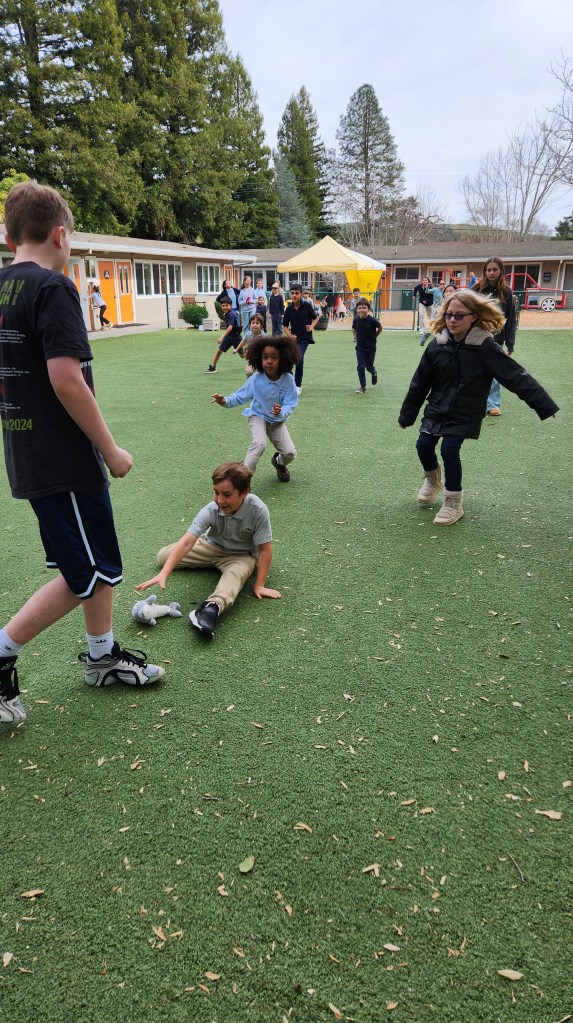
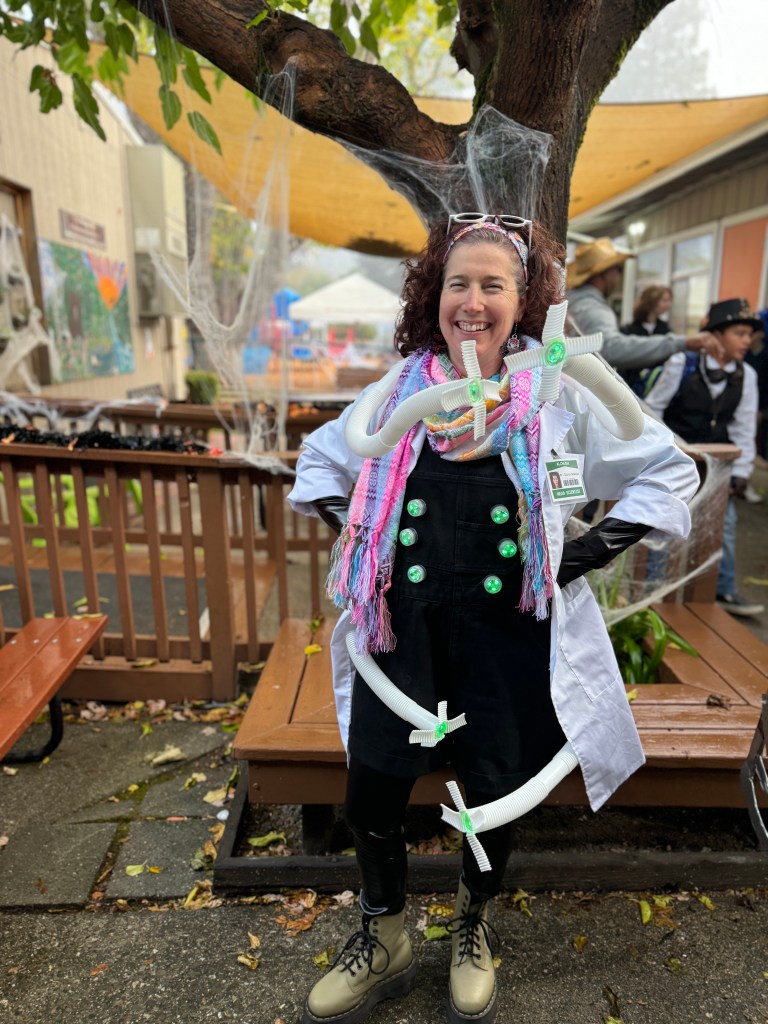
On Thursday, 1st – 8th graders gathered with their family groups to talk about belonging. The students then worked together to write an eight-line, rhyming poem containing a few specific words: belonging, turkey, stuffing, grateful, and Saklan. The students also dressed up one of their family members as a holiday character or Thanksgiving food item, using only newspaper and tape. The families definitely showed their creativity!

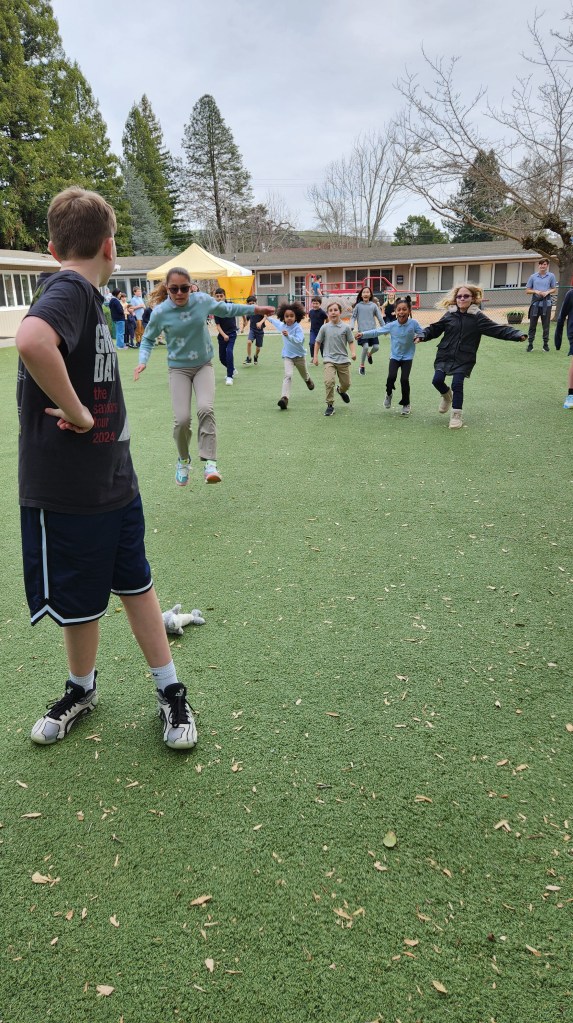
All family groups gathered on the sports court to share their poems (some groups acted them out) and holiday characters/food items. Among the characters presented were: turkeys, a pilgrim, a bowl of mashed potatoes, a football player, and a chef!

#SaklanSEL

Plate Tectonics and Natural Forces

Saklan sixth graders recently dove into the fascinating world of plate tectonics and the powerful forces shaping our planet. They explored how Earth’s tectonic plates float on the molten, magma-filled mantle beneath us, driving some of the most dramatic movements we experience. The students investigated the concept of Pangea—the idea that all continents were once joined as a single landmass—and learned how plate boundaries have caused continents to gradually drift apart, creating the world map we recognize today. They studied divergent plates that push apart, convergent plates that move together, transform faults where plates slide past each other, and subduction zones where one plate moves under another.

Their studies then shifted to what some might call “natural disasters,” though the class viewed them as incredible demonstrations of Earth’s energy. The students examined tsunamis triggered by underwater seismic activity and researched historic earthquakes. They even created their own news reports to illustrate the impact of these events on different cultures and how earthquakes have contributed to the planet’s evolution over recorded time.
Their exploration of tectonic movement continued with lessons on hot spots and subduction zones, which led to the formation of volcanoes. The sixth graders examined volcanic rocks to understand how scientists determine the type of past volcanic eruptions. Students learned that rocks filled with many holes were formed from lava with high gas content, while rocks without holes contained more silica.

Working in teams, students designed their own volcanoes and experimented with various lava “recipes” to observe different lava flows—some slow and smooth, others fast and bubbly.

#SaklanHandsOn

Kindergarten Ensemble

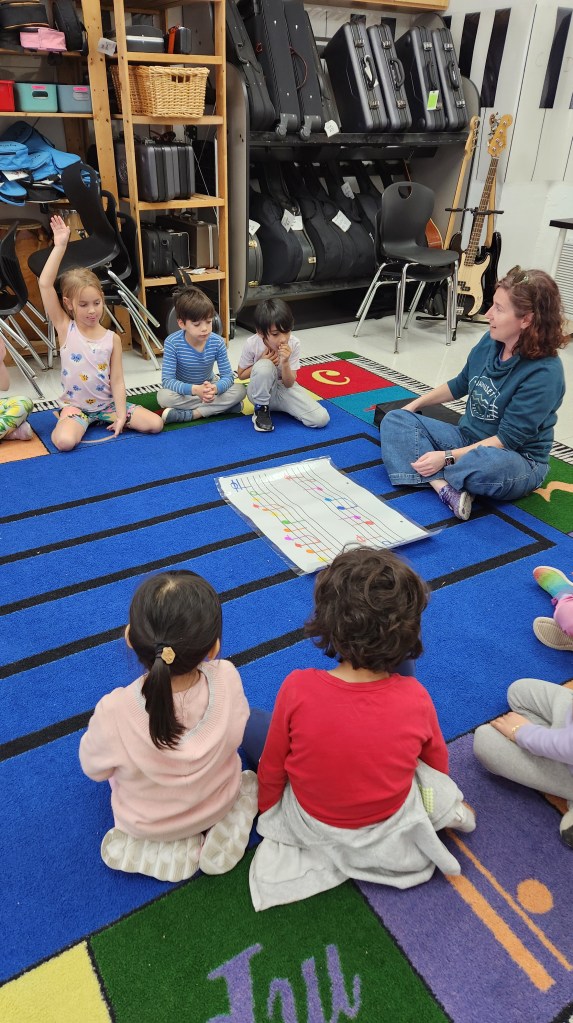
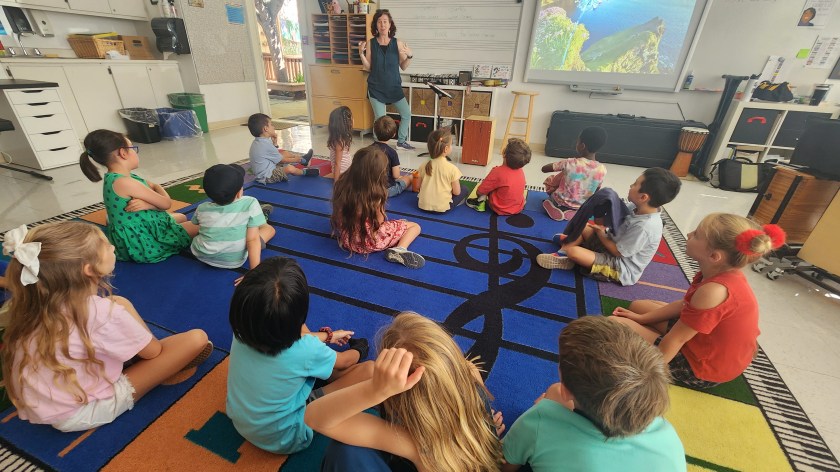
In music class, kindergartners are thrilled to be learning to play handbells! They started the year mostly playing and singing in unison, and now student musicians have the opportunity to understand how they can play different parts within an ensemble. While playing handbells, students must track others’ playing and know when they will play their notes to help complete the phrase or song. The class has talked about the different parts of the bells, how to use them safely, and how to get different sounds when playing these instruments. Student musicians have also had the chance to read music on the treble clef for this unit. They use chart paper-sized sheet music so all musicians can look on together!

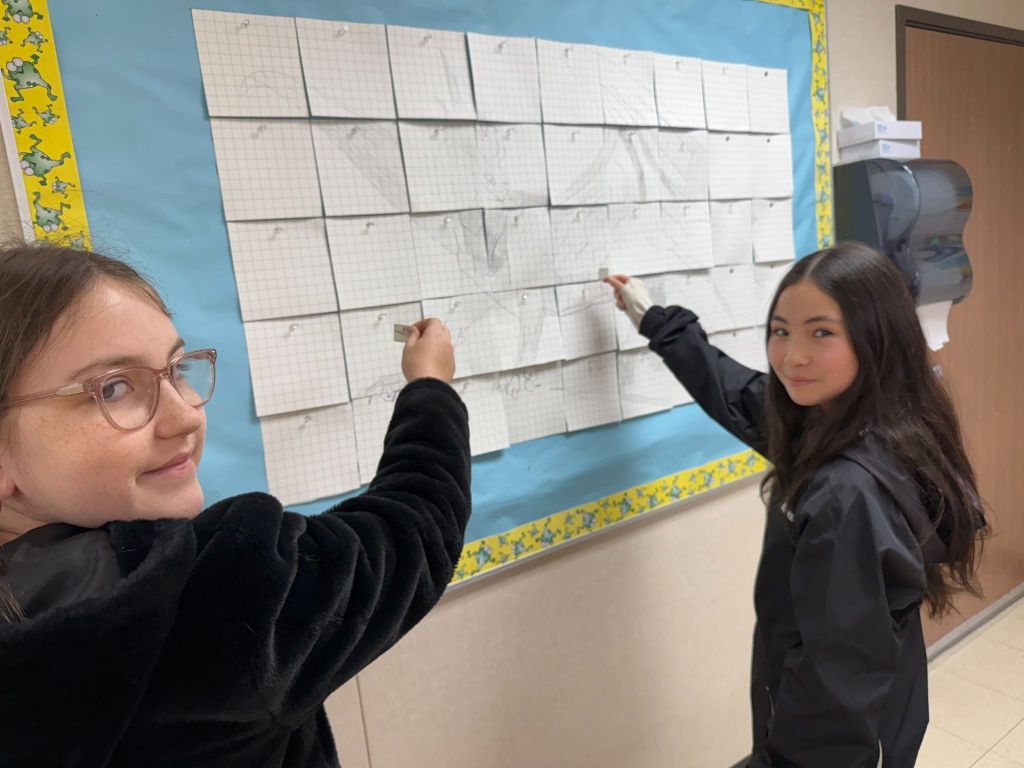
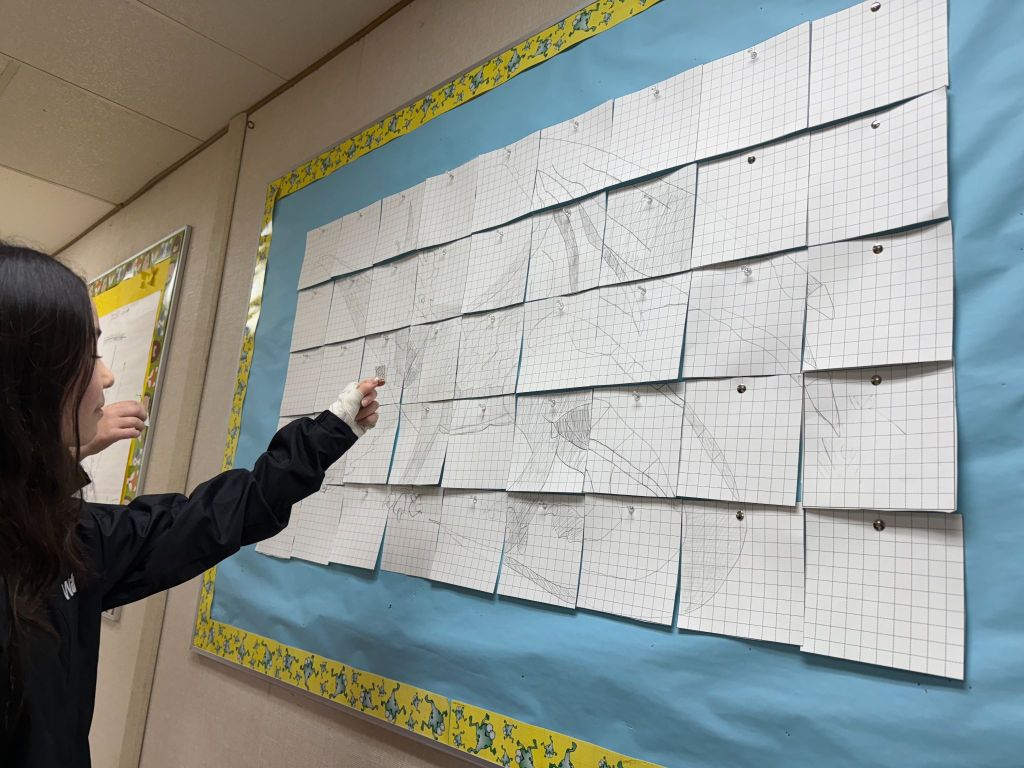
The music is color-coded to match the bells, allowing students to practice seeing different pitches on the musical staff while matching the colors to play the correct pitch. This scaffolded practice supports their understanding of both what different notes look like on the staff, as well as what they sound like. Since the musicians need to work together as an ensemble to play songs, conducting is essential. Students have been taking turns as the conductor by pointing to the note on the shared giant music sheet as their classmates follow along.
The kindergarten musicians have already been practicing “Somewhere Over the Rainbow,” “Down By the Bay,” and the theme from Beethoven’s Ninth Symphony. They are eagerly looking forward to what comes next!

#SaklanCollaboration

Last Call for Grandfriend RSVPs

Saklan is excited to host Grandfriends’ Day on Friday, November 22nd from 8:45 to 10:30 a.m. We have an exciting morning lined up for grandfriends, including student presentations, time in classrooms, a photo booth and other fun activities for students and grandfriends to work on together!

Please remind your grandparents and special friends (a friend or family member that your child looks up to and/or has a grandparent-like relationship with) about this event so they join us! 

RSVP for Grandfriends’ Day Here!

#SaklanCommunity

Bonding in Action

In 8th grade science, students engage in interactive experiments to build a solid knowledge of chemistry. Recently they have been studying chemical bonds. They started exploring ionic and covalent bonds by building on their knowledge of the periodic table and the properties of metals, metalloids, and nonmetals.

Last week, the eighth graders learned how to identify each type of bond, draw representations, recognize bonding types, and correctly create and name chemical formulas. They also investigated polarity within covalent bonds. In covalent bonds, atoms share electrons to form connections. However, because some atoms have more protons (positive charges) in their nuclei, they can pull these shared electrons more strongly, creating a compound with positive and negative ends—similar to a magnet.

The students used food coloring and milk to help them visualize this concept. Milk contains nonpolar fat molecules, while food coloring is polar. Since polar and nonpolar substances don’t mix easily, adding soap, which has both polar and nonpolar ends, acts like a magnet, pulling the food coloring across the milk, and creating a colorful swirl without stirring. The students were fascinated by this vivid demonstration of polarity in action!

#SaklanHandsOn

Making It Rain

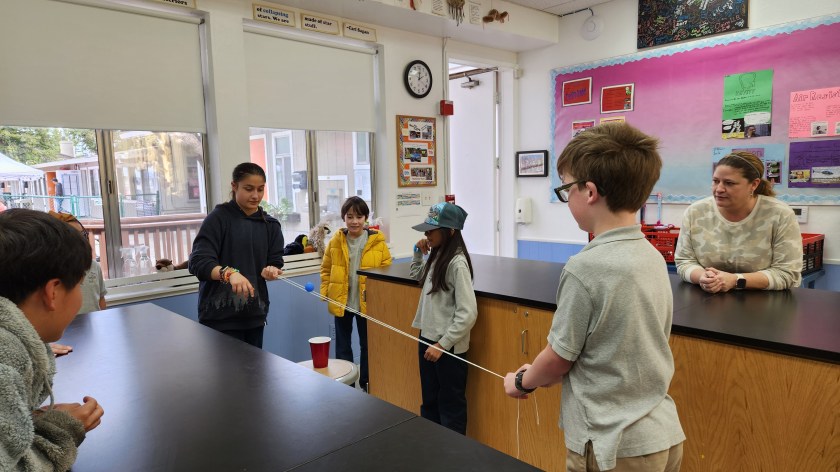
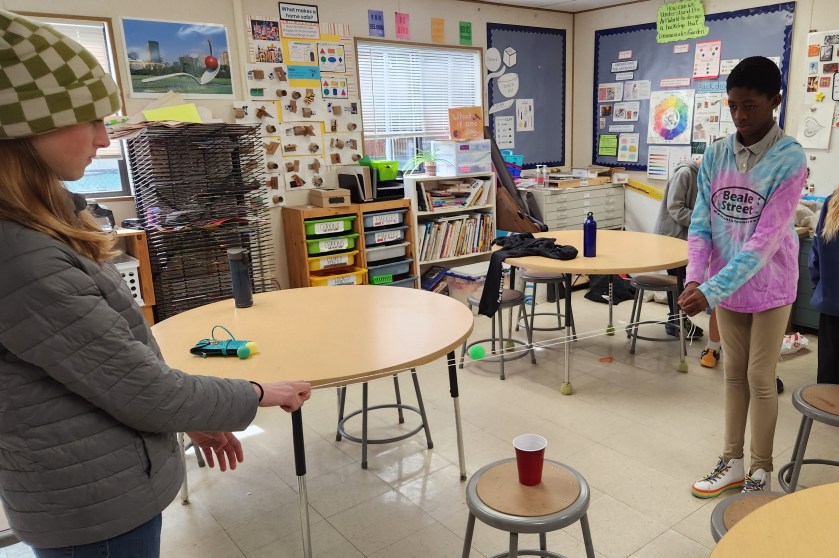
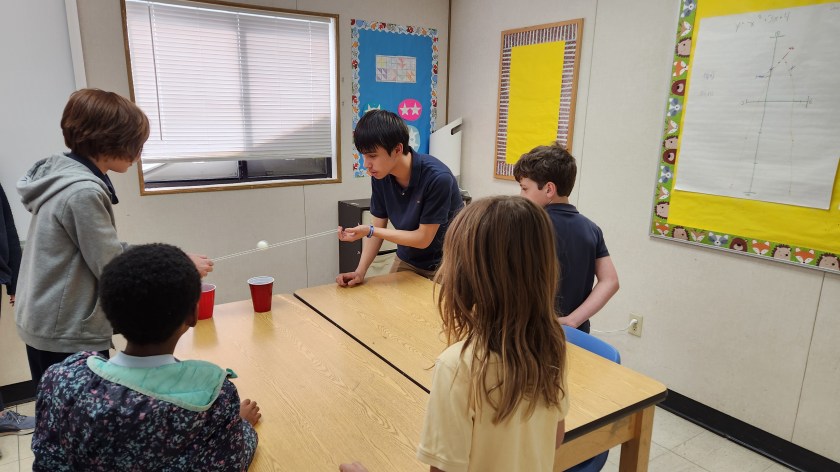
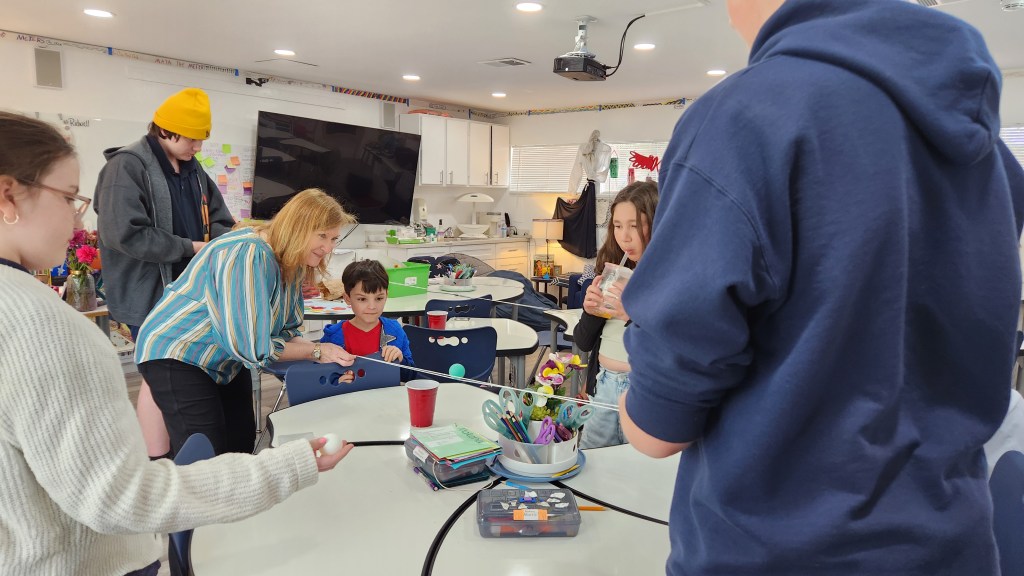
As part of their recent Hydrology PBL unit, the fifth graders sought to understand how rain is created and then worked to see if they could make it rain using a cloud-in-a-cup experiment. 

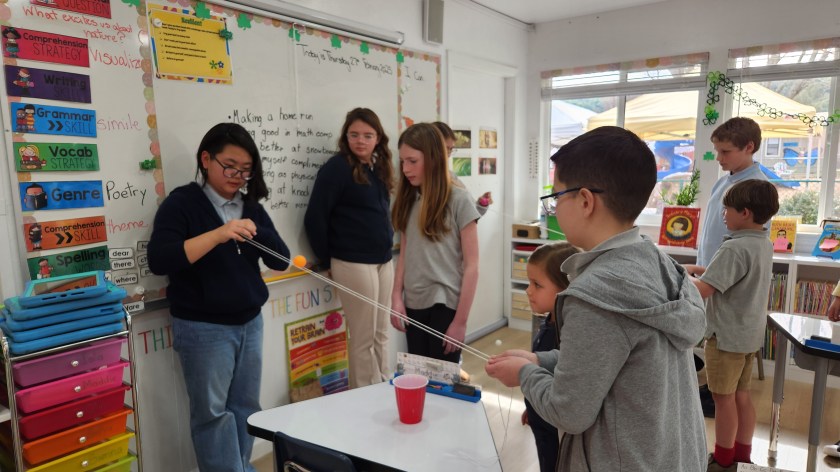
In teams of four, students ran tests with warm and cold oceans and skies, modeling different climatic conditions in order to see what combinations produced rain. All fifth graders with warm oceans were able to produce a little cloud, whilst those with cold oceans could not. Looking more closely at the cloud-producing warm ocean models, the class observed that those with cold skies created bigger, better clouds than the ones with warm skies. Students concluded that warm oceans and cold skies cause clouds to form better than any other weather conditions. 

Students then tested to see if they could make the clouds rain. They tapped on the cups, forcing the water molecules in their little cup clouds to collide, merge, and fall, making crystal clear raindrops out of warmed red “ocean” water; showing evaporation, condensation, and precipitation in action

After discovering that warm oceans evaporated fastest under cold skies, students saw connections to current events – recent hurricanes in the southeast United States. Florida’s hurricane season has been bad this year because of unusually warm ocean temperatures at the start of fall, when cold fronts blow in from the north (where it’s much colder), and then crossing the coastline at high tide, creating storm surge, were an unfortunate trifecta of “perfect storm” conditions. 

#SaklanPBL

Oil & Vinegar Giveback

Amphora Nueva will donate 10% of all oil and vinegar sales made in the Lafayette store next week on Monday, November 18 – Friday, November 22nd. To participate in this fundraiser, just mention “The Saklan School Giveback” at checkout. Feel free to share this event with others. Amphora oils and vinegars make great holiday gifts!

Last Day to Order Sweatshirts

Today, Friday, November 15th, is the last day to order 70th Anniversary Saklan sweatshirts and long-sleeve shirts. Items will arrive at Saklan the first week of December.

Zip-up sweatshirts, hoodies, crew neck sweatshirts, and long-sleeve t-shirts in various colors and sizes are available. To see the entire long-sleeved spirit wear collection, click here!

#SaklanSpirit

Head’s Corner: Activating Oxytocin

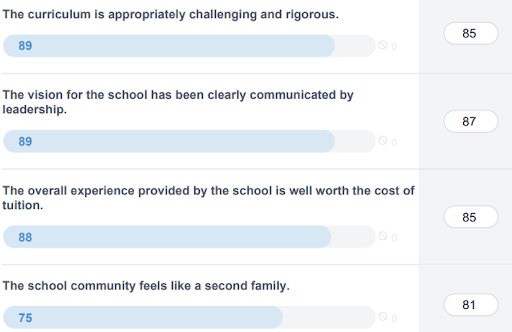
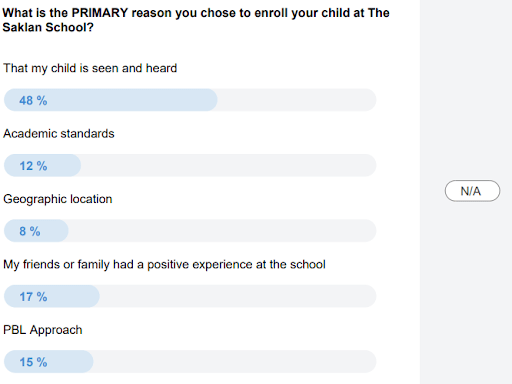
Recently, I shared a blog about how emotions drive high academic achievement. In short, when students feel emotionally connected to what they’re learning and who they’re learning with, strong academics follow. This month, I’d like to dive a little deeper into the science behind this connection and explore the role oxytocin plays in academic success.

Oxytocin, often called the “love hormone,” is released in the brain in response to positive social interactions. It plays a powerful role in learning by deepening connection, trust, and emotional well-being—all of which help students thrive academically. When oxytocin levels rise, students feel more connected and supported, lowering anxiety and creating a sense of security. This emotional safety is essential: it allows students to focus, think creatively, and remember what they’ve learned.

But Oxytocin does even more. It strengthens emotional memory, meaning lessons tied to positive, supportive experiences are more likely to stay with students. It also boosts empathy, fostering teamwork and cooperation that strengthens learning. Oxytocin makes learning meaningful and rewarding—values that lie at the very heart of the Saklan Approach. By creating an environment where students feel truly connected and supported, we’re nurturing not only their academic success but also their sense of belonging and purpose, setting them up to thrive both in school and beyond.

Warmly,

David