Squiggle Stories

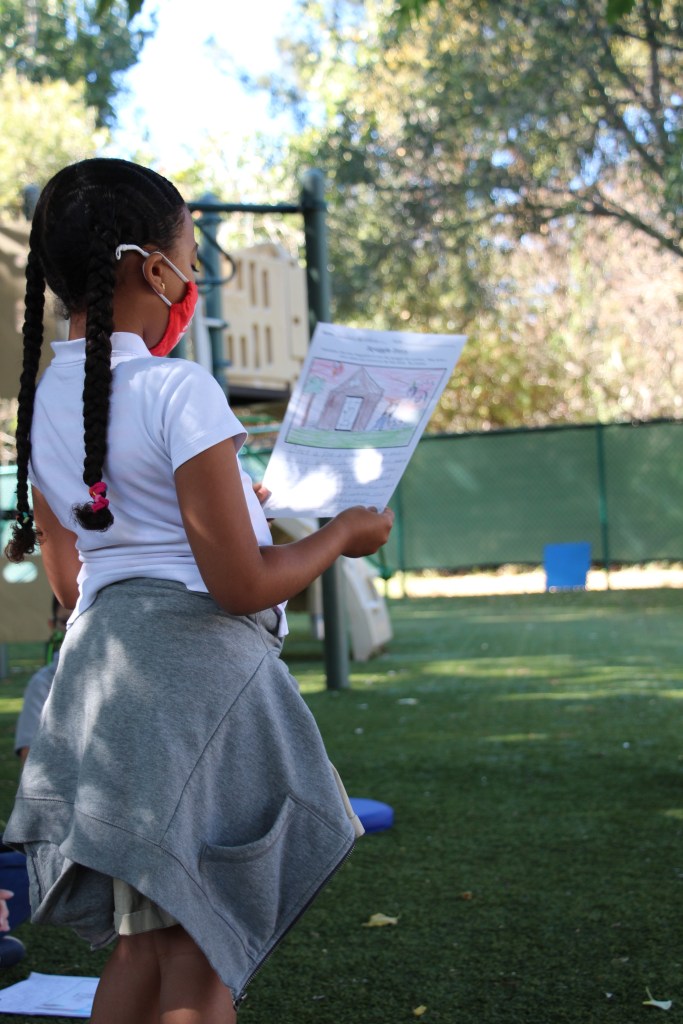
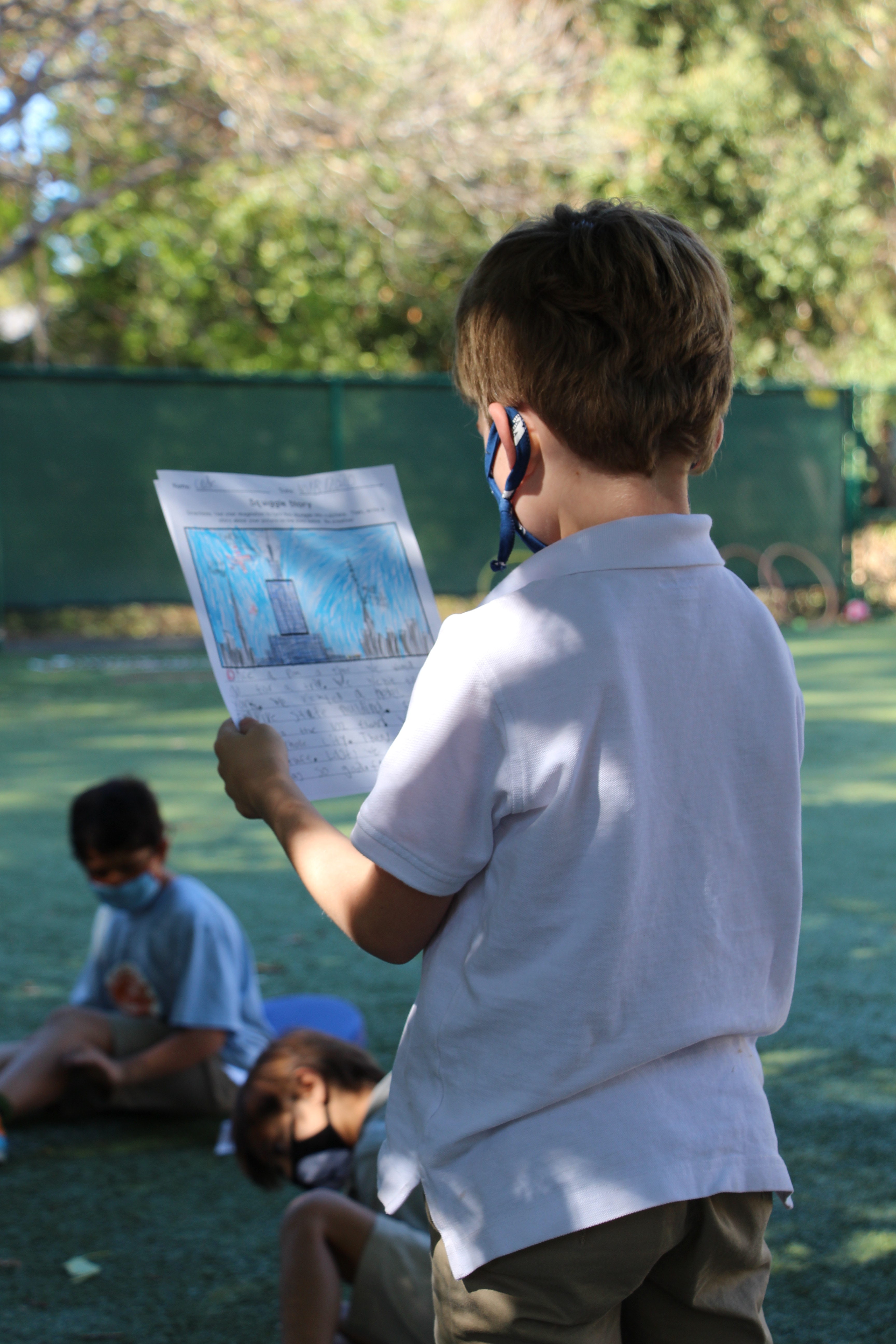
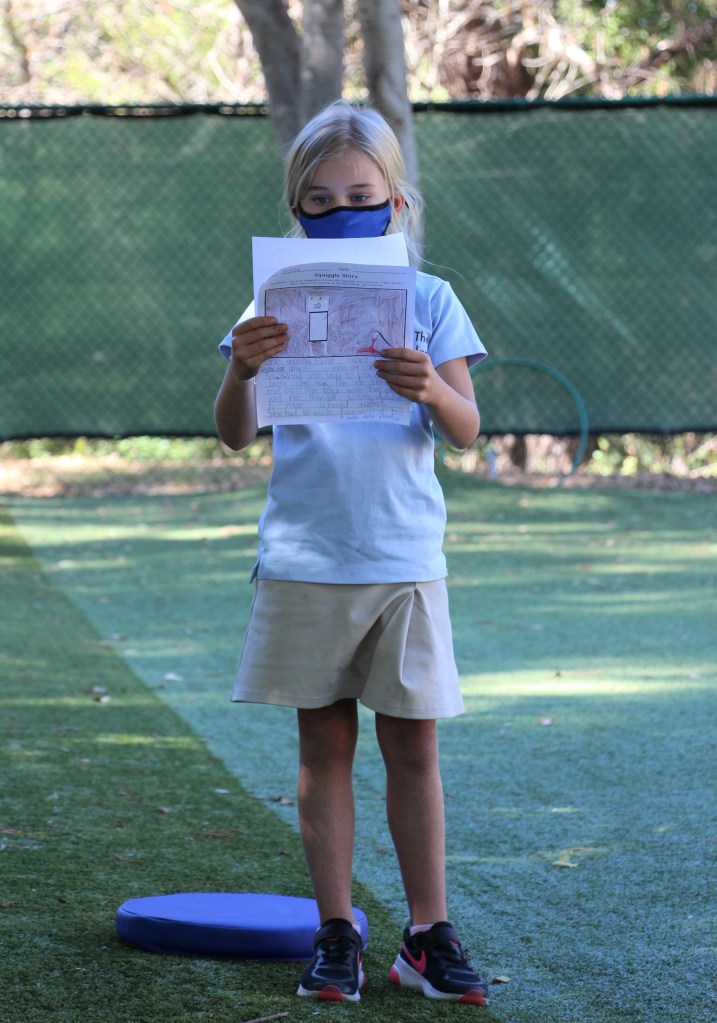
Creativity is an important part of learning at Saklan. Every two weeks the second graders free-write their own adventure stories based on drawings they create. The drawings are based on the inspiration of a shape they are given. This allows students the freedom to create a piece of their own original, artistic work.

After students have drawn the picture and written the story, they review it for grammar, structure and content. Once reviewed, the second graders read their stories to the rest of the class, and provide feedback on what they liked about the stories to their peers.

The students read their latest round of stories to the class on Tuesday, October 13. Feedback given to the authors included:

“I liked all the sequencing words you used.”

“The drawing had lots of detail and showed lots of things that happened in the story.”

“You read that with lots of expression.”

“It was creative.”

“It was funny, and I like funny things!”

“Your story was very descriptive.”

Check out pictures of the second graders reading their latest squiggle stories below!
#SaklanCreative
Positive Parenting

The first Parent Ed talk of the 2020-2021 school year was held on Wednesday night with Dr. Chelsey Hague-Zavaleta from Positive Parenthood. Thank you to all those who attended! The topic was “Managing Big Feelings During the Pandemic,” and attendees walked away with some great parenting tools and new perspectives. 

In case you missed it, here are some bullet points:

  • STAY CONNECTED to your child through their big feelings.
  • PRAISE and PRESENCE are the two most effective ways to make a connection and therefore get your child to cooperate. Look for the things they are doing RIGHT and comment authentically. Put your phone down and be in the moment with your kids. 5 minutes of uninterrupted time is more valuable than 30 minutes of getting up to change the laundry or checking your phone.
  • As adults, we need to take responsibility for the emotional landscape; children respond to our state. This means we need to TAKE CARE OF OURSELVES!
  • Don’t try to fix big feelings. Instead, join them. Be present, and validate your child’s feelings.
  • Practice “3 yesses” to connect with a child who is having big feelings. Say 3 statements that you know they will agree with. “You really wish you were still playing video games” or “You were really looking forward to seeing your friend today.” 
  • About 80% of what we tell our kids on any given day are directions or corrections. Try to focus on having 80% of your interactions with kids be praise/connection.
  • There is no perfect parenting. We make mistakes, and then we repair – it’s important for our children to learn that.

Visit Positive Parenthood’s website for more information. Positive Parenthood also has a Facebook page where Dr. Hague-Zavaleta often posts videos with scenarios and reminders; it is a great resource for any parent. Ask to join and Dr. Hague-Zavaleta will include you in the conversation!

#SaklanParentEd

World Food Tour

To show gratitude for all that the teachers and staff are doing to create virtual and in-person learning opportunities for Saklan’s students this year, the Parents Association is providing lunch for the Saklan employees once a month. This monthly lunch is known as the World Food Tour, featuring a different cuisine from a local Lamorinda business each month.

The inaugural World Food Tour lunch was held on Wednesday, October 14. The first stop on the tour was Italy, with a menu featuring seasonal pizzas, pasta, salad and focaccia bread prepared by Town Bakery Café. The food was delicious!

First stop, Italy!

A huge thank you to the PA for a wonderful lunch, and for all their support of the entire faculty and staff. We are so lucky to be part of and supported by such a wonderful community.

#SaklanGrateful

Name Graphing

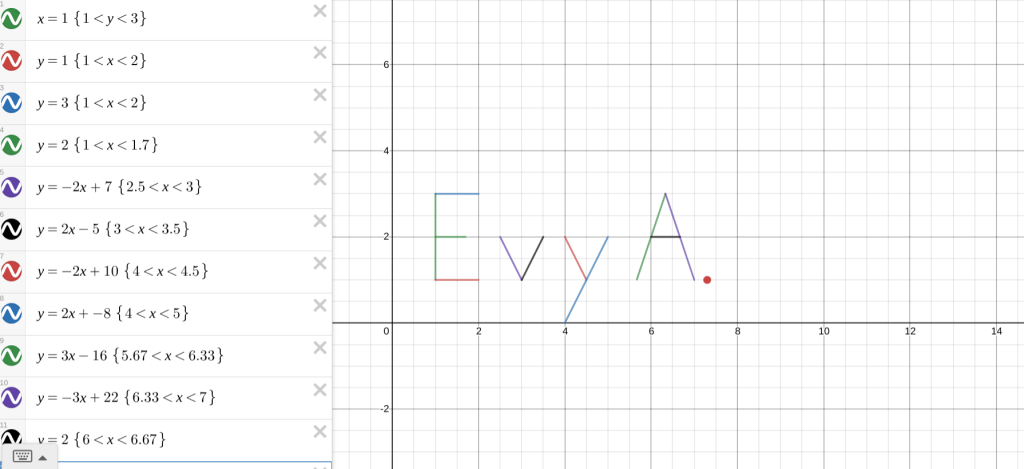
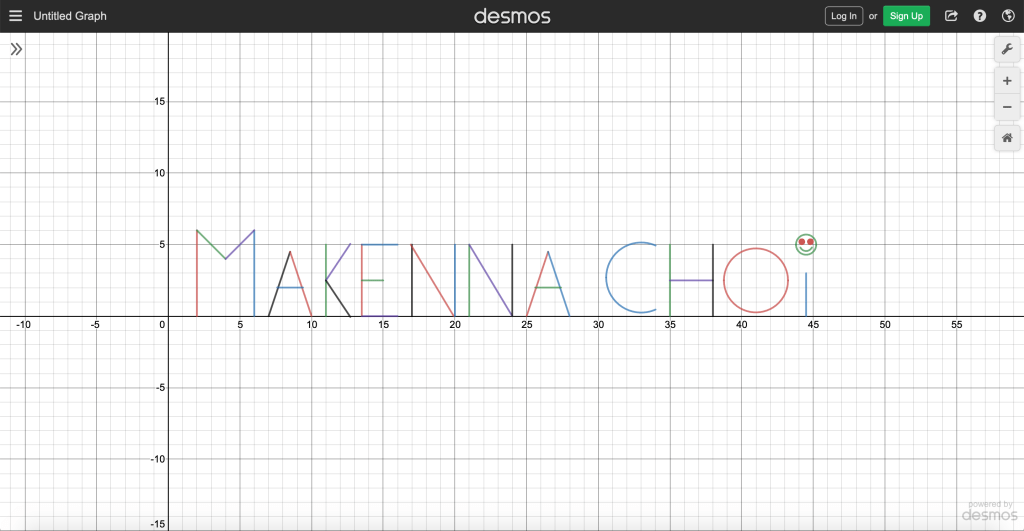
Eighth graders in Mr. Zippin’s Geometry Class recently used DESMOS online graphing software to graph their names. The project was part of a unit about relations and functions and was used to illustrate how changes in variables result in transformations of functions. The students practiced using the equations of lines, curves, and circles as well as domain and range to write the letters in their names. Check out two of the name graphs below.

#SaklanAcademics

1st Grade Community Study

The first grade class recently completed a study on different types of communities. The students learned about rural, urban, and suburban communities from stories such as Town Mouse and Country Mouse.  The first graders also compared communities of two characters named Miss Rumphius, who lives in an urban community, and Miss Arizona, who lives in a rural community. Using Venn diagrams and drawings, the students demonstrated their understanding of the differences and similarities of the two communities.

The first graders also enjoyed learning about producers and the goods they make, including food, toiletries, toys and cars. Each student made a book documenting how they themselves are producers, giving examples of the things they produce, such as cookies, tacos and paintings. They also drew pictures of the items they consume in their daily lives. Additionally, the first graders learned that many community members provide services to their community, including dentists who clean teeth, firefighters who fight fires, and builders who build houses.

For their final activity in the community study, the students created books about the type of community they would like to move to, showcasing their new understanding of the different types of communities and the types of resources that can be found within them.

#SaklanCommunity

Wind Research

The Hoot Owls and Owlets in Ms. Jessica’s class noticed that it has started to get windier outside. The call decided to do some research after one Hoot Owl asked “Where does wind come from?” They learned that research is a good way to learn more about something, and that there are many different ways to do research. The class found a book from the library about weather, as well as a video from the internet featuring an expert. Both resources were helpful in teaching the students that wind is a result of air changing temperatures combined with the way the Earth rotates.

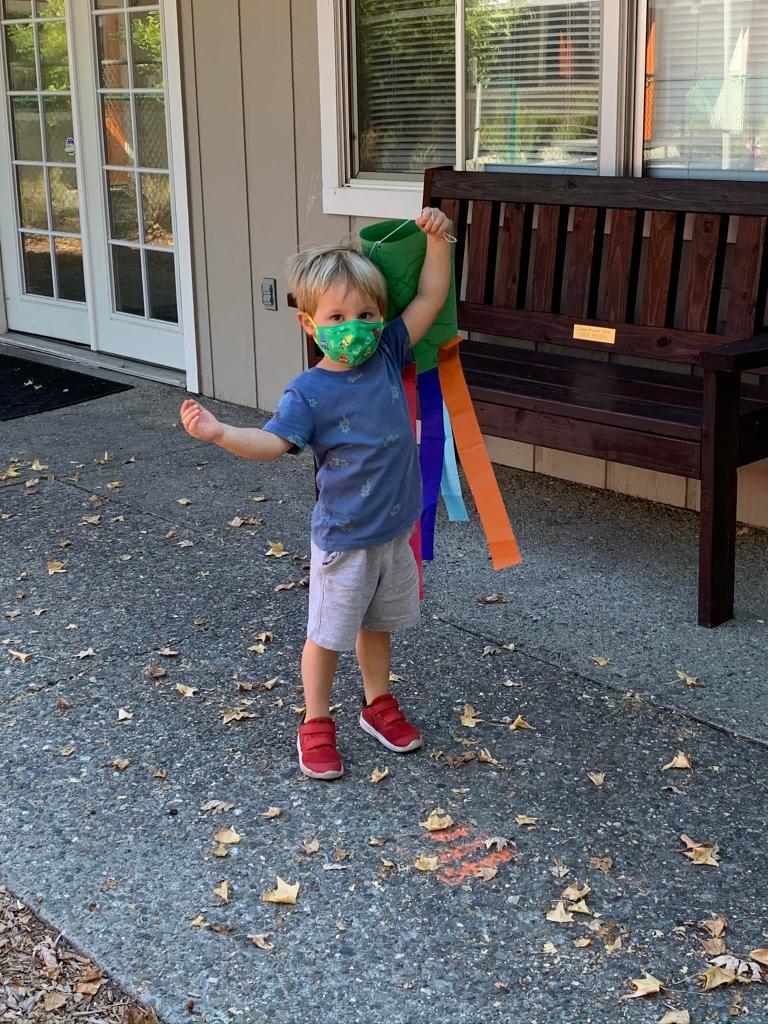
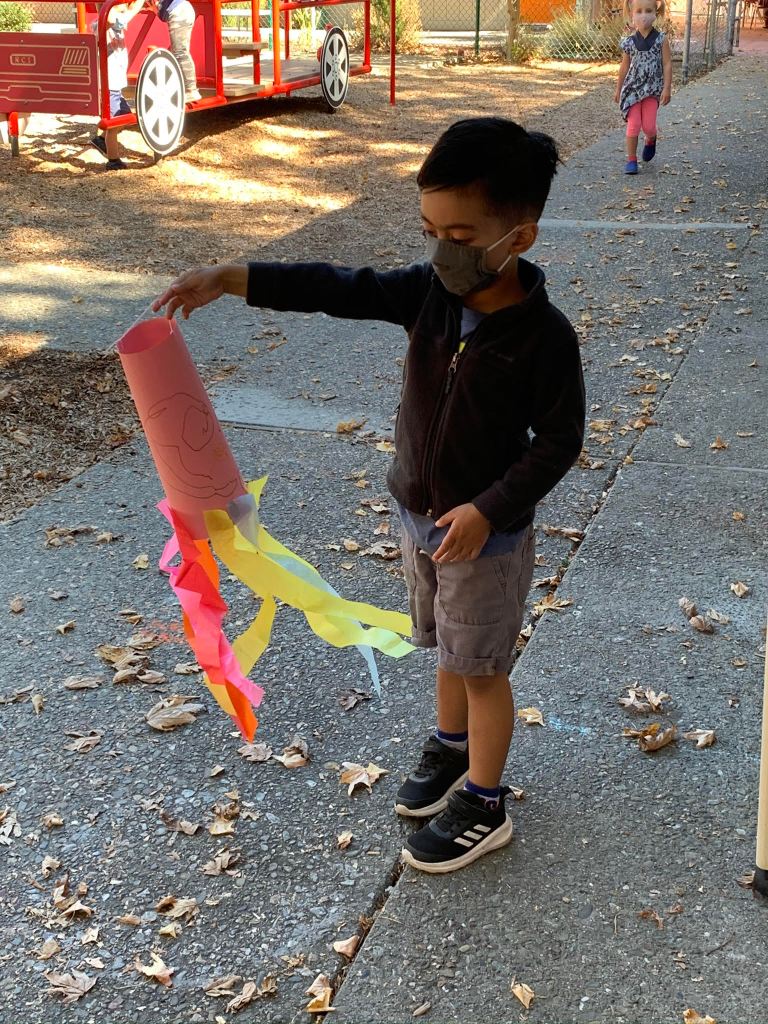
After finishing their research, the class made windsocks. Using paper and streamers each student created a tool to help them see which direction the wind is blowing. The Hoot Owls and Owlets enjoyed testing out their windsocks on the play yard!

#SaklanInPersonLearning

Tectonic Plates and Earthquakes

The sixth graders have been learning about tectonic plates, their movement and the immense power the plates have when they move; causing earthquakes and tsunamis. In doing so, each student researched a historic earthquake and examined the influence the occurrence had on different areas of the world. The students then produced news reports to showcase the facts they learned about the earthquake they studied. Their research, acting and directing skills are quite amazing. Below are a few of the news reports for you to check out!

Report of the Great Kanto Earthquake
Report of the Great Peruvian Earthquake

#SaklanAcademics

Head’s Corner

The Power of Our Words

When I was in grad school, I had a professor pose the question, “What do you teach?” The class was composed of teachers working towards a master’s degree in education, so we had students. At first glance, to many, the answer was easy. I teach science or third grade were their common answers. But the “correct answer” was “I teach children.” Once you see it, it changes how you think about the purpose of education.  

When we teach children instead of math or science, we spend as much time thinking about the character traits we are modeling as we do academic content. We become deliberate about the words we choose and their power. Language permeates everything we do here at Saklan; it shapes how students think of themselves and others. There is a subtle but powerful difference between saying “good morning students” and “good morning scientists.”

What we say to students helps them build a positive identity and gain a sense of who they are and who they want to become. Our job is to build them up and help them envision themselves in the future. It is to convey the idea that impossible

is just a word and they can grow themselves.

When choosing our language, we think about building trust. We use words and phrases like “I’m not sure, what do you think” or “I never thought of it that way.” Both of these phrases show vulnerability and empower students to push their thinking. Those phrases also build trust, which in turn increases academic confidence. 

By working with students in this way, we are modeling how they should be interacting with each other. How they should be supporting each other and how they can play a role in others’ growth. We do teach children, but hopefully, we are teaching them how to teach others.

#SaklanEducation

Student Council 2020-2021

Covid-19 has changed our world in many significant ways since March, including impacting our learning environment on every level imaginable. However, a wonderful change to Student Council has come about and we hope it will revive our community and provide meaning and leadership experience for others.

Saklan has traditionally had students interested in joining the Student Council fill out letters of intent, make campaign posters and stickers, take part in an interview, write and perform a speech, and go through a popular election to earn a place as an officer. Typically, this is a worthy process to go through and teaches life skills to our students. However, experience working with adolescent elected officers has taught us some valuable lessons. One of which is that getting elected is important and meaningful; but it doesn’t mean a student will show up every week to meetings and support fellow officers during the planning, setting, and cleaning up events. It is the weekly commitment and follow through that is an essential part of being a successful and dependable Student Council officer. This important part of the job has been magnified in a virtual learning environment. Officers have to respond and communicate primarily through email, show up to regularly scheduled Zoom meetings, and complete individual tasks on time without teachers reminding them in person. Taking all of this into consideration, Saklan decided to include all candidates who showed up and made an effort during the campaigning process on this year’s Student Council.

These students have lots of previous experience in leadership roles and have proven themselves committed young people that care about their school community. As a collective, the students discussed and decided who should take which positions and are proud of the result. It was a collaborative effort that already has this Student Council working well together. They are excited for a unique, but important, school year. The Student Council is committed to making the Saklan community shine bright not only in person as it usual does, but online as well. Thank you for your support!

Meet the 2020-2021 Student Council Officers

  • Presidents: Evy Anders, Makenna Choi & Levi Kim (8th grade)
  • Treasurer: Lindsay Chan (7th grade)
  • Secretary: Sadie Zippin (6th grade)
  • Co-Activities Chairs: Ellie Moulton-Barrett (7th grade) & Ani Tompkins (6th grade)
  • Co-Publicity Chairs: Danny DiFranco (6th grade) & Ryan Lo (7th grade)
  • Communications Coordinator: Jordan Darby (8th grade)
  • Communications & Technology Director: Noah Mack (8th grade)
  • Faculty Advisors: Kim Parks (MS) & Lisa Rokas (LS)
  • Parent Advisor: Ana Dunnigan (Mikey’s mom-2nd grader)

#SaklanStudentCouncil