
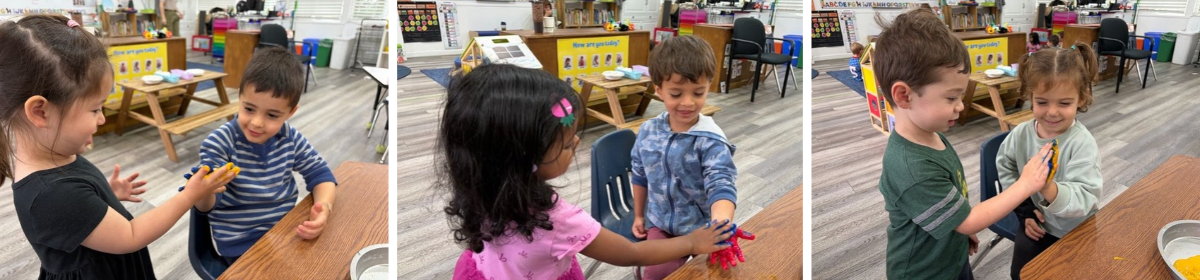
Fifth graders at Saklan are investigating a powerful question: What if everything we see, feel, and react to isn’t exactly what it seems?
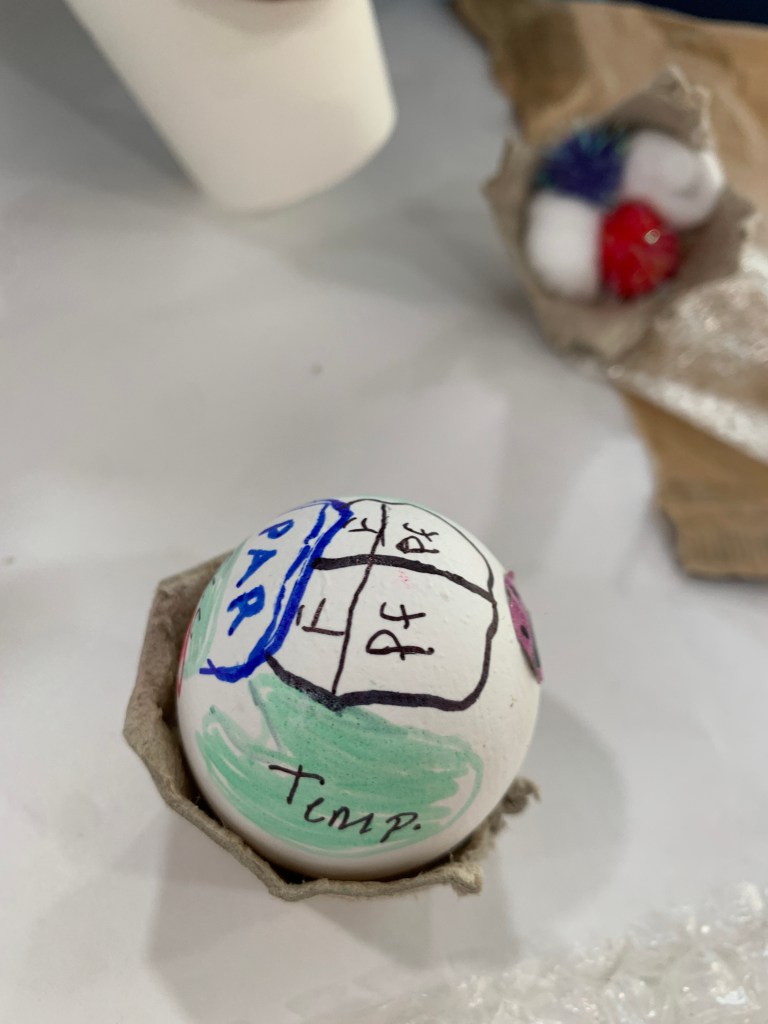
Their study began with an exploration of the brain as both remarkably capable and inherently imperfect. Through hands-on learning, students mapped the different lobes of the brain onto eggs, creating a tangible model to better understand how the brain functions, and what happens when it doesn’t.
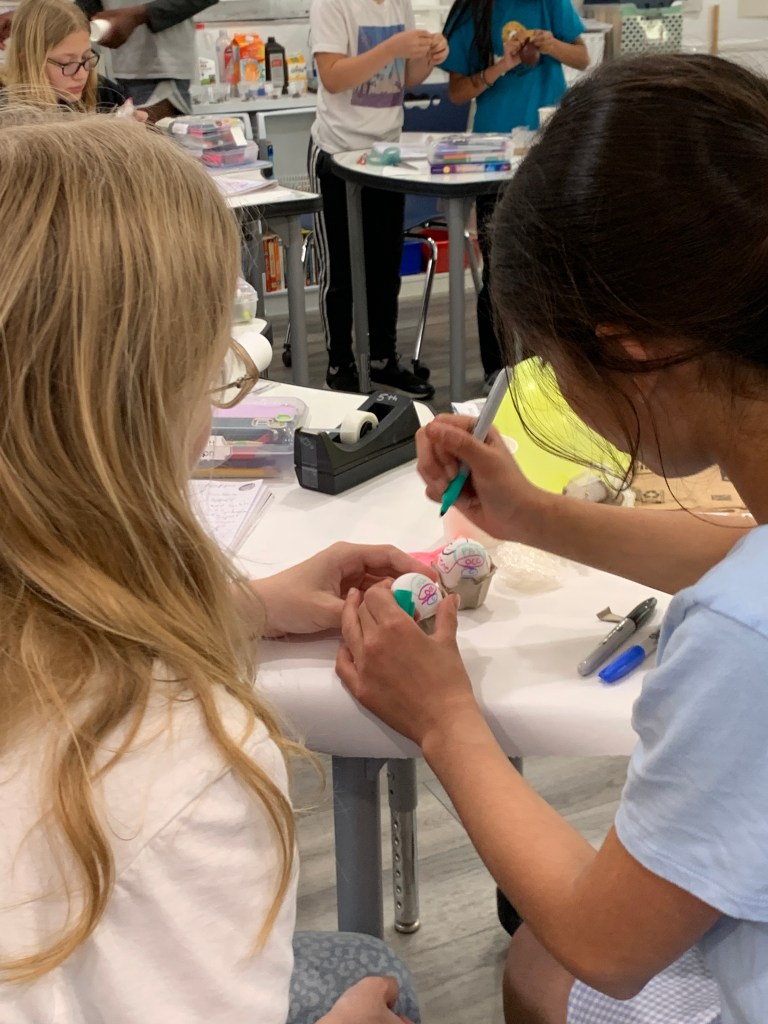
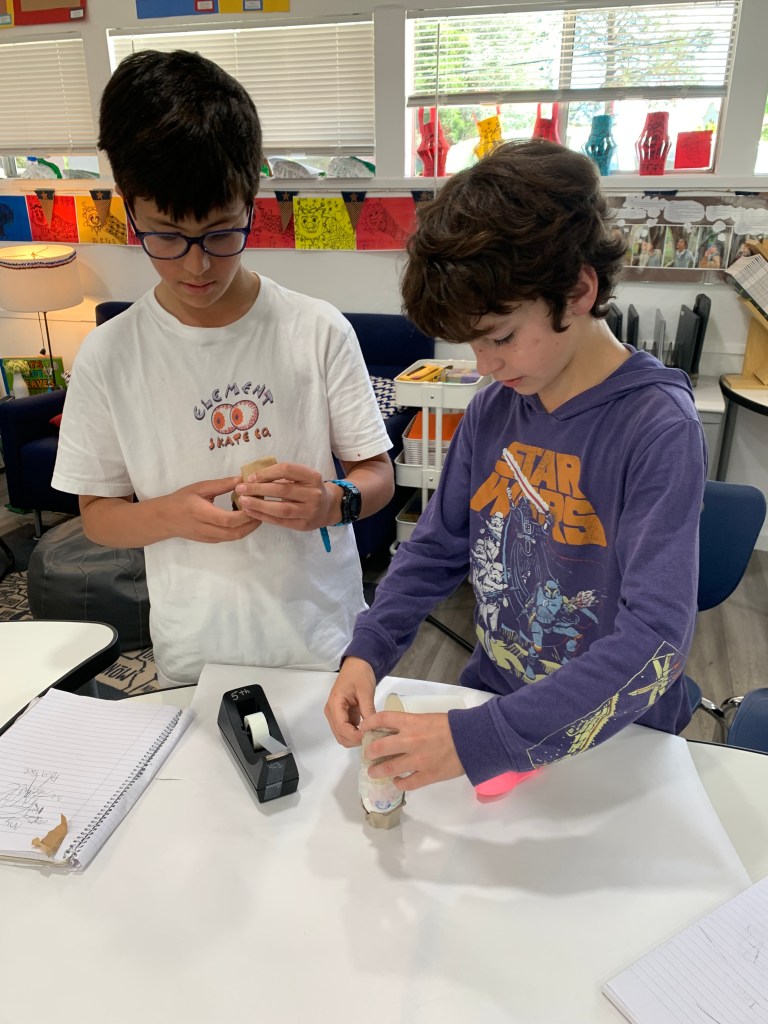
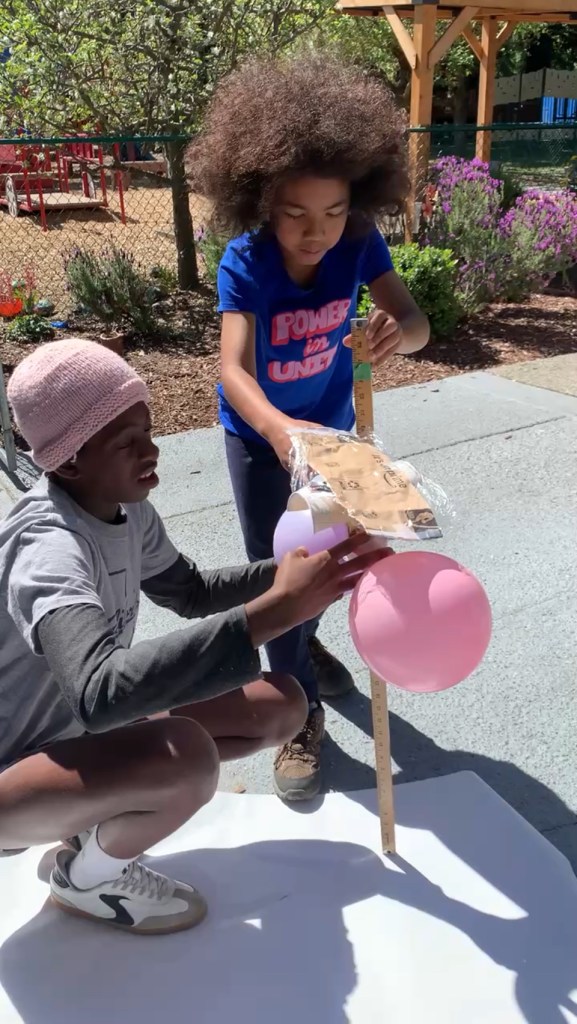
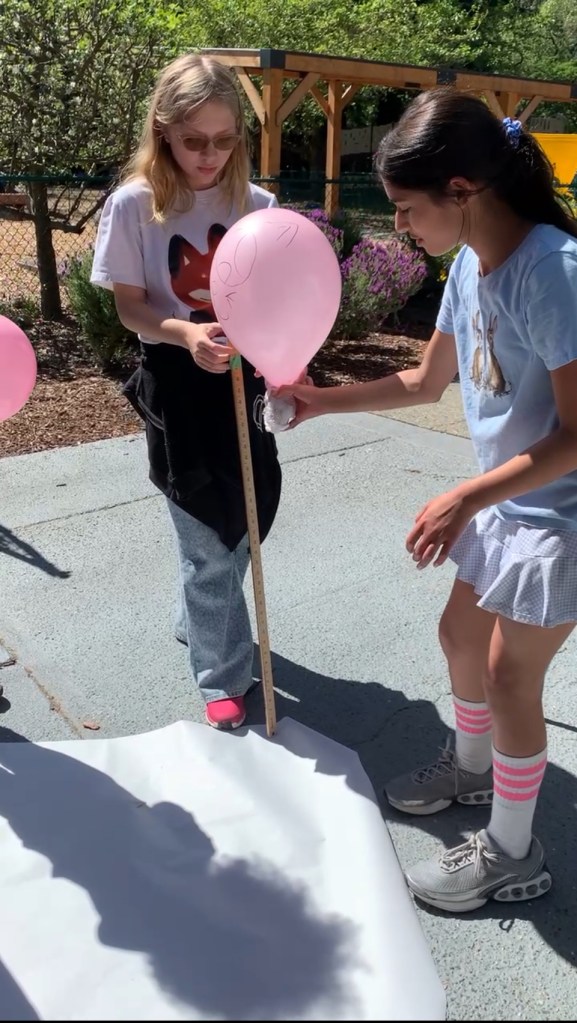
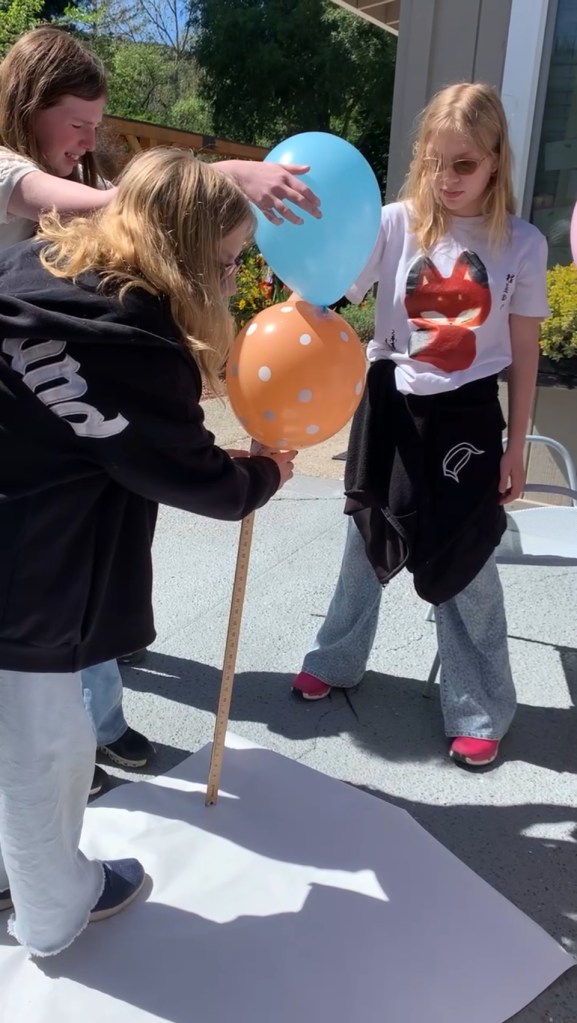
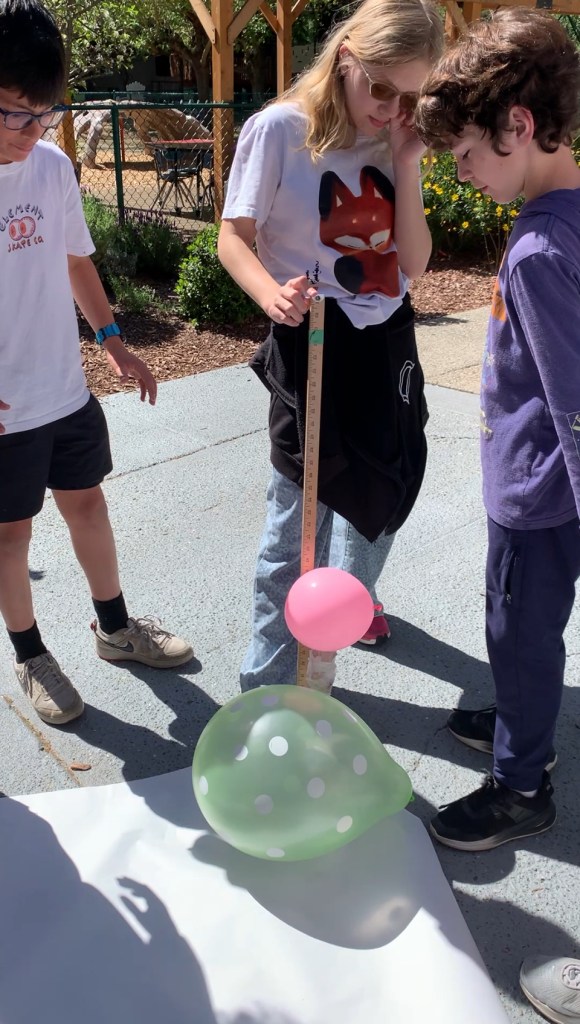
From there, students moved into a full engineering cycle, planning, designing, and testing “crash helmets” to protect their egg “brains.” Using materials like balloons, cotton balls, bubble wrap, and pompoms, they built creative prototypes with focus and purpose. The classroom quickly transformed into a hub of innovation and collaboration.
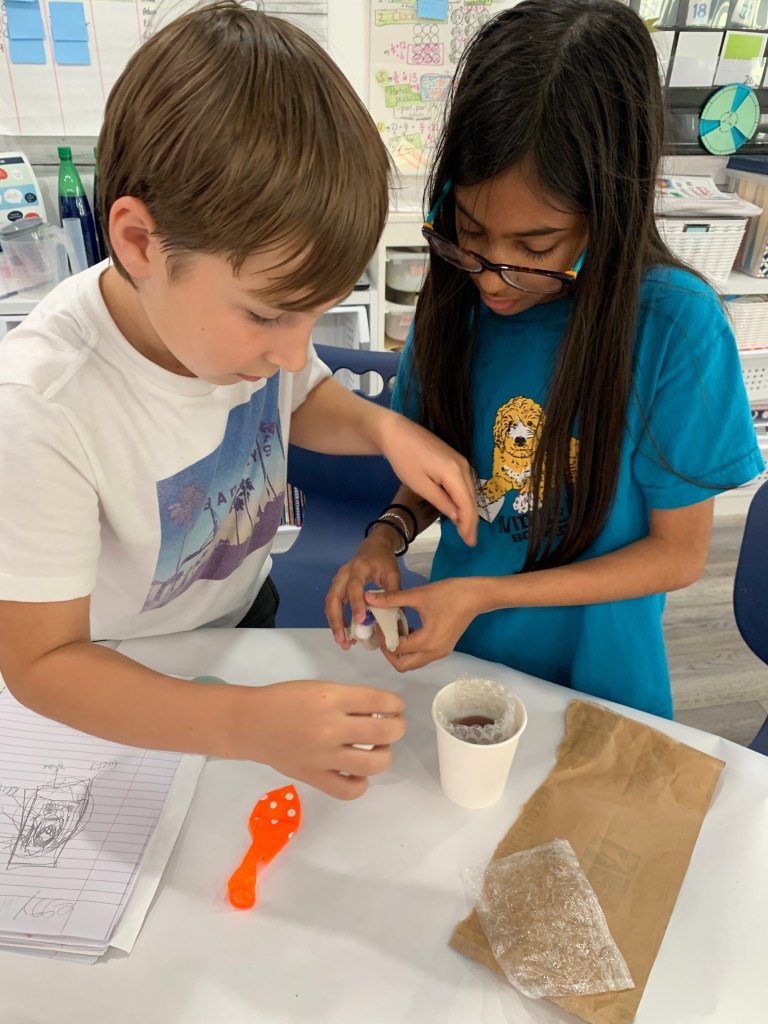
The excitement peaked during crash testing. When one “patient,” affectionately named Eggie, sustained a fracture through the temporal lobe and prefrontal cortex, students immediately shifted into diagnosis mode. Drawing on their growing understanding of brain function, they predicted how such injuries might impact memory, impulse control, and decision-making. In that moment, science became immediate and real.
Students were especially captivated by how the brain interprets, and sometimes misinterprets, what we see. When examining the viral image known as The Dress, the class was split, with about 20% seeing white and 80% seeing blue. In another activity featuring color illusions, students debated what they saw with complete confidence, only to discover that others perceived the same image entirely differently.
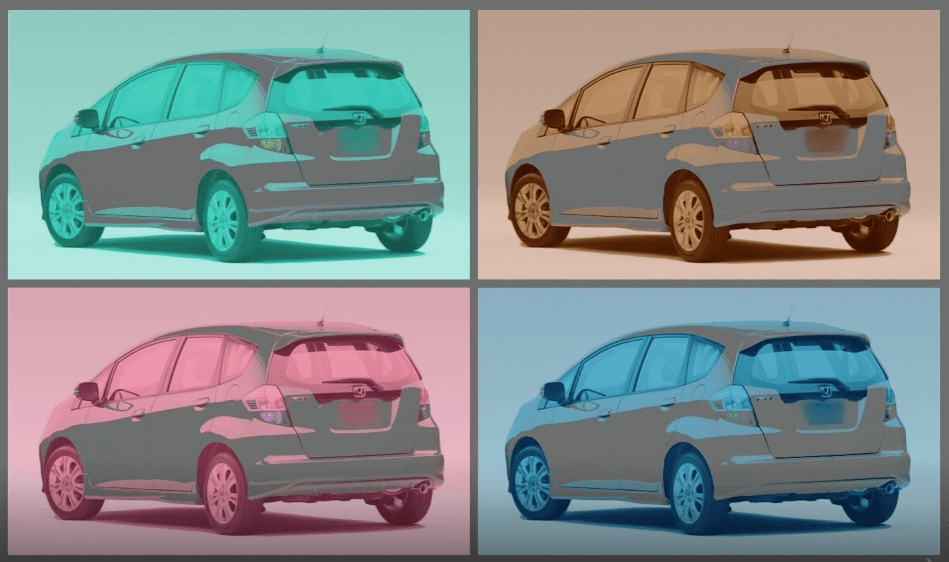
These moments sparked both curiosity and reflection. Students began to grapple with an important realization: our brains construct our experience of the world, and those constructions can vary from person to person. If it’s possible to feel completely certain and still be mistaken, or simply see things differently, what does that mean for how we navigate disagreements and treat one another?
This question lies at the heart of the project.
Earlier this year, fifth graders worked to restore the Redwood Grove, using physical tools to care for a shared environment. Now, they are beginning to design a different kind of toolkit: one that helps people pause, understand what is happening in their brains, and respond with greater awareness. Like redwoods, strong communities are built through connection, not just proximity.


You must be logged in to post a comment.