
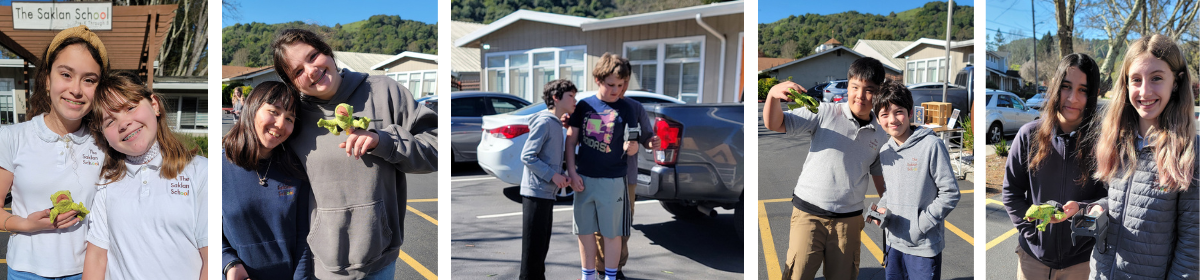
Saklan sixth graders recently dove into the fascinating world of plate tectonics and the powerful forces shaping our planet. They explored how Earth’s tectonic plates float on the molten, magma-filled mantle beneath us, driving some of the most dramatic movements we experience. The students investigated the concept of Pangea—the idea that all continents were once joined as a single landmass—and learned how plate boundaries have caused continents to gradually drift apart, creating the world map we recognize today. They studied divergent plates that push apart, convergent plates that move together, transform faults where plates slide past each other, and subduction zones where one plate moves under another.
Their studies then shifted to what some might call “natural disasters,” though the class viewed them as incredible demonstrations of Earth’s energy. The students examined tsunamis triggered by underwater seismic activity and researched historic earthquakes. They even created their own news reports to illustrate the impact of these events on different cultures and how earthquakes have contributed to the planet’s evolution over recorded time.
Their exploration of tectonic movement continued with lessons on hot spots and subduction zones, which led to the formation of volcanoes. The sixth graders examined volcanic rocks to understand how scientists determine the type of past volcanic eruptions. Students learned that rocks filled with many holes were formed from lava with high gas content, while rocks without holes contained more silica.
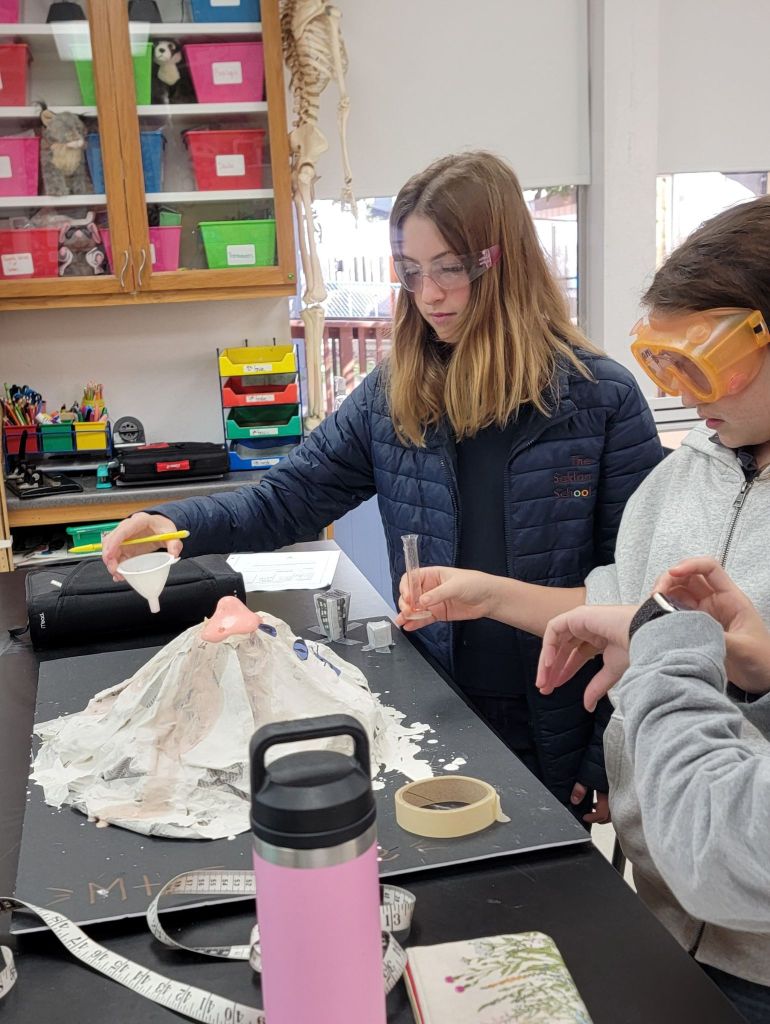
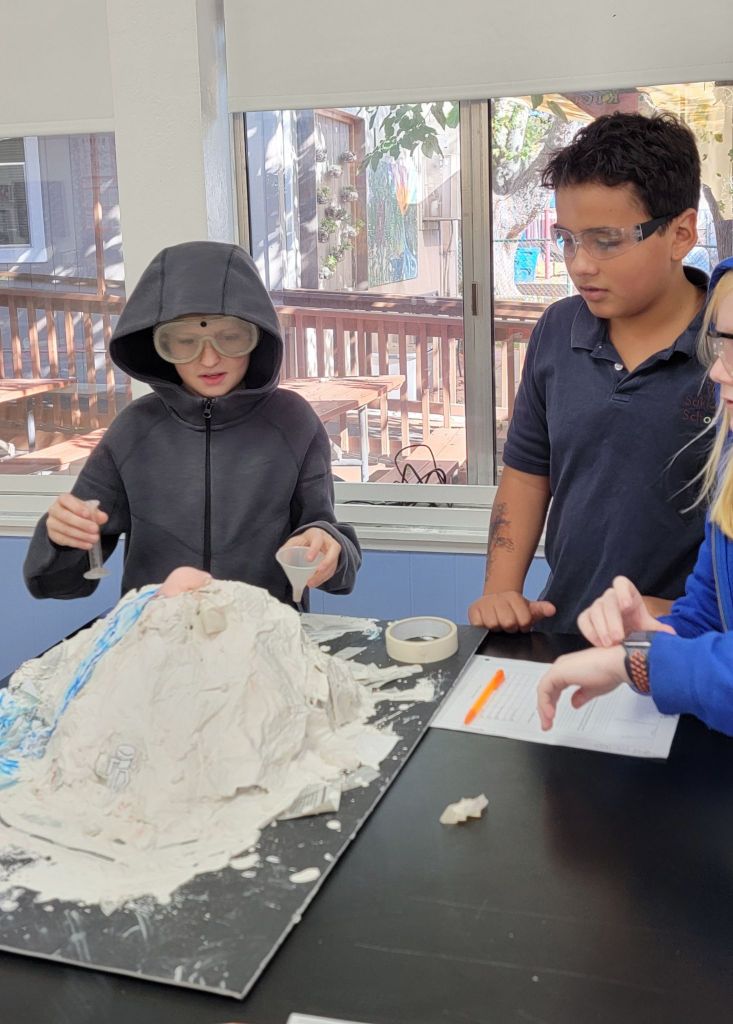
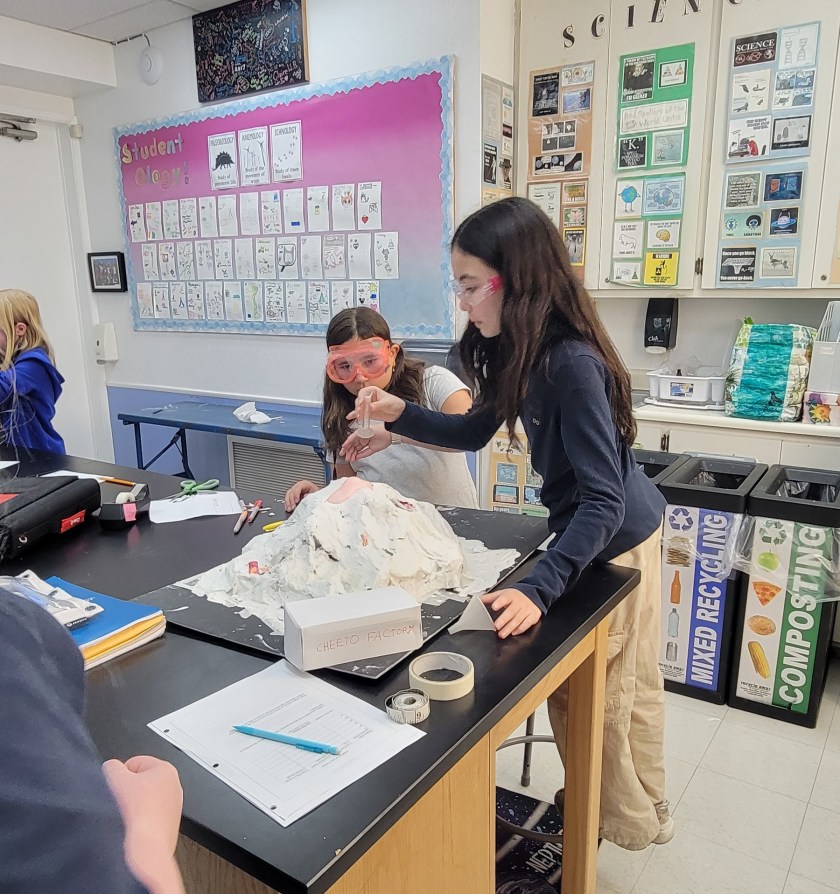
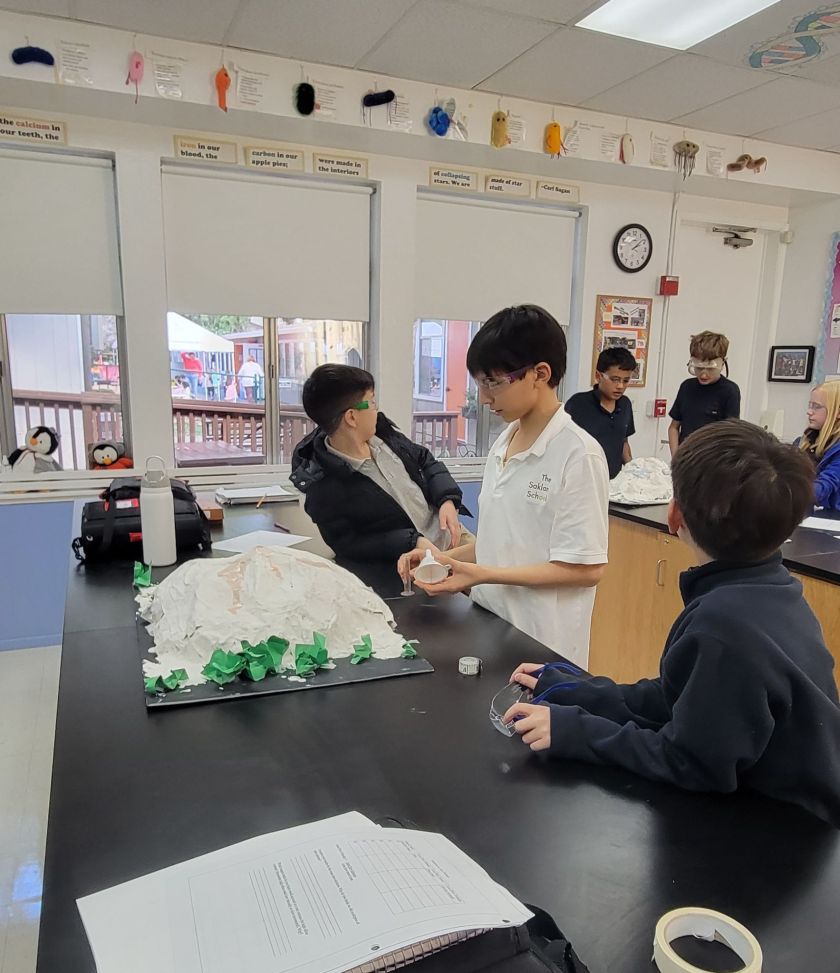
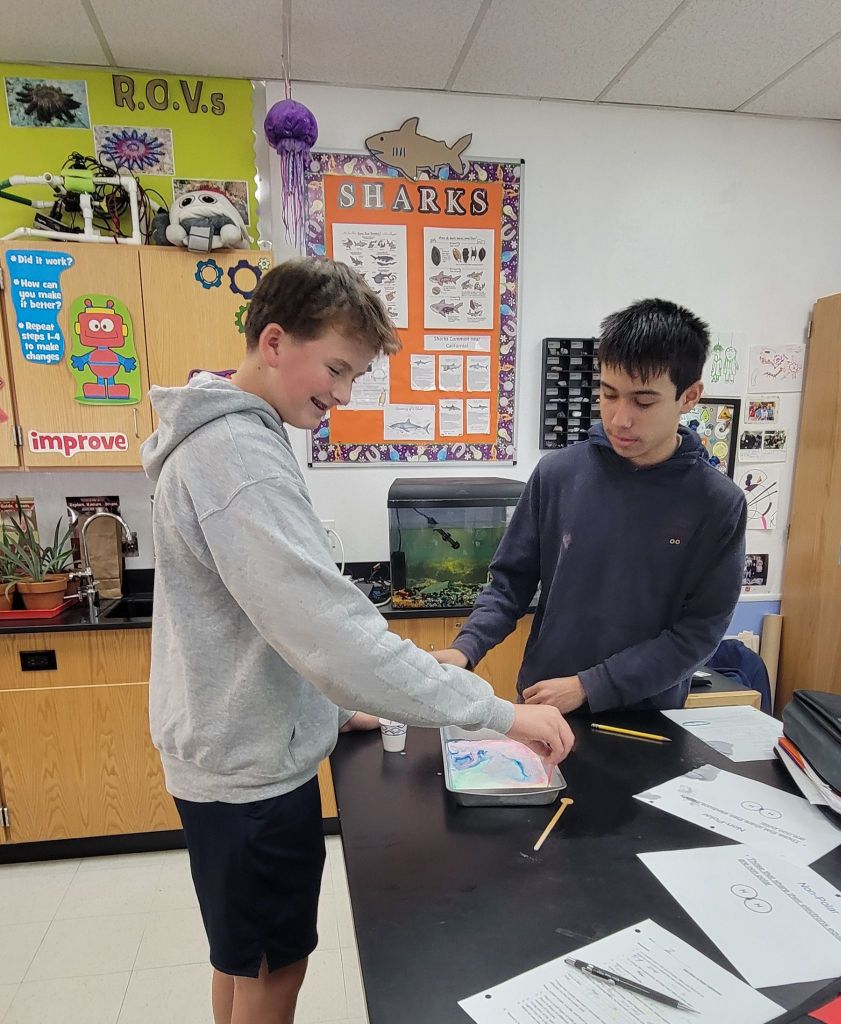
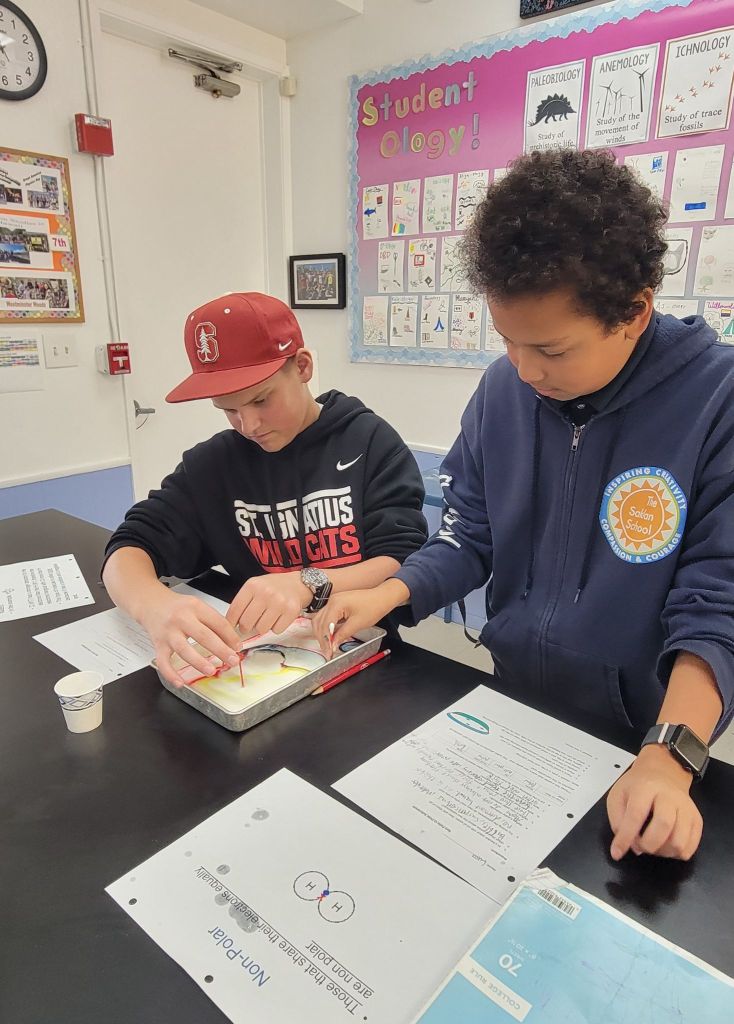
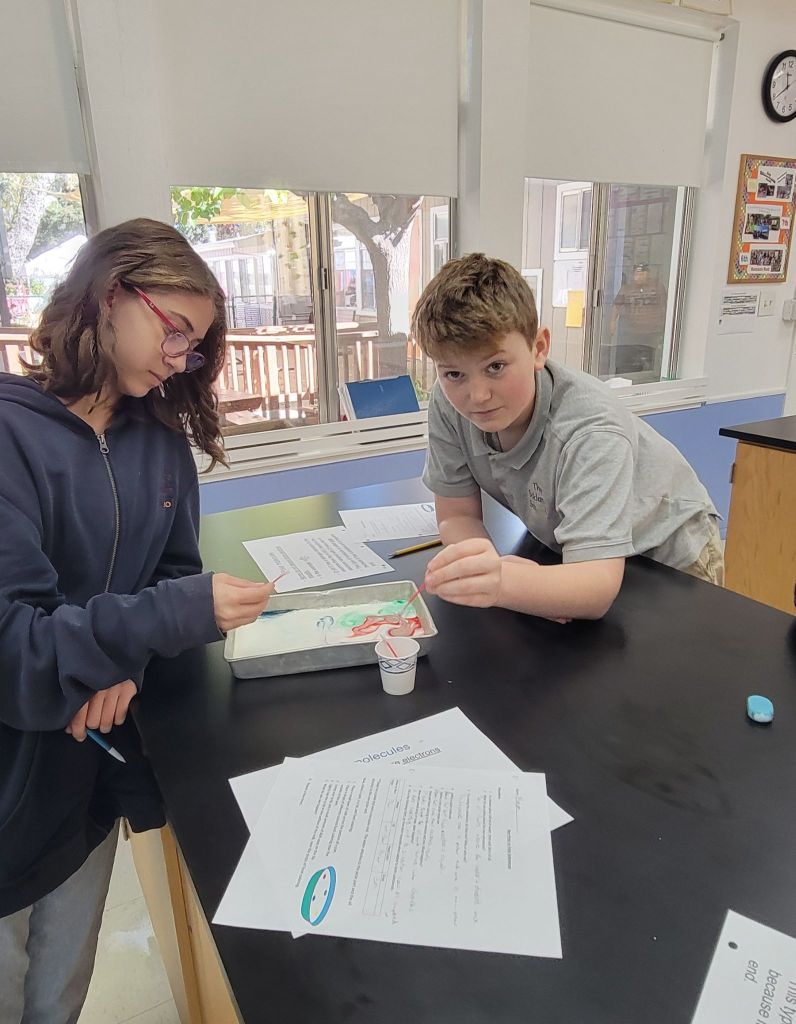
Working in teams, students designed their own volcanoes and experimented with various lava “recipes” to observe different lava flows—some slow and smooth, others fast and bubbly.
#SaklanHandsOn



 FRIDAY BLOG