
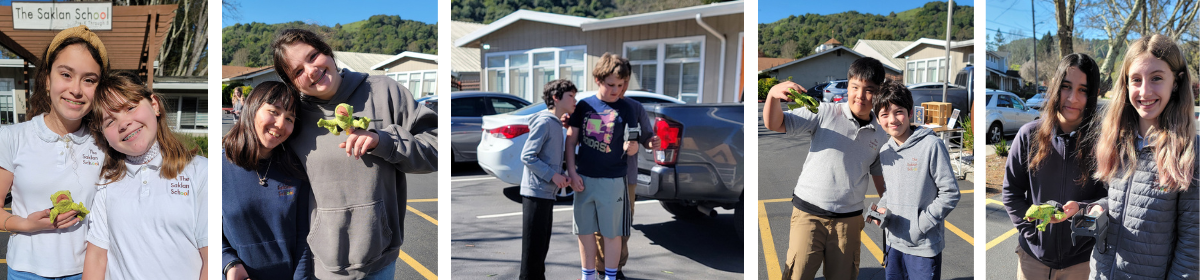
Field trip? Field experience? These terms may feel synonymous; however, at Saklan we draw an important distinction between a field trip and a field experience. Instead of trips that may loosely connect in terms of content, a field experience takes students into the field to work directly with experts, answer key need-to-know questions, and drive our project work forward.
One example of connecting with experts in the field is the 7th grade field experience to the island of O’ahu. The driving question for this science PBL unit is, “What can we do to help reduce the single use plastics in our area?”
Prior to arriving on the island, students watched the Mockumentary: Majestic Plastic Bag and looked at photos of different animals impacted by plastic waste including sea turtles and albatrosses. They also saw direct evidence of animals ingesting plastic waste via the dissection of an albatross bolus, in which they found: a lighter, fishing lures, fishing line, bottle caps, toy parts, plastic flatware, and many small plastic fragments. They came to the realization that, if there is trash in the ocean, animals will ingest it.
Still, for students, an albatross and their food sources can feel removed from our local environment and experiences. They wondered what type of waste is in our local environment. Students went “foraging” for “food” around Saklan and found many waste and plastic items that animals could ingest. It became clear that, despite our best efforts, waste still finds its way into our local ecosystem and therefore ends up in our waterways, and ultimately oceans and ocean animals.
So how can we reduce the plastic waste that impacts our environment? The field experience to O’ahu helps students better understand the impacts of pollution on ocean life, connect with Hawaiian organizations already working to reduce waste, and learn about sustainable alternatives that already exist, as they prepare to answer the driving question by developing their own single-use plastic alternative.
Students met Rebecca, Hideki, and Lynn from Sustainable Coastlines Hawaii, a local nonprofit organization that runs beach clean-ups, partners with schools, and educates the community at local events. Together they had the opportunity to mālama, care for, the ocean by completing a beach clean-up at the Mālaekahana Beach. Using a sieve-like tool, students removed 30 pounds of waste! Much of it could be classified as “micro-plastics,” or plastics that are less than 5mm in size. While students did find a large blue plastic jug on the sand, most of what they collected were super tiny bits of blue plastic, evidence of many different large blue plastic jugs that have broken down over time. Another surprise was the tiny white disks called nurdles, which are pre-production microplastics that are super tricky to recover from accidental spills into the ocean. The class was reminded that choices on land impact the oceans and that beach clean-ups can only take us so far! The staff from Sustainable Coastlines provided some great inspiration and ideas for alternatives to these plastics that are washing up on Hawaiian shores each day.


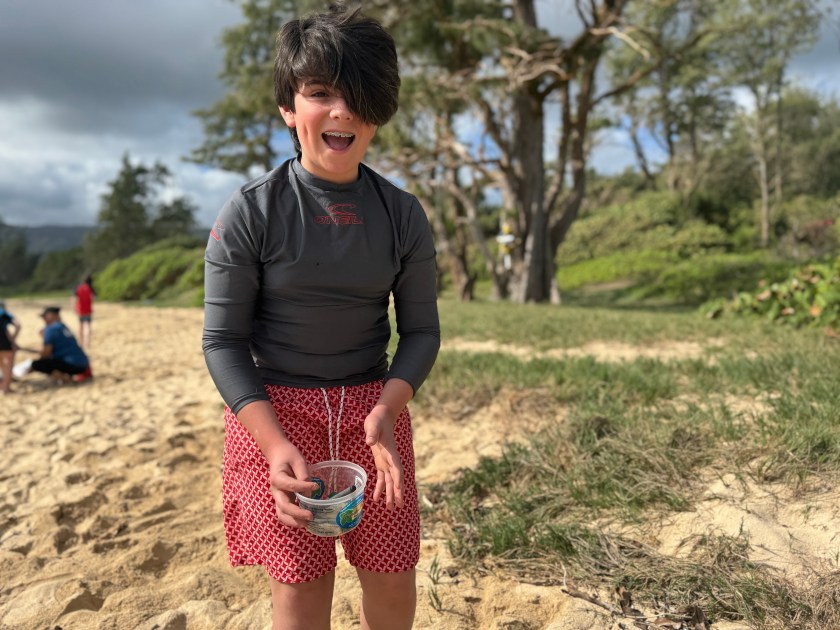


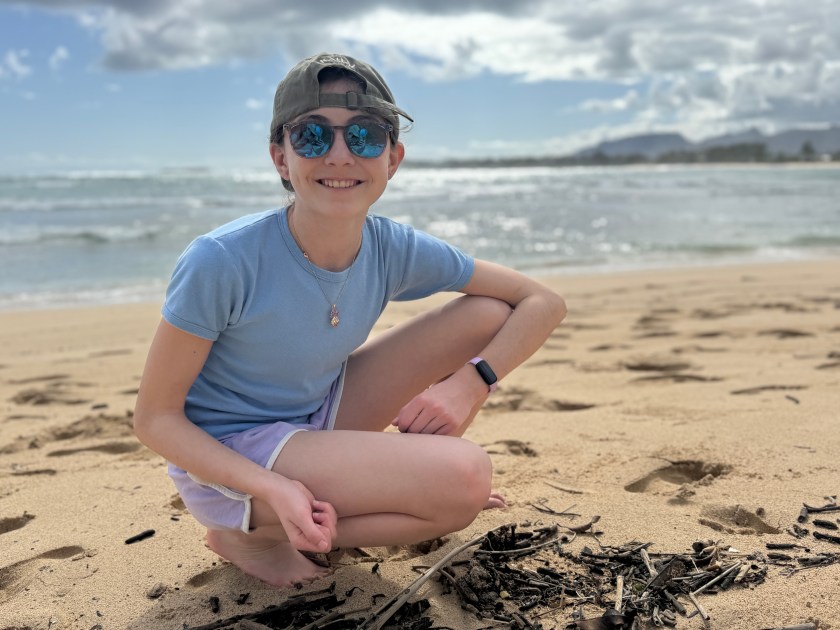


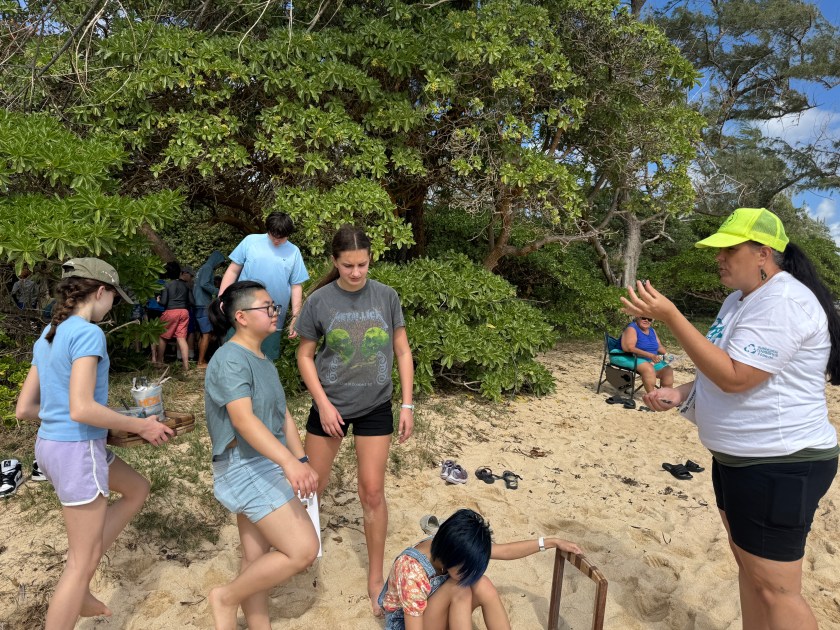

Sustainable Coastlines was just the beginning, while on O’ahu, students also connected with experts at Hanauma Bay Nature Preserve and Project Genki Ala Wai where they made and deployed Genki balls in the Ala Wai Canal to restore its ecosystem making it safer for both people and animals.
The 7th graders will take these many rich learning experiences in the field back to the classroom to help them answer their driving question and refocus on sustainable alternatives to single-use plastics in our local environment.
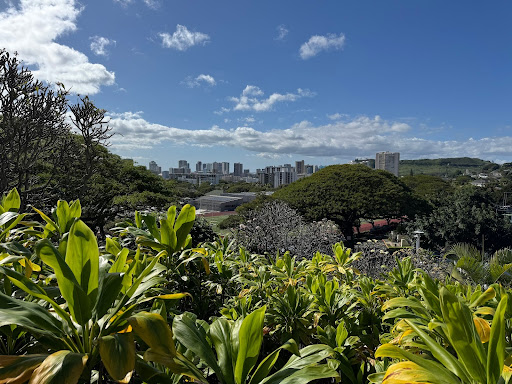
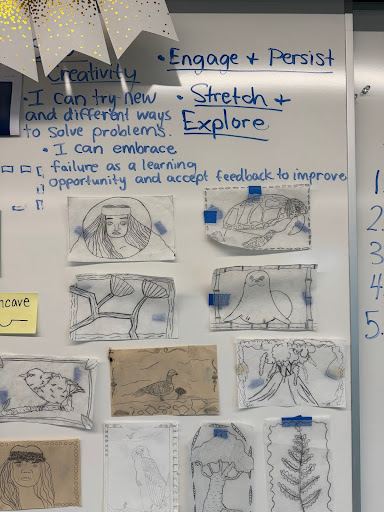
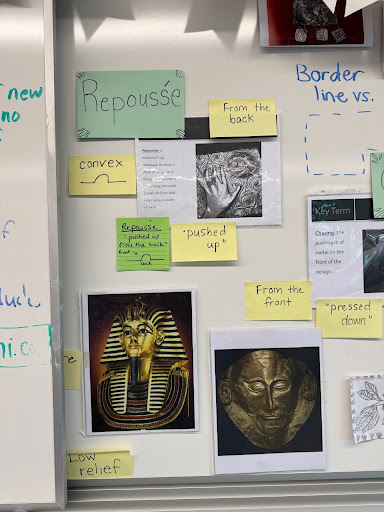
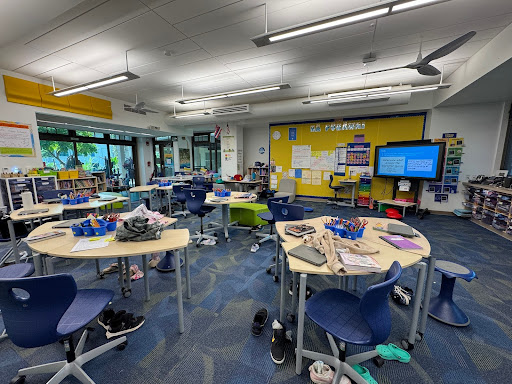
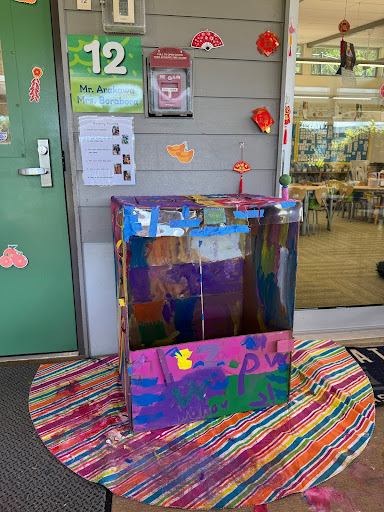
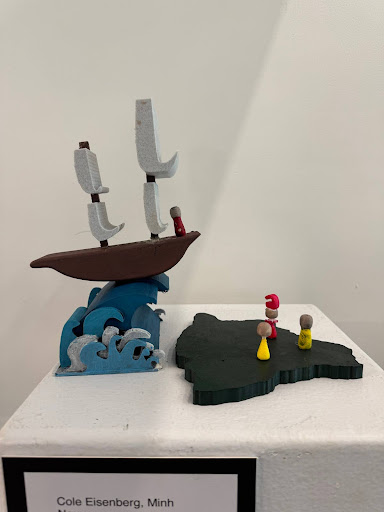
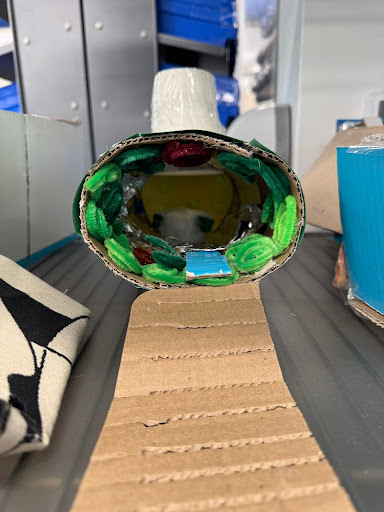
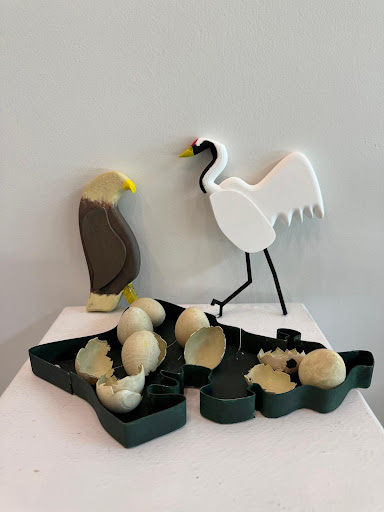
As always, the students aren’t the only ones gaining inspiration and connections to drive their work forward! While on the island, Linda Lathrop visited Punahou School to learn about how they approach projects and design thinking. From the integration of native Hawaiian language, music, food, and dance to design projects in their STEM labs and art rooms, it is always enriching to connect with other teachers to hear about their practices. Just like our 7th graders are out in the field grappling with the content of their project, our staff enjoyed the opportunity to discuss project hurdles and successes from another school site. Opportunities like these to connect with different schools give us new ideas and potential solutions to our own project hurdles! It is also exciting to see practices we have in common too! Can you spot any in the photos below?







We look forward to hearing more about all this rich teacher and student learning when the students and teachers return to campus next week!
#SaklanPBL
 FRIDAY BLOG