Thank you to everyone who helped with our accreditation visit this week. Below are remarks shared by the committee chair, Brad Weaver, during the team’s final presentation on Wednesday afternoon.
On behalf of your Visiting Committee, the California Association of Independent Schools, and the Western Association of Schools and Colleges, I would like to thank all of you for your hospitality, openness, transparency, and support during our visit. You welcomed us into your classrooms, offices, meetings, interactions, and your inner hopes and dreams about the future of The Saklan School. You approached our conversations with honesty and frankness about your school’s strengths and your areas of opportunity and vulnerability. This is a very special and sacred thing, and it was truly an honor for our team to get to know all of you and your school at this deep and meaningful level. Your commitment to learning and growing as an organization is clear, and your earnestness about working with us as your Visiting Committee to use this as an opportunity to improve made our work so much easier. Thank you!
We would like to especially thank Kim and Shay who have been a tremendous support to us during our time here. We have been well fed and well cared for. We thank you, all. Thanks, too, to everyone who gave up their working spaces, especially Melissa, Kim, and Emily, those of you who gave so freely of their time and thoughts during our visit. We appreciate your flexibility in hosting us and providing us the space we needed to hold our deliberations.
I also would like to acknowledge and thank the members of your Visiting Committee. This team was specifically recruited to work with The Saklan School, and we won’t serve together as a group again. They left their own schools and families behind this week to focus on your community and your journey of reflection and improvement. Join me in thanking Neely, Maria, and Simona!
Reflection, review, and improvement is a continual journey. Today represents one point in time on that journey and our understanding of the Saklan School community represents that. It is our sincere hope that we have served the purpose of being critical friends and a mirror back to you about how you live out your mission, vision, and values, how you integrate the standards of the California Association of Independent Schools and accepted best practices of independent schools into your work, and the degree to which you are committed to improving your school, and ultimately the experience and lives of the children whose care and healthy development their parents have entrusted you.
Foremost, the Visiting Committee agreed that our interactions with you as members of the Saklan community were highly authentic, and we witnessed real days in the life of your school. Each of you, trustees, students, faculty, staff, and administration, live out your mission, vision, and values. Your mission is bold, clear, and compelling: “to challenge students to think creatively, act compassionately, and live courageously.” Your belief about the convergence of time honored progressive philosophy and emerging research into how children learn being a source of joy and engagement is powerful and unique even in a field that has as a source of pride the uniqueness and independence of our schools. Some things we heard loud and clear are your fidelity to your project based learning approach, your commitment to belonging within your community, and your collective willingness to lean in and dig into hard work together. We applaud your intentionality and your attention to these sacred aspects of your school. You won’t lose what you hold dearest and keep closest to your hearts.
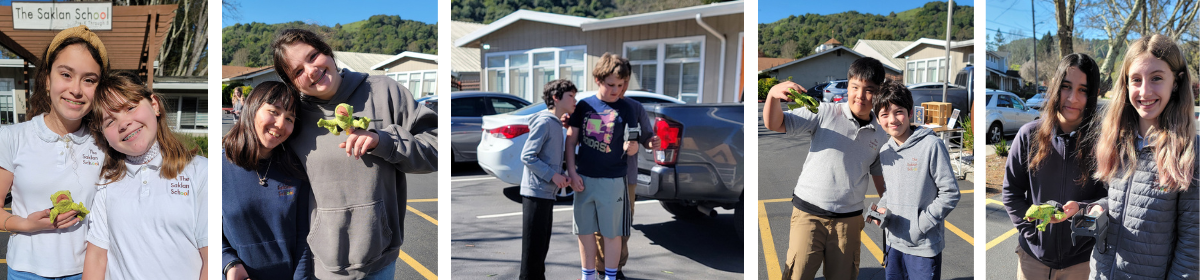
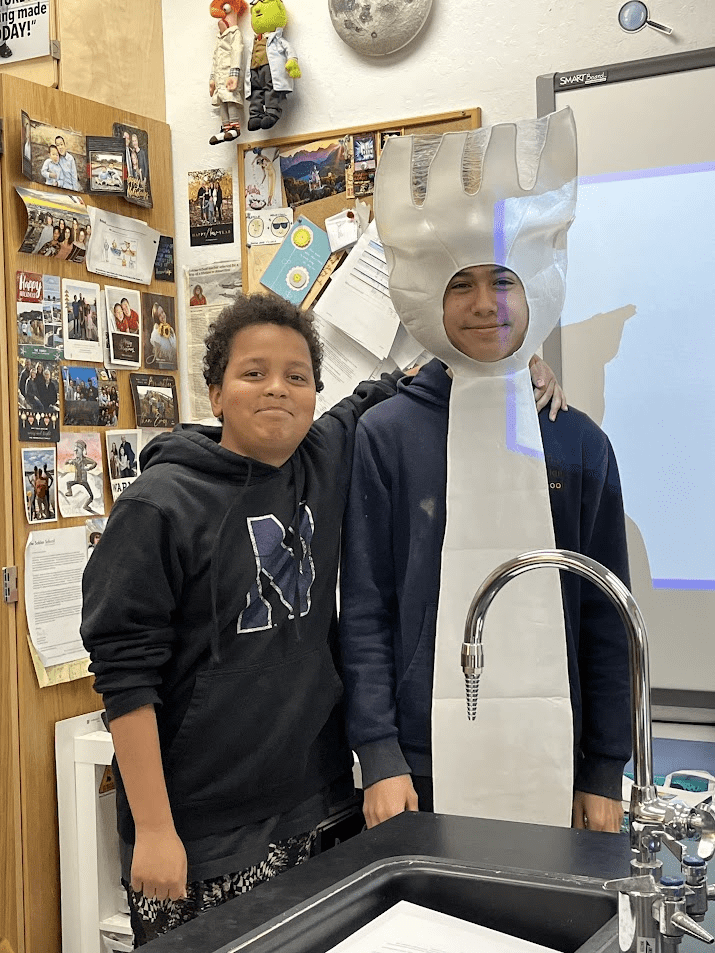
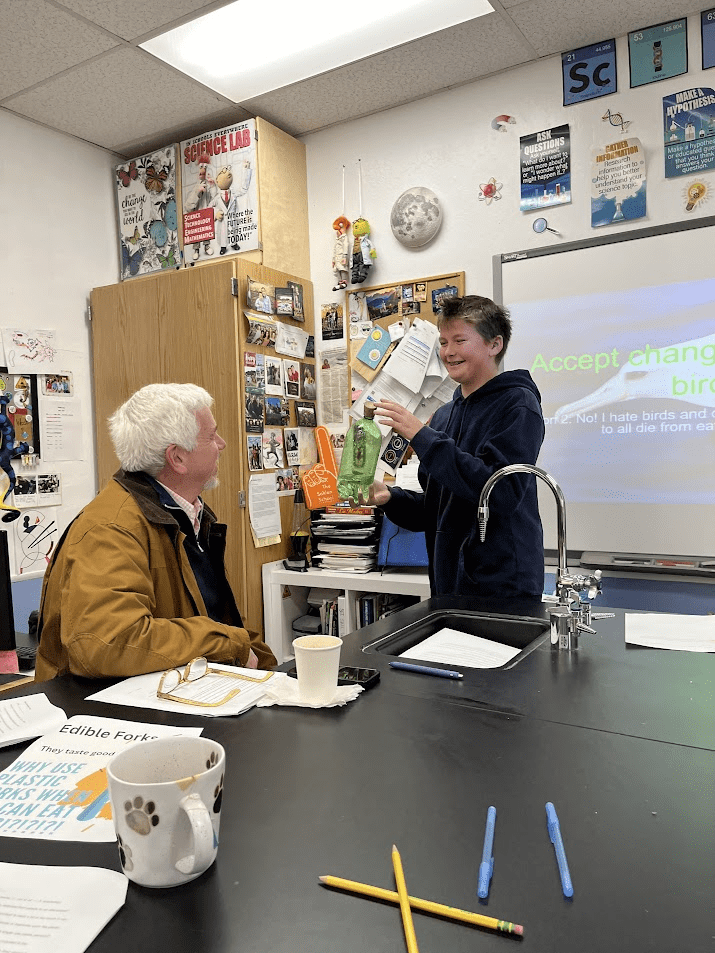
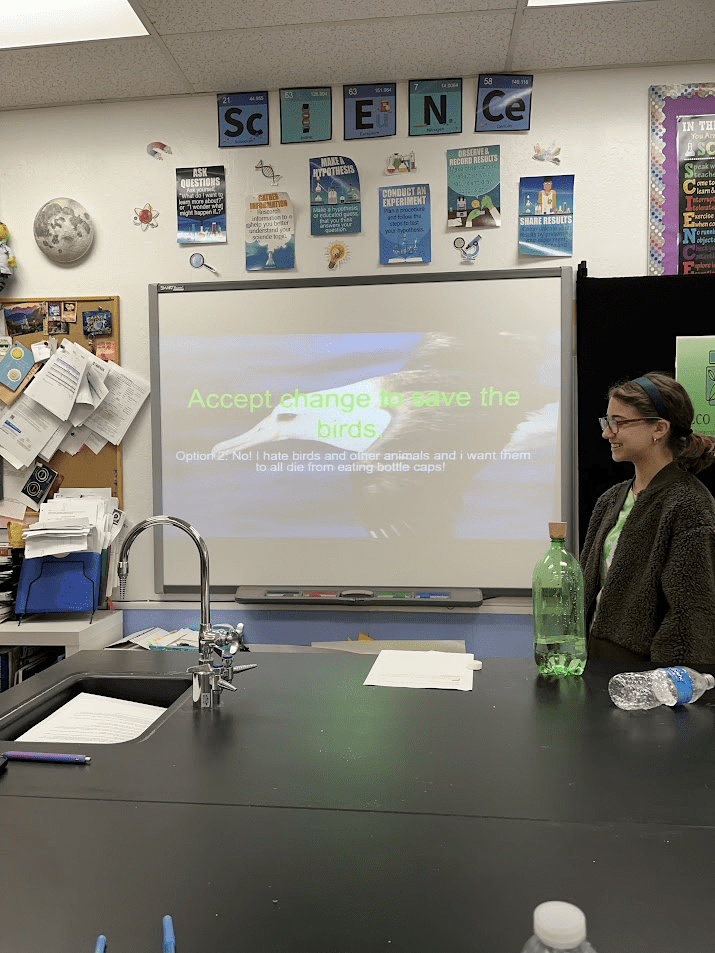
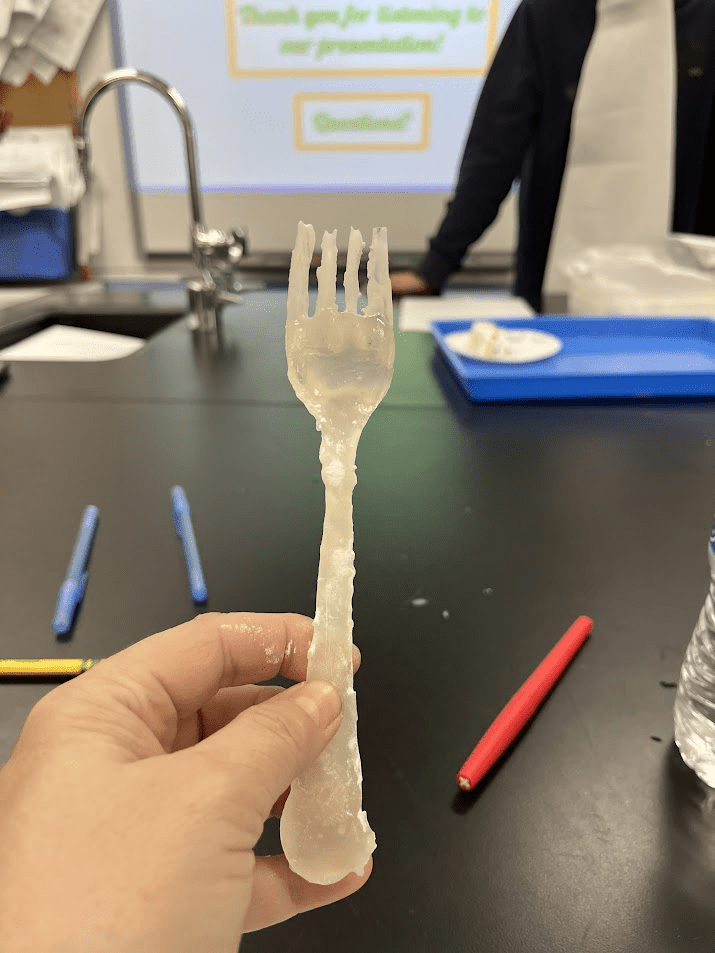
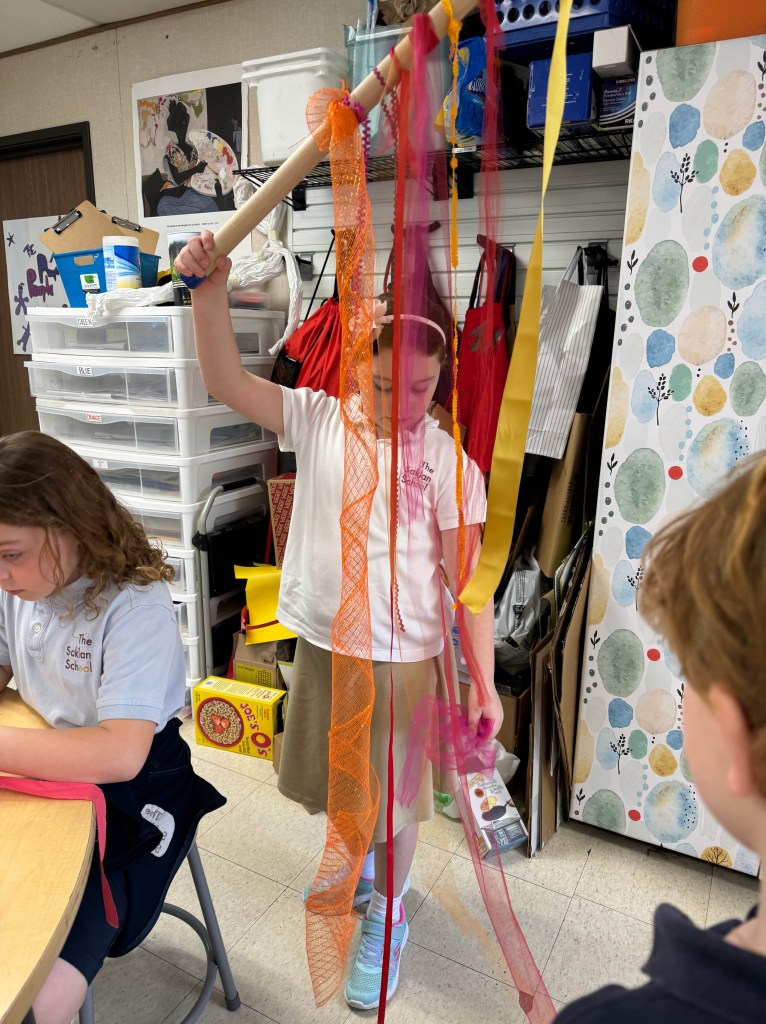
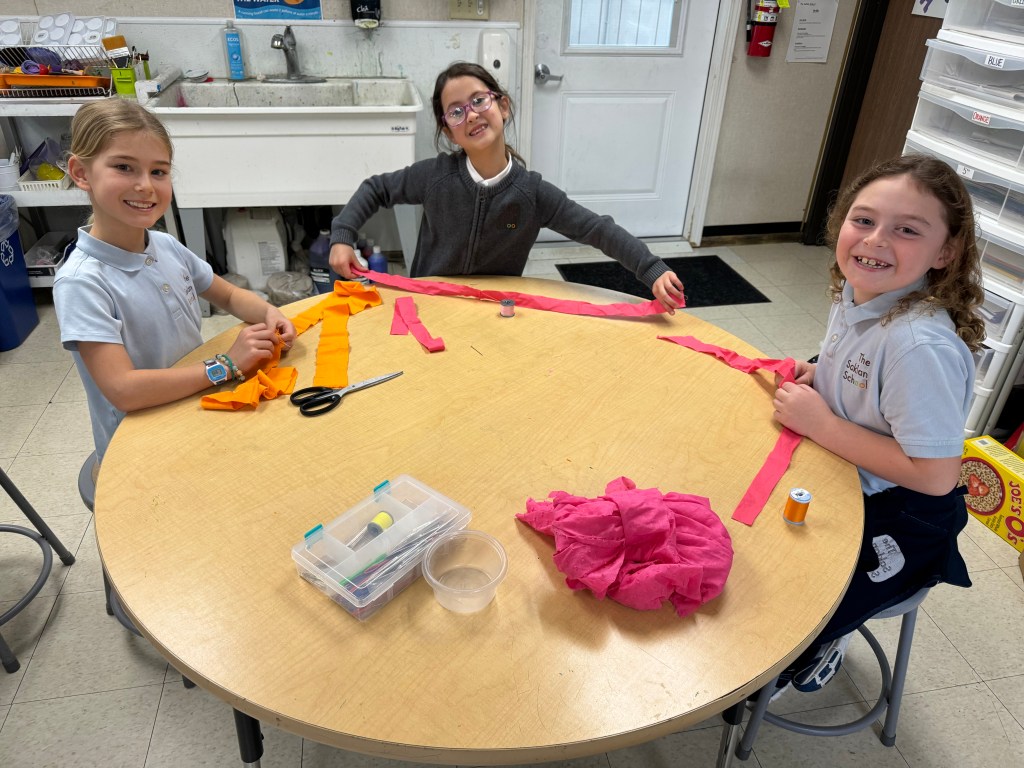
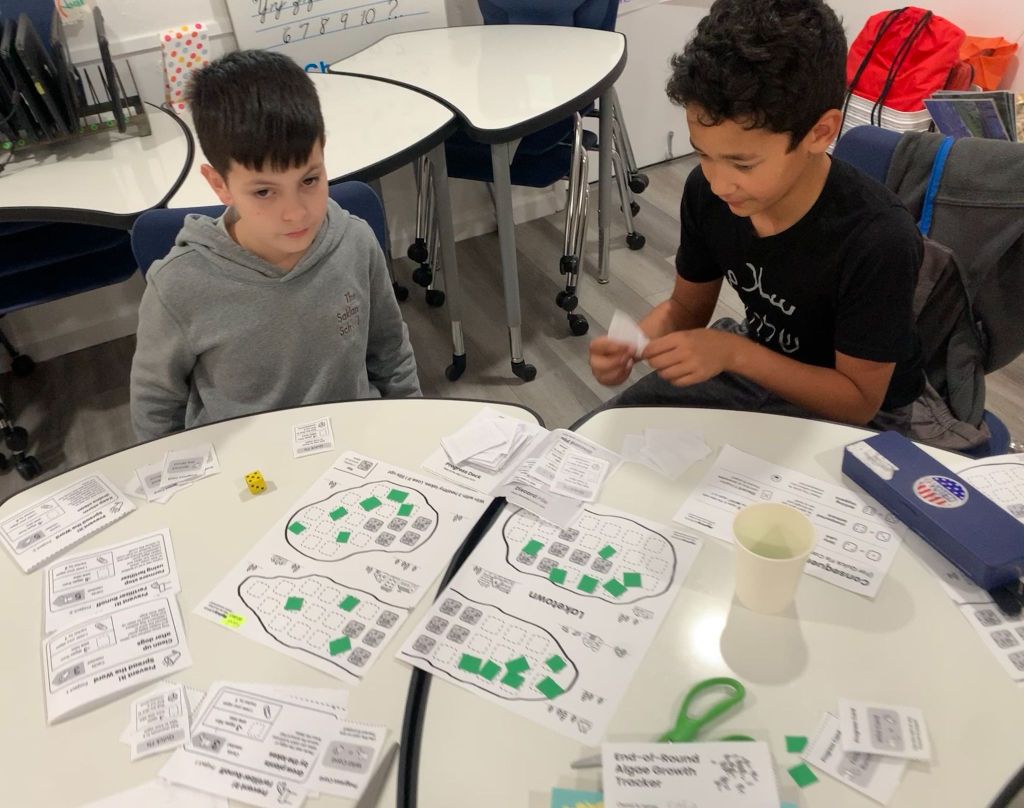
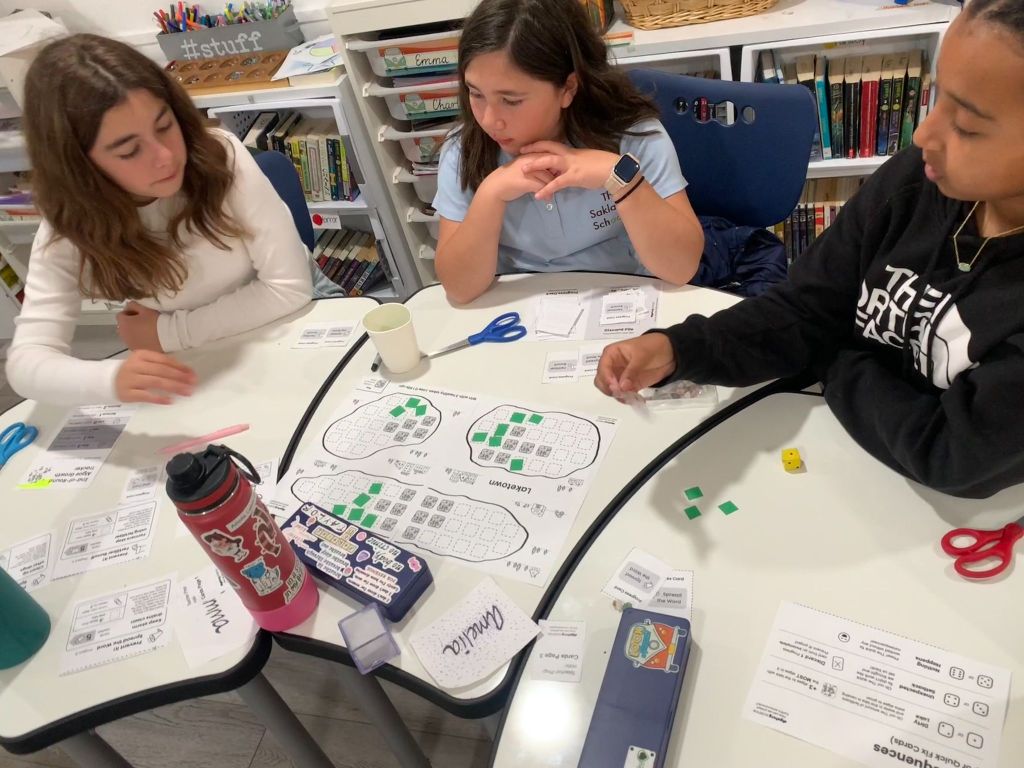
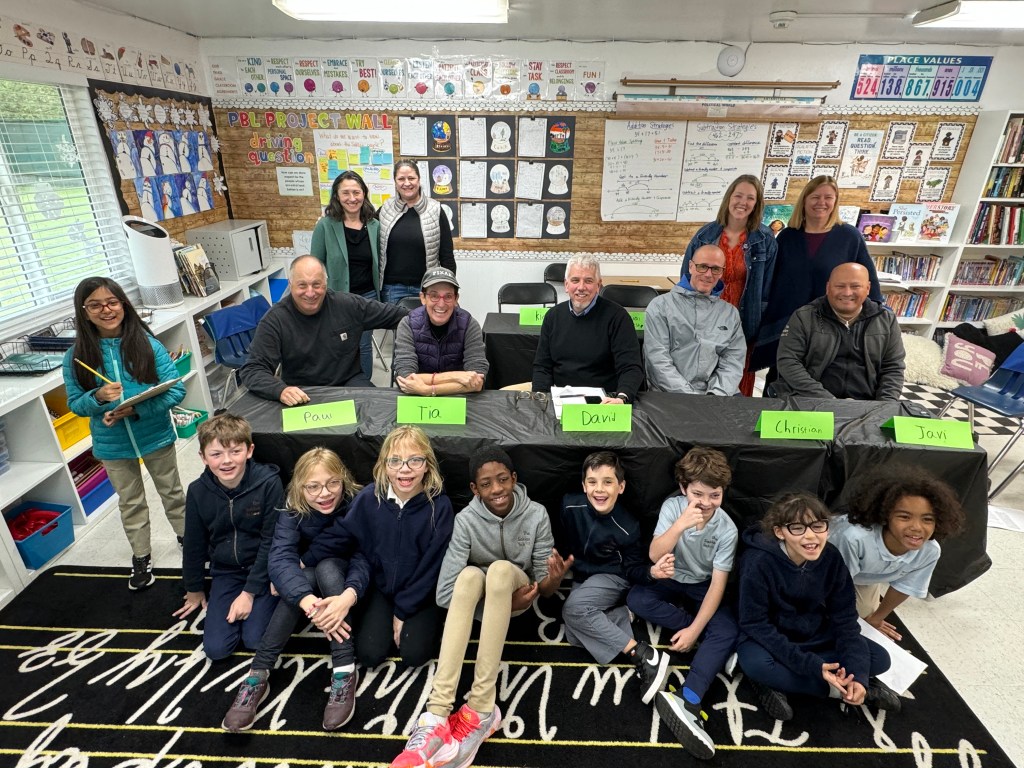
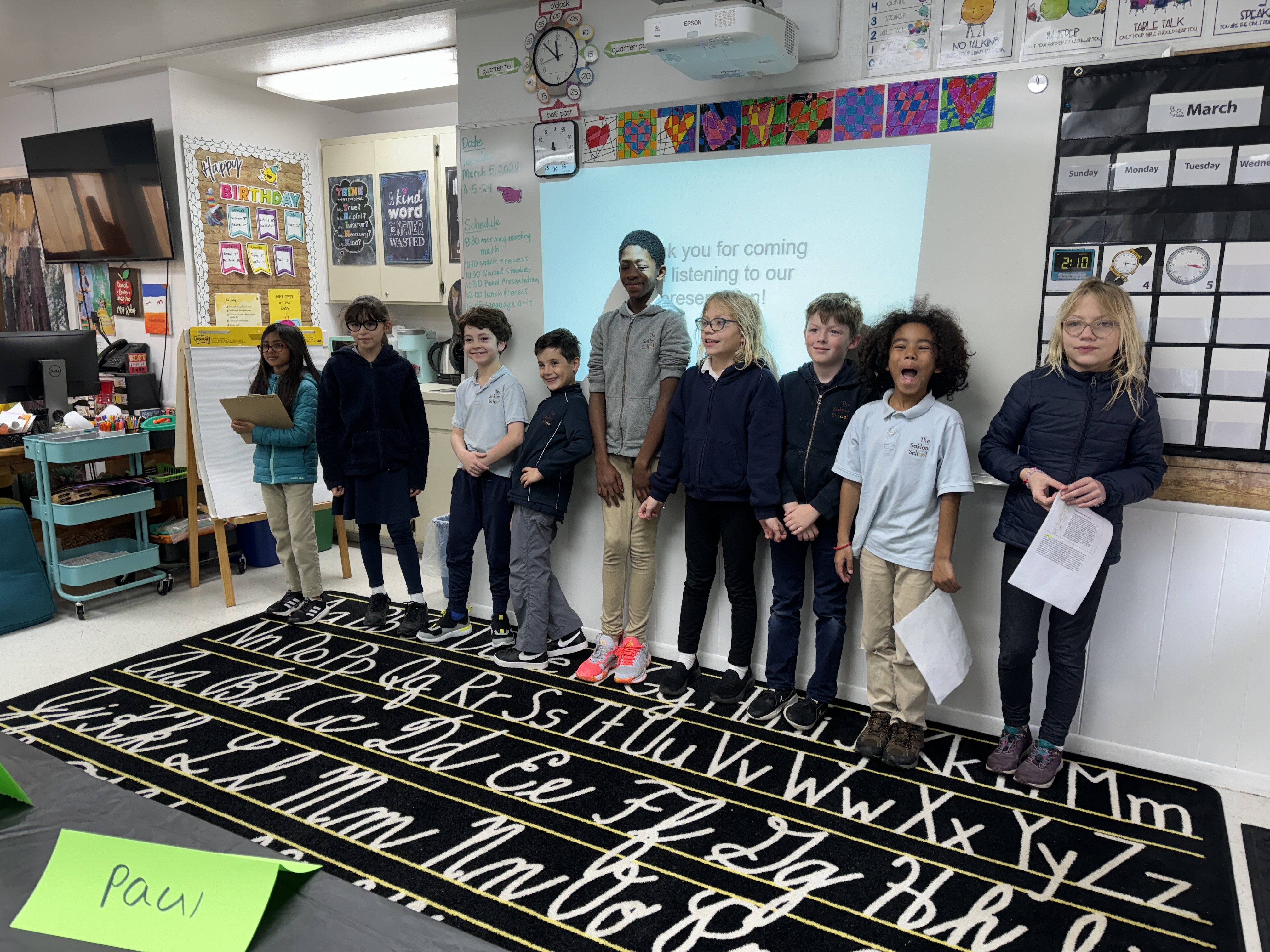
It was our observation that Saklan students are curious, engaged, and active in their learning, as well as respectful, responsible, caring, resilient, collaborative, and reflective. Students who greeted us as we passed by and welcomed us warmly when we visited classes. We loved seeing the evidence of their work and listening to their inquiry. The third grade presentation was a highlight and we wish we could have seen a CLAS, which parents spoke about with such love. There were countless examples of students throughout our visit endeavoring to courageously do the right thing and striving to be creative with their learning and compassionate with their interpersonal interactions.
Parents who we met spoke passionately about your mission and values and the unique and special heart of Saklan being instrumental in their decision to enroll their children, to remain here, and even to return after making the mistake of departing. One said, and this sentiment was echoed in other meetings we had, that the problem with visiting the school as a prospective parent was after they couldn’t see them anywhere else. That is an admirable position to be in, especially for a school that has undergone a lot of change and faced a lot of challenges over the years.
Your campus is small but mighty: a beautiful setting for learning, with ample opportunities for academic, athletic, artistic, outdoor and extracurricular pursuits. You aspire to make this setting even better for your students and their learning. However, there also exist limited endowments and cash reserves. You have a special opportunity ahead for galvanizing your extended community to make a difference in your future. Make the most of it.
We also heard the beginnings of plans to enhance diversity, equity, inclusion, and belonging within your community, practices, and policies. Our Visiting Committee applauds your intentions and encourages careful and thoughtful planning to focus your efforts. You have a diverse student body, providing them with the opportunity to see themselves and their experiences reflected in the curriculum and resources and even in the adults in the community is a vital part of helping them feel that they truly belong. You join an ever growing community of independent schools that share this focus and the commitment to remaining relevant and meaningful in delivering their missions to the broadest community possible. CAIS is here to support you in your efforts and know that they have made it a priority in their revised accreditation protocols.
Enrollment has been and remains a challenge. You have a respite for the time being with strong budgets, use the time wisely to devise aggressive plans to market the school and promote your incredible offerings. You have so much to offer and we want you to be successful in having the broadest reach possible in delivering your mission.
I will close my introduction with a special acknowledgement of your Head of School David O’Connell. He has seemingly limitless energy and enthusiasm for learning and a passion for the mission of the school. What you have already accomplished since his hire six years ago is remarkable. The parents who spoke with us yesterday agreed the school wouldn’t be here without him. Retention of a school leader requires care and thought. Pay close attention to supporting him in the years to come and making sure he is able to focus on leading the school.
As I mentioned throughout our visit, we will not share today a recommendation regarding your status of accreditation. We next submit our report to CAIS. Everything is carefully reviewed by the Elementary Board of Standards for both CAIS and WASC, as well as by CAIS staff. The Board of Standards then makes a recommendation to the CAIS Board of Directors who reviews it and votes at their annual meeting on your school’s status of accreditation. The Saklan School, and even us as the Visiting Committee, will find out the official results at that time.
What’s next after that? As I mentioned earlier, today is just a point on a journey of continual reflection, review, and improvement upon which the Saklan community has already embarked. You will receive instructions about preparing and submitting your Future Planning Document which will incorporate the major recommendations we made today and any other recommendation you find helpful in the planning for your future, as well as your aspirations for the years ahead and our recommendations as a Visiting Team. You have already shared that you are considering priorities for your next strategic framework and intend. Use this visit as a launching point and the recommendations we make.
We thank you again for hosting us and for your commitment to being the best school you can be. All the best to you as you continue on your journey.
Brad Weaver
Saklan has much to be proud of, and we thank you for your trust and collaboration as we work together to inspire students to think creatively, act compassionately, and live courageously.
#SaklanThinkActLive



















 FRIDAY BLOG
You must be logged in to post a comment.