Learning in the Field: Hawaii Edition

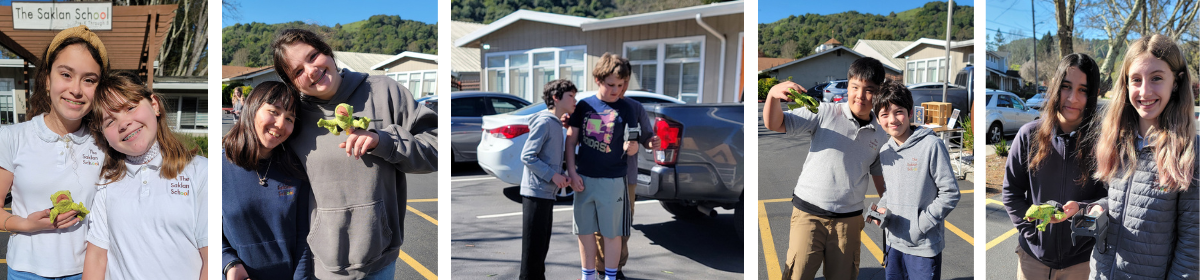
Last week the 7th graders went to Oahu, Hawaii to spend the week learning about evolution: the evolution of species and the evolution of culture on the Hawaiian islands.

Students spent part of the week learning about different native animals and specific adaptations they have for their survival there on the island and with the impact of human actions, such as invasive species, farming, war and now plastic trash. To do this, they walked through the tropical forest of Waimea Falls, learned about the Dole Plantation and the pressure of having a reliable brand, snorkeled in Hanauma Bay to observe fish adaptations, and cleaned up a beach with Sustainable Coastlines Hawaii.

The second part of the week was spent looking at the impact of westerners on the island and on the Polynesian culture. Students discovered art, daily life and music of different Polynesian islands at the Polynesian Cultural Center. Then they learned about the monarchy of the Hawaiian people and the overthrow of their government while visiting the Iolani Palace. Lastly, they saw the effect of war, as they visited the resting place of the USS Arizona.

And while so much learning was going on, there was also tons of fun! From beach walks and swims to snow cones and shopping, the 7th graders were all smiles!

#SaklanFieldExperience

The Depths of the Ocean

The Hoot Owls have continued to explore the depths of the ocean in recent weeks. They learned about coral reefs and read the book “The Brilliant Deep: Rebuilding the World’s Coral Reefs” by Kate Messner. It shared the story of Ken Nedimyer, the creator of the Coral Restoration Foundation. They also watched a video of a scientist exploring the coral reefs and explaining how coral reefs grow. As a class, the Hoot Owls talked about ways they can help keep the coral reefs safe. They talked about making sure trash goes into the right bins so it won’t go into the ocean, about not wasting water, and about being gentle with animals in the water. The students also created their own coral in class, which they drew with oil pastels and then used water color to create the ocean around them.

The class continued learning about more sea animals that they are interested in. Whale sharks, hammerhead sharks, great white sharks and more were on the list! The owls painted these animals, and currently have them swimming in their classroom. Stop by and take a look at their under sea classroom!

#SaklanHandsOnLearning

Internet Safety for Kids

Save the date for the next PA Parent Coffee event on Friday, March 22nd. All Saklan parents are invited to join us in the Pavilion after CLAS to hear from Darryl Holcombe, one of the region’s expert law enforcement officers working to keep kids safe online. He has tips on parent control apps, ideas and strategies to consider, and insights into the bigger picture of kids and social media. Come ready with your questions and enjoy some coffee and snacks during the talk.

#SaklanParentEd

Fascinating World of Transportation

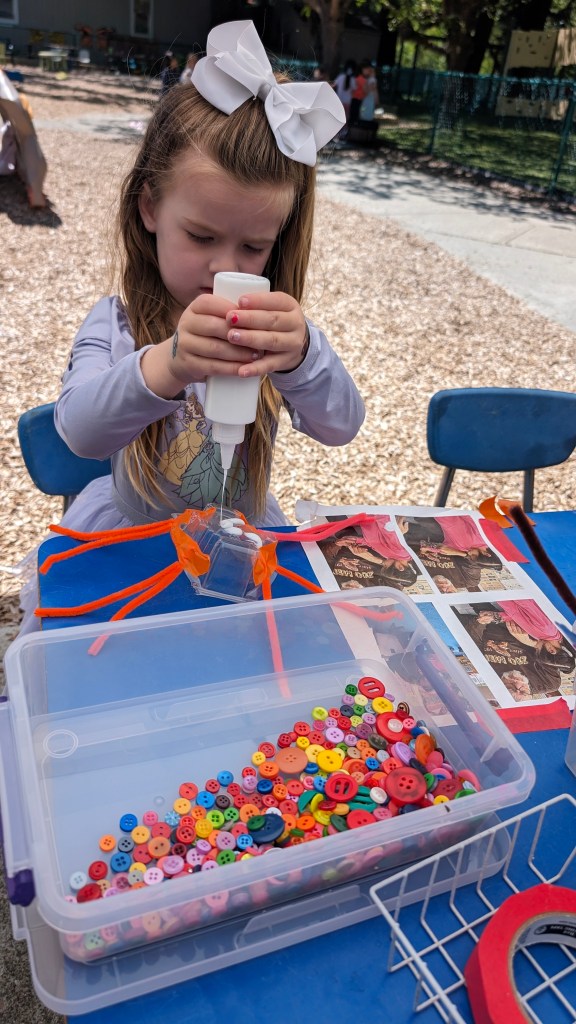
The Owlets have been busy learning about the fascinating world of transportation! They have been working on their fine motor skills while putting together airplane puzzles, cutting and gluing paper to make roads and train tracks to go around their classroom, and using crayons to draw different forms of transportation. They have been working on their literacy skills by reading books about cars, trucks, trains and airplanes. They have been sharing their knowledge of different modes of transportation with each other, and have been very excited to welcome many guest experts to their class!

While studying the letter M, the Owlets were excited to welcome a familiar guest expert to share a motorcycle with them – David! David showed the preschoolers his motorcycle, pointing out the wheels, lights, gas tank and exhaust pipe, but the Owlets were most excited about the horn! After showing the students the safety gear needed to ride a motorcycle, David taught the Owlets how one drives a motorcycle, using your right hand like the gas pedal or the throttle, and the left to brake.

Next, Mr. John visited the Owlets to share about his experience of riding a bike to work. The Owlets noted some similarities between motorcycles and bicycles, including that both have two wheels, handlebars, and can have a horn. They also shared that motorcycles use gas, while bikes don’t, and that a motorcycle can go a lot faster.

The Owlets were excited to see two different golf carts and to learn about the batteries that operate them. They noted that golf carts also have wheels, and are similar to cars but without doors.

Stay tuned to learn more about other guest experts that have visited the Owlets and see where their transportation unit takes them!

Snowmen at Night

Third graders used the book Snowmen at Night as inspiration to create drawings of snowpeople from a worm’s eye view. After drafting sketches of their snowpeople, students created final versions on watercolor paper, using shading techniques to provide dimension to their snowpeople. Students used a variety of mediums to complete their drawings, including chalk pastels to create shadows, sharpies to outline their designs, and crayons and watercolors to create colorful backgrounds. Many students added their own creative details, making each snowperson unique!

#SaklanCreative

Be Collaborative

During the month of February, all Saklan students are focusing on being collaborative. Students are discussing what it means to collaborate and to work as a team. Discussions around taking turns, listening to each other, and supporting each other can be heard across campus!

#SaklanSEL

Species Interactions

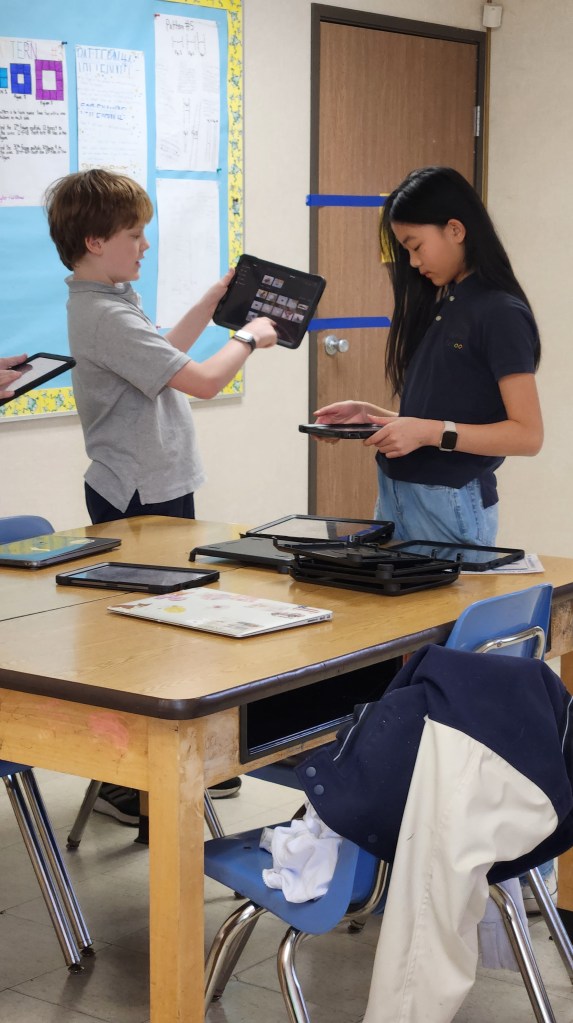
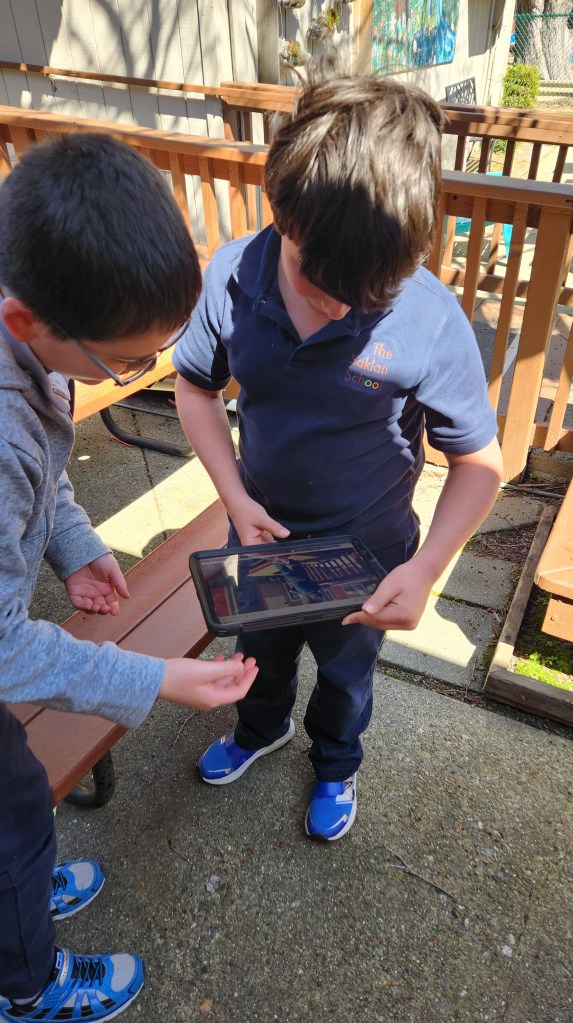
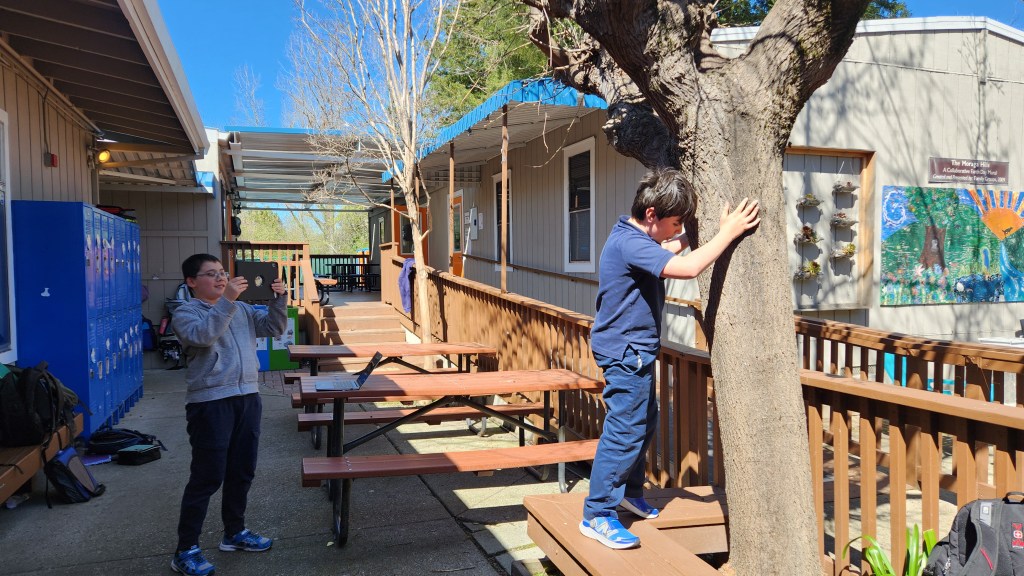
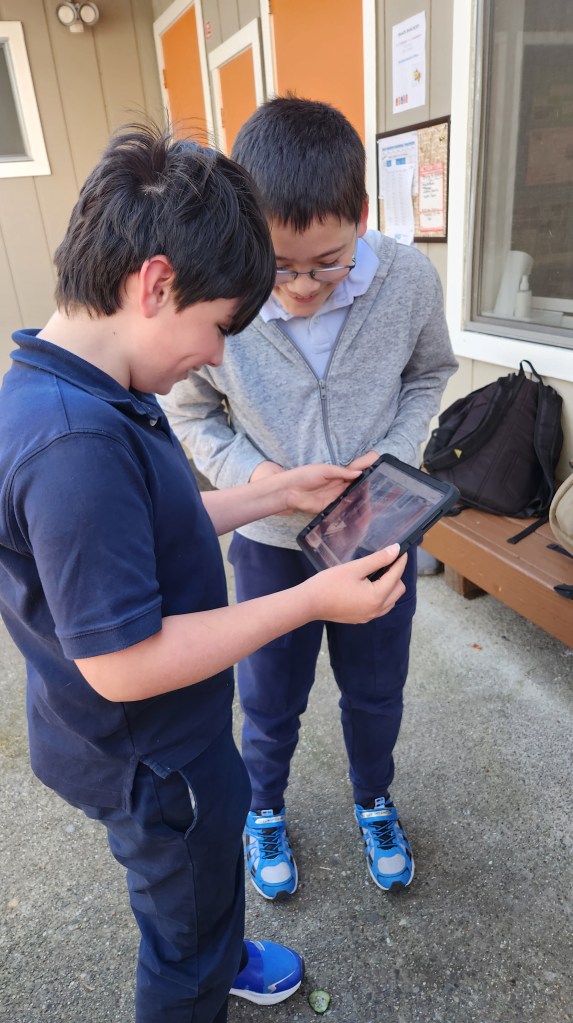
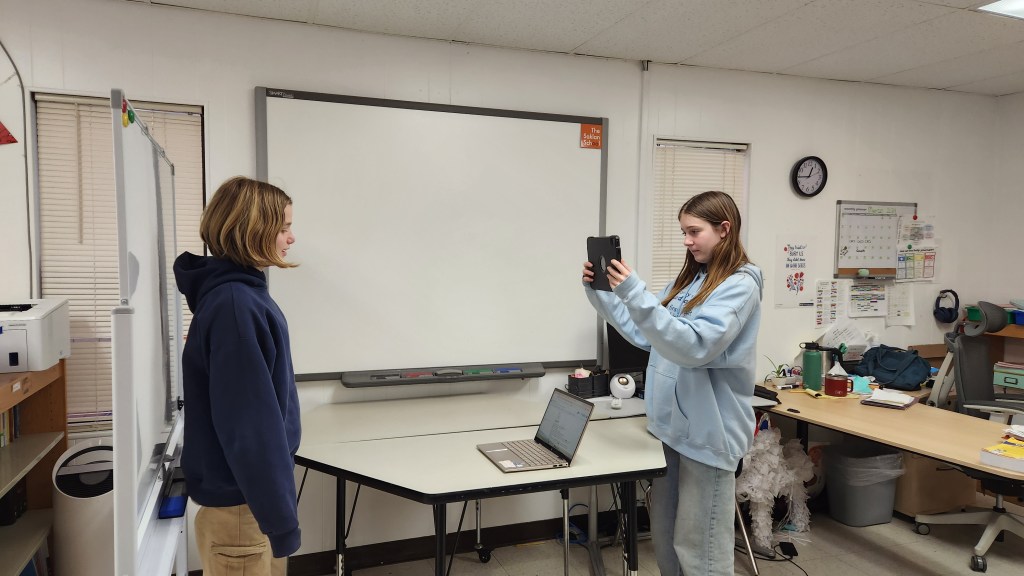
In Science, the sixth graders have been studying ecology, a branch of biology that looks at relationships among living organisms and their physical environment, and focusing on specific forms of species interactions. Working with a partner, the students were asked to portray the relationship of two species found in nature. Each group of students was tasked with taking pictures of their organisms portrayal, and then using the pictures to make a comic strip. The sixth graders used their laptops to create the fascinating comics below! 

Summer Registration Now Open

A summer of creative exploration awaits your child during Summer@Saklan! This summer, camp will run in one-week sessions from June 17th – August 2nd, and is open to all children ages 3 – entering 3rd grade. Each session of camp consists of fun art and science-related activities including: art, crafts, cooking, science experiments, games, and more. Additionally, Friday afternoons will feature fun activities including water play, a bounce house, and special guests such as a magician or puppeteer. Summer@Saklan is sure to be tons of fun!

To learn more about Summer@Saklan 2024, check out the summer webpage today!

We look forward to another amazing summer of hands-on learning, growing friendships and lots of fun!

Beyond Dessert: Saklan’s Rich Recipe for Project Based Learning

Last week, I attended a Trustee and Heads of School conference hosted by CAIS (California Association of Independent Schools). As I spoke with other heads of school, I could not help but brag about the project work our students are doing at Saklan. One of my many takeaways from these conversations was how often the term Project Based Learning (PBL) is misused. 

These conversations led me to start to think about a litmus test for what real PBL is and what it is not. The questions below only begin to scrape the surface, but I hope they help define what we at Saklan mean by Project Based Learning.
Is the learning rooted in a driving question that has relevance for the students? 

At Saklan, we start our project work with a simple yet powerful approach: Each project begins with a question that resonates with the interests and real-life experiences of our students. This method ensures that each project is not just a learning task, but an exploration of students’ wonderings.

What “fuels” the project? 

Student questions and curiosities steer and fuel our project work. We see our role as facilitators, guiding them through their learning journey, but allowing their questions and ideas to lead the way. This student-centered approach ensures that learning is more engaging and meaningful, as each student connects personally with the subject matter.

Does the project reach beyond the classroom and into the real world? 

We believe that authentic learning breaks the boundaries of the traditional classroom. By integrating field experiences and interactions with experts, our projects gain depth and relevance. These real-world connections are crucial, providing practical insights and inspiring students to delve deeper into their subjects.

Is the outcome meaningful and public? 

The culmination of our project work is designed to extend beyond Saklan’s walls. Students present their findings and creations to authentic audiences, often emphasizing the importance of civic participation. This approach teaches them that their work can have a significant, real-world impact through a myriad of avenues such as exhibitions, educational presentations, or published work.

True project based educators often talk about a project being either a dessert (fun, tasty, empty calories) or a main course (nutritious, substantial, and enjoyable). The questions above are a litmus test of how to distinguish one from the other.  At Saklan, we are moving beyond dessert and focusing on the main course. 

#HeadsCorner

DIY Stenciling

In January, 8th grader Astro led an LBD (Learning By Doing) 3-session course for middle school students, on DIY stenciling. Astro is heavily inspired by 80’s punk graffiti, which popularized the use of stencils in street art and clothing, and has been honing his craft of stenciling on clothing and canvas for the past 2 years. 

In his course, Astro demonstrated how to make a paintable stencil, by first tracing an image onto a piece of paper, covering it in packing tape, then carefully cutting out the “positive space” with a craft knife. In the final session, each student used the stencil that they made to paint an image onto a t-shirt or canvas. 

Although the process sounds simple, students quickly learned the challenges of cutting small details, and evenly dabbing paint onto fabric. Astro’s quick response to students in need of support demonstrated his patience, experience, and deep understanding of the art form. 

As students worked, they listened to Astro’s carefully curated playlist of 80’s and 90’s grunge and punk music. Astro did an excellent job of planning and teaching his lessons, and students were really excited to take home their new, wearable art. 

#SaklanCreative #SaklanLeadershipOpportunities