Accepting & Inclusive Family Groups

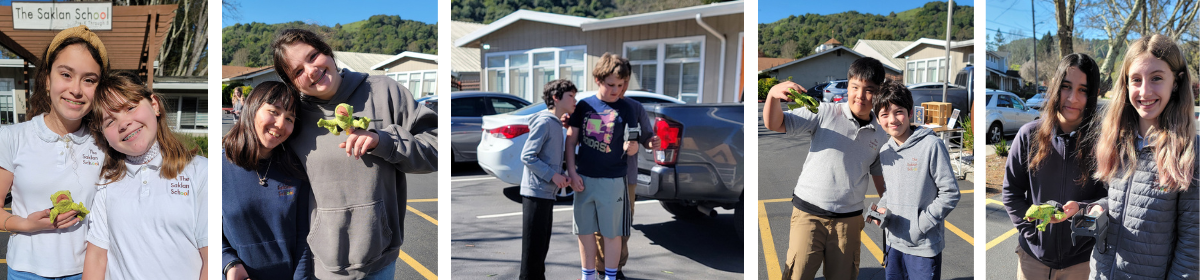
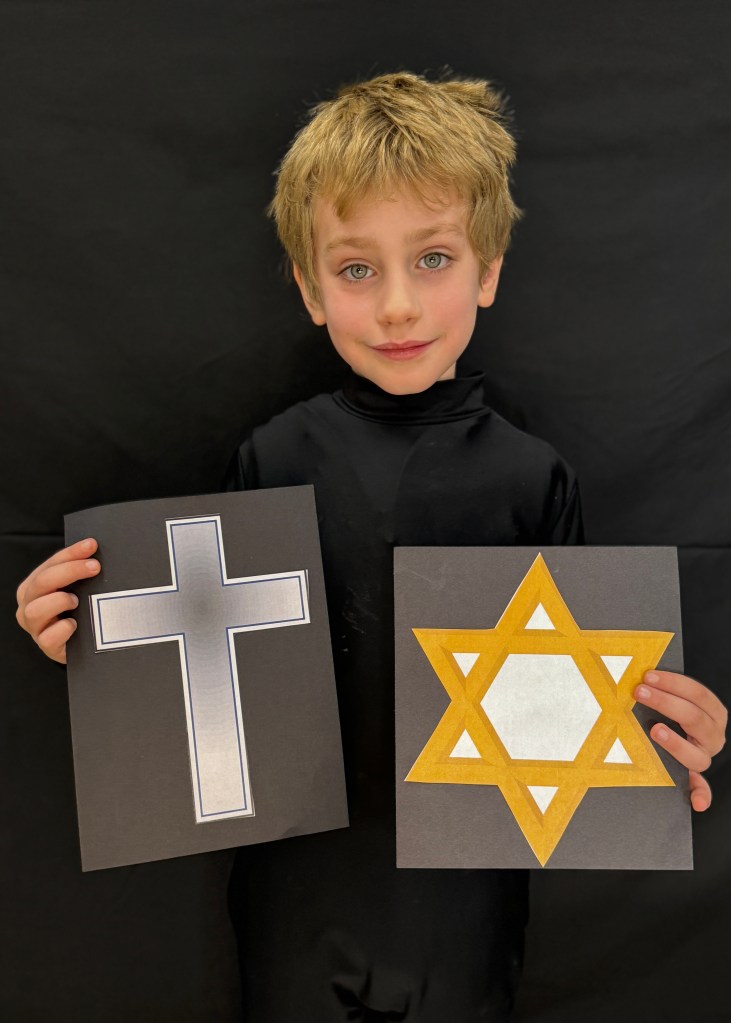
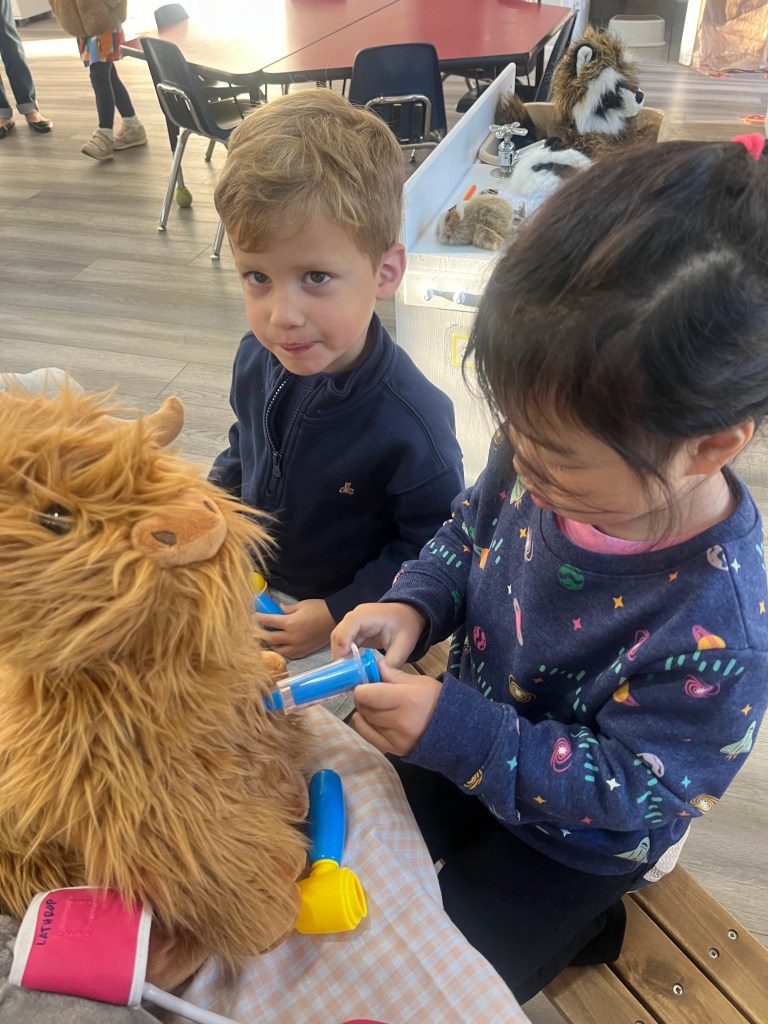
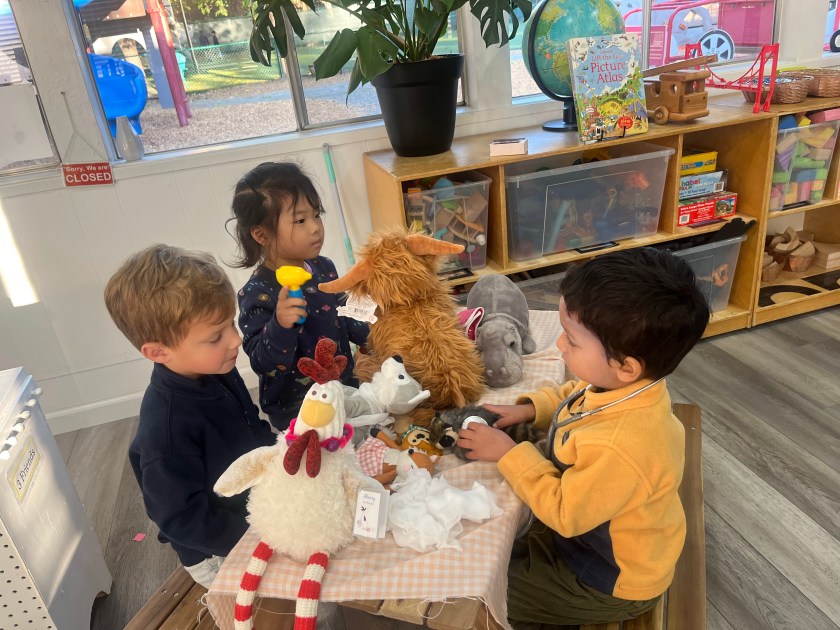
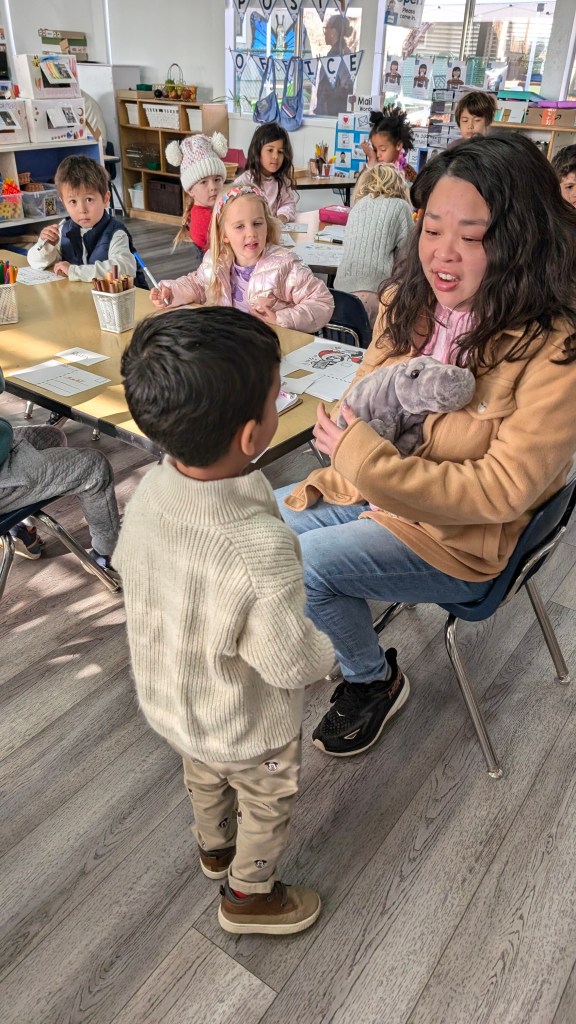
On Wednesday, September 25th, the Saklan first through eighth graders were very excited to meet with their family groups for the first time this year! During the meeting, the students in each group introduced themselves, shared a few of their favorite things, and did a stuffed animal name toss to help them learn each other’s names. Then they shared suggestions for names of their family group.

Next, each group had a discussion of what it means to be accepting and inclusive and why these traits are important, including to help others them feel comfortable and to make friends. Each family then participated in a get-to-know-you mingle to help them learn something new about everyone in their group, as it is often easier to be inclusive and accepting when we have things in common.

The 8th graders then explained to their family group that as they go through the year together, they are a group made up of awesome individuals and they each bring their own strengths to the group. These strengths make them a great team, and throughout the year, the group leaders will ask all family members to share their own perspectives.

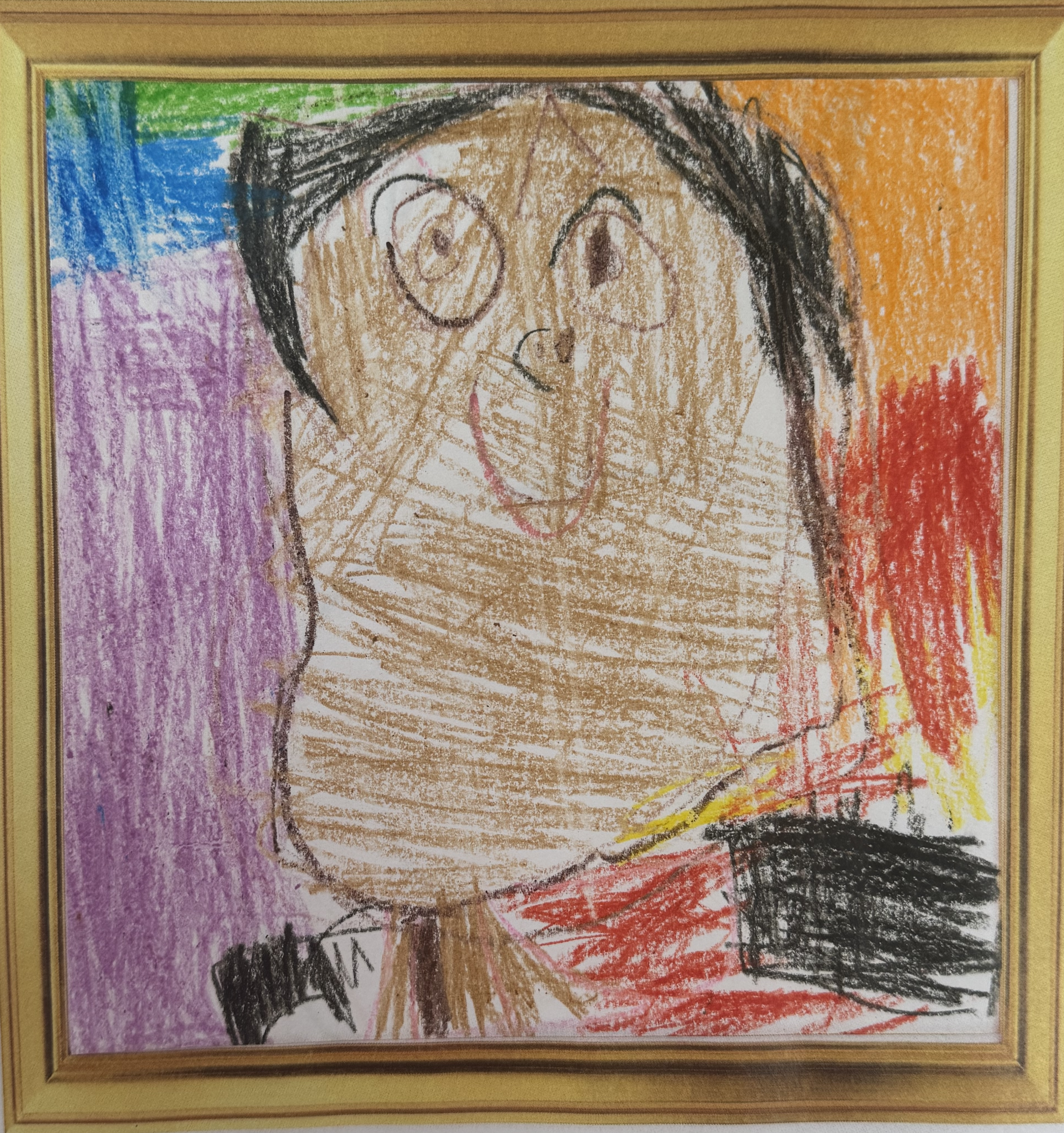
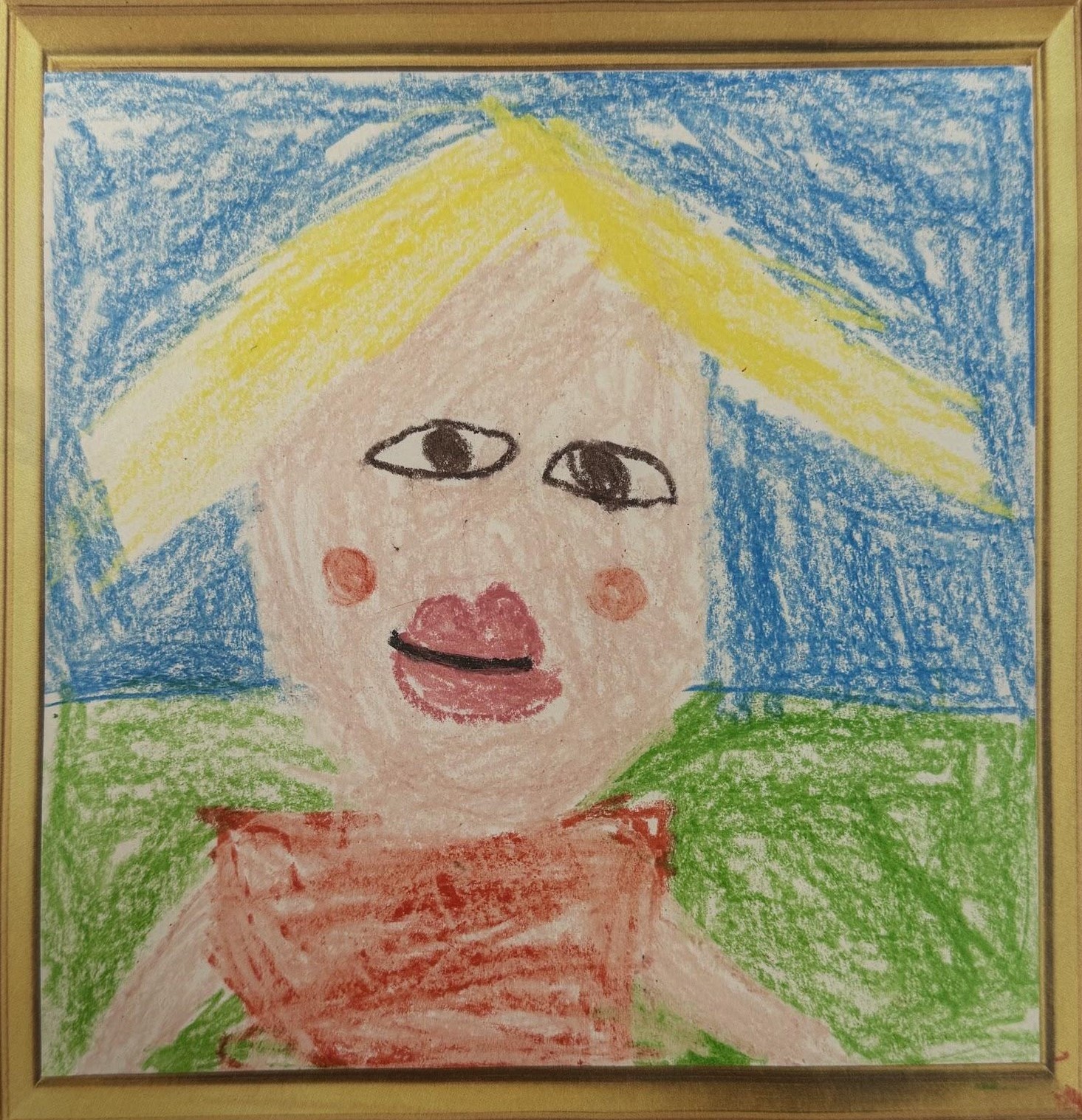
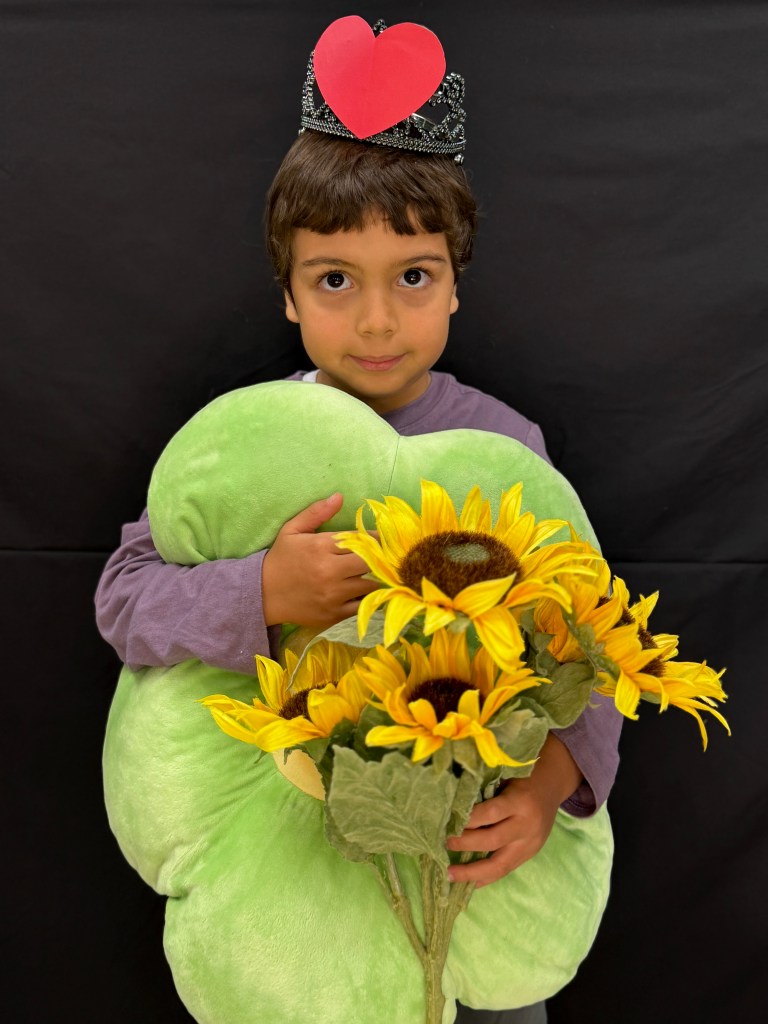
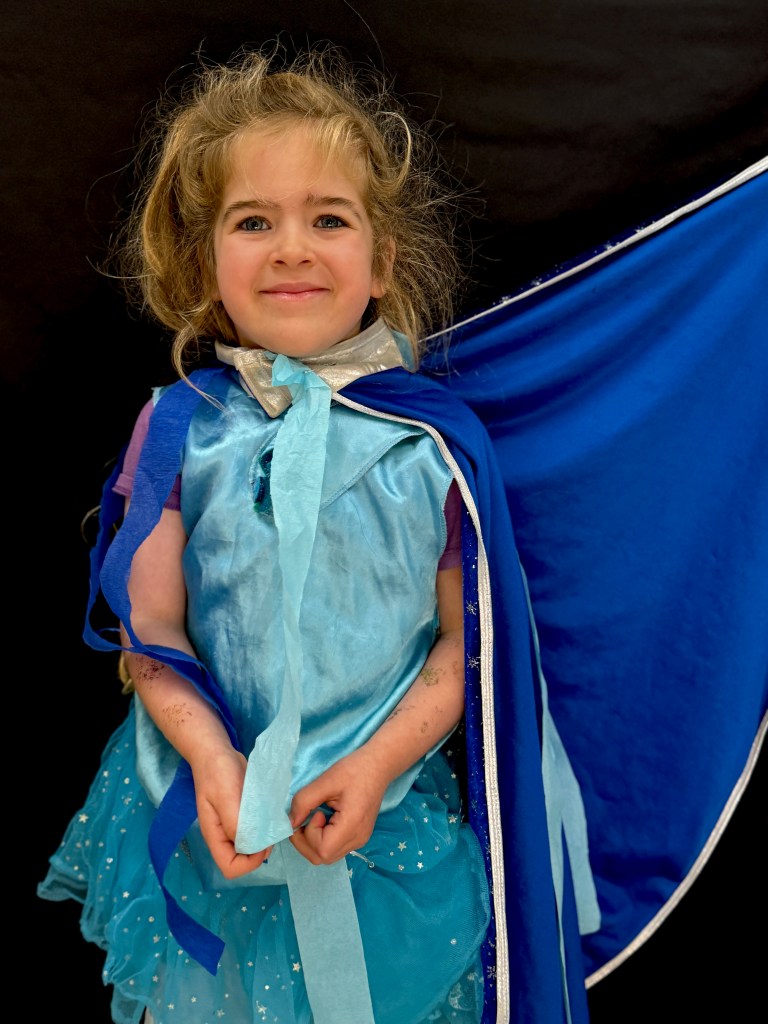
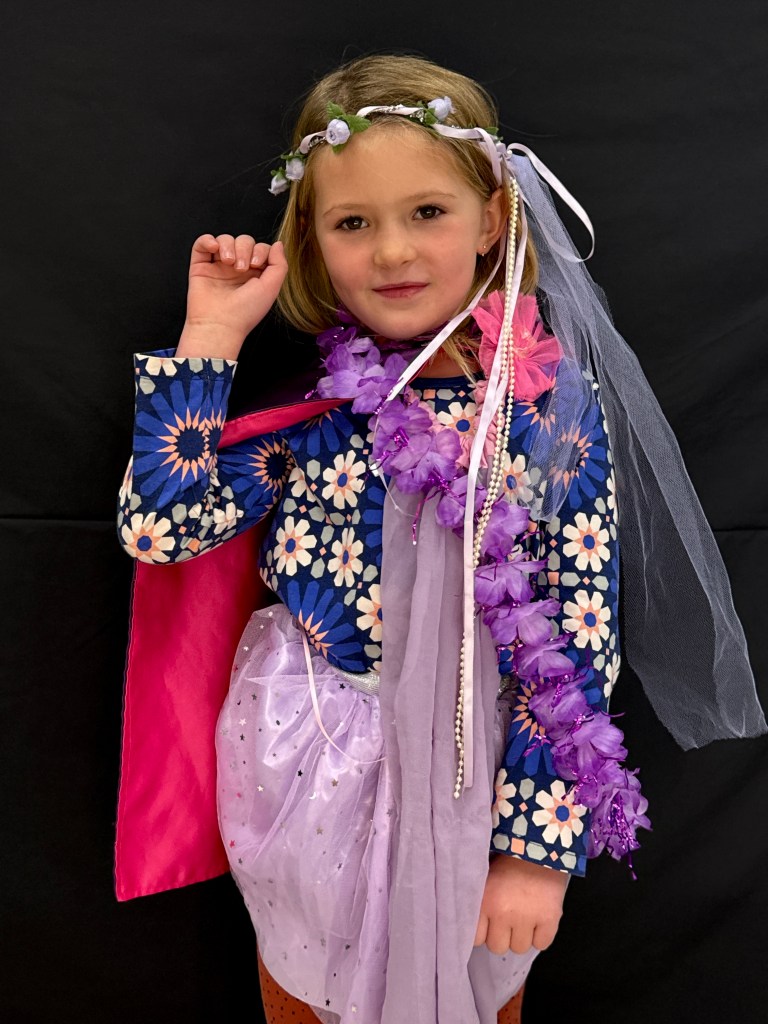
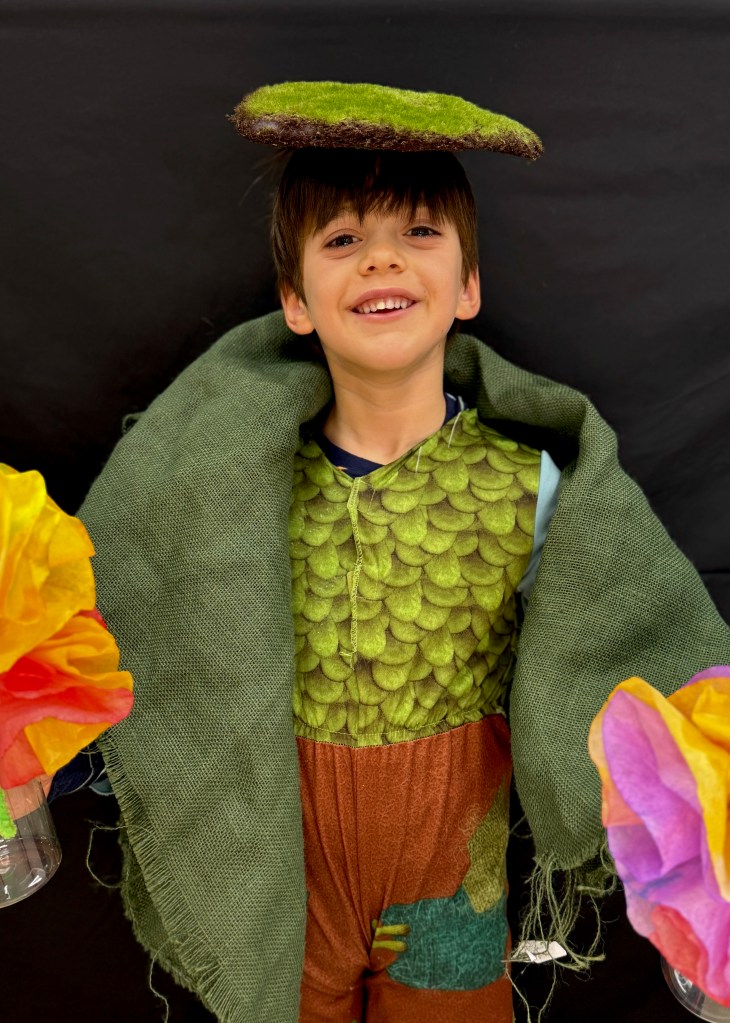
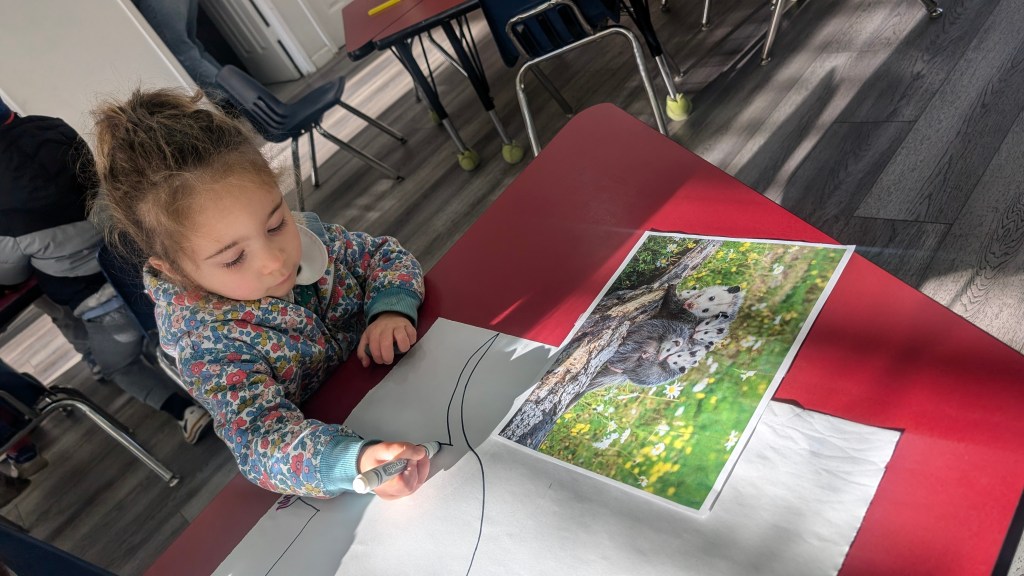
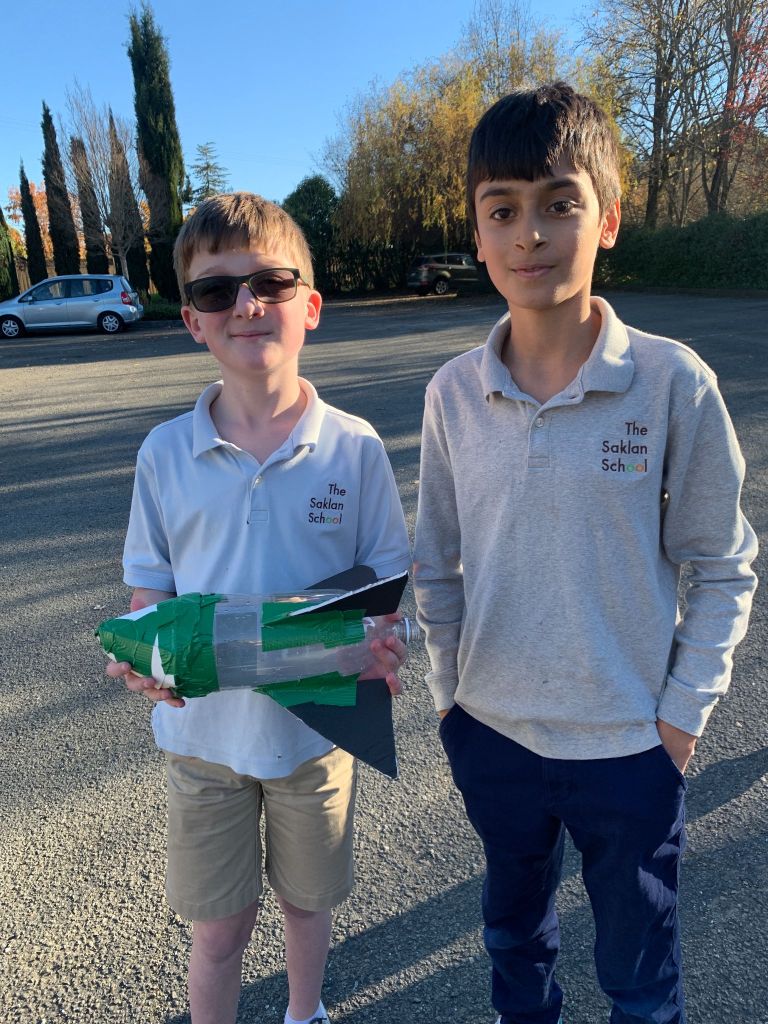
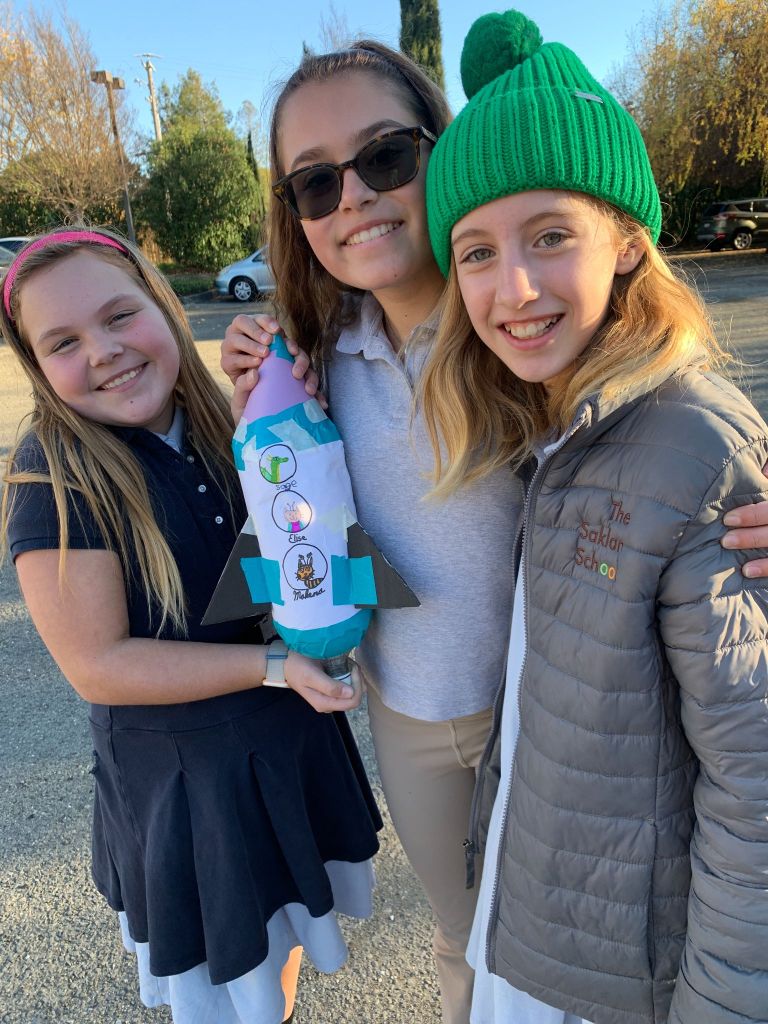
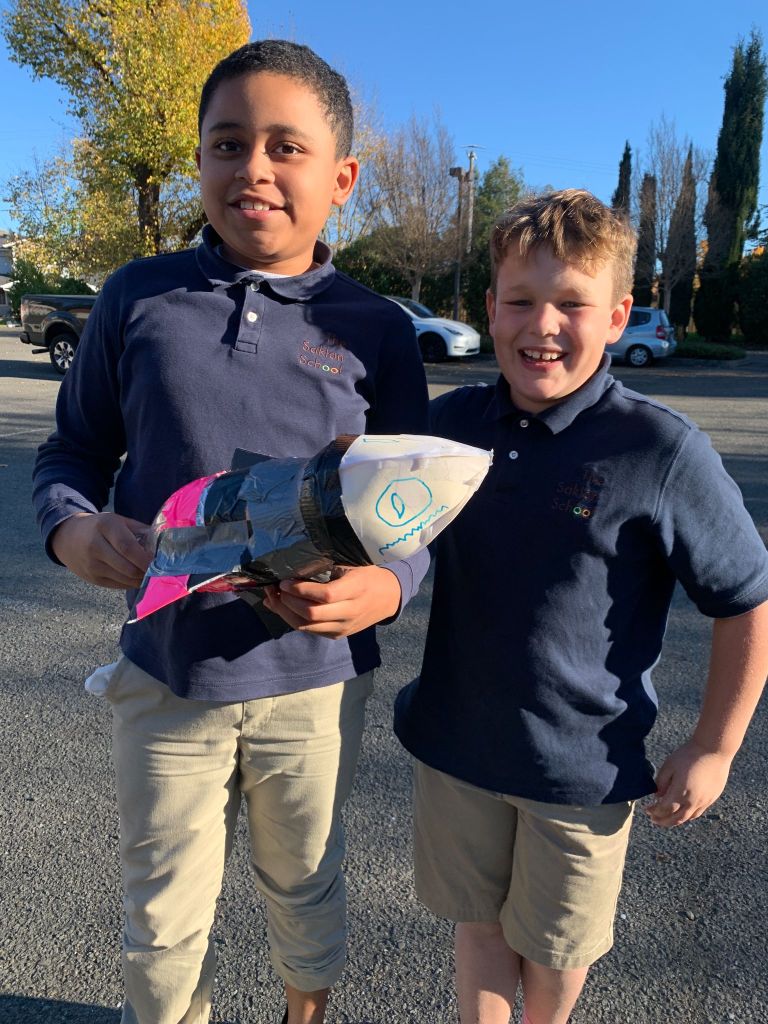
Each group member was then given a flower to draw or write one way they felt accepted and included at Saklan. These flowers then creaeted a lovely bouquet. Check out their flowers (and Family Group names) below!

SaklanSEL #SaklanCommunity

Invite a Friend!

The 2025-2026 admissions season officially begins on Monday! Saklan has several events planned to help prospective families better understand our programs and philosophy:

  • The Saklan Approach Virtual School Overview: Wednesday, October 16th, 12:00 p.m.
    • This a spirited introduction to The Saklan School’s Preschool – 8th grade program. Learn more about who we are and what we do. 

  • Saklan Projects! Virtual Event: Tuesday, October 22, 6:00 p.m.
    • Learn how Saklan uses Project Based Learning to make learning come alive for our Preschool – 8th grade students.

All prospective and current families are invited to attend these events. Feel free to invite friends or family members to join these events as well!

We encourage Pre-K families to join a Lower School virtual event and for our 5th grade families to join one of our Middle School Open Houses, to see what’s ahead during your child’s experience at Saklan.

If you can’t join us for one of the events listed above but are interested in learning more about Saklan, we will gladly give individual tours at a mutually convenient time. To schedule a tour or more about the admissions process, please reach out to the Saklan Admissions Office at admissions@saklan.org.

Ready to Take the Next Step?

New student applications for the 2025-2026 school year will open on Monday! This application is for students not currently enrolled in Saklan. Applications will happily be accepted through Friday, January 24, 2025, for priority consideration for the 25-26 school year.

Current families, please note that re-enrollment information for current Saklan students will be shared in January.

Got Sneakers?

Sixth-grade students will learn about human environmental impact and how they can help in science this year. As part of their learning, they will participate in service learning, an educational approach that combines learning objectives with community service to provide learning opportunities that help tackle real-world problems in their community.

The sixth grade has partnered with GotSneakers, an organization that helps keep sneakers out of landfills by recycling or reusing them. Each pair donated can earn their class money, which they will use to help with species conservation. Examples of how they may use the funds include:

  • Donations to wildlife centers 
  • Symbolic species adoptions
  • Materials to build bird boxes

Please help the sixth graders by donating any size sneakers you no longer want.

Starting next week, a bin will be placed in the breezeway during the first week of every month. Please place your unwanted pair of sneakers in the box during that time. Any size and brand of sneakers are welcome. But, sneaker-style shoes only, please!

#SaklanServiceLearning

See You Sunday!

We look forward to seeing you this Sunday, September 29th for Saklan’s Annual Fall Festival! The festivities will run from 11:00 a.m. – 2:00 p.m. at Hacienda de las Flores.

Fall Festival is one of the favorite events for Saklan students of all ages. Join us for face painting, fall crafts, food trucks, lawn games, a whipped cream pie challenge, and wonderful company! 

Thank you to the Parent Association Board for planning and hosting this event!

#SaklanPA #SaklanCommunity

Small Efforts Make a Big Difference

On Wednesday, September 18, 2024, the eighth-grade students volunteered at the Alameda County Food Bank, beginning their visit with an informative session about the facility’s operations. They learned how the food bank sources food to supply hundreds of partner organizations across the community. Unlike many food banks, this one does not directly serve individual families but instead allocates approximately $1.5 million annually to purchase fresh fruits, vegetables, rice, and other nutritious foods for distribution.

The students participated in two hands-on activities at the food bank: assembling around 500 cardboard boxes and bagging apples for future distribution. With the food bank largely relying on volunteers, their contributions were especially impactful, reinforcing how even small efforts can make a big difference in supporting the community.

#SaklanCompassionate

Saklan Color Guard

As they progress through the grades, students learn about their community in a gradually widening circle, from their family to local helpers in the community, to their state, and then to their country in 5th grade. Therefore, it is fitting that the 5th-grade class is tasked with keeping the flag of the nation and flying it each day.  

The fifth graders watched a video made by flag expert, Drill Master John Marshall, who trains Army Cadet Color Guards, to learn how to correctly fold and unfold a U.S. flag. Students followed along, and then began lowering and folding the school flag into a triangle.  The next morning, Sept. 11th, they raised the flag to the top of the pole, and then lowered it halfway to honor the heroes and fallen of 9/11.  At the end of the day, they lowered and folded the flag, beginning their year-long responsibility as “Saklan Color Guards.” 

Students also wrote job applications for class jobs they are interested in helping with.  In fifth grade, students rotate jobs every four weeks, so everyone gets to help the classroom wheels turn smoothly each day.  Responsibility and being trusted with a “real” job that genuinely needs to be done allows students to see their value to the community, and gain satisfaction from helping others.

#SaklanCommunity #SaklanLeadership

Thanking the Moon

Last Tuesday, September 17th, the Hoot Owls, 1st graders, and 2nd graders learned about the Mid-Autumn Festival, or Moon Festival, that is celebrated in East and Southeast Asia to mark the end of the autumn harvest. The Hoot Owls read the book Thanking the Moon by Grace Lin, and learned how Maggie, one of the Pre-K teachers, celebrates the festival with her family by sharing a dinner with her family under the moon. During the picnic, her family will eat fruits and mooncakes and thank the moon for a bountiful harvest.

The first and second graders welcomed Dana, a first-grade parent, who also read a book about the Mid-Autumn Festival, and then shared her experience and family traditions with the festival. The students were excited to try mooncakes, a pastry filled with lotus seed paste and an egg yolk in the middle, which Dana brought in for them to try. Some students really enjoyed the mooncakes, others not so much, but it was fun to try!

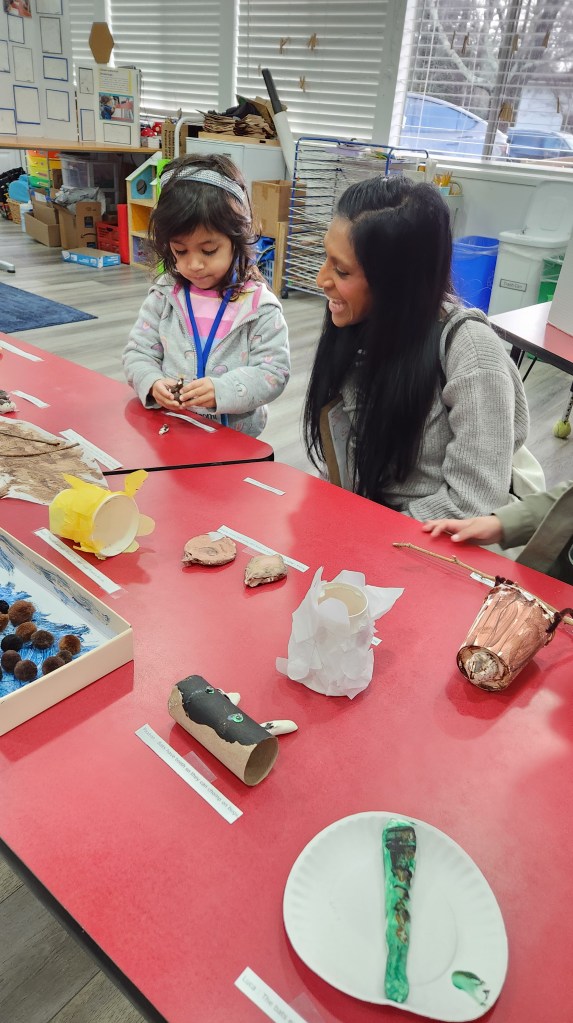
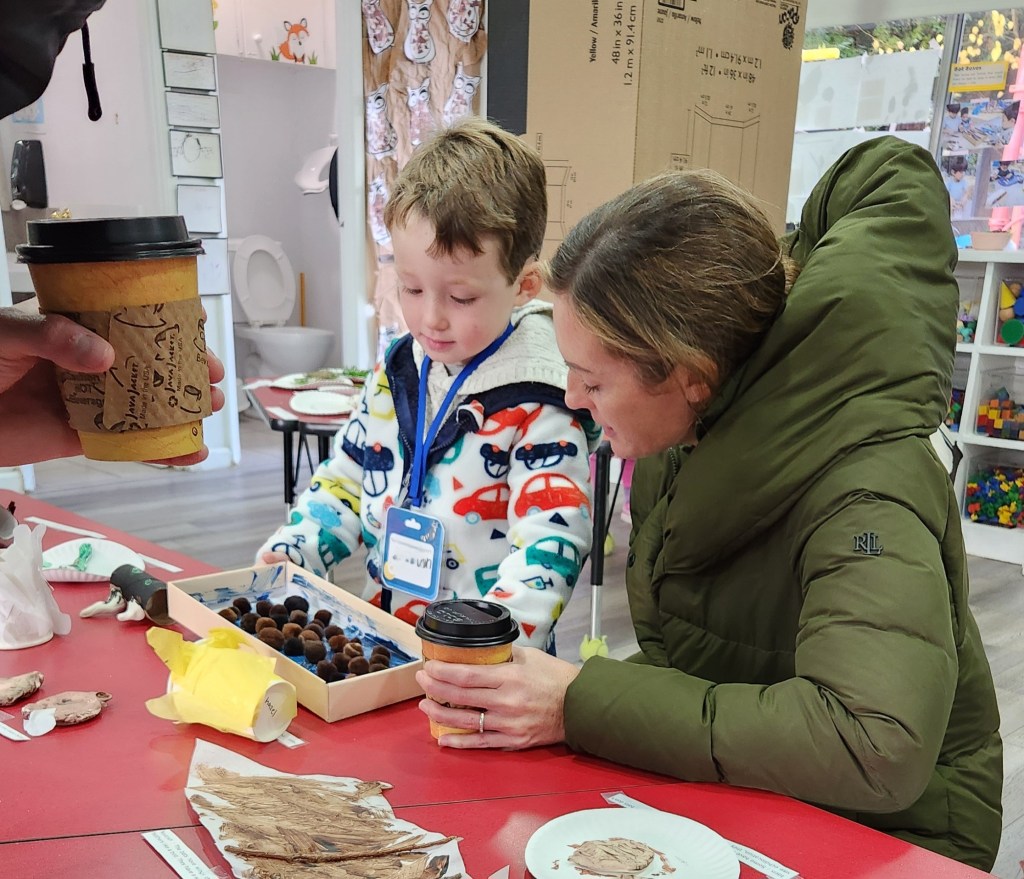
The Pre-K students also used mooncake presses to make their own mooncakes out of clay. This was a great opportunity to exercise their creativity and fine motor skills, as they each decorated their mooncakes, making very colorful creations!

#SaklanDiversity #SaklanCommunity

Details Hidden from View

Seventh-grade science is all about biology, and the students begin the year by exploring the fundamental unit of life: the cell! To help them truly grasp this concept, they discuss how cells were discovered, their various components, and the differences between plant and animal cells. One of the first hands-on experiences in biology class is using a microscope. Students familiarize themselves with the parts of the microscope, learn how to adjust the focus at different magnifications, and even create their own slides.

This year, the seventh graders have had the opportunity to observe onion cells, human cheek cells, and a variety of prepared slides. They were amazed by the intricate details they could see – details hidden from view in everyday life!

After looking at cells, the class began discussing viruses, which directly target individual cells. Students have learned about common active viruses and more persistent latent viruses, developing an understanding of the importance of protecting their health. Given the impact of COVID-19 on their lives, students have been able to make meaningful connections between what they’re learning in class and their personal experiences.

#SaklanHandsOn

Head’s Corner: The Power of Love in Learning

If you attended one of our Back-to-School-Nights, I hope one of your main takeaways was understanding the transformative power relationships have on learning. The connection between a student and their teacher is important and essential to deep, meaningful learning. David Brooks of The New York Times highlights an idea we hold dear: “Students learn from people they love.” This isn’t just about affection or care; it’s about a profound, holistic connection where students feel seen, heard, and supported as whole individuals.

Brooks shares how emotions are an integral part of learning. Neuroscience has shown that students struggle to stay motivated, navigate challenges, or retain what they learn without emotional engagement. It’s a reminder that true education is more than just the transfer of information from teacher to student —it’s about creating a space where students are emotionally and intellectually connected and inspired.
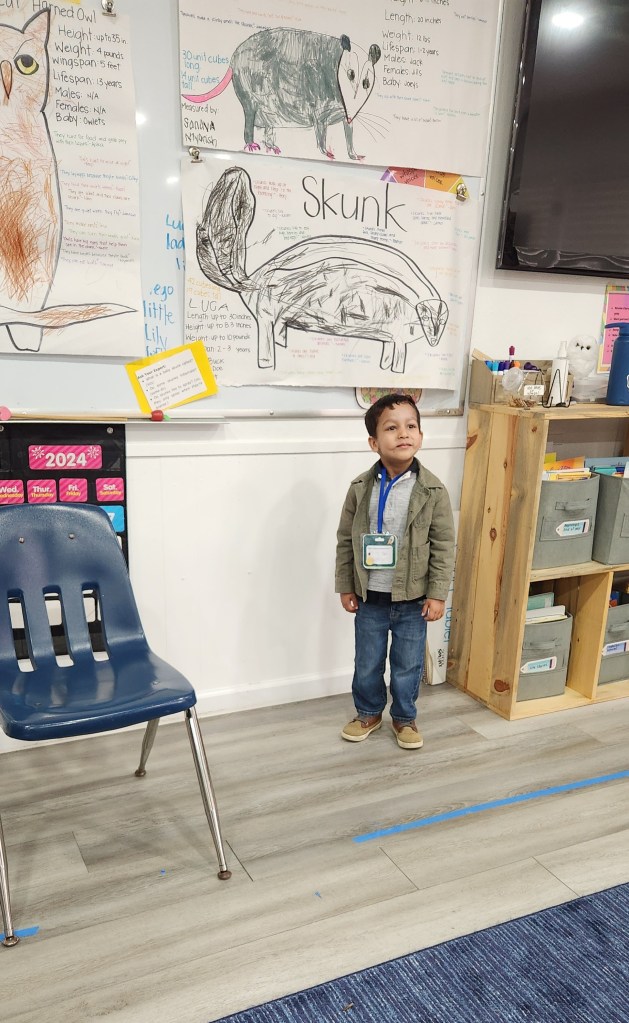
During your BTSN sessions, I hope this approach to how children learn rang true. Our teachers bring passion to the classroom, not just for the subjects they teach but for the students themselves. They recognize that to spark curiosity, foster perseverance, and encourage intellectual bravery, there must first be a foundation of trust and emotional connection. We know that students thrive when they feel supported not just academically but personally, when teachers are more than instructors—they are mentors, guides, and partners. 

In a world that often focuses on test scores and metrics, it’s crucial to remember that one of the most important measurements of a school’s success is the quality of the relationships within its walls. How well do students feel known? How much trust and care flow between students and teachers? How much joy is present in the classroom? These are the questions that define our success at Saklan. We see every day that when relationships are nurtured, academic achievement naturally follows- and we have the data to prove it (check my next blog post).

So, as we move forward into this school year, let’s keep in mind that in order to create a love of learning, one needs to also focus on the love in learning.  

Warmly,  

David 

We Went to Egypt

Written by Guest Blogger & Saklan Science Teacher, Vickie Obenchain

We went to Egypt!! What?! 🇪🇬

Linda and I got to go on a field experience this summer thanks to the Saklan Summer Fund, Global Exploration for Educators Organization (GEEO), and Columbia University. We aimed to learn and explore Ancient Egyptian history, art, engineering, the Sahara Desert environment, and the Nile ecosystem firsthand. For this science teacher, I was completely blown away each day by the feats of engineering we saw, the connections I found to my curriculum, and how history came alive in a modern era. I’d love to share with you a few examples, knowing this experience will definitely find its way into many more grades and topics. First, the Sahara Desert climate is incredibly harsh, especially in July and August. Temperatures are over 100°F daily, creating hot winds, hot sand, no water, and almost no plant life, except for when your eyes play tricks on you, creating a mirage. Being out in it for more than an hour, as a human, was not comfortable.  
However, the camel’s body is equipped to deal with all my body can not. Camels have two rows of long eyelashes and bushy eyebrows, which help protect their eyes from sand. Yet, if some sand does make its way into their eye, they can dislodge it with a translucent third eyelid (very helpful since they weren’t gifted hands). Camels have slit-like nostrils that can close to keep sand out of their respiratory systems, and when they do come across a dry, thorny desert plant, they have thick, tough lips that help them eat it without hurting themselves. 

The long, shaggy fur on top of a camel’s body works as shade, as the thin fur elsewhere helps them lose heat. They have wide, flat feet with thick soles that help them walk easily across sand and spread their weight so they don’t sink (much like a snowshoe). Their long, tall legs keep their bodies off the hot sand and allow air to circulate under them.

Camels store energy-rich fat in their humps allowing them to survive for months without eating. And they can drink large amounts of water at once, sometimes up to 32 gallons, and they can retain that water in their bodies until their next big gulp.

Experiencing their height,  grace, and adaptations up close was definitely a highlight for your temperate climate loving teachers.  This first hand experience of the camel and experience in the Sahara Desert will tie in wonderfully to my 6th grade desert biome unit and adaptations of those organisms that live there.

Second, very early one morning,  Linda and I left the group tour and decided to do an extra excursion. We hot air ballooned over the west bank of Luxor. After checking wind speed and direction, to make sure we didn’t end up in the Nile (or at the airport), the hot air balloons blasted heated air into the colorful balloons all around us. Once ours was upright, we quickly jumped into the basket and took off. We floated over the many temples, tombs, farms, and the Sahara Desert in this beautiful area. Just WOW!

In my physical science course, the 8th graders create hot air balloons to help test the force of buoyancy and see both Archimedes Principle and Charles Law (aka: thermal expansion) to better understand fluid laws in their Chemistry class. Using paper, glue and tape, they engineer their own balloons that they think will create the largest lift when filled with heated air.  We were a bit nervous to take part in this, but it was so awesome to see science at work to give us such an amazing experience in such a beautiful space.

If interested in seeing more of what we saw, learned, and wanted to share, checkout the Instagram account: missopetsapenguin.

#SaklanProfessionalDevelopment