Puff Mobiles

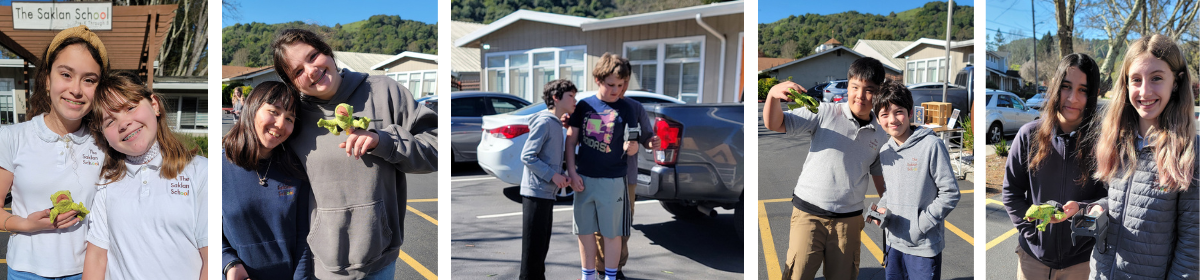
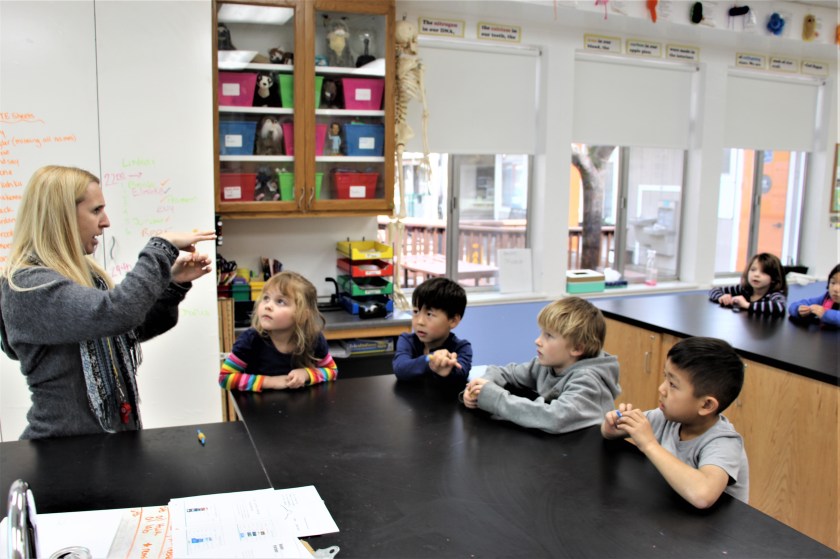
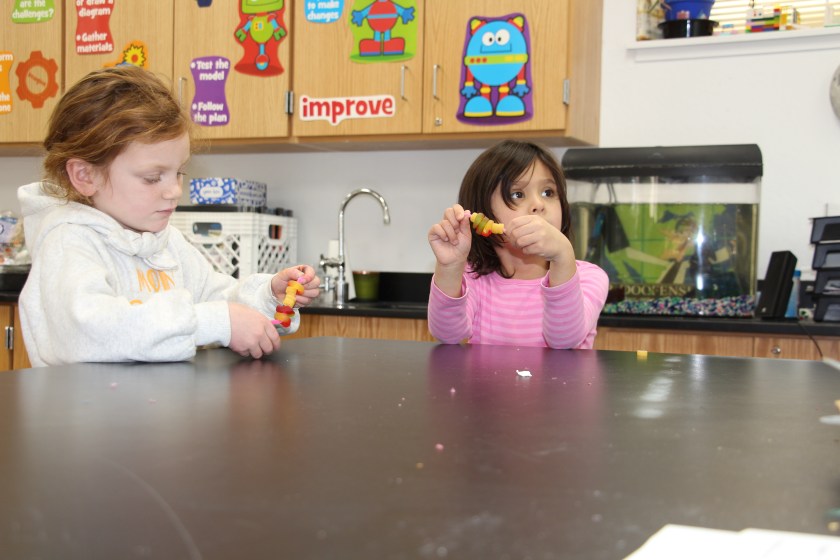
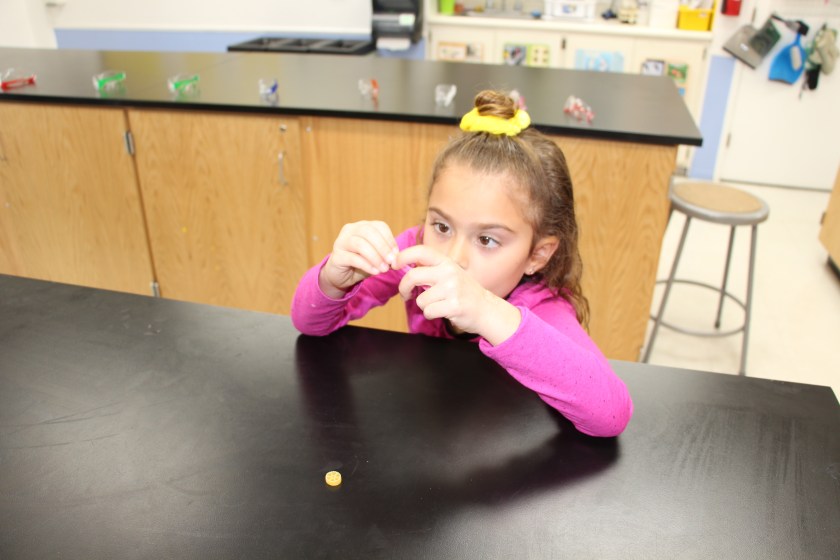
This week, fourth graders wrapped up their Energy Unit in Science Lab. The students learnt about energy and alternative energy.

First, they looked at solar powered cars and raced them. Next, they investigated wind energy and built their own vehicles that can be moved using wind power.

Wind energy in this case came from their mouth. The students called their vehicles “Puff Mobiles.” Starting with a great design led to some amazing quick races!

#SaklanHandsOn

Doodle For Google Contest

Doodle for GoogleIt is that time of year again!

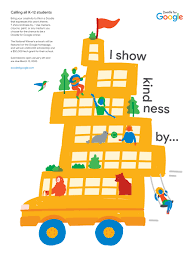
Artists K-8th at Saklan have the opportunity to submit an original Google design that will be placed on the Google homepage and the chance to win some amazing prizes including a college scholarship, a school technology package, a trip to Google headquarters, and some fun Google swag! This years theme is: What kindness means to you? In this week’s Friday Folder K-5th will receive the template Google provides with directions. It is completely optional for the artists to participate; however, there is a lot to strive for with those kind of prizes!

How it works: Create a Google Design incorporating the theme: What kindness means to you?

*No logos, copyright images, and only one submission per artist

Using any materials: colored pencil, pastel, watercolor, sculpey oven baked clay, etc.

Write: Artist’s statement – Tell us about what you have drawn and how it represents kindness to you. *All other information on form needs to be completed with a parent signature!

Submit: Online is preferred by March. 13th or turn in a hard copy by March 10th to your grade level teacher- who will give to the Art teacher Ms. Natalie to submit by mail on March 11th.

With the four day weekend ahead, this is a great way to keep the kiddos creative! For more information on judging criteria by grade levels and states, submission details, prizes, and a digital copy of the Google Form please click here.

Look forward in seeing the creative creations by the Saklan artists!

#SaklanCreative

Learning Spanish Vocabulary Using Peardeck

unnamed

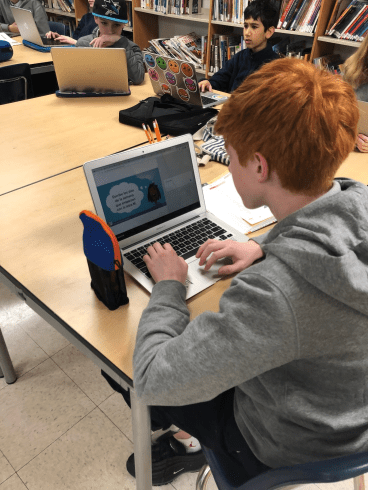
Studying a foreign language can improve your ability to analyze and interpret information and help you succeed in many other subject areas. We start with the basics such as vocabulary, grammar and culture. As with many things you want to learn, starting out can feel slow and unrewarding. When I started teaching Spanish as a foreign language, vocabulary lists and flash cards were almost universal practices among language-learners; however, here at Saklan students are totally engaged in learning their vocabulary using interactive tools like Pear Deck-Flashcard Factory.

unnamed-1

Peardeck is designed to transform the way students interact with vocabulary. When you play Flashcard Factory students pair up and work together to create dynamic and engaging flashcards. Students collaborate to illustrate and define terms, making learning vocab an active and social experience. Research tells us that the more social an activity, the faster learning takes place. I am always looking for better ways to have students interact with themselves and each other to enjoy learning the Spanish vocabulary. Using Peardeck technology takes language learning to the next level. I am very excited to be able to provide a way to enhance the learning experience and make it their own.

#SaklanWellRounded

Aloha Hawaii!

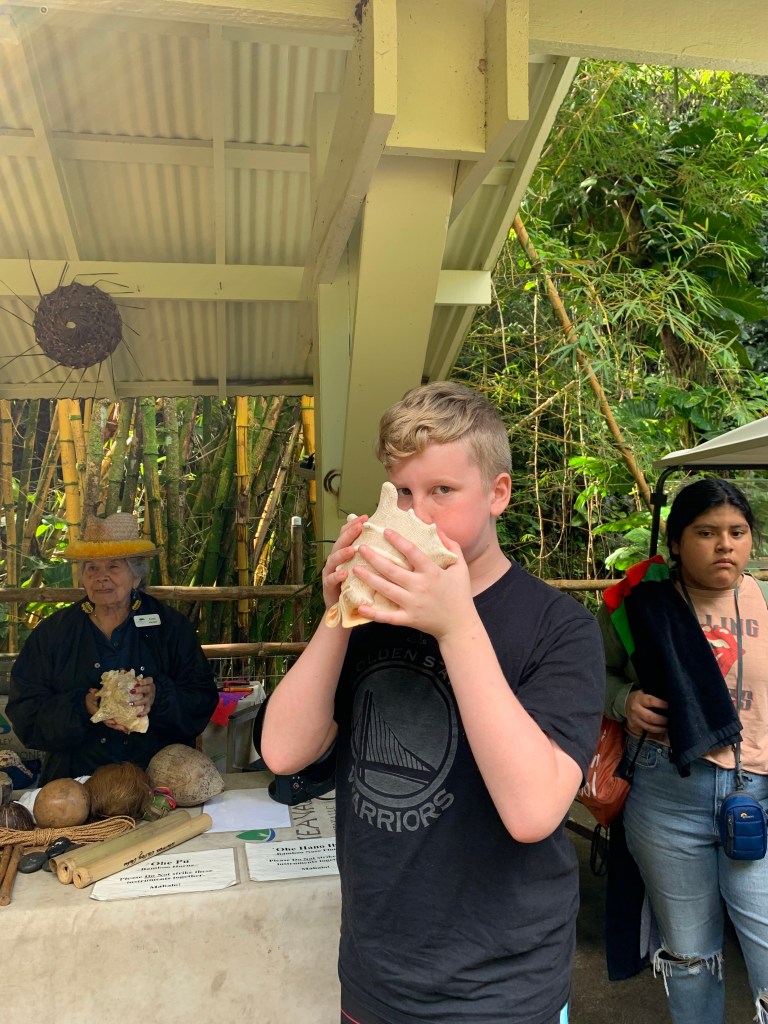
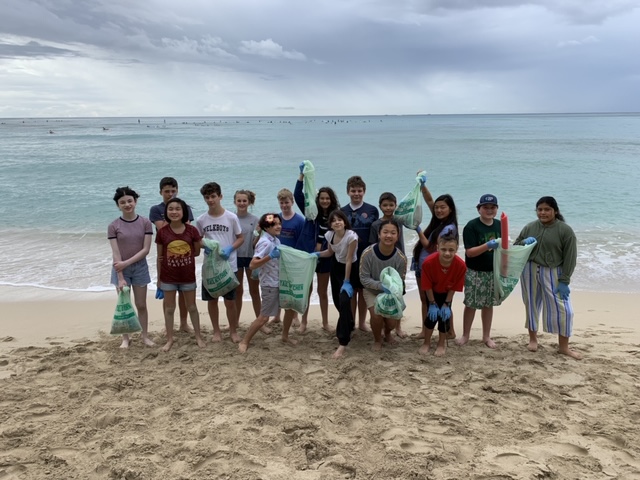
About ten years ago, Miss Obenchain and Miss Parks created a seventh-grade field experience that would bring together both their subject areas: Humanities and Science. What better place to study adaptations of plants, animals, and people than on the island of Oahu! This trip allows our students to explore how many plants and animals have adapted to live on an island that was formed about five million years ago, which consisted of hardened lava. But over time, Polynesian settlers traveled there and brought life-sustaining plants and animals to the eight Hawaiian Islands. As transportation improved and man’s curiosity peaked, several groups of English and American settlers arrived to enjoy the beautiful landscapes, bountiful resources, and generous Native Hawaiians. Unfortunately, these settlers had a devastating effect on the land and people. After 1,000 years of relative peace among the Native Hawaiians, the Caucasian settlers brought smallpox, measles, and other contagious diseases. Additionally, these settlers saw the economic potential in the islands and bought land, created businesses, took over the government, commandeered Pearl Harbor for U.S. military use, spread Christianity, encouraged speaking English only, and many other monumental cultural changes. Because of these changes, there is a projection that there will be no Native Hawaiians left by the year 2040. This means that most Hawaiians are mixed with other races. Hawaii has truly become a cultural melting pot whether it wanted to be or not.

Another important topic that the seventh graders studied in preparation of their trip is the United States and Japan’s role in World War II. They looked at how Japan was changing in the 1930s and 1940s, and how these economic and government goals led them to take other countries’ resources. Then, they examined the attack on Pearl Harbor which happened on Dec. 7, 1941. The students looked at the reasons why Japan attacked the United States, the day’s events, and its aftermath. After their Hawaii trip this week, the seventh graders will be researching and learning about the atomic bomb dropping by the United States on two Japanese cities, Hiroshima and Nagasaki. They will examine the events, as well as the short- and long-term consequences of these two choices. Although the seventh graders has spent this week on an island paradise, we want our Saklan students to understand, respect, and have compassion for the Hawaiian people and their environment.

#SaklanExperiential

Got Backbone?

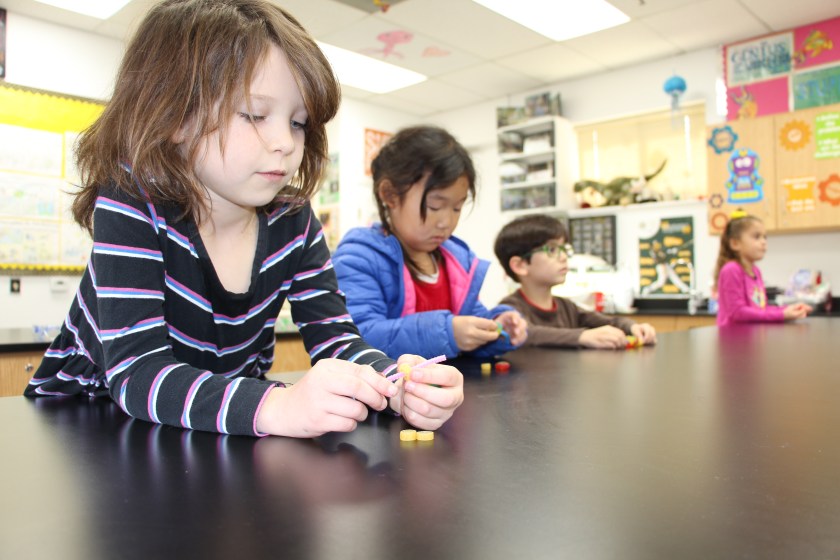
The Kindergarten has been going to the Science Lab in January to learn about living and nonliving things. Once they narrowed down what was living and what was not, they discussed many of the varieties of life on our planet. From worms, to dancing spiders, to turtles, and even themselves!

They spent one day learning about the importance of a backbone, and how cartilage helps us move and not splinter our bones when we bend. The students enjoyed protecting their spinal cord with noodle bones and gummy cartilage, and enjoyed munching on them afterwards!

#SaklanHandsOn

News From The Sports Court

The Saklan Suns basketball season starts next Thursday, January 30th! The season lasts February through March and games will be played after school.

Fifth through eighth graders come and play basketball against other schools! Join your schoolmates as you travel via the Saklan van to various basketball courts throughout the East Bay Area.

All skill levels are welcome. Come and join the athletic fun! Let’s go Saklan!

The Saklan Suns 2020 Basketball Schedule

  1. Contra Costa Jewish Day School vs. The Saklan School                                                 Thursday, Jan. 30th at 3:40 PM (home)
  2. The Saklan School vs.  Ecole Bilingue de Berkeley                                                                Tuesday, Feb. 11th at 4:00 PM (away)
  3. The Saklan School vs.  CCJD                                                                                                 Thursday, Feb. 13th at 3:40 PM (away)
  4. Ecole Bilingue de Berkeley vs.  The Saklan School                                                      Wednesday, Mar. 4th at 4:00 PM (home)
  5. Pacific Boys Choir vs.  The Saklan School                                                                         Thursday, March 12th at 4:30 PM (Home)

5th thru 8th grades eligible to play.  If interested, please contact Mr. Crabtree.

#SaklanWellRounded

Art, Culture, and Politics: Poster Project

art

Artists have a long history of making artwork to raise awareness. Posters are graphic and accessible, which makes them great vehicles of expression. Students were given four steps to reflect, explore, and express in this project.

  1. Make it Topical: For people to understand your artwork, make it relevant. Address your eras most pressing issues.
  2. Use Iconic Imagery: Using visuals so common in society, anyone could recognize them. Create  your own twist on popular culture.
  3. Develop technique: Your poster needs to be visually striking. Be Bold!
  4. Make your art approachable: Make your message easy to understand and encourage a conversation.

Making a mind map, students brainstormed ideas of current topics they felt strongly about. Having multiple options, they then chose iconic imagery that would represent each issue. We then went into developing the technique of stencil making, looking at artists Shepard Fairey and Banksy. In this process they begin to understand positive and negative space. Once the stencil is created, the student must envision the next steps needed to be taken for the poster to be visually striking. Using language can help initiate a message and conversation. Students were given the option of using bold typography like Corita Kent and Barbara Kruger do in their artwork.This would help to balance the work of art and initiate a conversation. We are in the final stages of this project. Can you tell what topics these artists are addressing in their projects?

#SaklanCreative

3rd Grade Alexander Calder and the Mobile

IMG_2901

Alexander Calder. Constellation Mobile. 1943.

Wood, wire, string, and paint.

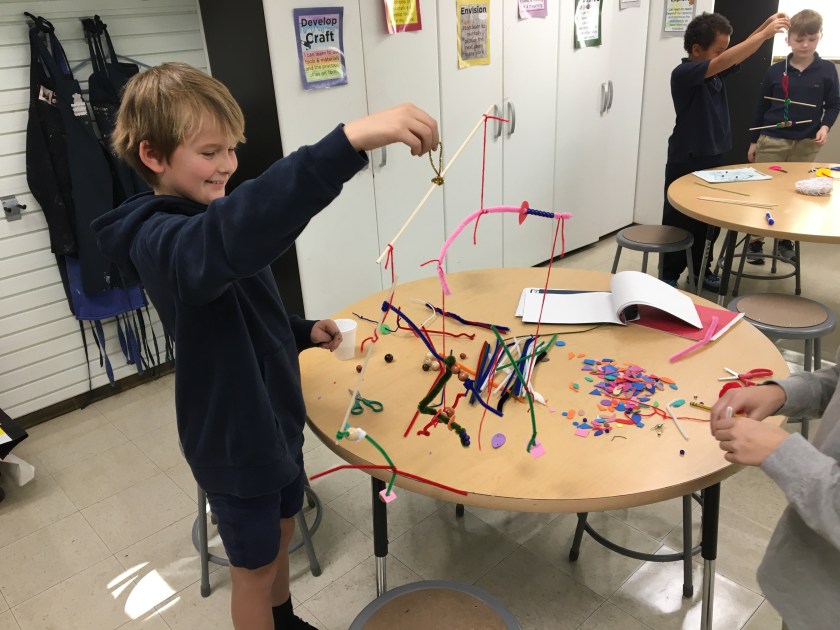
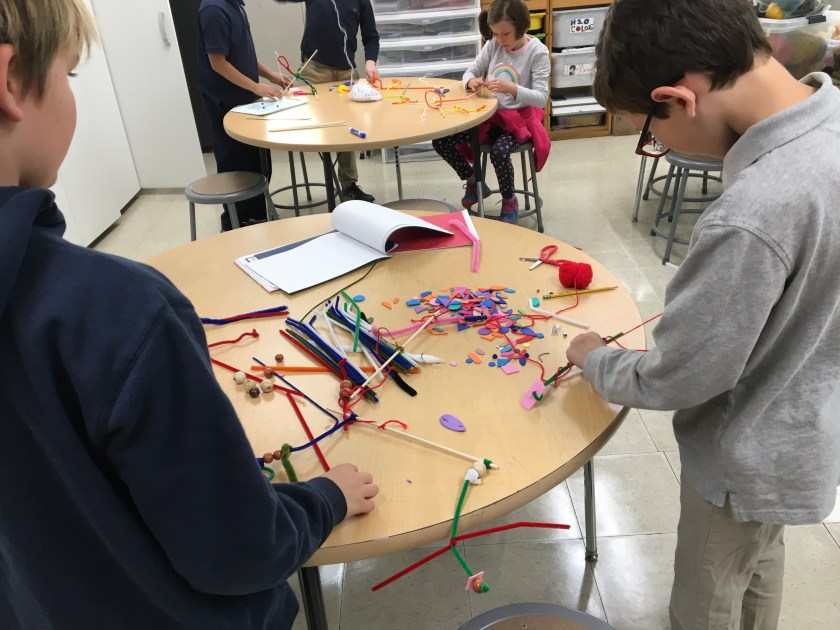
In understanding Kinetic Art – art that contains movement – we look to American Sculptor Alexander Calder for inspiration. He is most famous for his creation of the Mobile – a sculpture that has delicate parts, is suspended in air, and moves in response to air or powered by a motor. The class discussed the elements involved in creating a working mobile and the effects on the brain.

The students were given half the class to work in groups to create their “test” mobile using the same materials (minus paint). Working together they problem solved and created very different mobiles. They had a mini critique after the making to assess the functioning of each mobile. Next class they are to sketch out their model, including multiple branches, and create a theme for the mobile.

#SaklanCreative

Age Of Sail

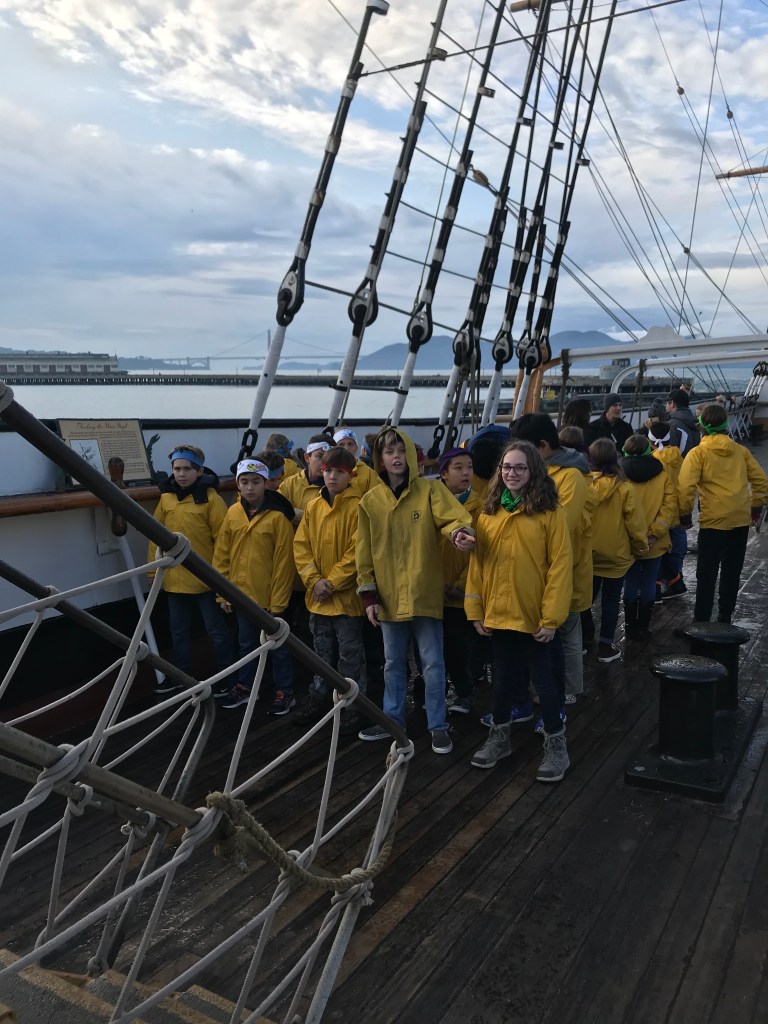
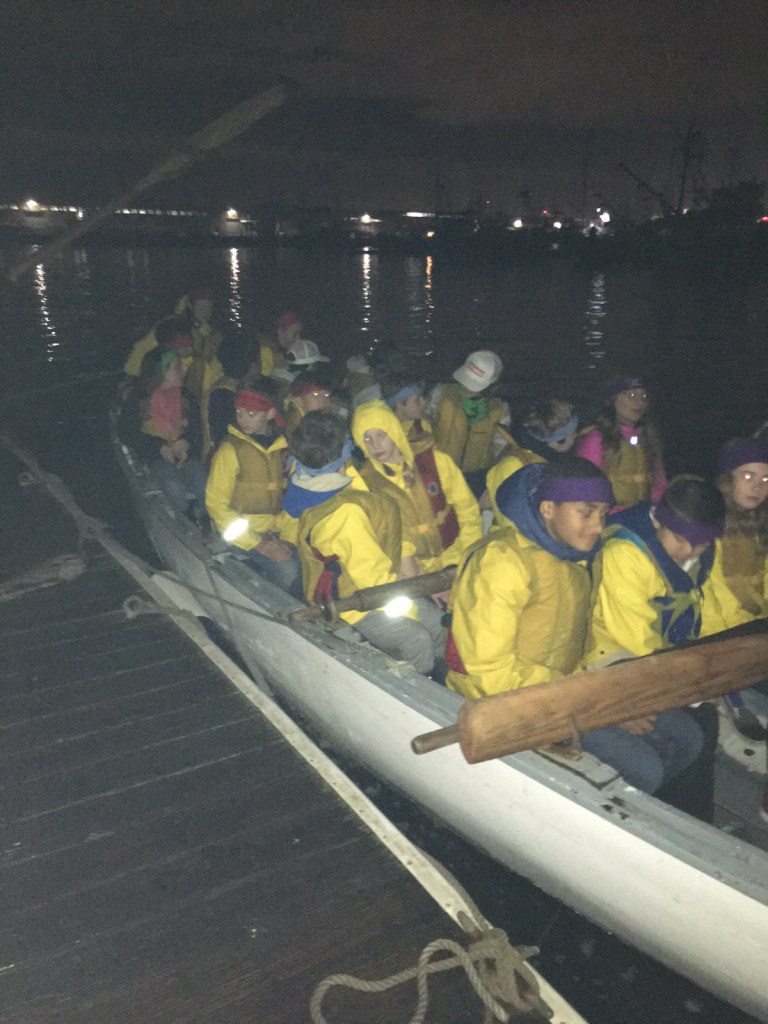
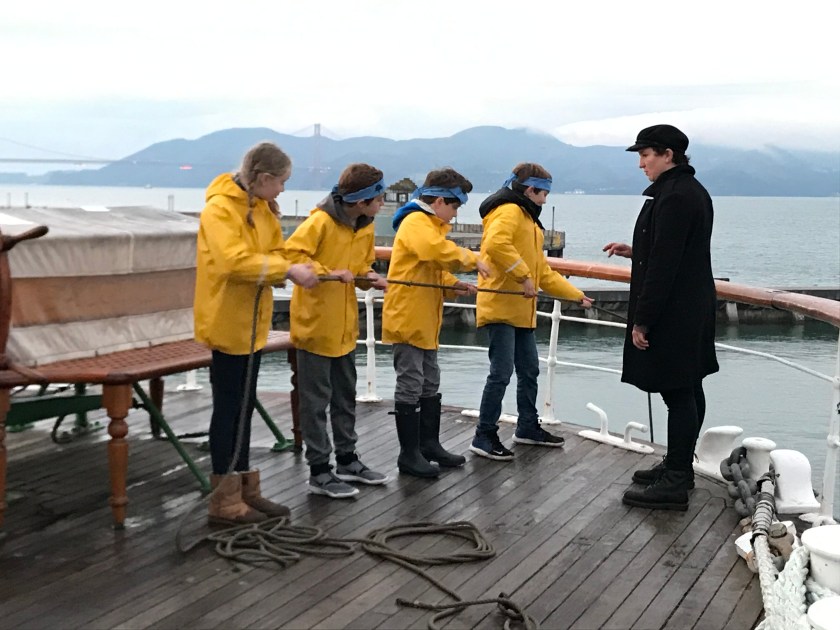
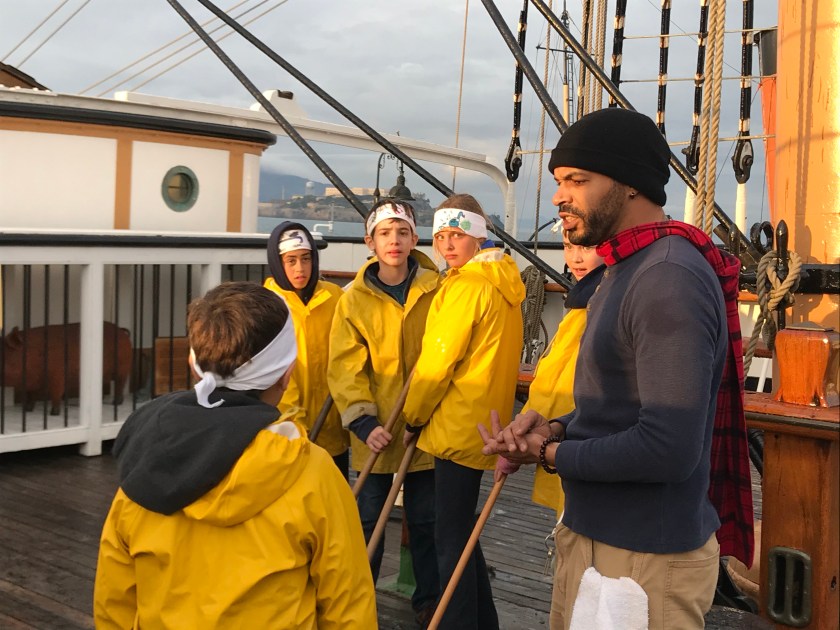
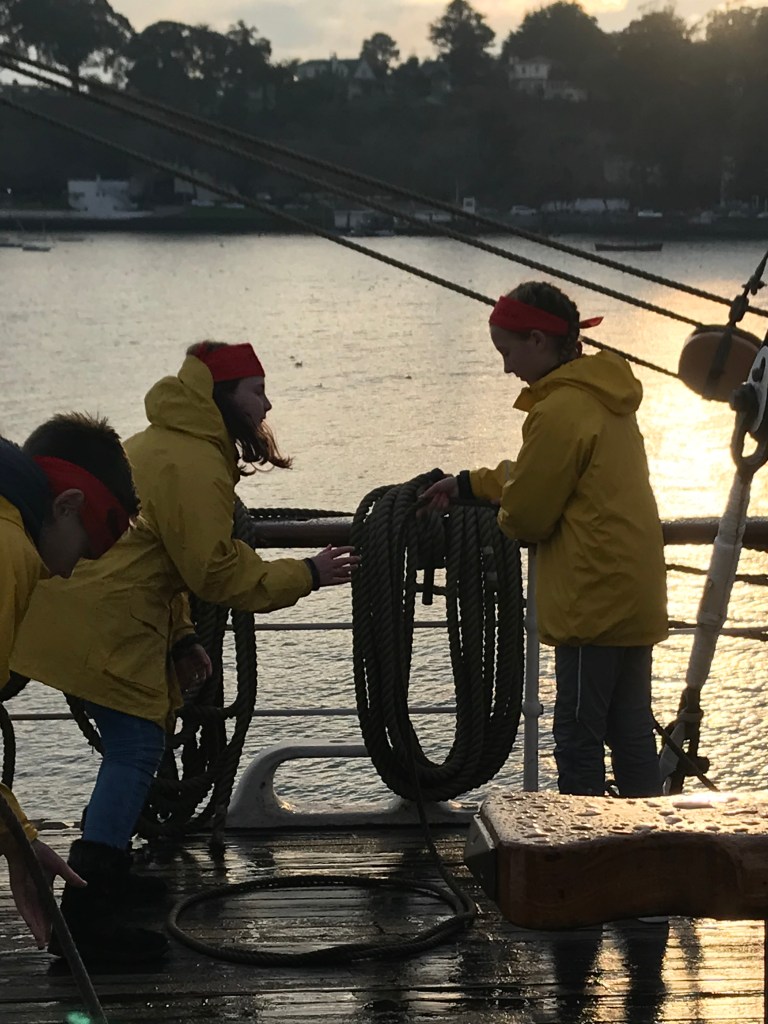
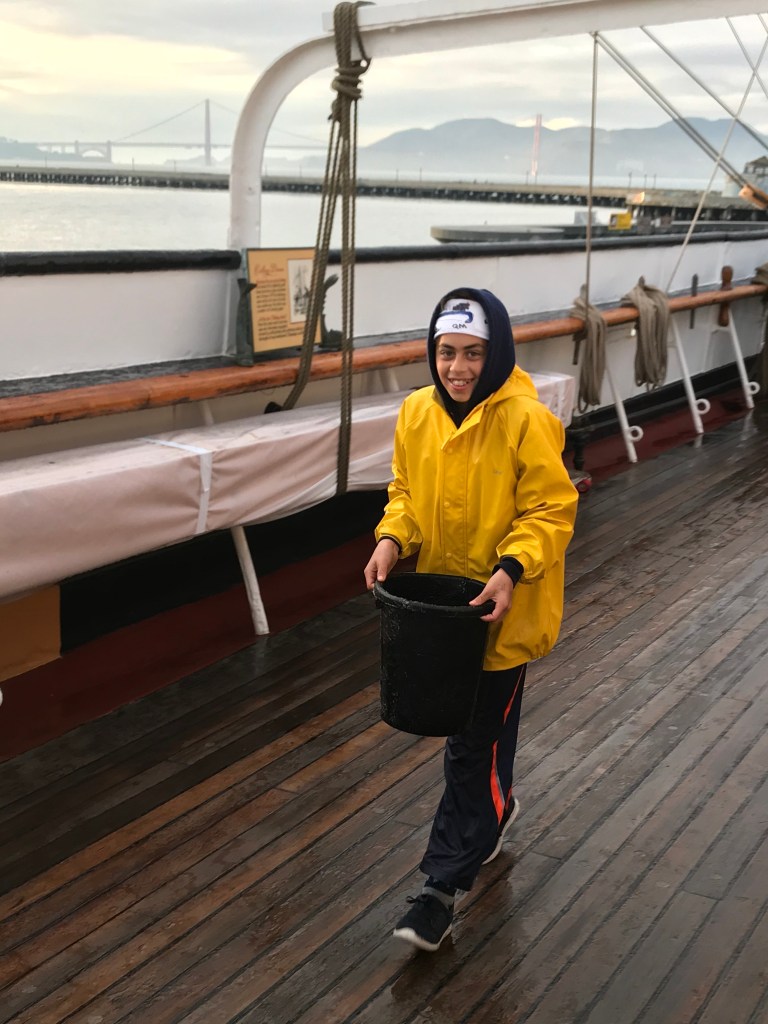
Last week, the 5th and 6th grade stepped back into the past. The year is 1906; there has been a devastating earthquake and fire, and San Francisco lies in smoldering ruins. Much of the population is sheltered in tent cities, and doubts are being expressed about the city’s survival. Balclutha’s regular crew has jumped ship, either to escape the smoldering city, or to fight fires and help in the rescue operations. The Captain, looking to make a quick profit, needs a crew to sail to Oregon for lumber that will be in high demand. The students, or “lads,” arrived at Hyde Street Pier to sign aboard as the replacement crew.

Our Captain would not sail with inexperienced green-hands, though. The lads had to prove to the Captain, through the completion of tasks, that they were capable of sailing the ship. Activities, such as reeving a block and tackle, rigging a Bosun’s chair, rowing a longboat, preparing meals, and raising sails were vital to the safe and efficient running of the ship. Under the watchful eye of the Captain, officers worked with the “lads” to transform them from green-hands into tarry-handed “salts.” This taught them teamwork, grit and empathy for the past. Us tall sailors were truly proud of their hard work!

“One task we did well working as a team was raising and lowering the small boat. We did this by communicating clearly and giving our mate, Carlito, help when he needed it.” – Mia

“When I was positive my crew was positive, and when I wanted to do things, they wanted to do things. I saw my actions affect others positively in my crew.” – Gabe

“I felt like I was part of a team when we worked together to hoist a sail. Another time this happened was when I was giving orders and my team listened and we all did the work.” – Dillon

“This trip helped me see the importance of doing things right the first time. If not we got disciplined.” – Sadie M.

“I think Saklan asks us to do experiences like this trip so we grow and challenge ourselves in different ways.” – Milla

#SaklanExperiential

4th Grade Self Portraits

img_1806.jpg

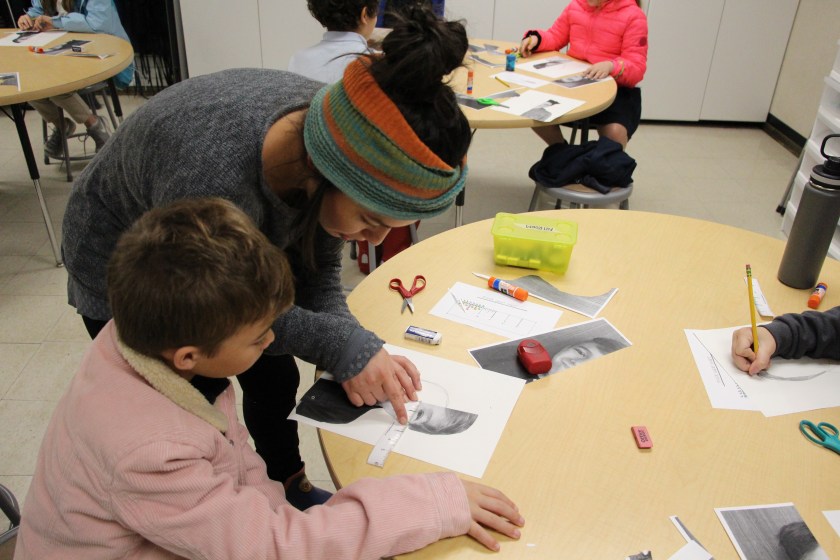
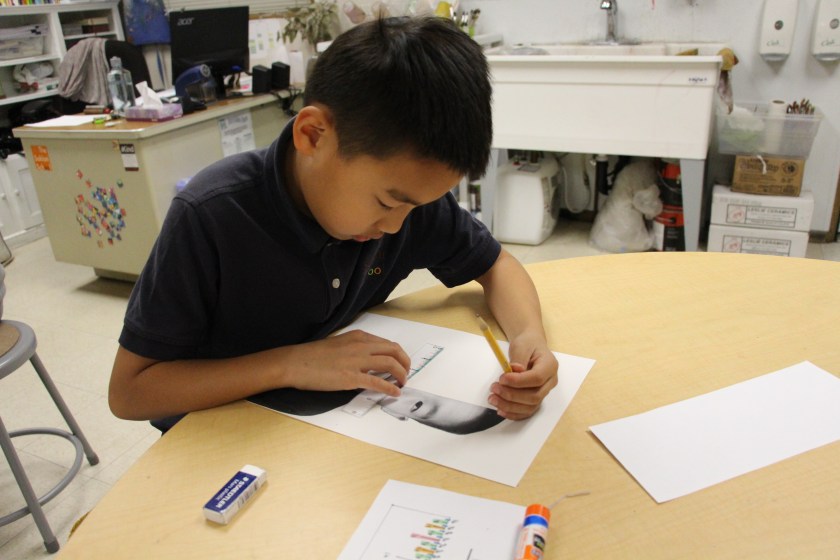
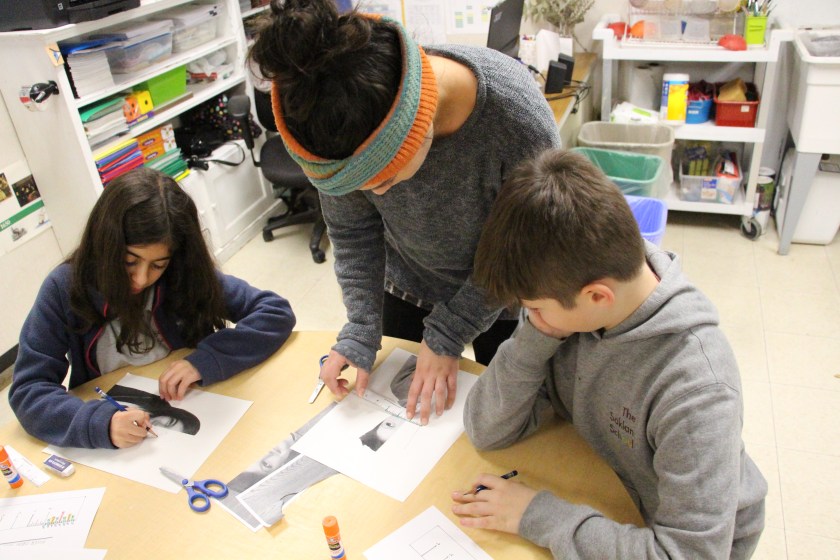
For the most part, our faces are fairly symmetrical. That means if we divided our face in half, each half would roughly be the same measurements and the facial features would be in the same places.

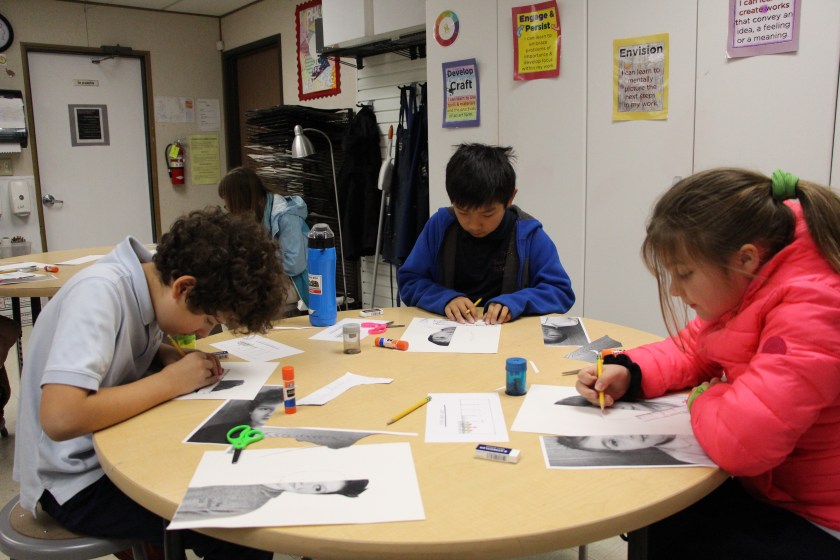
The students learned tricks to help them space the facial features out properly. Cutting their photo in half, students measured out the contour (outline) of their head using the measurements they have from the photo. Making little dots at each point, they measured and then connected all the dots for the contour line drawing. This gave them even more spacial awareness to where their facial features would go next. They measured where their eyes, nose, and mouth begin and end. We are now working on how to draw the facial features and shade.

Drawing a self portrait is probably one of the most daunting projects for kids. They are easily discouraged because it is one of the hardest projects for almost anyone! With that said, the students have been pleasantly surprised how accurate their self portraits are! Way to go 4th grade!

#SaklanCreative