Connecting with Experts

An important part of project-based learning is connecting with experts in relevant fields of study. The sixth grade class had two opportunities to be in conversation with experts in order to help them best answer the driving question, “Who does art truly belong to?” 

They have been learning about ancient Egypt, Mesopotamia, and Sumer through a selection of artifacts. After researching these artifacts and their cultural significance, students have been grappling with the modern arguments around repatriation of ancient artifacts. To where do these pieces truly belong?

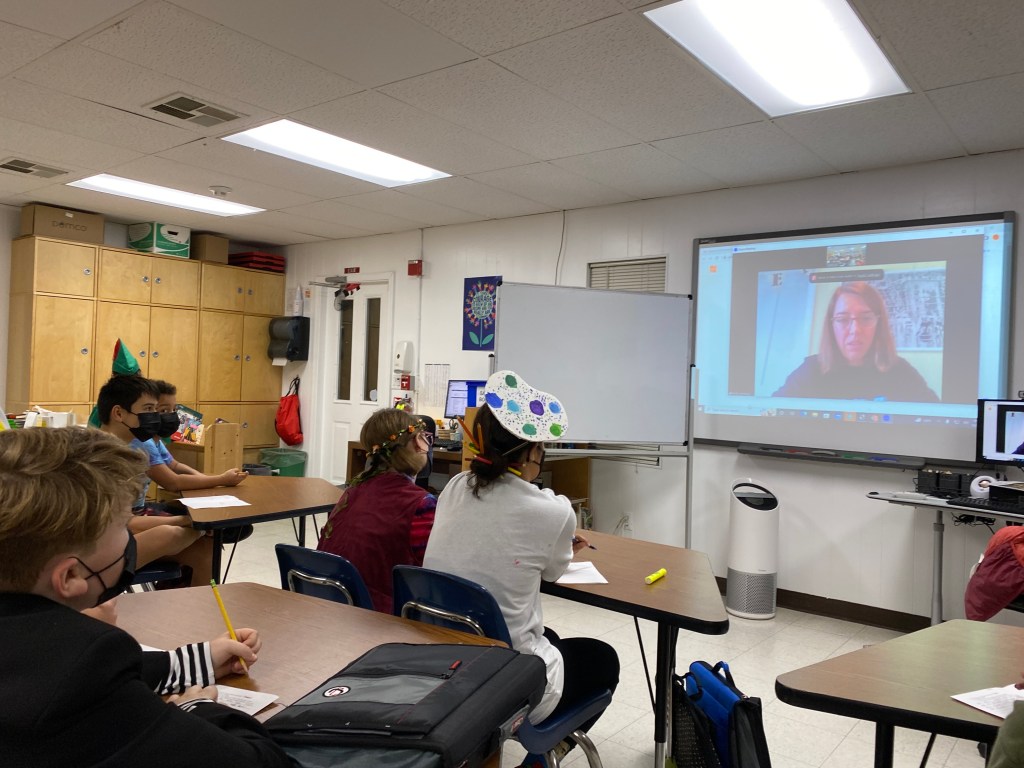
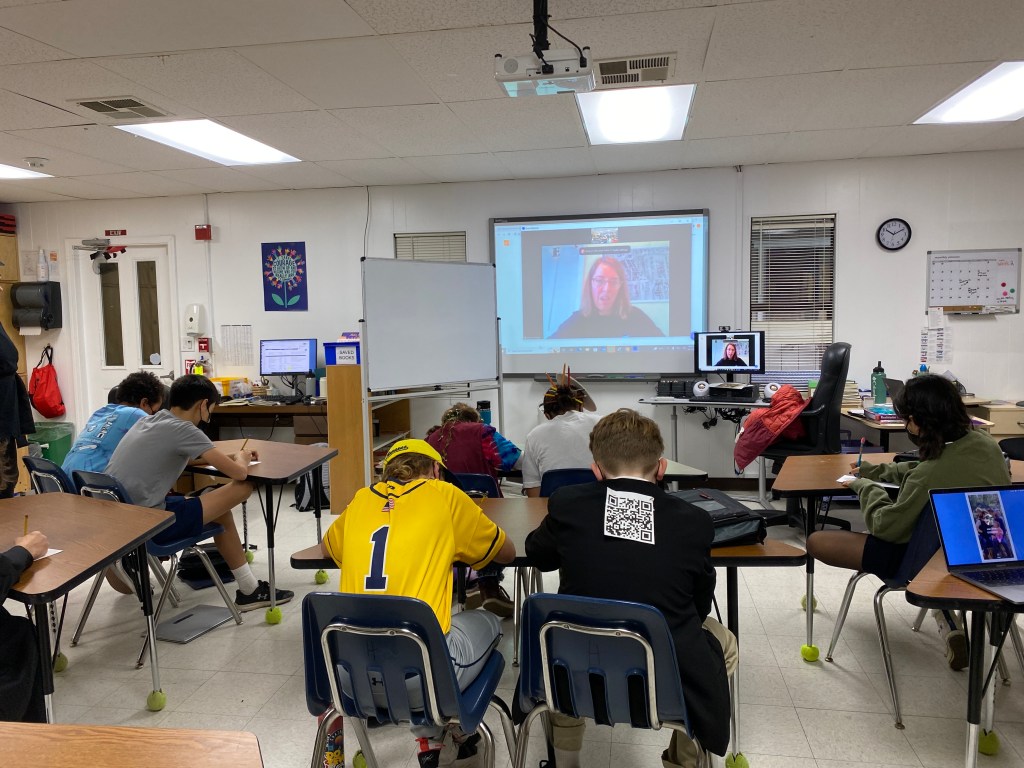
On October 31st, the sixth graders interviewed Director of School and Family Programs at the Fine Arts Museums of San Francisco, Emily Jennings, via Zoom. She helped students understand perspectives, constraints, and considerations of large encyclopedic museums that hold ancient artifacts in their collections.

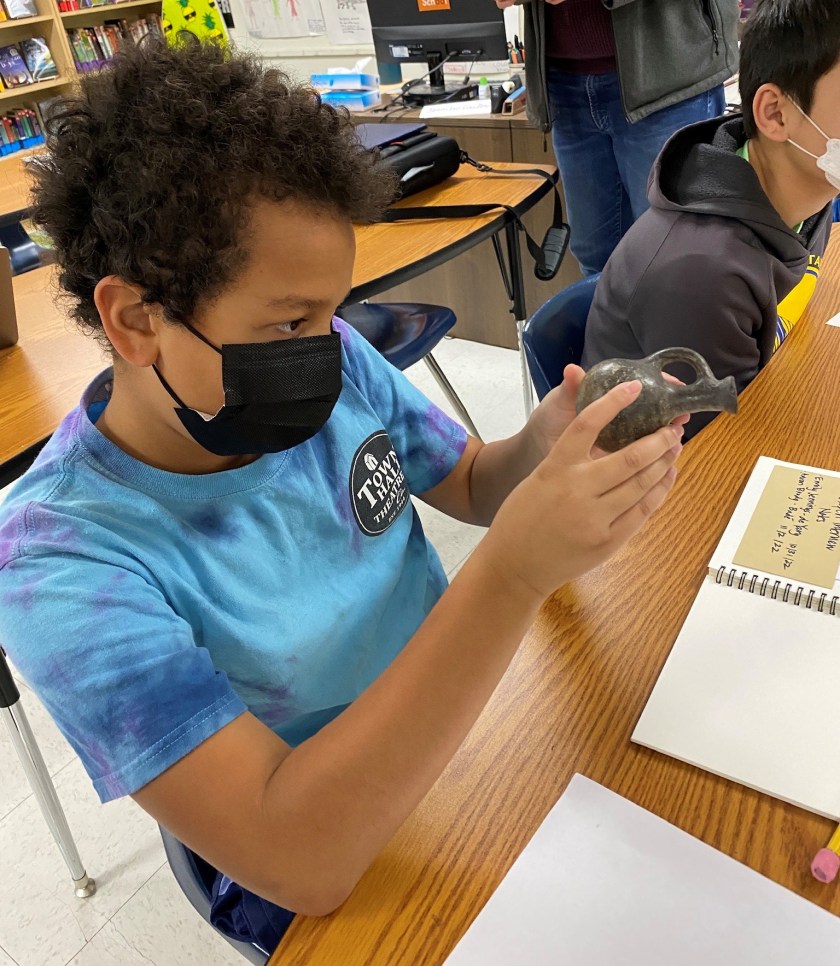
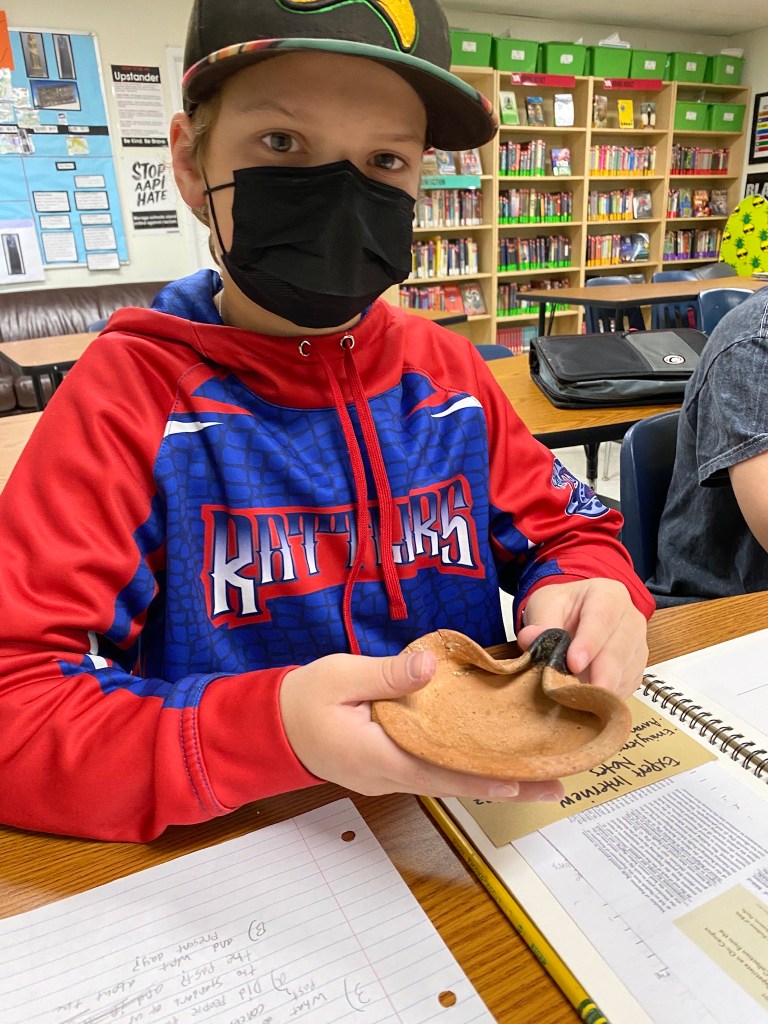
To follow up that conversation, students met with Dr. Aaron Brody, archeologist, Professor of Bible and Archaeology, and Director of the Badè Museum of Biblical Archaeology in Berkeley, on November 2nd. The sixth graders got to hold ancient artifacts and engage him in larger conversations around the laws and ethics of excavations as they seek to understand the circumstances under which the artifacts they have been researching were collected. 

#SaklanGuestExperts #SaklanPBL

Testing Magma

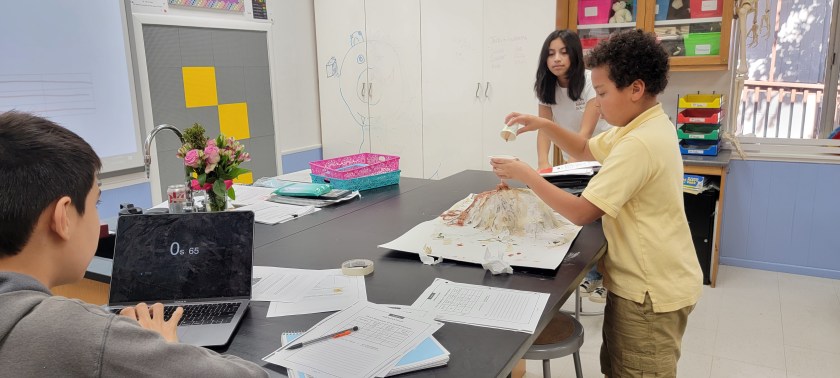
In science, the sixth graders have been studying volcanoes. They are learning about the different types and parts of a volcano, where volcanoes are located, the different types of eruptions that can occur, and how they create different rocks and formations.

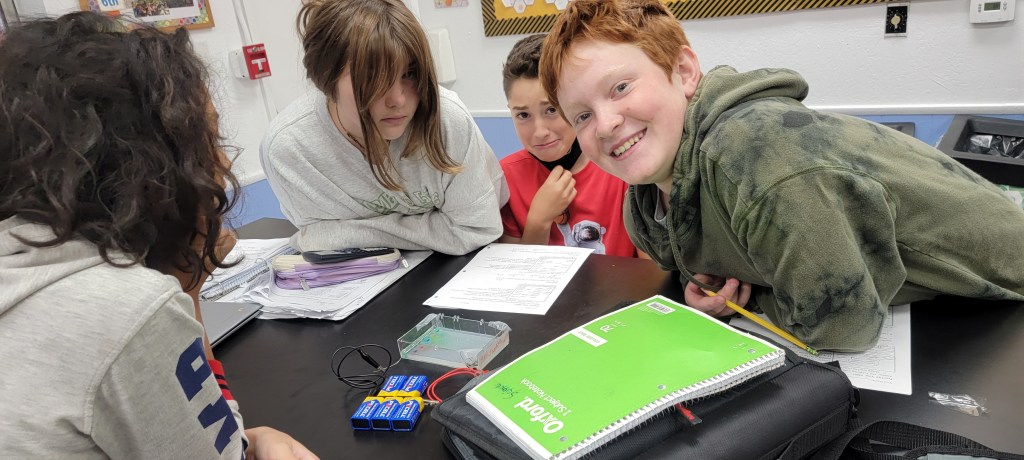
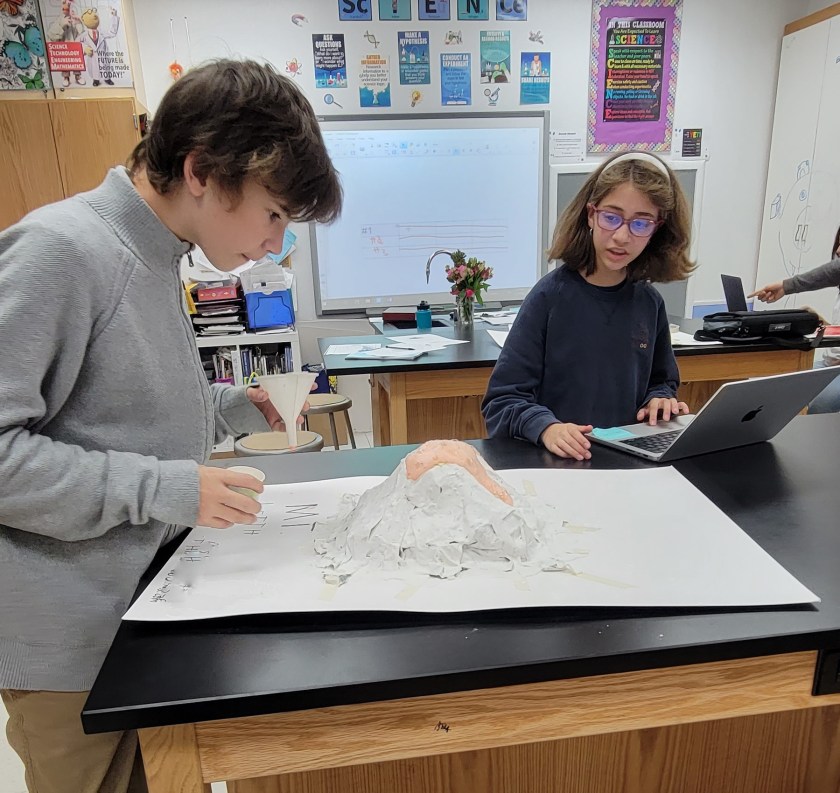
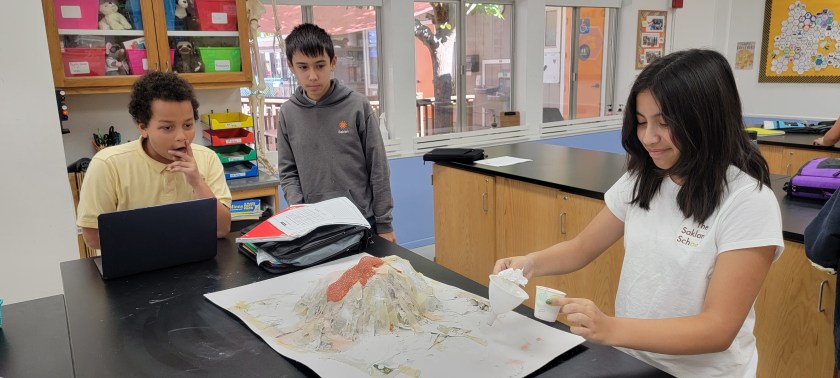
As part of their hands-on study, the sixth graders looked at different types of igneous rocks, tested different fluid viscosity to see how different lavas might flow, and then built their own shield volcano and tested different batches of “magma.” The students determined the speed of flow, what minerals make the lava flow slower, and how those different flows cool into different rocks.

The sixth graders are also learning about historic volcanoes and exploring the dangers and advantages of living near active ones. If you have a question about volcanoes, feel free to ask one of our new volcano experts – a sixth grader!

#SaklanHandsOnLearning

Discovering Musical Theater Characters

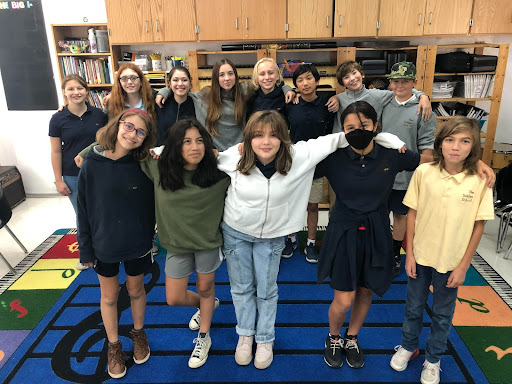
The Middle School Choir students are currently working on a project to answer the question: “Which musical theater character am I most like?”

While at first glance this question might seem like a quiz one might find in a teen magazine, upon closer inspection, the Choir students are discovering that characters in much beloved musicals have similar traits to themselves. In watching, researching, and singing music that connects them to these characters, Choir students are exploring stories that are meaningful to our society and history, while also learning about themselves as they become young adults. Within this structure, they are learning rhythms, tones, and dynamic markings, practicing harmony and proper breath technique for singing, and engaging with performing in front of a live audience.

In the coming weeks, the students will meet professional actors, experience live Broadway productions, and perform songs with their ensemble and on their own. This semester-long project will culminate with multiple performances at Fall Follies, CLAS, and the Lower School Musical, so stay tuned for amazing things to come!

Saklan’s West African Music Program

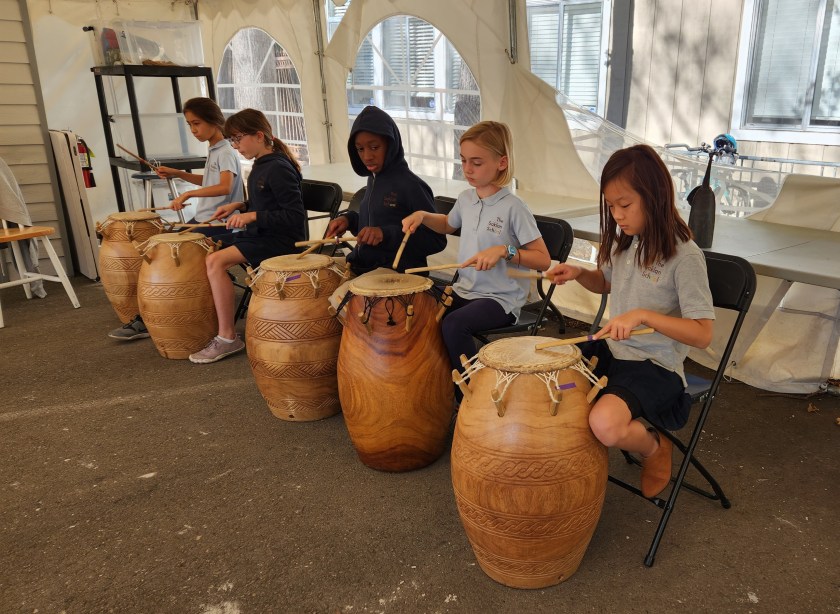
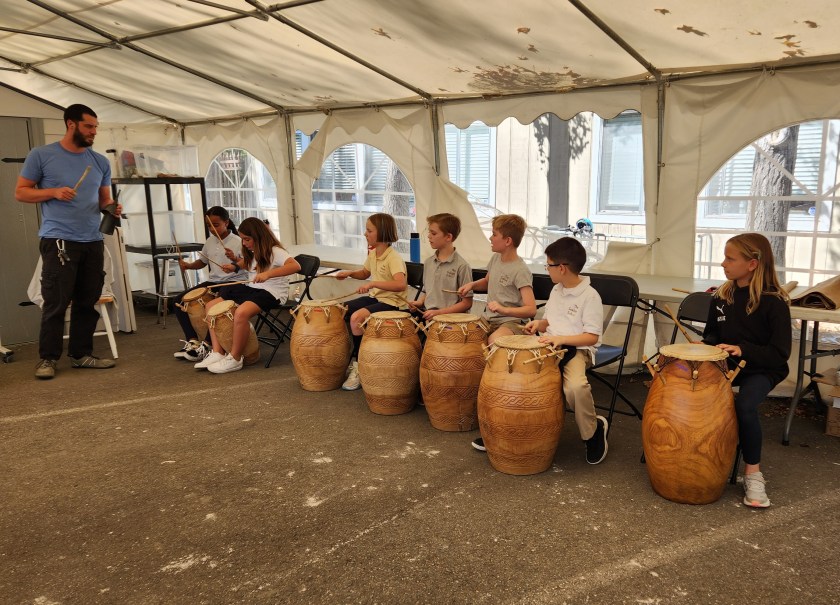
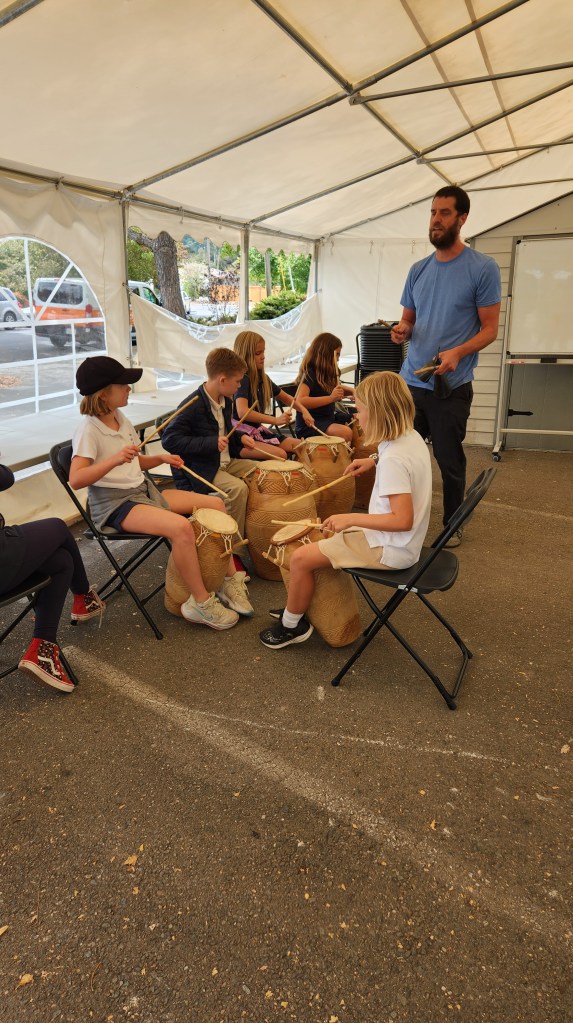
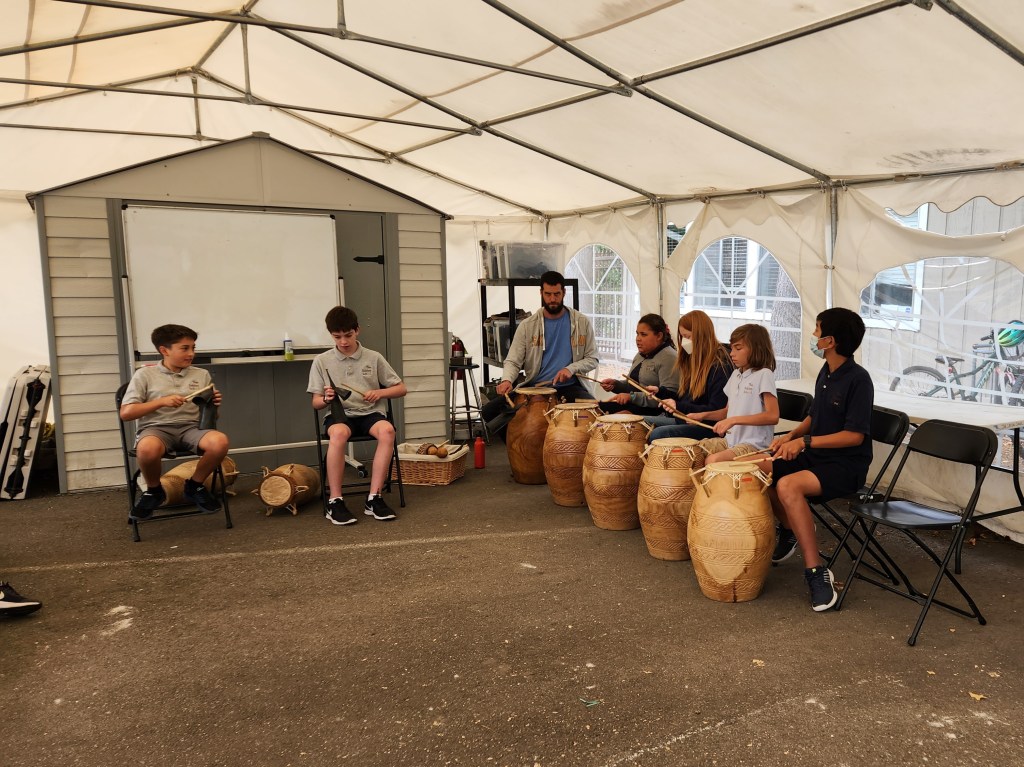
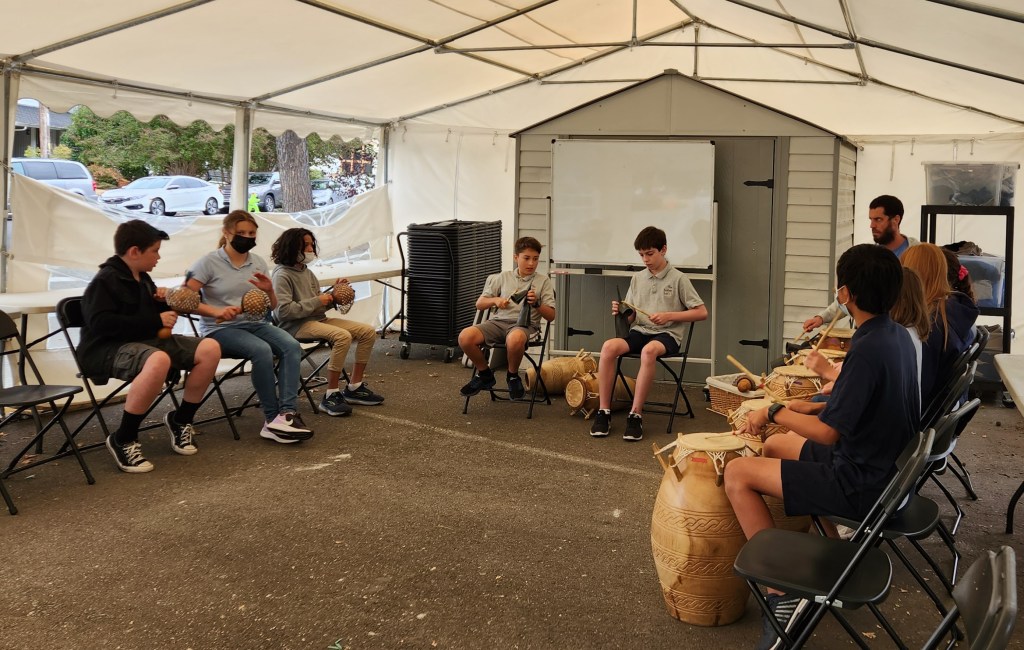
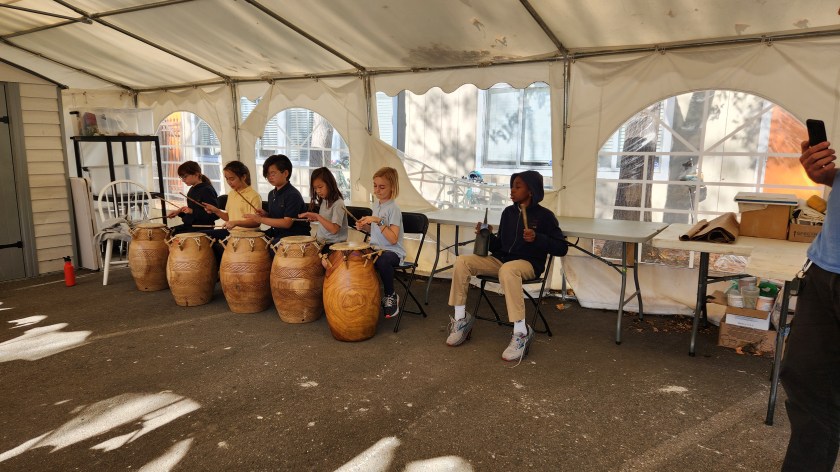
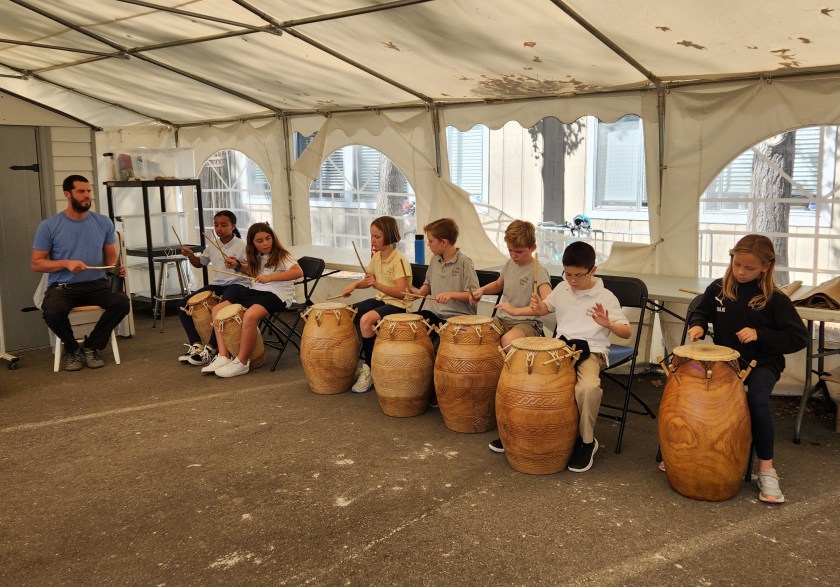
Every Thursday, the Saklan campus has a different beat, a beat that hails from West Africa. Under the guidance of Isaac Narell, students in third through eighth can be found studying music from the Ewe speaking people who live in Ghana, Togo and Benin (countries in West Africa).

Ewe music consists of singing, dancing, and drumming.  All these elements make up music styles. In 3rd grade, the students are performing a style called “Agahu.”

4th grade dancing and singing a Gota song.

Fourth and fifth graders are learning the styles “Gota” and “Tokoe.”

5th grade practicing Tokoe drumming

This unique music experience is a beloved aspect of the Saklan Music Program. Some 5th graders are so enthralled, that are choosing to stay in at recess on Thursdays and practice drumming together, while a group of  Middle Schoolers are practicing drumming at lunch time on Thursdays. 

#SaklanCreative #SaklanLearningByDoing
First Family Group Meeting

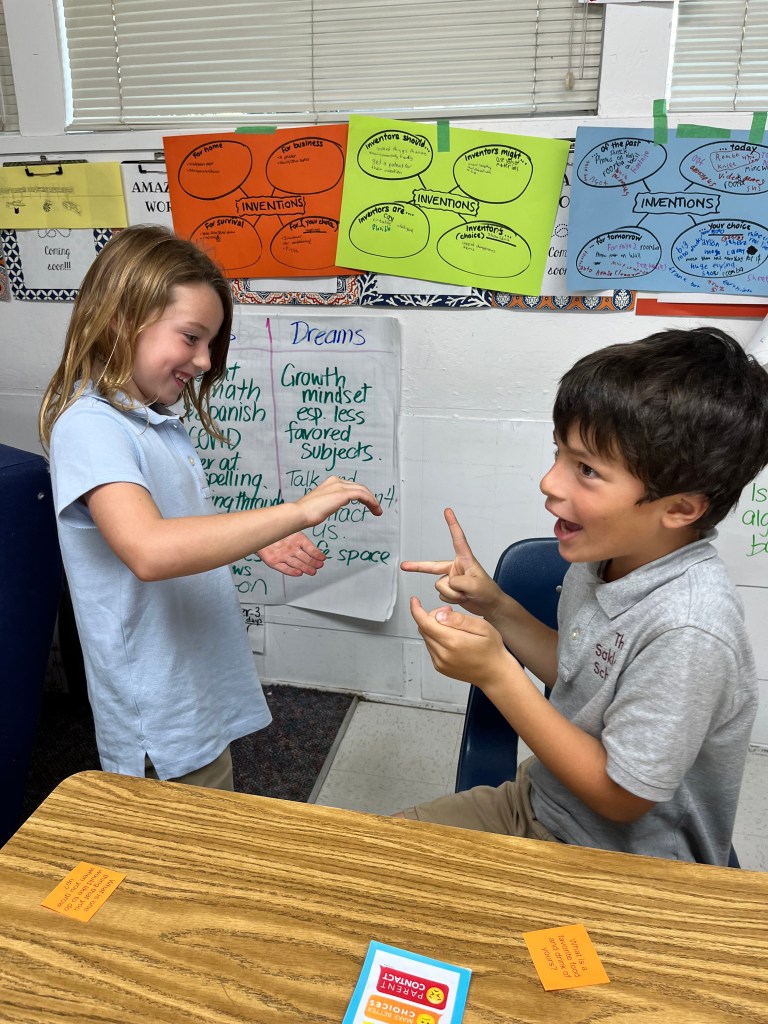
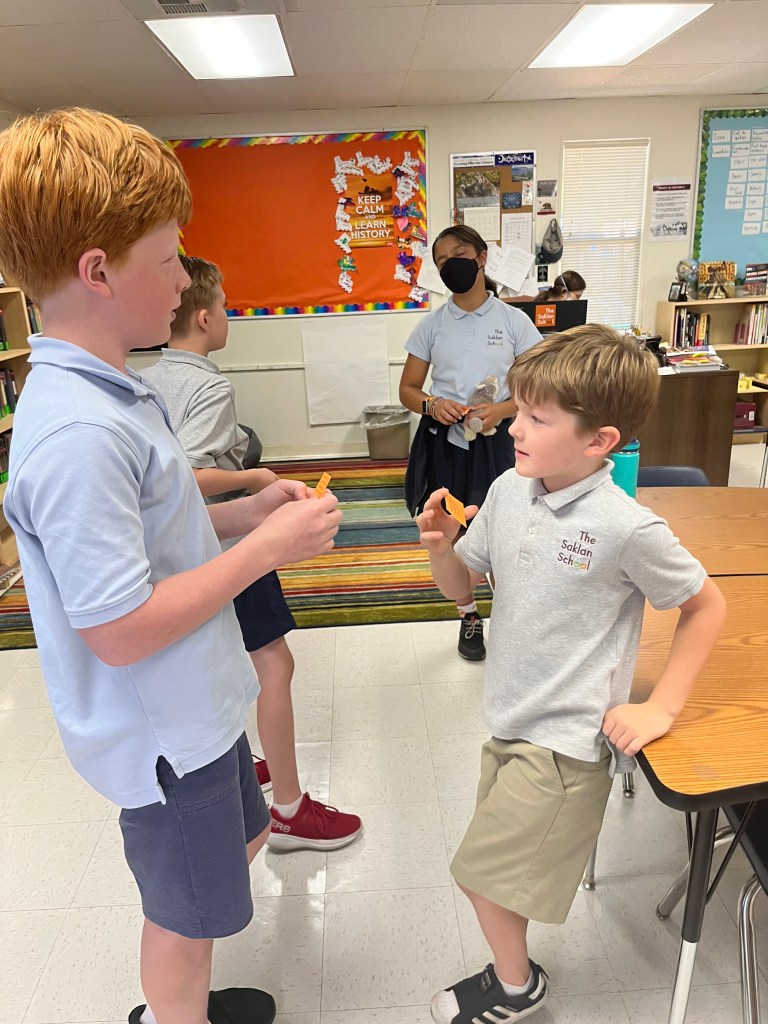
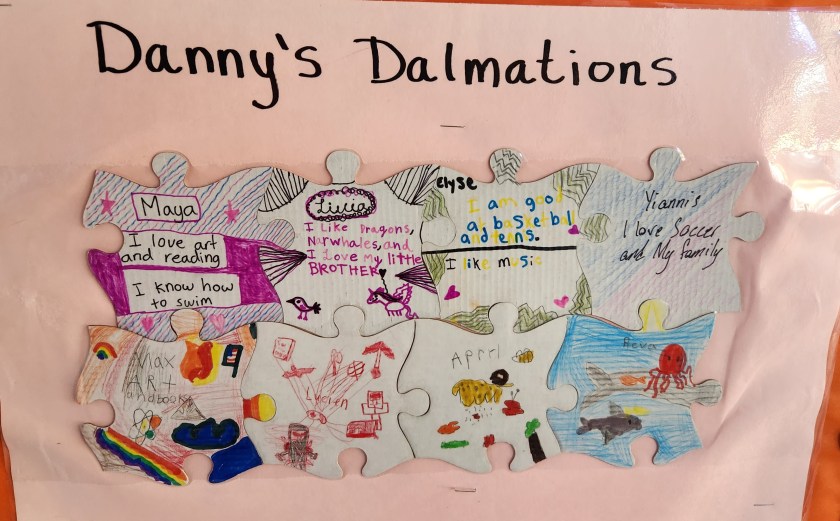
On Friday, September 30th, the Saklan first through eighth graders met with their family groups for the first time this year! During the meeting, the students in each group introduced themselves and shared one or two of their favorite things. Then each group had a discussion of what is means to be accepting, including why it is important that we are all accepting of others. They then played a game to help them learn something new about everyone in their group, as sometimes its hard to know someone and accept someone for who they are when you don’t know much about them.

The 8th graders then explained to their family group that as they go through the year together, they are a group or team made up of awesome individuals and they each bring their own strengths to the group. Some may have amazing sports or singing talents. Some maybe be amazing observers, or great listeners. Others might be a great friend to those around them.

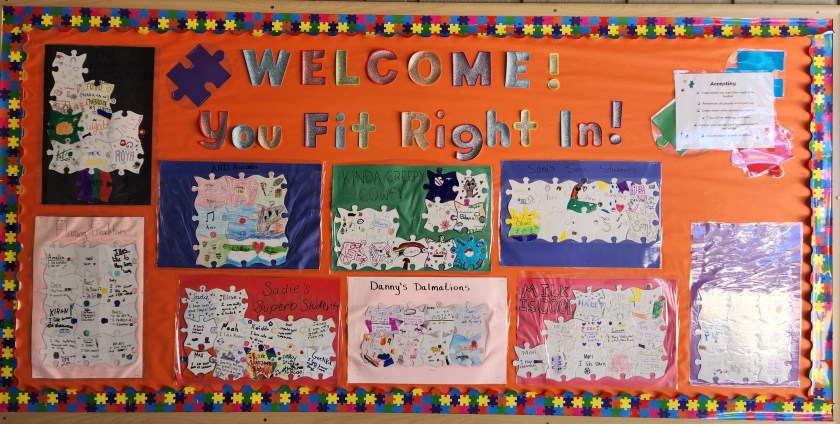
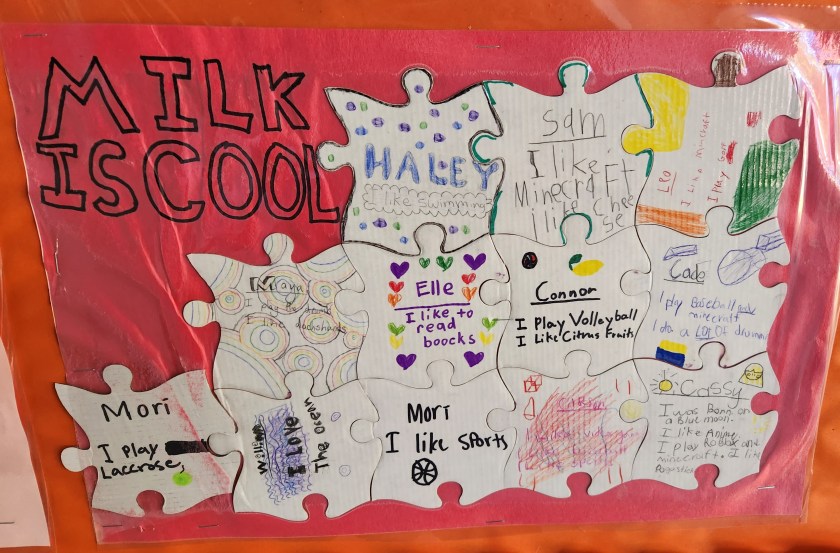
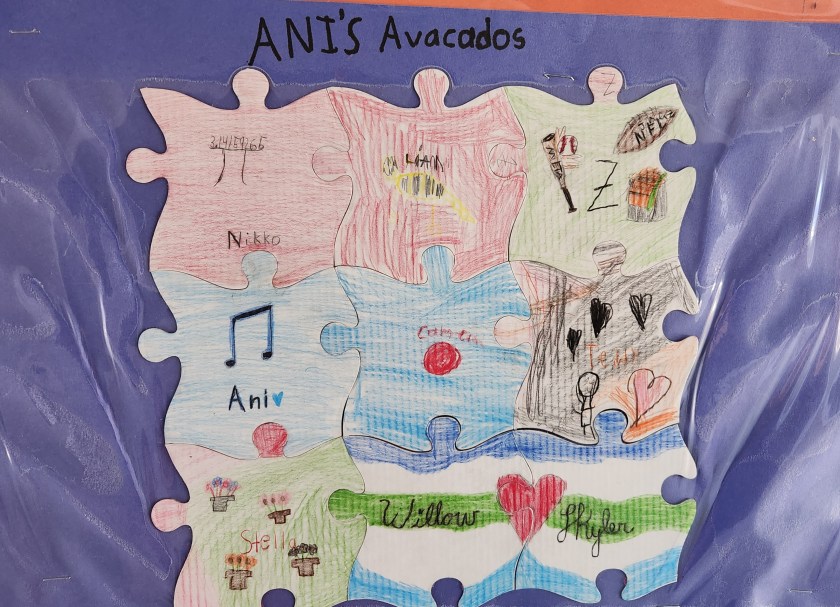
Each member of the group was then given a puzzle piece to draw or decoratively write what they feel makes them special or amazing! These puzzle pieces were then all put together, showing that all members of each family group all are important members of the group. Check out their puzzles below!

#FamilyGroups #SaklanSEL #SaklanCompassionate

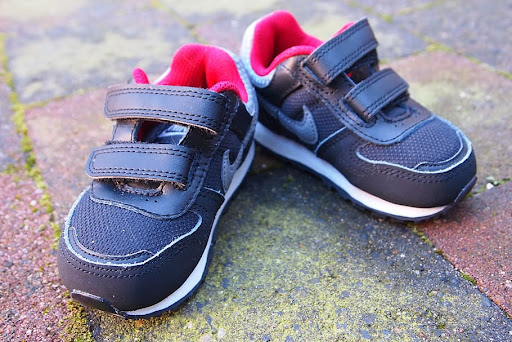
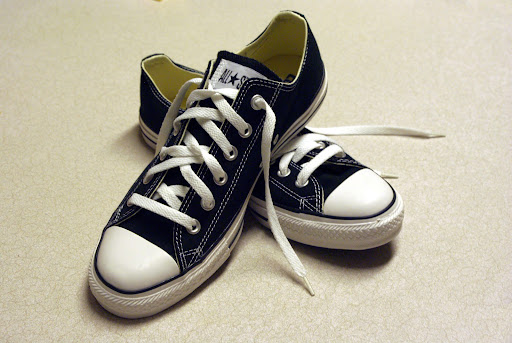
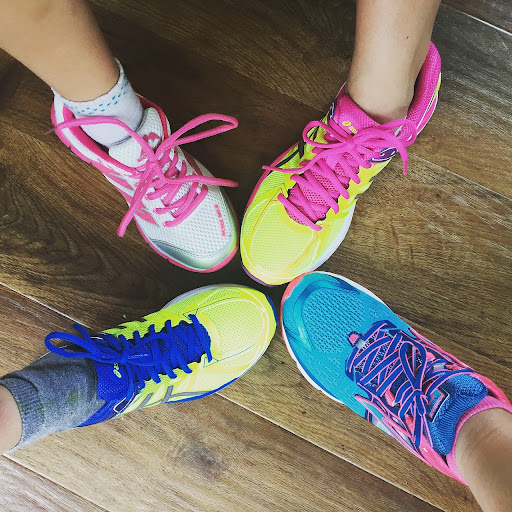
Have Old or Outgrown Sneakers?

The sixth grade students will be learning about human environmental impact and how they can help in science class this year. As part of their study, they will have the opportunity to participate in service learning projects. Service learning is an educational approach that combines learning objectives with community service in order to provide learning opportunities that help tackle real-world problems that help one’s community.

The sixth grade has partnered with GotSneakers, an organization that helps keep sneakers out of landfills by recycling and reusing them. Each pair donated can earn their class money, which they are going to use to combat the human environmental impact by putting it towards species conservation. Examples may include:

  • Donations to wildlife centers 
  • Symbolic species adoptions
  • Materials to build bird boxes

Please help the sixth graders by donating any size sneakers you no longer want.

A bin will be placed in the breezeway during the last week of every month. Please place your unwanted pair of sneakers in the box during that time. Any size and brand of sneakers are welcome. But, sneaker-style shoes only, please!

#SaklanServiceLearning

Trail Mix Math

The sixth graders started the new school year working on challenging word problems, including one called Trail Mix:

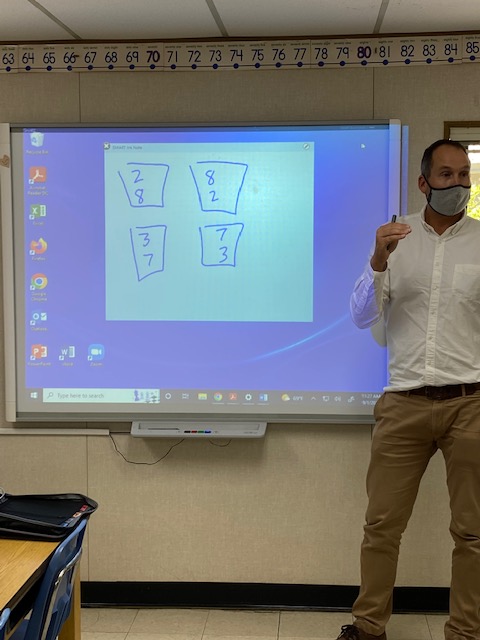
Rowena and Polly are making trail mix. Rowena has 4 cups of raisins and Polly has 4 cups of peanuts. Polly pours exactly one cup of her peanuts into Rowena’s raisins and stirs them up. Then Rowena pours exactly one cup of her new peanut-and-raisin mixture back into Polly’s peanuts.

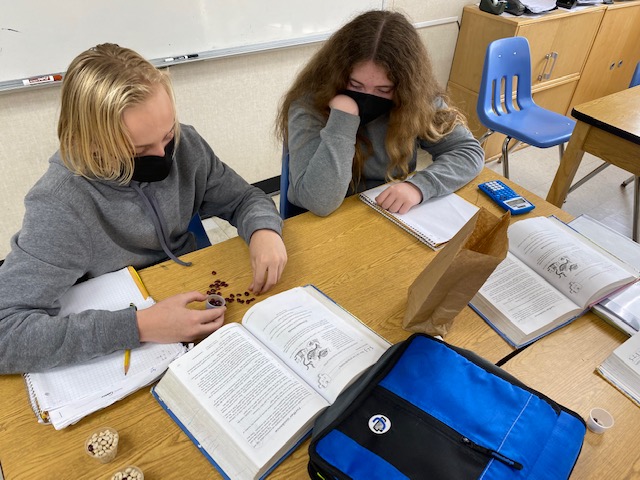
Mr. Zippin demonstrated this with red and white beans and then asked the 6th graders- “Did Rowena get more of Polly’s peanuts or did Polly get more of Rowena’s raisins?”

The students got a chance to share their ideas, first with their groups, and then with the entire class.

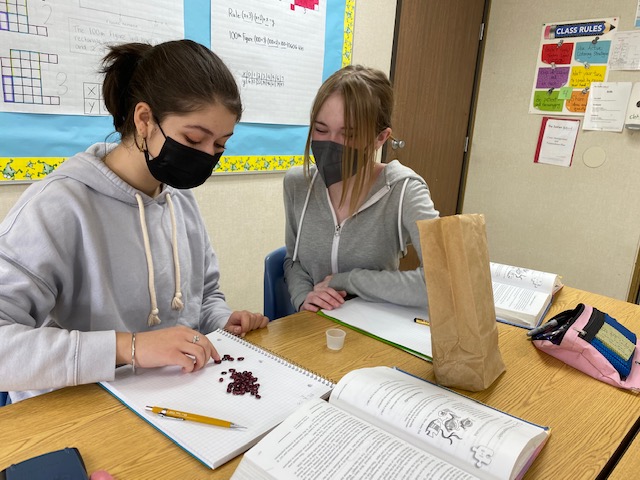
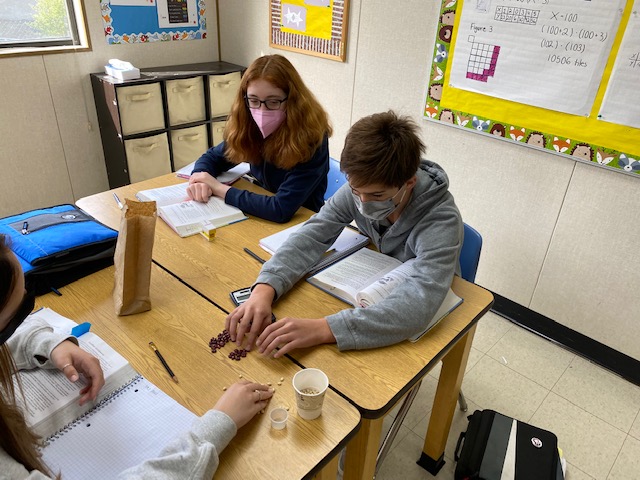
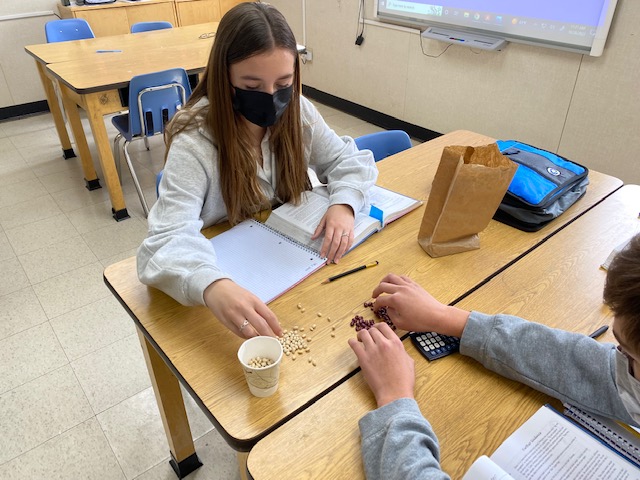
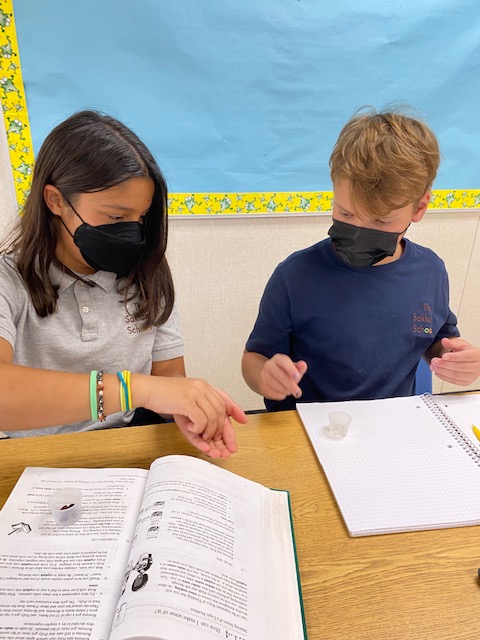
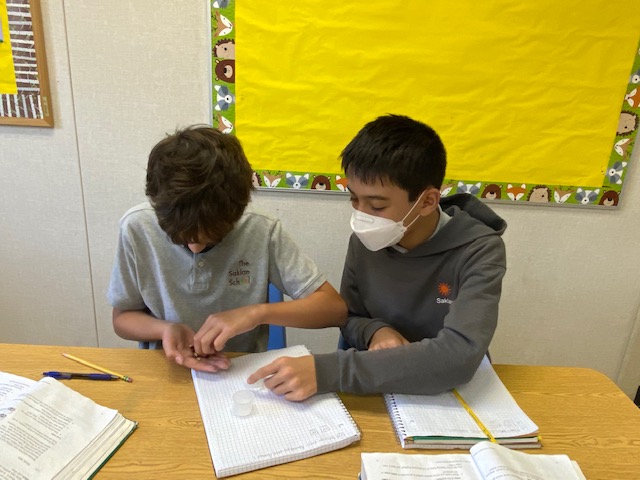
Next, the students had the opportunity to get hands-on with the beans themselves. They took ten white beans and ten red beans and put them in small containers. In teams, the students took turns taking 3 beans out of the white bean cup and putting them in with the red and mixing them up. Then, with their eyes closed, they took three beans out of the mixture and returned them to the white cup with only seven beans in it. They then recorded their results.

After doing the experiment a few times, the groups got another chance to discuss their ideas and possibly develop new conjectures.

What do you think? Did Rowena get more of Polly’s peanuts or did Polly get more of Rowena’s raisins?

#SaklanHandsOn

Early Humans

Sixth grade has begun their year of studying ancient civilizations in humanities by looking at the artifacts and clues left behind by early humans. Students have been learning from paleoanthropologists on early forms of graphic communication. They have also been exploring what it means to try and interpret an artifact or cave painting when anyone who could give definitive answers about their true meaning and purpose is long gone. 

The class has been using an interactive inquiry wall and question protocols to generate student inquiry.

They moved questions and things they know into groups, and in the coming weeks students will have a chance to research and answer their own questions on early humans before beginning the project-based learning cycle with their next unit. 

#SaklanInquiryBasedLearning

Task Party!

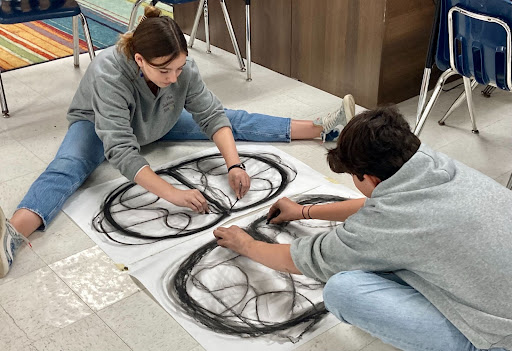
This week in art class, students in 4th – 8th grade got in touch with their creative sides by participating in something called a “Task Party,” where students draw and complete random tasks.

Fourth graders worked collaboratively in table groups to “turn a stool into a monster.”

Fifth graders worked collaboratively with their table groups to “design and create a themed Met Gala gown for a member of their group.”

Middle school students independently drew tasks from a box and either completed as many as they could, or chose to spend the entire time on one task. Tasks included: making a treasure map, making a robotic arm, making a musical instrument, making a parrot and wearing it on one’s arm, making puppets and putting on a puppet show, making an octopus garden, making everyone name tags, making a walled fortress, and more!

Task parties originate from contemporary artist Oliver Herring and are meant to build community, inspire creativity, critical thinking, and fun through the arts. Tasks can be building and creating art with crafting and recycled materials or can be performance based and encourage students to step out of their comfort zones. 

The best part about a task party is getting to know the students as makers, artists and creative minds in an open, stakes-free environment. Because there is no right or wrong way to perform a task, everyone is participating and engaged, as there is little judgment or fear of making mistakes. 

#SaklanCreative
Bubble Gum Hypothesis

In preparation for a full year of fun and exciting science, middle school students have been reviewing and practicing the scientific method. The sixth grade students were given the question: “Which bubble gum creates the biggest bubbles; Double Bubble or Big League Chew?”
Students created their hypothesis, were given the same amount of each gum for consistency, and decided on a bubble gum blower for the experiment to keep the ability consistent. After measuring 5 bubbles and averaging their findings, all groups found Big League Chew to be better at consistently blowing large bubbles. They noted that it was the softer of the two gums as well. This and other flavor preferences played into their guess as to why Big League Chew was better. From this fun experiment, the scientific questions and hypotheses started flowing!

#SaklanScience #SaklanHandsOn