Creating & Operating ROVs

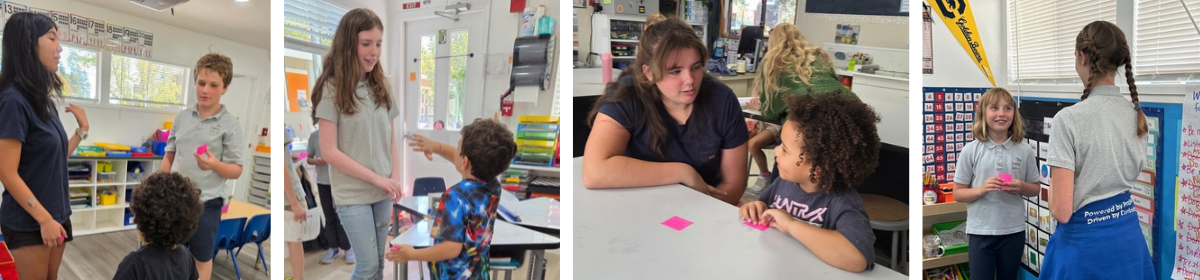
As part of the sixth grade earth science curriculum, the students learned about invasive species and how they can affect an ecosystem. One species they focused on was the Crown of Thorns (COT) sea star. They learned how the sea star’s fast reproduction and limited predators on the Great Barrier Reef are creating quite a problem for that precious ecosystem. The COTs eat the algae in the coral which is causing the coral to die at rapid rates. Students then learned how scientists are using Remote Operated Vehicles (ROVs) to learn to identify and inject vinegar into the COTs. The vinegar dissolves them from the inside out. These ROVs can work 24 hours a day in all kinds of weather conditions. 

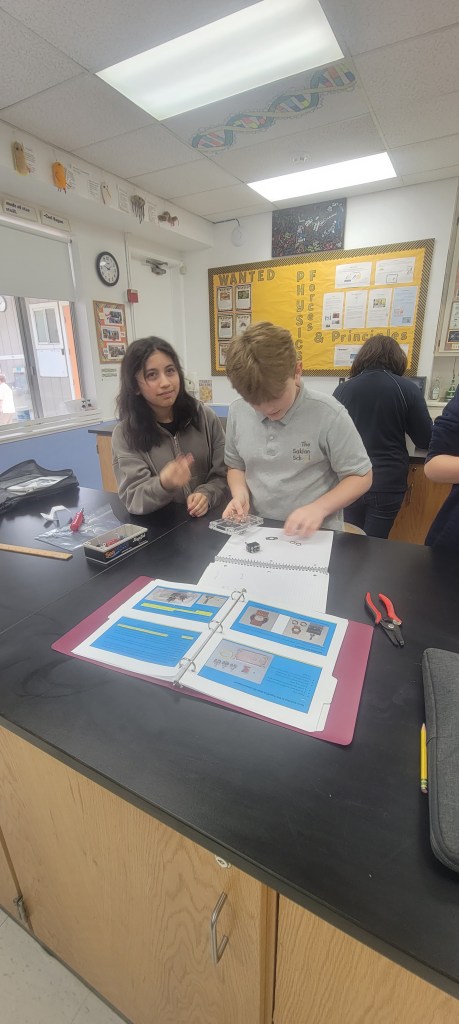
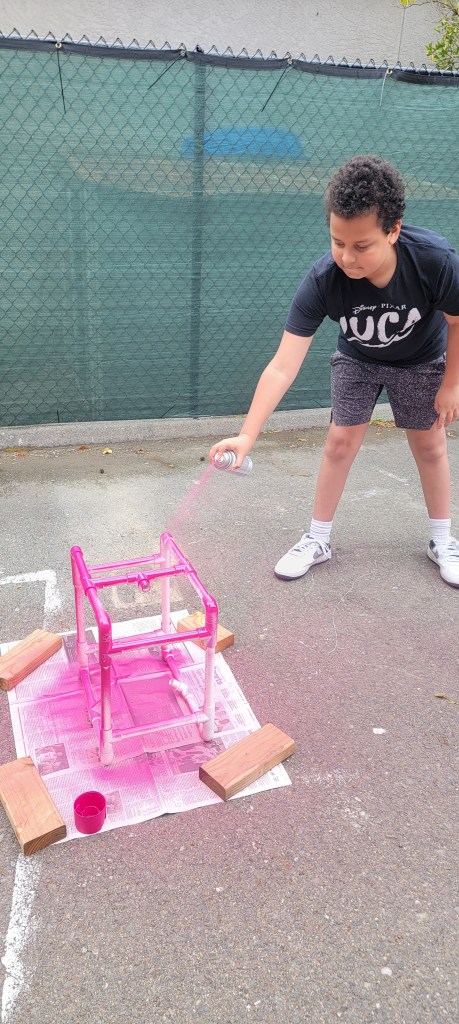
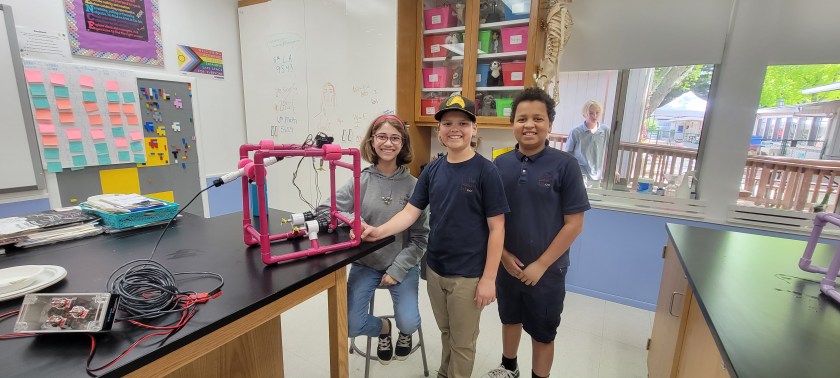
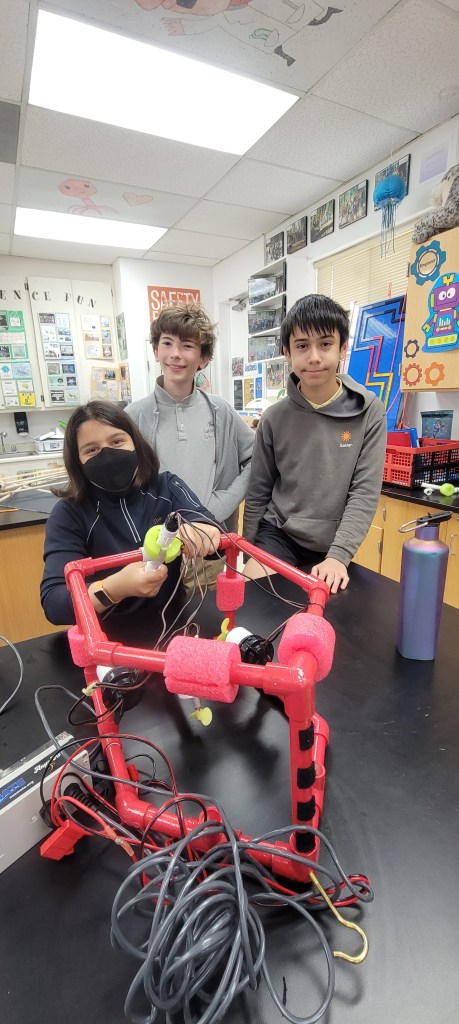
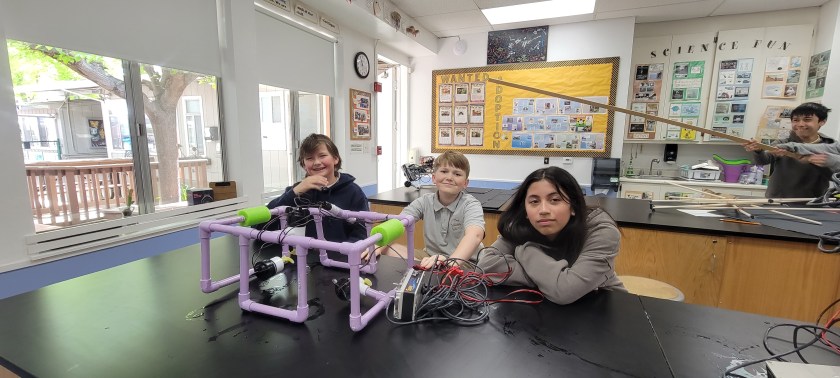
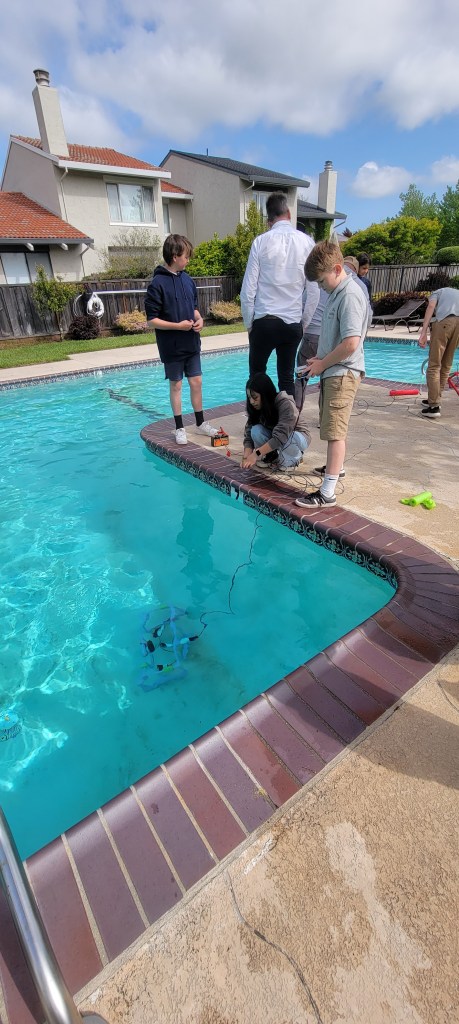
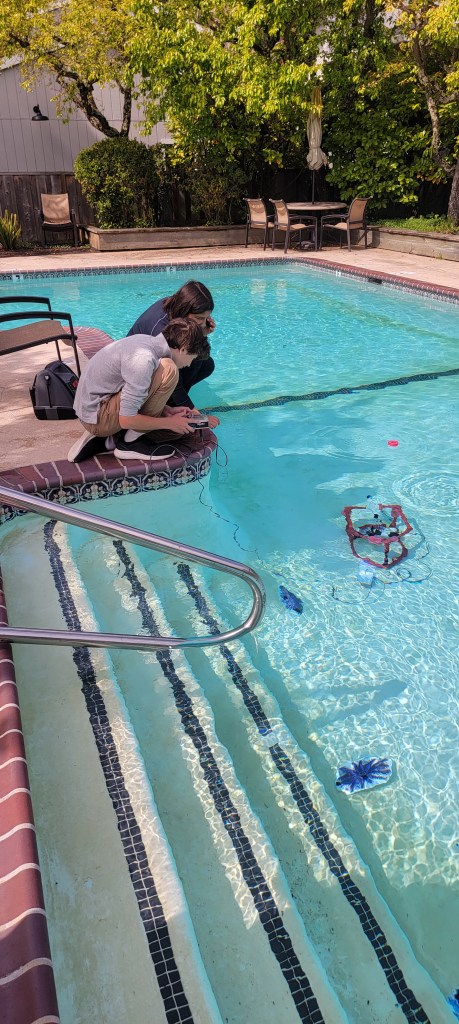
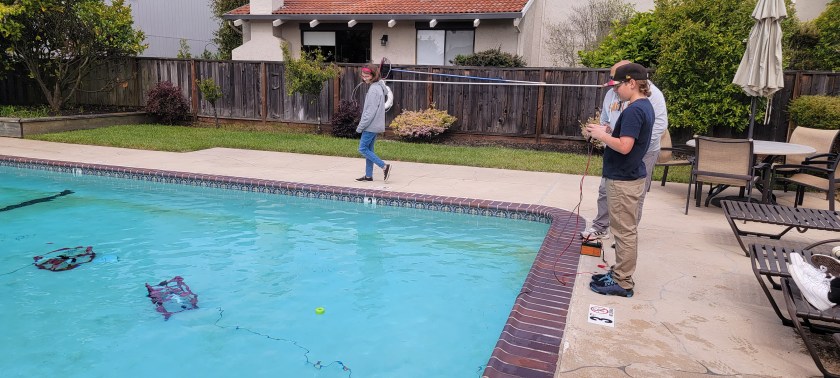
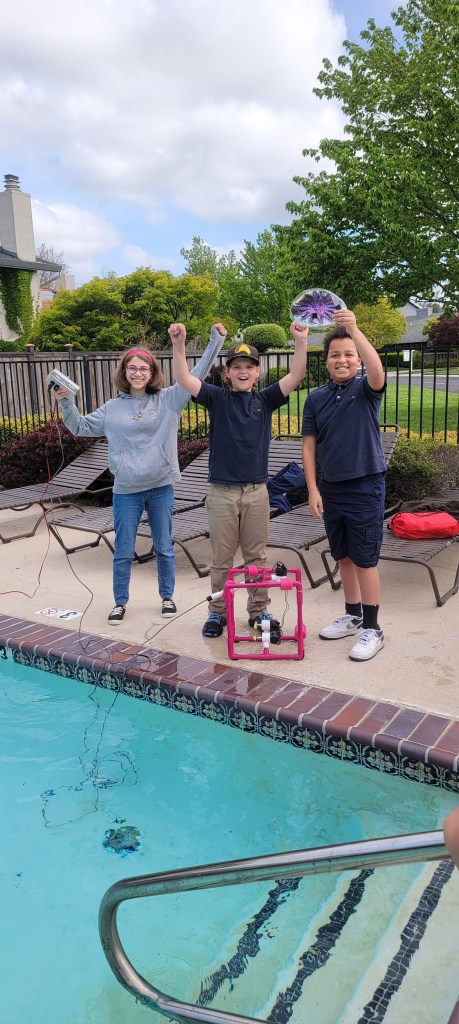
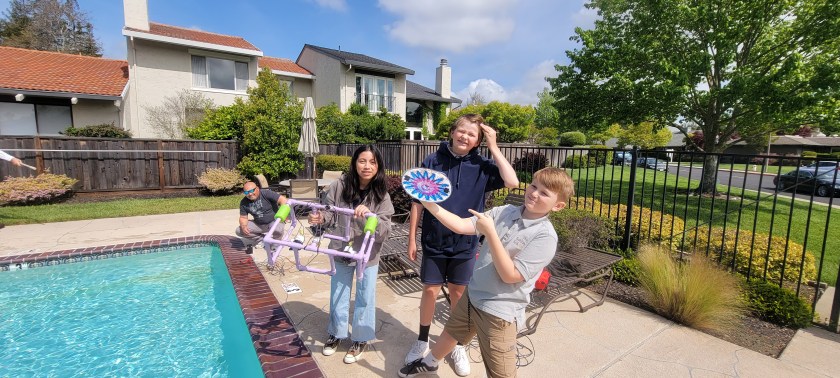
Ms. O recently attended an ROV course where she learned to create and operate SEAMate ROVs, and she was excited to bring this knowledge back to the classroom and share it with the sixth graders! Ms. O had the students team up to create their own ROVs in order to simulate the work of the scientists out on the reef. The students had to wire their electrical control box, wire the motors and assemble the propellers, design a frame, and decorate their ROV.

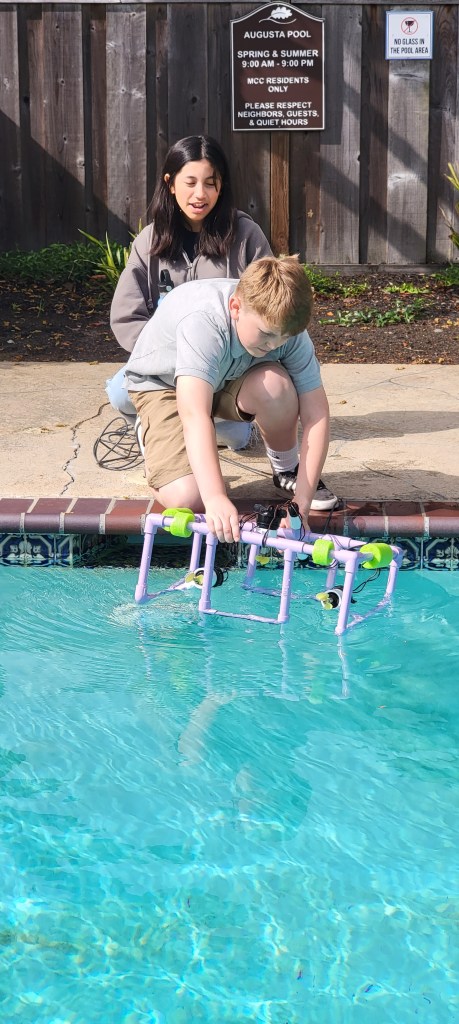
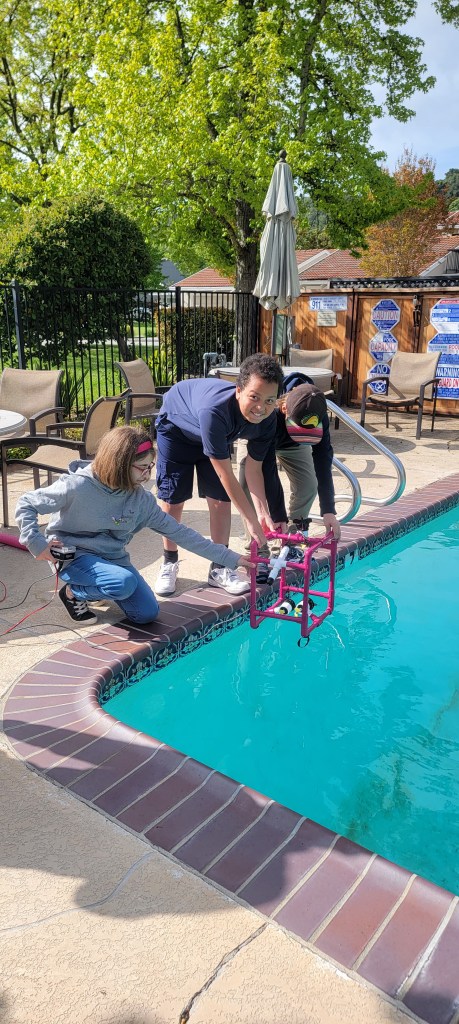
With the ROVs completed, the students were given the challenge of collecting COT’s from the local MCC Augusta Pool. Students had to figure out how to maneuver their ROV and remove the imitation COTs from the pool.

Through this process, the sixth graders learned a lot about electricity, engineering, design, scientific research and careers in both robotics and ecology. Many expressed how much they enjoyed taking part in and learning about robotics!

#SaklanScience #SaklanHandsOn

Physics of Roller Coasters

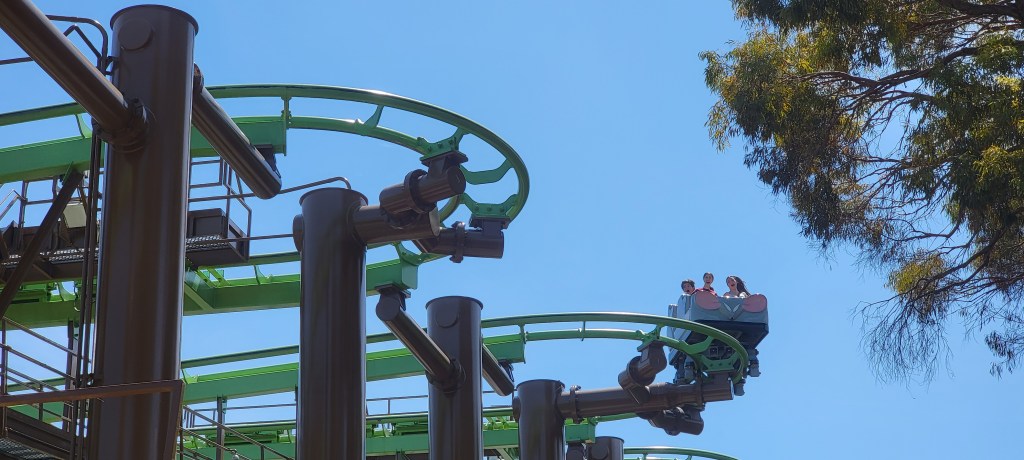
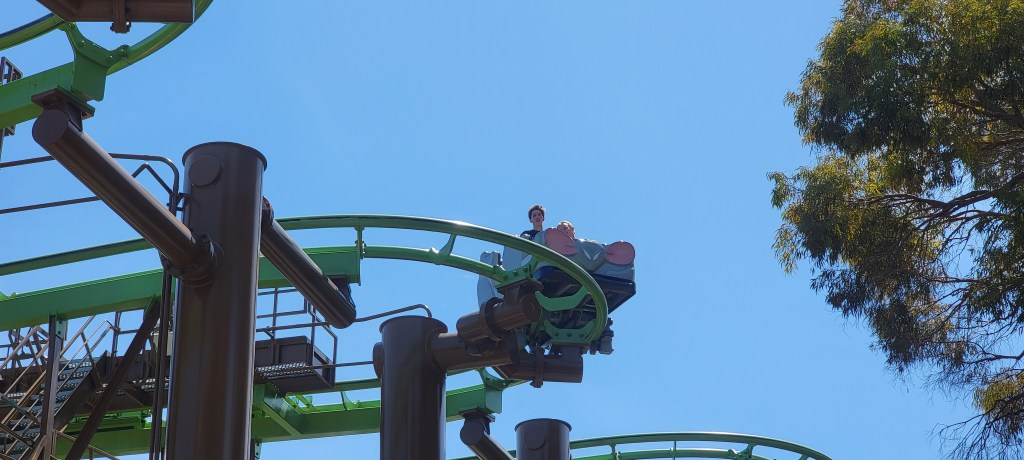
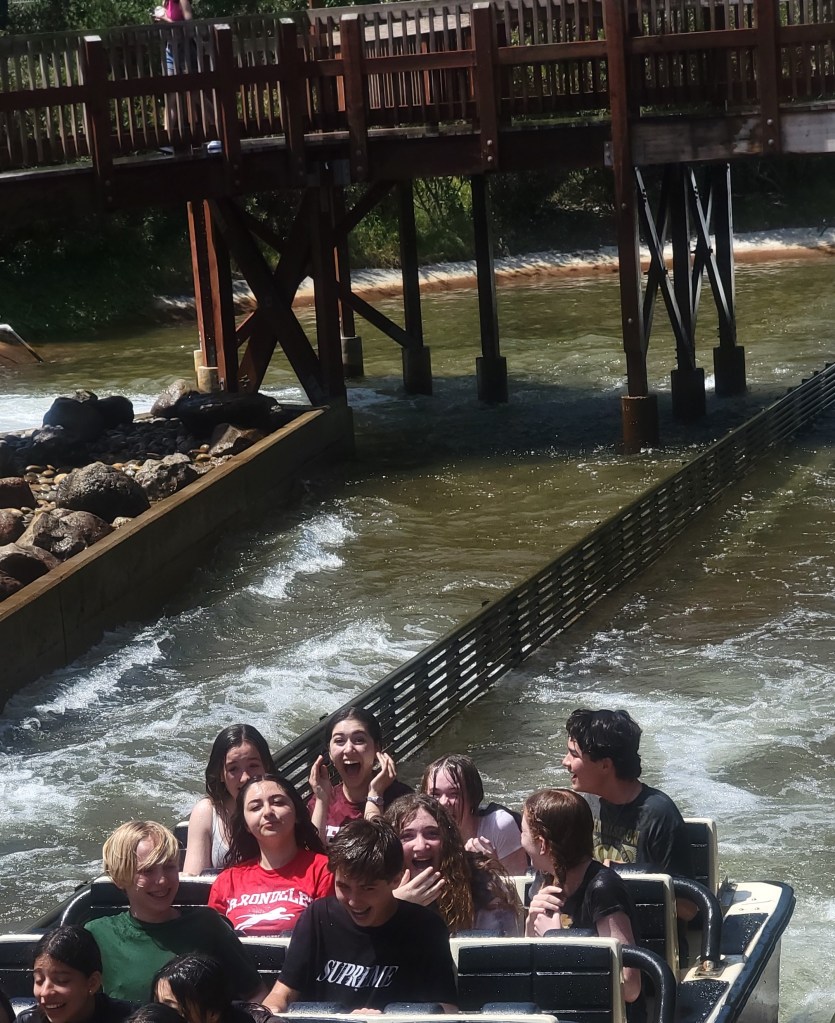
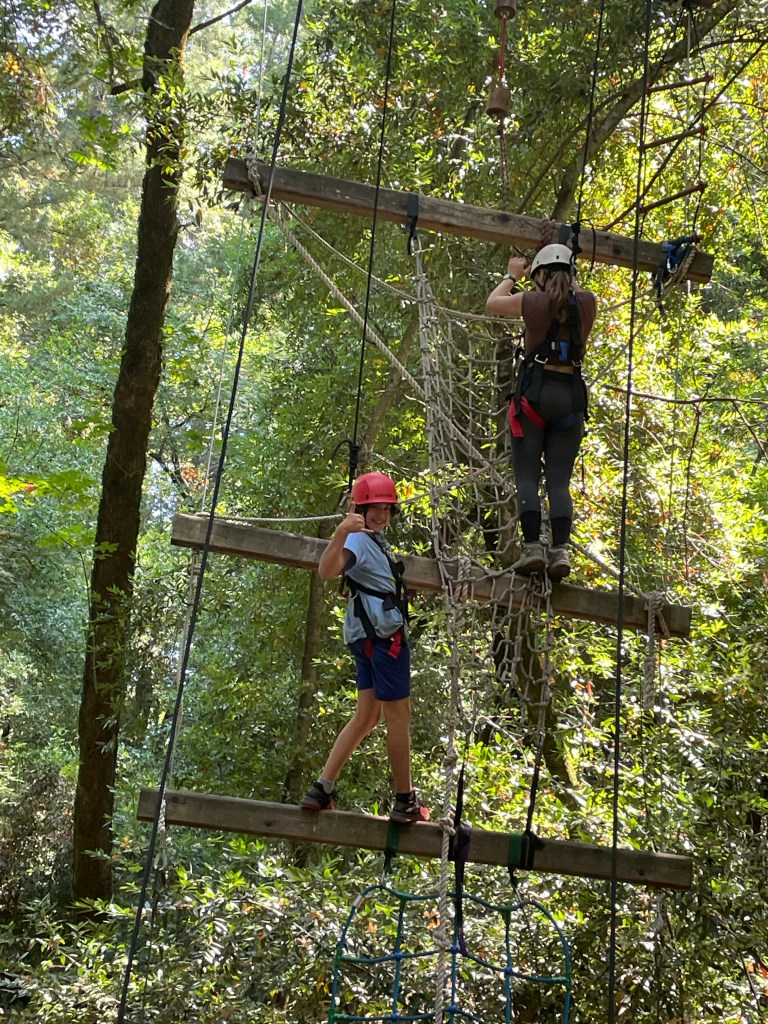
Last Friday, the 8th grade class went to Great America to put their physics to the test by riding roller coasters and other amusement rides, determining speed, acceleration, and which forces were acting on them. Then they applied Newtons 3 Laws of Motion to see how physics plays a key role in the design, fun and safety of roller coasters. Students timed the rides, wore accelerometers to test the amount of g-force the ride exerted on their body and filled out a packet of physics! 

They will now be using the rides of Great America as inspiration for their culminating project in their physics class; building their own roller coasters! 

#SaklanFieldExperience
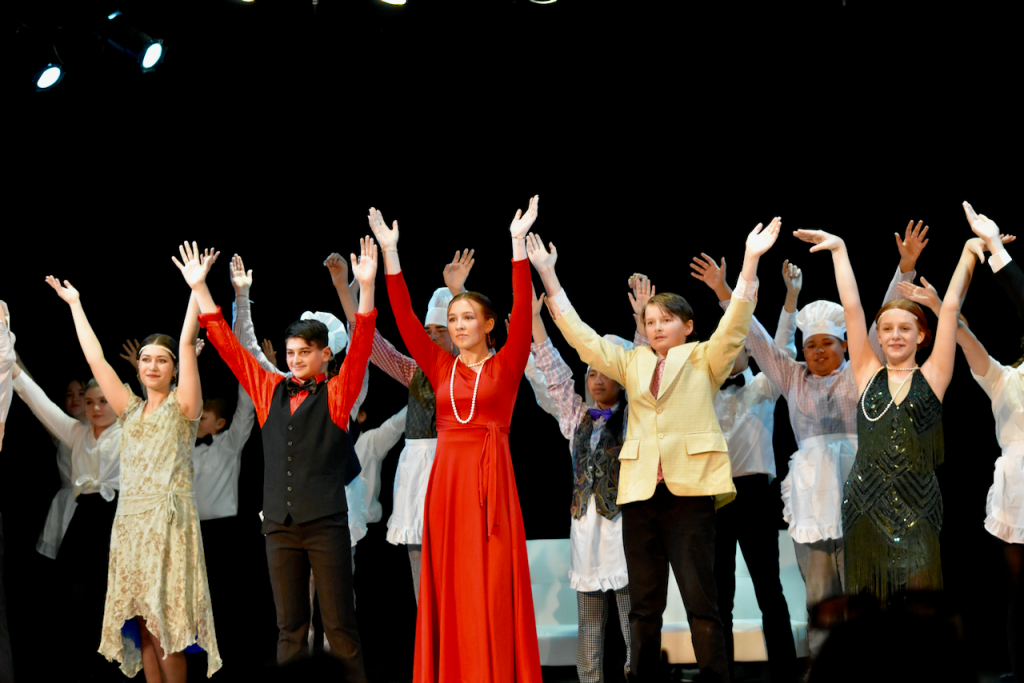
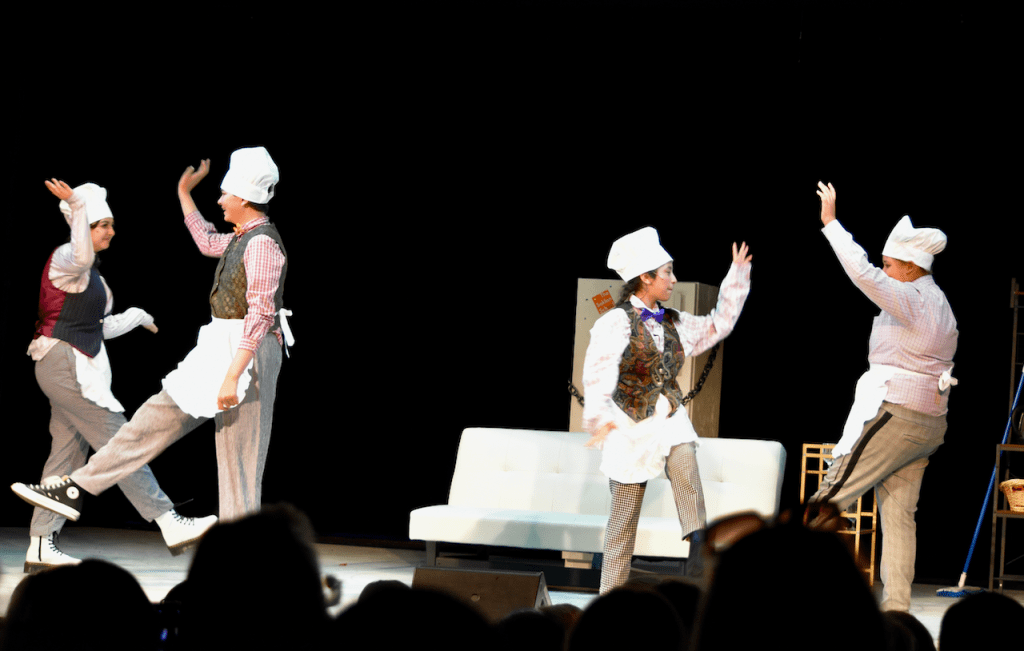
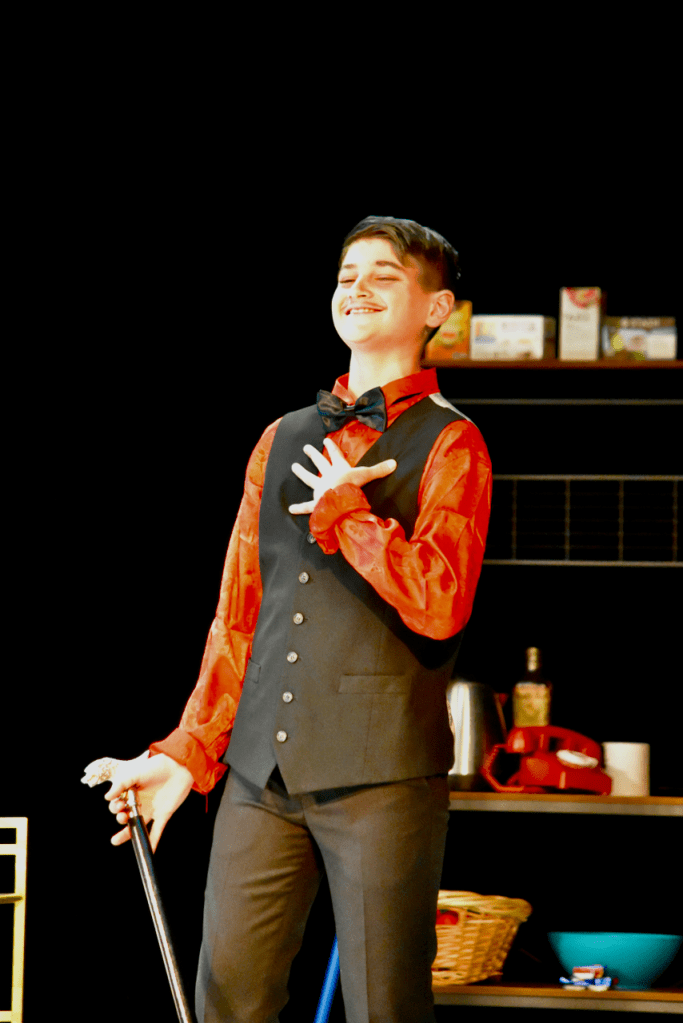
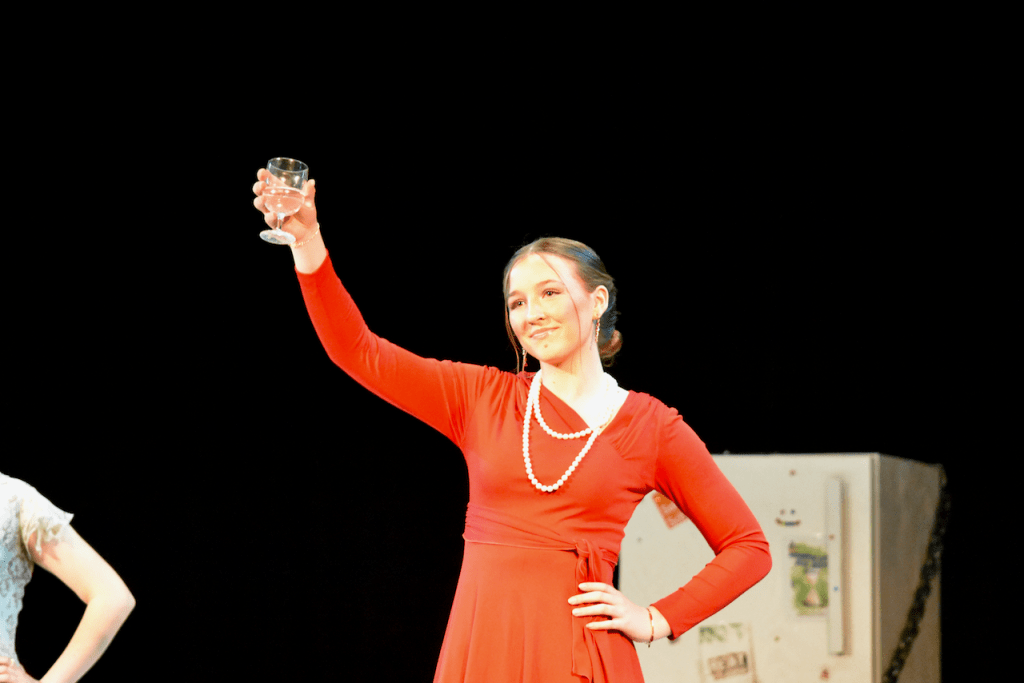
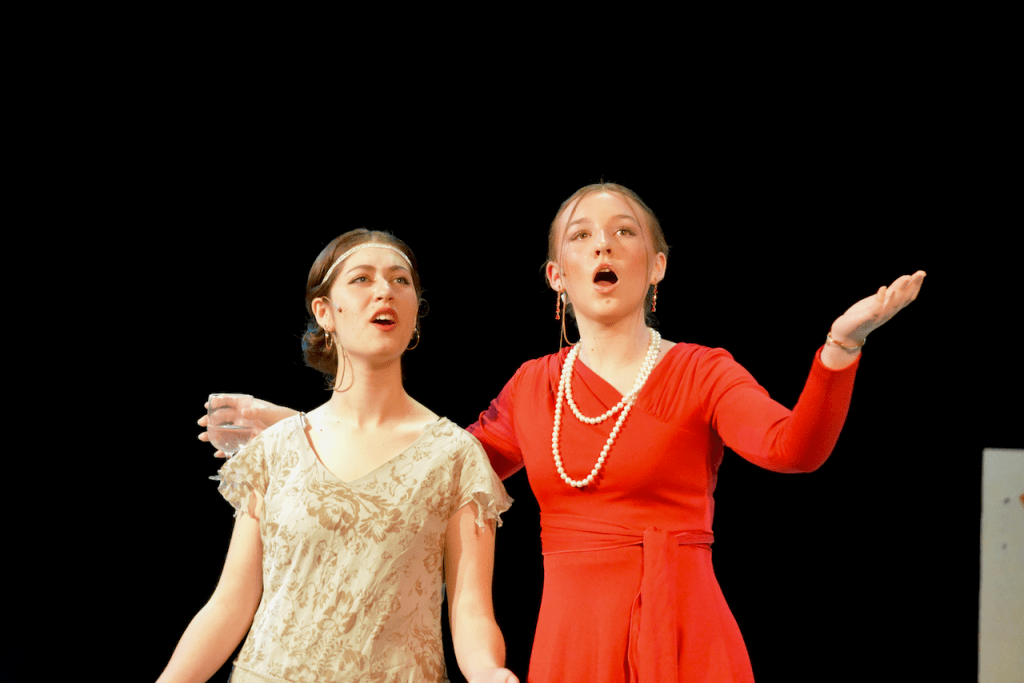
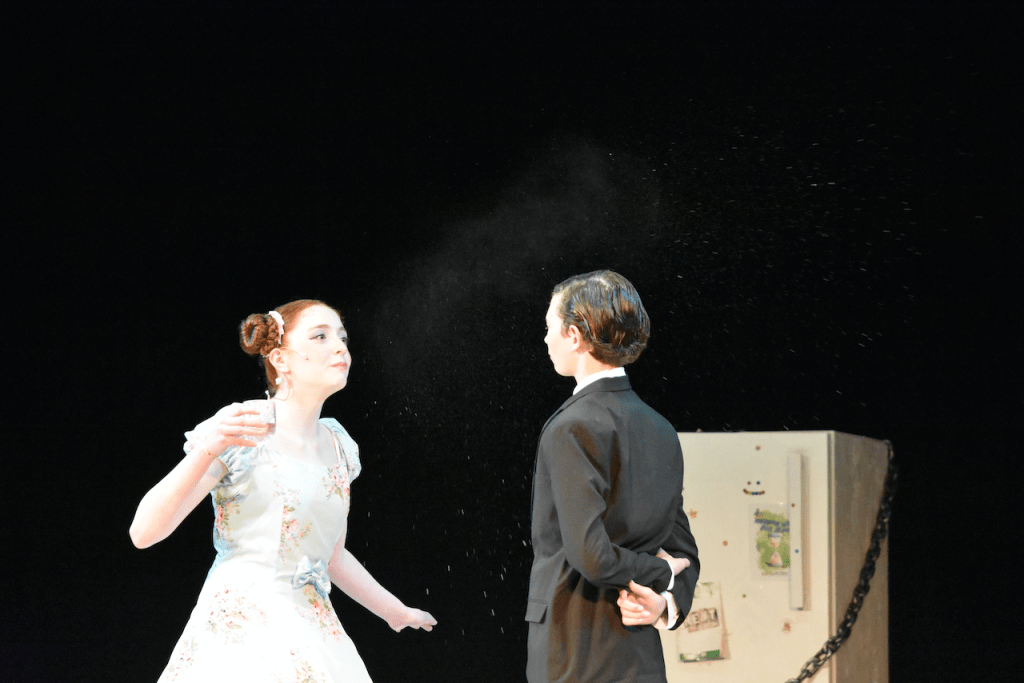
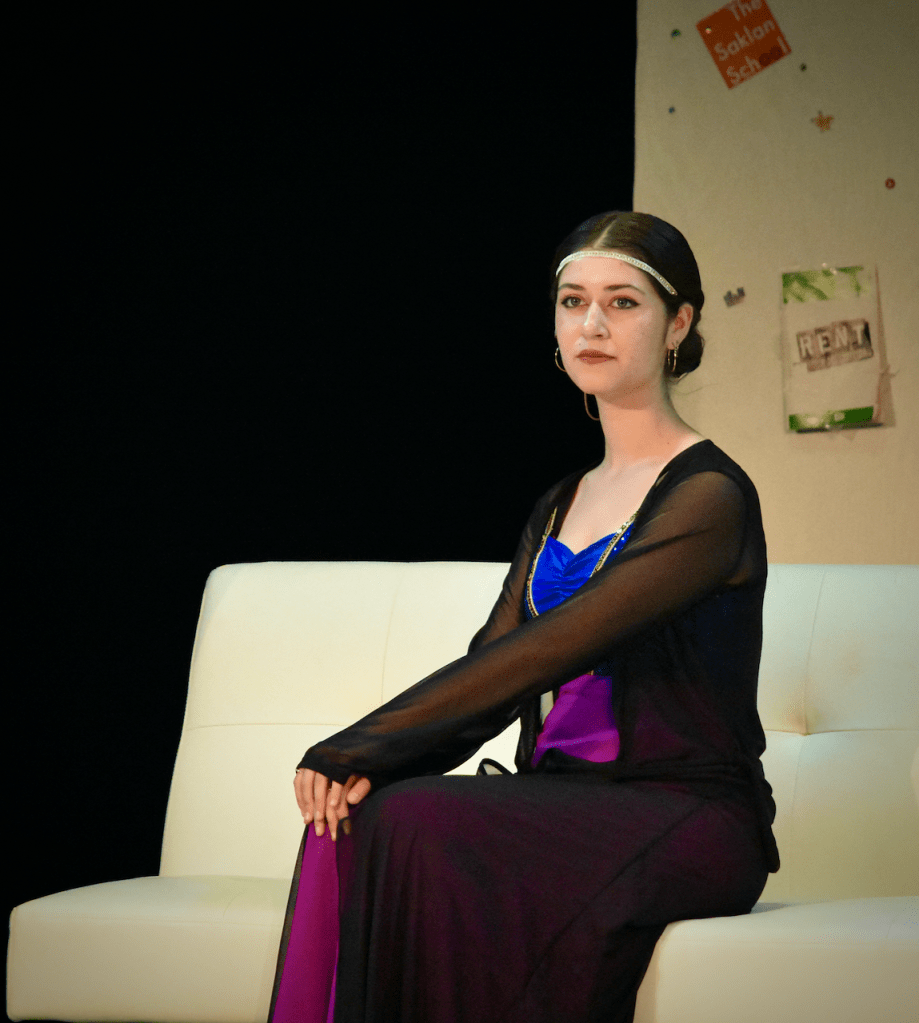
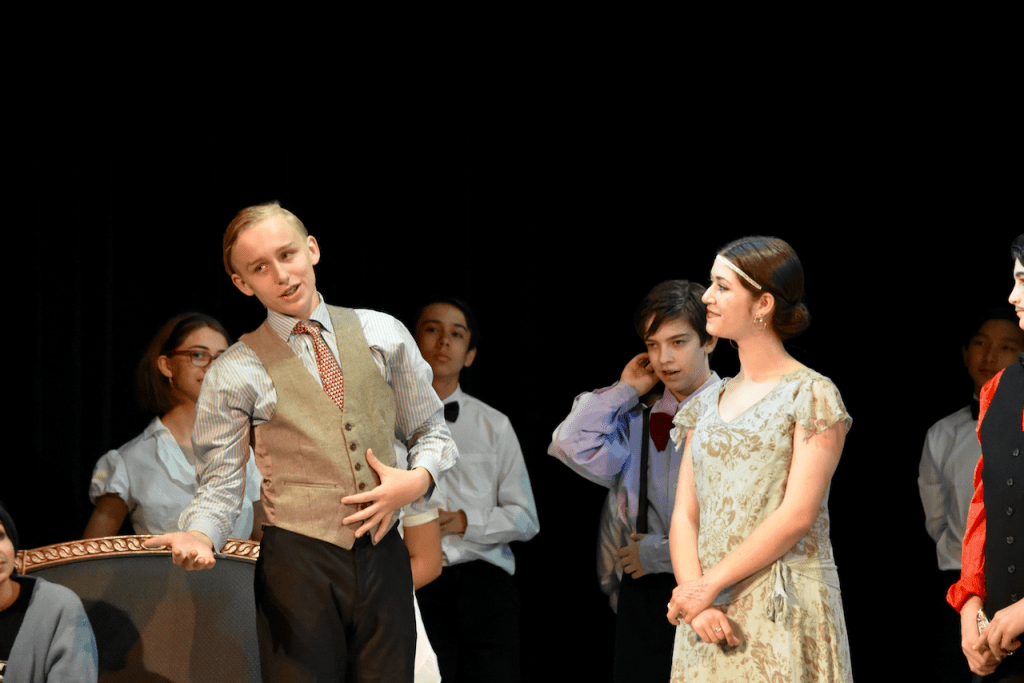
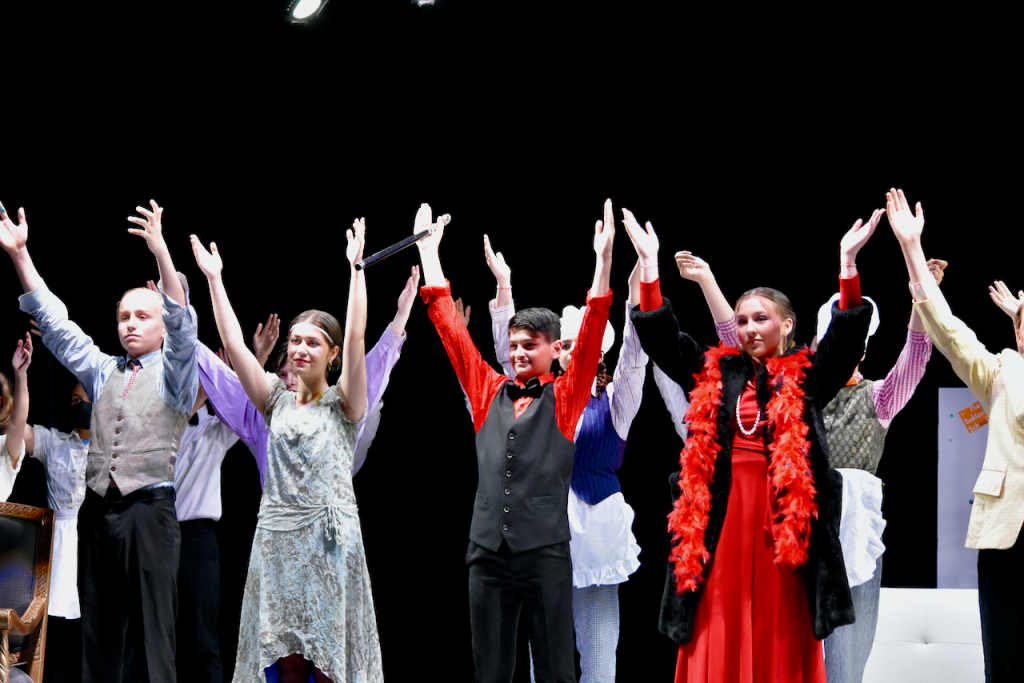
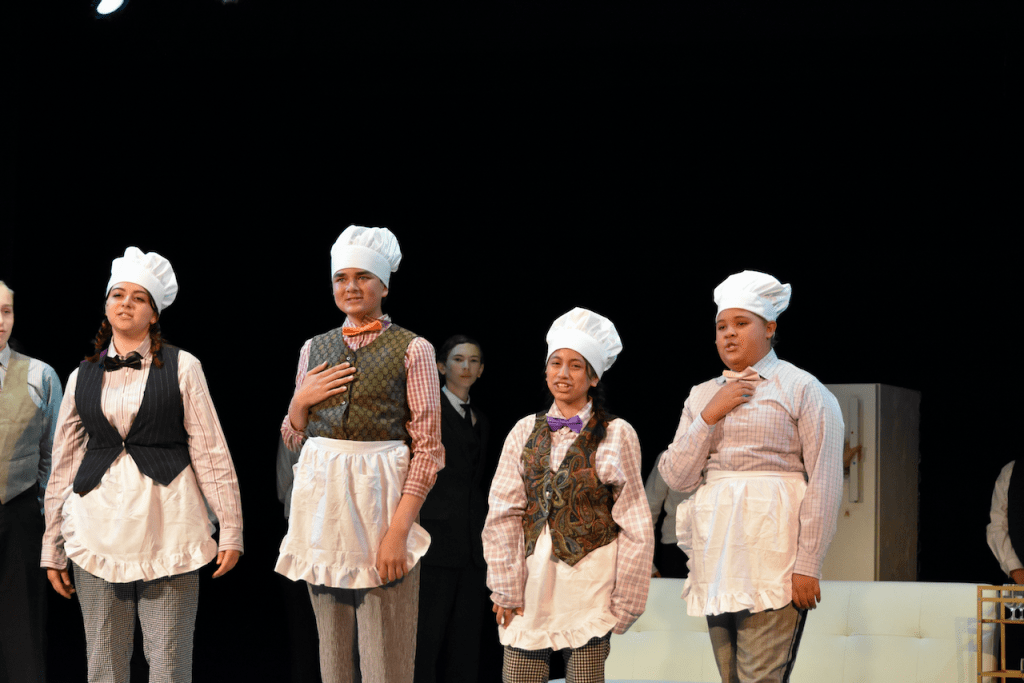
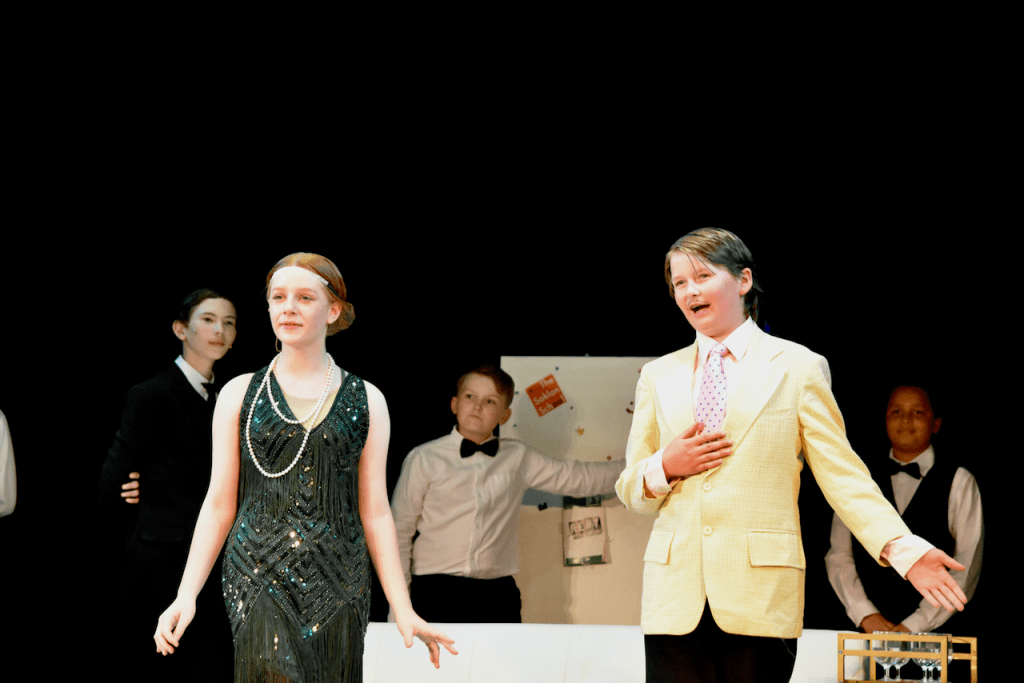
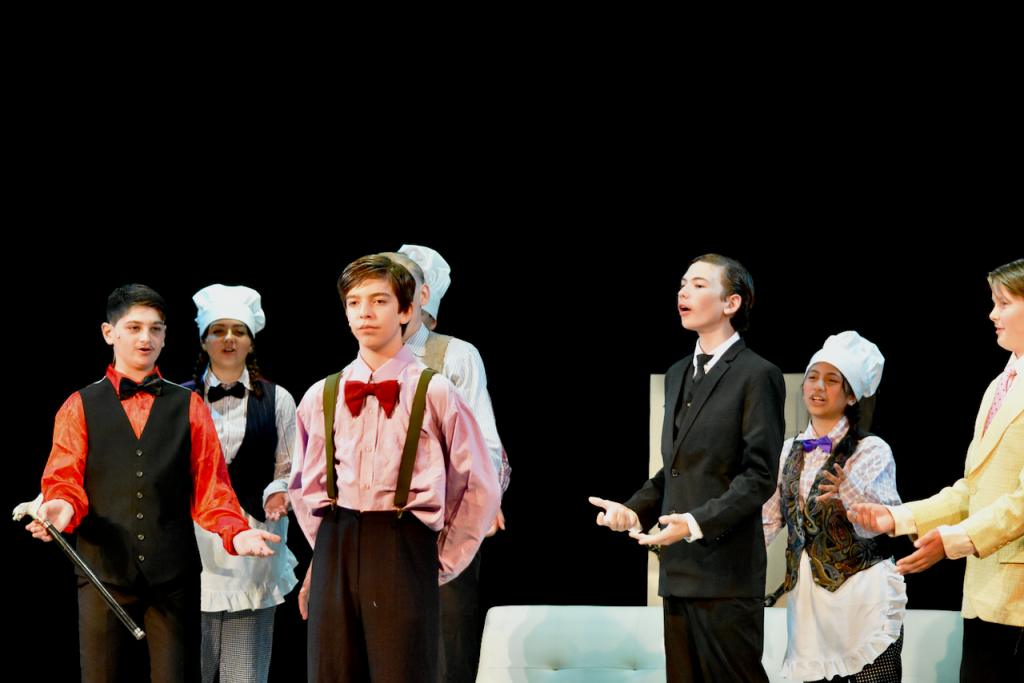
2023 Middle School Musical

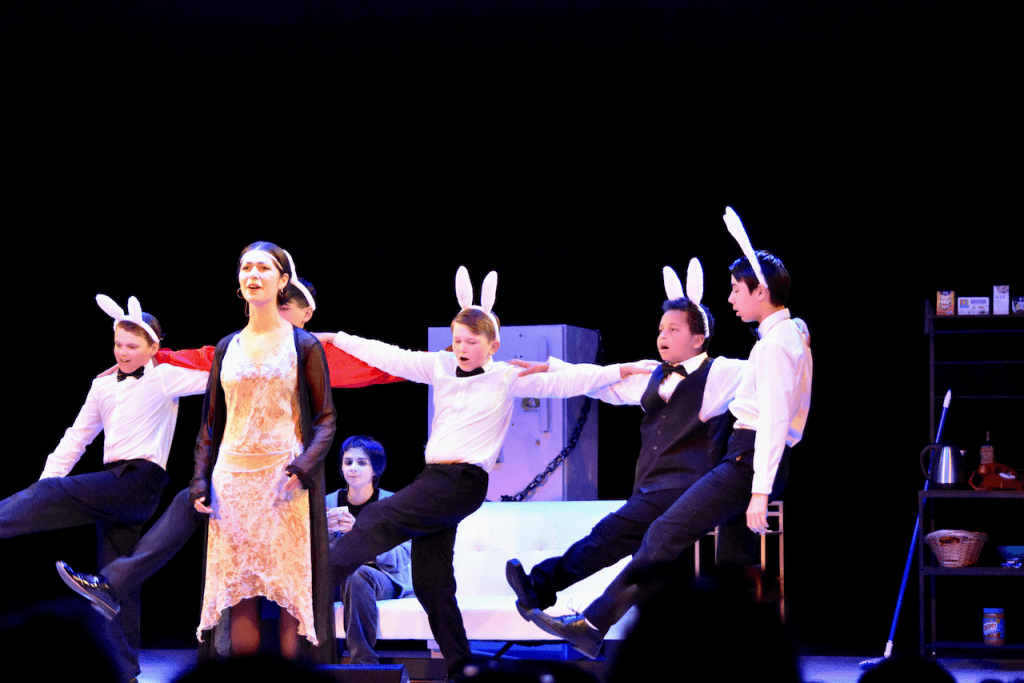
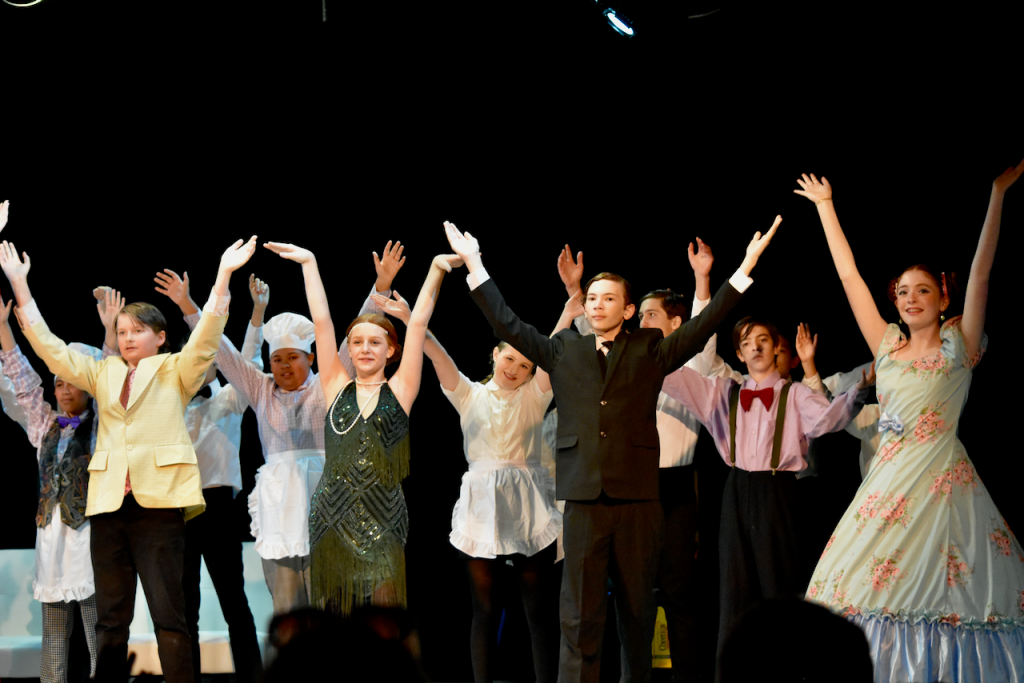
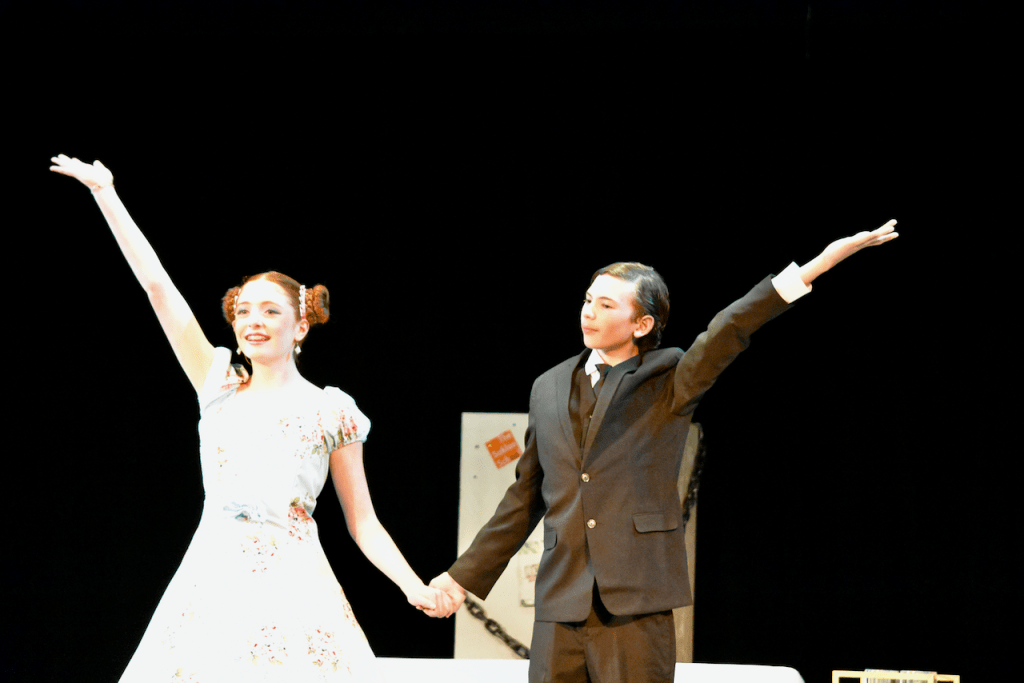
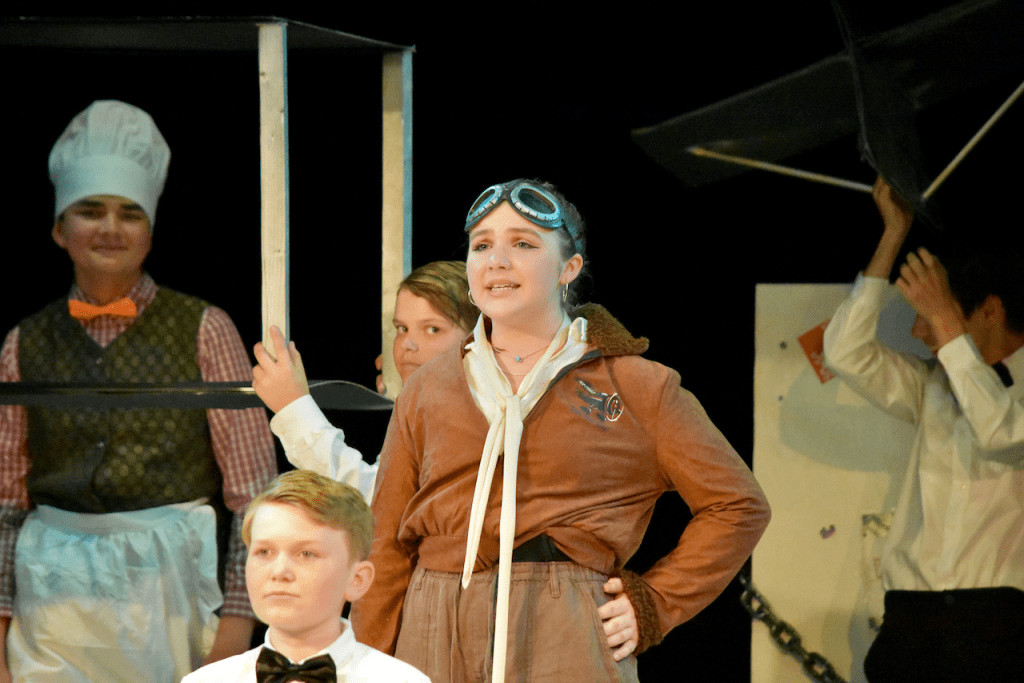
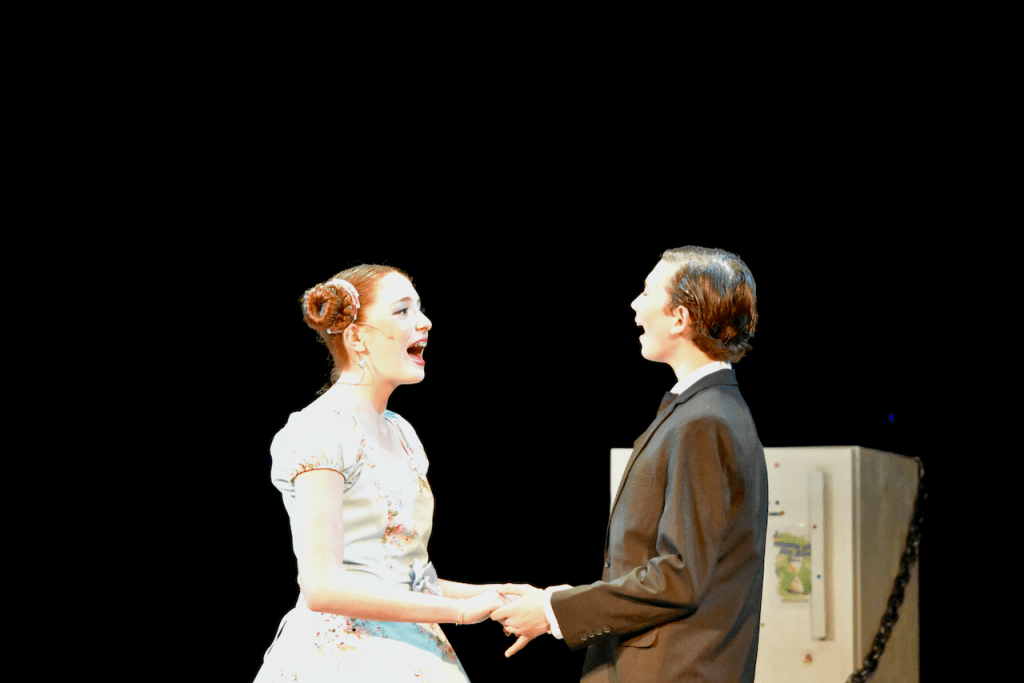
The Saklan Middle School students have been rehearsing the junior version of The Drowsy Chaperone musical as their culminating project for music class. Every student in the Middle School is participating in the production, whether it is acting in a main role, taking care of props, helping with costumes, or being a stage hand. It is a true collaborative effort to produce an amazing final product.

On Friday, May 12th the students will perform at 7:00 p.m. in the Town Hall Theatre in Lafayette. The entire community is invited to the show. Tickets are required for attendance and can be purchased by clicking on the button below.

We hope you can join us for what is sure to be a wonderful show!

#SaklanMusicals SaklanCreative

Scale Factor Discovery

The seventh graders noticed a problem when working with similar figures (figures that are the same shape but not necessarily the same size, as shown below).

The students could find a scale factor and use that to find missing side lengths but when they tried to use the scale factor to find an unknown area it didn’t work. They set out to study the problem in more detail.

First, the 7th graders made triangles with a scale factor of 2, 3, and 4 of the original. The students then repeated this with squares, rhombuses, and trapezoids and displayed their data in a large table. This confirmed what they knew- that the scale factor worked as a multiplier for the side length and the perimeter. It also confirmed the problem – when they multiplied the area of one triangle times 2 (the scale factor) the area they got was 2. But, when they counted the triangles they had 4. When they did times 3, the area was 9 triangles. Times 4 was 16 triangles. It was true for the squares, rhombuses, and trapezoids too. They realized there was something they could multiply by. 

By squaring the scale factor, they found a multiplier that would help them solve unknown areas!

Mountain Yellow Legged Frog

Last week the 6th graders learned about the Mountain Yellow Legged Frog, an endangered species from Southern California, as part of their climate change and conservation unit. There are believed to be only 200 of these frogs left in the wild. The students learned about the threats to their habitat, including the human impacts of invasive species and disease and how a certain fungus is a threat to amphibian survival world wide. After learning about about the frog’s spatial ecology, students knew what was needed for them to survive. The sixth graders then took on the role of scientists and researched areas in the southern California mountain ranges that would be a good fit for them to be released. Students then learned how researchers come back and find the frogs to understand the survival rates of those previously released. 

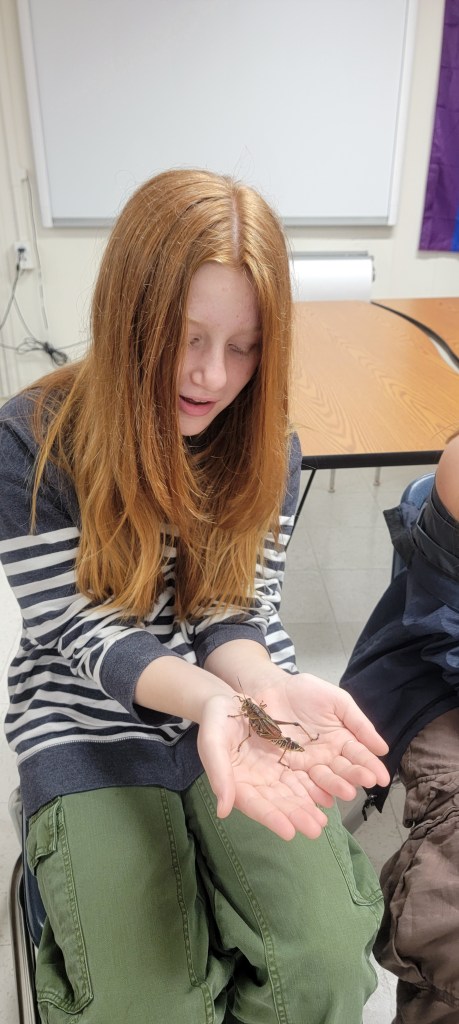
Using telemetry equipment borrowed from the San Diego Zoo, the students experienced what it is like to conduct scientific wildlife research out in the field. Students used the telemetry devices to track hidden stuffed animal frogs on the Saklan campus. This hands-on experience allowed the students to understand how researchers track released endangered species, in this case their frogs, and to monitor the health of the frogs over time. 
Pi Day

On Tuesday, March 14th, Saklan’s third and eighth graders celebrated every mathematician’s favorite holiday: Pi Day! Pi (π) is the ratio of a circle’s circumference in relation to its diameter. It is celebrated on March 14 because the date format 3-14 are the first three digits of Pi. Third graders worked together with the eighth graders to see if they could find Pi by measuring the circumference and diameter of a cookie.

They also collaborated to write mnemonic devices to help remember the digits of Pi and wrote some original Pi-Ku poetry. The third graders really enjoyed collaborating with the eighth graders in learning about Pi!

#SaklanCollaboration

Newton’s Laws of Motion

Since February, the 8th graders have been studying physics in science class. They have been learning about the forces of gravity, air resistance, and friction on our planet. The students have also been working on putting Newton’s three Laws of Motion into real life scenarios.
To learn about these forces, the eighth graders have been taking part in different hands-on labs to help exhibit how these forces act on objects on our planet.  Students first studied friction by measuring the force needed to move different blocks and bricks along different surface textures.  These textures included a smooth countertop, markers that roll and sandpaper. Using a spring scale students could measure the force needed to move the objects and the amount of friction the textures were producing.

To see gravity and air resistance, students created different sized parachutes in class and dropped them from the ceiling of the science lab. Students could then see the pull of gravity on the parachutes and how air resistance could be used to slow that force down. Next, students worked on designing, creating, and shooting off rockets to try to see how to defy both air resistance and gravity.
#SaklanHandsOn

6th Graders Expand their Understanding of Volume

Recently, Saklan’s sixth graders worked to expand their understanding of volume beyond the equation: volume = length * width * height.

The students experimented with cubic units as they explored a situation involving offices with unusually shaped bases. They quickly were able to determine that a multiplier could be used to extend the height of the office towers much more efficiently than counting. And after a class discussion of why the area of the office tower’s base was the same as the volume of the office tower when it was one unit high, the sixth graders came up with a better formula. Volume = Area of base * height.

An interesting side note: At a math teaching conference that Saul Zippin, Saklan’s Middle School Math Teacher, went to a few years ago, he attended a session about middle school students finding the volume of a parallelepiped (a parallelogram prism) that had one of the sides weighted so it would stand up, as shown in the image below. 

Researchers from the University of Illinois had filmed their students finding the volume of the prism and their outcomes. All of the students used the V = l X w X idea. Some found the height from their desk to the top (the correct way), while about half measured the side that was the slant instead of the actual height. When it was time for questions, Saul asked how many of the students found the area of the parallelogram (the base of the prism) and then multiplied that by the height. They said that none of the students in their research did that. Interested in how Saklan students would solve this, Saul made a class set of the 3D shapes, weighted the base and asked the students to find the volume. Every student found the volume correctly! Most turned the parallelepiped on its side, found the area of the base and multiplied by the height. 

Saul noted that when students are taught to think mathematically using manipulatives and class discussions, they have a huge advantage when attempting to solve problems. 

LBD Classes

The Saklan Middle School offers a variety of elective classes that cater to the community’s diverse hobbies and interests, which we call LBD (Learning by Doing) classes. On Thursday, February 16th, the students had the opportunity to explore Korean culture through the class “Exploring Cultures through Food.” Students learned about the various ingredients that make up a traditional Korean meal, as well as the customs and etiquette associated with dining in Korea. Students were eager to try Kim Chi, Japchae, and Tteokbokki. Before dining, the students practiced how to serve their elders while avoiding eye contact, as custom in Korean etiquette. They expressed their appreciation for learning about other cultures and their eagerness to learn more.

In addition to the Exploring Cultures through Food class, Saklan also offers classes such as Sadie’s Baking Class (8th grade student), Bookworms with Jennifer (7th-8th grade Humanities teacher), and African Drumming with Isaac (Saklan’s drumming teacher). These classes are a combination of teacher-led and student-led activities, providing students with the opportunity to make memories while learning new skills. We encourage middle school students to continue creating their own classes to teach their community.

#SaklanCreative #SaklanLearningByDoing

Staying Safe Online

Following the Parent Coffee Talk on cybersecurity on January 27th, it was the students’ turn to learn about this important topic last Friday. Senior Inspector, Darryl Holcombe, of the Contra Costa County D.A.’s Office gave an informative talk to 5th-8th grade students about how to stay safe online. His top tips were:

  • Keep your personal information personal. Don’t share specific personal information online, including where you live or go to school.
  • Take lots of photos and have fun, but post them later, at home.  Don’t post “live” social media updates from a location.
  • Turn on “Ghost mode” in SnapChat, to disable its GPS tracker. 
  • Tell a trusted adult if a stranger asks personal questions online, such as when messaging on Roblox.
  • Share your PIN and passwords with your parents, and no-one else, even friends. 

Detective Holcombe gave interesting real-life examples of what has happened in our county when students didn’t follow these tips.

Students got to meet Jenny and “Ro-bear-to”, aka Bear, and learn about his training and work as a Facility Dog who supports children during forensic interviews and hearings in our County Criminal Court. Bear counted his age in barks (five) and played his favorite game, “silly dog” for the students.