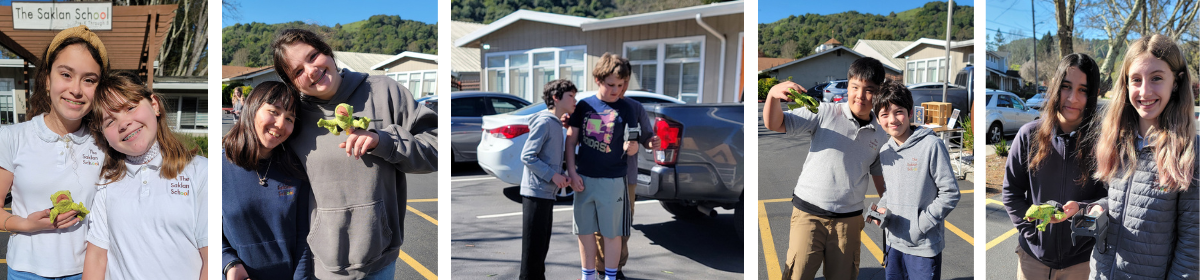
Leprechauns on Campus

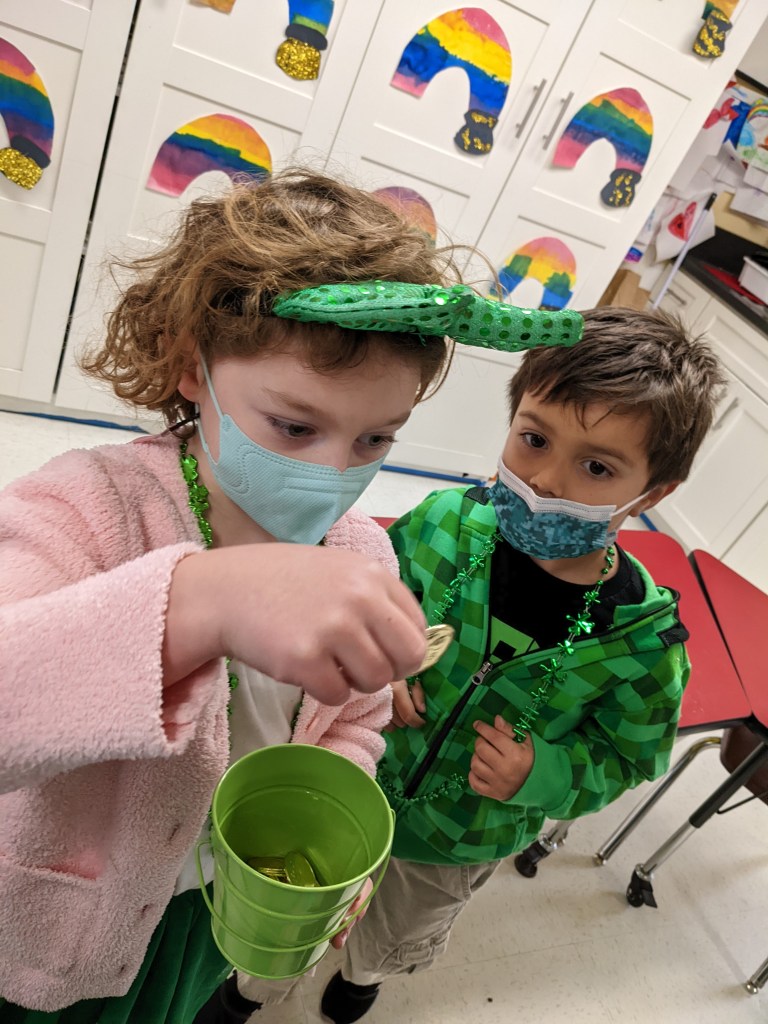
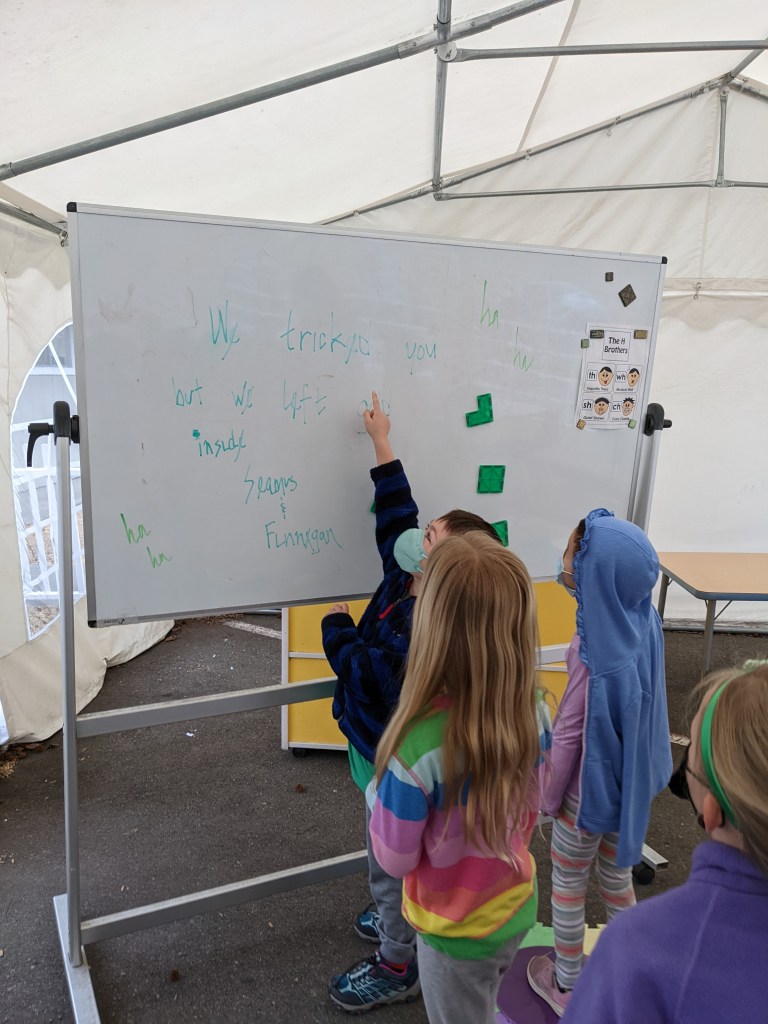
On Thursday, March 17th, many of our students noticed signs of mischievous leprechauns having visited campus overnight. Yarn wrapped around toys, messages left on classroom white boards and gold coins in classrooms were some of the clues the leprechauns left!
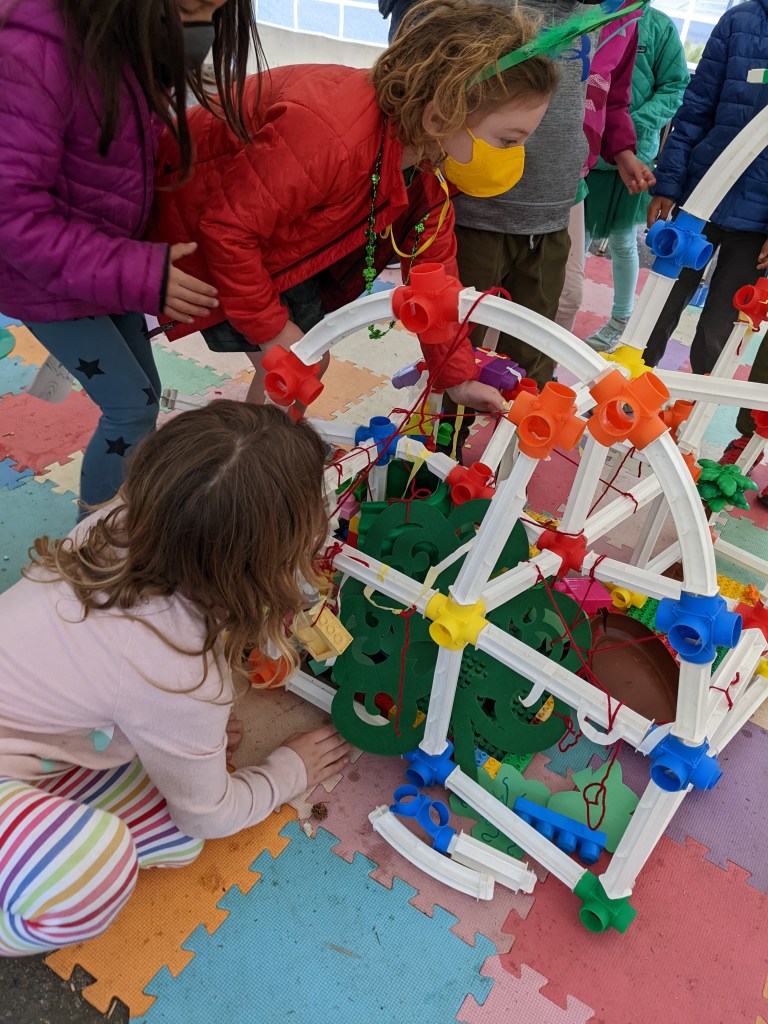
Knowing they might be coming, the Kindergarteners built a trap for the leprechauns. While there were no leprechauns in the trap in the morning, the trap definitely looked different on Thursday morning than when the students had built it on Wednesday!
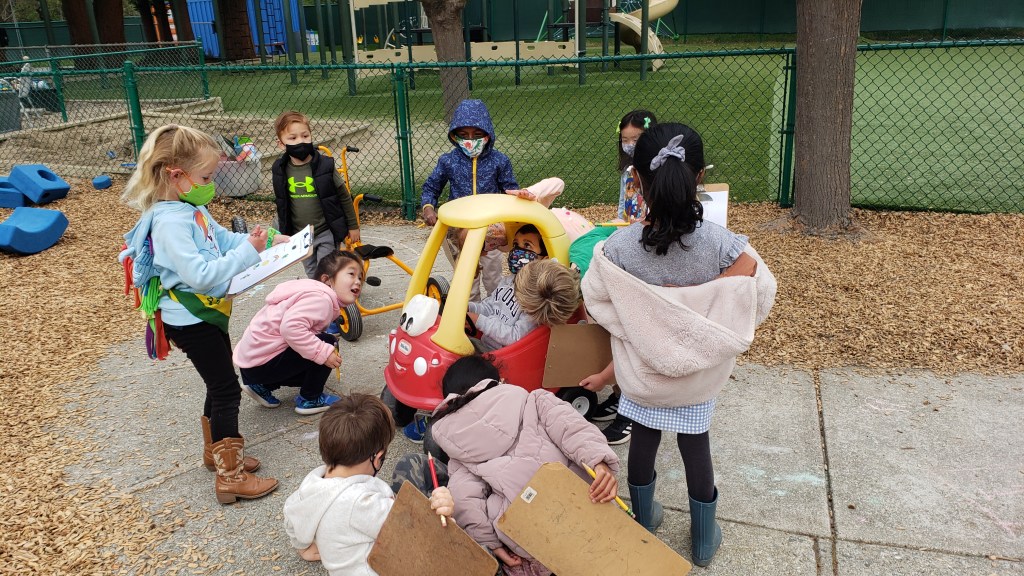
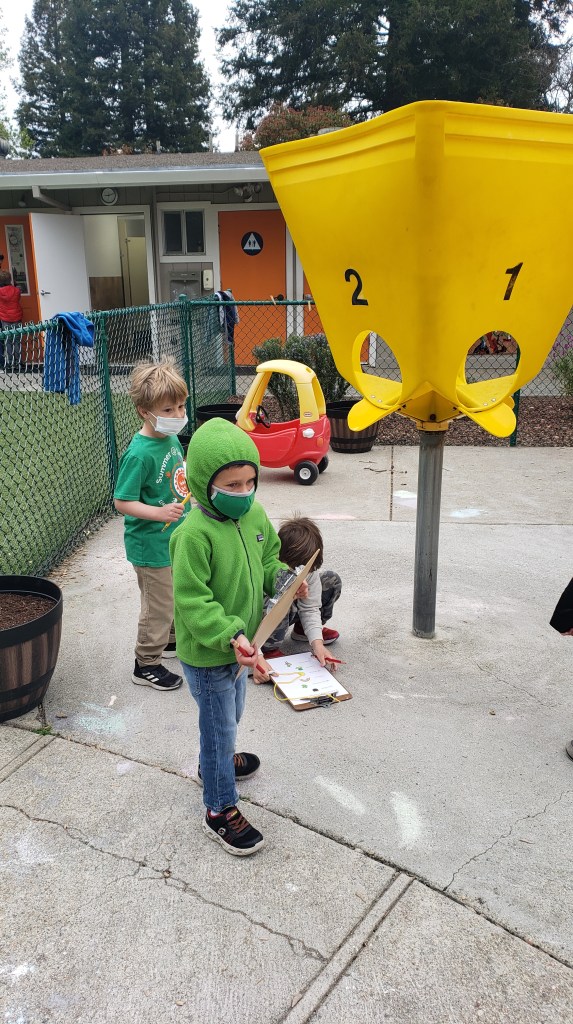
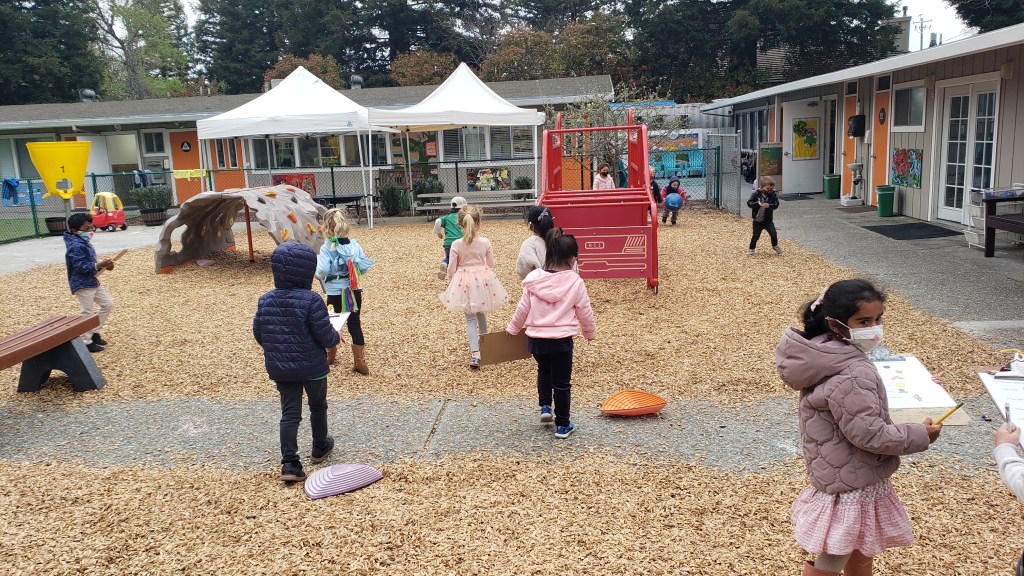
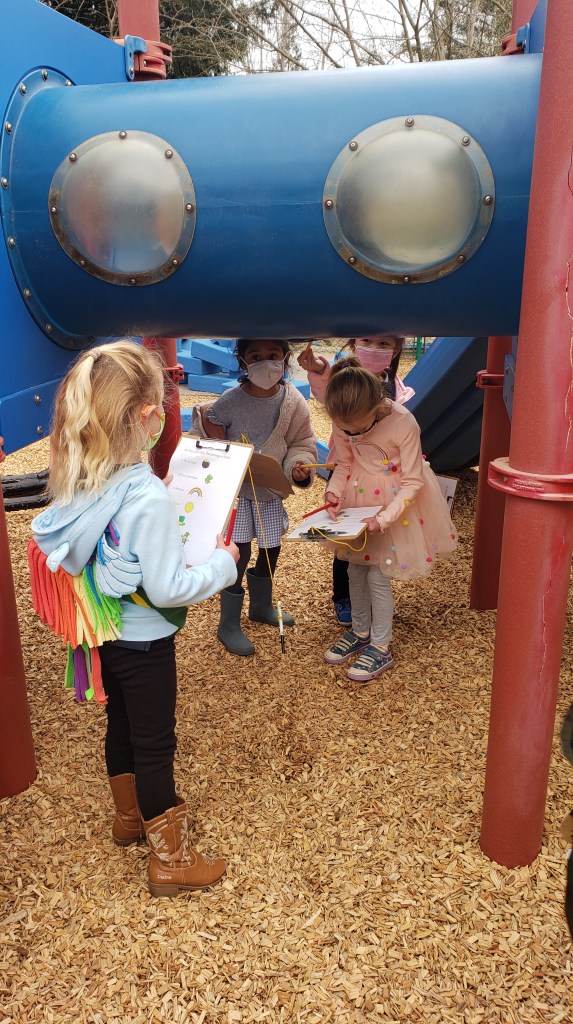
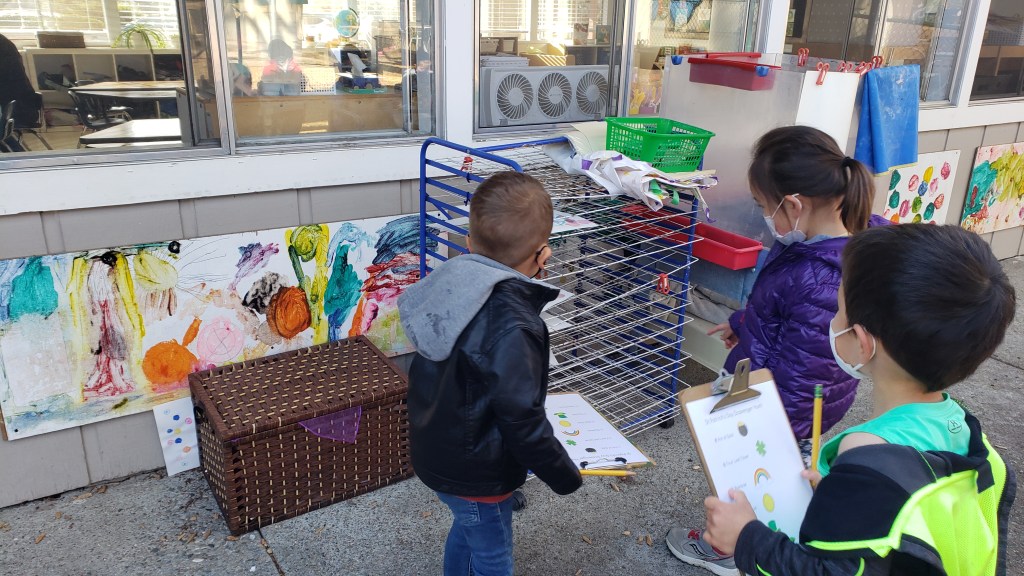
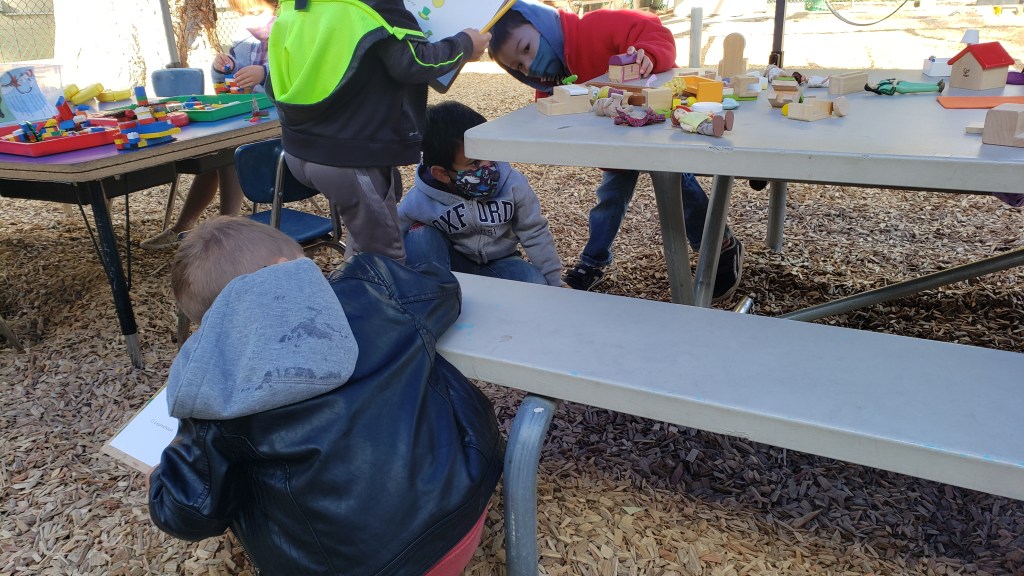
Owlets, Hoot Owls, and Kindergarteners set out on a scavenger hunt on their play yard, looking for signs of leprechauns there too! Students searched for:

  • Pots of Gold
  • Four Leaf Clovers
  • Rainbows
  • Gold Coins
  • Green Top Hats
  • Images of Leprechauns

The students were very successful in finding items left behind by the leprechauns!
100 Days Smarter

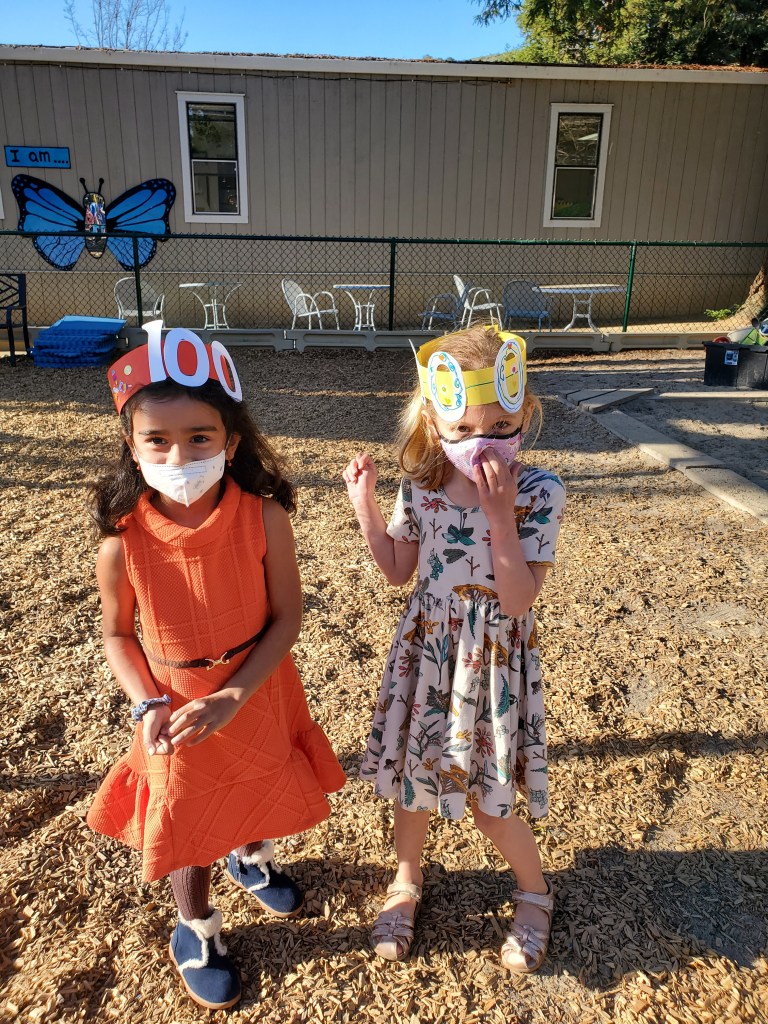
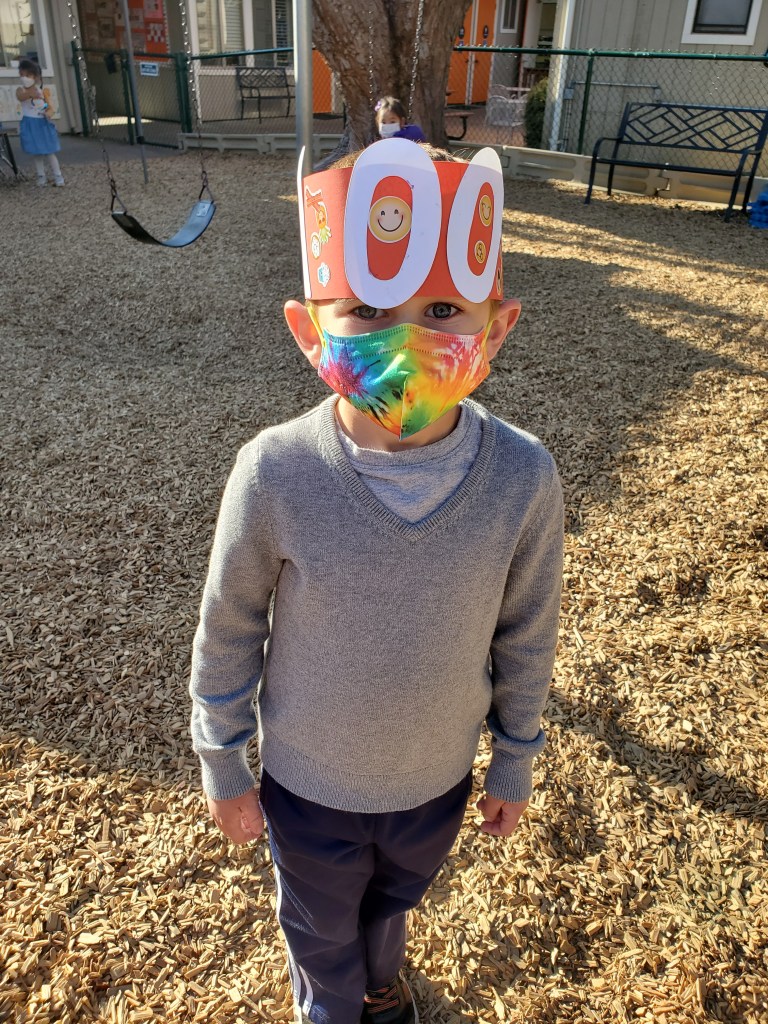
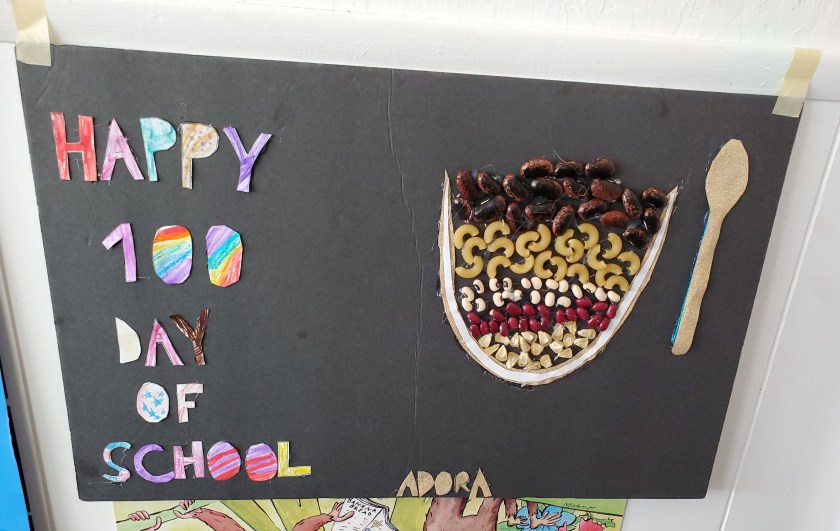
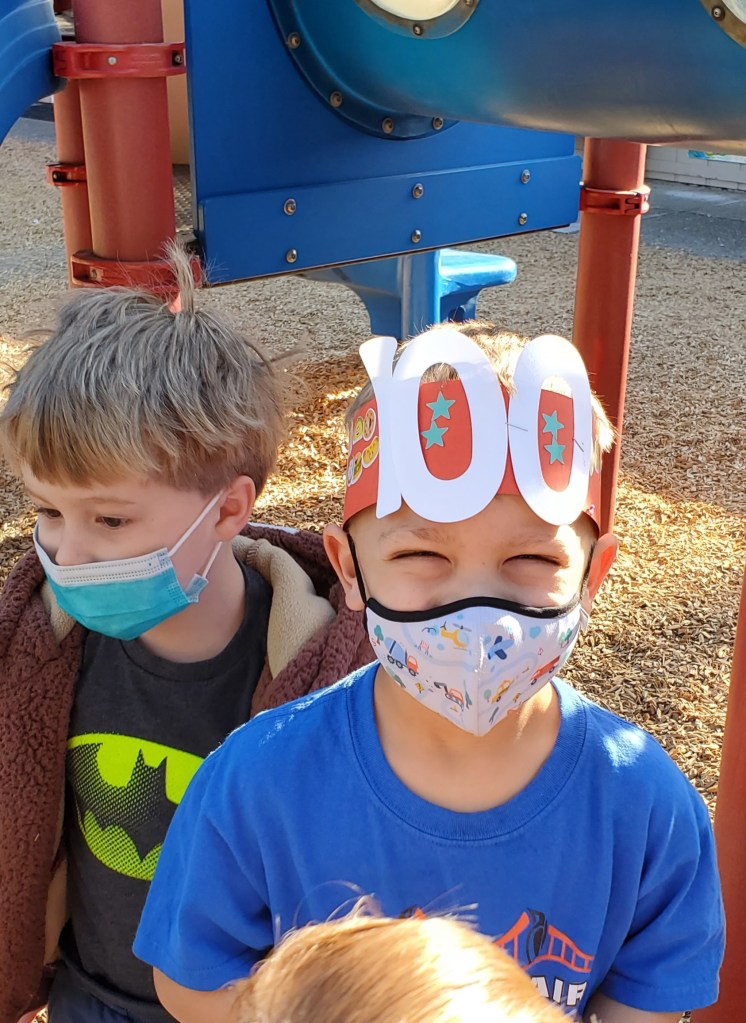
Saklan celebrated the 100th day of the 2021-2022 school year on Thursday, February 10th. To mark the occasion, the Hoot Owls made “100” crowns, participated in several counting activities and had a celebratory lunch.

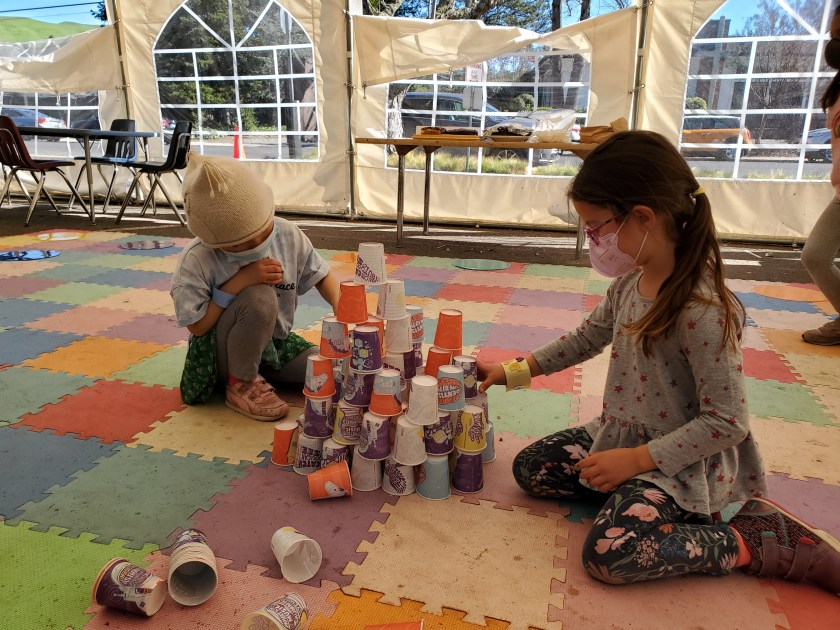
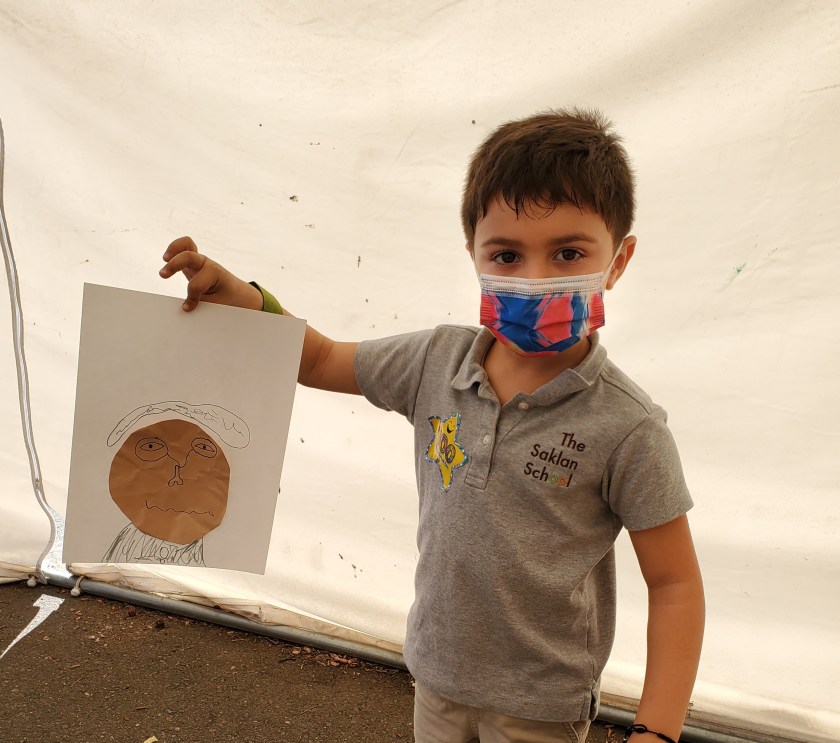
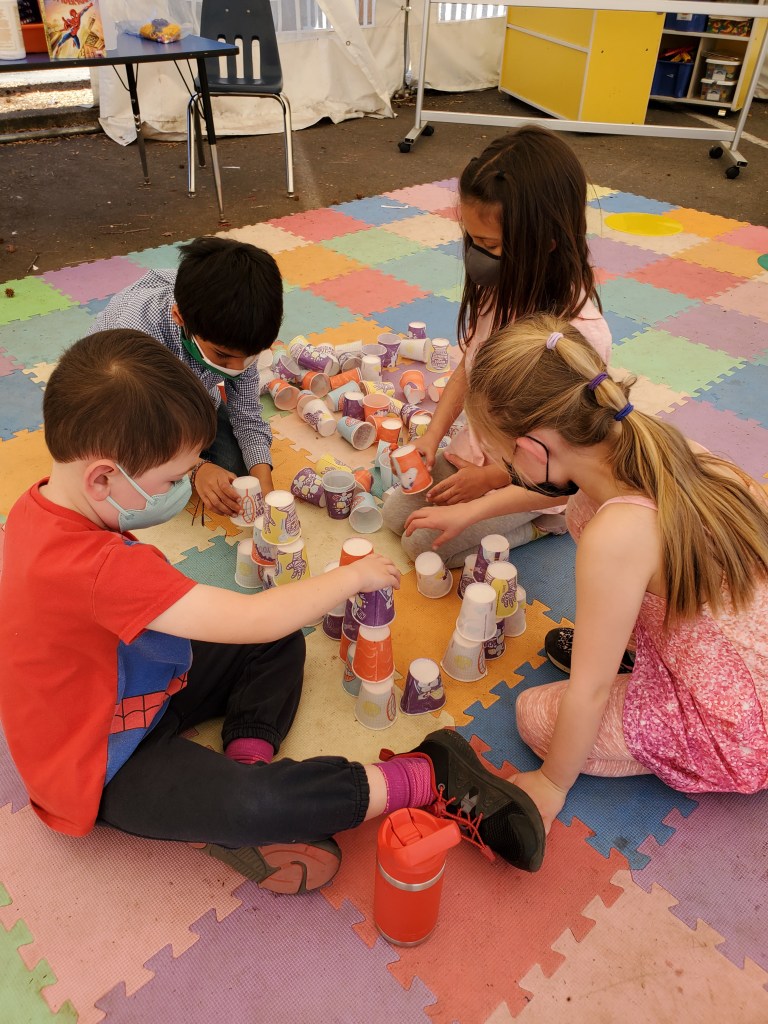
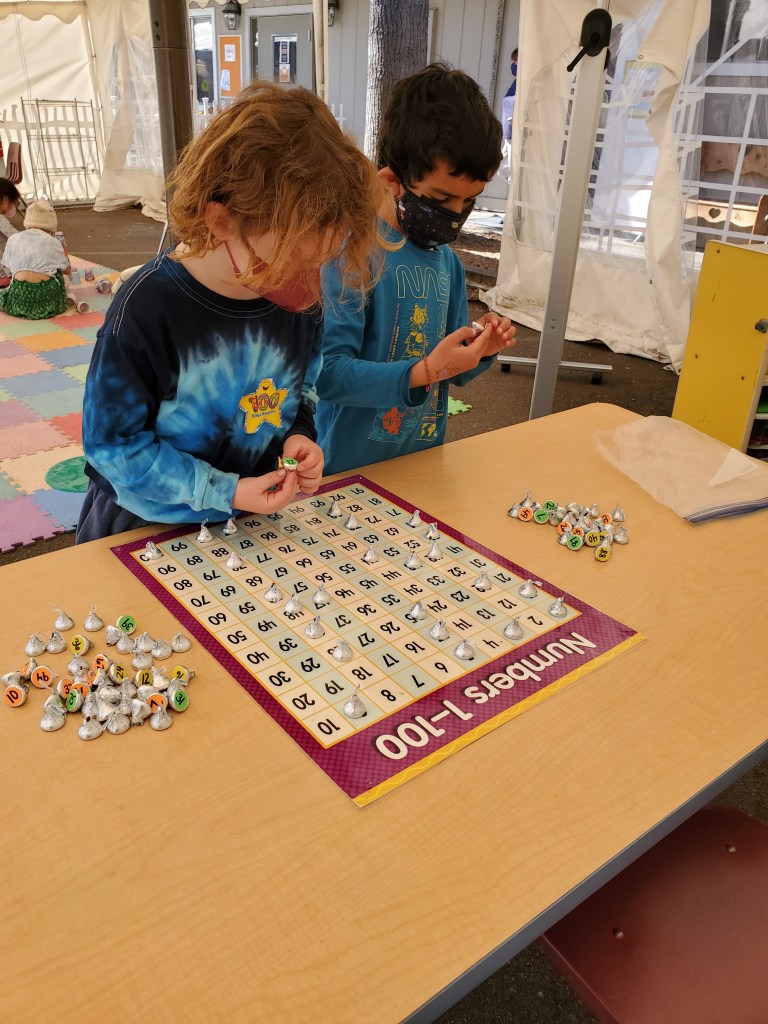
The Kindergartners celebrated the 100th day of school by rotating through a series of activities focusing on the number 100. Students had the opportunity to build with 100 cups, match numbers 1 – 100 on the bottom of kisses to a hundreds chart, hear the story 100th Day Worries by Margery Cuyler, draw themselves when they are 100 years old, and make a necklace with 100 loops on it.

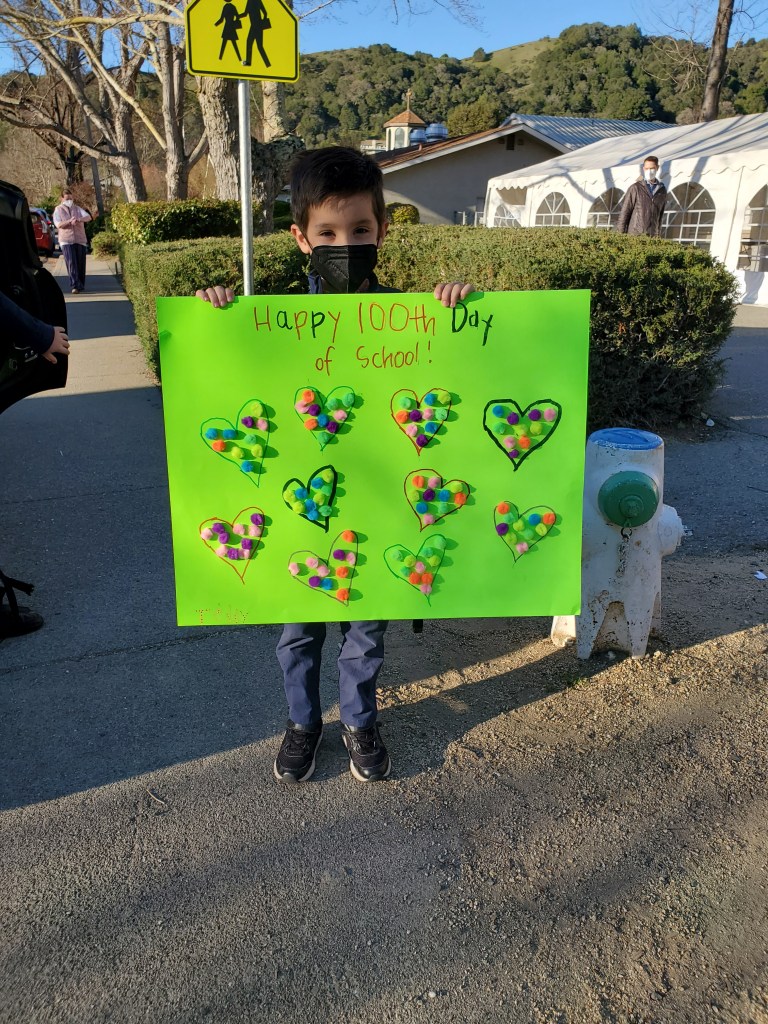
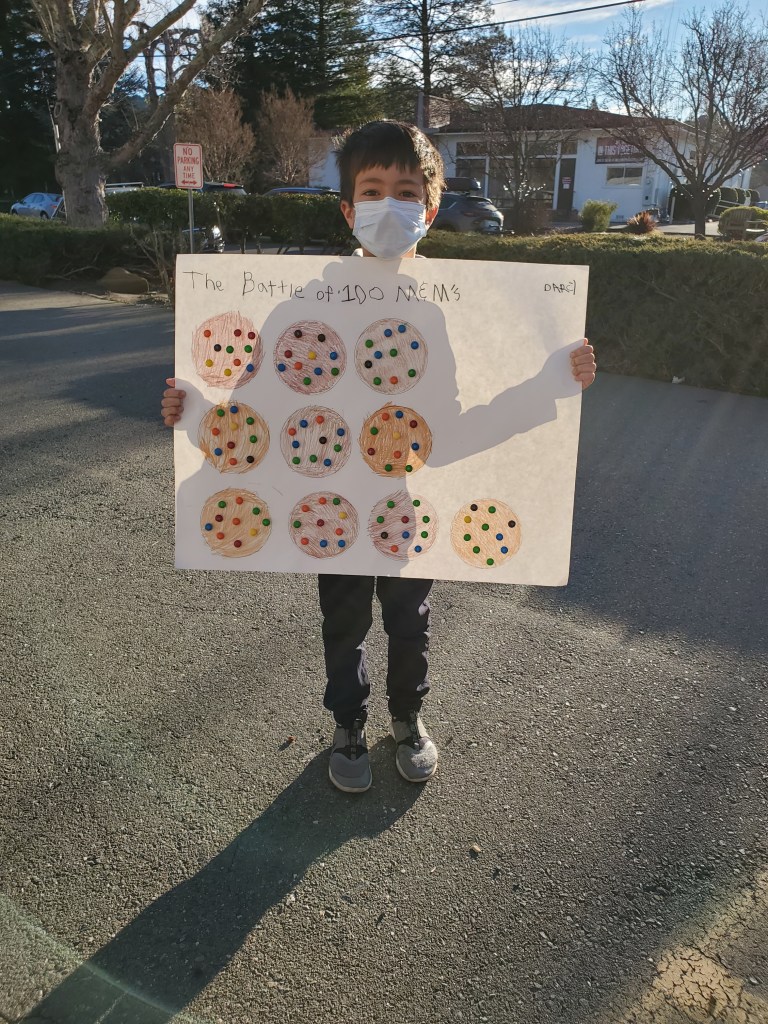
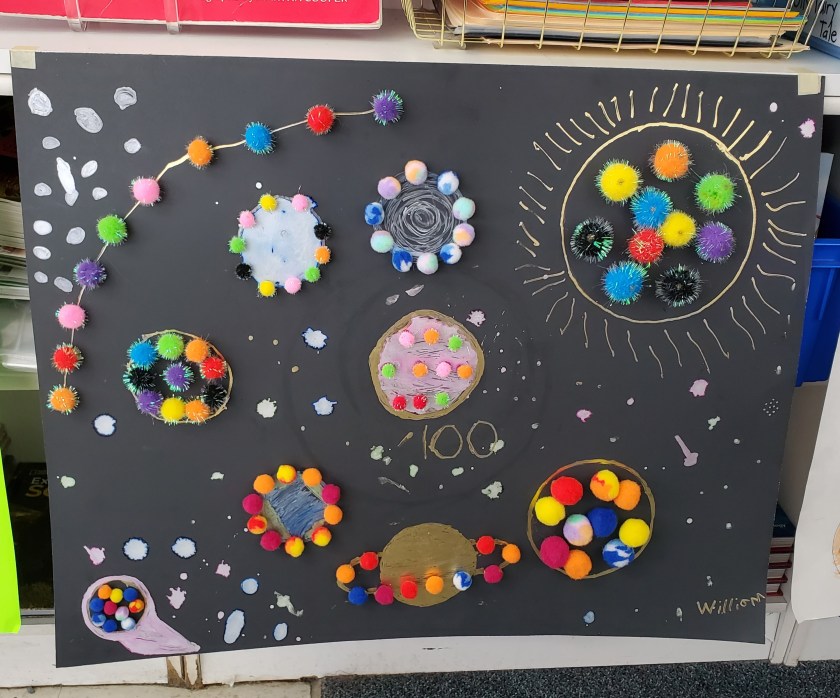
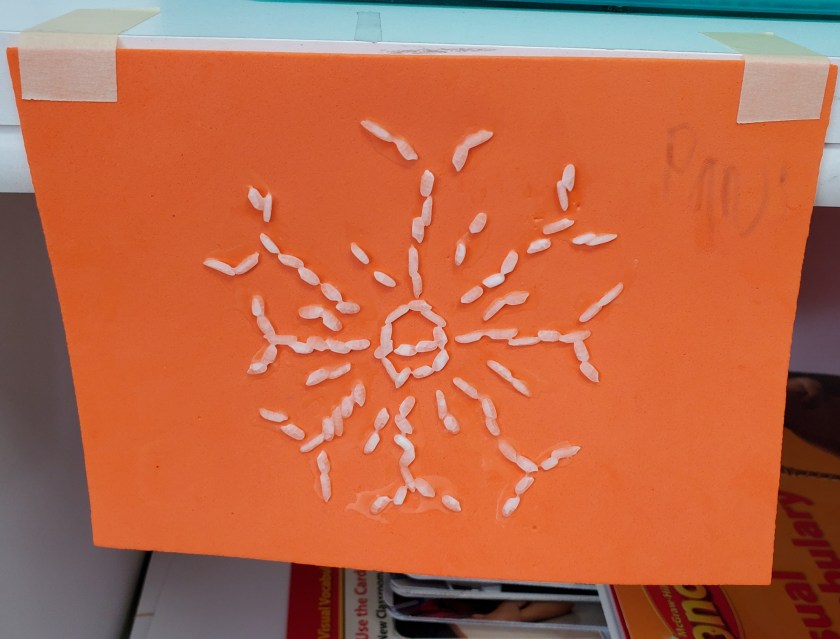
To get the 100th day started, the first graders each created a poster that contained 100 of something of their choosing. The posters were very unique and creative!

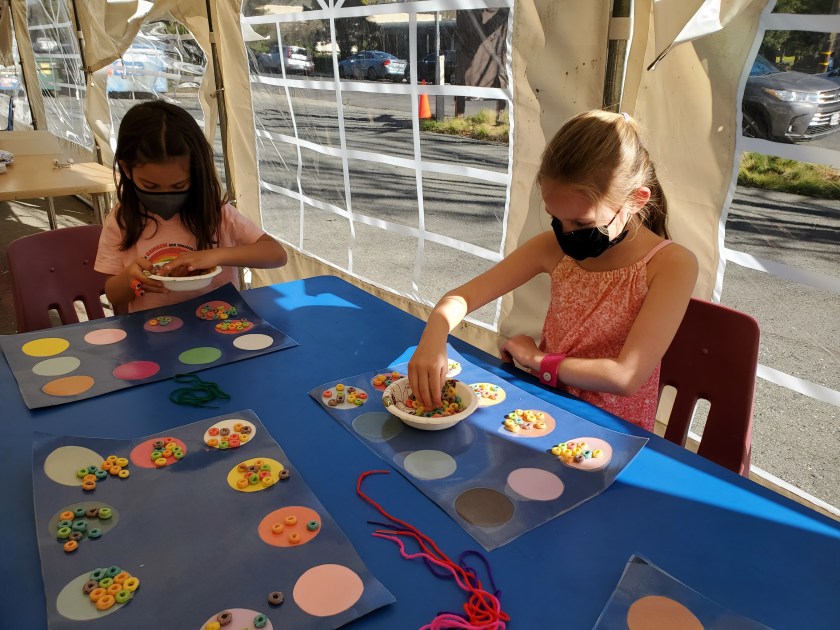
During the school day, the first graders commemorated the day by answering writing prompts such as, “What would you do with 100 dollars?” and “What would you do if you were 100 years old?” They practiced counting to 100 by 10s, drew 100 decorations on cupcake drawings, made necklaces using 100 circular cereal pieces and yarn and read The 100th Day of School by Angela Shelf Medearis.

The students had a wonderful day celebrating the 100th day of school and noting that they are now 100 days smarter.

#SaklanAcademic #100daysSmarter

Six Rings Make a Sphere


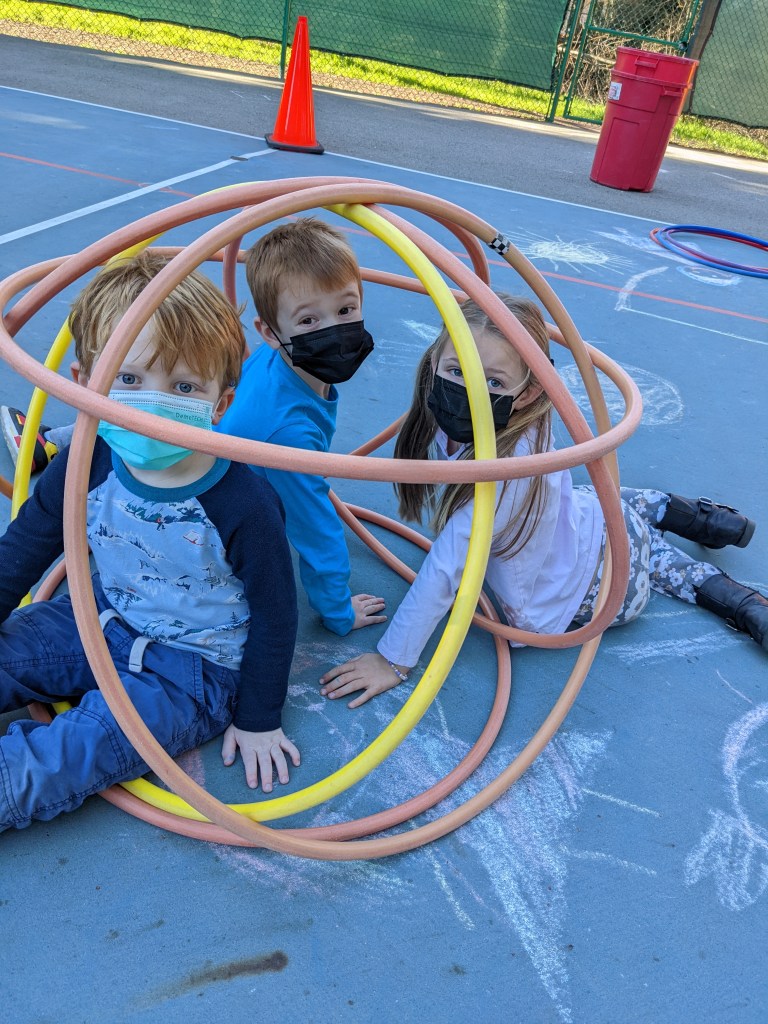
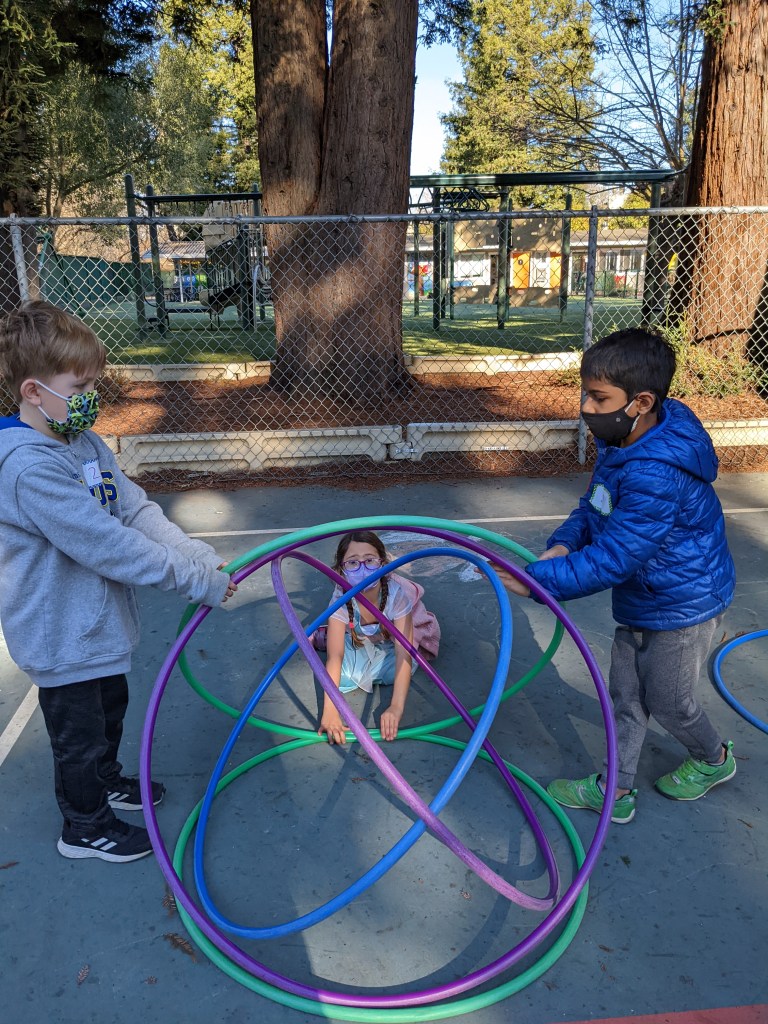
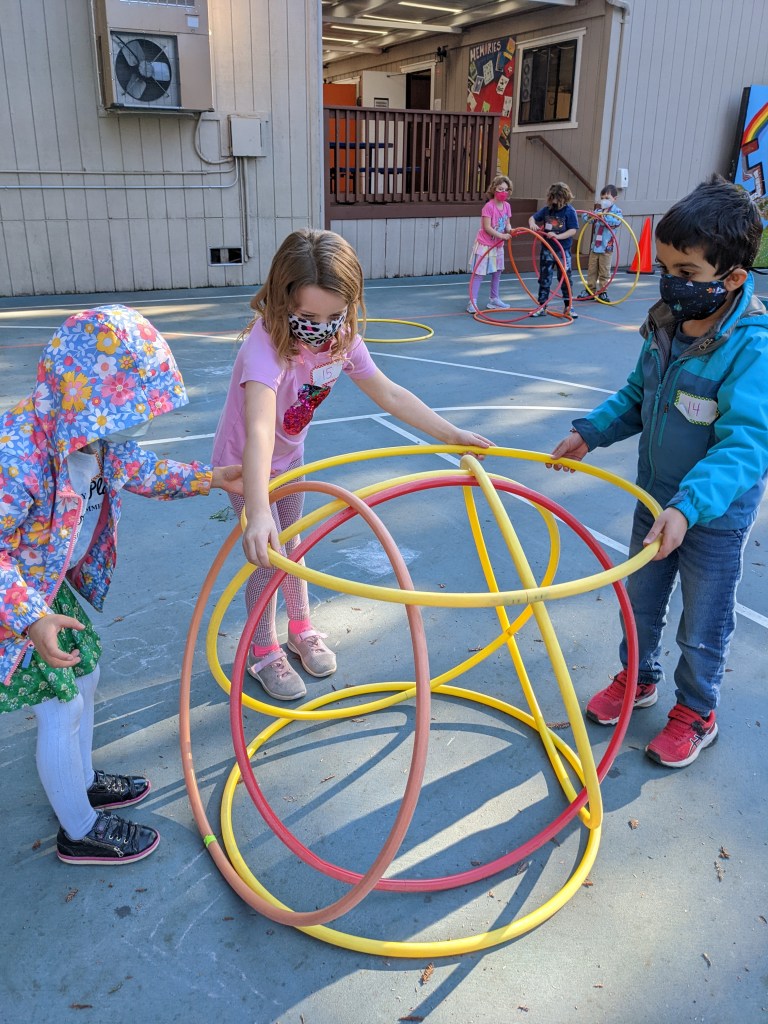
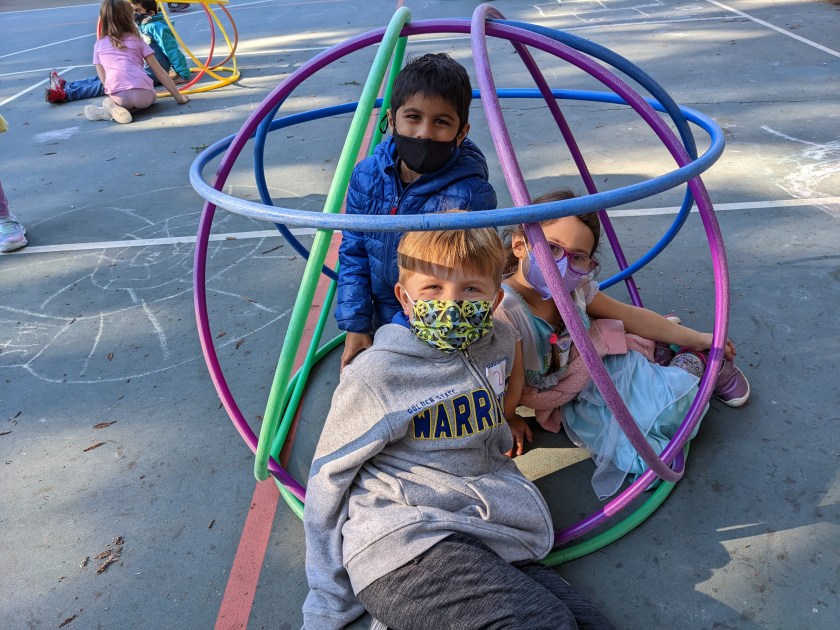
The Kindergarteners are now pros at creating “huts” out of hula hoops!  During P.E., the students have been working together to stack six hoops to create a small, hut-like structure. The symbolism of rings and spheres is significant in many human cultures. Hula hoops gained popularity in the 1950’s, but they can be used for more than twirling around the waist. In the world of dance and gymnastics there are many tricks and moves which practitioners can master. 

In addition to building huts, the Kindergarteners and first graders have been working to master various hula hoop tricks, and making other creative designs with the hoops. Check out the design below, which some of the first graders collaborated to create.

#SaklanCreative

The Fun of Reading

Time spent with a child who is developing into a reader can be magical. Many components go into reading beyond just knowing letters and sounds: eye muscle coordination as a child tracks left to right, learning the rules of a written language and comprehending what is read are all part of being a reader. However, sometimes the best way to become a reader is to have a little fun!
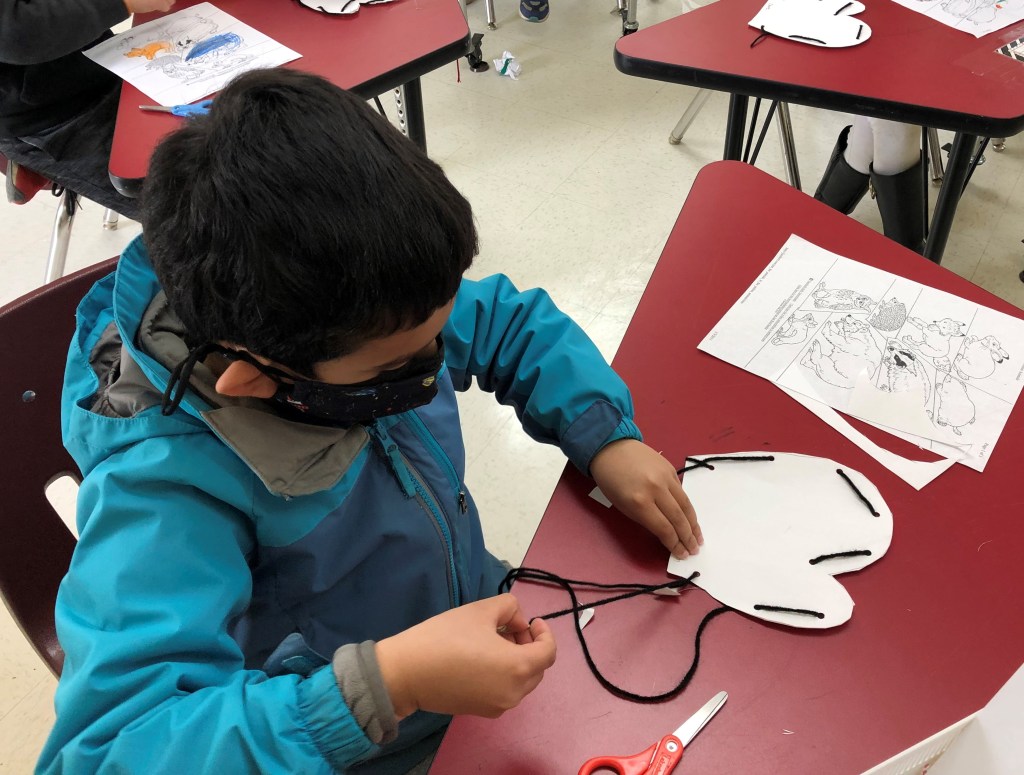
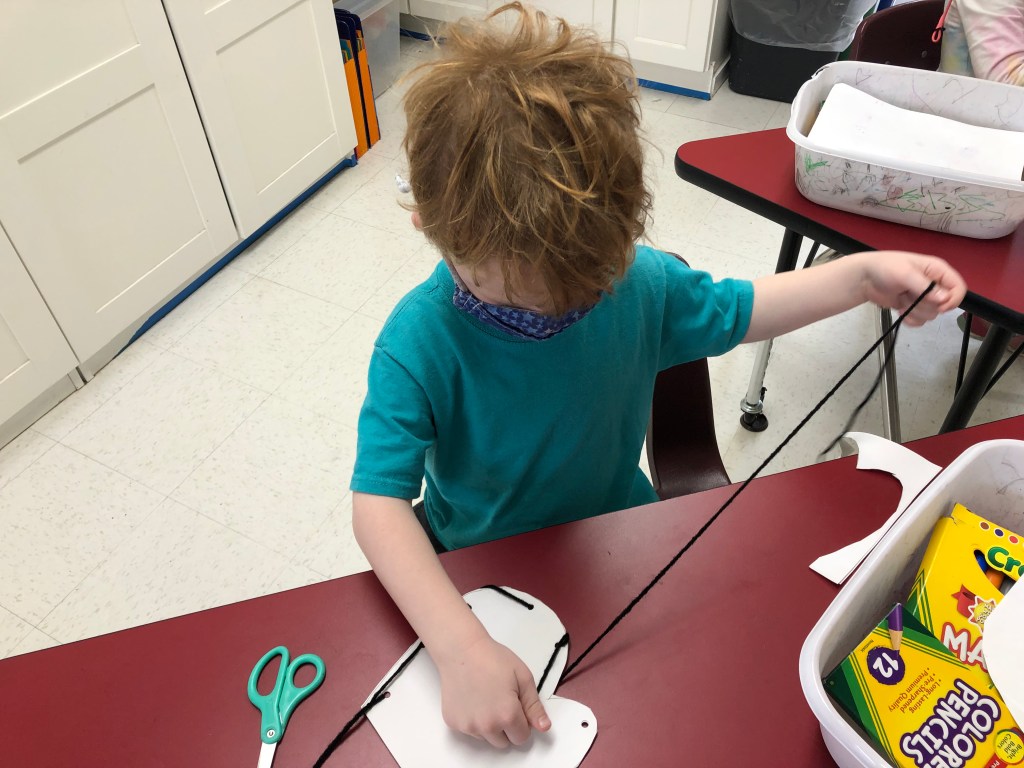
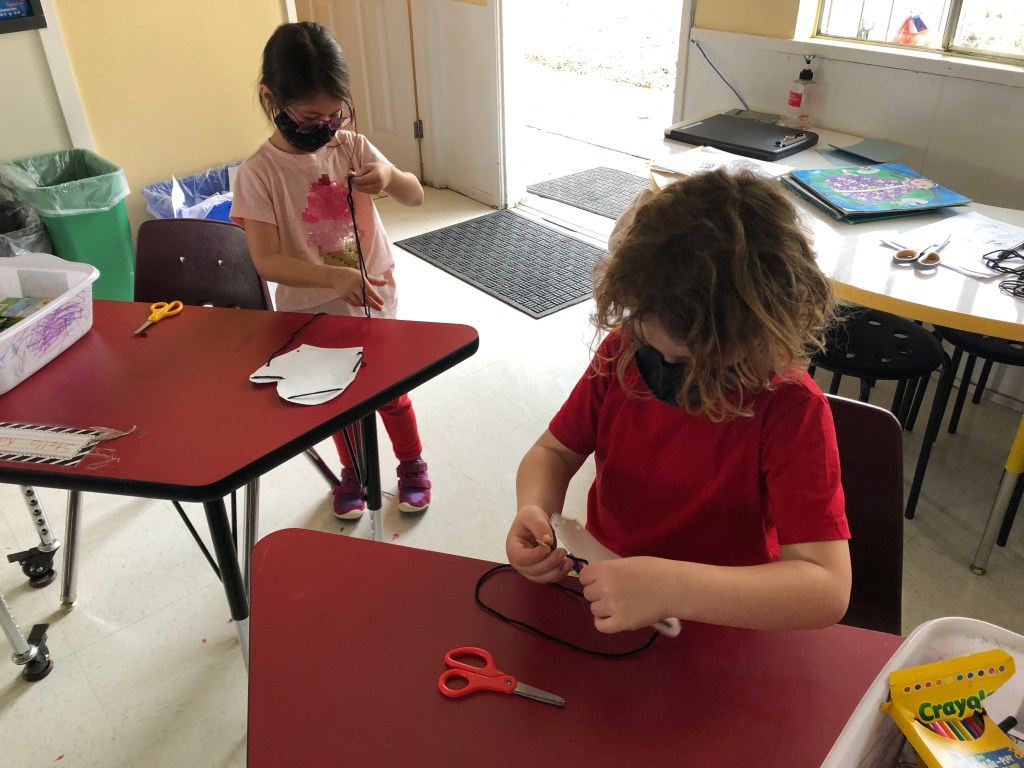
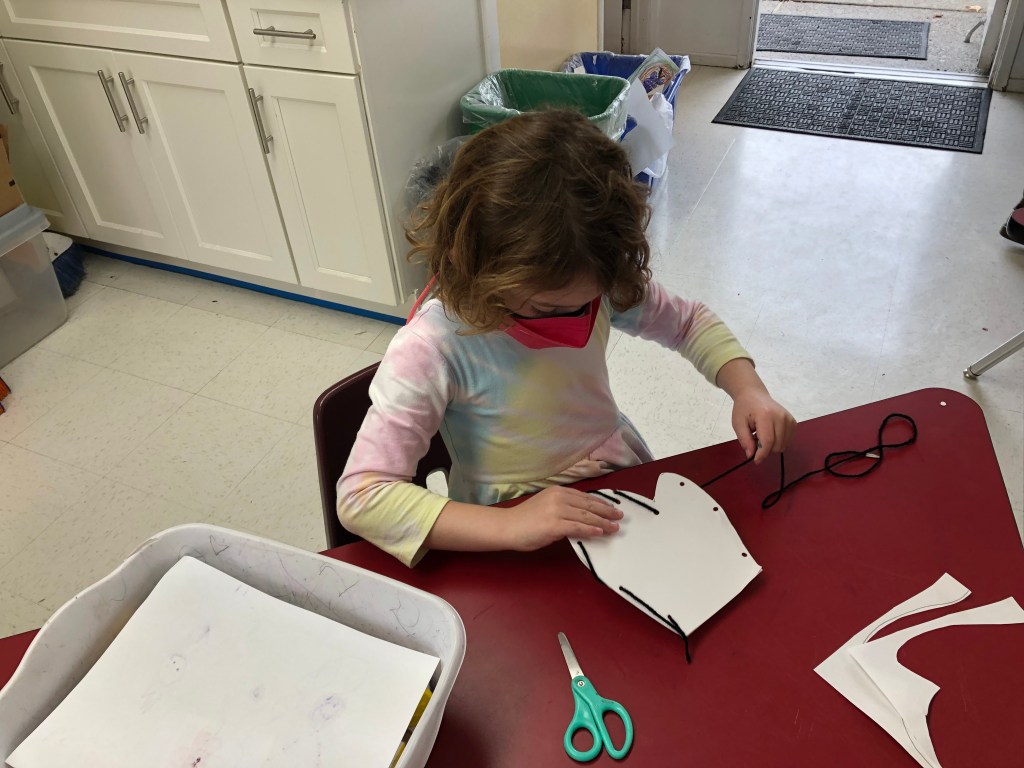
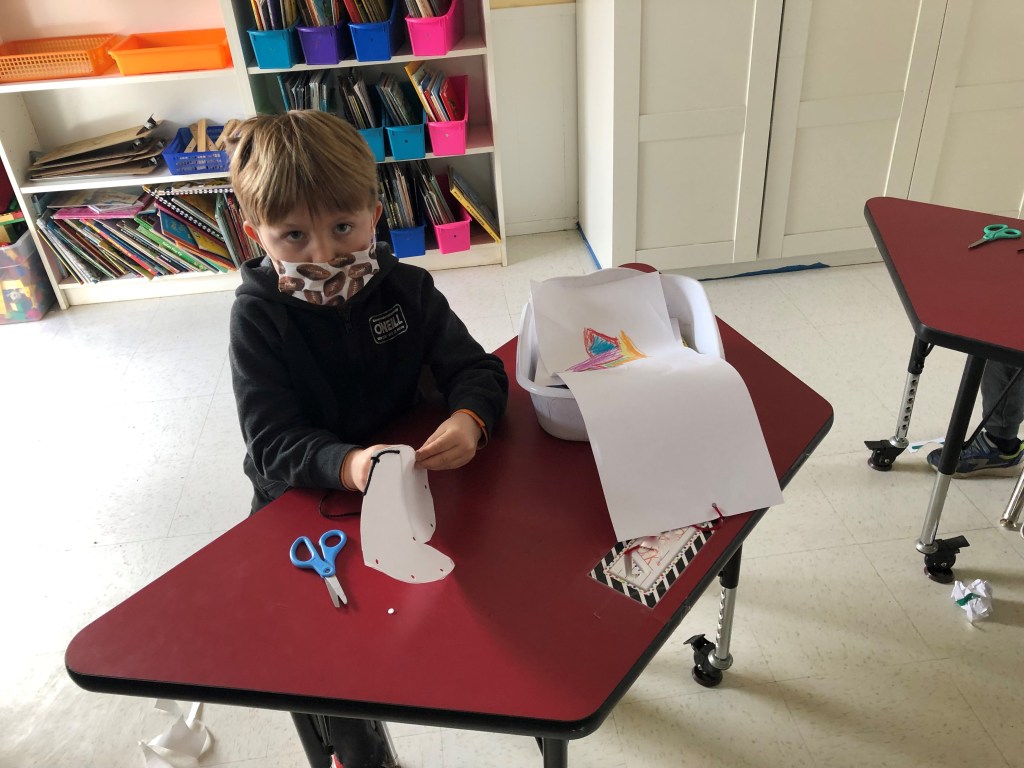
Last week, the Kindergartners heard two stories that generated much excitement amongst the class. The first, which they read 4 times in one week, was Tacky the Penguin, by Helen Lester. The students love this story because “Tacky is an odd bird” who doesn’t do things the right way. The humor, which had the class repeating excerpts from the story, resonates well with 5 and 6 year olds. The second book the class heard was The Mitten, by Jan Brett. This book provided fun as the students became one of the characters in the story, Baba, and stitched a white mitten. The Kindergartners were very engaged as they used their mitten to retell the story.

The mechanics of reading are important, but loving to read and becoming a lifelong reader are the ultimate goals. And we know that the best way to achieve these goals is to make sure learning to read includes having fun!

#SaklanAcademic #SaklanLifeLongLearners

Snow

During the month of January, snow is a common theme in many conversations and lessons on campus. 

In science, the third graders learned about why some animals hibernate in the winter. For these animals, the snow and frozen tundra makes finding food difficult. To preserve energy, they spend the winter in a dormant state, or hibernate.

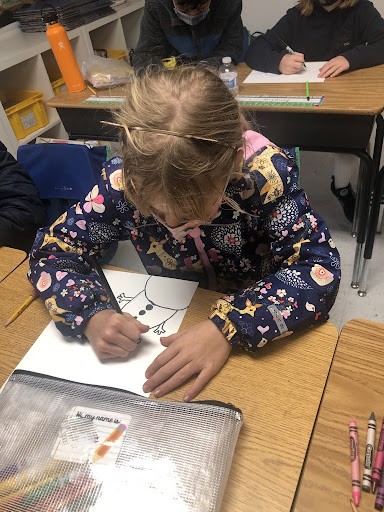
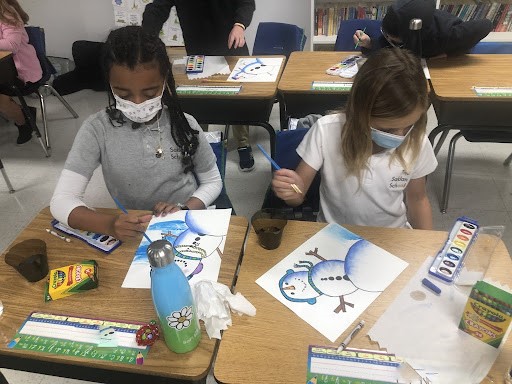
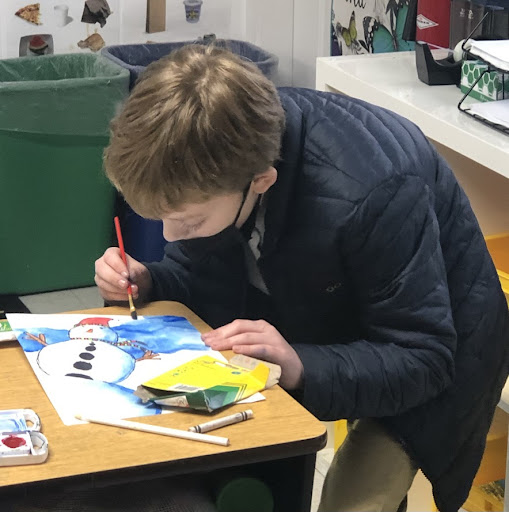
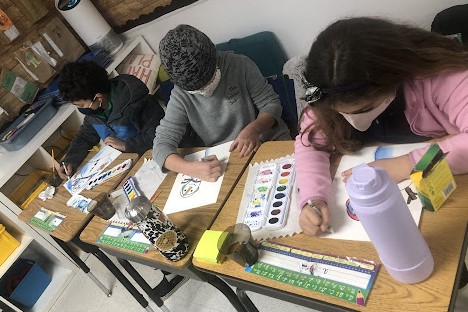
The third graders also created fabulous snowpeople! They focused on perspective “from a worm’s eye view” and used a variety of mediums, including pastels, crayons, sharpies and watercolors, to achieve their desired look. The students took their time, thinking about what a worm’s perspective would look like, adding details to give their snow person a personality, and a background to paint a more vivid picture of who their snow person is and where they live.

Our Kindergarteners were lucky enough to touch, feel and build with real snow this week as well. They donned mittens and built snowpeople and snowballs right here in Moraga!

#SaklanCreative #SaklanHandsOn

Country Roads

The Kindergarten, 1st, and 2nd grade students have been learning about song form and melody line. They explored this while learning the verses, chorus, and bridge of “Country Roads.” The students also connected Saklan’s social emotional learning curriculum to the song lyrics by discussing what it might mean to visit family you haven’t seen for a long time and “going home.”

#SaklanWellRounded

Owl Study

In science, our Kindergartners learned about owls. They learned many, many things about owls, including:

  • An owl’s feathers are soft and light, allowing it to fly silently through the night.
  • The feathers around an owl’s face move sounds to its ears allowing it to hear a small mouse.
  • An owl has 14 bones in its neck (humans have 7), making it possible for an owl to turn its head almost fully around!
  • Baby owls are called nestlings.
  • Nestlings hatch at different times, the first to hatch is the largest nestling and the last to hatch is the smallest.

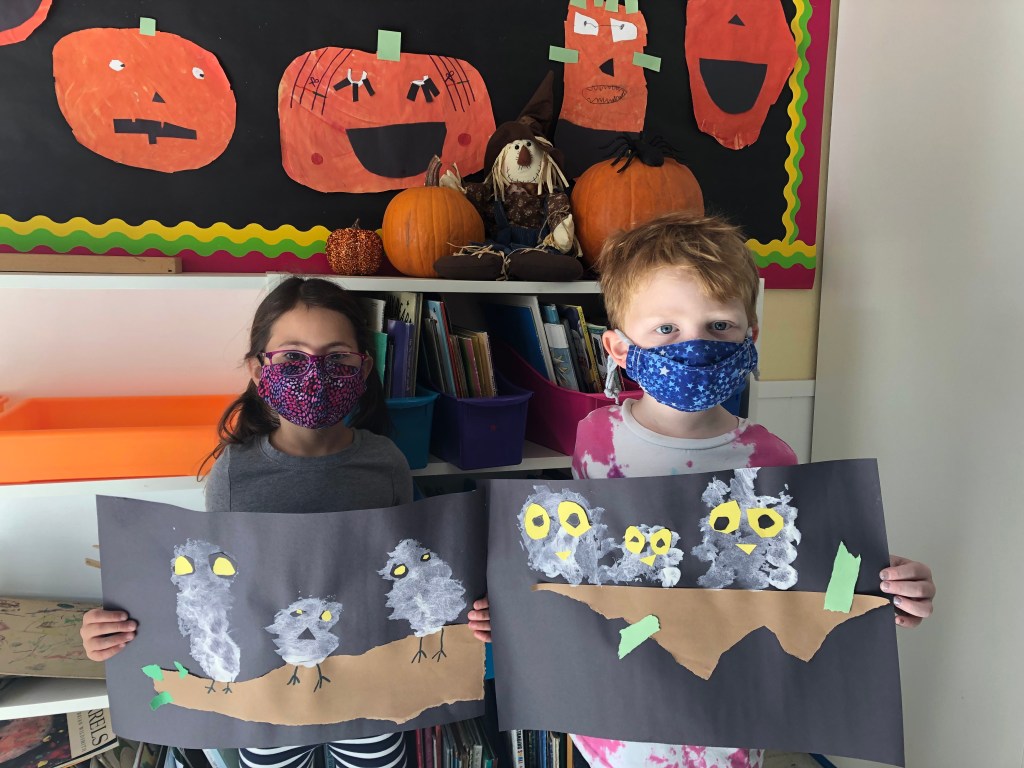
After hearing the story Owl Babies, the students created their own picture of nestlings.

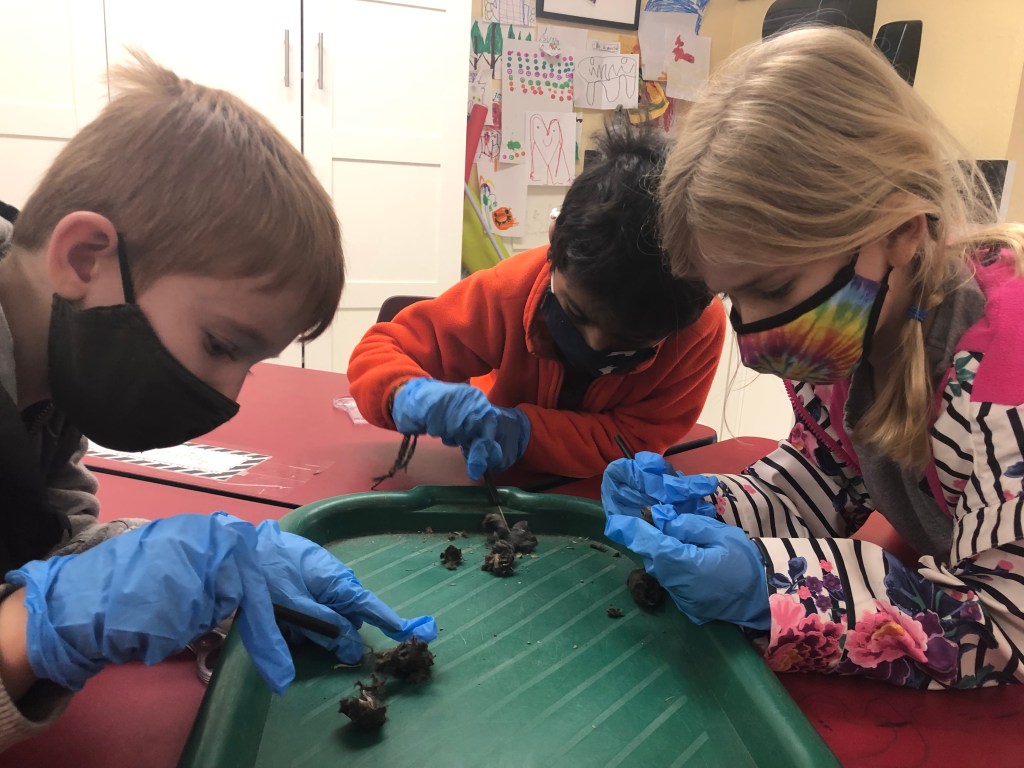
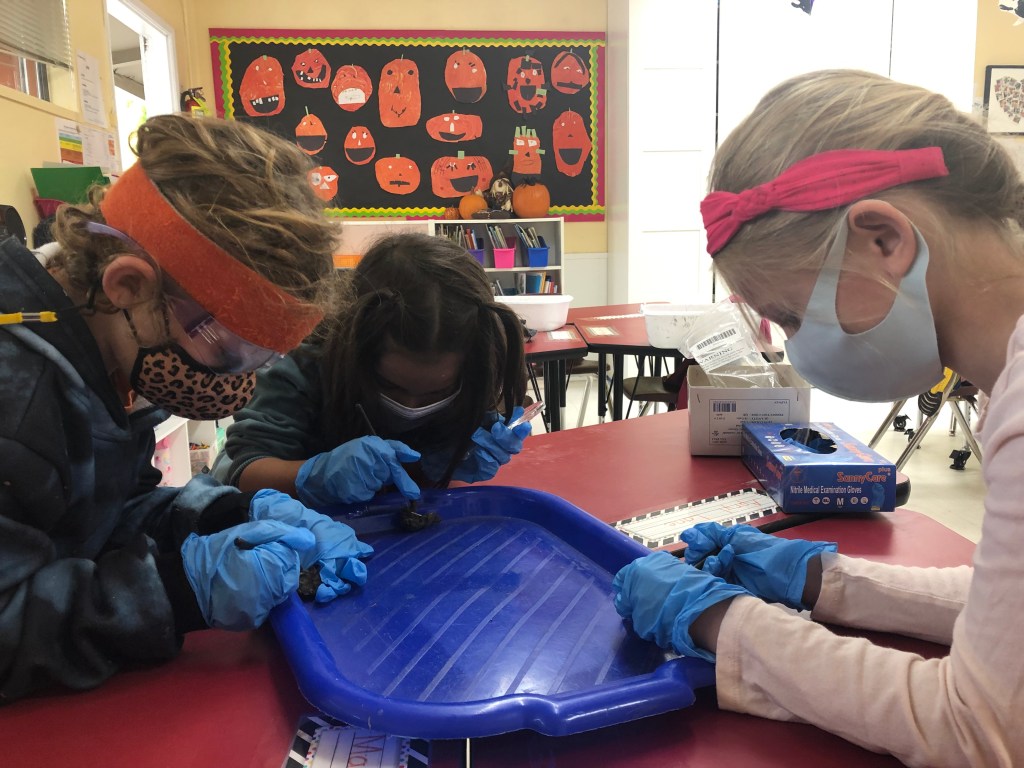
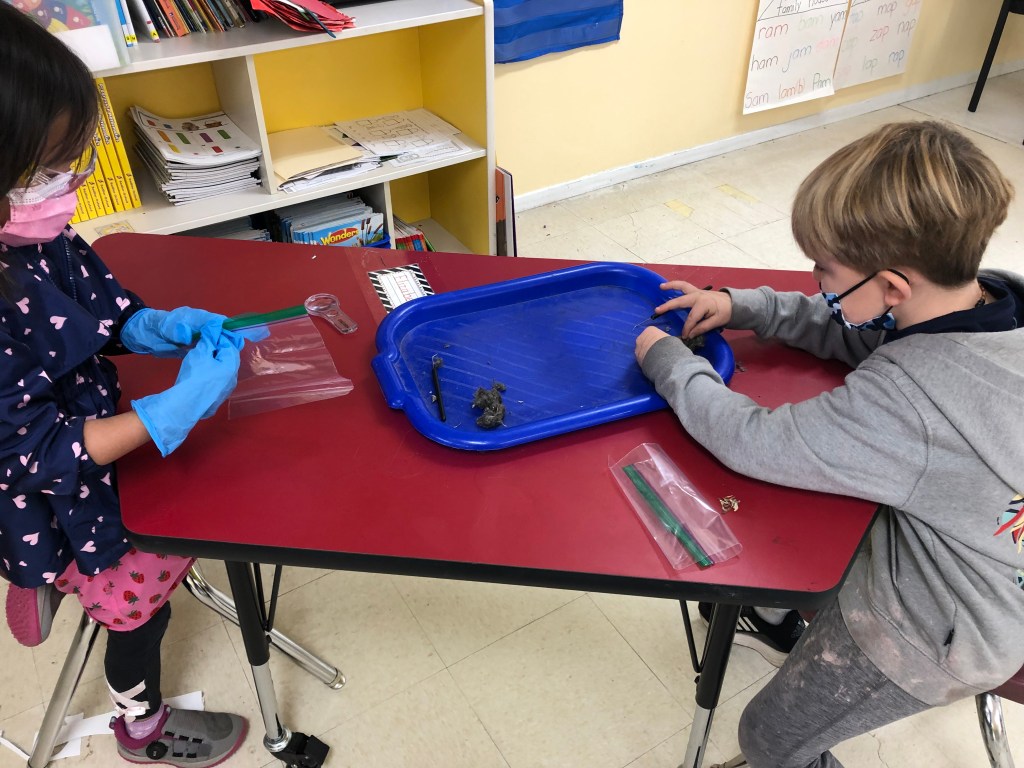
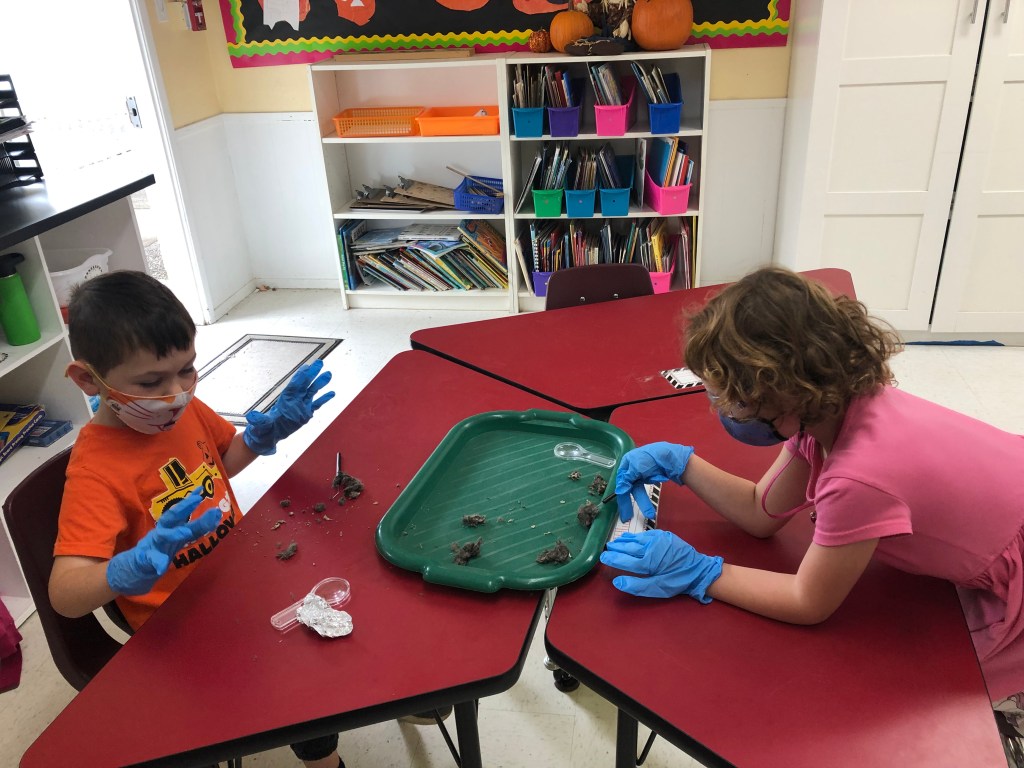
The Kindergartners also learned that owls have sharp talons, very big eyes and a beak, all of which help them hunt for food. They learned that owls swallow their food whole and later regurgitate what is not needed in a pellet. The Kindergarteners dissected owl pellets and were amazed to find to find bones and fur!

If you have questions about owls, ask a Saklan Kindergartner. They love owls!

#SaklanAcademic #SaklanHandsOn

Learning Buddies

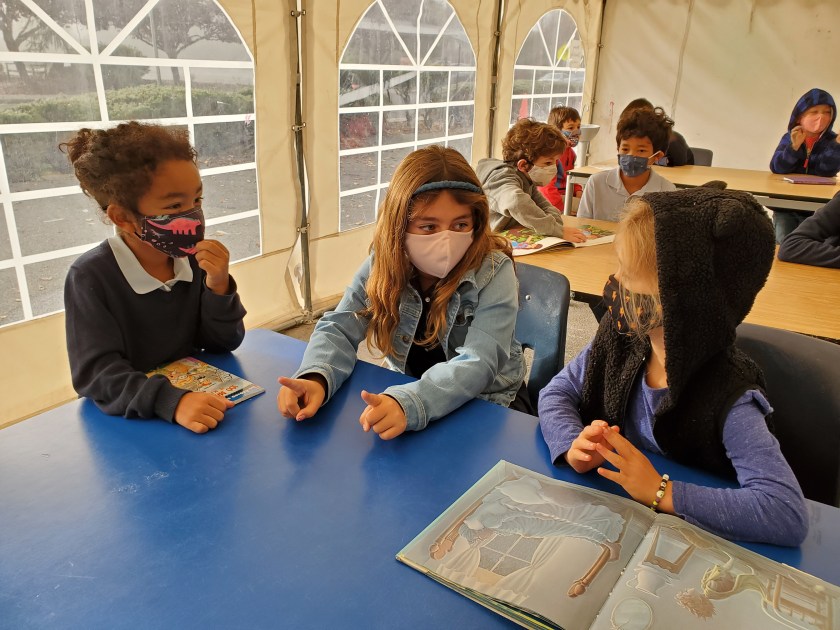
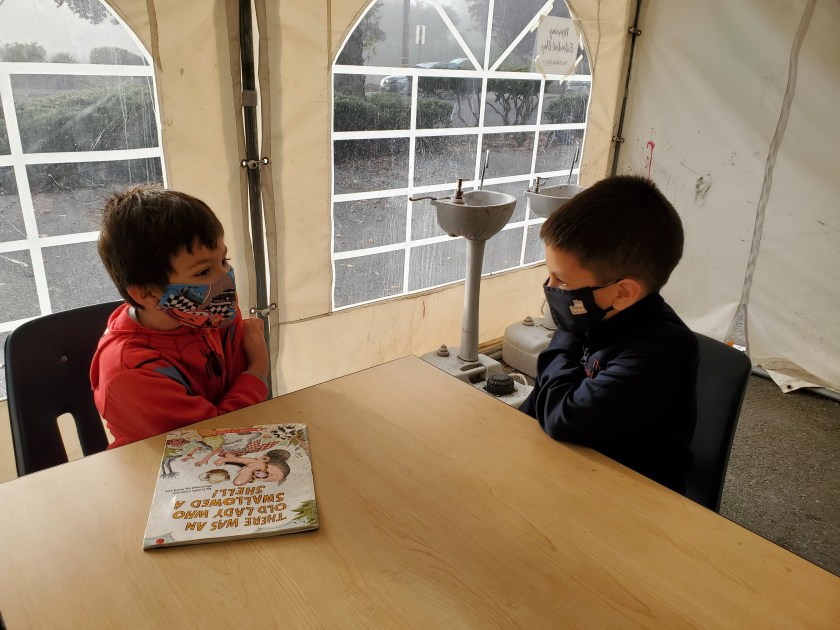
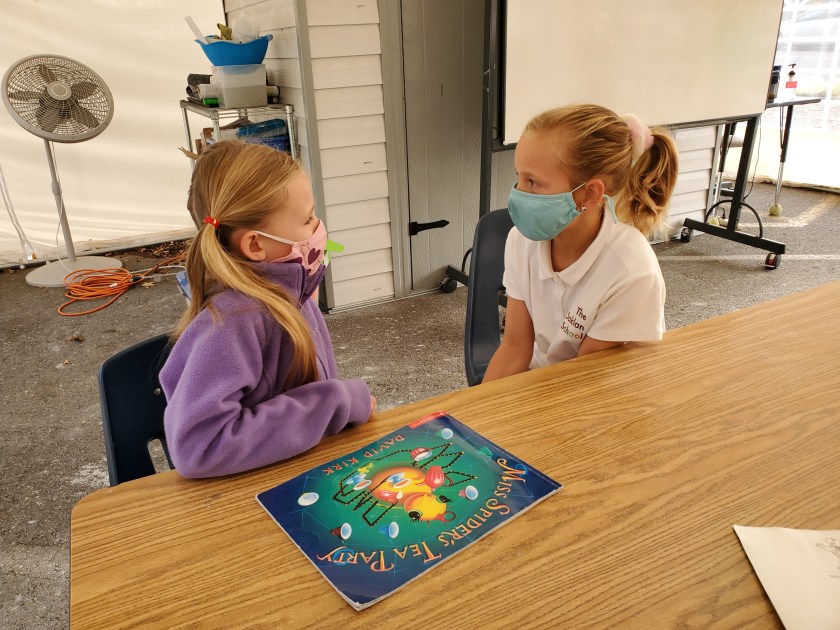
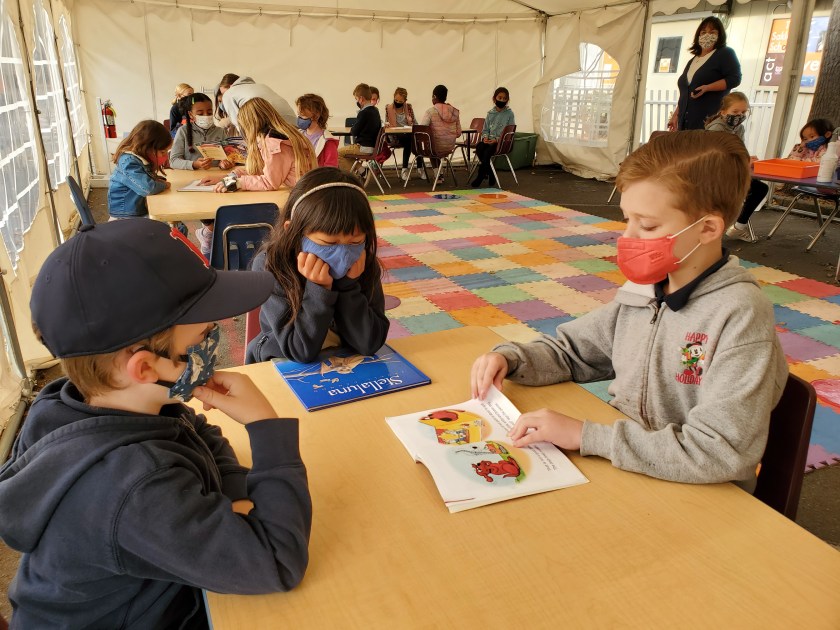
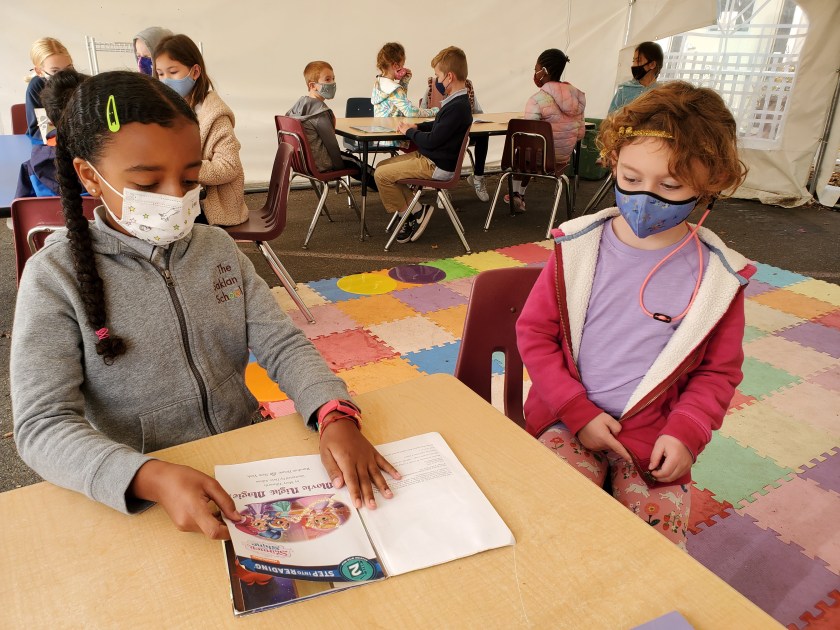
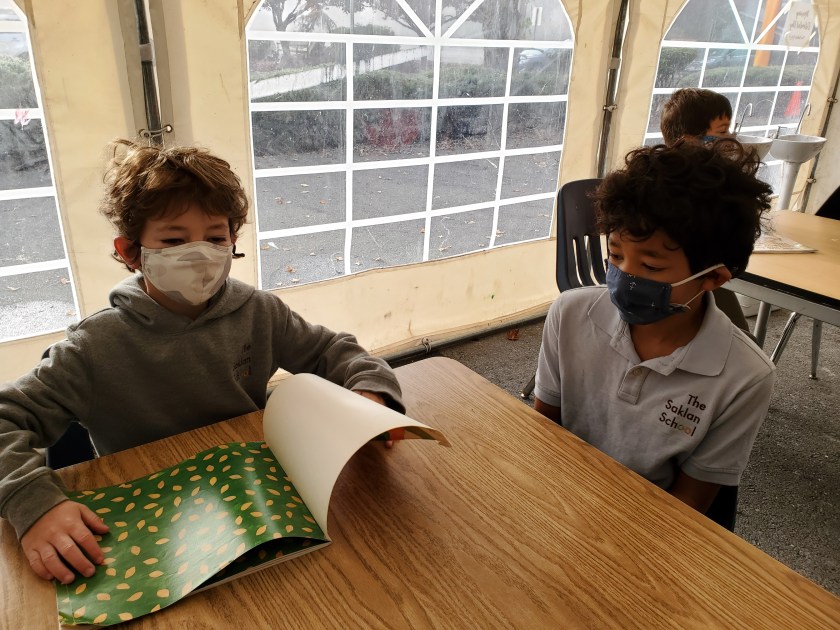
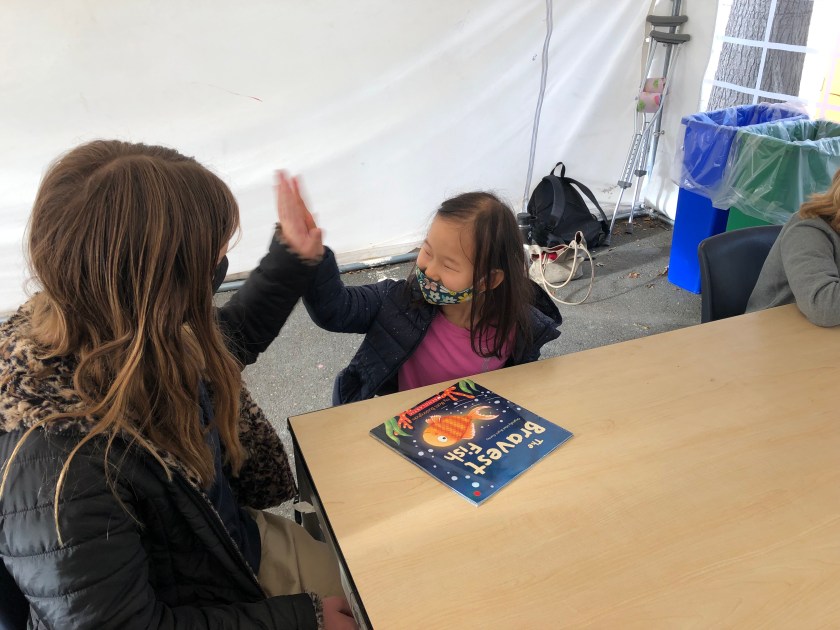
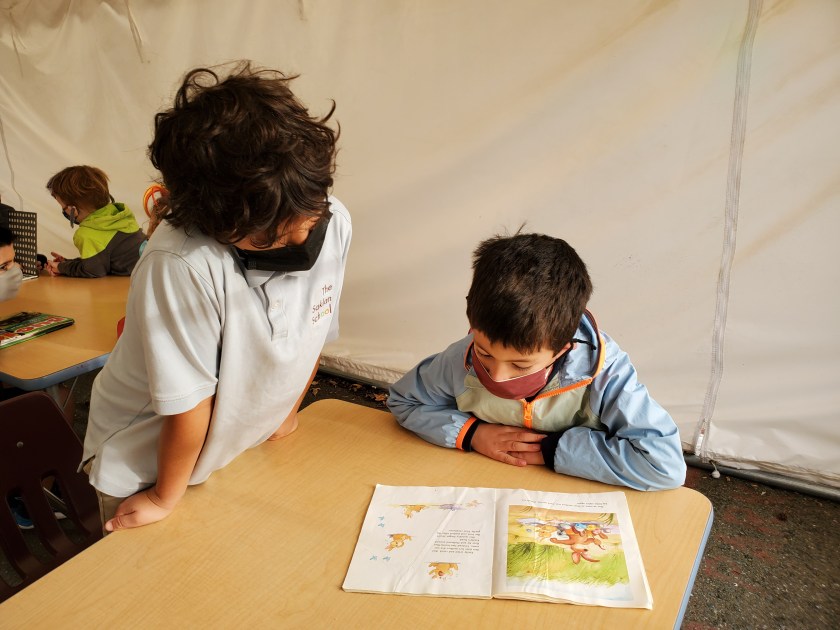
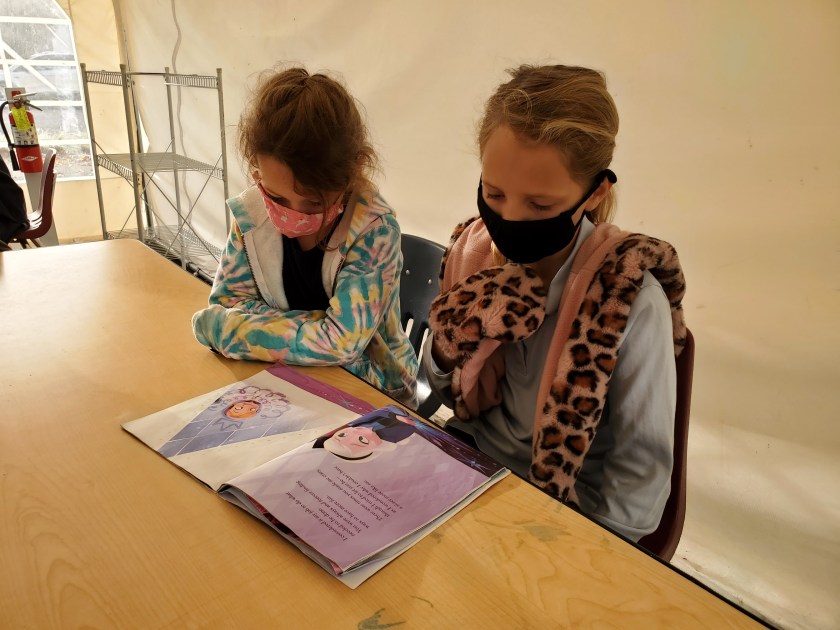
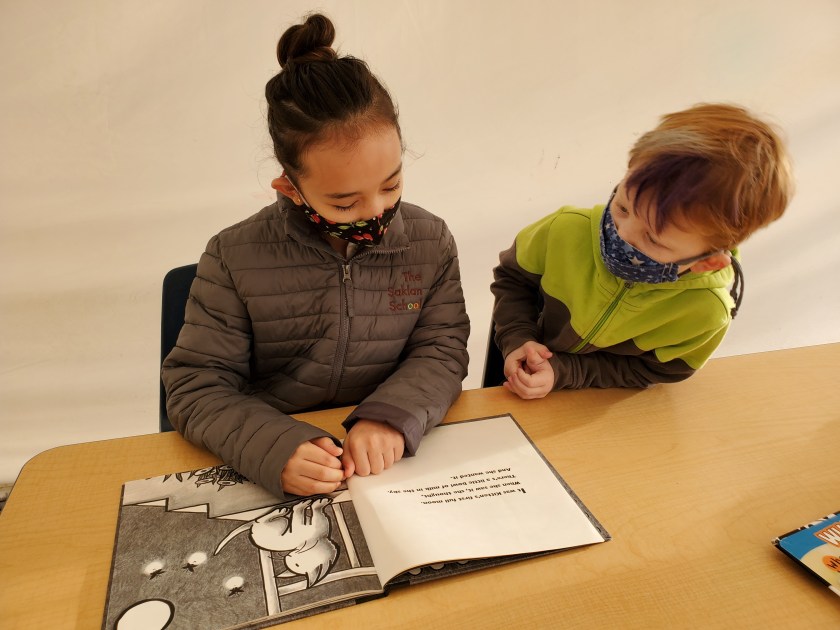
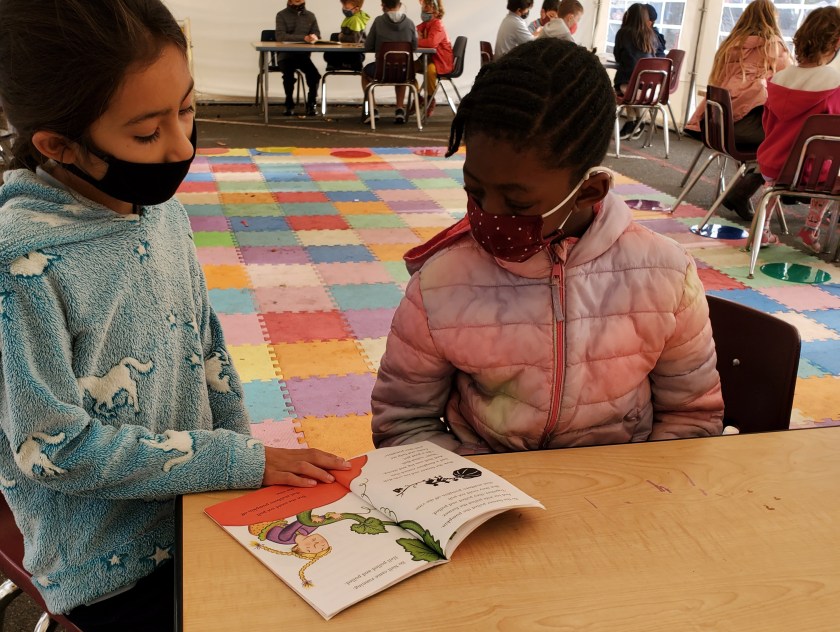
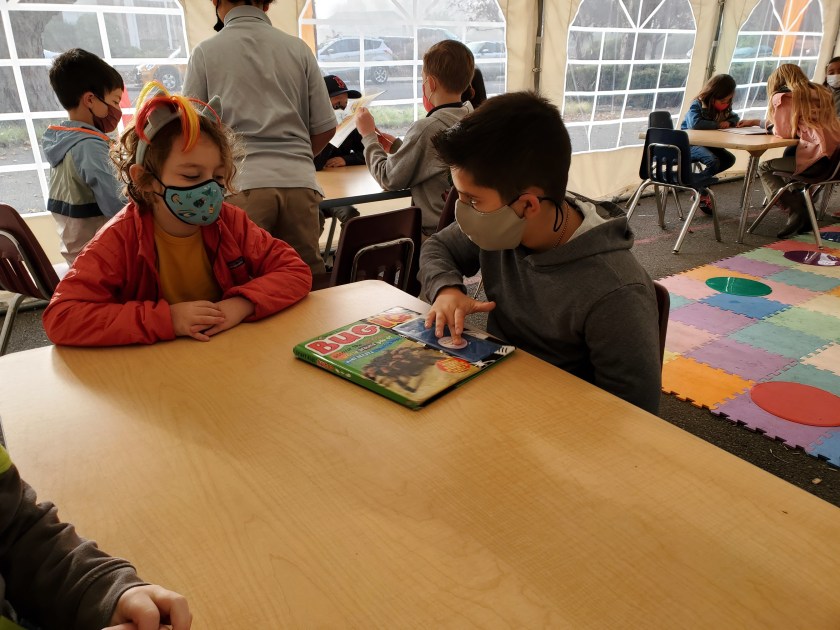
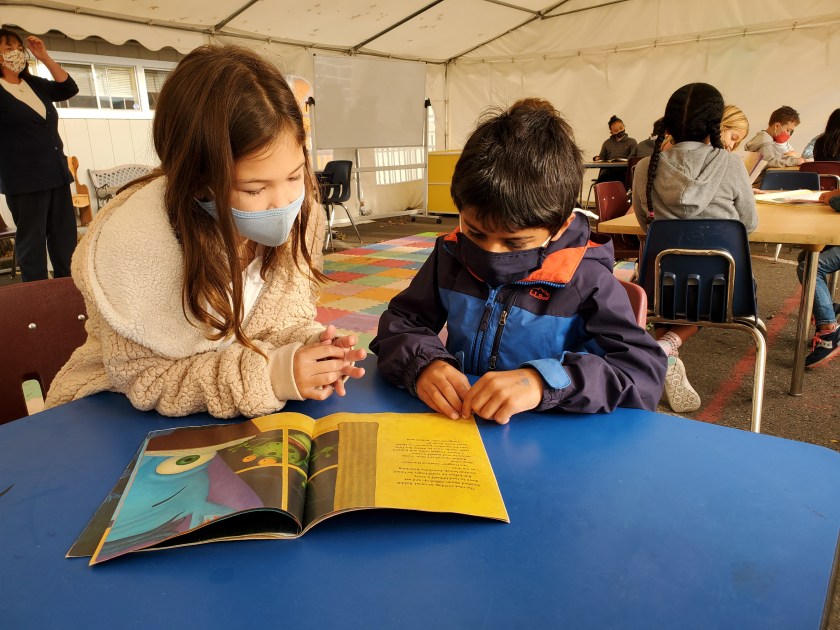
Last Friday, our Kindergarten and 1st grade students were delighted to find out who their 3rd or 4th grade learning buddy is for the year. For their first buddies meeting, the students played a get-to-know-you game and then spent time reading together.

The big buddies marvelously modeled good reading behaviors by reading with expression and fluency for their little buddies, and then were honored to listen to their little buddies read too. The Kindergarten, first, third and fourth grade students thoroughly enjoyed getting to know their learning buddies, are already asking when they get to meet with their buddies again!

Learning buddies are a purposeful way to encourage cross-grade friendships, help the older buddies develop a sense of responsibility and practice mentorship, and make learning fun!

#SaklanCommunity

Celebrating Diwali

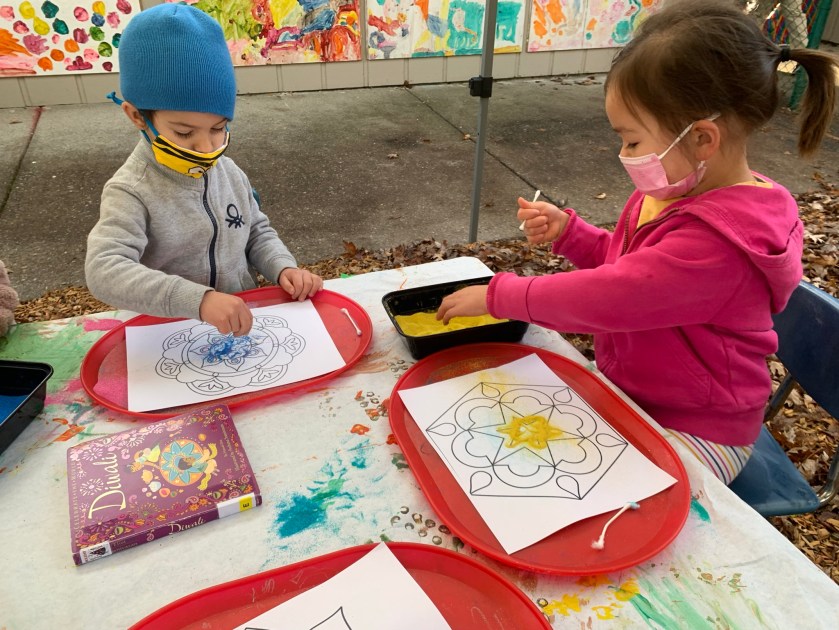
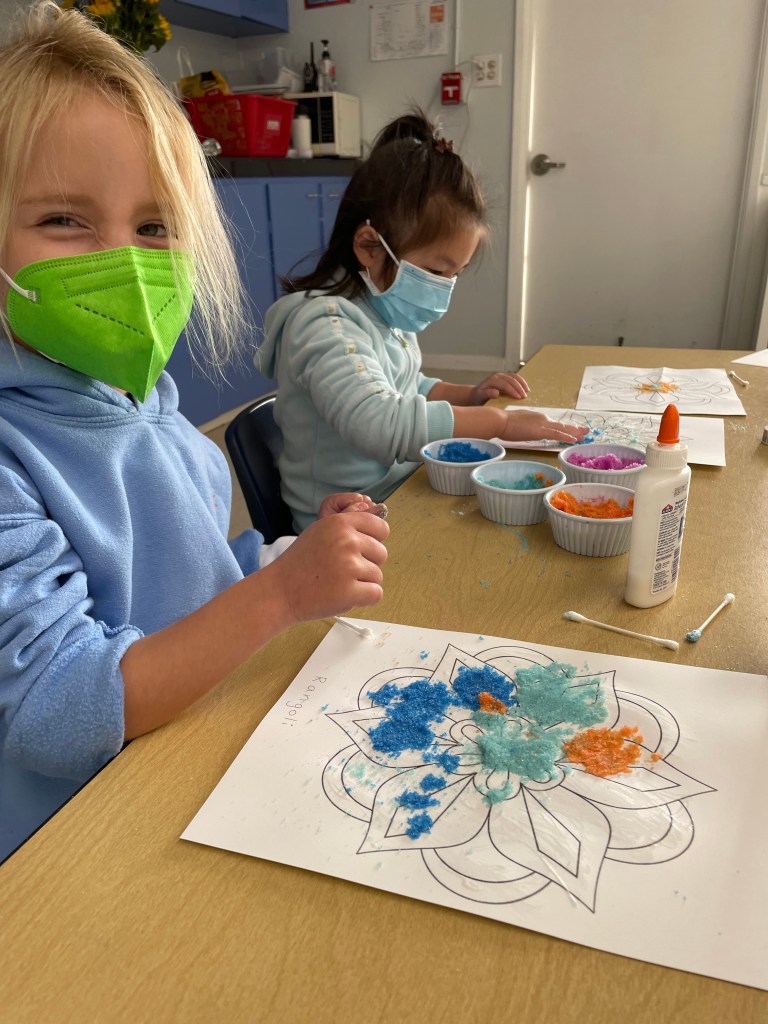
The Owlets, Hoot Owls and Kindergarteners learned about Diwali, which is celebrated by Hindus, Jains, and Sikhs around the world, including some of their classmates! Diwali is the festival of lights and lasts for 5 days in October or November. The students read the books Diwali by Hannah Eliot and Shubh Diwali! by Citra Soundar to get a better understanding of the festival.

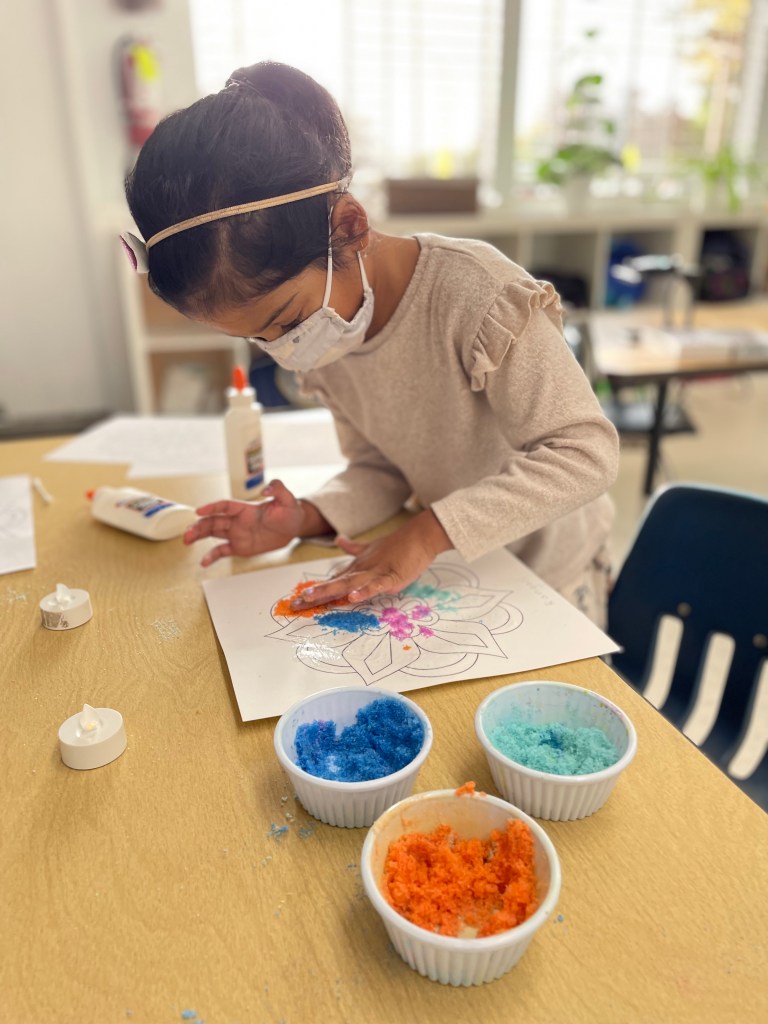
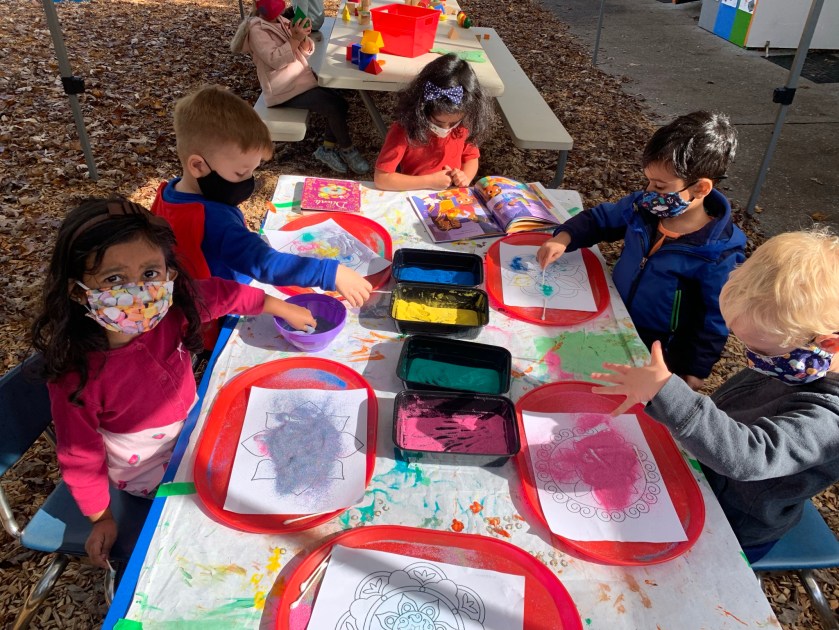
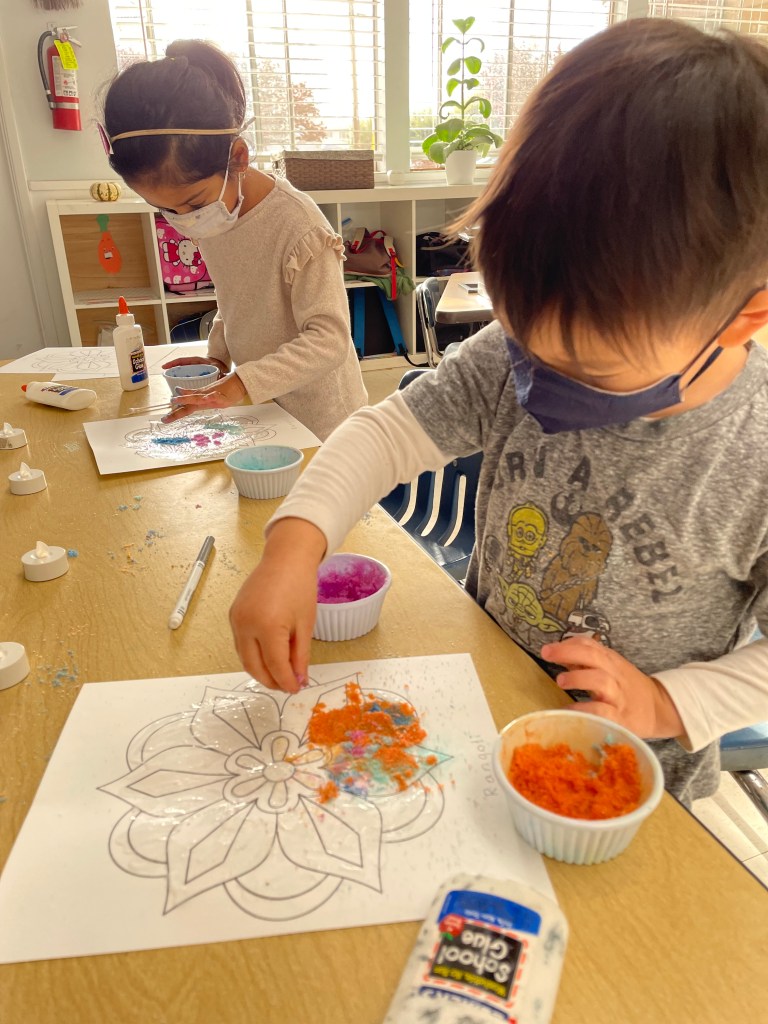
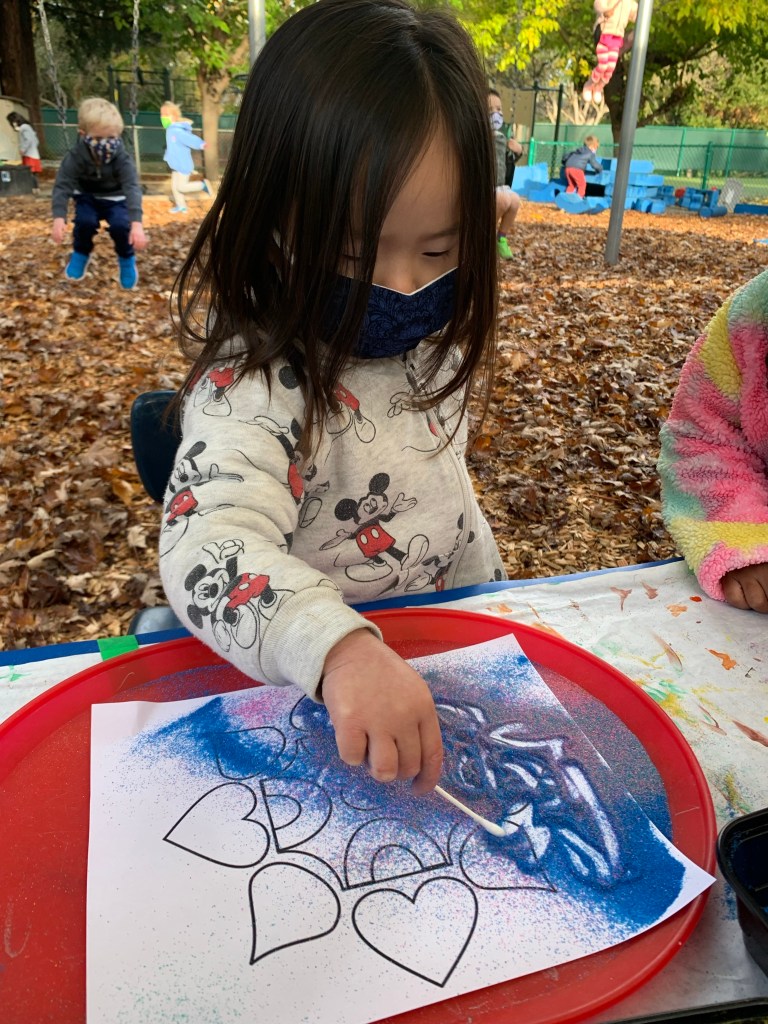
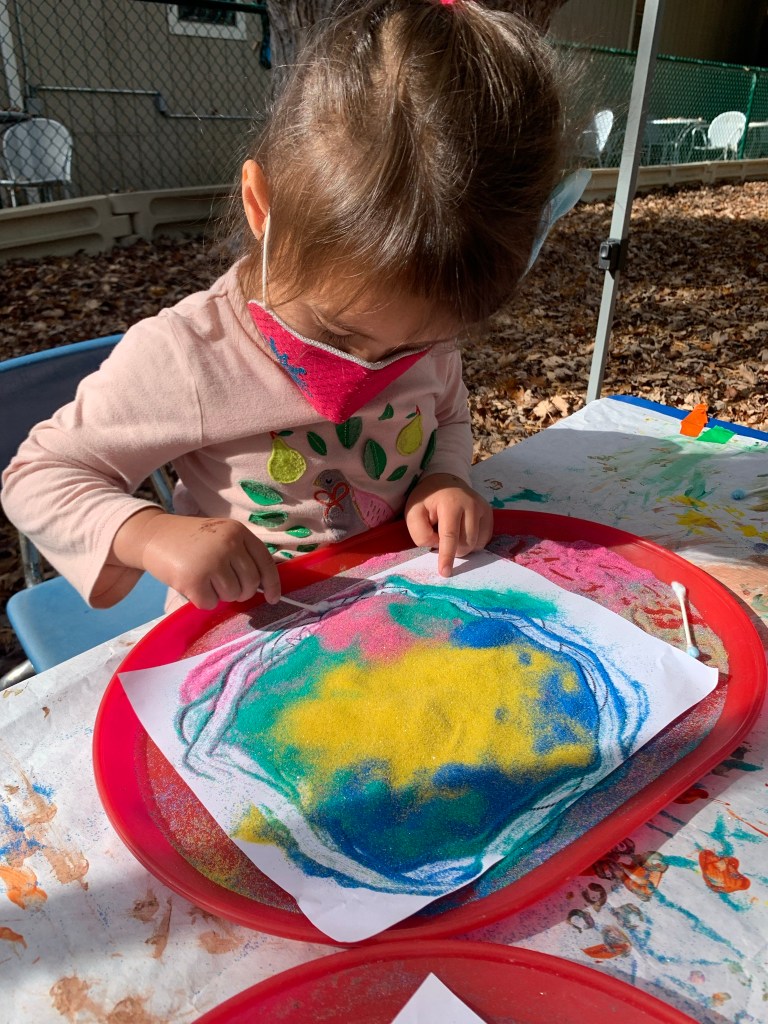
The Owlets and Hoot Owls learned about an art form called Rangoli, a geometric design on the floor (or other flat surface) made using colored rice, sand, dry flour, or flower petals. The owls watched a video of someone creating a Rangoli, and then made their own. The Owlets used colored sand, while the Hoot Owls used colored salt, for their Rangoli.

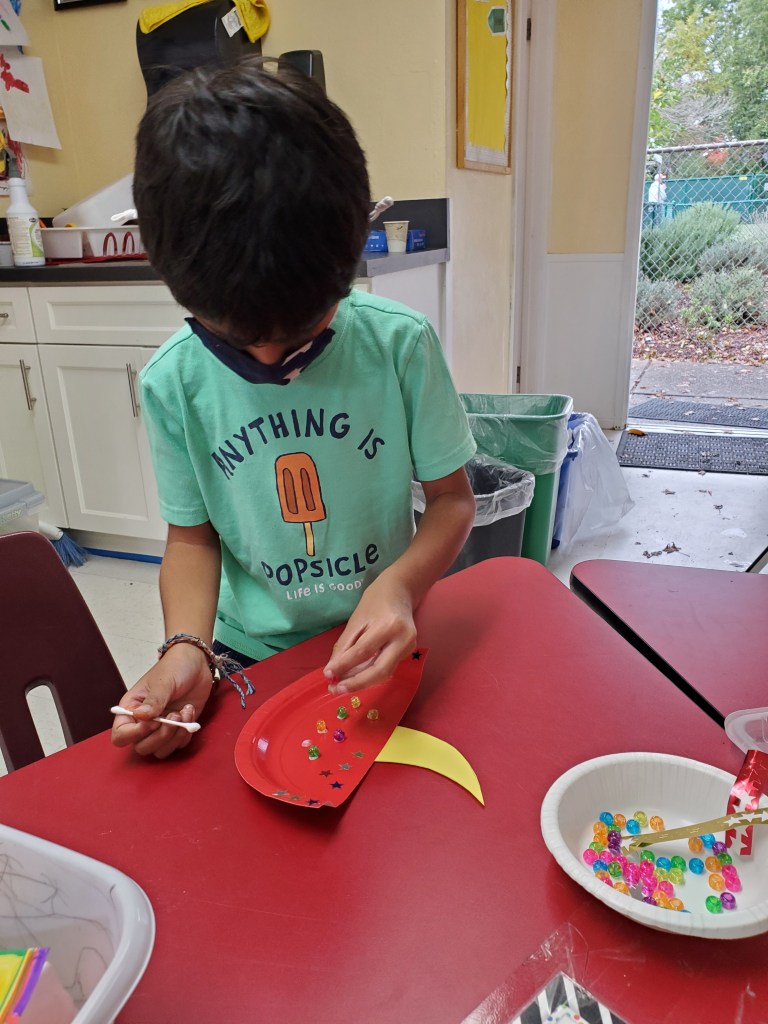
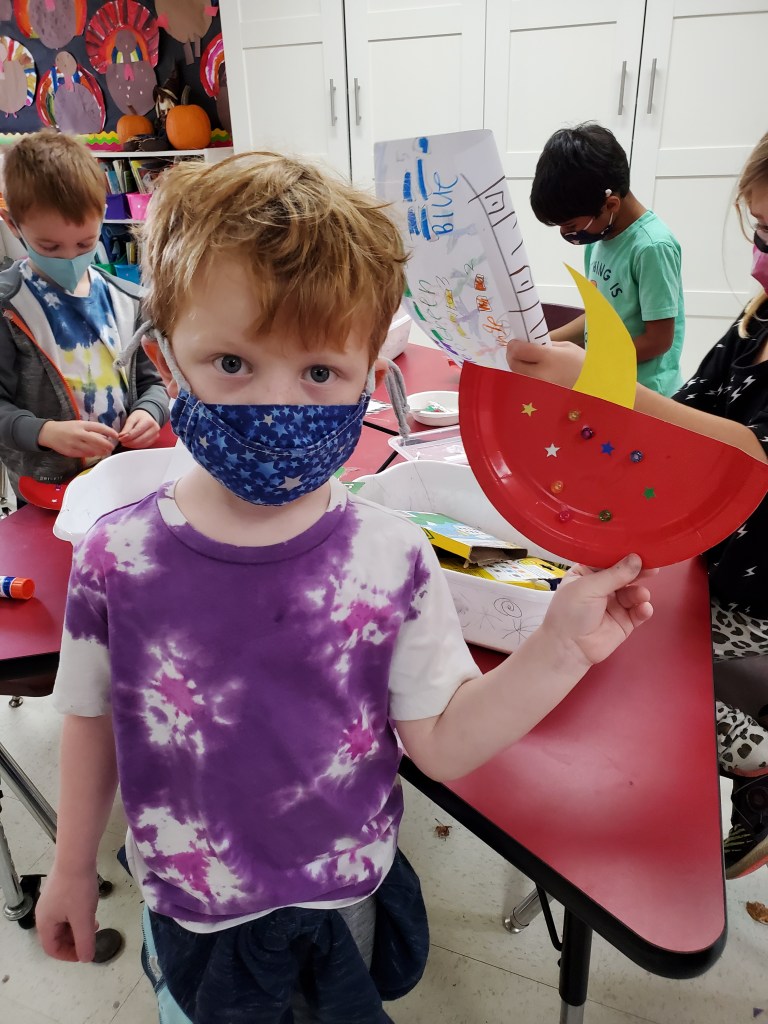
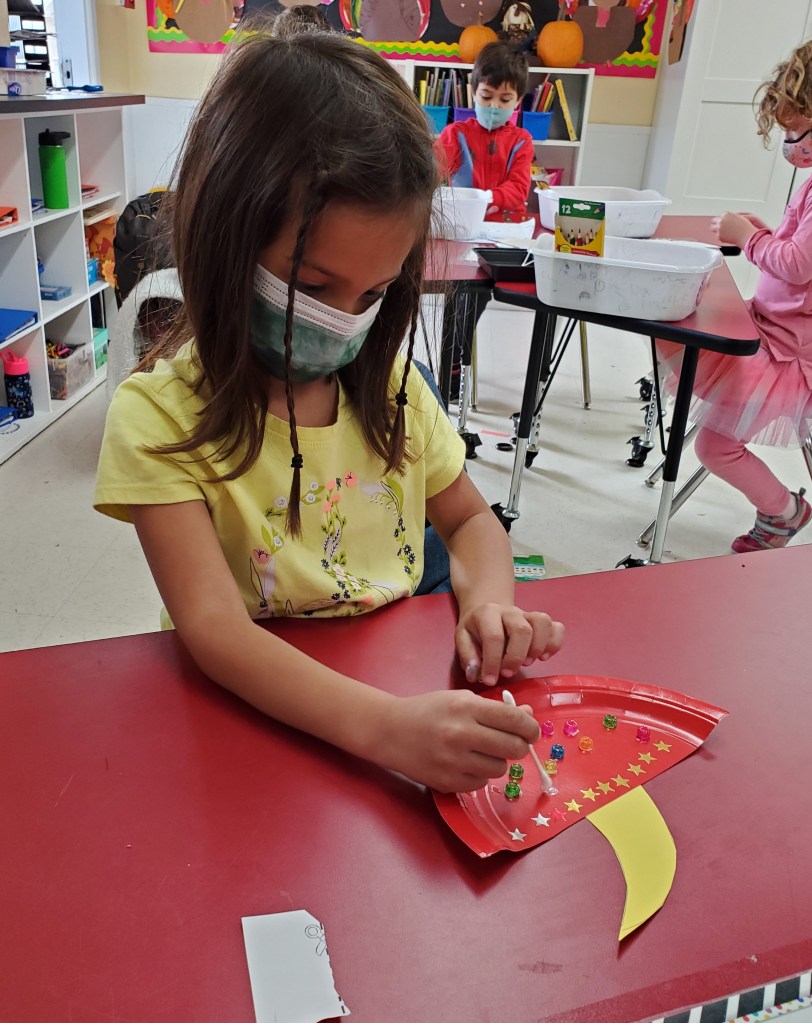
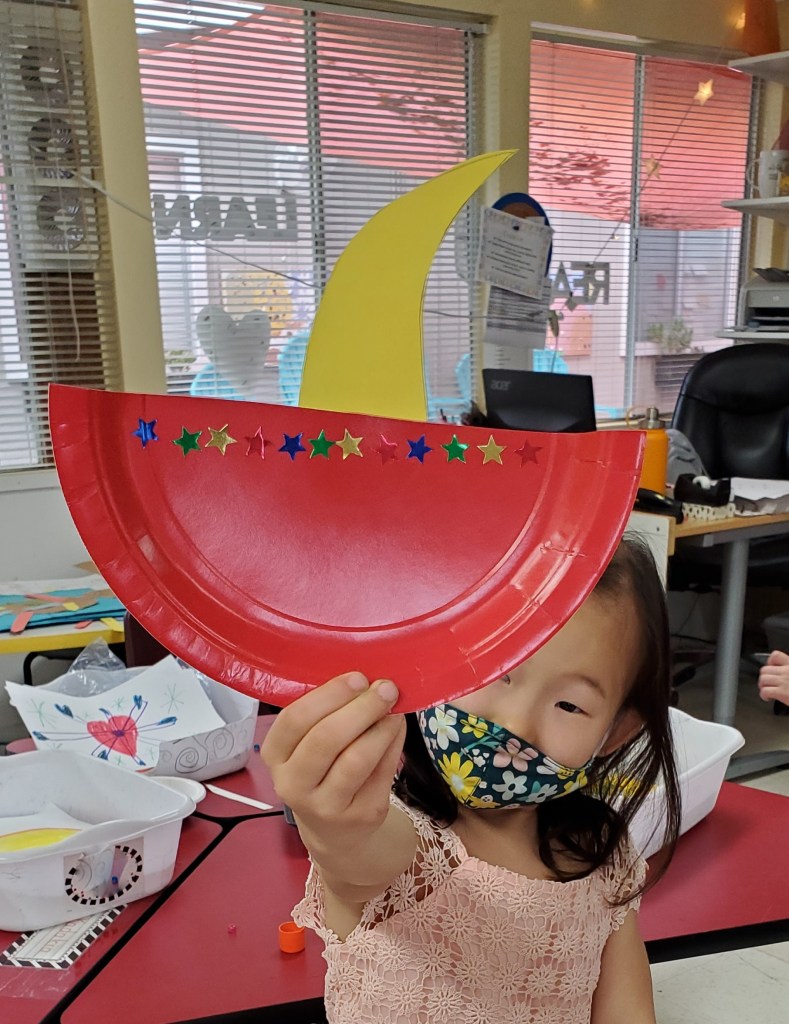
The Kindergarteners learned about diyas, which are oil lamps that are lit during Diwali to bring light and dispel darkness. The Kindergarteners made their own paper diyas and decorated them with jewels and stickers.

#SaklanDiversity