Head’s Corner

Eighth Grade Influencers Project – and a Call for “Experts”

There are three hallmarks to a strong, student-led project:

  1. Ambiguity – A teacher can never be sure what topic students will be fascinated by and will want to pursue.
  2. Messiness – Students are bound to struggle as they try to focus their project, and teachers always have more questions than answers to students’ quest for clarity.
  3. Uncertain Outcomes – Neither the teacher or the students know what the end product will be until well into the project.

On its face, each of these three characteristics seems like a weakness of project-based learning. In reality, it’s a superpower.

Deep learning experiences are full of surprises, serendipity, fits and starts, failure and creative solutions. This process is sometimes referred to as “emergent learning” because the understanding emerges from what feels like chaos.

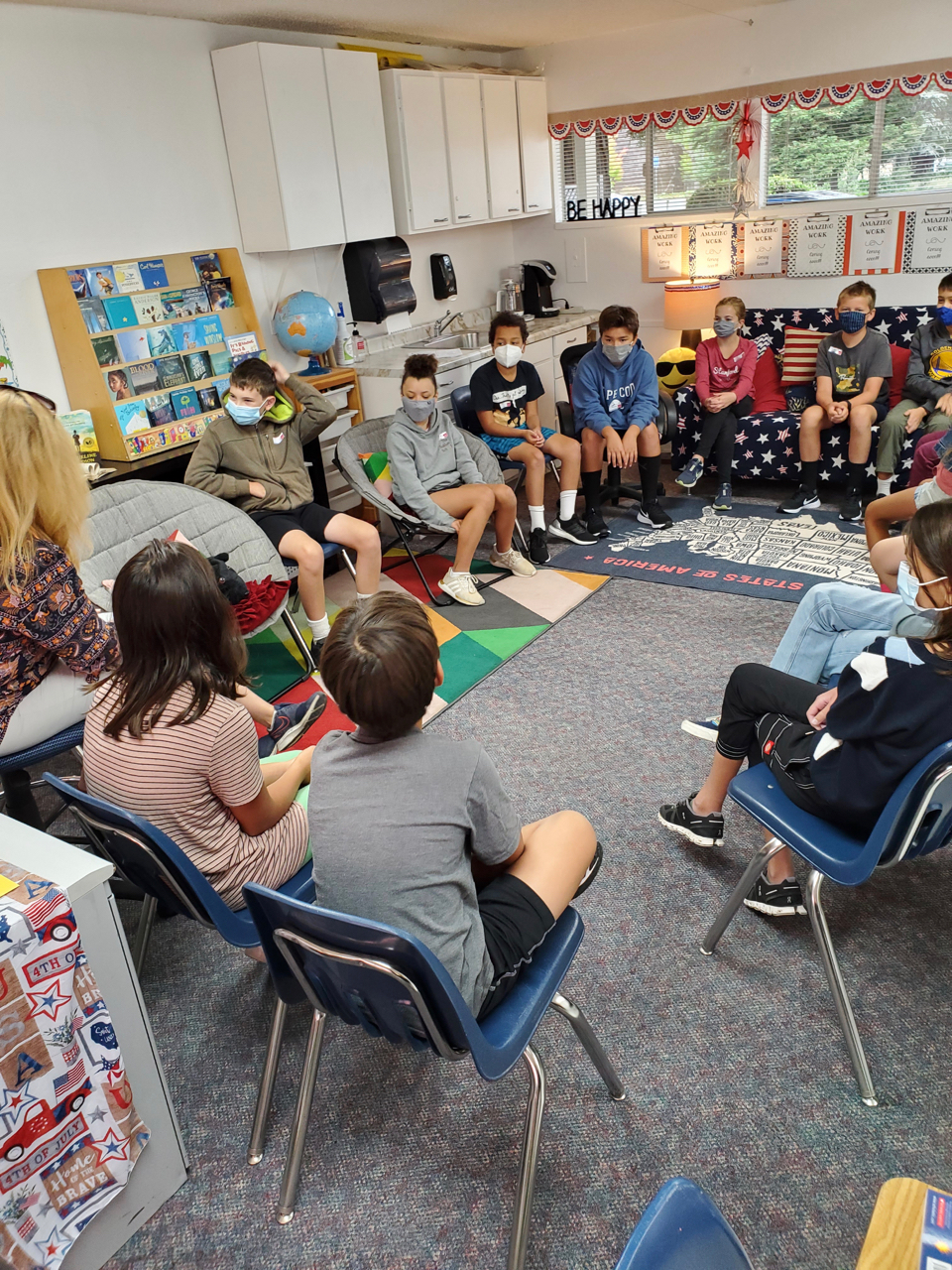
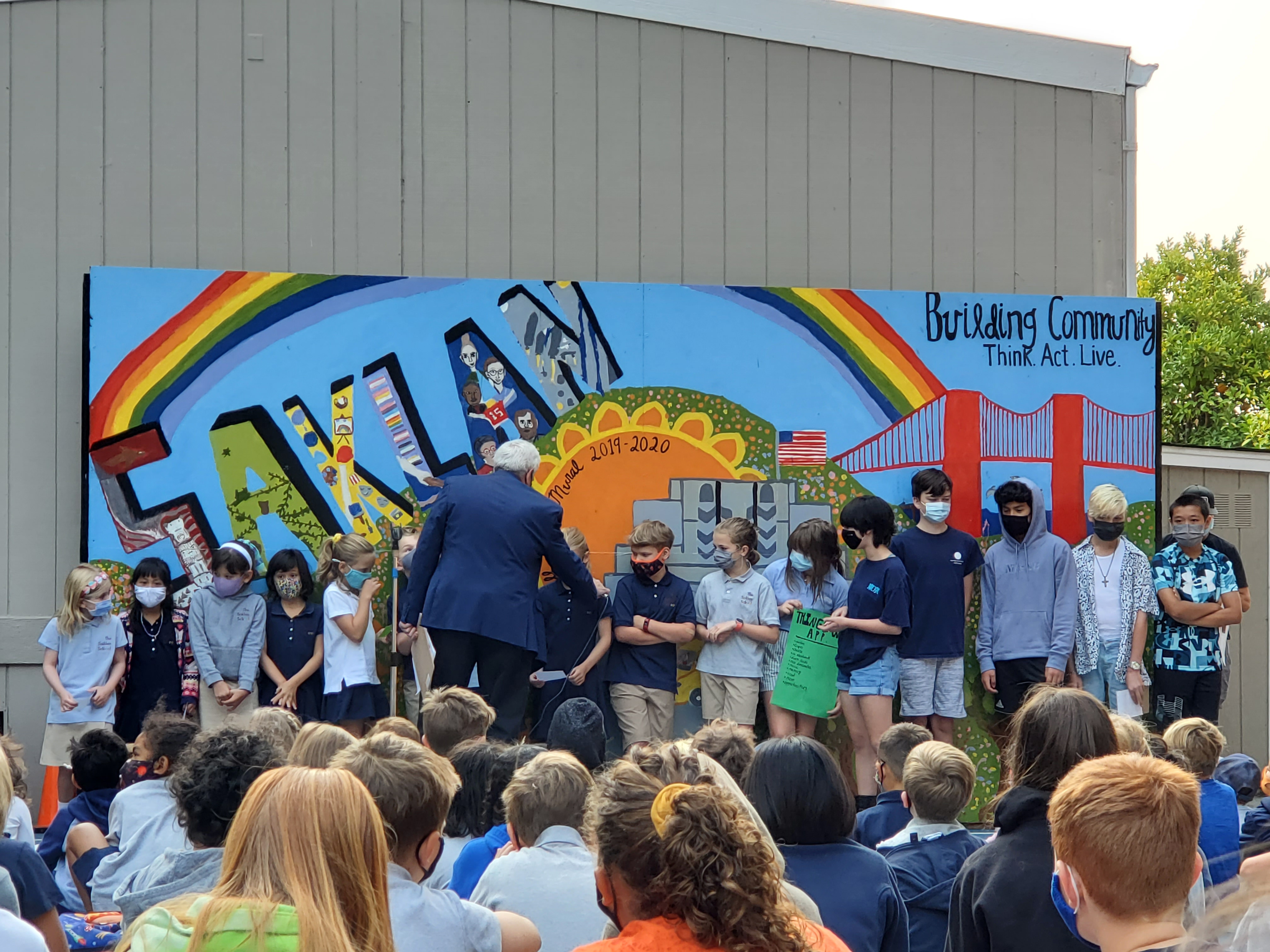
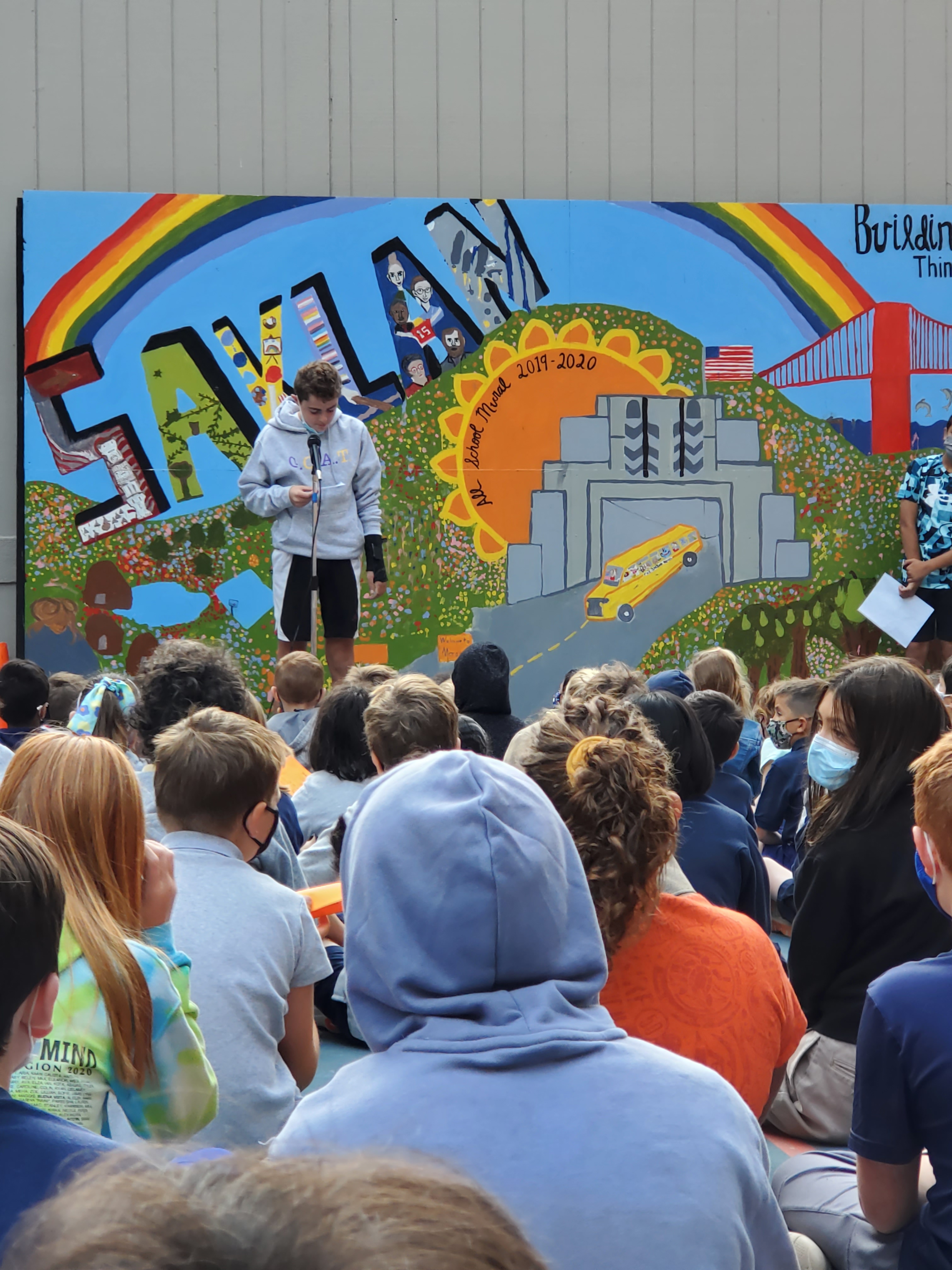
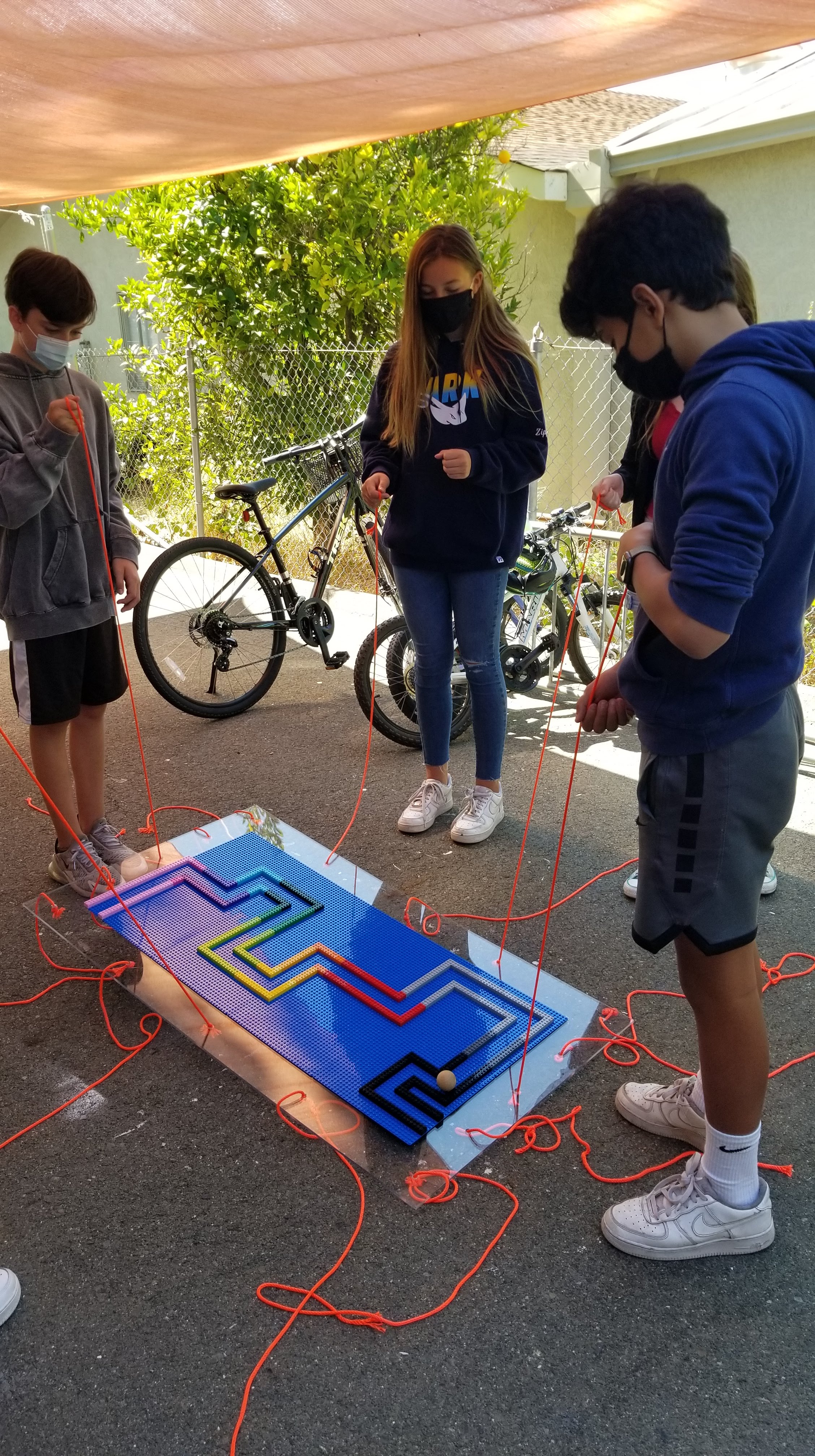
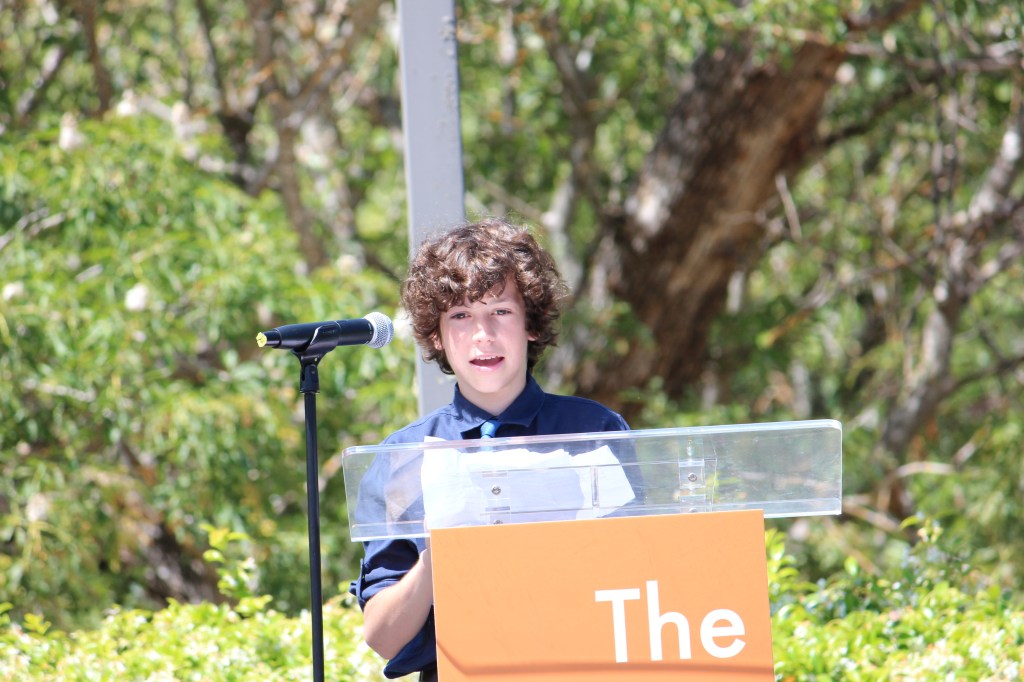
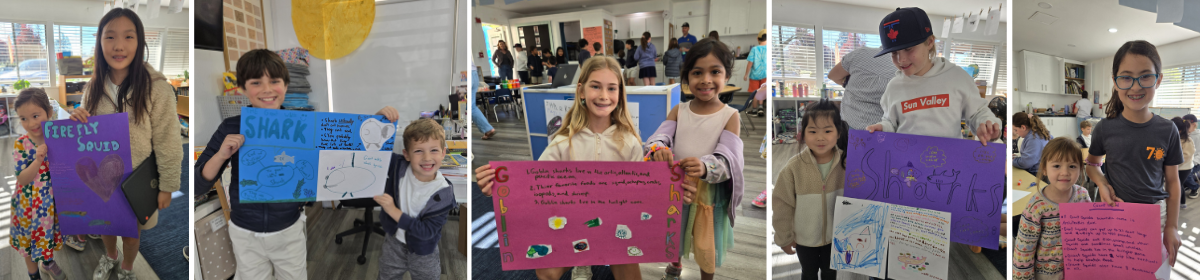
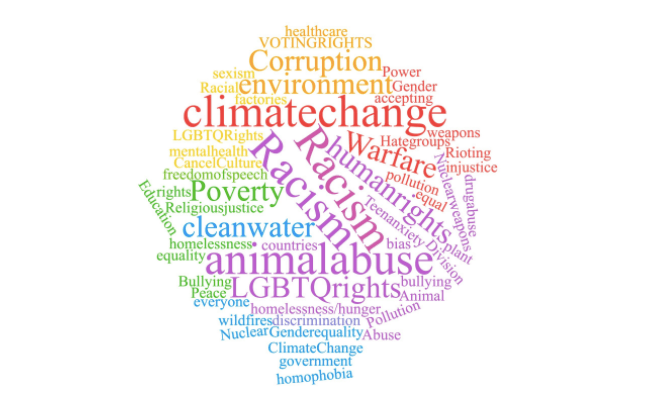
Two weeks ago, the eighth-grade students started a project called “Influencers.” The objective of the project is to have students raise awareness about and influence public discussion and policy on an issue they care about. The first step of this project was to determine what those issues actually are. Using a survey tool and a word cloud app, we were able to “see” where their passions lay.

Once we started to understand the common interests, students grouped themselves around four of the above topics. With their topic selected, it was then time to develop a driving question that would influence a change they want to see in the world. Their driving question would be supported by steering questions that would determine the direction of their research.

For example, the group that is focusing on racism has created the following driving question: How can we influence society to be more accepting, and create a world free of hate speech and hate crimes? Guiding their research and supporting that driving question are steering questions that are built around “wonderings.” How has society influenced children to accept racism? What messages have social media sites sent to people of color? As they research, these steering questions sometimes flex, as students gain a more nuanced understanding of the complexities of their topic.

Over the next few weeks, students will begin to delve into their research and think about the best ways to present what they’ve learned, and to use what they’ve learned to influence society. Possibly the most interesting phase of their research is working with experts in the field. Students will be expected to learn from and possibly partner with others who share their passion.

As we move into this exciting phase of our work, we are hoping to interview “experts” (a term we use lightly) in the following fields:

  • LGBTQ+ Rights
  • Green Energy
  • The Psychology of Racism and Hate Crimes
  • Animal Abuse

If you, or someone you know, has some expertise in any of the above areas, please reach out and contact me. I have some world-changers who would love to connect. DOConnell@Saklan.org.

#SaklanCuriosity

Head’s Corner

The Fable of Mug Shot 7053

A couple of weeks ago, I shared this New York Times article on Rosa Parks in a faculty meeting. The article itself is fascinating, with lots of fodder for good conversation. It unpacks the popular myth of Rosa Parks and her famous refusal to give up her seat on a Montgomery bus – the myth that a meek, tired seamstress was too exhausted to walk to the back of the bus and accidentally started a movement that changed civil rights.

In reality, Rosa Parks had been an activist fighting for racial justice for decades before her bus stand. Though the word “quiet” was used in most of the obituaries that ran after her 2005 death, she was anything but.

The fable of Rosa Parks and the civil rights movement of the time betrays the reality, pain, and sacrifice, and down plays how resistant Americans were, and often still are, to change that challenges the status quo.

As educators, we used this article to examine the fables and myths we have heard, and those we have perpetuated. From Christopher Columbus to “American Exceptionalism,” we owe it to our students, to ourselves, and to our society to take a closer look at what and how we are teaching.

When you have the time, I encourage you to take a few minutes to read the New York Times piece – what fables do you know?

#SaklanDiversity

Head’s Corner

Summer@Saklan

I am happy to announce that we launched Summer@Saklan this week. We are fortunate to have two excellent co-directors this year, Ashley Villalobos and Jessica Brandt. Both have years of experience working in Saklan’s summer program and are bringing to the table new energy and ideas.   

As many of you know, due to COVID-19, we could not hold camps last year. This year we will be running on a limited schedule with a reduced number of participants. COVID-19 restrictions will mean a lower student to teacher ratio to help everyone stay safe. All the safety protocols that we have put into place during this school year will still be in place over the summer. Students will be masked, distanced and much of their time will be spent outside, or in well-ventilated rooms. Our cleaning and hygiene protocols will continue as well.

As in years past, our focus will be split between activities and learning a new language.  Because of our limited capacity, we will only be offering Mandarin and Spanish. And while transporting students off-campus to field experiences is not possible this year- our intention is to bring some of those experiences on to campus. Whether it be a soccer trainer, photographer or animals from the Lindsay Wildlife Experience, Summer@Saklan students will be engaged and learning this summer. 

If you would like more information about our camps, please click here

Warm regards, 

David

#SummeratSaklan

Head’s Corner

What Kind of Extremist Will You Be?

“So the question is not whether we will be extremists, but what kind of extremists we will be. Will we be extremists for hate or for love? Will we be extremists for the preservation of injustice or for the extension of justice?”

Rev. Dr. Martin Luther King, Jr., Letters from a Birmingham Jail (April 16, 1963)

I think many of us are still processing the violence of January 6th to understand the magnitude of that day. While the events of the day left us feeling upset, angry, powerless, and maybe lost, it was also a day of extremes. Those who stormed the Capitol building and those responsible for electing two diverse candidates to Georgia’s Senate seats. One group was for the preservation of injustice, the other for the extension of justice.

I tend to be an optimist and look for the bright spots in dark times. The January 6th attack has consumed us and has sucked the oxygen out of the air, but the Senate election is the long arc of history where diversity and open-mindedness win the day.

Last week was exhausting to process. From now until after inauguration day- there will be a steady stream of rhetoric filling our screens- some thoughtful and worthy, but much inflammatory and meant to incite. 

While our older children will be bombarded through social media, our younger ones will hear things.Neither group will be able to make sense of what they are hearing or seeing without our help. The videos, memes, and rhetoric of these events can create more anxiety and stress. Our intentionality and consideration about when, how, and where we discuss and tune-in to these events matters. It is crucial that we stay attuned to what they are being exposed to – and help them feel safe and process at an age-appropriate level. 

I know we are exhausted by the politics, protests, and injustices of the last year- and yes, the pandemic. But as parents and teachers of young children, we have an opportunity to help them learn how to work through understanding the complexities of our current world. We also have a timely example in Martin Luther King, who led positively in what was arguably a more challenging period.  

Below are several resources to help or frame the issues in front of us. They each have age-appropriate approaches. I hope they are in some way helpful.

In peace,

David 

The National Association of School Psychologists  – Talking to Children About Violence

The American Psychological Association How to Talk To Children About Difficult News

Commonsense Media – Explaining the News to Our Kids

Head’s Corner

As we close the books on 2020 I am sure we want to say good riddance. But there are a few things that were bright spots or learnings that are worth mentioning. 

  • Scientists have prevailed and come through with a vaccine at record speed. While this school year will most likely end with us still in masks, it does look like next year we will be back to “normal-ish.”
  • We say kids are resilient all the time, but they have really proved it. They are here, they mask, wash their hands and engage in learning.
  • We talk alot about “connection” here at Saklan, this year we found out just how critical it is to learning.
  • While the country has not acted as one to stay safe, our school community has done a great job following safety protocols. Parents have cancelled travel plans, kept kids with sniffles at home, and quarantined when necessary. 
    • I was ready for a few positive results when we did the school wide testing- and we were all negative.
    • I was sure that when we started in person learning in September, we would have to quarantine classes on a regular basis. We have only had one instance where a class has needed to quarantine for the two weeks. Amazing.
  • Masking and hygiene works well for keeping COVID-19 at bay, but it works well for other ailments too. We have seen very little flu or other issues here at school these past couple of months. Rarely are we making a call to have a parent pick a child up.
  • Teachers have been exceptionally creative in keeping students engaged and learning here on campus, while simultaneously working with students at home. 
  • Our AGF participation has been strong, I can only imagine that has something to do with the fact that families are pleased with our efforts.

Yesterday, as parents were picking up their children for the last time of 2020, there was a sense of accomplishment and hopefulness in the air. I know this year has really been a drag- but there is so much to still be thankful for. 2020 has taught us some valuable lessons. 

 Nevertheless – goodbye and good riddance 2020.   

Head’s Corner

COVID-19 Travel Guidance

Dear Saklan Community, 

On Monday, we enter our third week of having all grades on campus. It has been a heavy lift with many moving parts, but it has been absolutely worth it. Your children are engaged in their learning, their spirits are high, and our teachers walk with a purpose. 

Overall your children have been fantastic in understanding the importance of wearing their masks and are cooperative beyond our wildest expectations. As parents, you have done a fantastic job with the screening, have kept your children home when they are not feeling well, gotten tested when asked, and been incredibly supportive of our teachers.  

As I am sure you know, COVID infection rates are on the rise across the nation. While California has done well comparatively speaking, there is a concerning rise state-wide and in Contra Costa County. We continue to be vigilant on campus. While knowing we will not be able to 100% stop the virus from coming to campus, we feel our safety protocols significantly mitigate its spread.  

But this system is only as good as its weakest link. It is up to our entire community to be dedicated to reducing the possibility of COVID-19 from entering campus. Rising numbers and the holidays will only lead to increased cases across the state. I know of schools that have had to close because their community members let down their guard, attended get-togethers, or joined small parties. I am sure they all felt they were being safe enough. 

For those of you planning travel, the California State Government has issued a travel advisory asking those who travel outside of California to self-quarantine for two weeks upon return. Saklan will apply this policy to our community. If you have to travel outside the state, we request that you quarantine for two weeks upon your return. We will work to keep your child caught up with their school work through distance learning and/or assignments. The advisory also recommends that Californians refrain from all non-essential travel during this period; therefore, we encourage families not to travel until the advisory has been lifted. 

Educating your children in person is our number one priority. If you have to travel, we understand, but please help us stay in person by quarantining. Help us give your students the education they deserve by remaining vigilant. If we have our priorities straight, we can have a pandemic and school at the same time.

Stay well,

David

#SaklanInPersonLearning

Head’s Corner

Lately, we have all had a lot on our plates. The ramifications of COVID-19 impacting our day-to-day lives. Family dynamics that have been stretched. Forest fires and smoke, causing us to stay indoors and cancel school. And now, an election that seems to emphasize our differences and pits us against others. Daily, we have to navigate our own emotions, fears and anxieties, as well as those of others. Many days it feels beyond our capacity. 

A head of school colleague shared this piece with me last week, and it just seems to fit so well with where we are today, and what we need. 

Peace

Turning to One Another

There is no greater power than a community discovering what it cares about.

Ask “What is possible?” not “What’s wrong?” Keep asking.

Notice what you care about.

Assume that many others share your dreams.

Be brave enough to start a conversation that matters.

Talk to people you know.

Talk to people you don’t know.

Talk to people you never talk to.

Be intrigued by the differences you hear.

Expect to be surprised.

Treasure curiosity more than certainty.

Invite in everybody who cares to work on what’s possible.

Acknowledge that everyone is an expert about something.

Know that creative solutions come from new connections.

Remember, you don’t fear people whose story you know.

Real listening always brings people closer together.

Trust that meaningful conversations can change your world.

Rely on human goodness. Stay together.

Margaret J. Wheatley

#SaklanCommunity
Head’s Corner

The Power of Our Words

When I was in grad school, I had a professor pose the question, “What do you teach?” The class was composed of teachers working towards a master’s degree in education, so we had students. At first glance, to many, the answer was easy. I teach science or third grade were their common answers. But the “correct answer” was “I teach children.” Once you see it, it changes how you think about the purpose of education.  

When we teach children instead of math or science, we spend as much time thinking about the character traits we are modeling as we do academic content. We become deliberate about the words we choose and their power. Language permeates everything we do here at Saklan; it shapes how students think of themselves and others. There is a subtle but powerful difference between saying “good morning students” and “good morning scientists.”

What we say to students helps them build a positive identity and gain a sense of who they are and who they want to become. Our job is to build them up and help them envision themselves in the future. It is to convey the idea that impossible
is just a word and they can grow themselves.

When choosing our language, we think about building trust. We use words and phrases like “I’m not sure, what do you think” or “I never thought of it that way.” Both of these phrases show vulnerability and empower students to push their thinking. Those phrases also build trust, which in turn increases academic confidence. 
By working with students in this way, we are modeling how they should be interacting with each other. How they should be supporting each other and how they can play a role in others’ growth. We do teach children, but hopefully, we are teaching them how to teach others.

#SaklanEducation

Head’s Corner

COVID-19 Waiver Update

Dear Saklan Community,

I want to start with gratitude and acknowledgments. Saklan received its Waiver from the county with relative ease due to many people’s hard work and dedication. While the COVID-19 Task Force drove the waiver/reopening process, many others stepped up to make it possible. Moreover, I would be remiss not to mention all the hard work that went into making the distance learning program successful and robust, although no replacement for face-to-face learning. While not acknowledging individuals, I will say those on the COVID-19 Task Force, the Admin Team, and so many teachers and parents pitched in to make the start of the year, and the Waiver possible. 

The Process

In July, Saklan was getting close to having systems in place that followed state-wide mandates when Governor Newsom announced that many counties would not open schools in August. A waiver process was put into place, but each county developed its timeline. Contra Costa County released their process in late August, and Saklan submitted its plan in the first week of September. Part of the process included conversations with officials at the County Health Department who went through each step of our Waiver and added helpful but intricate procedures. 

Once the Waiver was approved, it went back to the Task Force for consideration. From there, the Task Force made a recommendation to the Board, and the Board then considered the recommendations and had a conversation about how they envisioned reopening the school for in-person learning. From those conversations came two additions to our reopening plan.  

  1. We will require each student to be tested for COVID-19 before returning to campus for in-person learning. (All teachers/staff will be regularly tested.)
  2. We will stagger our reopening. We will start with K-2nd grades on campus first, following with 3rd-5th (possibly 6th) a couple of weeks later.

* Details regarding both of these will be communicated next week.

I understand that both of these additions create a burden on families. Unfortunately, the county added new restrictions that increased the level of complexity to our reopening. It is essential to get it right and for us to go slow before we go fast. 

The Plan

We will reopen for K-2nd as an in-person class on Wednesday, September 30th. The 28th and 29th will be days where the students may have some work to do for class, but online classes will not be held. Teachers will be using those days to transition back to in-person learning, preparing classrooms, going over safety procedures, etc. The exact schedule will be emailed out early next week. 

On Wednesday, October 14th, we will open grades 3rd-5th (and possibly 6th, our planning is still taking place). Like K-2nd, teachers in 3rd-5th will use October 13th (and our Professional Development day on the 9th) to prepare their classrooms for the students’ return. There will be no online classes for students in grades 3rd-5th on October 13th. 

We do hope that towards the end of October, the county will be in the “red zone” and will be able to bring our 7th and 8th grade students to campus. 

Other Reopening / COVID-19 Related Information

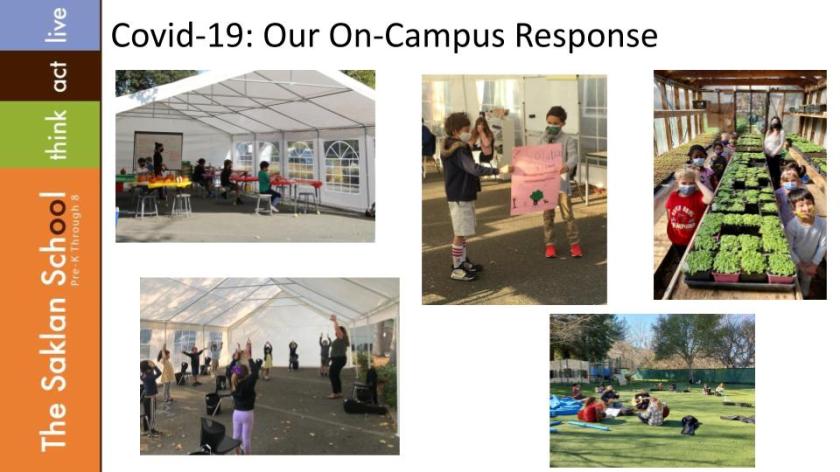
More Improvements – If you have been following our facility improvements over the summer, you know that we have added outdoor learning spaces, improved our ventilation system with hospital grade filter systems, installed sinks, sanitizers and non-touch faucets throughout the campus. We have now purchased for every classroom an air purifier with ultraviolet lights to kill germs. We will also be adding 1200 sq. ft. of outdoor learning space, giving us over 3000 sq. ft of outdoor classroom space. 

Being Responsible – While infection rates continue to improve, it is also easy to get comfortable and relax, leading to another jump in rates. Once the school is open, we can stay open even if infection rates increase county wide. But, if we have even a small outbreak at school, the county may close the school. As a community, it is our responsibility to keep our students and teachers healthy and in school. 

Flu Shots – This year, more than most, getting a flu shot is extremely important. The symptoms of COVID-19 present much like the common flu. We have had to send students home from the ECE for something as simple as a runny nose. The better job we do avoiding any illness, the more likely we will be successful in having a good year.

Survey – Next week, we will be sending a survey to parents regarding their intention to send their students back to school or keep them home. Our online options will be limited once we are in session. We will be setting aside time towards the end of the school day to connect with those at home and help them with their academics. We will do our best but will be limited by how much “live-teaching” we can do during the school day. 

Bus – Next week, we will be sharing information regarding the school bus. The seating will be limited due to COVID-19 restrictions, and the fees will increase significantly. 

Extended Day – While we are in cohorts and under COVID-19 restrictions, we do not see a way to open extended day for K-8 that is safe and cost-effective. The school day will end between 2:00 and 2:20 pm for students. 

As always, thank you for your patience and support. If you have any questions or concerns, please email me. More information will be coming early next week. 

Fondly,

David

#SaklanReopening

Head’s Corner

Why We Connect

“You just can’t fathom it.” Truer words were never spoken. Having your children back on campus, even for short visits, has been pure joy. I know, as parents, you understand the value of these visits to your child, but you have no idea how energizing it is to us. They are the lifeblood of the school. They are the reason we show up every morning. They give us purpose. 

When we received word from Governor Newsom in July that we would not be able to do in-person learning, it was a severe disappointment. Not just because all the work we had done to have students back on campus felt wasted, but also because we knew that they needed to be here for their emotional health. They needed to be connected to each other and to us. When we received permission from the county to bring kids on campus in small groups for short periods, it felt like a blessing. 

Connection is one of our core values at Saklan; it is in our DNA. And it has never been so important as now. These are anxious times for students. Each of you has a story to share about how the pandemic has impacted your child and your family. You are not alone. In a survey done by YouthTruth this summer, 50% of students reported feelings of depression, anxiety, or stress. These Saklan Connect visits – as brief as they are – are vital to the health of our students.  

There is an old notion in schools that they are mostly about academics. Even at Saklan, we (or at least I) have framed the importance of connection to students as something that can often be in service to higher academic achievement. A student will never achieve their full academic potential unless they are connected with others and are thriving socially emotionally.  And while it is true that connection and emotional stability are a prerequisite to strong academics, I am convinced now that they are an end unto themselves.

When we have your child here for a Saklan Connect visit, it is because this is what they need right now (and maybe what we need too). We know having them “connect” will help them in their academic endeavors, but that is not why they are invited to join us. They are here because it is what we all need – full stop.

#SaklanConnect