What Gratitude Looks Like

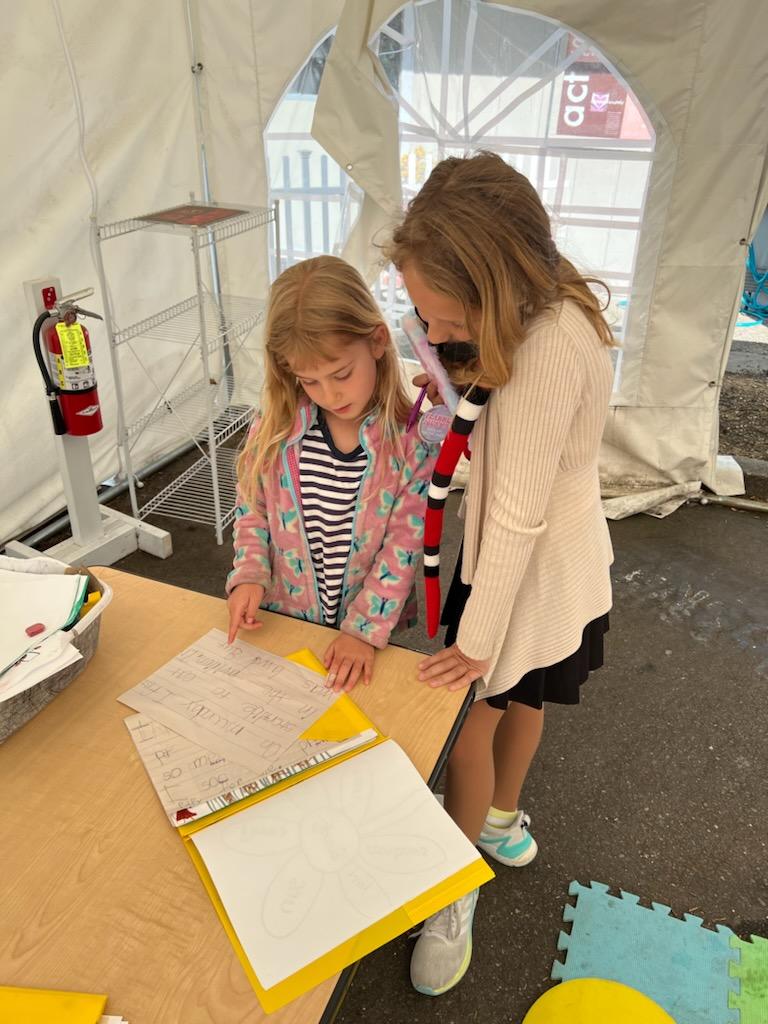
We spend quite a bit of time here at Saklan thinking about the power of gratitude. We work to recognize when others do good work and call it out. We send handwritten cards home to children, sharing with them the good we notice, and let them know how grateful we are that they are an important part of what makes Saklan- well Saklan. 

And sometimes someone shares their heartfelt gratitude with words that resonate and meet the moment. January and the beginning of February felt like the most challenging time of the pandemic. At the end of January, Mel Zippin sent the email below to everyone on the Saklan team. I share it because it speaks to how special this community is, and how powerful gratitude is. Take three minutes to read it, it is worth your time. -David


Hi,

As we near the two-year mark of this pandemic, I have been reminded several times this week that we are all running on fumes. What we have endured and continue to deal with is absolutely not sustainable, and yet here we are sustaining. 

We have grieved the loss of normal outings, seeing faces, hugging friends, traveling, seeing family, etc. And in all of this, we have tried to wrap our minds and hearts around what was happening – as adults even that has been exhausting.

Then I think about the kids and my heart breaks. Because although they are seemingly resilient, it is confusing. They see and hear and feel much of what we do, and many of them can’t totally understand or even remember life before masks.

And in all of this, YOU have guided them through this weirdness. You show up and teach and love and see them and listen to them. You model kindness and compassion and hard work and resilience. I think in many ways you have saved them.

Since we’ve come back from Winter Break things have become really challenging again. Personal tragedies and challenges aside (of which there have been plenty), you are working overtime, testing and testing, accommodating students who are home, overcommunicating to families, worrying about omicron. It feels endless. 

So, I guess I just wanted to acknowledge the exhaustion. And I wanted to thank you for being this community for my kids and my family. Being able to come to work (and having my children in school) has been a lifeline for me too. I appreciate all of you for what you do and for the gift that you have given me. 

Please take a moment today to take a breath and realize that I am in my office appreciating the heck out of you. And I hope that you are all finding time for some self-care in this madness.

Hugs,

Mel 🙂

#HeadsCorner
Head’s Corner
The Power of Reflection

Over the past two years, it has become clear that making room in our lives for reflection is more important than ever. And yet, with everything that has been going on in our world, it seems harder and harder to make the time and space for this.  

Hence we have started a new initiative at Saklan to help teachers find ways to reflect on their life’s work and come back in the Fall refreshed and energized. Starting this year, teachers will be encouraged to apply for a grant through the Saklan Summer Reflection Fund. This fund will financially support teachers and staff to pursue professional development projects of personal interest off campus that also benefit their students and the school. In the past I have seen teachers take this in all sorts of directions: from Poetry Slam camps and meditation retreats to specialized conferences and historical explorations. One history teacher, for example, decided to follow the Lewis & Clark Trail, bringing the experience back to her classroom. Inspired teachers inspire students! 

You can support this initiative by contributing to the Auction Shindig Wine Raffle or by making a monetary donation to the fund on our auction website.  

The Saklan teachers and staff are excited about pursuing summer reflective opportunities. We look forward to sharing their experiences.

Head’s Corner
These past few weeks have been a huge challenge for all of us- from the absences, endless testing, tracking COVID-19 cases, and quarantine protocols, not to mention the Hunger Games-like atmosphere to procure an Antigen Rapid Test. It’s been a lot. 

But there is a second front that we have been battling since the start of the pandemic- the mental health of our students. I do not need to cite the numbers; we have all felt or seen it in one way or another. Its roots are in the loss of connection and engagement.

The way we have endured the ongoing stress of this pandemic is to double down on what we know is best for our students, our learning, and our community. While we have worked to keep everyone safe and healthy, we have not lost sight of the importance of a connected community and engaging curriculum. Students begin each morning with a Morning Meeting, Advisory, or Circle Time (depending on the grade level), enabling them to be present, engage, check-in, and feel seen and heard. This allows our community to stay connected with one another despite the chaos and uncertainty that has been surrounding us all. 

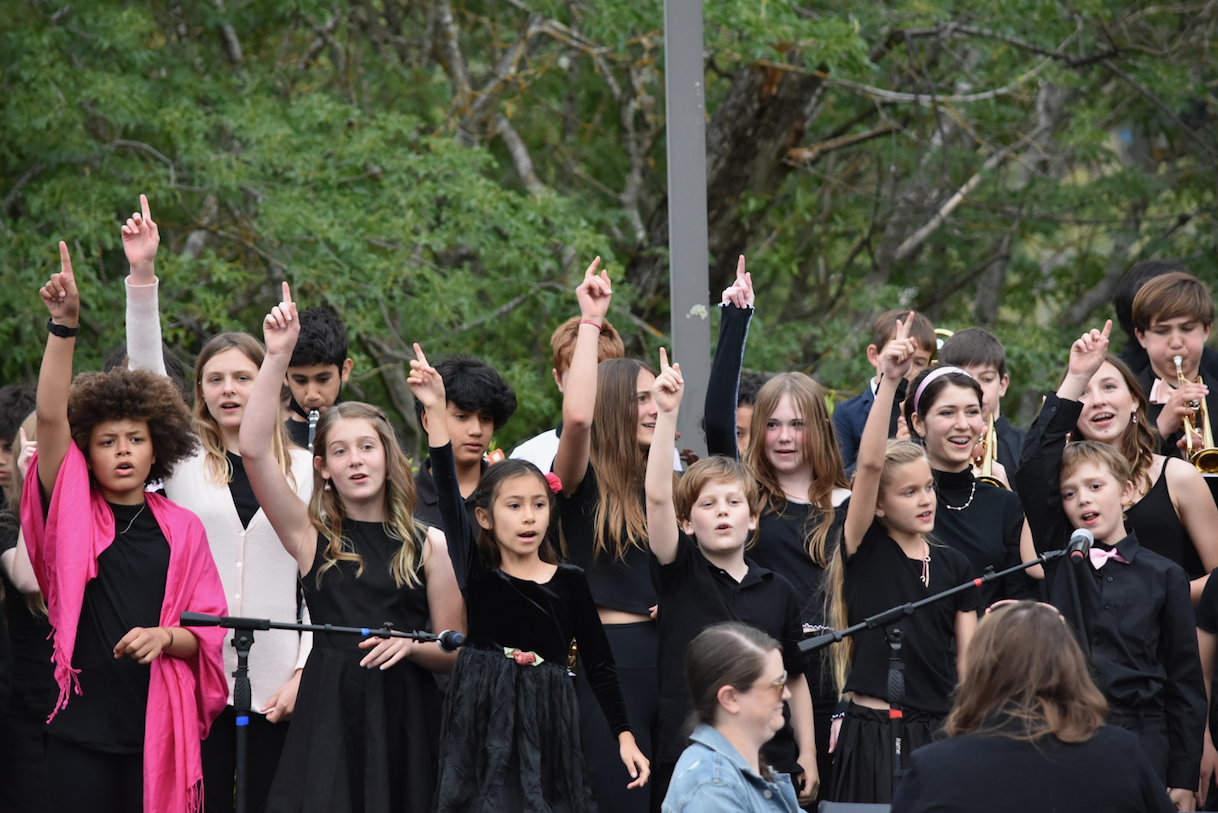
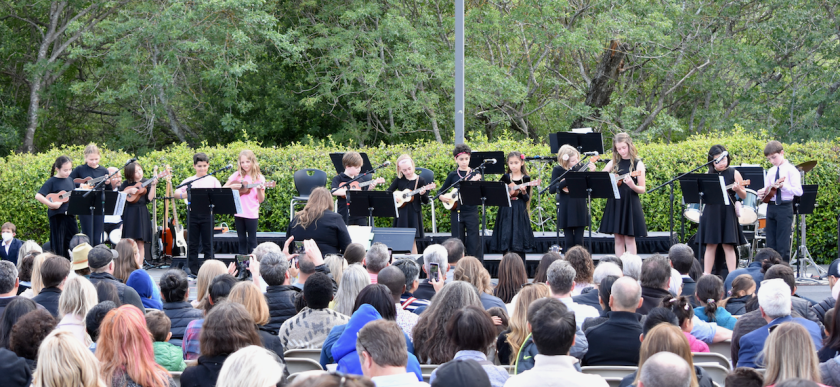
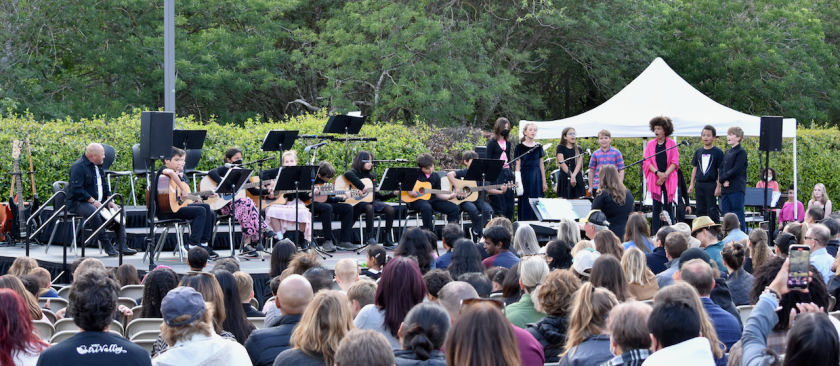
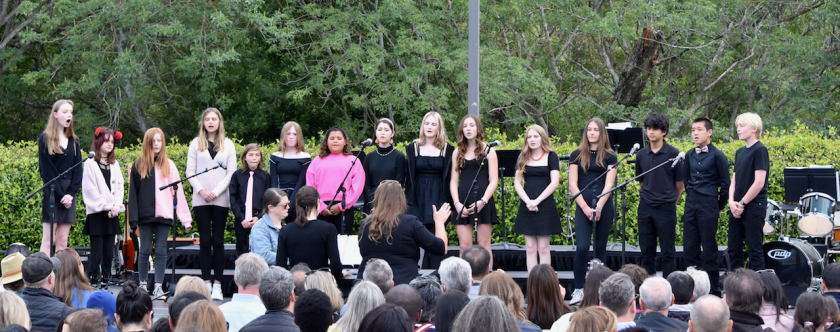
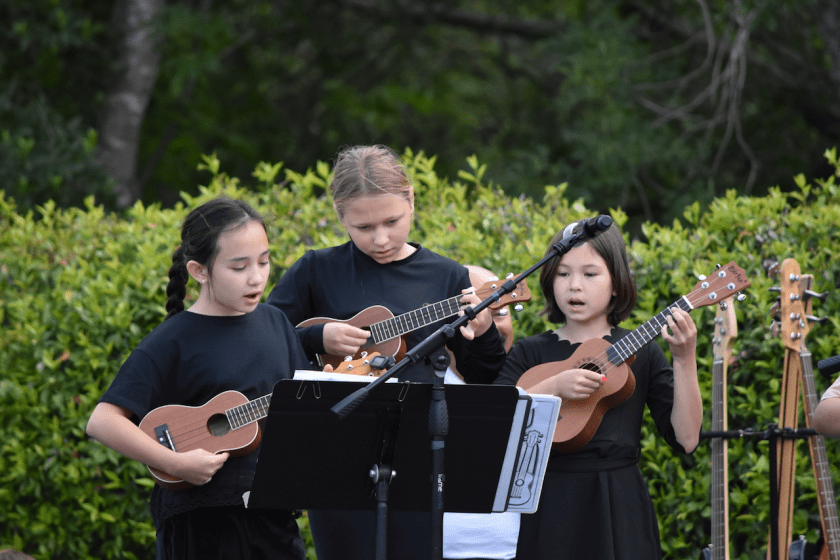
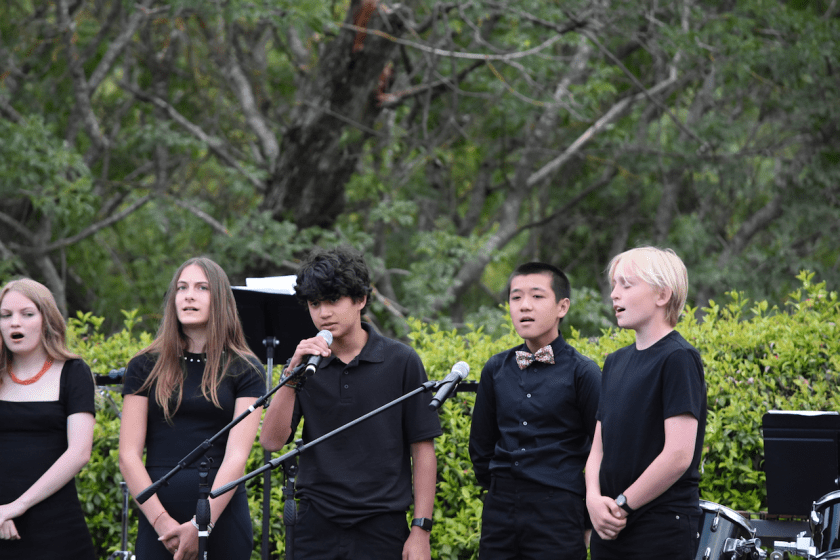
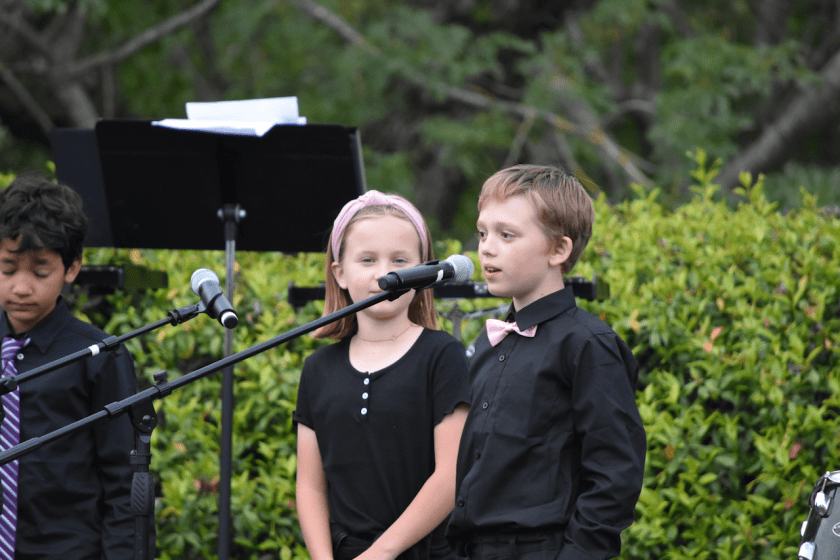
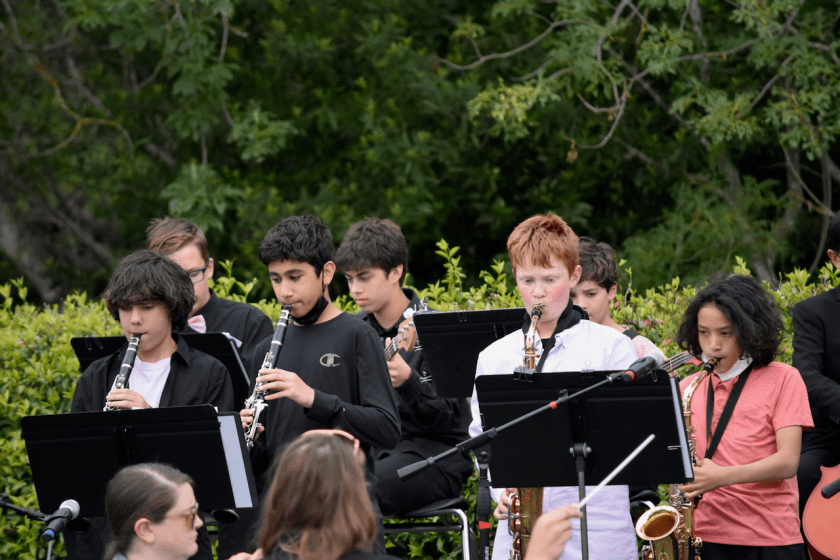
Not only is our hands-on curriculum and social emotional learning happening on campus, but we continue to plan for our spring field experiences, guest experts, and community events. Our 8th graders are preparing to go to Puerto Rico to build homes; the 4th graders are headed to Coloma to immerse themselves in the gold rush experience; the 5th graders will go to the Nature-Bridge Golden Gate Outdoor Program; we are working on rescheduling the 7th grade Hawaii experience; the all-school concert is being planned for April. Despite the limits the pandemic has imposed, there is still much to be hopeful and excited about.

We know how hard and exhausting these past 22 months have been. However, we will continue to prioritize a nurturing place of consistency and safety for your children. As always, thank you for your support, cooperation, and trust. Your partnership has made this all possible.

In gratitude,

David

Head’s Corner
Alumni Highlight: Levi Kim (Part 2)

Before the Winter Break, I interviewed recent Saklan graduate and current Athenian student, Levi Kim. Previously, I shared our conversation about his ballet experience and role in The Nutcracker. Below is the second part of our interview, discussing Levi’s transition from Saklan to Athenian.

Why did you choose Athenian as the high school to attend?

While researching different high schools, there were many things I was considering. Some of them included: general academics, arts programs, class sizes, and diversity, among others. Along with being the school my older sister currently attended, Athenian had all of that and so much more to offer. Athenian has a wide range of academic classes and semesters offered, something that made me very excited. While freshman year your classes are more scheduled, sophomore year and up you can pick classes that interest you. In particular, juniors and seniors can take semester-long classes on subjects ranging from women in Greek mythology to analyzing comedy writing. Athenian has a great arts program that I’ve been very fortunate to get to experience these past few months, with classes such as choir, theatre, and dance, all of which I learned so much from. Besides classes and schedules, an aspect that drew me to Athenian was their focus on the environment. One of their graduation requirements is a twenty-six day backpacking trip that many students I talked to described as life changing. This seems like an amazing opportunity to experience nature firsthand and was just one of the reasons I decided to go to Athenian for high school.

Tell me a little about the transition from Saklan to Athenian?

Going from Saklan, a very small school, to Athenian, a slightly larger school, was quite the adjustment. Being a naturally quiet person, I thought I would have a hard time talking to people. However, when entering high school, I met more people on the first day than I had in a long time. Needless to say, I was quite overwhelmed at first, but grateful for all of the kindness people were showing new students who didn’t attend Athenian’s middle school. Over time I met more new people and settled into a friend group. I made connections with my teachers and often asked them for help on assignments or for extensions when I needed more time. All of these things reminded me of Saklan’s environment when I first came in sixth grade; warm, friendly, and welcoming. That was one of the main things that made my transition from middle to high school go so smoothly.

Now that you are halfway through your first year, what advice might you give to a Saklan student going to Athenian?

For any Saklan students coming to Athenian next year, try to meet lots of people and get the most out of your experience at Athenian. Also don’t be afraid to ask for help from your teachers, as they want to support you in your learning journey.

Thank you very much, Levi, for sharing your experience with me and the Saklan community.

#SaklanAlumni

Head’s Corner
Alumni Highlight: Levi Kim

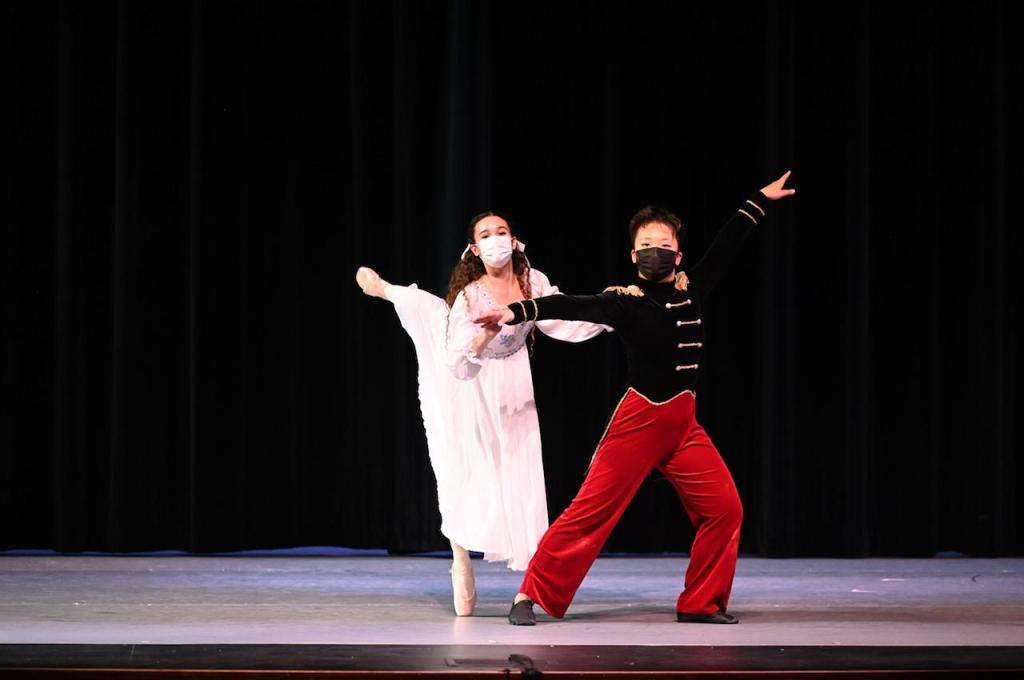
This past week I was able to interview recent Saklan graduate, and current Athenian student, Levi Kim. What sparked my interest in hearing from Levi was his recent performance in The Nutcracker. The conversation was so rich I needed to break it into two blog posts. This week’s post we hear from Levi about his ballet experience.  In our next post we will talk about his transition from Saklan to Athenian. 

How long have you been interested in and practicing ballet?

I’ve been doing ballet since I was three years old. It was a very intense activity to grow up doing, with the many hours of rehearsal and shows, but I enjoyed it nonetheless. Throughout the nearly twelve years I’ve danced, I’ve had many moments where I wanted to quit. While some people may see this as a bad thing, I try to focus on why I didn’t quit, instead of why I might have. I didn’t quit because I knew I would regret not continuing something that brought me so much joy and taught me so much about myself. Ballet may be very frustrating sometimes and can come off as a futile endeavor towards perfection, but it also brought me some of the greatest happiness of my life. While many people see ballet as boring and restrictive, I’ve tried to see it in the opposite way. I see ballet as a unique and beautiful way to convey stories through more abstract movements that allow people to create interpretations of beloved stories.

Can you talk a little about the role you had in The Nutcracker?

In this year’s Nutcracker, I played Drosselmeyer’s nephew/the prince. We started rehearsing the show back in October (though many people prepared for auditions months before then) and continued until the first week of December where we finally got to show all of our hard work off.


I understand it was a grueling schedule, can you share a little bit about it? 

I rehearsed my role for 2-6 hours every Sunday until one week before our show when we rehearsed every day from Friday to the Sunday of the next week. That week was one of the greatest tests of my physical and mental endurance of my life. Practicing a show over and over again until it was perfect, only to perform it six more times for an audience was exhausting. Between balancing schoolwork, warm-ups, and the actual shows, I had to carefully choose what I needed to prioritize and what I could sacrifice. This taught me where I needed to focus my energy and what I was willing to give up in order to deliver the best performance that I could. Despite how grueling the description of rehearsals sounds, it was an amazing experience. After almost two years of not being able to perform on a stage, it was one of the greatest moments of my life. I really enjoyed working with so many talented people and improving my own dancing with them.

What did you learn about yourself now that you have finished the production? 

Looking back at The Nutcracker after it’s all over, I realize that I’ve learned so many things about myself along the way. I’ve learned that I can make difficult decisions and move past them. I’ve learned that I can stay calm under high-stress situations. And I’ve learned that I’m capable of accomplishing what I put my mind to.

Thank you very much, Levi, for sharing your Nutcracker experience with me and the Saklan community.

#SaklanAlumni

Head’s Corner

The Irony of Fall Follies

Folly, noun –  Lack of good sense or normal prudence and foresight, a foolish act or idea.  

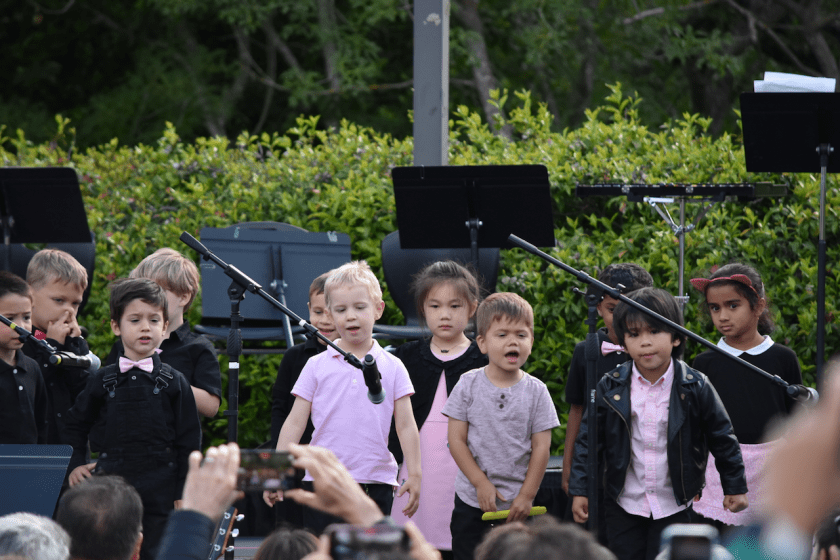
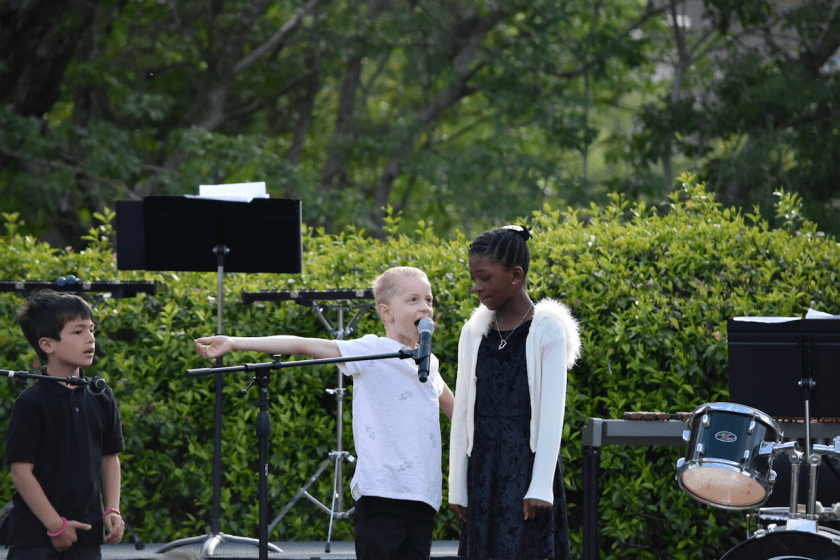
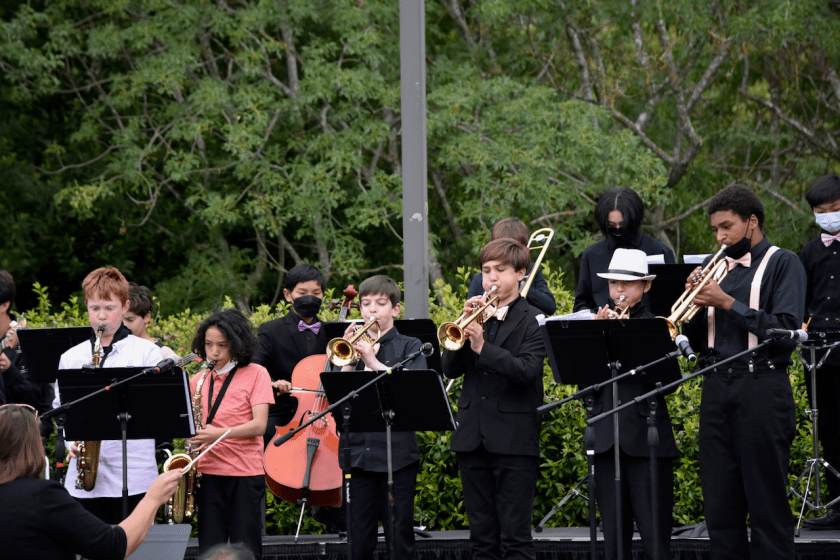
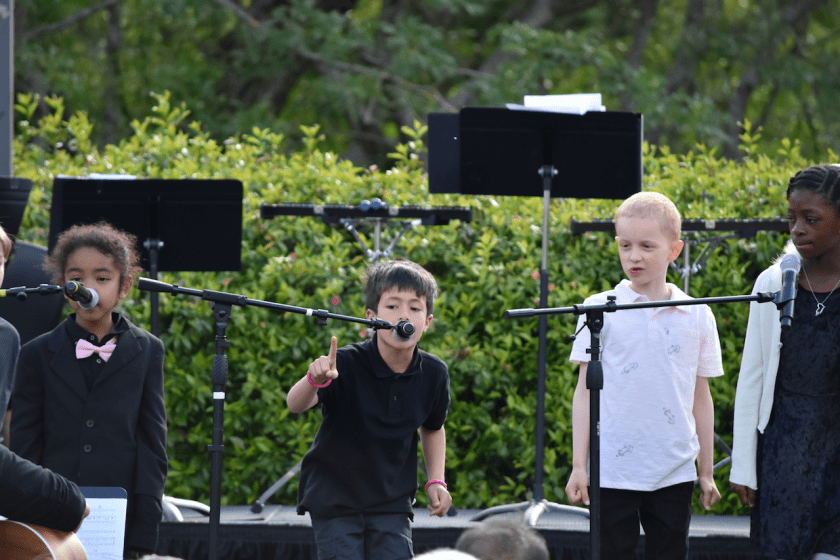
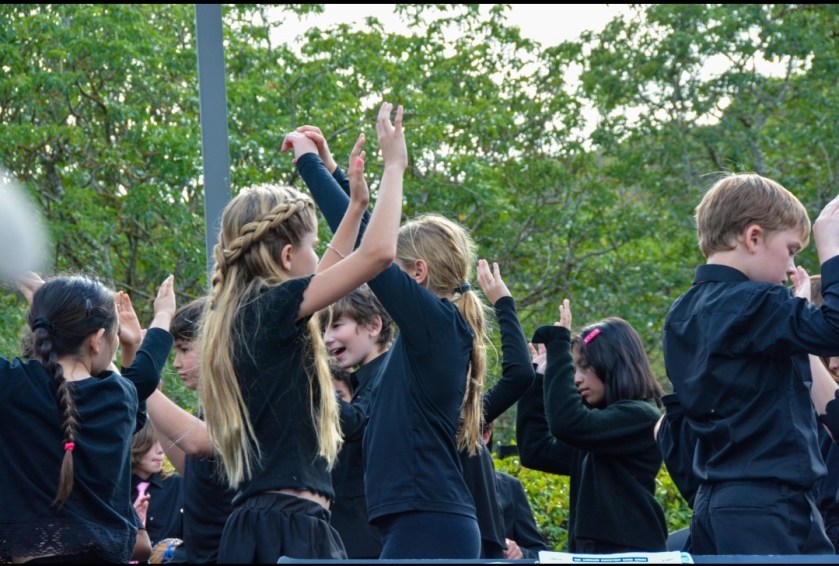
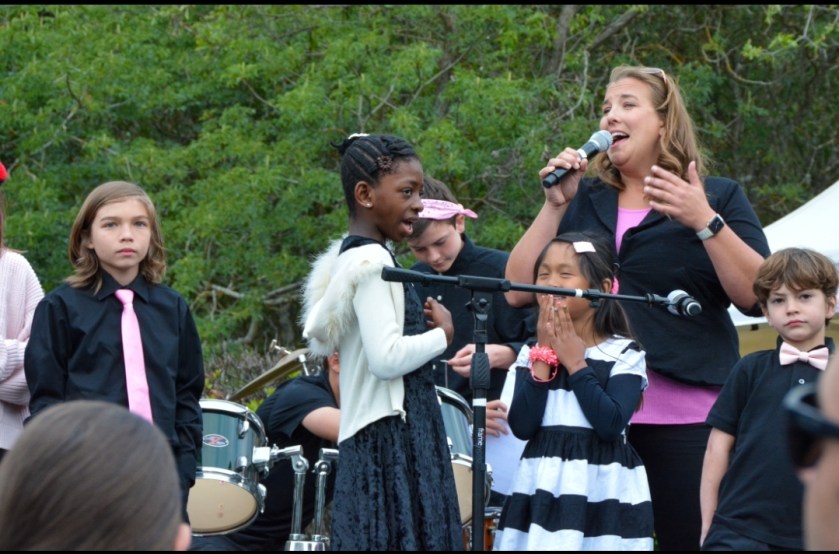
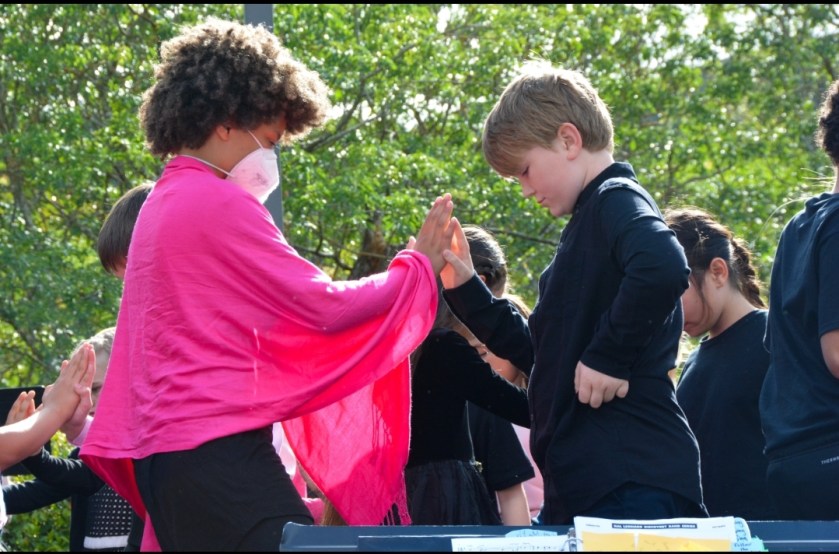
It seems to me that our annual Fall Follies is misnamed, as it is the furthest thing from folly. As a matter of fact, the entire production was a definition of our mission to Think Creatively, Act Compassionately, and Live Courageously.

Creativity showed through many of the acts, from Panji singing Bruno Mars or the gymnastics routines, all the way to “How to Fold a Bandana.” 

Compassion was on display by the audience as students summoned their courage to perform. It was not just compassion, but there was an energy of encouragement, a palpable sense of “you can do this.” Backstage I was not only able to see students encourage and support their fellow performers but also look out into the audience – the faces of the audience were saying “you’ve got this.”

And the courage. Getting in front of 250 people, many of them peers along with some parents, is no small feat for a student. There were six acts from Kindergarten- from songs to poems to a ballet number. Cade from 3rd grade with his magic show had such comedic timing. Alicia, who just joined the school a few weeks ago, sang “Into the Light.” These were just a few of the students who demonstrated true courage.  

While we will likely not rename our Fall Follies, they are indeed the opposite.

#SaklanCreativity #SaklanCompassion #SaklanCourage

Head’s Corner

Last Wednesday, November 3rd, marked our First Annual Orange Envelope Day! Kicking off our Annual Giving Fund (AGF) with lots of enthusiasm, students and parents were able to drop their orange donation envelopes in the orange box and ring our cowbell to mark the occasion – it brought lots of joy and attention to drop off and pick up! Thank you for helping to make it historic. Orange Envelope Day yielded 37 gifts and participation from 24% of our families- Go Saklan!

It speaks volumes about our community that families are willing to contribute a meaningful gift to the AGF. Each gift supports our commitment to fostering a sense of belonging and being connected to every student. Moreover, it strengthens the bond of shared common values between all of us. Those values of belonging and connectedness are instrumental to who we are and what we do.

Community Participation as of November 12, 2021

Asking for a financial gift from a community that already gives so much in the way of time, money and trust, takes a nuanced approach. While we focus on participation because it is an indicator of belonging, the truth of the matter is that we would fall short of our financial goal without the larger donations that are made. Our community is socioeconomically diverse, with some families who have more capacity to give monetarily than others. This is where the nuance comes in. Larger gifts bring us closer to moving the dial on experiences that strengthen your child’s love for learning. High participation is a vote of being connected to the community that values those experiences. We strive for both. We want Saklan to be your primary philanthropic cause and ask you to give to your fullest capacity. Whether your gift is $5 or $15,000, if it is meaningful to you, it is meaningful to us.

Thank you for believing in us to partner with you in your child’s educational journey. Thank you to those who have already shown their support for the AGF. We are more than halfway to our goals of raising $150,000 and reaching 100% participation, and I am confident that both will continue to rise.

In gratitude,

David

#SaklanGiving

Head’s Corner

Halloween Brought a Boon of Creativity!

I hope you were able to attend today’s special Halloween CLAS. From the visit of a Transformer (Preston) to the combination group outfit of Ketchup and Fries (featuring brothers Chase and Liam), there was tons of creativity on display. Thank you to all members of our community for supporting the students this morning. 

Thank you and Happy Halloween!

David

#SaklanCreative

Head’s Corner

“Be Curious, Not Judgemental”

Walt Whitman

This quote (recently made famous by Ted Lasso) replaces an old favorite of mine: “If you only believe 50% of what your children say about us, we will only believe 50% of what they say about you.” While the quote is tongue-in-cheek, it emphasizes that misunderstandings can occur between home and school when we only understand one perspective. But it is passive. It does not ask us to be curious and learn. When it comes to raising good people (the children we share), we need to be curious and suspend judgment.

Yesterday, as a faculty, we spent time talking about parent-teacher conferences. One of our conversation points was delving into the anxiety all participants (yes, even teachers) can feel during these meetings. As we prepare for conferences, it is essential to remember that we (parents and teachers) have the same goal in mind- to help young people grow to become fulfilled, self-actualized adults. This work is complicated and bumps in the road are inevitable, but our children benefit when we remain curious and work together. 

Please keep this in mind next week as you discuss your child’s progress at conferences. We are a team, and we look forward to sharing glows and grows with you.

In gratitude,

David

Head’s Corner

MAP Testing – Measures of Academic Progress

Over the next two weeks, if your student is in grades 2*- 8, they will spend a few hours taking the NWEA MAP (Measures of Academic Progress) test. The MAP test is a “standardized” test in Language Arts, Reading, and Math, but is different from most other standardized tests.

The MAP test is computerized and adaptive; as students take the tests, the program feeds them either more challenging or more accessible questions, depending on their performance on earlier questions. In addition, the algorithm is designed to find a student’s strengths and challenges in the subject area. 

When we administered the test last spring, I recall 8th graders lamenting that it was the most challenging test they had ever taken, and they thought they must have failed. But, it turns out, those same students scored above the 90th percentile. The test was hard because it worked to stretch them, feeding them questions meant for 10th and 11th grade students.  

While the MAP test will benchmark students to other students across the country, that is not the emphasis. Instead, the test provides data for teachers, parents, and students alike that will help leverage strengths and fill gaps. Each teacher receives a report on their class and individual students to assess their competency in a subject area. In addition, parents receive a report on their child that offers suggestions for improvement and links to resources that will spur academic growth.

Compared to other standardized tests which would take a week or more of instructional time to complete, the MAP test is not timed and takes approximately 50-70 minutes (some students are done in 45 minutes, others take 80) per subject area to complete. Therefore it is less intrusive to our instructional day.

We look forward to sharing the information gathered from the MAP test as we move into the year and share your child’s results during conferences.

For more information on the MAP test, please click here

Warm regards,

David 

*This is the first year we are testing 2nd graders. They will only be taking the reading portion of the test – it will last between 45 and 75 minutes.