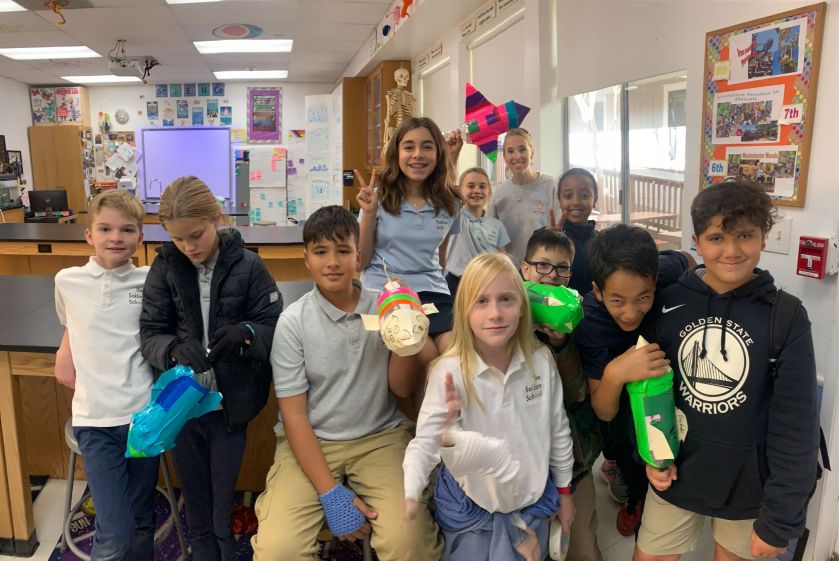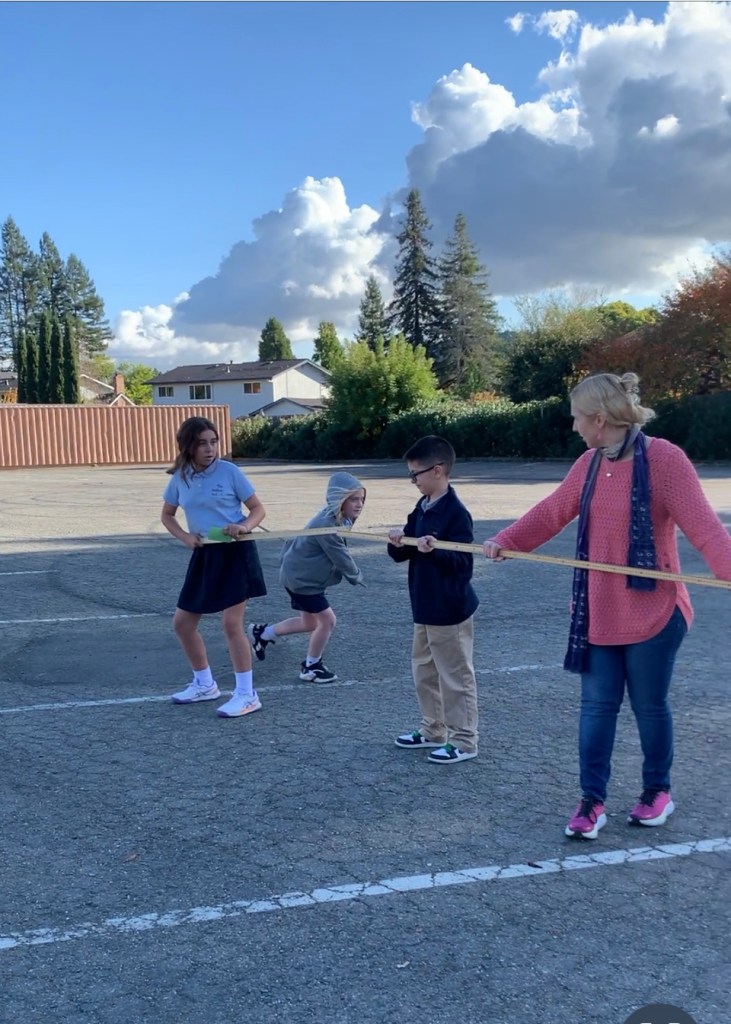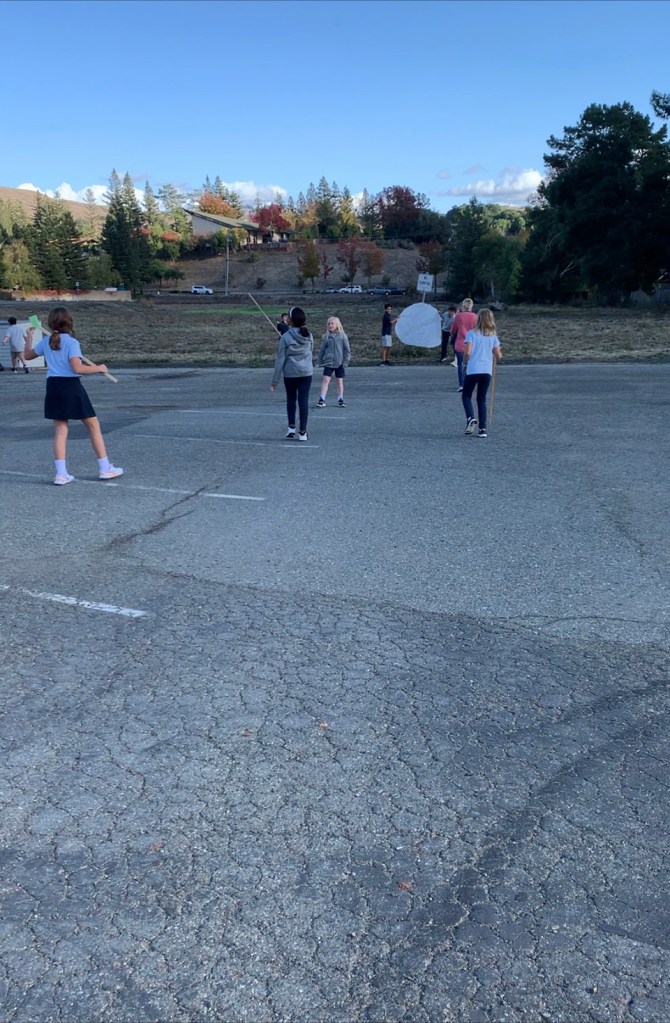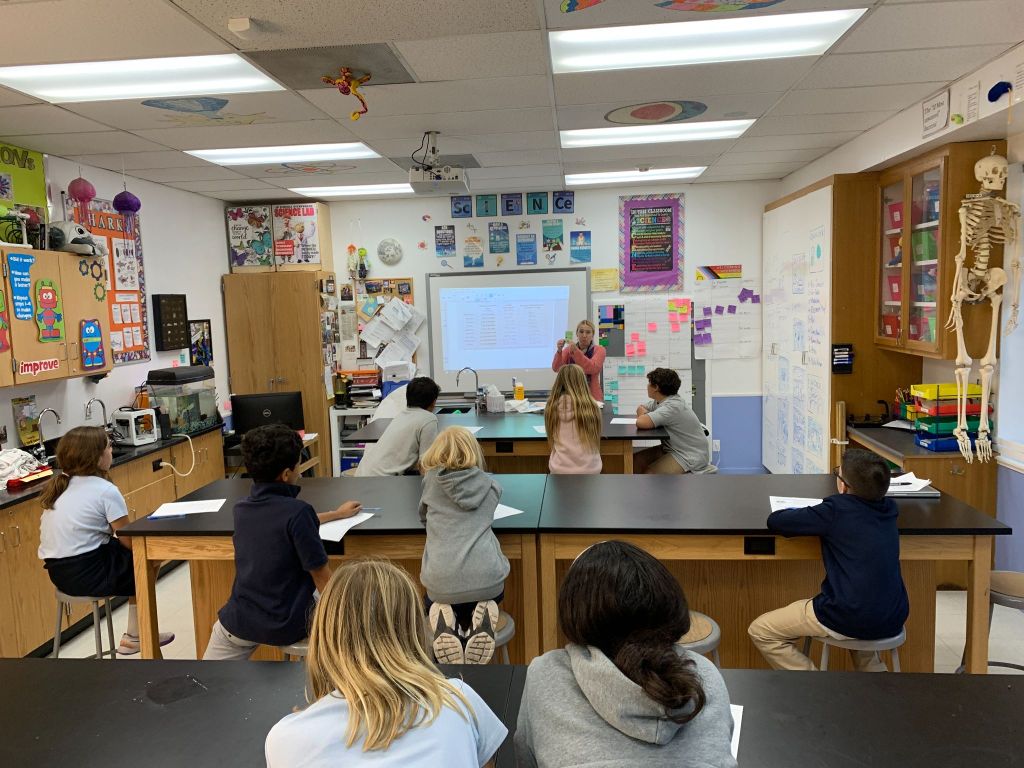
Refining & Rethinking As We Grow in Knowledge

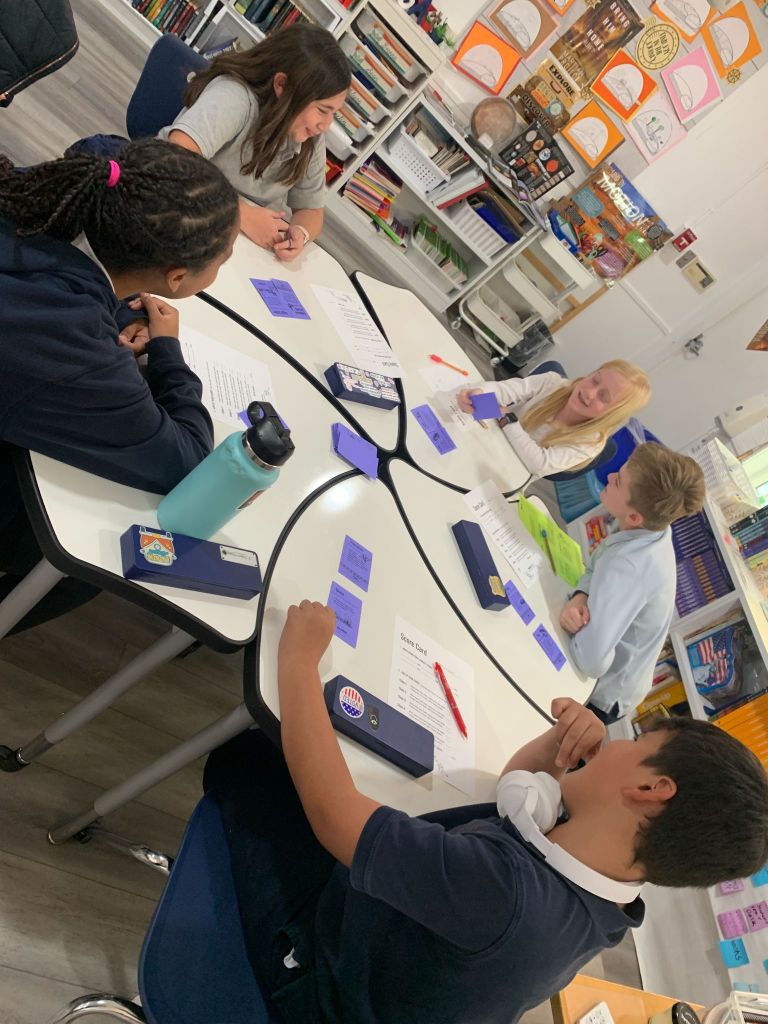
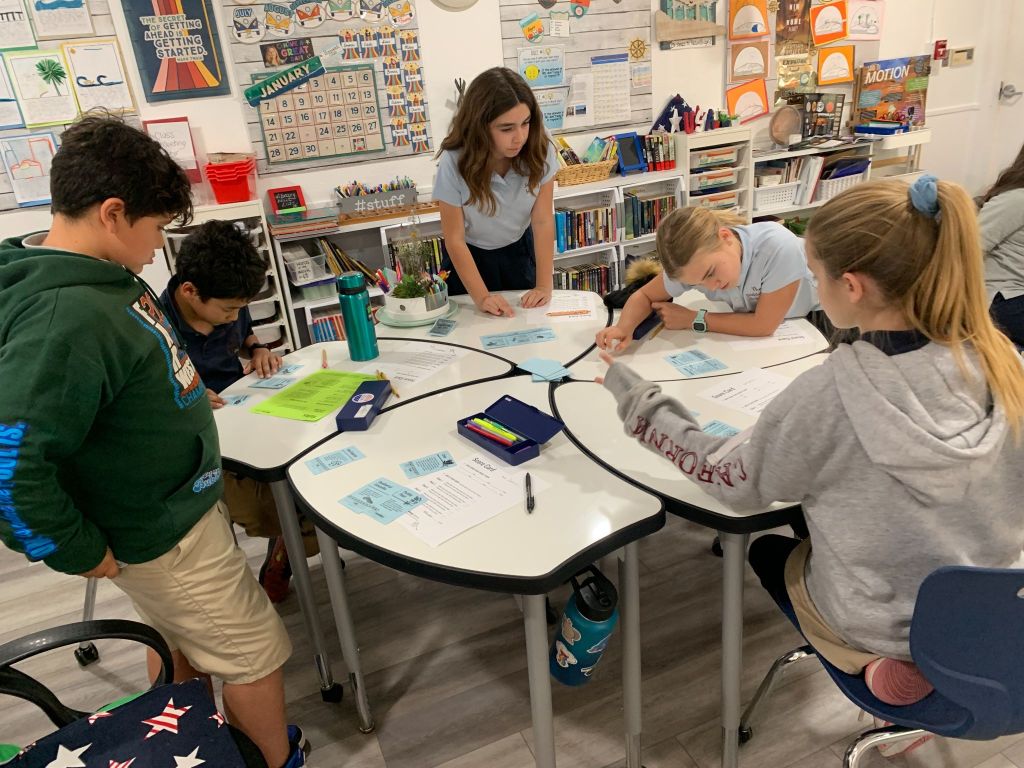
A PBL Unit kicks off with an entry event, otherwise known as a “hook,” that engages students’ curiosity.  In fifth grade, students study USA history and geography, and so for an entry event into their latest PBL unit, the fifth grade class examined a 3D map of the USA, and noted the flat center that makes up the Great Plains region. Students examined photographs and personal accounts from the early 1930s; the “chocolate-rich soils” that drew many to profitable wheat, corn, and livestock farming during the Great Depression, creating the area’s nickname as “The Breadbowl” of the nation.  

Students then examined photographs and heard personal accounts of the 1939-1949 Dust Bowl Disaster. What caused the year-upon-year sand storms that killed livestock, buried crops, and drove farmers off their once-fertile lands?  The class charted initial ideas, and will collect “clues” in the form of a growing body of knowledge and experiences each week, and then try to answer the complex question (that puzzled scientists for years) at the end of the unit.

Milestone One

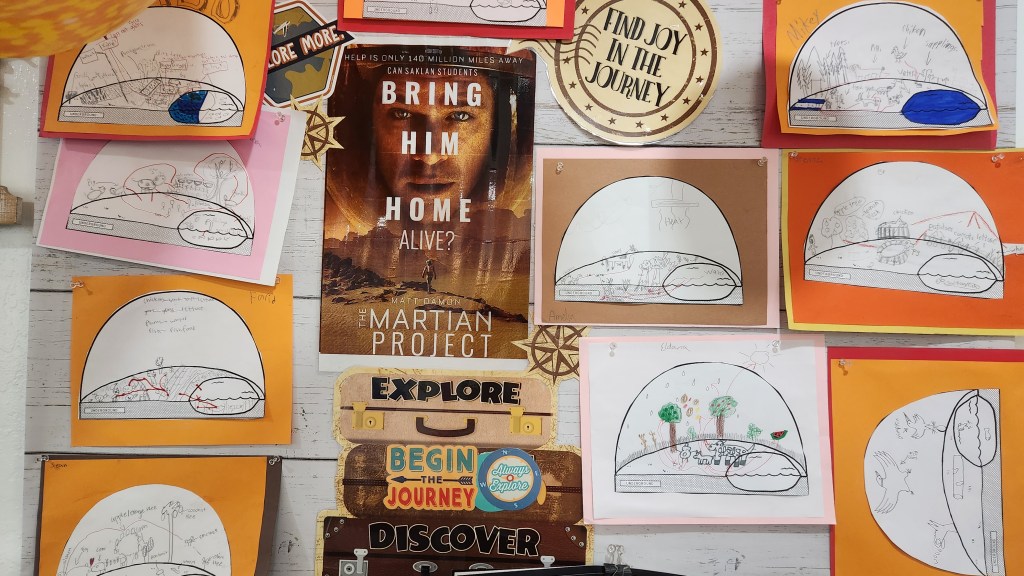
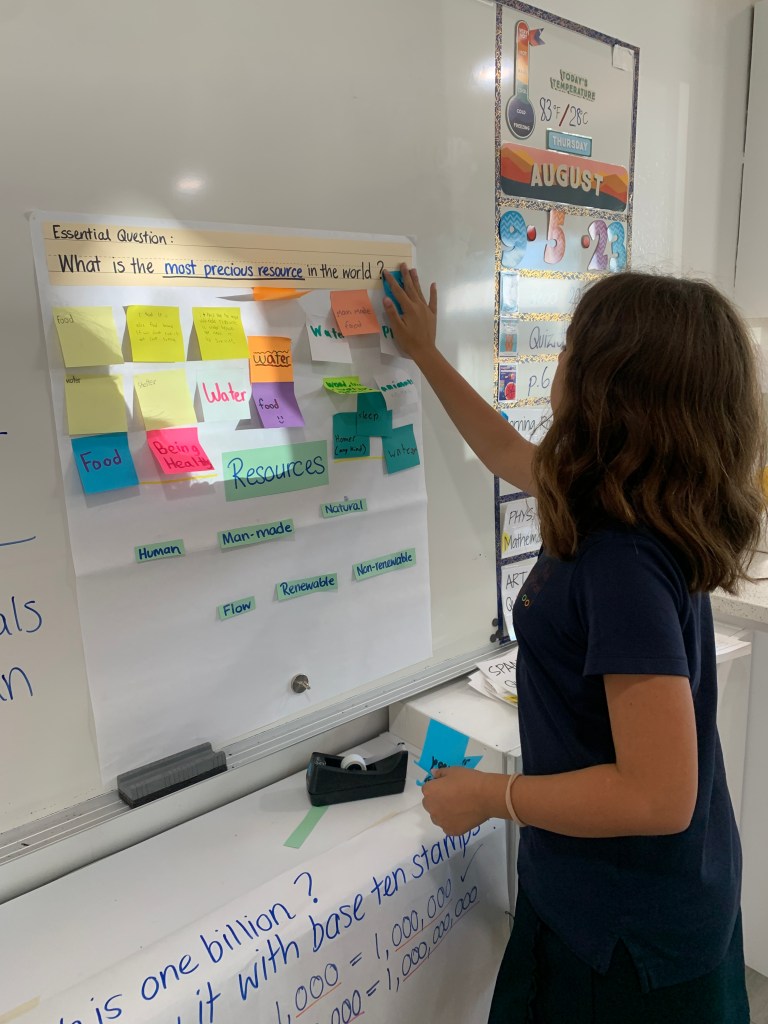
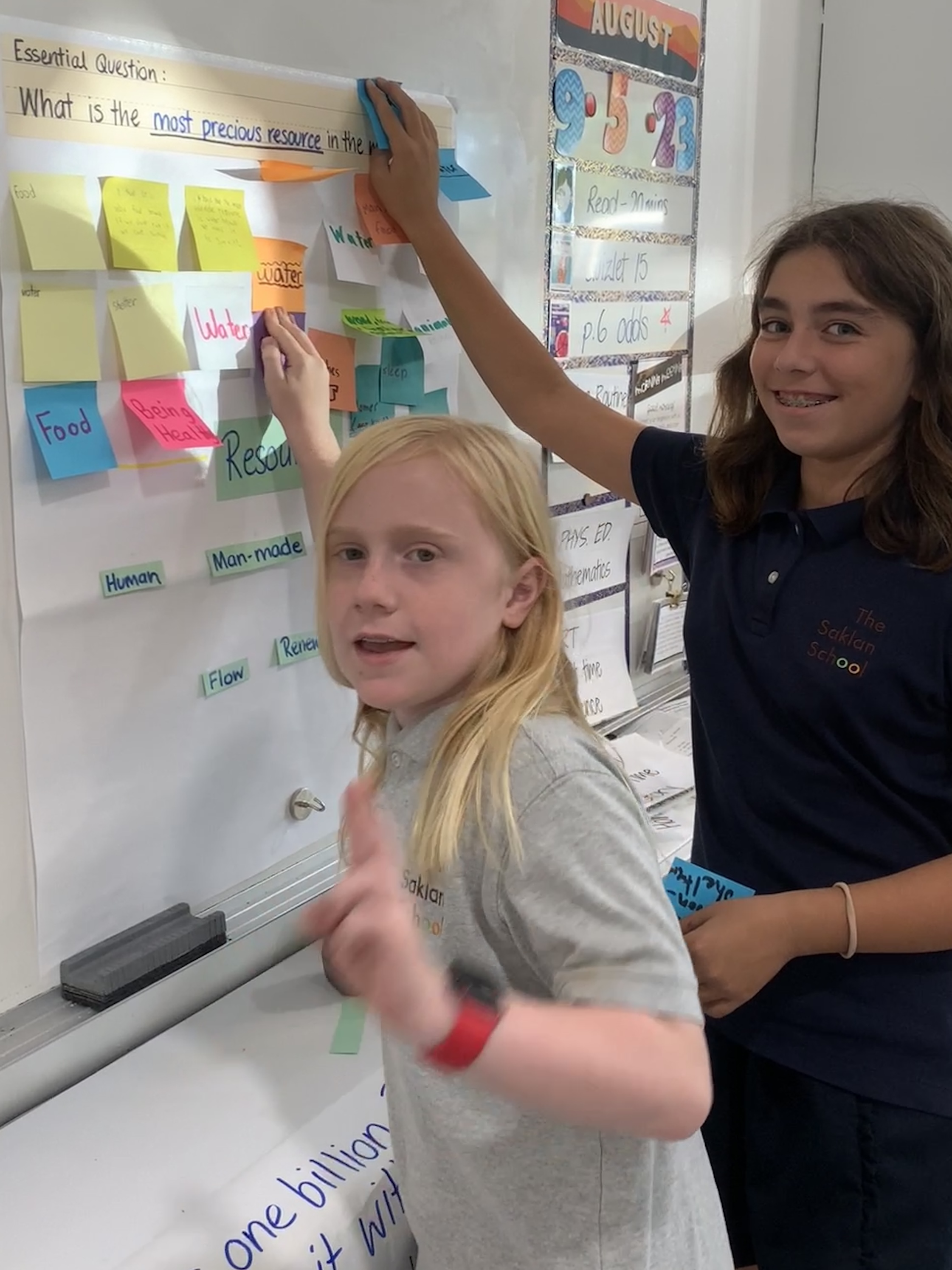
Learning steps necessary to reach an end goal is a “milestone” in PBL.  The first milestone in the fifth grade unit is for students to understand the value of water as a precious natural resource.  After defining “resource,” students wrote their answers to the question, “What is the most precious resource in the world?” They posted these on a chart that remains on the classroom wall throughout the unit.  Food, water, and shelter made up the top responses.  Sleep, and being healthy were other thoughtful answers; the 5th graders knew that gold, diamonds, and X-boxes were not it!

Next, students learned about fisherman Jose Alvarenga, lost at sea for 438 days after a storm flooded the engine of his fishing boat. Using buckets to collect fresh rainwater, and his bare hands to catch any sea life he could, Jose was able to get just enough fresh water and food to survive for fourteen months. Students learned that people can survive just three weeks without food, and only three days without water! To conclude, students revisited their thought-board and refined their “…most precious resource” answers, reflecting how we refine and rethink things as we grow in knowledge, skills, and experiences in a lifelong learning process.

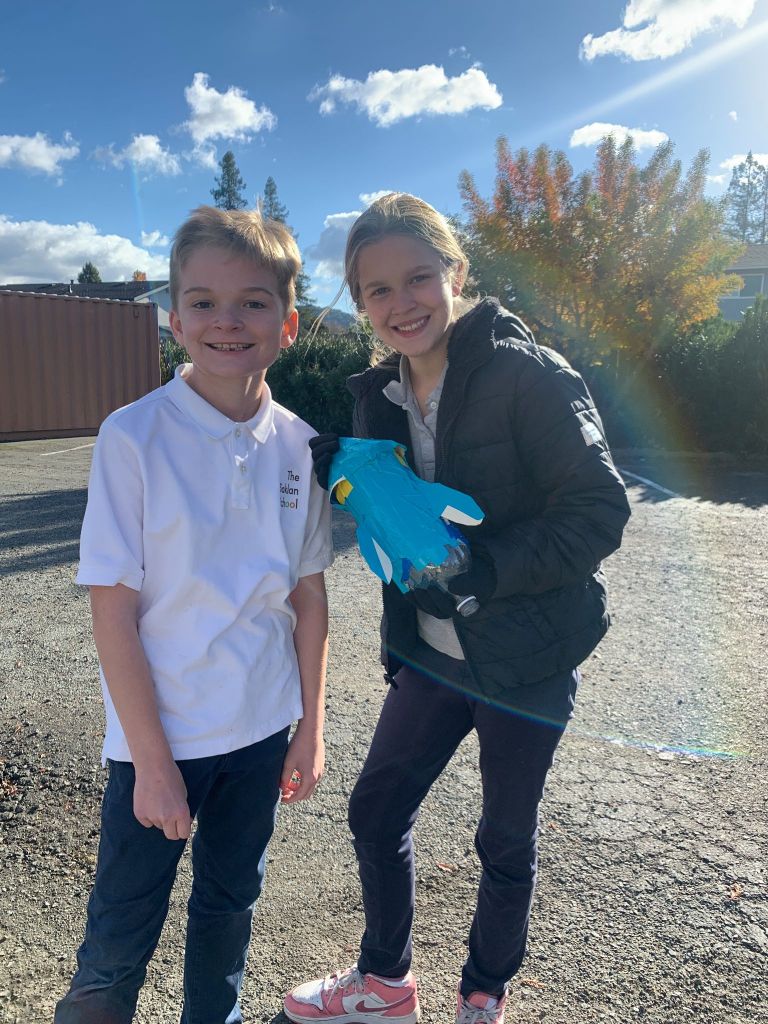
With this, the fifth grade Earth Science PBL Unit “Water doesn’t just fall from the sky, you know” was underway. Students will learn about the interconnected nature of the earth’s four spheres, with emphasis on the hydrosphere and an application of learning at the end.

Stay tuned to learn about the next milestone in the fifth grade hydrology PBL unit!

#SaklanPBL

Why I Teach Ewe Music

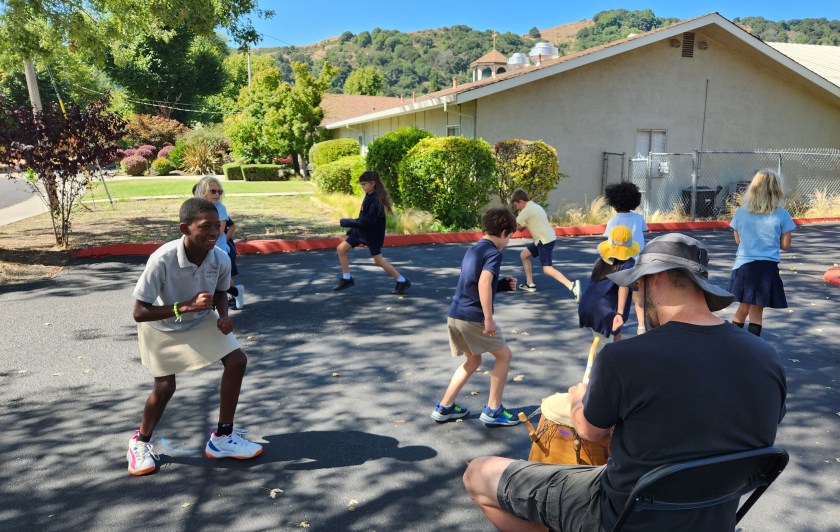
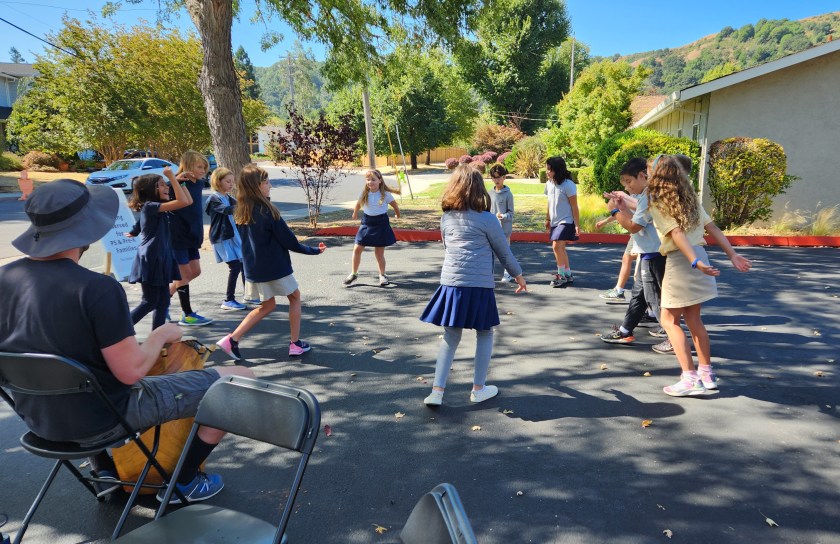
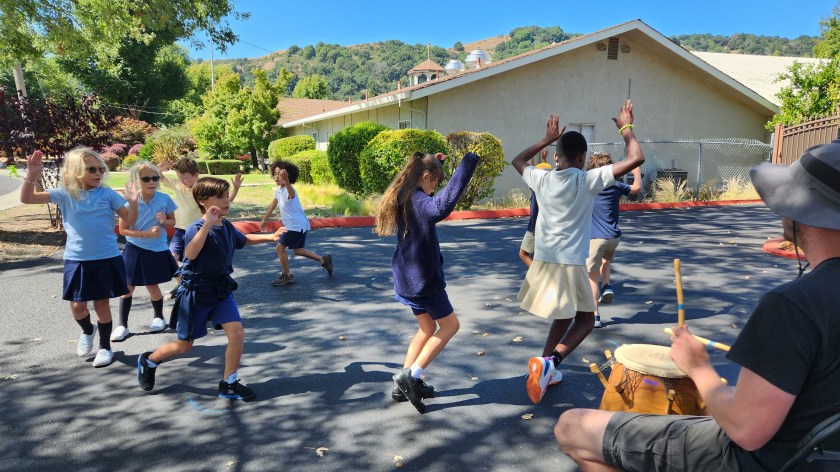
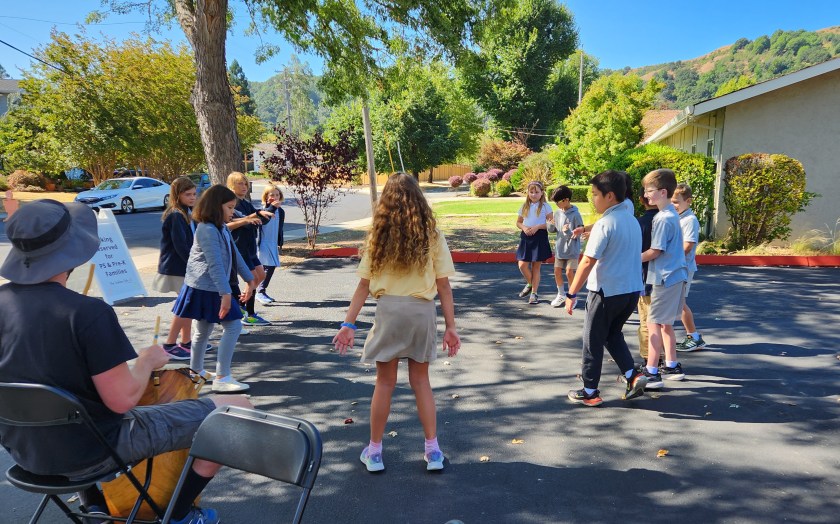
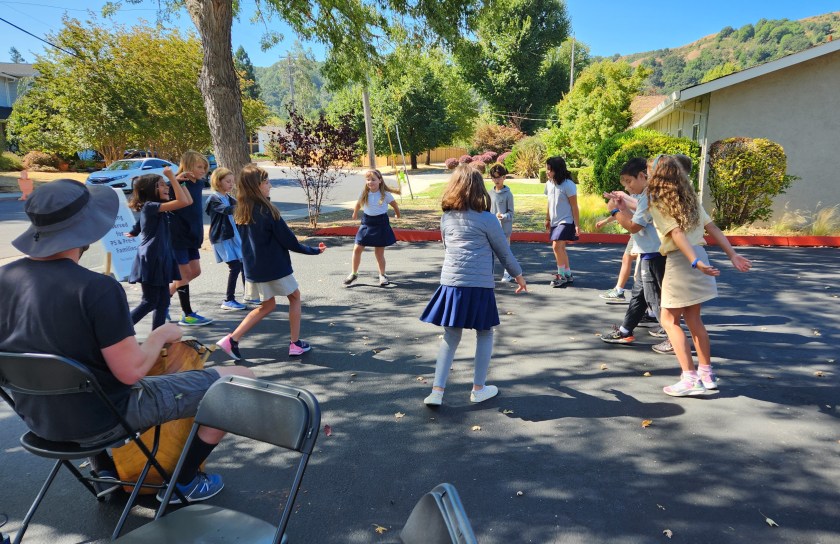
Alfred and Kobla Ladzekpo came to the United States in the 1960s to teach Ewe music. The Ladzekpos came from a village in the southern Volta region of Ghana called Anyako, an Ewe village. Ewe is one of over 20 languages spoken in Ghana. Ewe music is divided into styles. Each Style has songs (for singing), drum patterns and dance steps. The singing, drumming and dancing together form the musical style.

Alfred Ladzekpo taught at the California Institute of the Arts (Calarts) for over 40 years, and I was fortunate to study with him from 2002-06. He became my mentor and my friend.

Alfred’s main goal with his students at Calarts was to show them how to be an effective musician in his style of music. Ewe music is an oral tradition. Musicians coming from different backgrounds begin a new process of learning through listening. Alfred reveled in every opportunity he had to lecture his students on the importance of listening. Despite the simplicity of the message, every student who embraced this concept came away from Alfred’s class an improved musician.

As a young musician my fascination with Ewe music was sparked by my admiration of its construction. Ewe music weaves a complex counterpoint through all of its elements that rival the greatest artforms of humanity. I was enamored with the sophistication of the drumming patterns and the ability for musicians to dialogue through a musical language. The lead drummer is able to direct their ensemble into new dance moves, drumming patterns, or songs,
by playing a call on the drum. Everyone has to listen or you might miss the call!

This felt like a secret language and my friends and I were hooked. We took every opportunity to learn from Alfred and eventually we were helping him teach his classes and performing in his professional ensemble at schools and community events. Later in life I found another beautiful side to the artform.

The main function of music in Ewe culture is to promote community. People gather in social groups for musical performances. These groups perform at funerals and weddings and are the backbone of both religious and secular events. This is extremely valuable in our recent culture of social media and social distancing. People are craving interaction and Ewe music is a
world class option for community building.

I teach Ewe music as a celebration of West African brilliance. Through honoring and respecting Ewe culture I have found that we can bring value to our school not only through the acute development of musicianship but through the strengthening of our community.

In community,

Isaac

#SakalanCommunity #SaklanArts

Awesome and Terrifying Moments

Auditions are both awesome and terrifying. As a young actor (and an adult actor too!) I can remember my whole body being tied up in knots and awash in emotions I couldn’t name in the days and weeks leading up to an audition. 

What finally helped me was the technique I learned, not just singing technique, but the practice of continuously putting myself in situations that were both awesome and terrifying.  Never being a kid who experienced a lot of inner peace, this practice of scaring myself and recovering was like lifting weights; it never got easier, I just got stronger.

Every student at Saklan in 3rd grade and older will audition at least once this school year. Together, we do the hard thing, and realize that even if everything doesn’t go exactly the way we wanted, we are still okay, and there are still many good things that can come from it. We talk about flexibility and open mindset, and even how to deal with disappointment in a healthy way. The students who have been through this process help the younger ones, and as they progress through grades, we can clearly see that this practice pays dividends in coping strategies and developing courage.  

This week, as the cast list comes out for our first production of the year, Frozen KIDS, congratulate our 3rd-5th grade students on the audition process as well as their roles, and take time to remember the awesome and terrifying moments in your life that helped shape you. 

Warmly,

Grace

#Saklancourageous

Welcoming Signs

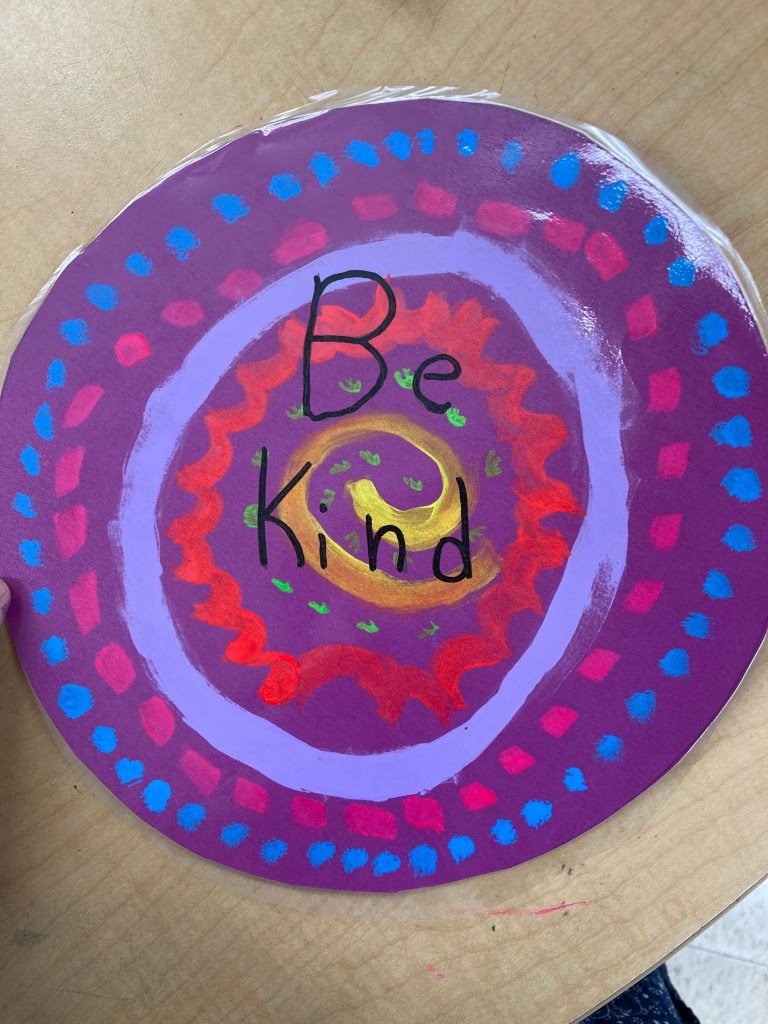
In the art room, students in grades one, two, three and five, have been using their art skills to help make Saklan more a welcoming, inclusive place. 

After reading Alexandra Penfold’s book All are Welcome Here, students reflected on times when they have and haven’t felt welcome at school. They then worked in teams to brainstorm words and phrases that would make everyone at Saklan feel like they belong. Each team collaborated to paint and assemble their positive messages into decorative signs.

 Next time you are in the school breezeway or lower school area, keep your eyes open for their brightly colored words of wisdom! 

#SaklanCompassionate #SaklanCommunity

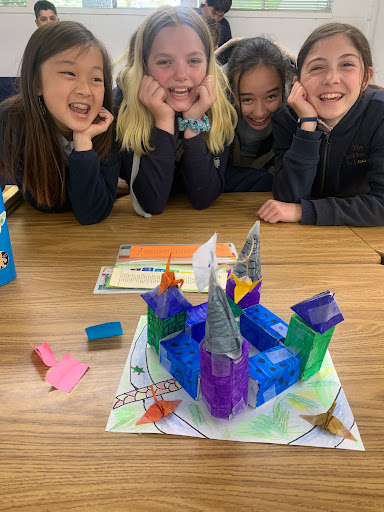
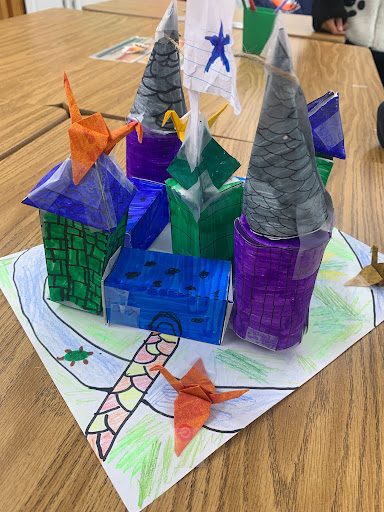
Castle Creation Challenge

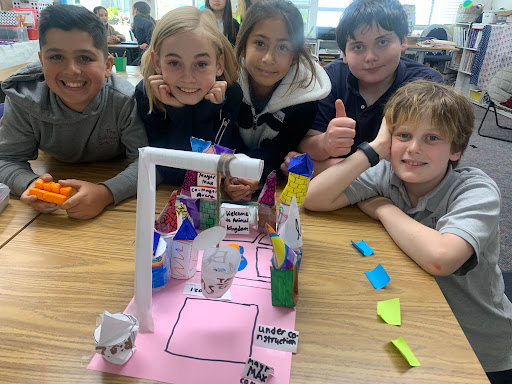
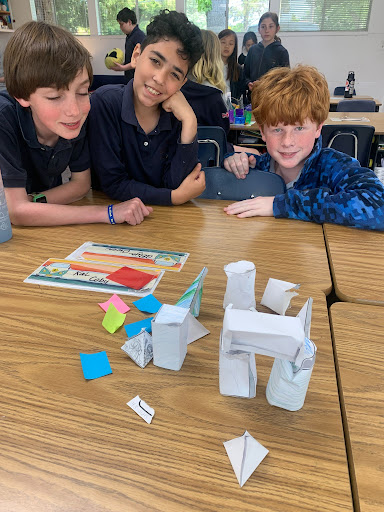
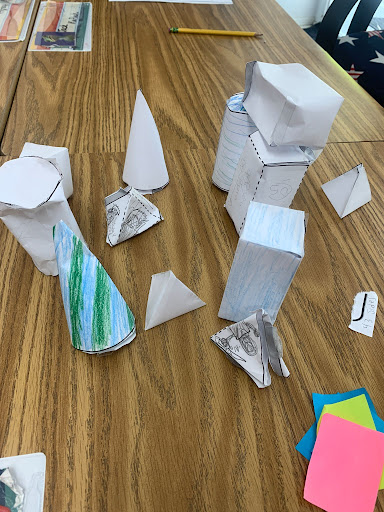
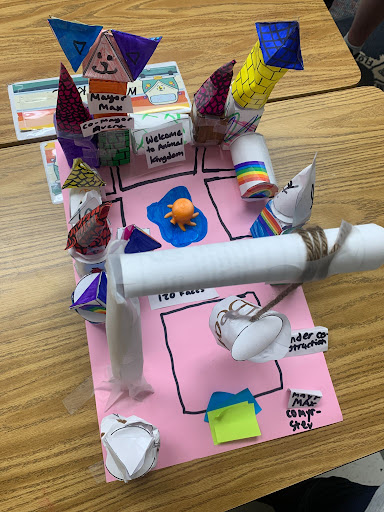
After classifying and naming 3D figures by their names, faces, vertices, and edges, the fifth graders completed a “Castle Creation Challenge.” Making their castles was a creative and fun way to end their geometry unit. Students formed three teams to build Max’s Mansion, Kai’s Creation and Kylie’s Castle.  The construction teams had to follow local building ordinances:

  • Each castle had to include at least one of each given 3D shape.
  • A minimum of ten shapes had to be used. 
  • No outsourcing allowed.
  • Team members had to create their own 3-D shapes.
  • Acceptable building materials were only paper, tape, and gluesticks. 

Finally, teams were awarded points for creativity!  Pencils and markers were allowed, to add color and flair to each creation. Results were terrific and teams are now available to hire for all your summer home remodel needs!

#SaklanCreative #SaklanHandsOn

Buddy Breakfast

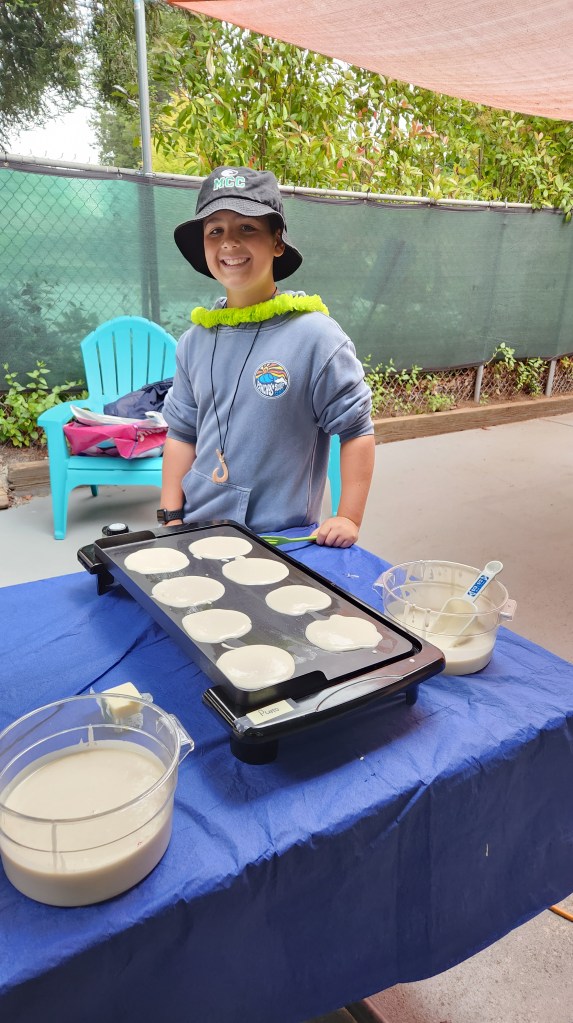
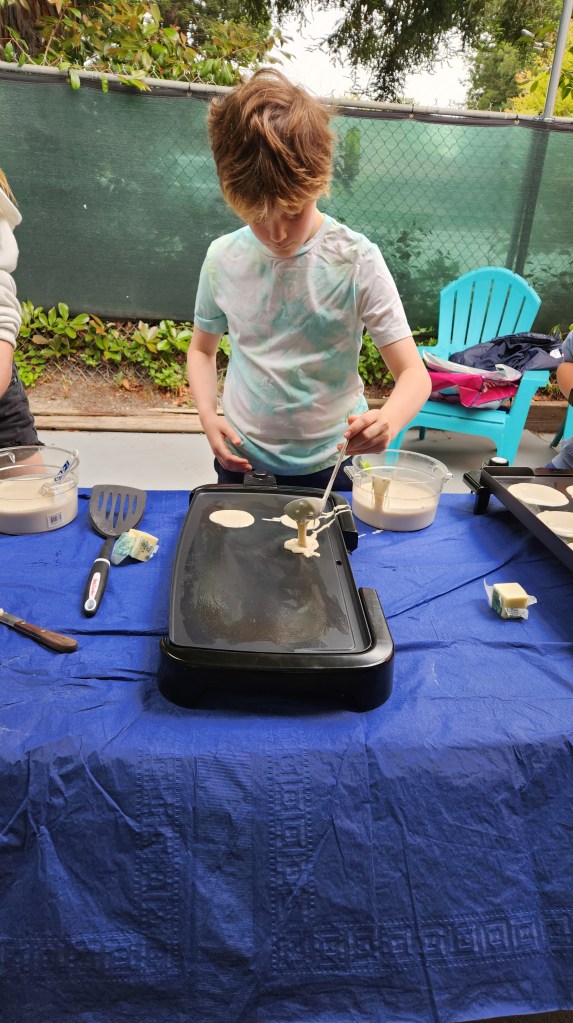
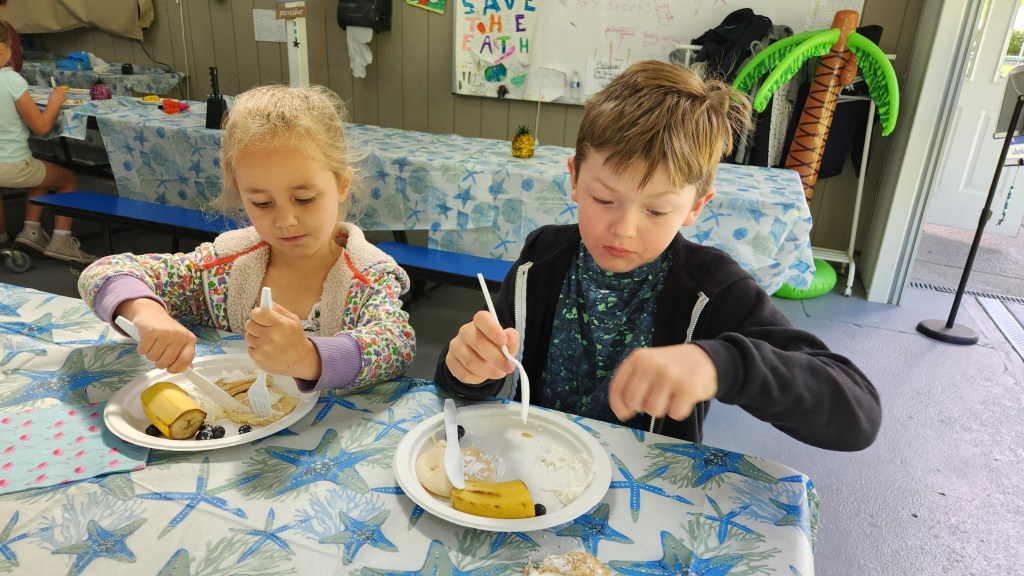
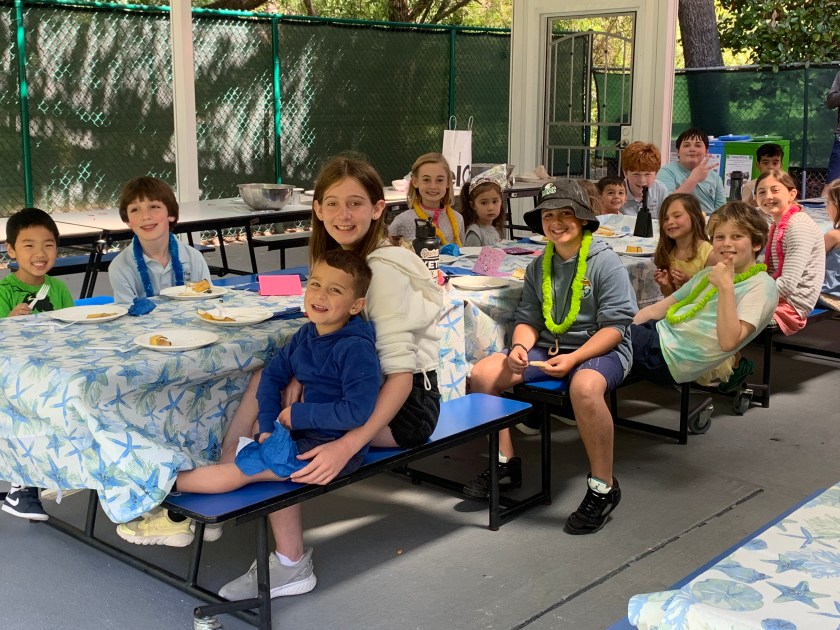
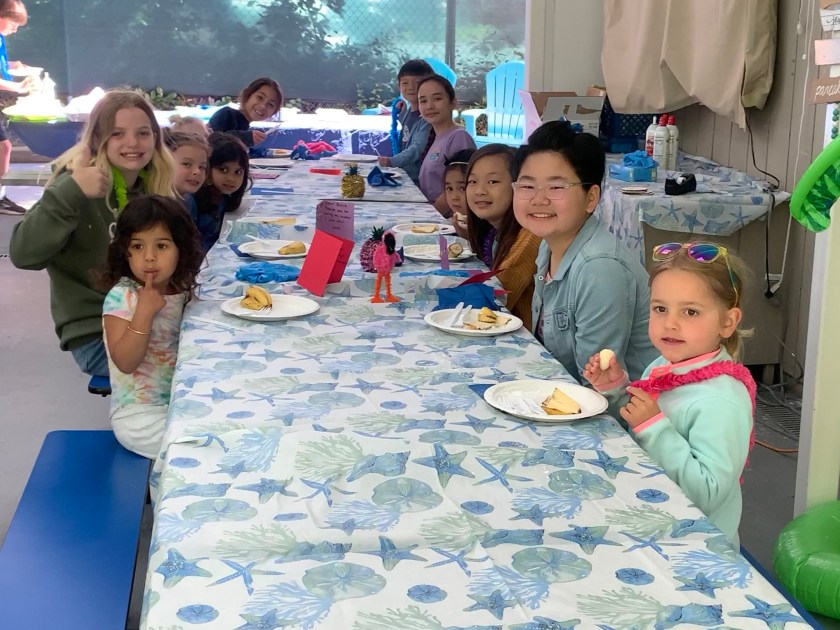
Last week, the fifth grade students prepared a pancake breakfast for the Preschool – 5th grade students to enjoy with their learning buddies. This annual celebration took an unexpected turn when they tripped the power grid in the Pavilion! 

However, the 5th graders persisted, stepped up, and all pulled together to help each other when they ended up spread across the school mixing pancake batter, cooking pancakes, and getting them to the Pavilion for the buddies to enjoy. Together, the students ended up flipping over 150 pancakes!

The 5th graders were very excited to hang up their spatulas and share in the pancakes with their Preschool learning buddies at the end of the morning!

Thank you very much, fifth graders, for a wonderful breakfast! Your teamwork, creativity and persistence were very admirable to watch.

#SaklanLearningBuddies #SaklanService #SaklanConnected

Moving Up Day

On Wednesday morning, the Saklan Preschool – fifth grade students participated in Moving Up Day. The students and teachers alike were buzzing with excitement!

This annual tradition allows the students to get a snapshot of what next year will hold. The teachers planned special activities that highlighted their grade level and enjoyed getting to know their rising students a little better. Morning meeting activities, questions, stories, art activities, classroom scavenger hunts, and enthusiasm for next year filled the classrooms! If your child “moved up” on Wednesday, please ask them all about it. They will likely have something enthusiastic to share!

#SaklanConnected

5th Grade Day on the Bay

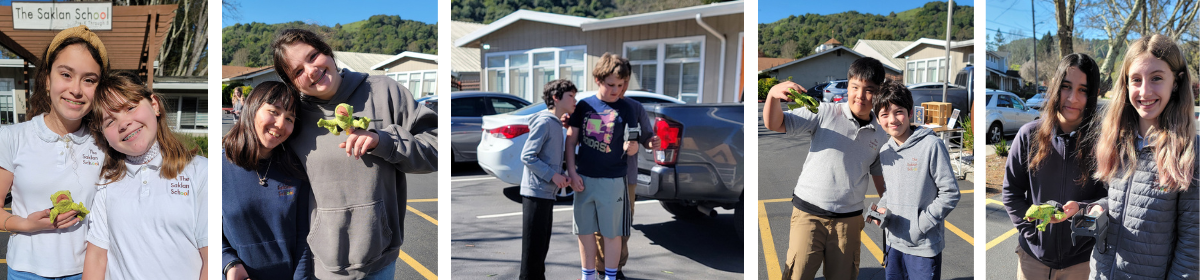
Fifth Grade thoroughly enjoyed their Marine Science Institute field experience last week. Out on the San Francisco Bay, students learned about marine science and teamwork aboard the R.V. Brownlee. 
After a safety briefing, students learned about the estuary and why it makes a perfect nursery for local sea life. Students formed teams to work through three learning stations. At the ichthyology (fish study) station, students used teamwork to deploy a 16-foot net. After trawling it for several minutes, students worked again to haul the net in, and much excitement followed as a baby bat ray splashed them all. Saklan’s compassion was demonstrated in students’ concern at seeing a little blood near the ray’s stinger – the skin here is sensitive and thin, they learned, so that neurotoxins can be released when the ray is in danger; he did get a little scrape in the net, probably from the coral that was also netted. Once the ray was out of the net and in the touchpool, adaptations for habitat and predator/prey relationships were observed (watch out for that stinger!). Students also got to observe and handle a live baby leopard shark, netted earlier in the day, and along with California halibut, starry flounder, and a staghorn sculpin.

At the benthic (estuary floor) ecology station, students dredged sediment samples from the bay floor using a Peterson benthic grab-claw, then washed the mud away to expose native and non-native invertebrates, from bay shrimp, to isopods and clams, which were put into “touch-pool” buckets for students to gently handle, study, and identify. They also made a pledge to the bay, and sealed it by painting a little bay mud on their faces! 

Lastly, at the plankton ecology station, students examined water samples under a video microscope, identifying many zoo- and phytoplankton from single-cell organisms to complex species. 

This field experience brought to life much of the science the fifth graders have been learning this year, centered around Earth’s spheres, hydrology, life science/animal food chains, adaptations, and human impact on the natural world.  Students were engaged, respectful, and hard-working during this hands-on experience.

#SaklanFieldExperience #SaklanHandsOn #SaklanFieldWork

Lunch Ordering

Taco ‘bout a great lunch!  Last week, the fifth graders took their Spanish class out into the field to put their classroom learning to real use! The class headed to a local Mexican food truck, where they ordered lunch for themselves – in Spanish! Next, they headed to the Moraga Commons for an out and about recess.  And the lunch verdict? Delicioso!

#SaklanFieldExperience

El Plato Saludable

In Spanish, the fifth graders have been learning about the food groups and what types of foods make up a healthy, well-balanced plate. They each created a slide of a healthy plate and then wrote sentences about the items that one should consume for a balanced diet. Check out examples of their slides and sentences below!

Debes comer bistec, pan, y arroz.

Debes comer muchas uvas, zanahorias, y fresas.

Debes beber agua y leche.

No debes comer grasas y mantequilla.

No debes beber chocolate caliente.