
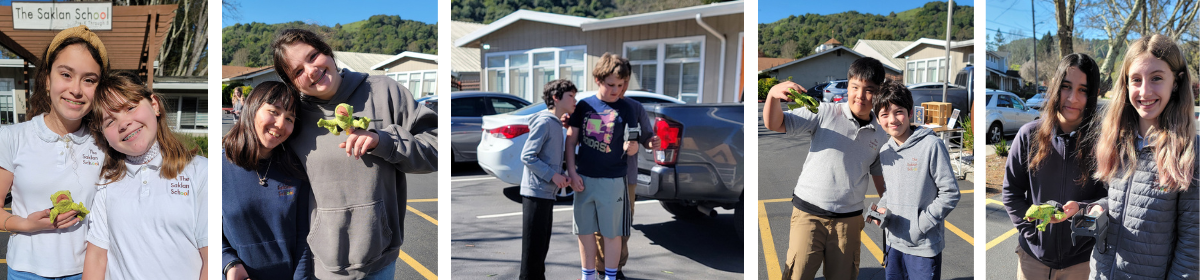
Hands-on Learning about the Industrial Revolution
In their Humanities lessons, 8th graders are studying how technological and social changes during the Industrial Revolution transformed the lives of Americans across all social classes in the early 20th century. Alongside their examination of historical events, students are reading the historical fiction novel Uprising, which follows the intersecting stories of three young women before and during the tragic Triangle Shirtwaist Factory fire in Manhattan on March 25, 1911.
Through hands-on simulations, students have explored how technological innovations altered the manufacturing process during the Industrial Age. They examined how craftspeople who once worked from home were replaced by factory systems, where individuals performed repetitive tasks to perfect a single part of the production process.
Hand-Crafted Products
Each student started as a master craftsperson whose task was to assemble one pair of in-line skates from start to finish. The skates had to be cut out, the blades glued on, and the final product colored. Each student kept track of the time it took for their single pair of skates to be assembled.
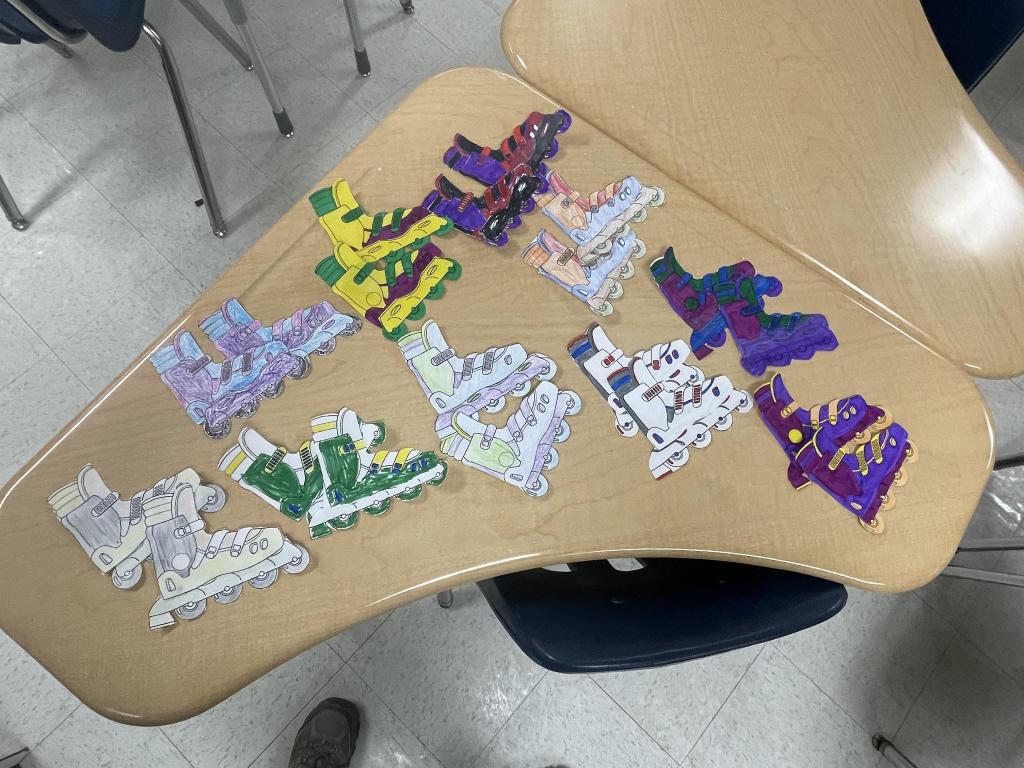
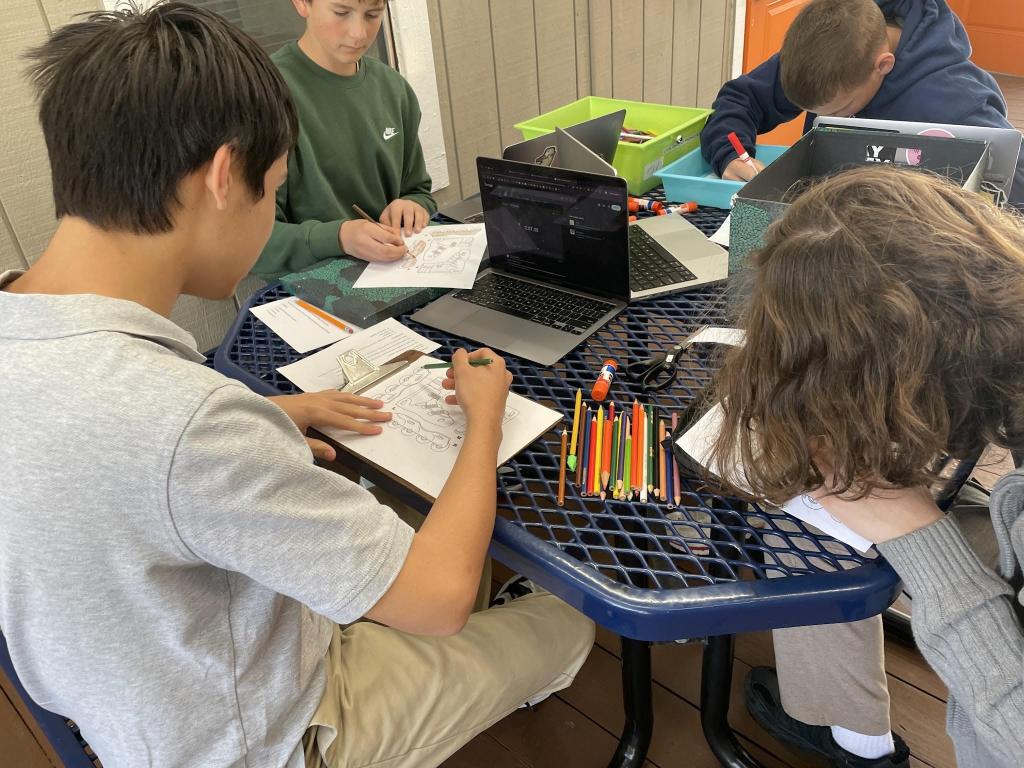
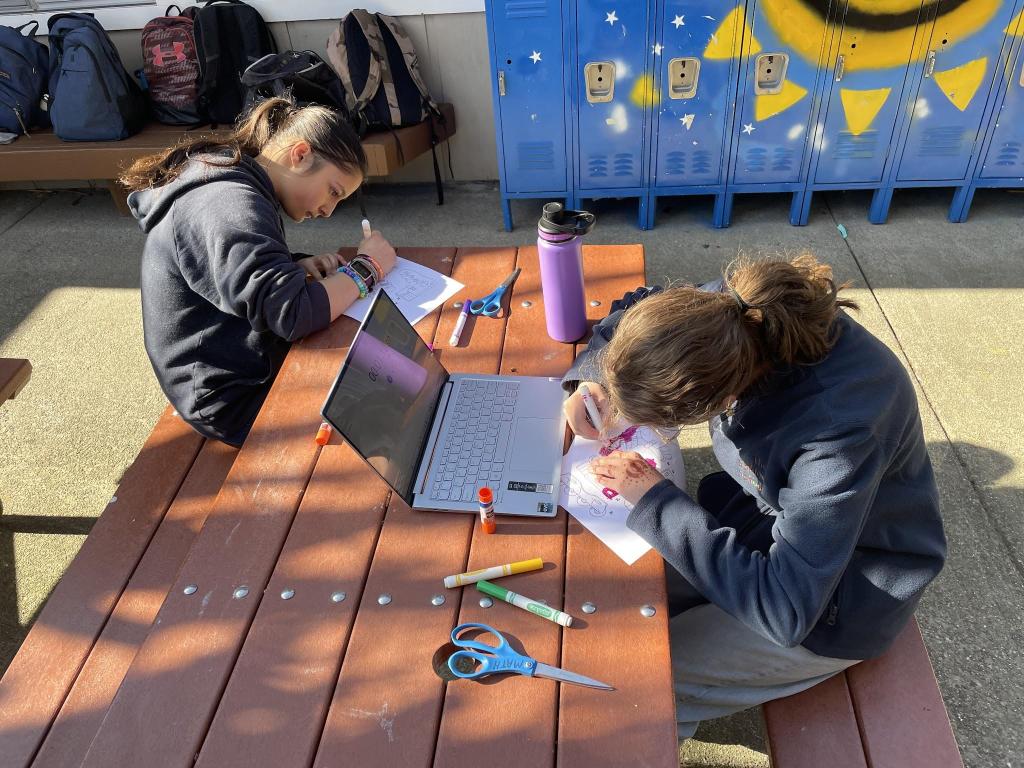
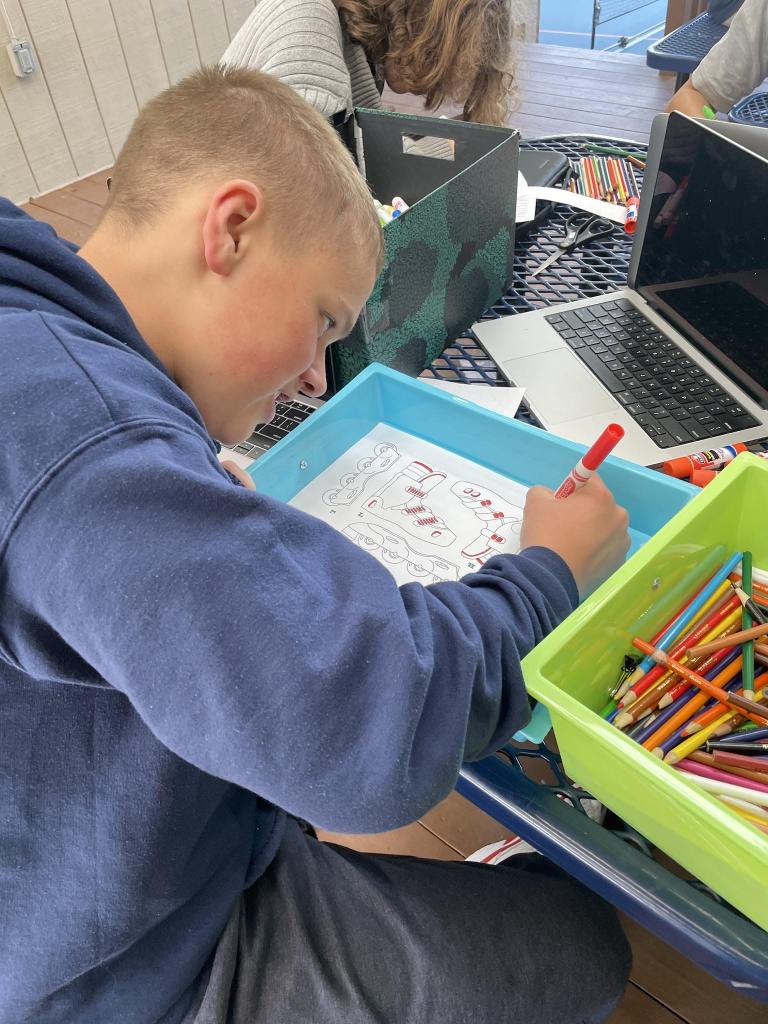
A total of 10 pairs of skates were produced, with a production time per pair ranging from 14 to 29 minutes.
Moving to the Factory Assembly Line
Next, the students took their assigned jobs on the factory production line to mass produce in-line roller skates for the “Get In Line Skating Company” in the Humanities Room. Their individual work tasks ranged from cutting out the right or left blade, cutting out the right or left boot, gluing or taping the blades to the right or left boot, and coloring the skates.


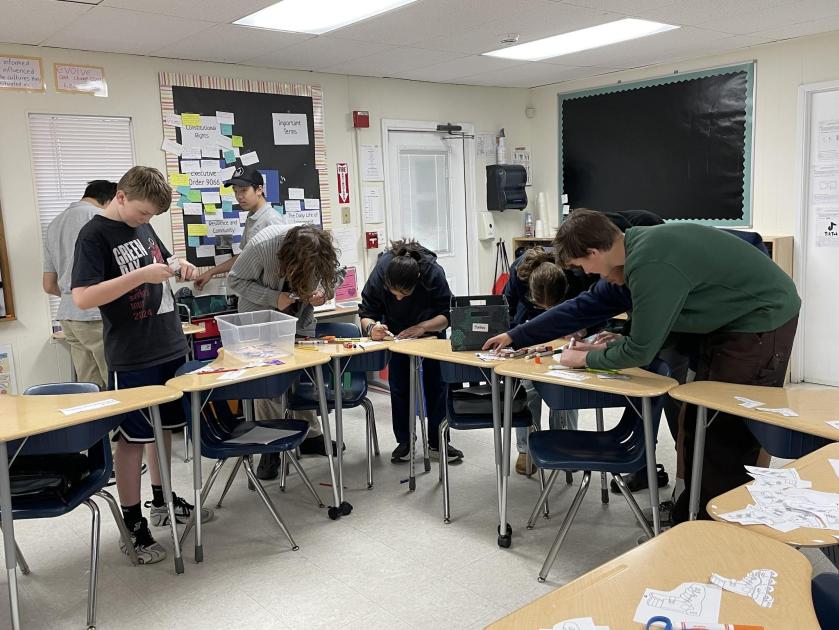
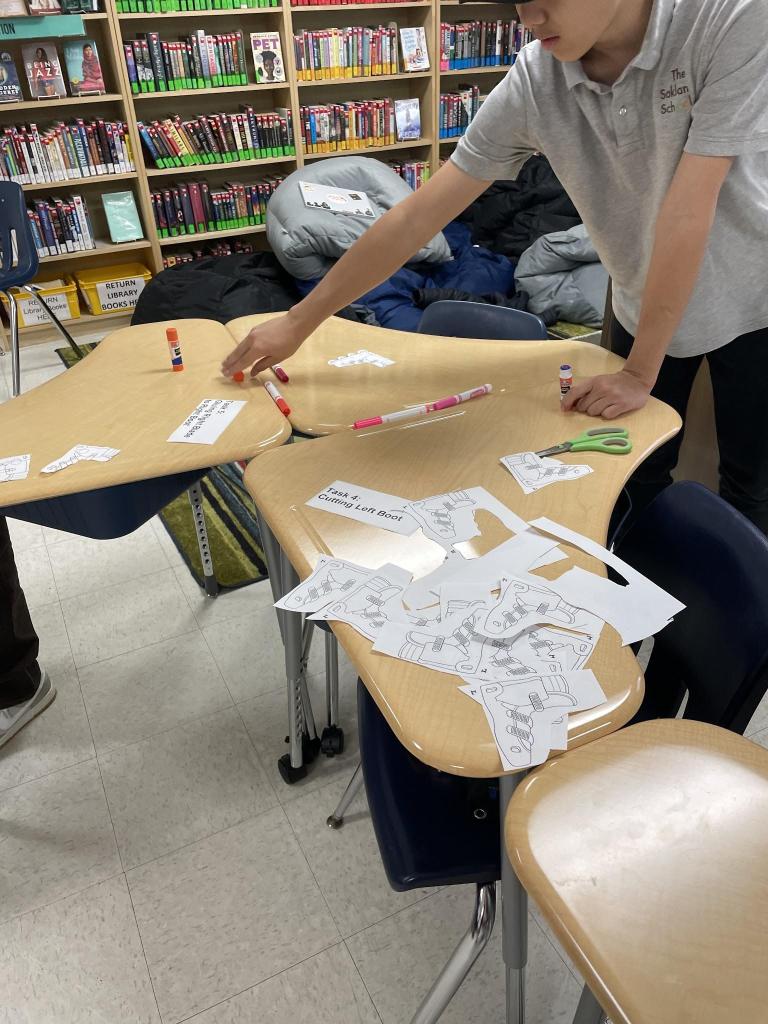


Each pair of skates had to pass final inspection by Luke, or they went back to the assembly line. Like real assembly line workers, the students were not allowed to sit down or remain idle during their work time. And talk of “unions” or “strikes” was strictly prohibited.
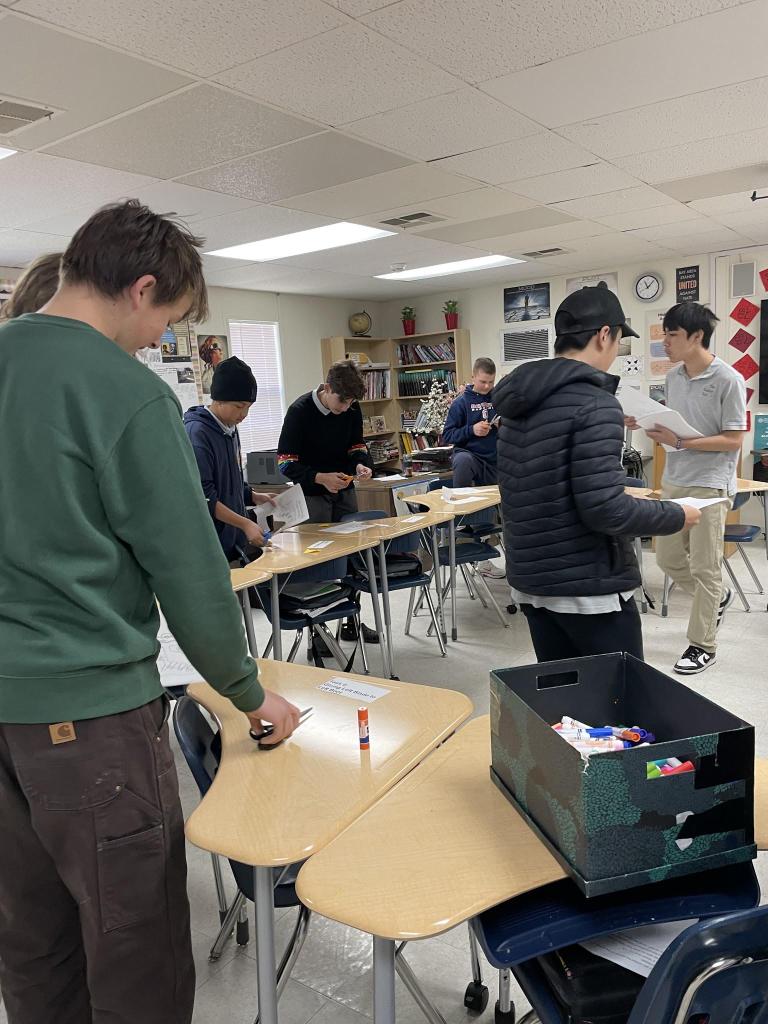
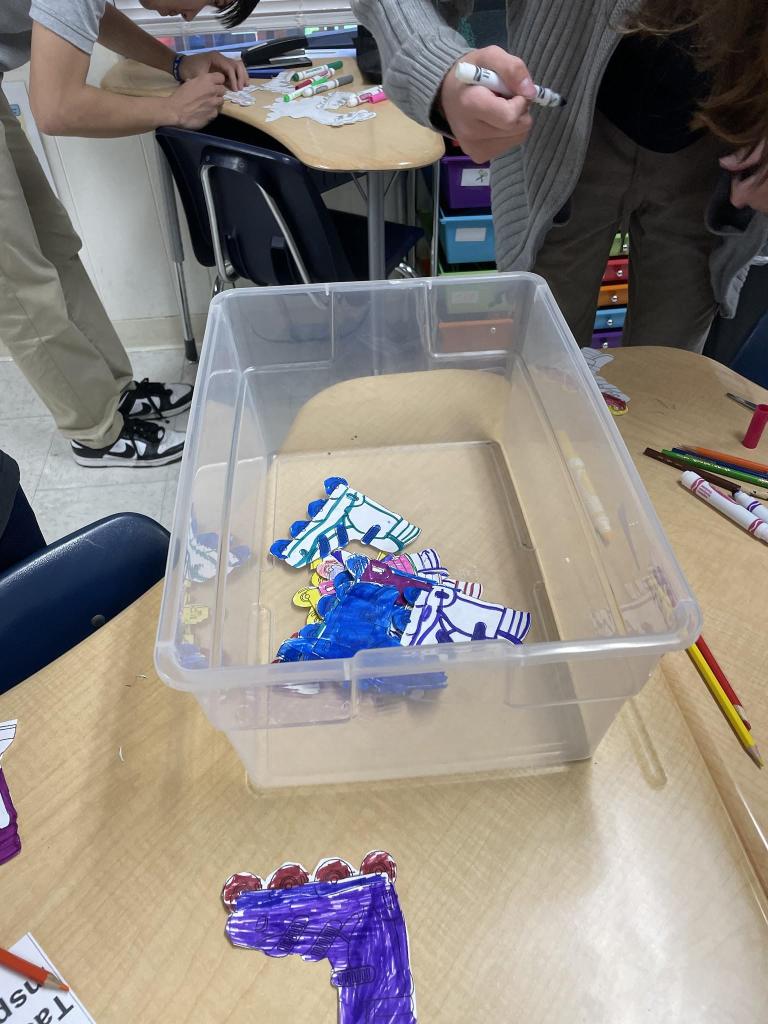
As the students worked, they considered how American and immigrant workers in the first American factories completed repetitive tasks for 12 hours per day, 6 days a week, often having their pay cut if a product was considered defective by their bosses. The student workers also discussed what they learned about the unsafe working conditions at the Triangle Shirtwaist Factory, where workers were locked inside to prevent theft. After the fire started in 1911, 146 young women died from being trapped on the top three floors of the Asch Building with only one fire escape and one working elevator.
In the much safer Humanities Room, the 8th-grade students manufactured 18 pairs of skates in 40 minutes.
#SaklanHandsOn

 FRIDAY BLOG