Helping the Food Insecure

Saklan’s seventh-grade class has been learning about food insecurity, both in our local communities as well as throughout the United States. Although the U.S. is one of the wealthiest countries in the world, we have a staggering 33 million people, including 5 million children, that are food insecure. The term “food insecure” is used to describe someone who does not have access to sufficient food or food of adequate quality to meet one’s basic needs. The primary causes of this issue are poverty, unemployment, lack of affordable housing, low income, chronic health conditions, and lack of access to healthcare. And sadly, the Covid-19 pandemic magnified these issues. Many people who never needed food support before the pandemic found themselves waiting in long lines each week at their local food banks.
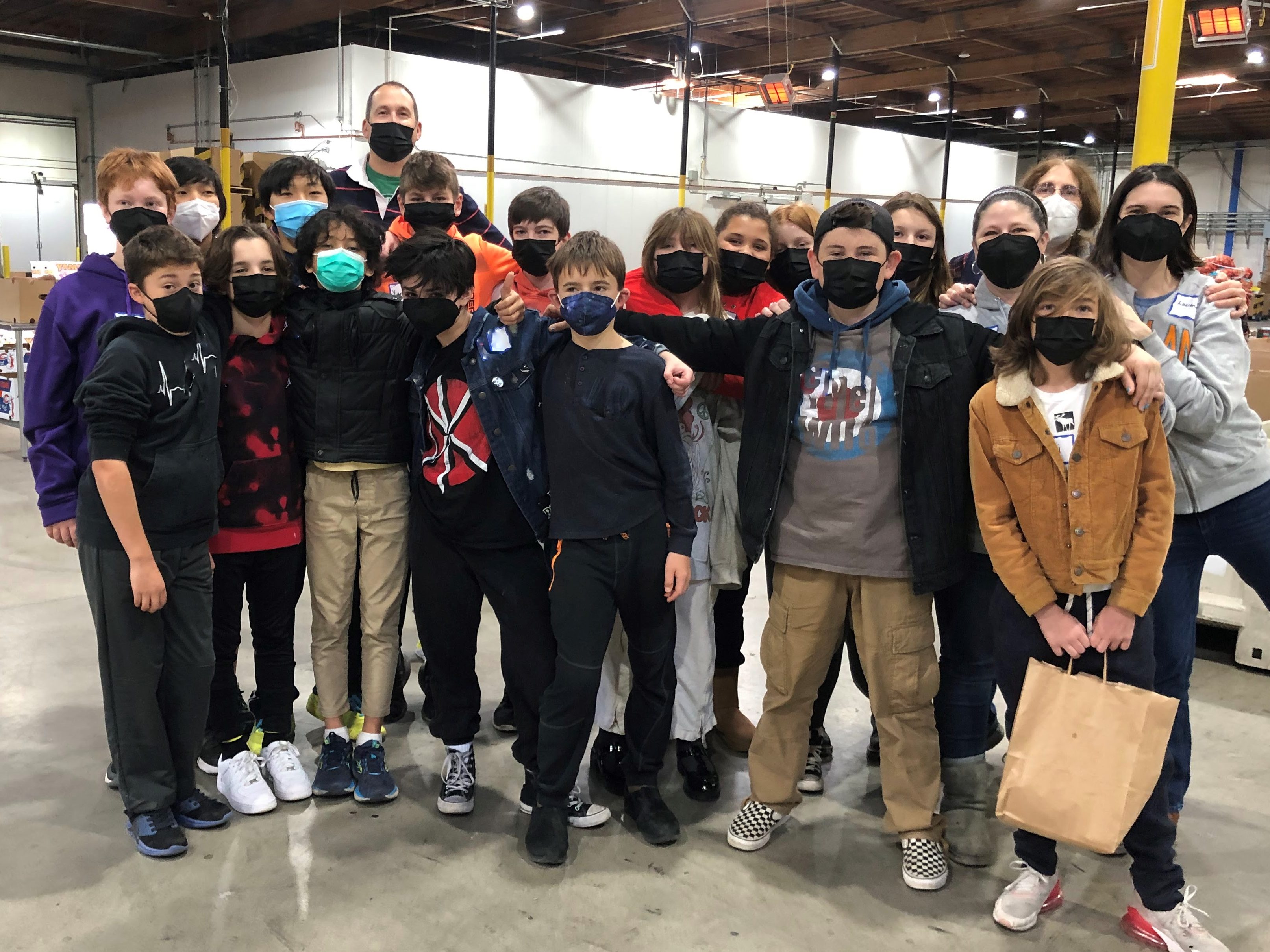
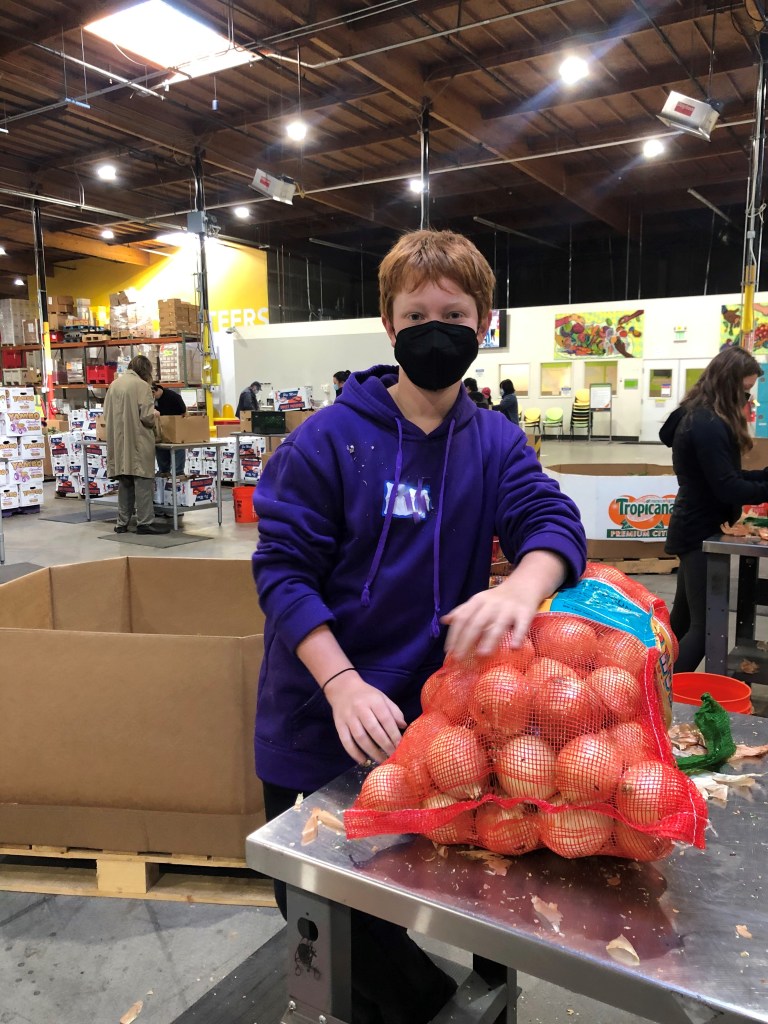
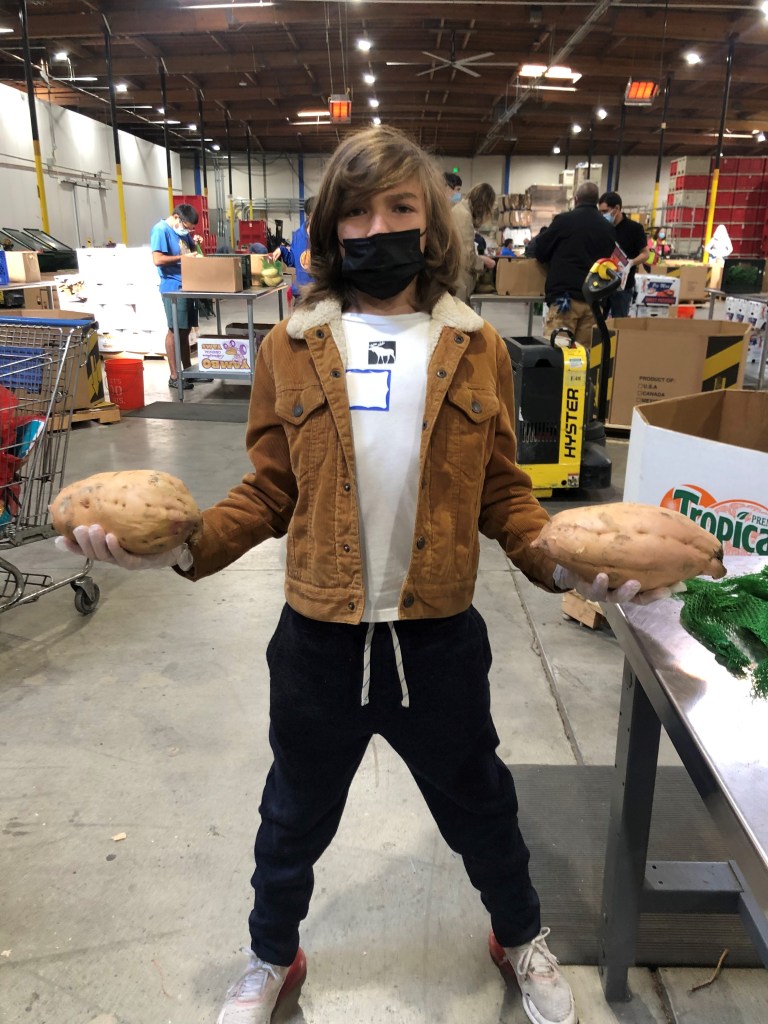
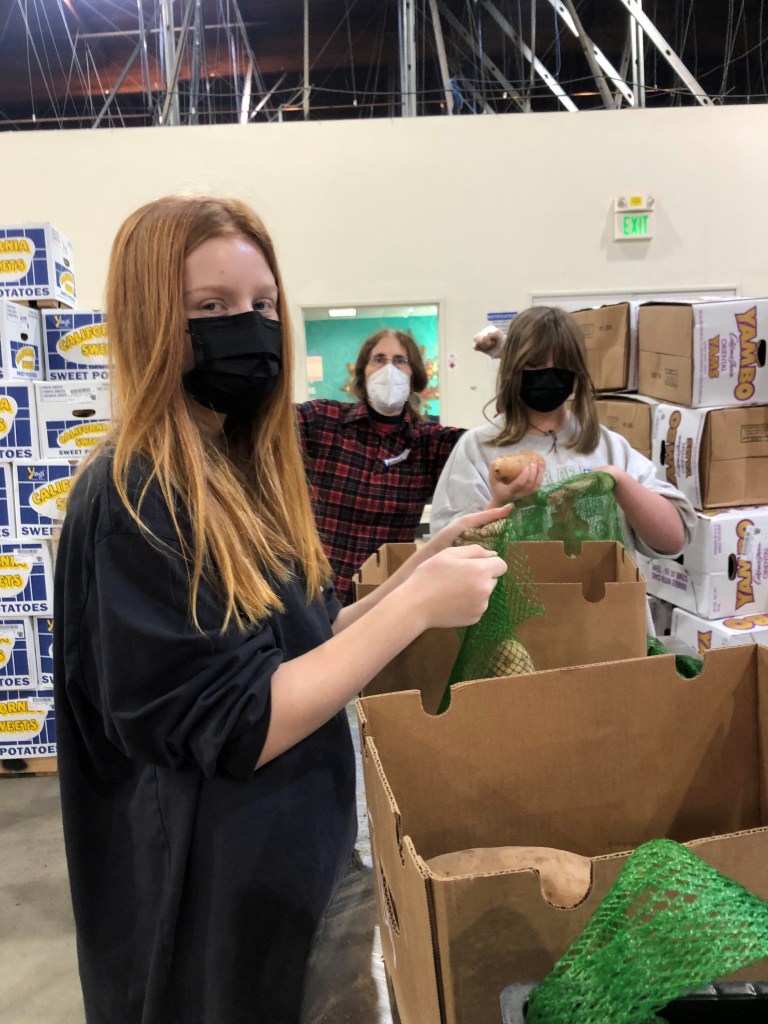
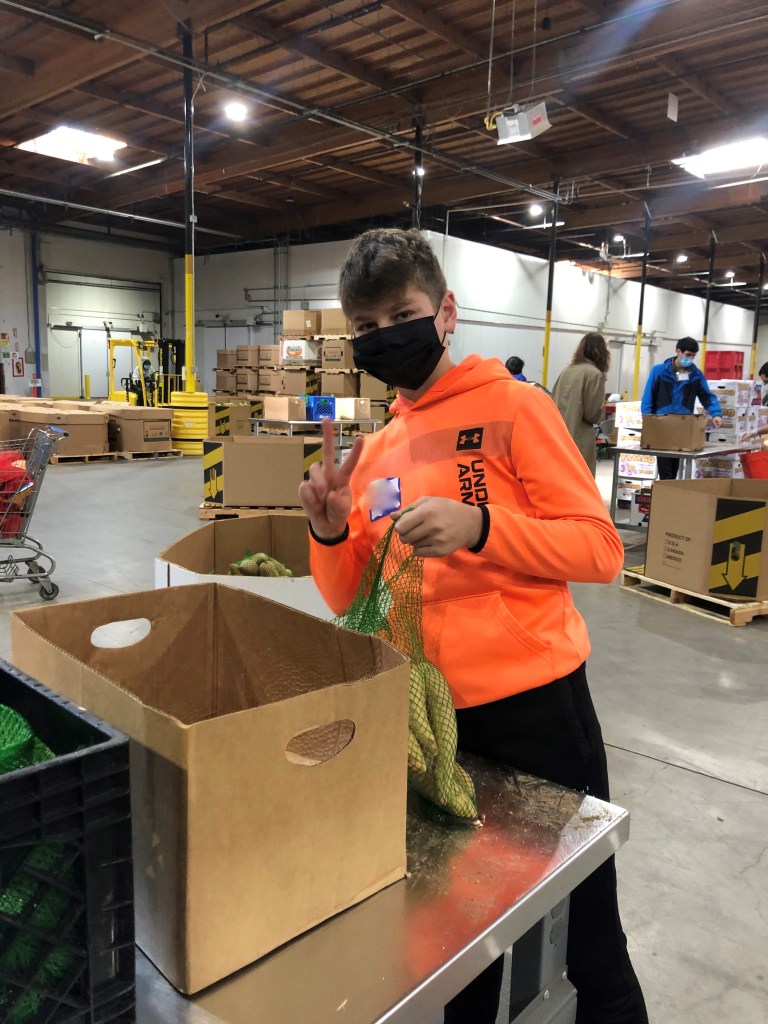
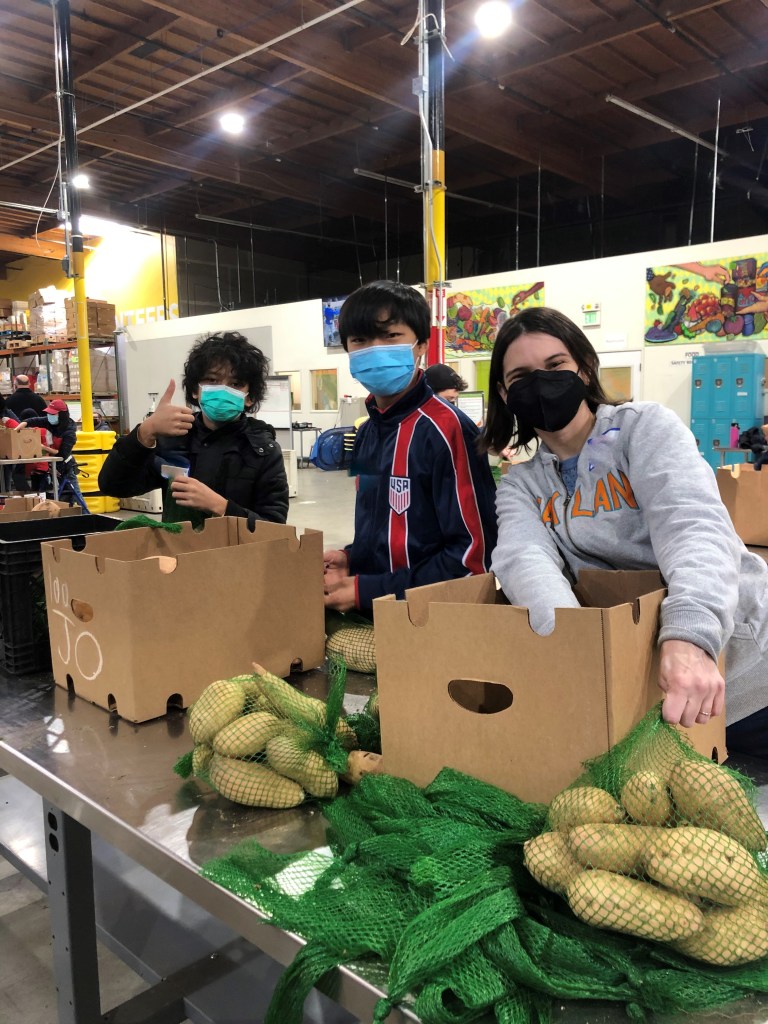
So as a way to teach our seventh graders how to make a difference and help get more food to people that need it, we decided to have them volunteer at the Alameda County Food Bank. The middle school teachers are proud to report that our students worked diligently, quickly, and with great motivation. The students understood that the more yams and onions that we bagged, the more meals and people they could help. Between Saklan and another group from Kaiser (roughly 50 people), they processed 15,902 pounds of vegetables and fruit. The students helped provide 13,199 meals, which worked out to each volunteer producing 259 meals. Our students and teachers were honored to help so many in a period of only 2 hours.
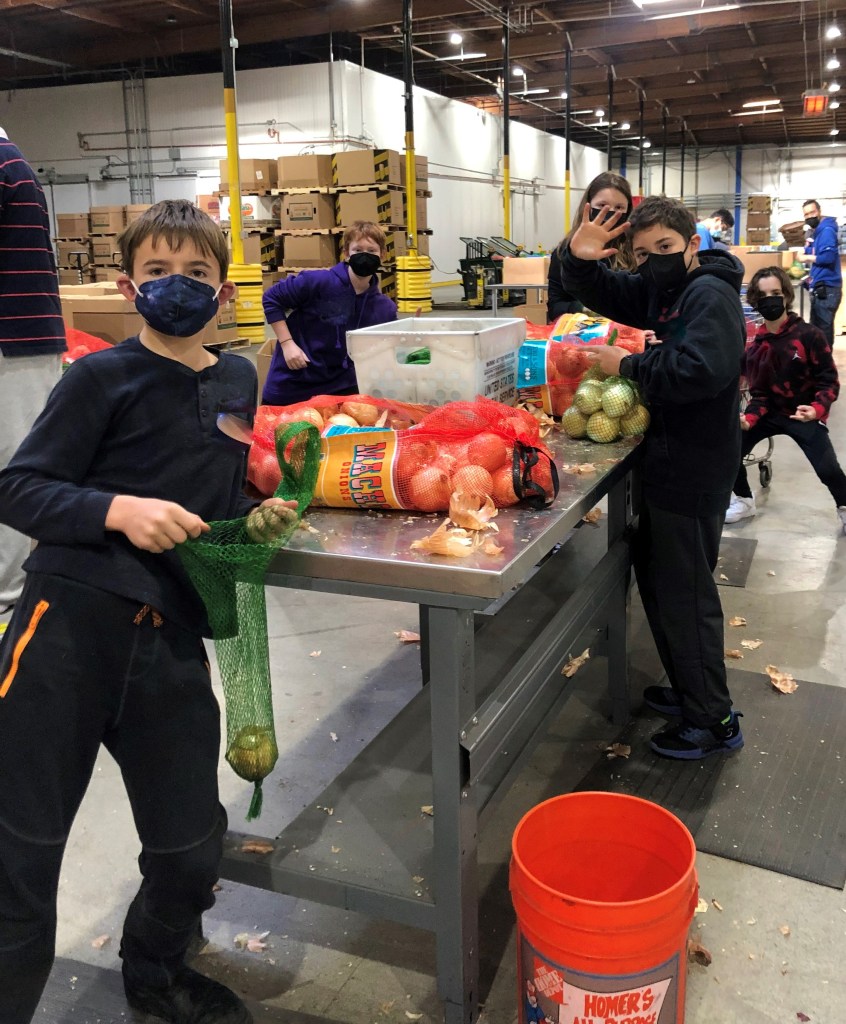
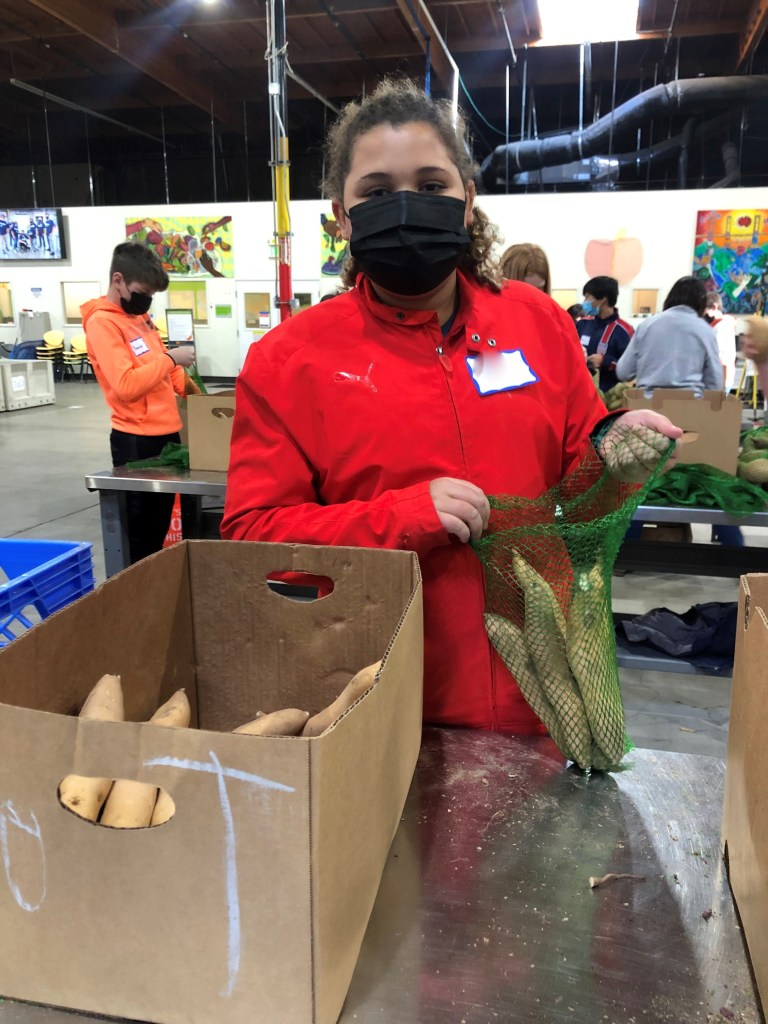
Saklan’s Middle School Teachers already have plans to take the other middle school students to volunteer at the Alameda County Food Bank in the new year.

If you are interested in volunteering, please click on this link.
Emotion Detectives

The Hoot Owls have been doing some social emotional activities inspired by the book A Little Spot of Feelings by Diane Alber. The book uses child-friendly language to talk about feelings and emotions, which it calls “feeling spots.”

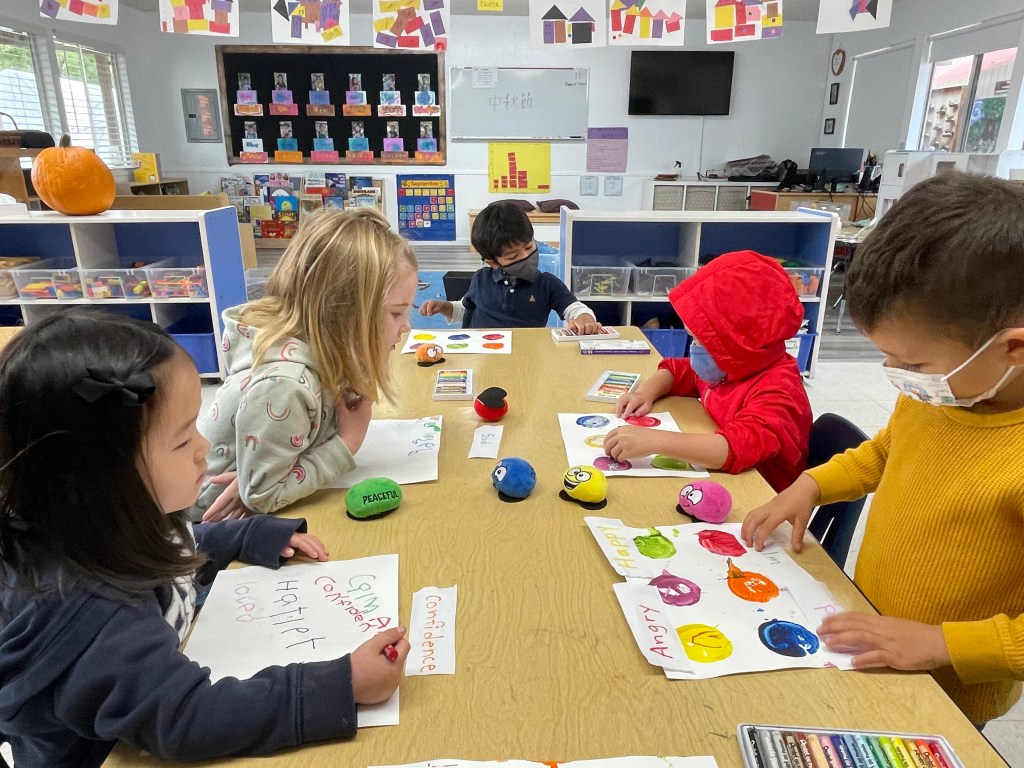
The Hoot Owls have been working to become emotion detectives, practicing naming emotions and spotting their own emotions by paying attention to facial expressions, body language and tone of voice. The class first learned about their calm spot, and how to change from a difficult emotion, like sadness, anger or anxiety, back to their calm spot. They also discussed happiness, love and confidence. 

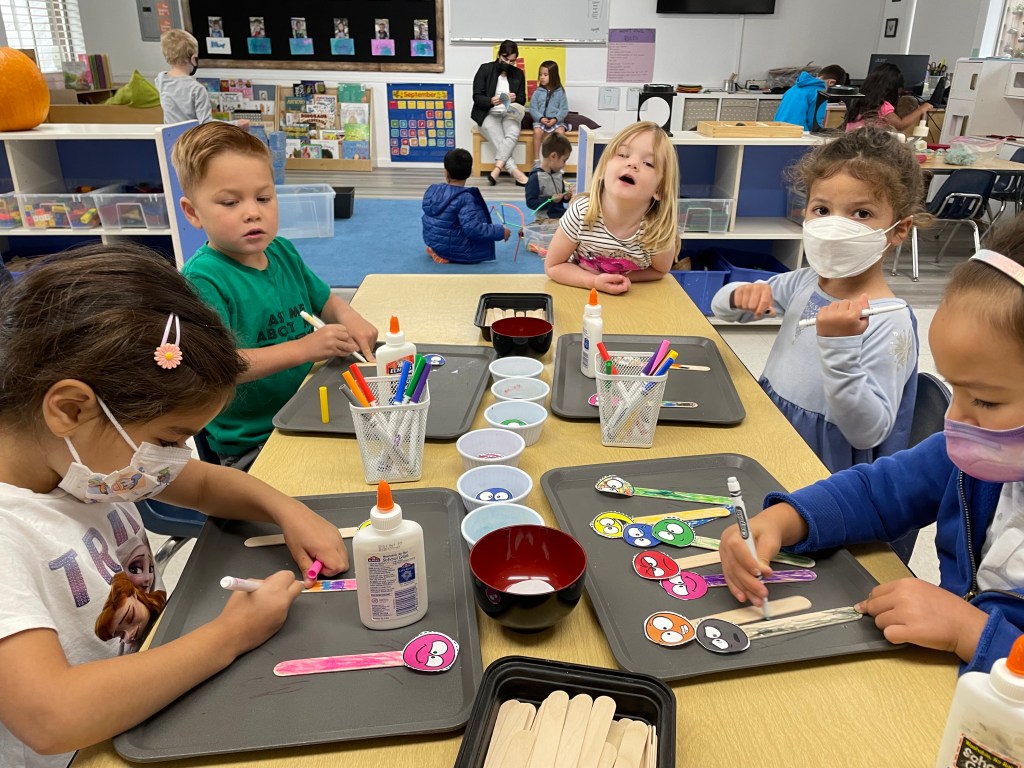
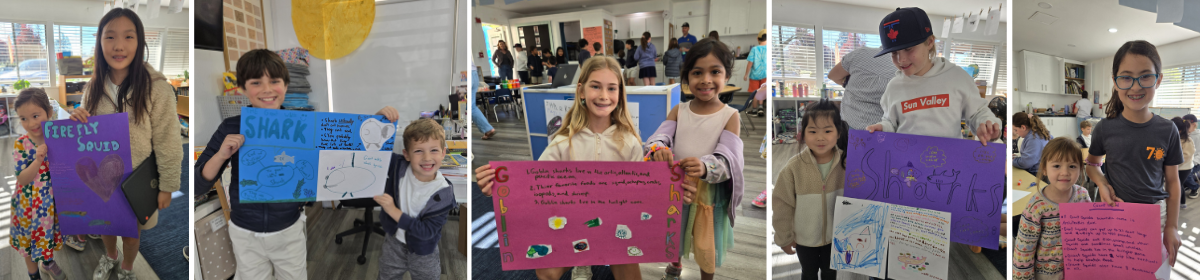
Next, the Hoot Owls painted some of the feeling spots: sadness, anger, happiness, confidence, peaceful, and loved. The students drew faces on the feeling spots and some of them wrote the names of each spot.

The Hoot Owls also turned the feeling spots into stick puppets. They then practiced role playing with the stick puppets in class.

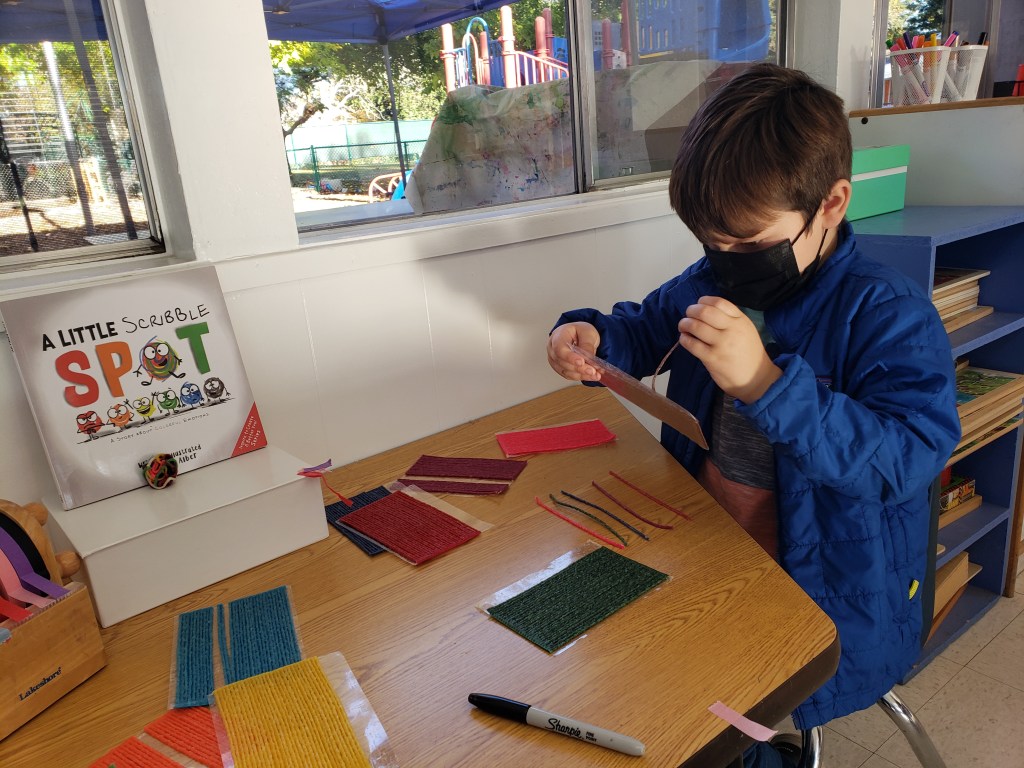
With Maggie, the Hoot Owls read A Little Scribble Spot, also by Diane Alber. They used wiki sticks to create their own scribble spots, symbolizing when one is mixed up and doesn’t know how they feel. The Hoot Owls will continue to work on identifying their emotions as well as their friends’ emotions by being emotion detectives and looking for clues (like facial expressions, body language and tone of voice) for the rest of the year.

#SaklanSEL

Land Acknowledgement

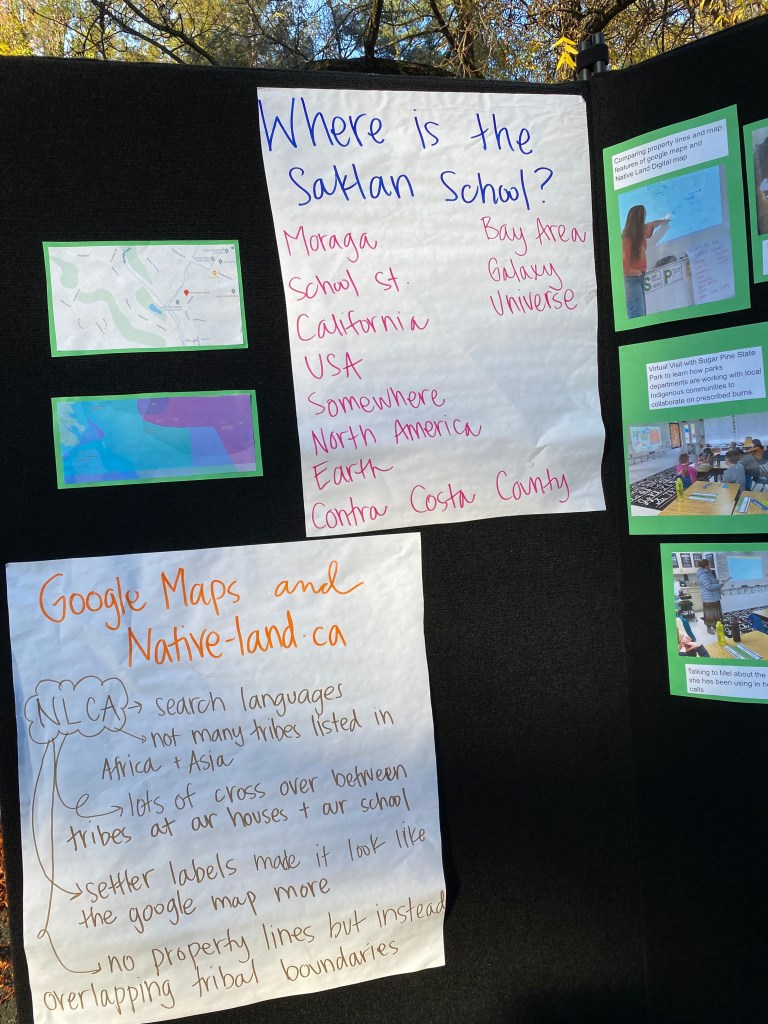
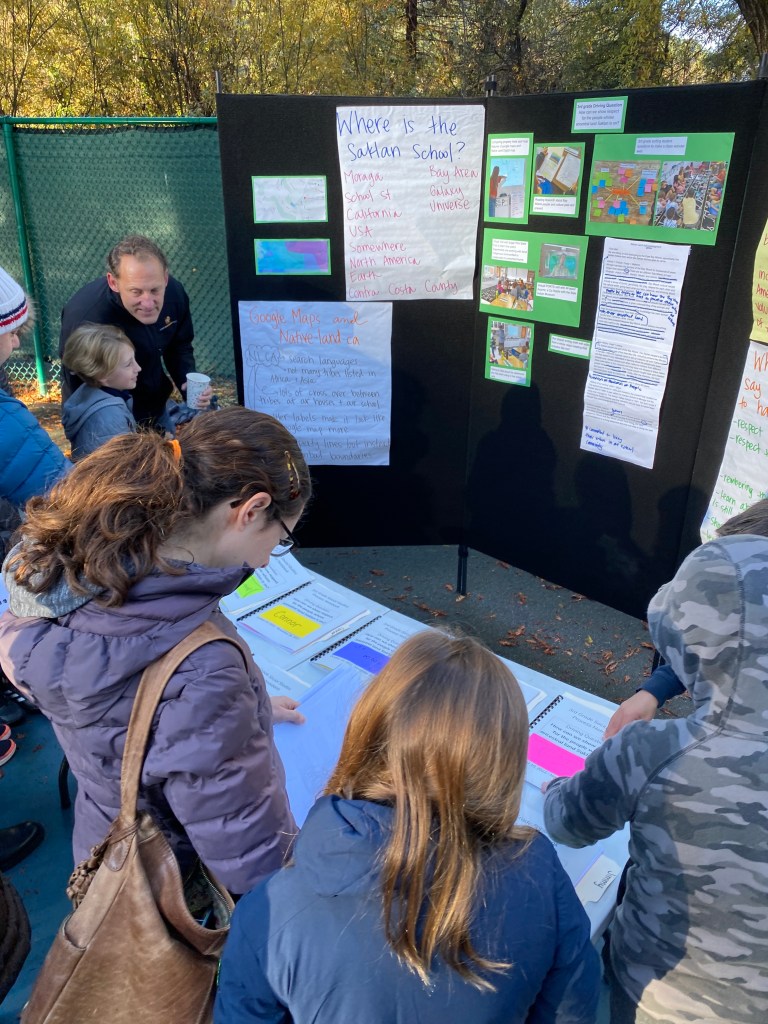
To better understand the history of our school and the land we are on, the 3rd grade class asked the driving question: “How can we show respect for the people whose ancestral land Saklan is on?”

After learning our school is on Saklan Bay Miwok territory, students wondered, “Is that where our school got its name? What would Saklan people feel is a good way to be respectful of them and this land?”

They learned about the Saklan and Bay Miwok cultures by reading articles and watching videos with local Indigenous voices before visiting Cafe Ohlone

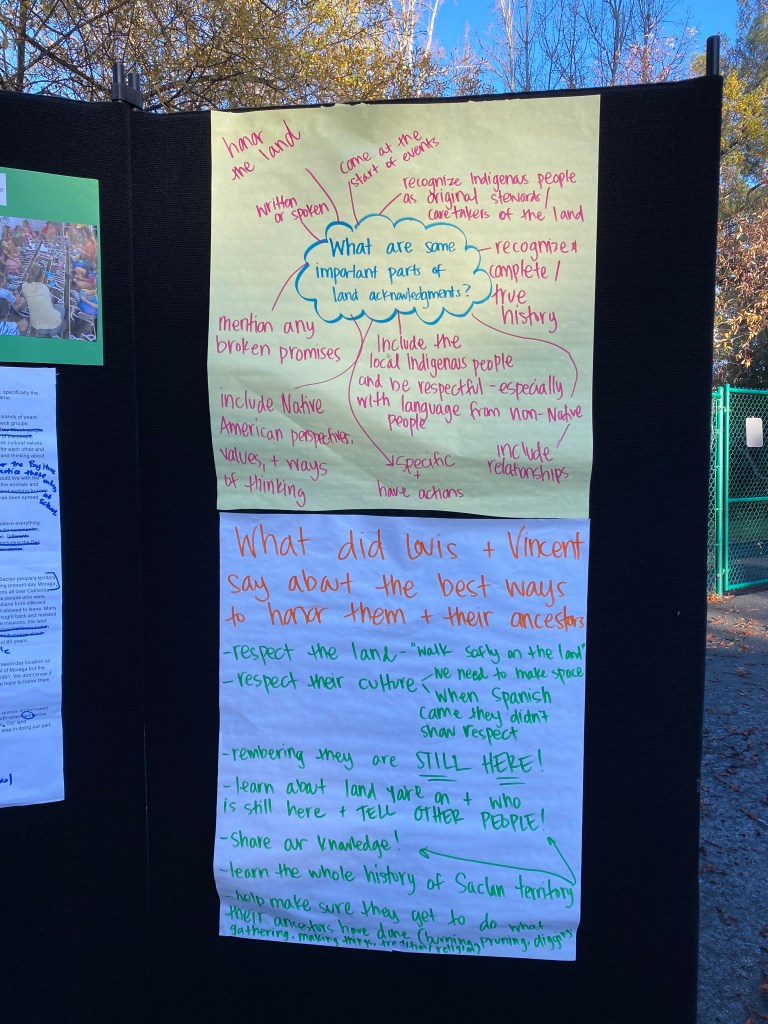
The students asked the cafe founders, Louis Trevino (Rumsen Ohlone) and Vincent Medina (East Bay Ohlone), who both also have Bay Miwok and Saklan ancestry, about their thoughts on the driving question.

Vincent told the students that some of the best ways to honor Bay Miwok people and their ancestors today are to:

  • learn about the people whose ancestral land you are on
  • respect their culture and remember that they are still here
  • and share your knowledge with other people to tell the whole true history of the land you are on.

Vincent also said that land acknowledgments are special, but they must be written with respect and great care. He also stressed that they should include the people whose land you are on when you are writing it.

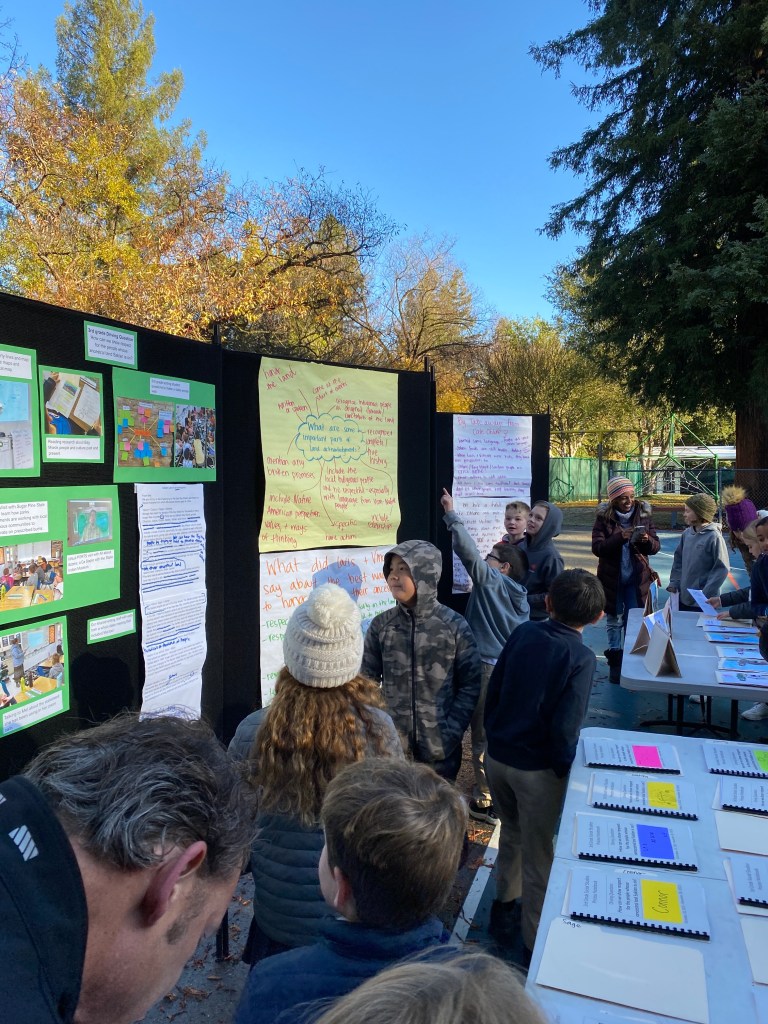
Third graders and their teachers decided one way they could answer their driving question, “How can we show respect for the people whose ancestral land Saklan is on” was to write a land acknowledgement for our school! 

Collaborating with other staff and researching a variety of land acknowledgments from other schools and organizations, students identified key aspects to include. Each picked one aspect to write in a small group before putting all the sections together to edit as a class. Students gave the draft to Saklan staff before before sending it off to Louis and Vincent and The Sogorea Te Land Trust for their edits.

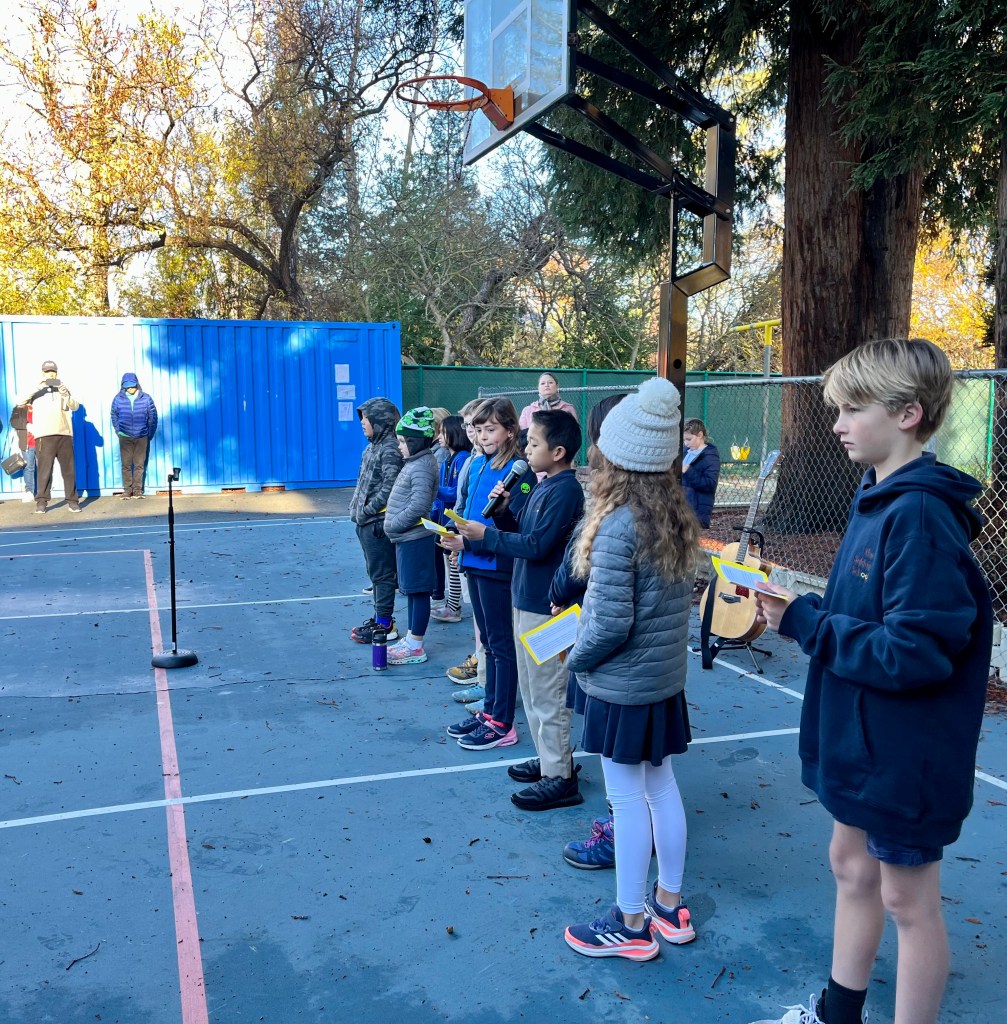
The students were excited to share their land acknowledgement and the process of creating it at CLAS last week.

Click here to view the land acknowledgement.

Creating this acknowledgment is only one important step in repairing the harm and broken promises that began when this part of the world was colonized. 

#SaklanPBL

Winter Enrichment Classes

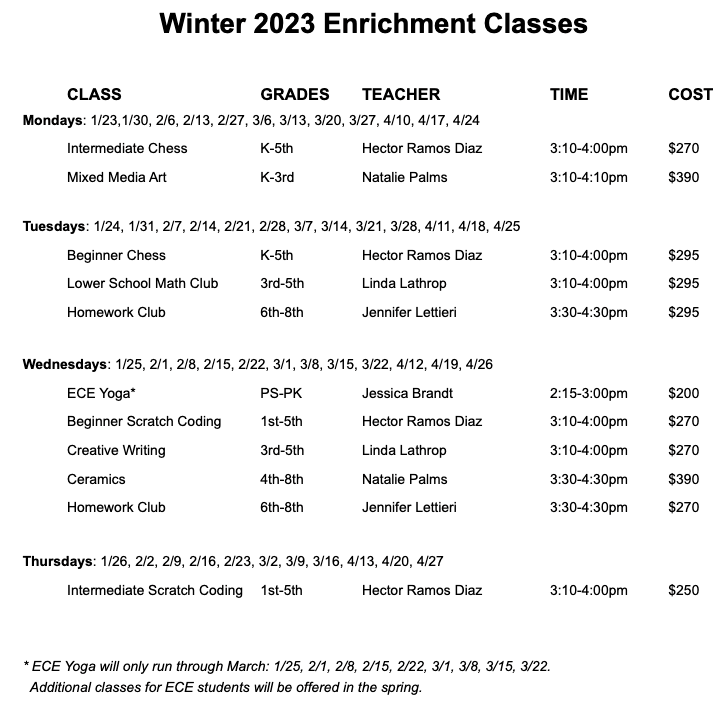
Now that the fall session of enrichment has come to an end, we are excited to share the classes that will be offered during the second half of the year! For the winter session the following classes will be available:

Check out the class descriptions here. Classes begin the week of January 23rd, and have limited space available. If you are interested in signing your child up for one of the above classes, please use the button below!

#SaklanHandsOn

Design Saklan’s Yearbook Cover

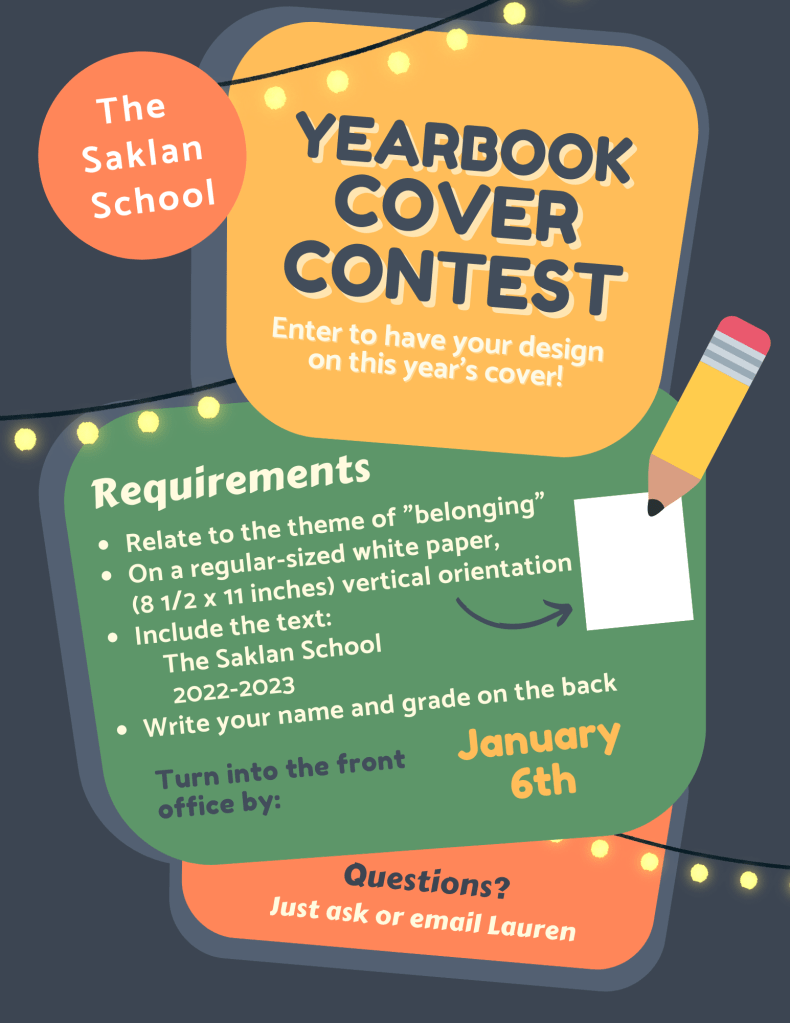
All Saklan students are invited to show their creativity by designing a cover for this year’s yearbook.

If you have any questions about the Yearbook Cover Contest, please email Lauren at lhaberly@saklan.org.

#SaklanCreative

How Can We Help our Apple Tree Thrive?

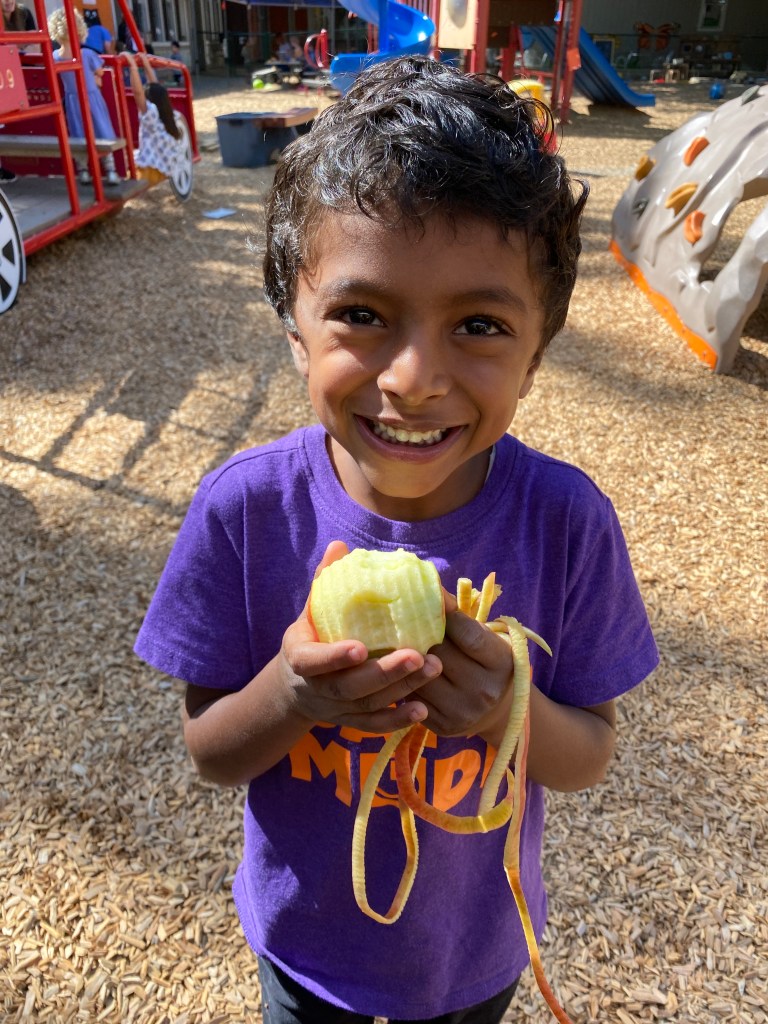
Before the Thanksgiving Break, the kindergarten class concluded their study about apples and apple trees. After learning about apples, their life cycle, the parts of an apple, taking observations of apple trees at Moraga Gardens and the tree on the ECE playground, and interviewing experts, the students answered their essential question: “How can we help our apple tree thrive?”

Kindergartners learned that they needed to move the wood chips away from the base of the apple tree, so they created kindness rocks and arranged them around the tree to keep the wood chips away.

The class also learned that local wildlife was continually eating the apple tree’s buds, so they put a decoy owl by the tree to try to keep squirrels away!

Since the apple tree is on the playground that the kindergartners share with the Preschool and Pre-K students, the kindergarteners thought it was really important to talk with them about how to keep the apple tree thriving. The kindergartners did an amazing job of sharing their project-based learning with the PS and PK students.

#SaklanPBL

Family Group Poems & Characters

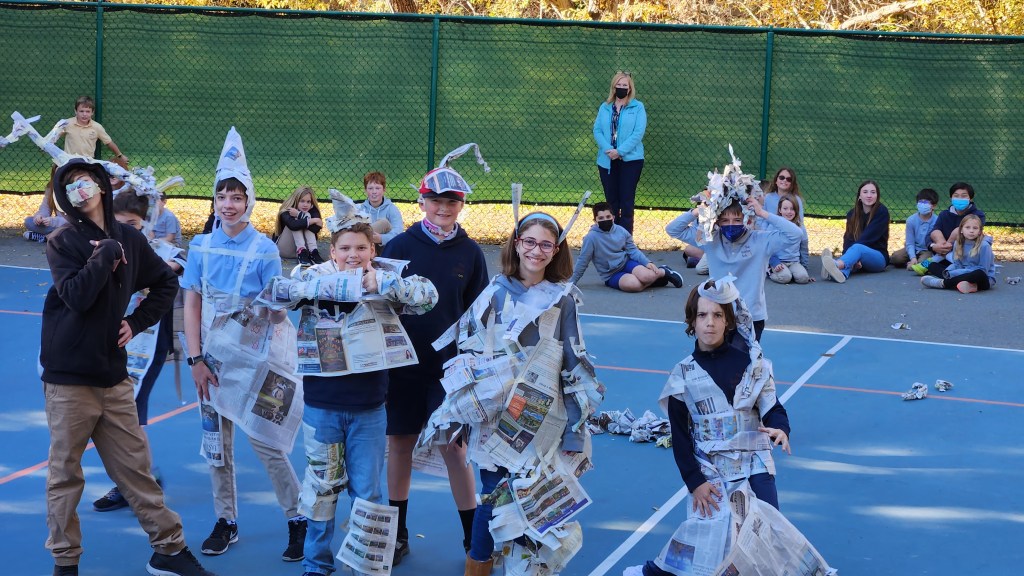
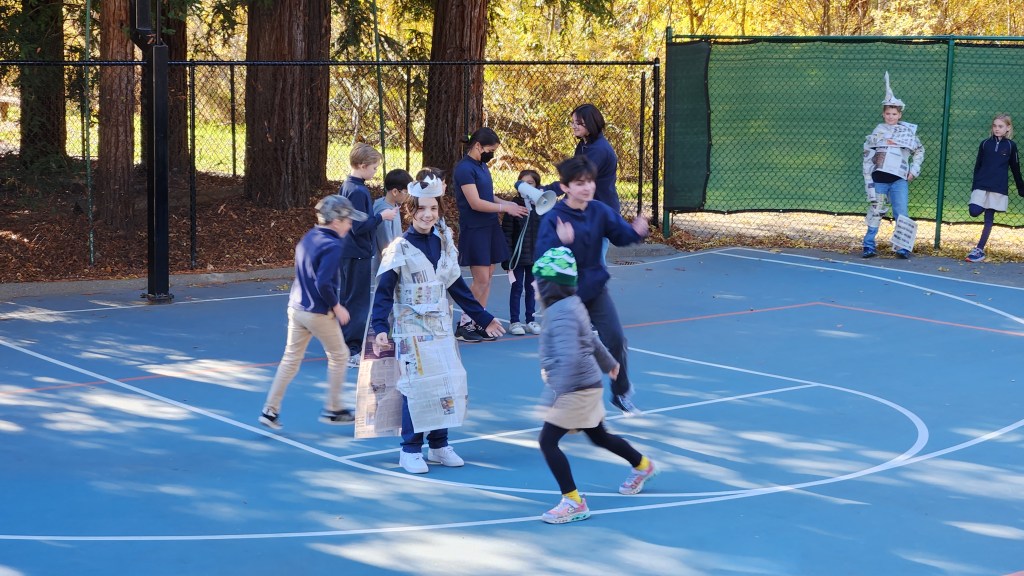
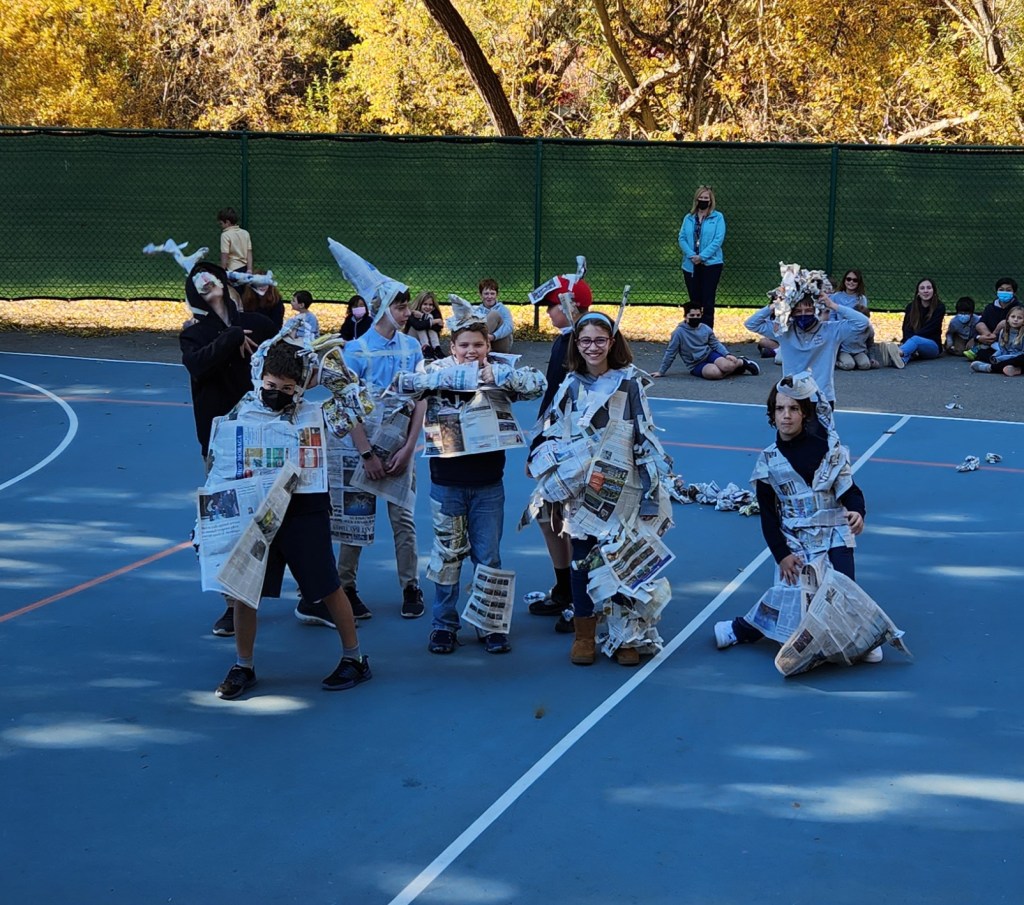
On Tuesday, 1st – 8th graders gathered with their family groups to talk about being compassionate and how they could show compassion to others. The students then worked together to write an 8-line poem containing a few specific words: Saklan, compassion, hot cocoa, and winter. The students also dressed up one of their family members as a winter character, using only newspaper. The families definitely showed their creativity!

All family groups then gathered on the sports court to share their poems (some groups acted them out) and winter characters. Among the characters presented were a snowflake, reindeer, elf, Frozen princess, and a Yeti!

#SaklanFamilyGroups #SaklanSEL

Did We Reach 100% Participation in Saklan’s Annual Giving Fund, Yet?

Almost! Did you know that each year we ask current families, faculty and staff, trustees, grandparents, alumni families and friends of the school to make a tax-deductible donation to Saklan’s Annual Giving Fund? 

One of our goals is to reach 100% participation from our current families. The chart below shows you where your student’s class is towards reaching this goal.

If you haven’t made a gift yet, it’s not too late to contribute. YOU can make a difference and get ALL of us closer to 100% with your gift today!

Not sure how much to contribute? We receive gifts anywhere from $10 to $10,000. Please know that whatever amount is meaningful and affordable for your family, Saklan is truly appreciative of your gift.

You can make an AGF gift via the following methods:

  • DONATE ONLINE through our secure site; or
  • Write your check made out to The Saklan School with “Annual Giving Fund” written on the Memo line and deliver it to our office.

If you would like to discuss your gift further, please contact Emily at ewilliamson@saklan.org.

On behalf of all of us at The Saklan School, thank you very much for your support.

#SaklanCompassionate #SaklanAGF

Who Do Art Objects Truly Belong To?

Who do art objects truly belong to? Over the last six weeks, the 6th graders have been seeking to answer this driving question by exploring museum bias, researching significant artifacts, and understanding different present day arguments for and against repatriation of ancient art objects.

The sixth graders in front of the de Young Museum after touring the Ramses Exhibit.

After taking a trip to the de Young Museum to view the Ramses Exhibit, researching the significance of a chosen artifact, and speaking with experts from the Fine Arts Museums of San Francisco, Badé Museum, and Stanford University, their final milestone and public product for this unit was to select an aspect through which to answer the driving question. Some students focused on museum bias, others on big ideas around repatriation, still others on power and ethical issues in the worlds of archeology and museum preservation of ancient artifacts. You can read their manuscripts here, which have been submitted to KQED’s Youth Perspectives program for consideration to be published by KQED. 

#SaklanPBL

Get Your Saklan Spirit Wear

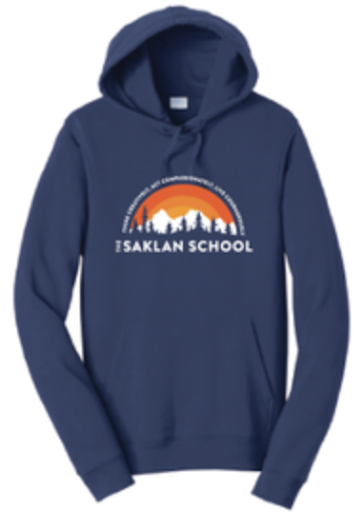
The Saklan Parent Association (PA) is excited to offer Saklan Spirit Wear! Hoodies, pajama pants and t-shirts are all available. Orders are accepted online only, through December 16th. A portion of the proceeds will be used by the PA to fund more events for our school community. Don’t delay, get your Saklan spirit wear order in today! 

Special thanks to Shannon O’Connor for her work on the design, the entire PA Board for their feedback, and to Erin Moorhead for working to make the items available to our community.

#SaklanSpirit #SaklanPA #SaklanCreative