Mexican Folk Art

Middle School Learning by Doing Elective Class

A Cross Curriculum Elective Unit with Spanish & Art

Dia de los Muertos (Day of the Dead) originated several thousand years ago with the Aztec, Toltec, and other Nahua people, who considered mourning the dead disrespectful. For these pre-Hispanic cultures, death was a natural phase in life’s long continuum. The dead were still members of the community, kept alive in memory and spirit—and during Día de los Muertos, they temporarily returned to Earth. It takes place on November 1 and 2—All Saints’ Day and All Souls’ Day on the Catholic calendar—around the time of the fall maize harvest. It is celebrated throughout México and in recent years, has been adopted by many societies in the U.S.A.
IMG_4693

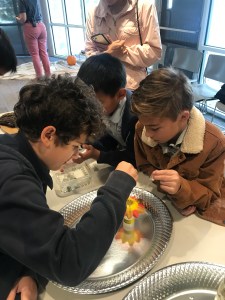
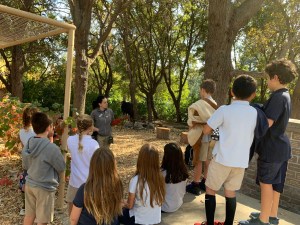
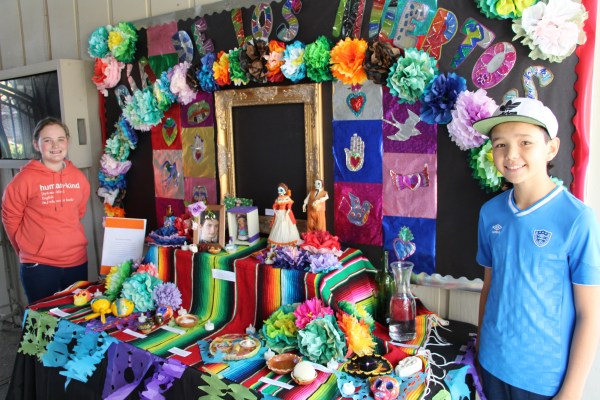
The ofrenda (offering) altar is constructed to help guide the spirits of family members back to the land of the living on the noche de muertos, the night of November 2. The altar holds all four elements- earth, wind, water, and fire. Representing the element of earth, seeds or grains are left out in bowls, while salt is left to cleanse the spirits and purify their souls during the following year. The students made all parts to the altar and learned the significance behind each of the elements. They created embossed metal folk art which is a technique that raises a 2 dimensional image into a 3 dimensional. With embossing, students craft traditional Mexican imagery that surrounds the photos of the loved ones that have passed and sit at the top of the altar. They also created the Dia de los Muertos Lettering using hammers and nails to create the raised and textured designs. They made flores de papel (tissue paper flowers) to build the Día de Los Muertos arch and papel picado (perforated paper). These perforated designs are still hand-cut in Mexico with tissue paper, making it a recognized Mexican folk art. Draped around altars and in the streets, the art represents the wind and the fragility of life.
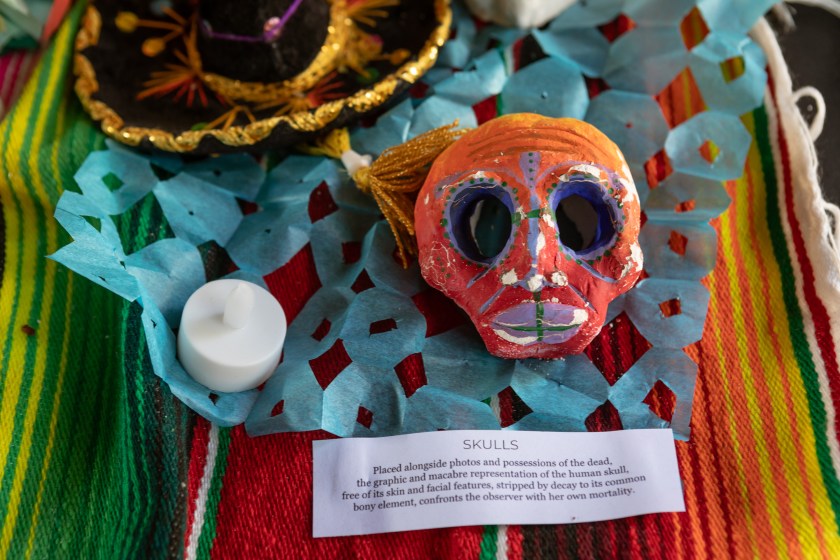
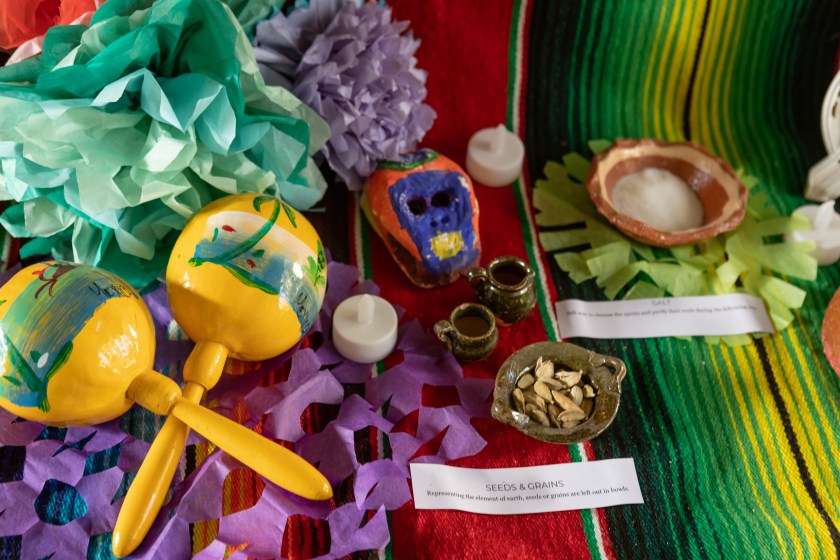
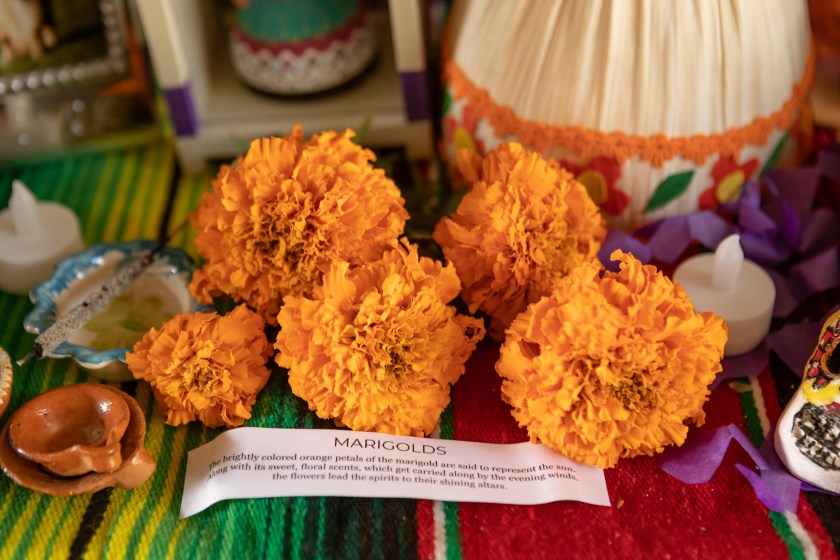
The ceramic skulls were made from past students who wanted them to be kept for the purpose of the altar every year. Placed alongside photos and possessions of the dead, the graphic representation of the human skull, confronts the observer with their own mortality. The brightly colored orange petals of the marigold flowers are said to represent the sun. Along with its sweet, floral scent, which gets carried along by the evening winds, the flowers lead the spirits to their shining altars. As twilight fades away, and family and friends gather around, the flickering lights begin to fill the nooks and recesses of the displays with a warm glow, which helps guide the dead to their altar. This is the fire element and it is believed that color, light, and strong scent of the flowers and candles can guide the souls from cemeteries to their families’ homes.
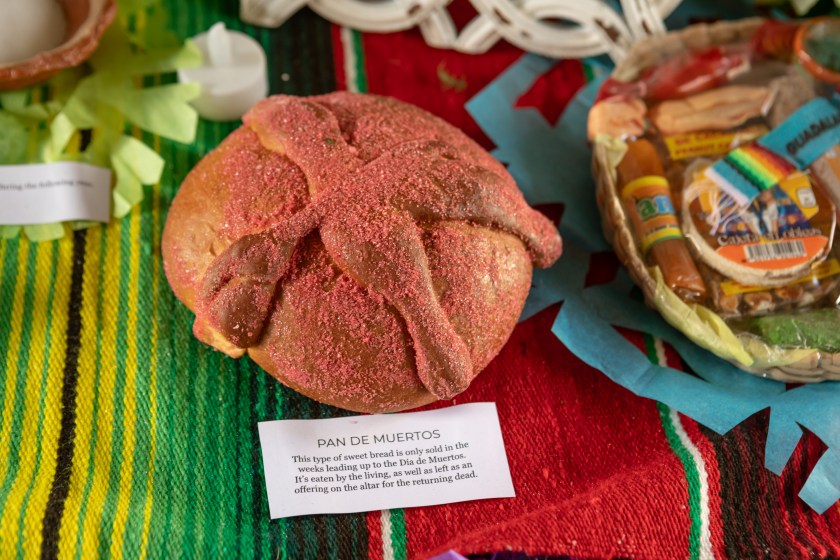
Pan de Muertos (bread of the dead) – which is a type of sweet bread that is only sold in the weeks leading up to the Día de Muertos. It’s eaten by the living, as well as left as an offering on the altar for the returning dead. The soap, a basin of water and the towel helps the spirits of the dead bathe and keep clean while they are back on earth. Pitchers of water are also left so the spirits can quench their thirst after a presumably long journey back home from the afterlife. This altar celebrates the loved ones we have lost within our community, as well as remembering and honoring those who have made an impact in our daily lives but were not directly related to us.

#SaklanWellRounded
The Birth Of Civilization

pasted image 0-5

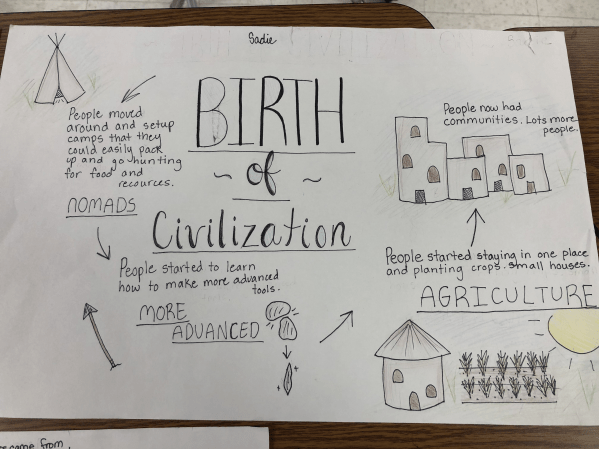
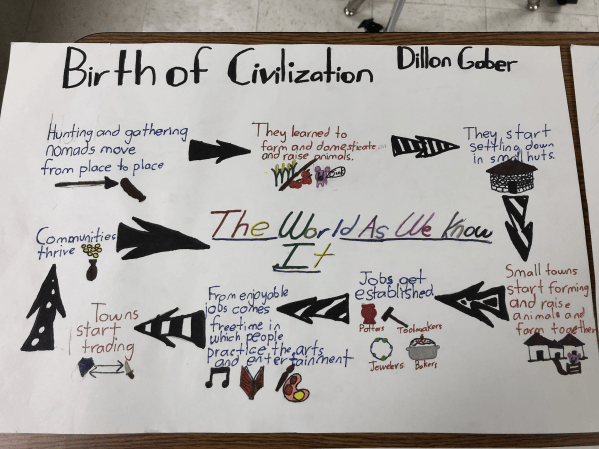
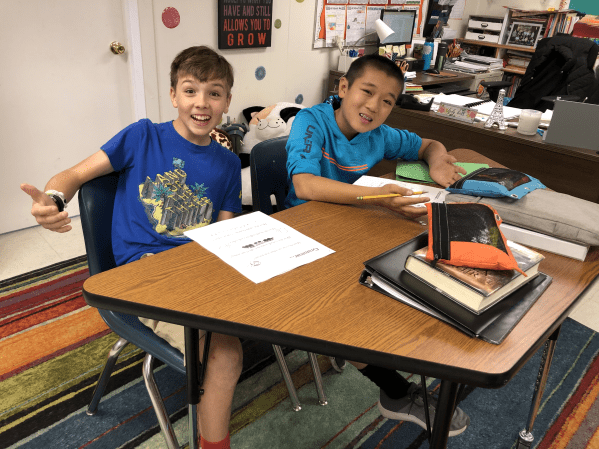
The sixth grade students have been studying the beginnings of communities and human civilization as we know it in Humanities class. They started the unit by reading foundational background information from their textbook History Alive: The Ancient World. The reading gave a summary about how our close cousins called Homo sapiens or wise men decided to give up the nomadic life for a more sedentary one. After working through the text, Ms. Parks showed a National Geographic movie to the sixth graders called The Birth of Civilization to bring this historical time period to life.

pasted image 0-6

The Paleolithic Age, (aka The Old Stone Age), lasted roughly from 8000 to 3000 B.C. During this time, nomads roamed the Fertile Crescent in the Middle East hunting and gathering food. When they would run out of animals to hunt and plants to eat, they would move to find another area that could sustain their group or family. Obviously, this life was difficult and left these people in continual survival mode. When agriculture was finally understood and applied to a fertile land area, humans entered the Neolithic Age or New Stone Age around 3000 B.C. This was a great turning point for humankind. People began to settle together in larger groups and built permanent shelters or homes to live in. Now that people in the community were providing a stable food supply through farming and domestication of animals, other community members were able to work specialized jobs to contribute to the good of the group.Some common jobs during this time were blacksmiths, weavers, pottery makers, scribes, shamans, soldiers, and merchants. Once these communities could sustain their entire community, they began to want other goods that they did not have nearby. Out of this need, trading was born, merchants collected goods, and trade routes were made. Through trade routes, different ways of life and ideas were spread, which starting to educate and connect the world.

pasted image 0-7

After learning all of this information, the sixth graders were assessed by taking a standard summative test that included sections that had multiple choice questions, map reading, analysis, and writing. Since each student was required to take notes during the movie, they were able to use their notes on this assessment. The other way Ms. Parks checked for student understanding was for each person to make a graphic organizer of ideas and pictures that told the story of humans moving from a nomadic life to a more community-based civilization. Please check out the pictures above that show a few great examples of their Birth of Civilization Mind Maps and enthusiastic sixth graders.

#SaklanCreative

Animal Adaptations

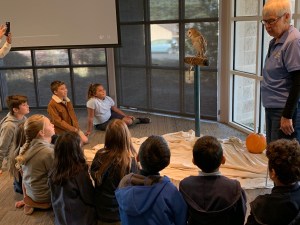
4th graders are deep into their animal adaptation unit, and had the opportunity to go on a field experience to Lindsay Wildlife Museum. Students were thrilled to see their textbook come to life as they observed/touched many creatures and discussed special features that help these creatures survive. It was so amazing to see academic vocabulary fly out of their mouths (such as migration, hibernation, instinct, learned behavior) when answering questions, and their proud faces as they connected the dots between the classroom and the real world of nature.

When the instructors at Lindsay learned we were beginning our unit on California Birds, they tailor-made our tour so we really got to see and learn about the birds in their care. Almost every bird being researched by a Saklan student was found at the museum. One student even got to go see his bird back in the nursery as she was recovering from delivering an egg!

Because the students were so engaged in their research, they were let in on a very special treat of seeing a bald eagle brought into their hospital. The eagle had been electrocuted by a power line, and behind the glass we observed doctors and nurses working very hard to save its life. Even in this situation, Lindsay made it a learning moment and the students observed the adaptations of the bald eagle up close.

As the students were leaving, they brought out a turkey vulture that was 40 years old! He had amazing adaptations that were so unique, and it was such a treat to see it and ask questions of the person in charge of his well-being.

4th graders are so inspired to return to class and begin researching their particular bird, especially with this field experience to recall.

#SaklanExperiential

Hopscotch?

“I’ll risk forty dollars that he can outjump a frog in Calaveras county.” –Mark Twain

hopscotch markers

When was the last time you hopped twelve times in a row, stopped, balanced on one foot, and bent down to pick a small object off the ground? If you keep repeating this dance, you are most likely involved in a “hopscotch-like” activity. The layout and rules of the game vary around the world. This ancient exercise is simple in concept yet challenging in practice.

IMG_5105

The physical education students have learned how to play a nine square variation. They have also chalked out different layouts creating their own hopping patterns. Markers have been crafted with various materials such as: paper clips, duct tape, coins, homemade bean bags, and even a deflated balloon filled with flour.

IMG_5044

Currently, the student body and faculty are competing in the Fourth Annual Fall Classic Single Elimination Hopscotch Grand Championship Friendly Intramural Tournament. Forty-eight contenders have completed qualifying matches and are set for the preliminary round. Matches take place during recesses and will continue till there is a champion. Good luck, and don’t trip!

Let’s go Saklan!

#SaklanWellRounded
Fifth Grade Autobiography Projects

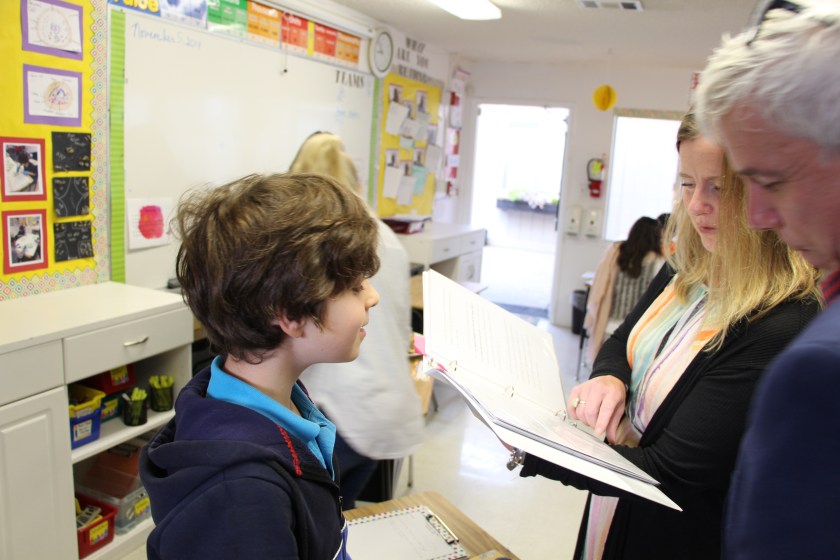
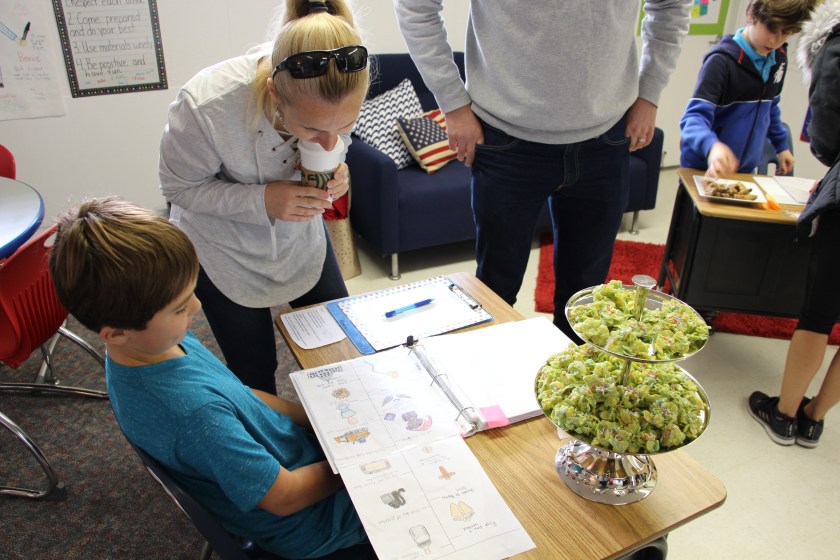
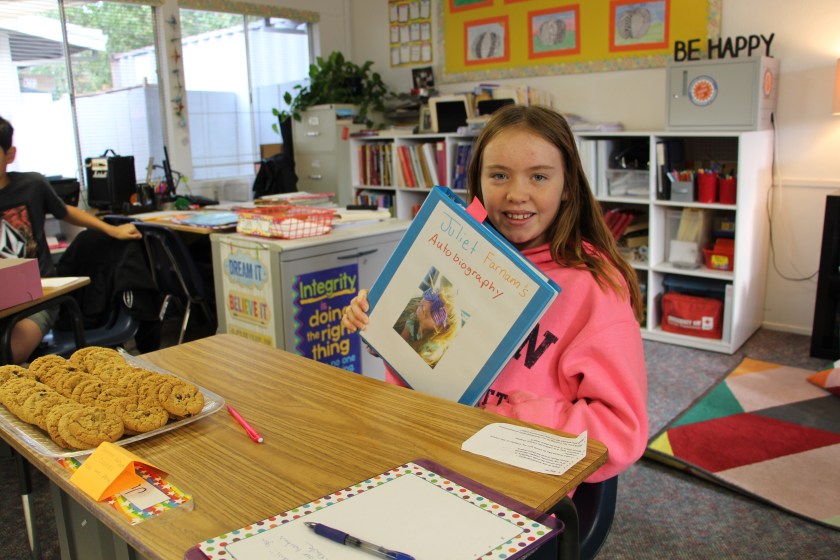
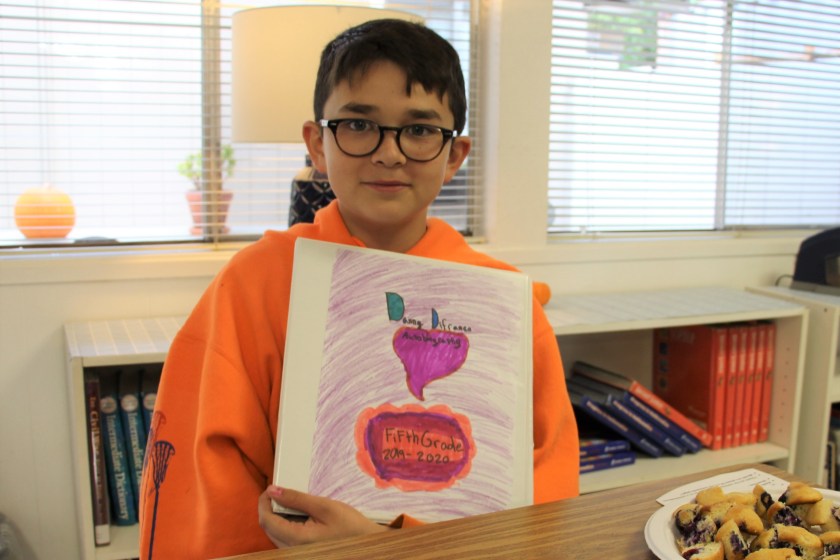
One tradition we have in fifth grade is students put together an Autobiography Project. This has been a Saklan tradition for many years. This year’s fifth grade has just completed this treasured keepsake. The Autobiography consists of six chapters written by the students. Each chapter is tailored to inform the reader about different parts of the students’ lives. Chapters range from: A Parent Interview, My Favorite Activity, Family Activities, Timeline, Me Today and a free choice chapter. The free choice chapter gives students the opportunity to create what they wish. Many students wrote poetry, wrote about their pet, favorite place, are some of the examples.

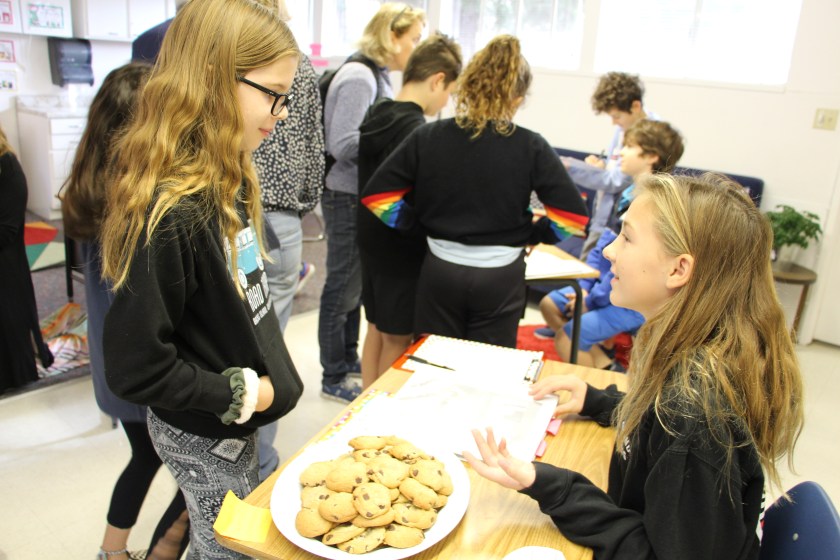
On Wednesday, the fifth graders shared their projects with their parents, classmates and teachers during a gallery walk presentation. Fifth graders were so excited to share their amazing projects. Students also brought their favorite dessert to share during the presentations.

We are very proud of their hard work and creativity on the projects. Way to go fifth graders!

#SaklanCreative

Fall Fun

IMG_4644

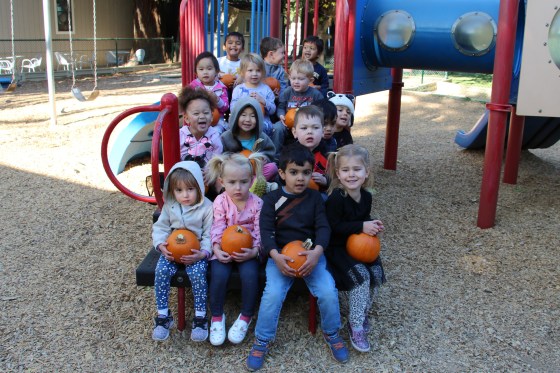
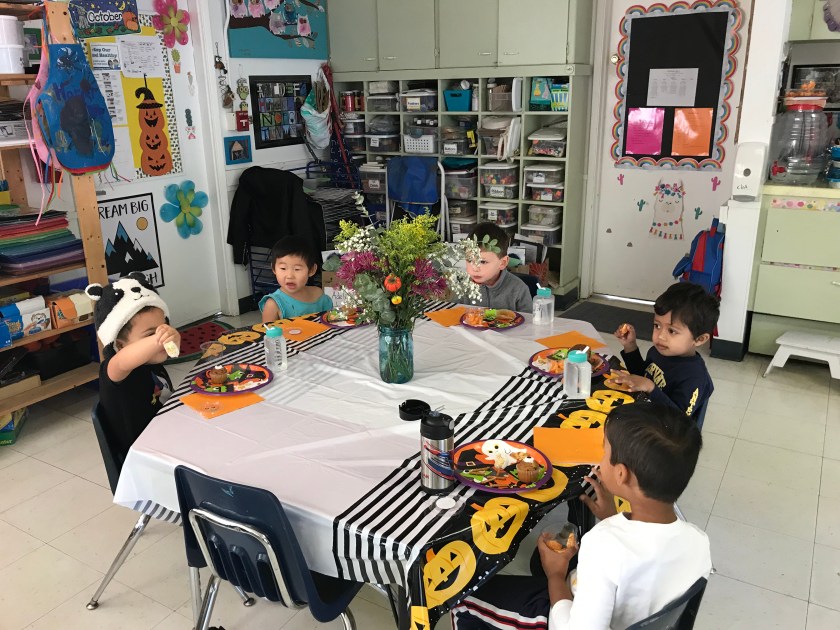
To get into to the fall spirit, the Owlets carved their class pumpkin. First, they did their five senses with it. They told Mrs. Amanda what the pumpkin smelled like, what it felt like, what it tasted like, what it sounded like, and what it looked like. They guessed how many seeds could be in the pumpkin. Then, they washed the seeds and roasted them. When Mrs. Amanda asked if they liked pumpkin seeds or not, the majority of the children answered yes. It was a lot of fun!

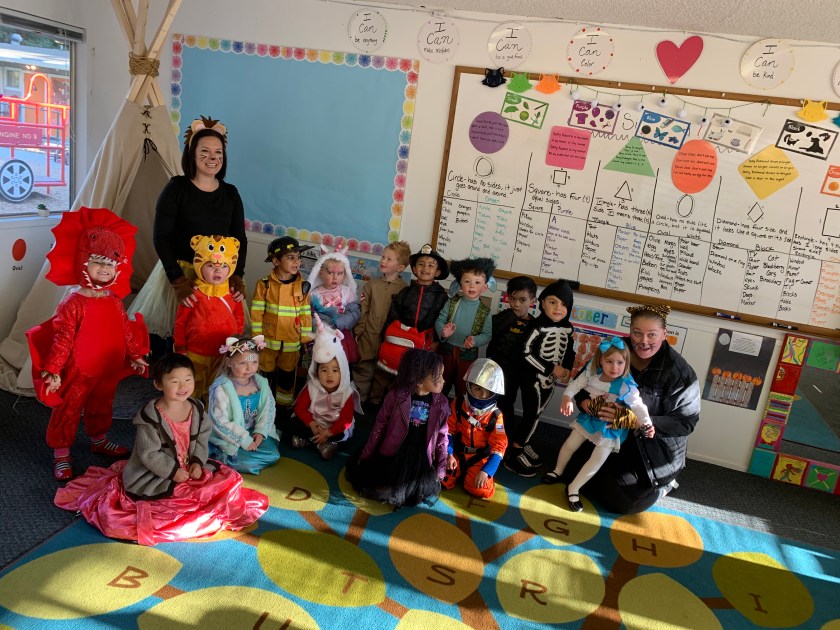
Owlets had an amazing Halloween party and pumpkin hunt on the 30th of November. It was very cute to see the children hunt for their pumpkins and get excited when they found theirs. Halloween was a blast. It was a lot of fun for the children to parade through the school and attend Flag in their Halloween costumes.

#SaklanHandsOn

Why Do You Donate?

AGF

”What wouldn’t I give when my children are blossoming in an environment that nurtures the love of learning and allowed to be themselves confidently! I wanted them to have a different learning experience than the one I grew up having; where going to school is an exciting event rather than a dreadful one that I’ve felt growing up. Going to Saklan every morning, as we drive 45 minutes each way, is a day my children look forward to. That’s enough of a reason for me to give.” 

Jenny Choi

Makenna (7th) and Nikko (4th)

#SaklanGiving

The Power of Saklan

The Saklan School is a special community whose essence is often easier to capture through the senses than with words. Perhaps sometimes it is easier to feel than to describe. Families and teachers feel connected and purposeful. Students are engaged and confident. Academics are challenging and meaningful.

It is the essence of Saklan that founded our mission to Think Creatively, Act Compassionately, and Live Courageously. These same principles have laid the groundwork for our school’s growth and longevity. As we continue our 66th year, we would like to focus on the Power of Saklan. To that end, we have created three new videos to help identify and explain the fundamentals of who we are as a community and why families continue to find a home at Saklan.

It is our hope that these videos have captured the spirit of Saklan, and that you see within them why you are part of our community. We hope you are inspired by these videos and share them with friends, family, and colleagues.

#ThePowerofSaklan

Why Do You Donate?

saklan-family.jpg

“Every year when we donate to the Annual Giving Fund, we know we are investing in not only in our daughter’s future but in the future of all current and prospective Saklan students. The money we give goes directly to the school through educational programs, financial aid and faculty development classes that help make Saklan the amazing school that it is.”

Bo and Geri Buhl
Bjerre Buhl, 6th grade

#SaklanGiving

Fourth Grade Personal Narratives

Fourth graders have connected reading to writing in their personal narrative unit. After learning that stories follow a plot diagram, they were ready to tackle their first fictional personal narrative. They aren’t silly enough to start their stories in a boring, predictable way, but have learned four interesting hooks to engage their audience.

At Friday Flag, they read their “Great Beginnings” by sharing the first sentence of their haunted mansion story. They could begin with an action, dialogue, thought, question, or sound beginning. Wow! What a difference!

4th at Flag

Fourth graders were proud to present their “Spooky Forest” stories to parents. They showed off their new skills of great beginnings, building suspense, word choice, similes and metaphors, all while following their plot diagram format. They sure were spooky!

4th Presentation

They loved presenting a second time to their second grade buddies. They got to catch the vision to read quality books to help them become amazing authors. Fourth graders learned how powerful it is to paint a picture in the minds of those who read or hear their stories! They look forward to carrying these skills on to their next expository unit!

#SaklanCreative