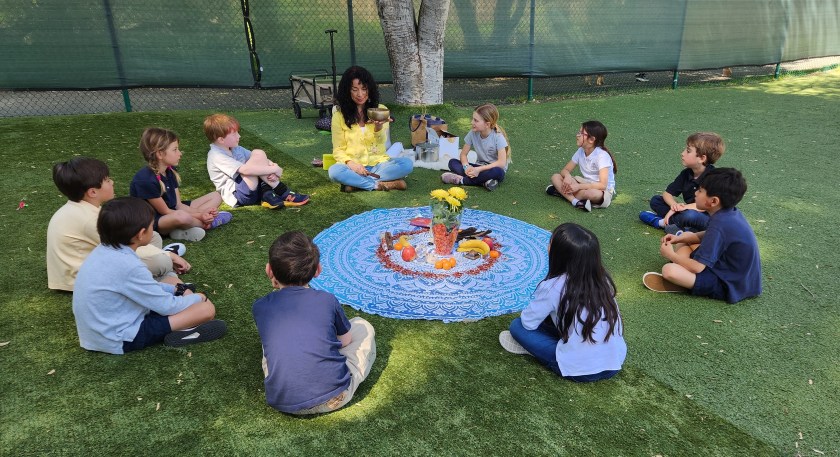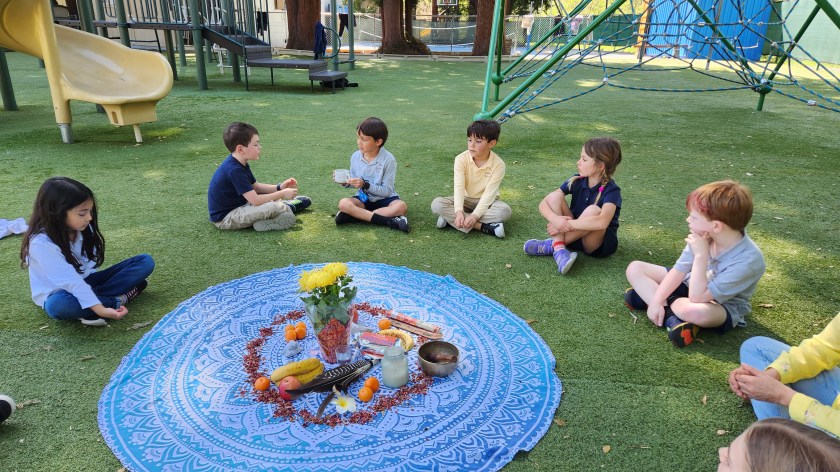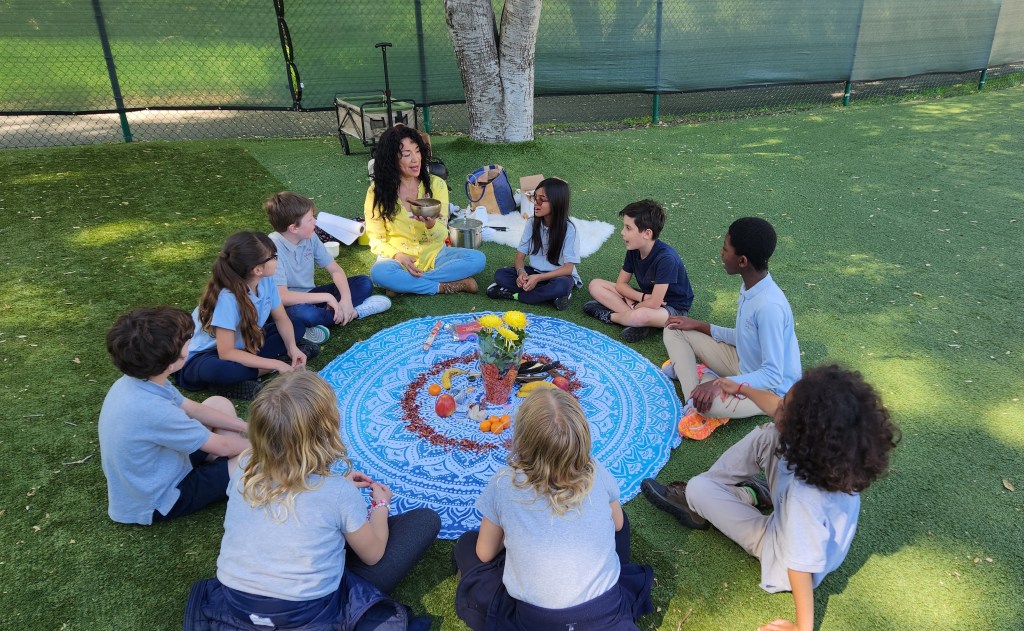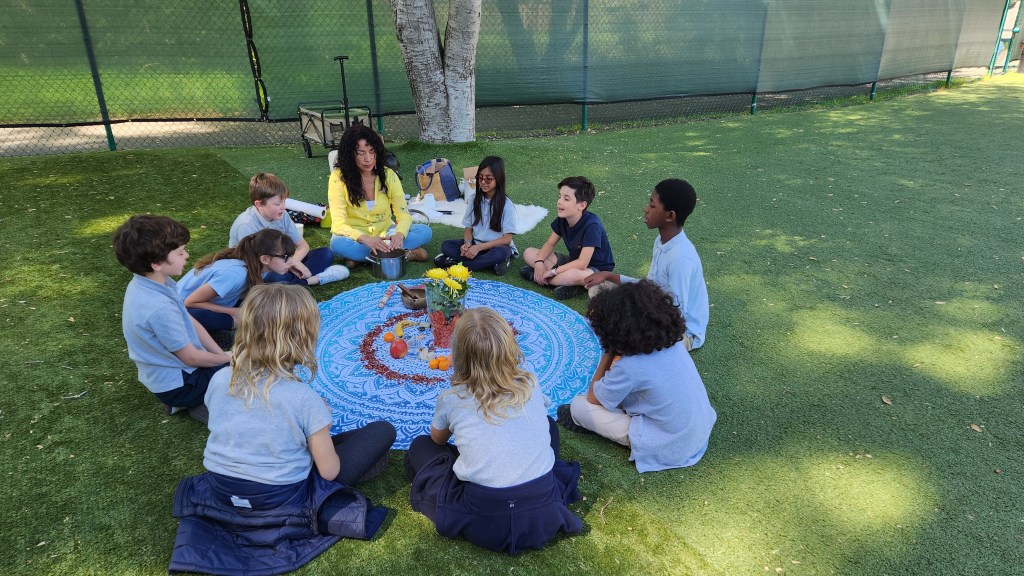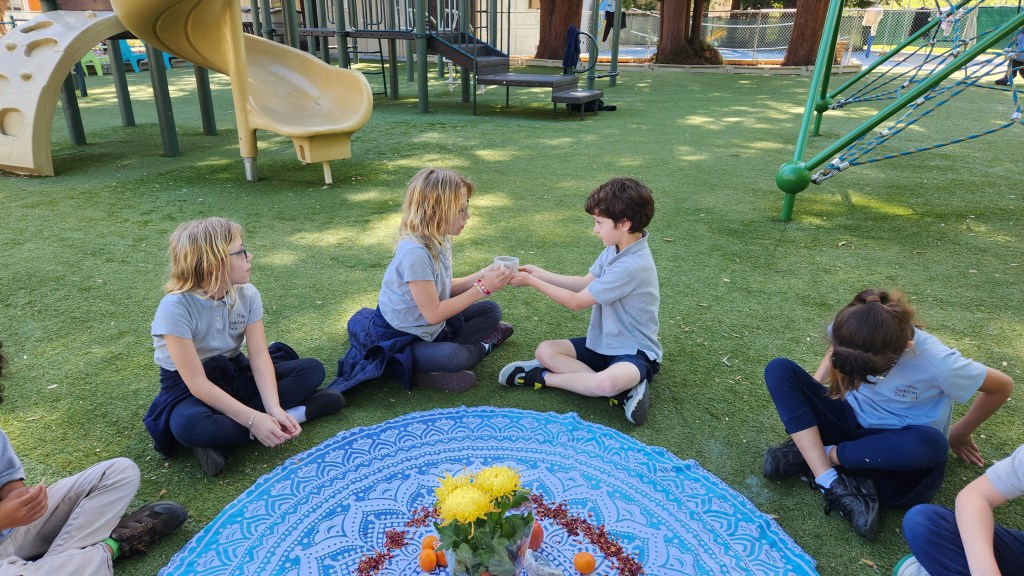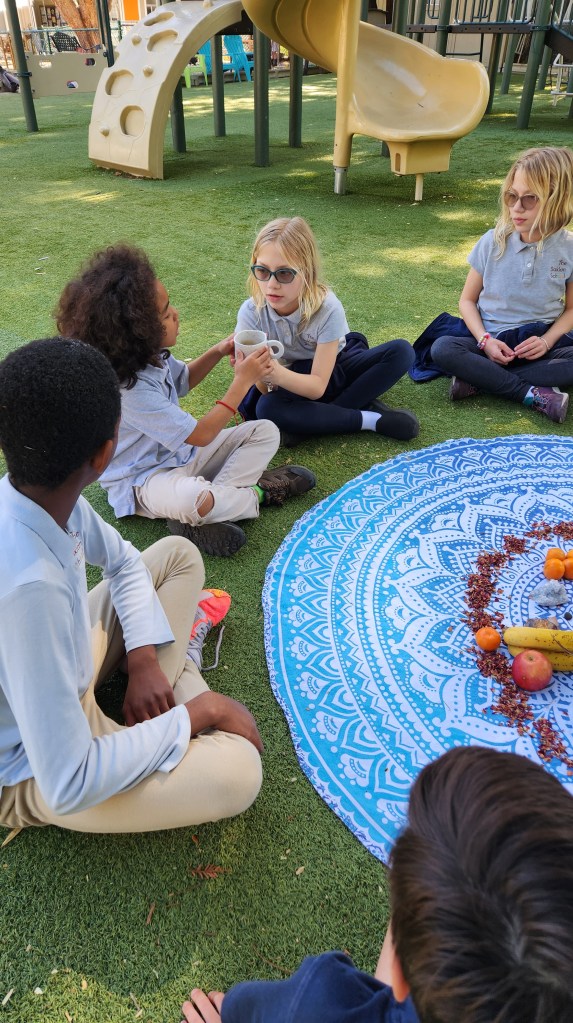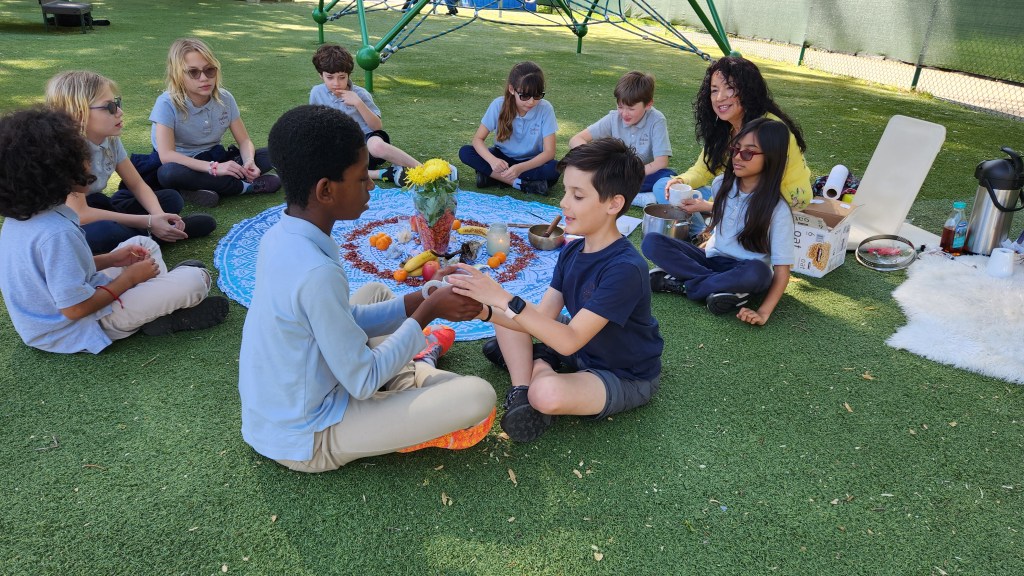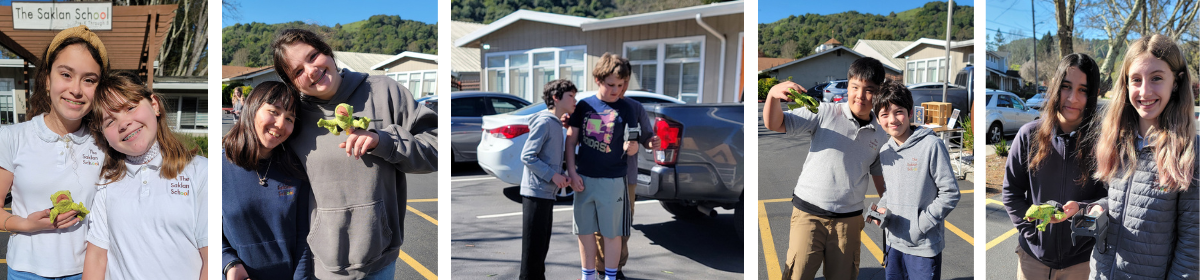
Saklan’s social-emotional learning emphasis for January is to be respectful. Throughout the month, all Saklan students will be learning what it means to be respectful and practicing strategies for showing respect both at school and at home.
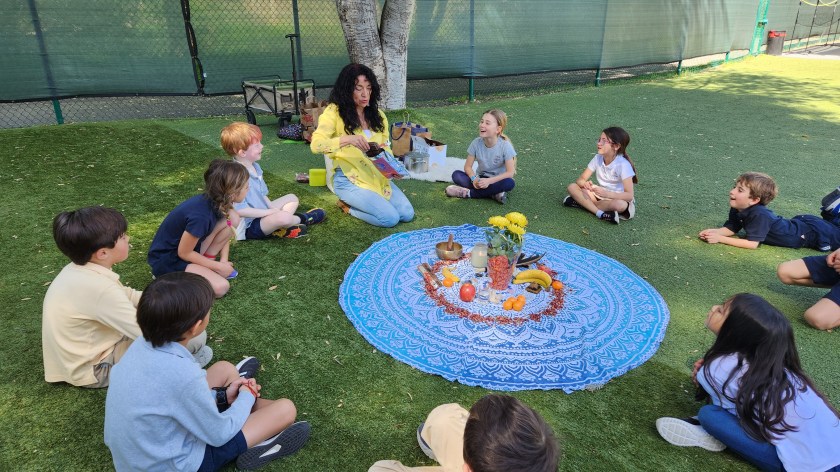
On Friday, January 26th, the first – eighth graders will meet with their family groups and take part in cross-grade level discussions and activities to gain an even greater understanding of respect. We value these opportunities to help our students understand and integrate new SEL concepts each month. Thank you to our 8th graders for leading these opportunities for the 1st – 7th graders, and to our SEL coordinators Vickie Obenchain and Lisa Rokas for organizing such a unique program for our students.
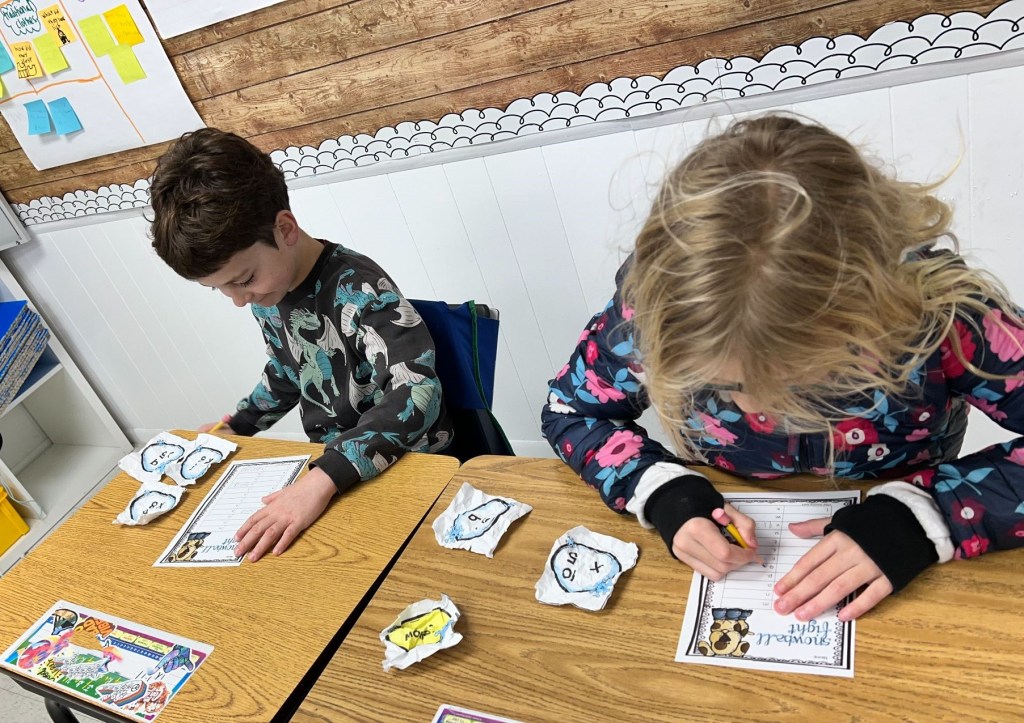
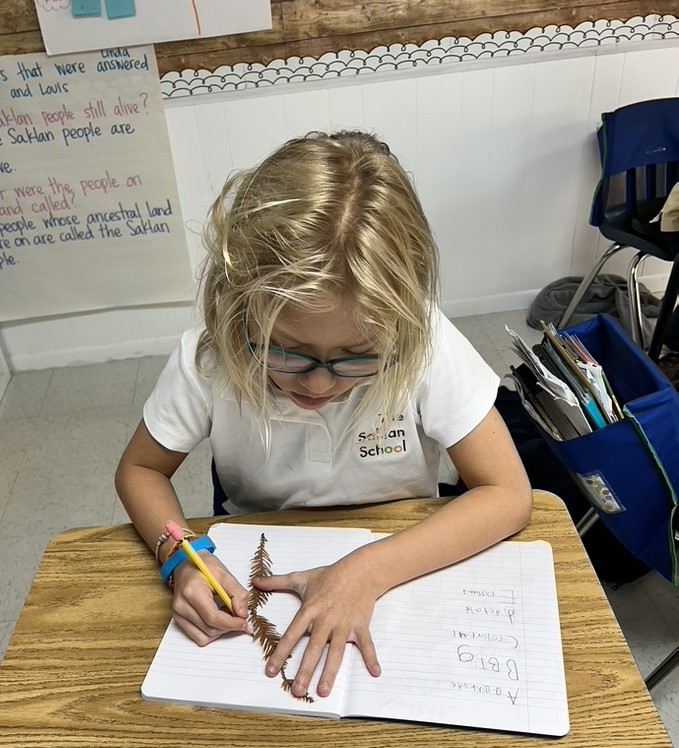
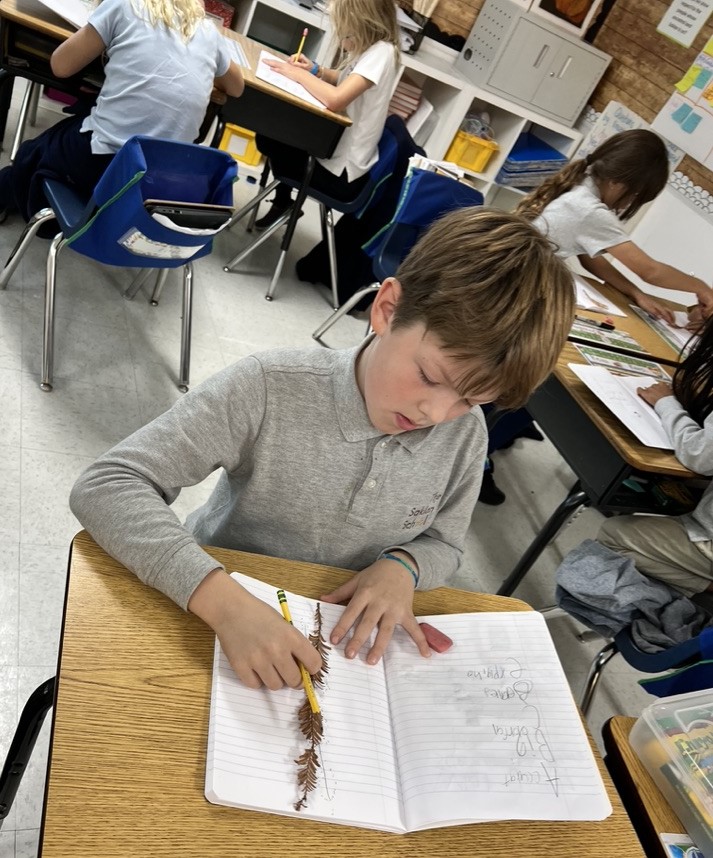
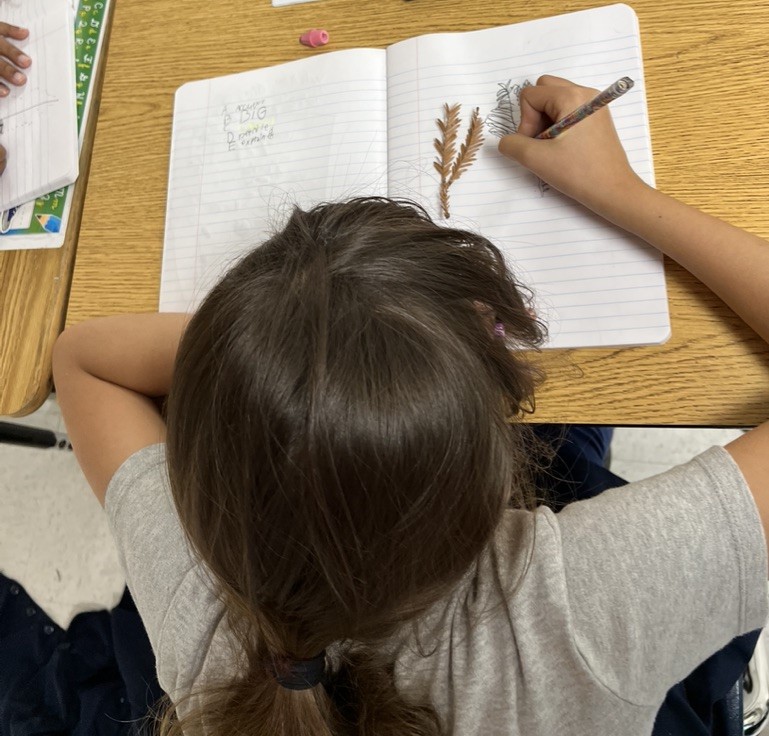
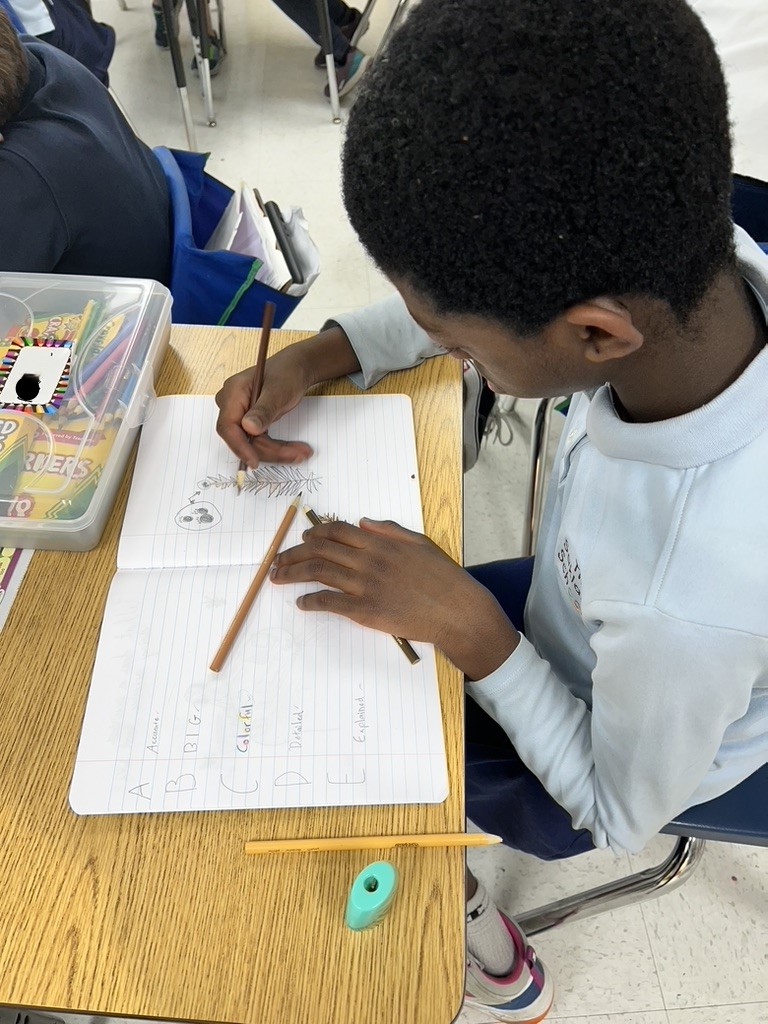
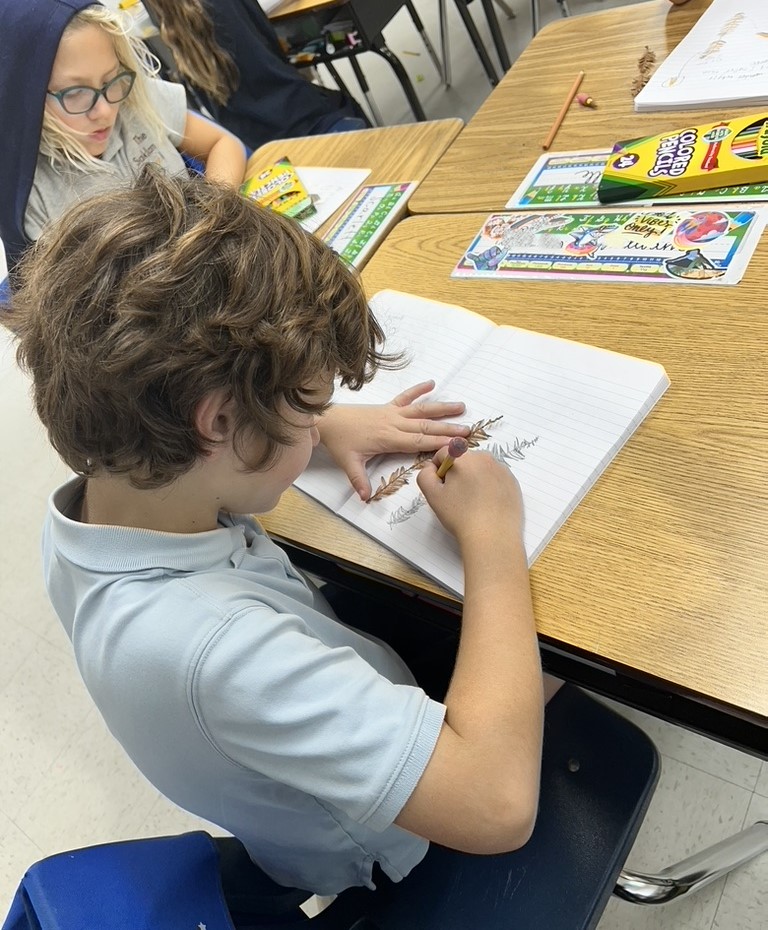
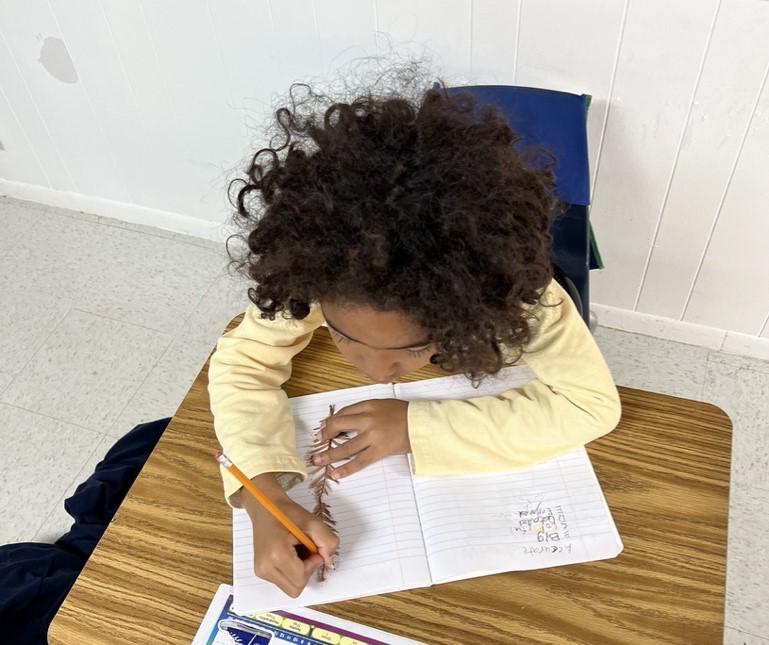
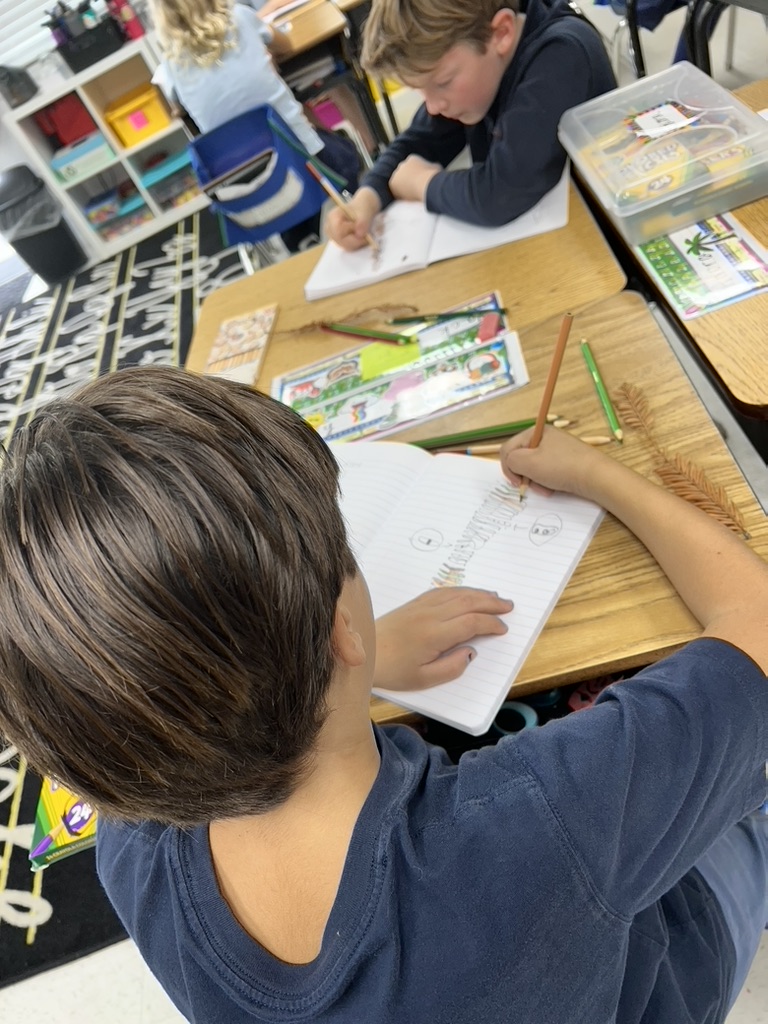
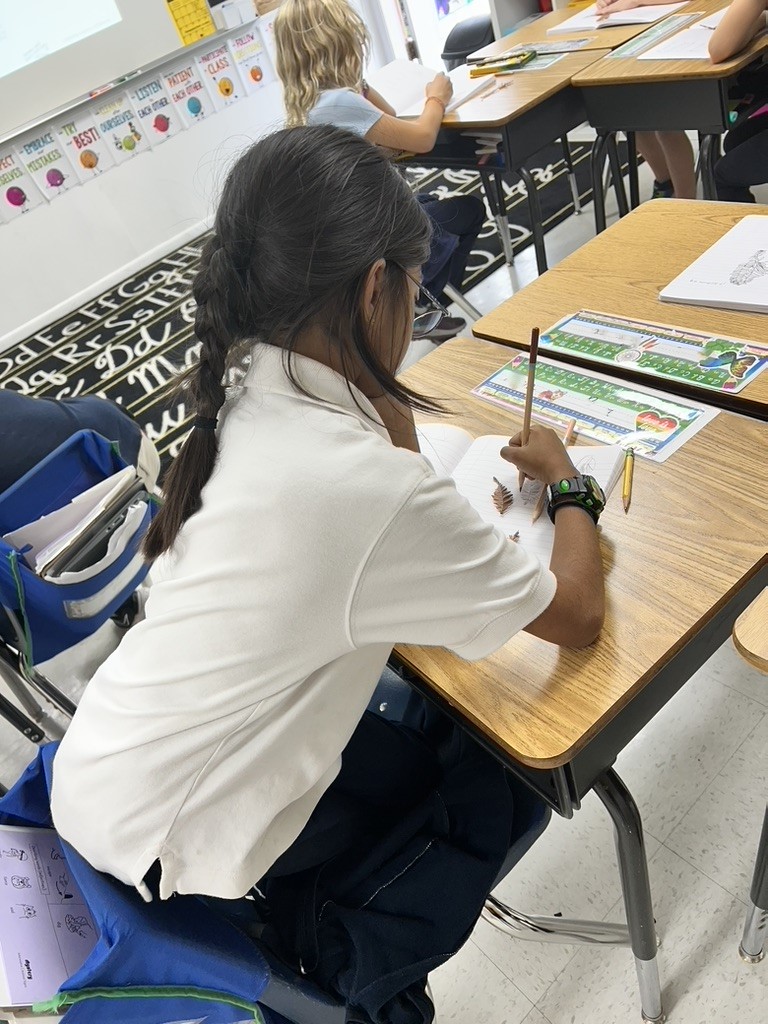
The third graders have been learning about how to sketch scientifically!
Scientists use sketches to capture information for themselves and communicate information to others. They often sketch when they are doing field research, observing a plant or animal they cannot take back to the lab. A scientist sketches to record and communicate information. Along with a drawing, a scientific sketch often includes labels and diagrams, questions and explanations.
You don’t have to be an artist to create a successful scientific sketch. You simply have to take time, observe closely, and record what you see. Recording what you see is different from drawing the picture you have in your head. Many of us have cartoon-like images in our head of trees, flowers, houses, apples, rabbits, etc. When you set out to sketch a real thing, it’s important to focus on the individual specimen in front of you, rather than the generalized image you carry in your head.
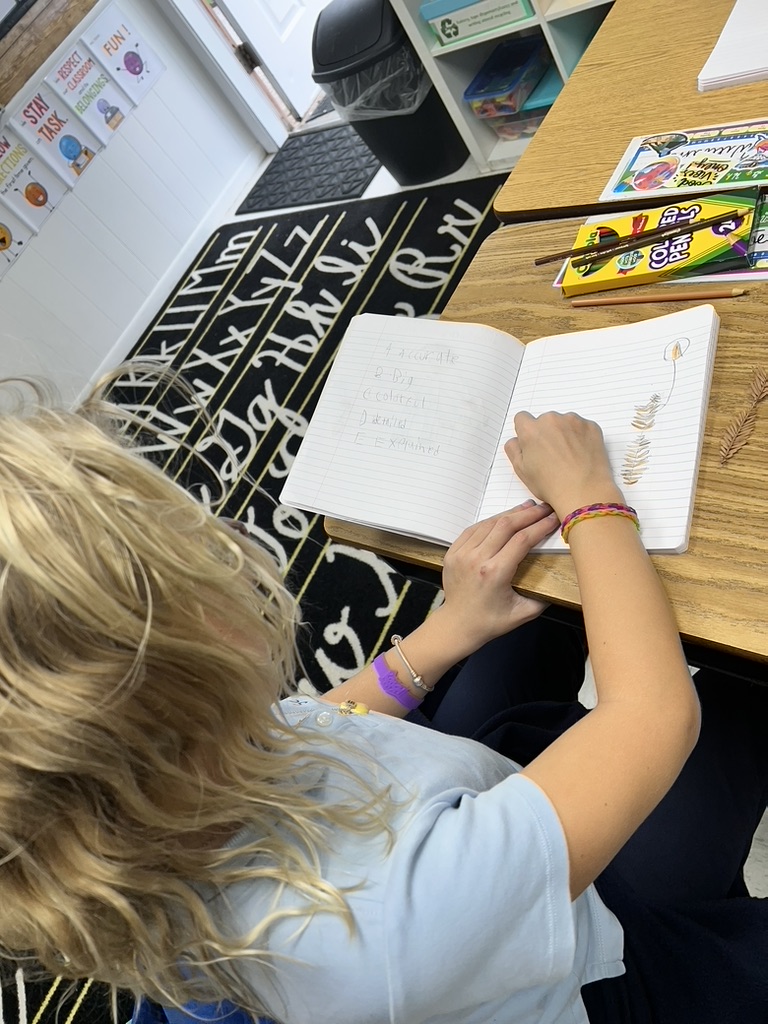
Students learned the criteria for a successful scientific sketch through the mnemonic: ABCDE
Scientific sketches should be: Accurate, BIG, Colorful, Detailed, Explained.
The third graders then used their careful observation skills and practiced sketching a redwood leaf like a scientist. They have also been applying these strategies in art class recently in drawing birds. These important skills will be implemented in the art portion of their current Saklan/Bay Miwok PBL unit.
How can we show respect for the people whose ancestral land Saklan is on?
This is the driving question that the third graders are currently working to answer in their PBL unit. They have been learning about the Saklan people (part of the Bay Miwok nation) who have lived on this land for thousands of years longer than anyone else.
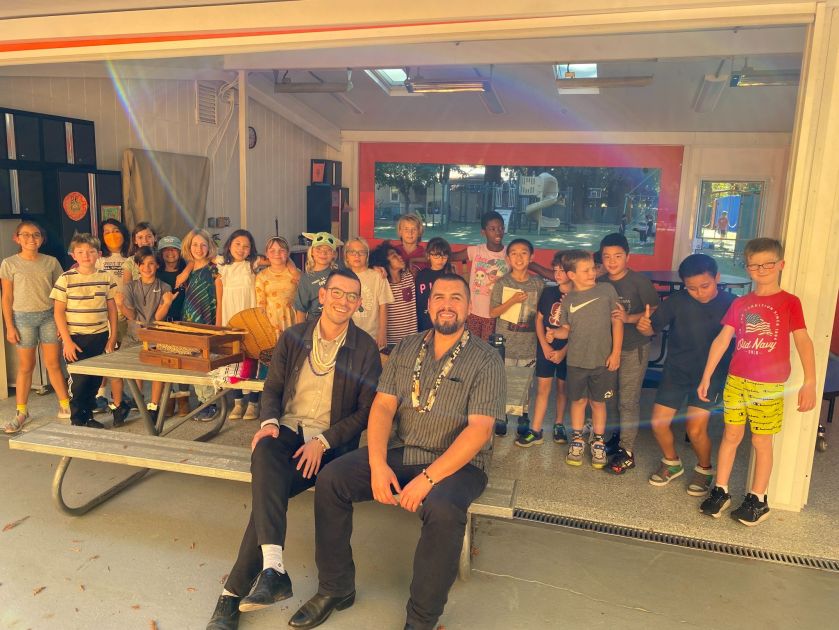
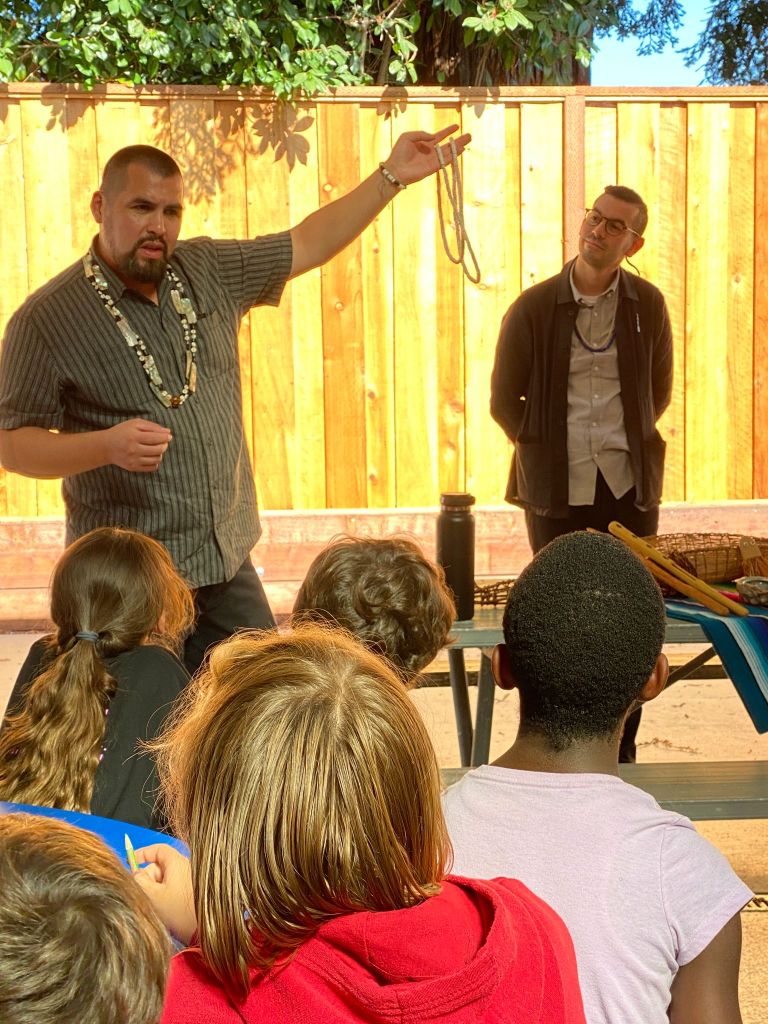
The third and fourth graders were recently visited by the founders of Cafe Ohlone, Vincent Medina (of Chechenyo Ohlones) and Louis Trevino (of Rumsen Ohlones). Vincent and Louis shared with the students all about their culture and traditions, and how their work is centered around keeping their culture alive. They requested that the students refer to indigenous peoples in the present tense, not the past, because they are still here and their culture is still celebrated by their people.
The third graders continued to learn more about the Saklan/Bay Miwok peoples through expert learning research groups and a virtual field experience with guest experts from Coyote Hills Regional Park. Stay tuned for more information on their unit and their culminating end product.
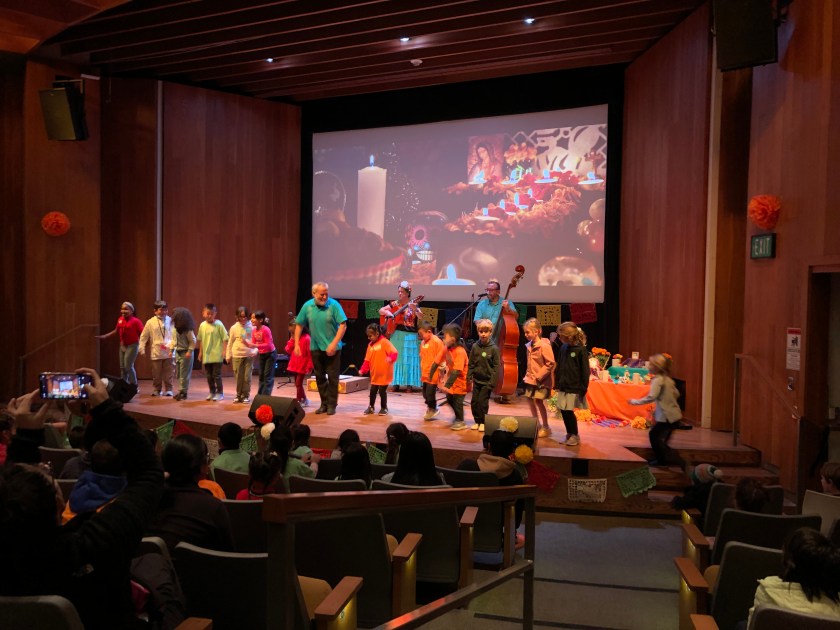
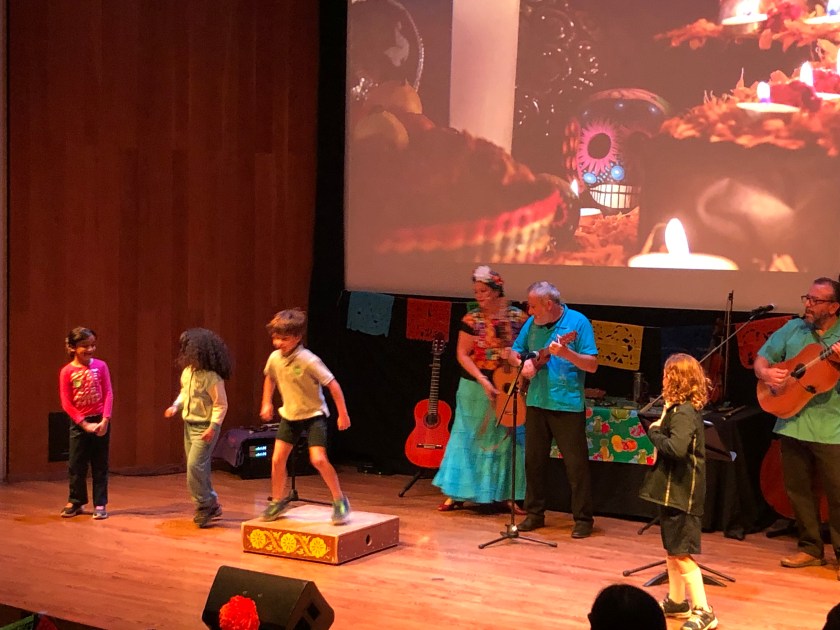
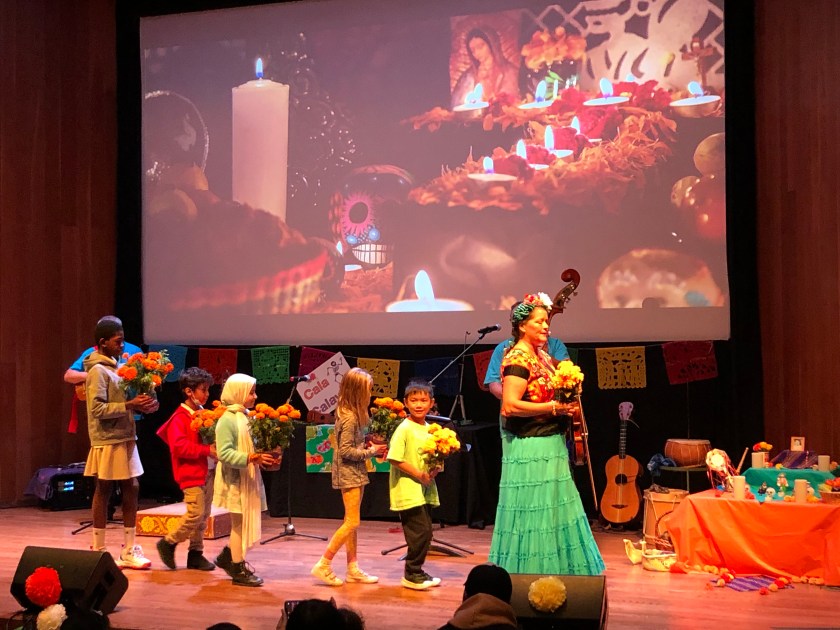
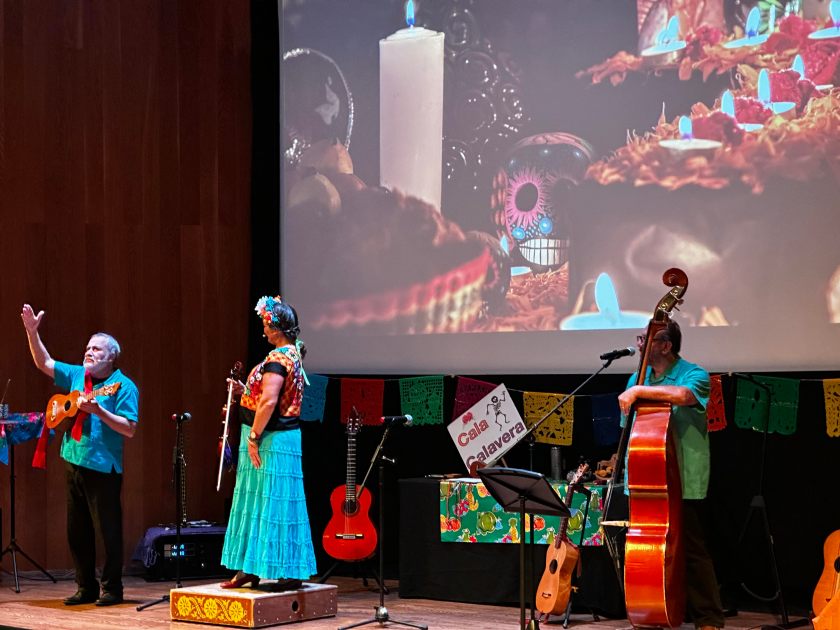
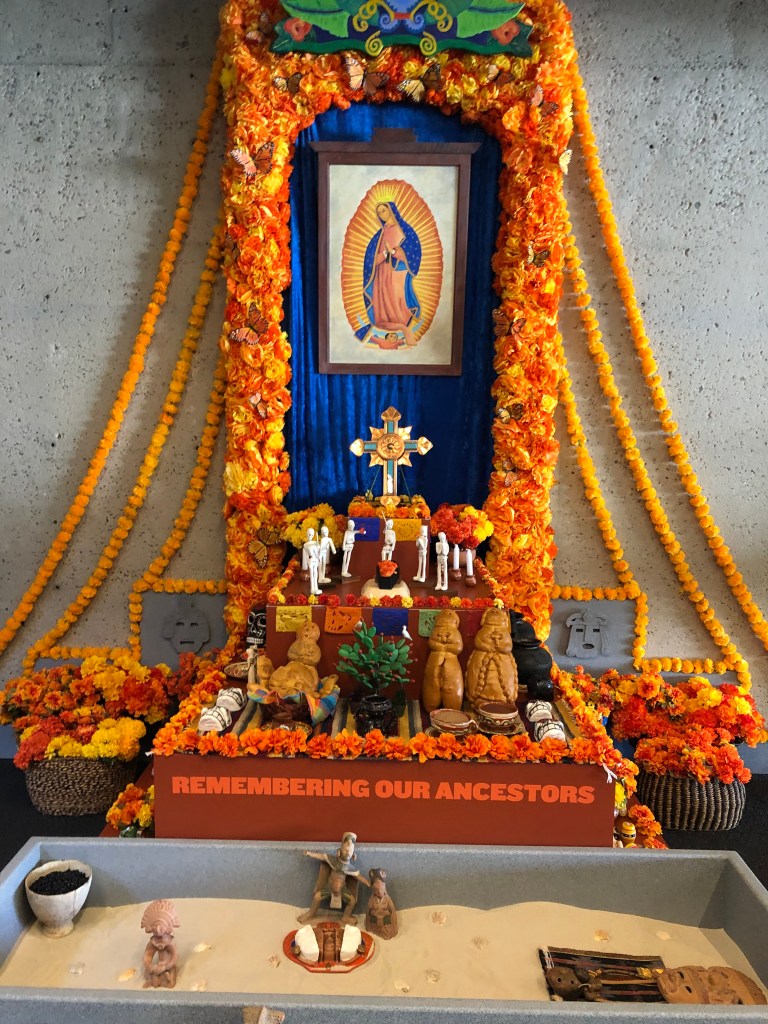
In October, the Kindergarten – 3rd grade students celebrated Día de los Muertos and California’s cultural roots with a field experience to watch the professional performance group Cascada de Flores. The bilingual and participatory performance included lively songs, stories, musical instruments, and dance. Students learned about the difference between Halloween and Day of the Dead, and then explored Day of the Dead traditions, such as building an altar, to honor lost love ones.
Student highlights of the trip included the opportunity to participate in the performance by dancing on stage and carrying flowers to the altar, as well as riding in a yellow school bus!
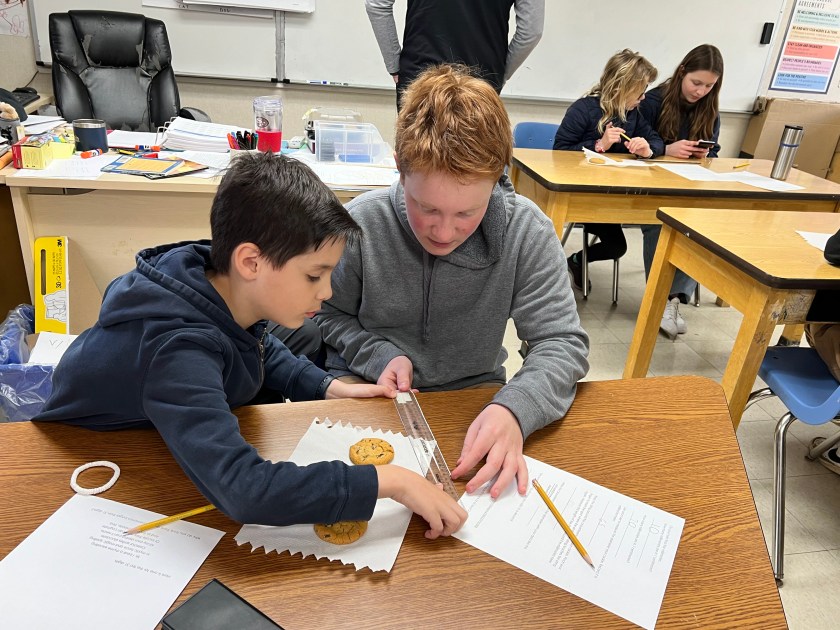
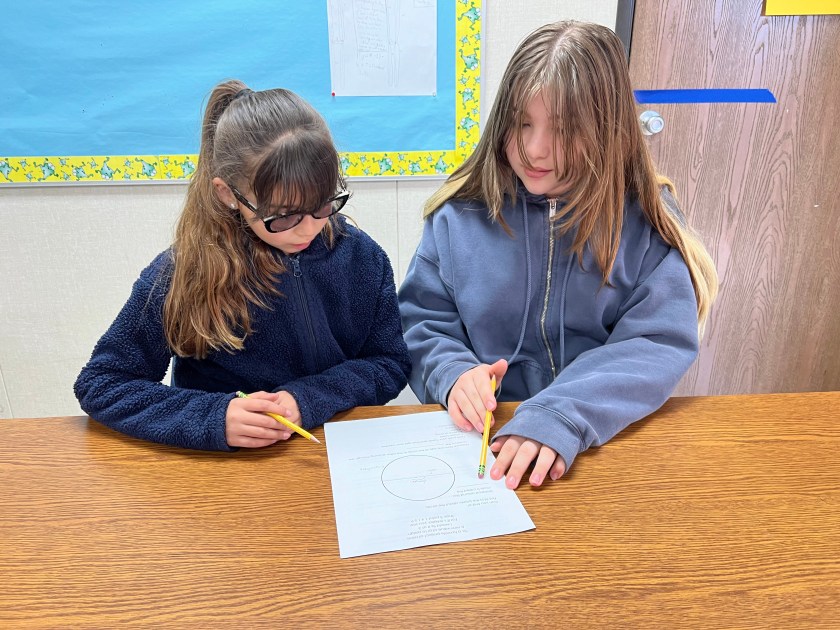
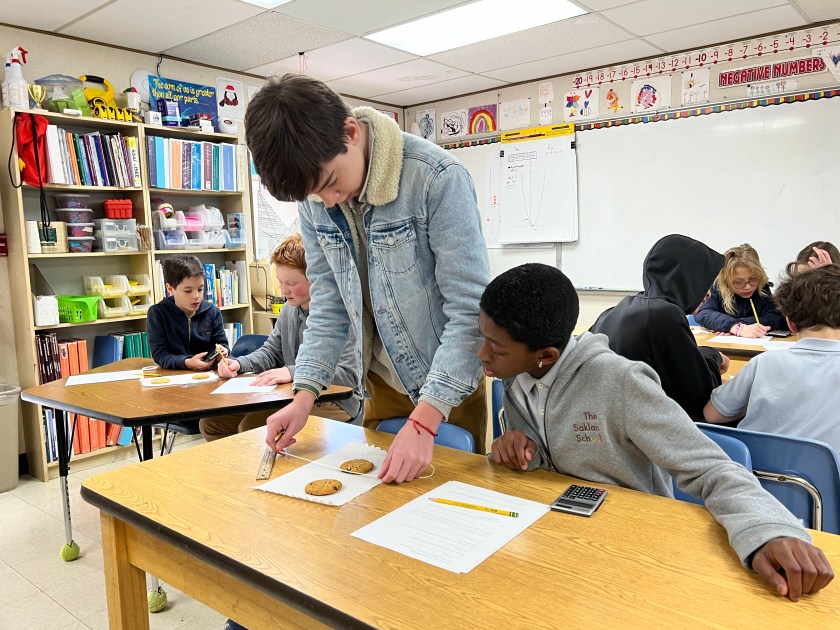
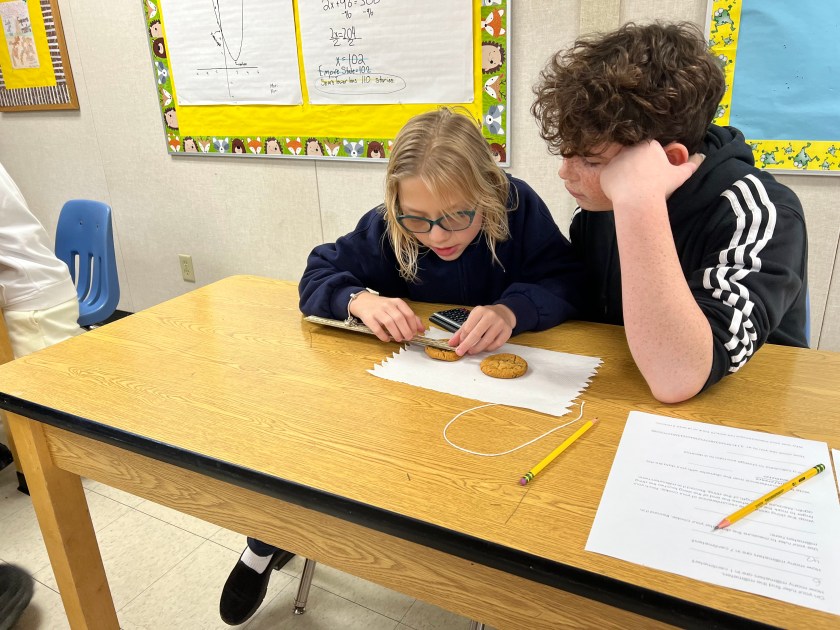
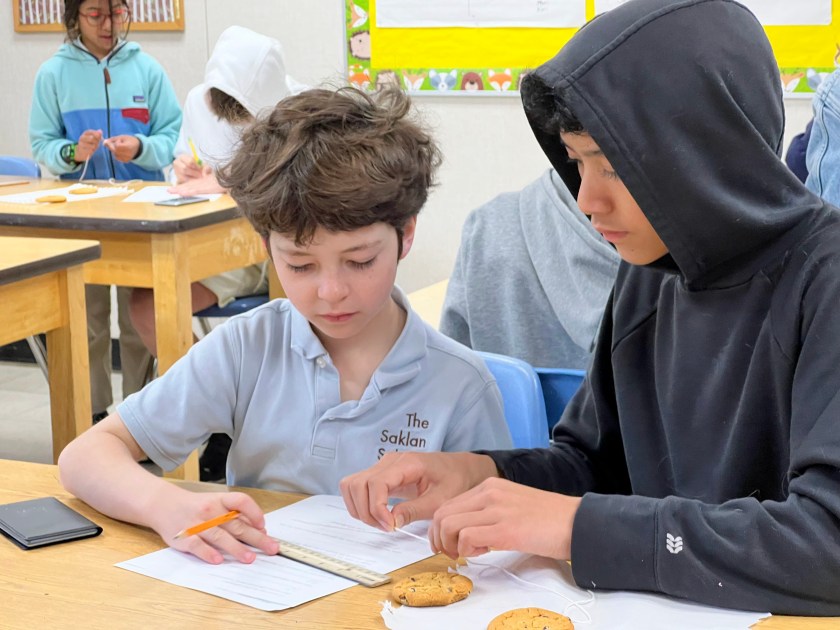
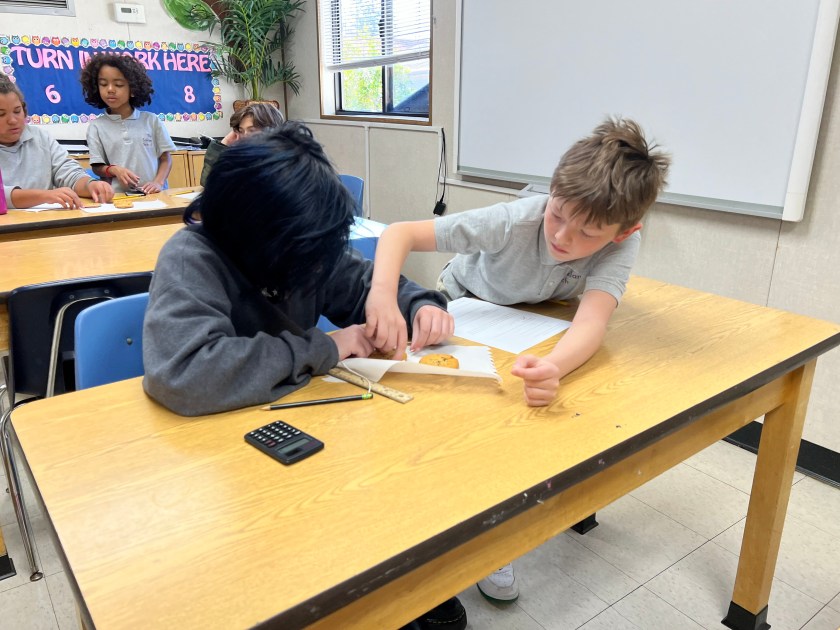
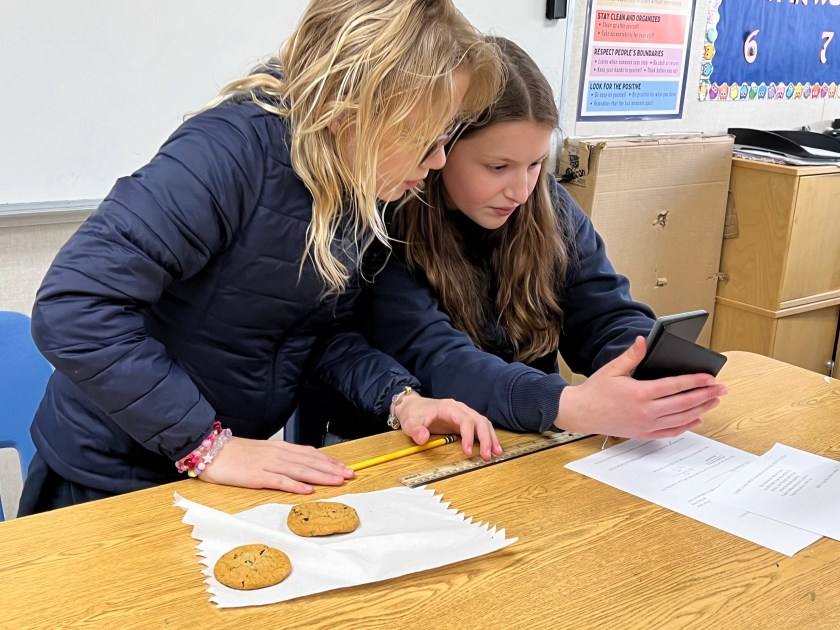
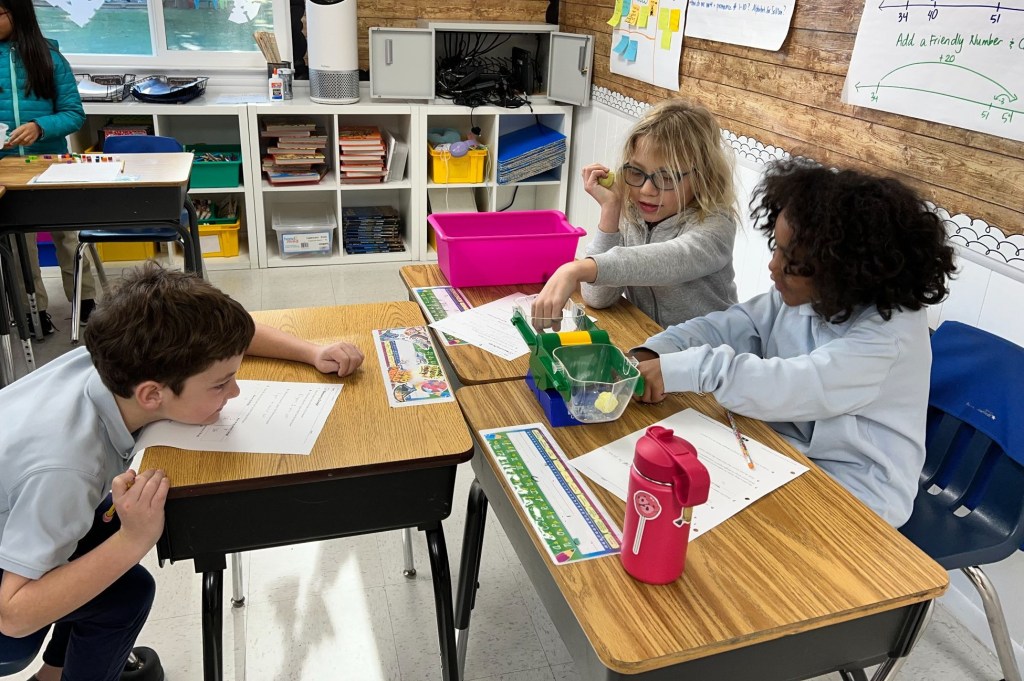
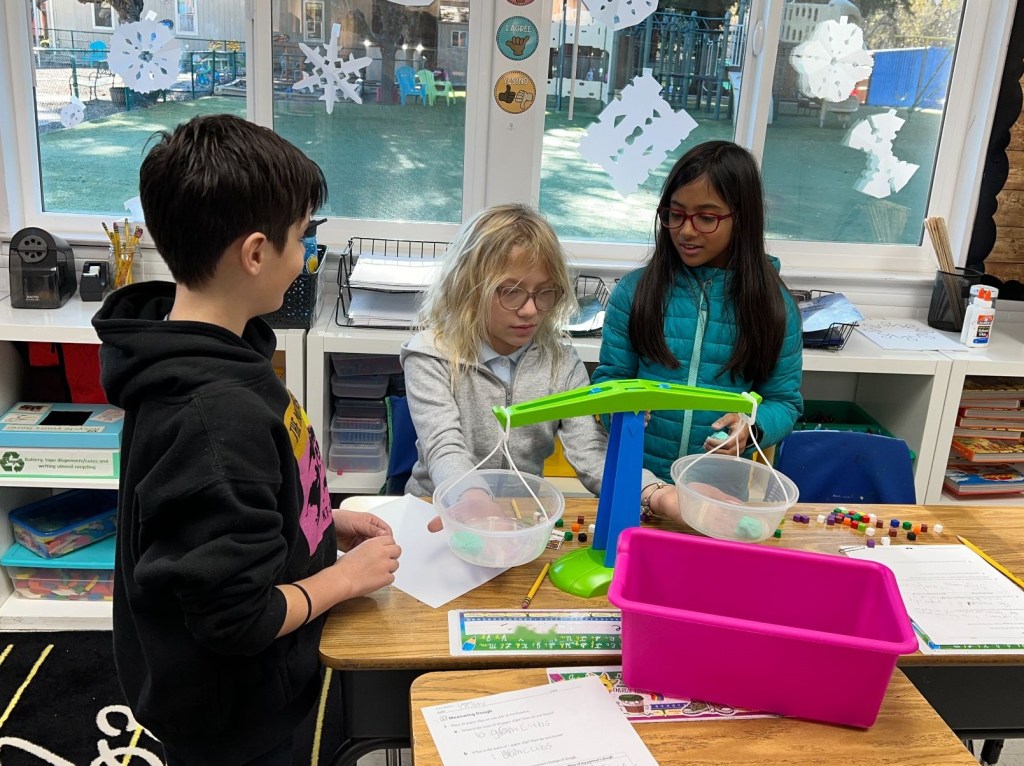
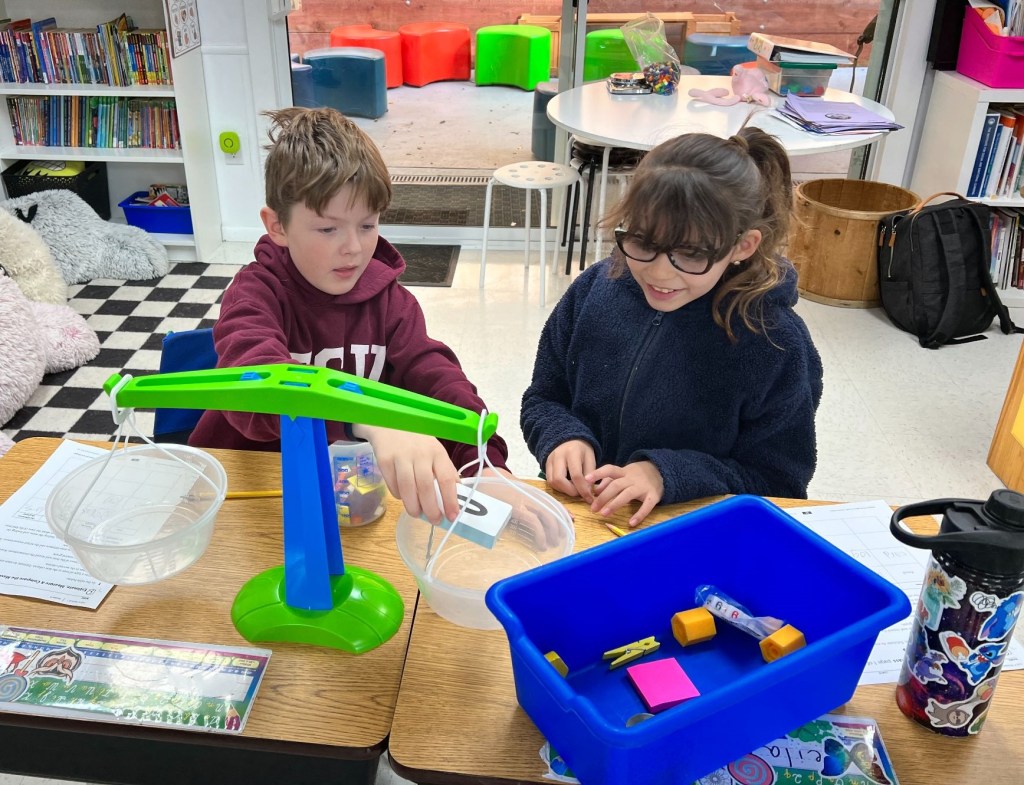
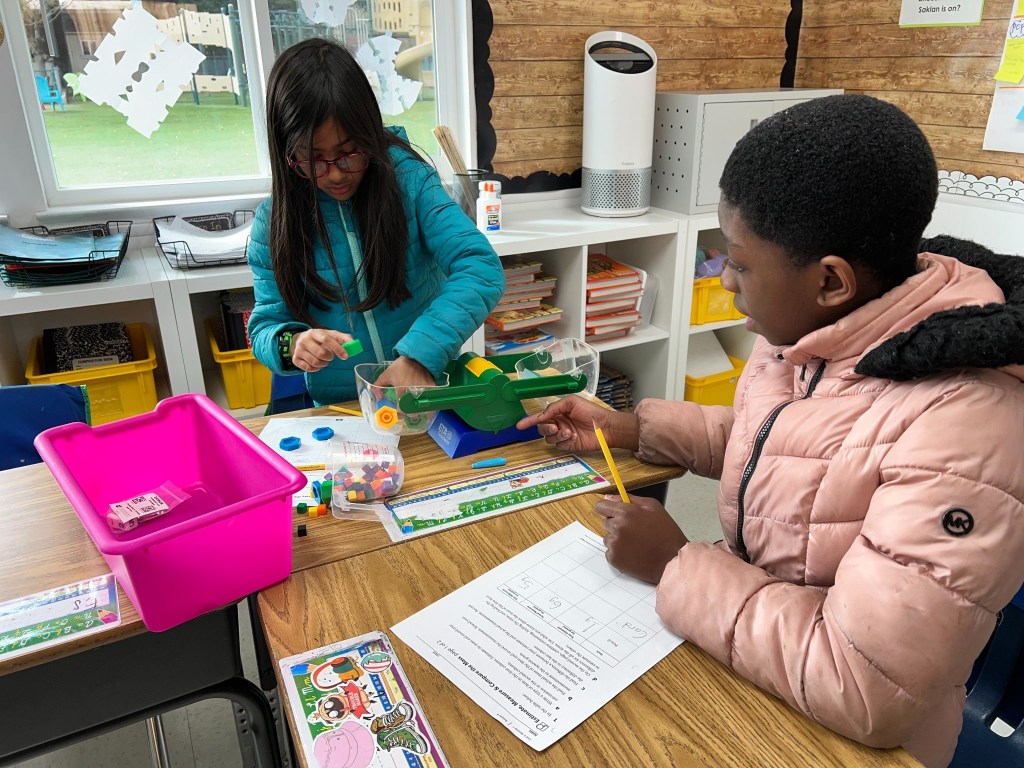
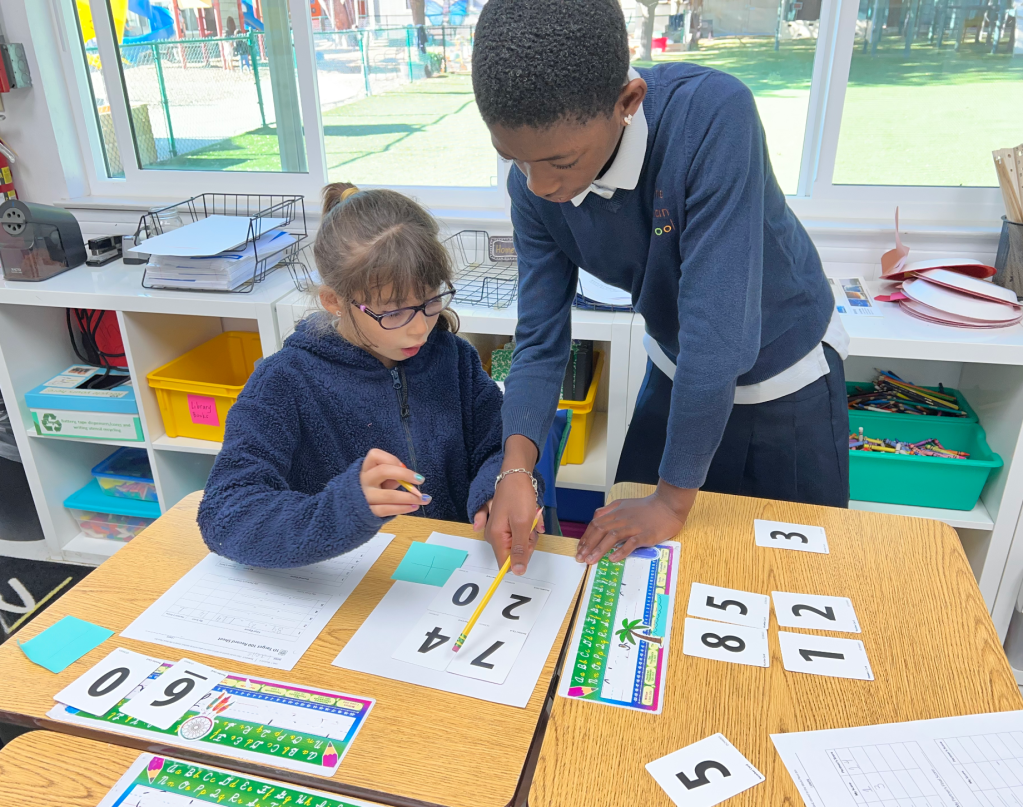
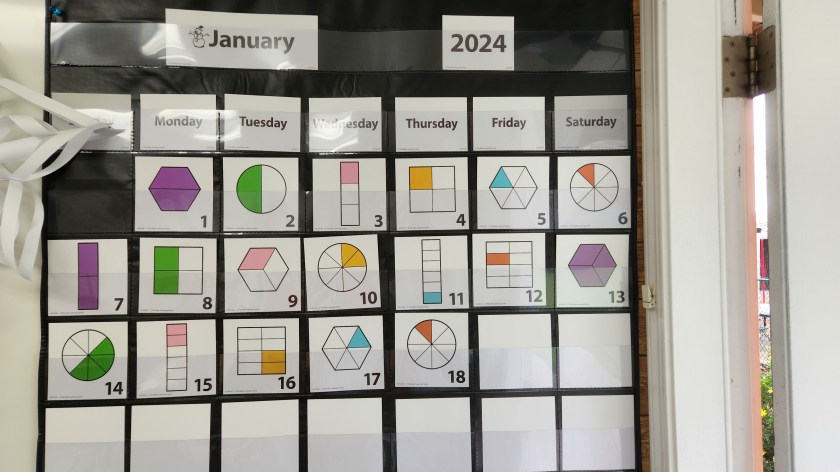
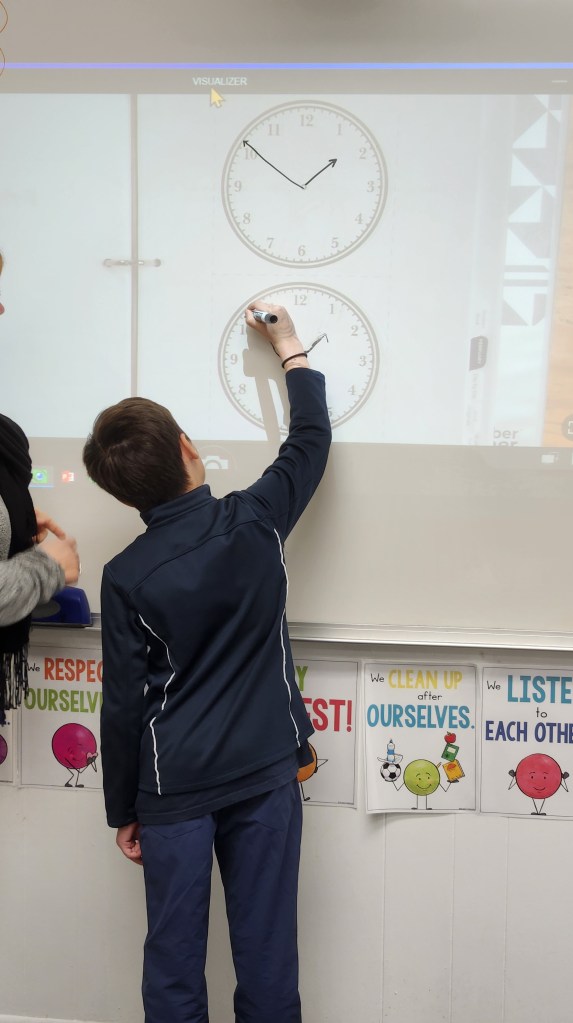
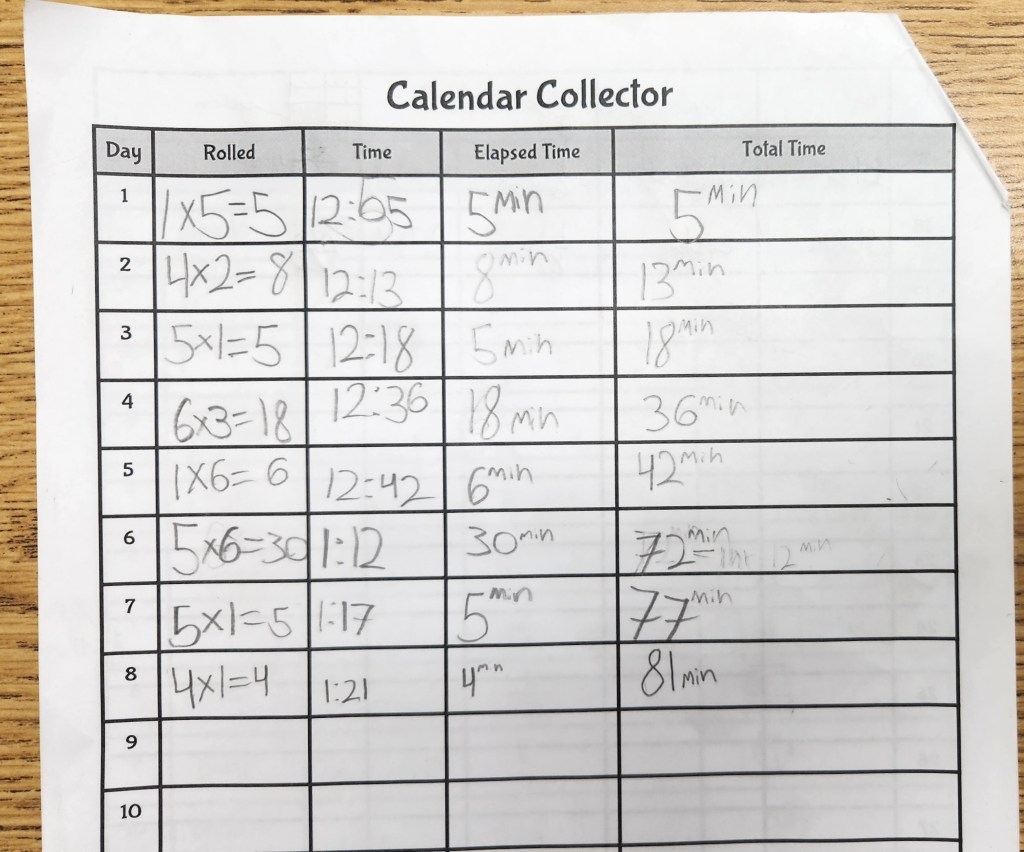
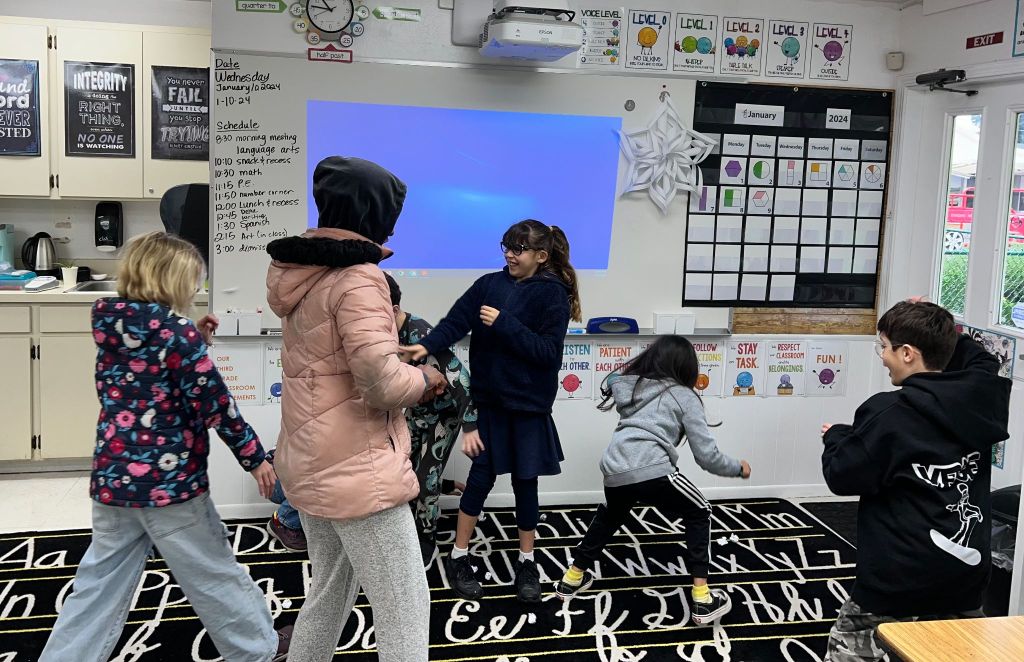
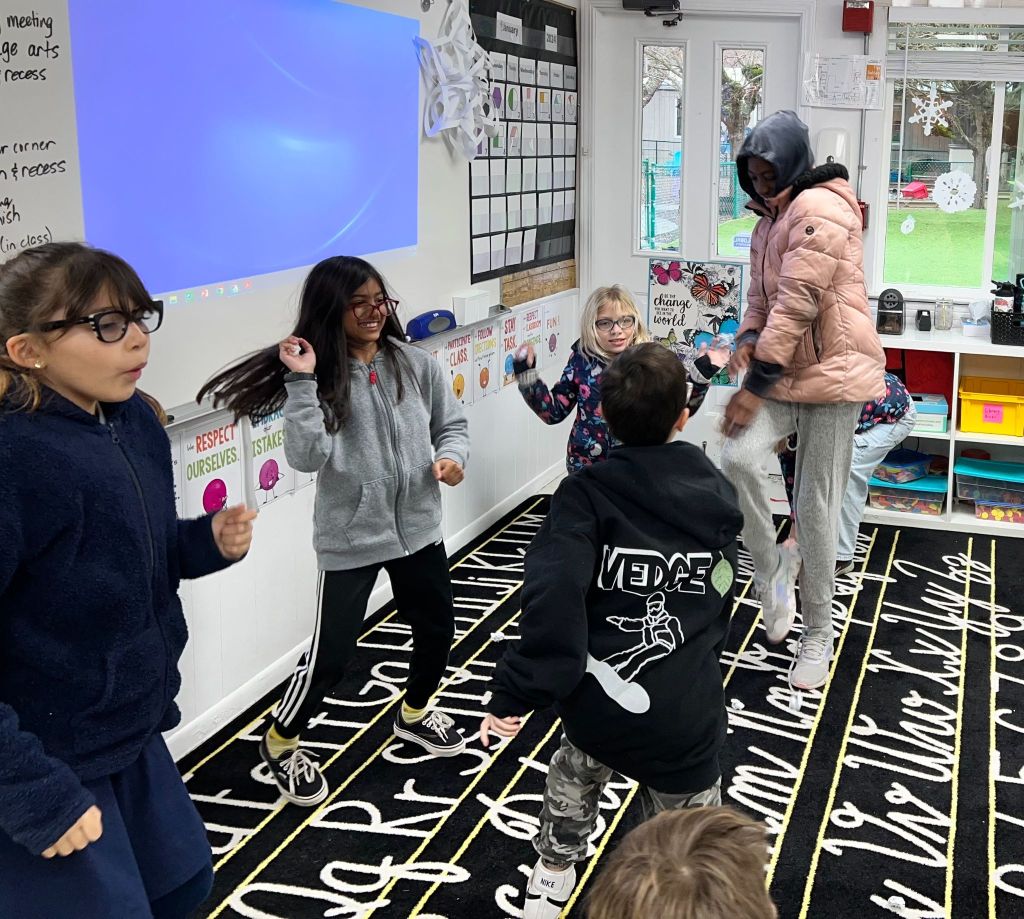
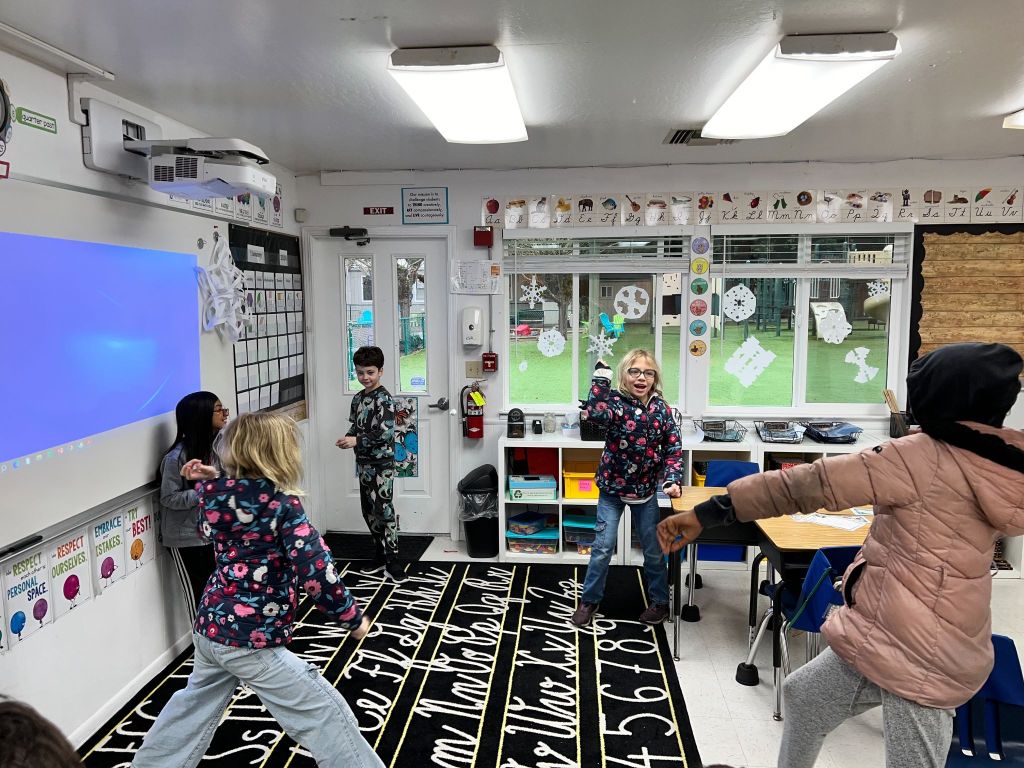
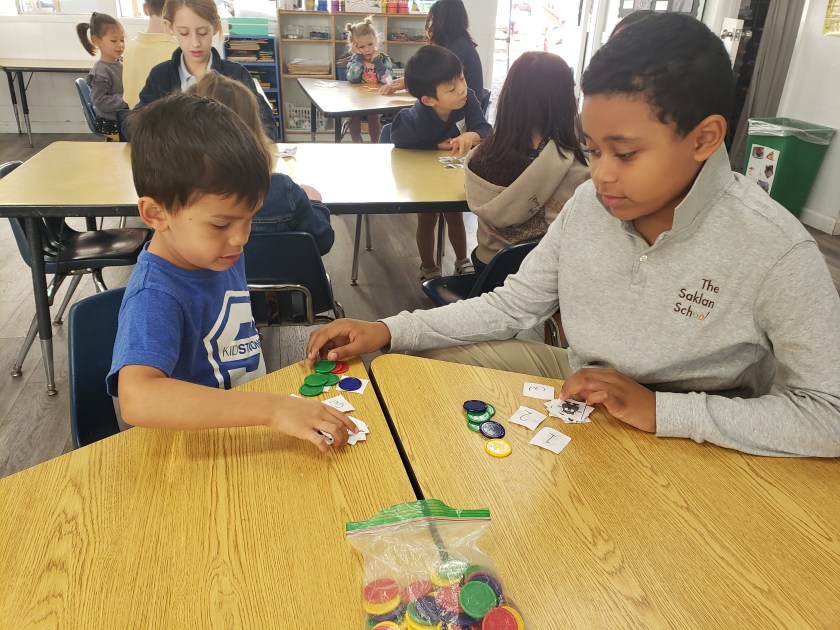
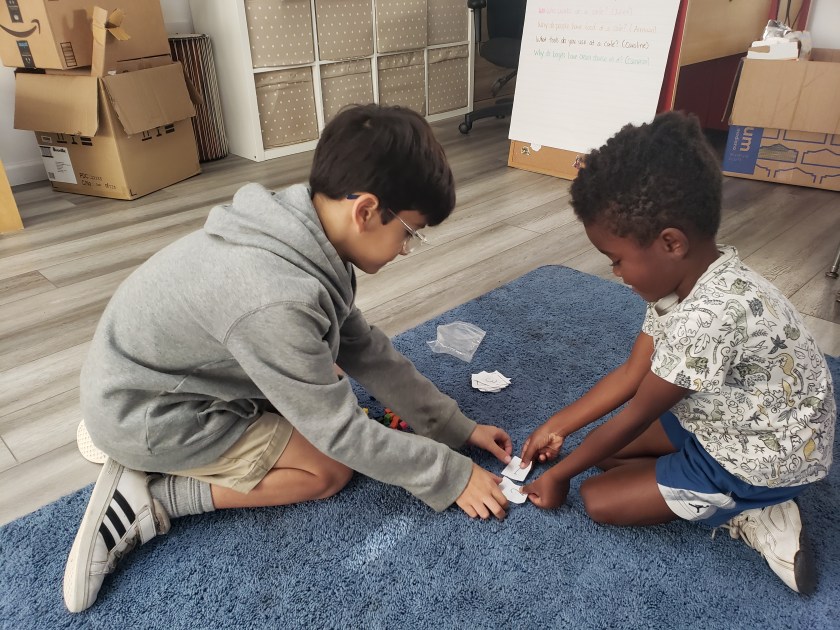
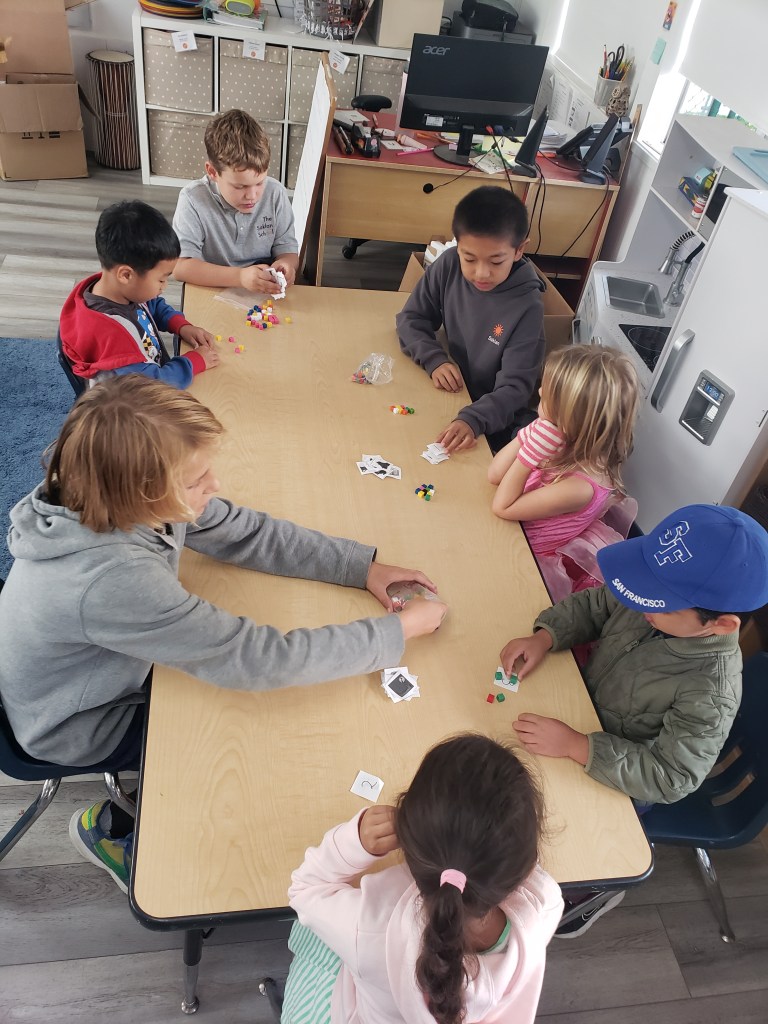
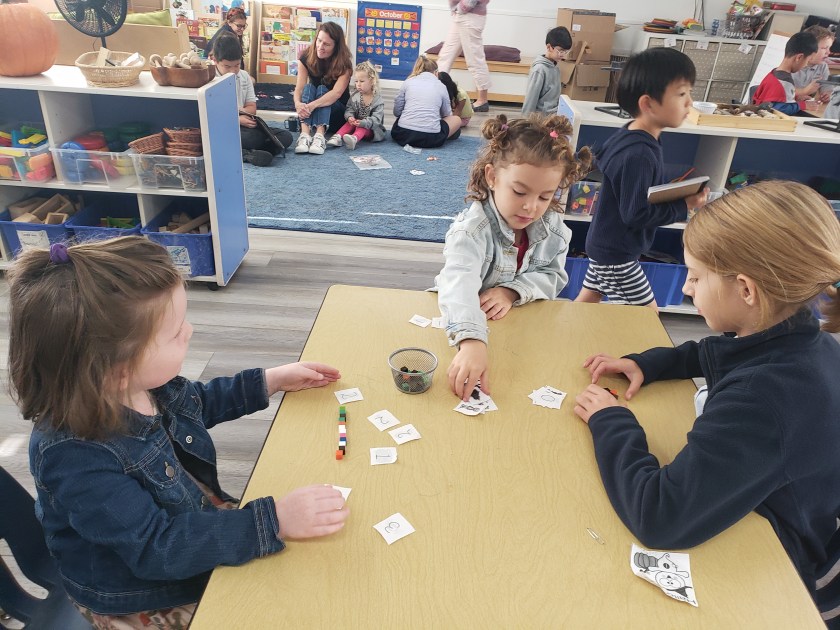
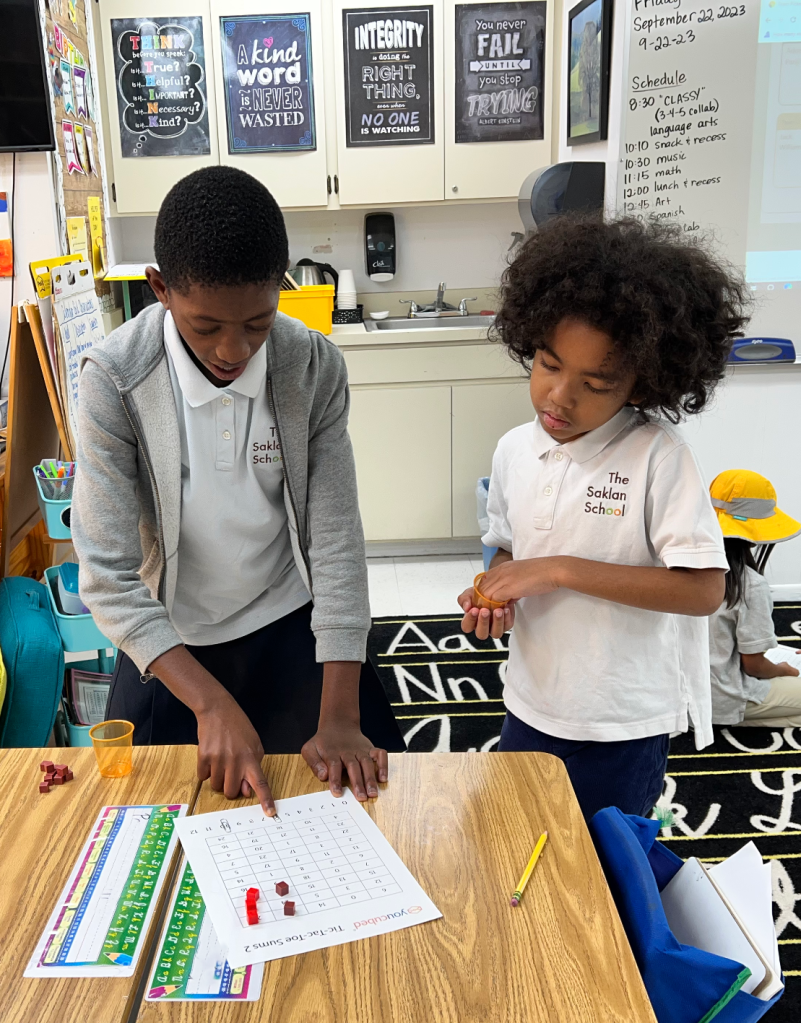
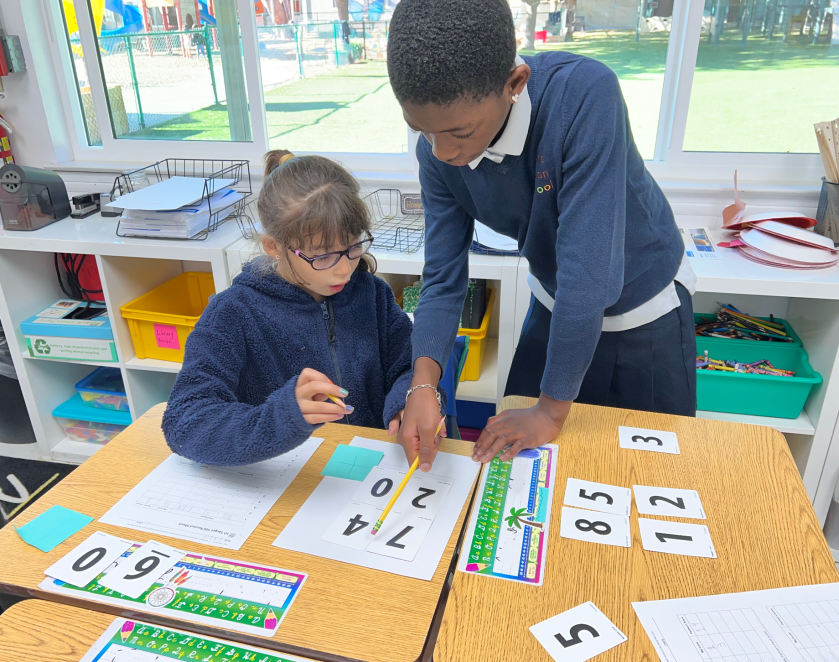
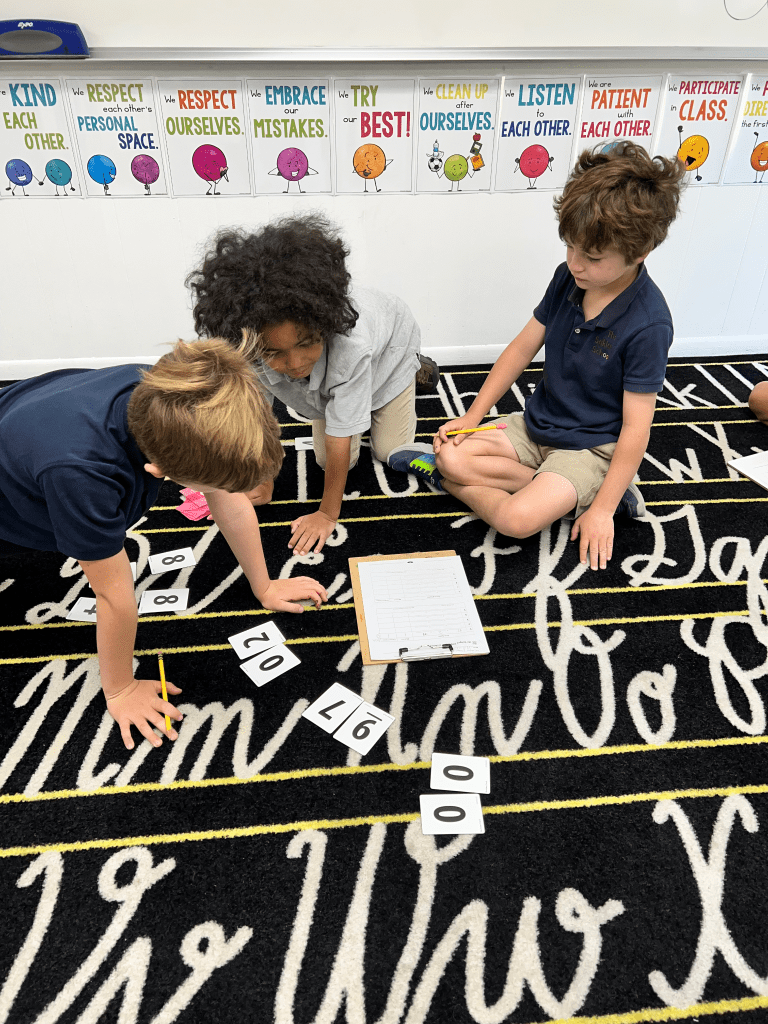
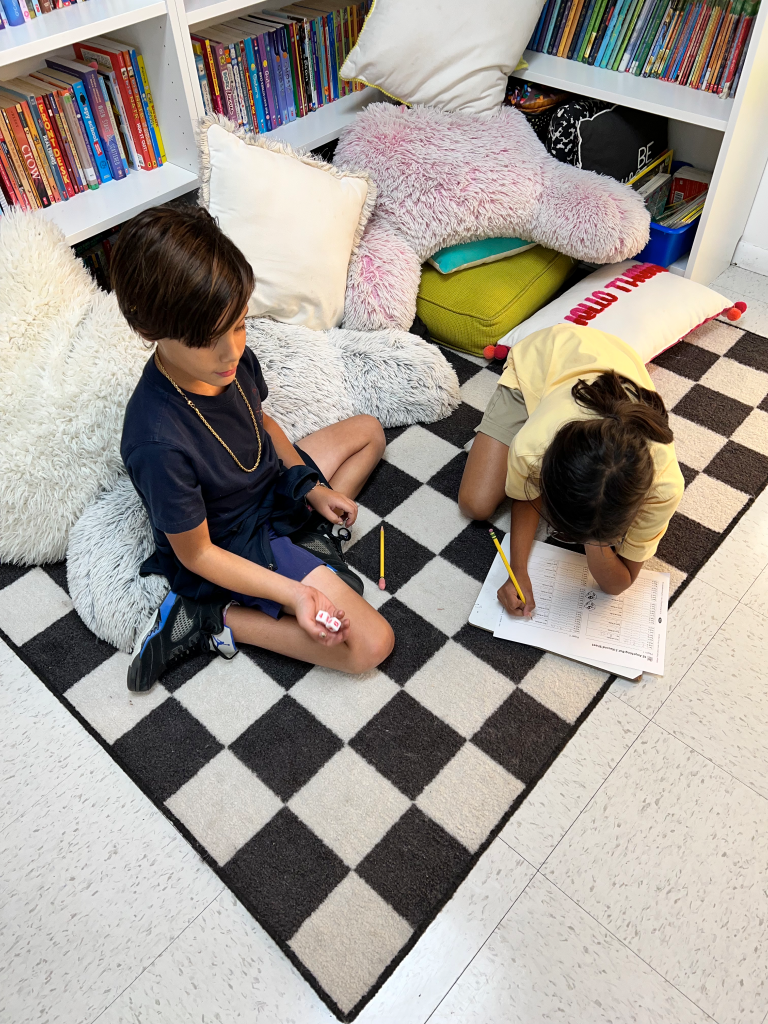
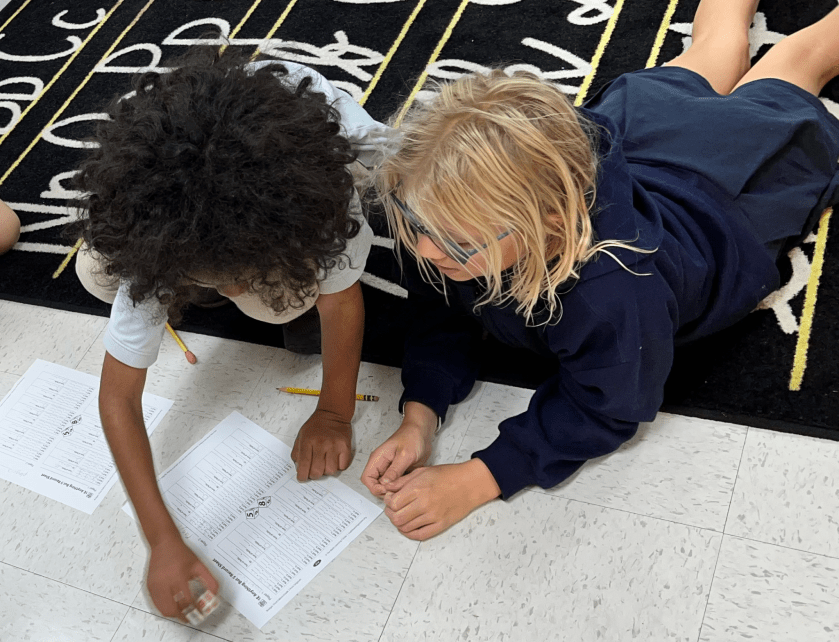
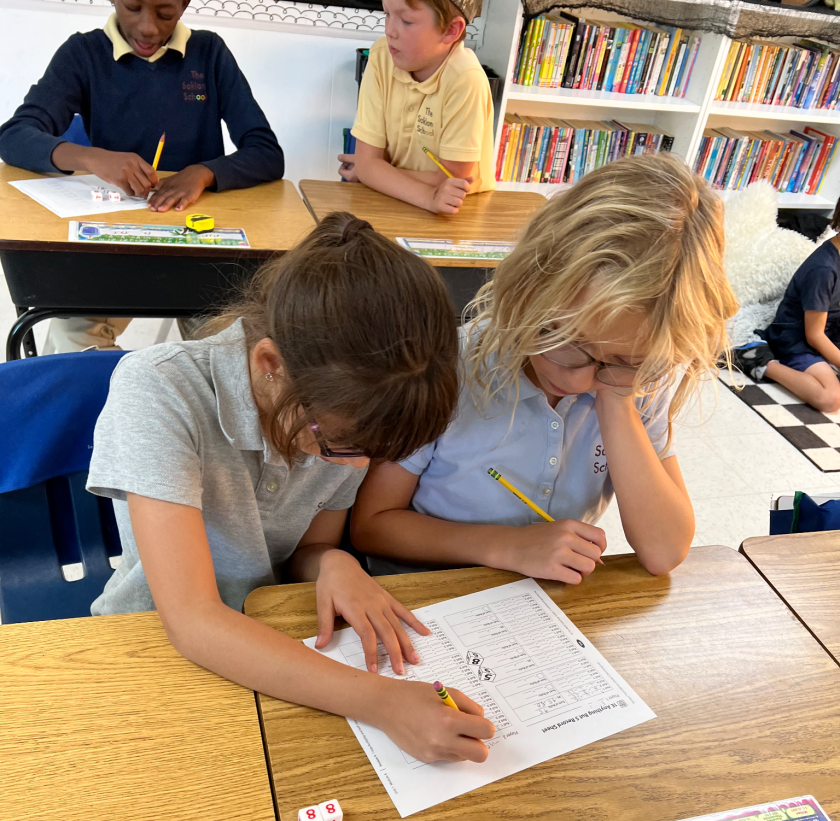
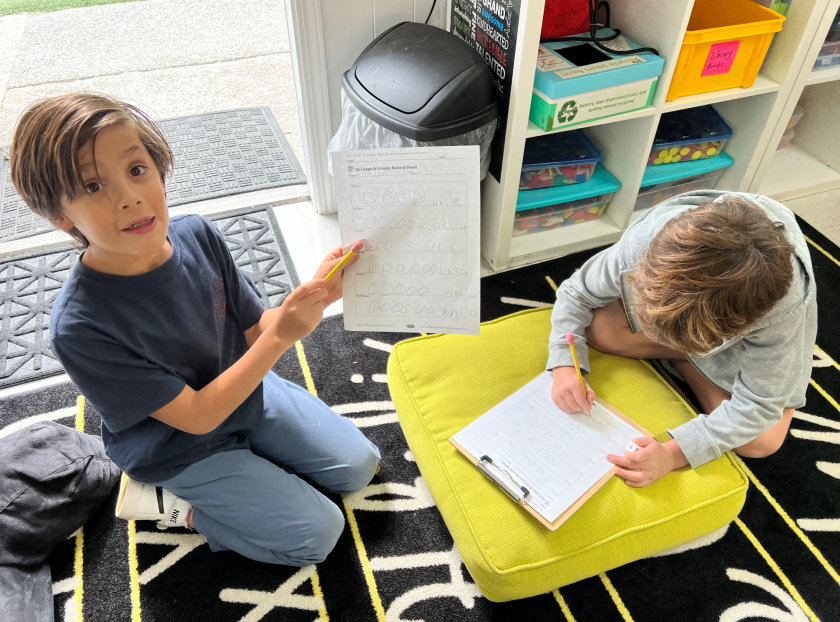
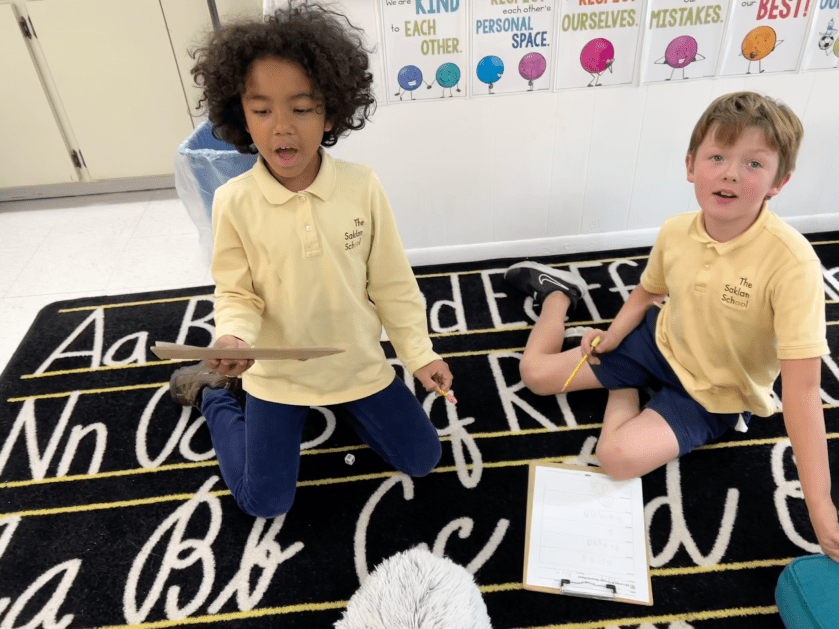
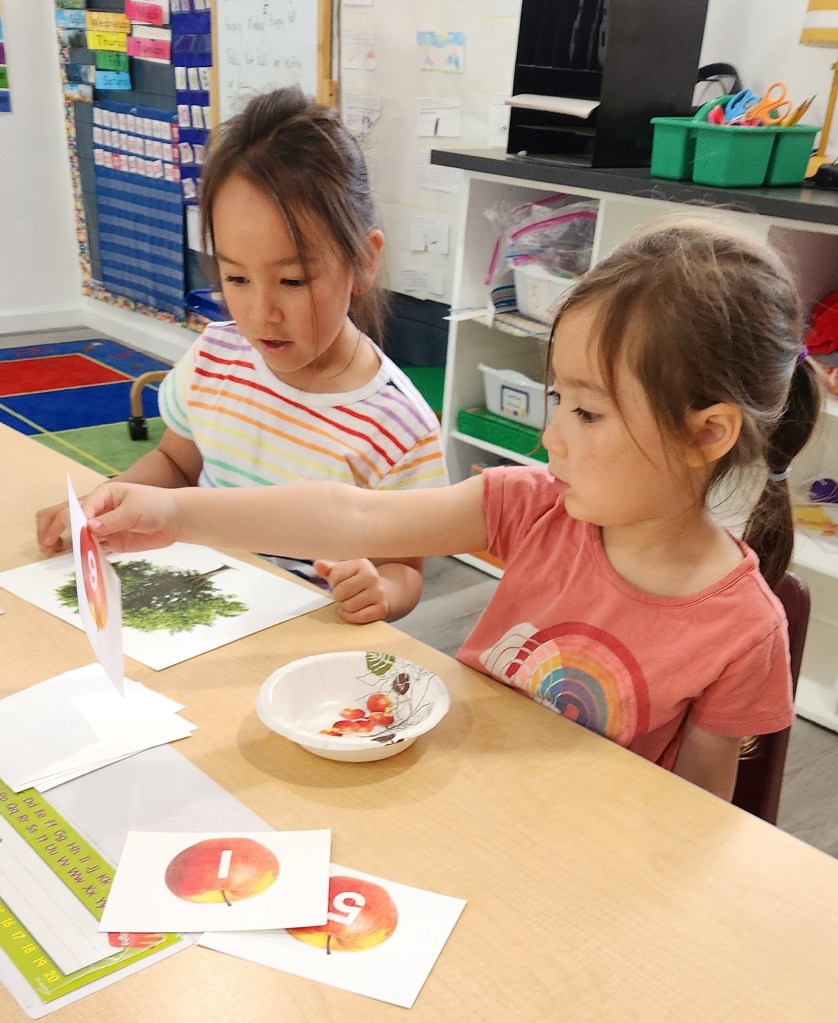
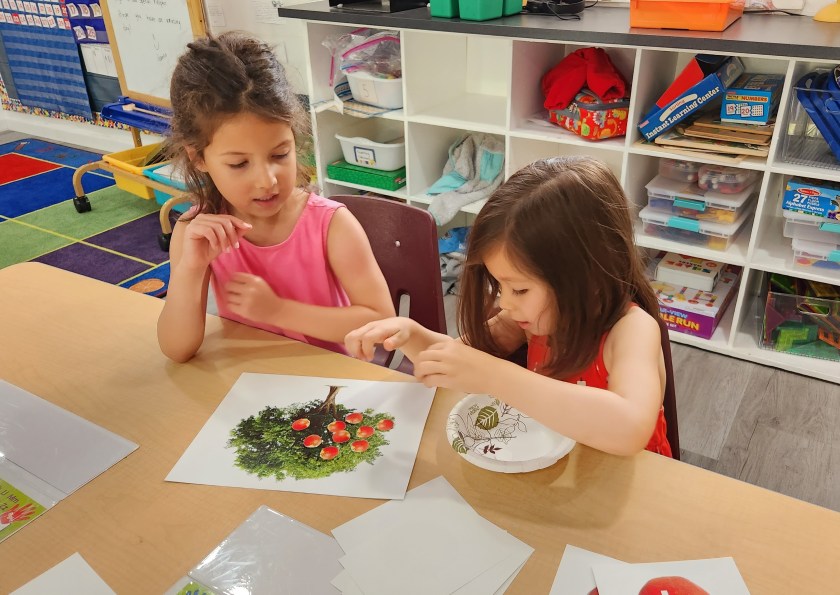
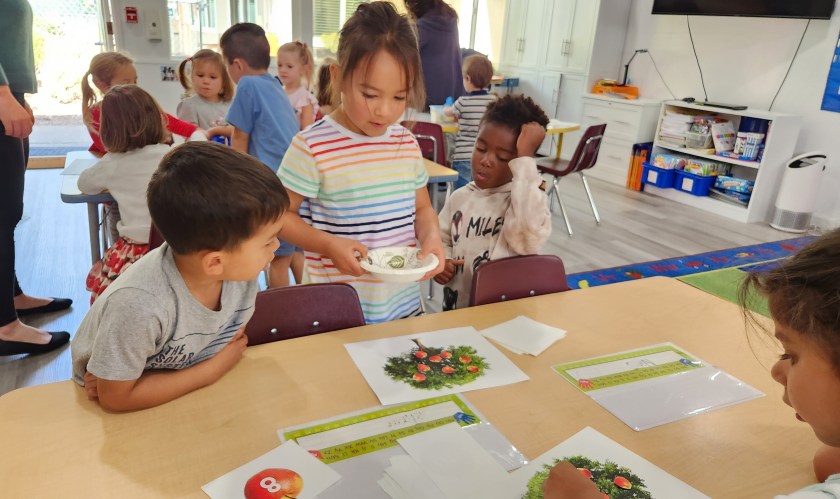
An important way that Saklan students practice key math skills is by playing math games. These games are an engaging way to reinforce concepts, build number sense and practice using math vocabulary.
Most math games are played with partners or small groups, and so they also help students practice interpersonal skills like communicating and problem solving.
Games provide an environment in which students can create and try strategies, and can also learn strategies from others.
Students often identify math games as some of their favorite activities completed in the school day and look forward to them as an opportunity to interact with classmates, learning buddies and friends. The games and activities capture their enthusiasm and create environments that make concepts and skills tangible and learning memorable, meaningful and fun!
Alfred and Kobla Ladzekpo came to the United States in the 1960s to teach Ewe music. The Ladzekpos came from a village in the southern Volta region of Ghana called Anyako, an Ewe village. Ewe is one of over 20 languages spoken in Ghana. Ewe music is divided into styles. Each Style has songs (for singing), drum patterns and dance steps. The singing, drumming and dancing together form the musical style.
Alfred Ladzekpo taught at the California Institute of the Arts (Calarts) for over 40 years, and I was fortunate to study with him from 2002-06. He became my mentor and my friend.
Alfred’s main goal with his students at Calarts was to show them how to be an effective musician in his style of music. Ewe music is an oral tradition. Musicians coming from different backgrounds begin a new process of learning through listening. Alfred reveled in every opportunity he had to lecture his students on the importance of listening. Despite the simplicity of the message, every student who embraced this concept came away from Alfred’s class an improved musician.
As a young musician my fascination with Ewe music was sparked by my admiration of its construction. Ewe music weaves a complex counterpoint through all of its elements that rival the greatest artforms of humanity. I was enamored with the sophistication of the drumming patterns and the ability for musicians to dialogue through a musical language. The lead drummer is able to direct their ensemble into new dance moves, drumming patterns, or songs, by playing a call on the drum. Everyone has to listen or you might miss the call!
This felt like a secret language and my friends and I were hooked. We took every opportunity to learn from Alfred and eventually we were helping him teach his classes and performing in his professional ensemble at schools and community events. Later in life I found another beautiful side to the artform.
The main function of music in Ewe culture is to promote community. People gather in social groups for musical performances. These groups perform at funerals and weddings and are the backbone of both religious and secular events. This is extremely valuable in our recent culture of social media and social distancing. People are craving interaction and Ewe music is a world class option for community building.
I teach Ewe music as a celebration of West African brilliance. Through honoring and respecting Ewe culture I have found that we can bring value to our school not only through the acute development of musicianship but through the strengthening of our community.
Auditions are both awesome and terrifying. As a young actor (and an adult actor too!) I can remember my whole body being tied up in knots and awash in emotions I couldn’t name in the days and weeks leading up to an audition.
What finally helped me was the technique I learned, not just singing technique, but the practice of continuously putting myself in situations that were both awesome and terrifying. Never being a kid who experienced a lot of inner peace, this practice of scaring myself and recovering was like lifting weights; it never got easier, I just got stronger.
Every student at Saklan in 3rd grade and older will audition at least once this school year. Together, we do the hard thing, and realize that even if everything doesn’t go exactly the way we wanted, we are still okay, and there are still many good things that can come from it. We talk about flexibility and open mindset, and even how to deal with disappointment in a healthy way. The students who have been through this process help the younger ones, and as they progress through grades, we can clearly see that this practice pays dividends in coping strategies and developing courage.
This week, as the cast list comes out for our first production of the year, Frozen KIDS, congratulate our 3rd-5th grade students on the audition process as well as their roles, and take time to remember the awesome and terrifying moments in your life that helped shape you.
Last Friday morning there was much excitement on campus as our Preschool – 5th grade students met some special new friends – their learning buddies! Learning buddies are a purposeful way to encourage cross-grade friendships, help students develop a sense of responsibility and practice mentorship, and make learning fun!
During the first meeting, the buddies took time to get to know each other and did some reading together. The older buddies marvelously modeled good reading behaviors by reading with expression and fluency for their younger buddies. Some of the older buddies were also honored to listen to their younger buddies read too.
Once a month the buddies will get together to spend time reading, learning and playing together. The buddy program is not only fun for the students, but helps to build empathy and community on campus.
In the art room, students in grades one, two, three and five, have been using their art skills to help make Saklan more a welcoming, inclusive place.
After reading Alexandra Penfold’s book All are Welcome Here, students reflected on times when they have and haven’t felt welcome at school. They then worked in teams to brainstorm words and phrases that would make everyone at Saklan feel like they belong. Each team collaborated to paint and assemble their positive messages into decorative signs.
Next time you are in the school breezeway or lower school area, keep your eyes open for their brightly colored words of wisdom!
On Wednesday morning, the Saklan Preschool – fifth grade students participated in Moving Up Day. The students and teachers alike were buzzing with excitement!
This annual tradition allows the students to get a snapshot of what next year will hold. The teachers planned special activities that highlighted their grade level and enjoyed getting to know their rising students a little better. Morning meeting activities, questions, stories, art activities, classroom scavenger hunts, and enthusiasm for next year filled the classrooms! If your child “moved up” on Wednesday, please ask them all about it. They will likely have something enthusiastic to share!
You must be logged in to post a comment.