Join Us for the Middle School Musical

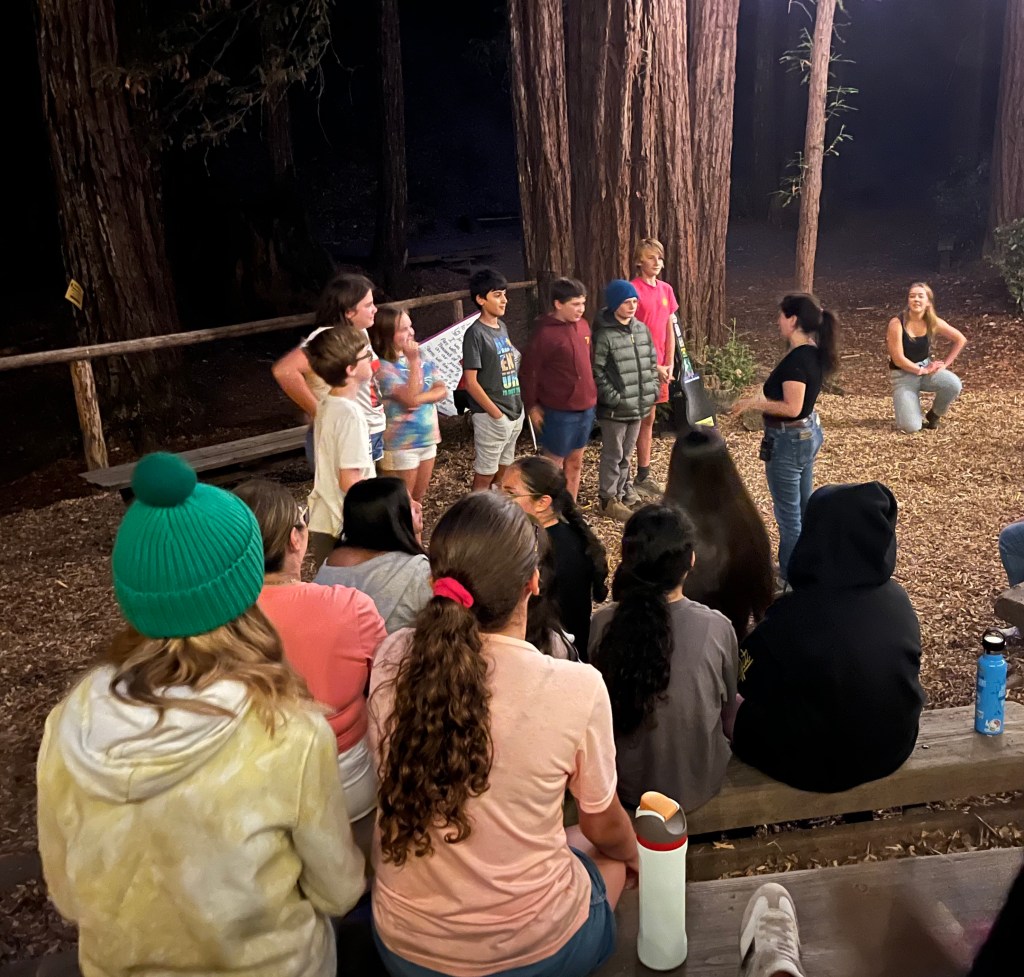
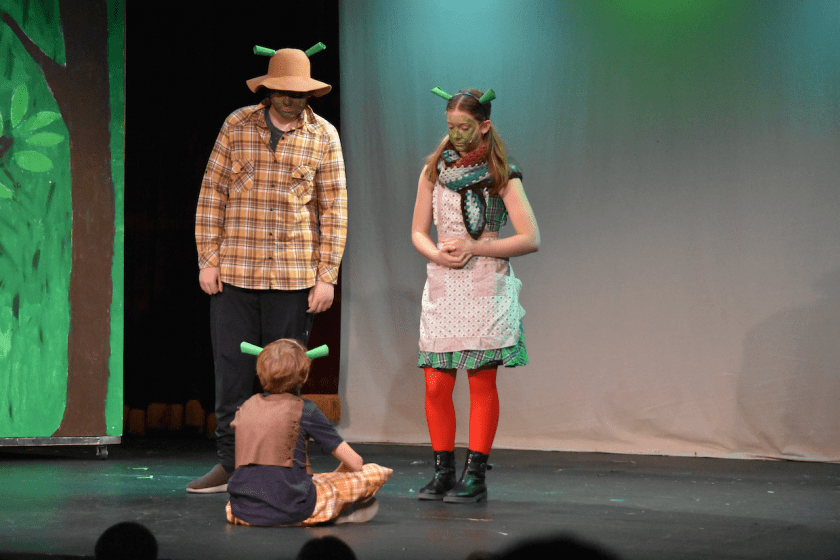
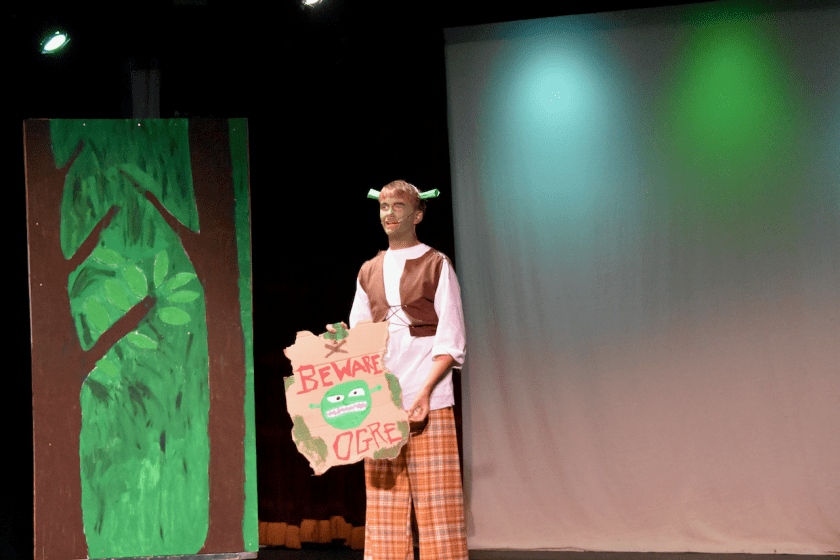
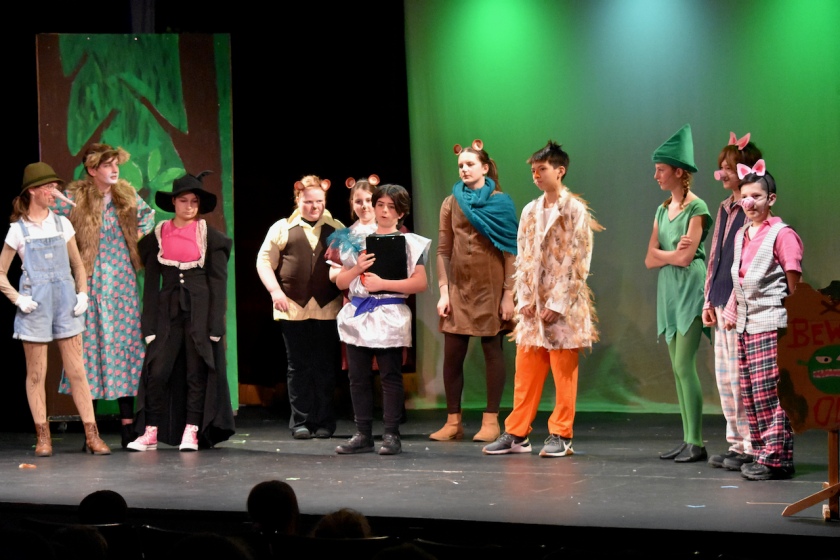
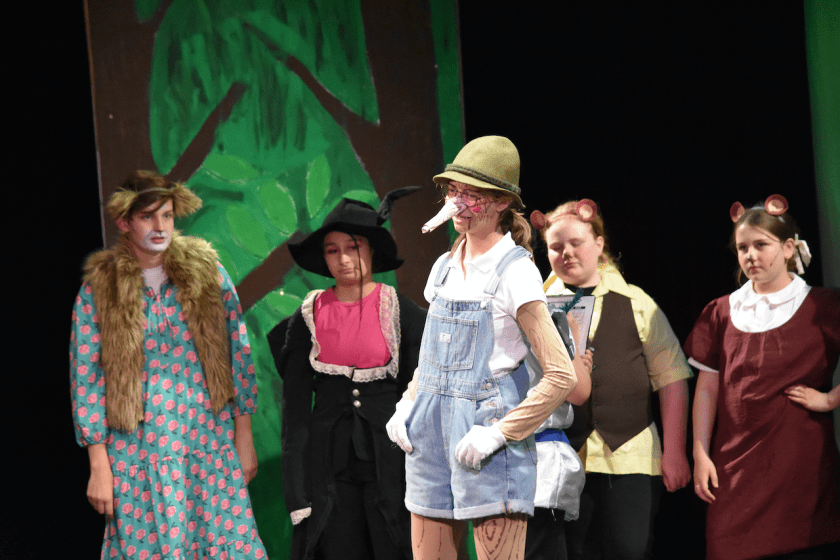
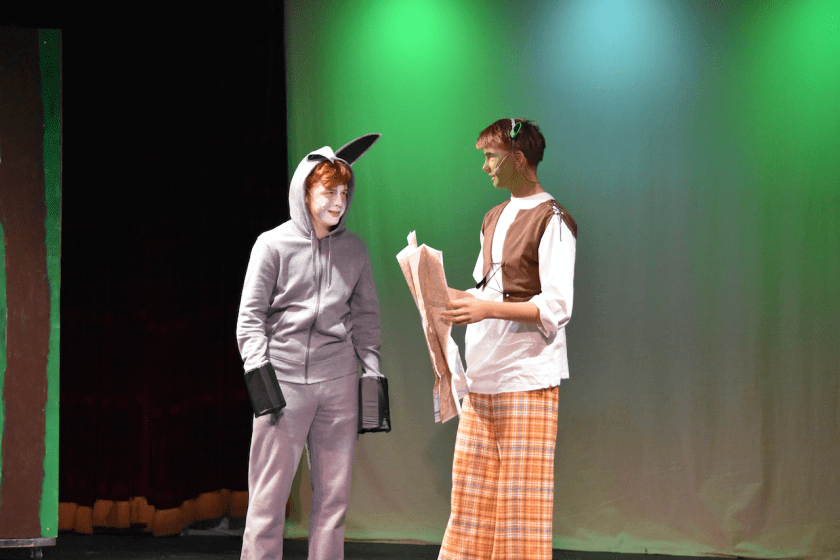
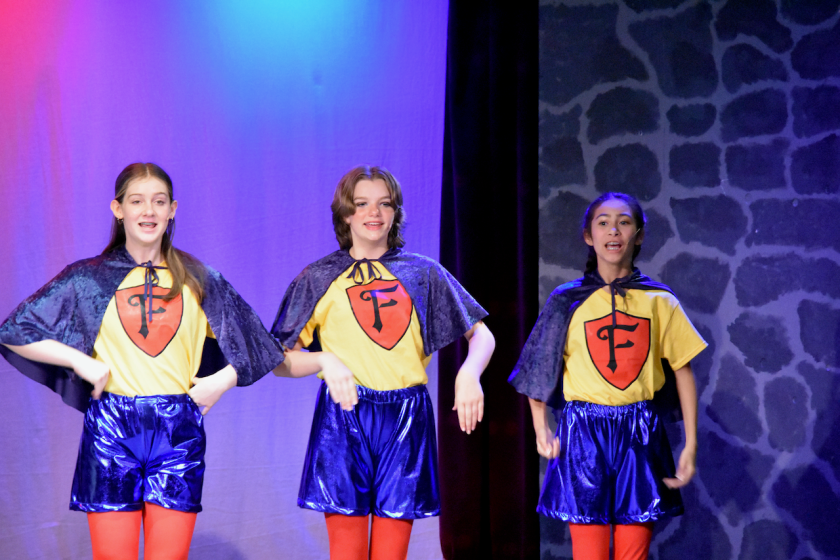
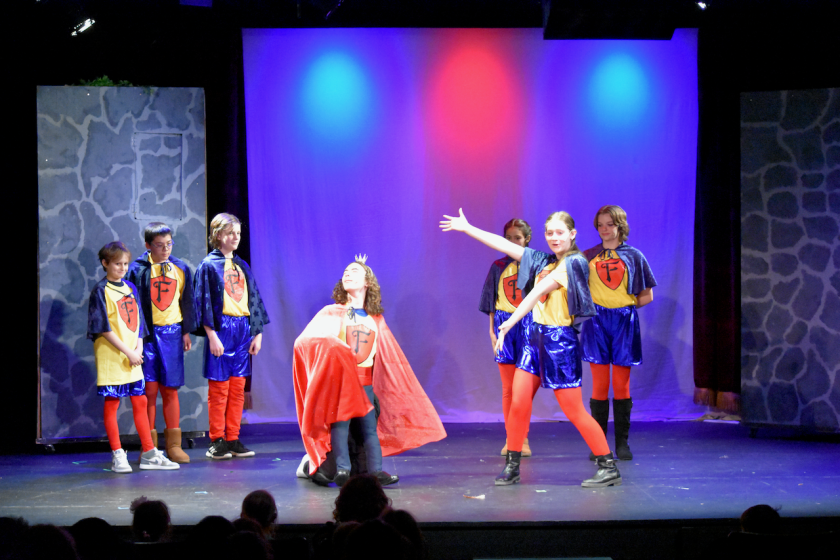
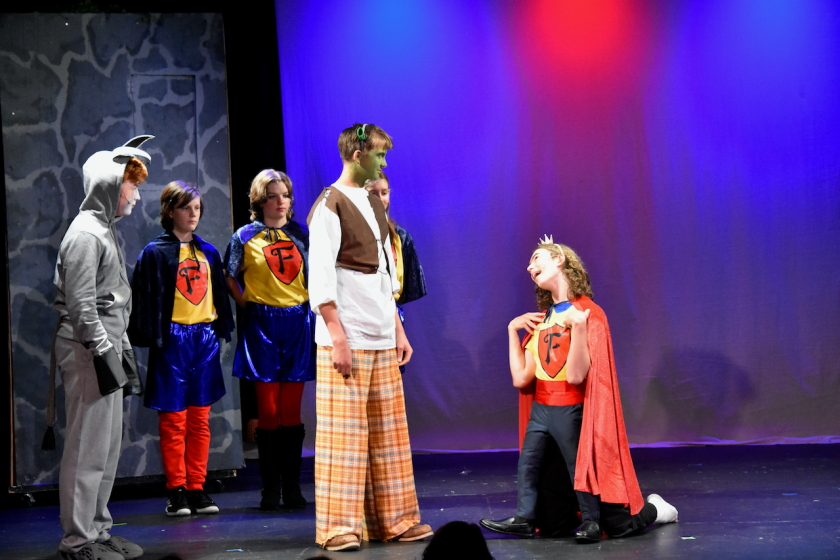
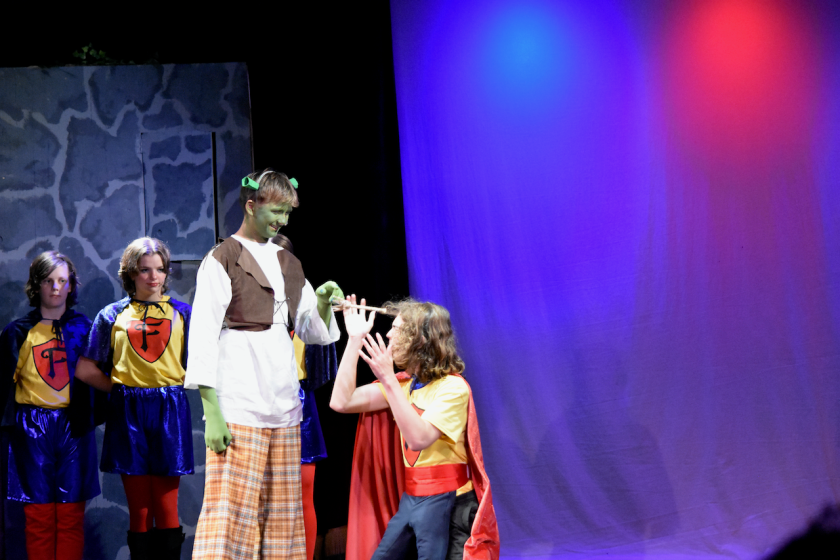
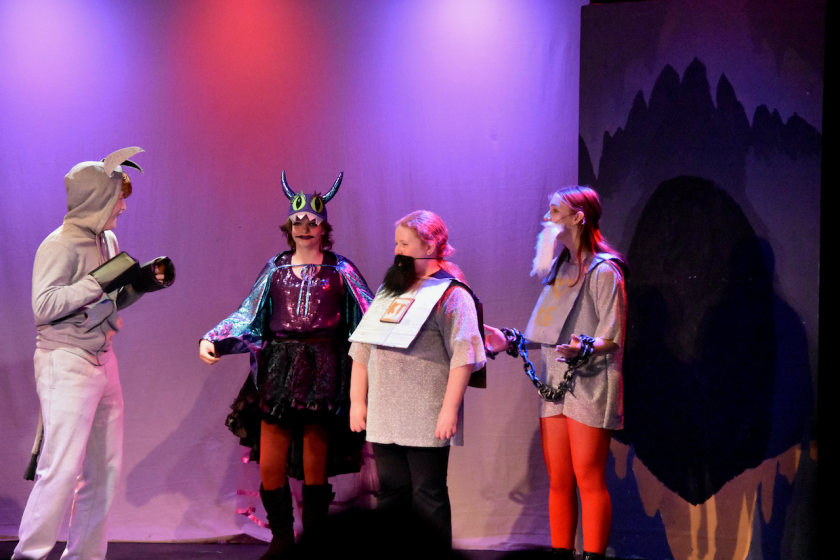
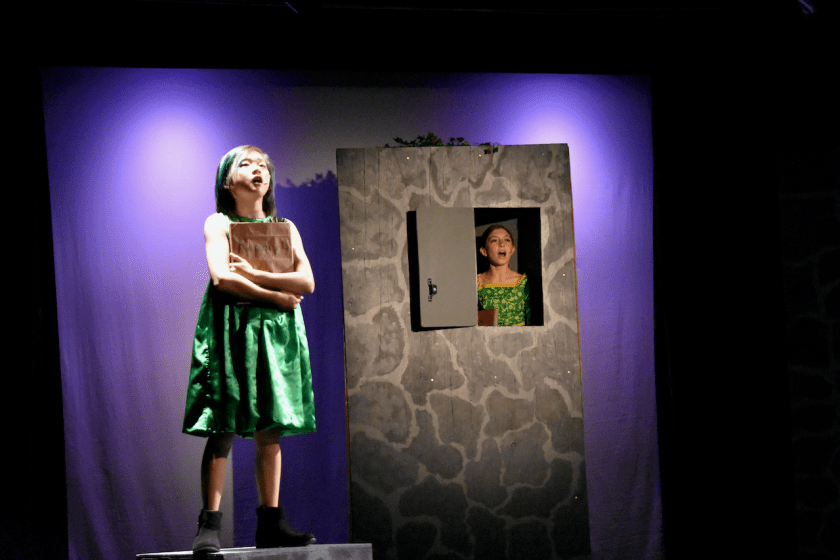
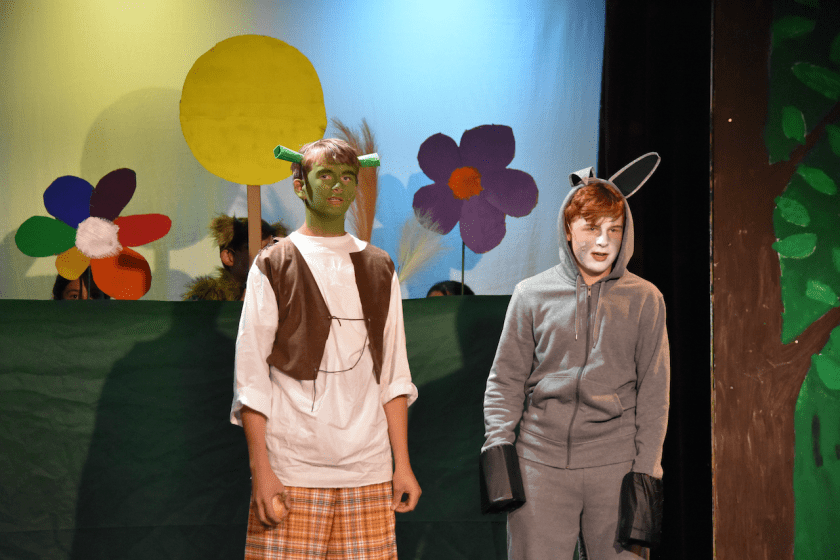
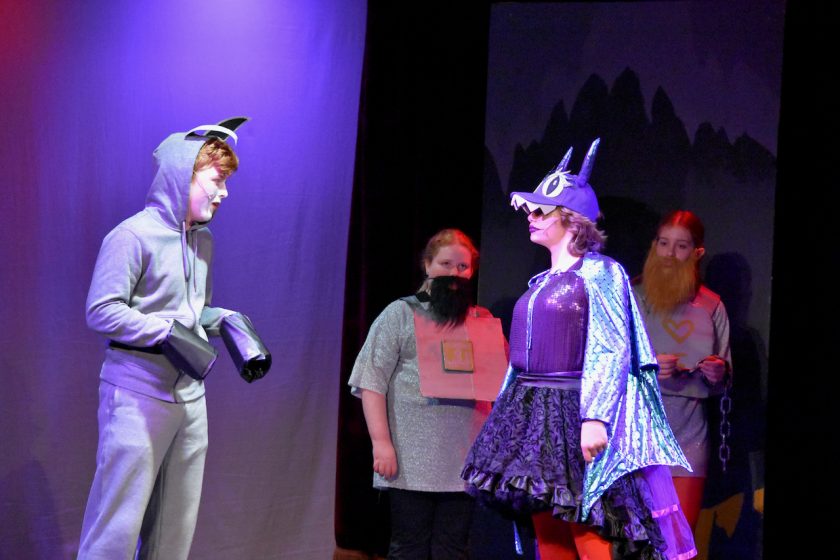
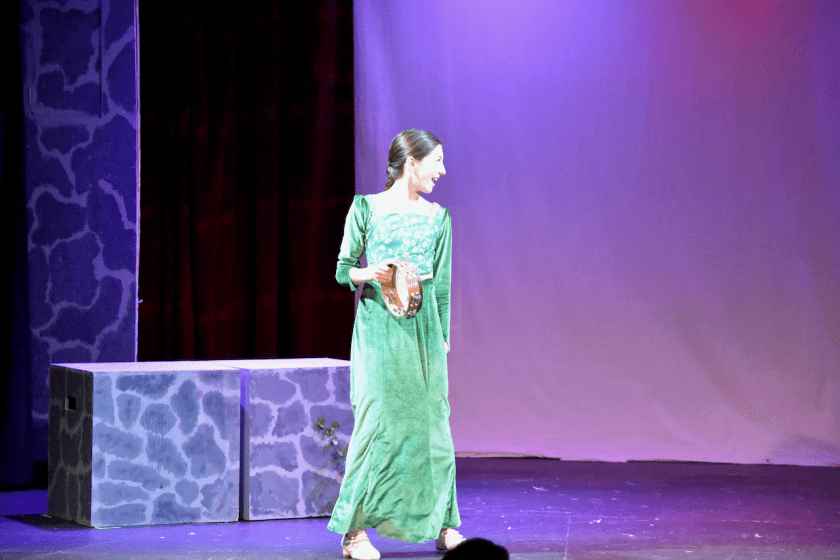
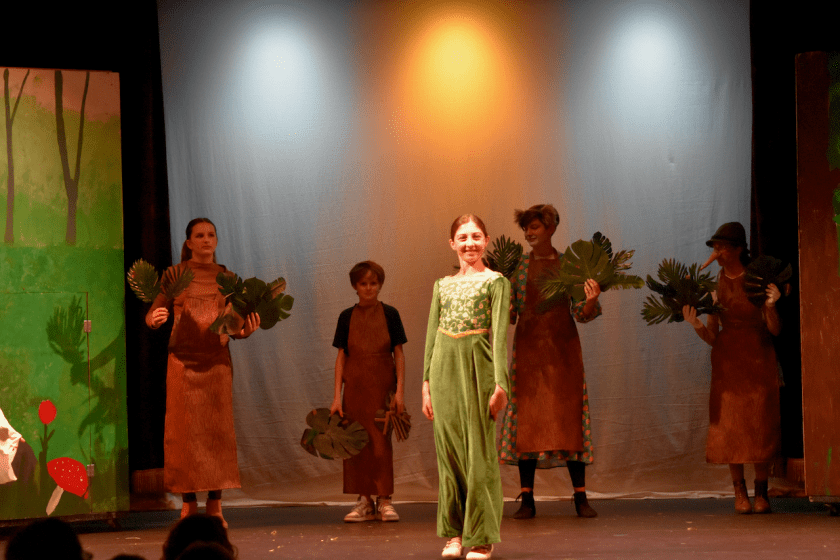
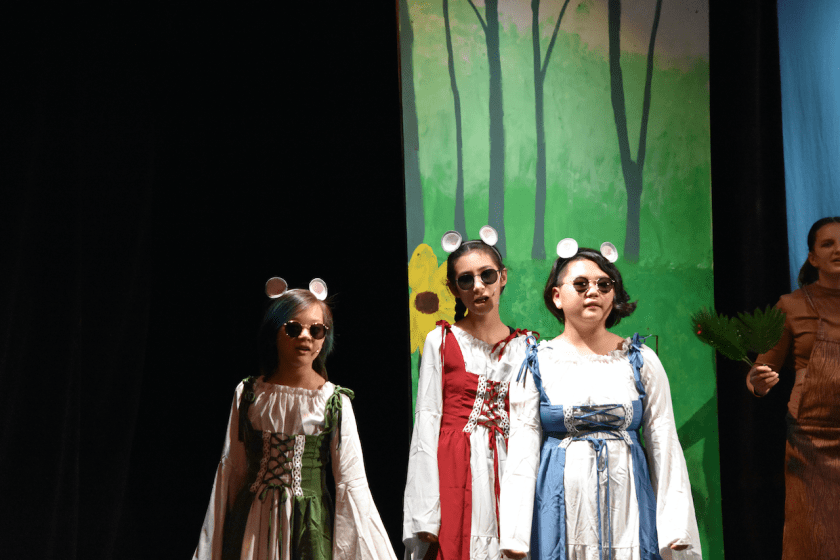
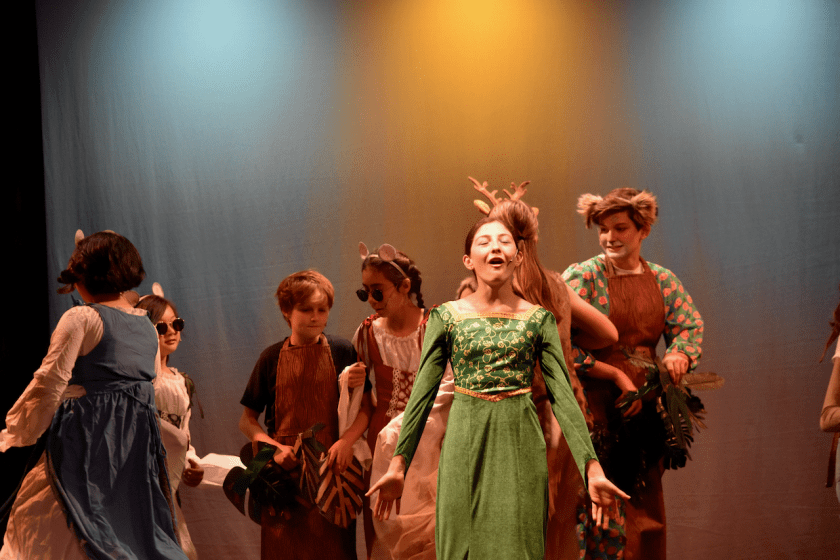
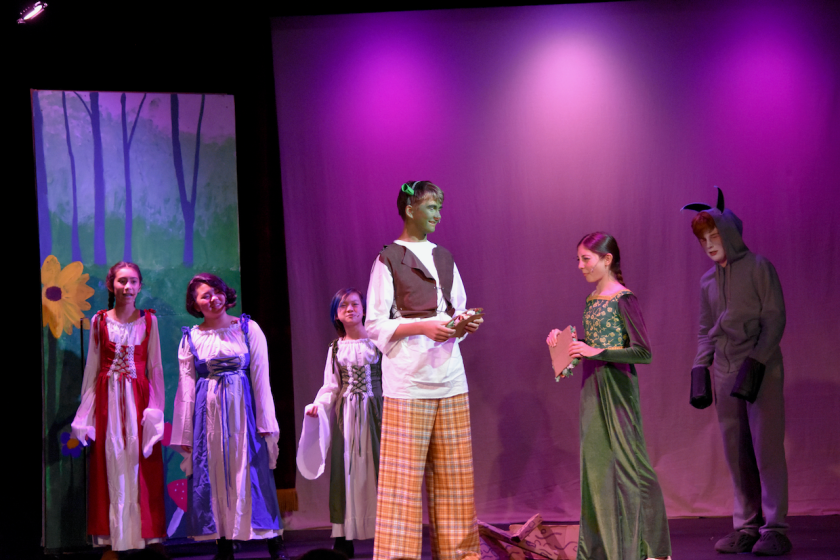
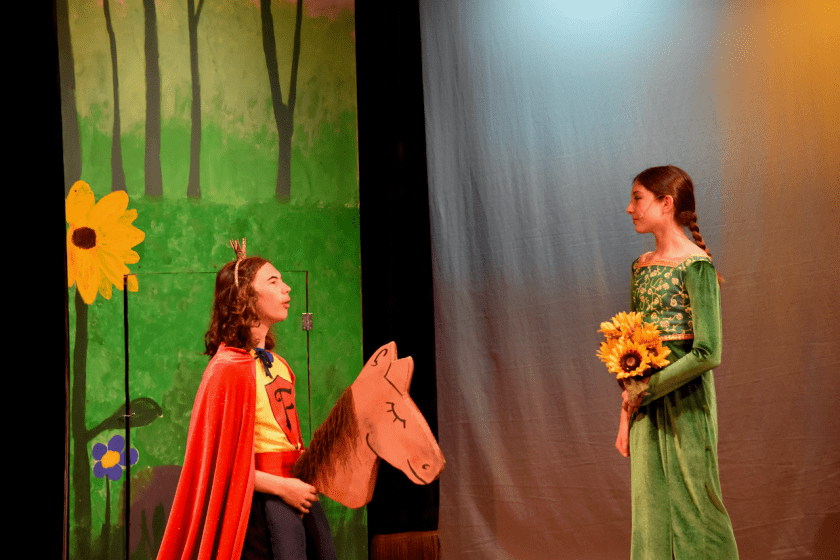
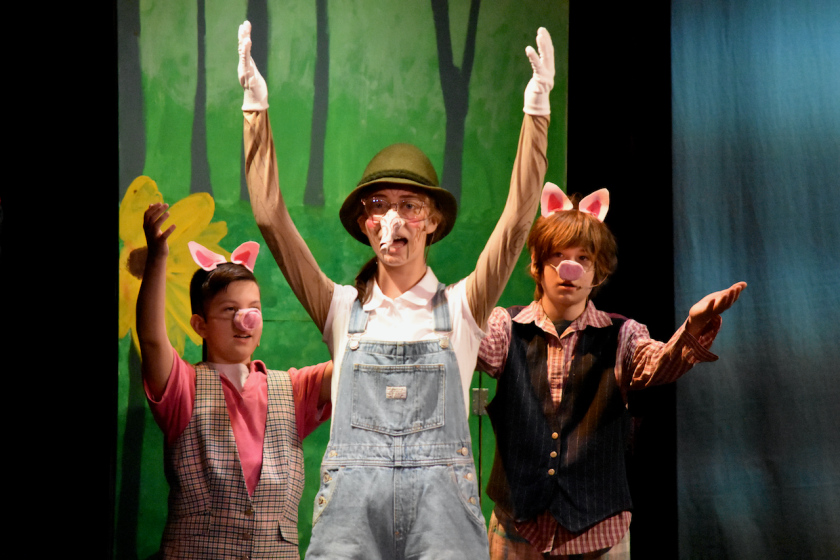
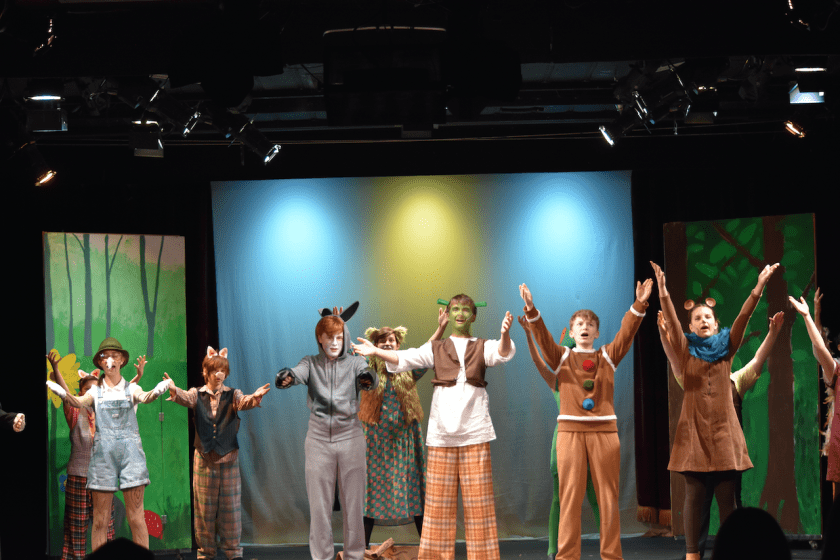
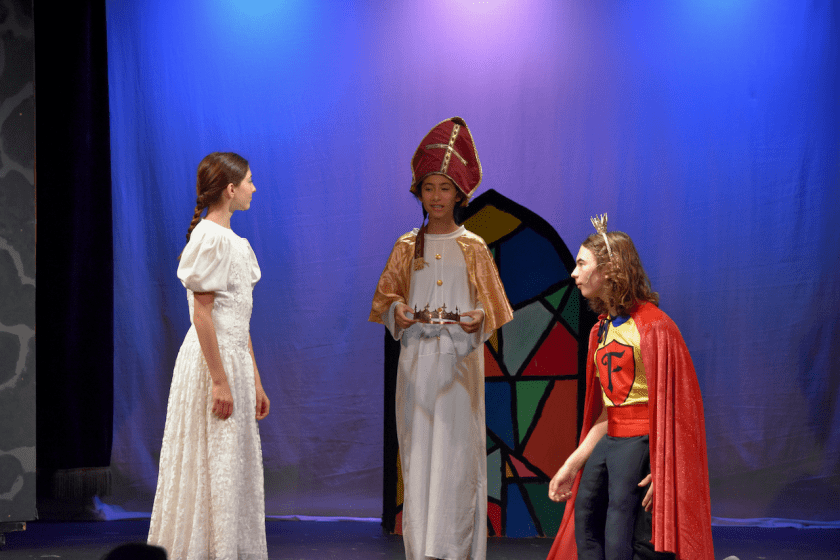
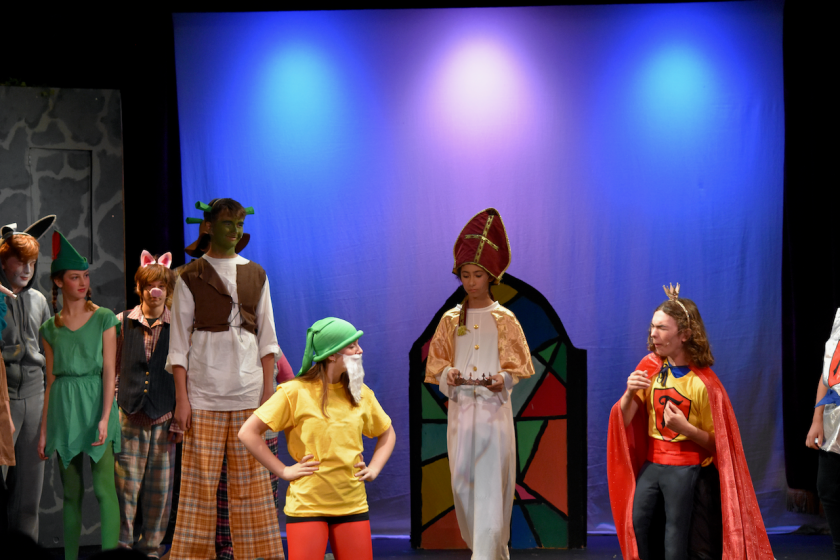
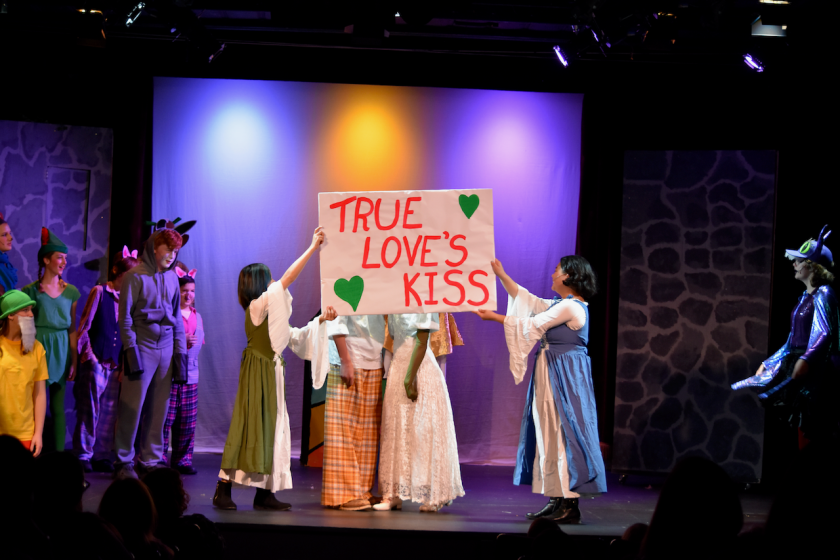
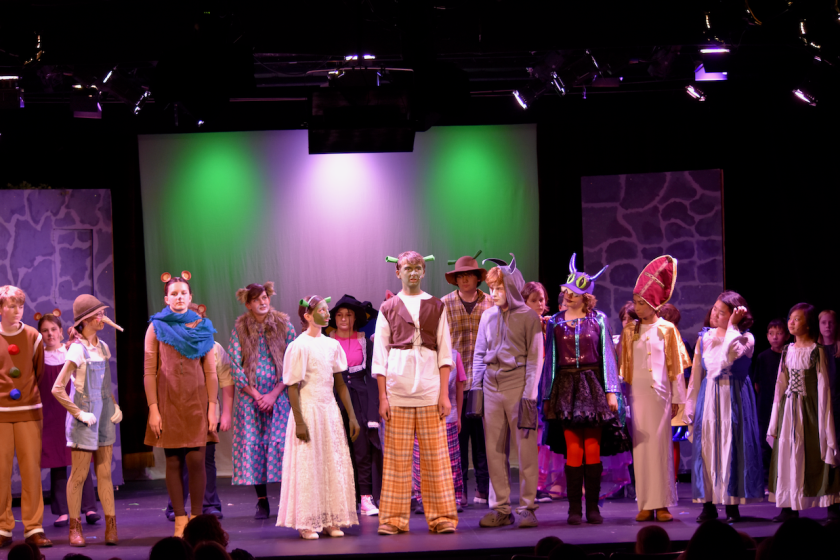
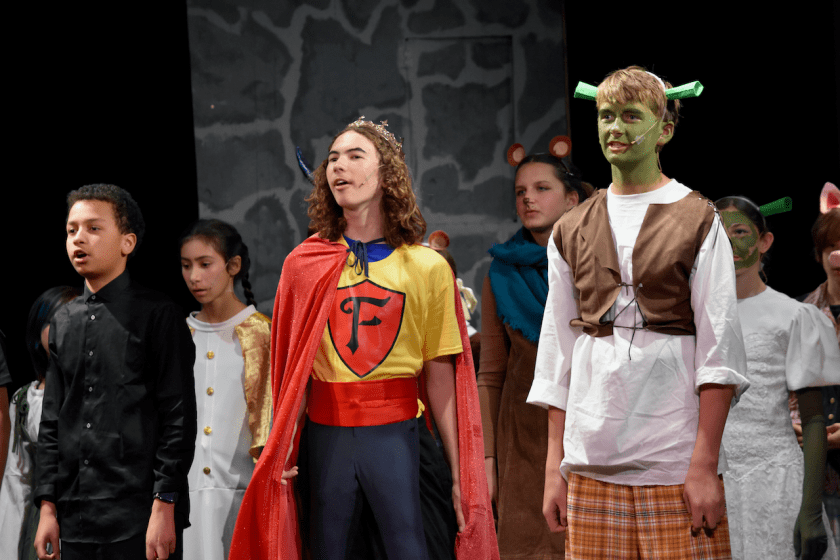
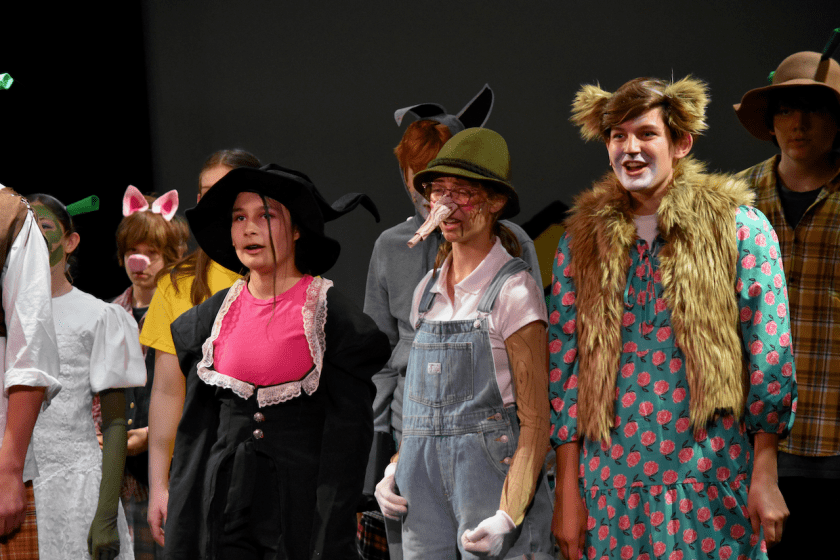
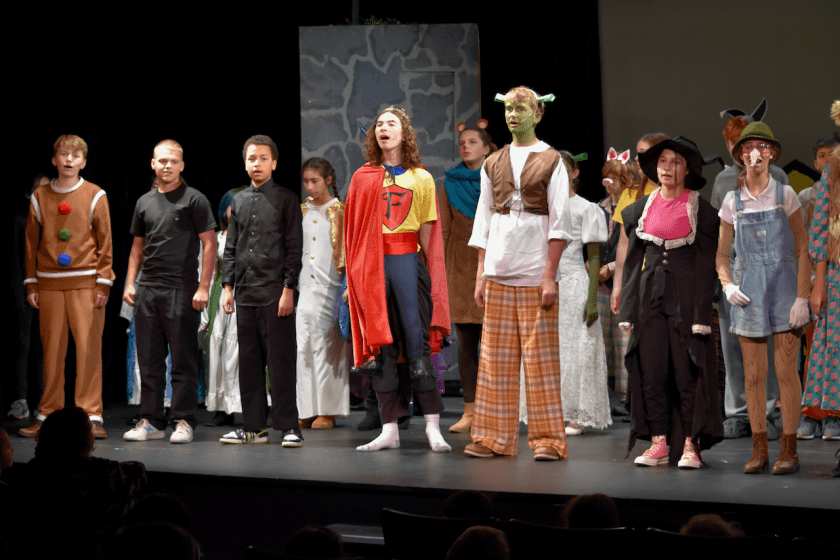
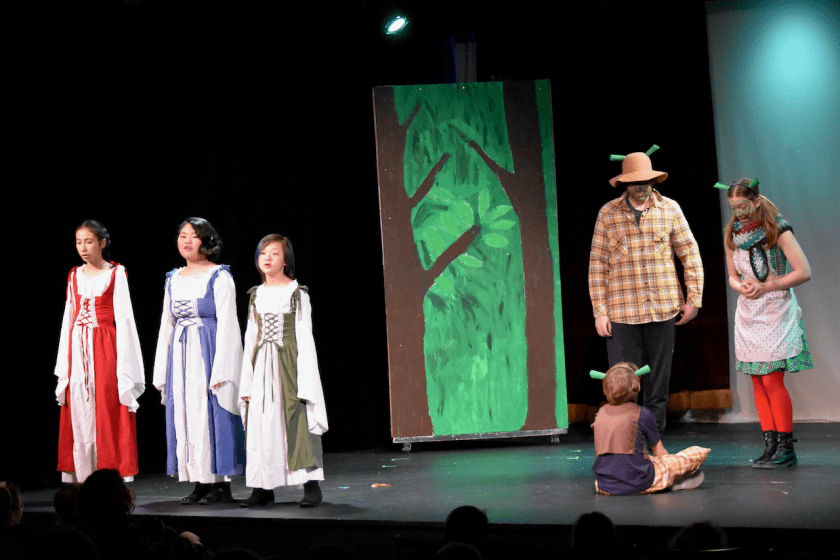
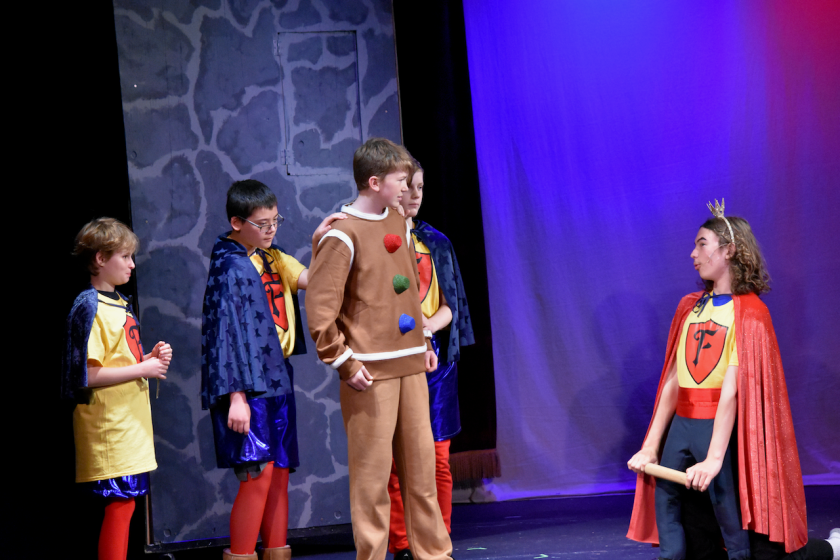
The Saklan Middle School students are very excited for their culminating project for music class, a performance of Shrek The Musical Jr. Every student in the Middle School is participating in the production, whether it is acting in a main role, taking care of props, helping with costumes, or being a stagehand. The show is a true collaborative effort! 

On Friday, May 16th, the students will perform at 7:00 p.m. in the Town Hall Theatre in Lafayette. The entire community is invited to the show. Tickets are required for attendance and can be purchased by clicking the button below.

We hope you can join us for what is sure to be a wonderful show!

#SaklanMusicals #SaklanCreative

Bug-tastic Learning

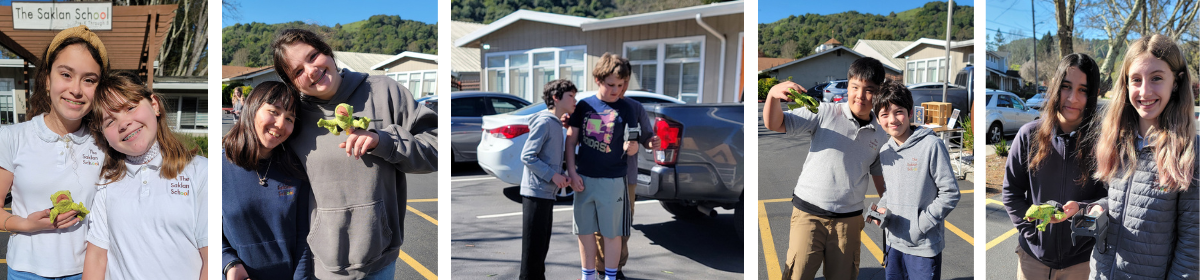
Saklan’s Preschool, Pre-K, and 7th grade students have been diving into the fascinating world of bugs, and recently had a visit from a special guest expert, Los from SaveNature.org, and some of his six-legged (and many-legged!) friends!

Los brought the Insect Discovery Lab to Saklan, where students had the opportunity to meet live invertebrates up close and learn what makes a bug a true bug. It turns out, not all the little creatures we find crawling around are actually bugs! Thanks to Los, our students learned that millipedes, snails, slugs, and spiders are all invertebrates (animals without backbones), just like insects—but they aren’t classified as true bugs. To be a real bug, a creature must have three body parts—a head, thorax, and abdomen—and exactly six legs. That means slugs and snails (with no legs) and millipedes (with way too many legs!) don’t qualify.

Los introduced the students to some truly incredible insects, including:

  • Darkling Beetles – Nocturnal neighbors we might spot nearby!
  • Malaysian Thorny Stick Bugs – Experts at camouflage.
  • Australian Giant Stick Bugs – Mimic scorpions to scare off predators!
  • Eastern Lubber Grasshoppers – So toxic that predators steer clear.
  • Giant African Millipede – The star of the show!

Our youngest learners—the Owlets—showed amazing bravery and curiosity. Every single one held or touched one of Los’s fascinating bugs, and some even did so more confidently than the adults! After the visit, the class voted on their favorite, and the winner was no surprise… the Giant Millipede stole everyone’s hearts.

To reflect on the experience, the Owlets used Model Magic to sculpt their favorite bugs from the visit and then dictated fun facts they had learned. The Hoot Owls also jumped right into hands-on learning, creating models of the bugs and sharing their knowledge. From mimicking scorpions to ward off predators to being brightly colored to warn of toxicity, our students discovered just how smart and strange bug adaptations can be.

#SaklanHandsOn

Measuring the Earth

Eighth-grade geometry students have been busy diving deep into the world of circles. Building on their foundational skills, students used compasses to construct parallel lines, equilateral triangles, and perpendicular bisectors, setting the stage for more advanced discoveries.

Their curiosity led them to explore the properties of chords, where they quickly observed that the center of a circle lies on the perpendicular bisector of any chord. From there, their investigations expanded to include central and inscribed angles, as well as arcs, deepening their understanding of how all the parts of a circle connect.

Students then took on a historical challenge by stepping into the shoes of Eratosthenes, a 3rd-century BCE mathematician who famously calculated the Earth’s circumference. By using the length of a shadow cast by a meter-long stick, just like Eratosthenes did in Syene and Alexandria, students applied proportional reasoning to calculate the Earth’s circumference, arriving at an impressive 24,869 miles!

This hands-on exploration showed just how relevant geometry can be beyond the classroom—and gave the eighth graders a meaningful connection between math and the real world.
#SaklanHandsOn

Change for a Cause

Sixth Graders Take Action to Protect Endangered Species

Over the past few weeks, the sixth graders have been learning about ecosystems in science class. They’ve gained an understanding of how organisms become dependent on each other within a healthy ecosystem and the threats that they may face. In doing so, they have learned about the loss of species through invasive species, disease, and human impact. Therefore, the students wanted to help a species in need. In groups, the students researched several species, including the Hector’s dolphin, the Pangolin, the Axolotl, and the Amur Leopard. They found out where each species is located, why they are important to their ecosystem, and what threats there are to the species.
In order to raise money to help these species, students are going to hold an election, and the entire Saklan community is invited to participate. Starting on Monday, you will see decorated buckets on the tables near the office, and you can lend your spare change to vote for the species you want to help the most.

Each cent you contribute will count as one vote. One penny will count as one vote, a quarter will count as 25 votes, a dollar will count for 100 votes, and so on. All of the money raised will go to the World Wildlife Fund, which is working to help these species.

We will collect for one week and then we will symbolically “adopt” the species that gets the most votes, and will announce the winner to the Saklan community.

#SaklanCompassionate

Taking on Invasive Species

As part of the sixth-grade earth science curriculum, the students learned about how pests and invasive species can affect an ecosystem. One species they focused on was the Crown of Thorns (COT) sea star. They learned how the sea star’s fast reproduction and limited predators on the Great Barrier Reef are creating quite a problem for that precious ecosystem. The COTs eat the algae in the coral, which is causing the coral to die at rapid rates. Students then learned how scientists are using Remote Operated Vehicles (ROVs) to learn to identify and inject vinegar into the COTs. The vinegar dissolves them from the inside out. These ROVs can work 24 hours a day in all kinds of weather conditions. 

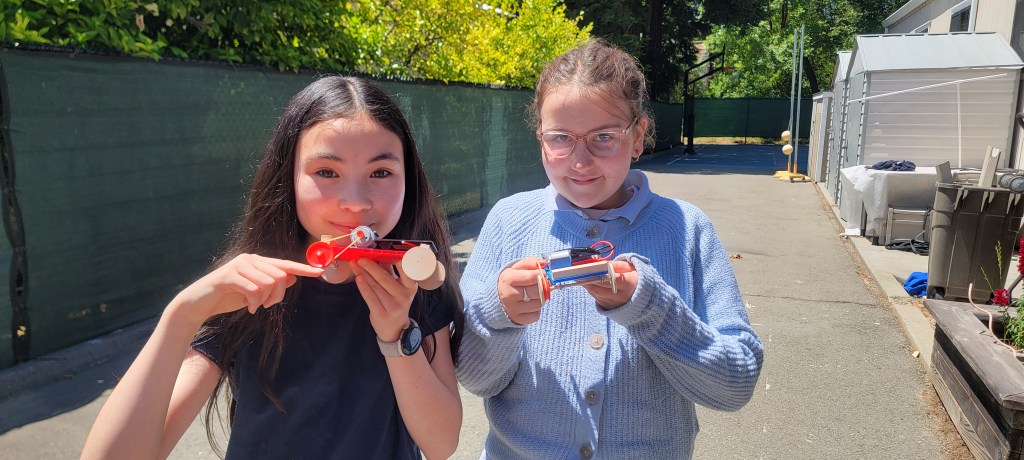
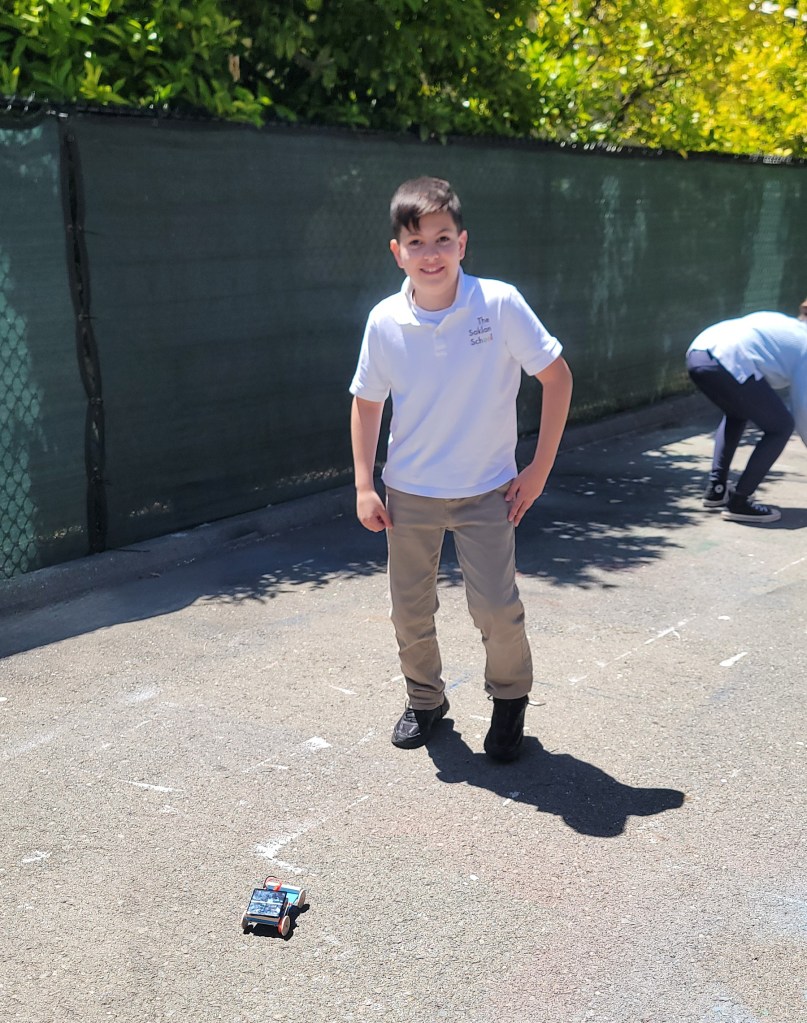
Ms. O had the 6th-grade students team up to create their own ROVs. With a grant from National Geographic Education, the students were able to use SeaMate Angelfish ROVs to simulate the work of the scientists out on the reef. The students had to design a frame, add motors, learn how to work their control box, and decorate their ROV.

With the ROVs completed, the students were given the challenge of collecting COT’s from the local MCC Augusta Pool. Students had to figure out how to maneuver their ROV and remove the imitation COTs from the pool.

It was amazing to see the engineering and design process happening while the students took the role of scientists. 

#SaklanHandsOn

From Cottage Industry to Factory Floor 

Hands-on Learning about the Industrial Revolution

In their Humanities lessons, 8th graders are studying how technological and social changes during the Industrial Revolution transformed the lives of Americans across all social classes in the early 20th century. Alongside their examination of historical events, students are reading the historical fiction novel Uprising, which follows the intersecting stories of three young women before and during the tragic Triangle Shirtwaist Factory fire in Manhattan on March 25, 1911.

Through hands-on simulations, students have explored how technological innovations altered the manufacturing process during the Industrial Age. They examined how craftspeople who once worked from home were replaced by factory systems, where individuals performed repetitive tasks to perfect a single part of the production process.

Hand-Crafted Products

Each student started as a master craftsperson whose task was to assemble one pair of in-line skates from start to finish. The skates had to be cut out, the blades glued on, and the final product colored. Each student kept track of the time it took for their single pair of skates to be assembled. 

A total of 10 pairs of skates were produced, with a production time per pair ranging from 14 to 29 minutes.

Moving to the Factory Assembly Line

Next, the students took their assigned jobs on the factory production line to mass produce in-line roller skates for the “Get In Line Skating Company” in the Humanities Room. Their individual work tasks ranged from cutting out the right or left blade, cutting out the right or left boot, gluing or taping the blades to the right or left boot, and coloring the skates. 

Each pair of skates had to pass final inspection by Luke, or they went back to the assembly line. Like real assembly line workers, the students were not allowed to sit down or remain idle during their work time. And talk of “unions” or “strikes” was strictly prohibited.

As the students worked, they considered how American and immigrant workers in the first American factories completed repetitive tasks for 12 hours per day, 6 days a week, often having their pay cut if a product was considered defective by their bosses. The student workers also discussed what they learned about the unsafe working conditions at the Triangle Shirtwaist Factory, where workers were locked inside to prevent theft. After the fire started in 1911, 146 young women died from being trapped on the top three floors of the Asch Building with only one fire escape and one working elevator.

In the much safer Humanities Room, the 8th-grade students manufactured 18 pairs of skates in 40 minutes. 

#SaklanHandsOn

Beliefs, Behavior & Belonging

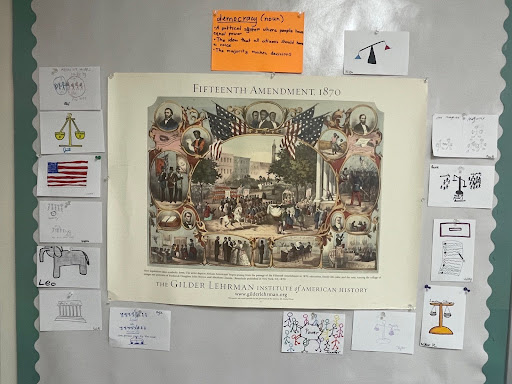
In humanities, sixth graders have been exploring the early civilizations of the Indian subcontinent and the origins of Hinduism and Buddhism. The class welcomed Saklan parents and guest experts, Manju Rajashekhar and Toshie Baba, to share their personal experiences and perspectives on Hinduism and Buddhism. 

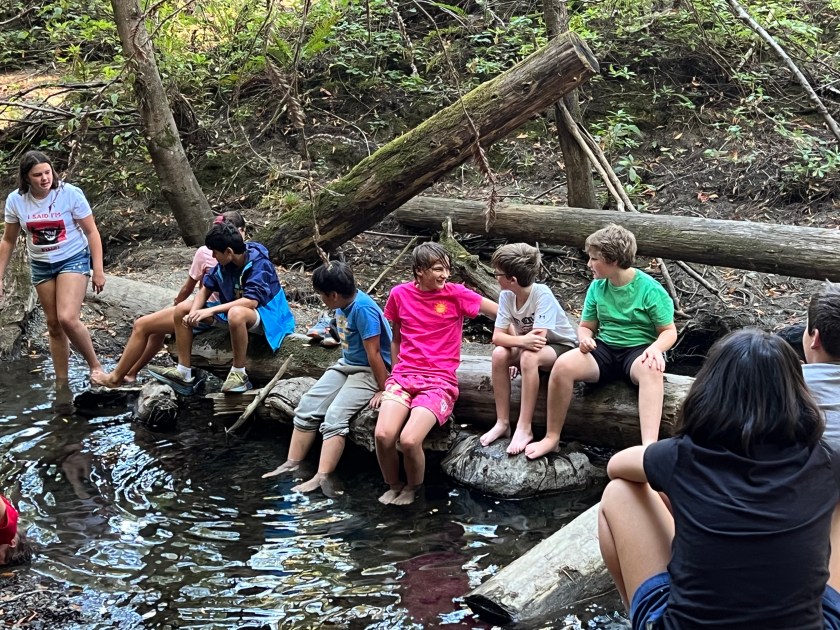
Recently, the sixth graders visited a Buddhist Monastery in Lafayette. Students heard more about the story of Siddhartha and various Arhats, participated in seated and walking meditations, and explored more evidence for the 3B Framework and 3 Claims About All Religions they have used to discuss religions throughout the year. Students met with monks and volunteers at the monastery, who showed them the buildings, grounds, and statues. 

3B Framework– an individual’s religious identity may be a unique mix of

  1. beliefs- ideas about holy scriptures, sacred texts, teachings
  2. behavior- actions, habits, practices
  3. belonging- sense of community 

3 Claims About All Religions

  1. All religions are internally diverse
  2. All religions evolve and change over time
  3. All religions are informed and influenced by the cultures they are situated in

Last week, the class enjoyed a field experience at the Blackhawk Museum where they toured the Into China exhibit as a kick-off to their unit on ancient China. This was followed by a visit from Asian Art Museum storyteller docent Nancy Parker who shared stories that connect to the museum’s artifact collection about Confucius, Buddha, and the Silk Road trade.

#SaklanPBL

Defying Gravity

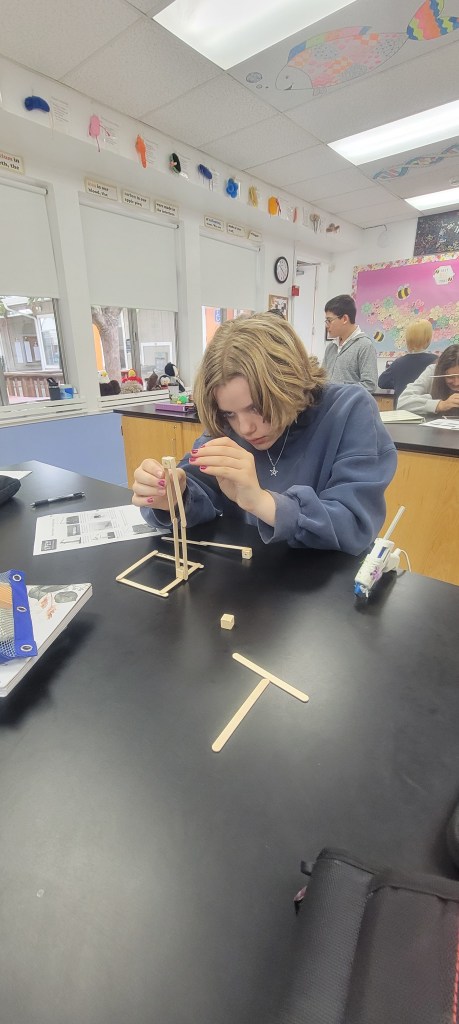
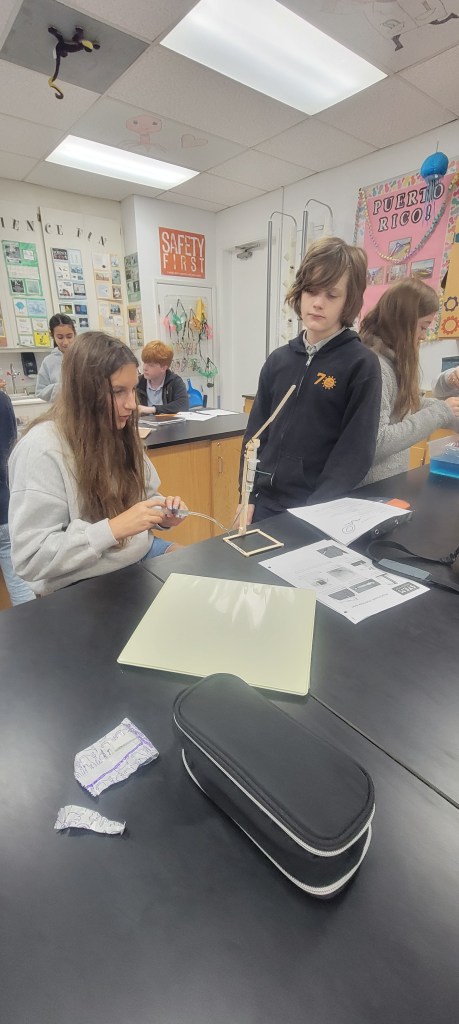
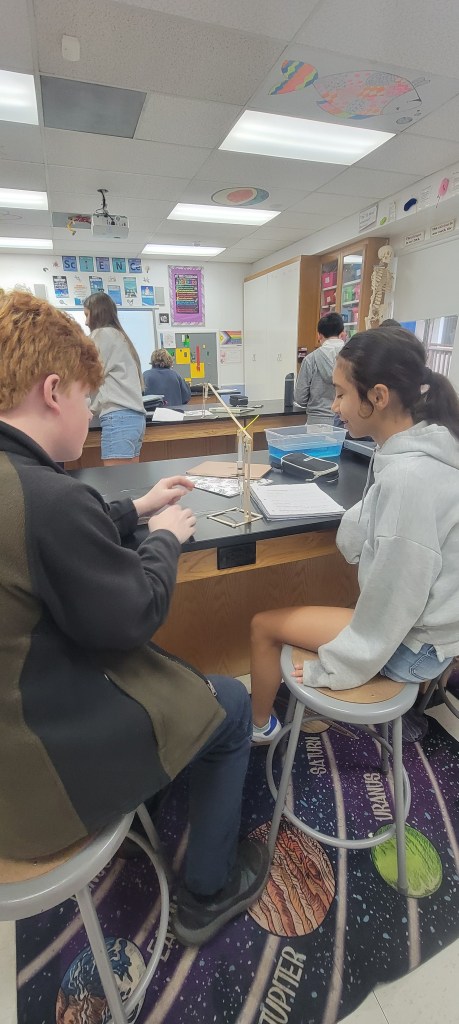
Since February, the 8th graders have been diving into physics in science class, exploring the forces of gravity, air resistance, and friction. Through a series of engaging, hands-on labs, they’ve been putting their knowledge to the test—seeing firsthand how these forces interact and impact objects on our planet.

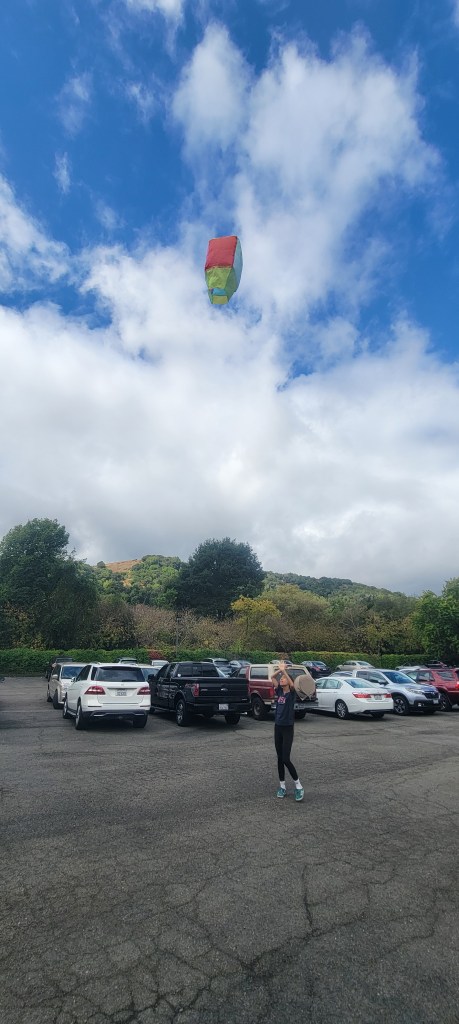
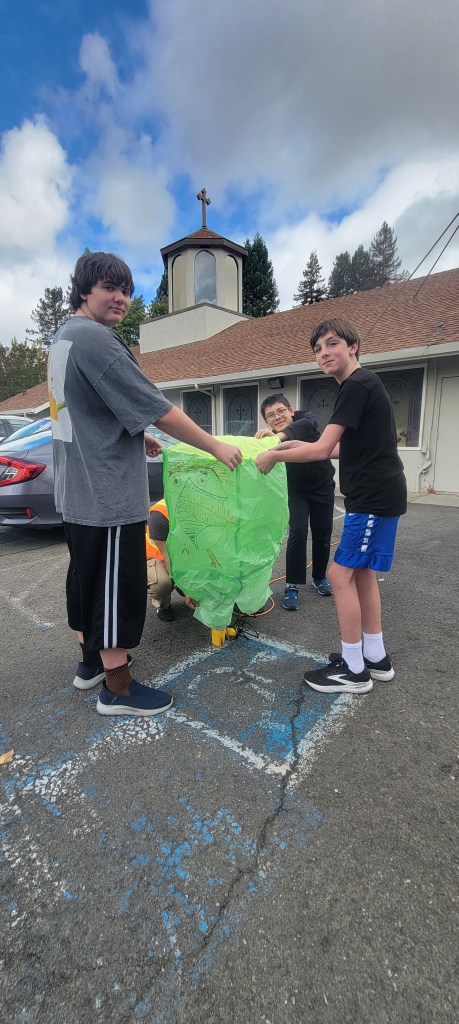
The students started exploring gravity and air resistance by creating different-sized parachutes and dropping them from the ceiling of the science lab. Students could see the pull of gravity on the parachutes and how air resistance could be used to slow that force down by measuring the time each took to descend. Next, students worked on designing, creating, and launching rockets to see how to defy air resistance and gravity.

Last week, the class worked with projectiles that used both vertical and horizontal motion. Different paper airplane designs created more air resistance than others. The students saw how these forces act on objects and how various features of an object can affect these forces.

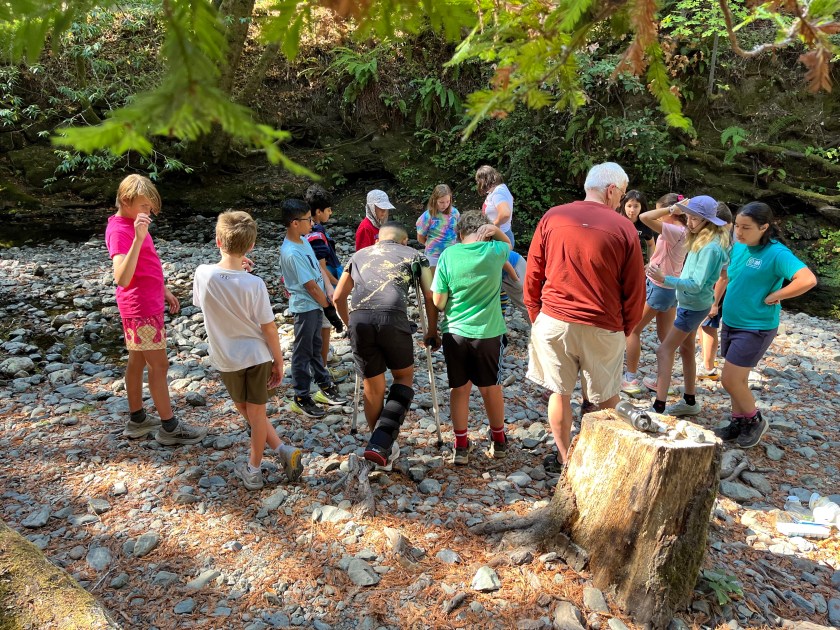
This week, students took their physics learning to the next level with an exciting experience to iFly in Union City where they explored terminal velocity in a real wind tunnel! They discussed how mass, air resistance, and surface area affect falling objects, then put theory into practice by suiting up and experiencing it firsthand. Students got to “fly” in the wind tunnel, feeling the exact force needed to keep them floating or falling at terminal velocity—a thrilling, hands-on lesson in action!

Students then made guesses at which toys thrown in the wind tunnel would fall the fastest or slowest based on size, mass and surface area! A lot was learned and experienced. 

#SaklanHandsOn #SaklanFieldExperience

Gaining Confidence

Middle school musicians in the instrumental ensemble class are gaining confidence in understanding the different musical keys of the various ensemble instruments. For example, while the clarinet is a B flat instrument, the trombone is in the key of C. Students are then able to interpret the correct pitch to play when they are collectively playing in concert C. Using this base understanding, the class has explored playing chord progressions, arpeggios, and playing back a short improvised phrase as a whole ensemble.

We look forward to hearing them play two songs during the All-School Concert on March 21!

Exploring Similarity: Scaling, Ratios, and Operations 

In math, sixth graders have been studying the concept of similarity, when two figures are of the same shape, but have different sizes. They began by getting several 1-inch squares with a bit of a picture on them, and they had to draw them on a 6-inch square. After the class finished, they looked at the enlargement, measured several parts, and determined that everything on their enlargement was 6 times larger than the original. They then began exploring what operations they could use to maintain similarity. They tried drawing triangles that changed by adding and by multiplying. They determined that using addition did not retain the original shape of the triangle, but multiplication and division did. Their work continued into using ratios, first of corresponding sides but then into other and more challenging situations.

#SaklanHandsOn