6th Graders Expand their Understanding of Volume

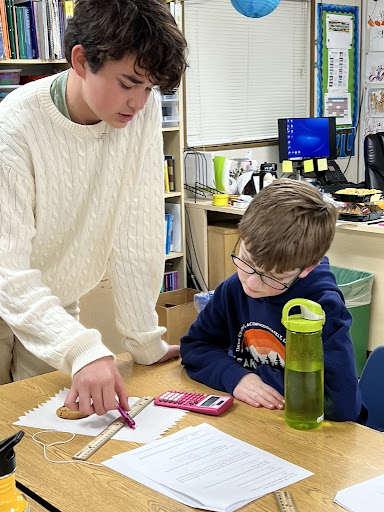
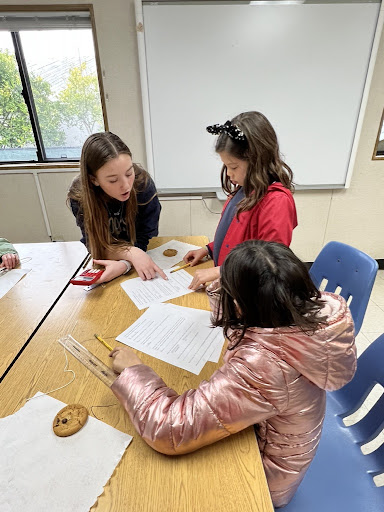
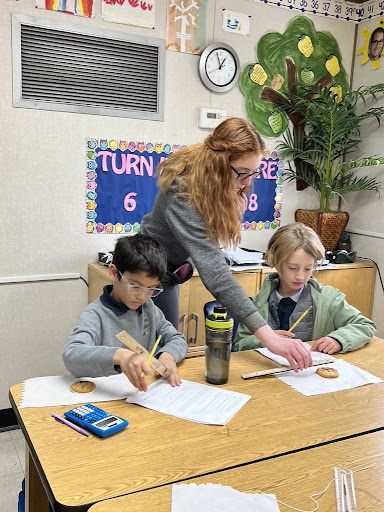
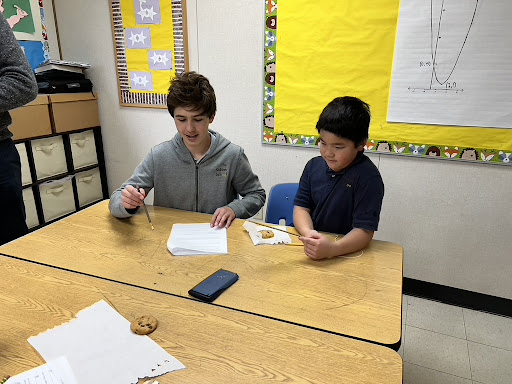
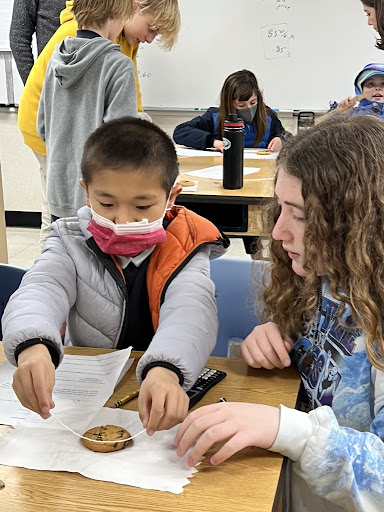
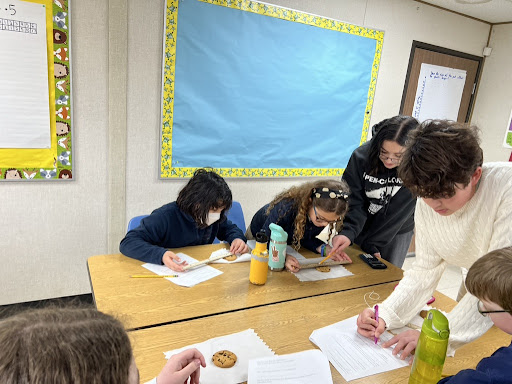
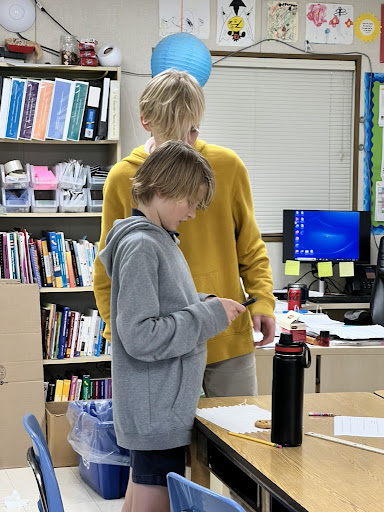
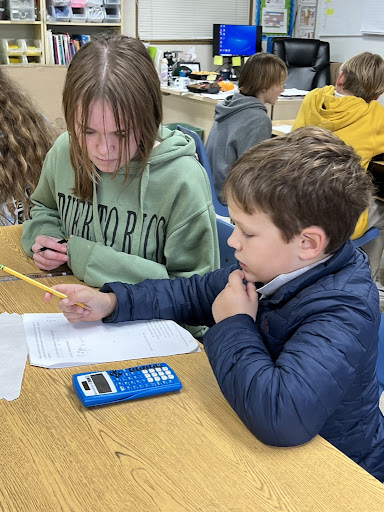
Recently, Saklan’s sixth graders worked to expand their understanding of volume beyond the equation: volume = length * width * height.

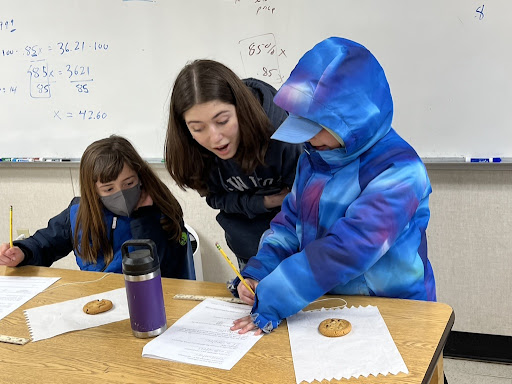
The students experimented with cubic units as they explored a situation involving offices with unusually shaped bases. They quickly were able to determine that a multiplier could be used to extend the height of the office towers much more efficiently than counting. And after a class discussion of why the area of the office tower’s base was the same as the volume of the office tower when it was one unit high, the sixth graders came up with a better formula. Volume = Area of base * height.

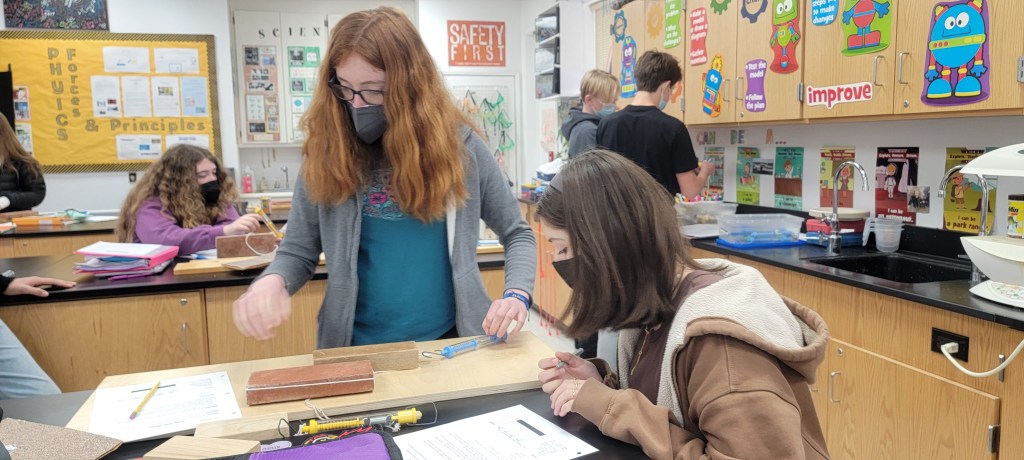
An interesting side note: At a math teaching conference that Saul Zippin, Saklan’s Middle School Math Teacher, went to a few years ago, he attended a session about middle school students finding the volume of a parallelepiped (a parallelogram prism) that had one of the sides weighted so it would stand up, as shown in the image below. 

Researchers from the University of Illinois had filmed their students finding the volume of the prism and their outcomes. All of the students used the V = l X w X idea. Some found the height from their desk to the top (the correct way), while about half measured the side that was the slant instead of the actual height. When it was time for questions, Saul asked how many of the students found the area of the parallelogram (the base of the prism) and then multiplied that by the height. They said that none of the students in their research did that. Interested in how Saklan students would solve this, Saul made a class set of the 3D shapes, weighted the base and asked the students to find the volume. Every student found the volume correctly! Most turned the parallelepiped on its side, found the area of the base and multiplied by the height. 
Saul noted that when students are taught to think mathematically using manipulatives and class discussions, they have a huge advantage when attempting to solve problems. 

LBD Classes

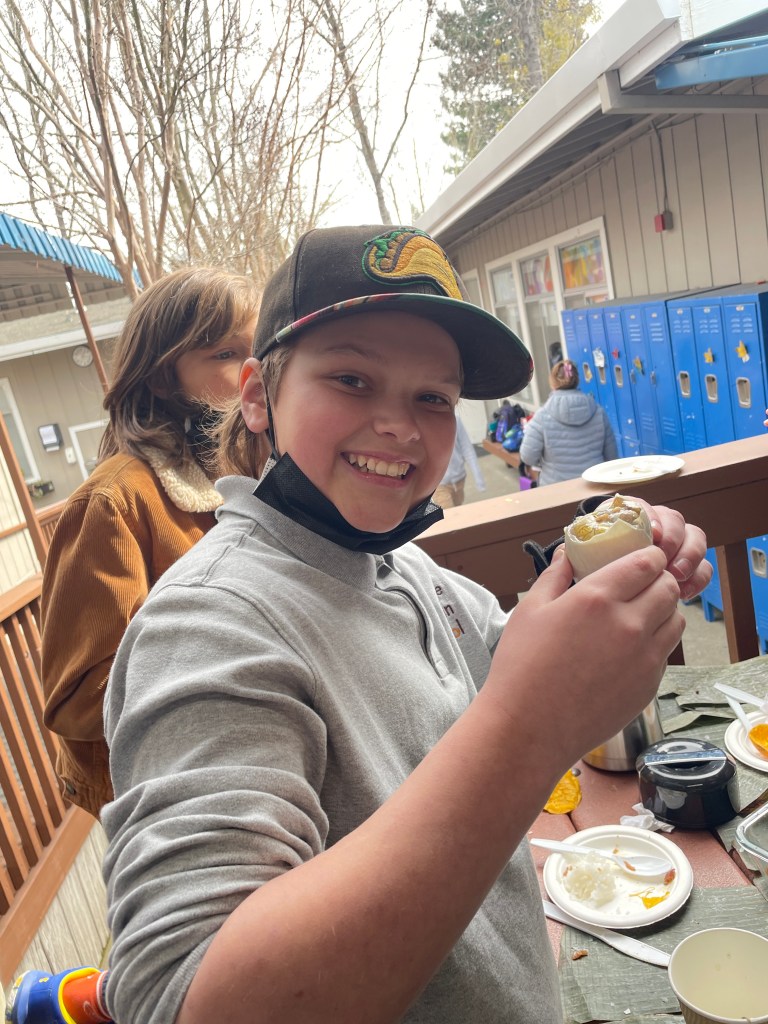
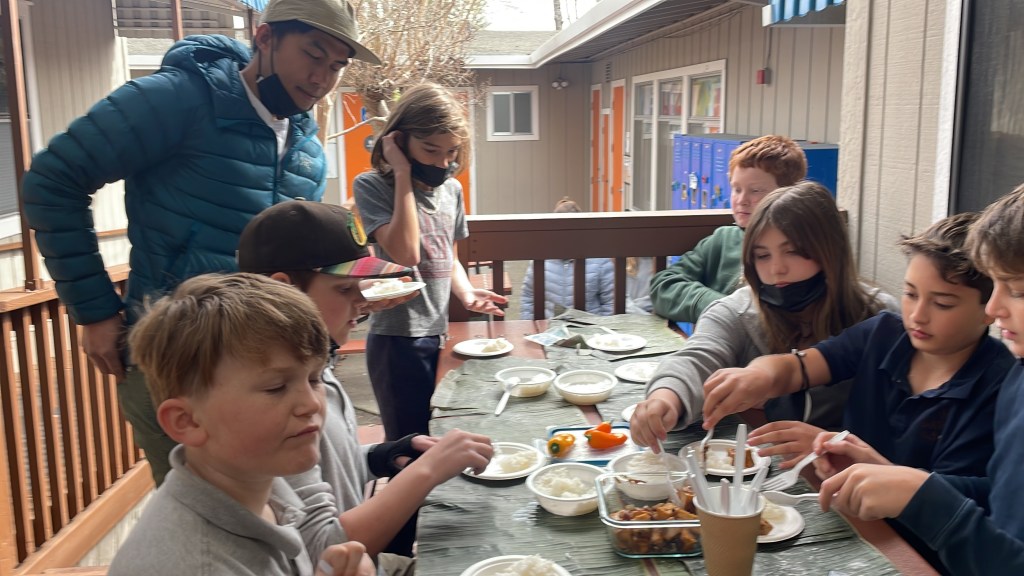
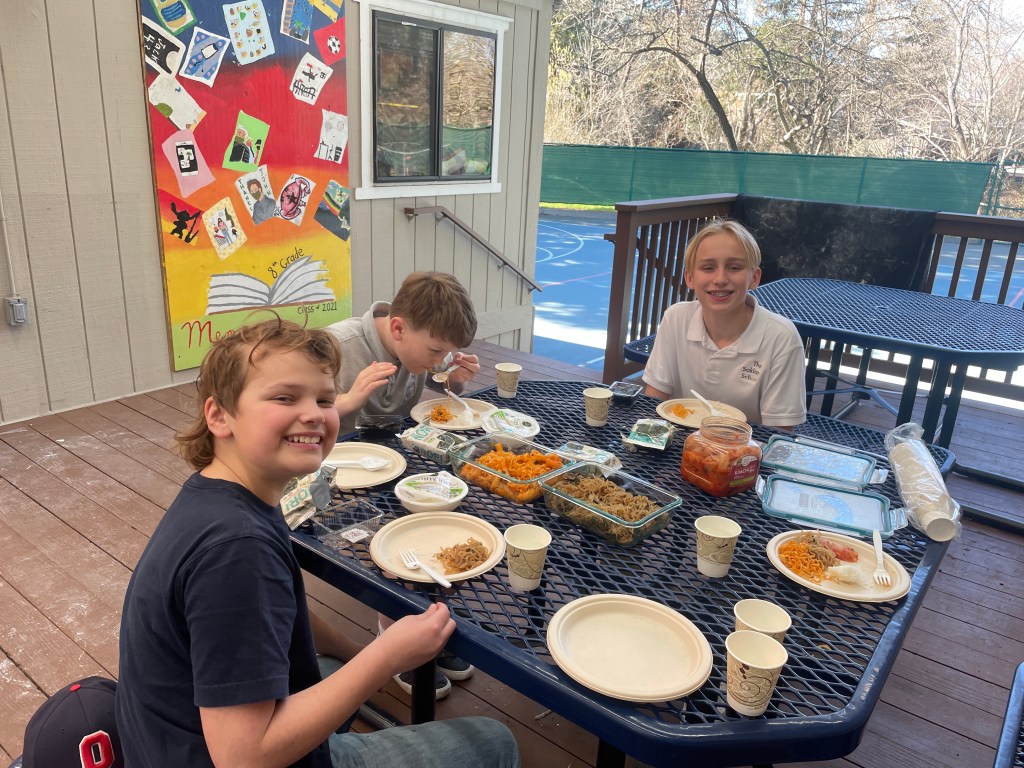
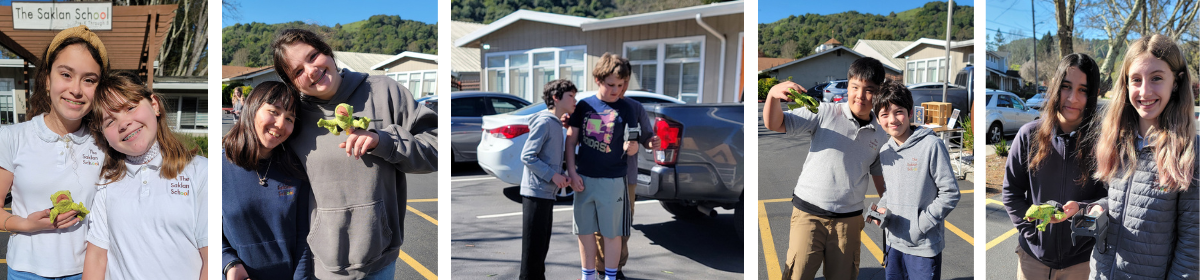
The Saklan Middle School offers a variety of elective classes that cater to the community’s diverse hobbies and interests, which we call LBD (Learning by Doing) classes. On Thursday, February 16th, the students had the opportunity to explore Korean culture through the class “Exploring Cultures through Food.” Students learned about the various ingredients that make up a traditional Korean meal, as well as the customs and etiquette associated with dining in Korea. Students were eager to try Kim Chi, Japchae, and Tteokbokki. Before dining, the students practiced how to serve their elders while avoiding eye contact, as custom in Korean etiquette. They expressed their appreciation for learning about other cultures and their eagerness to learn more.
In addition to the Exploring Cultures through Food class, Saklan also offers classes such as Sadie’s Baking Class (8th grade student), Bookworms with Jennifer (7th-8th grade Humanities teacher), and African Drumming with Isaac (Saklan’s drumming teacher). These classes are a combination of teacher-led and student-led activities, providing students with the opportunity to make memories while learning new skills. We encourage middle school students to continue creating their own classes to teach their community.

#SaklanCreative #SaklanLearningByDoing

Staying Safe Online

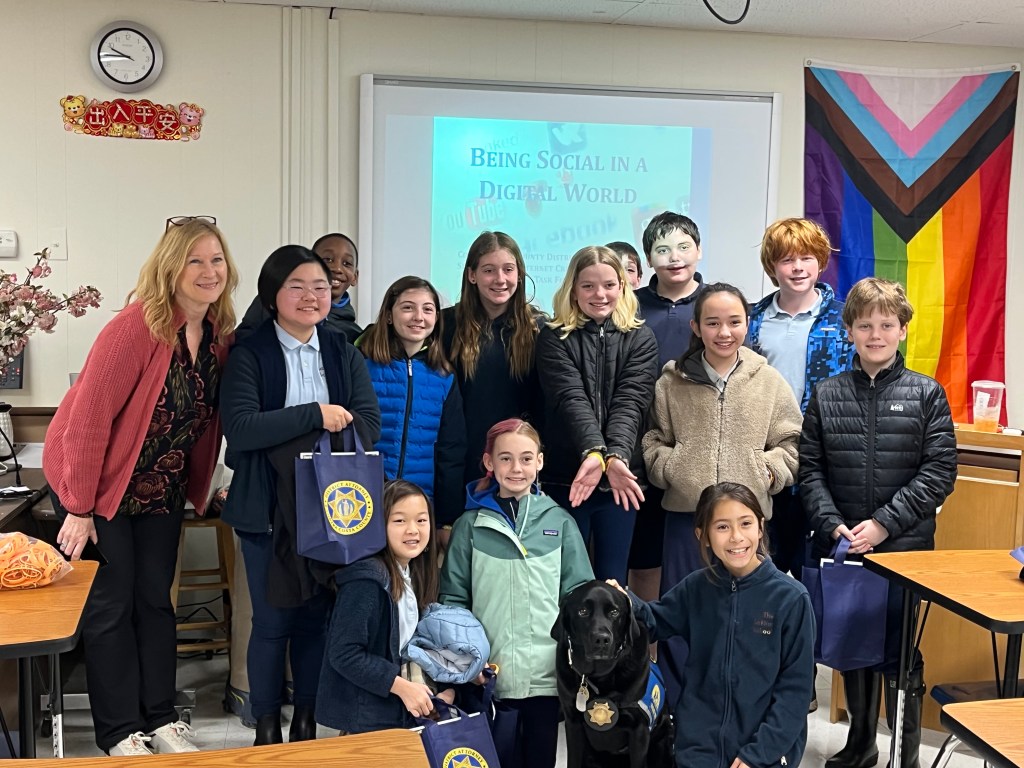
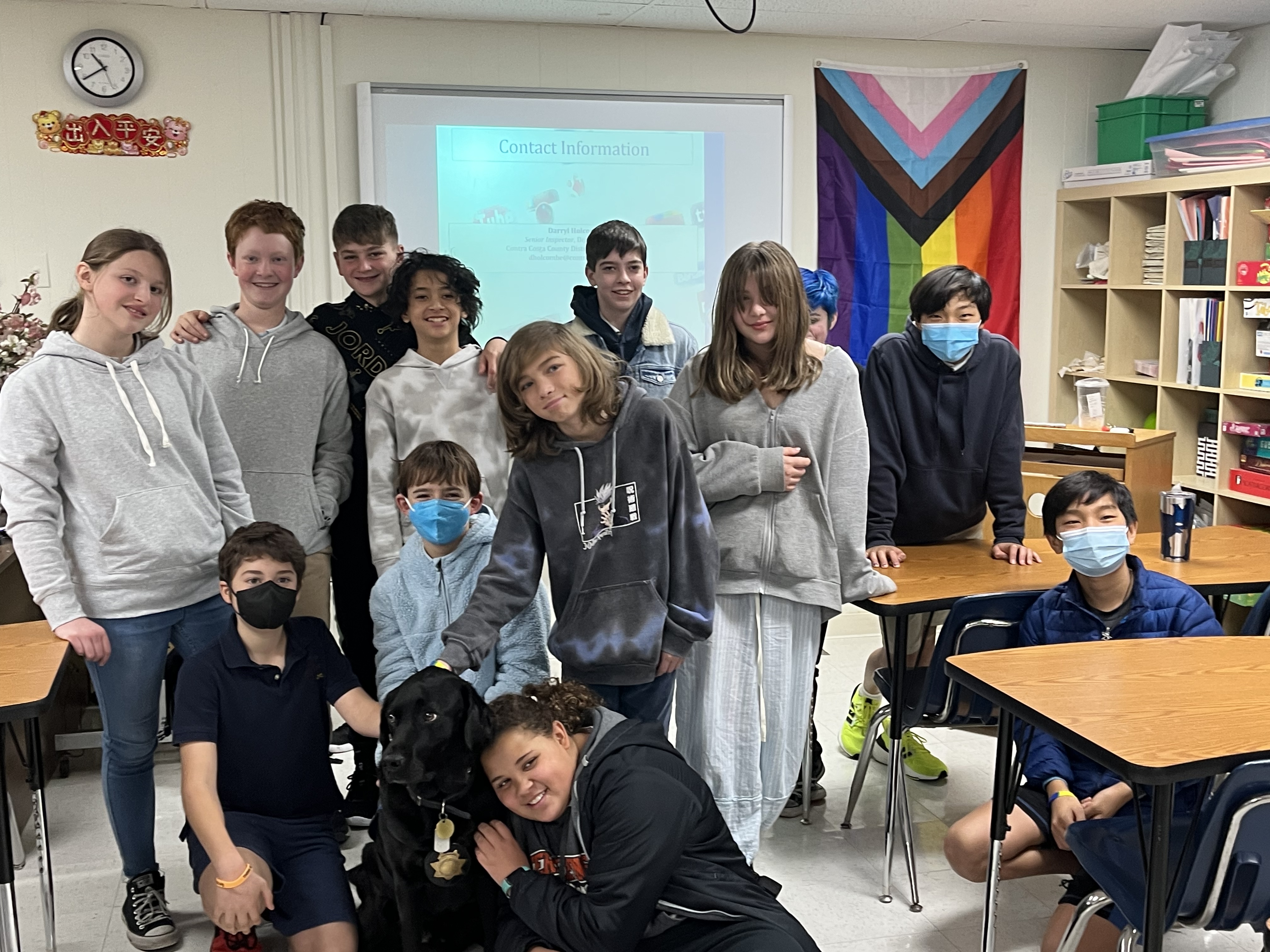
Following the Parent Coffee Talk on cybersecurity on January 27th, it was the students’ turn to learn about this important topic last Friday. Senior Inspector, Darryl Holcombe, of the Contra Costa County D.A.’s Office gave an informative talk to 5th-8th grade students about how to stay safe online. His top tips were:

  • Keep your personal information personal. Don’t share specific personal information online, including where you live or go to school.
  • Take lots of photos and have fun, but post them later, at home.  Don’t post “live” social media updates from a location.
  • Turn on “Ghost mode” in SnapChat, to disable its GPS tracker. 
  • Tell a trusted adult if a stranger asks personal questions online, such as when messaging on Roblox.
  • Share your PIN and passwords with your parents, and no-one else, even friends. 

Detective Holcombe gave interesting real-life examples of what has happened in our county when students didn’t follow these tips.

Students got to meet Jenny and “Ro-bear-to”, aka Bear, and learn about his training and work as a Facility Dog who supports children during forensic interviews and hearings in our County Criminal Court. Bear counted his age in barks (five) and played his favorite game, “silly dog” for the students. 

Self-discipline

On Thursday afternoon, Saklan’s 1st – 8th graders met with their family groups to discuss this month’s SEL topic: self-discipline.

The groups began by discussing what self-discipline means: recognizing or identifying that you need to help yourself to achieve a goal, task, assignment, etc. and being able to get yourself back on track.

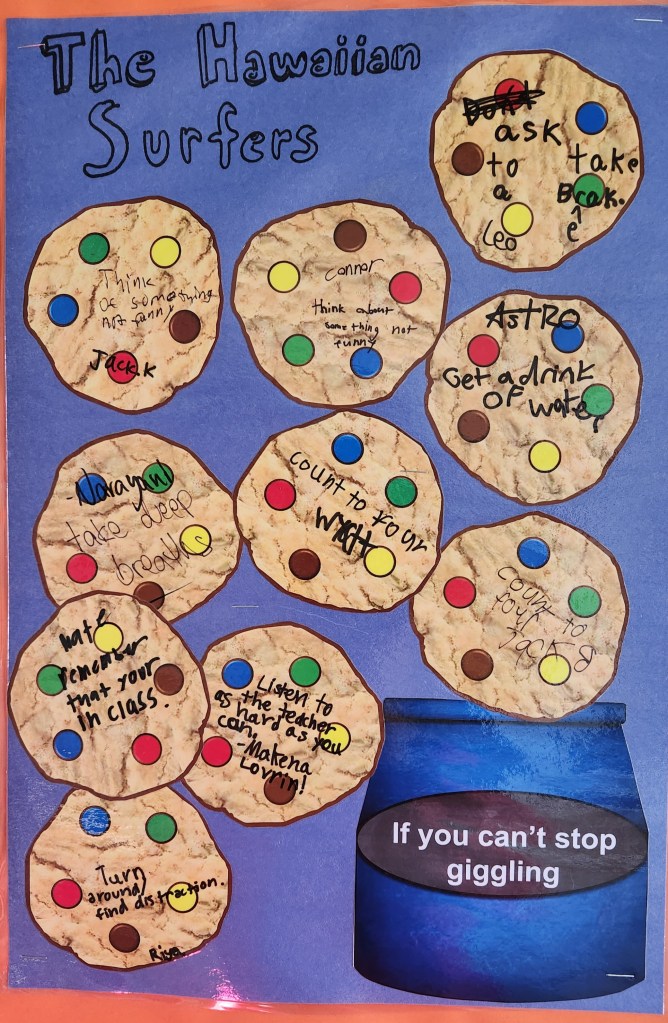
Then the students watched this video of a lovable monster using tools to help stay on task! After the video they discussed the strategies the monster used: counting to 4, singing, imagining a cookie was a grandmother. The students then brainstormed additional strategies that could help them stay on task.

Each family group then used their list of strategies to act out self-disciplined ways to handle the following scenarios:

  • Someone cuts you in line.
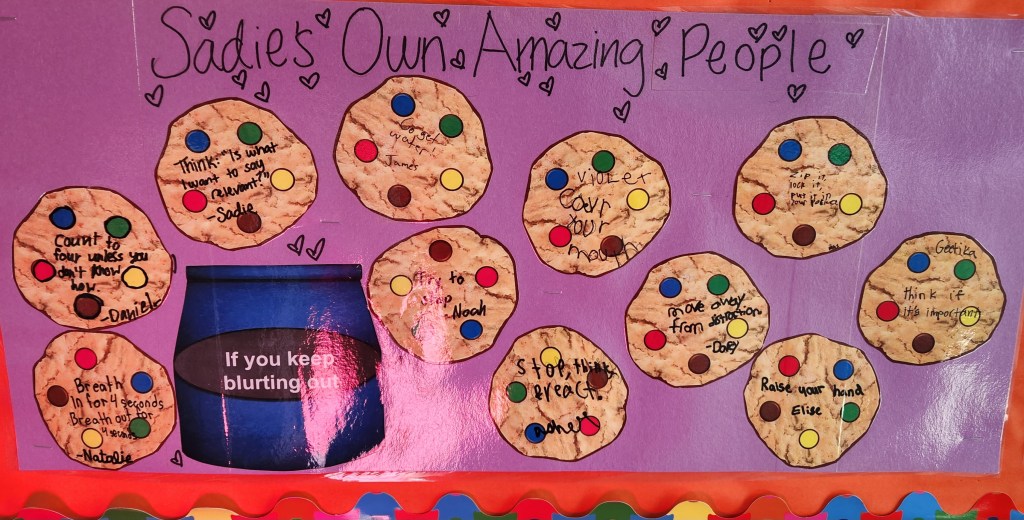
  • You are having a hard time raising your hand, and keep calling out.
  • You are sad because you forgot your lunch.
  • You and your friend cannot stop giggling!
  • You are nervous/stressed over a test.
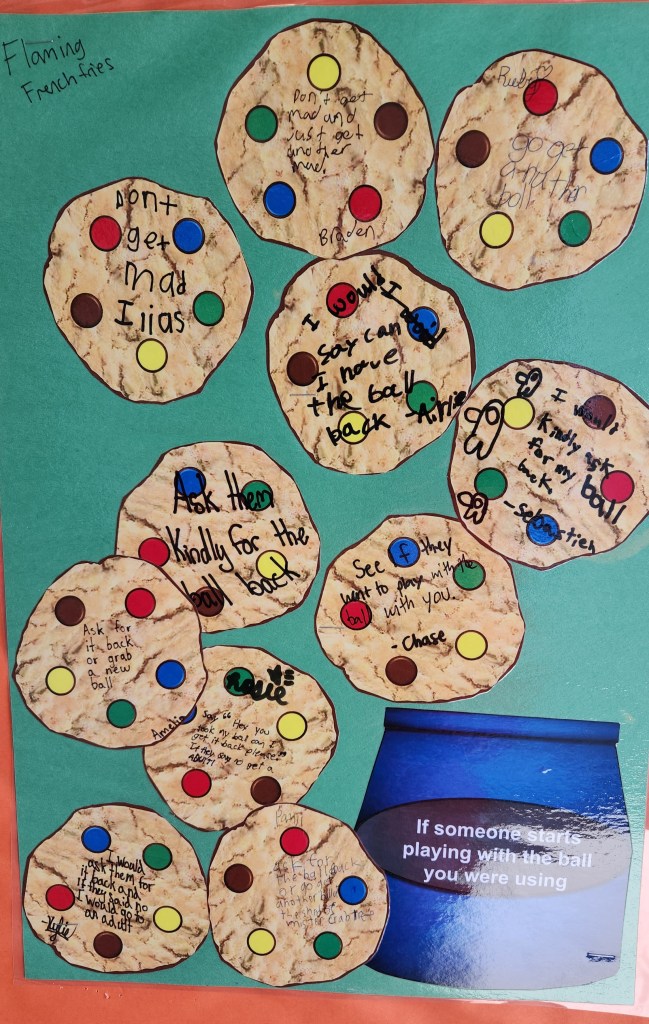
  • You are mad because someone grabbed the ball you were playing with and is now using it without asking.

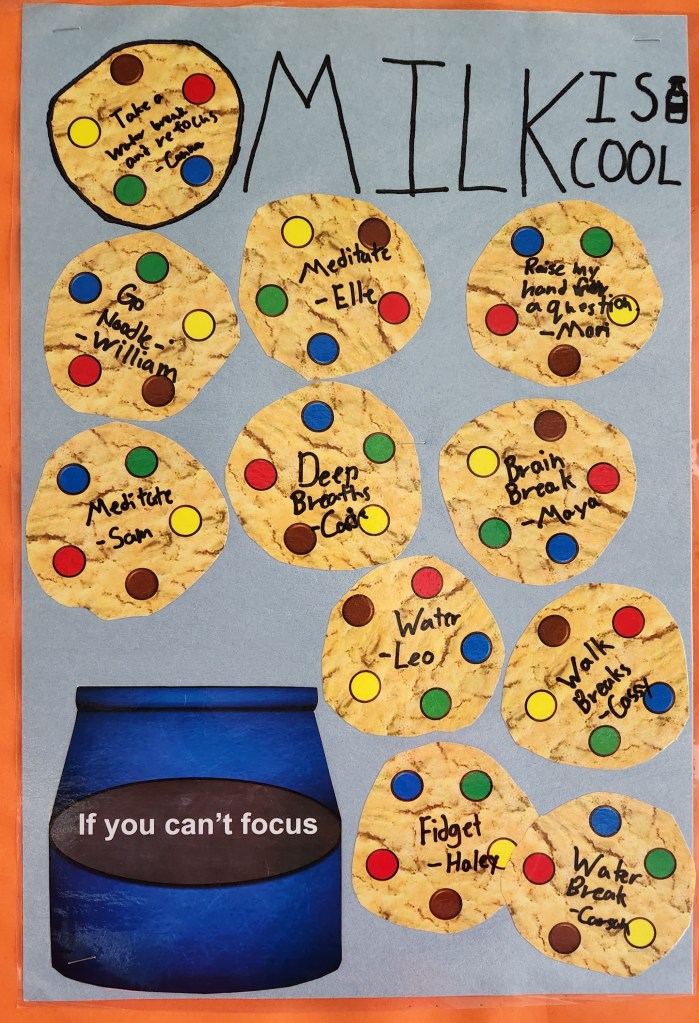
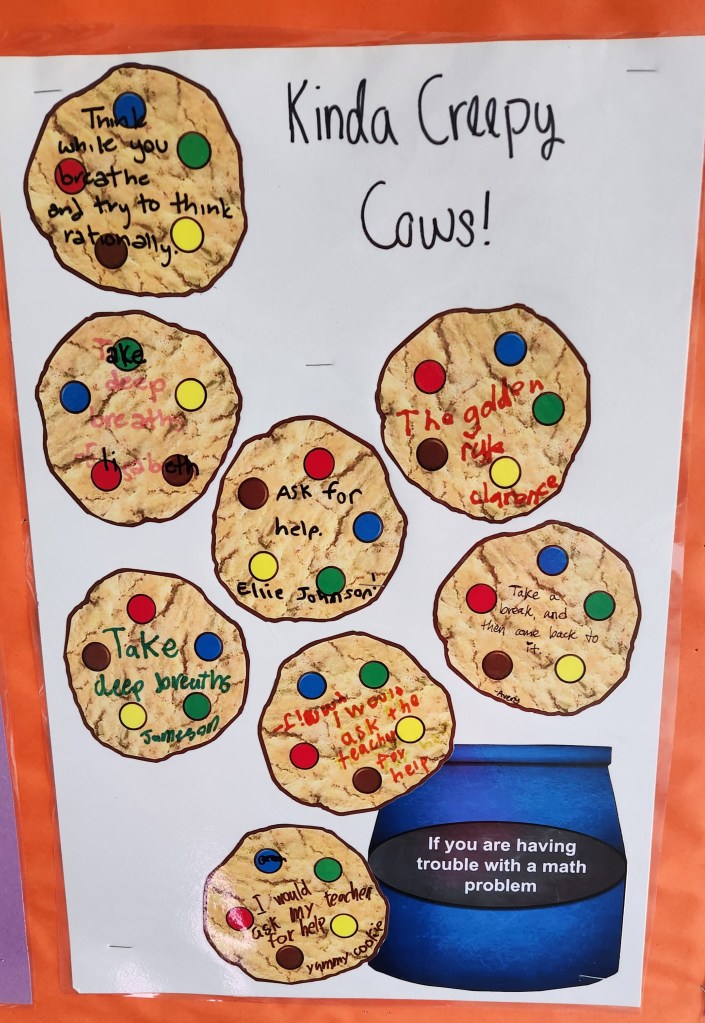
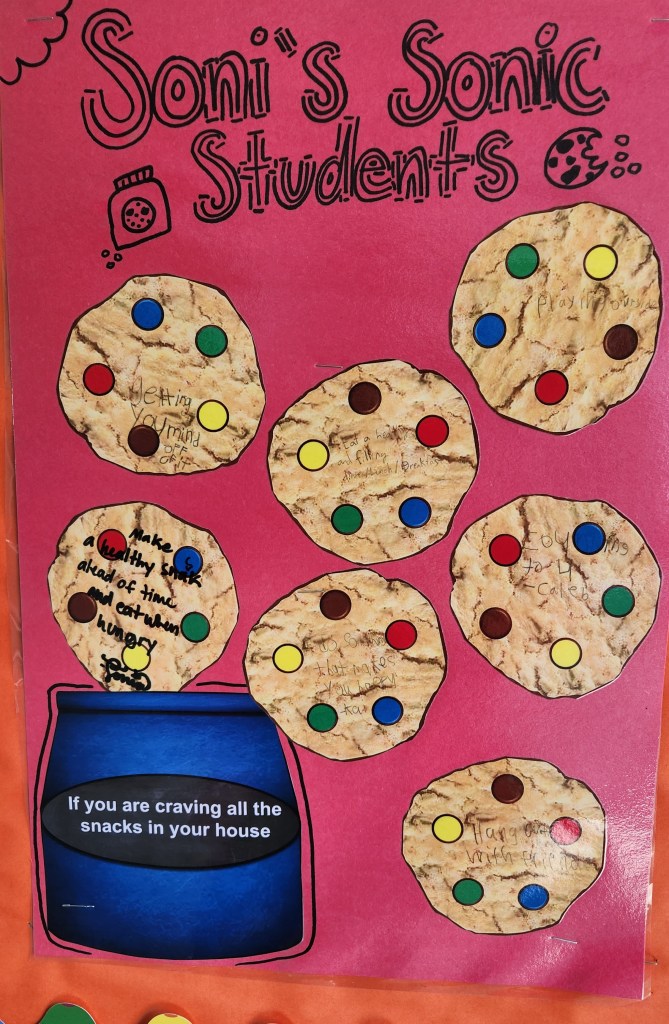
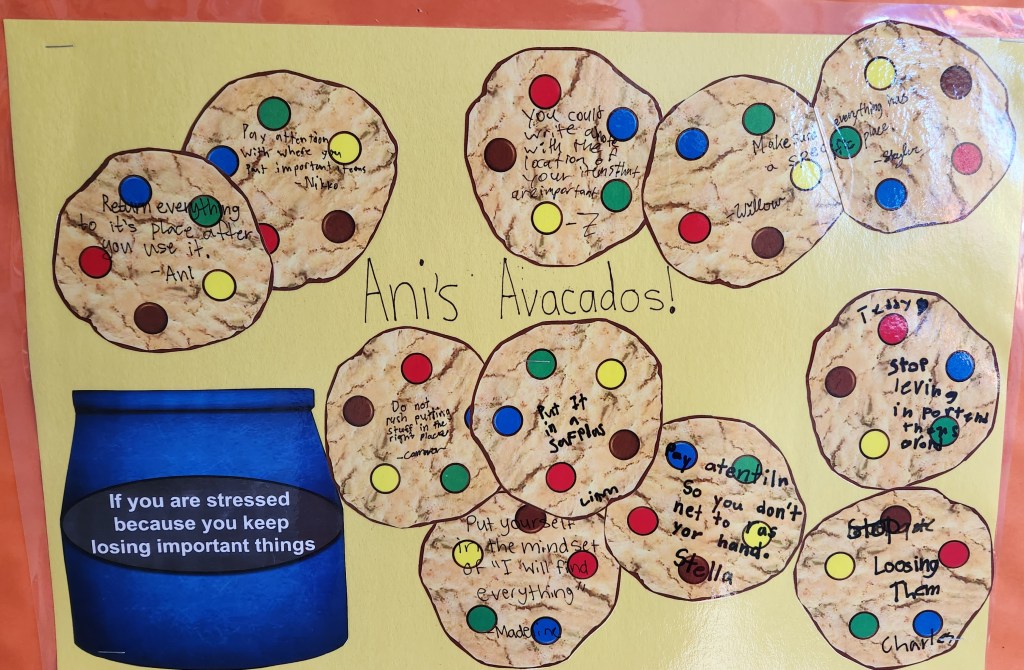
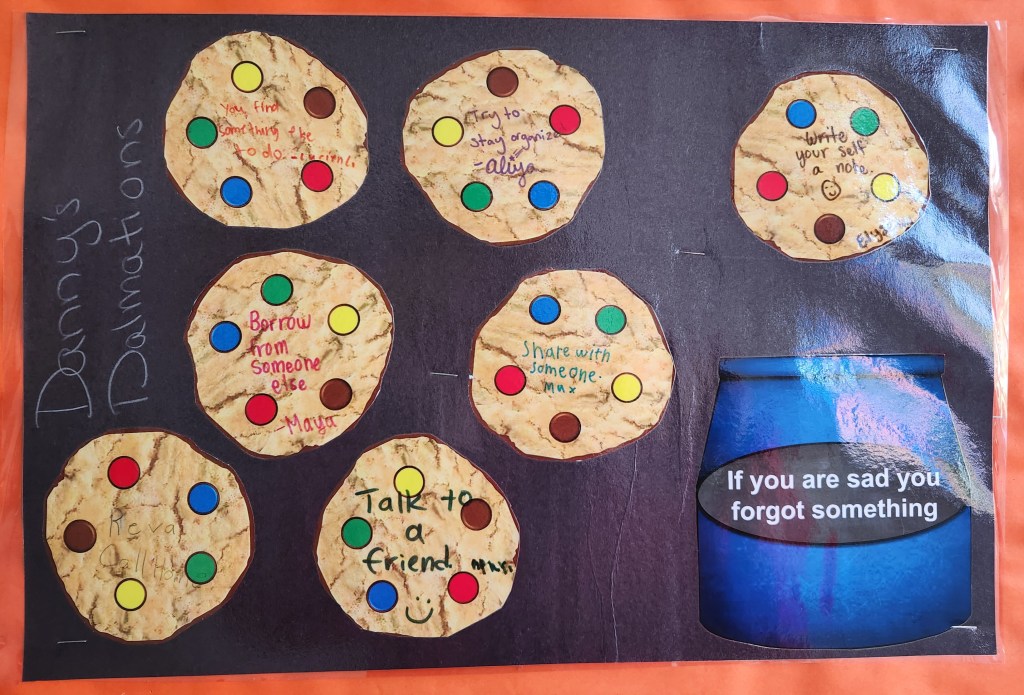
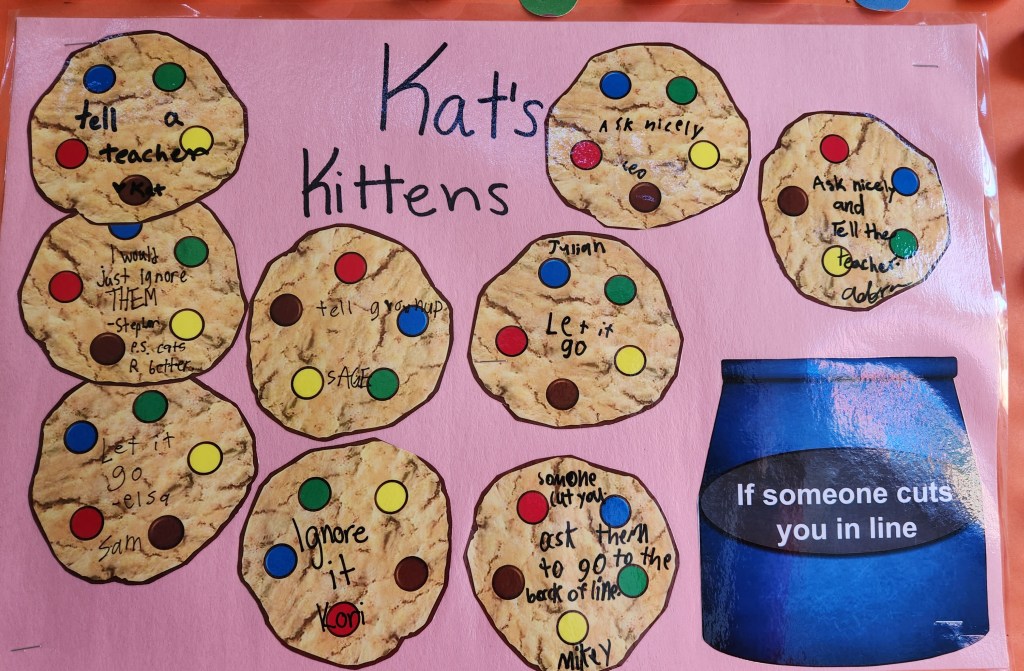
The family groups ended their time together by creating posters showcasing suggestions to help others practice self-discipline in specific circumstances. Check out their posters below!

#SaklanSEL

The Power of a Single Individual

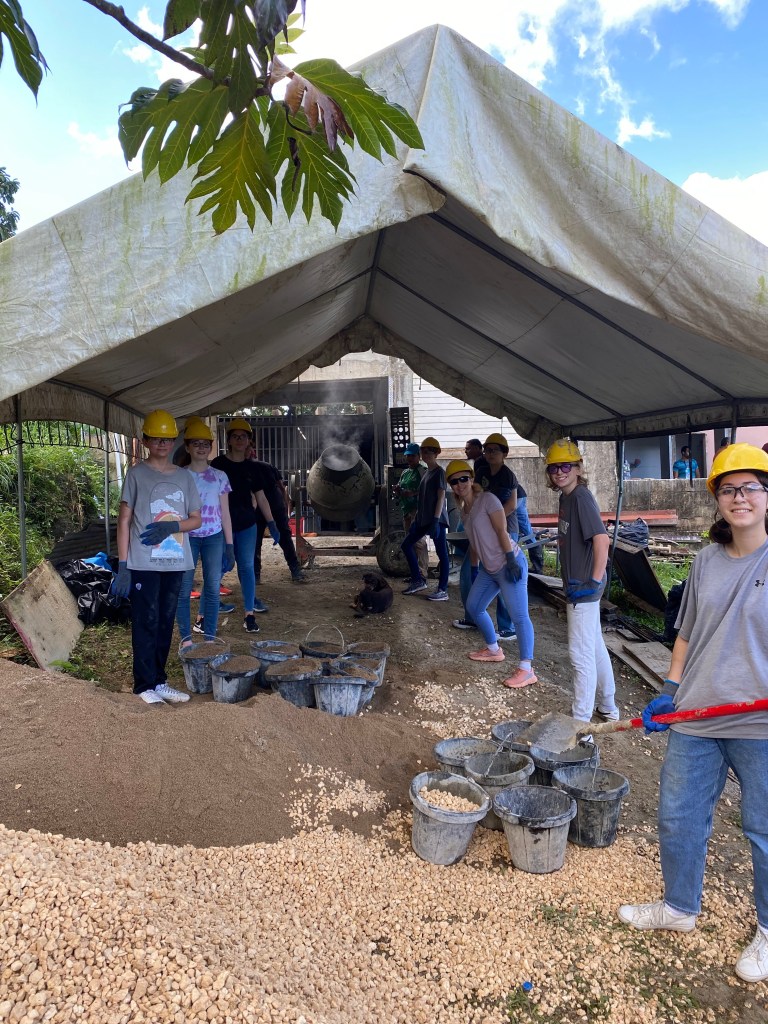
On September 20th, 2017, Hurricane Maria struck Puerto Rico with 155 mph winds and 40 inches of rainfall. The small community of Villa Del Rio was impacted like much of the island; houses blown off foundations, roofs torn off, down trees making roads impassable, and no running water or electricity for months. For Villa Del Rio, the worst thing may have been the isolation. For eight months, no one from the U.S. or Puerto Rican Government showed up to help. The community of Villa Del Rio was on its own. That meant rebuilding houses, fixing power lines, clearing roads, and sourcing clean water. It meant putting the community’s needs before the individual’s. 

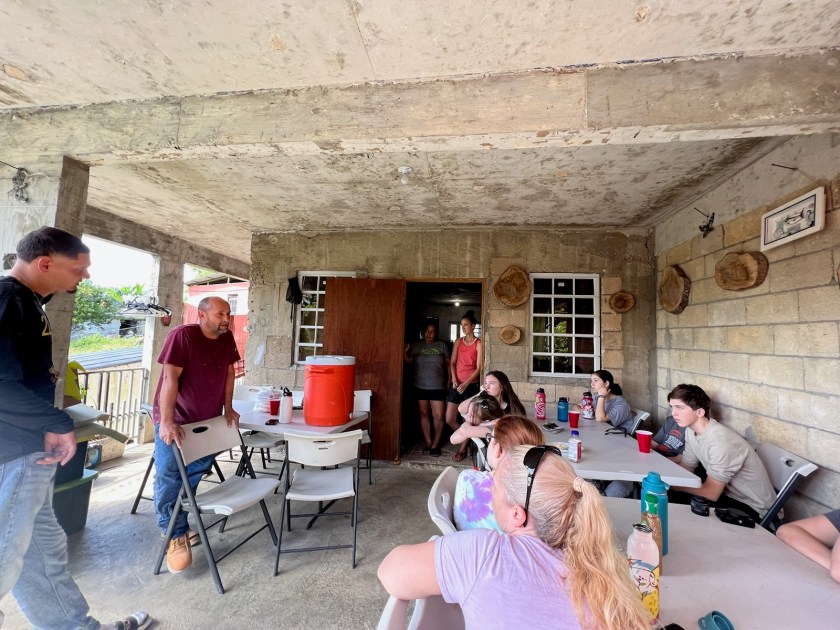
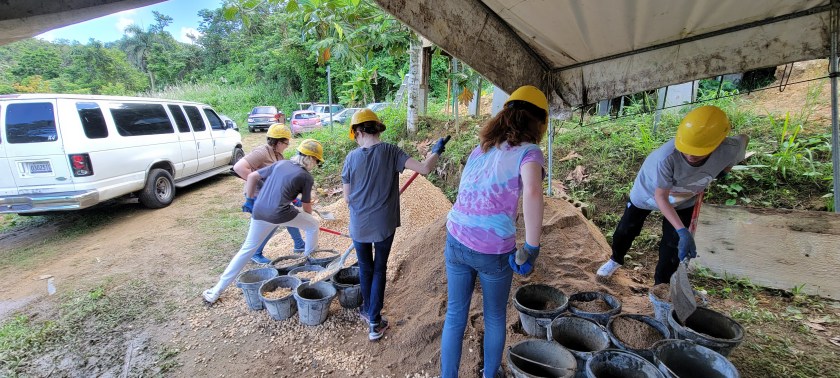
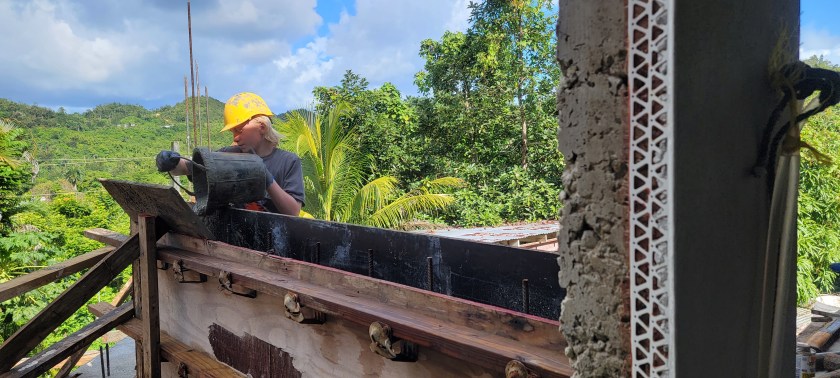
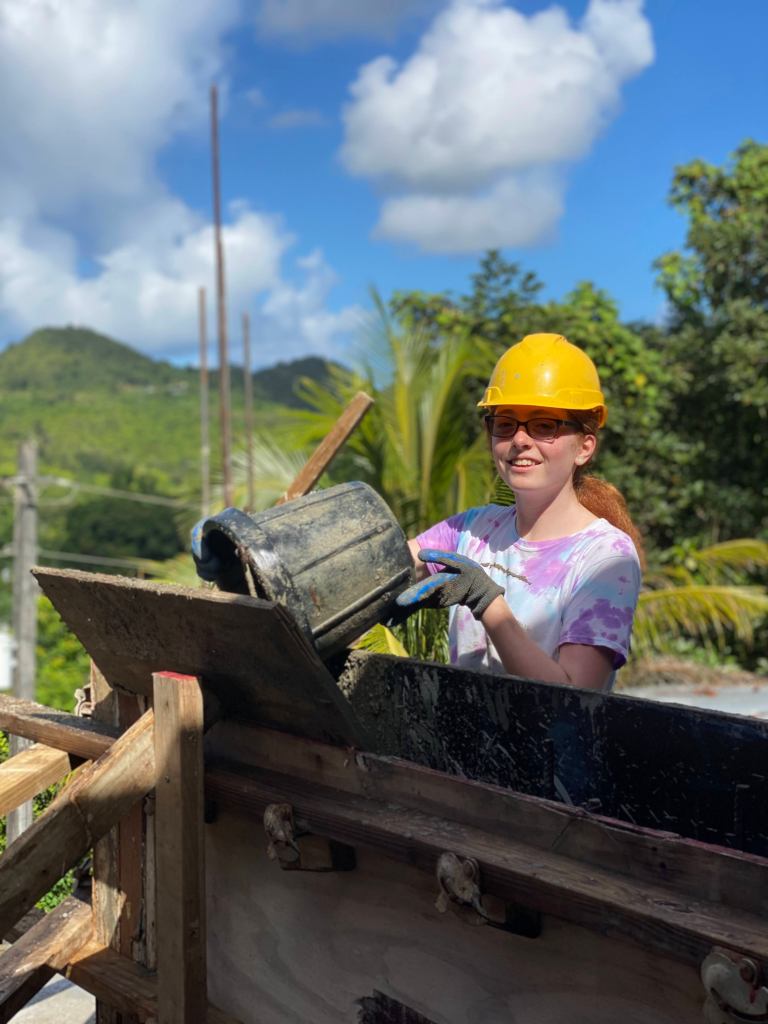
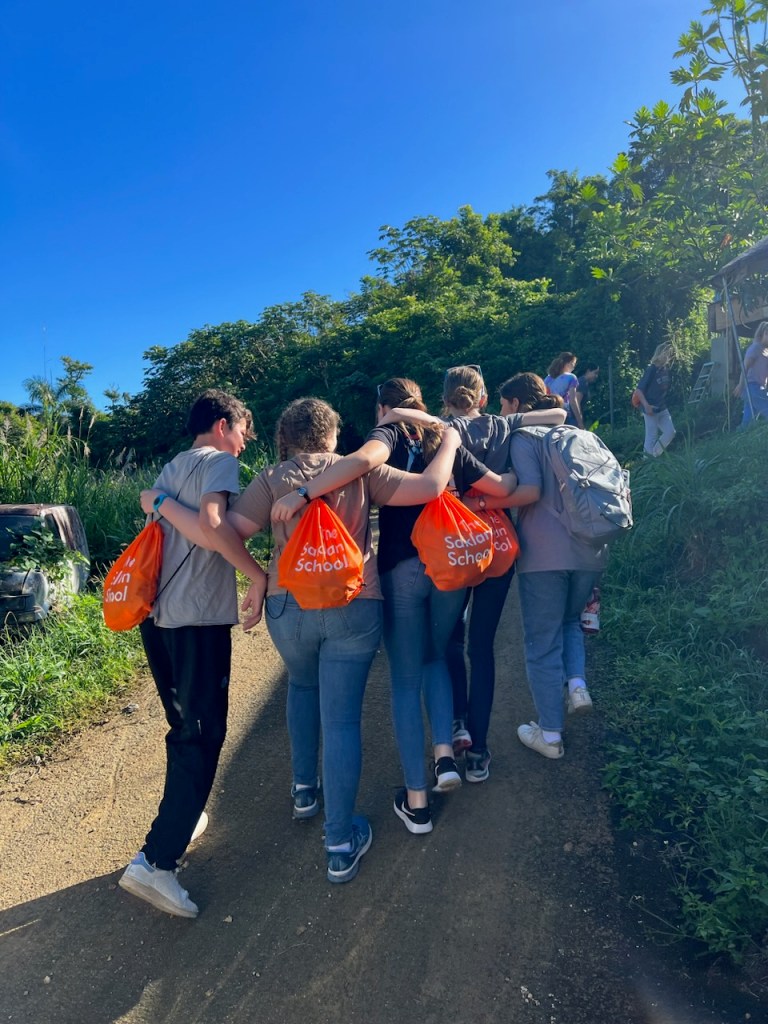
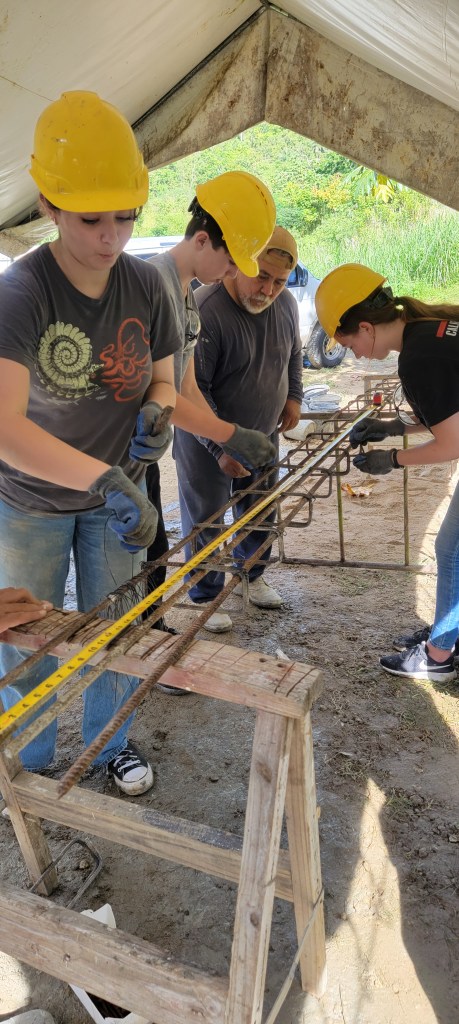
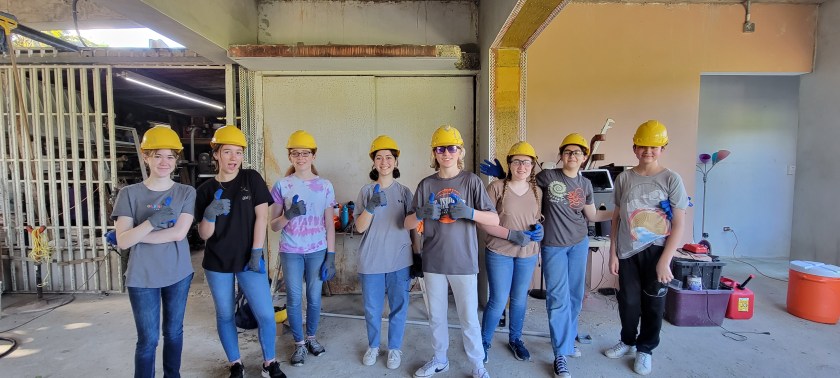
There are so many things that we want our 8th graders to take away from their service learning field experience in Puerto Rico. The confidence from succeeding in an environment well outside their comfort zone. The reward of doing hard manual work shoulder-to-shoulder with those rebuilding their lives. The understanding that even in a community that has lost so much, generosity, kindness, and warmth are still a key part of the social fabric. 

But the stories from people like Angel created the most significant moments.

Angel and his wife Maria were one of the founders of Villa Del Rio. He and his family had homesteaded in a tent for years until the Puerto Rican government issued land deeds. As a carpenter, he built his house from the ground up and raised his family. On September 20th, 2017, Hurricane Maria ripped the roof off his house and drenched his family’s possessions.

After the hurricane, Angel and his family lived under a flimsy blue tarp that covered what was once a beautifully crafted wooden roof. While Angel could have chosen to repair his roof after the storm, he saw others in his community that had greater need. Over the next four years, Angel used his carpentry skills to help his neighbors pick themselves up and rebuild while still sleeping under a leaky tarp roof. It was only when GlobalWorks insisted that the next project be his home that the tarp was replaced with a concrete roof. 

To work alongside people as selfless as Angel was transformational. It was a masterclass in the power of gratitude, love, and putting others first. Most of all, though, it was a life lesson in the power of a single individual to make the world a better place. 

With gratitude,

David

If you’d like to learn more about our students’ experience from their perspective, click here.

#HeadsCorner #SaklanFieldExperience

Helping the Food Insecure

Saklan’s seventh-grade class has been learning about food insecurity, both in our local communities as well as throughout the United States. Although the U.S. is one of the wealthiest countries in the world, we have a staggering 33 million people, including 5 million children, that are food insecure. The term “food insecure” is used to describe someone who does not have access to sufficient food or food of adequate quality to meet one’s basic needs. The primary causes of this issue are poverty, unemployment, lack of affordable housing, low income, chronic health conditions, and lack of access to healthcare. And sadly, the Covid-19 pandemic magnified these issues. Many people who never needed food support before the pandemic found themselves waiting in long lines each week at their local food banks.

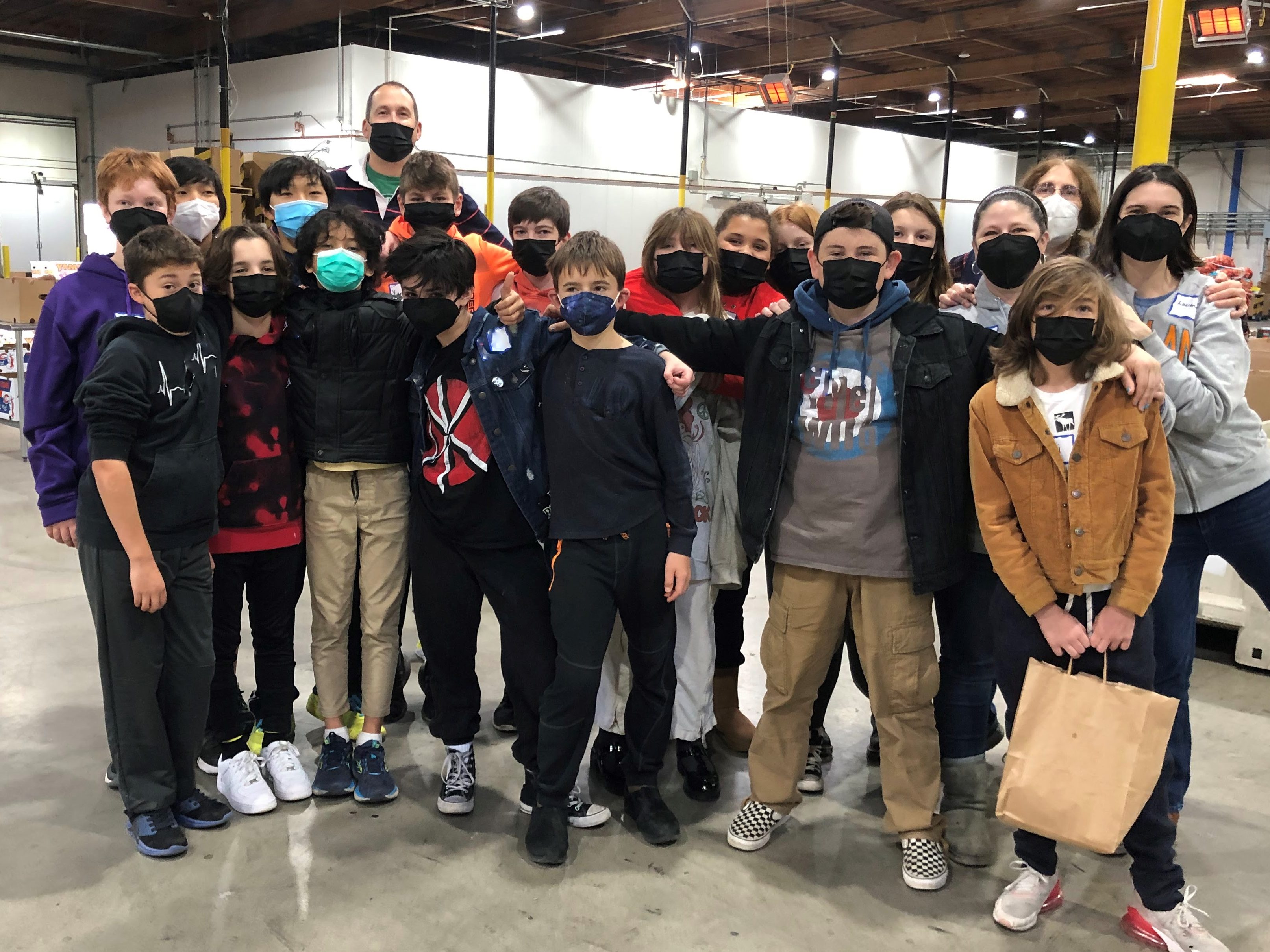
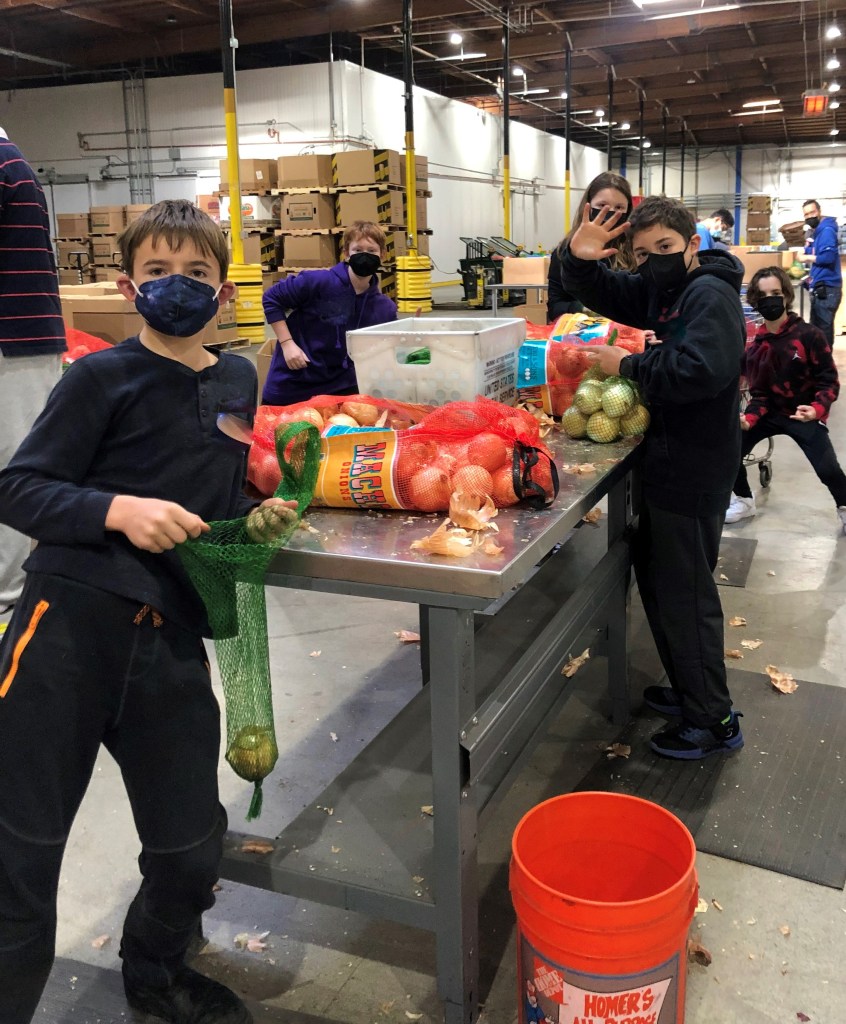
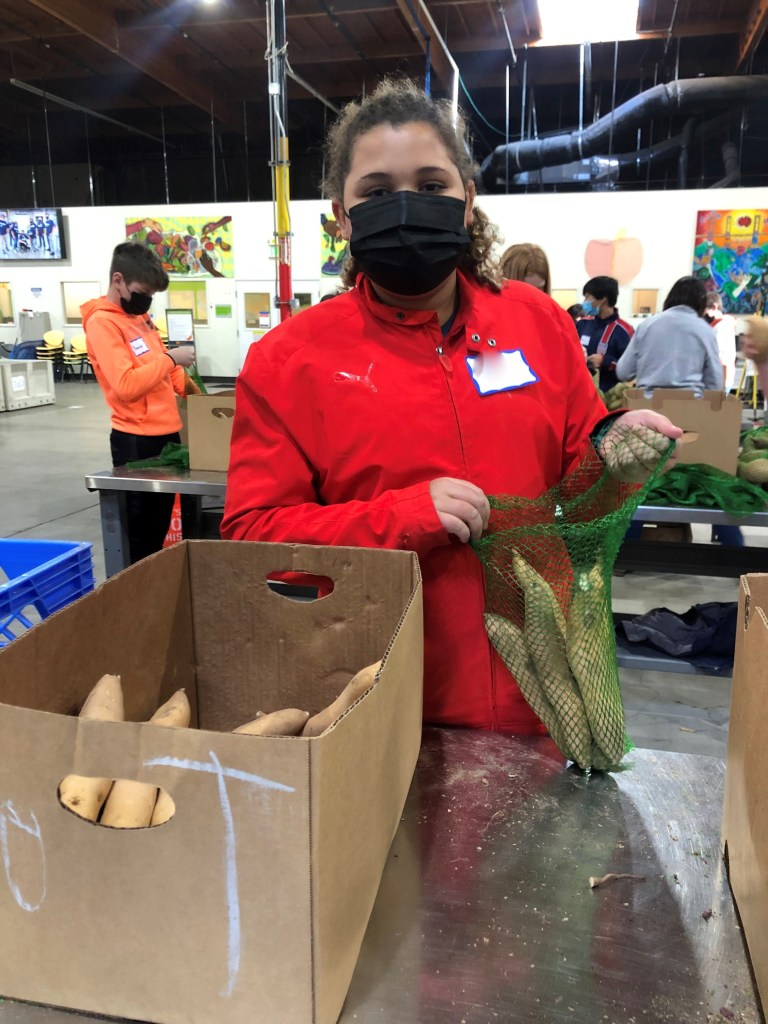
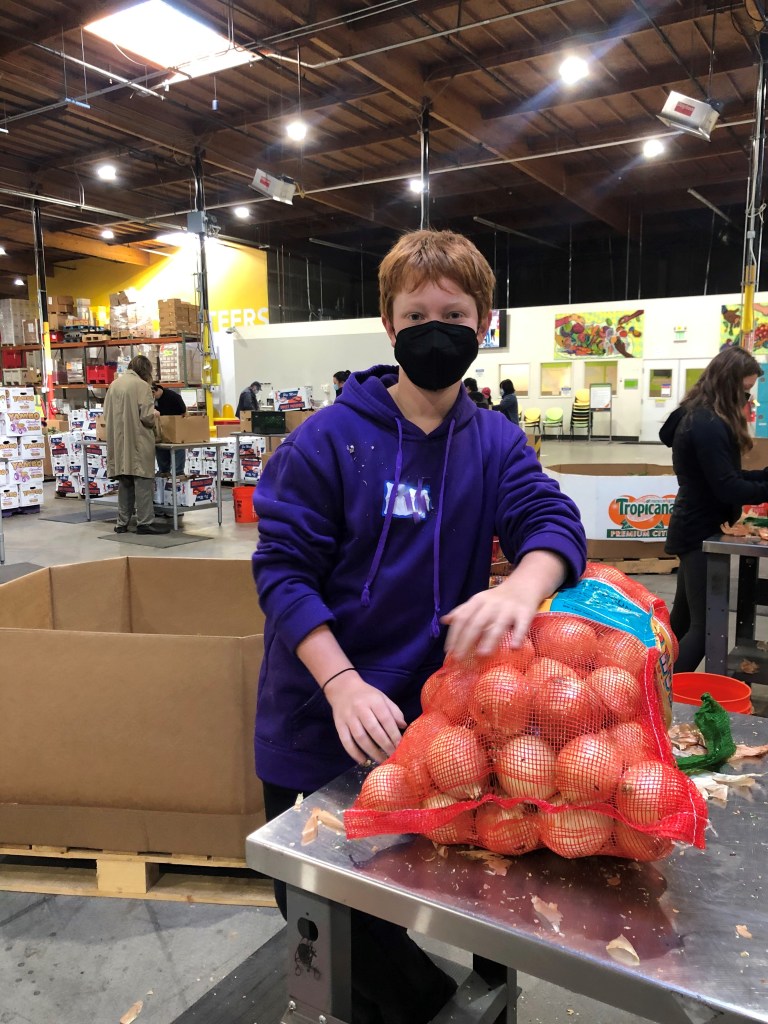
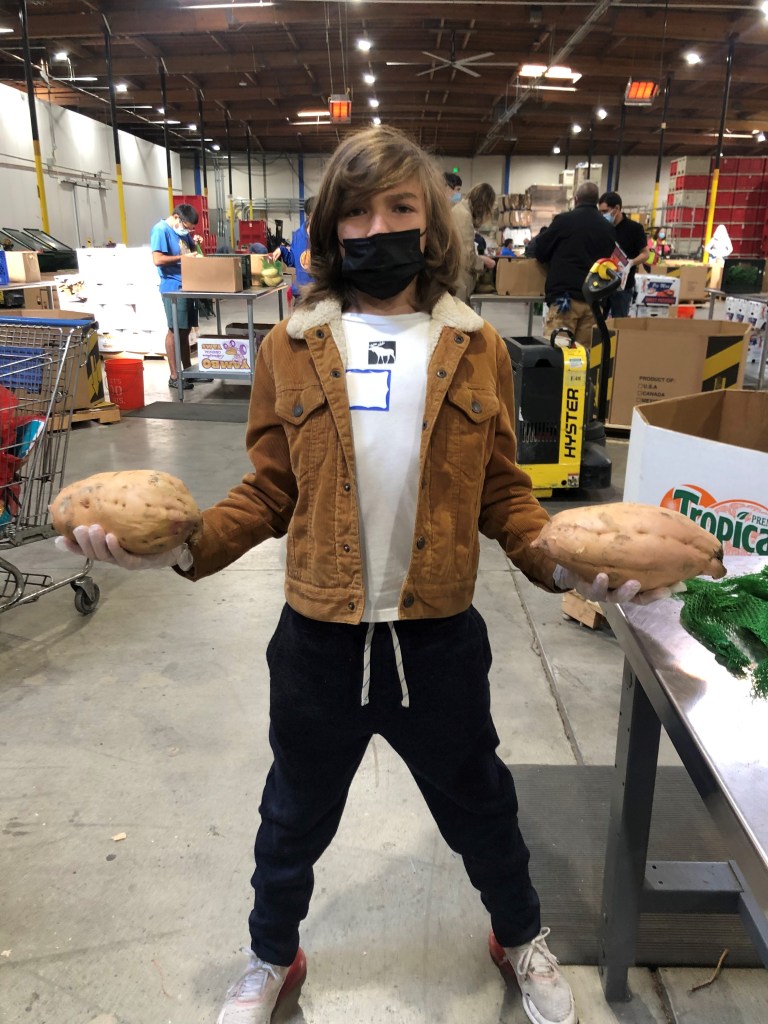
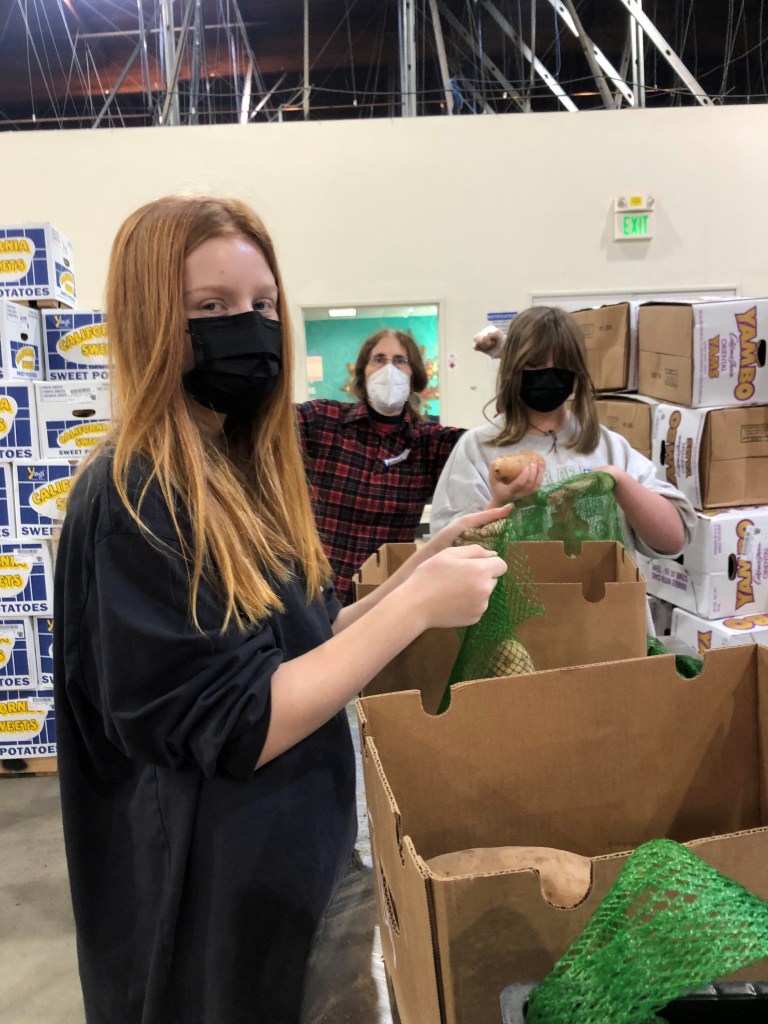
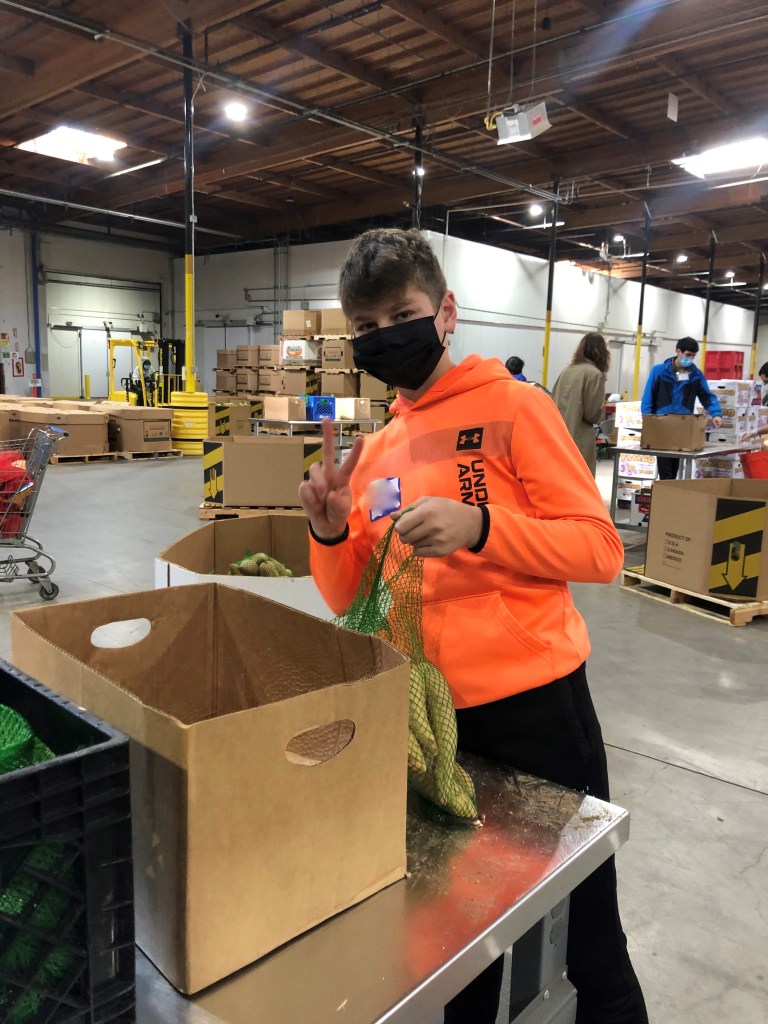
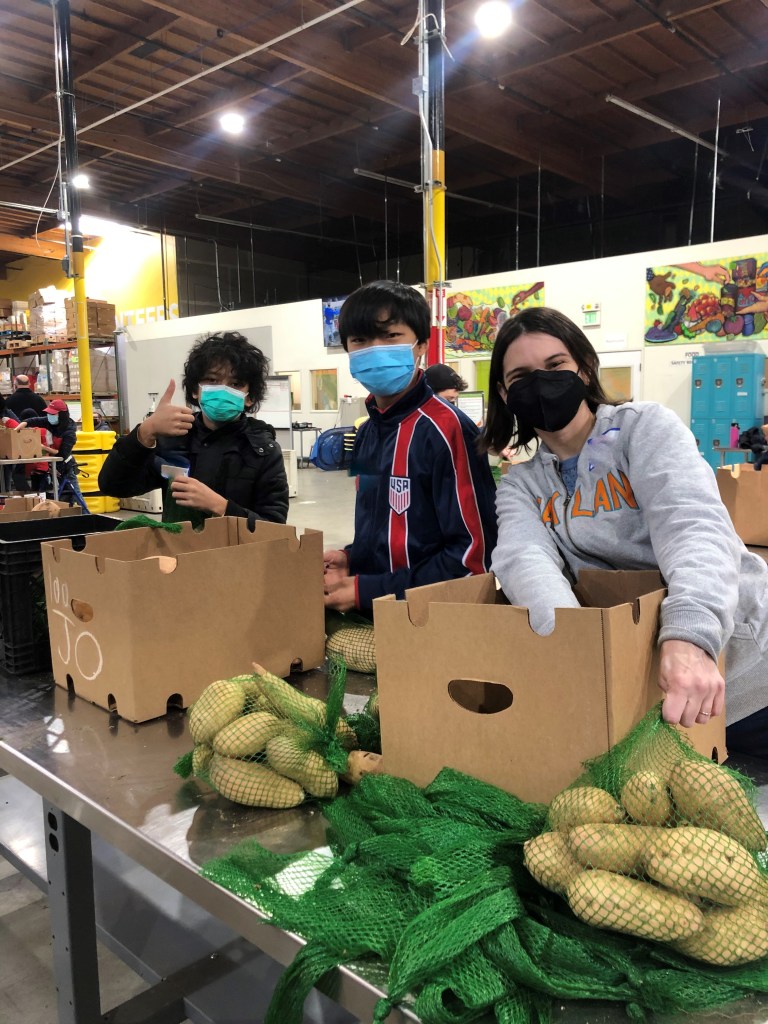
So as a way to teach our seventh graders how to make a difference and help get more food to people that need it, we decided to have them volunteer at the Alameda County Food Bank. The middle school teachers are proud to report that our students worked diligently, quickly, and with great motivation. The students understood that the more yams and onions that we bagged, the more meals and people they could help. Between Saklan and another group from Kaiser (roughly 50 people), they processed 15,902 pounds of vegetables and fruit. The students helped provide 13,199 meals, which worked out to each volunteer producing 259 meals. Our students and teachers were honored to help so many in a period of only 2 hours.

Saklan’s Middle School Teachers already have plans to take the other middle school students to volunteer at the Alameda County Food Bank in the new year.

If you are interested in volunteering, please click on this link.

Who Do Art Objects Truly Belong To?

Who do art objects truly belong to? Over the last six weeks, the 6th graders have been seeking to answer this driving question by exploring museum bias, researching significant artifacts, and understanding different present day arguments for and against repatriation of ancient art objects.

The sixth graders in front of the de Young Museum after touring the Ramses Exhibit.

After taking a trip to the de Young Museum to view the Ramses Exhibit, researching the significance of a chosen artifact, and speaking with experts from the Fine Arts Museums of San Francisco, Badé Museum, and Stanford University, their final milestone and public product for this unit was to select an aspect through which to answer the driving question. Some students focused on museum bias, others on big ideas around repatriation, still others on power and ethical issues in the worlds of archeology and museum preservation of ancient artifacts. You can read their manuscripts here, which have been submitted to KQED’s Youth Perspectives program for consideration to be published by KQED. 

#SaklanPBL

Exploring Charcoal Drawing

Middle schoolers are currently in the process of exploring the art form of charcoal drawing. They were first introduced to it by learning how to create a wide range of values through the rendering of 3-D forms. Now that they’ve built some familiarity, they’re starting to stretch their understanding of how this art material can be used.

Recently they’ve observed and analyzed the work of Heather Hansen, a performance artist who makes large, symmetrical, gestural charcoal drawings. Trained in both dance and visual art, Hansen is fascinated by using charcoal to document the movement of her body through an almost meditative process. After viewing her work and learning about her background, the students began to experiment working in her drawing style. 

Each student sat on the floor with their paper and a stick of charcoal in each hand and practiced making large, synchronized, gestural movements with their arms while drawing. Next, they teamed up with a classmate to create a second artwork where they repeated the process of the previous drawing, but had to also mirror the movement of their partners.

#SaklanCreative

Fish in the Lake

The 8th graders finished their proportions unit with an activity that extended their work from the R/V Robert G. Brownlee discovery voyage with the Marine Science Institute last year. On the Brownlee, the 8th graders used a drift net to catch and examine different fish in San Francisco Bay. This year they used mathematics to figure out a population in a large body of water by taking a sample.

Their task was to determine the number of “fish” (beans) in their “lake” (a paper bag) as accurately as possible, without actually counting the fish. To do this, the 8th graders used a “net” (a small cup) to take an initial sample. They measured the number of “fish” in their sample and tagged them by replacing the red beans with white ones.

Then, they returned these tagged fish back into their lake. When they took a second sample, they counted how many tagged fish were in their sample, made a ratio, and set it equal to the ratio. Next, students solved for the unknown number of fish in the lake. The 8th graders repeated this process again. If they thought their calculations were close to the actual number of “fish” in the “lake,” they stopped and recorded their work. If they thought another sample would be helpful to get a more accurate total, they repeated the process again. Finally, they counted the total number of beans in the bag and saw how close they were to their calculations. The three groups had varied success-one was within 10% of their total, but all the groups got extra proportion practice in a real-world science application!

#SaklanMath #SaklanHandsOn

Catching Criminals

The seventh graders have been learning about DNA. They explored the traits found on DNA, learned about the human genome project to map those traits, and then studied how technology can be used to isolate traits. The seventh graders now understand how technology is used to determine genetic similarities between parents and evolutionary family lines.

The students conducted an experiment to help them understand how criminals can be caught using DNA found at a crime scene. Through the process of gel electrophoresis, students separated colored dyes and tried to find out which colors were more closely related.

Next the seventh graders will learn about genetic engineering.

#SaklanScience #SaklanHandsOn