Laying the Foundation

On September 20th, 2017, Hurricane Maria struck Puerto Rico with 155 mph winds and 40 inches of rainfall. The small community of Villa Del Rio was impacted like much of the island; houses blown off foundations, roofs torn off, down trees making roads impassable, and no running water or electricity for months. For Villa Del Rio, the worst thing may have been the isolation. For eight months, no one from the U.S. or Puerto Rican Government showed up to help. The community of Villa Del Rio was on its own. That meant rebuilding houses, fixing power lines, clearing roads, and sourcing clean water. It meant putting the community’s needs before the individual’s. 

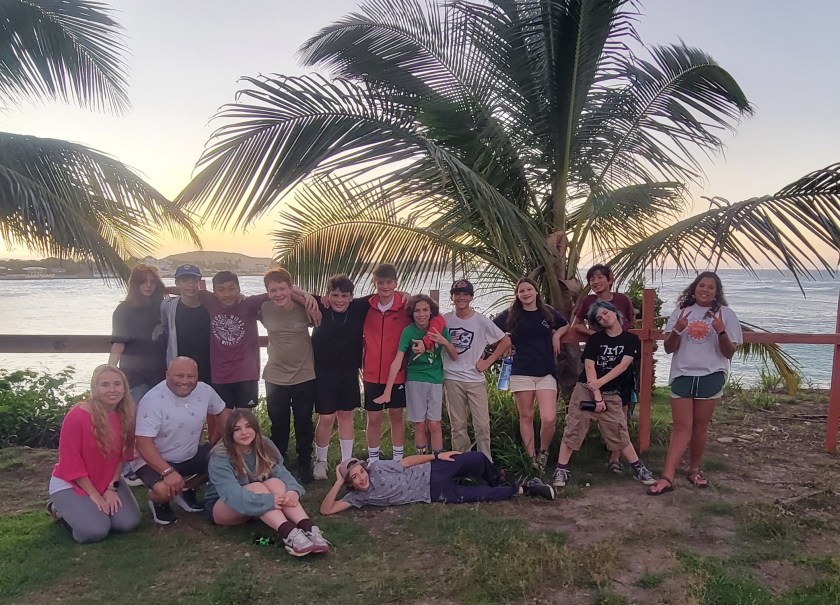
There are so many things that we want our 8th graders to take away from their service learning field experience in Puerto Rico. The confidence from succeeding in an environment well outside their comfort zone. The reward of doing hard manual work, shoulder-to-shoulder with those rebuilding their lives. The understanding that even in a community that has lost so much, generosity, kindness, and warmth are still a key part of the social fabric. 

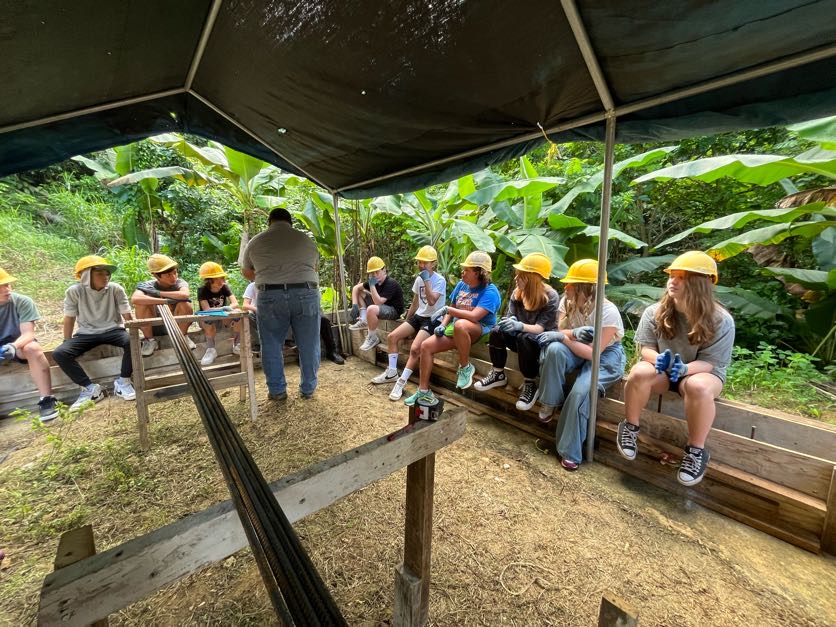
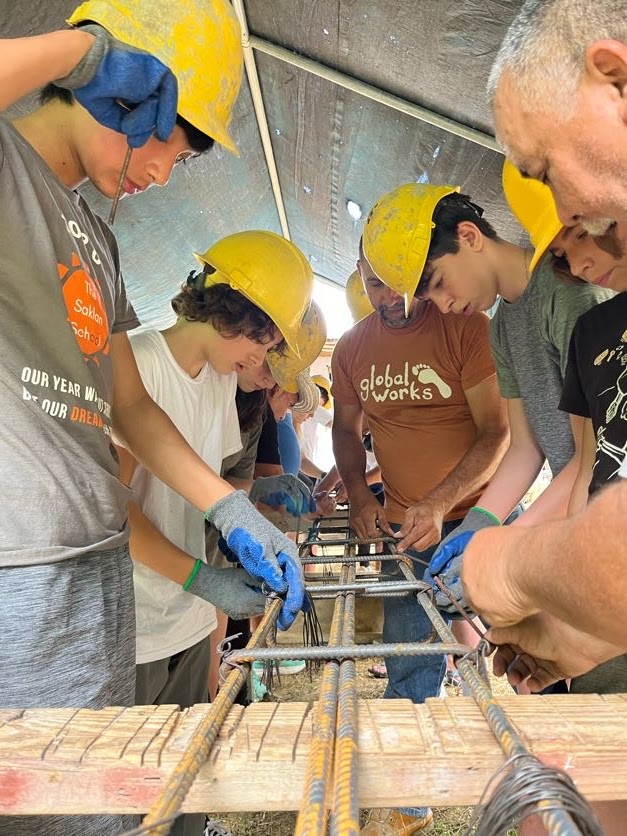
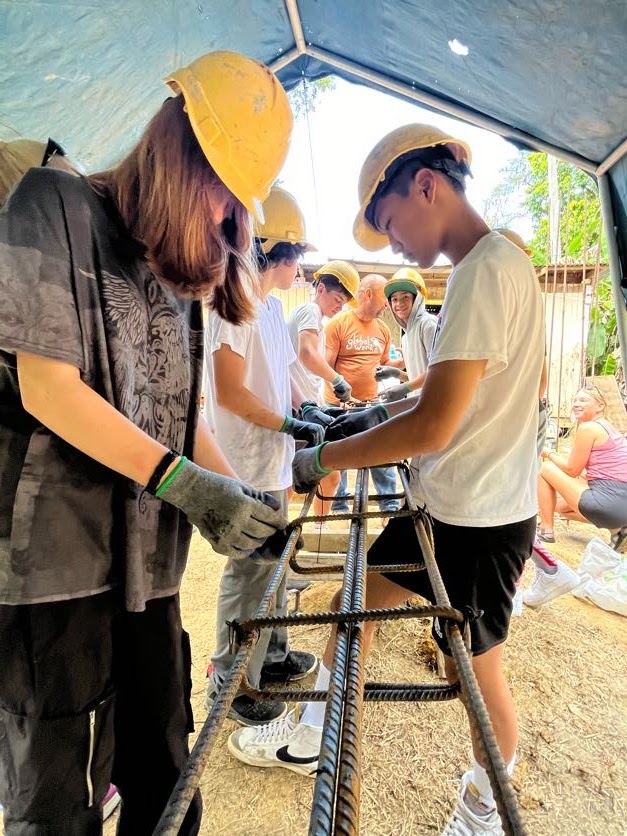
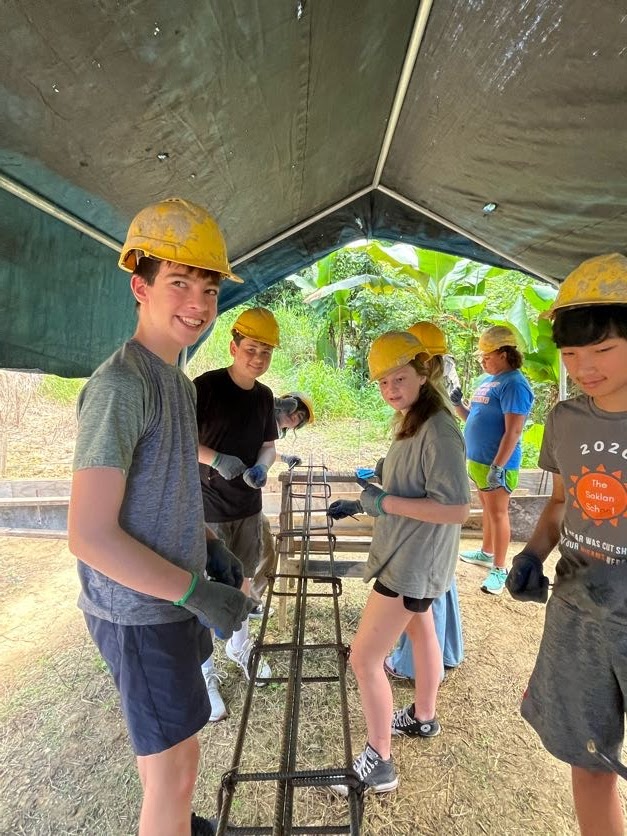
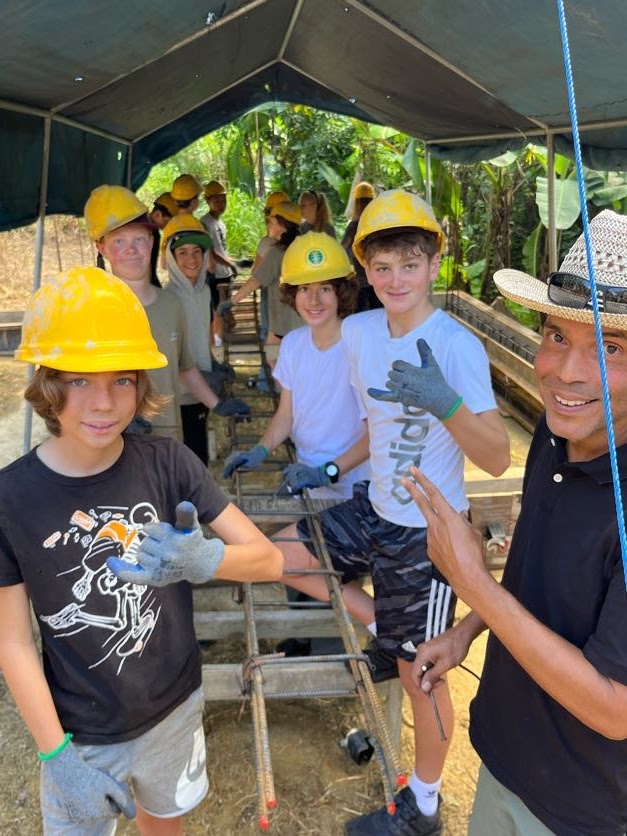
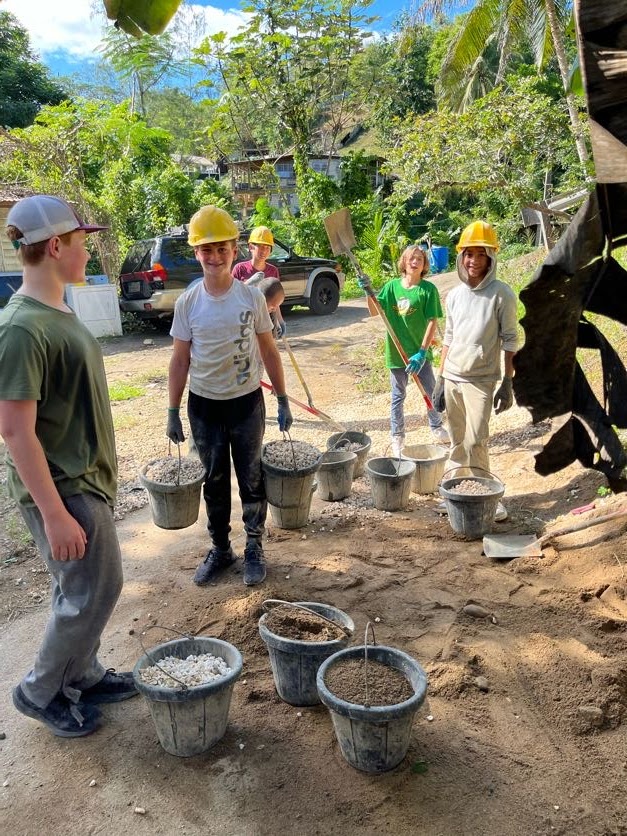
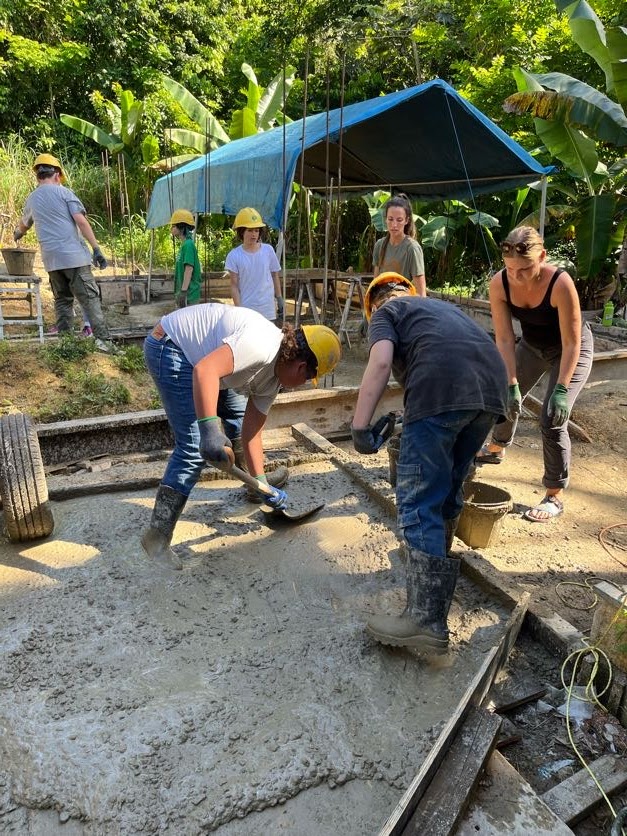
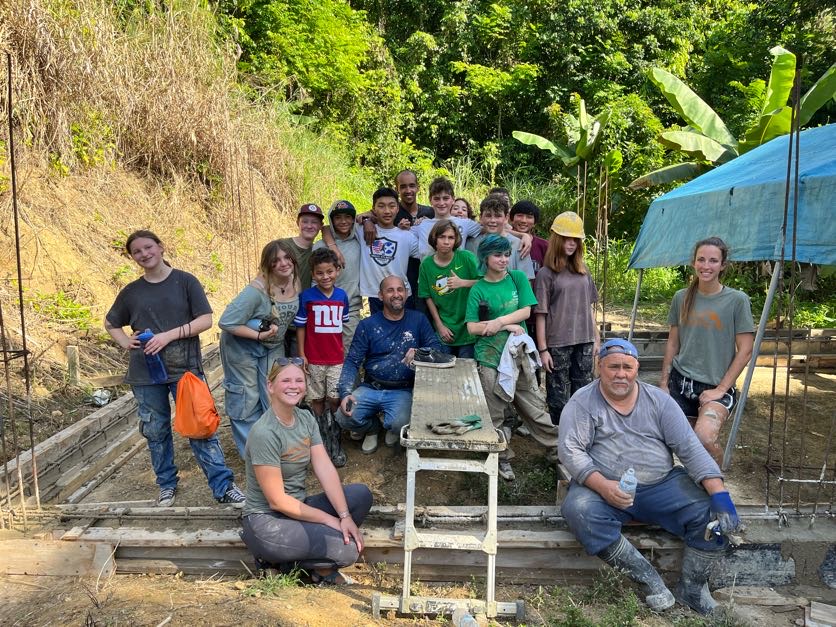
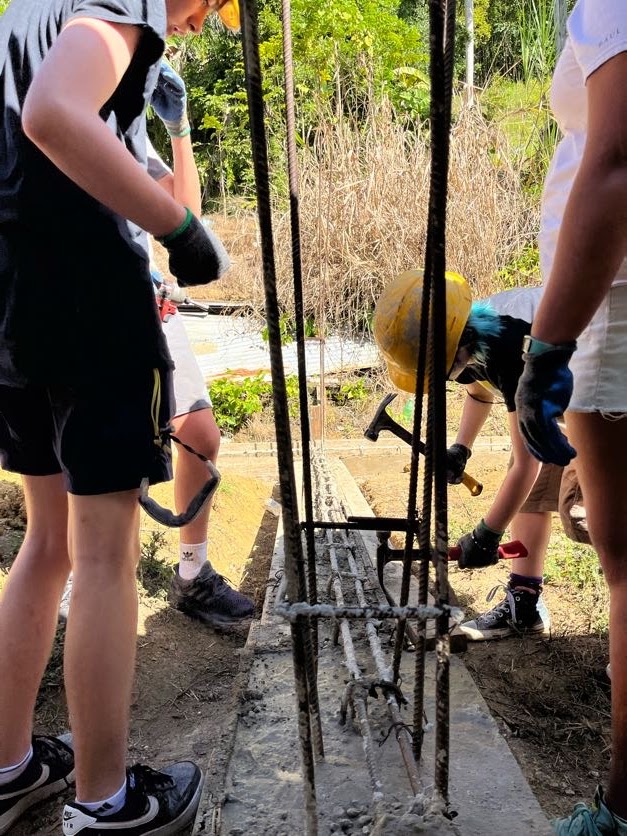
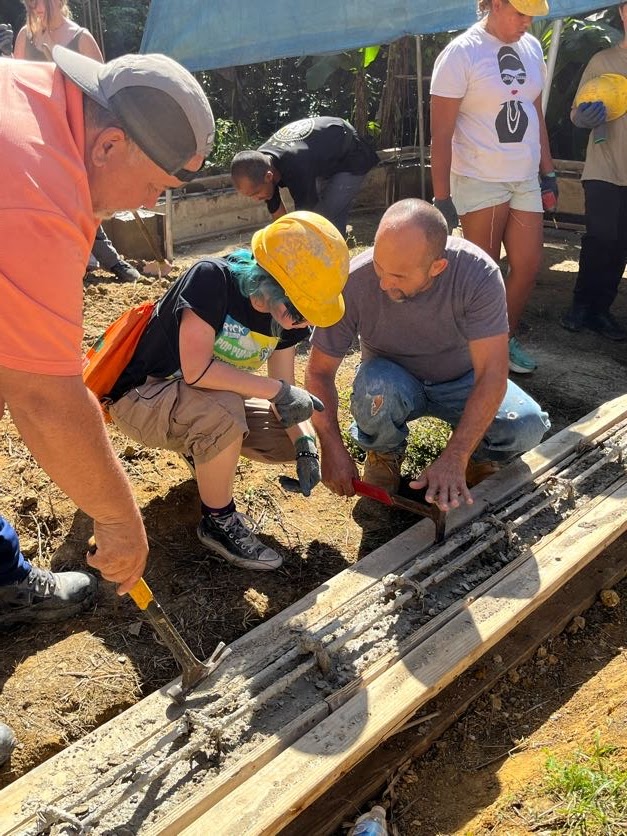
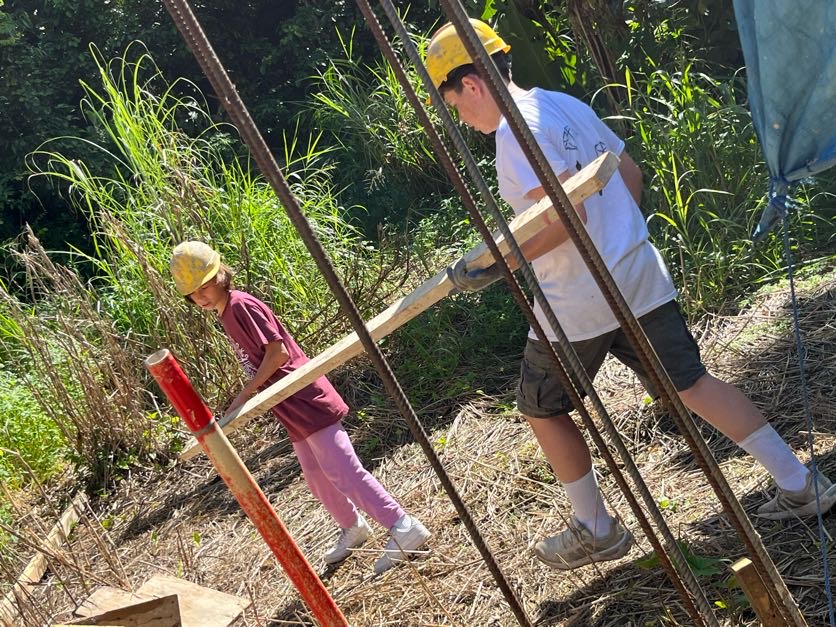
Students worked alongside Angel and William, our GlobalWorks locals who live in the community of Villa Del Rio and also were affected by the hurricane, to help build the foundation of a home for a man named Felix. Felix lost his home to Maria. After the hurricane, he picked up any scraps he could to build a makeshift house to live in. He has been very grateful for the one-room home he created and has lived in for the last few years, but now looks to secure a hurricane-proof home for his family. Our students were the first step in that process.

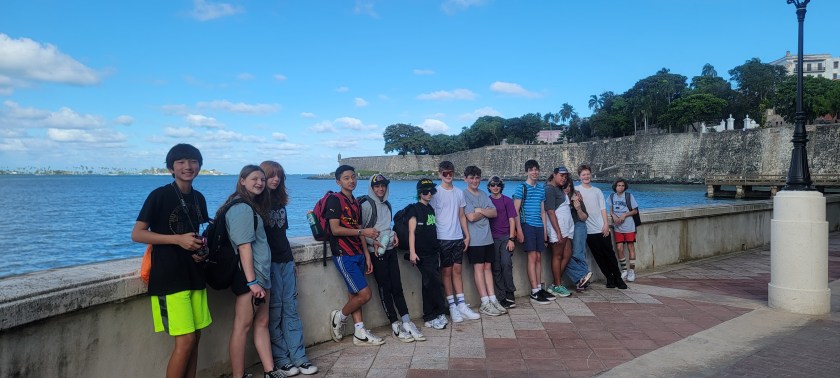
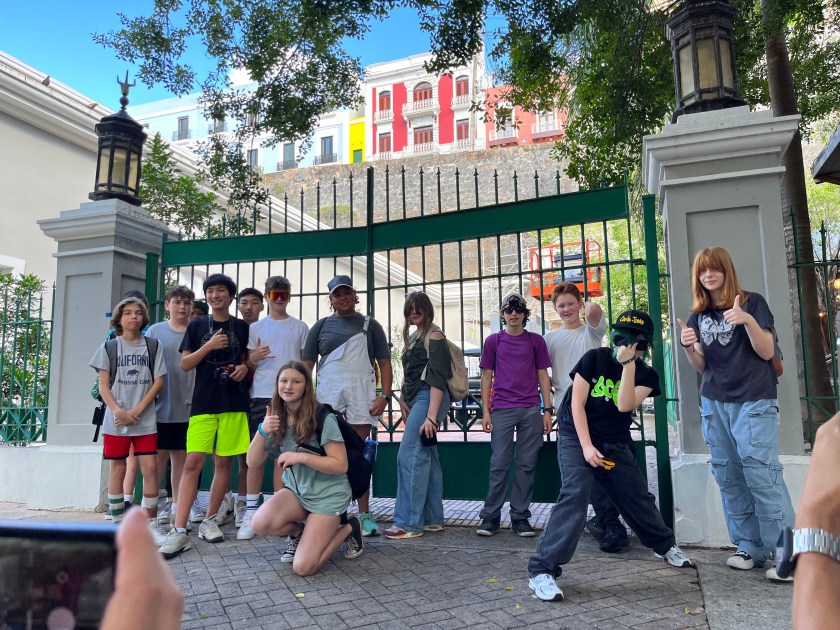
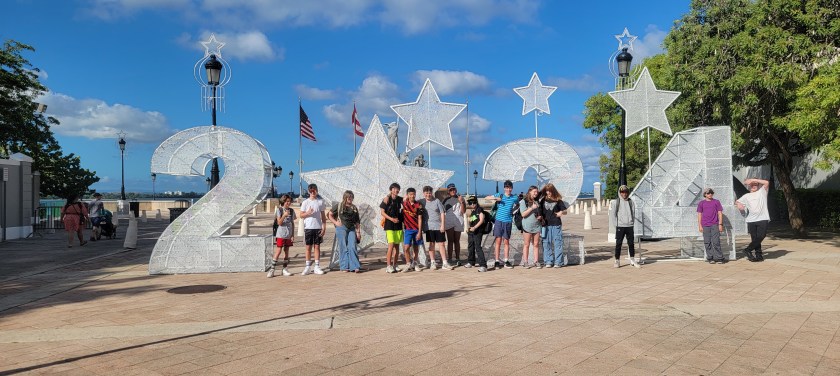
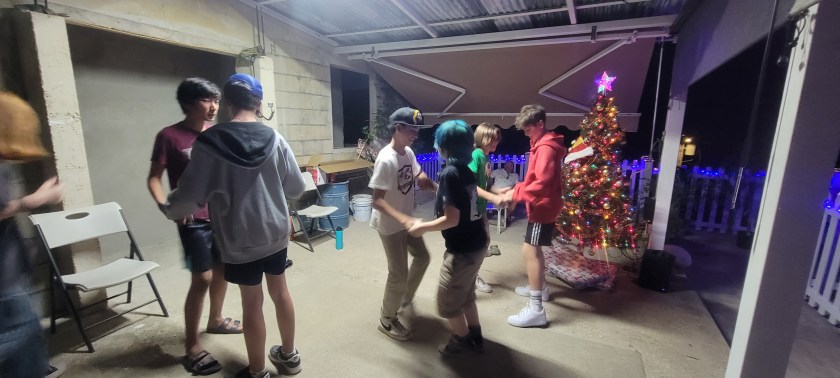
Our students spent their days learning about the history and culture of Puerto Rico by getting a tour of San Juan, seeing the street art murals in Santurce, learning to dance Salsa, and interviewing native Puerto Ricans about their experience during Hurricane Maria.

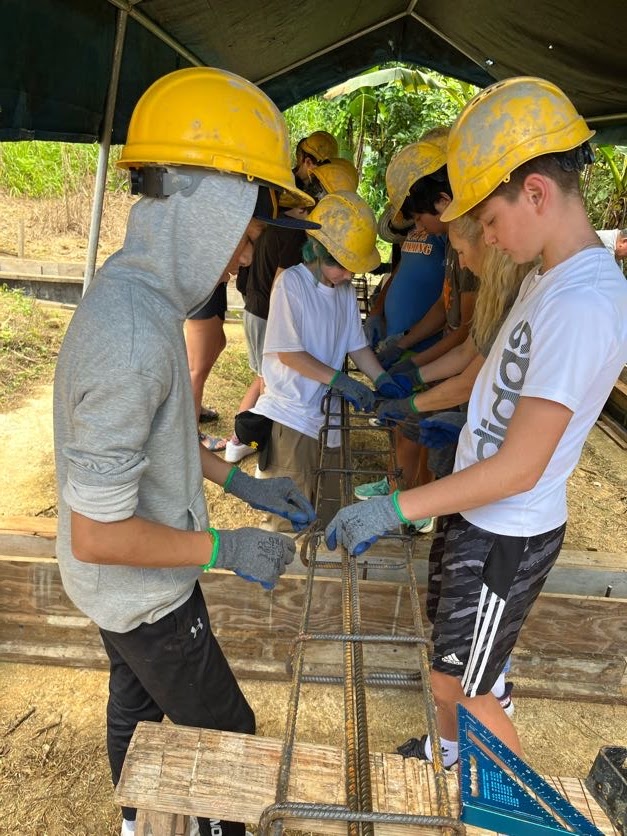
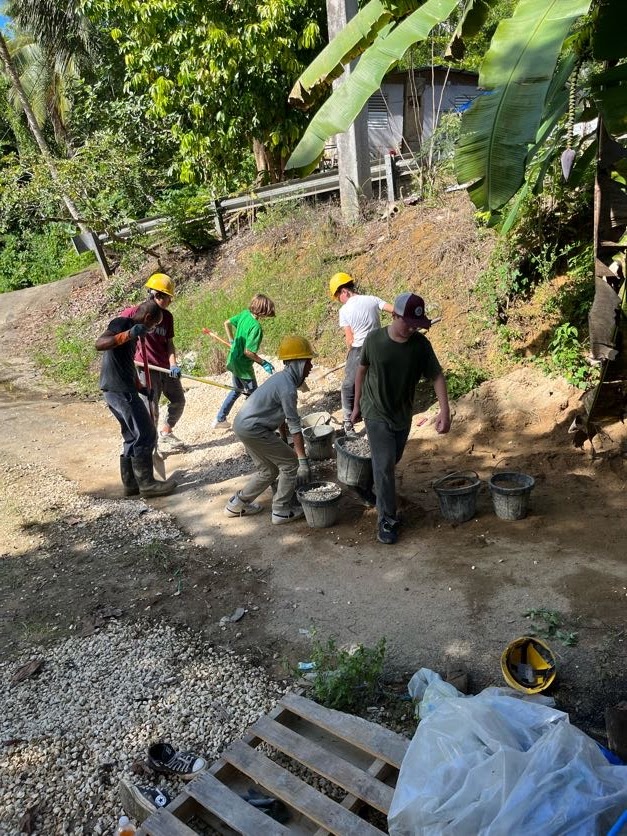
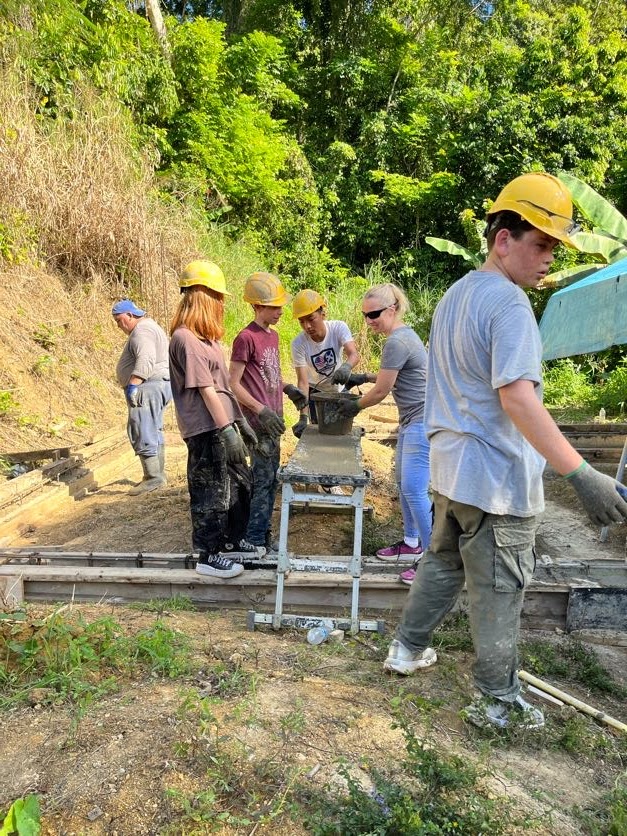
The students learned about the stories of the locals and what it takes to build a structure that can withstand a hurricane by working to build a foundation for a home by:

  • Securing rebar beams
  • Shoveling rocks, sand and cement
  • Passing cement to create beams
  • Cleaning up the bottom foundation of the home

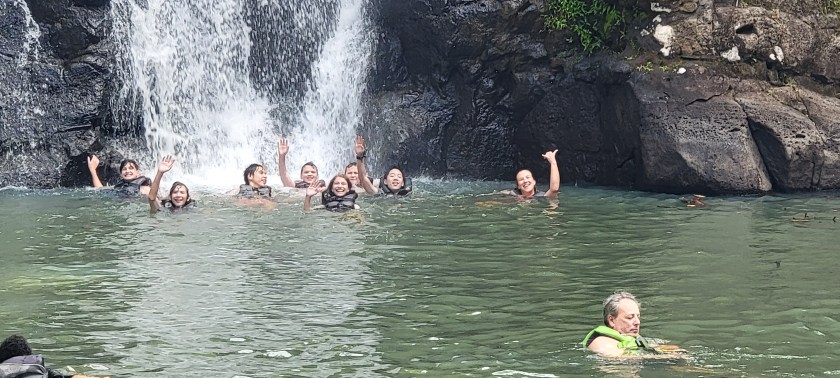
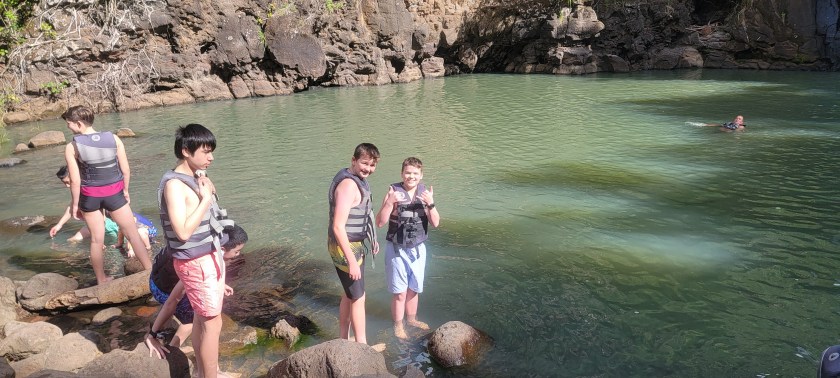
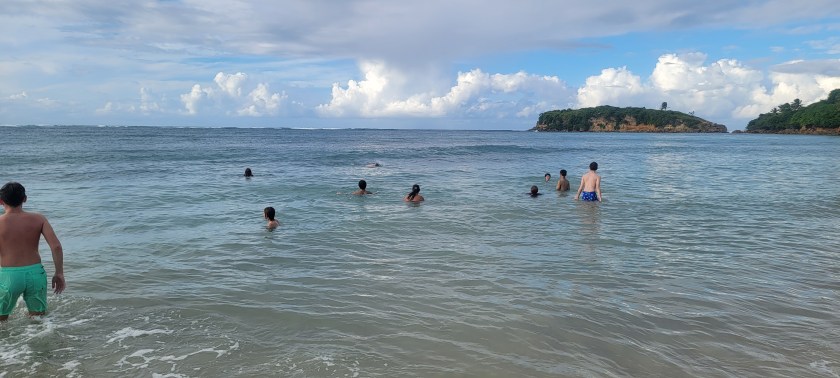
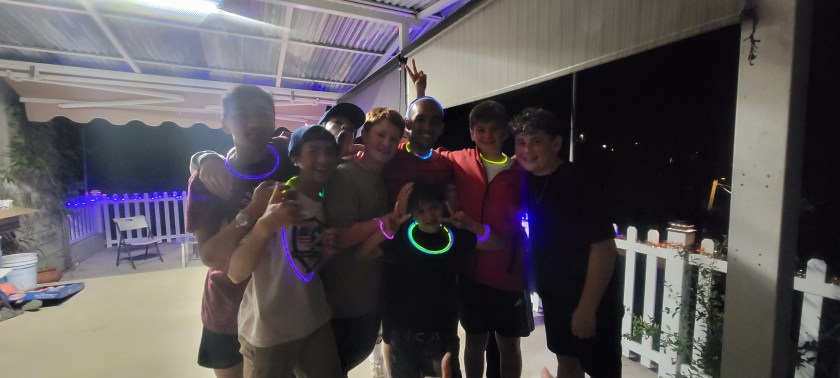
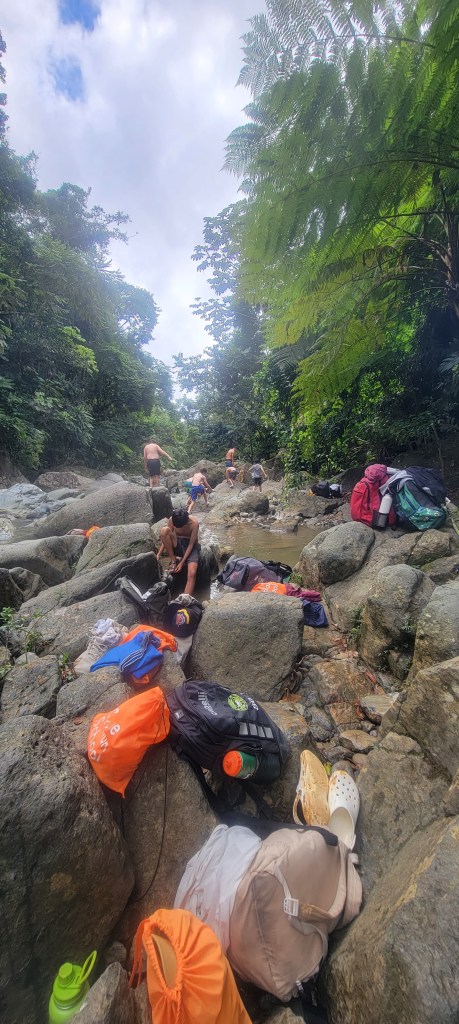
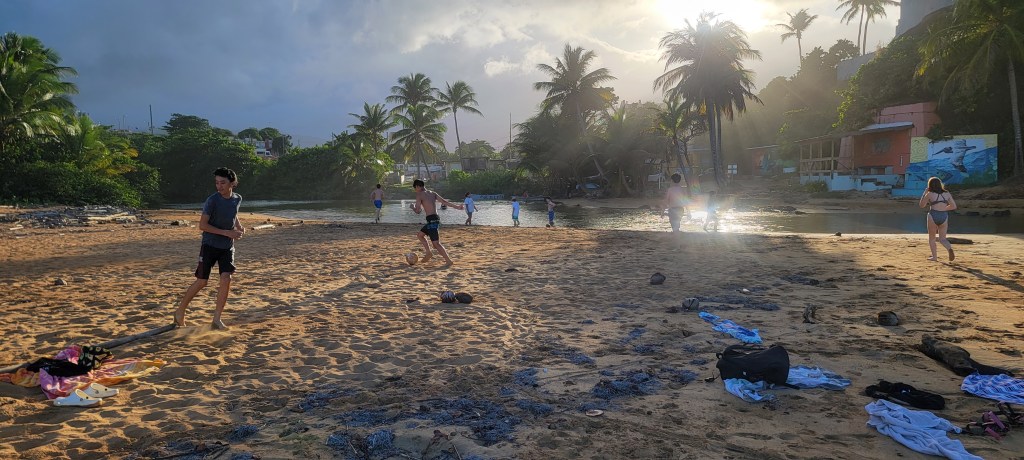
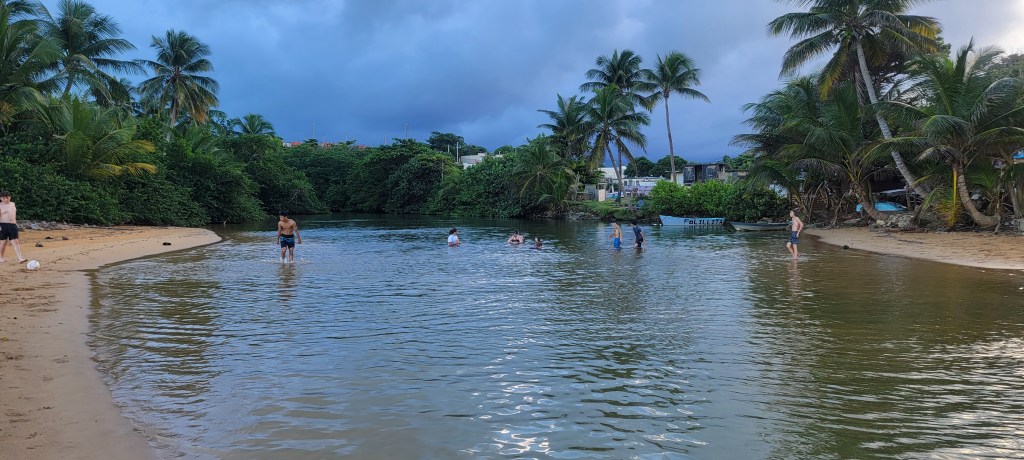
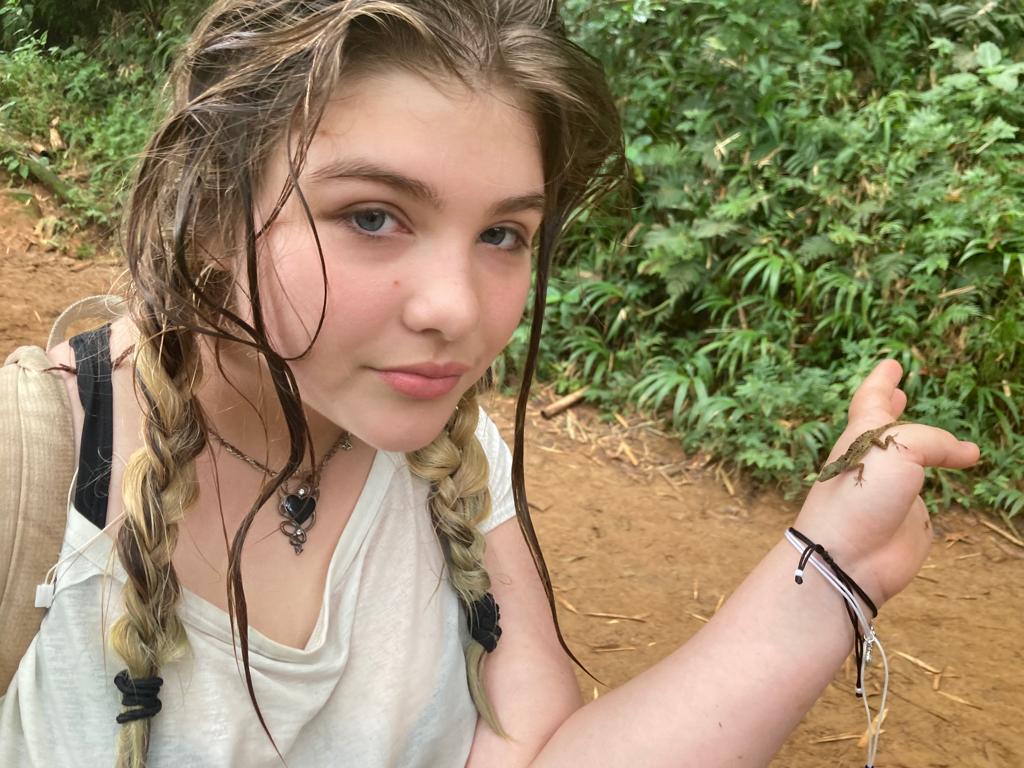
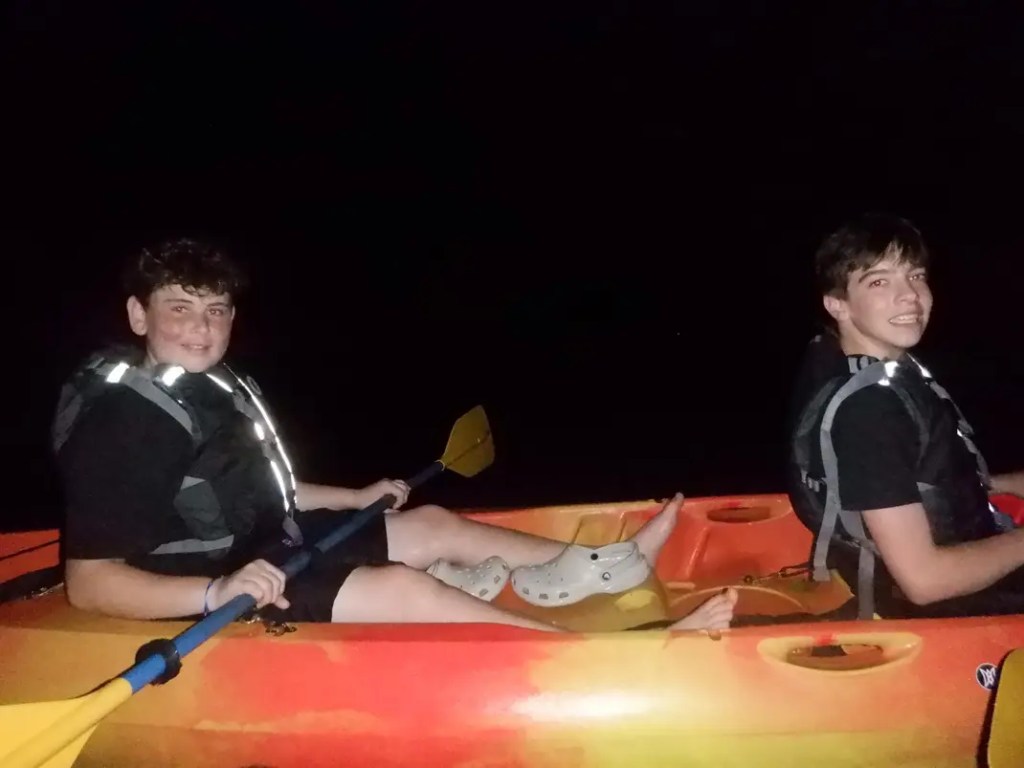
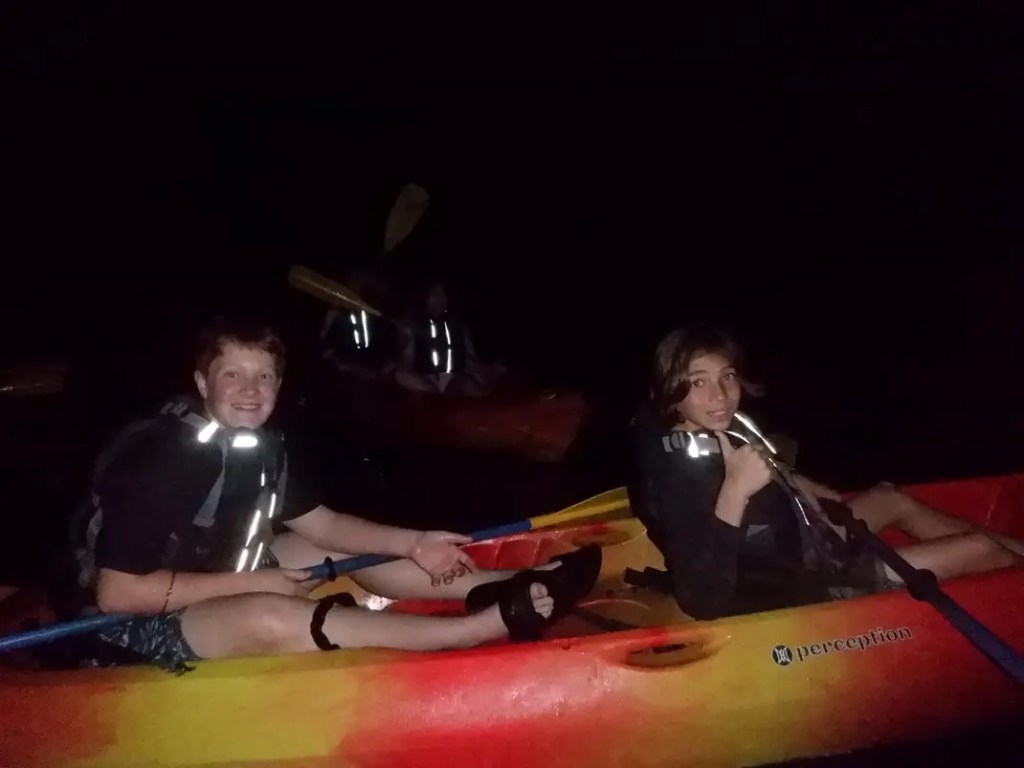
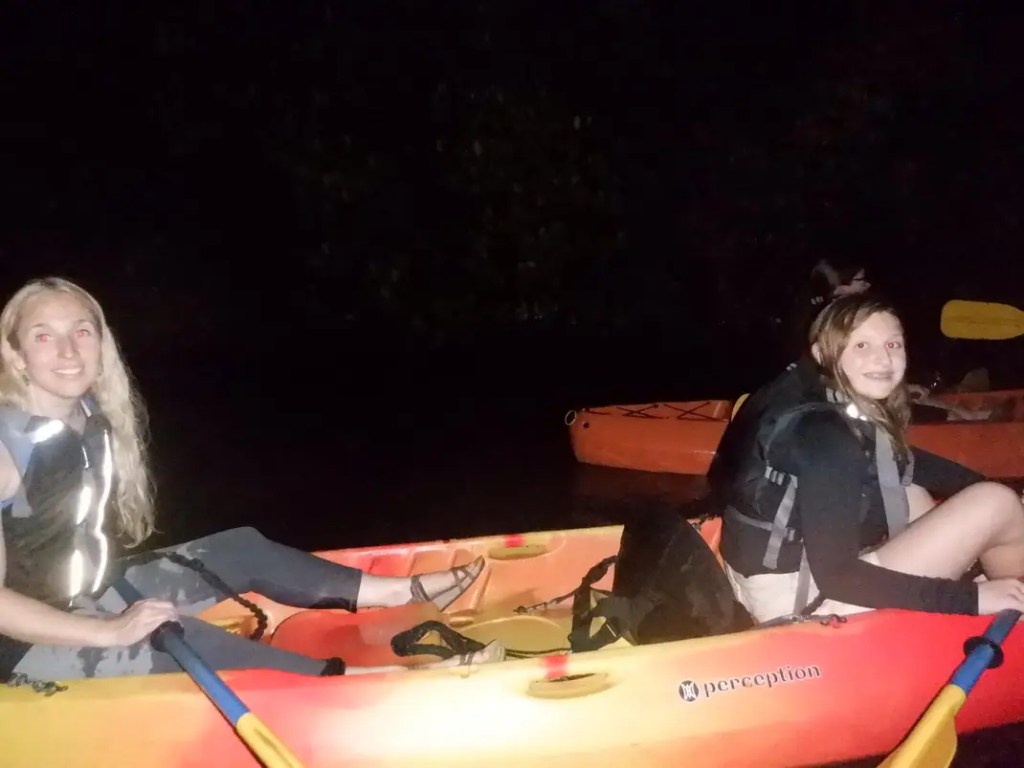
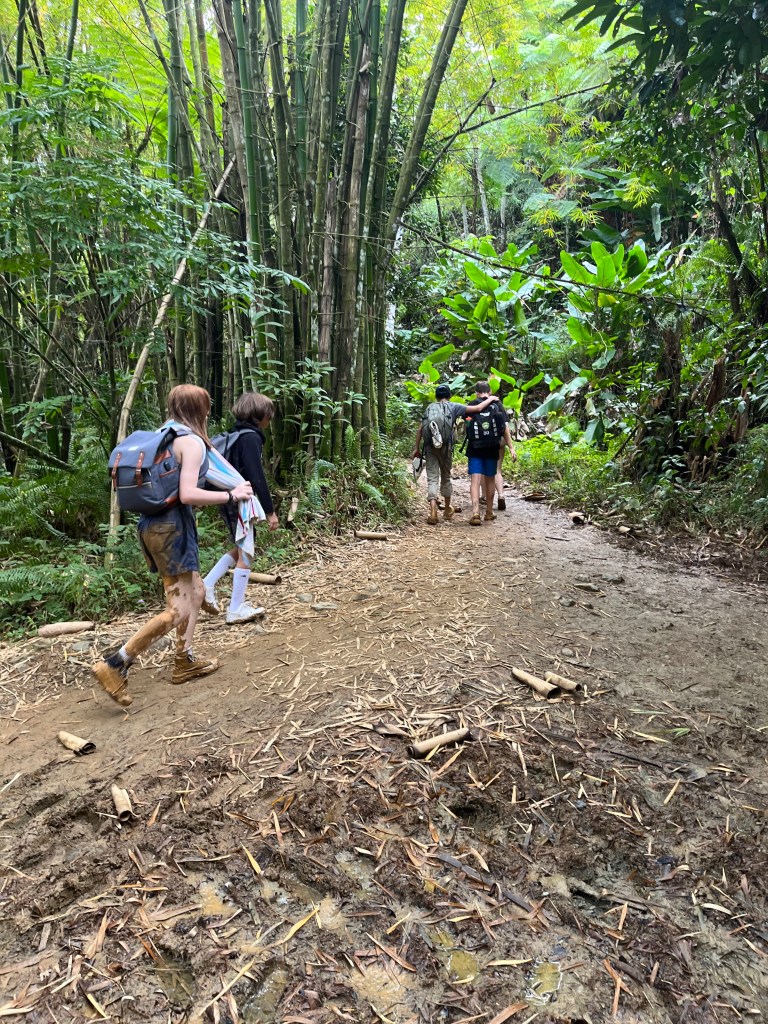
The students also witnessed the beauty of Puerto Rico by playing in the Atlantic Ocean every day, talking with locals, hiking through a muddy El Yunque Rainforest, swimming in the cool river water, and kayaking through the most fascinating bioluminescent bay ever. 

During their stay in Puerto Rico, the students wrote reflections about the work they were doing and the community they were working with. Here are some of their responses: 

Today we worked with rebar on the worksite. We accomplished our whole task of making 8 beams for the foundation. I had a hard time with the wire at first but was really happy when I finally got it.

Kori

Working with the community has made me feel great. I love manual labor, it is fun and a workout. I also loved seeing such a welcoming community. They made me feel like family.

Astro

I loved helping the community and loved shoveling concrete and getting dirty.  I feel like I helped a family in need and am proud of myself.

Yiannis

Working with the community made me feel grateful and humbled me. I got to help and support people in need but also learned how they suffered, too. When I get home I will miss helping them and I will be more grateful. 

Mars

I think working with the community made me appreciate how hard it is to build a house in the heat. These people must be so dedicated to the cause to do this almost every day. It really makes you see what good people they are and how kind and generous their community is.

Eleanor


My perspective throughout the week has significantly changed. When we first came here I was surprised by how rundown and below average the homes were compared to mainland U.S. As the week went on I got more and more used to Puerto Rican conditions, and as we reach the end of our trip I feel incredibly grateful for this experience and I am glad we came.

Oliver

Working with the community changed my perspective on hard work because they showed me that hard work makes you stronger physically and mentally. It also made me sad for the community because they lost everything. When I get home I will feel sad that I won’t be able to keep helping, but will be happy to get away from all the mosquitos.

Sam

To learn more about the students’ experiences in Puerto Rico and their takeaways from the trip, join us at CLAS on Friday, January 26th.

#SaklanServiceLearning

Arepas

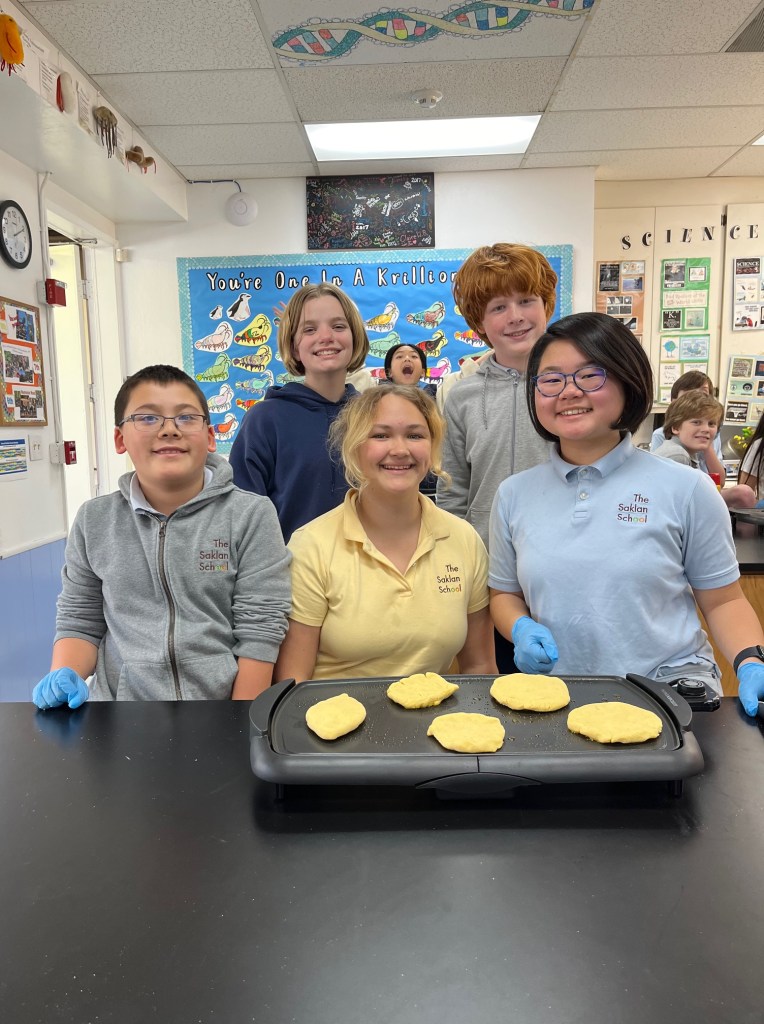
Each country in the Spanish-speaking world has a distinct comfort food. Colombians consider arepas their bread, which is part of their daily life and an essential part of their culture. The sixth graders had previously watched the movie Encanto and loved it! When Maestra Ivonne saw the movie, the meaningful scene where Mirabel is healed by eating one of her mother’s homemade arepas stood out to her. Therefore, she was inspired to share with the students a glimpse of Colombian culture, which is another Spanish-speaking country.  

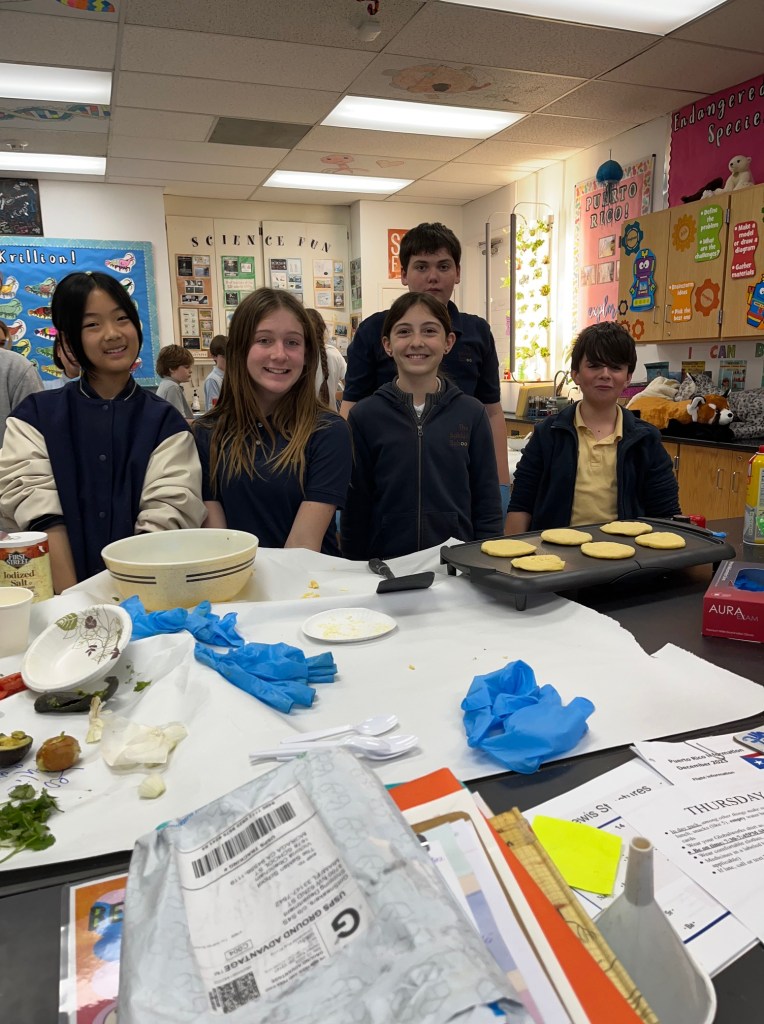
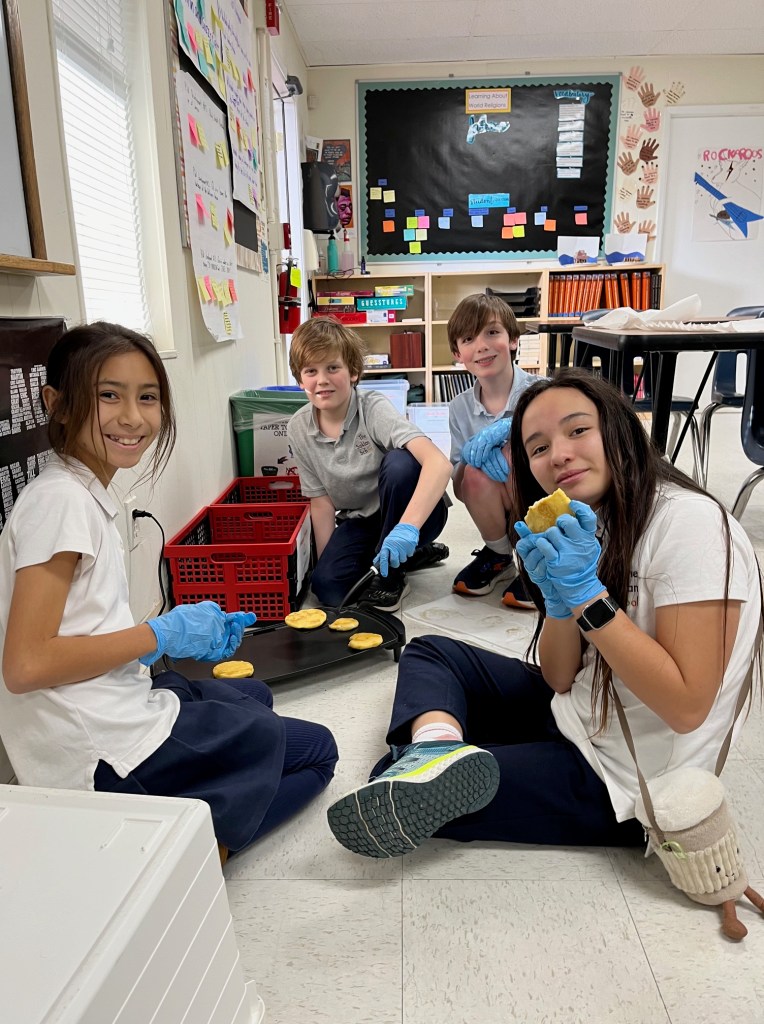
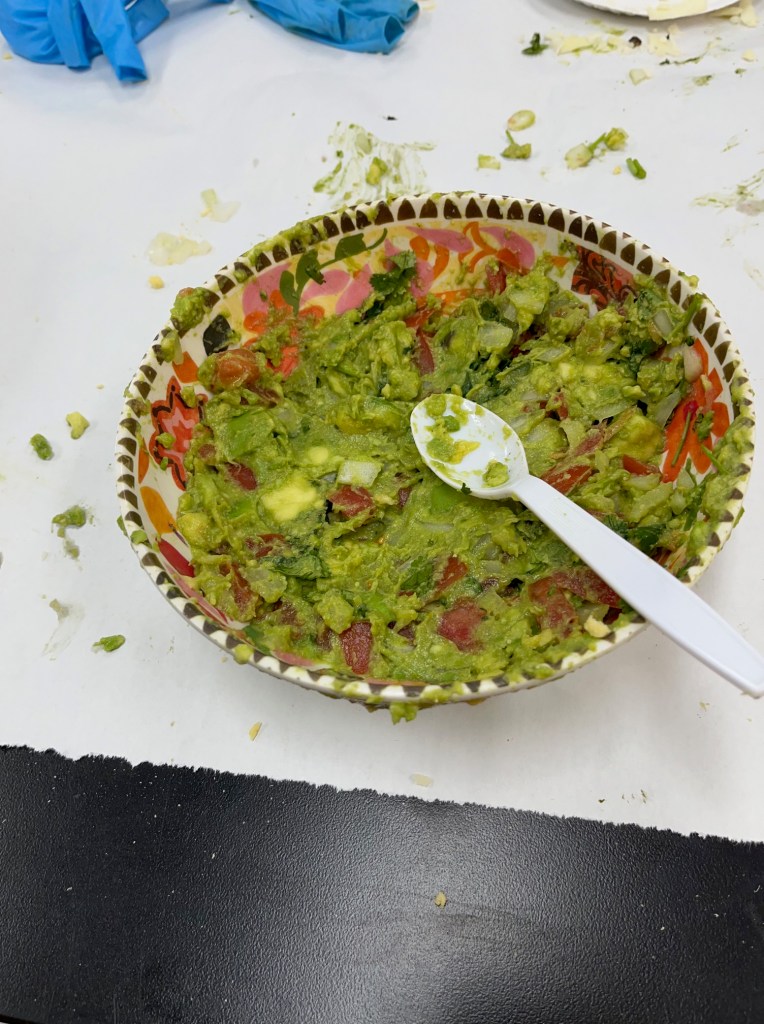
The sixth graders made their own cheese arepas following the directions Maestra Ivonne gave them in Spanish. They combined cornmeal with warm water and used their hands to make dough (masa). They divided the masa into 3 or 4 patties using both hands to ensure the disks were uniform. Then, students cooked the arepas for 5 to 6 minutes on each side or until nice and brown. Finally, they removed the arepas from the heat to add guacamole, which the sixth graders had made fresh that day in class.

The sixth graders enjoyed their arepas and are fantastic chefs!

Holiday Food Drive

The Student Council is hosting a food drive in support of Monument Crisis Center, a community-based, non-profit family resource center serving Central and East Contra Costa County.

To ensure a well-rounded selection of food, the Student Council is asking for students in the following grades to focus on the items listed below, however, you may donate any food item on the list.

OwletsVEGETABLES – Canned or Boxed
Hoot OwlsPEANUT BUTTER
KindergartenCEREAL
1st GradeTUNA
2nd GradeFRUIT – Canned or Boxed
3rd GradeMAC & CHEESE
4th GradePASTA
5th GradeSOUPS
6th GradeOATMEAL
7th GradeBEANS
8th GradeRICE

Please, no glass containers, and make sure all items are not yet expired or past their best by date. Donations can be placed in bins in individual classrooms.

Thank you for showing compassion to our local community!

A big thank you to the Student Council for organizing this Food Drive.

#SaklanCompassion

Building Shield Volcanoes

In science, the sixth graders just wrapped up their study of volcanoes. They learned about the different types and parts of a volcano, where volcanoes are located, the different types of eruptions that can occur, and how they create different rocks and formations.

As part of their hands-on study, the sixth graders looked at different types of igneous rocks and tested different fluid viscosity to see how different lavas might flow. Then they built their own shield volcanoes and tested different batches of “magma.” The students determined the speed of flow, what minerals make the lava flow slower, and how those different flows cool into different rocks.

The sixth graders also talked about the dangers and advantages of living by active volcanoes. They learned about Mt. Vesuvius, one of the most famous eruptions in history, which buried the city of Pompeii in 79AD.  Students were amazed at the preserved history they saw and the amazing power of the volcano. 

#SaklanHandsOn

Legend of the Hypnotized Subject

In geometry last week, Mr. Zippin gave the students an opportunity to test the Legend of the Hypnotized Subject. The old legend says that if you place a mirror on the floor 200 cm away from your subject and stare into the reflection of their eyes just the right way, your subject will squawk like a chicken. However, you have to stand exactly in the right place or the trick won’t work.

In order to test this legend, the students had to work together and apply their knowledge of similar triangles.

First, the students decided to draw a diagram of the situation.

They noticed that it looked like they were working with two triangles. Using their understanding of angle-angle similarity, the students determined that the triangles were similar. Therefore, they knew they could make and solve proportions to find the hypnotist’s unknown distance to the mirror. They reasoned that they needed to find out how high their eyes were off the ground. After measuring for this, they quickly solved the equations they made and were ready to test the Legend.

“Squawk!”

Atomic Wear

The eighth graders have been learning about the periodic table. From researching what all the symbols mean, to understanding what the atomic number and atomic mass tell us about each element, they have become very knowledgeable about the periodic table!

Each student picked one element they wanted to learn more about. After completing research on their element, they designed a shirt to showcase the special properties and uses of their element. Check out the atomic wear the eighth graders created and modeled below!

#SaklanCreative

Art Objects

Sixth grade students are in their second milestone on their project unit with the driving question, “Who do art objects truly belong to?” During this step of the project, students are deepening their understanding of the roles of archaeologists and museums while researching key ancient Egyptian artifacts. This past week students met with two experts that helped them develop their perspective on their driving question. 

On Tuesday, research archaeologist Hannah Wellman, Ph.D. zoomed into the sixth grade humanities class to share historical context for the Egyptian artifacts students are researching. Hannah also provided perspectives on repatriation from a research archaeologist’s point of view.

On Thursday, the sixth graders traveled to the Badè Museum at the Pacific School of Religion in Berkeley. Aaron Brody, the museum’s director, gave the students a private tour discussing the complexities that repatriating the collection would present. He also answered many student questions connected to both the legal and ethical issues of repatriation. 

The 6th graders look forward to sharing more as their unit comes to a close next month. 

#SaklanPBL

What Students Need

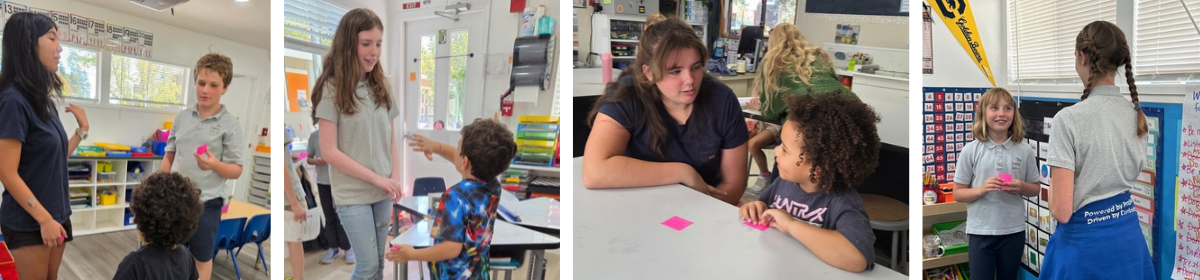
The 8th grade advisors, Kim Parks and Jennifer Lettieri, recently led a reflection and discussion around the Middle School Agreements that the students created while on the Advance. The middle school team uses these agreements for all shared community spaces so students and teachers know the expected behaviors and guidelines when at school.

Using the Middle School Agreements as a starting point, Kim and Jennifer wanted the eighth graders to have an anonymous place to share what they need from their classmates to feel safe, seen and heard. They asked the eighth graders to review the agreements and write down what they need from others and what they will continue to work on themselves. 

After students wrote their responses on cards, they placed them in a box. During the next advisory class, Kim read what the students needed from their classmates out loud to the group, pausing for students to comment. Students were given three ways to respond to these anonymous messages or the discussion. They could:

  1. Offer wisdom or advice.
  2. Clarify a message or comment that was read out loud.
  3. Offer empathy or appreciation for something they heard in the discussion.

The discussion was profound and meaningful. Some students spoke up and clarified what they needed from the group and owned what they wrote. Other students offered kind words of apology or agreed out loud with a comment that was read.

At Saklan, we aim for each student to ask for what they need so that every class can function positively and respectfully. Activities such as this help model for the students, and give them the language, to do so. Additionally, this activity helped the eighth graders to realize that their behavior and comments impact the class dynamics and create a domino effect. When one person talks out of turn or says a joke, then another person will, and another. Jennifer showed the students this video about the domino effect. The powerful visuals in the video helped students remember how powerful their words and actions can be.

Creative Middle Schoolers

On Thursday afternoons, Saklan’s middle school students participate in Learning By Doing (LBD) classes. These 45-minute classes expose students to different areas of interest, giving them an opportunity to take an active role in designing their education. LBD classes can be taught by middle school teachers or students, and cover a range of topics, including: poetry, art, music, drama, sports, technology, etc. These classes are meant to encourage creativity and collaboration for all members of the middle school community.
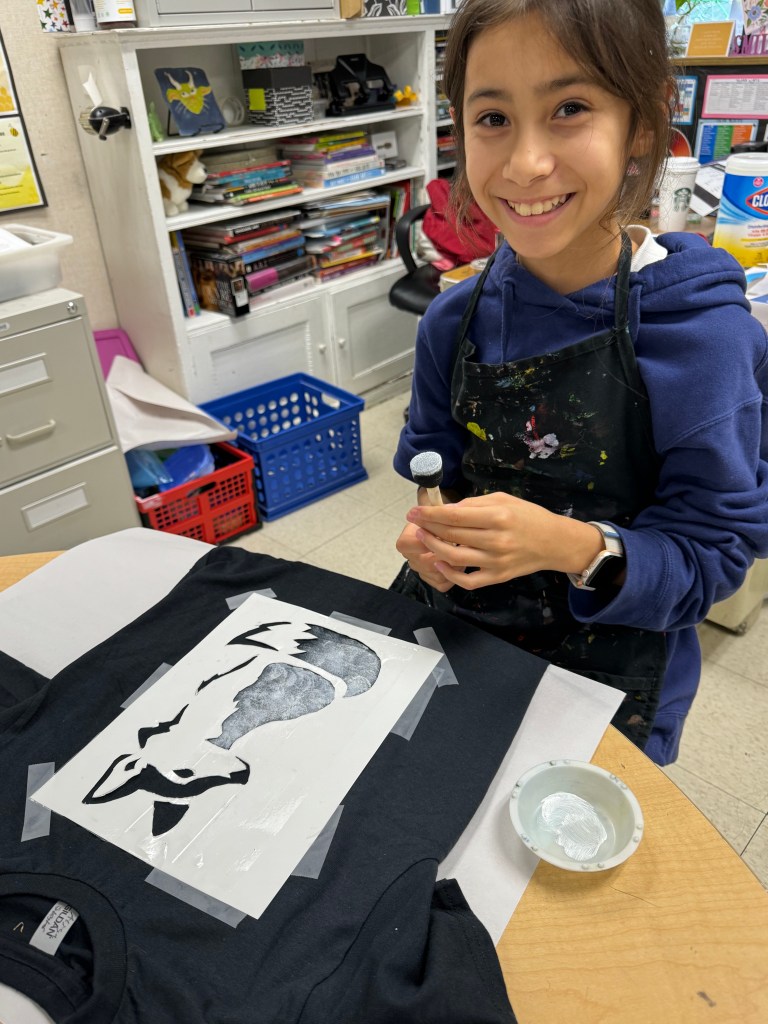
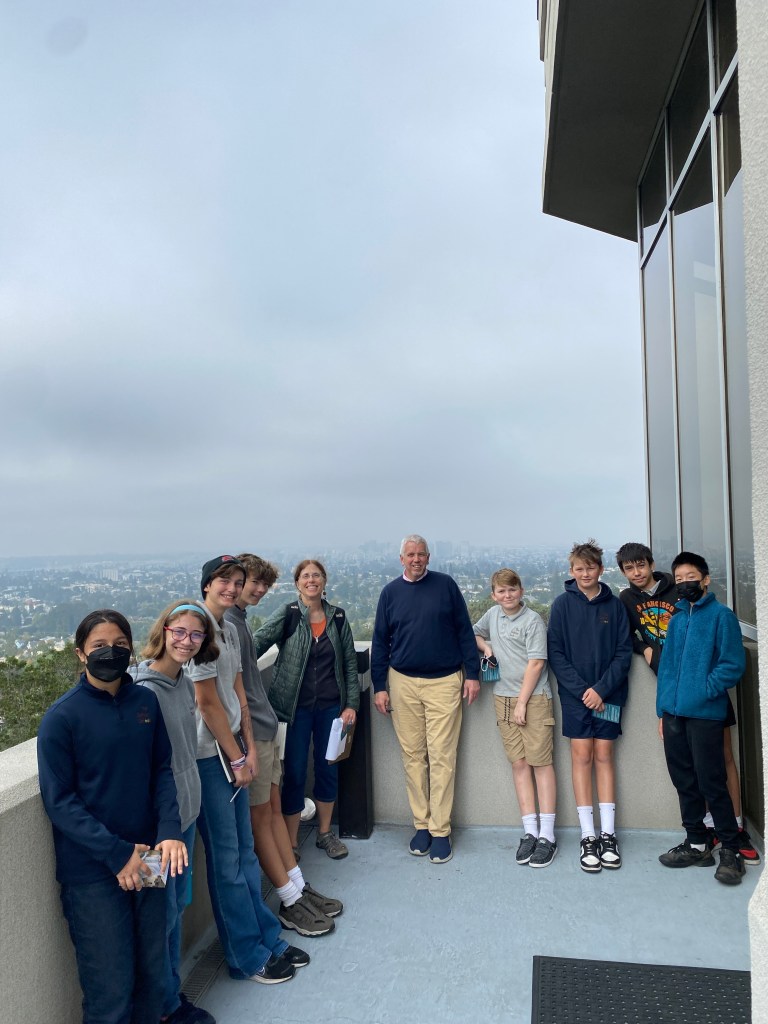
Saklan’s SEL focus for October is creativity, and the middle schoolers are using their LBD classes this month to take part in different creative, Halloween-themed activities. Last week they held a “Nailed It” challenge. Students, worked in family-group teams (with only the 6th – 8th graders) to recreate pumpkin themed art. They were given a picture of some painted pumpkins, and then worked together to recreate their masterpieces in only 30 minutes. Check out their amazing work below!
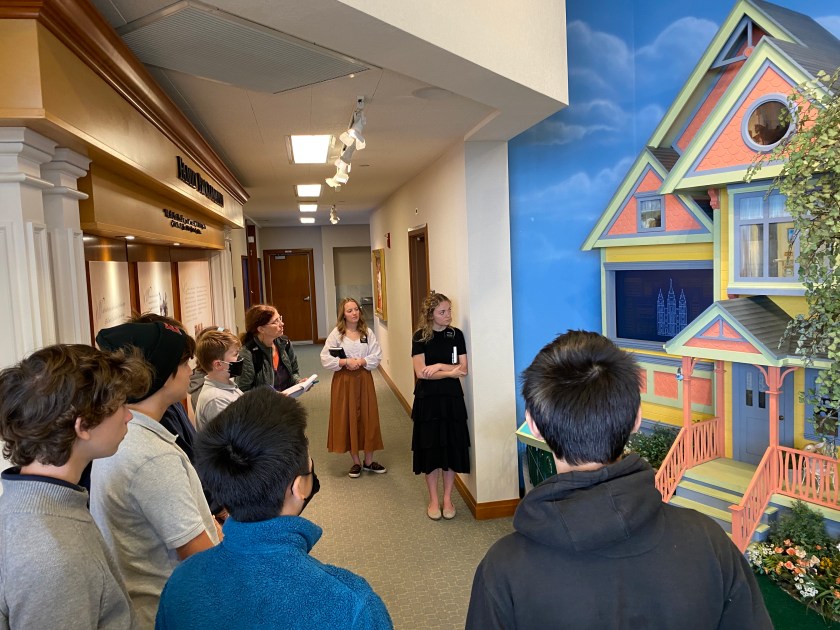
Being creative and having shared experiences helps our middle school create a cohesive community.
#SaklanCommunity #SaklanCreative

Examining Kehinde Wiley’s Art

8th graders recently went to the de Young Museum to view Kehinde Wiley’s exhibit, Archaeology of Silence. Kehinde Wiley is widely known for his presidential portrait of Barack Obama, and his work featuring African Americans using the traditional styles of the old masters. Archaeology of Silence continues Wiley’s work of drawing attention to the value of Black lives through large scale paintings and an exquisite attention to detail. Through this field experience, students were able to see up close how artists are able to convey deep emotion and powerful ideas through visual imagery. 

Prior to the museum visit, students gained knowledge of Kehinde Wiley’s art style and visual tropes through viewing and analyzing his works, and comparing them with the 17th-19th century European paintings he has recreated. They watched a series of interviews with the artist to gain insight into his background and motivations, and discussed parallels between Wiley’s life and artwork with On the Come up, a book they were reading in language arts class. Students also viewed a video poem response to the Archaeology of Silence exhibit, made by an Oakland Youth Poet Laureate. 

Through these sessions, students developed a list of questions they had about the artist, and recurring themes and symbolism in his artwork. For example: Why does he use florals in his paintings? Are the figures sleeping or dead? Why are the colors unnaturally vibrant? Why are the figures all wearing name brand clothing? Why is the show called an Archaeology of Silence?

During their museum visit, students brought these questions with them, and used information from their observations, the audio guides, and museum labels to help answer them. Students also developed new questions, and were able to use the ideas and information provided in the exhibit to broaden and expand their thinking. Here are some quotes from student workbooks:

“[The florals] cradle the subject [and] create a comforting surrounding while still being sad.”

“What makes this figure special while still being ordinary?”

“How long did this take? It’s huge!”

“I connect the poses of the people in the images with depictions that I have seen of Jesus.”

“[Archaeology of Silence] refers to a phrase by Michael Foucault, talking about ‘making visible a socially repressed phenomenon.’”

“This show is moving, it makes you think about the effects of racism and discrimination against African Americans.”

“I used to think that the content [of Kehinde Wiley’s work] was mostly just brutal. Now I think that it’s more than that, it’s about both life and death and not just the latter.”

#SaklanFieldExperience