What Students Need

The 8th grade advisors, Kim Parks and Jennifer Lettieri, recently led a reflection and discussion around the Middle School Agreements that the students created while on the Advance. The middle school team uses these agreements for all shared community spaces so students and teachers know the expected behaviors and guidelines when at school.

Using the Middle School Agreements as a starting point, Kim and Jennifer wanted the eighth graders to have an anonymous place to share what they need from their classmates to feel safe, seen and heard. They asked the eighth graders to review the agreements and write down what they need from others and what they will continue to work on themselves. 

After students wrote their responses on cards, they placed them in a box. During the next advisory class, Kim read what the students needed from their classmates out loud to the group, pausing for students to comment. Students were given three ways to respond to these anonymous messages or the discussion. They could:

  1. Offer wisdom or advice.
  2. Clarify a message or comment that was read out loud.
  3. Offer empathy or appreciation for something they heard in the discussion.

The discussion was profound and meaningful. Some students spoke up and clarified what they needed from the group and owned what they wrote. Other students offered kind words of apology or agreed out loud with a comment that was read.

At Saklan, we aim for each student to ask for what they need so that every class can function positively and respectfully. Activities such as this help model for the students, and give them the language, to do so. Additionally, this activity helped the eighth graders to realize that their behavior and comments impact the class dynamics and create a domino effect. When one person talks out of turn or says a joke, then another person will, and another. Jennifer showed the students this video about the domino effect. The powerful visuals in the video helped students remember how powerful their words and actions can be.

Creative Middle Schoolers

On Thursday afternoons, Saklan’s middle school students participate in Learning By Doing (LBD) classes. These 45-minute classes expose students to different areas of interest, giving them an opportunity to take an active role in designing their education. LBD classes can be taught by middle school teachers or students, and cover a range of topics, including: poetry, art, music, drama, sports, technology, etc. These classes are meant to encourage creativity and collaboration for all members of the middle school community.

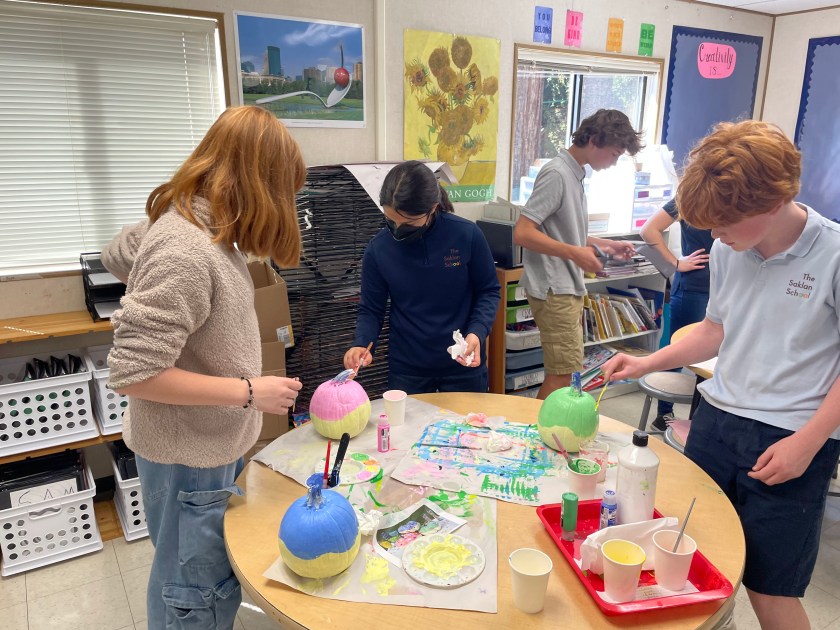
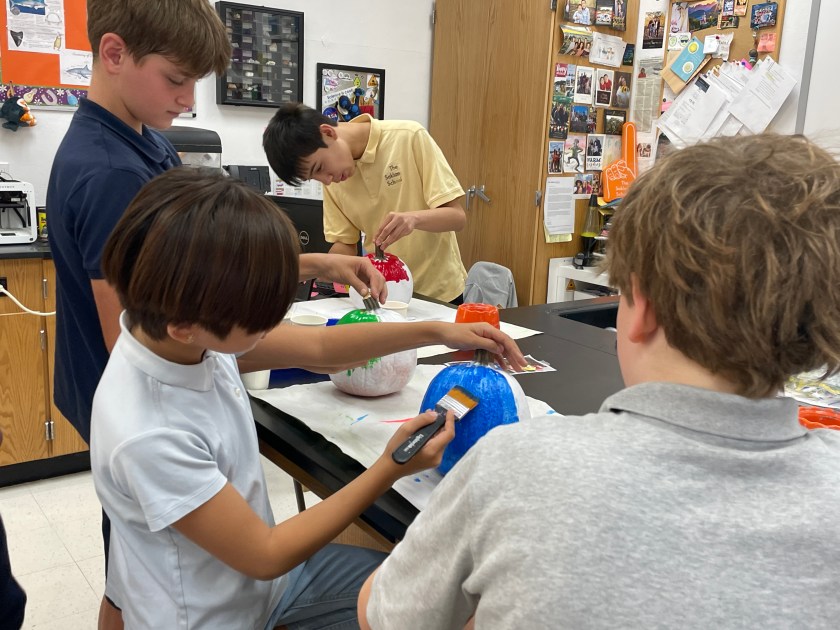
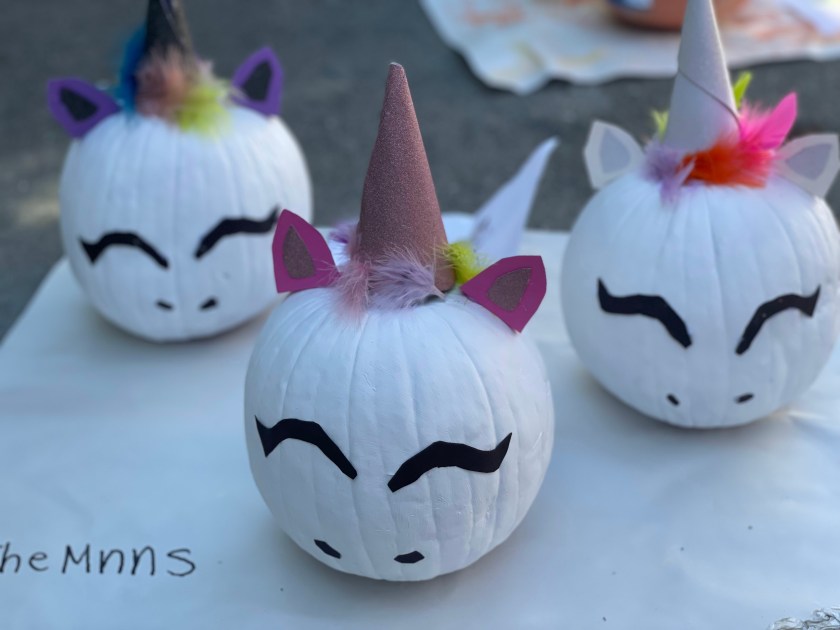
Saklan’s SEL focus for October is creativity, and the middle schoolers are using their LBD classes this month to take part in different creative, Halloween-themed activities. Last week they held a “Nailed It” challenge. Students, worked in family-group teams (with only the 6th – 8th graders) to recreate pumpkin themed art. They were given a picture of some painted pumpkins, and then worked together to recreate their masterpieces in only 30 minutes. Check out their amazing work below!

Being creative and having shared experiences helps our middle school create a cohesive community.

#SaklanCommunity #SaklanCreative

Examining Kehinde Wiley’s Art

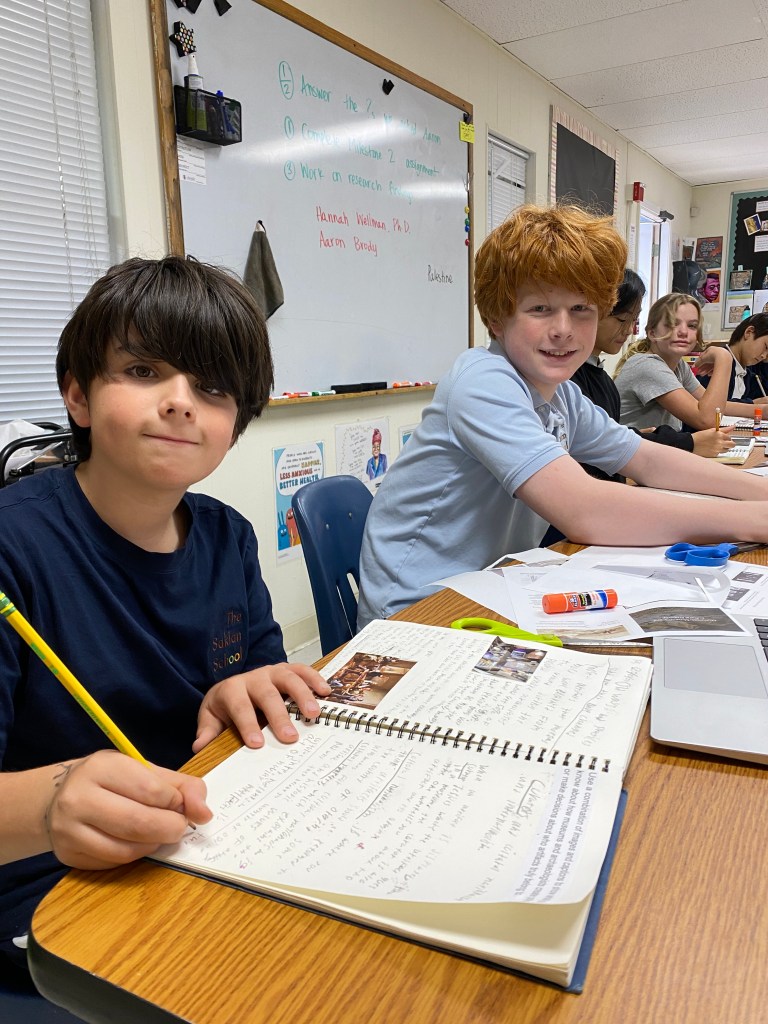
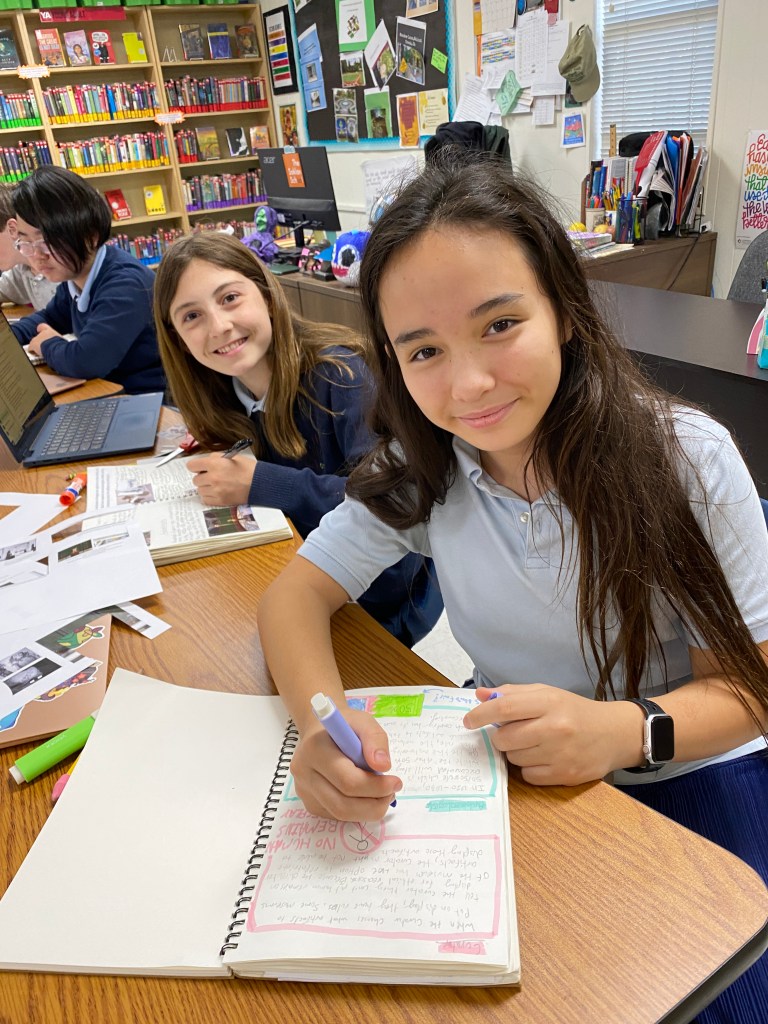
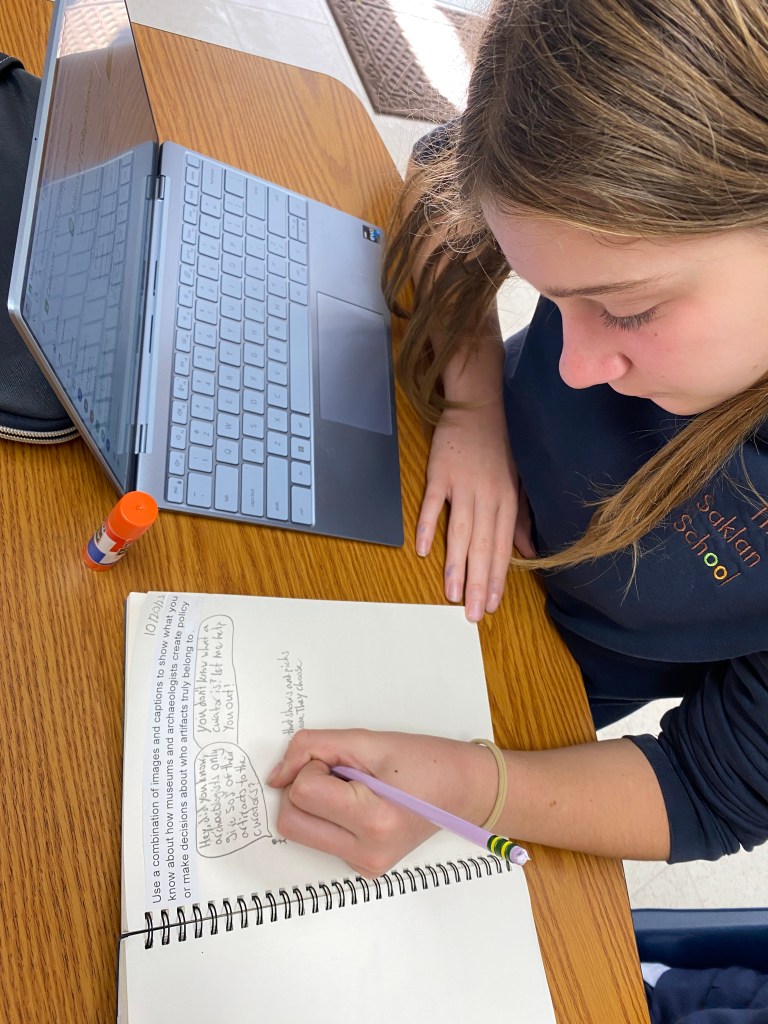
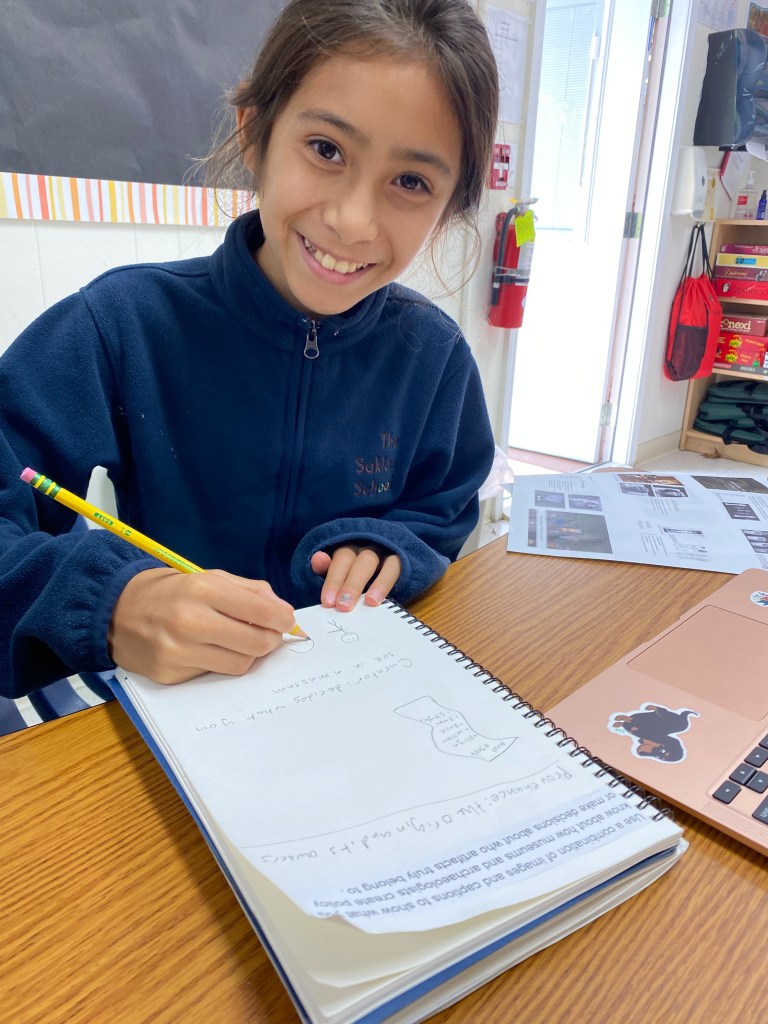
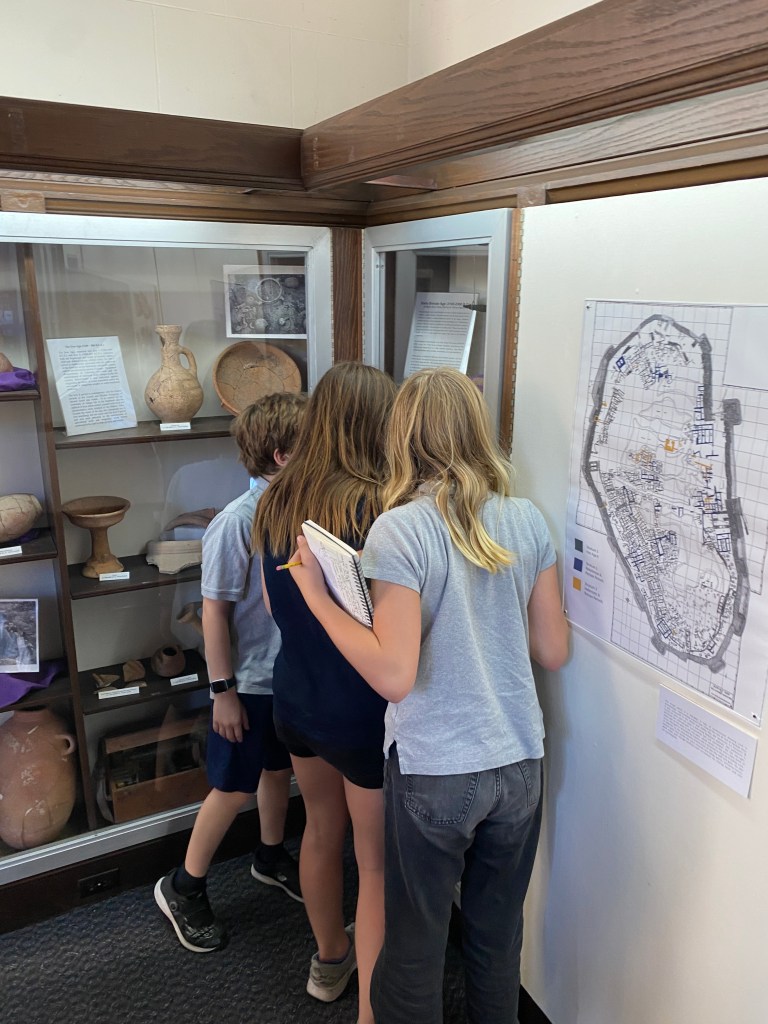
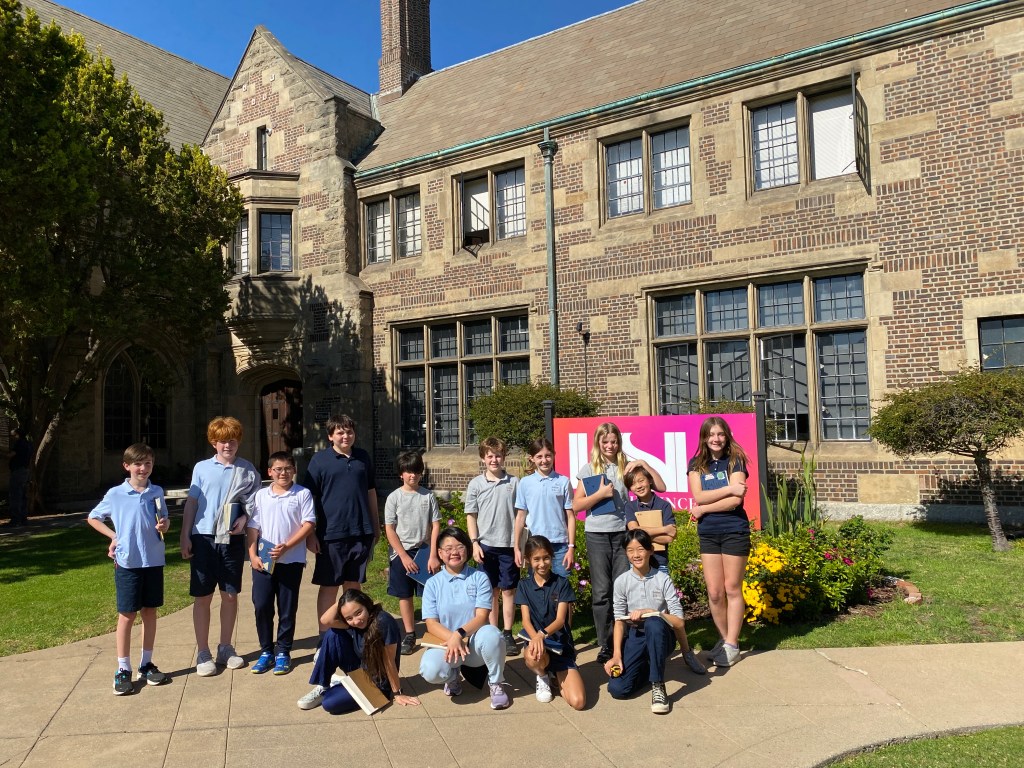
8th graders recently went to the de Young Museum to view Kehinde Wiley’s exhibit, Archaeology of Silence. Kehinde Wiley is widely known for his presidential portrait of Barack Obama, and his work featuring African Americans using the traditional styles of the old masters. Archaeology of Silence continues Wiley’s work of drawing attention to the value of Black lives through large scale paintings and an exquisite attention to detail. Through this field experience, students were able to see up close how artists are able to convey deep emotion and powerful ideas through visual imagery. 

Prior to the museum visit, students gained knowledge of Kehinde Wiley’s art style and visual tropes through viewing and analyzing his works, and comparing them with the 17th-19th century European paintings he has recreated. They watched a series of interviews with the artist to gain insight into his background and motivations, and discussed parallels between Wiley’s life and artwork with On the Come up, a book they were reading in language arts class. Students also viewed a video poem response to the Archaeology of Silence exhibit, made by an Oakland Youth Poet Laureate. 

Through these sessions, students developed a list of questions they had about the artist, and recurring themes and symbolism in his artwork. For example: Why does he use florals in his paintings? Are the figures sleeping or dead? Why are the colors unnaturally vibrant? Why are the figures all wearing name brand clothing? Why is the show called an Archaeology of Silence?

During their museum visit, students brought these questions with them, and used information from their observations, the audio guides, and museum labels to help answer them. Students also developed new questions, and were able to use the ideas and information provided in the exhibit to broaden and expand their thinking. Here are some quotes from student workbooks:

“[The florals] cradle the subject [and] create a comforting surrounding while still being sad.”

“What makes this figure special while still being ordinary?”

“How long did this take? It’s huge!”

“I connect the poses of the people in the images with depictions that I have seen of Jesus.”

“[Archaeology of Silence] refers to a phrase by Michael Foucault, talking about ‘making visible a socially repressed phenomenon.’”

“This show is moving, it makes you think about the effects of racism and discrimination against African Americans.”

“I used to think that the content [of Kehinde Wiley’s work] was mostly just brutal. Now I think that it’s more than that, it’s about both life and death and not just the latter.”

#SaklanFieldExperience

Fostering Trust and Appreciation

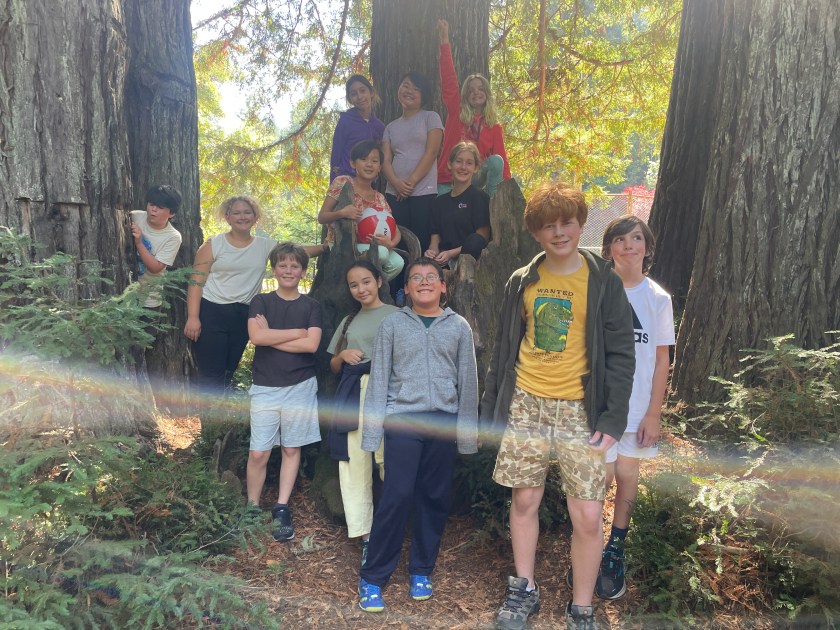
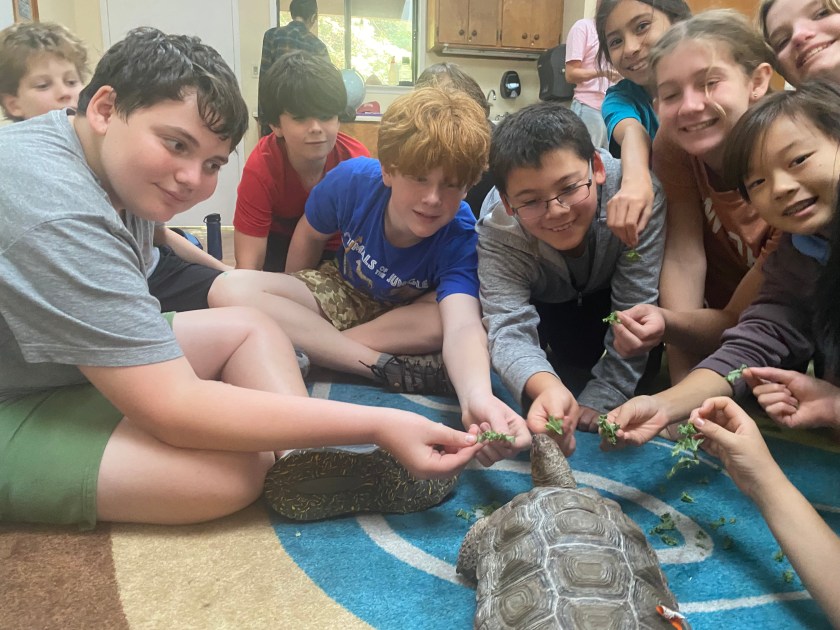
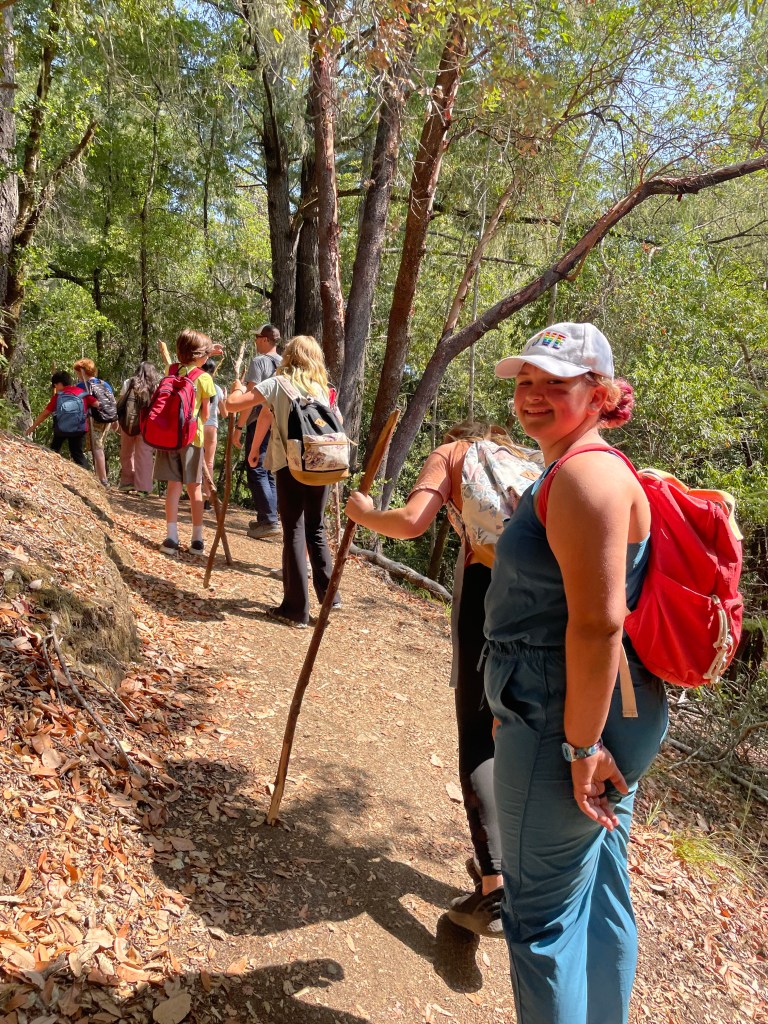
Last Friday, the 6th graders came back from an amazing trip to Westminster Woods, an environmental education and character development program, nestled in 200 acres of redwood forest in Sonoma County.

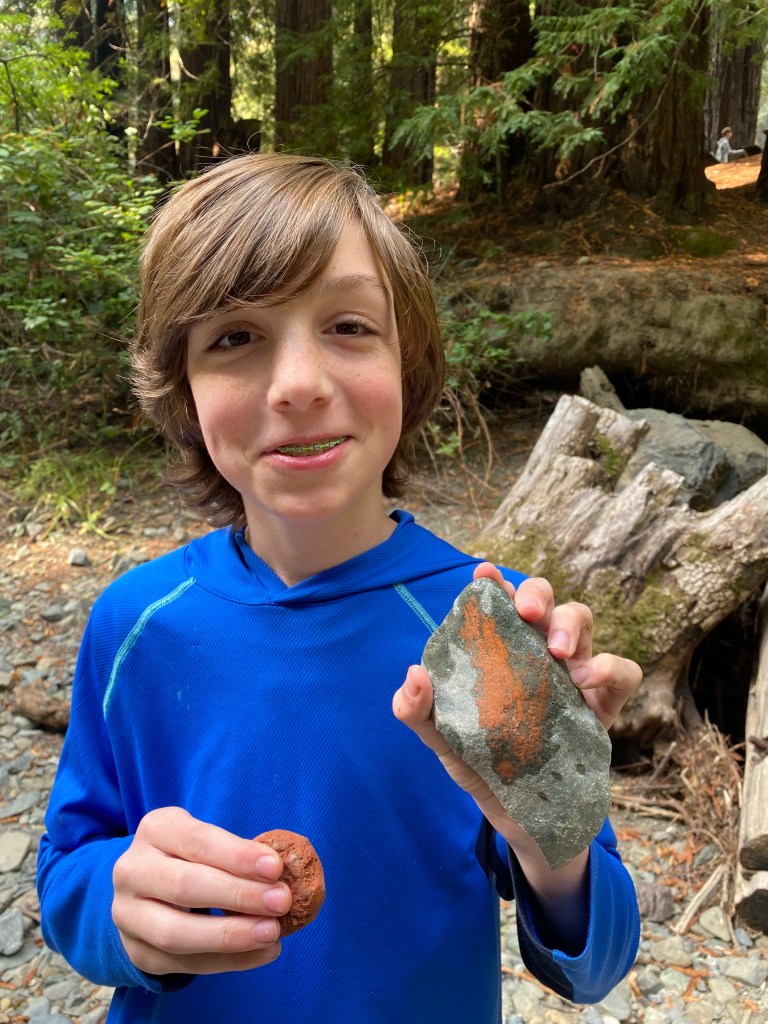
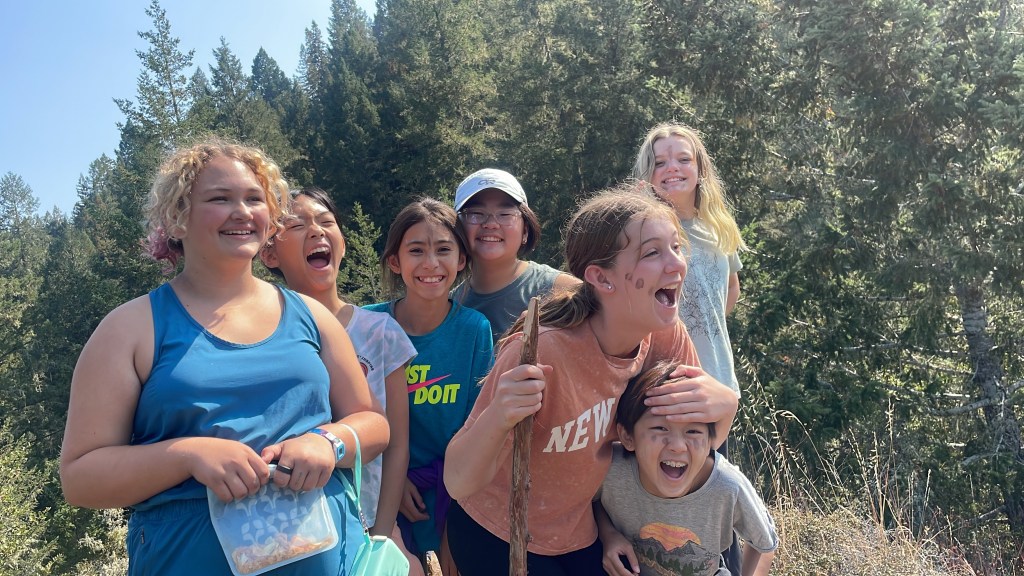
During their 5-day experience, students were led through a series of adventures that left a lasting impression on all of them. From painting their faces with rock sediment to navigating challenging slopes and terrains, the sixth graders spent their days learning lessons about the delicate ecosystems that surrounded them. More importantly, they learned about their strengths and how they can rely on their community. 

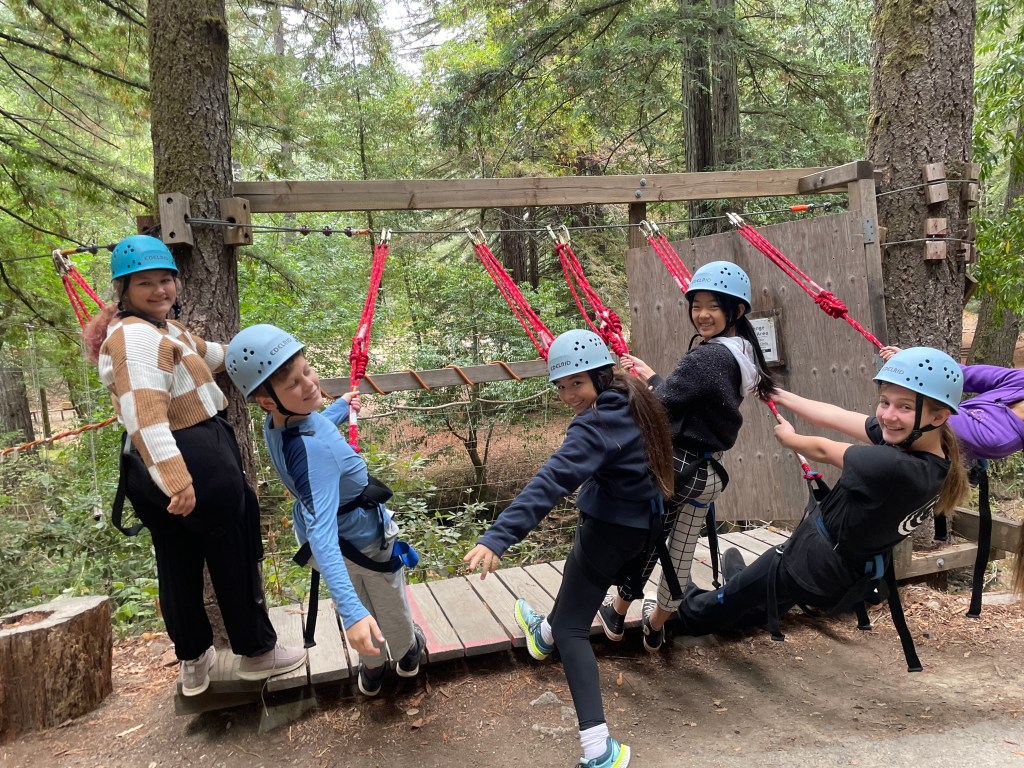
One of the defining moments of the trip was the ropes course challenge, a true test of vigilance and courage. As a class, the students discussed how courage isn’t the absence of fear but the thoughtful action taken in the face of it. Students continued to face their fears by going on a solo night hike in the dark. 

What made these challenges special was the support the class provided to one another throughout the trip. While many middle school trips focus on learning about diverse cultures and community outreach, this trip was unique in how it fostered trust and appreciation among our students.

The lessons learned at Westminster will stay with the students for a lifetime, serving as a foundation for their continued growth and development.

#SaklanFieldExperience #SaklanCommunity
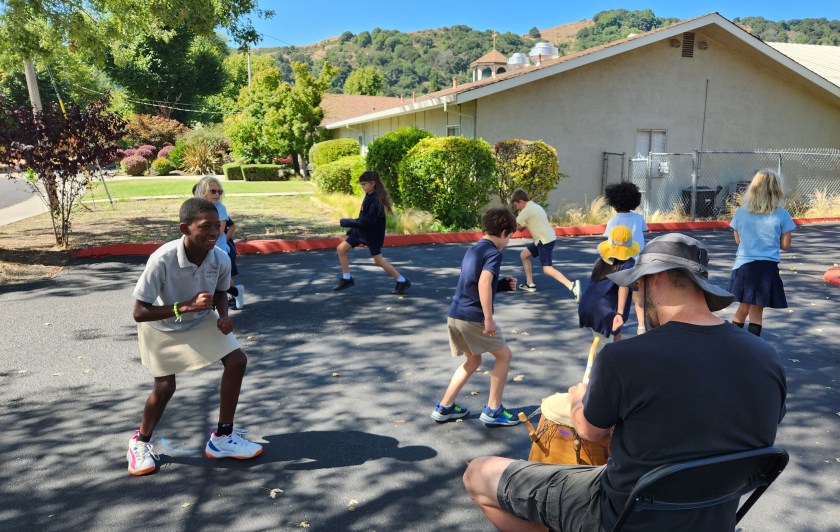
Why I Teach Ewe Music

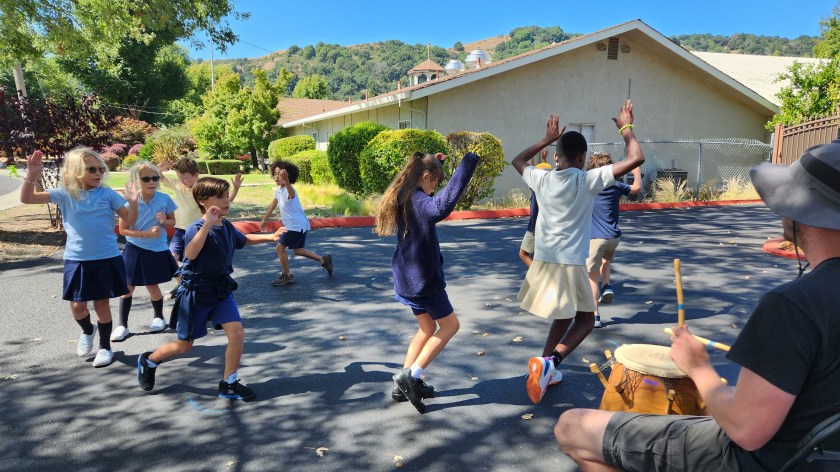
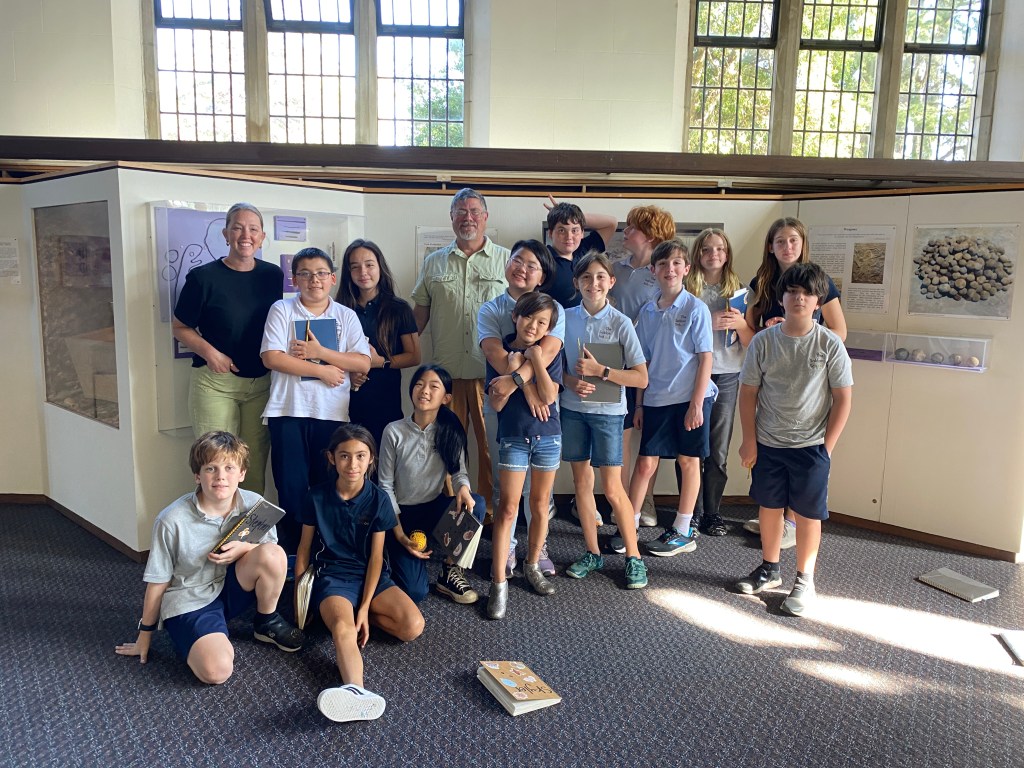
Alfred and Kobla Ladzekpo came to the United States in the 1960s to teach Ewe music. The Ladzekpos came from a village in the southern Volta region of Ghana called Anyako, an Ewe village. Ewe is one of over 20 languages spoken in Ghana. Ewe music is divided into styles. Each Style has songs (for singing), drum patterns and dance steps. The singing, drumming and dancing together form the musical style.

Alfred Ladzekpo taught at the California Institute of the Arts (Calarts) for over 40 years, and I was fortunate to study with him from 2002-06. He became my mentor and my friend.

Alfred’s main goal with his students at Calarts was to show them how to be an effective musician in his style of music. Ewe music is an oral tradition. Musicians coming from different backgrounds begin a new process of learning through listening. Alfred reveled in every opportunity he had to lecture his students on the importance of listening. Despite the simplicity of the message, every student who embraced this concept came away from Alfred’s class an improved musician.

As a young musician my fascination with Ewe music was sparked by my admiration of its construction. Ewe music weaves a complex counterpoint through all of its elements that rival the greatest artforms of humanity. I was enamored with the sophistication of the drumming patterns and the ability for musicians to dialogue through a musical language. The lead drummer is able to direct their ensemble into new dance moves, drumming patterns, or songs,
by playing a call on the drum. Everyone has to listen or you might miss the call!

This felt like a secret language and my friends and I were hooked. We took every opportunity to learn from Alfred and eventually we were helping him teach his classes and performing in his professional ensemble at schools and community events. Later in life I found another beautiful side to the artform.

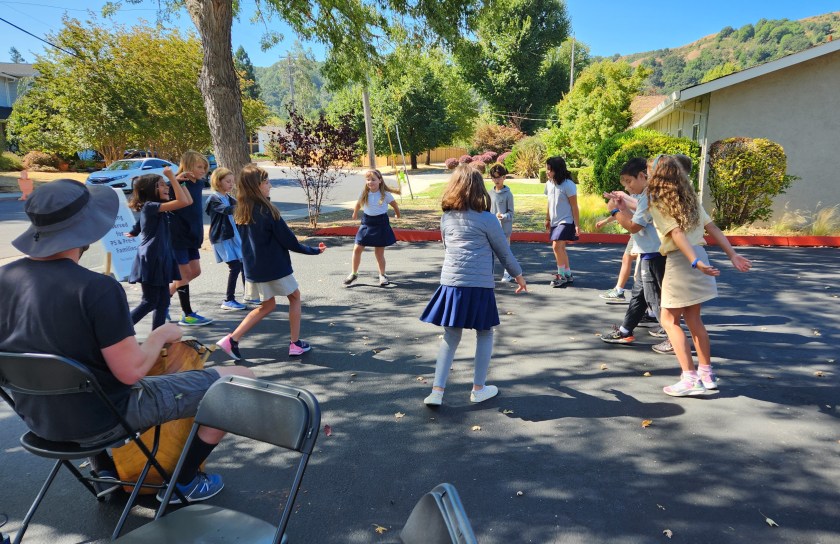
The main function of music in Ewe culture is to promote community. People gather in social groups for musical performances. These groups perform at funerals and weddings and are the backbone of both religious and secular events. This is extremely valuable in our recent culture of social media and social distancing. People are craving interaction and Ewe music is a
world class option for community building.

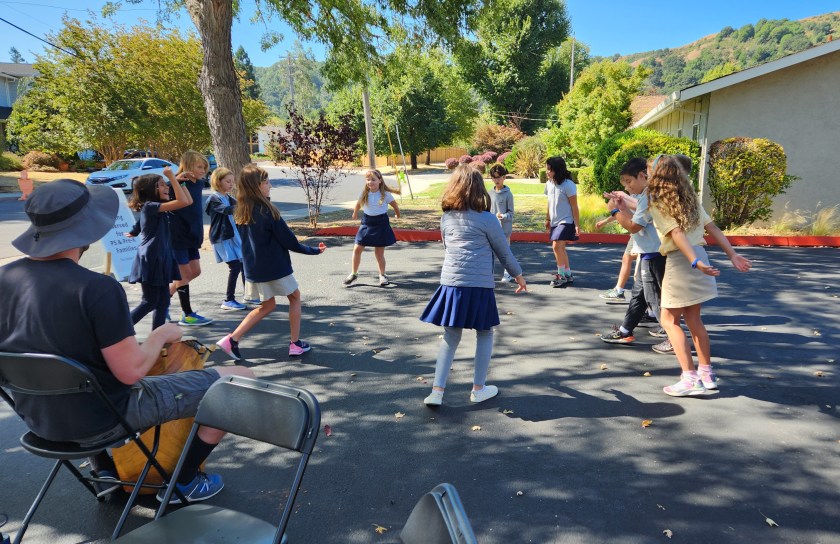
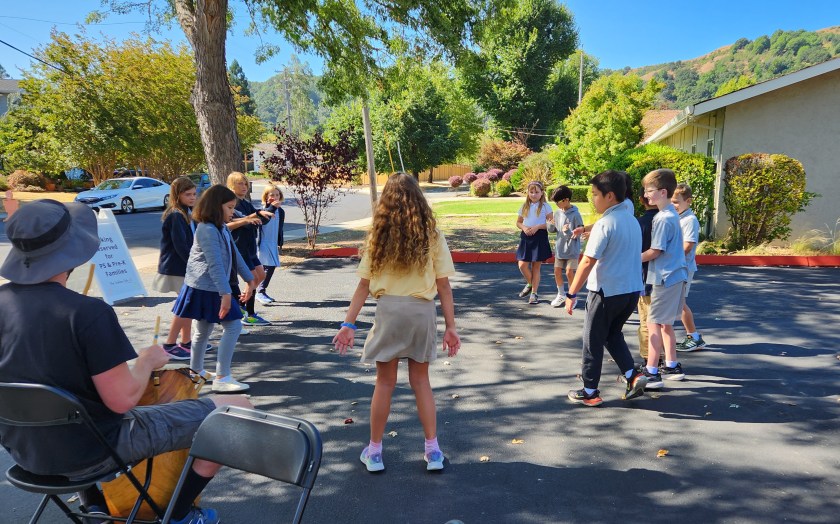
I teach Ewe music as a celebration of West African brilliance. Through honoring and respecting Ewe culture I have found that we can bring value to our school not only through the acute development of musicianship but through the strengthening of our community.

In community,

Isaac

#SakalanCommunity #SaklanArts

Got Used Sneakers?

The sixth grade students will be learning about human environmental impact and how they can help as part of science this year. During this study, they will have the opportunity to participate in service learning, an educational approach that combines learning objectives with community service in order to provide learning opportunities that help tackle real-world problems in one’s community.

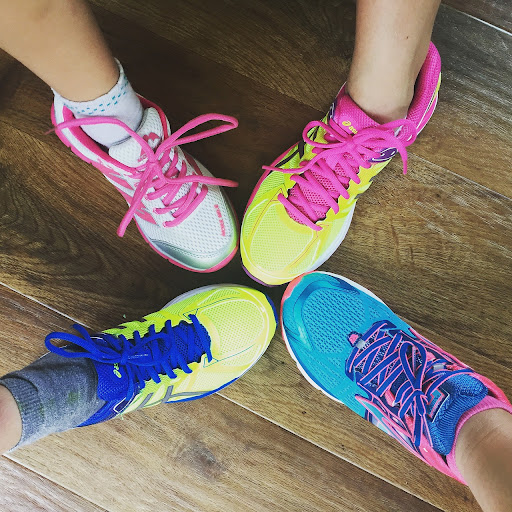
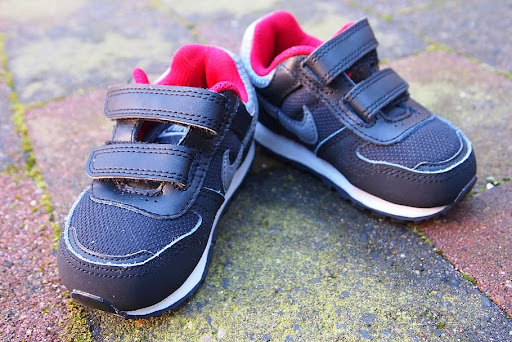
The sixth grade has partnered with GotSneakers, an organization that helps keep sneakers out of landfills by recycling or reusing them. Each pair donated can earn their class money, which they will use to help with species conservation. Examples of how they may use the funds include:

  • Donations to wildlife centers 
  • Symbolic species adoptions
  • Materials to build bird boxes

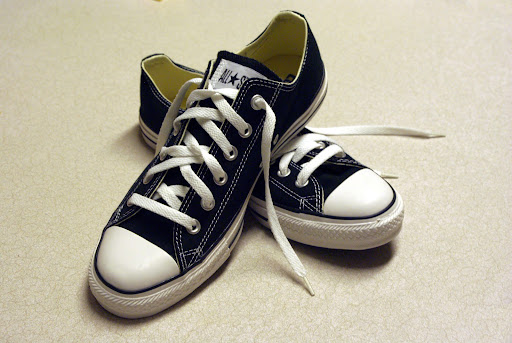
Please help the sixth graders by donating any size sneakers you no longer want.

Starting next week, a bin will be placed in the breezeway during the last week of every month. Please place your unwanted pair of sneakers in the box during that time. Any size and brand of sneakers are welcome. But, sneaker-style shoes only, please!

#SaklanServiceLearning

Sea Life & Early Humans

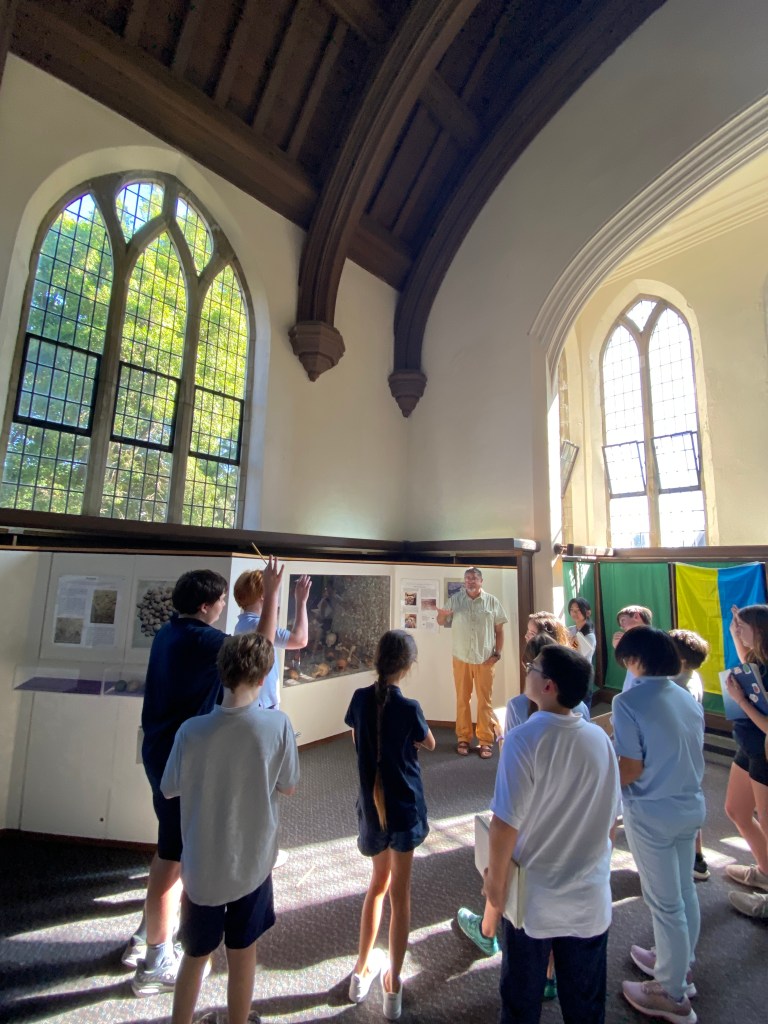
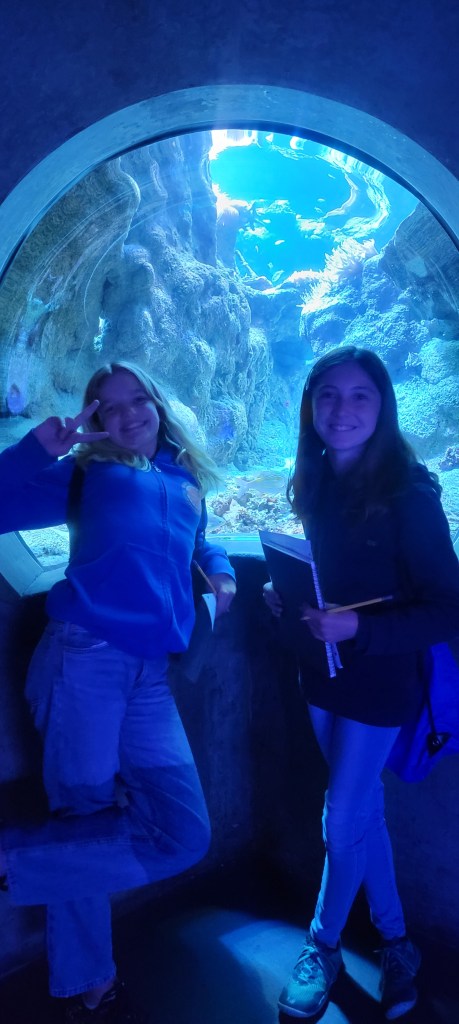
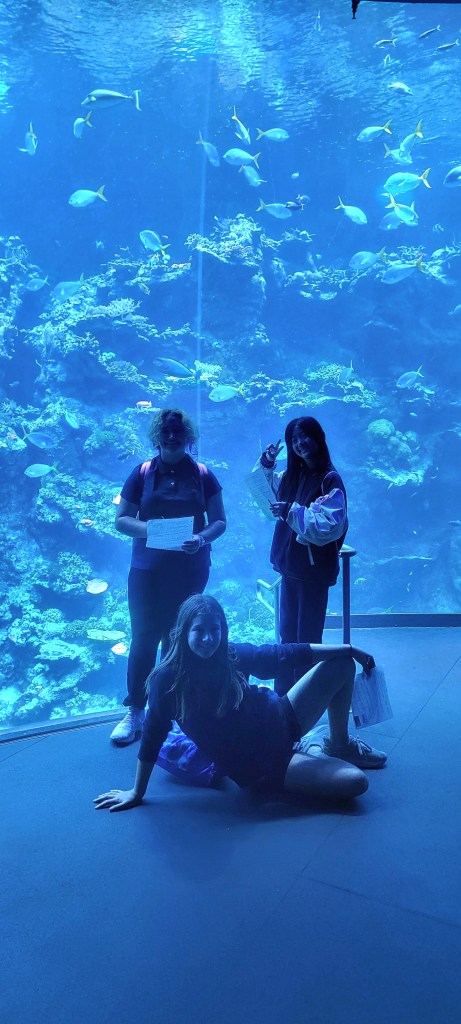
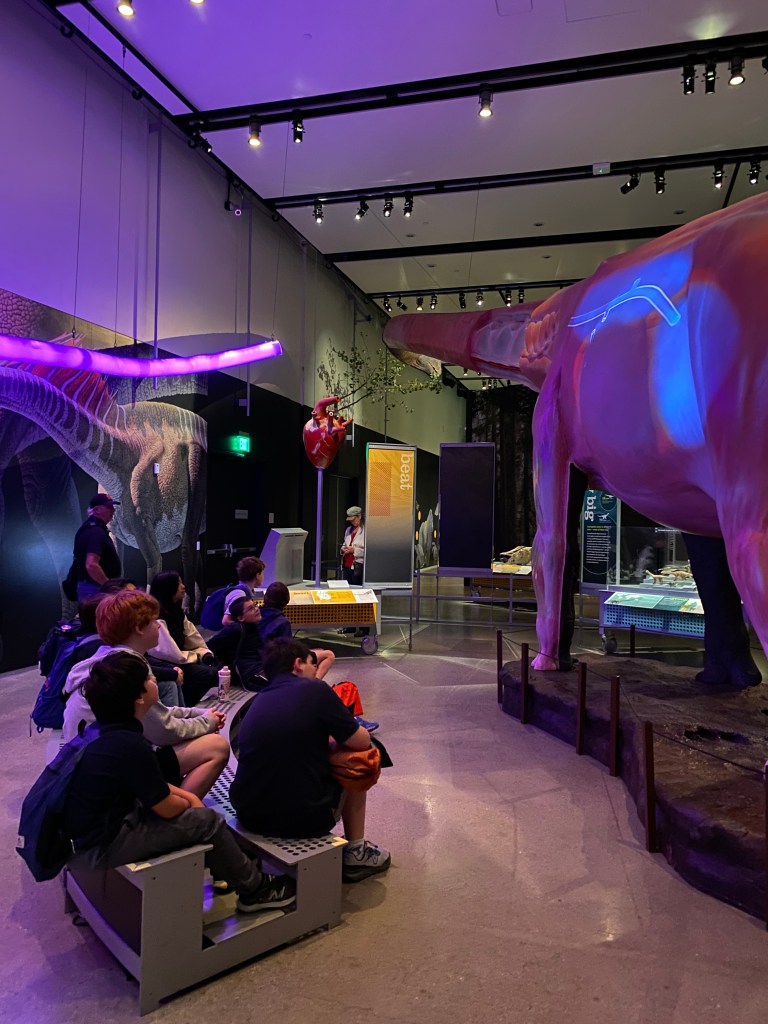
On Tuesday the sixth grade went on a combined science and humanities field experience to the California Academy of Sciences in San Francisco.  

For science the students explored the aquarium to search for sea life with unique and unusual characteristics. They saw many organisms like the Pacific Lumpsucker fish with a poor swimming ability that has a suction cup bottom to help him in wavy environments and the Flamboyant cuttlefish that walks along the sandy bottom of the pacific and has highly toxic flesh.

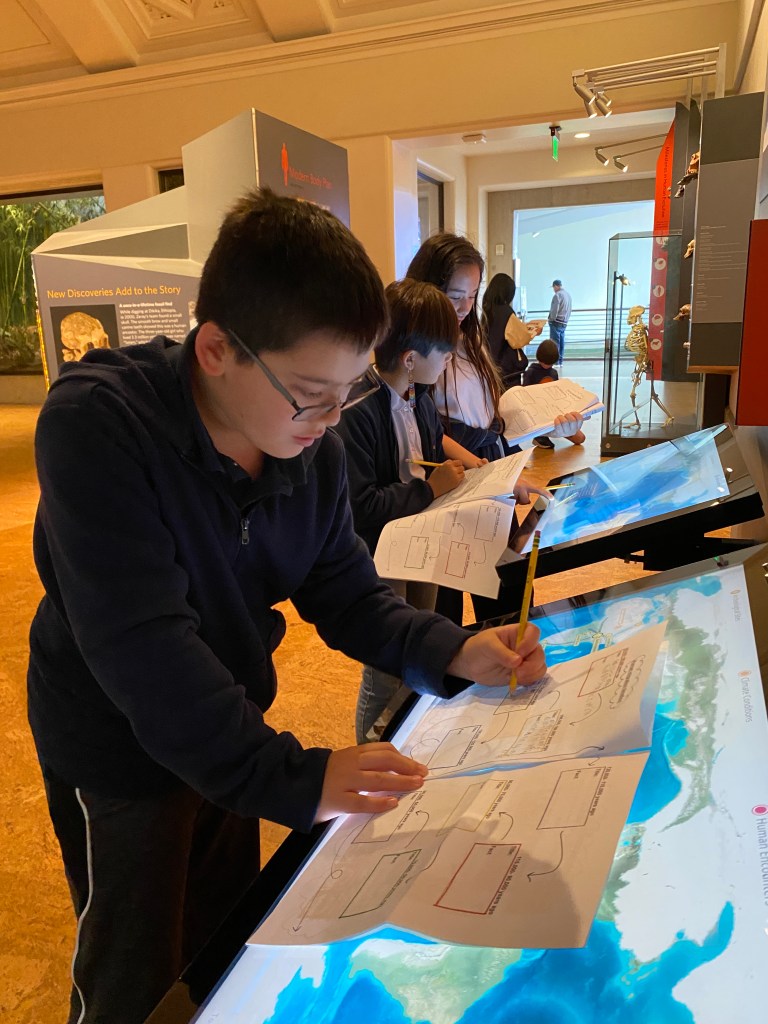
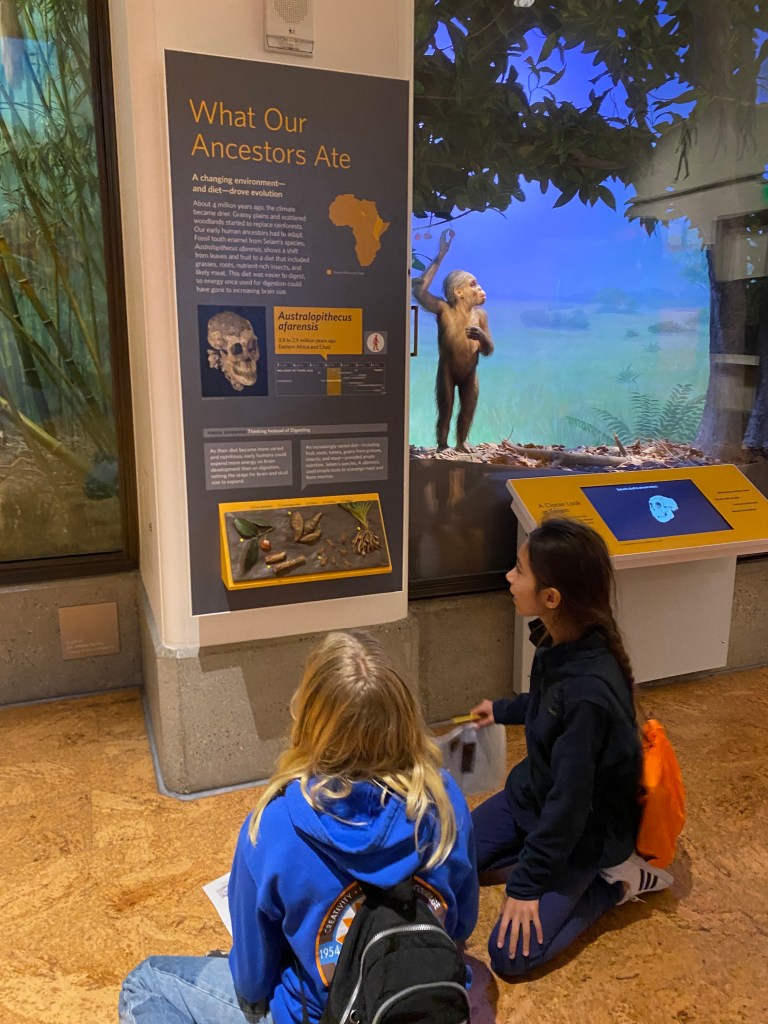
As part of their unit on early humans, students explored the Human Odyssey exhibit where they got to see fossil models of early human skulls, read about important evolutionary milestones, and use an interactive map of human migration as part of field research for their unit on early humans. 

#SaklanFieldExperience
Lunch & Life Lessons

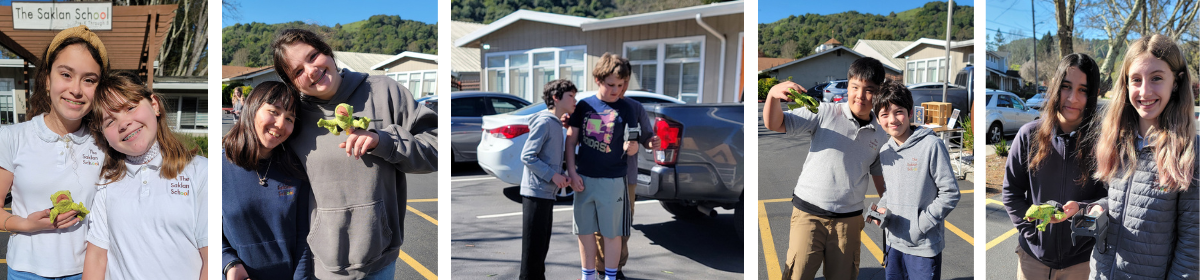
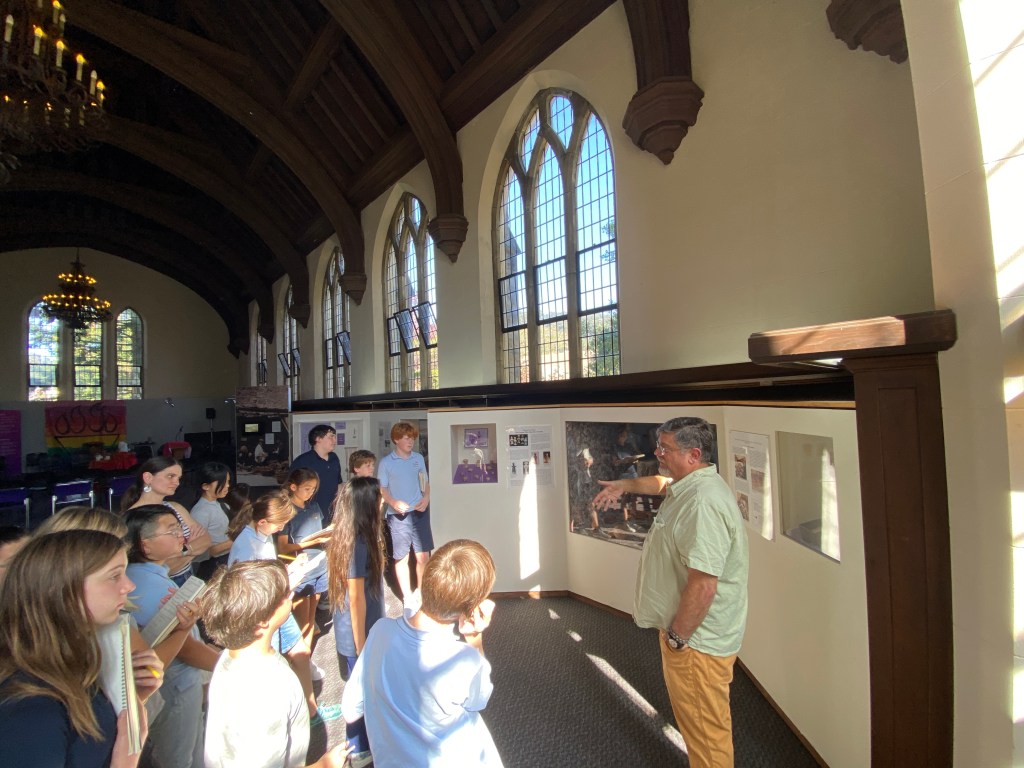
Every fourth Thursday, the middle school students and teachers participate in a much-beloved tradition here at Saklan when they venture off campus and enjoy lunch from one of the local Moraga restaurants or stores. The students love the opportunity to pick their lunch for day, parents love not having to pack a lunch, and the teachers enjoy the many social and emotional perks that the trips offer to the middle schoolers. These lunches allow students to bond with peers and teachers in ways often not seen on campus, allow them to showcase their decision making and negotiation abilities when they decide with their buddy which establishment to get food from, and give them practice in budgeting as they determine which items to purchase with the money they have.

While Off-campus Lunch is a great perk for students it also holds many life lessons. For this reason, students and teachers alike look forward to Off-campus Lunch days!

#SaklanCommunity

The Biggest Bubble

In preparation for a full year of fun and exciting science, middle school students have been reviewing and practicing the scientific method. The sixth grade students were given the question: “Which bubble gum creates the biggest bubbles: Double Bubble or Hubba Bubba?”

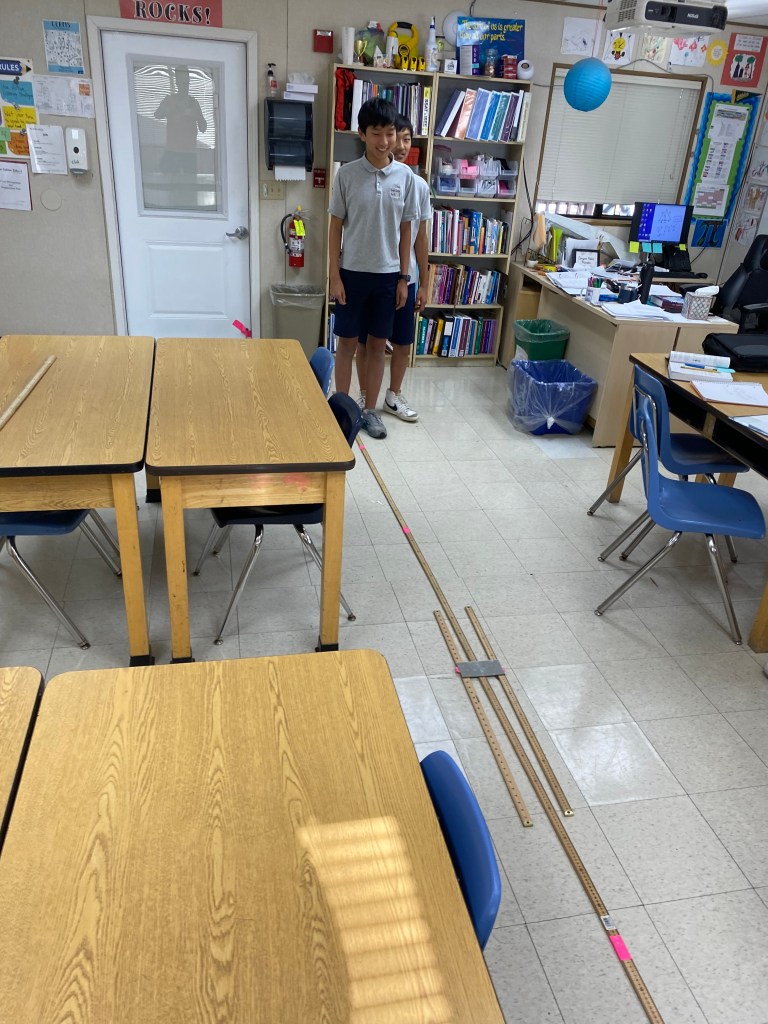
Students created their hypothesis, were given the same amount of each gum for consistency, and decided on a bubble gum blower for the experiment to keep the ability consistent. After measuring 5 bubbles and averaging their findings, most groups found Hubba Bubba to be better at consistently blowing large bubbles. Students noted that Hubba Bubba was the softer of the two gums. This and other flavor preferences played into their guess as to why Hubba Bubba was better. From this fun experiment, the scientific questions and hypotheses started flowing!

#SaklanHandsOn

Connected, Confident Middle School

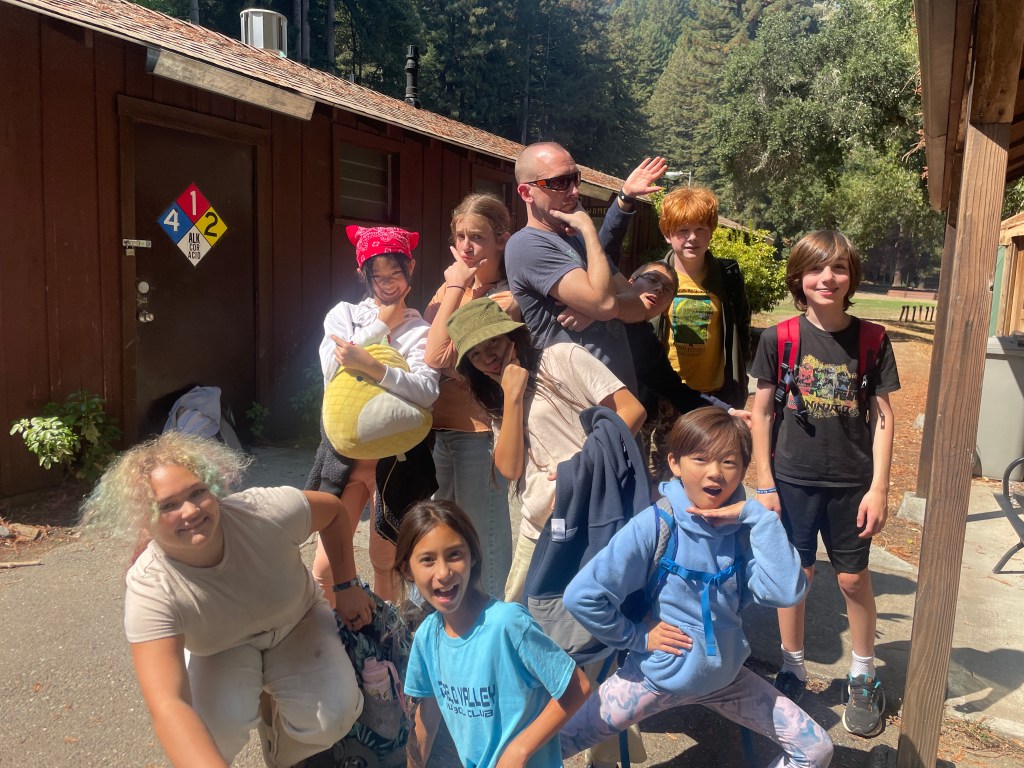
A long-standing tradition of the Saklan Middle School is to start the year with a three-day, two-night field experience called the “Advance.” This field experience is intentionally designed to create an opportunity for the middle school students to advance into the new school year in a positive, proactive way that helps them flourish into self-confident young adults.  
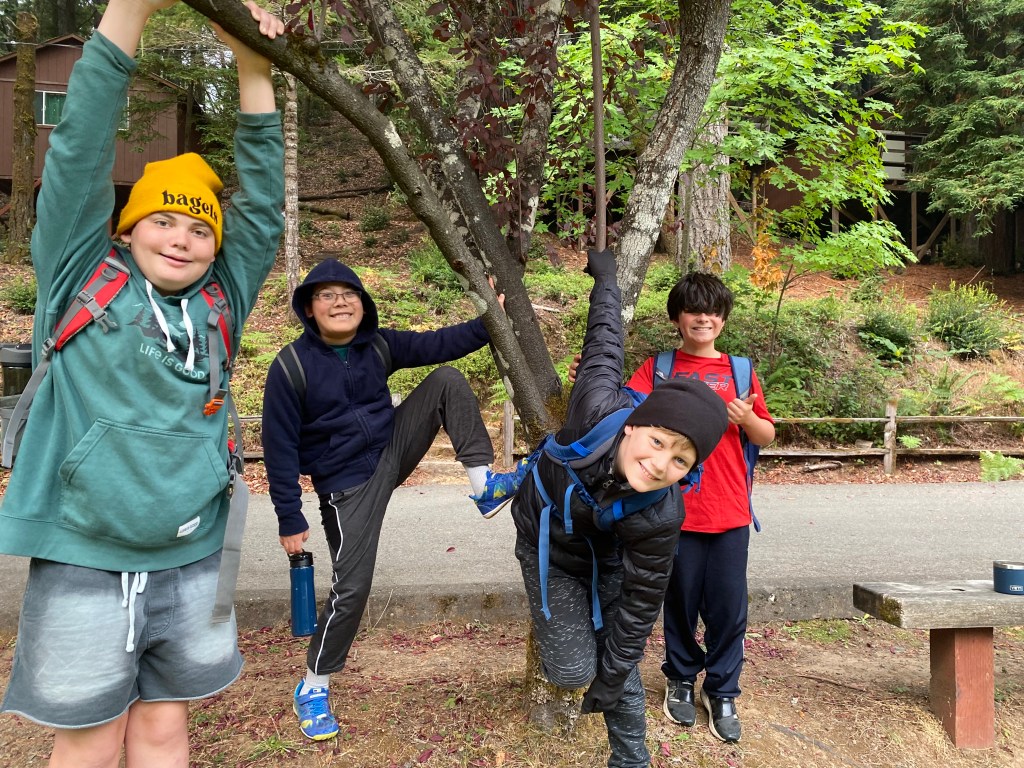
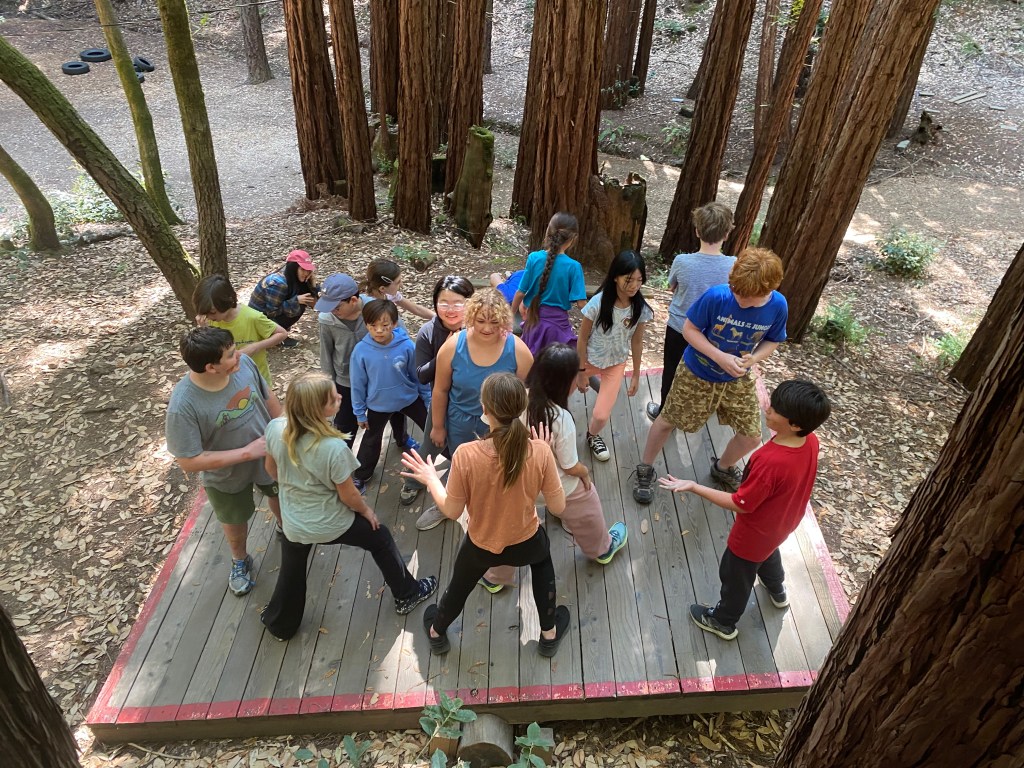
During the Advance, students engage in different activities that build relationships between students and their teachers. Navigating ropes courses, completing blindfolded trust walks, and playing team-building games facilitate positive interactions and friendships. Students are asked to take risks together, creating bonds that will carry them through the school year. Not only does this help solidify their sense of belonging, but it also allows for better collaboration, trust, and academic focus.

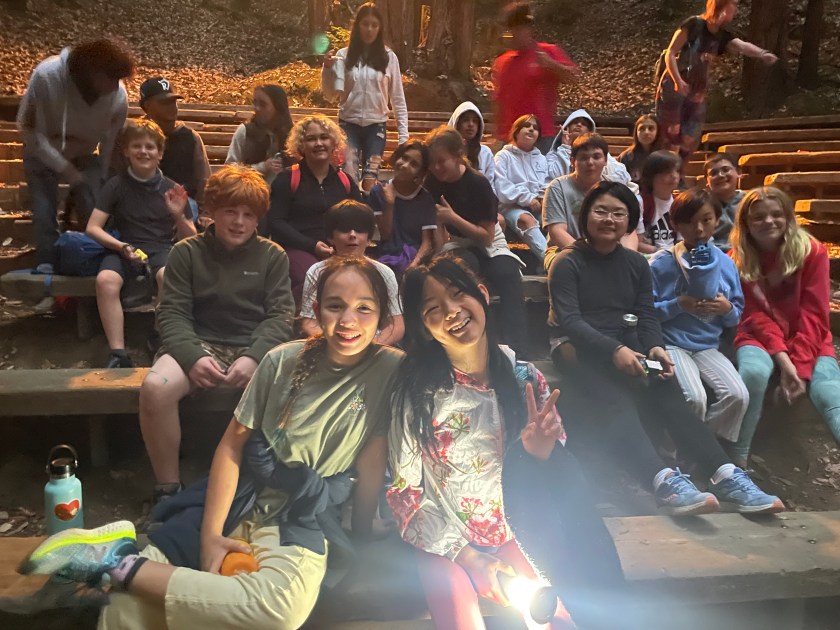
Yesterday afternoon, the middle school students and teachers returned from the Advance as a slightly different group than when they left Tuesday morning. They formed new friendships, built a new community, and have a renewed sense of confidence. They were also a bit tired from all the fun and activities. But most importantly, the middle school team returned ready to thrive and grow during their middle school experience.
#SaklanConnected #SaklanConfident