Owlet Creativity

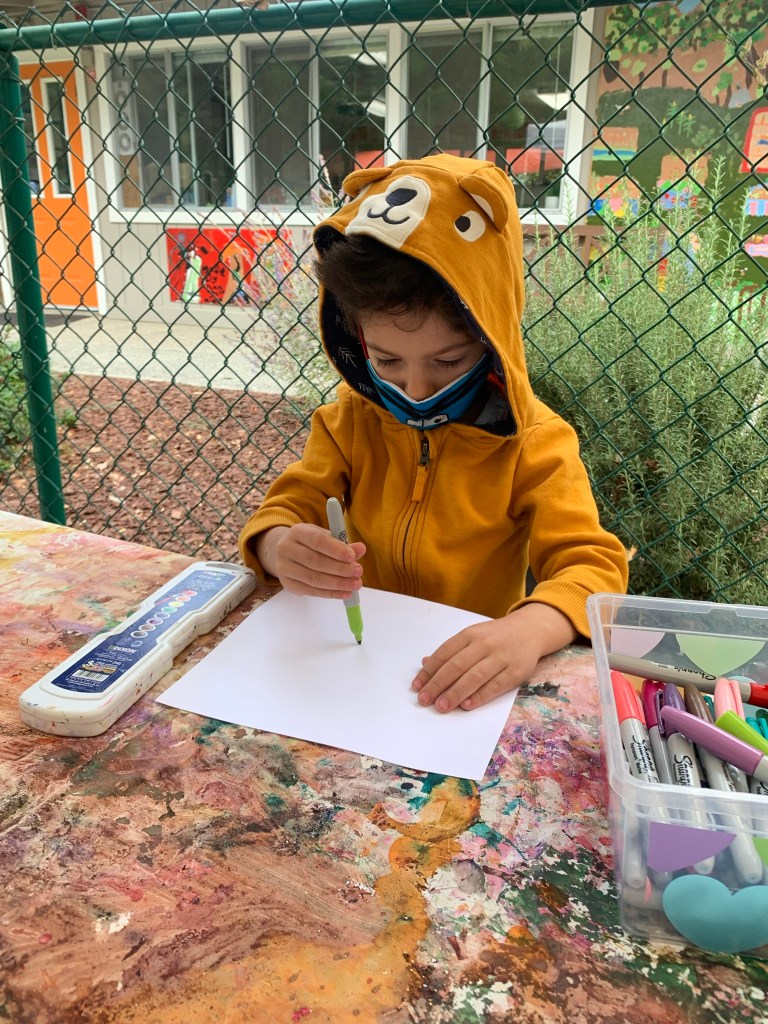
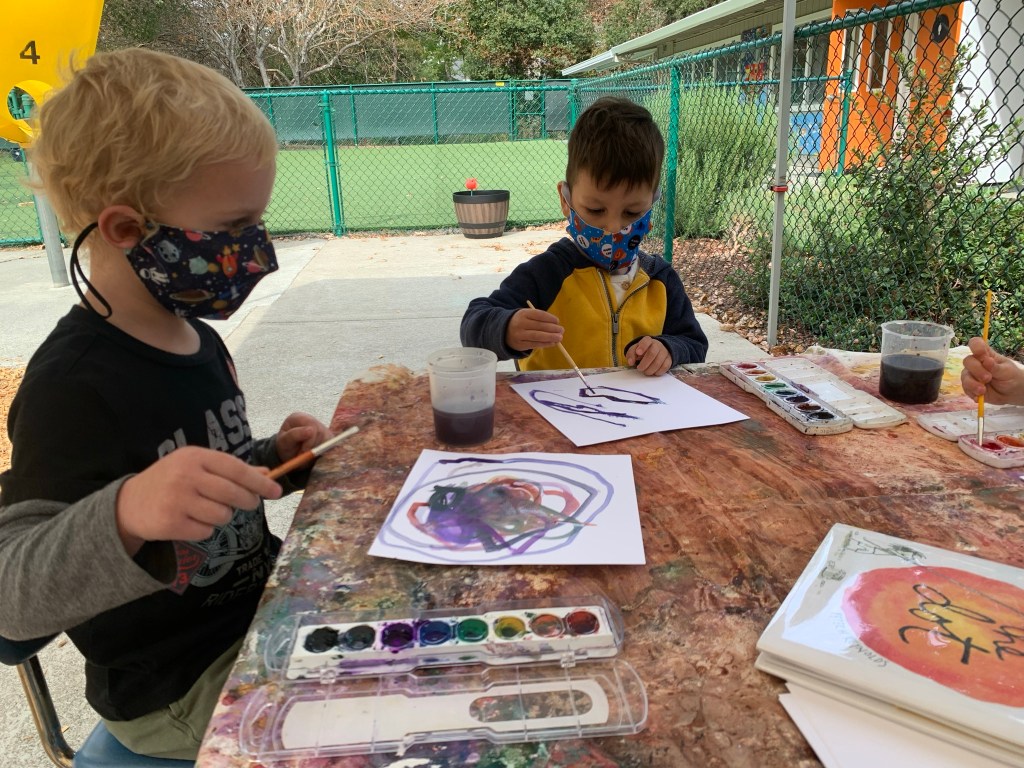
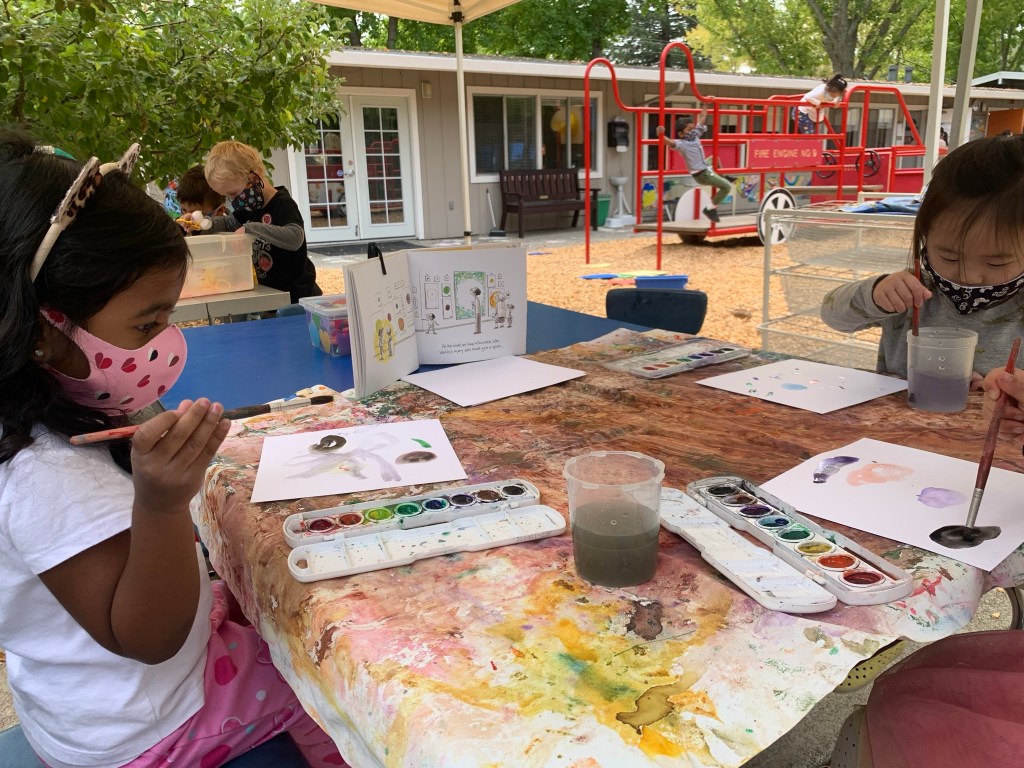
The Owlet class has been exploring the social emotional learning theme of creativity. They read the book The Dot by Peter H. Reynolds. In the story, a girl named Vashti thinks she can’t do art. Her teacher encourages her to start small, with just a dot, and see what happens. The Owlets imitated Vashti’s art, starting with one small dot then using watercolor paints to add to their piece. Some students painted more dots of different sizes and colors like Vashti did, but each piece was unique! Every dot painting was then hung up in their classroom.
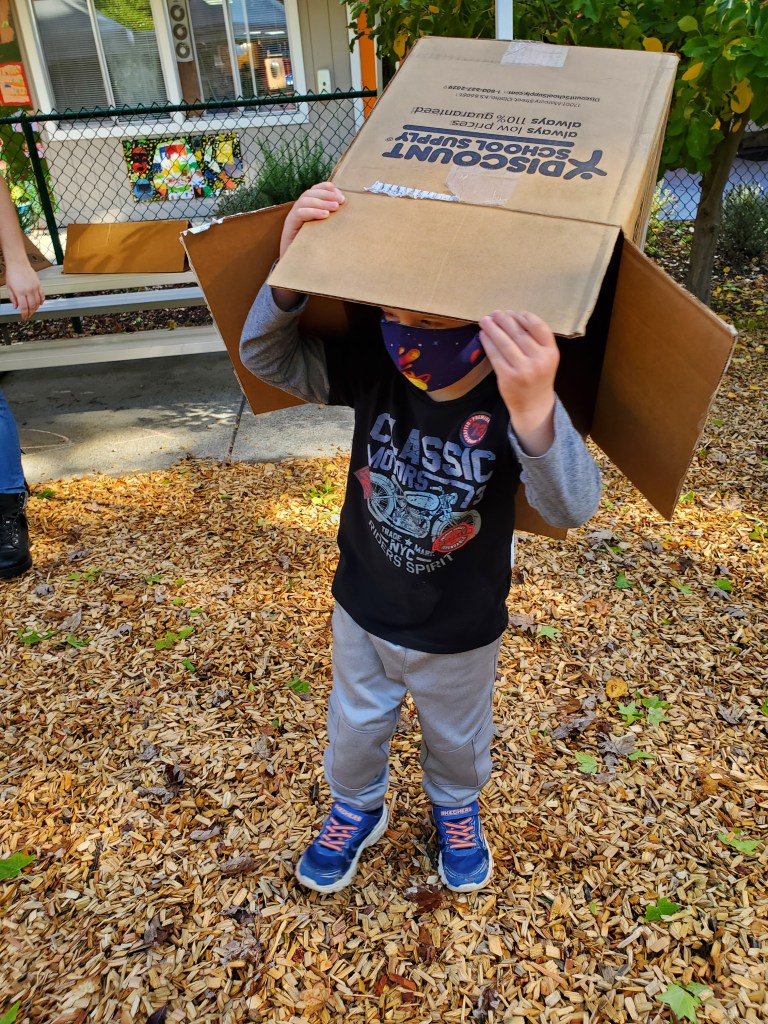
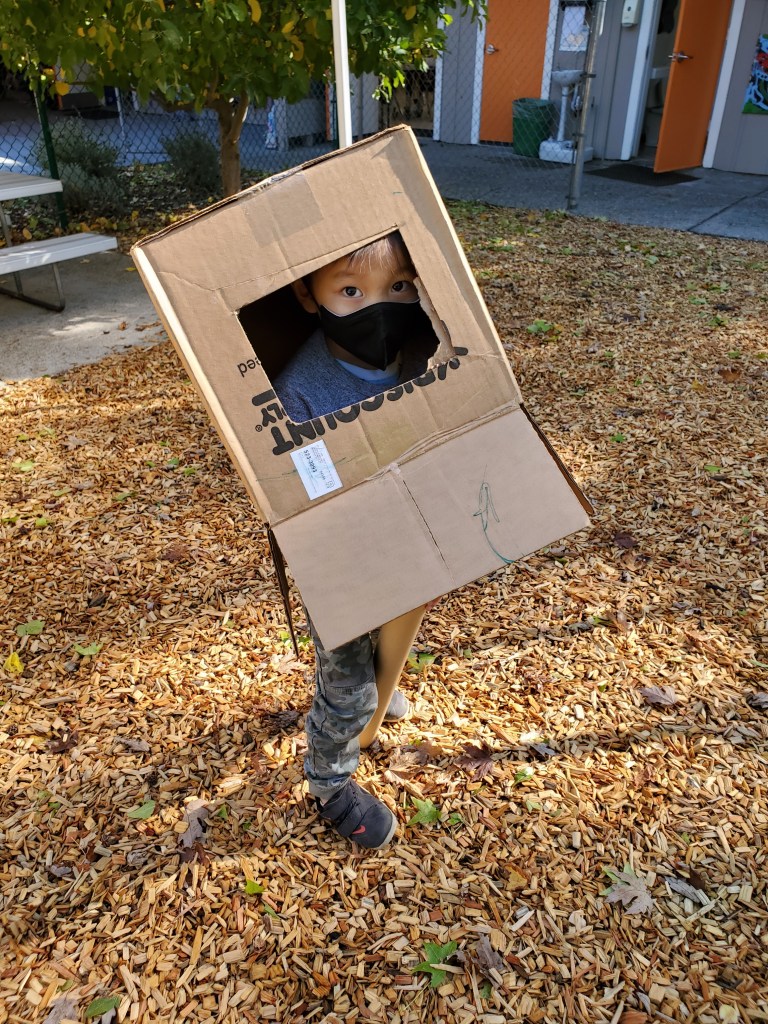
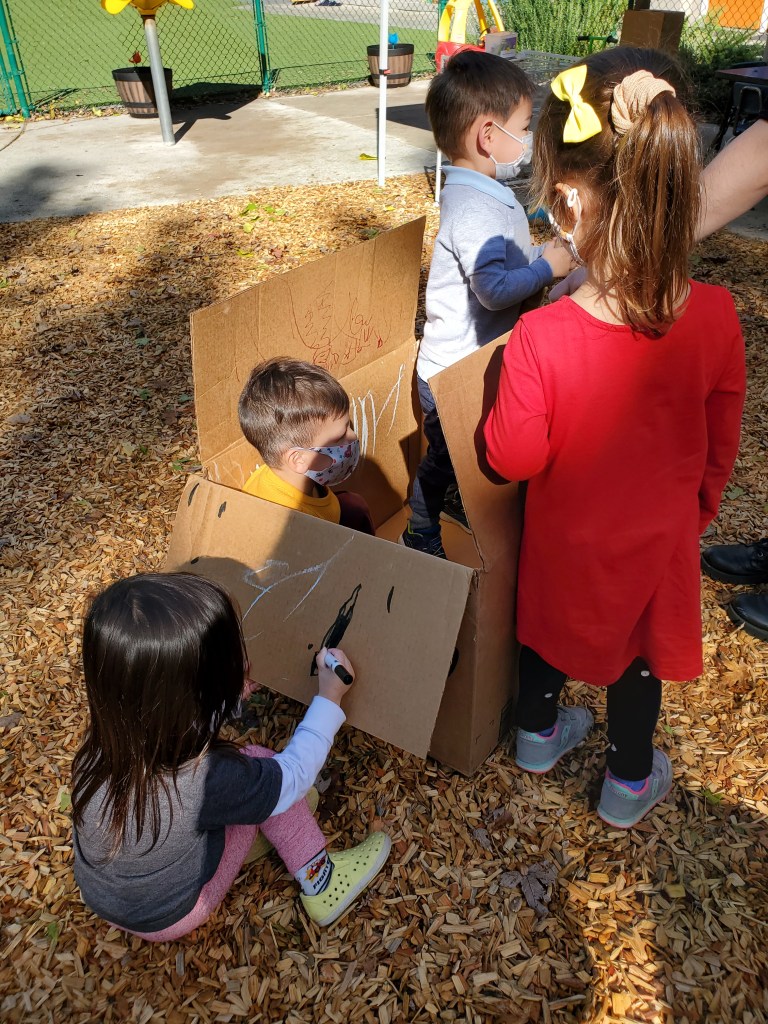
The Owlets also read Not a Box by Antoinette Portis. In the story, a small rabbit shows that a box is not just a box, but can be anything the imagination allows. Ms. Jessica then placed several boxes of various sizes and shapes out on the yard, and the Hoot Owls and Owlets turned them into rocket ships, buses, sail boats and more!
#SaklanCreativity
Animal Classification

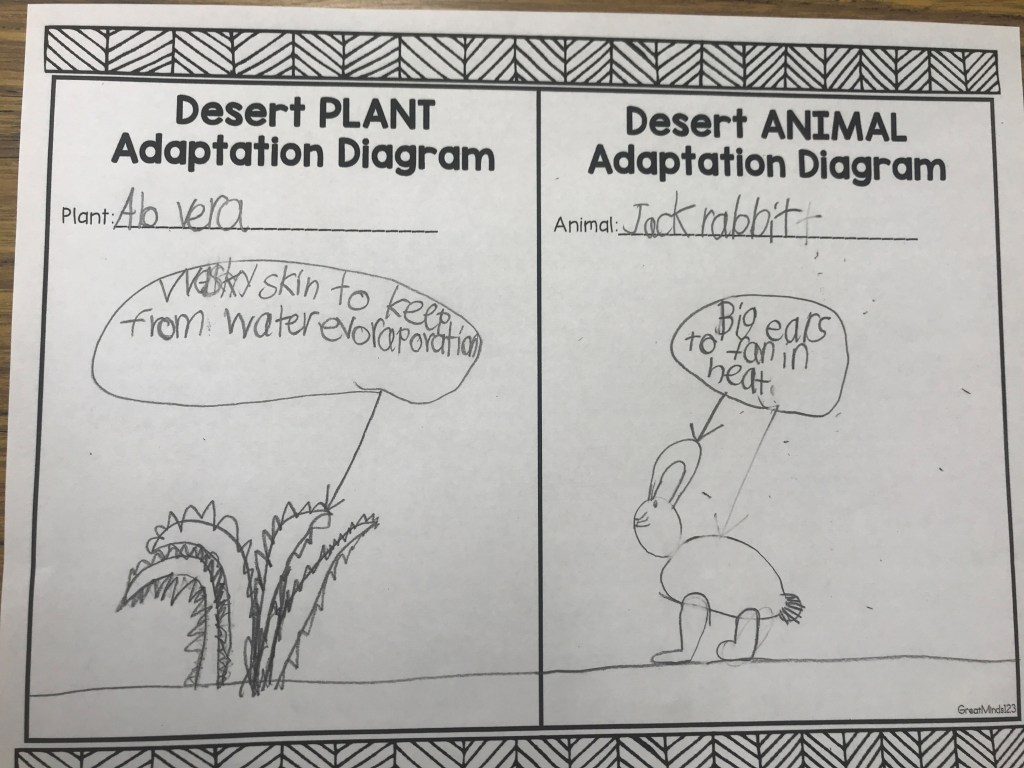
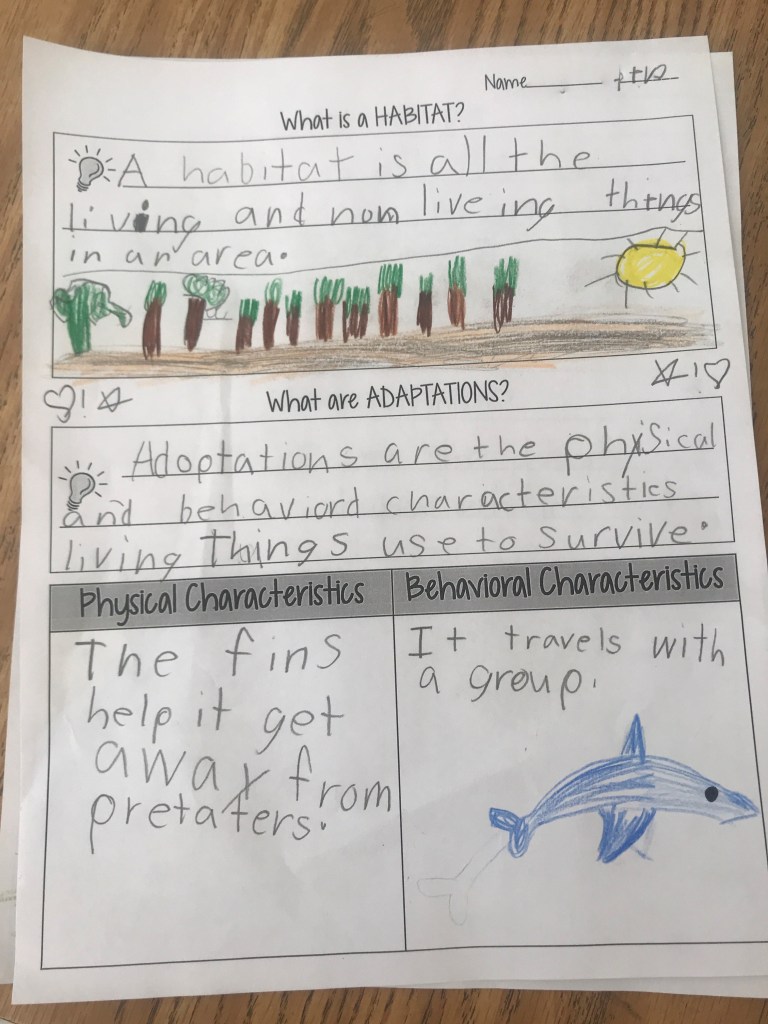
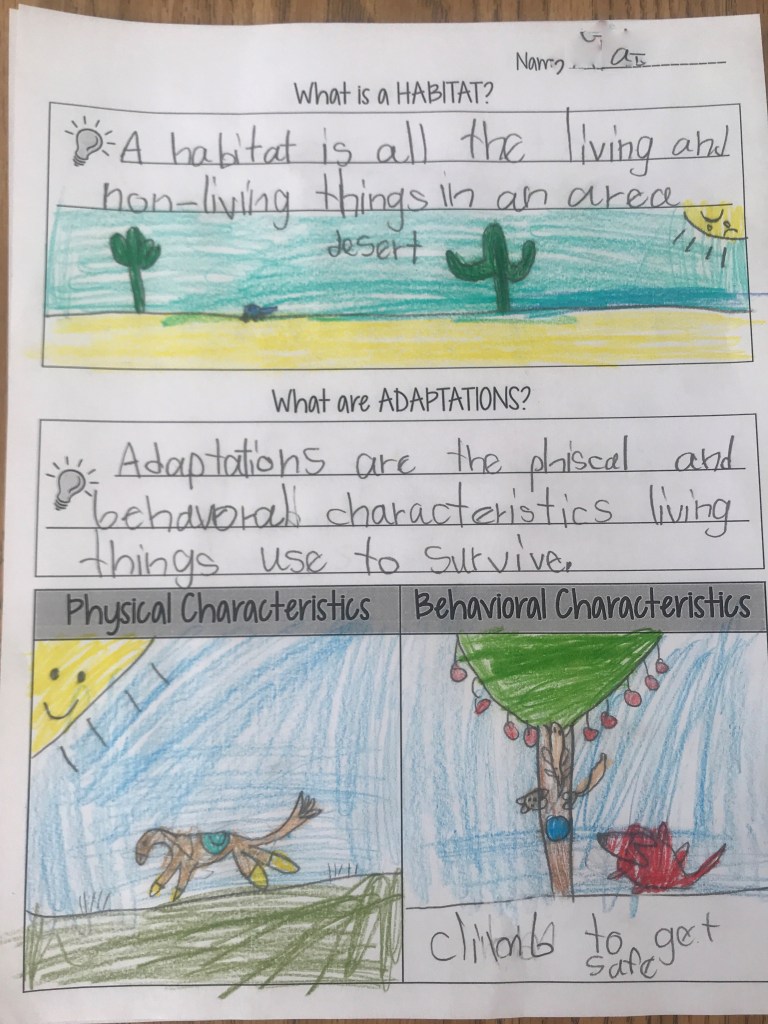
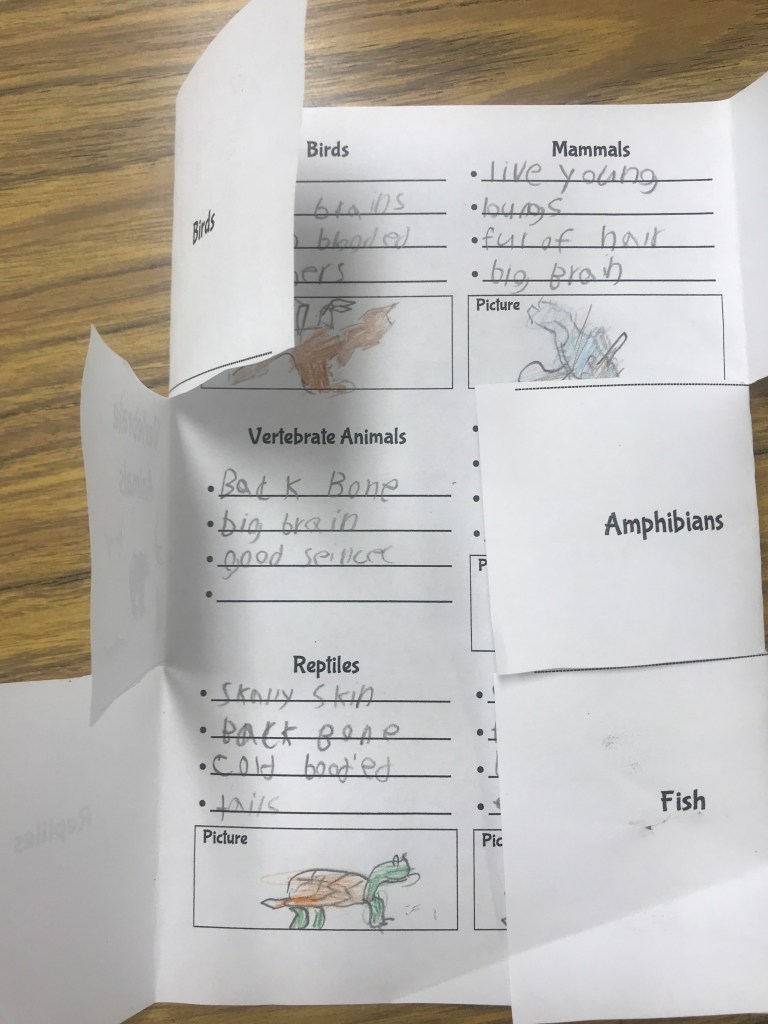
The Saklan second graders have been learning about animal classification. They learned what makes an animal a vertebrate versus an invertebrate, and then about the five types of vertebrates. 

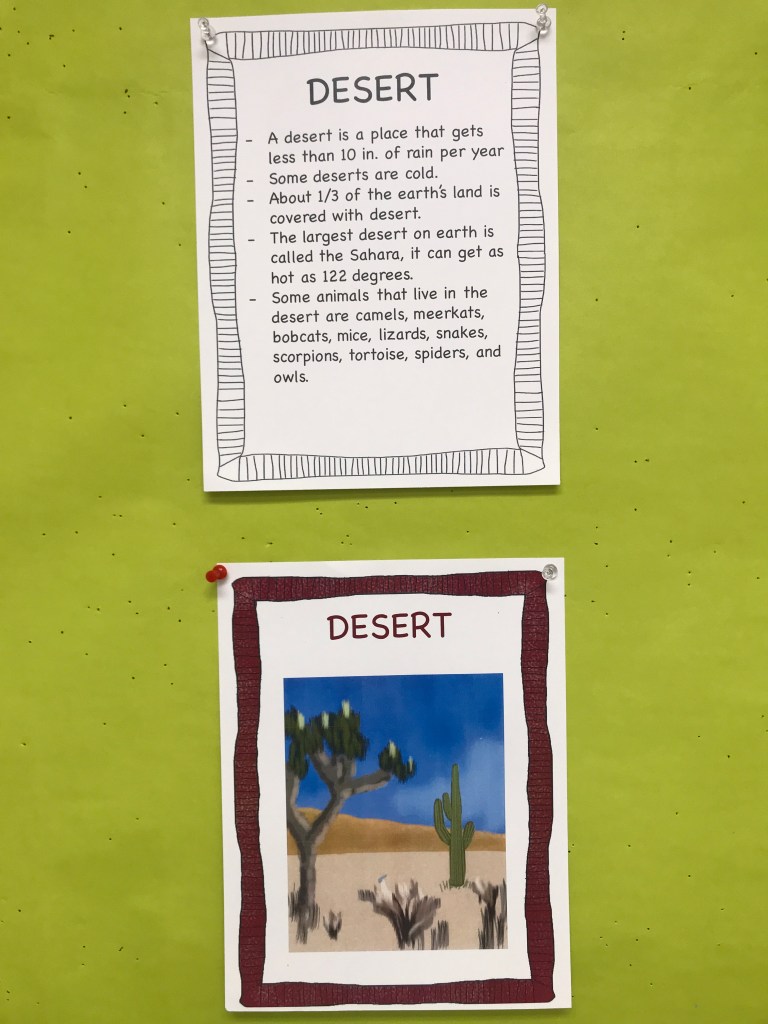
Next, the students learned about habitats, and studied different habitats around the world. They also learned about adaptations, and looked at different adaptations that allow plants and animals to live in their chosen habitats.

#SaklanAcademic

Visiting Moraga Gardens Farm

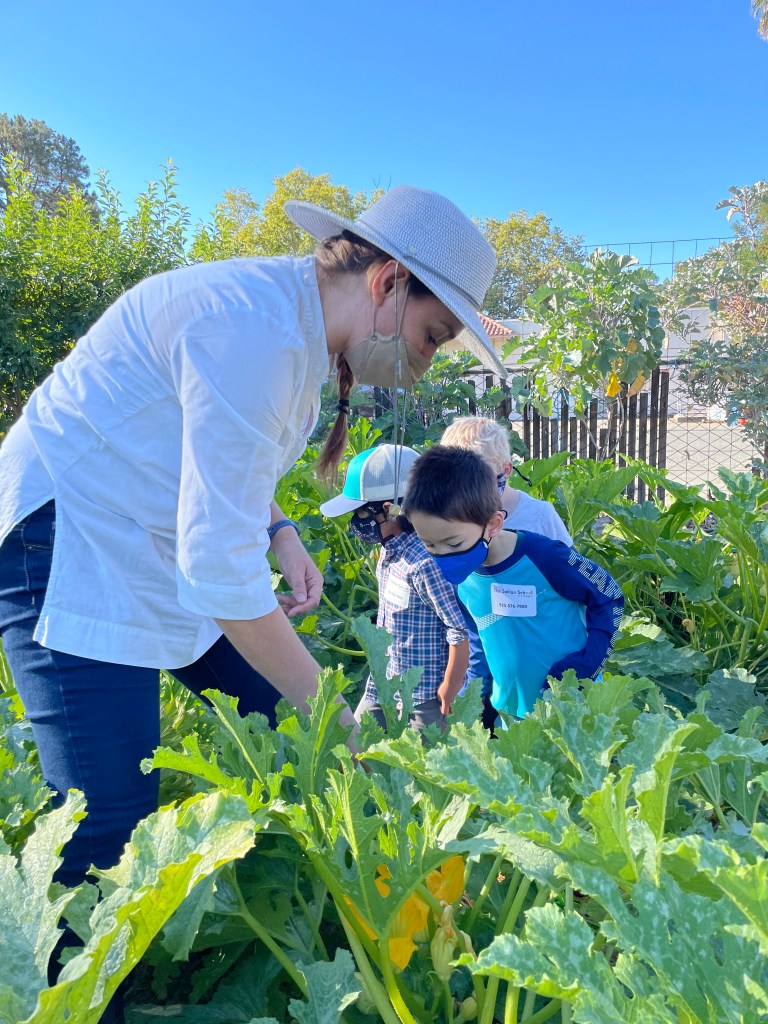
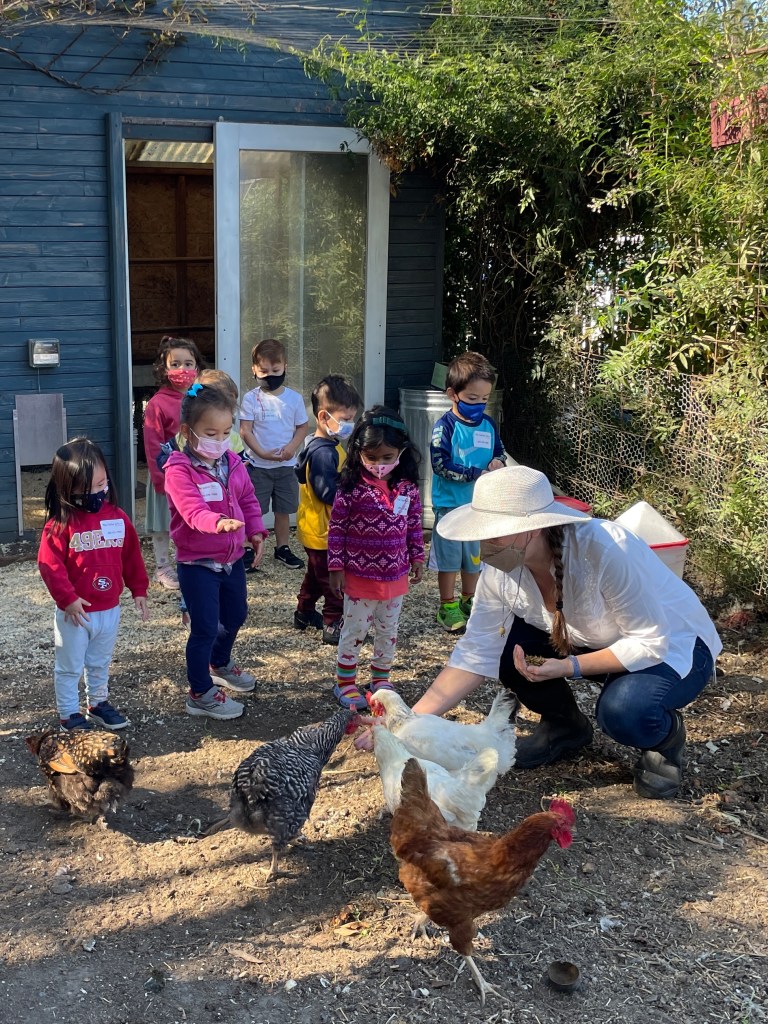
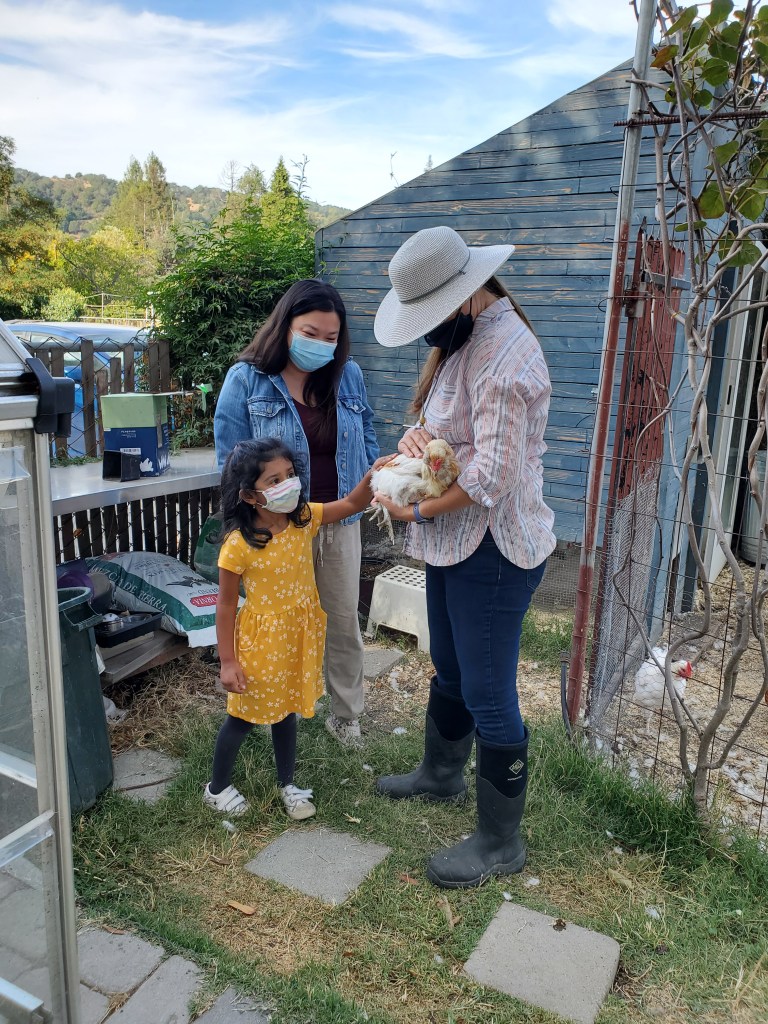
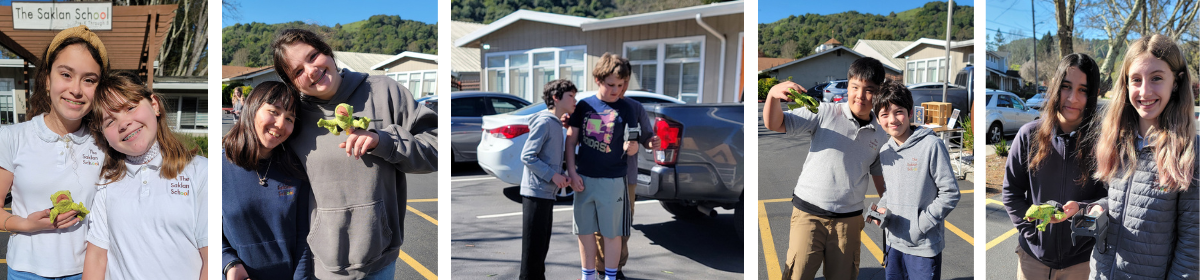
During September and the first week of October, the Hoot Owls, Owlets, first graders, second graders, third graders and fourth graders took their first field experience of the year to Moraga Gardens Farm! Ms. Meredith led each of the classes on the two-block walk to the farm, and then on a tour of the community garden. The garden was filled with eggplants, cucumbers, kale, apples, pears, tomatoes, and much more.

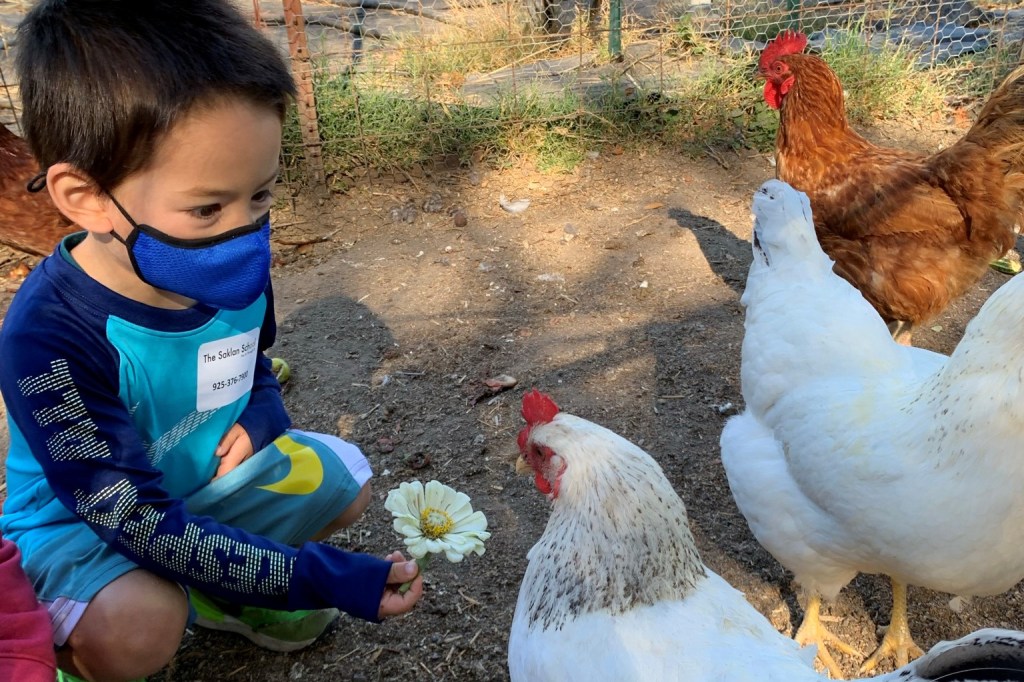
During the tours, students learned that fruits and vegetables grow from flowers after being pollinated. They saw the difference between seasonal trees, such as a peach tree (summer) and persimmon tree (fall). The children saw how vines grow by attaching their tendrils to other structures and plants, and how plants defend themselves from predators. They went inside the greenhouse, heard the bees buzzing in their hives, and got to sample some of the garden’s produce. Lastly, the students were invited to feed and pet the chickens.

The students all had a great time in the garden. Thank you, Ms. Meredith, for leading these interactive, engaging field experiences!

#SaklanFieldExperience

Duets

The Middle School Orchestra and Choir classes both recently finished a Duet project. For their duets, the students worked on collaborating with a partner on a song chosen to: challenge them in their skills, build confidence in their own musical abilities, and create something they couldn’t on their own. The students practiced together, had individual and class coaching sessions, and then recorded their performances on FlipGrid. Check out a couple of the duets below!

#SaklanWellRounded

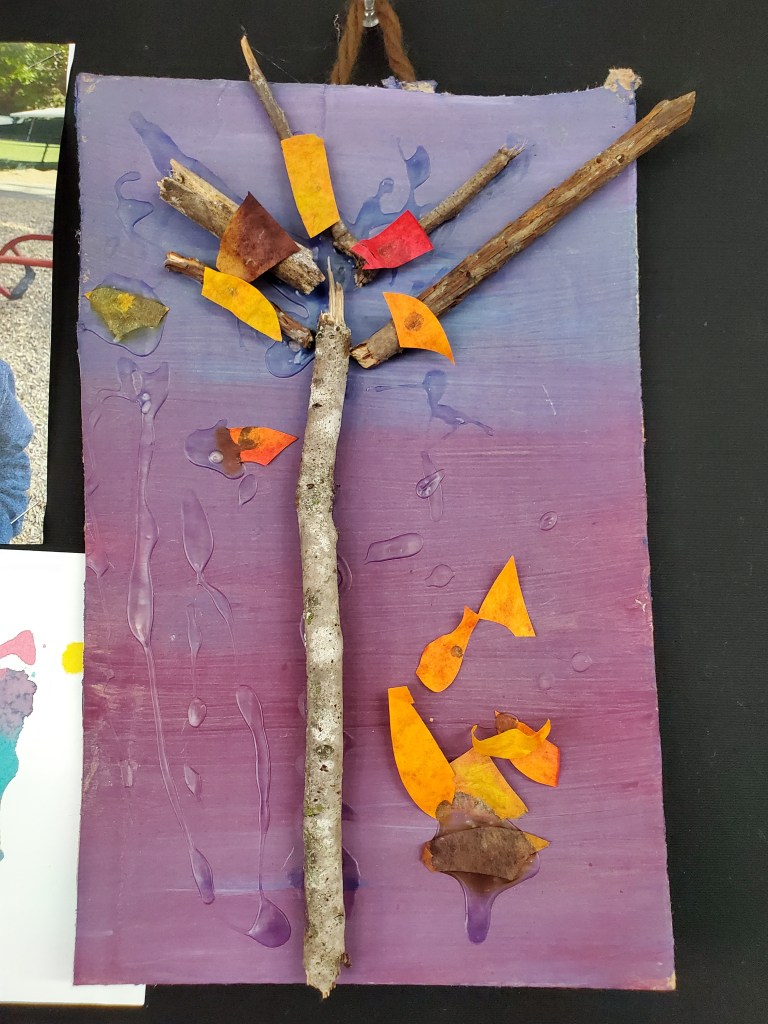
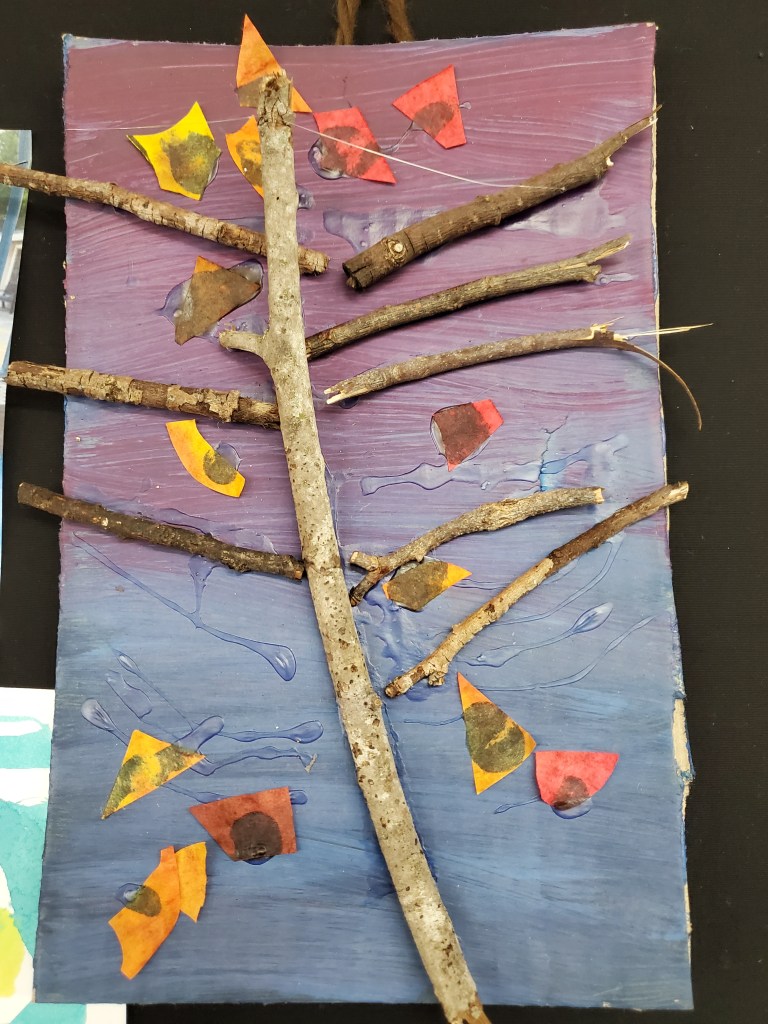
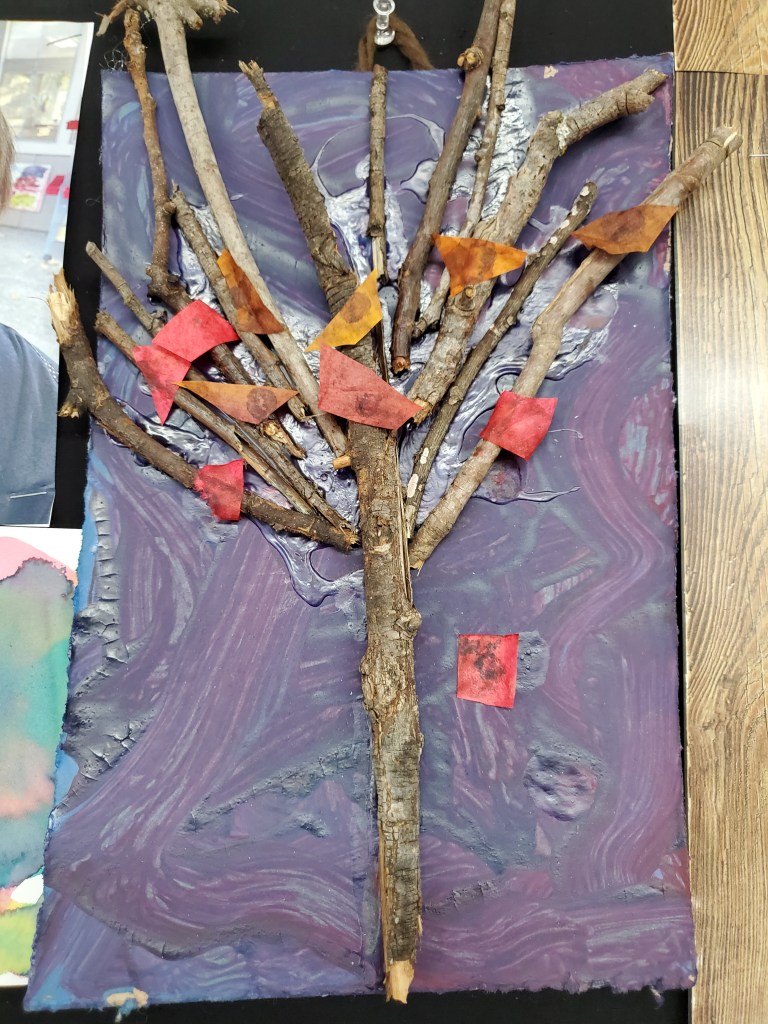
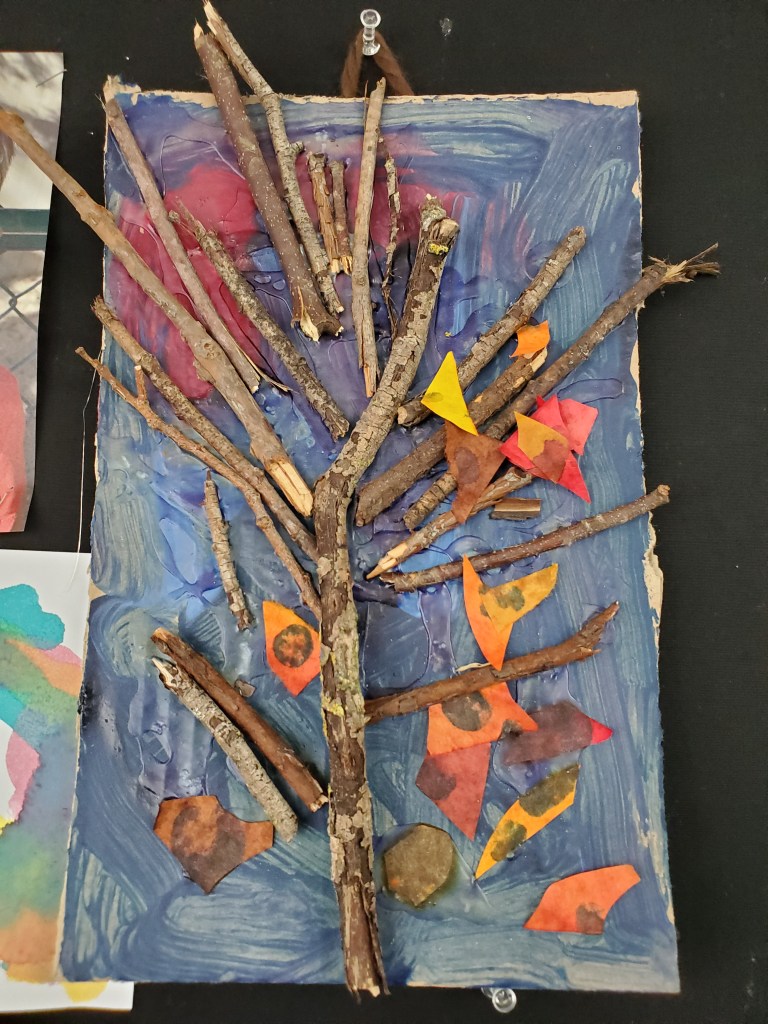
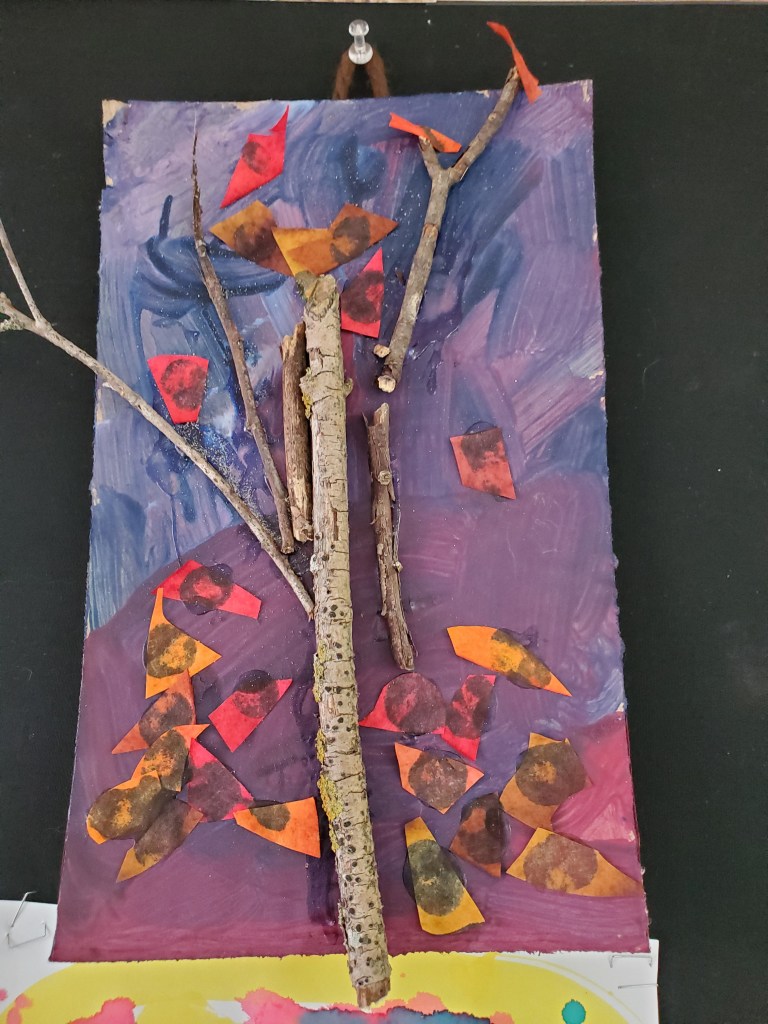
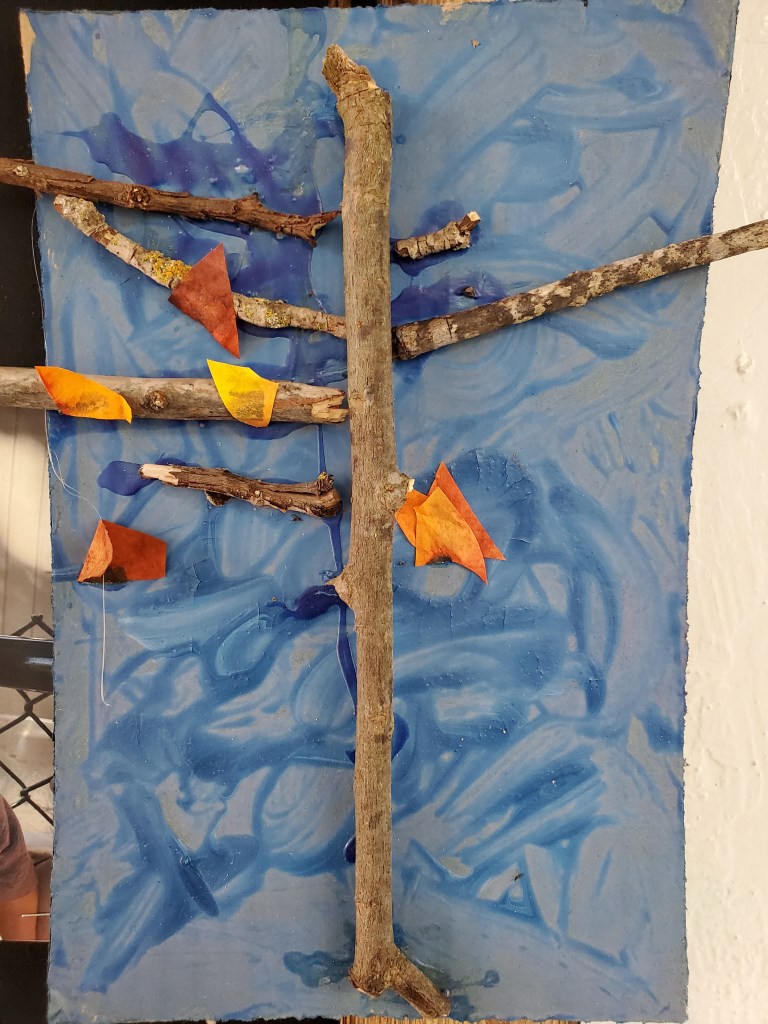
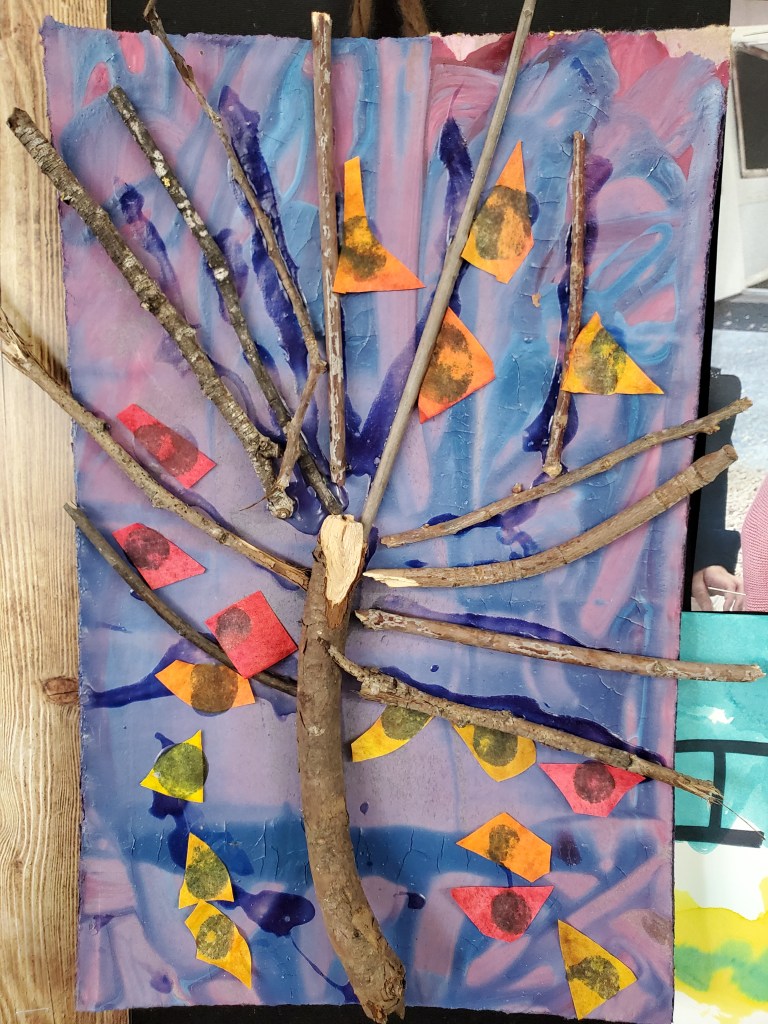
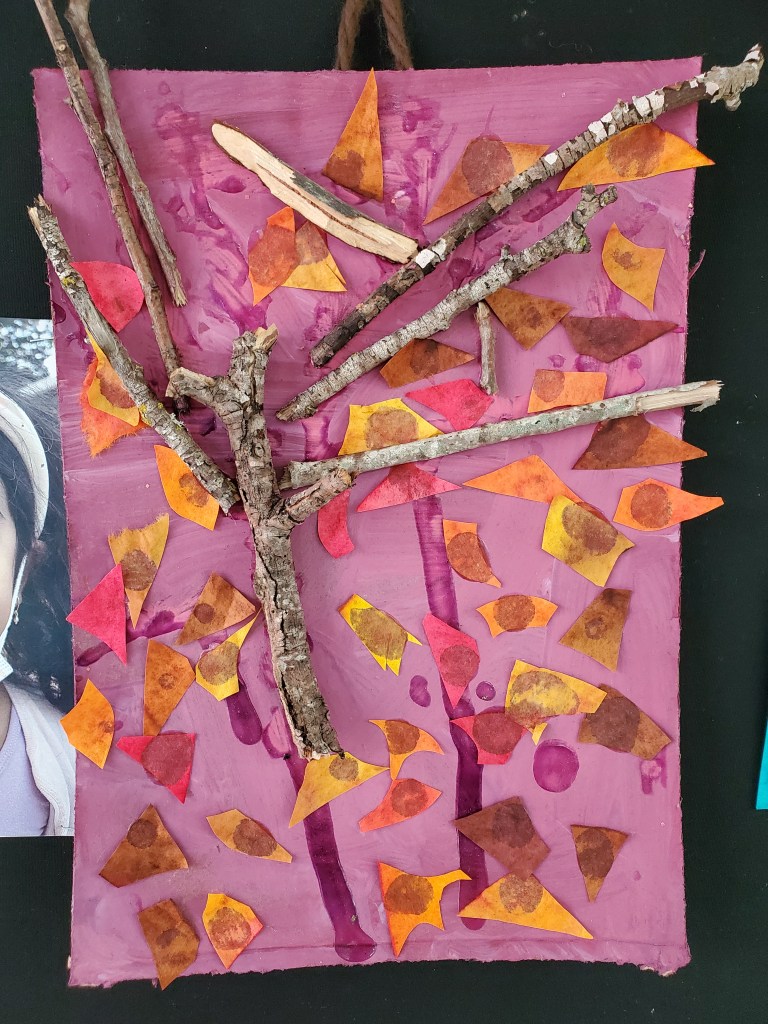
Hoot Owl Giving Trees

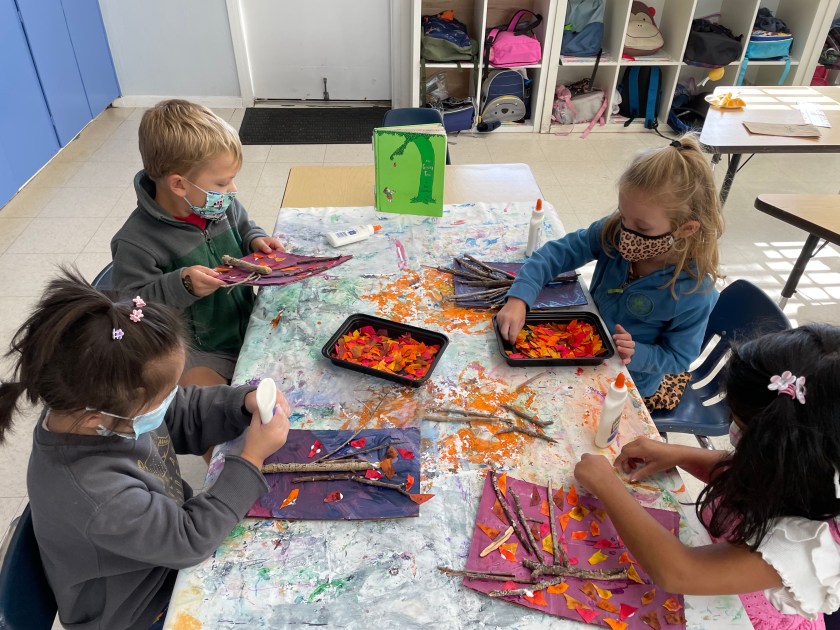
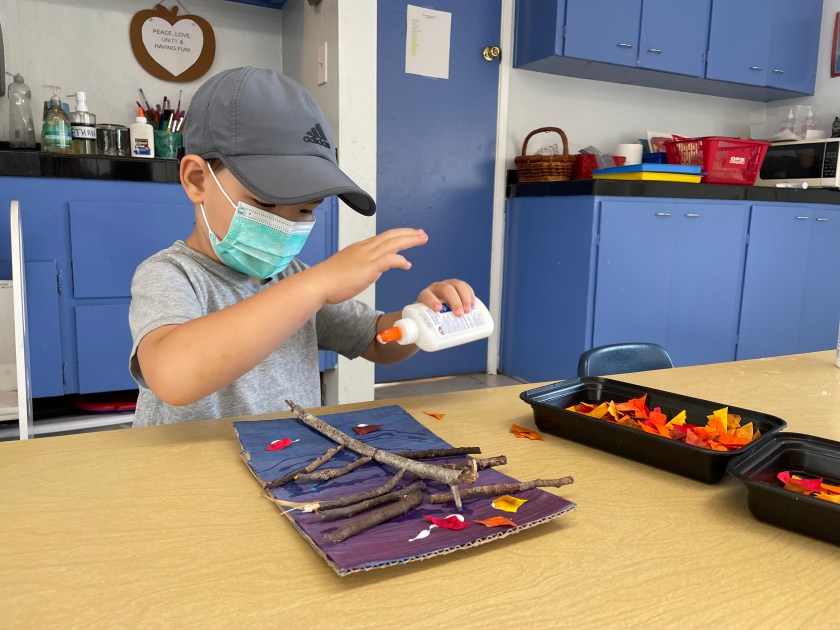
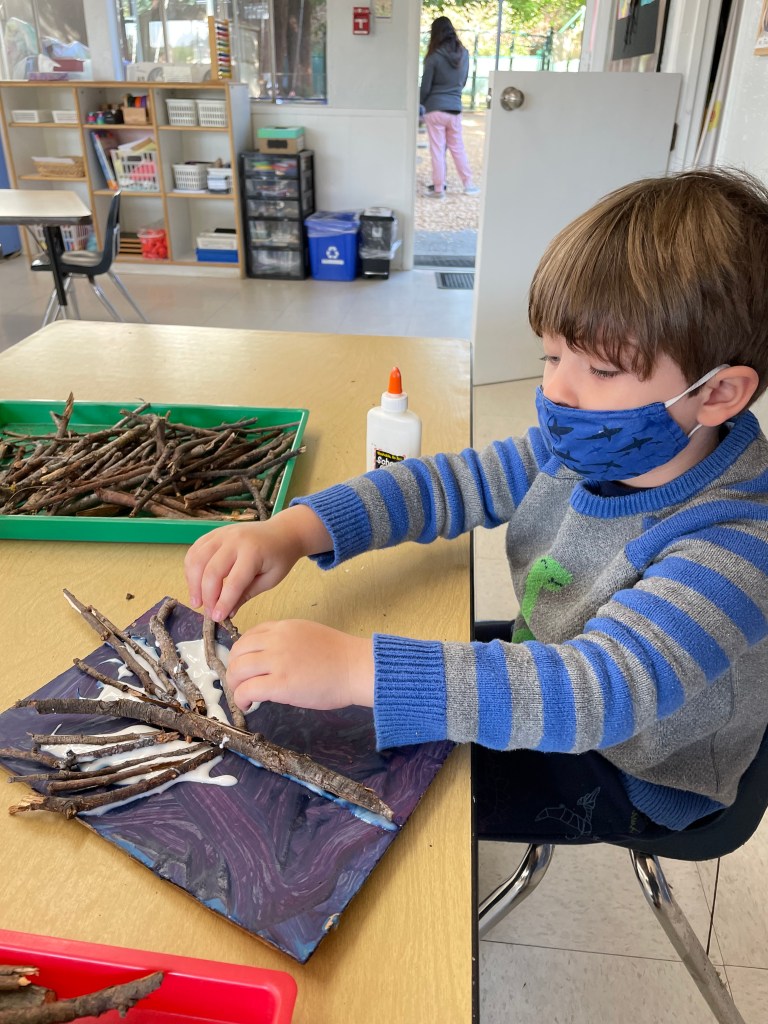
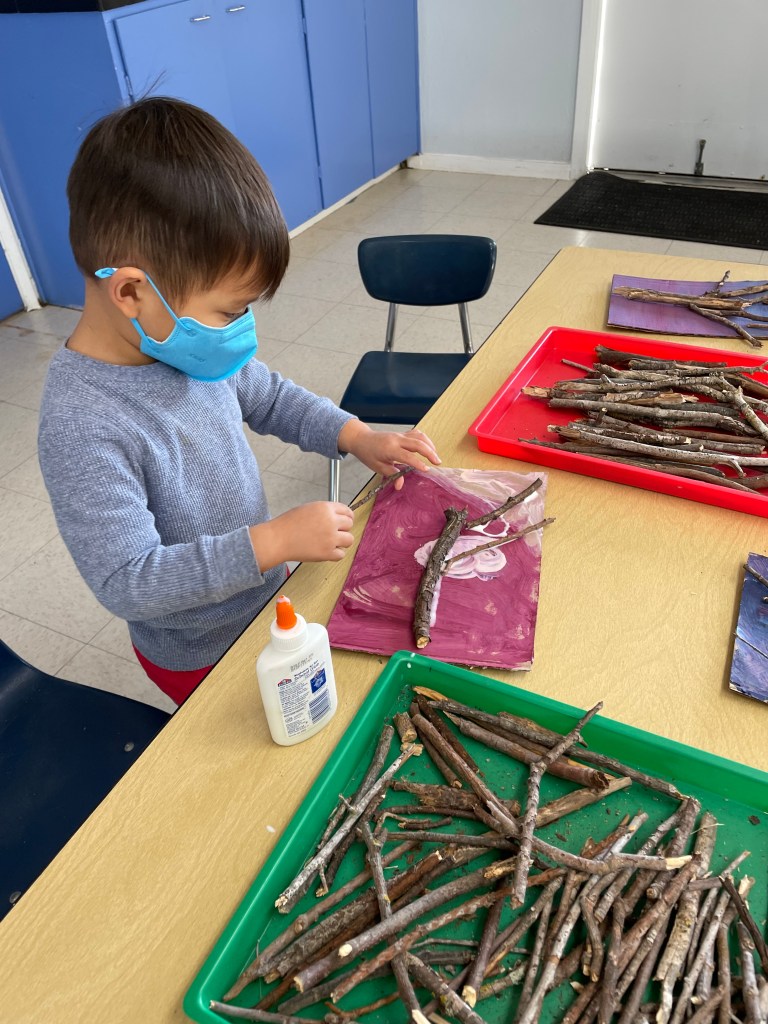
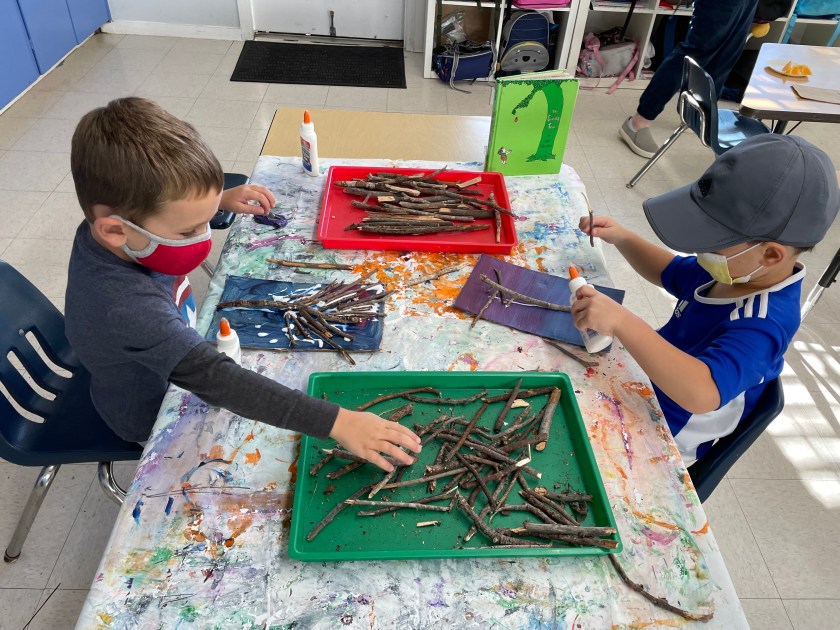
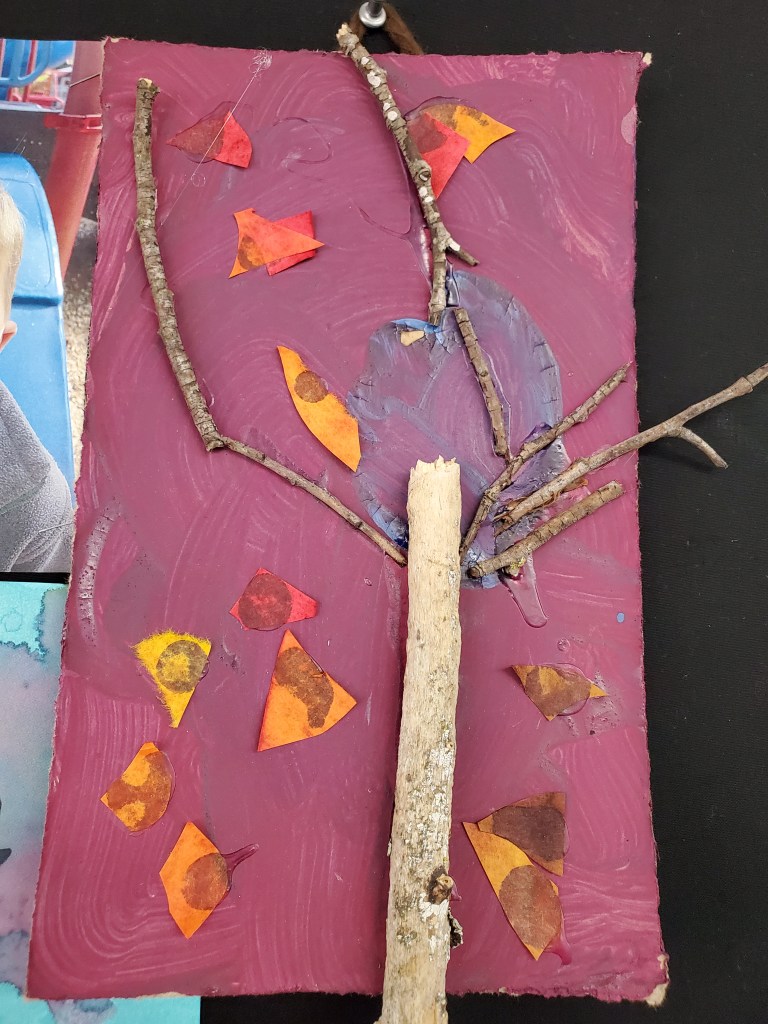
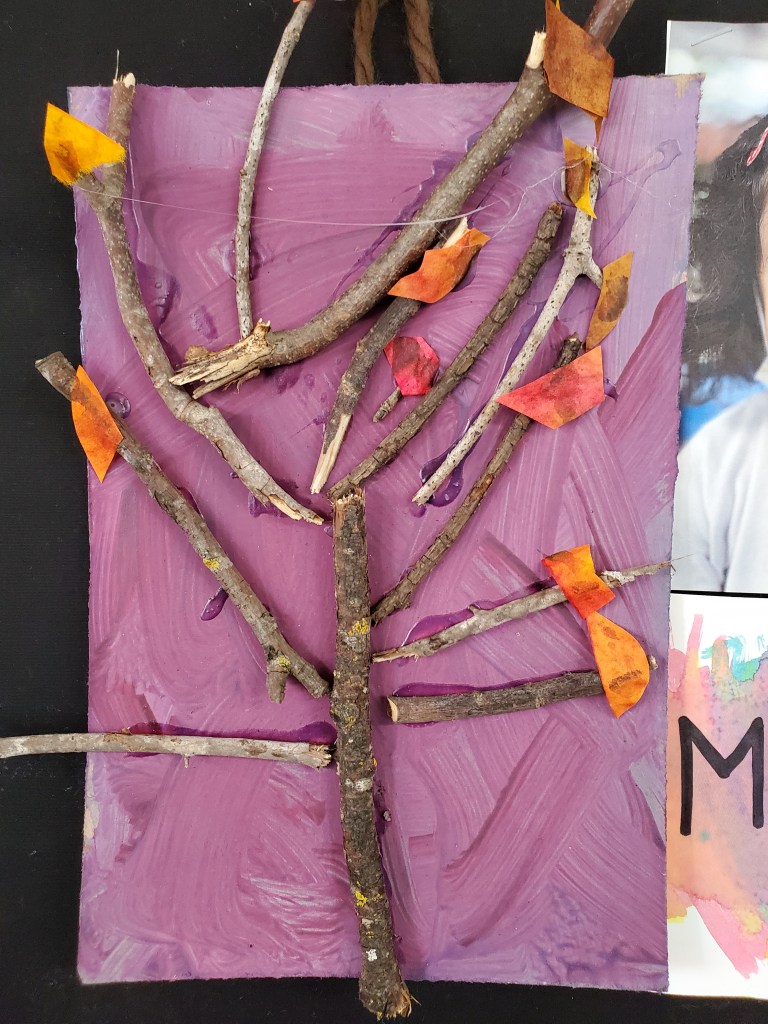
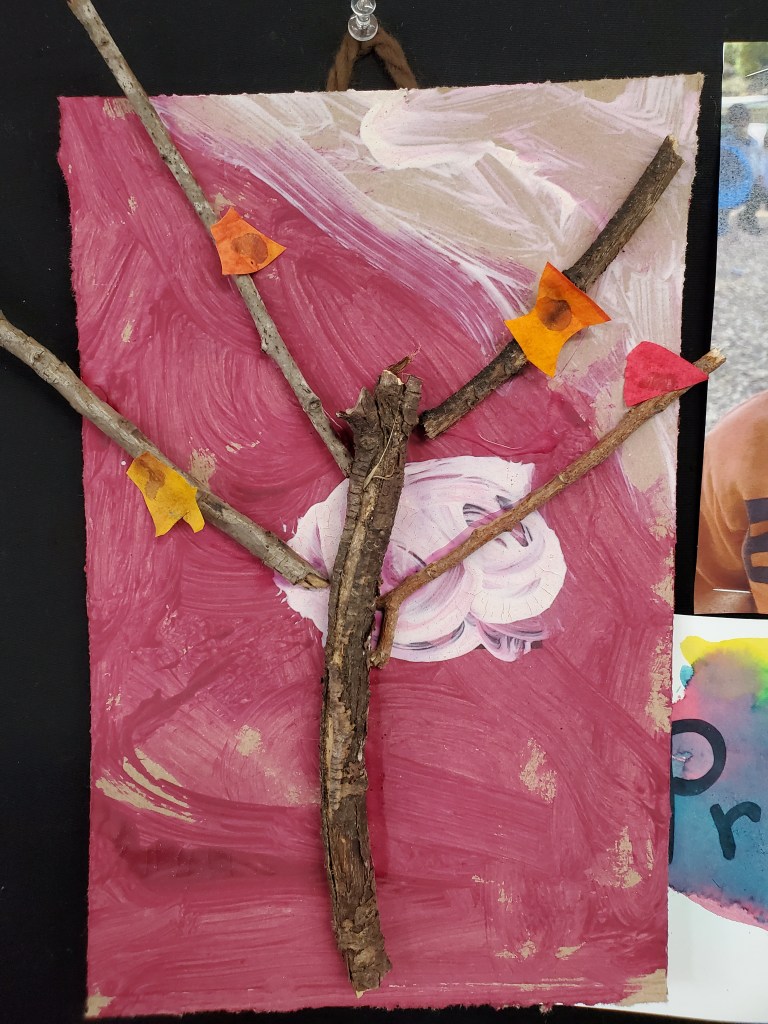
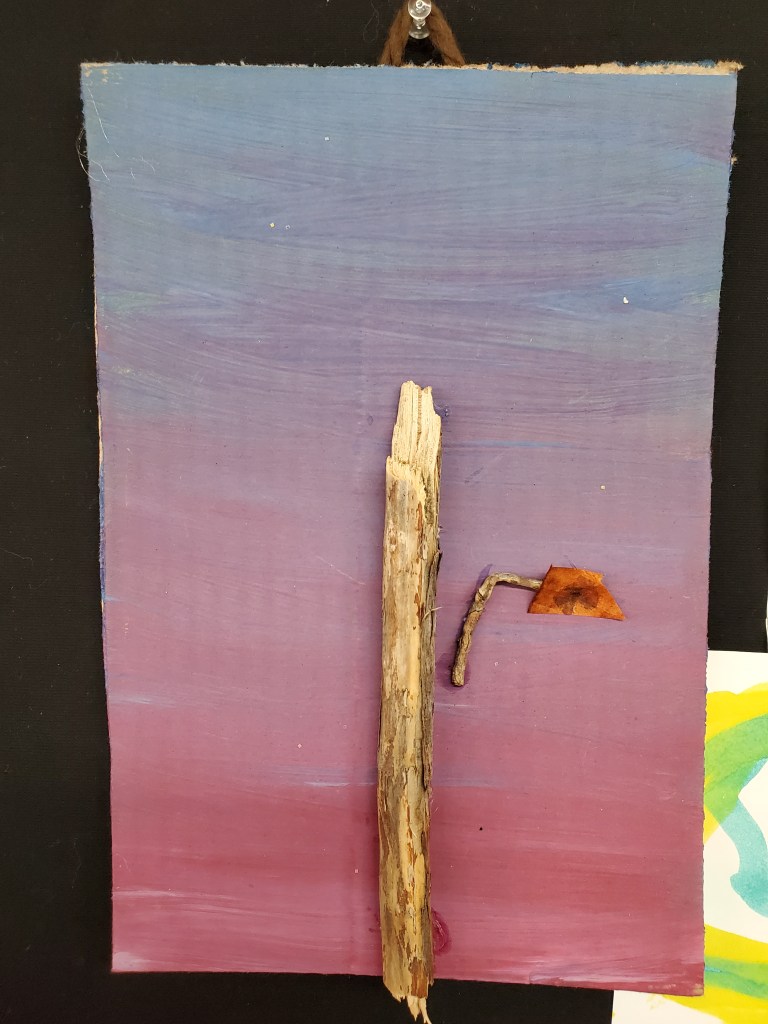
The Hoot Owls have been learning about fall and experiencing many seasonal changes, especially the changes in the trees! They have been reading books about leaves and trees including, The Giving Tree by Shel Silverstein. The students learned about the different parts of a tree and discussed the many things trees provide for humans. Then, the Hoot Owls made their own “giving trees” using real branches.

After the students completed their trees, Ms. Traci asked the Hoot Owls, “What does your giving tree give to you?” The answers included: leaves, apples, lemons, a place to sit, houses, boats, a bridge, benches, and a bunk bed!

#SaklanCreative

Internet Safety

Last Friday, the PA hosted a talk with Darryl Holcombe, Contra Costa County District Attorney’s Office Senior Inspector on internet crimes against kids. Darryl was so knowledgeable and approachable and gave some great advice to parents:

  1. Routinely talk to your children about internet safety and their digital footprint. Ideally this starts before they have a personal device to use, but it keeps evolving, so keep talking. Remind them always to think before they post. This Digital Citizenship site was recommended by a parent to help with this dialogue.
  2. Be familiar with the apps your child is using. Download them on your own device and learn how to navigate through them, including parental control features
  3. Common Sense Media is a great resource for guidance on apps and websites. 
  4. Have your children use their devices in a common area of the house.
  5. Think about investing in a parent monitoring program for devices. Some mentioned were OurPact, Life360, and Bark. There are ways around these, but they are one layer of protection.
  6. Use time in the car together to have discussions about digital citizenship. You can use scenarios: “What would you do if a stranger messaged you either on a social media site or while gaming and said ‘click this link’?” or “What would you do if your friend said he/she/they met a stranger online and they want to meet?” Explain that if someone online is asking for any information or things that seem unnecessary, they should tell you immediately.
  7. Consider having your child sign a Technology Agreement with specific terms that you agree to. For example, some basics could include giving the device back to a parent by a certain time of night (8pm) and making sure a parent always knows their child’s passwords. There are many examples online of Technology Agreements.
  8. Cyberbullying continues to be a prevalent issue. Remind your children that it’s important to tell a trusted adult if they see/read any bullying online.
  9.  Learn how to turn off map/location finding on things like Snapchat and encourage your kids to leave them off. 

Darryl was kind enough to share his email address in case parents had additional questions: dholcombe@contracostada.org. We look forward to having Darryl return to Saklan to talk to our kids about internet safety as well. Thank you, Darryl!

#SaklanParentEd #SaklanPA

Head’s Corner

“Be Curious, Not Judgemental”

Walt Whitman

This quote (recently made famous by Ted Lasso) replaces an old favorite of mine: “If you only believe 50% of what your children say about us, we will only believe 50% of what they say about you.” While the quote is tongue-in-cheek, it emphasizes that misunderstandings can occur between home and school when we only understand one perspective. But it is passive. It does not ask us to be curious and learn. When it comes to raising good people (the children we share), we need to be curious and suspend judgment.

Yesterday, as a faculty, we spent time talking about parent-teacher conferences. One of our conversation points was delving into the anxiety all participants (yes, even teachers) can feel during these meetings. As we prepare for conferences, it is essential to remember that we (parents and teachers) have the same goal in mind- to help young people grow to become fulfilled, self-actualized adults. This work is complicated and bumps in the road are inevitable, but our children benefit when we remain curious and work together. 

Please keep this in mind next week as you discuss your child’s progress at conferences. We are a team, and we look forward to sharing glows and grows with you.

In gratitude,

David

The Importance of DNA

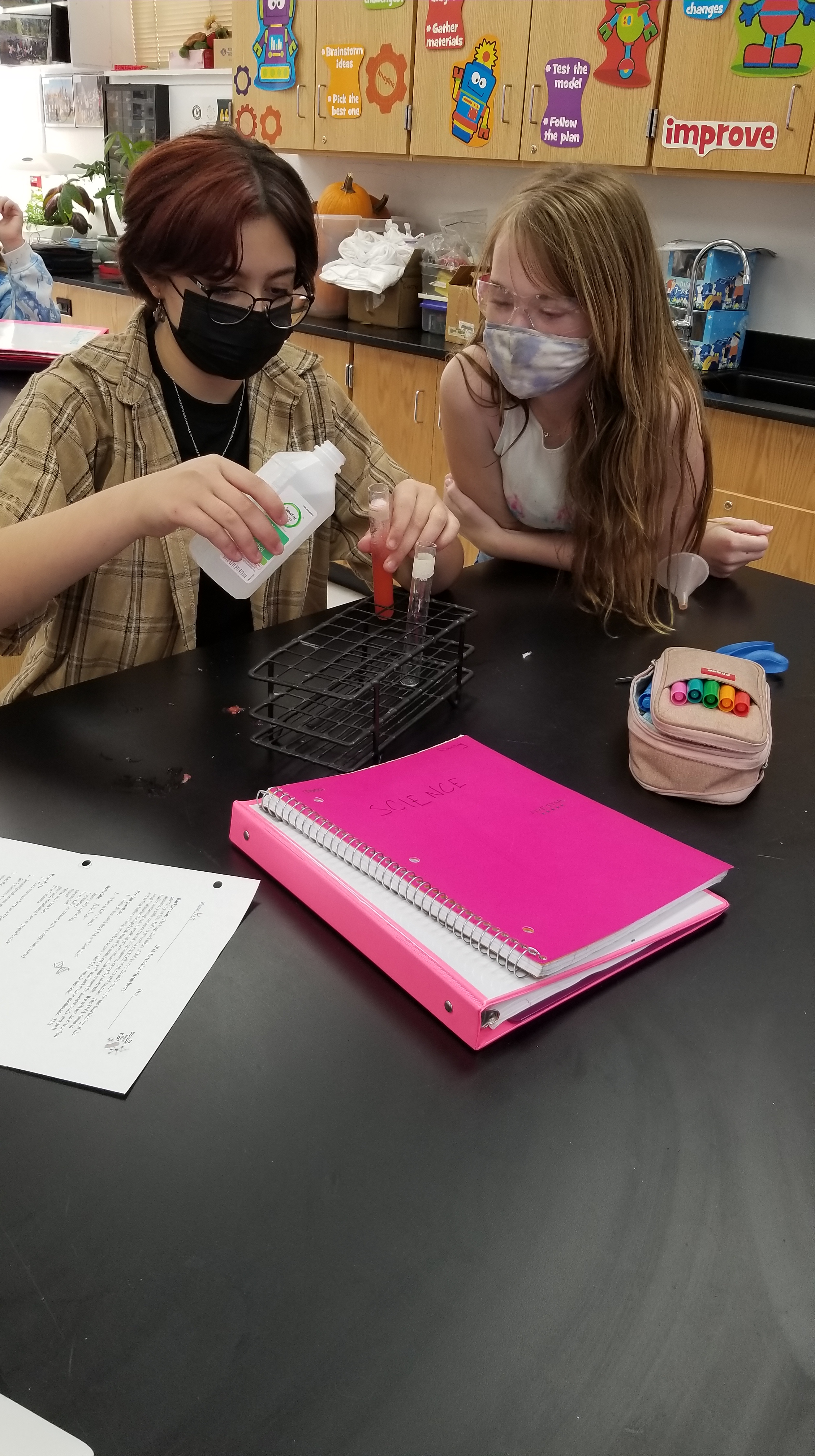
The seventh graders have been learning about cell processes. Before beginning their study of heredity, the students learned the importance of DNA. They began by discovering the double helix design, noting the matching base pairs, and then moved on to understanding how DNA gives us all the information we need to build eyeballs, hair, and every organ in our body. 

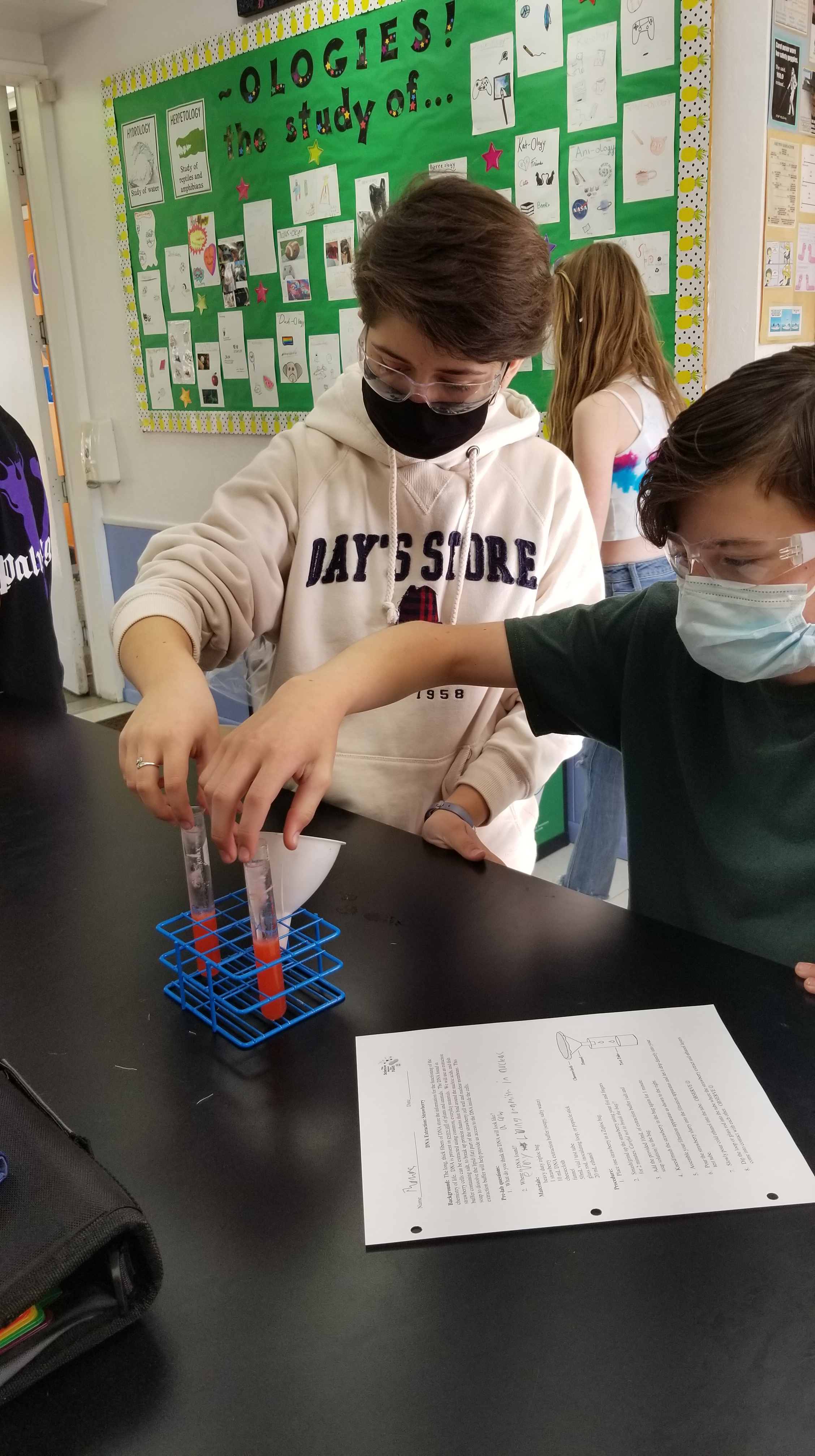
Next, the students extracted DNA from strawberries, and observed clumps of DNA strands.  Realizing that our food has DNA was quite fascinating to the seventh graders!

In the coming weeks, the seventh graders will use all that they have learned about DNA, and how it recombines to give us our traits, to help them understand the processes of mitosis, meiosis and heredity.

#SaklanAcademic #SaklanHandsOnLearning