
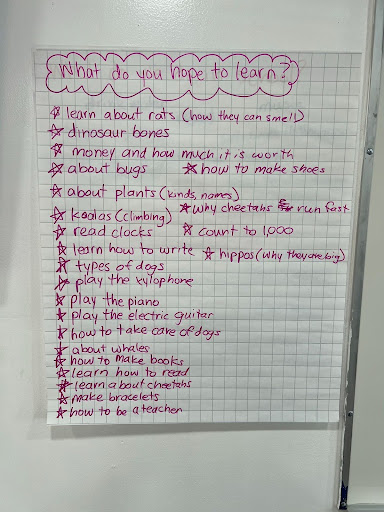
This past Monday, I visited our Kindergarten classroom and found myself in the middle of something quietly profound. The students were working on their individual year-long learning quests — each one rooted in something they were deeply curious about. One child wanted to know how rats smell. Another wondered why cheetahs run so fast. A third was eager to learn how to be a teacher. These weren’t topics pulled from a textbook or assigned by a teacher — they were questions sparked by innate wonder.
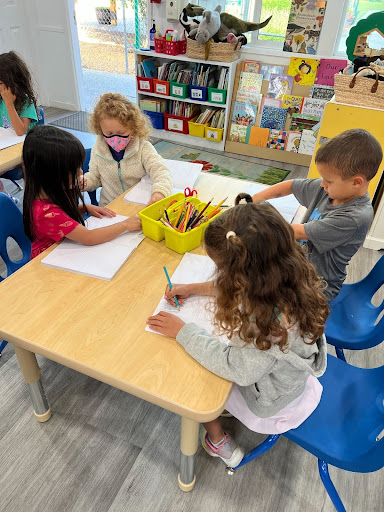
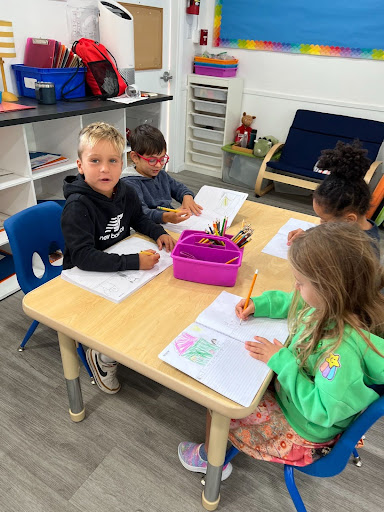
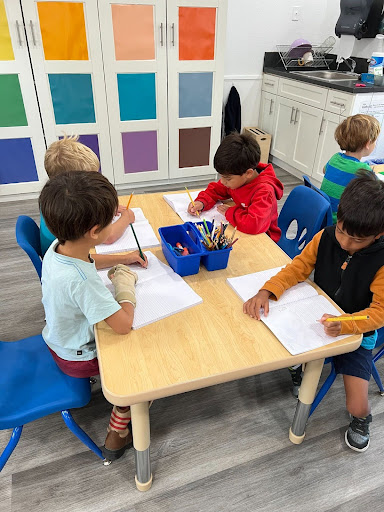
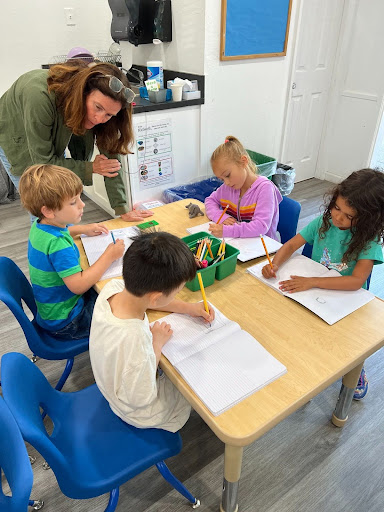
What struck me as so “Saklanish” was how naturally the students took ownership of their learning. These quests weren’t for school — they were for themselves. Each student will pursue their question throughout the year, exploring, researching, creating, and sharing their discoveries with purpose and pride.
Neuroscientist Mary Helen Immordino-Yang puts it simply: “Whatever you’re having emotion about is what you’re thinking about. And whatever you’re thinking about, you might be able to learn about.” Her research shows that when students are emotionally connected to a subject, their learning becomes deeper, more resilient, and more meaningful. She calls this transcendent thinking — the kind that helps students not only master content, but also connect it to who they are and who they’re becoming.
At Saklan, this is at the heart of what we do. Whether it’s a Kindergartener exploring animal senses or a Middle Schooler wrestling with global issues through literature and debate, we begin with the learner — their questions, their voice, and their agency.
As we kick off the school year, I invite all of us to hold space for the questions that come from our children’s hearts. Let’s listen when they ask how to make shoes, why koalas climb, or why the world is the way it is. These questions aren’t distractions from learning — they are the beginning of deep, meaningful learning. When we honor our students’ natural curiosity and support their journey to make sense of the world, we’re not just teaching them facts — we’re helping them become thoughtful, compassionate, and capable learners. And that, after all, is the real purpose of school.
Warmly,
David
The inspiration for this blog was drawn from kindergartners and the podcast “The Hidden Brain: How Our Brains Work.“

 FRIDAY BLOG