We Went to Egypt

Written by Guest Blogger & Saklan Science Teacher, Vickie Obenchain

We went to Egypt!! What?! 🇪🇬

Linda and I got to go on a field experience this summer thanks to the Saklan Summer Fund, Global Exploration for Educators Organization (GEEO), and Columbia University. We aimed to learn and explore Ancient Egyptian history, art, engineering, the Sahara Desert environment, and the Nile ecosystem firsthand. For this science teacher, I was completely blown away each day by the feats of engineering we saw, the connections I found to my curriculum, and how history came alive in a modern era. I’d love to share with you a few examples, knowing this experience will definitely find its way into many more grades and topics. First, the Sahara Desert climate is incredibly harsh, especially in July and August. Temperatures are over 100°F daily, creating hot winds, hot sand, no water, and almost no plant life, except for when your eyes play tricks on you, creating a mirage. Being out in it for more than an hour, as a human, was not comfortable.  

However, the camel’s body is equipped to deal with all my body can not. Camels have two rows of long eyelashes and bushy eyebrows, which help protect their eyes from sand. Yet, if some sand does make its way into their eye, they can dislodge it with a translucent third eyelid (very helpful since they weren’t gifted hands). Camels have slit-like nostrils that can close to keep sand out of their respiratory systems, and when they do come across a dry, thorny desert plant, they have thick, tough lips that help them eat it without hurting themselves. 
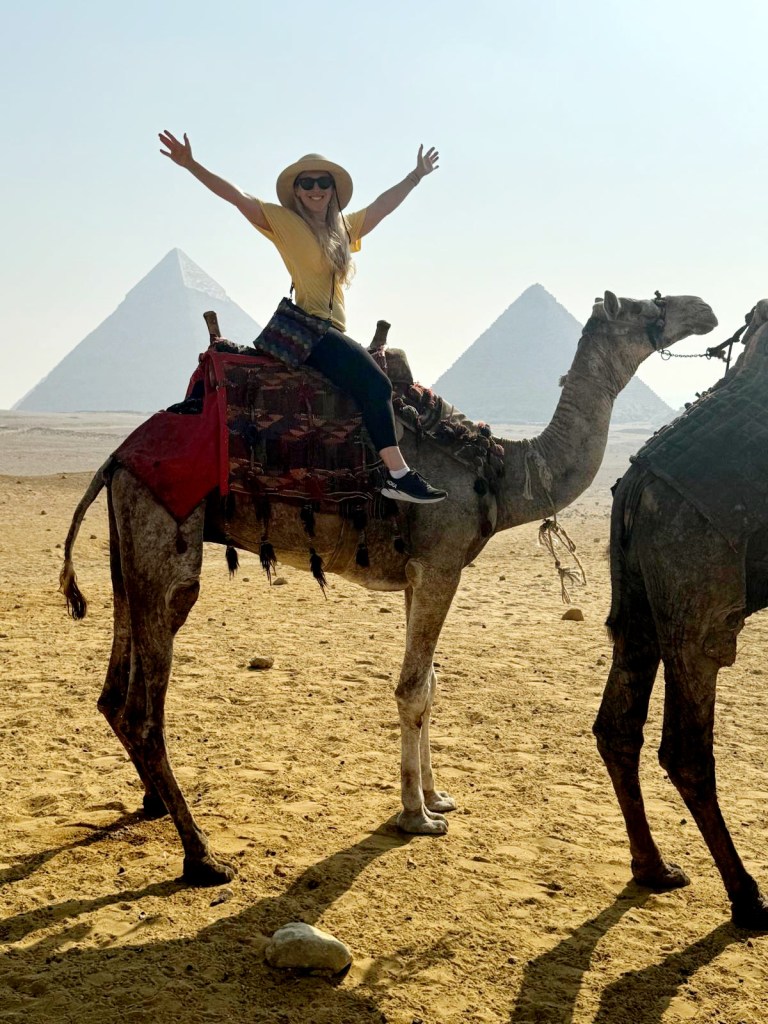
The long, shaggy fur on top of a camel’s body works as shade, as the thin fur elsewhere helps them lose heat. They have wide, flat feet with thick soles that help them walk easily across sand and spread their weight so they don’t sink (much like a snowshoe). Their long, tall legs keep their bodies off the hot sand and allow air to circulate under them.

Camels store energy-rich fat in their humps allowing them to survive for months without eating. And they can drink large amounts of water at once, sometimes up to 32 gallons, and they can retain that water in their bodies until their next big gulp.

Experiencing their height,  grace, and adaptations up close was definitely a highlight for your temperate climate loving teachers.  This first hand experience of the camel and experience in the Sahara Desert will tie in wonderfully to my 6th grade desert biome unit and adaptations of those organisms that live there.

Second, very early one morning,  Linda and I left the group tour and decided to do an extra excursion. We hot air ballooned over the west bank of Luxor. After checking wind speed and direction, to make sure we didn’t end up in the Nile (or at the airport), the hot air balloons blasted heated air into the colorful balloons all around us. Once ours was upright, we quickly jumped into the basket and took off. We floated over the many temples, tombs, farms, and the Sahara Desert in this beautiful area. Just WOW!

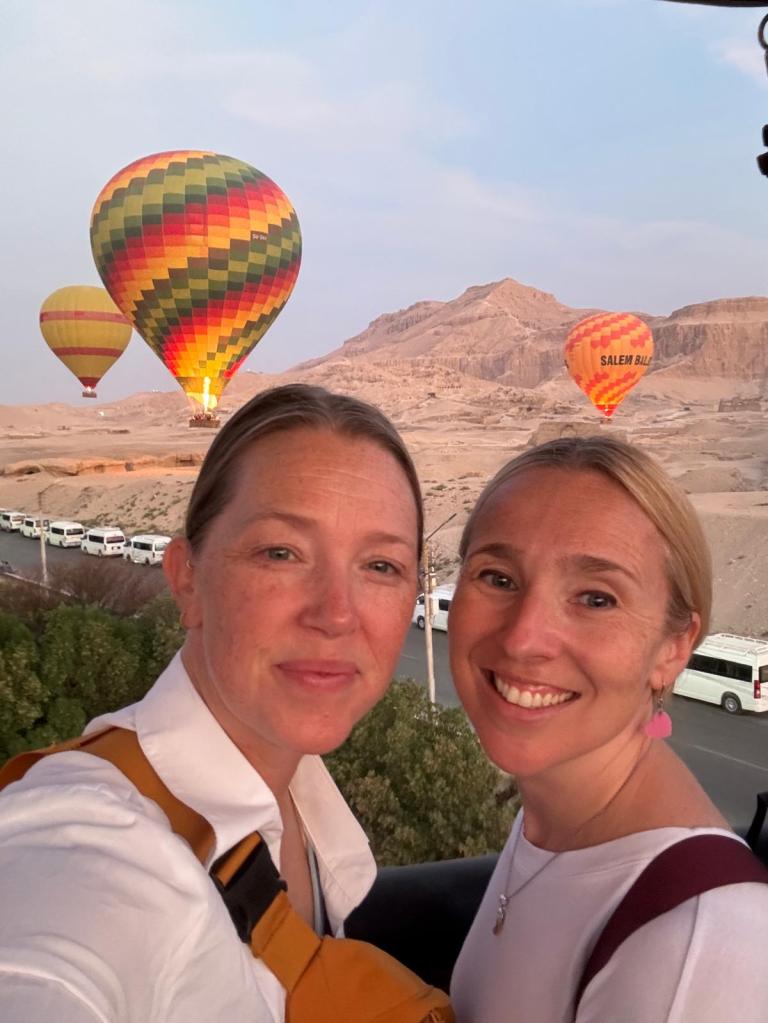
In my physical science course, the 8th graders create hot air balloons to help test the force of buoyancy and see both Archimedes Principle and Charles Law (aka: thermal expansion) to better understand fluid laws in their Chemistry class. Using paper, glue and tape, they engineer their own balloons that they think will create the largest lift when filled with heated air.  We were a bit nervous to take part in this, but it was so awesome to see science at work to give us such an amazing experience in such a beautiful space.

If interested in seeing more of what we saw, learned, and wanted to share, checkout the Instagram account: missopetsapenguin.

#SaklanProfessionalDevelopment
Me, My Family, My Home

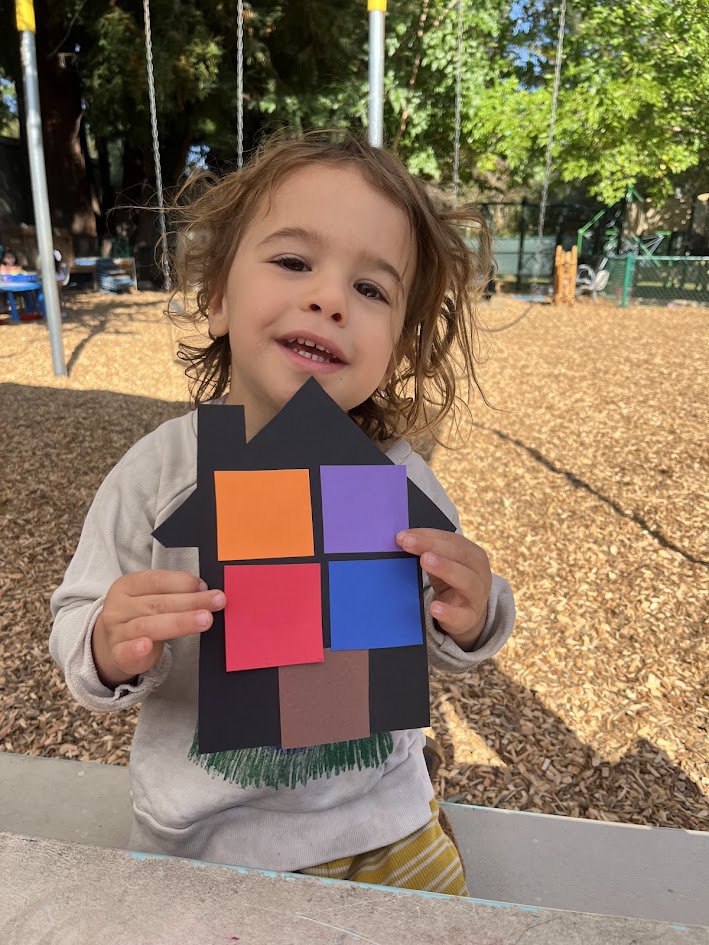
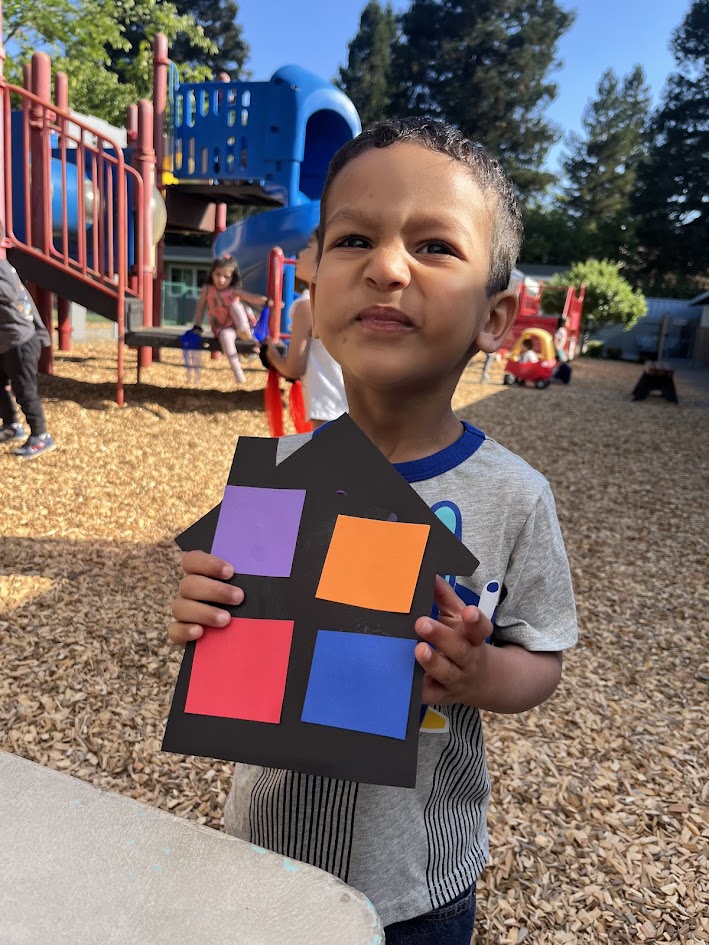
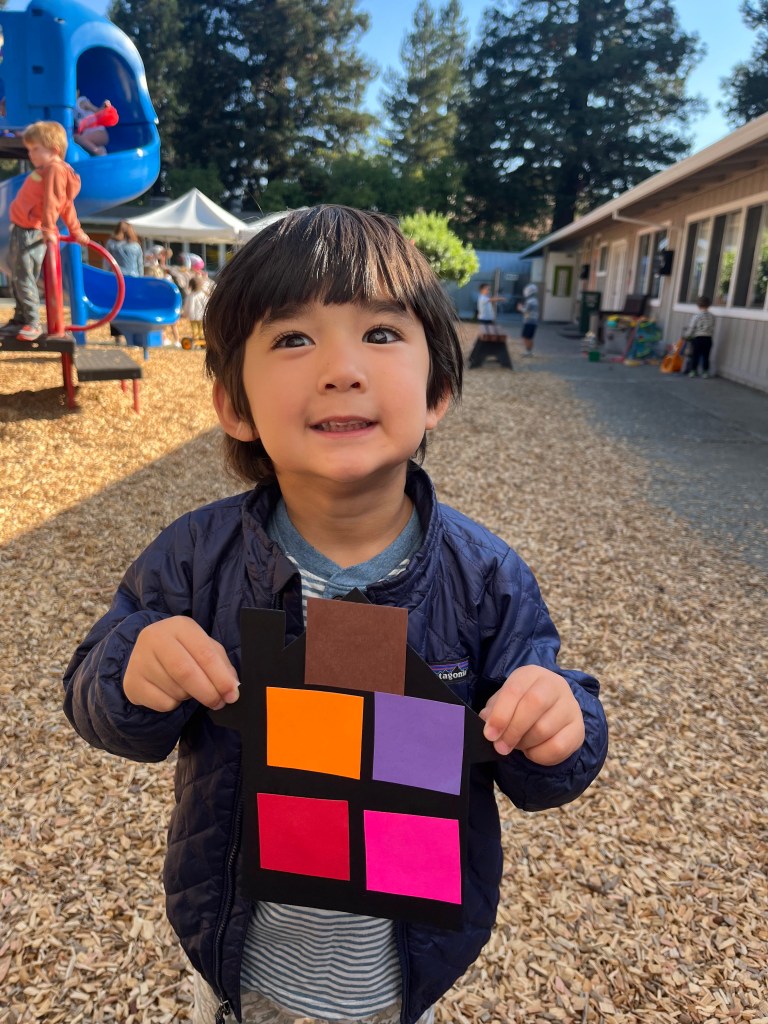
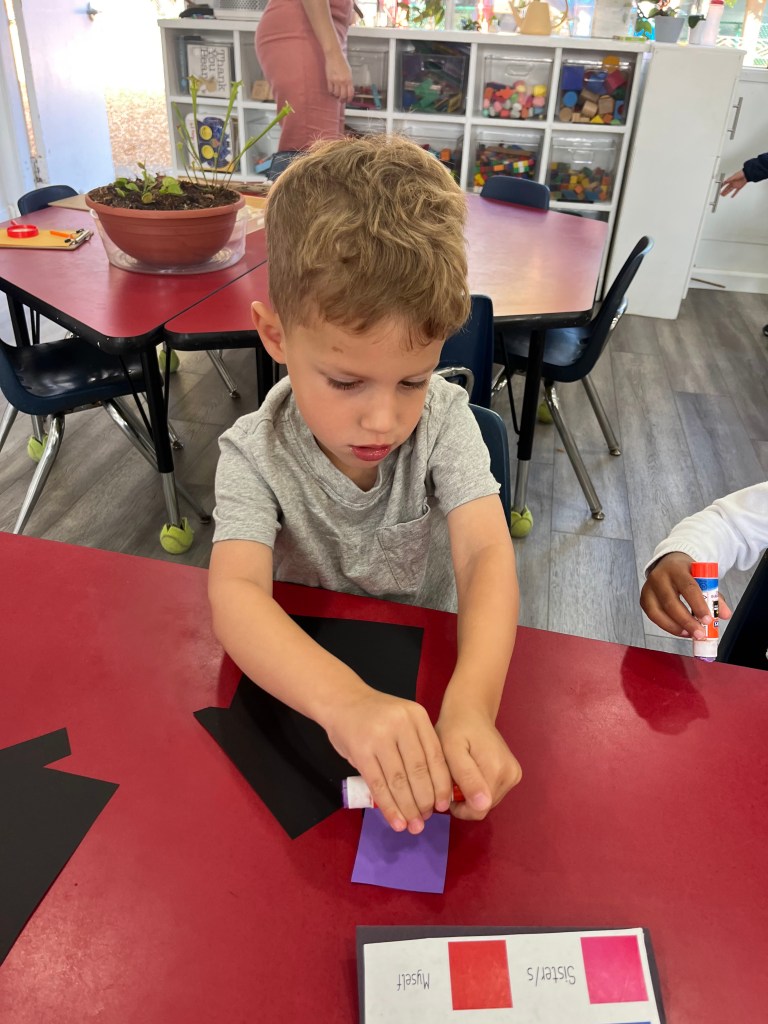
As part of their All About Me theme to start off the year and get to know each other better, the Owlets discussed who lives in their homes. Each student then made a visual representation of the people/animals that live with them. They were given a key to show that each colored square represented a different member of their household and the Owlets were able to match colors and exercise their fine motor skills by gluing the appropriate squares to a home cutout using glue sticks. The class really enjoyed learning about each other’s homes.

The teachers encourage the Owlets to develop their communication skills by telling stories; many projects the Owlets complete include a story, told by the child to a teacher, which is then typed out to accompany their artwork. This is a great opportunity for children to broaden their vocabulary and practice being creative!

#SaklanCreative #SaklanCommunity

Saklan Family Night @ The Town FC Match

Did you know there is a professional men’s soccer team in Moraga? They are called The Town FC, the under-24 team for the San Jose Earthquakes. 


The Town FC play at St. Mary’s College and we’re excited to announce a Saklan Family Night at their match on Sunday, September 22nd! Join other Saklan families to watch The Town FC take on St. Louis SC 2. The match is at 3:00 p.m. and tickets are free. Use the button below to get your tickets today!

#Saklan Community

Bunnies, Soup, or Yogurt

Does your family purchase Annie’s Cheddar Bunnies, Progresso Soups, or Yoplait Yogurt? If so, you can turn those purchases (and more) into money for Saklan through the Box Tops for Education program. Box Tops for Education is a quick and easy way to support Saklan!

Wondering how it works? All you have to do is buy participating products and use the Box Tops app to scan your store receipt. The app identifies eligible products and earnings are credited to your designated school. Even if you’re shopping online or doing grocery pickup, you can still submit your digital or email receipt with the Box Tops app.

Use this link to download the Box Tops app and get started scanning today!

Thank you for your support of Saklan!

Extending Learning Beyond the Walls of the Classroom

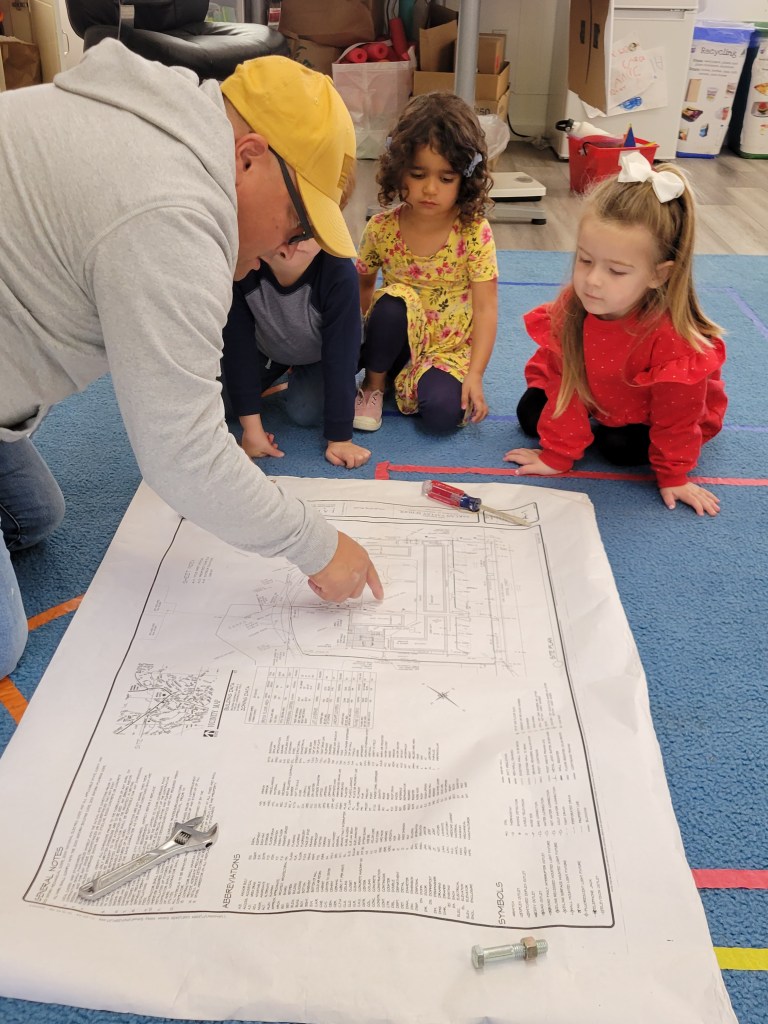
A key pillar of what makes Saklan’s project work so uniquely enriching and rigorous is the way students get to extend their learning beyond the walls of the classroom. Project Based Learning gives students a sense of authentic purpose by seeking to answer a question or solve a problem that is relevant to their lives. 

Often this means taking our learning off campus and connecting with experts in relevant fields who can help students with their need to know questions or provide valuable feedback during the revision process. Students often head out into the field to learn directly from professionals and we also invite experts into our classrooms in person and via zoom as well.

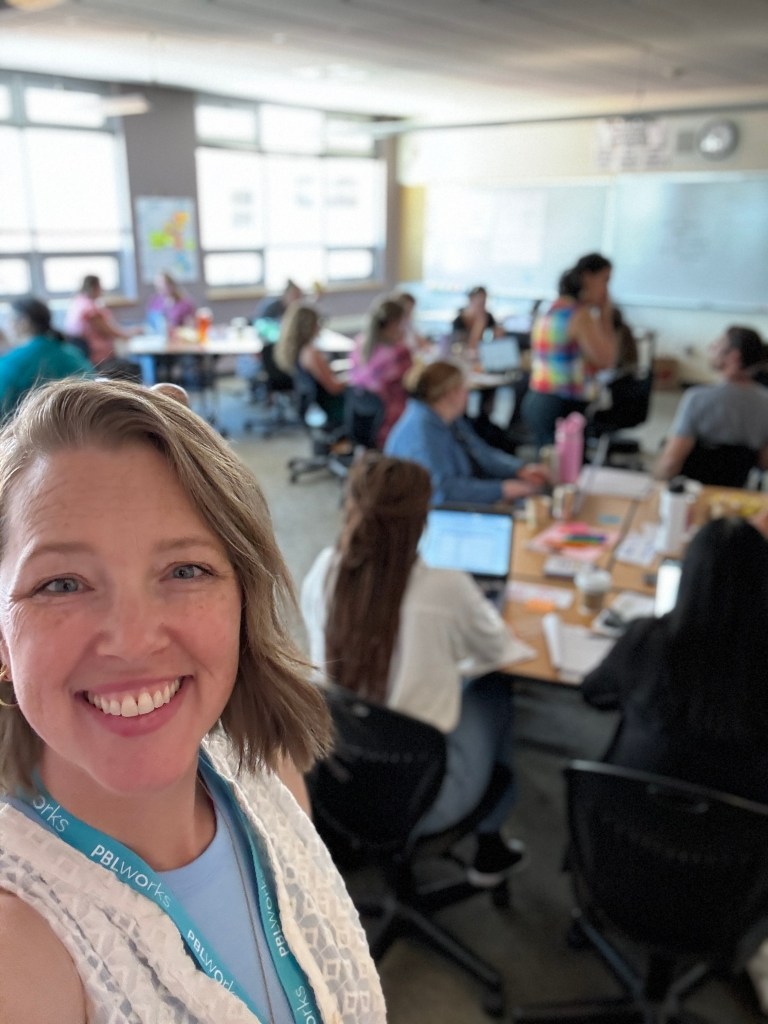
Our staff are lifelong learners with authentic inquiries, so they regularly get out into the field to answer their own big questions! Just this summer our teachers attended a variety of professional developments. In this way we not only model for students what it means to engage with experts, but we grow our knowledge so we can be experts for one another and, occasionally for each other’s classrooms too! Don’t be surprised if later this year your child tells you Vickie or Linda popped into their room to share about the climate and weather of Egypt, changes to the Nile River, or camel adaptations!

Each year, as our projects evolve we are eager to connect with new experts- we’d love your help! Perhaps you, a family member, or a friend would be interested in connecting with Saklan students! These opportunities to connect in classes help us deepen our project curriculum and drive student inquiry and learning. Use the button below to sign up as an expert for one of our PBL units. You can also email Linda Lathrop, our Project Curriculum Instructional Coach at llathrop@saklan.org. This fall we are hoping to connect with folks who can share about:

  • Religious or cultural traditions
  • Emergency preparedness (particularly for fires and earthquakes)
  • City planners
  • Architects
  • Archaeologists
  • Museum curators or employees
  • Writers
  • Scientists who study outer space, animal adaptations, or insects)
  • Agriculturalists or farmers
  • Musicians

#SaklanLifeLongLearners #SaklanPBL #SaklanGuestExperts

Accepting & Inclusive SEL Focus

Each month Saklan focuses on a different Social Emotional Learning (SEL) topic, incorporating it into lessons and discussions from Preschool through eighth grade.

Saklan’s social-emotional learning emphasis for August and September is accepting and inclusive. During these two months, all Saklan students are discussing what it means to be accepting and inclusive by looking for ways to treat other kindly, such as by using kind words, listening to them and including them in activities.

On Wednesday, September 25th, first – eighth graders will meet with their family groups and take part in cross-grade level discussions and activities to gain an even greater understanding of being accepting and inclusive.

#SaklanSEL

An Exciting Morning!

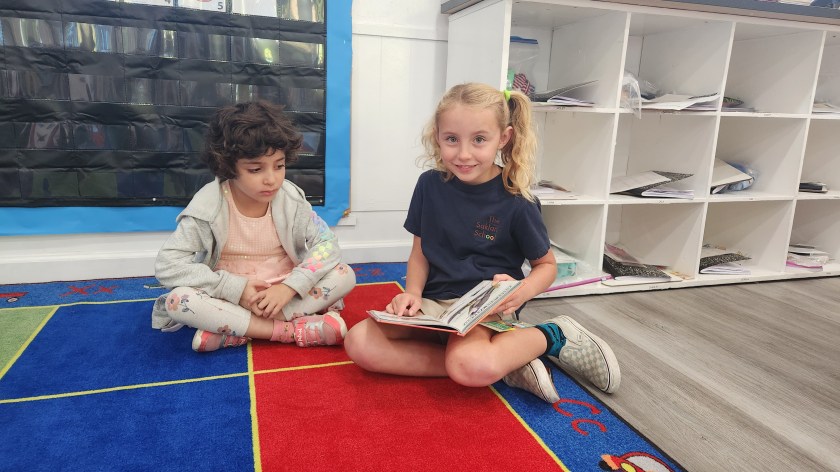
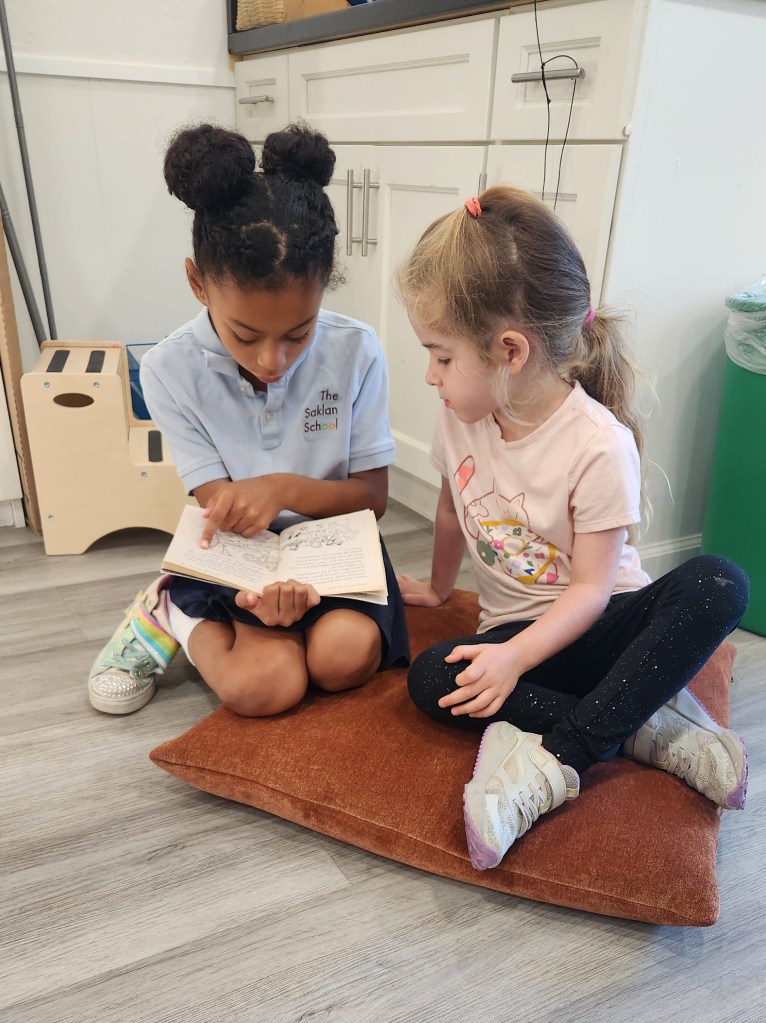
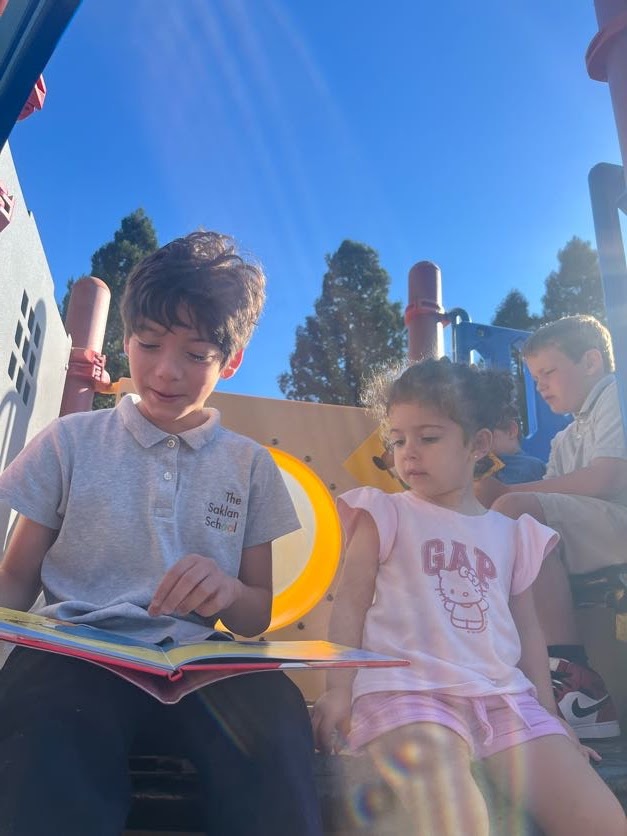
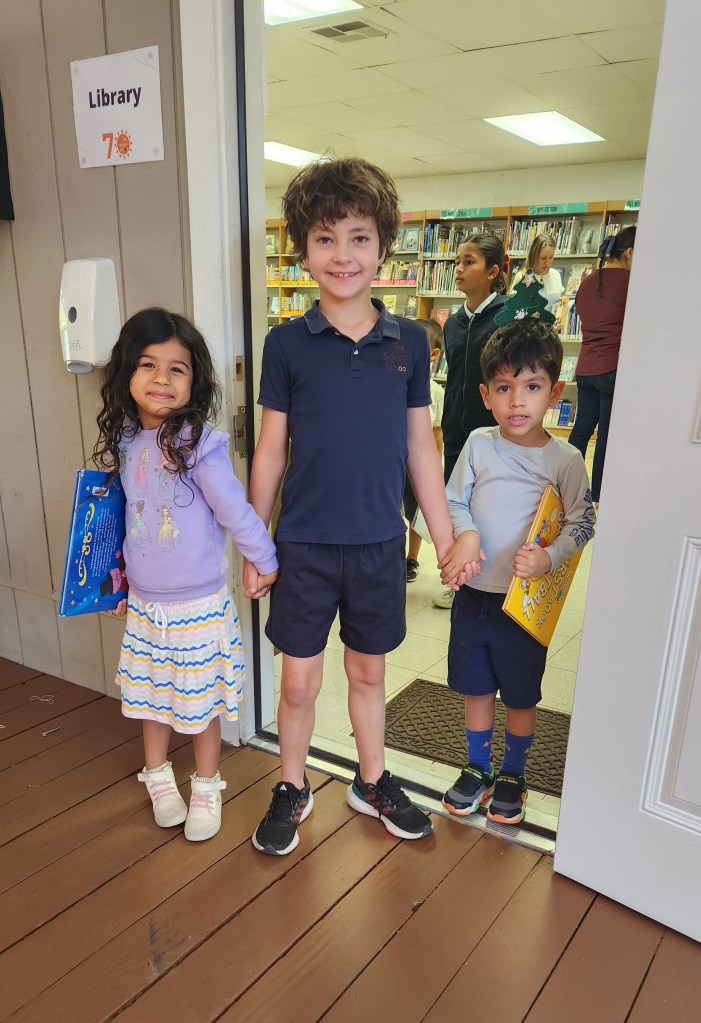
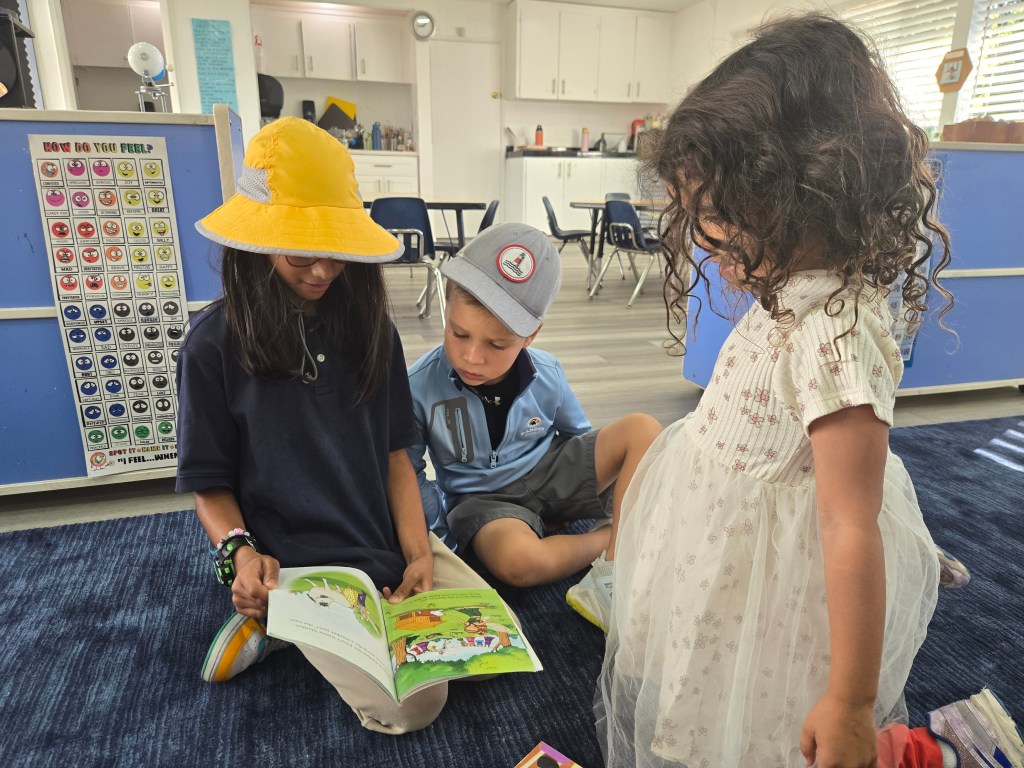
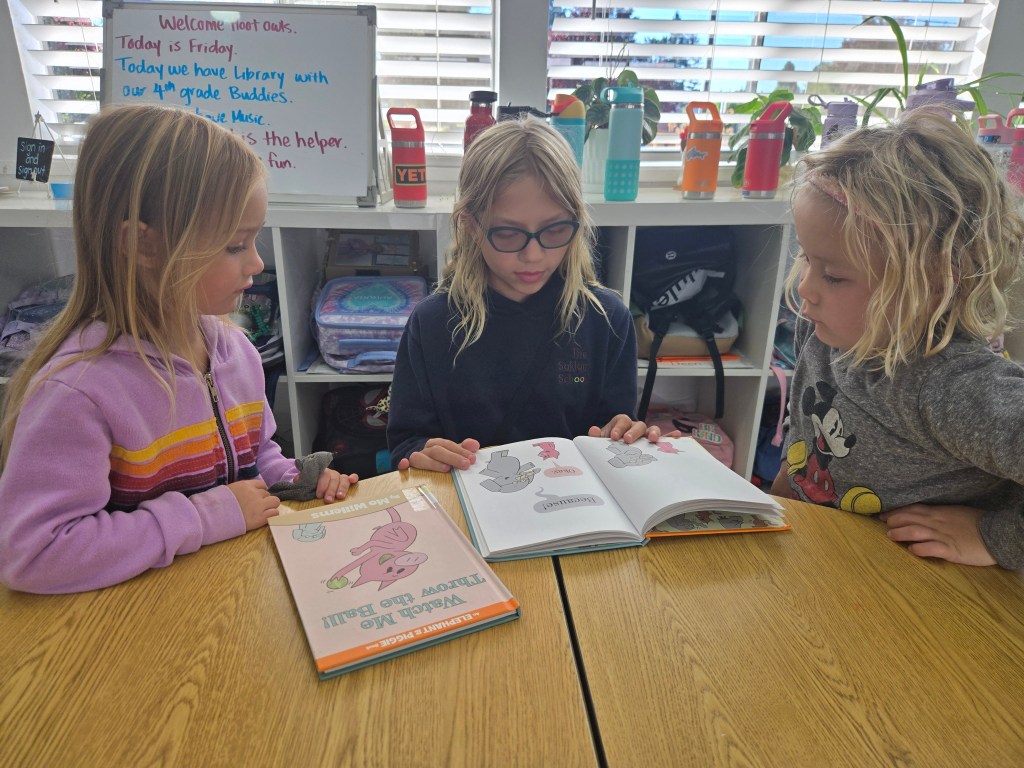
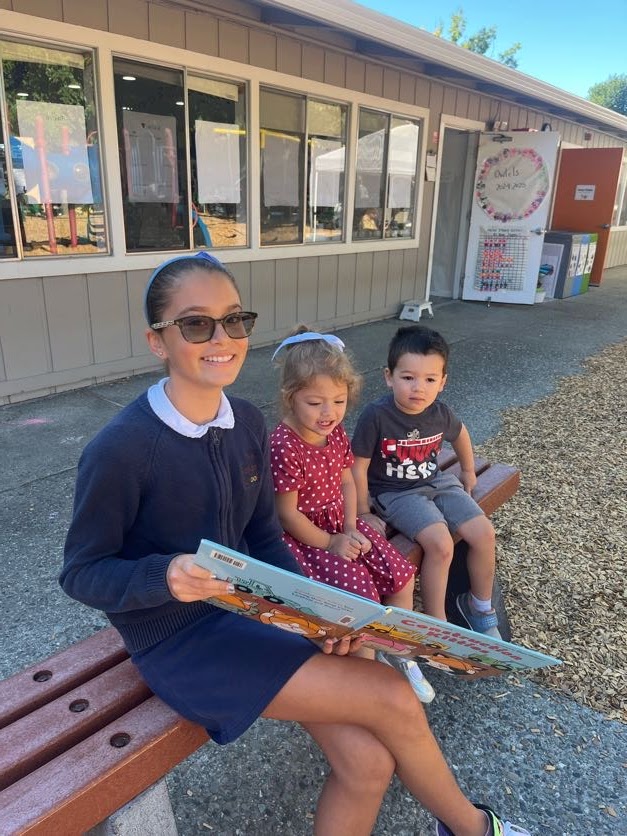
This morning there was much excitement on campus as our preschool – 5th grade students met some special friends – their learning buddies! Learning buddies are a purposeful way to encourage cross-grade friendships, help students develop a sense of responsibility, practice mentorship, and make learning fun!
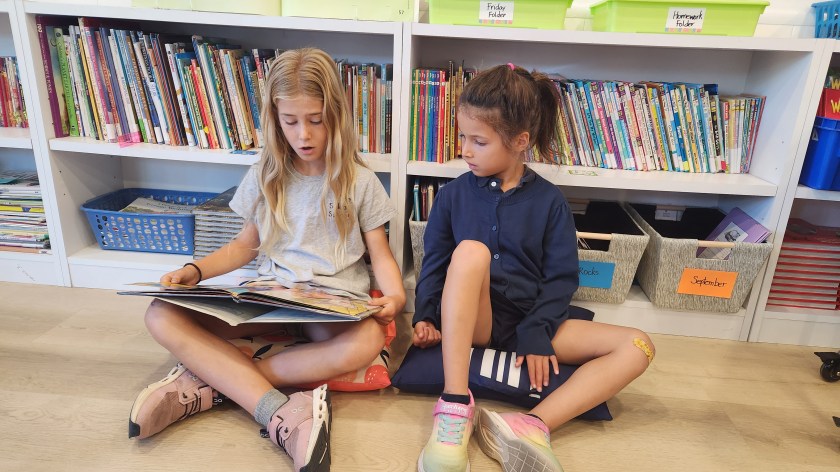
During the first meeting, the buddies took time to get to know each other and did some reading together. The older buddies modeled good reading behaviors by reading with expression and fluency for their younger buddies. Some of the older buddies were also honored to listen to their younger buddies read too.

Once a month the buddies will get together to spend time reading, learning and playing together. The buddy program is not only fun for the students, but helps to build empathy and community on campus.

If you have a Saklan preschool – 5th grade student, be sure to ask them who what they did with their buddy (buddies) today!

#SaklanBuddies #SaklanCommunity

Scientific Sketches

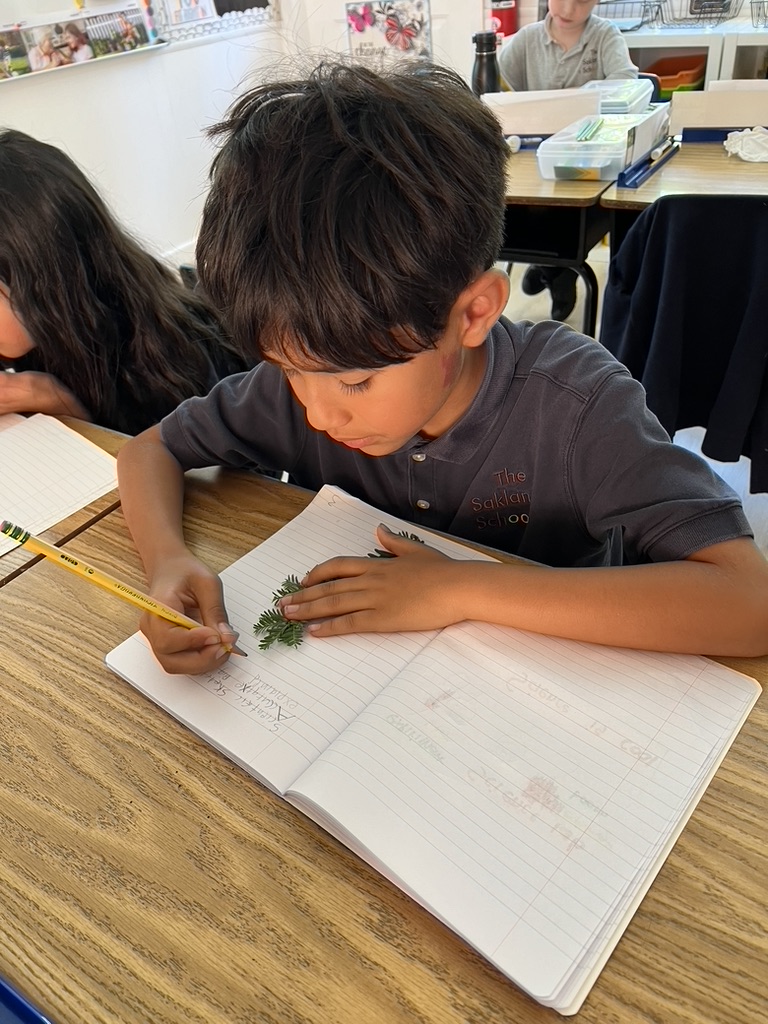
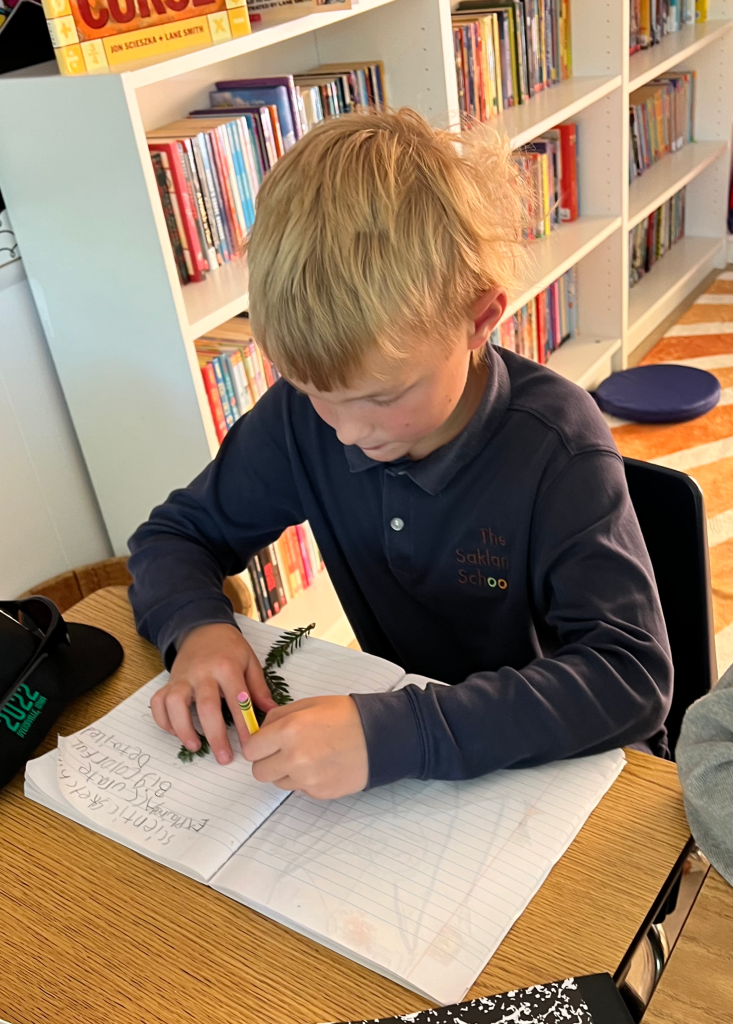
Third graders spent time last week setting up their Science Notebooks, which included an introductory lesson on how to sketch scientifically. 

Scientists use sketches to record information for themselves as well as communicate information to others. They often sketch when they are doing field research, observing a plant or animal they cannot take back to the lab. Along with a drawing, a scientific sketch often includes labels and diagrams, questions and explanations. 
However, you don’t have to be an artist to create a successful scientific sketch! You simply have to take time, observe closely, and record what you see. Recording what you see is different from drawing the picture you have in your head. Many of us have cartoon-like images in our head of trees, flowers, houses, apples, rabbits, etc. When you set out to sketch a real thing, it’s important to focus on the individual specimen in front of you, rather than the generalized image you carry in your head. 

Third graders learned the criteria for a successful scientific sketch through the mnemonic: ABCDE. Scientific sketches should be:

  • Accurate
  • Big
  • Colorful
  • Detailed
  • Explained

With their new knowledge of what a scientific sketch is, the third graders used their careful observation skills and practiced scientifically sketching a redwood leaf in their journal. 

Spirit Wear Orders Due Thursday

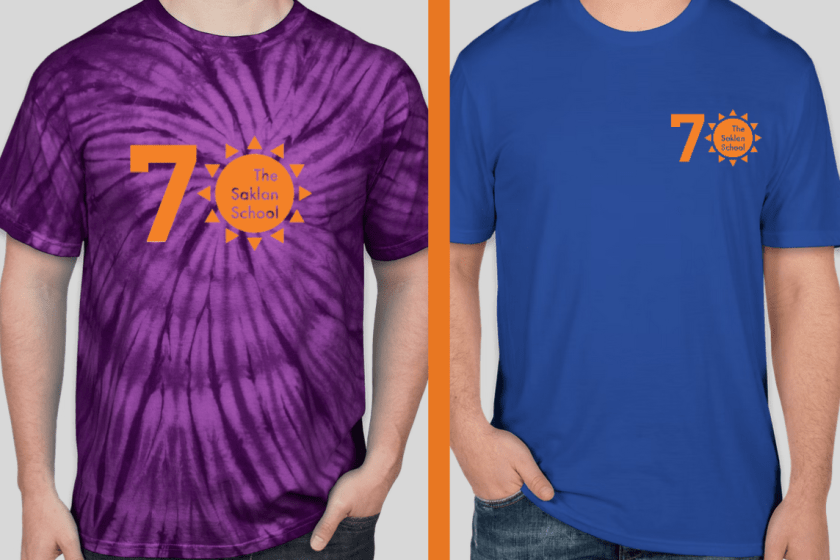
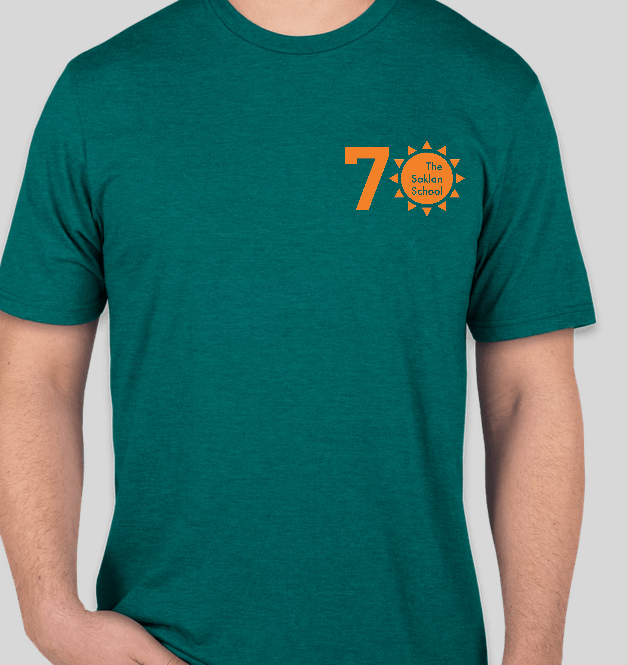
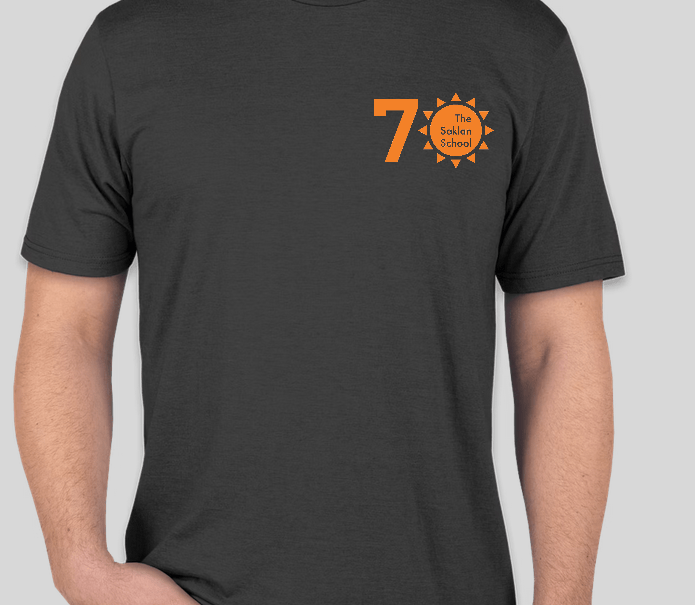
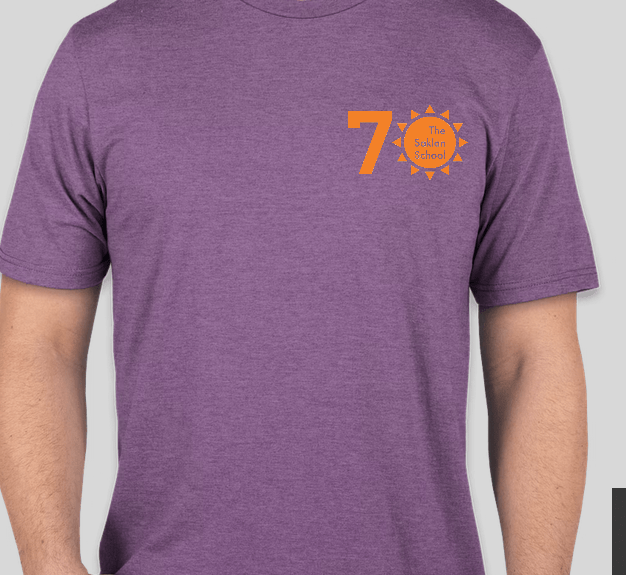
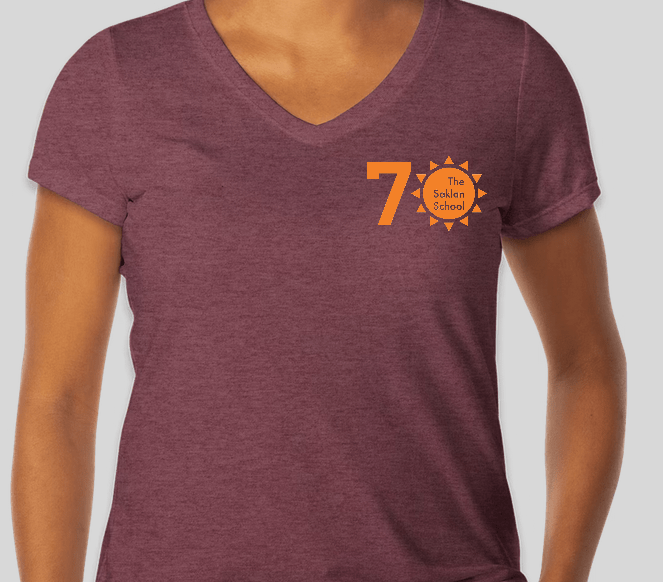
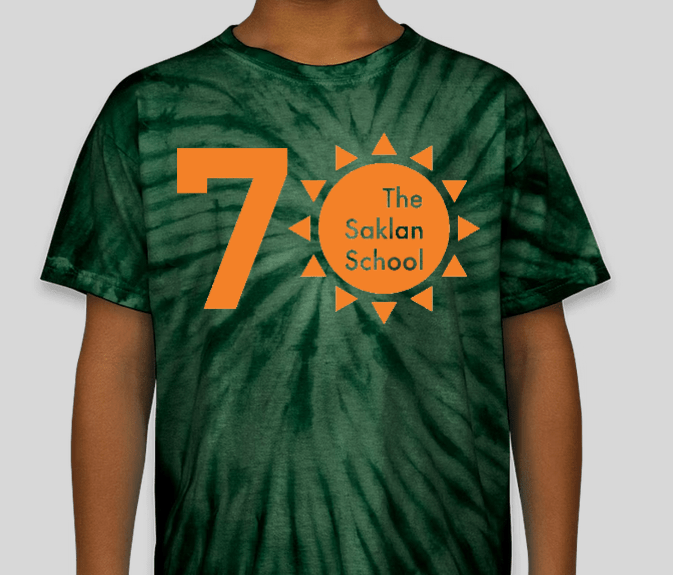
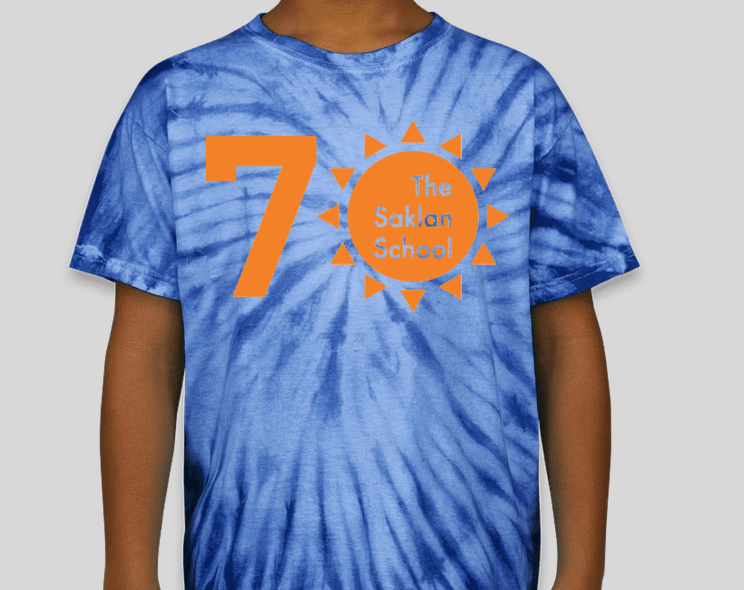
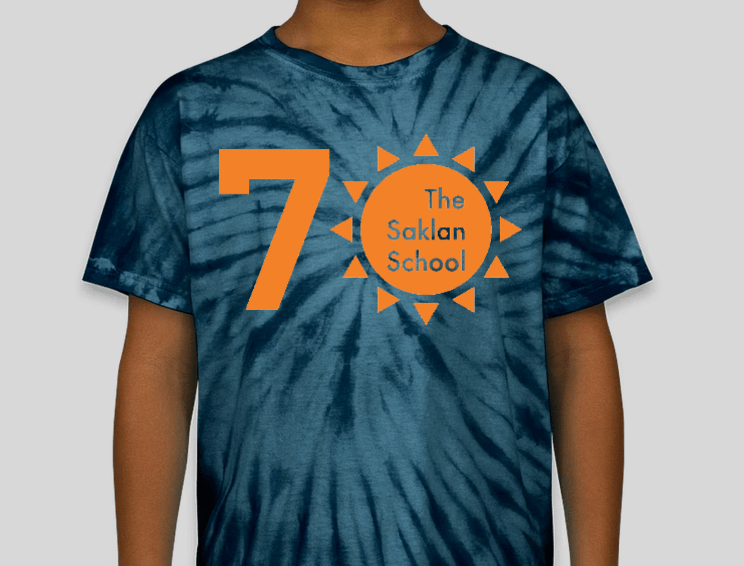
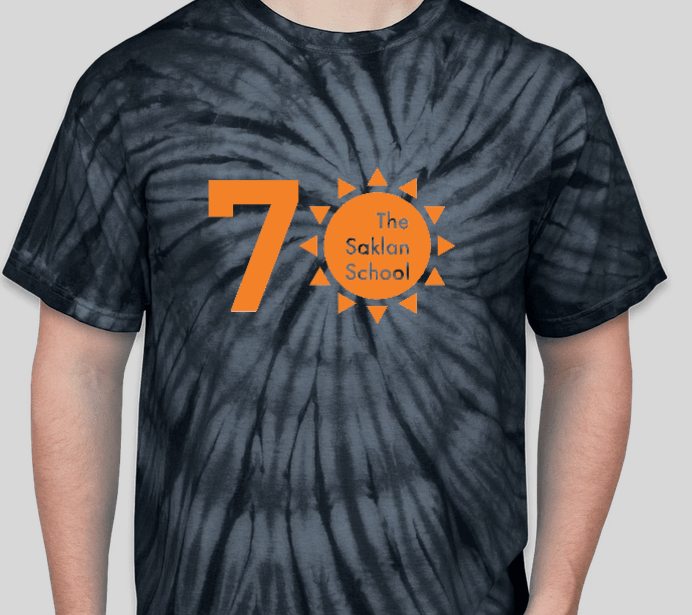
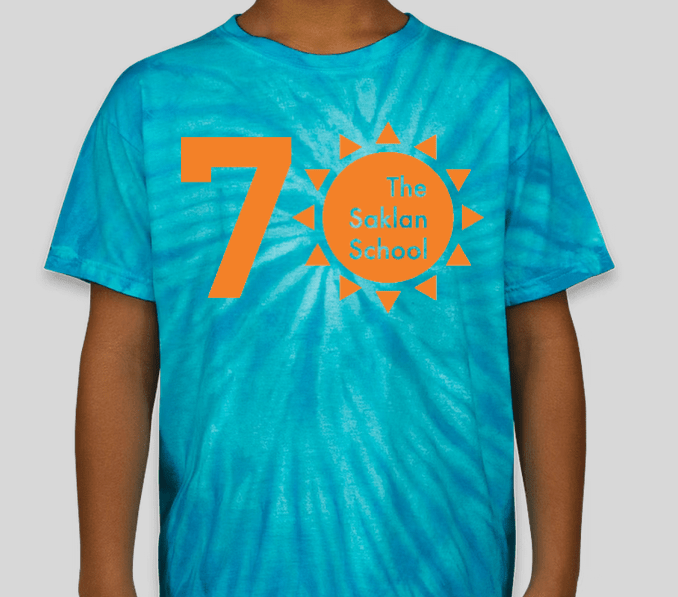
Join us in commemorating the 70th anniversary of Saklan with some new spirit wear! The order deadline is Thursday, September 12th in order to receive the shirts before the Moraga Parade.

Starting in October, Saklan will have Spirit Days each Friday, where 1st – 8th grade students can wear Saklan Spirit Wear instead of uniforms. Students are also free to wear the below shirts on Free Dress Wednesdays. Each design comes in youth and adult sizes.


#SaklanSpirit