
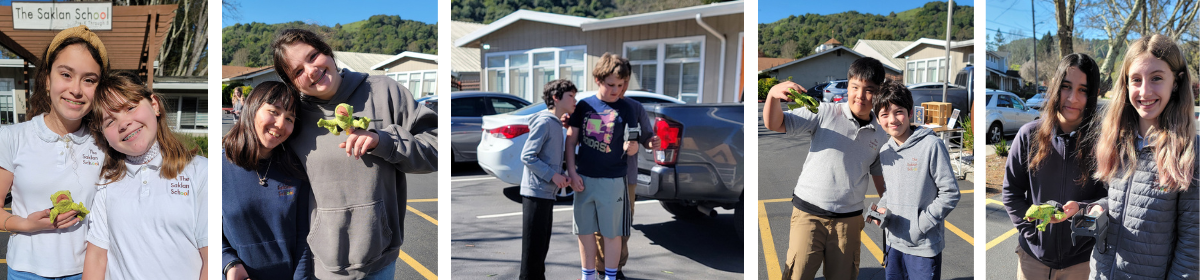
In early February, the seventh-grade class embarked on a field experience in Oahu, focusing on the island’s amazing plant and animal adaptations and evolutionary processes. However, amidst the natural beauty, the students encountered a sobering reality: human impact, particularly in the form of micro and nano plastic pollution. Rather than accepting this unsettling truth, the students began learning about the intricate ways plastic is found in our water systems. The eye-opening mockumentary “The Majestic Plastic Bag” helped students understand how one simple bag can travel so far. Now imagine millions of those bags in our oceans.
Following this eye-opening experience, the seventh graders delved deeper into the consequences of plastic waste on Hawaiian and global wildlife. Through a hands-on dissection of an albatross bolus—a mass of undigested materials regurgitated by the bird—students were confronted with an upsetting sight. Among the typical contents like squid beaks and small bones, they discovered man-made debris, including rope, fishing line, lures, toy tires, and plastic utensils. Witnessing firsthand the ingestion of our discarded plastics by wildlife left a profound impression on the seventh-grade class.
To expand their understanding, students explored various ecosystems and the impact of plastic waste on species such as sea turtles, albatrosses, and even bears in Utah. Then, they analyzed the prevalence of everyday single-use plastic items in their school environment, working collaboratively to gather data on usage and disposal. This information was translated into visual representations and graphs to highlight the scale of the problem. Afterward, students engaged in research and design efforts to devise innovative, environmentally friendly solutions.
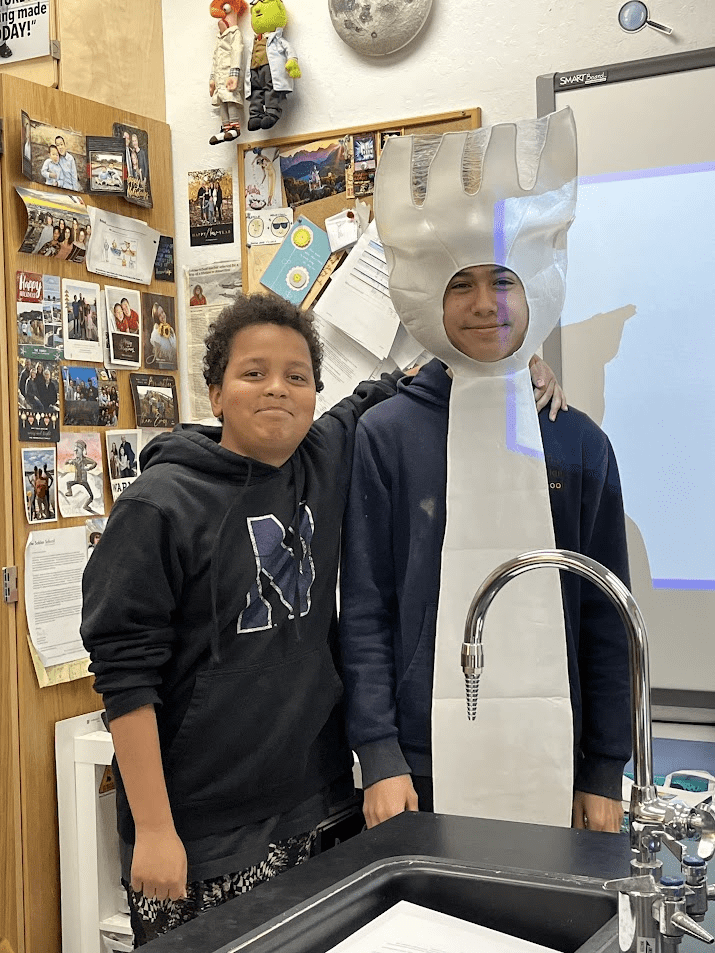
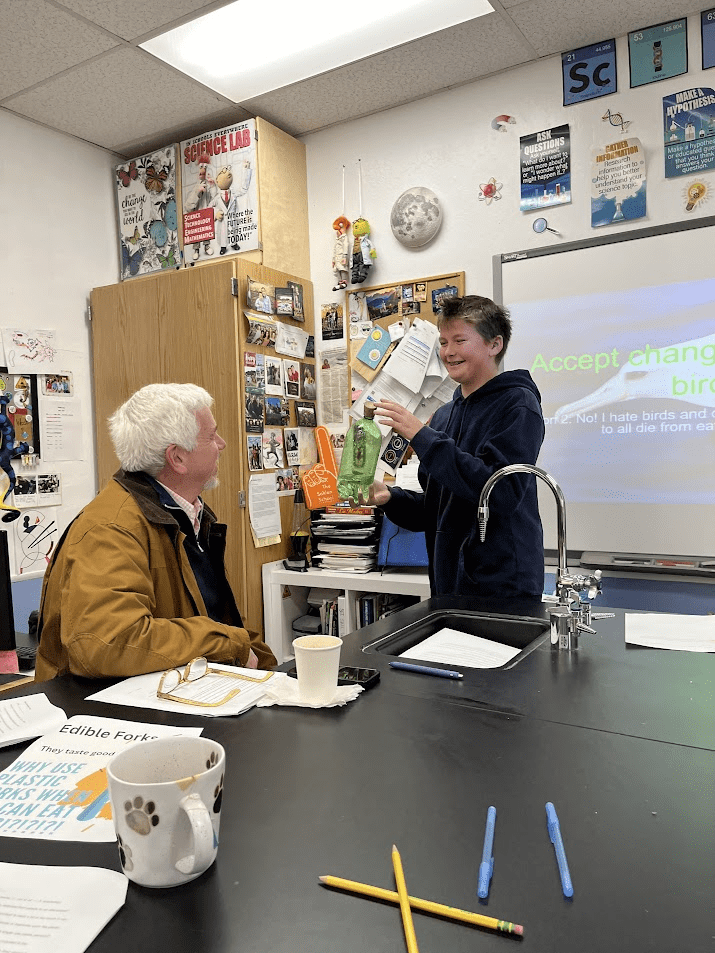
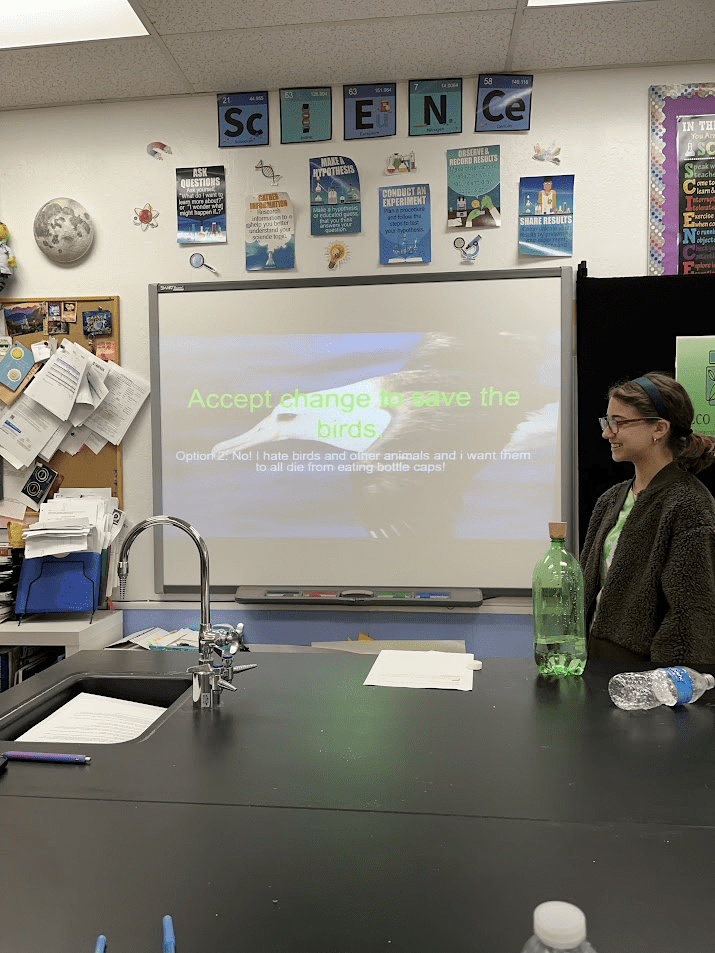
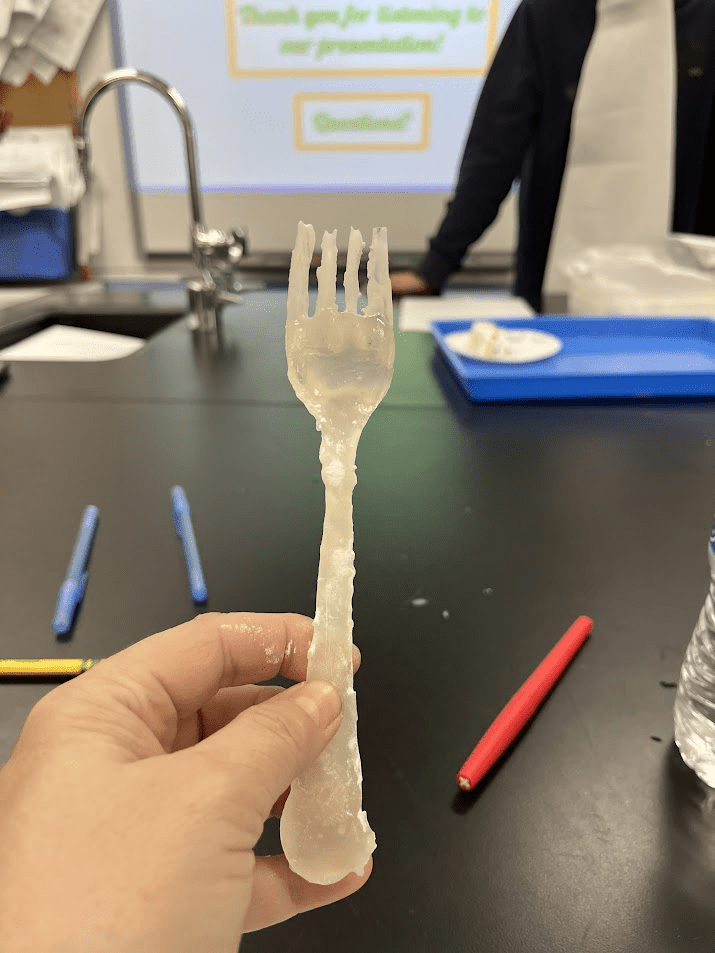
Using the entrepreneurial format from the reality TV show Shark Tank, the students received support from Saklan’s panel of Sharks. Unlike their televised counterparts, Saklan Sharks provided constructive feedback and encouragement and asked clarifying questions as students pitched their environmentally conscious solutions. Some environmentally friendly products presented were edible spoons and forks, biodegradable shoe soles, and a refillable ink station for whiteboard markers. We are proud of the thoughtful and creative products each group presented.
#SaklanCompassionate

 FRIDAY BLOG