Laying the Foundation

On September 20th, 2017, Hurricane Maria struck Puerto Rico with 155 mph winds and 40 inches of rainfall. The small community of Villa Del Rio was impacted like much of the island; houses blown off foundations, roofs torn off, down trees making roads impassable, and no running water or electricity for months. For Villa Del Rio, the worst thing may have been the isolation. For eight months, no one from the U.S. or Puerto Rican Government showed up to help. The community of Villa Del Rio was on its own. That meant rebuilding houses, fixing power lines, clearing roads, and sourcing clean water. It meant putting the community’s needs before the individual’s. 

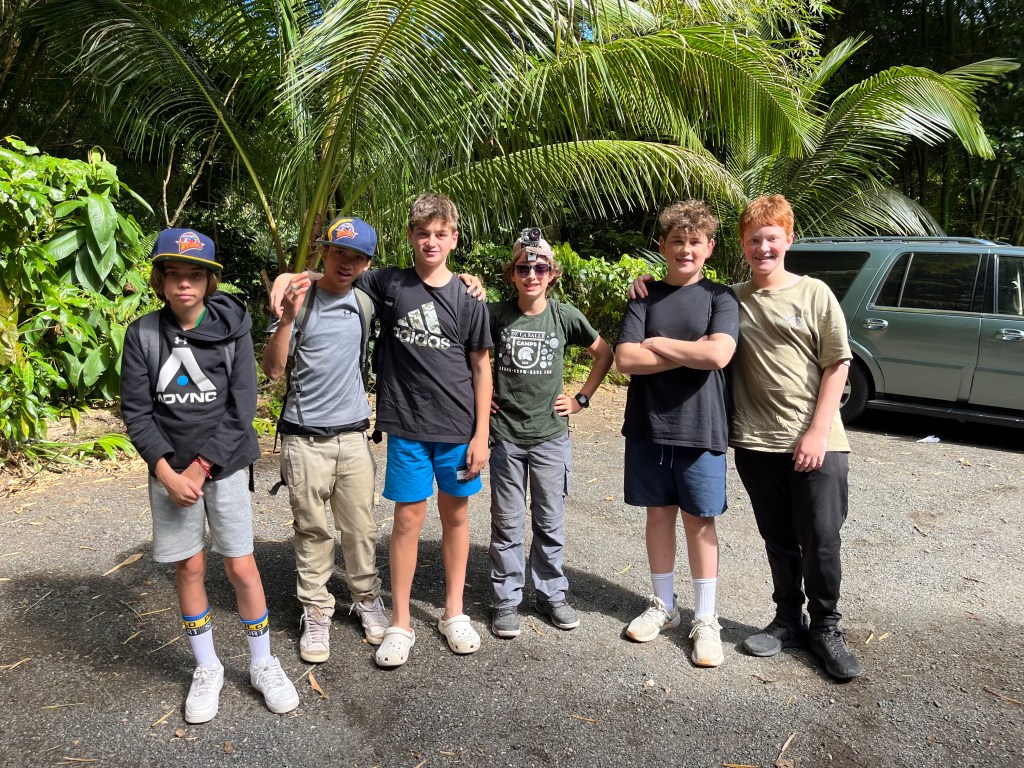
There are so many things that we want our 8th graders to take away from their service learning field experience in Puerto Rico. The confidence from succeeding in an environment well outside their comfort zone. The reward of doing hard manual work, shoulder-to-shoulder with those rebuilding their lives. The understanding that even in a community that has lost so much, generosity, kindness, and warmth are still a key part of the social fabric. 

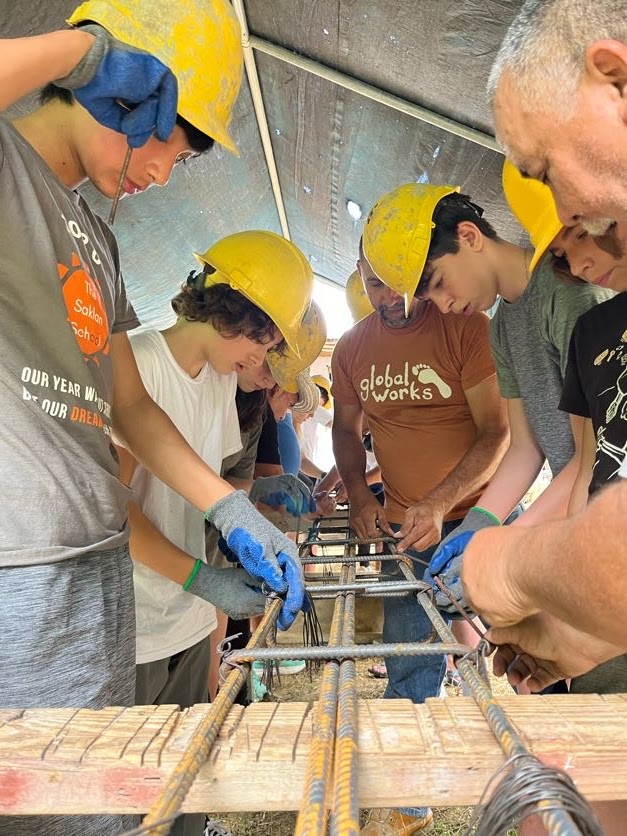
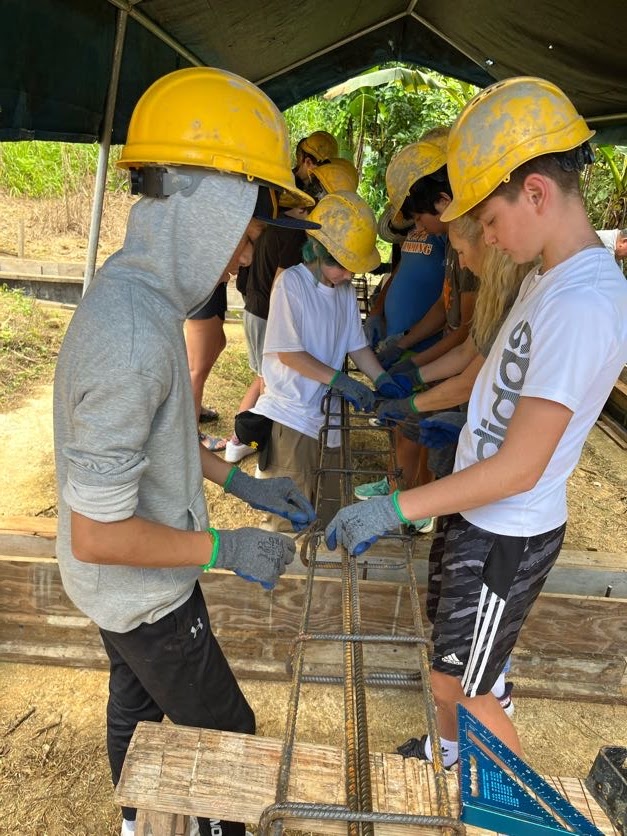
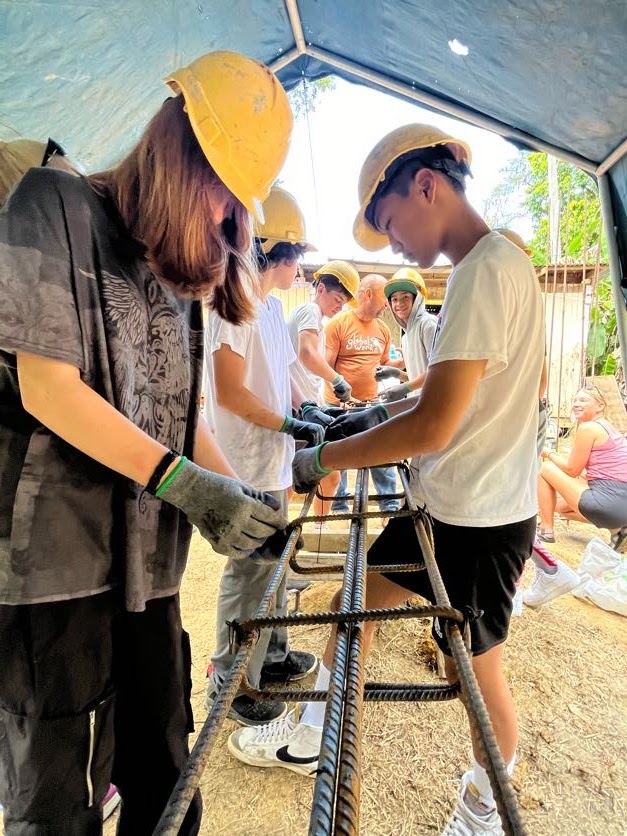
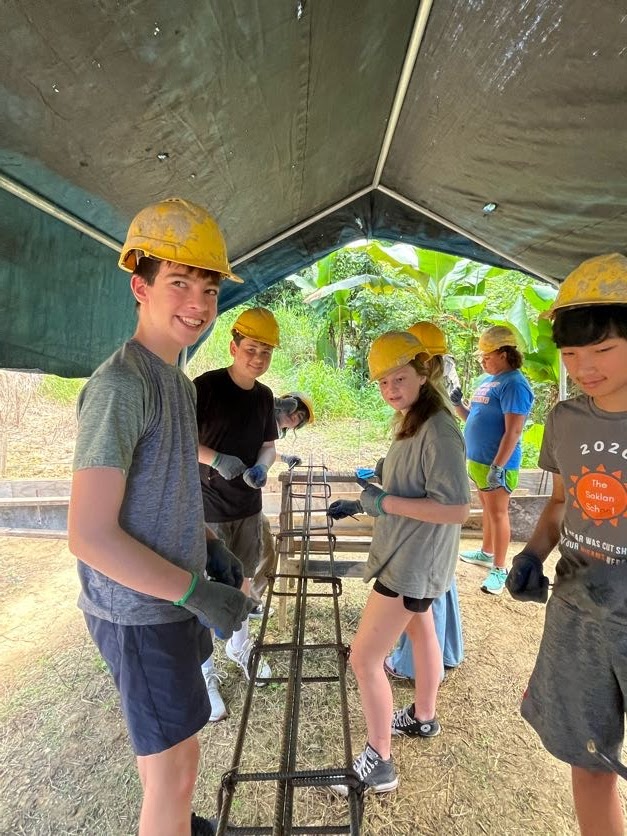
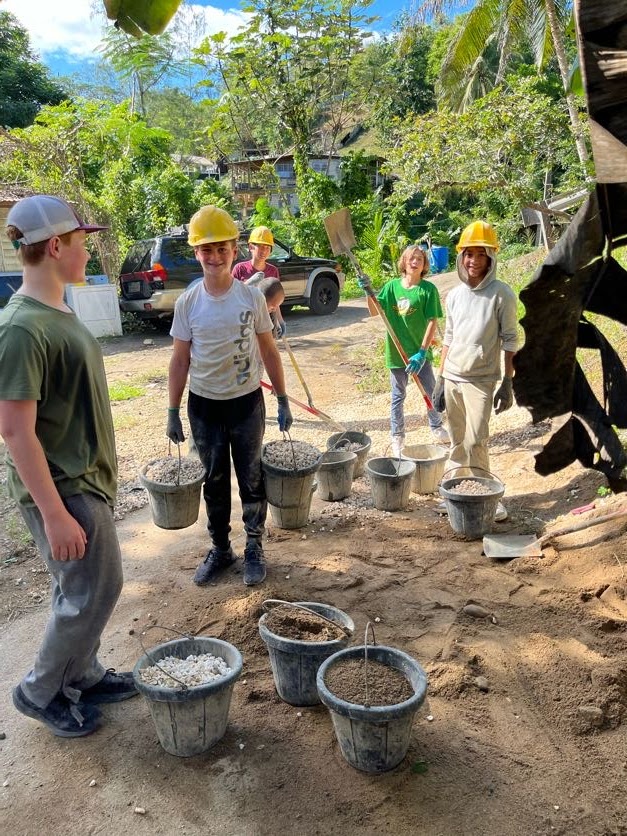
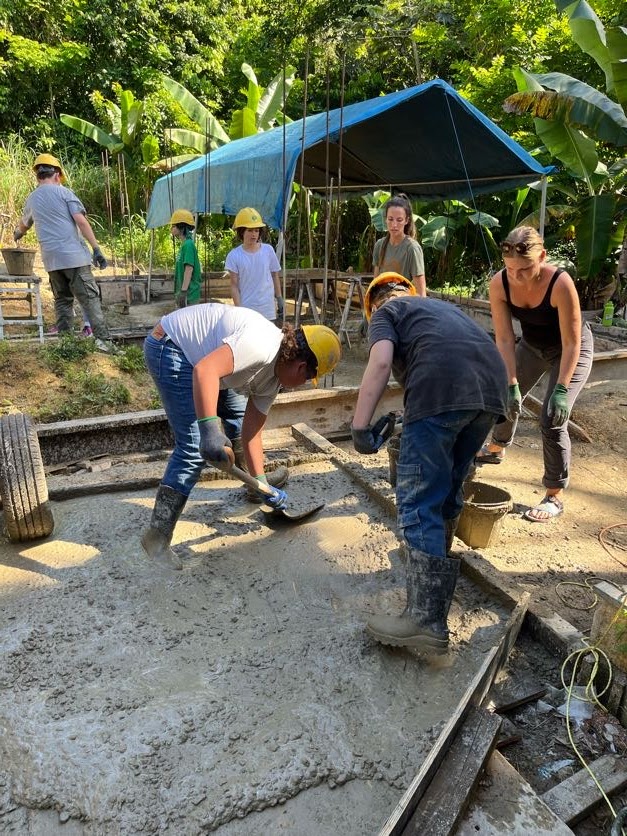
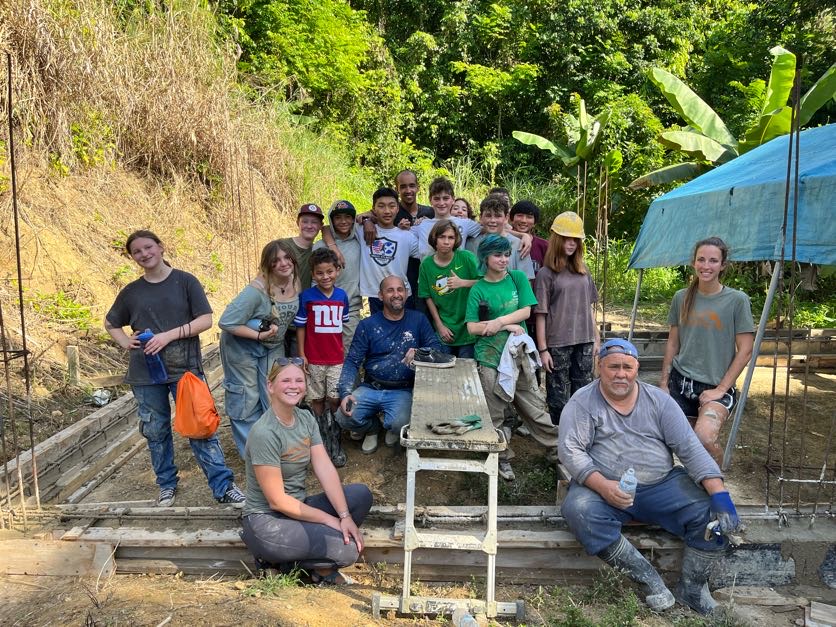
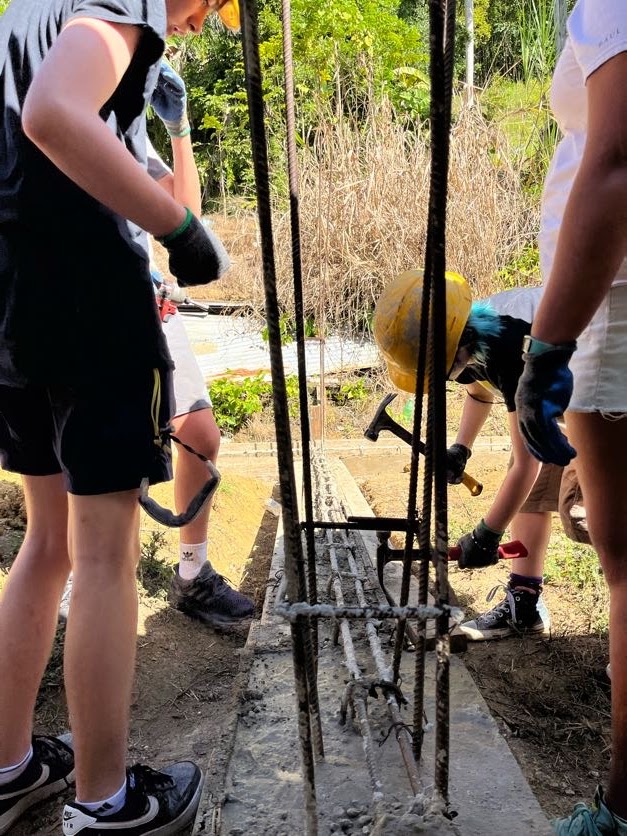
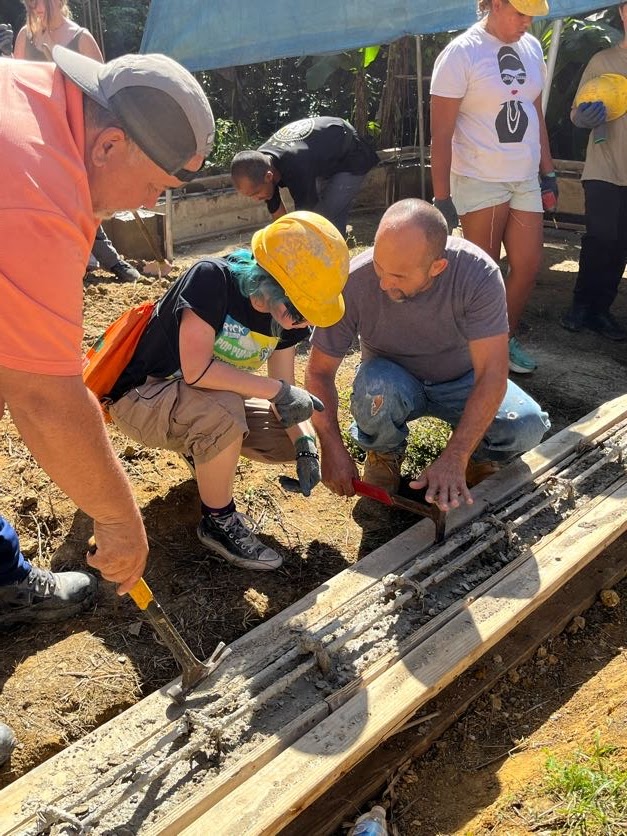
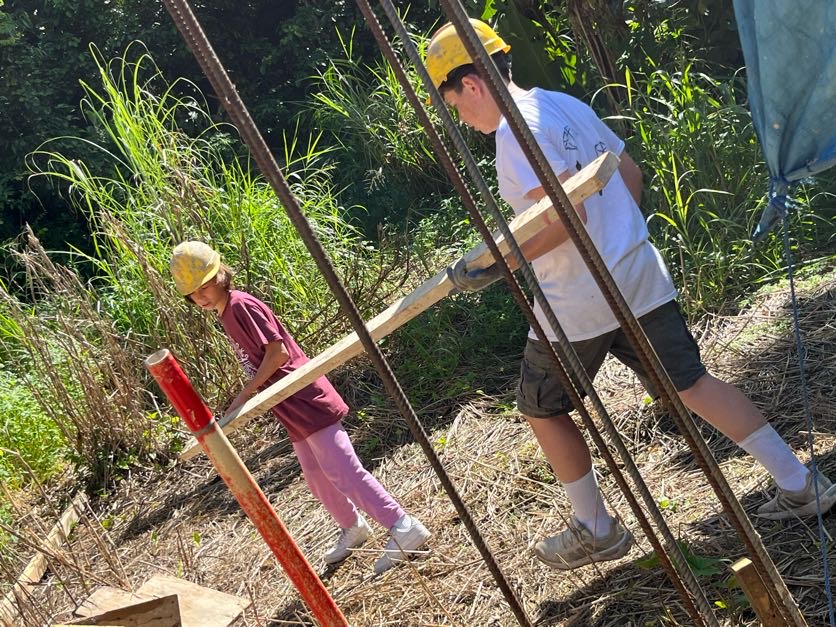
Students worked alongside Angel and William, our GlobalWorks locals who live in the community of Villa Del Rio and also were affected by the hurricane, to help build the foundation of a home for a man named Felix. Felix lost his home to Maria. After the hurricane, he picked up any scraps he could to build a makeshift house to live in. He has been very grateful for the one-room home he created and has lived in for the last few years, but now looks to secure a hurricane-proof home for his family. Our students were the first step in that process.

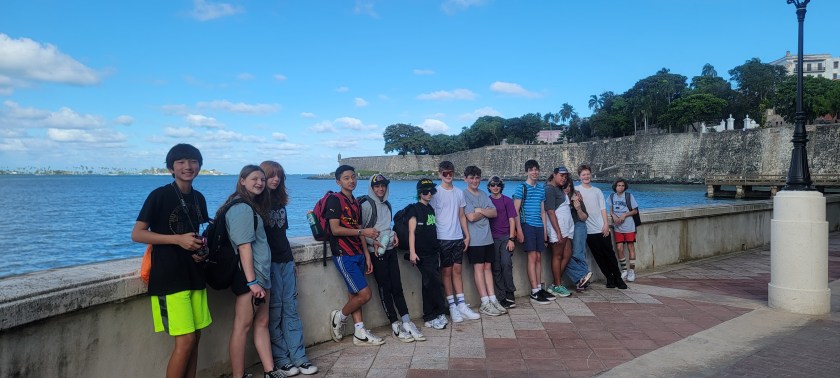
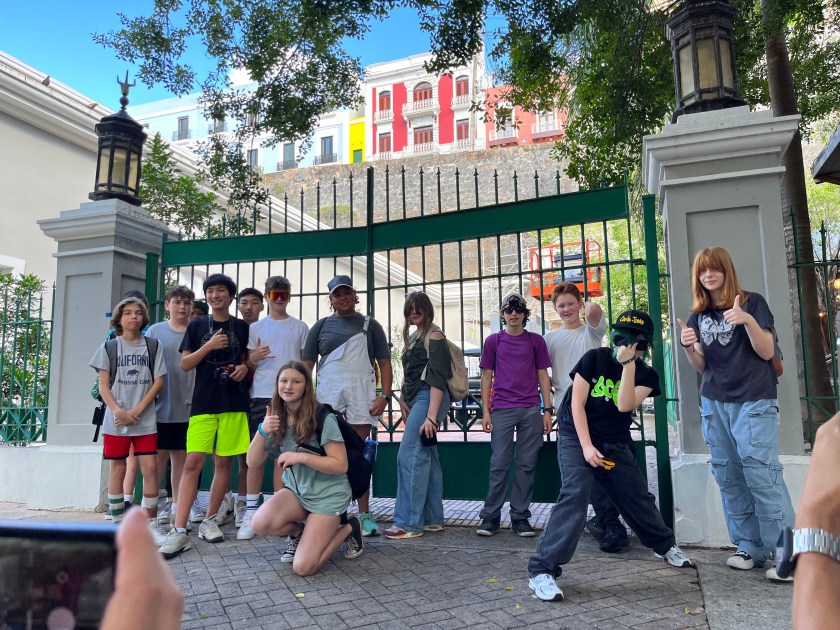
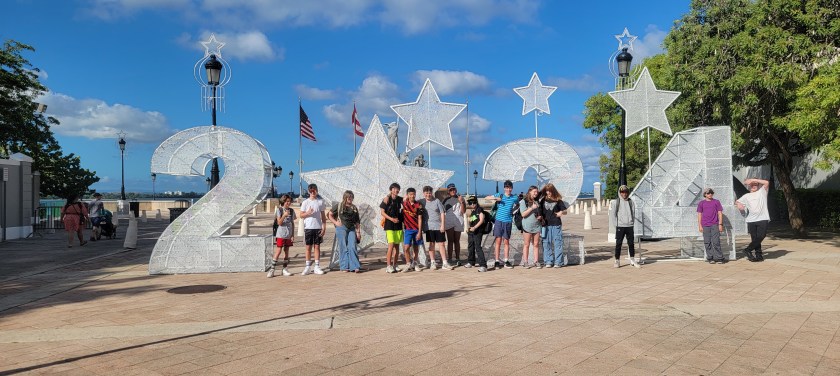
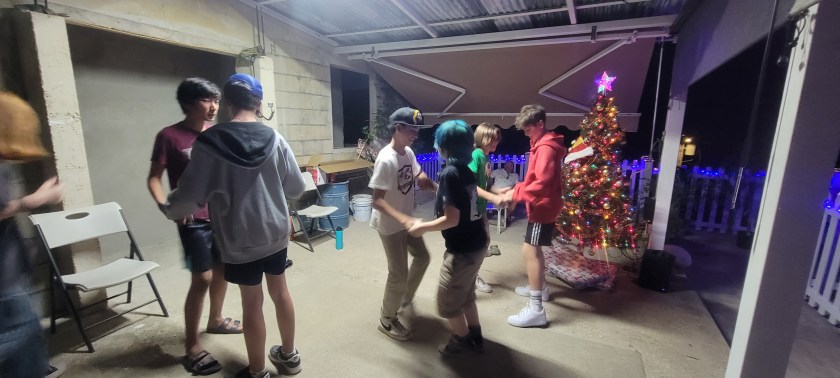
Our students spent their days learning about the history and culture of Puerto Rico by getting a tour of San Juan, seeing the street art murals in Santurce, learning to dance Salsa, and interviewing native Puerto Ricans about their experience during Hurricane Maria.
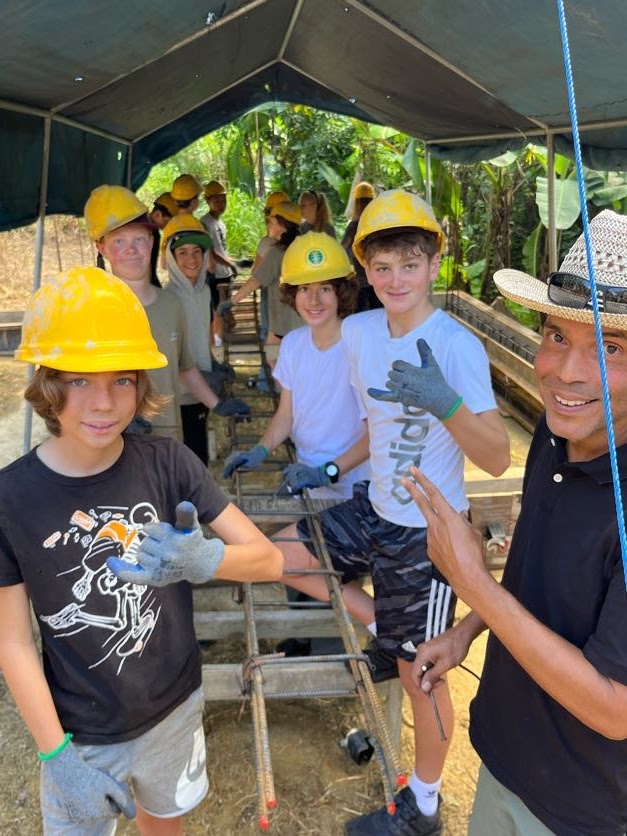
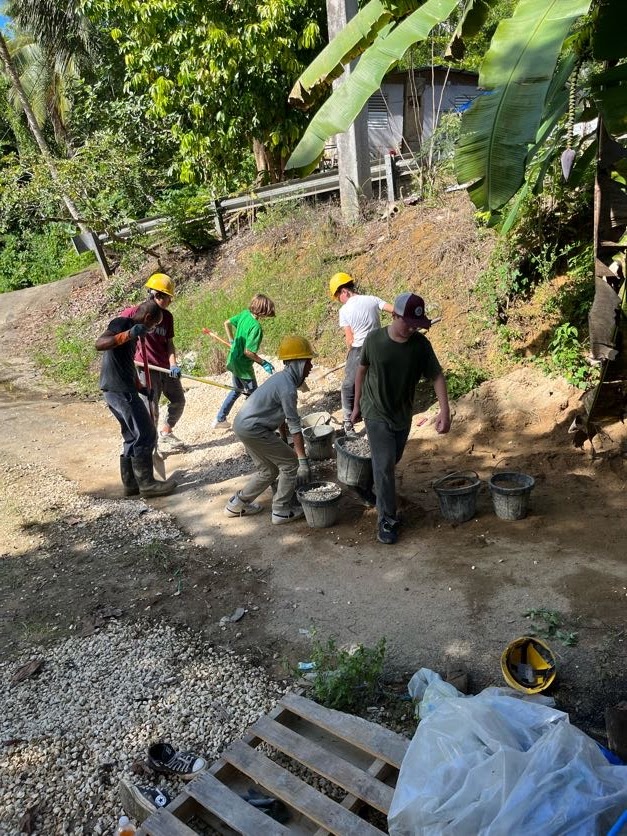
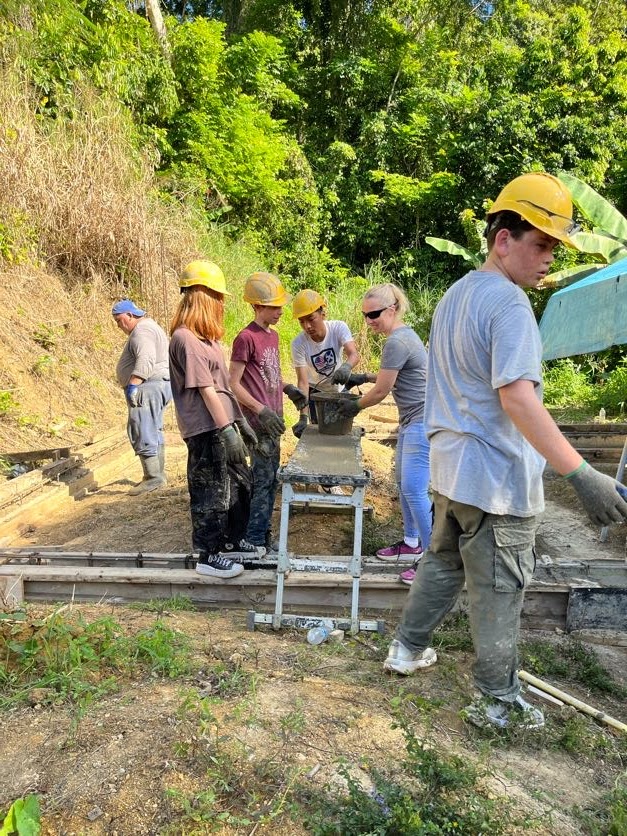
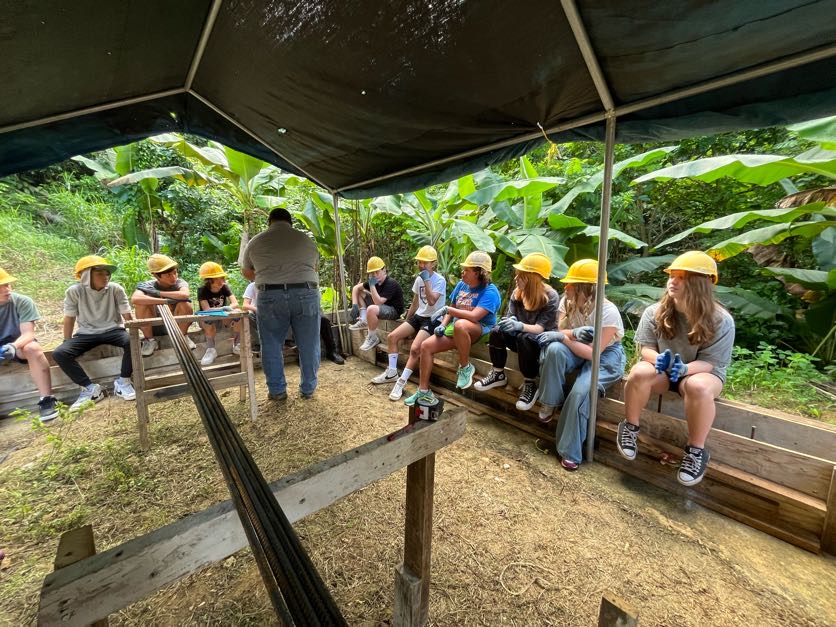
The students learned about the stories of the locals and what it takes to build a structure that can withstand a hurricane by working to build a foundation for a home by:

  • Securing rebar beams
  • Shoveling rocks, sand and cement
  • Passing cement to create beams
  • Cleaning up the bottom foundation of the home
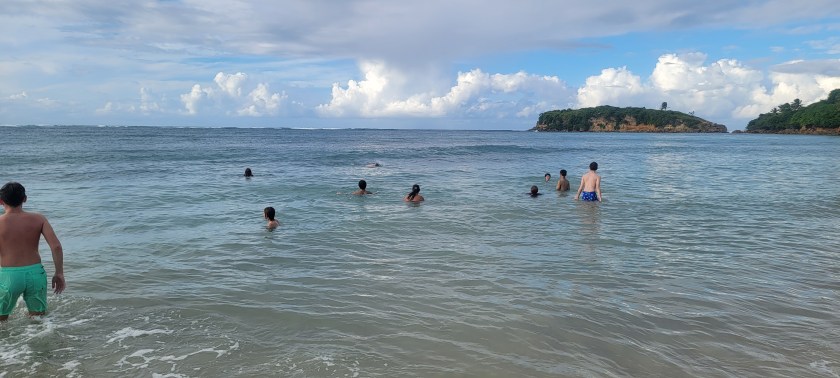
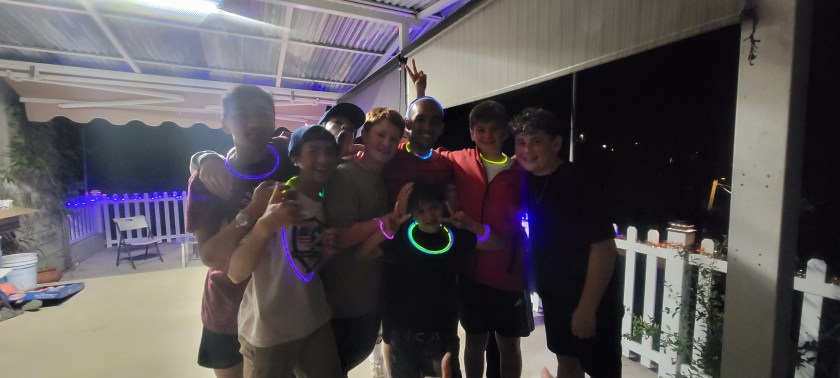
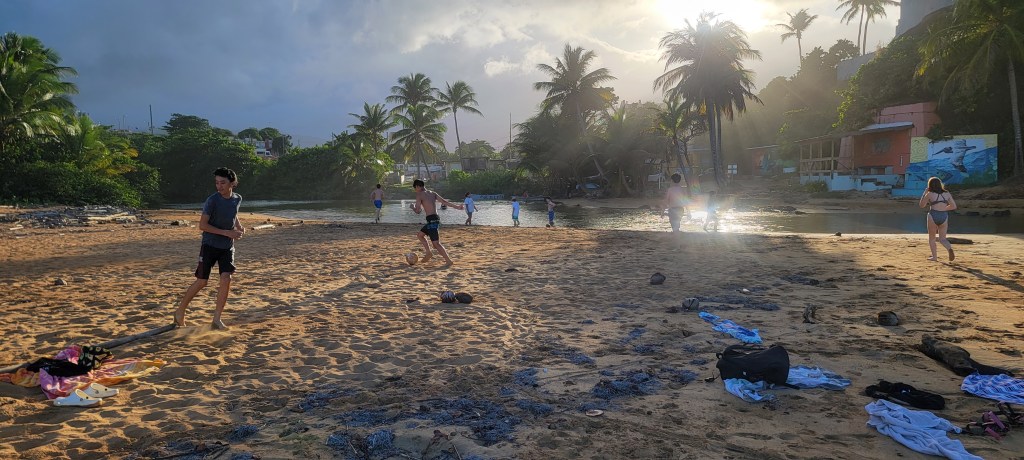
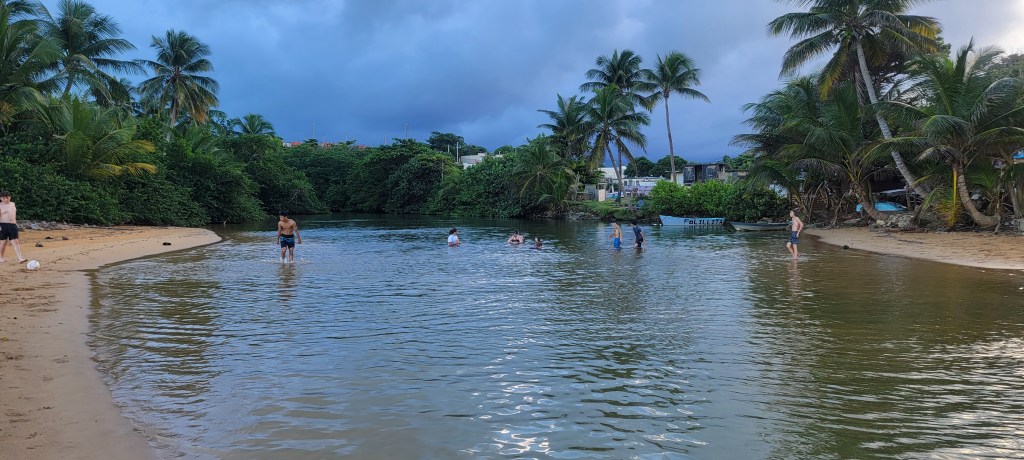
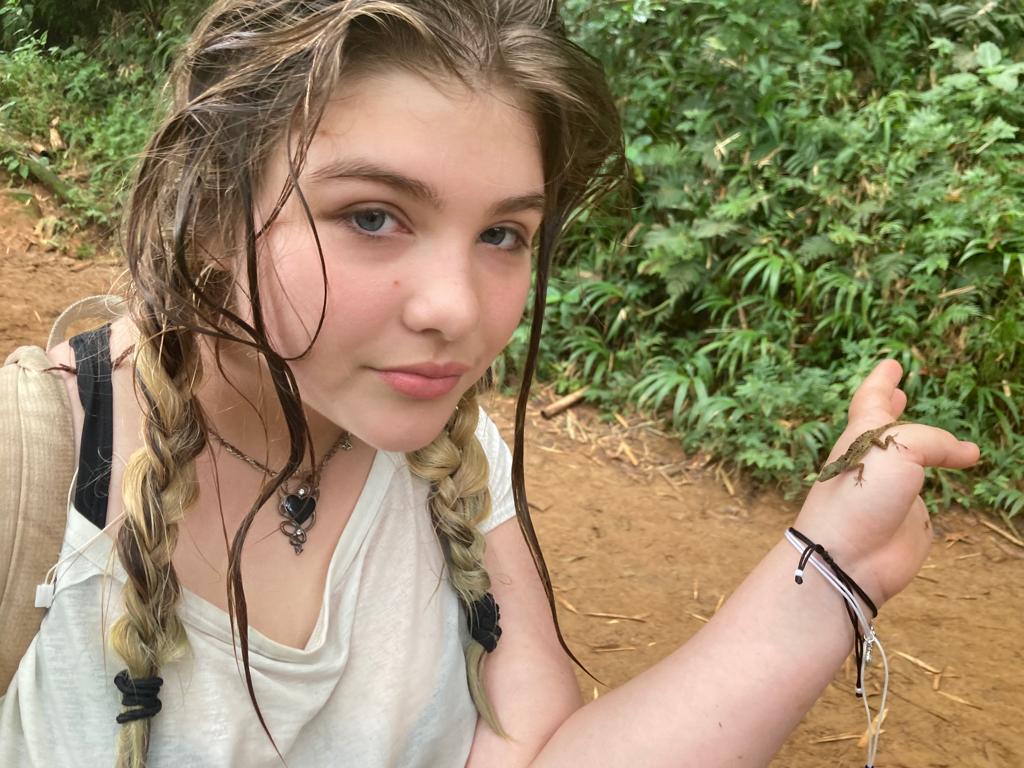
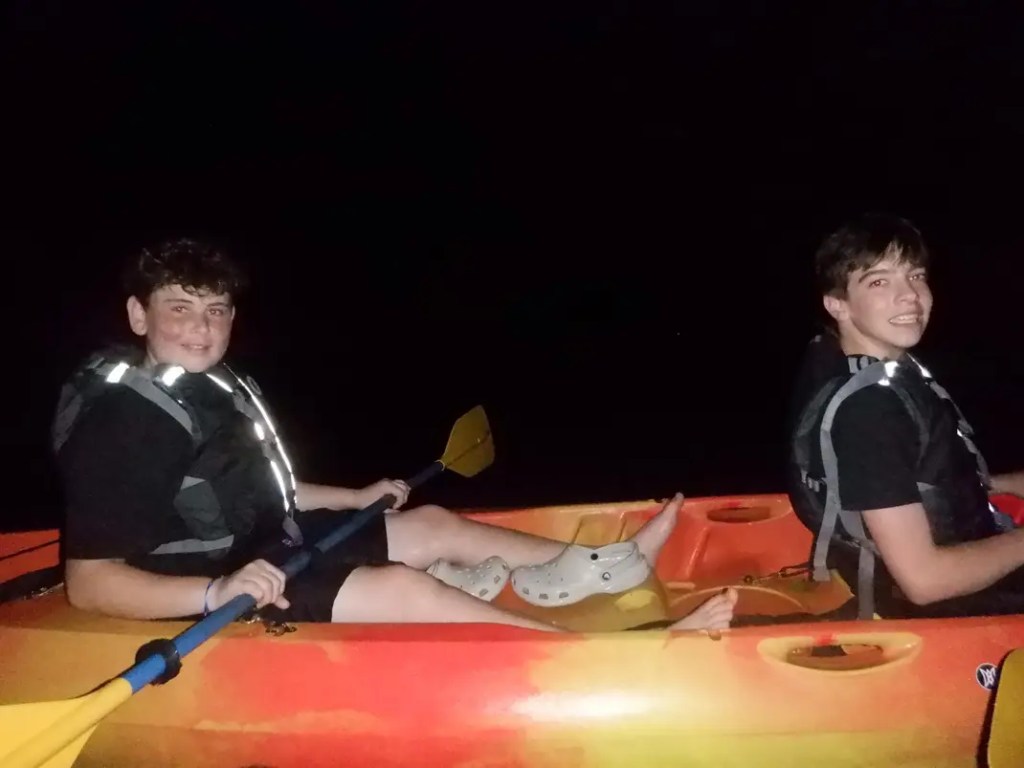
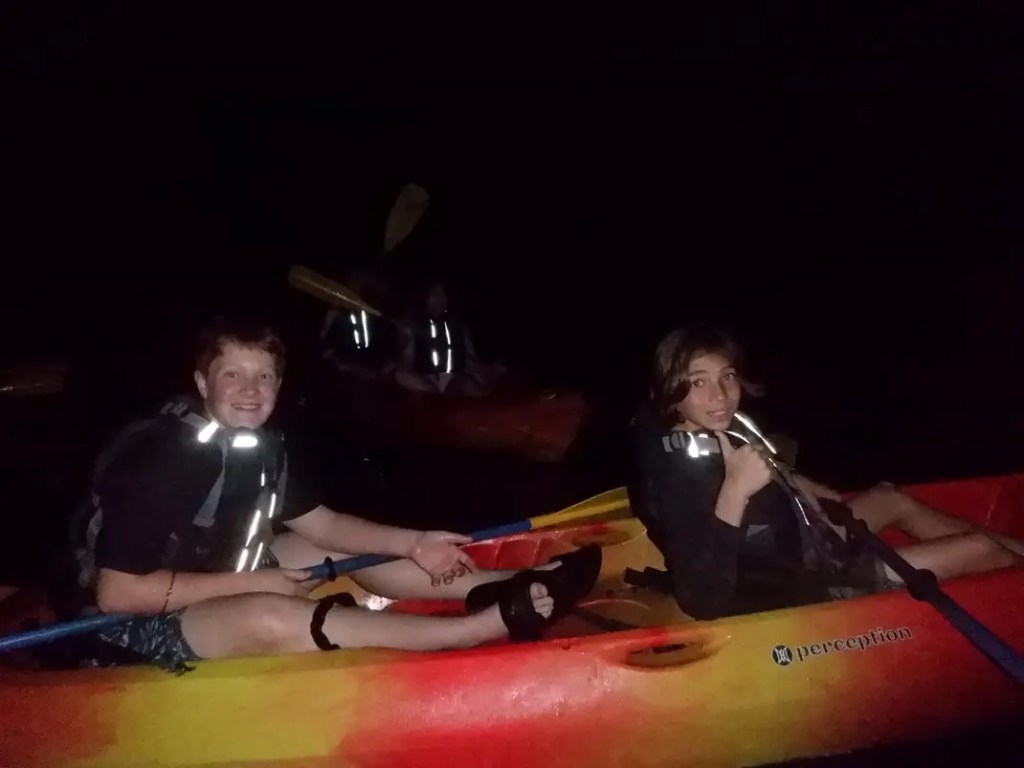
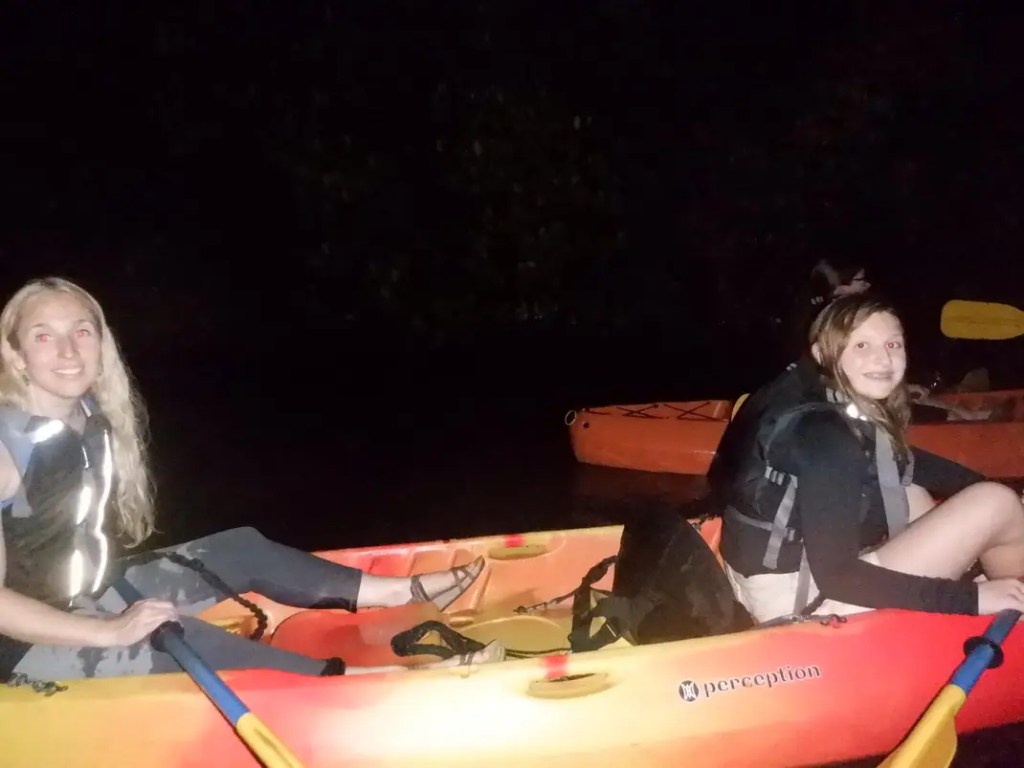
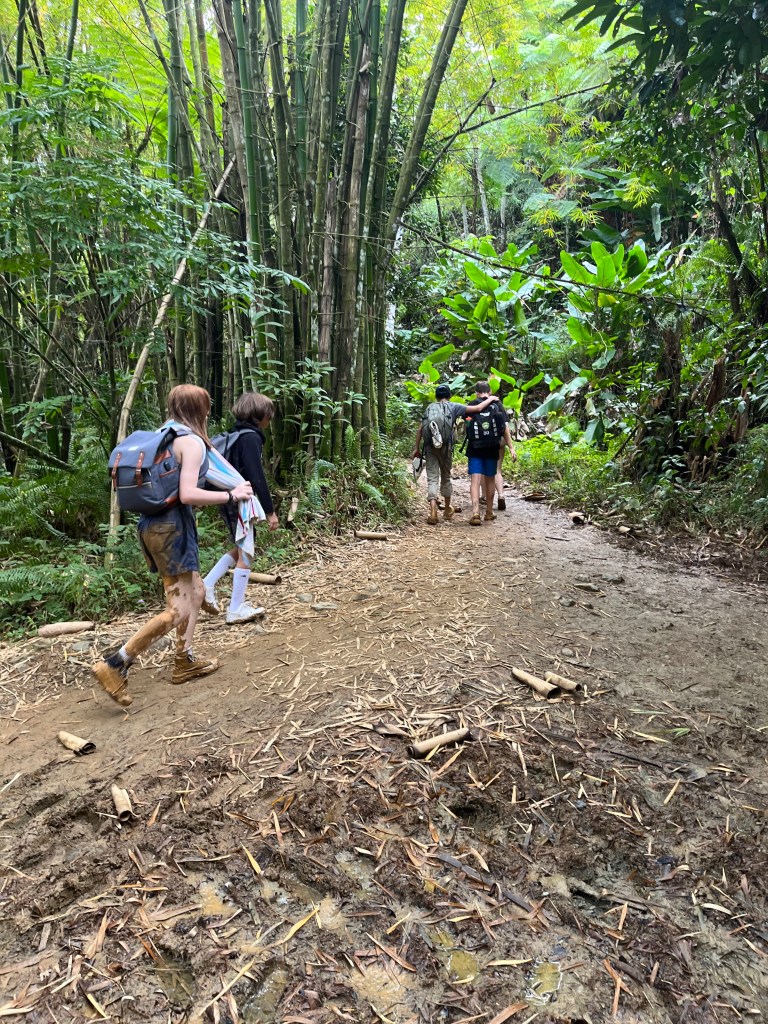
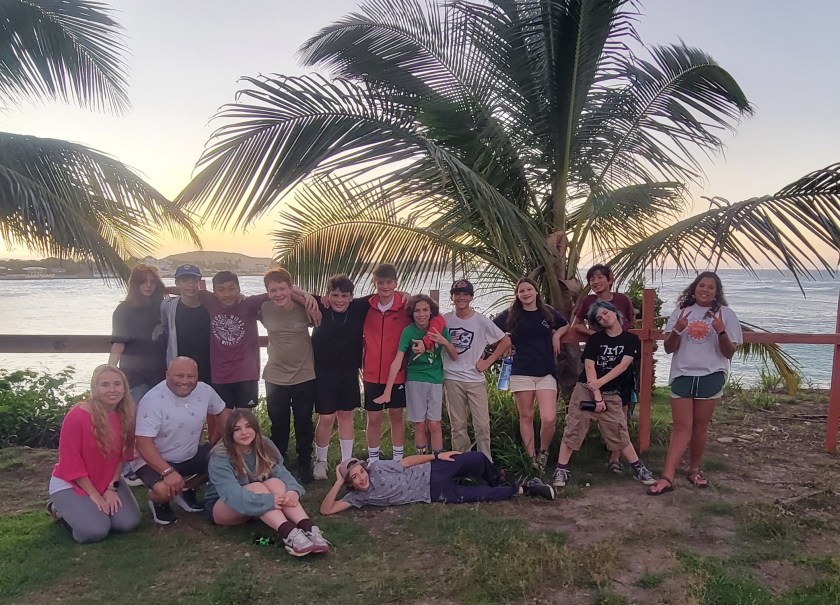
The students also witnessed the beauty of Puerto Rico by playing in the Atlantic Ocean every day, talking with locals, hiking through a muddy El Yunque Rainforest, swimming in the cool river water, and kayaking through the most fascinating bioluminescent bay ever. 
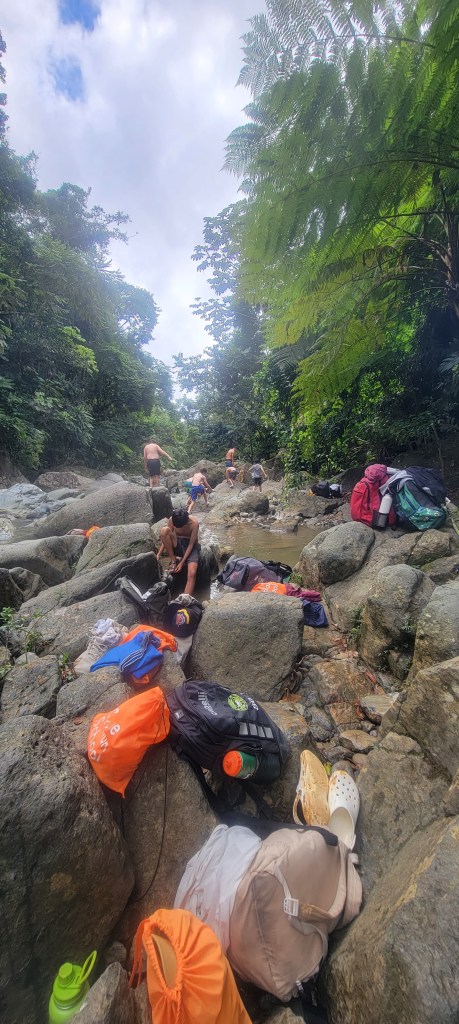
During their stay in Puerto Rico, the students wrote reflections about the work they were doing and the community they were working with. Here are some of their responses: 

Today we worked with rebar on the worksite. We accomplished our whole task of making 8 beams for the foundation. I had a hard time with the wire at first but was really happy when I finally got it.

Kori

Working with the community has made me feel great. I love manual labor, it is fun and a workout. I also loved seeing such a welcoming community. They made me feel like family.

Astro

I loved helping the community and loved shoveling concrete and getting dirty.  I feel like I helped a family in need and am proud of myself.

Yiannis

Working with the community made me feel grateful and humbled me. I got to help and support people in need but also learned how they suffered, too. When I get home I will miss helping them and I will be more grateful. 

Mars

I think working with the community made me appreciate how hard it is to build a house in the heat. These people must be so dedicated to the cause to do this almost every day. It really makes you see what good people they are and how kind and generous their community is.

Eleanor


My perspective throughout the week has significantly changed. When we first came here I was surprised by how rundown and below average the homes were compared to mainland U.S. As the week went on I got more and more used to Puerto Rican conditions, and as we reach the end of our trip I feel incredibly grateful for this experience and I am glad we came.

Oliver

Working with the community changed my perspective on hard work because they showed me that hard work makes you stronger physically and mentally. It also made me sad for the community because they lost everything. When I get home I will feel sad that I won’t be able to keep helping, but will be happy to get away from all the mosquitos.

Sam

To learn more about the students’ experiences in Puerto Rico and their takeaways from the trip, join us at CLAS on Friday, January 26th.

#SaklanServiceLearning
30 Minutes to Launch

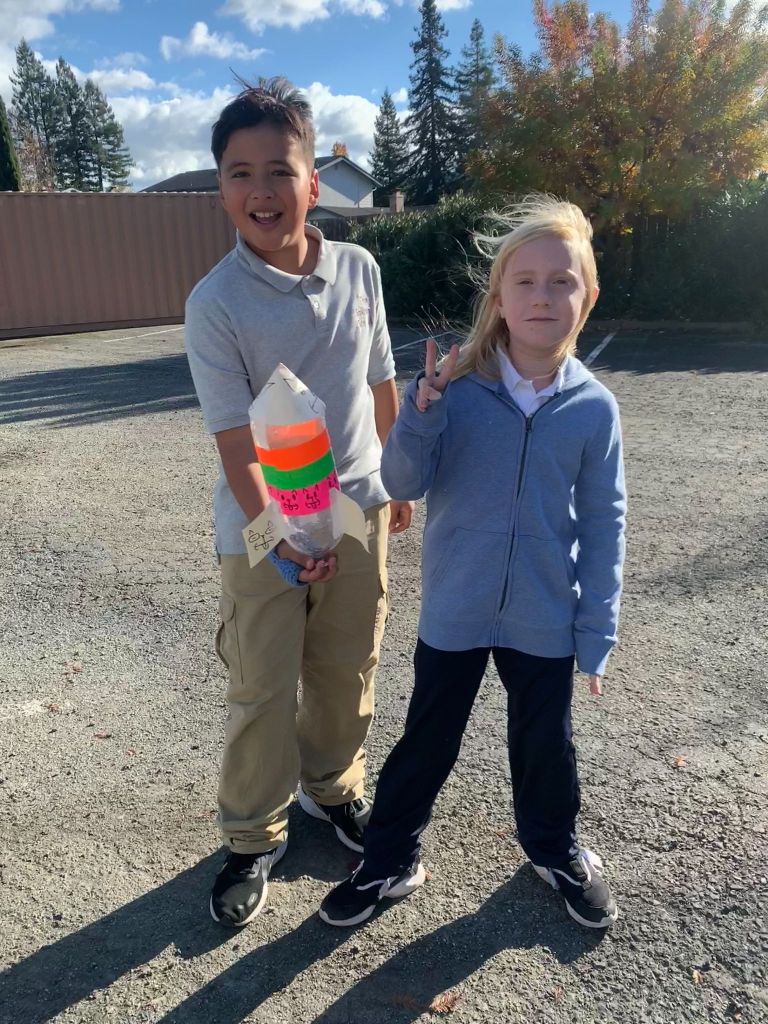
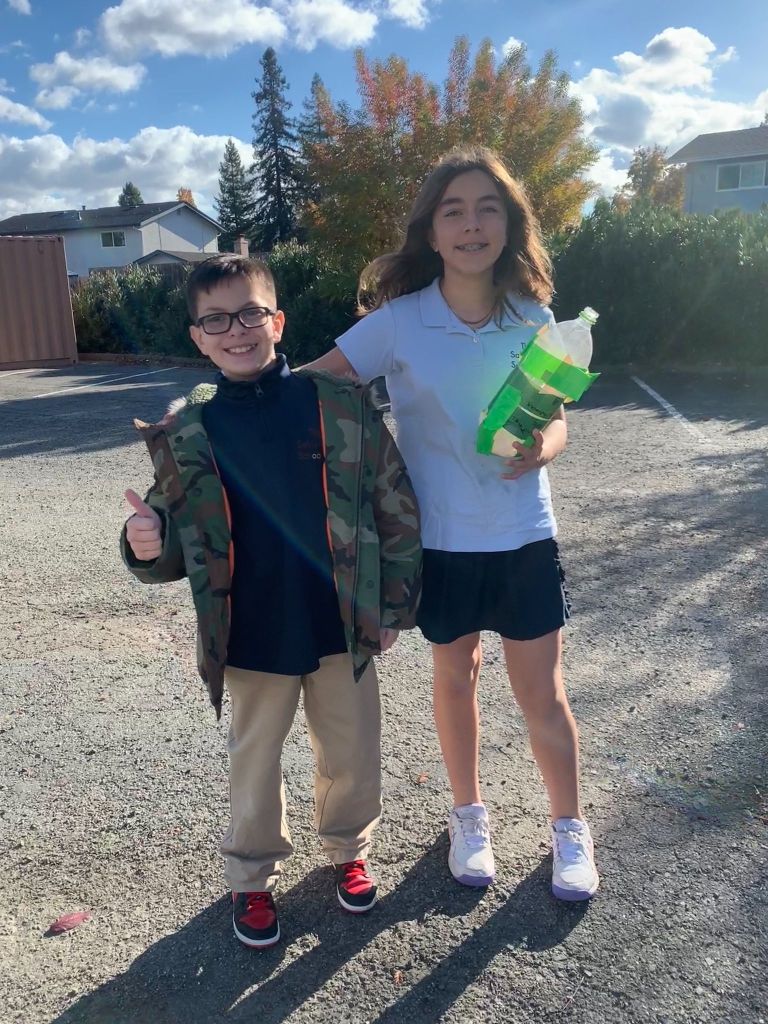
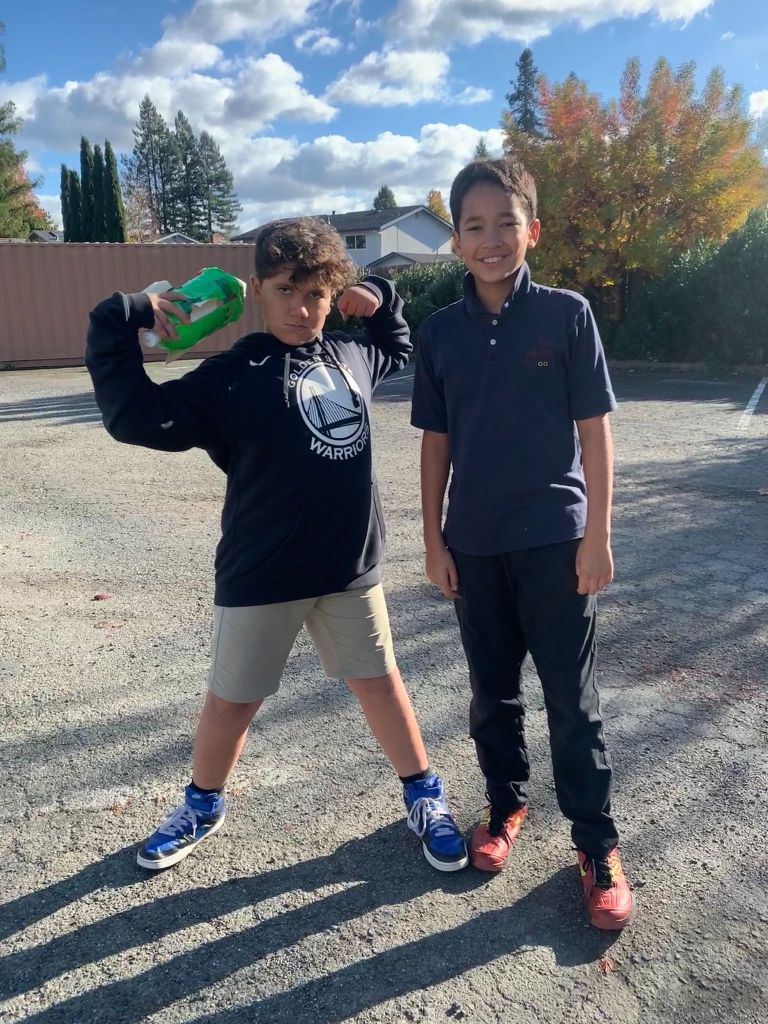
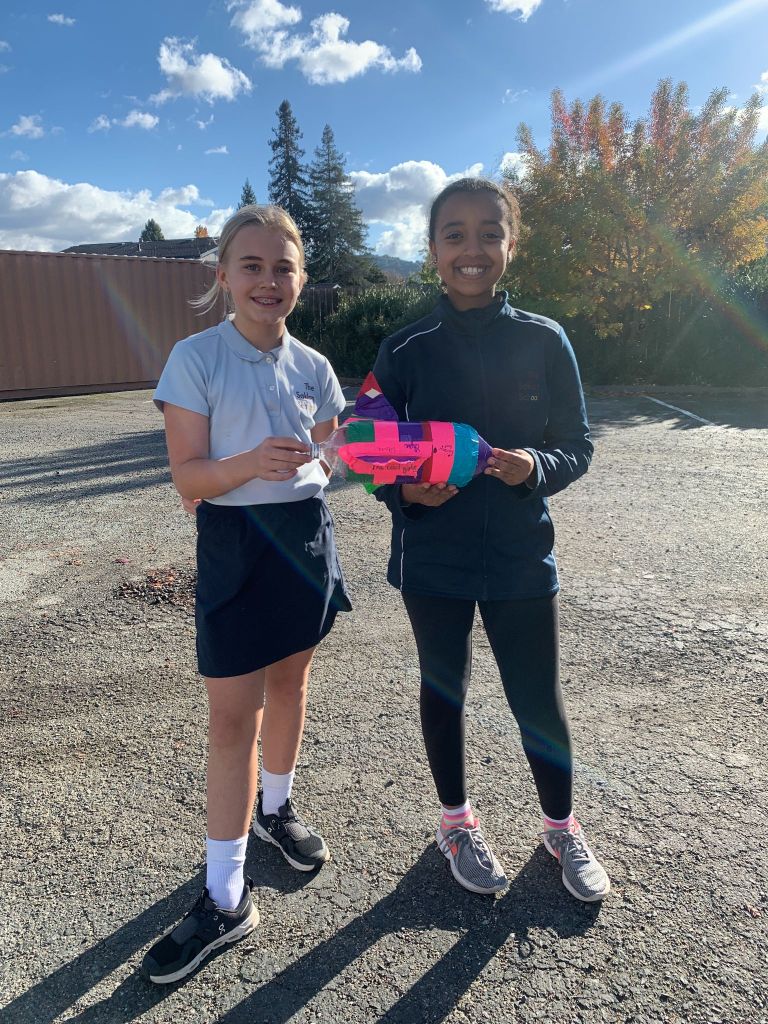
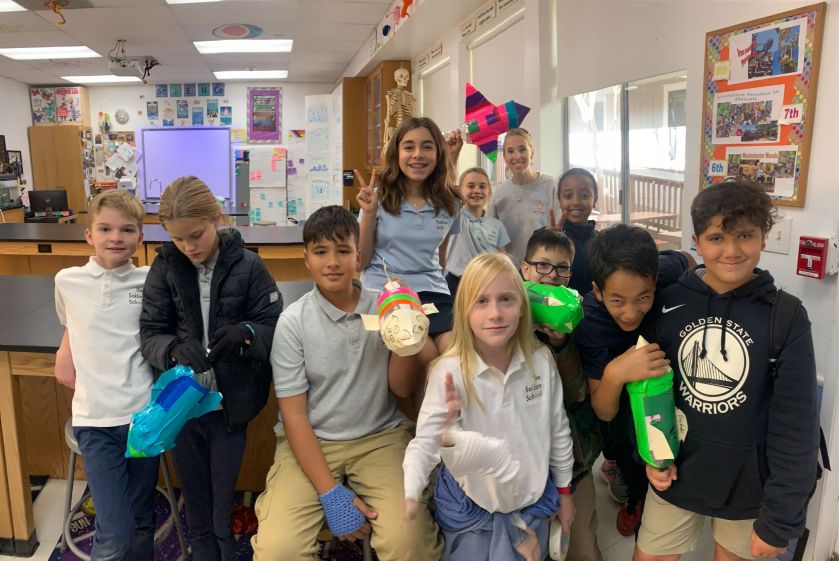
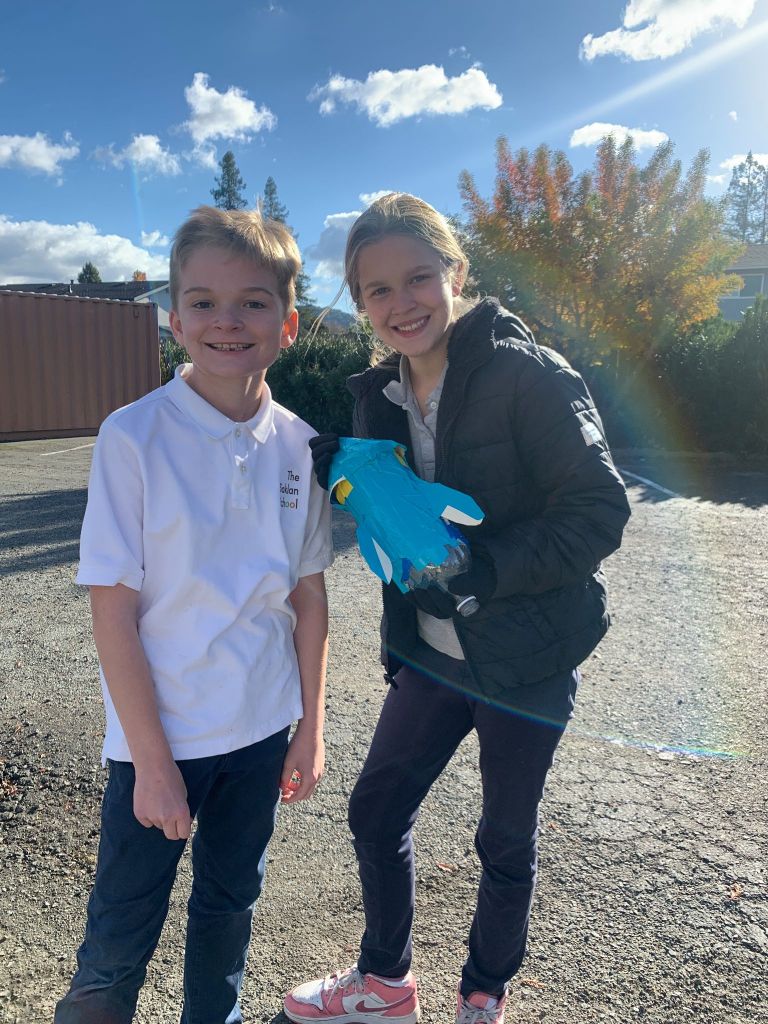
The fifth grade students recently wrapped up their hands-on space unit, taught by Ms. O, with a STEAM (science, technology, engineering, art, and math) challenge to design and build a rocket. When students work in teams, they learn and practice desirable “soft skills” such as active listening, clear communication, cooperation, and flexibility, whilst also learning the “hard-skill” academics – both are valuable for life, hence rockets were designed and built in partner-teams.  Each team had access to a soda bottle, lightweight card, tape in many colors, markers, and scissors.  They also had two constraints: time and weight, and had to make decisions around those factors, while building a launchable rocket in under 30 minutes.

Check out the teams, rockets, and smiles following successful launches here at the Saklan Space Station in the images below!

#SaklanHandsOn

Construction Culmination

The Owlets held their Construction Project Culmination on Wednesday morning, celebrating all the hard work and learning they have done over the last two months. Thank you to everyone who stopped by to view their work!
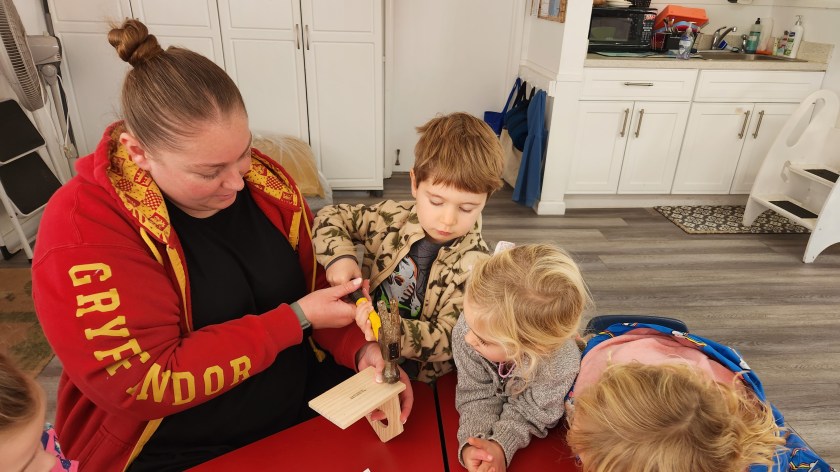
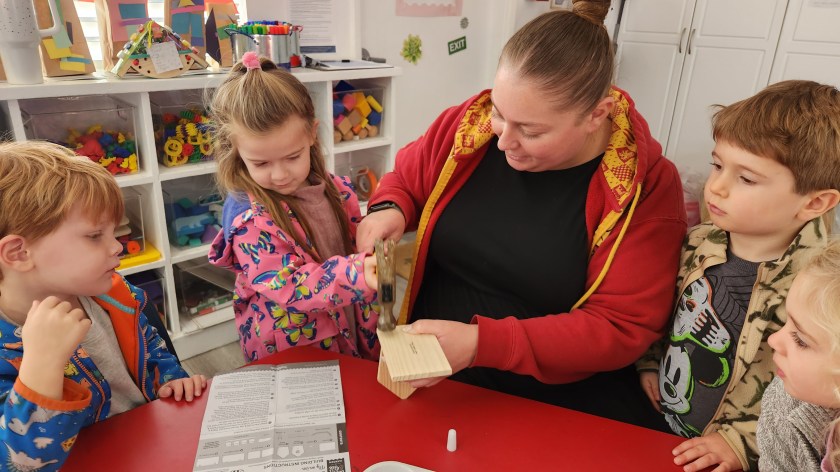
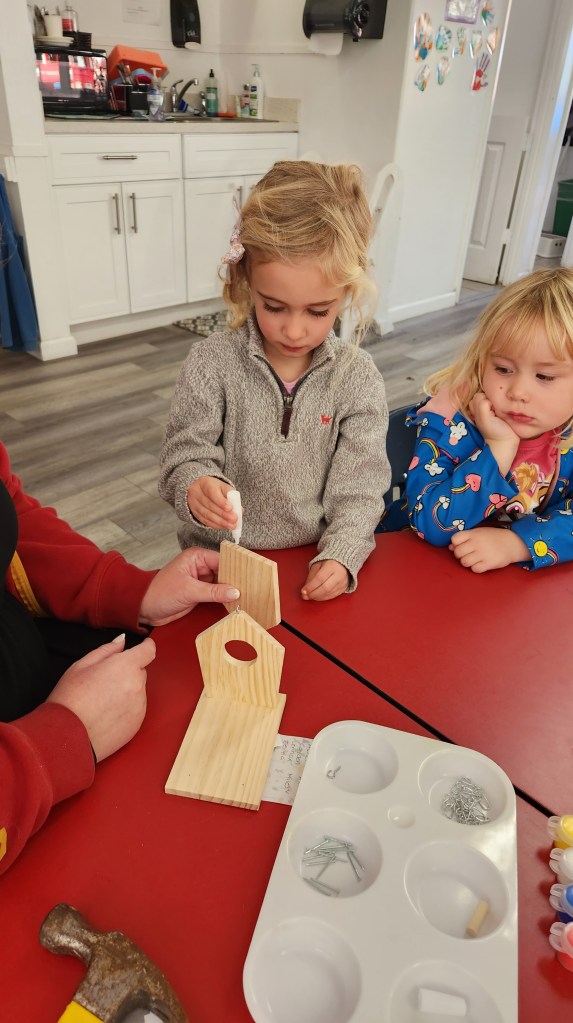
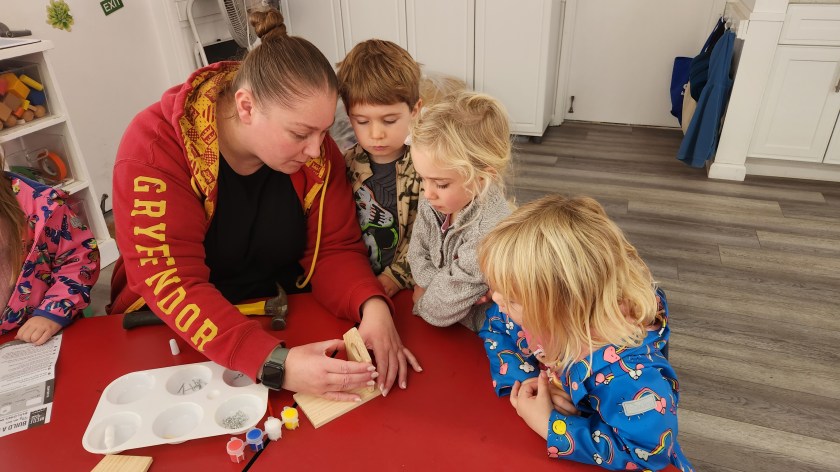
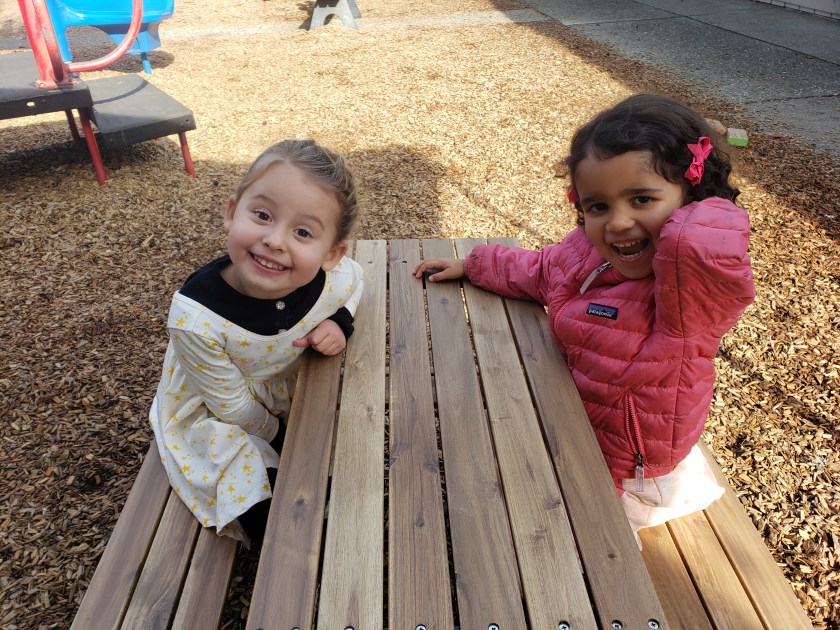
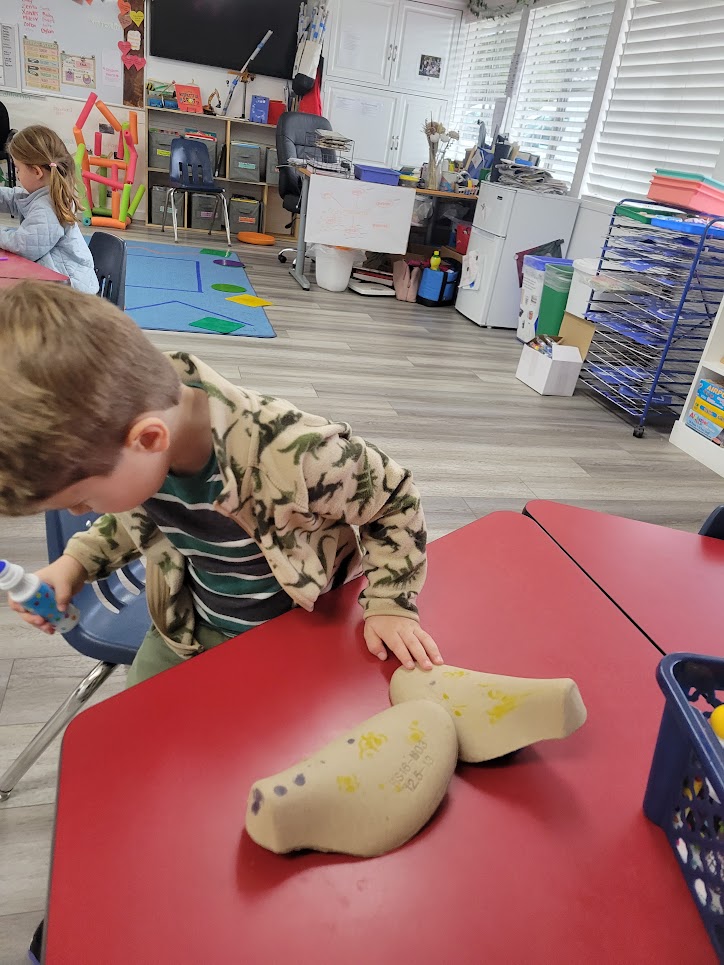
In addition to the activities we shared last week, the Owlets engaged in other enjoyable building exercises during their Construction Unit. With Ms. Erin, they constructed and painted a birdhouse and a bug abode to hang on their playground yard. Ms. Erin demonstrated the proper technique for handling a hammer safely while they practiced using it on the bird house. The students decided to gather some moss and leaves outside for the bird house after one student mentioned that she had previously created a birdhouse and had added fake grass to it to make the birds feel more at ease. The Owlets also noticed that the birdhouse was quite tiny, and considered the various kinds of birds that might be interested in using it.

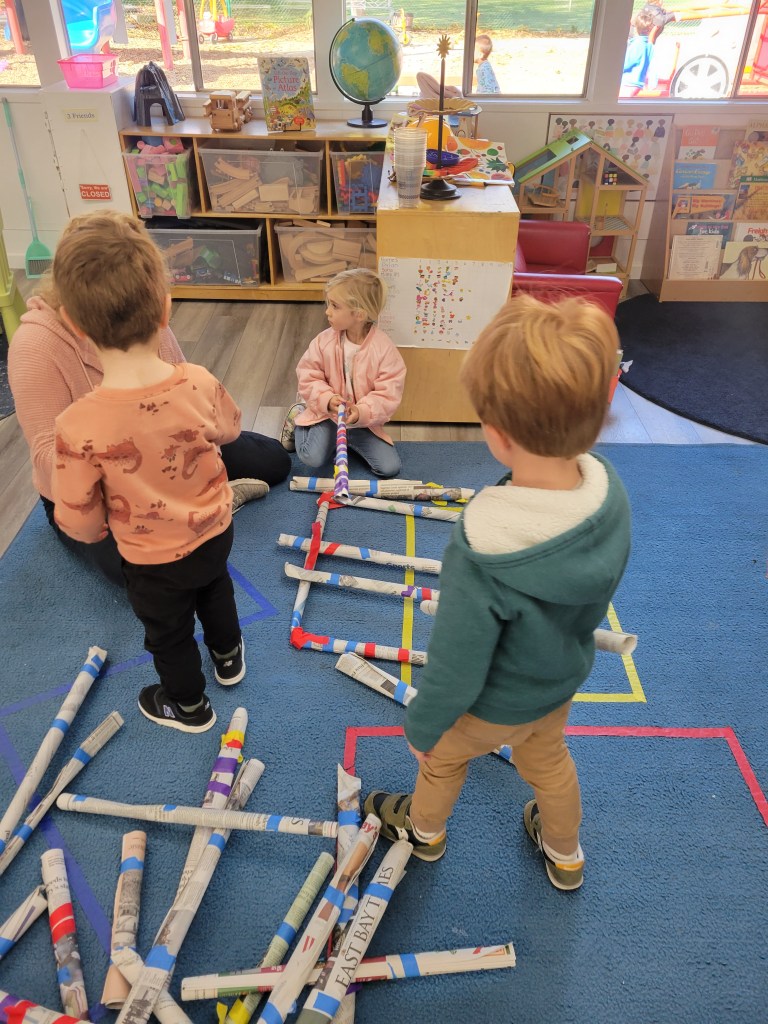
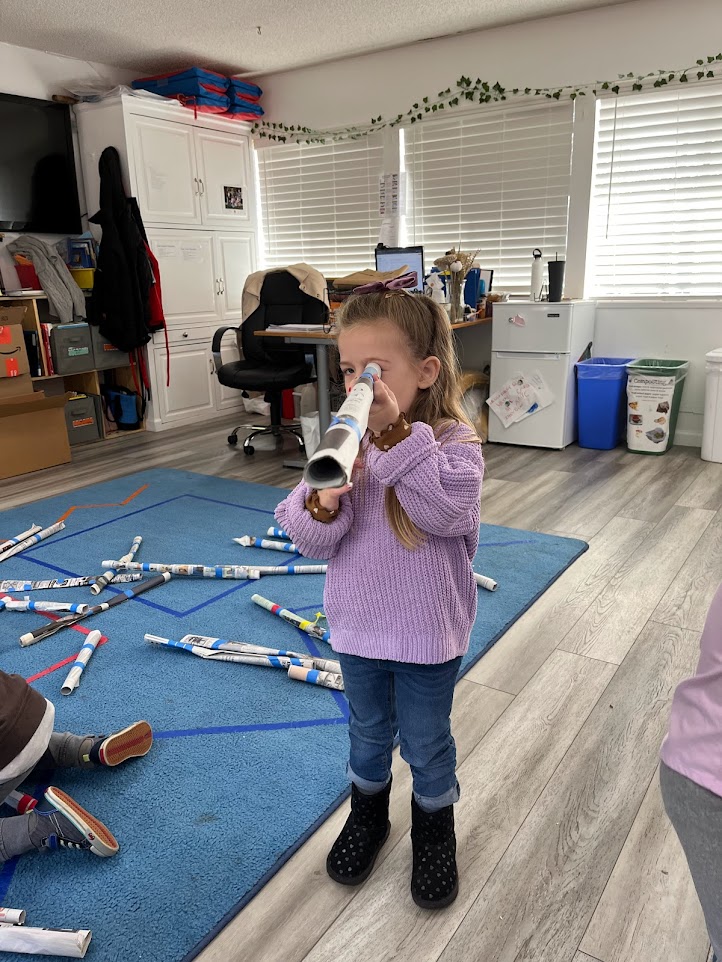
For the past few weeks, Ms. Linda has been really busy with rolling up newspapers, and the Owlets were quite interested in seeing what she was up to! The students were very excited to use the rolled-up newspapers to build! Ms. Linda and the Owlets came up with a variety of unique buildings and participated in creating many collaborative structures.

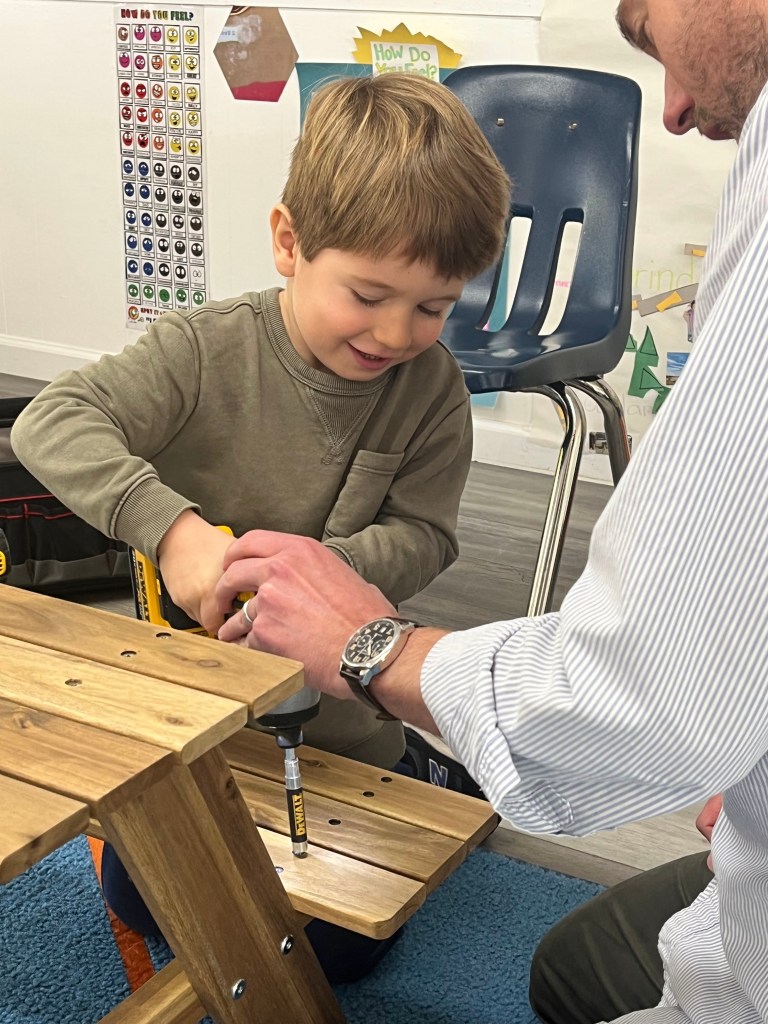
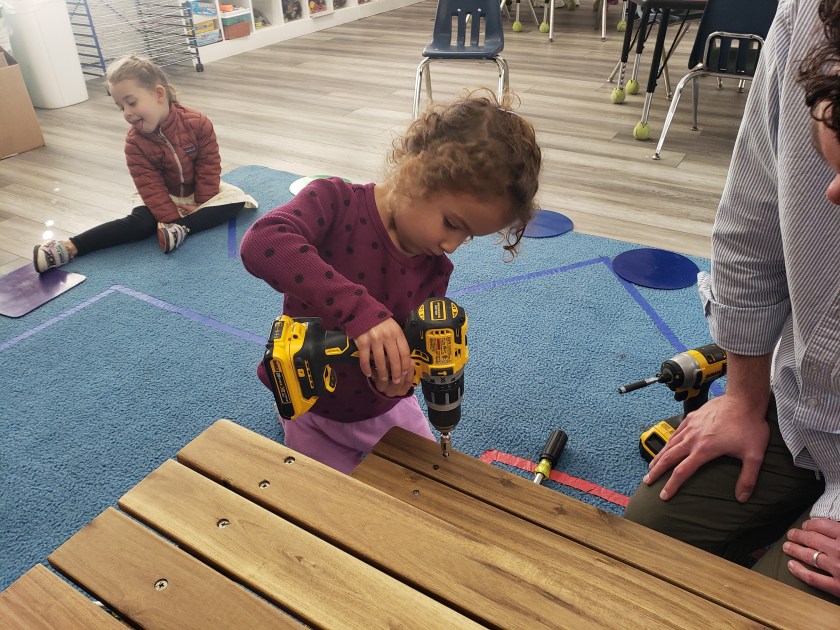
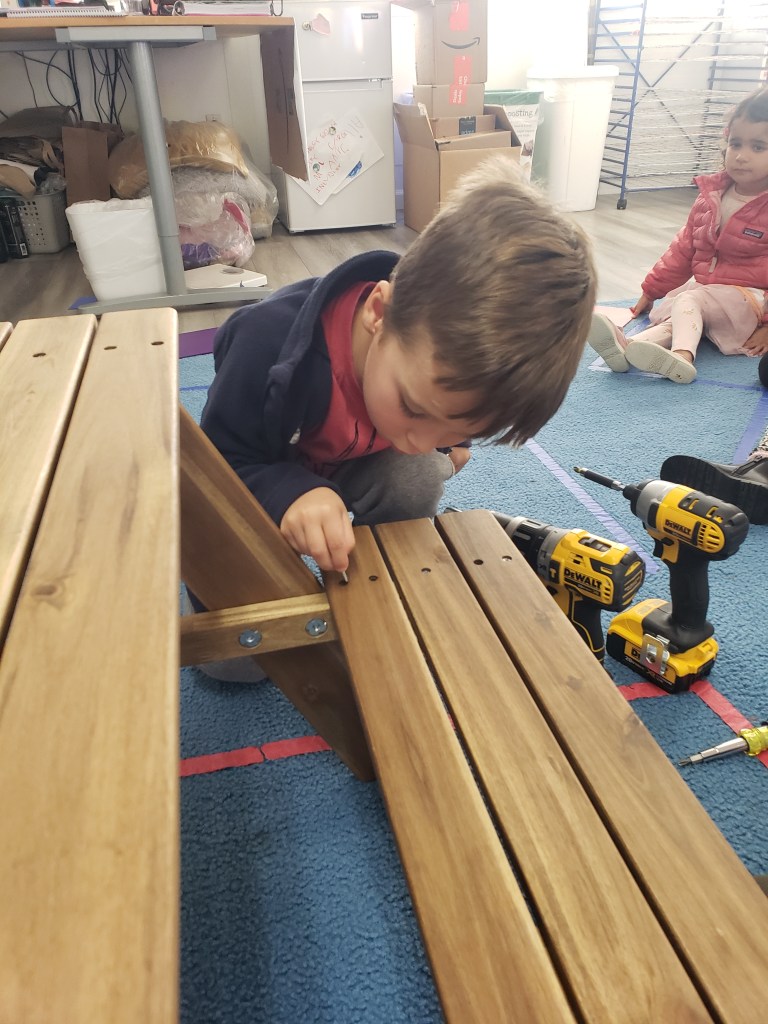
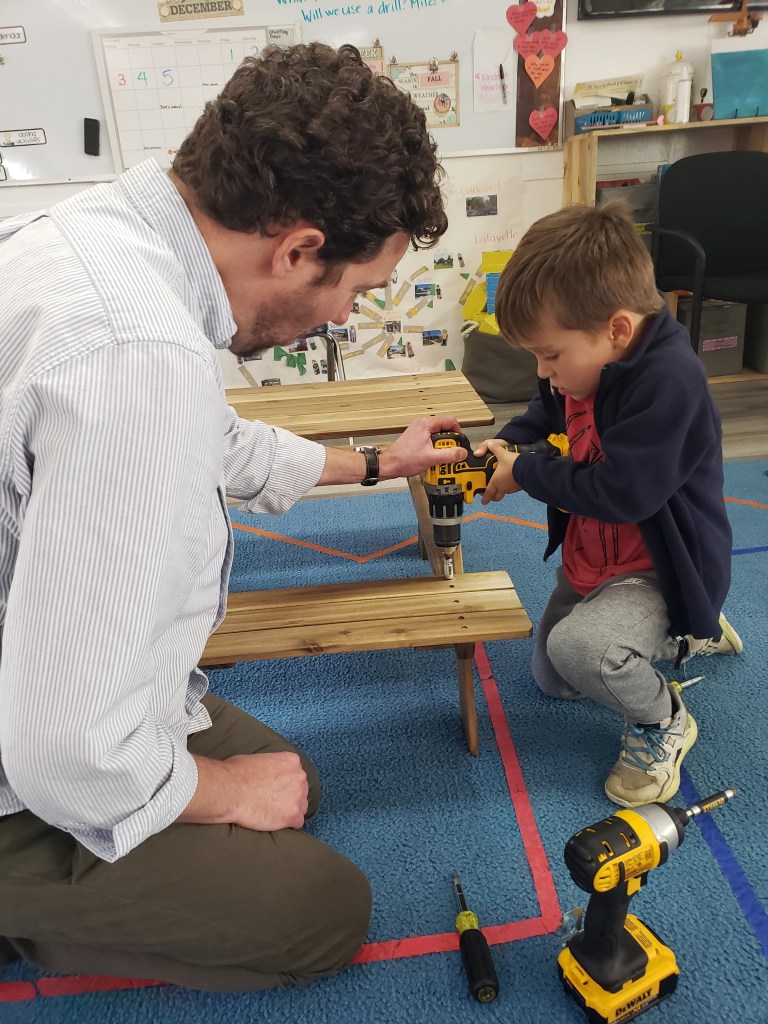
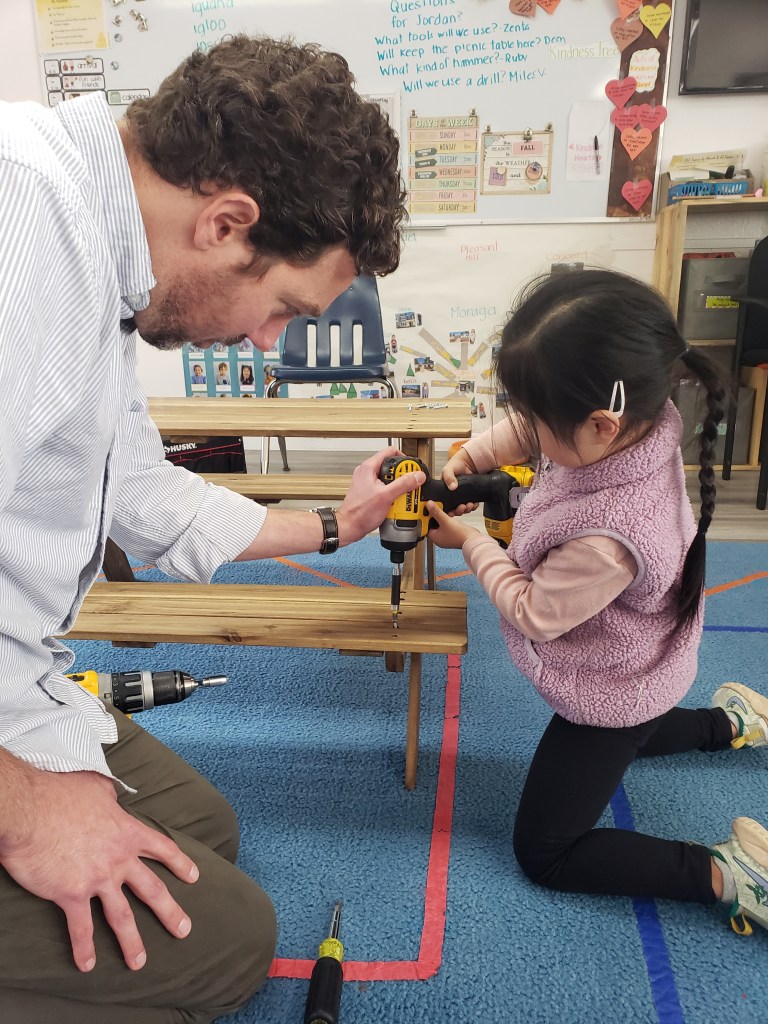
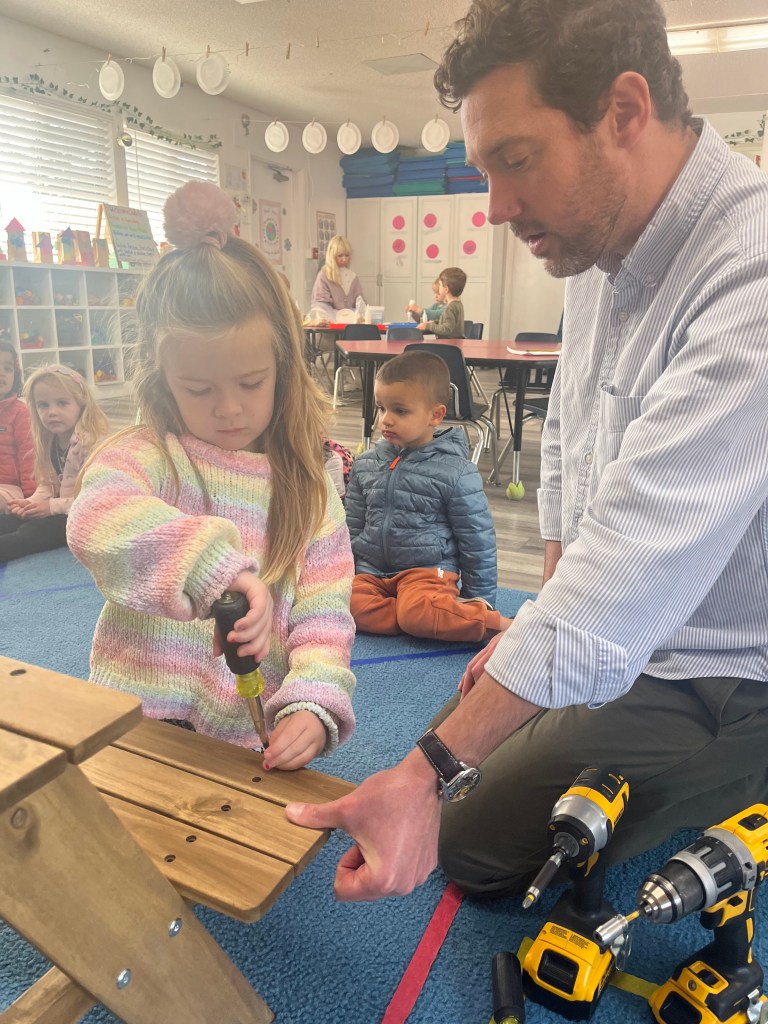
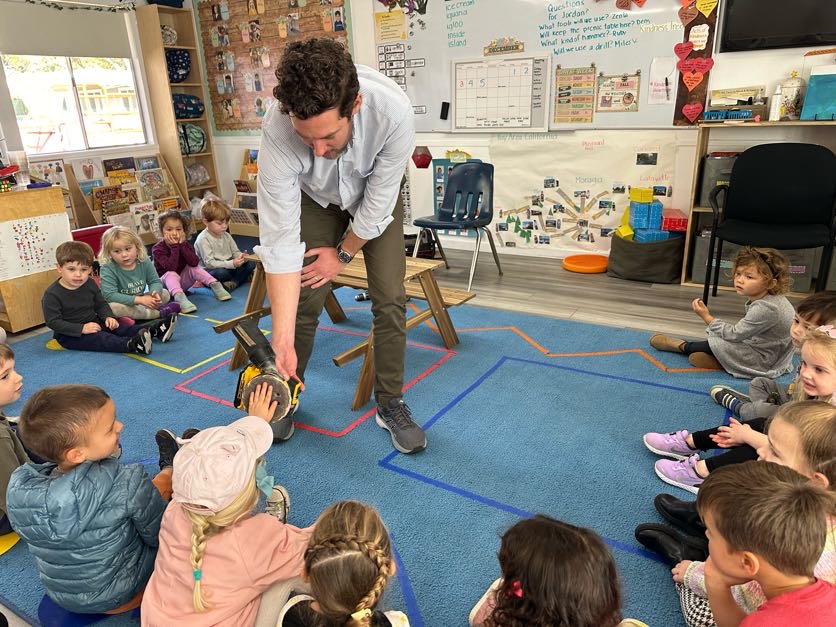
The Owlets welcomed a guest expert, Jordan, to teach them how to build a picnic table. Jordan brought some very interesting tools to share with the Owlets, including a special screwdriver that had eleven different parts! Jordan also showed the students two different drills and a sander. The Owlets took turns twisting screws into the wood, and together they built a picnic table for their classroom! Once the table was built the wood was sanded to prevent splinters.

#SaklanProjectWork

Navigating the Complex Intersection of Well-Being, Social Media & Technology

We are excited to announce that The Saklan School has launched a partnership with The Social Institute (TSI), a national leader in curriculum designed to equip students to navigate the complex intersection of well-being, social media, and technology. 

At a time when students spend many hours a day on digital devices, and cyberbullying and reputation-damaging posts run rampant, TSI equips students to make positive, healthy, and high-character choices that fuel their health, happiness, and future success. Our school will adopt TSI’s comprehensive program, called #WinAtSocial, which promotes character, empathy, teamwork, critical thinking, and other essential life skills. 

Join us on Friday, January 12, after CLAS for Coffee and a Parent Presentation by Kim Parks about The Social Institute and How To Help Your Child(ren) Navigate The Complex Intersection of Well-Being, Social Media, and Technology in Positive, High-Character Ways.

#SaklanParentEducation

Saklan Movie Night

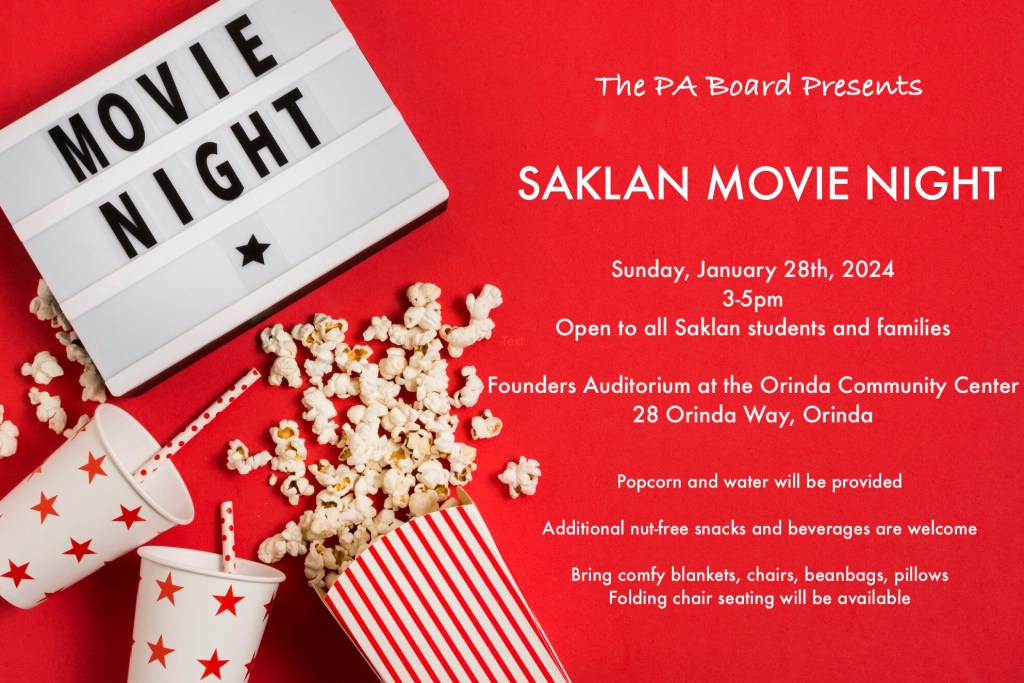
All members of the Saklan community are invited to join the PA on Sunday, January 28th from 3:00 – 5:00 p.m. in the Founders Auditorium at the Orinda Community Center for a movie night!

Popcorn will be provided for all attendees. Please bring your reusable water bottle with you, as well as nut-free snacks, blankets, chairs, beanbags, pillows, or other items to get cozy (limited folding chair seating will be available).

#SaklanCommunity

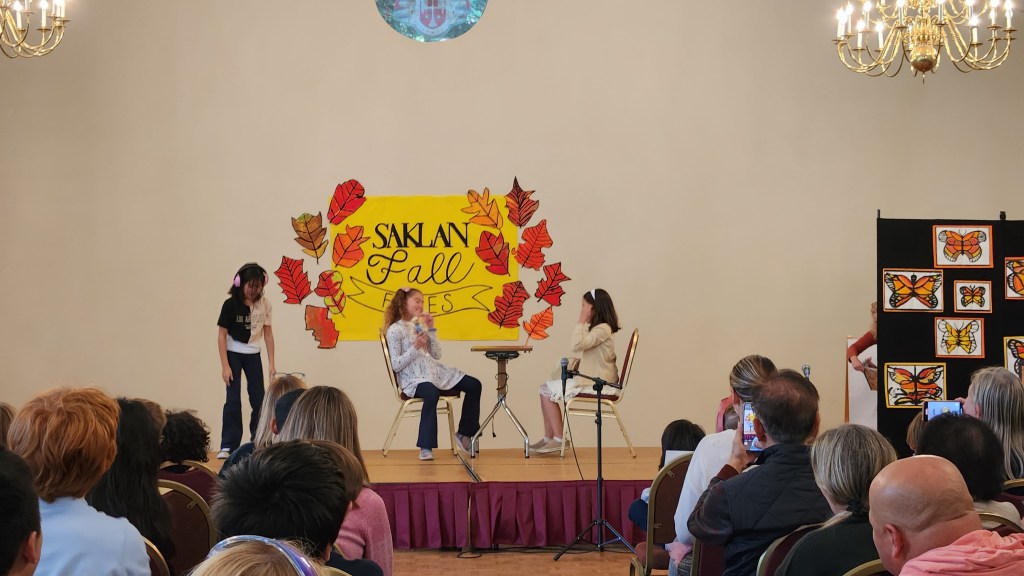
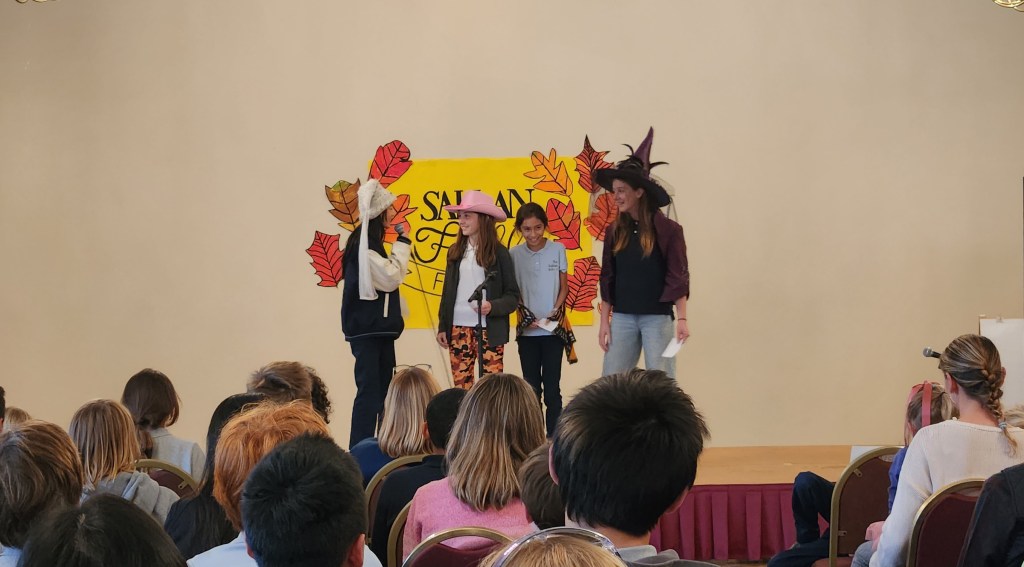
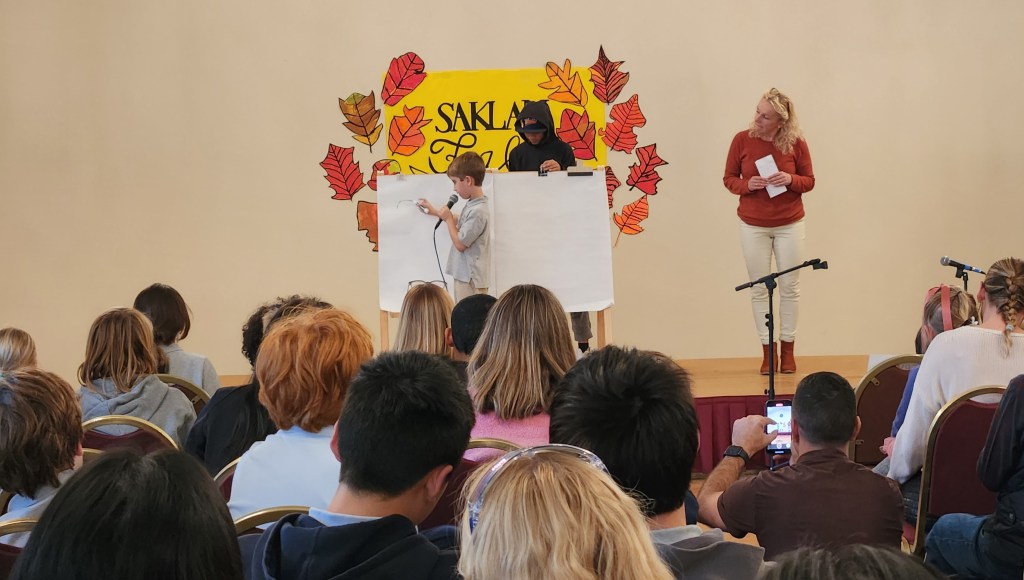
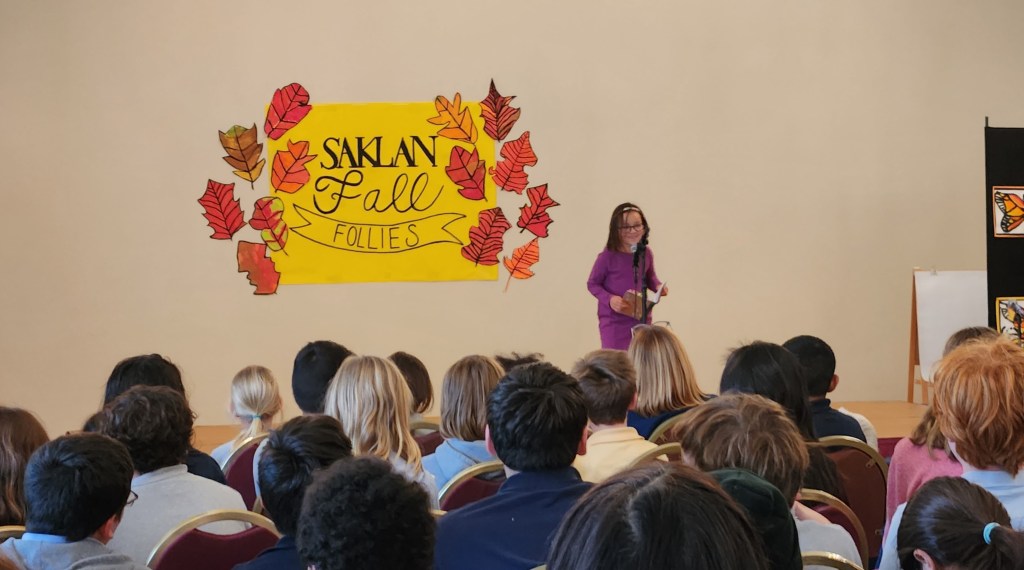
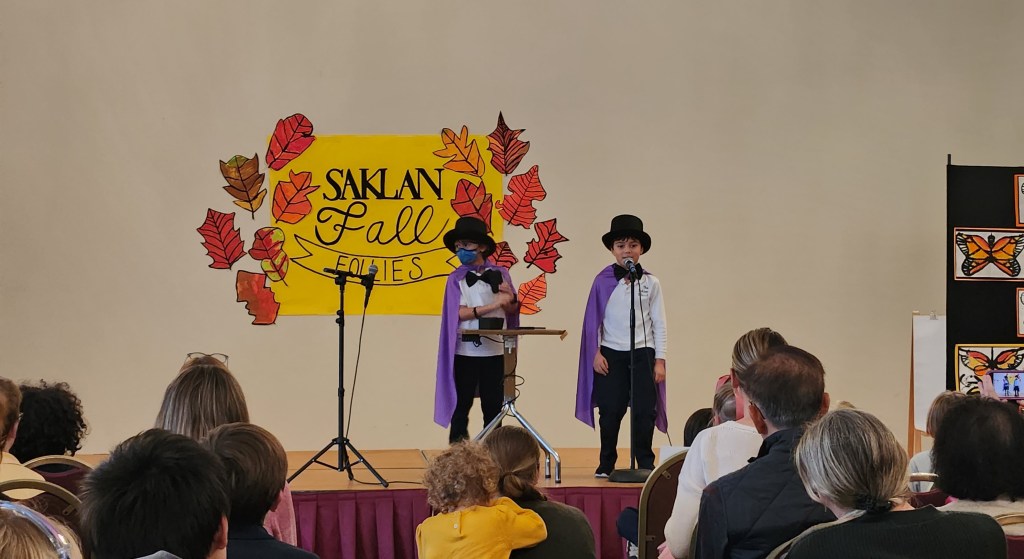
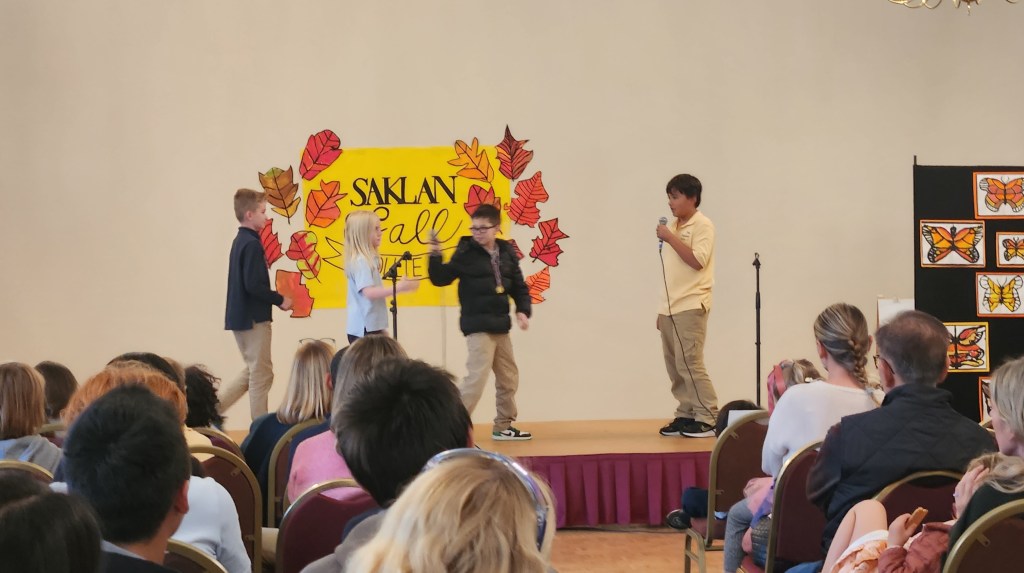
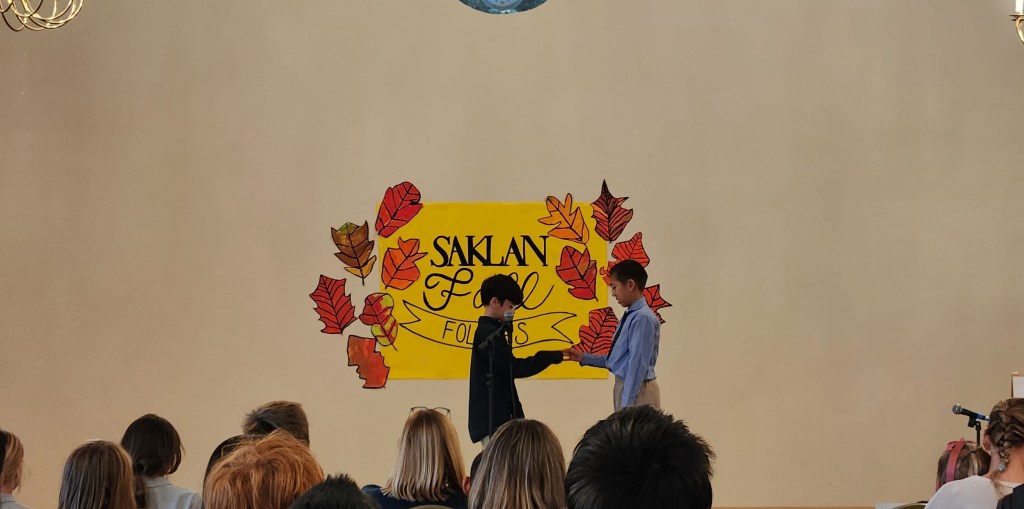
The Irony of Fall Follies

Fol·ly /ˈfälē/ noun – A lack of good sense; foolishness

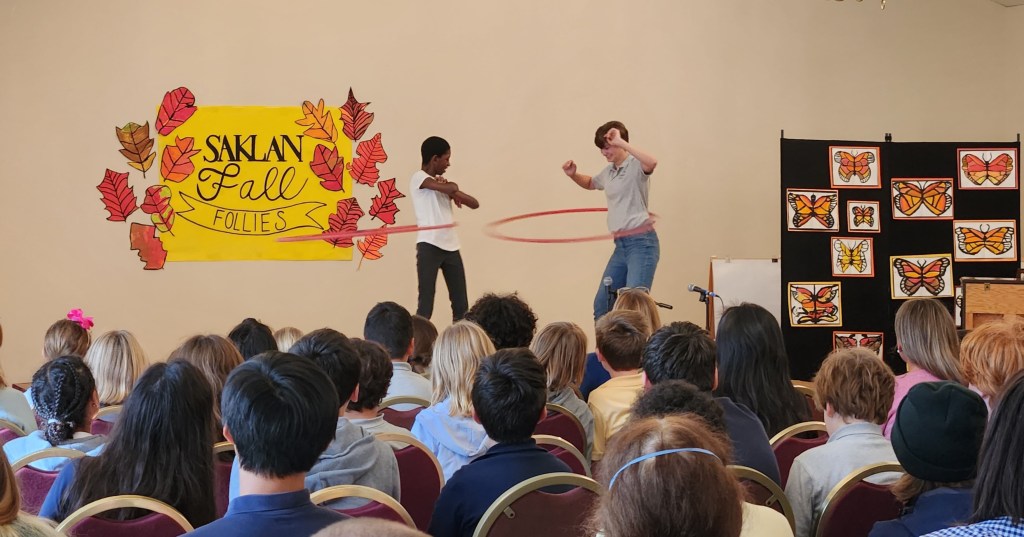
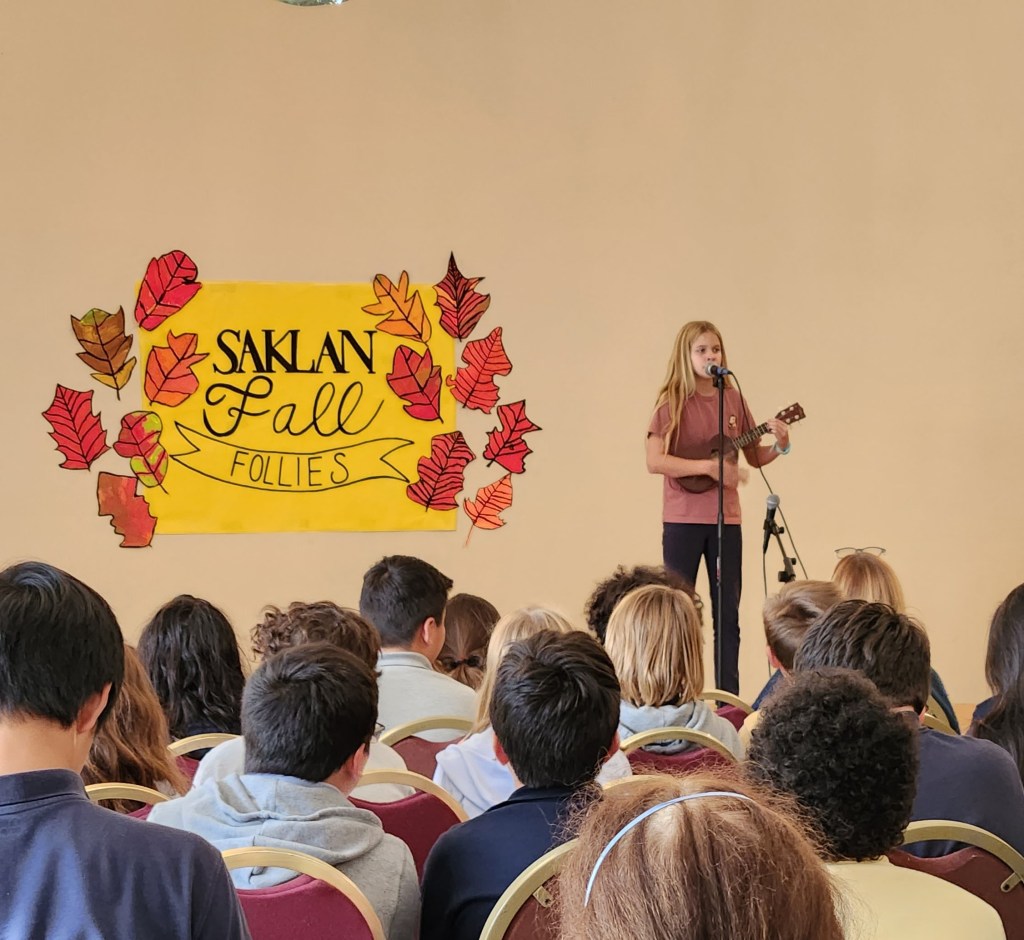
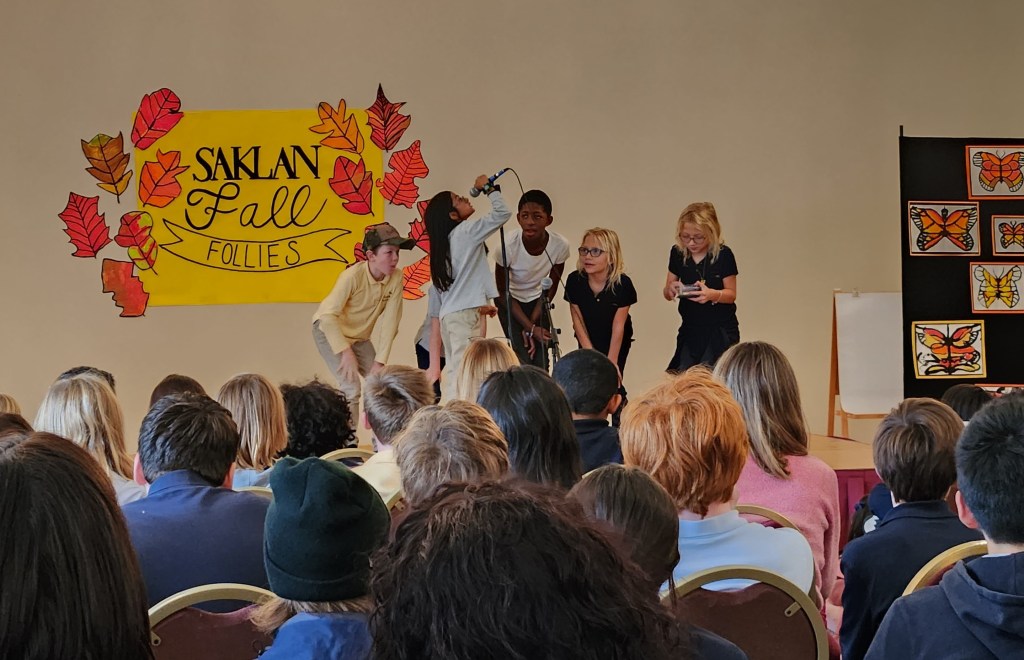
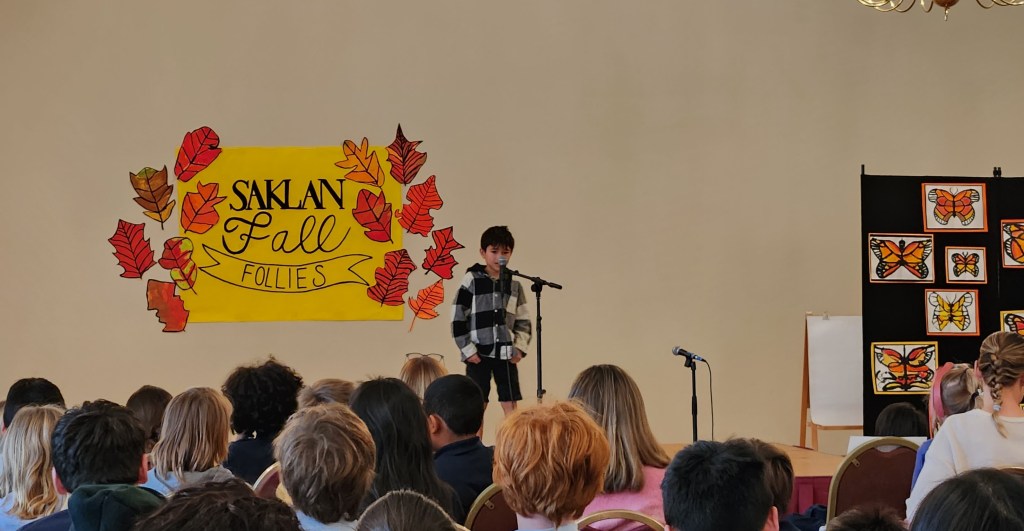
It appears to me that our annual Fall Follies is somewhat mischaracterized by its name, for it is anything but folly. In reality, the entire production fully embodies our mission to Think Creatively, Act Compassionately, and Live Courageously.

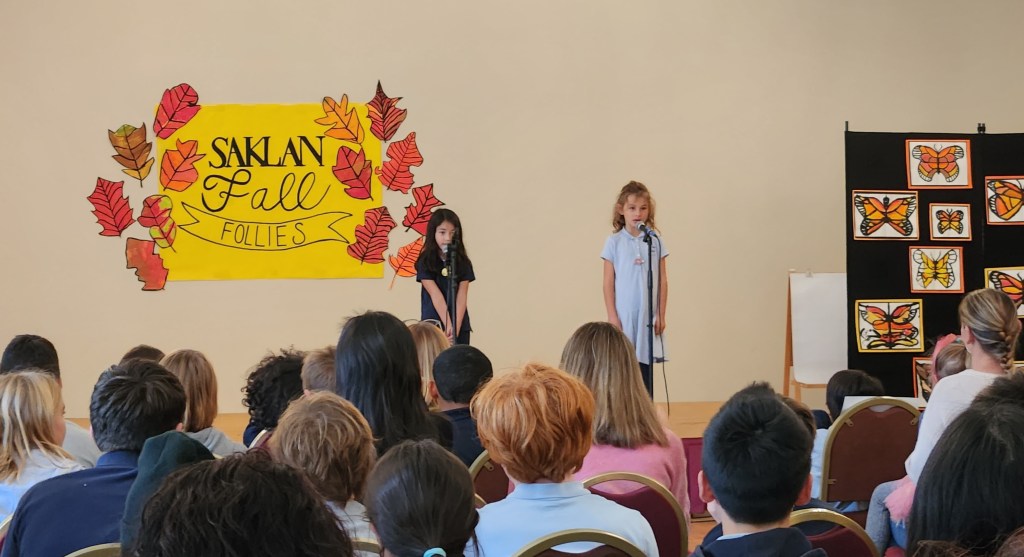
Creativity radiated through many of the acts, from Elise, Airlie, and Cassy’s restaurant comedy skit to the Hula Hooping of Cam and Adora. The execution of Aliya, Rebecca, Haley and Kylie’s dad jokes was not just creative, but spot on.

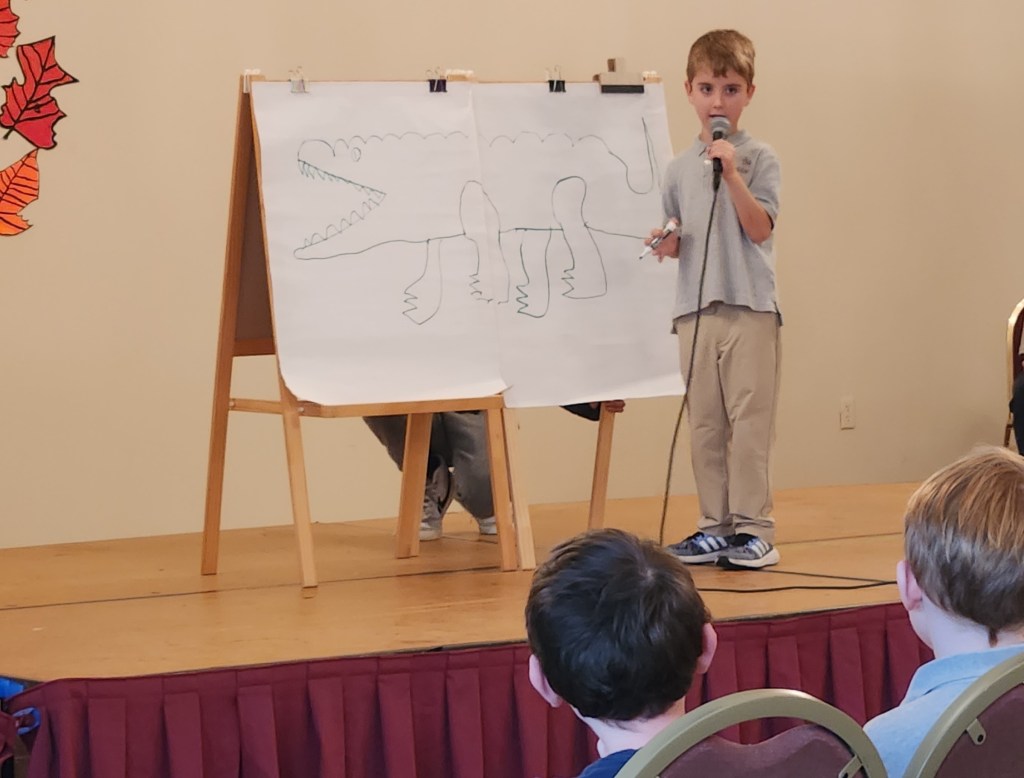
Compassion was on display by the audience as students summoned their courage to perform. It wasn’t just compassion, but there was an energy of encouragement, a tangible sense of “you can do this.” Performers encouraged, supported, and uplifted their fellow cast members. One of my favorite parts of the show (besides my daughters) was when Eli momentarily froze in his “How to Draw a Crocodile” act. Not only was the audience supportively patient, but I could hear students gently whisper, “Go, Eli.” That moment embodied so much of what Saklan is about.

And then there’s the courage. Stepping onto the stage in front of 250 people, spanning from peers to parents and grandparents, is no small feat.  All of the acts were displays of courage and bravery and deserve a shout out. 

While it’s unlikely that we’ll consider renaming our Fall Follies, it’s clear that the event is the antithesis of folly.

#SaklanCreativity #SaklanCompassion #SaklanCourage

The Studio Habits of Mind

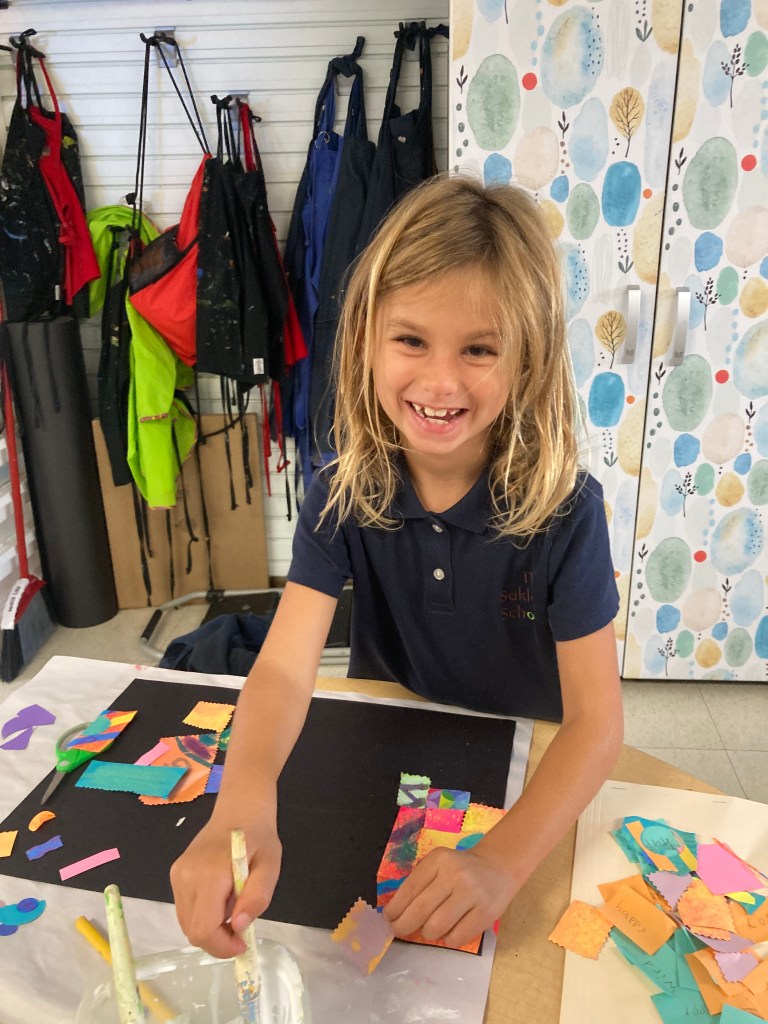
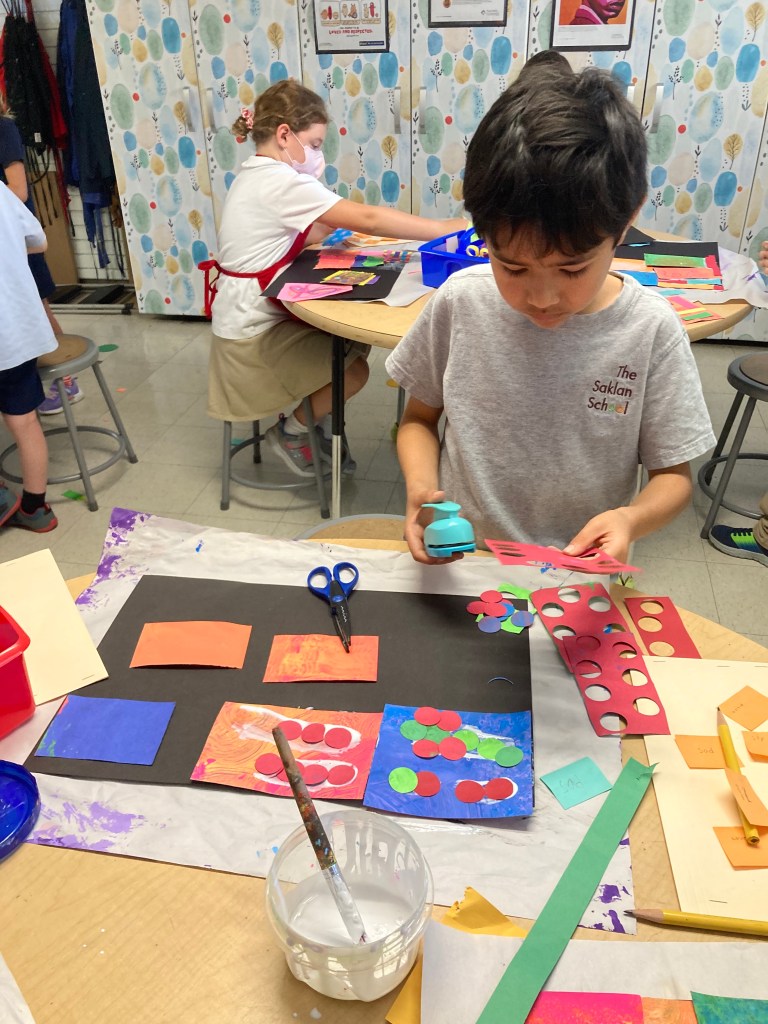
As the K-8 art teacher, there’s a lot of variation in my day. One class period I’m singing a song about how to make green, another I’m teaching 3-point perspective drawing. One thing that stays consistent throughout the day, however, is my philosophy that an artist is largely made in how they make their art, not just in the quality of what they are making. To support this mindset in my classroom, I use something called “The Studio Habits of Mind.”

The Studio Habits of Mind is a research-based framework that helps students navigate the many steps and routines of the creative process. The Studio Habits were developed through Harvard’s Project Zero in the early 2000’s. Lois Hetland and a team of researchers studied the habits of practicing artists and high school art students and identified eight Studio Habits which include: Develop Craft, Engage & Persist, Envision, Express, Observe, Reflect, Stretch & Explore and Understand the Art World. They found that these habits help artists improve their art skills, problem solve, and provide concrete language for the thinking process that happens during art making. 

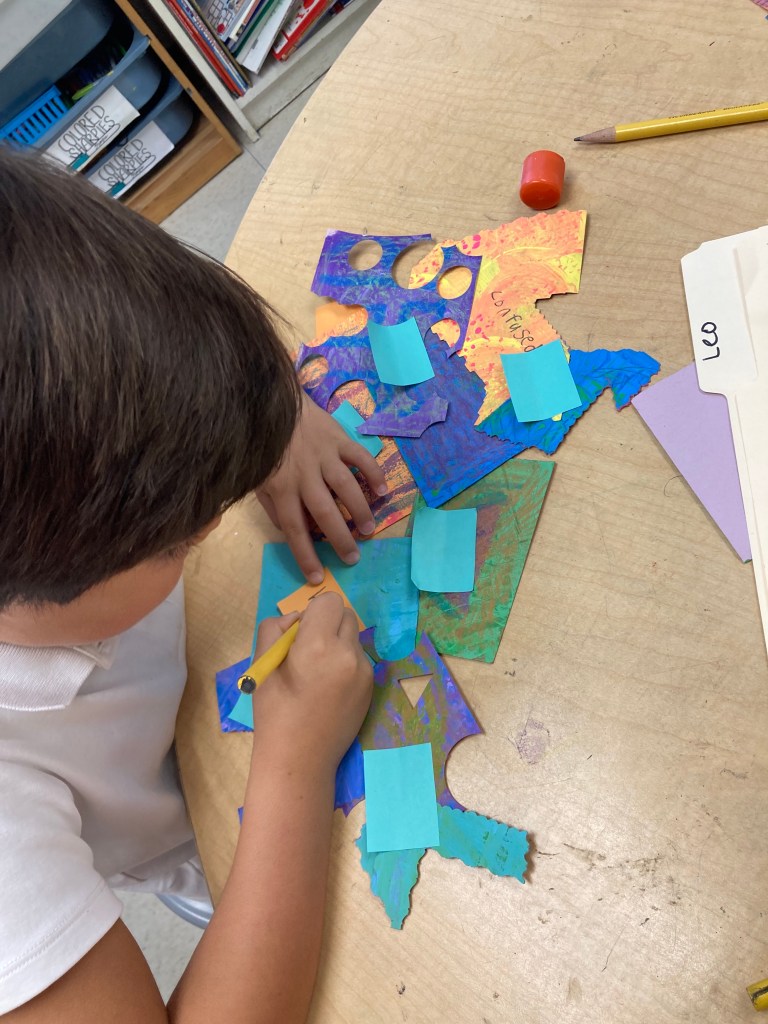
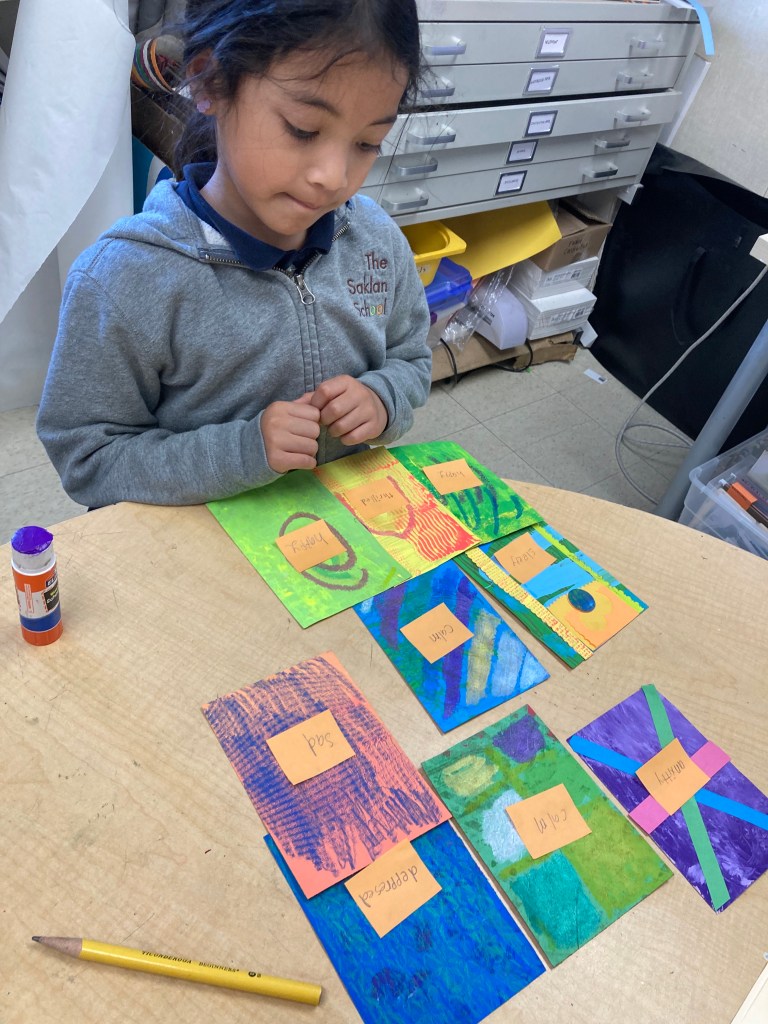
Something I love about the Studio Habits is how universal they are across grade levels and subjects. Kindergarten is currently learning to Understand the Art World by studying how artists show feelings in their artwork without using words. Middle schoolers are also deepening their understanding of the art world through looking at how Surrealist artists used linear perspective to create mysterious and sometimes impossible spaces. Students can develop their craft of singing in music class, engage and persist on a challenging problem in math class, or stretch and explore different ways to throw and catch a ball in PE. Studio Habits create a universal language of learning that can be used by anyone in any environment. 
Most importantly, the more that I weave the Studio Habits into my teaching, the more I have seen a shift in how students define success. Maybe they’re still working on their craft mixing the perfect shade of green, or drawing a tree-house in 2-point perspective, but they can leave the classroom feeling proud that they stretched themselves to try something new, and engaged and persisted, even when things were hard. 

Scientific Sketches

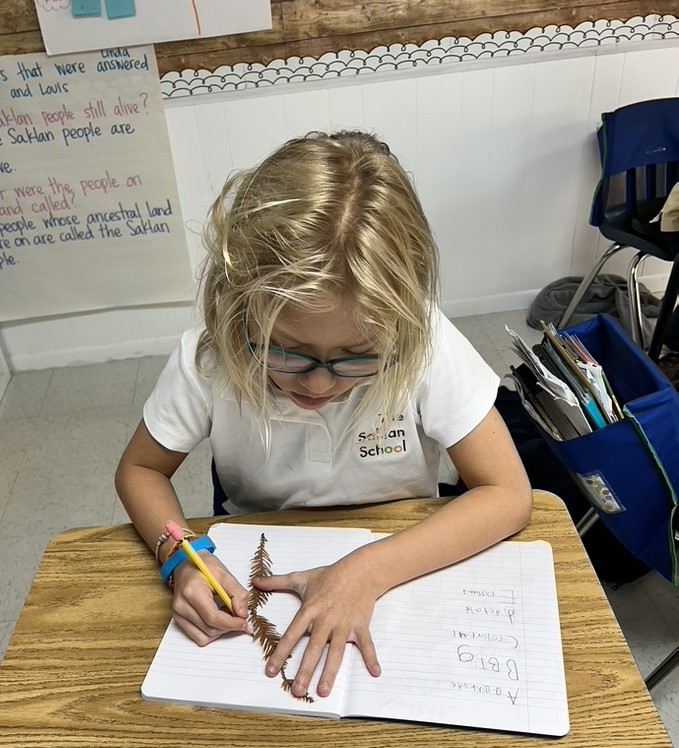
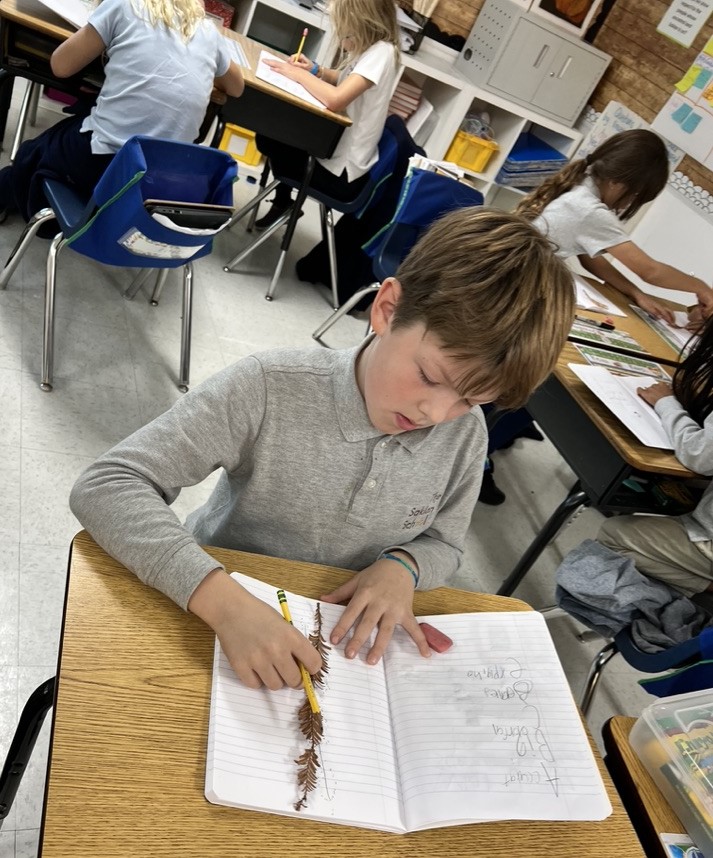
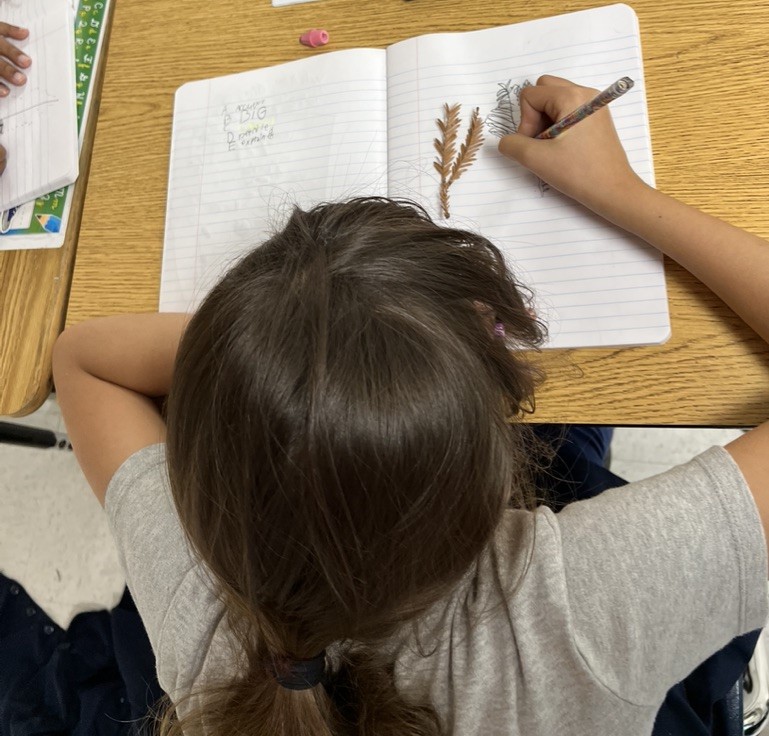
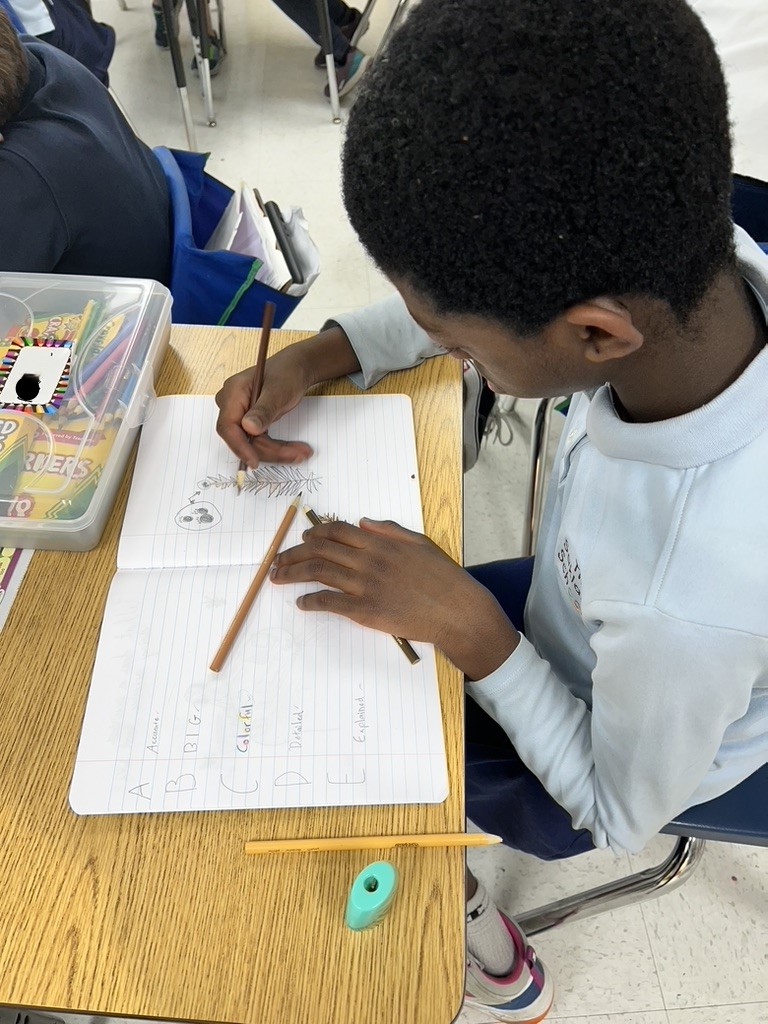
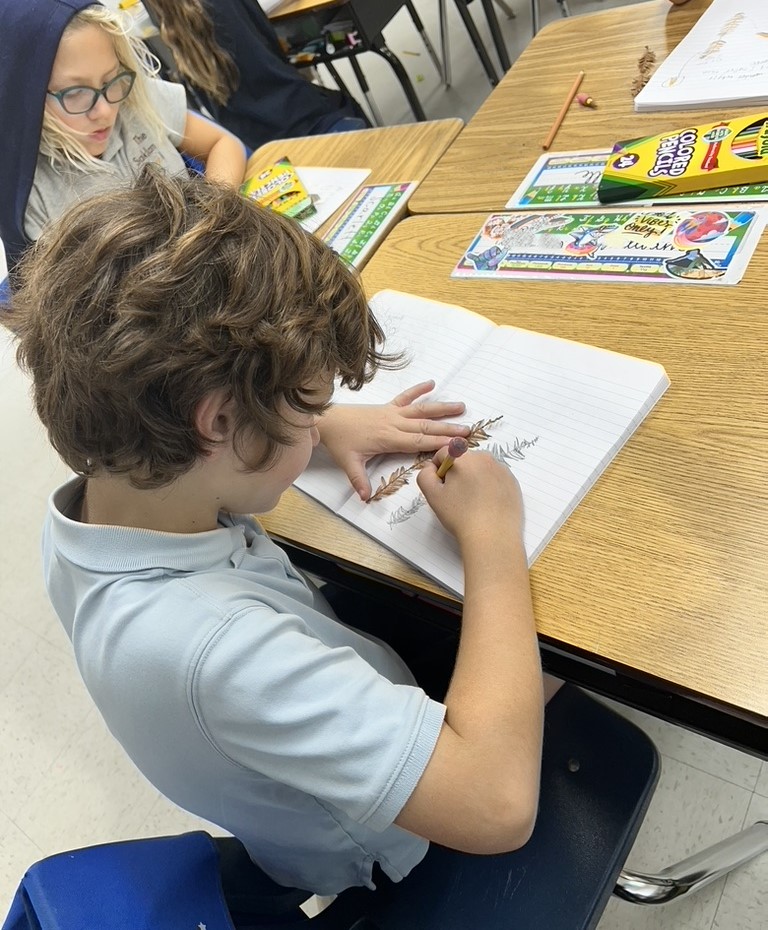
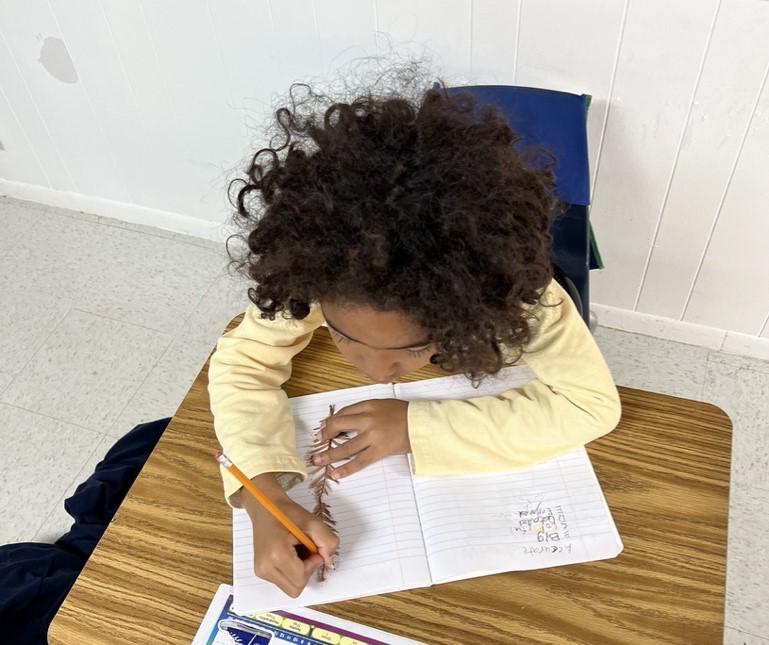
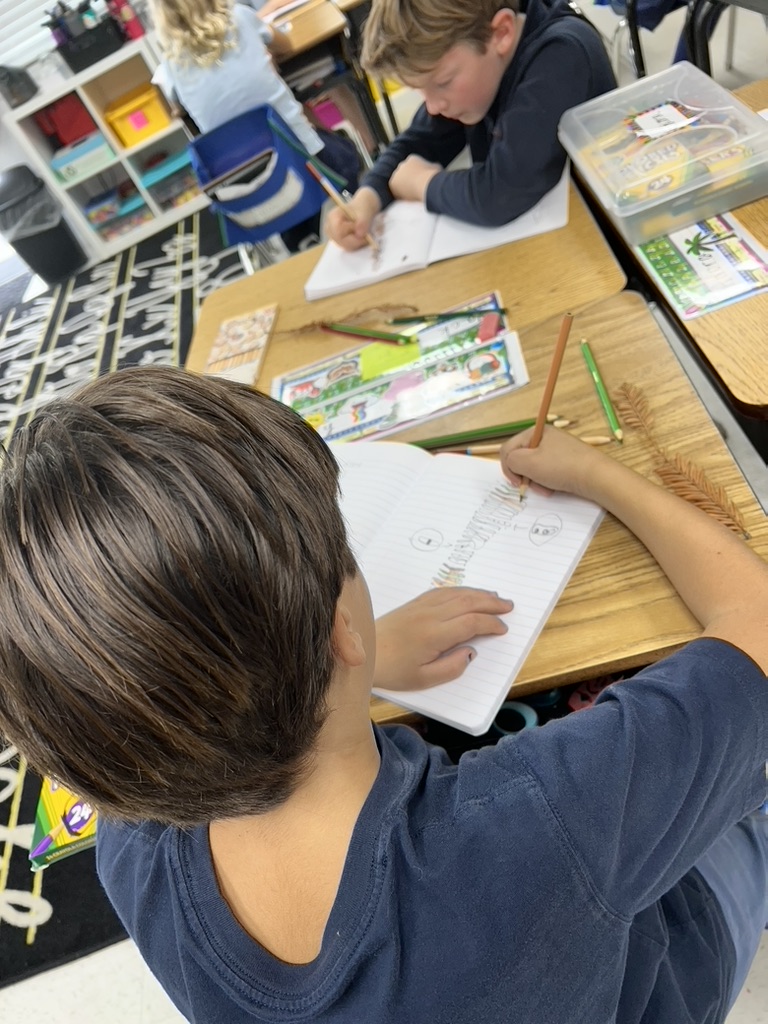
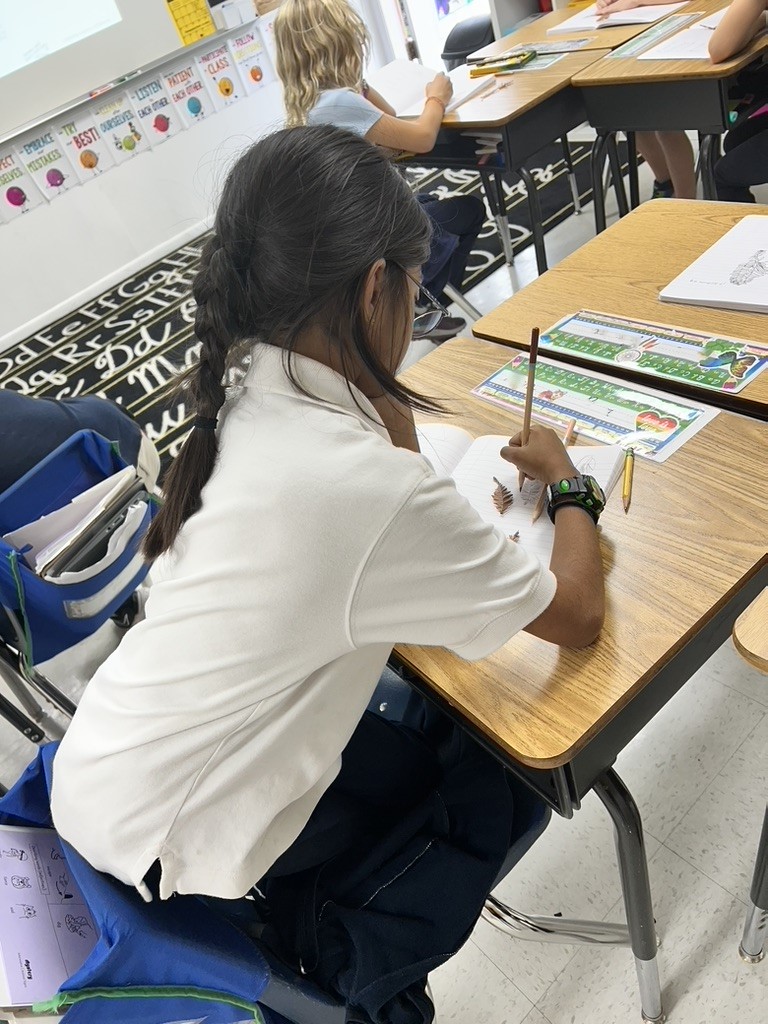
The third graders have been learning about how to sketch scientifically! 

Scientists use sketches to capture information for themselves and communicate information to others. They often sketch when they are doing field research, observing a plant or animal they cannot take back to the lab. A scientist sketches to record and communicate information. Along with a drawing, a scientific sketch often includes labels and diagrams, questions and explanations. 

You don’t have to be an artist to create a successful scientific sketch. You simply have to take time, observe closely, and record what you see. Recording what you see is different from drawing the picture you have in your head. Many of us have cartoon-like images in our head of trees, flowers, houses, apples, rabbits, etc. When you set out to sketch a real thing, it’s important to focus on the individual specimen in front of you, rather than the generalized image you carry in your head. 

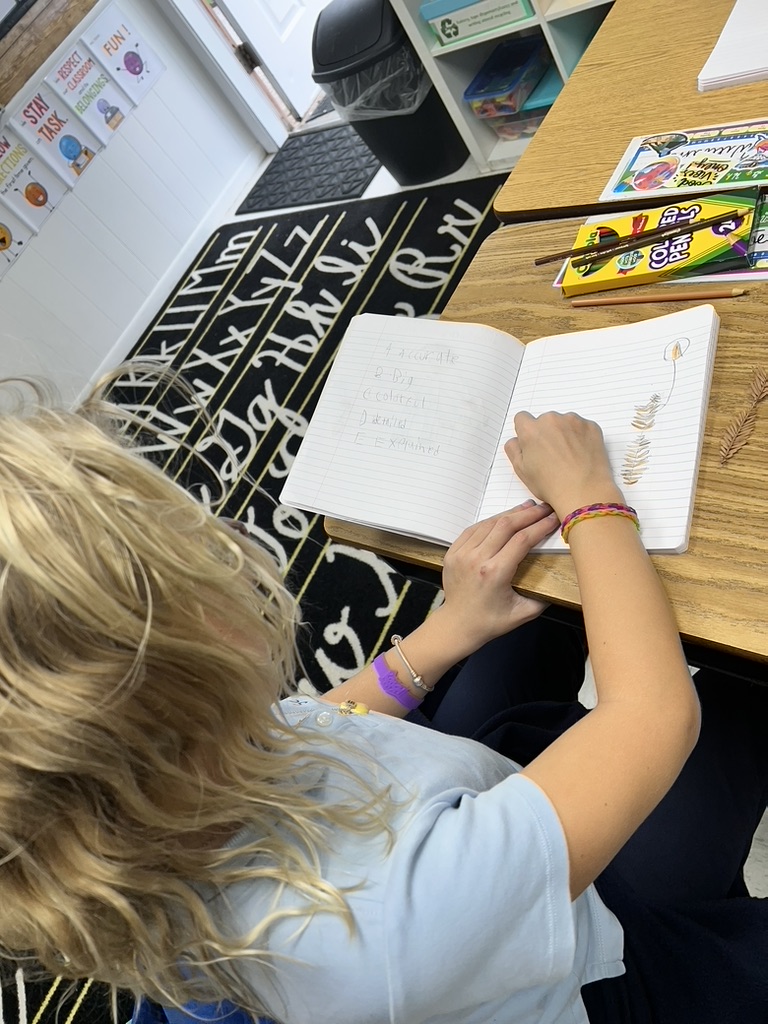
Students learned the criteria for a successful scientific sketch through the mnemonic: ABCDE

Scientific sketches should be: Accurate, BIG, Colorful, Detailed, Explained.

The third graders then used their careful observation skills and practiced sketching a redwood leaf like a scientist. They have also been applying these strategies in art class recently in drawing birds. These important skills will be implemented in the art portion of their current Saklan/Bay Miwok PBL unit. 

Arepas

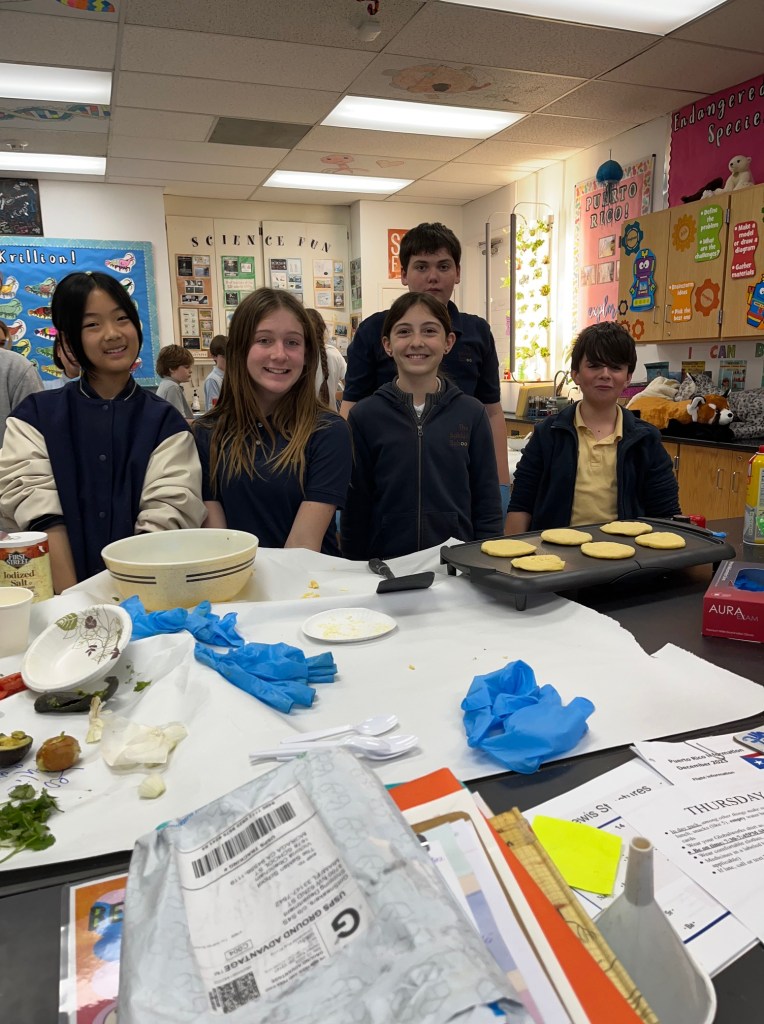
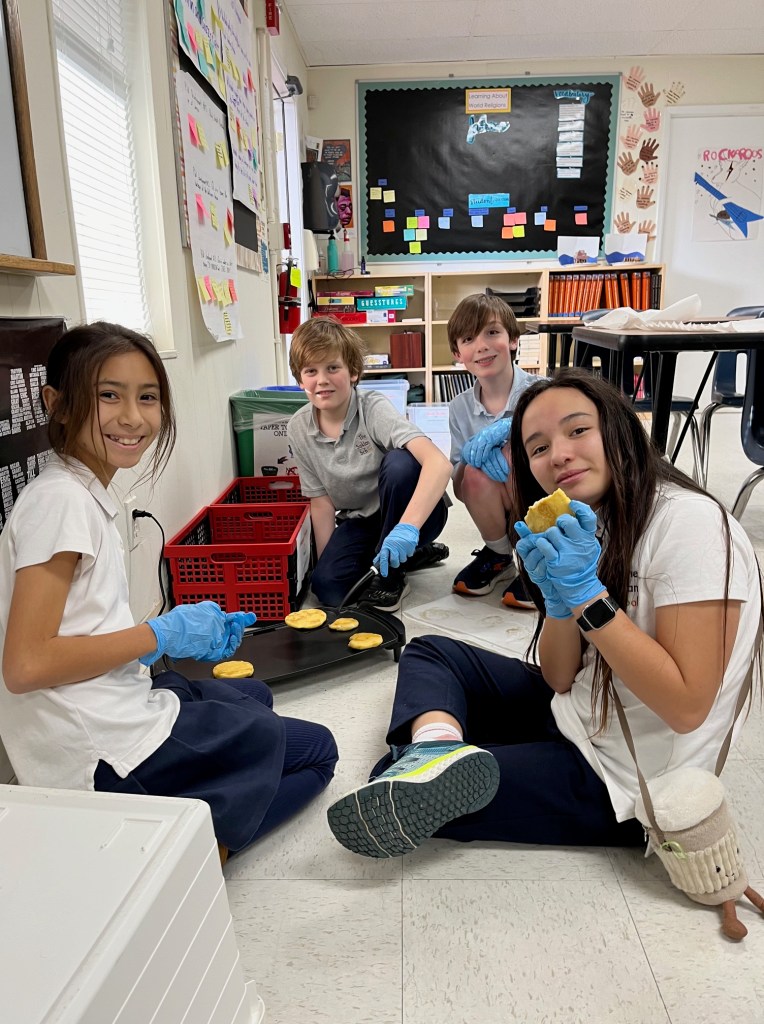
Each country in the Spanish-speaking world has a distinct comfort food. Colombians consider arepas their bread, which is part of their daily life and an essential part of their culture. The sixth graders had previously watched the movie Encanto and loved it! When Maestra Ivonne saw the movie, the meaningful scene where Mirabel is healed by eating one of her mother’s homemade arepas stood out to her. Therefore, she was inspired to share with the students a glimpse of Colombian culture, which is another Spanish-speaking country.  

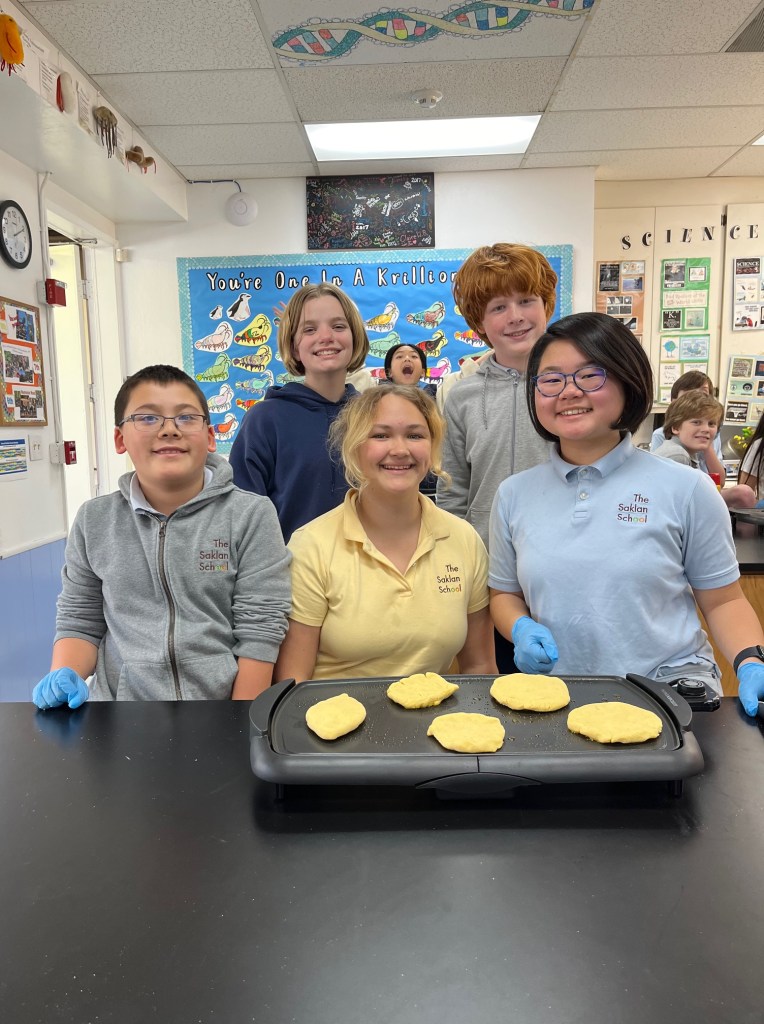
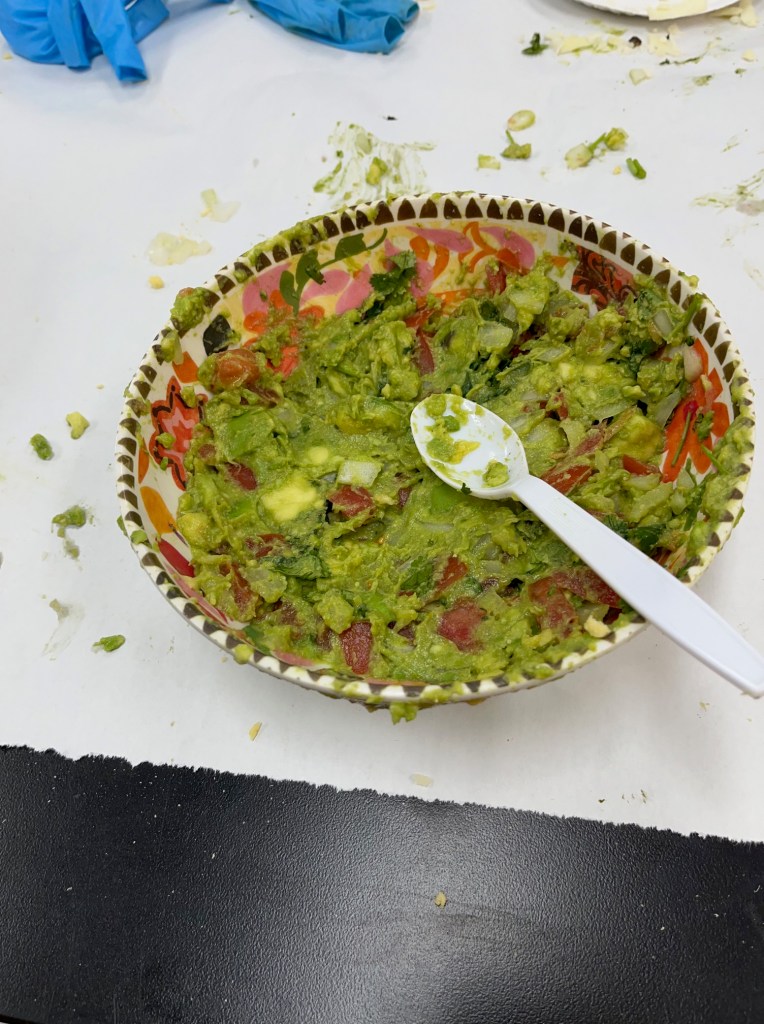
The sixth graders made their own cheese arepas following the directions Maestra Ivonne gave them in Spanish. They combined cornmeal with warm water and used their hands to make dough (masa). They divided the masa into 3 or 4 patties using both hands to ensure the disks were uniform. Then, students cooked the arepas for 5 to 6 minutes on each side or until nice and brown. Finally, they removed the arepas from the heat to add guacamole, which the sixth graders had made fresh that day in class.

The sixth graders enjoyed their arepas and are fantastic chefs!

Deep Dive into Construction

November and December have been exciting months for the Owlets, who have been immersed in the fascinating world of construction!

The Owlets read If I Build A School by Chris Van Dusen to begin the project. From the book they learned that with the right planning and materials you can make any type of building! Since then, our Owlet architects have been busy at school working together as a community to build a lot of interesting buildings.

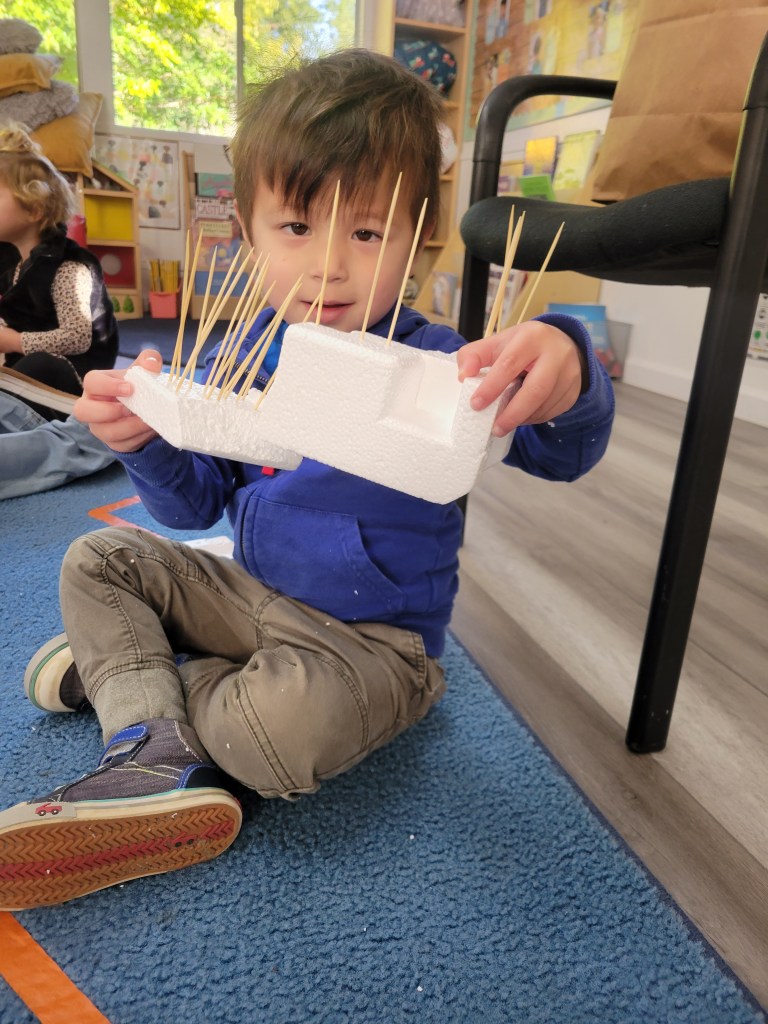
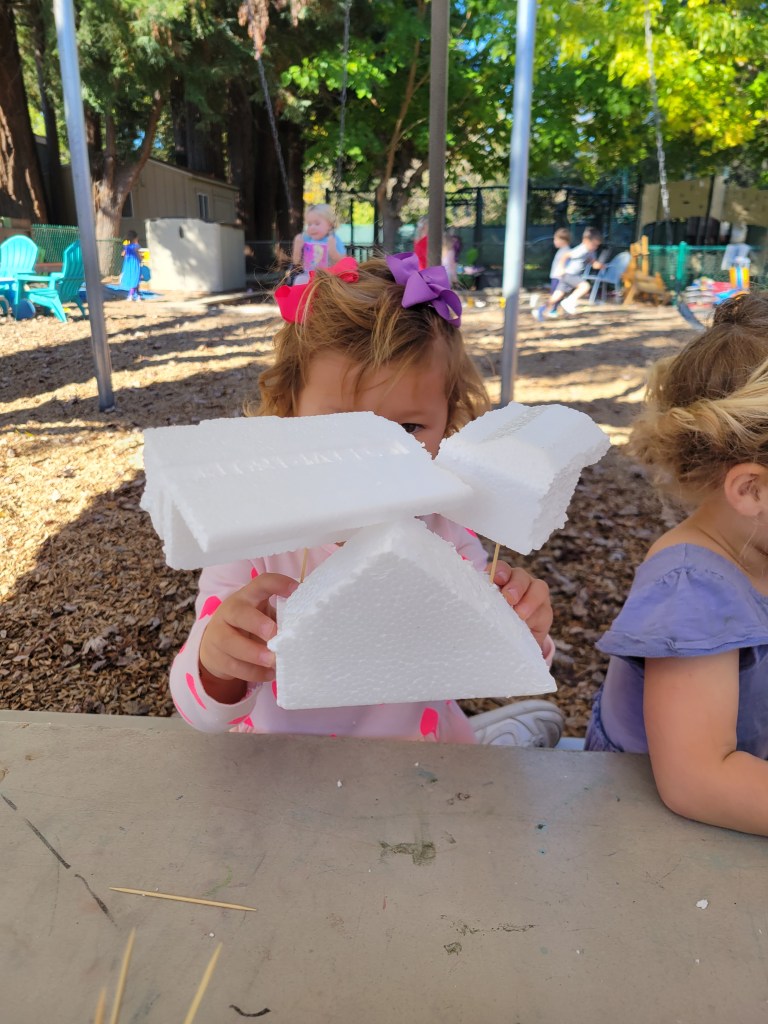
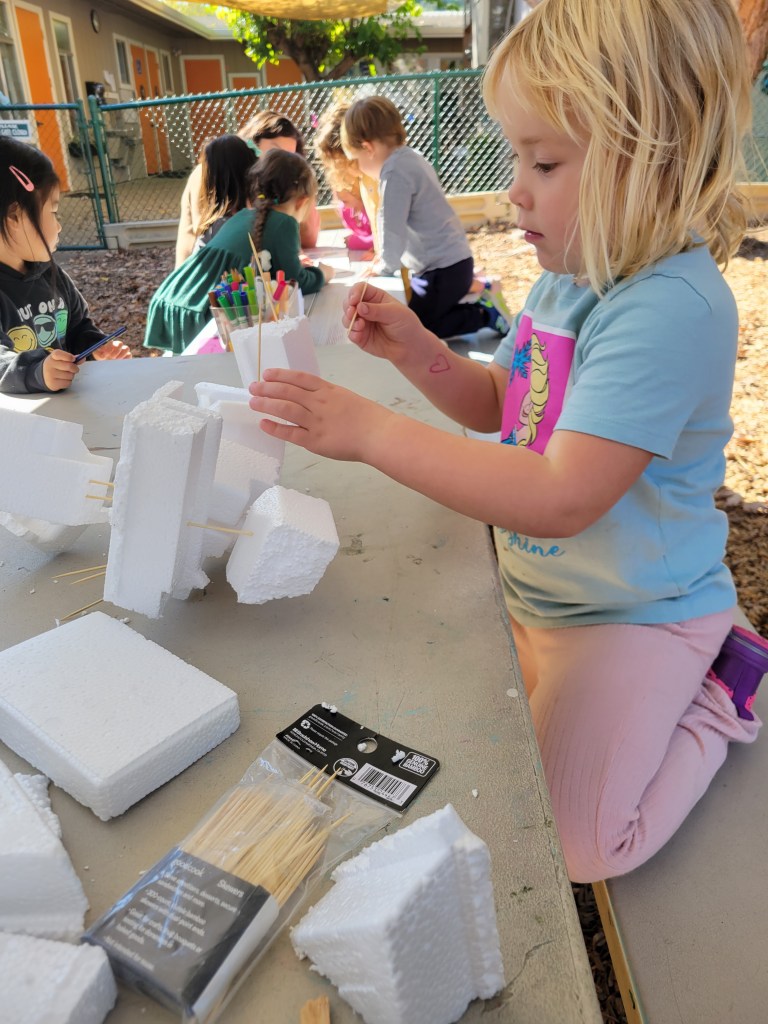
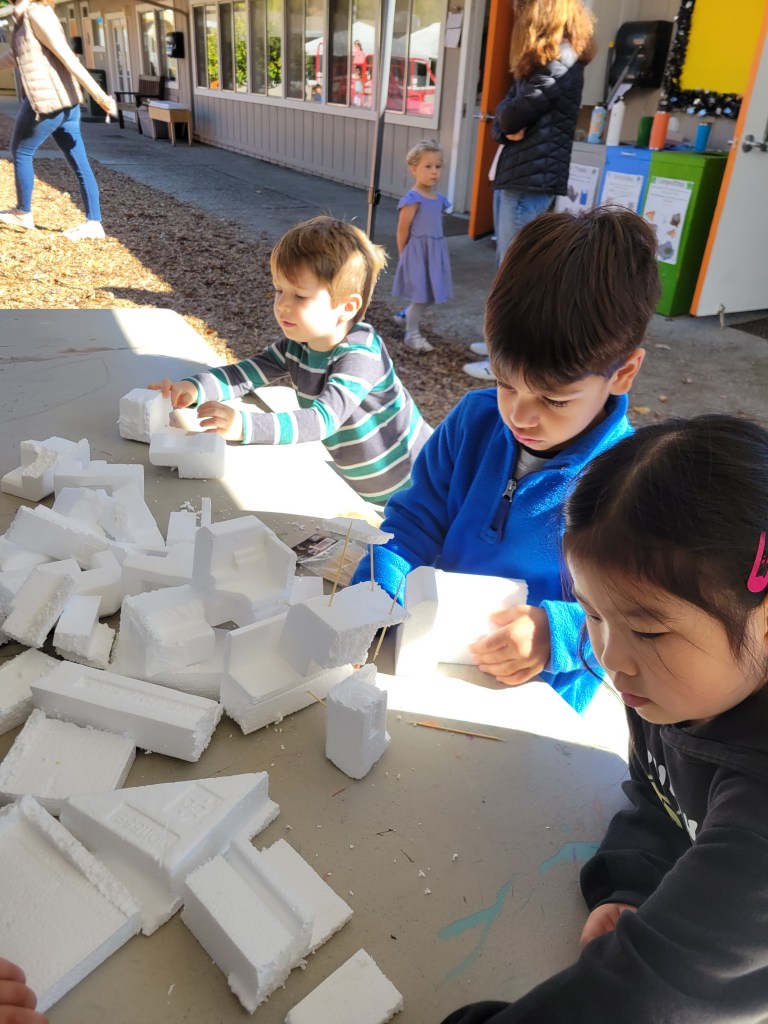
They built with styrofoam, marshmallows, and pool noodles together as a class, and noticed that when they used toothpicks the materials were easier to stick together. This was also fun because when they were done with one building, they could easily take it apart and build it again!

The Owlets also learned that we can’t make buildings without tools! The Owlets have been enthusiastically learning about the many uses of different tools. To learn about tools, they played a fun game of Tool Bingo! This helped them learn the names of the tools and become more familiar with what they look like.

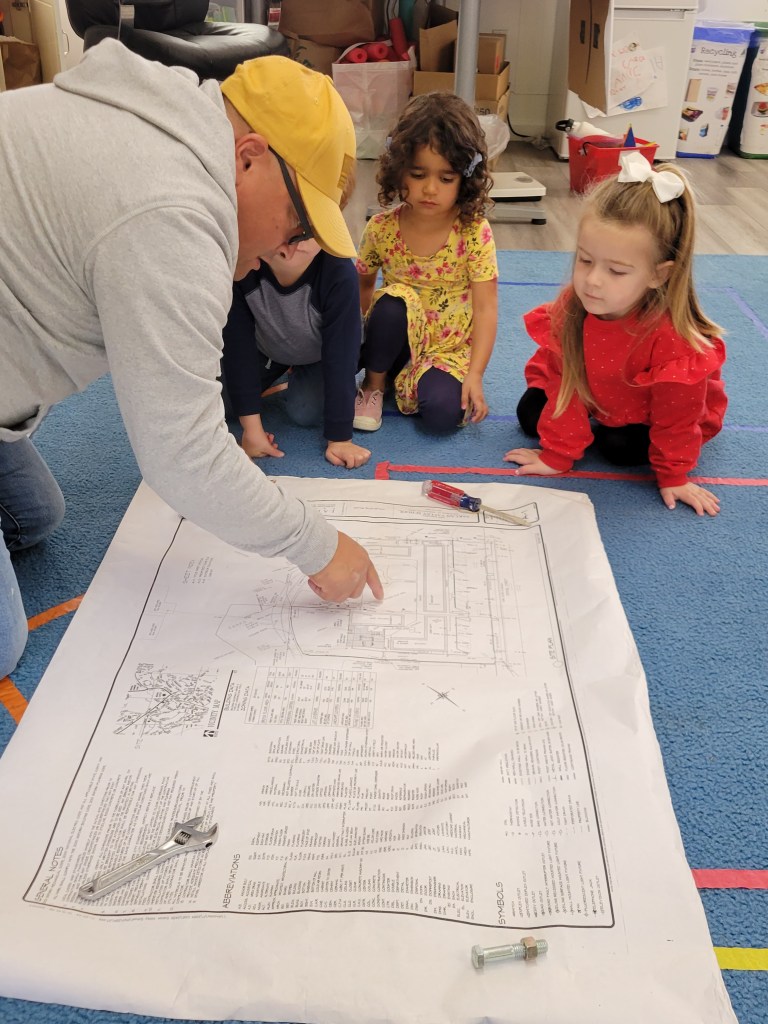
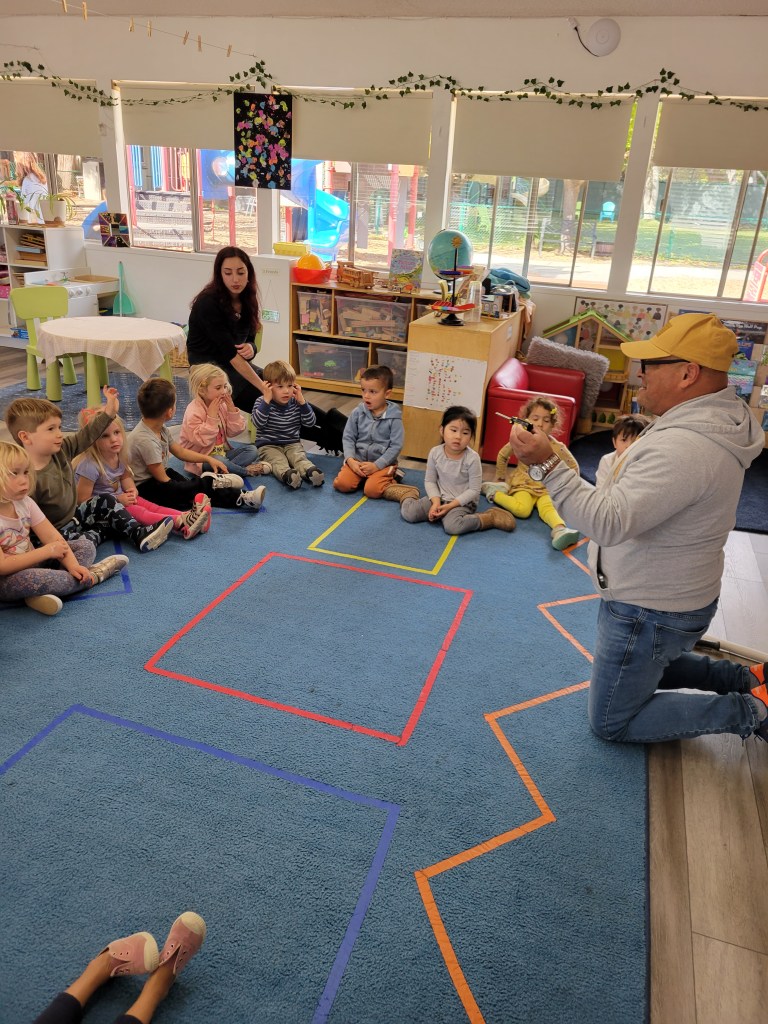
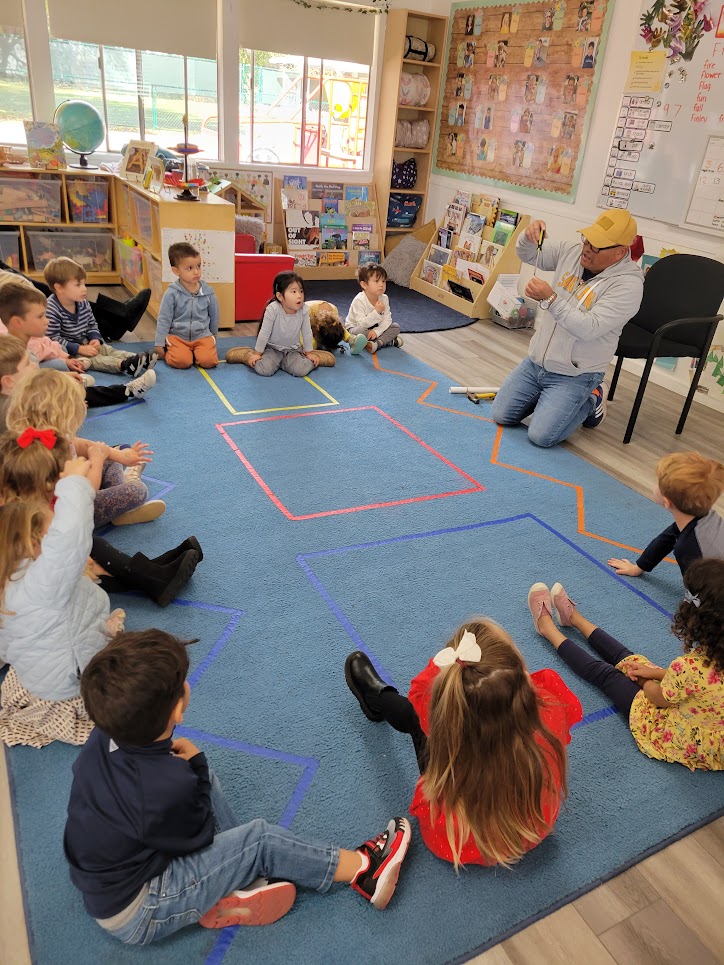
After they had a good idea of the different tools used in construction, the Owlets were very excited to welcome their first guest expert of the unit, Mr. Javi! Mr. Javi showed the Owlets some really cool tools like a level, hammer and nails, and screws. But the Owlets were even more impressed when he showed them the blueprint to our school! He shared that an architect designs a blueprint before the carpenters begin building the structure. 

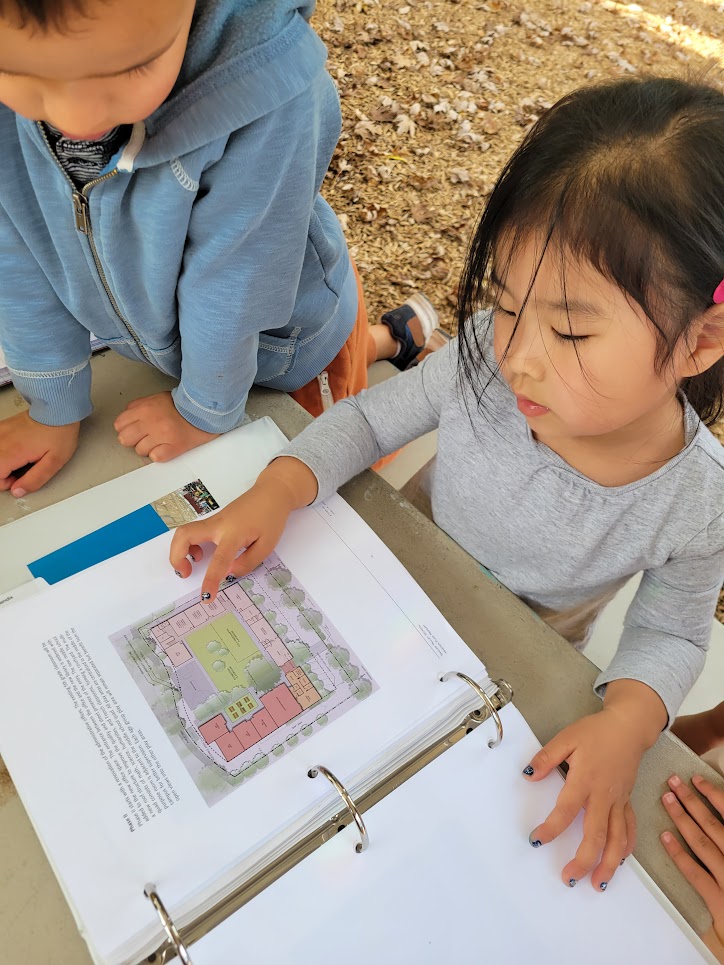
David let the Owlets borrow a big binder that was filled with more blueprints of our school! It was interesting to take a closer look at our school’s building; the Owlets were able to point out different parts of the school that they recognized.

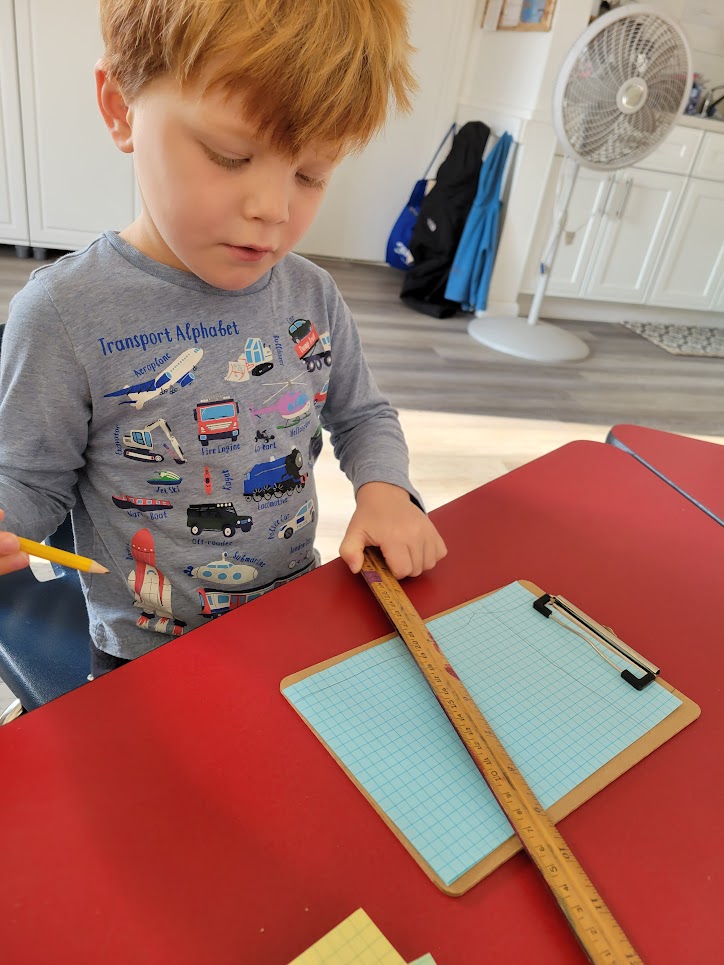
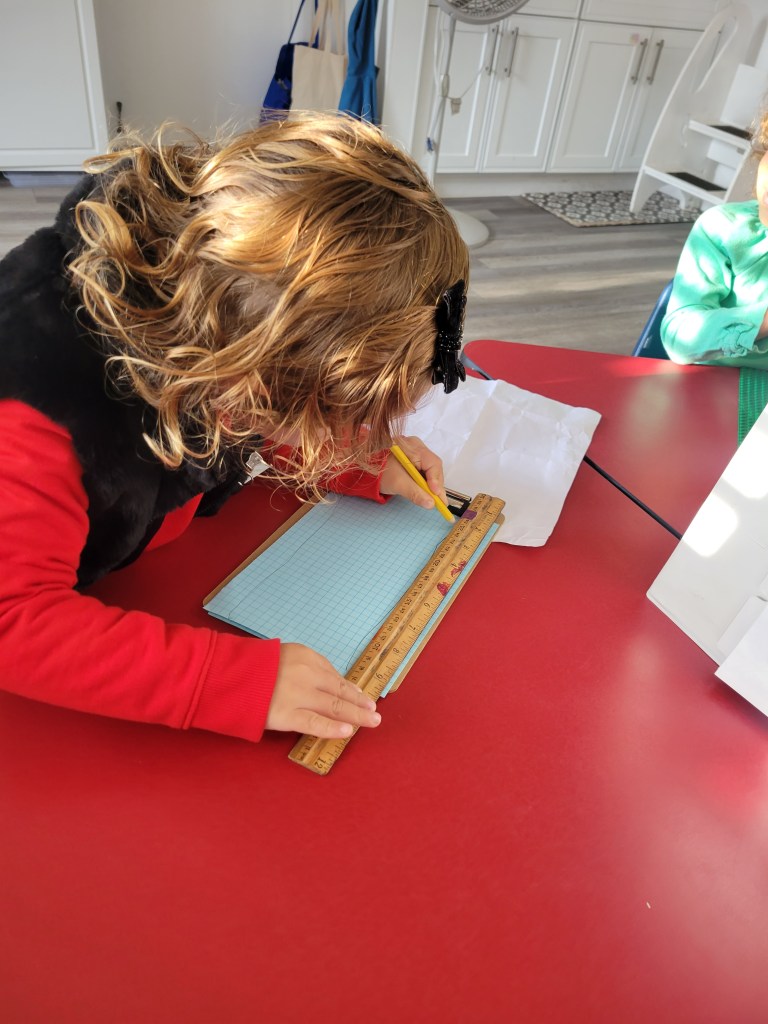
With a great understanding of what blueprints are, the Owlets designed their own buildings using a pencil, graph paper and a ruler, just like real architects!

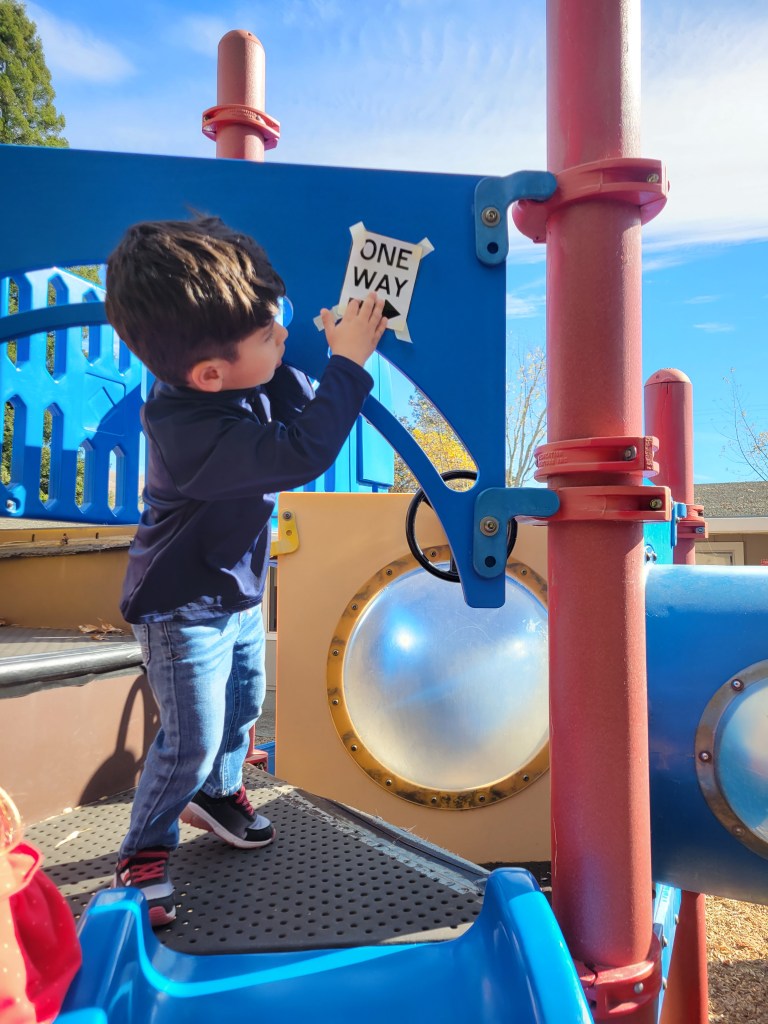
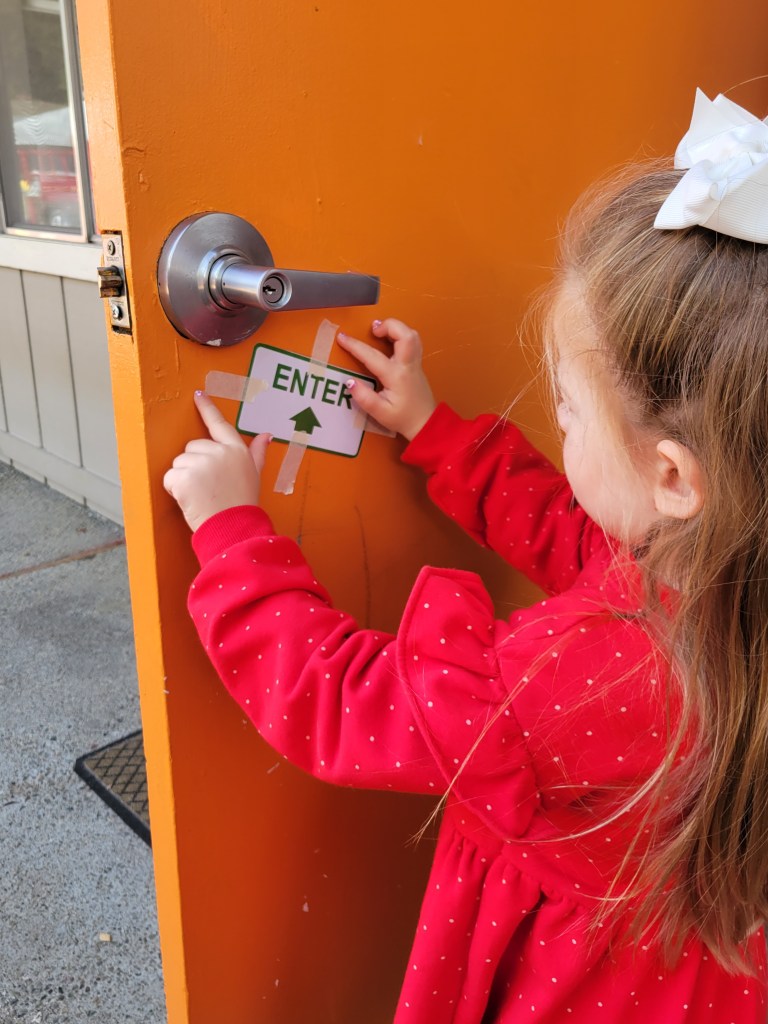
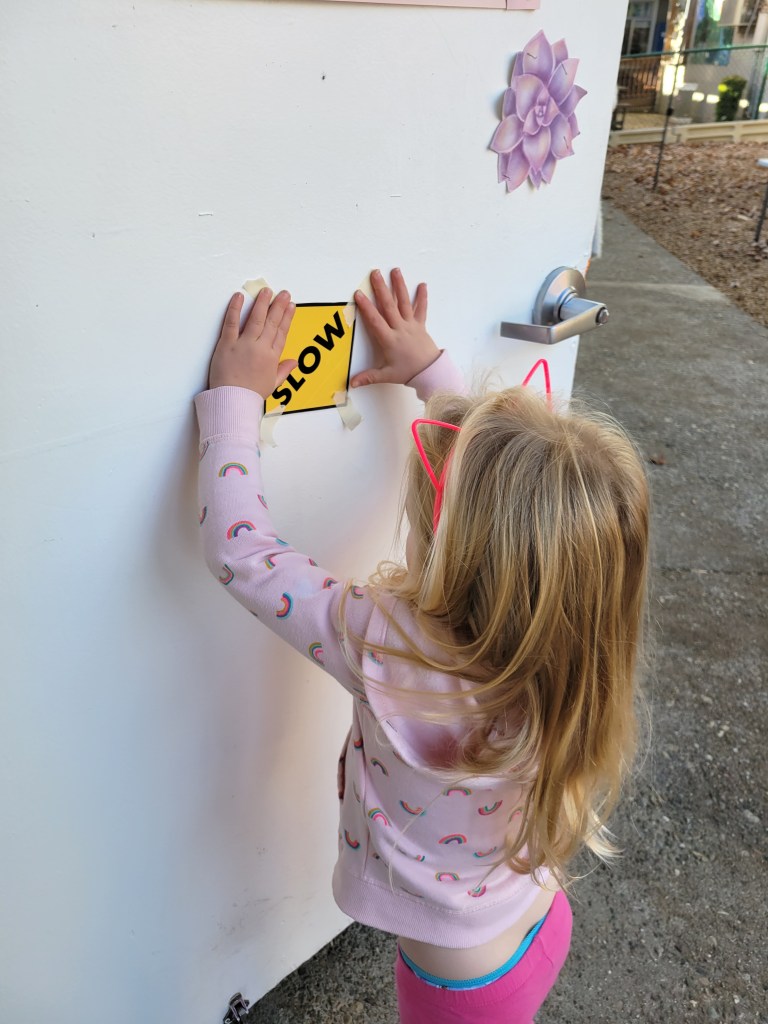
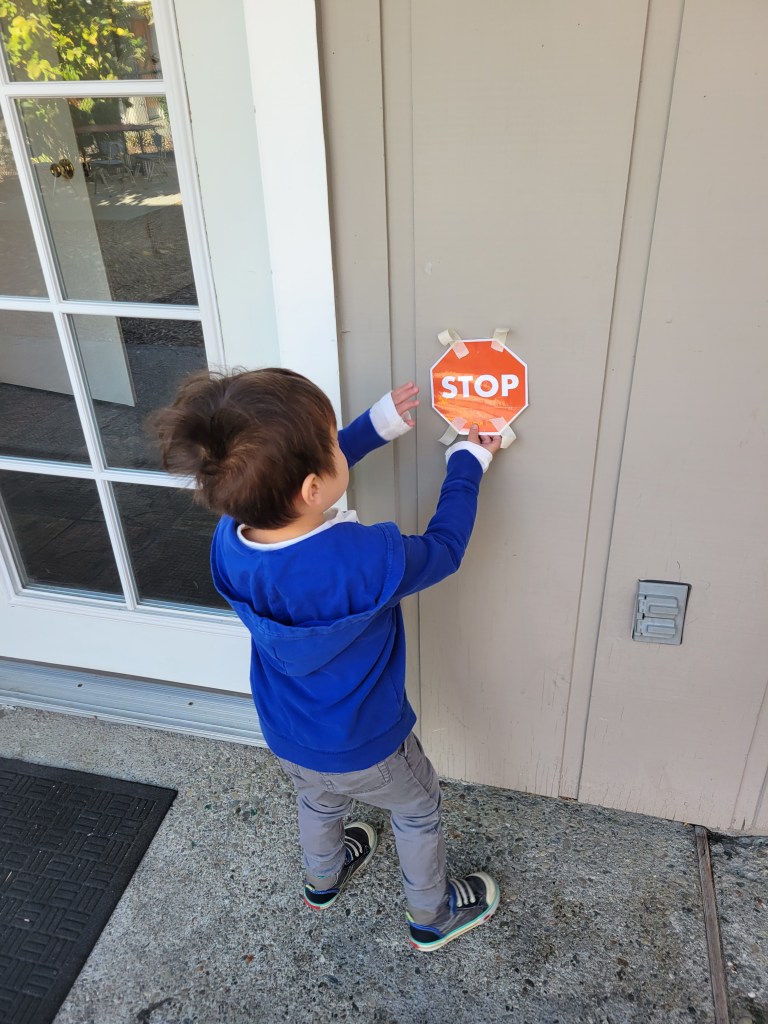
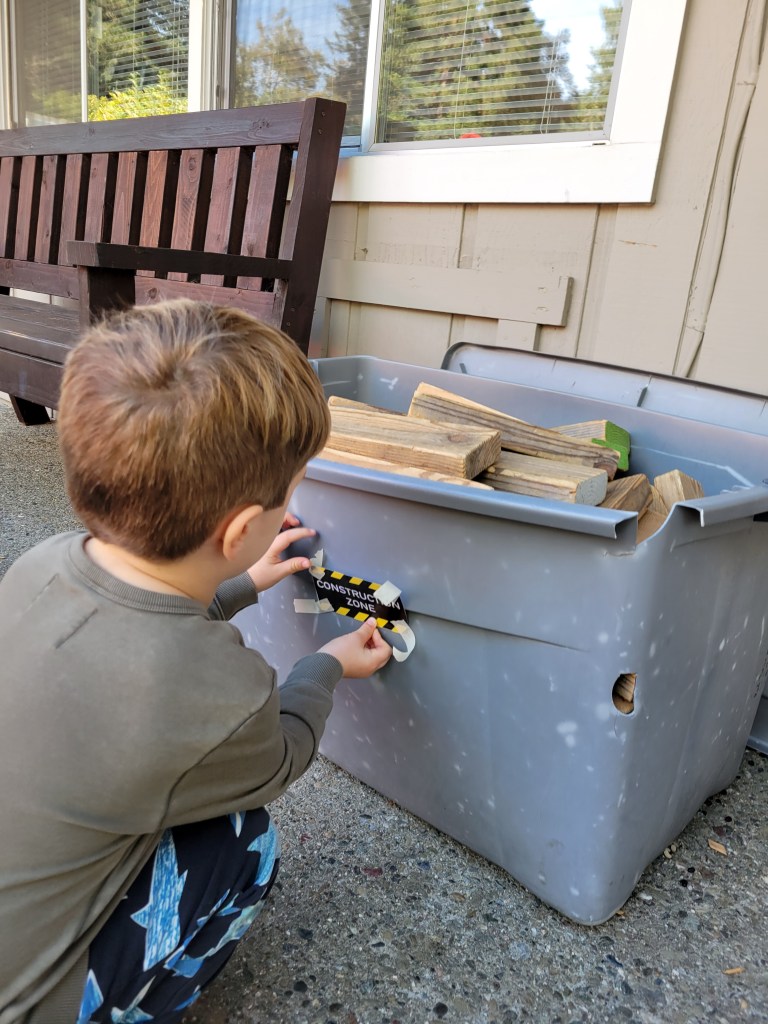
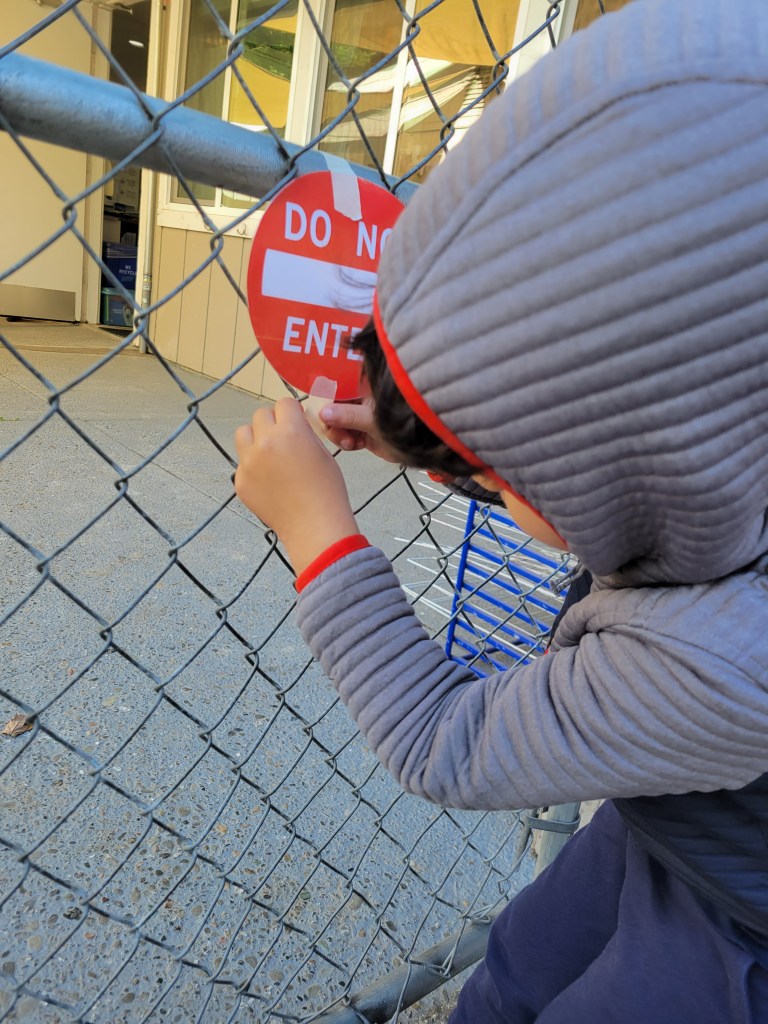
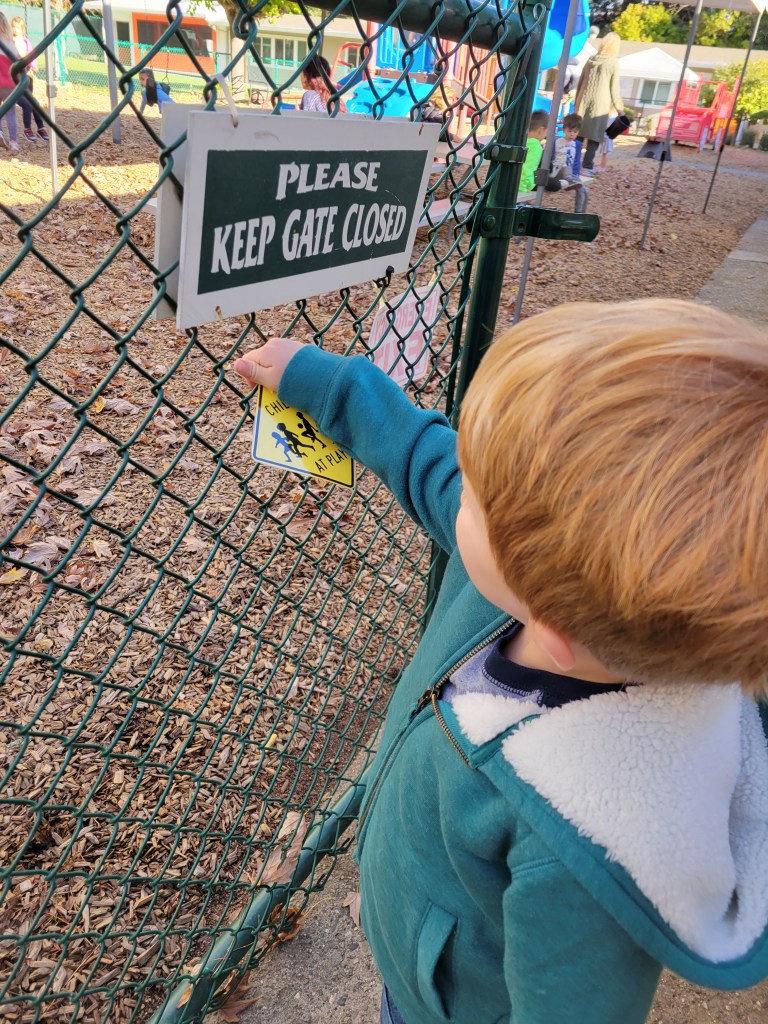
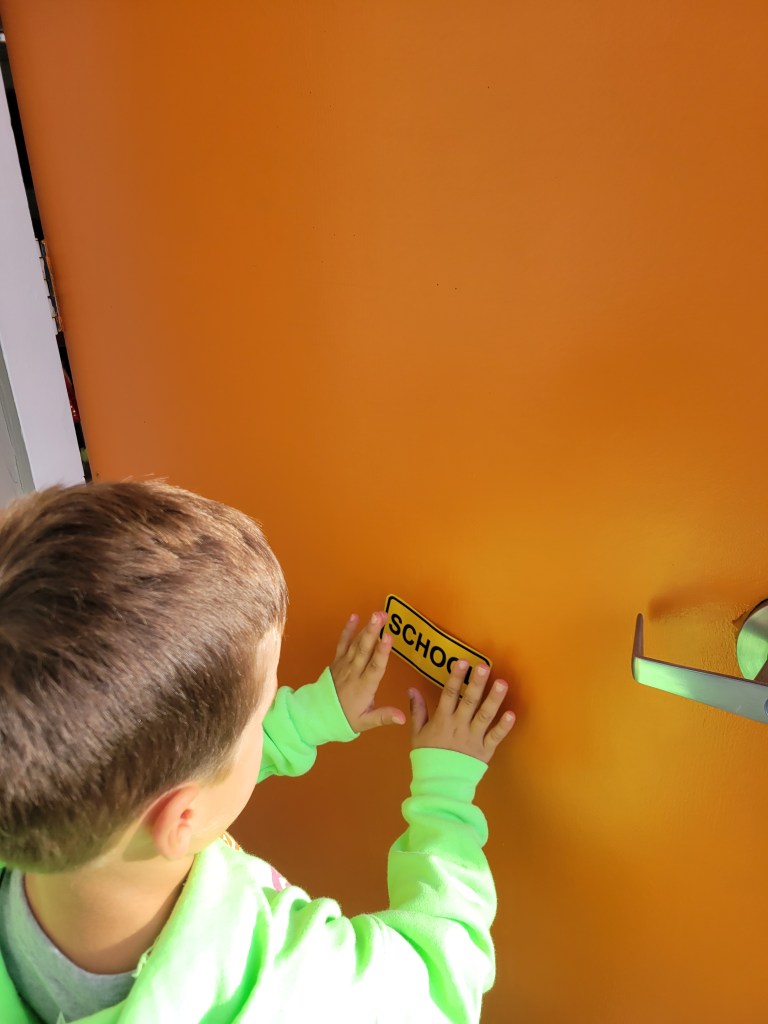
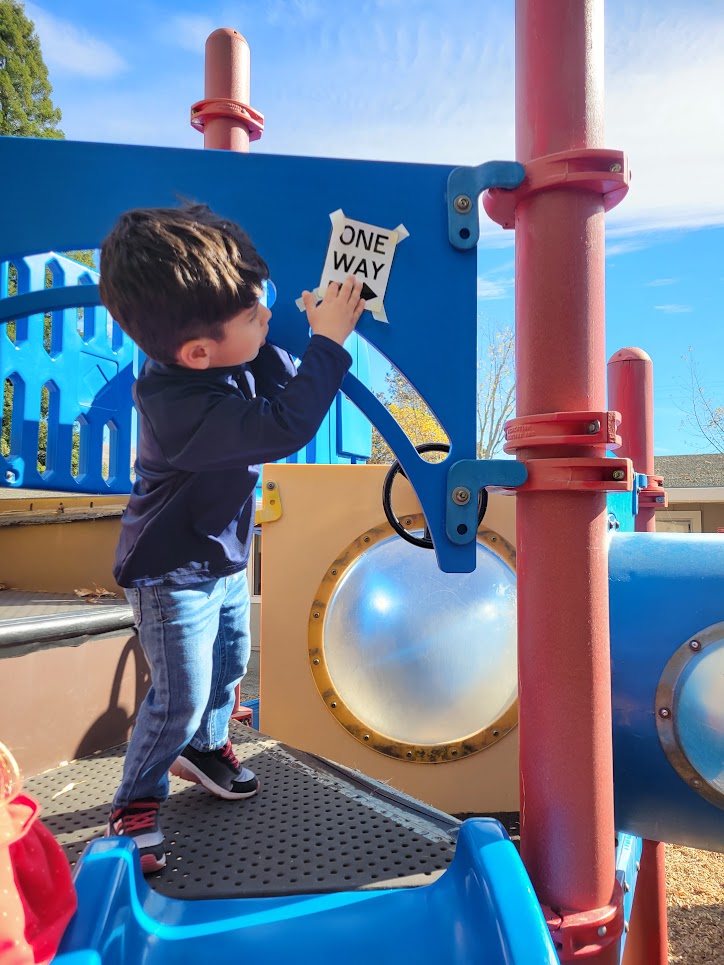
Another important aspect of construction is safety! On a construction site, safety gear like a bright yellow vest, hardhats, gloves, boots and safety goggles are important, as is signage. The Owlets decided to put up signs around their classroom and playground to help others practice being safe too. The students had fun picking out where to put the signs! If you are around the Owlet classroom or walking through their yard, look around to see if you can spot their signs!

Some Owlets worked together to make different types of safety clothing! Some friends made a vest, while others made boots and safety goggles.

Watch this space for more insights into the Owlet Construction Project Unit, or join them for their unit Culmination on Wednesday, December 13th at 8:40 a.m.!

#SaklanProjectWork