
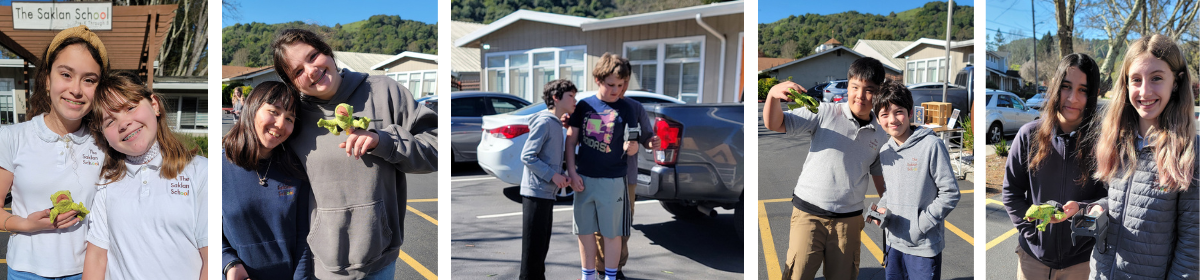
In science, the sixth graders just wrapped up their study of volcanoes. They learned about the different types and parts of a volcano, where volcanoes are located, the different types of eruptions that can occur, and how they create different rocks and formations.
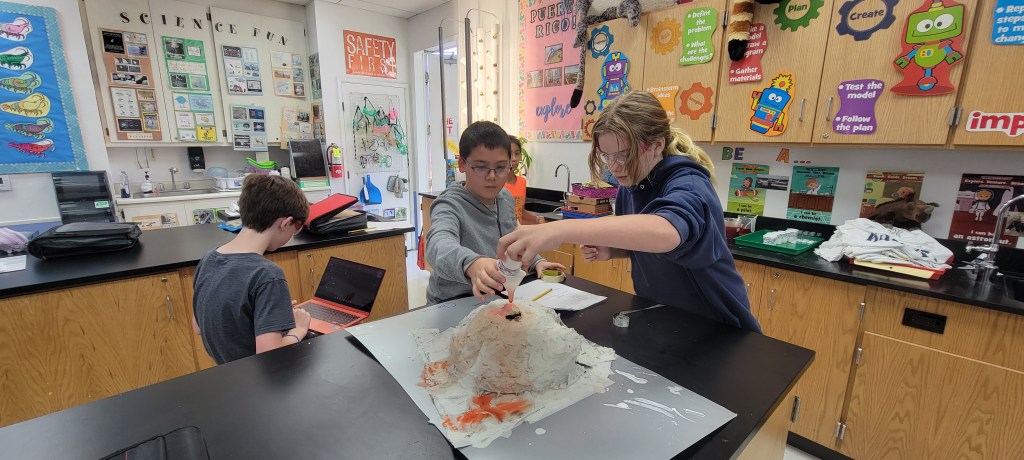
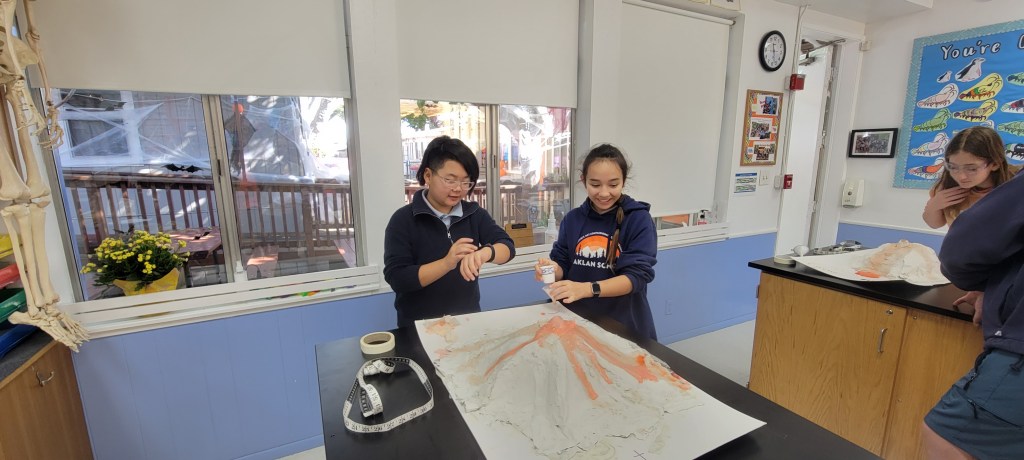
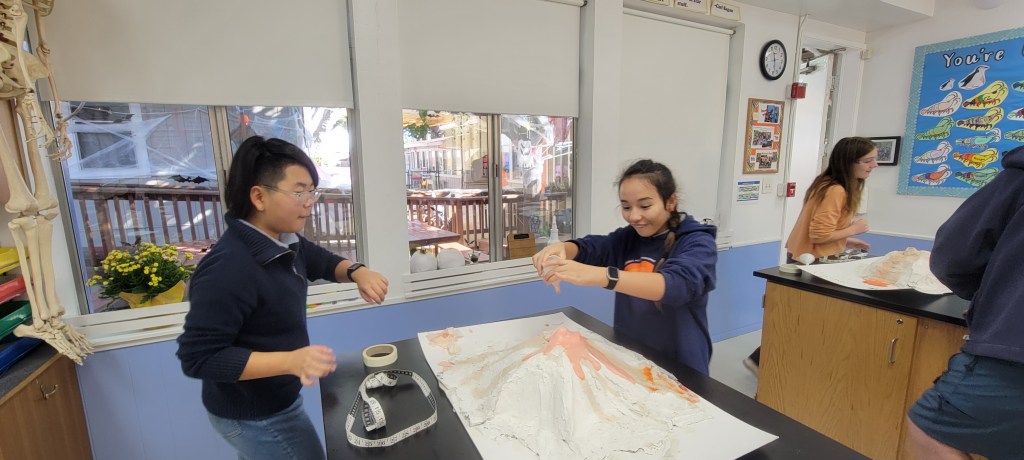
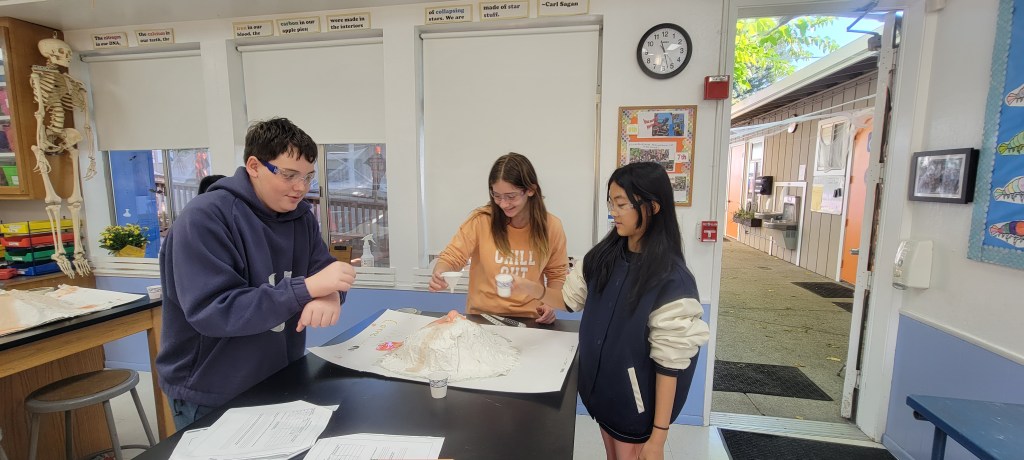
As part of their hands-on study, the sixth graders looked at different types of igneous rocks and tested different fluid viscosity to see how different lavas might flow. Then they built their own shield volcanoes and tested different batches of “magma.” The students determined the speed of flow, what minerals make the lava flow slower, and how those different flows cool into different rocks.

The sixth graders also talked about the dangers and advantages of living by active volcanoes. They learned about Mt. Vesuvius, one of the most famous eruptions in history, which buried the city of Pompeii in 79AD. Students were amazed at the preserved history they saw and the amazing power of the volcano.
#SaklanHandsOn

 FRIDAY BLOG